Before You Start Painting: Why Small Canvases Work Best
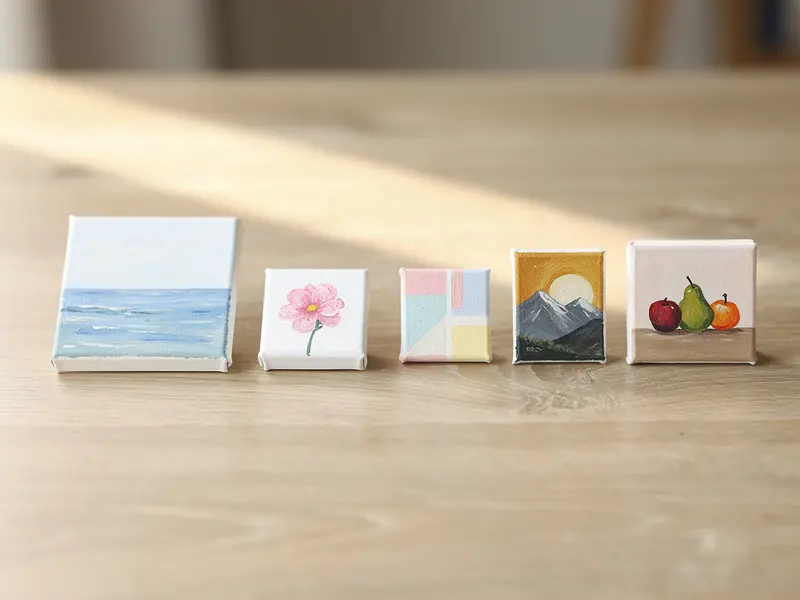
Small canvases offer several advantages. They cost less than larger surfaces, so you can buy a pack of canvas panels for a low price. This makes mistakes affordable and accessible. You learn without fear. A small canvas forces you to focus on a simple composition. You do not fill empty space with random marks; every stroke matters. You complete a piece in one sitting, keeping your motivation high. You also store finished work easily. Small paintings can line a shelf or cover a narrow wall area, enhancing your interior decoration.
Choosing The Right Paint Medium For Small-Scale Art
Your choice of paint medium deeply affects the final look. Acrylic paint is the best choice for a beginner. It dries fast, allowing you to layer colors quickly. You clean your brush with water, and acrylic works beautifully on canvas, wood, and paper. Oil paint dries slowly. This gives you time to seamlessly blend colors. Working with oil offers immense flexibility, but oil paintings require solvents for cleanup. Watercolor is transparent and delicate, working best on paper. For these projects, acrylic provides the best balance of speed and vibrant color.
Essential Materials For Compact Art Projects
Gather these supplies before you start. You need a supply of acrylic paints in basic colors. Buy tubes of white, black, red, blue, yellow, and brown. You can mix these to make almost any shade. Get a pack of small brushes. Include a round brush for fine detail and a flat brush for broad strokes. Have a water cup, paper towels, and a palette. A palette is any flat surface where you mix paint. Add a pencil and ruler for sketching out your idea.
Brushwork Basics: Strokes Every Beginner Should Practice
Practice these strokes on scrap paper before you paint on your canvas. Hold the brush near the end for loose strokes. Hold it close to the metal for precise control. Make dots with the tip of a round brush. Drag the brush to make clean lines. Press the flat brush down to make a wide mark. Twist the brush while pulling to make petal shapes. Dab the brush up and down to create texture. These basic moves form the foundation of every painting art project in this list.
1. Mini Canvas Galaxy Paintings With Toothbrush Splatter
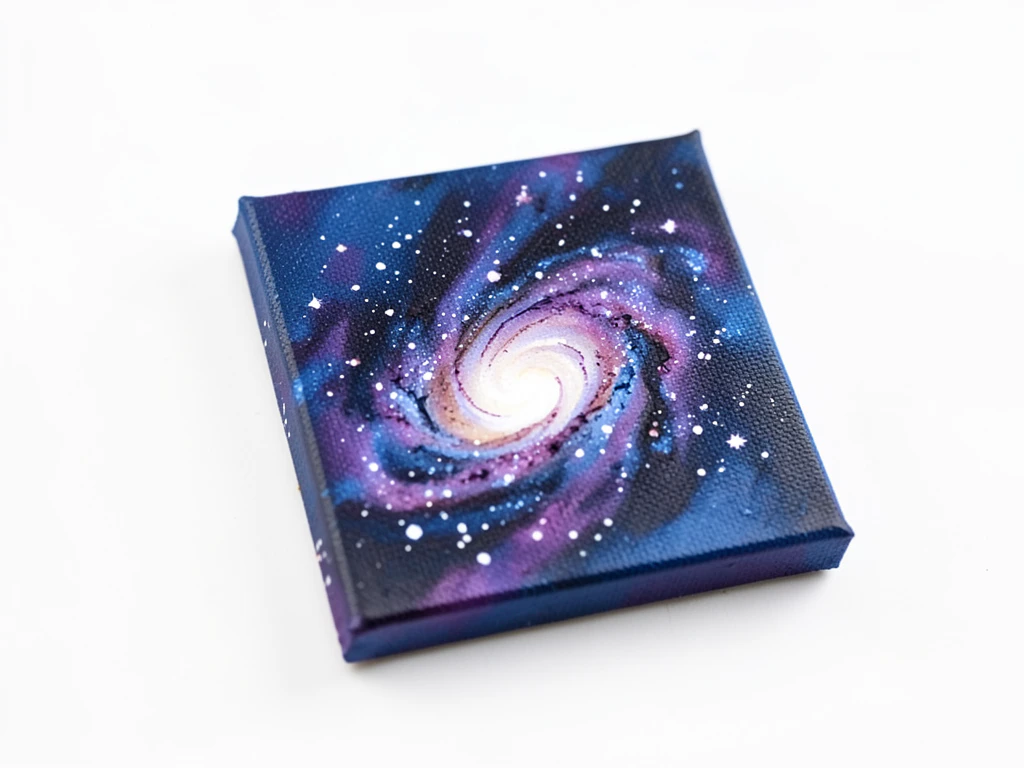
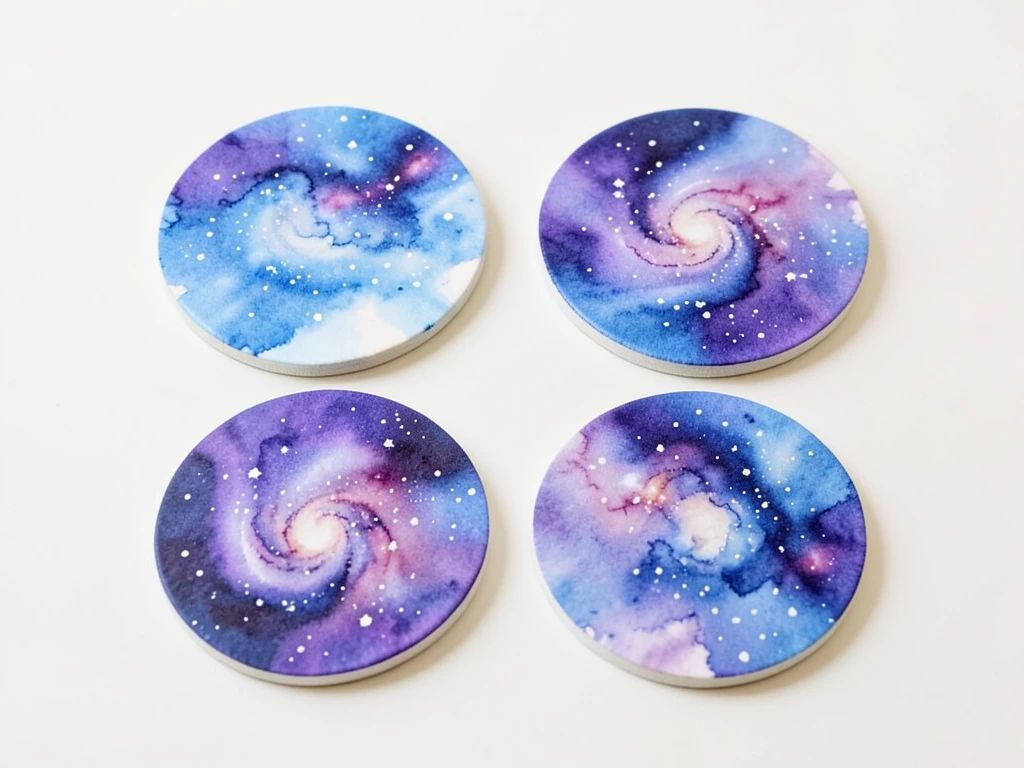
Paint the entire small canvas black. Let it dry. Dip an old toothbrush in white acrylic paint. Hold the toothbrush over the canvas and run your thumb across the bristles. This flicks small white dots onto the canvas, which become stars. Add a few larger dots with a brush for planets. This creates a deep sky look with minimal effort—one of those easy small painting ideas that delivers cosmic results without complexity.
2. Abstract Geometric Shapes Using Masking Tape On Canvas
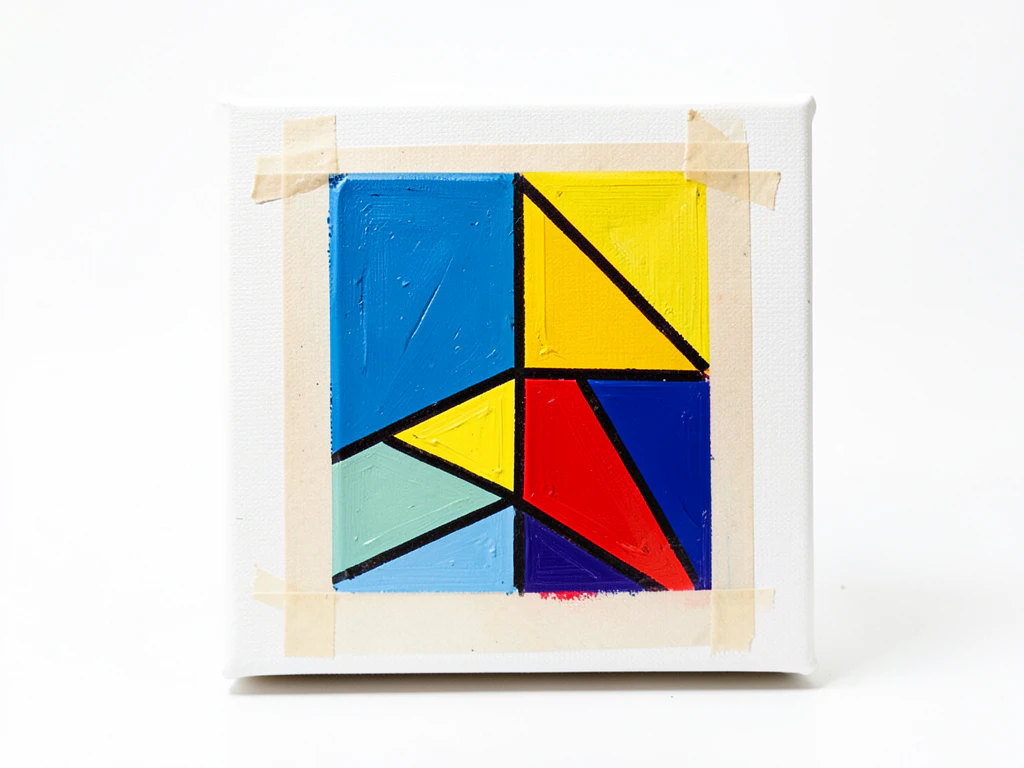
Apply strips of masking tape to your small canvas. Press the edges down firmly. Arrange the tape in a pattern of squares and triangles. Paint over the entire canvas with one or two colors. Let the paint dry completely before peeling the tape off slowly. You reveal sharp, clean lines underneath. This is a brilliant introduction to abstract designs.
3. Watercolor Birch Tree Silhouettes With Salt Texture
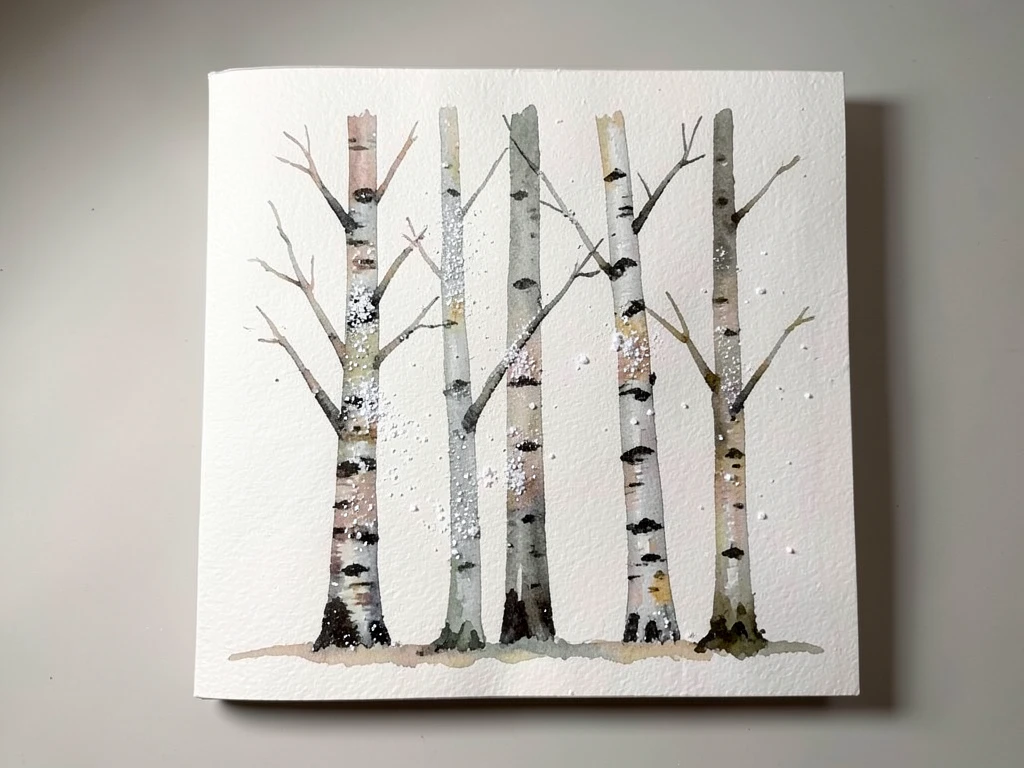
Use watercolor paper or a canvas prepared for watercolor. Paint a wet wash of blue and gray across the top for the sky. While the paint is wet, sprinkle salt over the surface. The salt absorbs the paint and leaves crystal-like spots. Let it dry, brush the salt off, and paint thin black lines for tree trunks. The salt adds incredible texture.
4. Coffee Mug Stained Glass Window Effect Painting
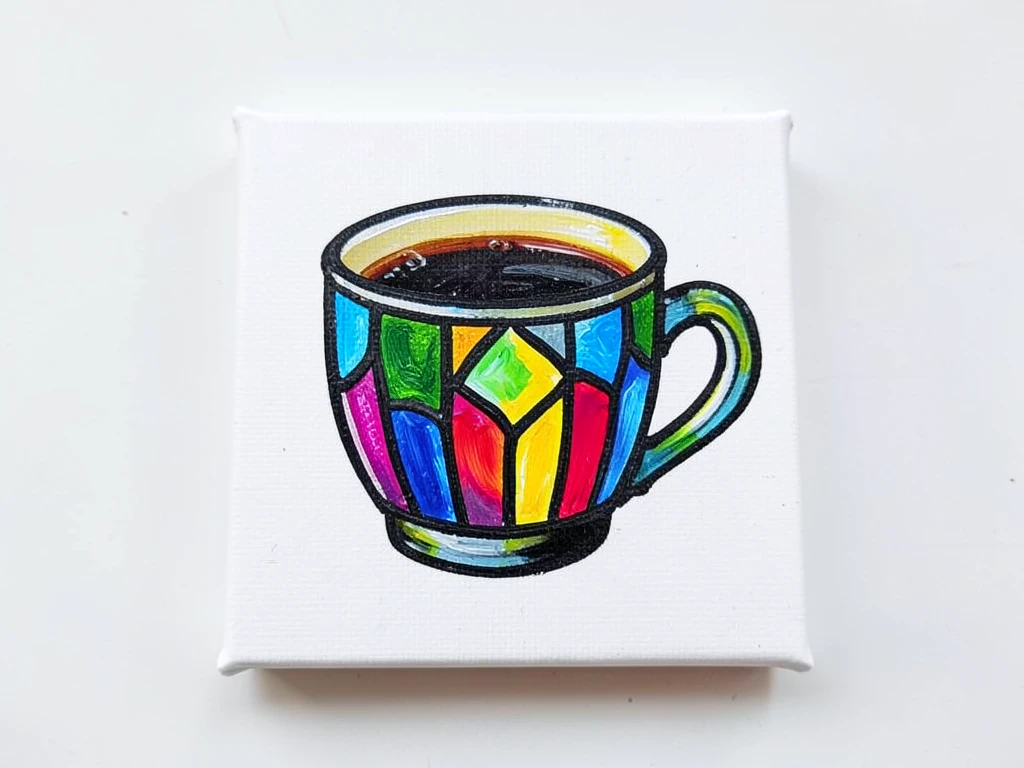
Draw a simple design on a small canvas using a pencil. Paint black paint over the pencil lines to act as your leading lines. Let the black dry. Fill the spaces between the black lines with bright, transparent colors. The finished piece looks like a glowing stained glass window.
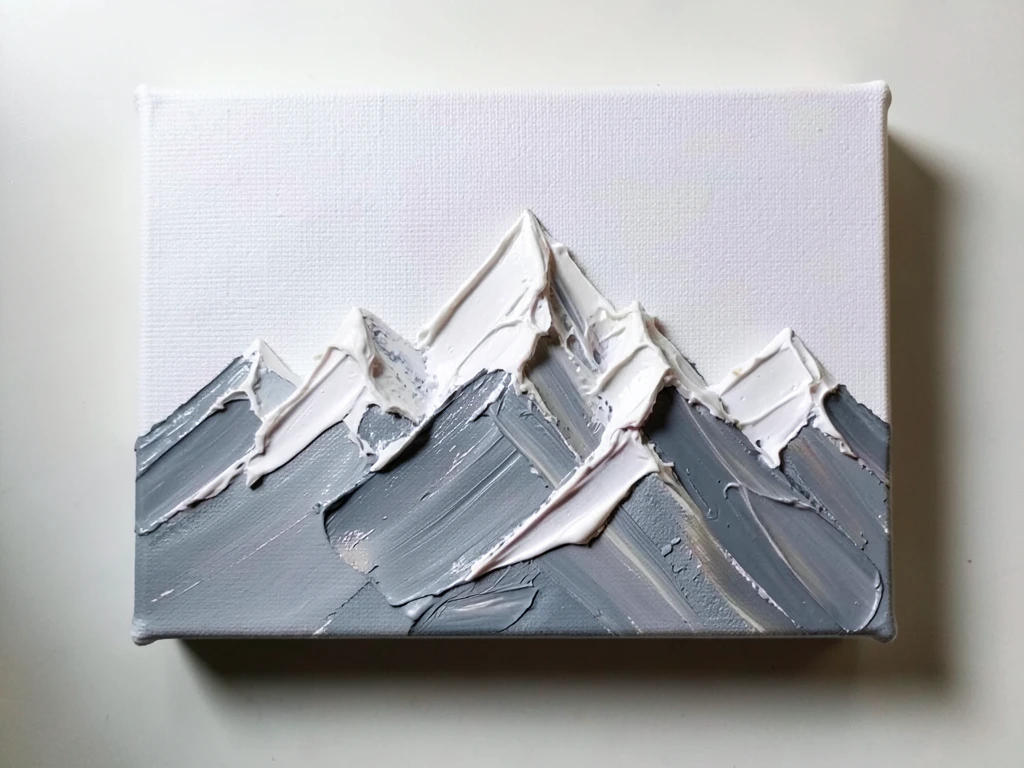
5. Palette Knife Mountain Landscapes In 3 Colors
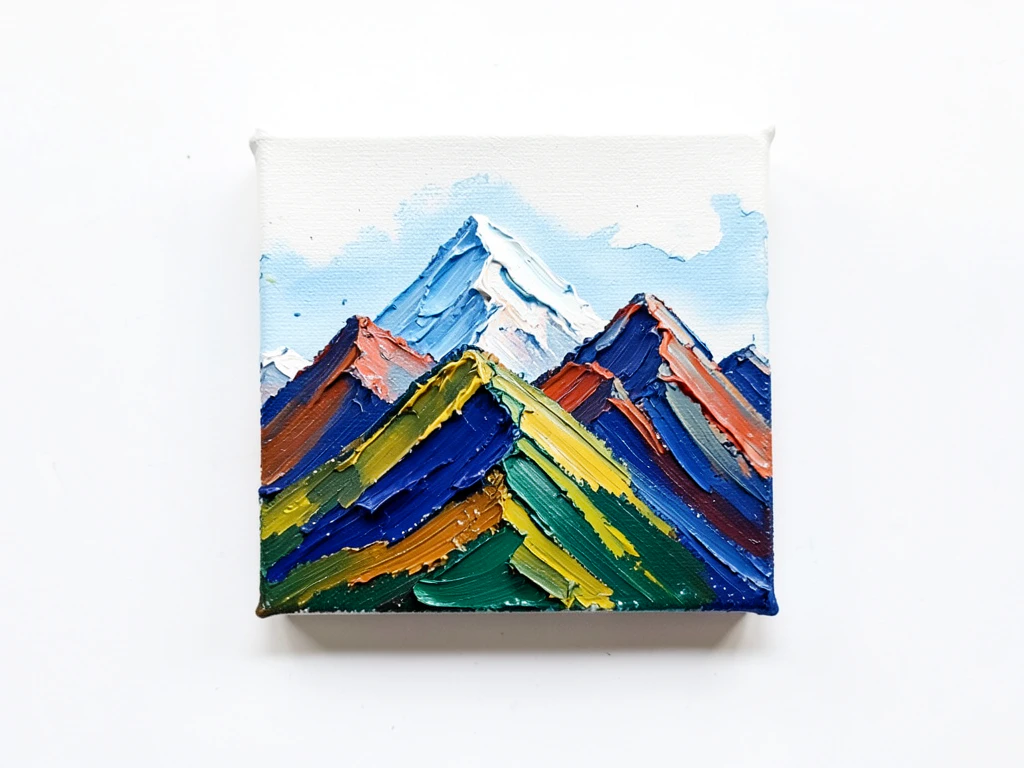
Squeeze white, blue, and gray paint onto your palette. Use a palette knife instead of a brush. Scrape blue onto the canvas in a triangular mountain shape. Clean the knife, pick up white paint, and scrape it next to the blue to show snow. Use the flat side of the knife to create sharp edges. This technique builds depth and texture quickly, creating an engaging theme. Learn advanced palette knife techniques to expand this skill.
6. Alcohol Ink Marbling Art On Ceramic Tiles
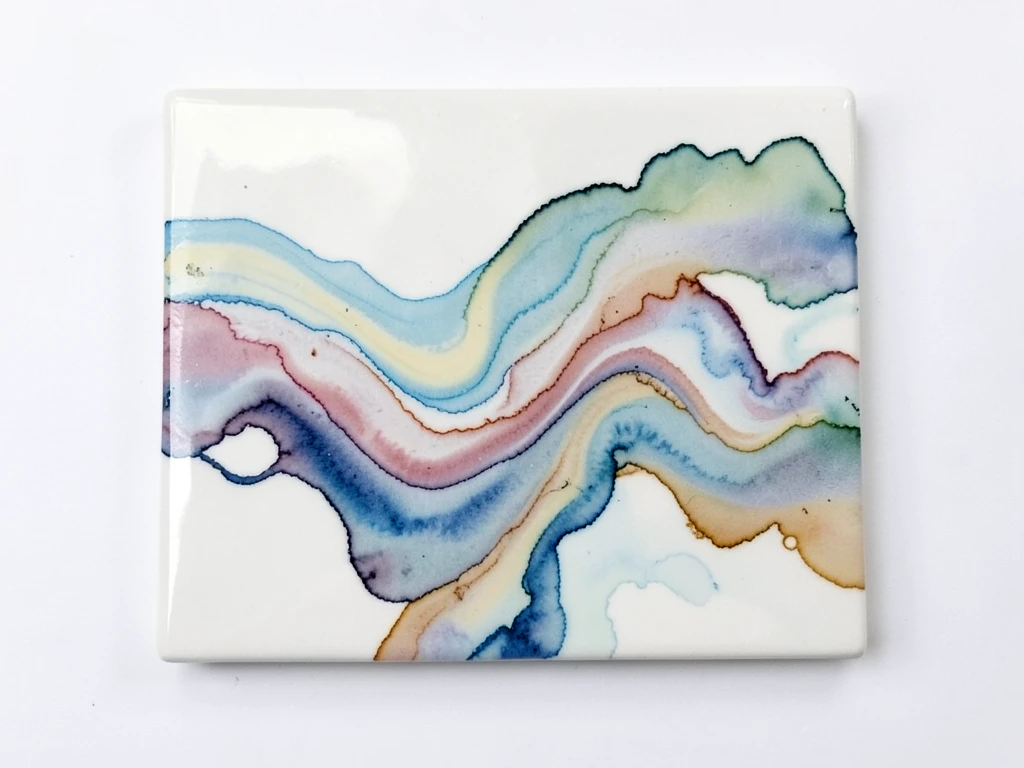
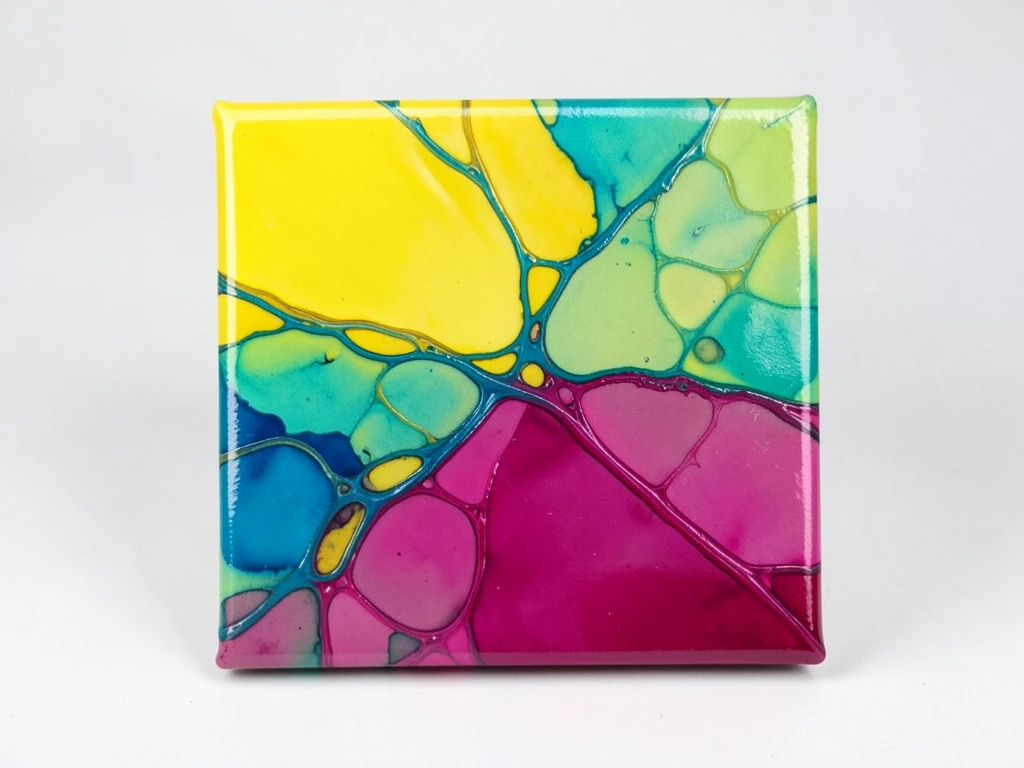
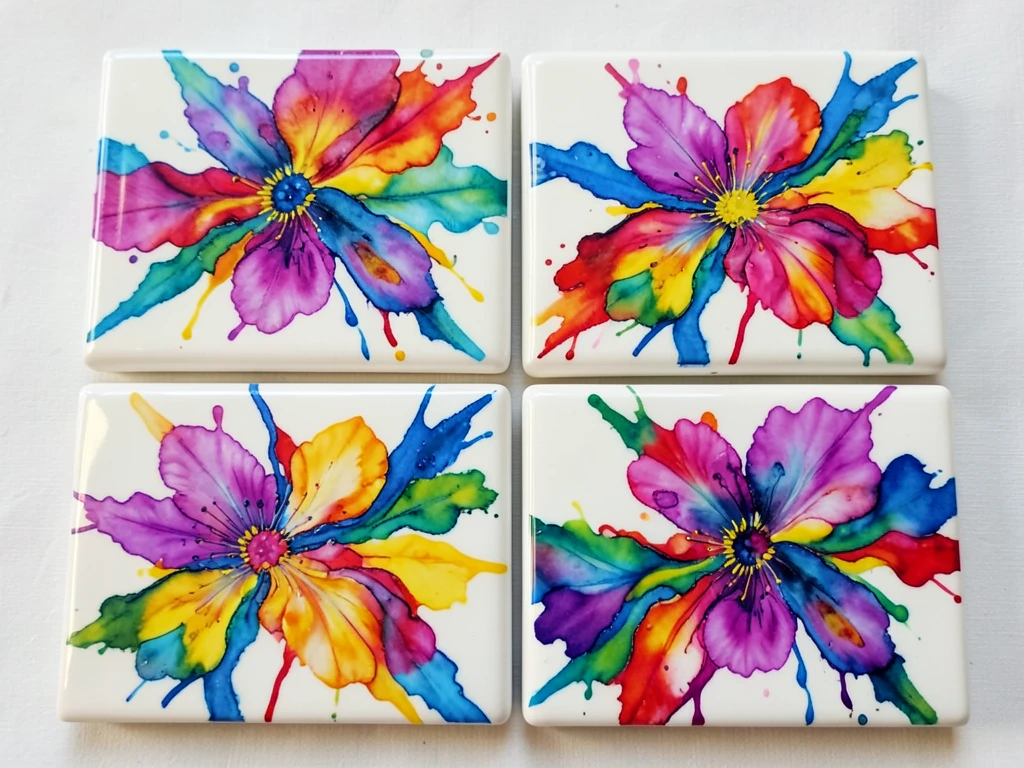
Apply a few drops of alcohol ink in different colors to a white ceramic tile. Add a few drops of rubbing alcohol. Tilt the tile to let the colors flow and mix. The alcohol pushes the ink around, creating beautiful marble patterns. Each tile is completely unique.
7. Single Brushstroke Flower Bouquets Painting
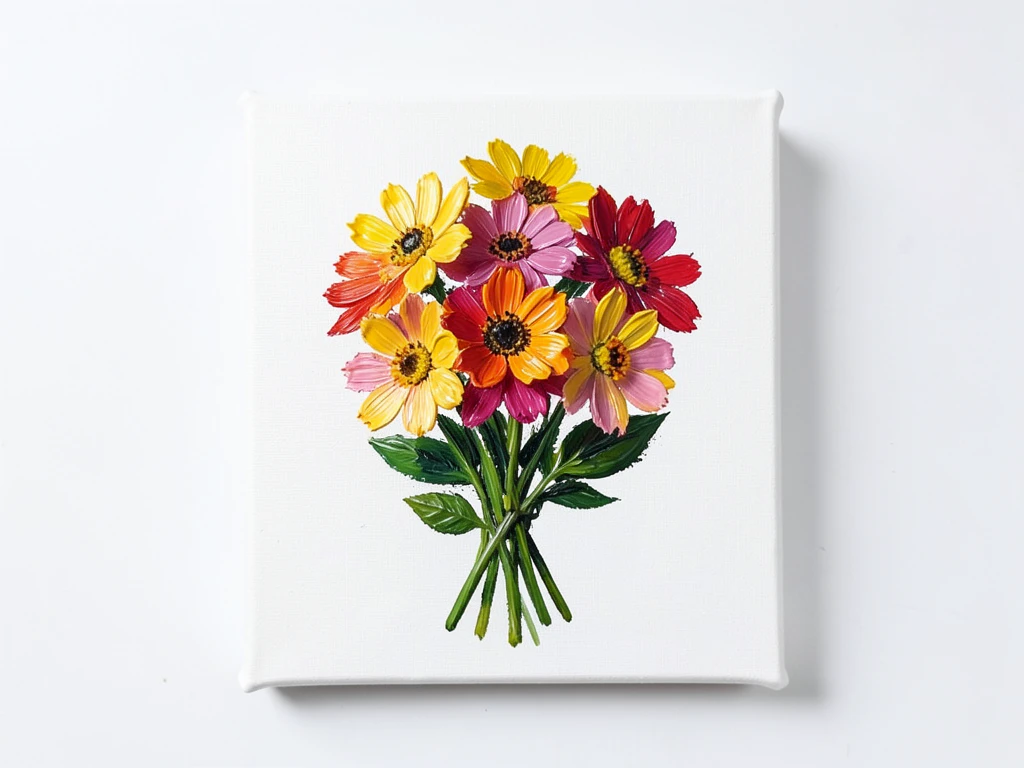
Load a flat brush with two colors, dipping one corner in red and the other in white. Press the brush flat against the canvas and pull it in a curve. This creates a petal with a light and dark side. Repeat this stroke in a circle to form a flower. Use a small brush to add stems and leaves.
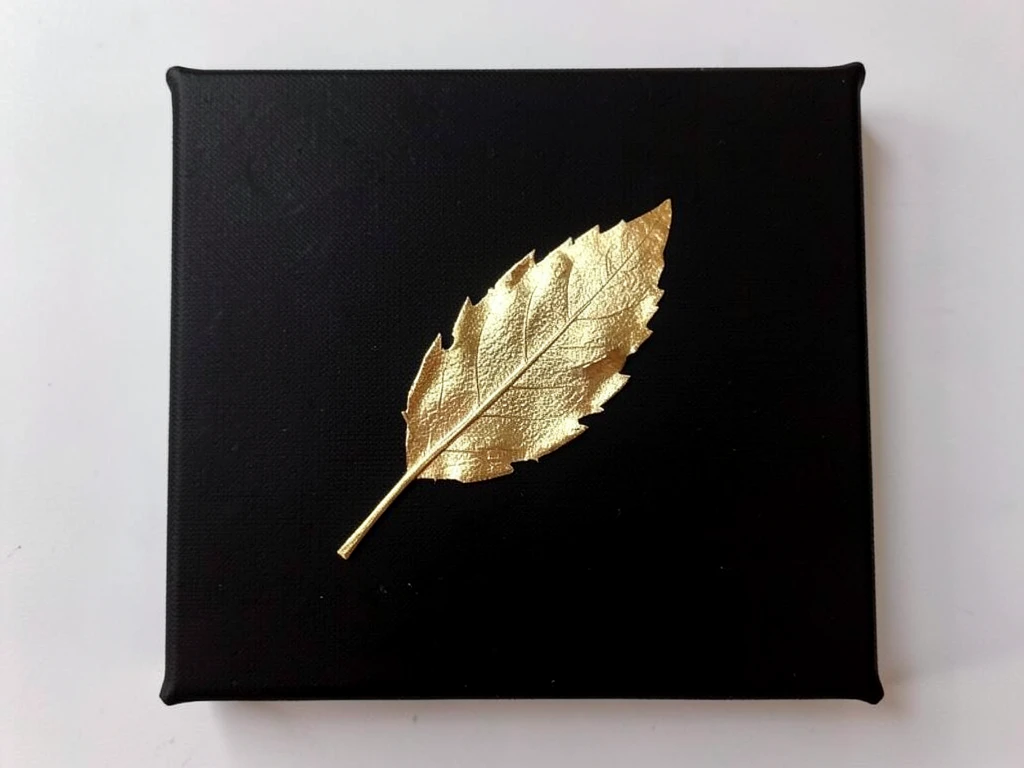
8. Metallic Leaf Accent Abstract Compositions
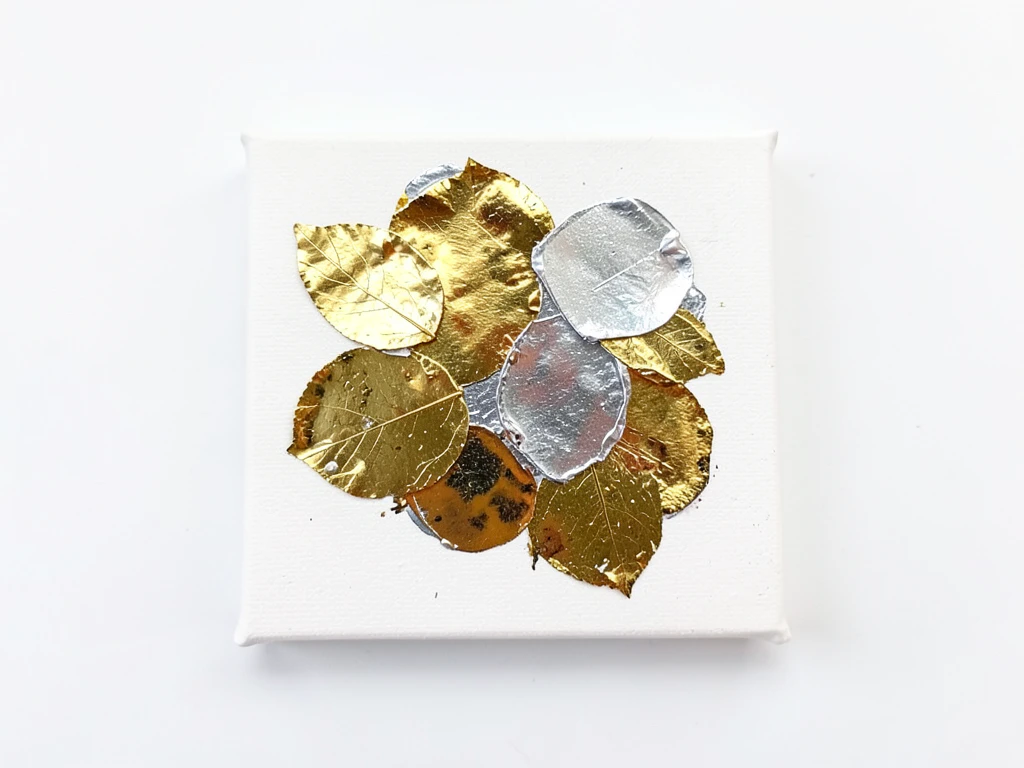
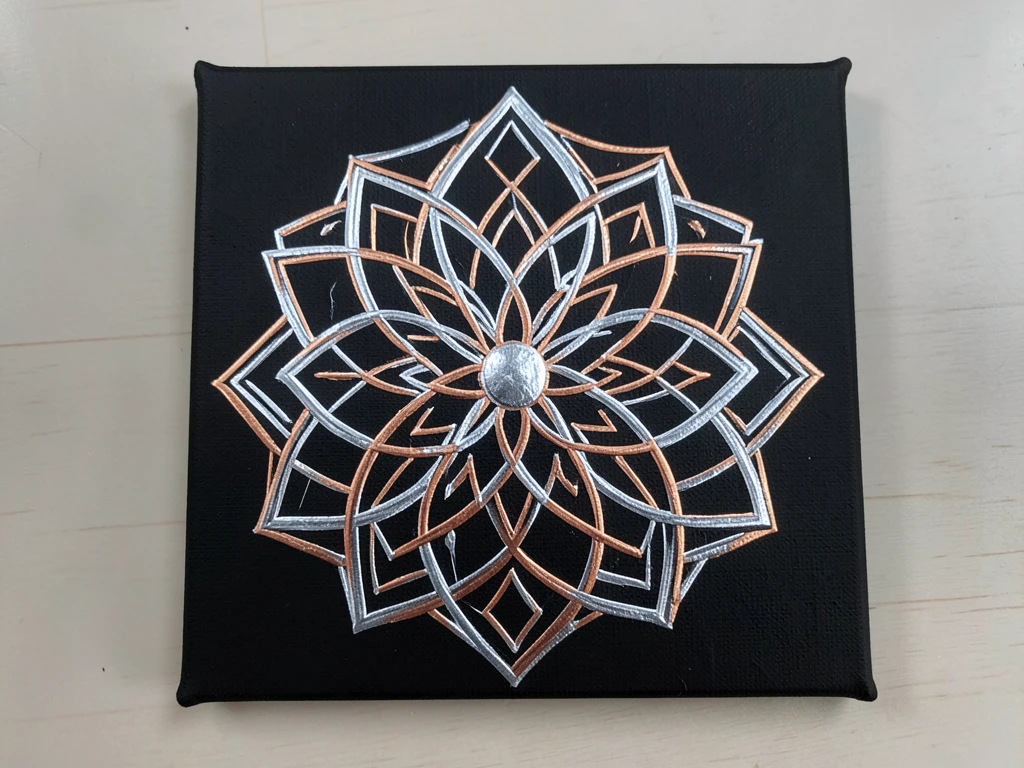
Paint a simple abstract background on your small canvas. Let it dry, then apply a thin layer of acrylic medium to one area. Place a piece of metal leaf over the glue, press gently, and brush away the excess. The metal catches light and adds a luxury feel to your art.
9. Miniature Beach Sunset With Sponge Blending
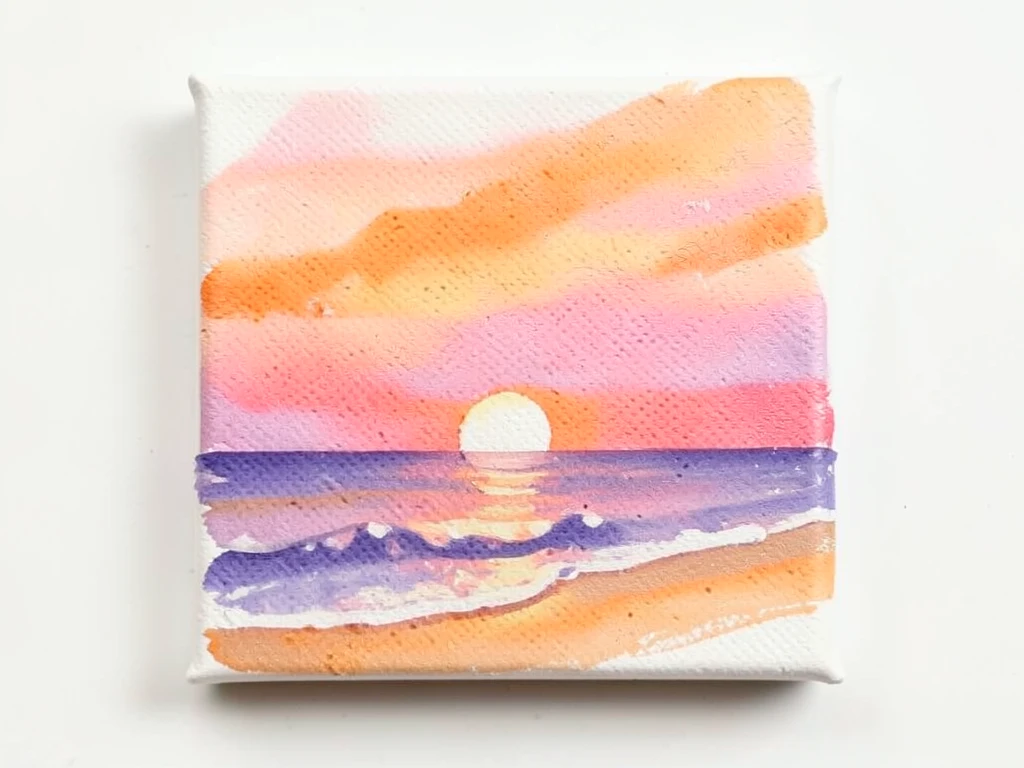
Cut a small piece of household sponge. Paint the top of the canvas blue, the middle yellow, and the bottom brown. While the paint is wet, dab the lines where colors meet with the sponge to blend the edges softly. Add a small black bird silhouette in the sky to finish the scene.
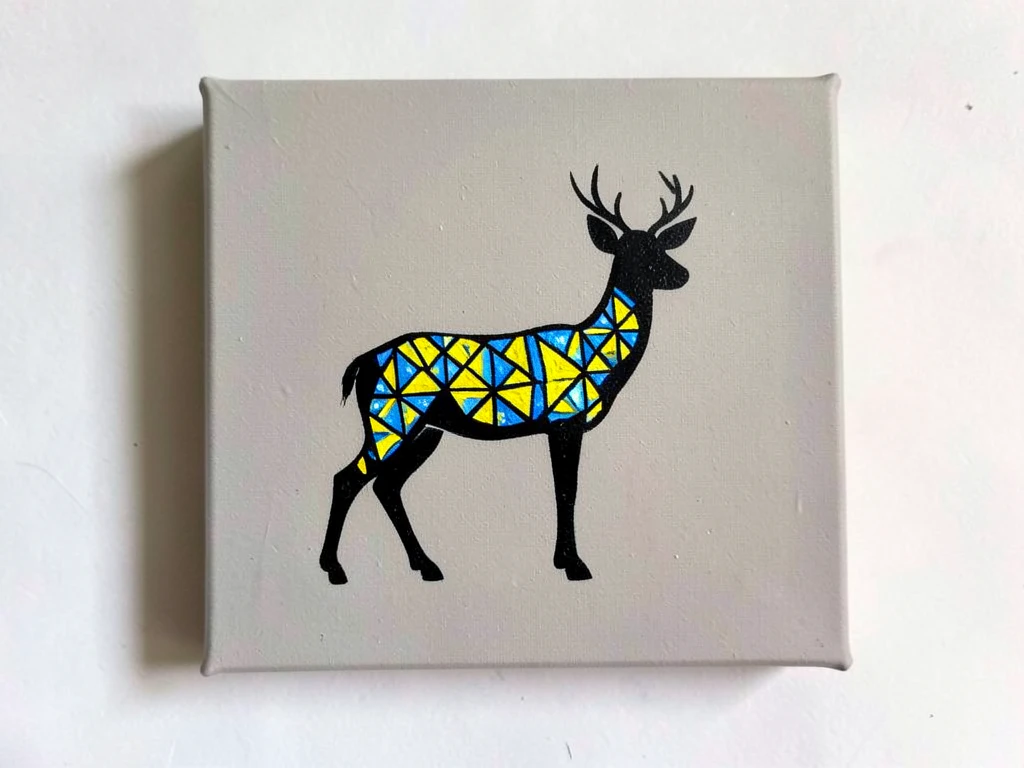
10. Negative Space Animal Silhouettes Art
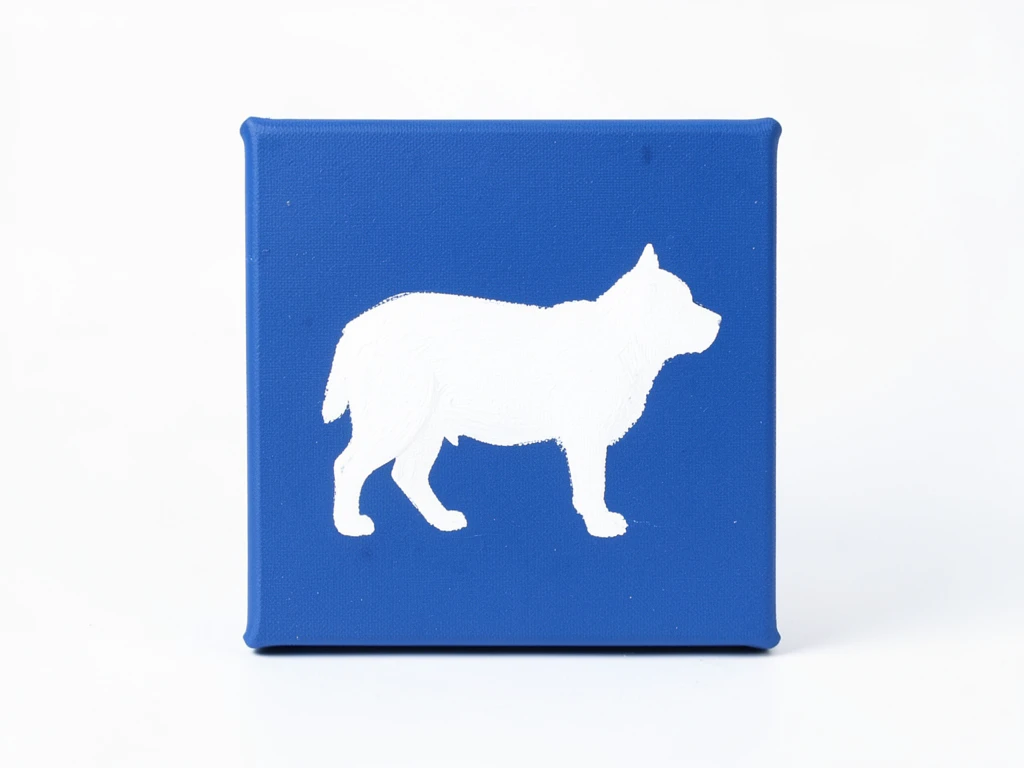
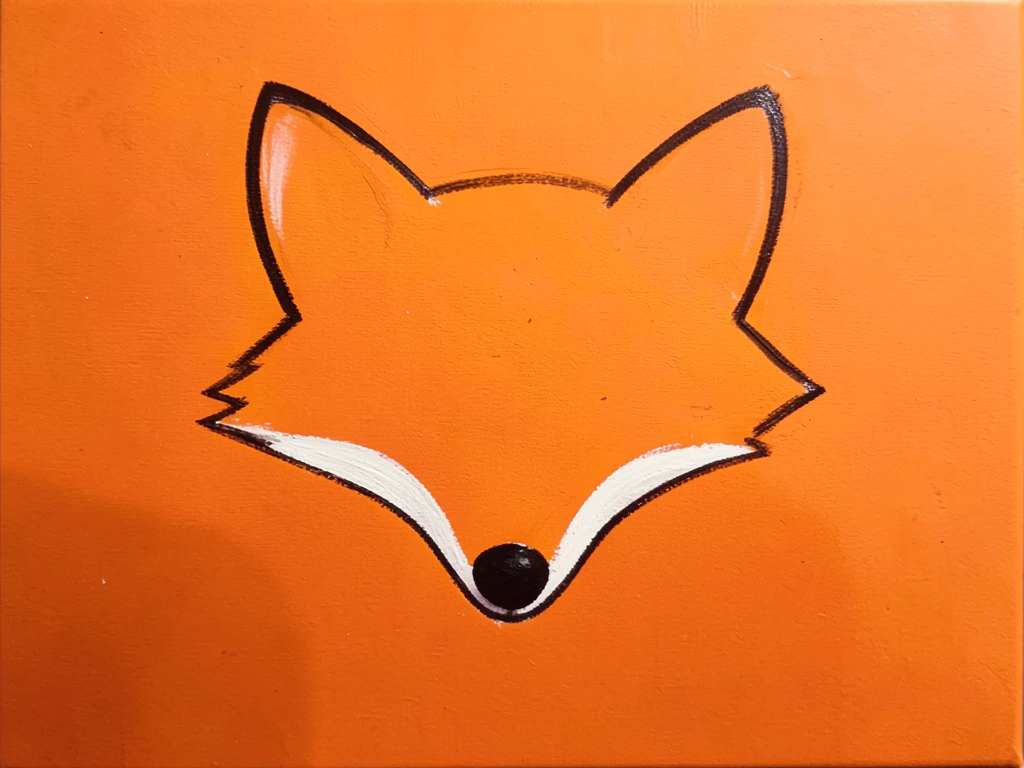
Paint the entire small canvas a bright color. Let it dry. Draw a simple animal shape on black paper, cut it out, and glue it onto the painted canvas. The bright background becomes a frame around the animal. This is a perfect entry point for painting animals on a miniature scale.
11. Drip Painting Planets With Cotton Swabs
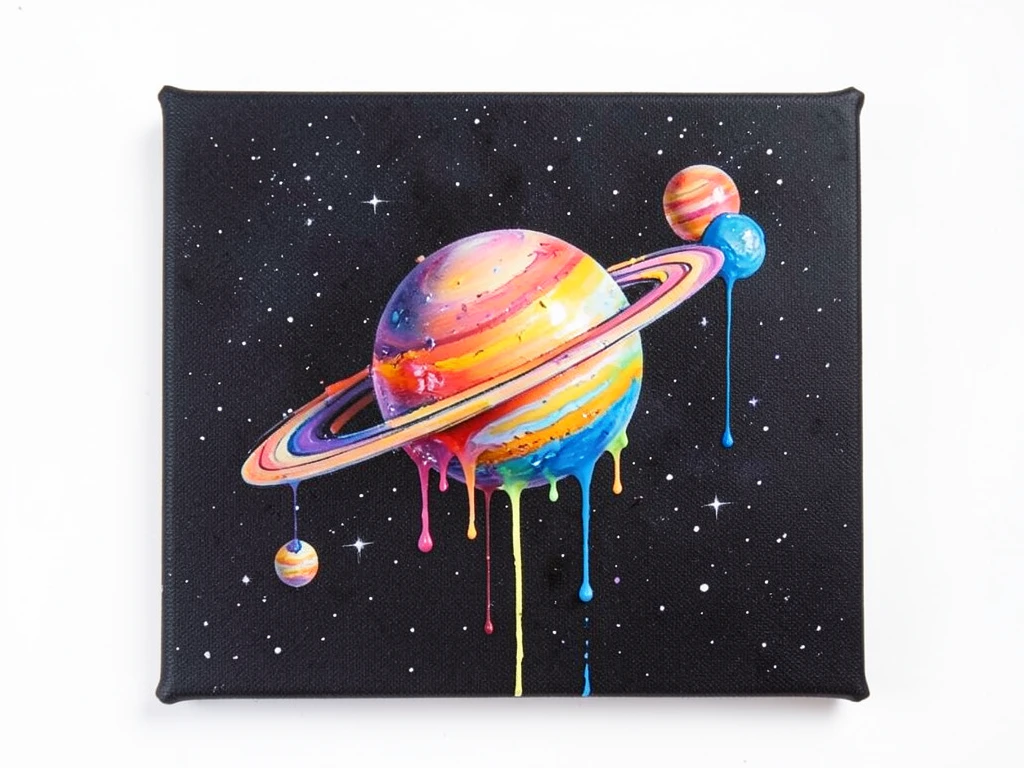
Paint the canvas black. Dip a cotton swab in white paint and dot it on the canvas to create a small circle for your planet. While the white is wet, dip another swab in red or blue and touch the wet white circle so the colors spread. The cotton swab gives you complete control over small areas.
12. Monochromatic City Skyline Reflection Painting
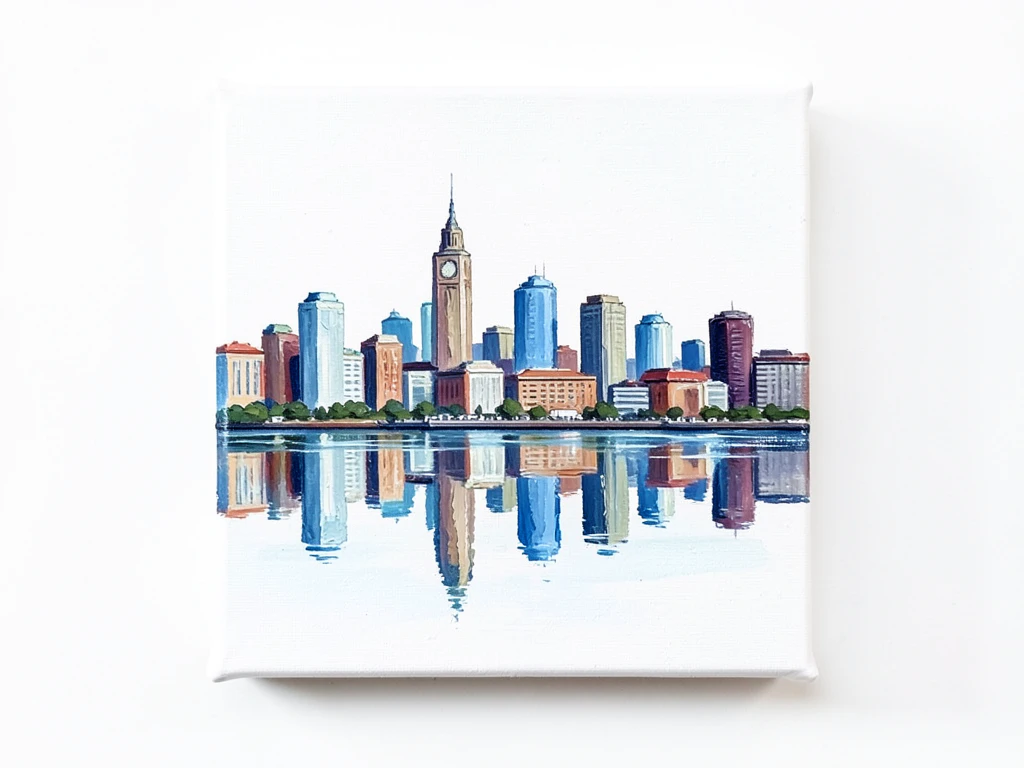
Choose one color, like blue. Paint the top half of the canvas light blue and the bottom half darker blue. Let it dry. Place a paper skyline cutout on the canvas and sponge white paint over the top edge. Remove the paper to reveal a white silhouette, then paint simple white rectangles upside down in the dark water to show reflections.
13. Textured Lavender Fields With Dry Brush Technique
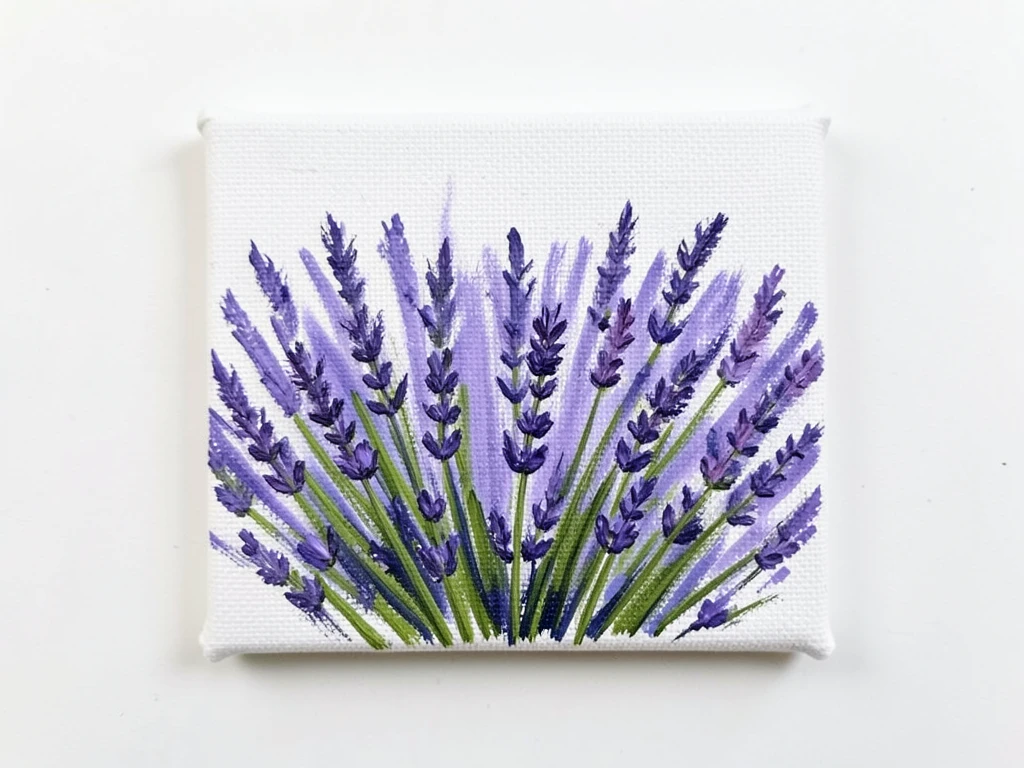
Paint the bottom half of the canvas green. Let it dry. Dip a small flat brush in purple paint and wipe most of it off on a paper towel. Drag the brush lightly upward from the green area to leave broken lines of color that resemble lavender flowers.
14. Pour Painting Coasters Using Epoxy Resin
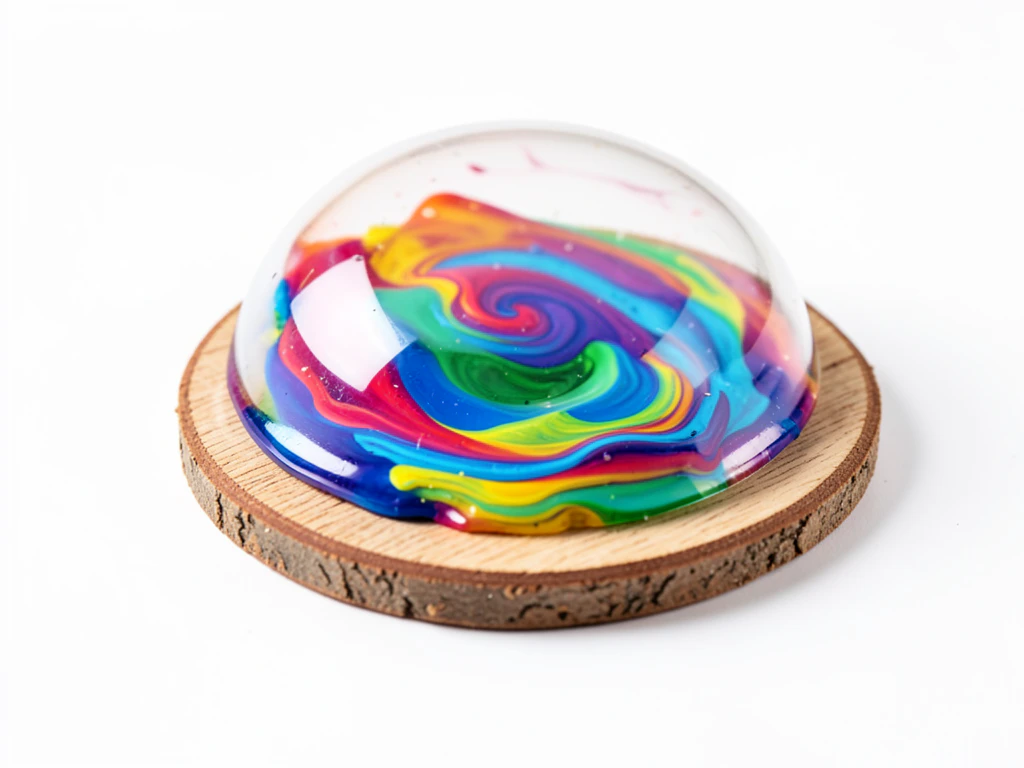
Mix acrylic paint with a pouring medium and layer different colors in a cup to explore abstract painting ideas. Place a small round canvas over the cup, flip it, and lift the cup to let the paint flow over the surface. After it dries, pour a layer of epoxy resin over the top for a glossy finish.
15. Mini Wood Slice Seasonal Trees Painting
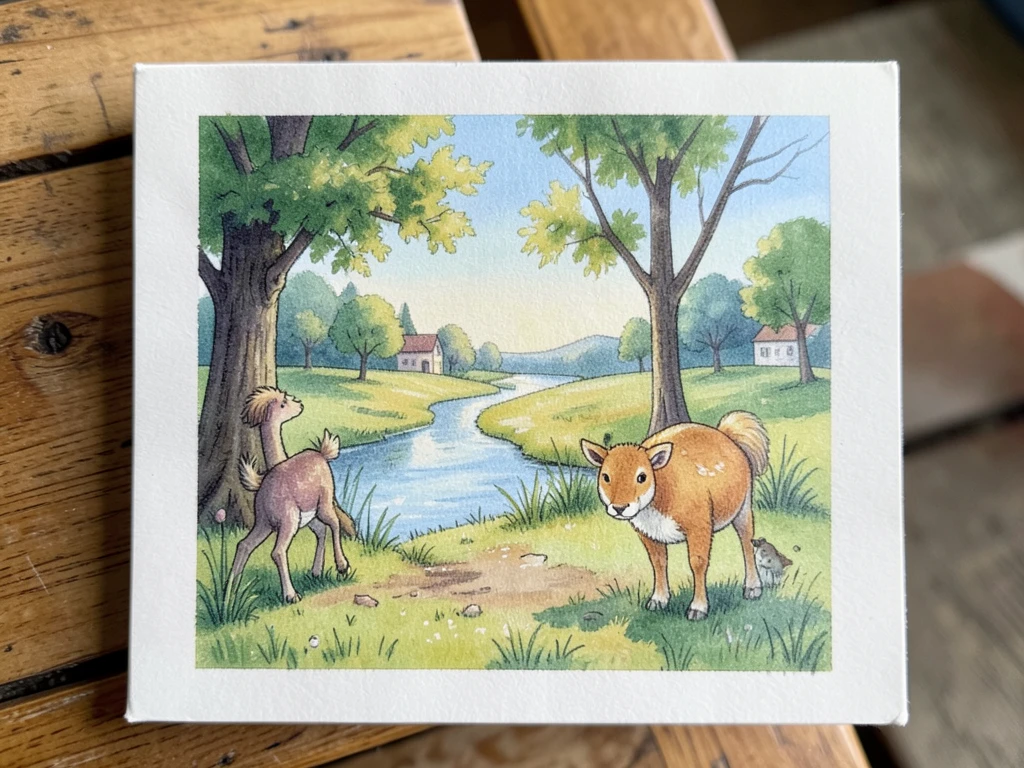
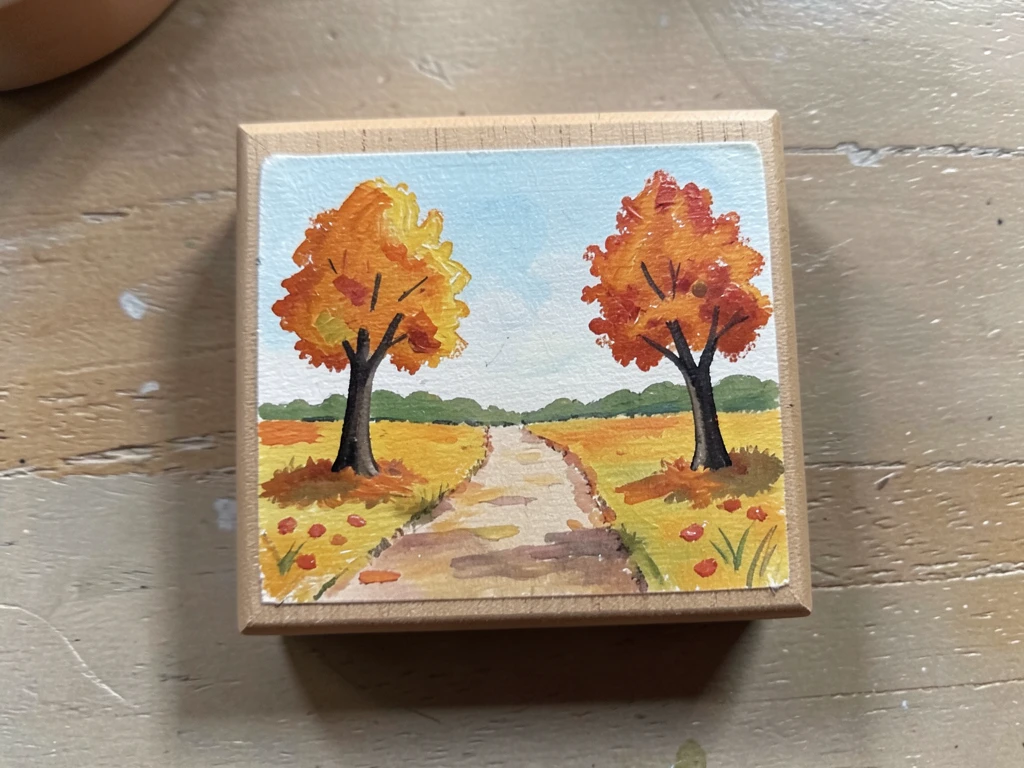
Paint a small wood slice white as a primer. Draw a tree trunk with brown paint. Use a round brush to dot leaves onto the branches—green for summer, orange for fall, or white for winter. The wood grain shows through the paint and adds rustic warmth.
16. Geode-Inspired Acrylic Slice Painting Ideas
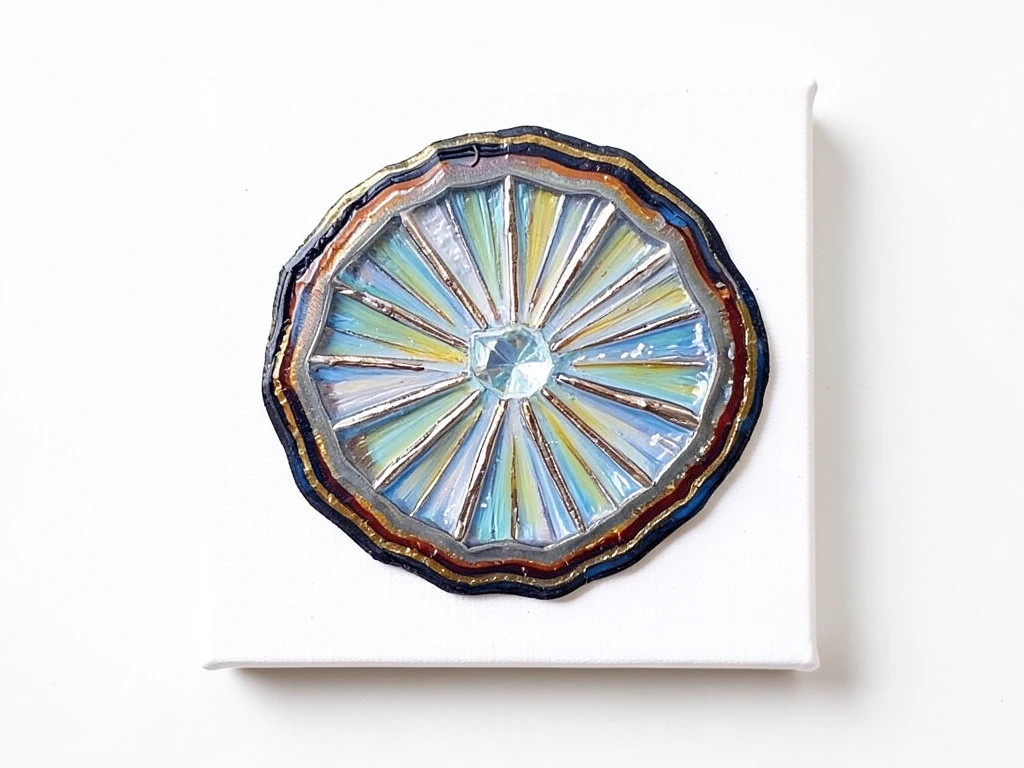
Paint concentric rings of white, light purple, dark purple, and black on your canvas. While wet, drag a toothpick from the center out to the edge to create crystal-like lines. Sprinkle a little glitter in the wet center to mimic a sliced geode.
17. Watercolor Gradient Quote Art Painting
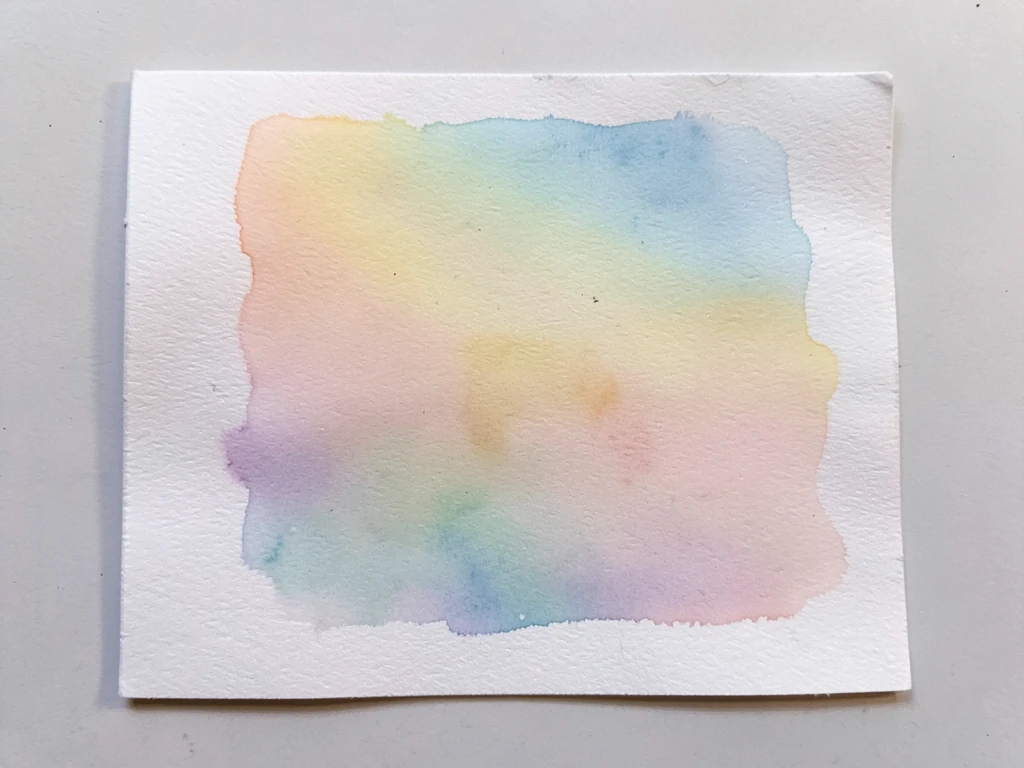
Paint a smooth gradient on wet watercolor paper, blending blue at the top to clear at the bottom. Let it dry completely. Write a short quote in the center with a fine marker. The background makes the text pop beautifully.
18. Stenciled Mandala Rock Paintings For Beginners
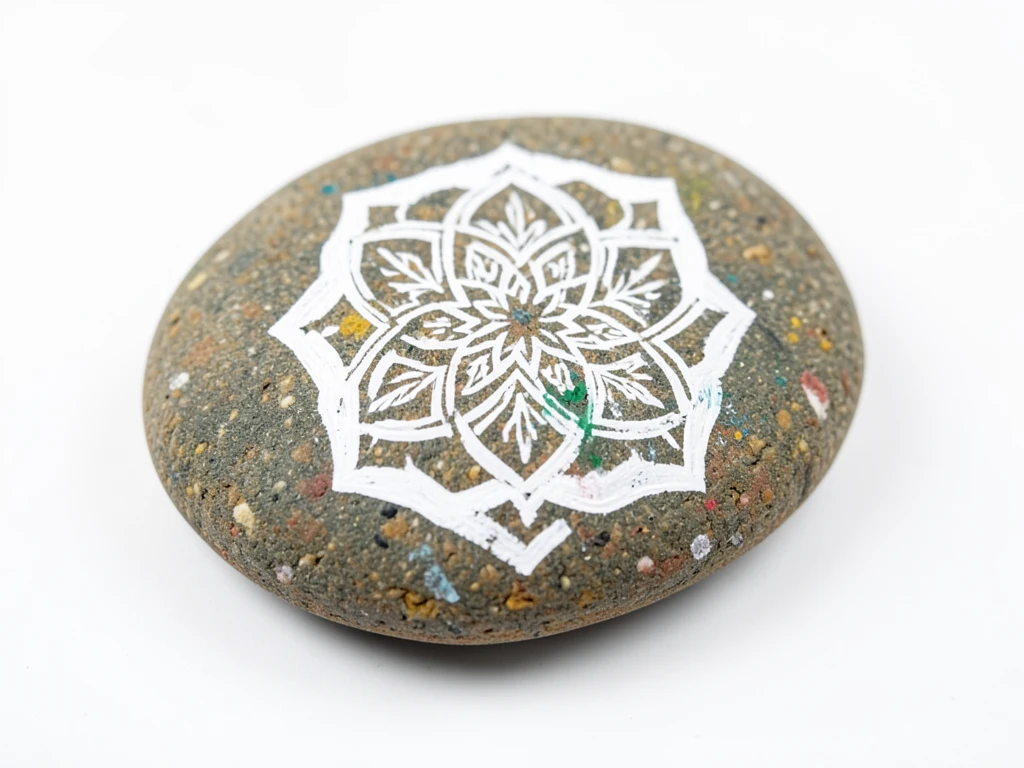
Paint a smooth, flat rock with a base color. Place a mandala stencil on the rock, hold it tight, and dab a contrasting color over it with a sponge. Lift the stencil carefully for a complex look using very simple tools.
19. Impressionistic Cherry Blossom Branch Art
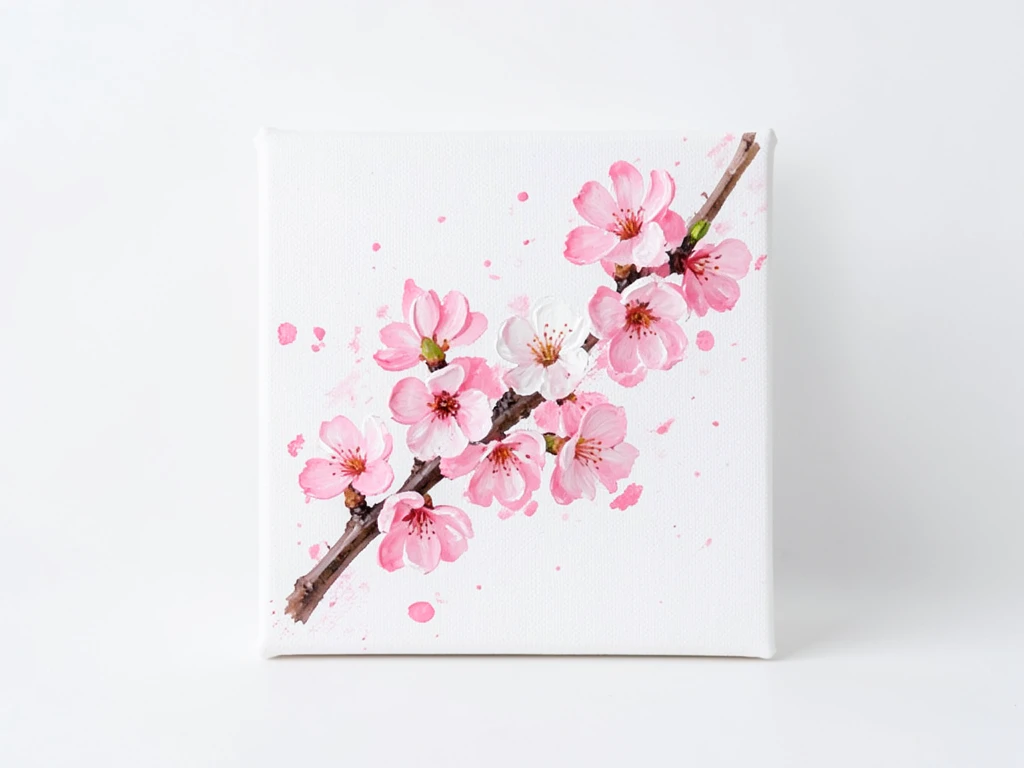
Paint a thin brown branch across your canvas. Dip the end of a round brush in pink paint and dot it along the branch in clusters. Use varying shades of pink and white without blending them to capture the look of blossoms from a distance.
20. Faux Stained Glass Window Cling Painting
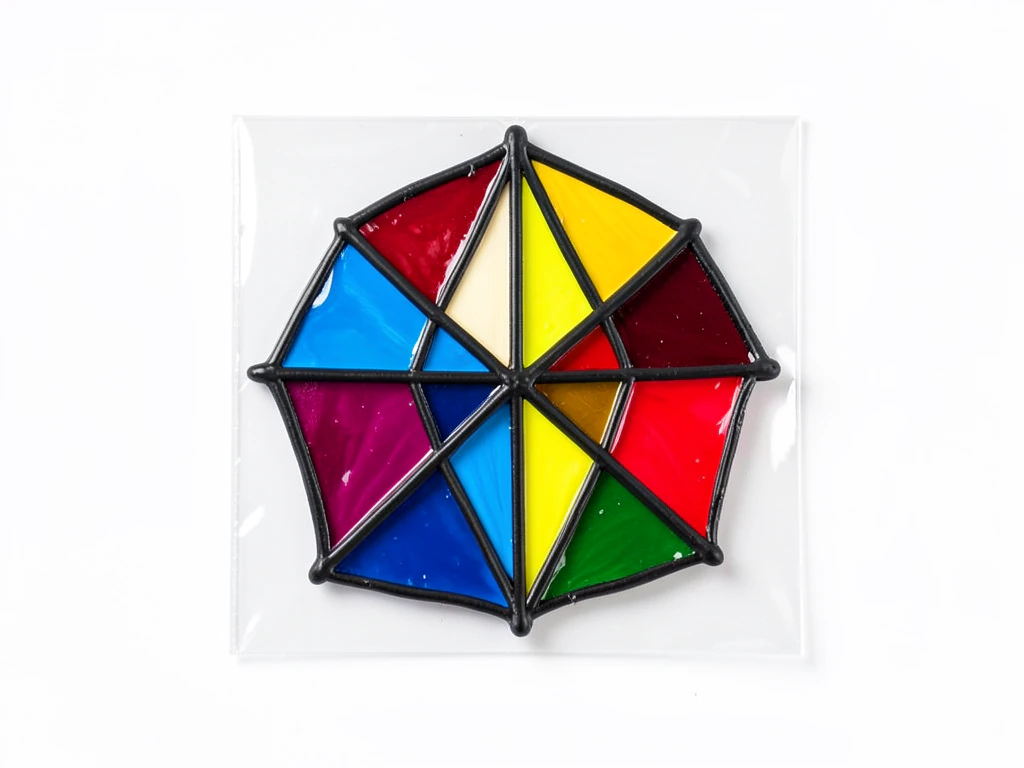
Draw a design on a clear plastic sheet with black puff paint. Let it dry, then fill the spaces with acrylic paint mixed with a little glue. Once dry, peel the design off. It sticks to glass windows like a beautiful cling.
21. Alcohol Marker Blend Abstract Cells Painting
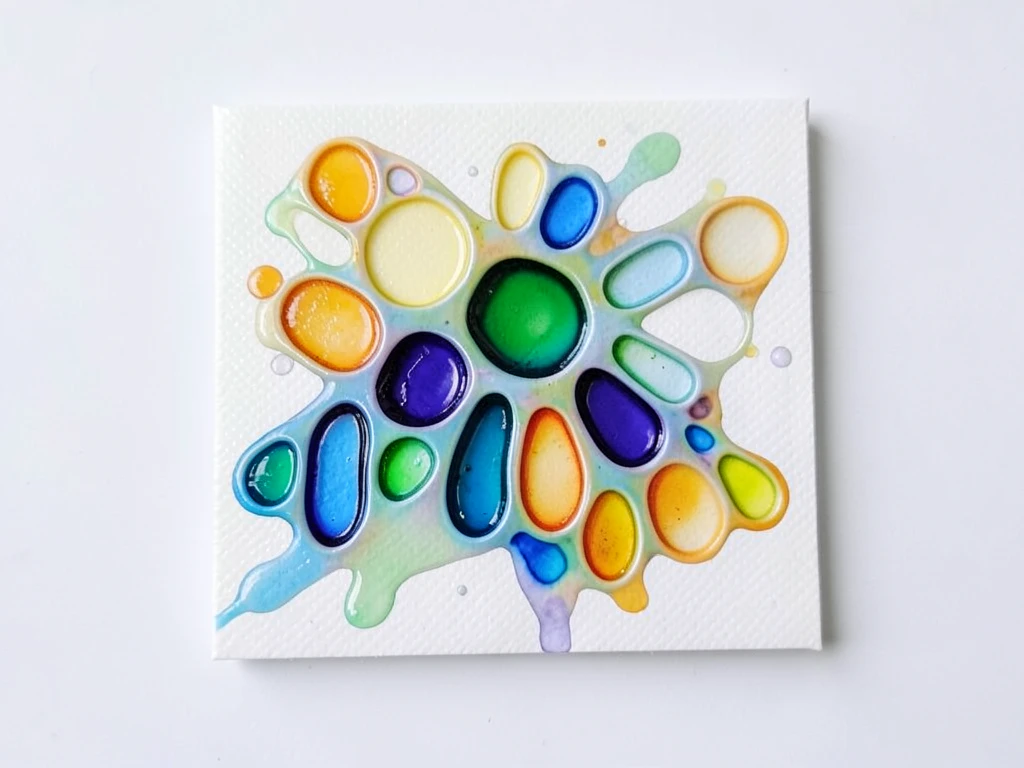
Draw random shapes with alcohol markers on Yupo paper. Spray a small amount of rubbing alcohol onto the drawing to make the colors bleed and form organic, cell-like rings.
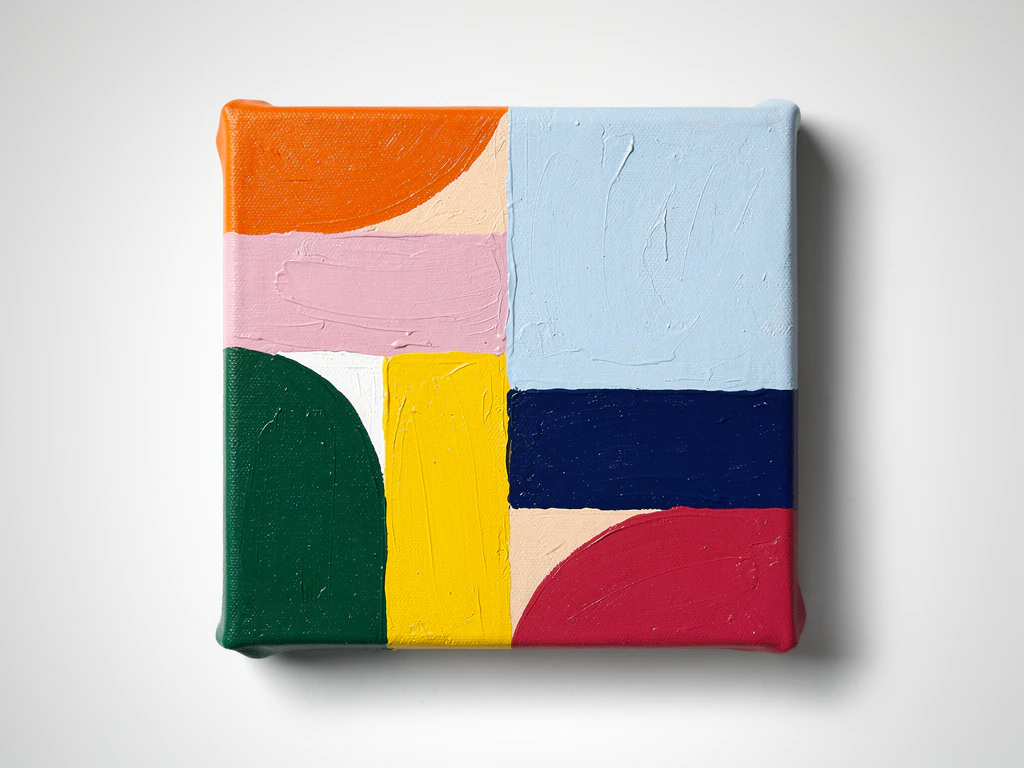
22. Mini Canvas Color Block Modern Art Ideas
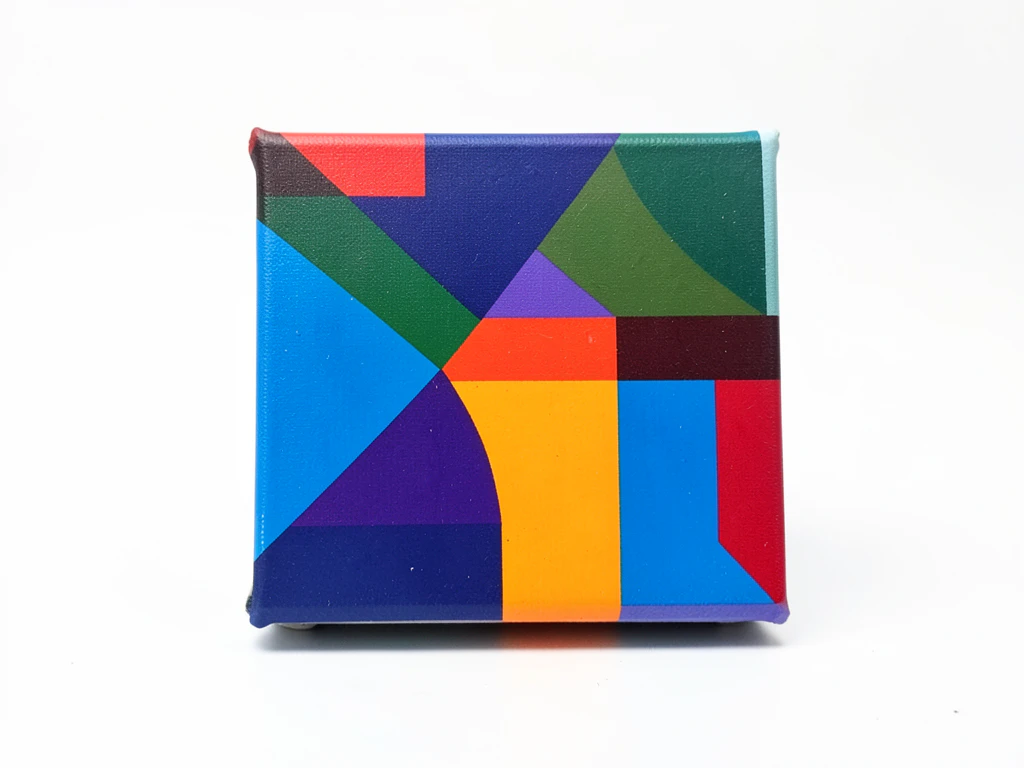
Divide your small canvas into large sections using a ruler. Paint each section a different solid color, keeping the edges sharp. The sheer simplicity of the color blocks creates a striking modern look.
23. String Pull Abstract Compositions On Canvas
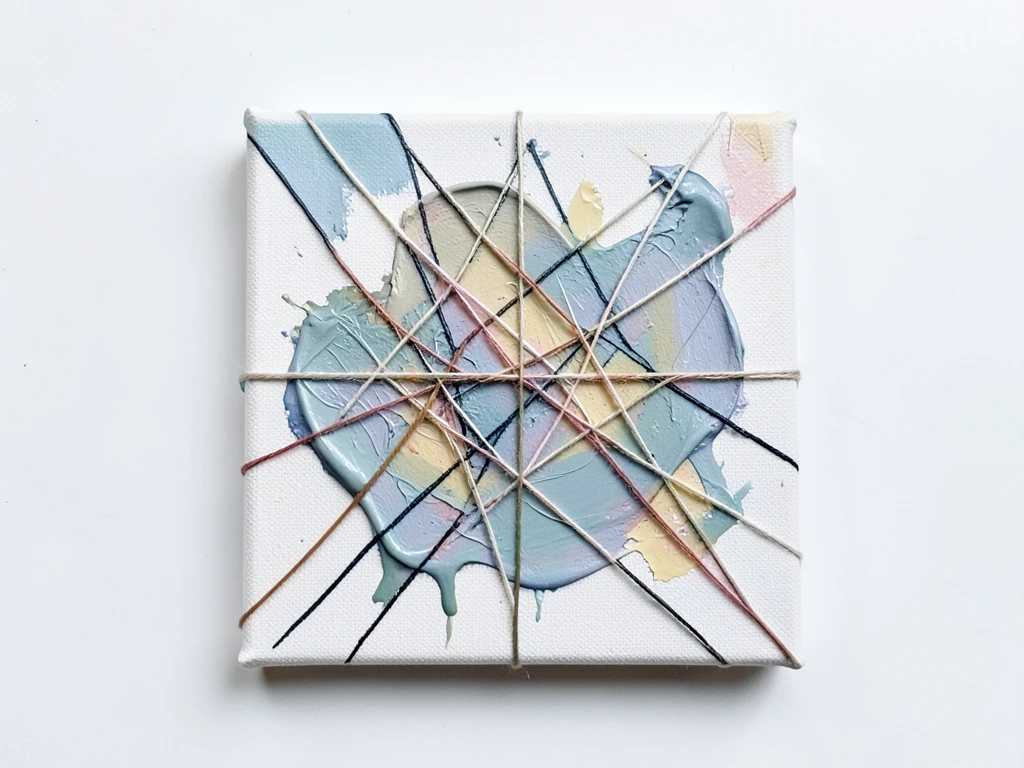
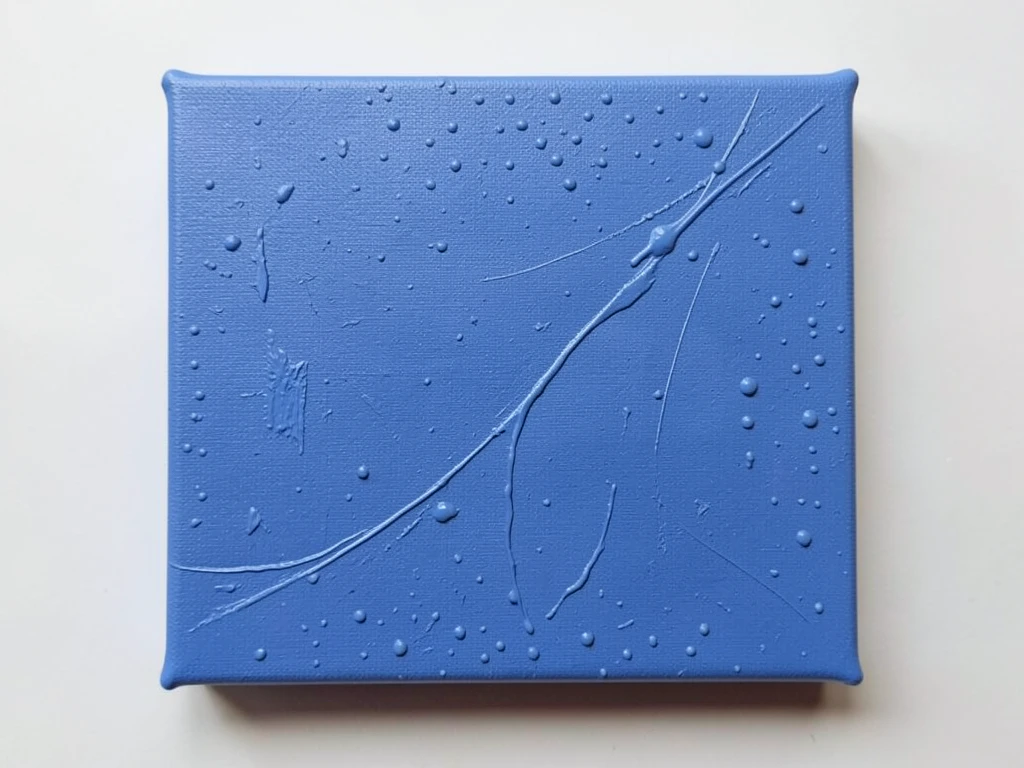
Dip a piece of string in paint and lay it on the canvas in a loop. Place another piece of paper on top, press down, and pull the string out from between the two surfaces. The paint creates branching, organic lines.
24. Bubble Wrap Texture Seascapes Painting
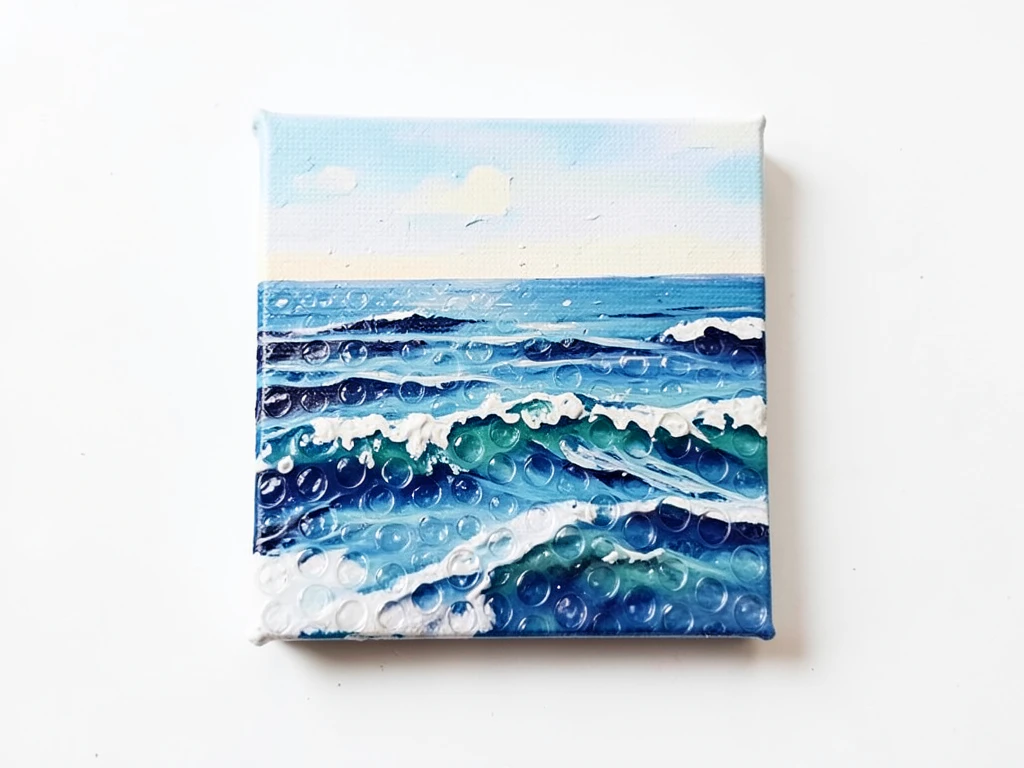
Paint the canvas blue and let it dry. Spread a thick layer of white paint over a section and press a piece of bubble wrap into it. Lift it off to reveal a pattern of circles that perfectly mimics sea foam on a wave.
25. Sharpie Outline Watercolor Mandalas Art
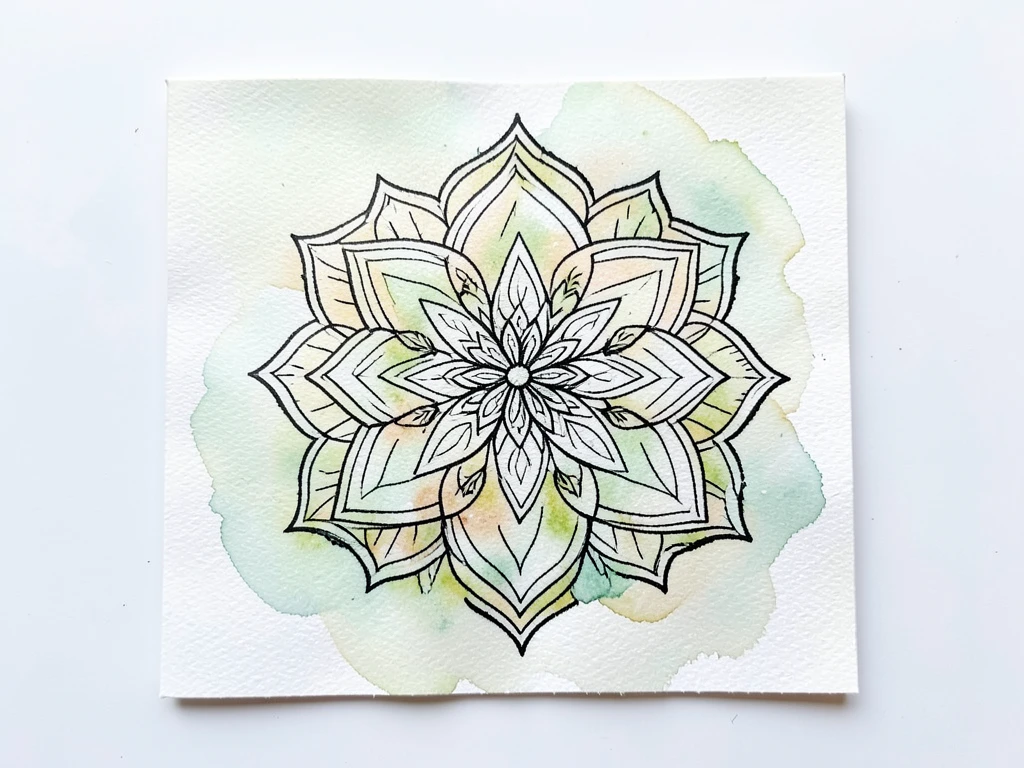
Draw a mandala pattern on watercolor paper and trace the lines with a black Sharpie, then fill it with colors to blend for an abstract painting effect. Paint inside the sections with watercolor. The Sharpie lines resist the water, keeping the colors neatly inside the designated areas.
26. Metallic Wax Resist Abstract Patterns Painting
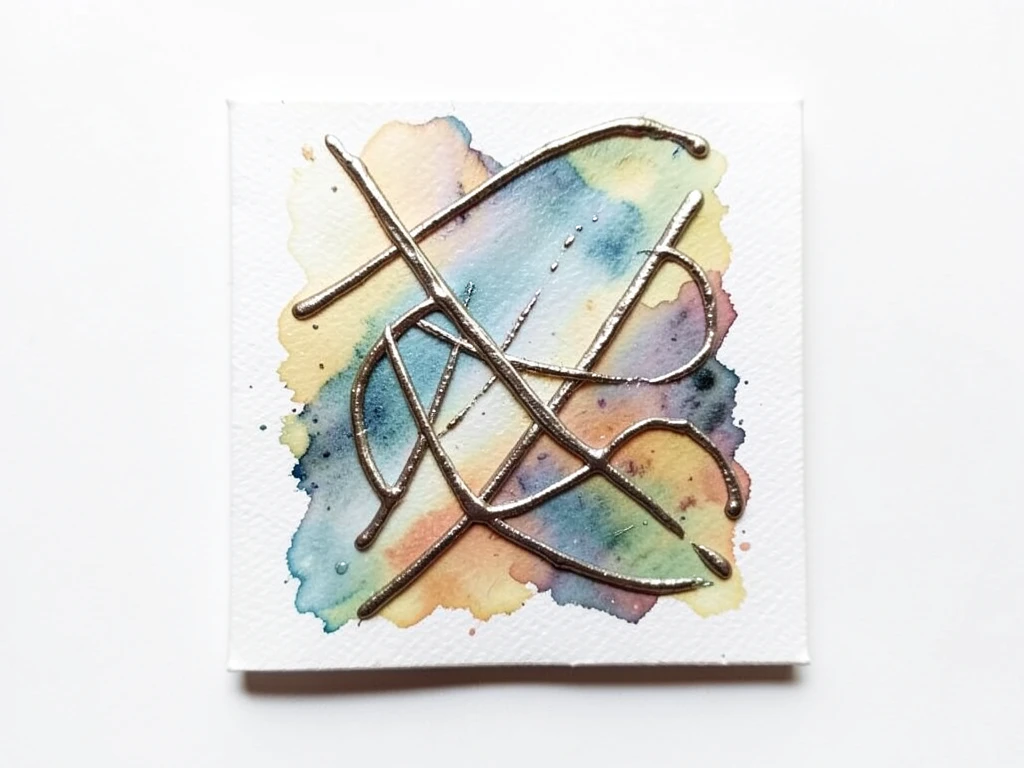
Draw patterns on your small canvas with a white wax candle, pressing hard. Paint over the entire canvas with metallic acrylic paint. The wax resists the paint, allowing your drawn patterns to show through clearly.
27. Miniature Desert Cactus Gardens Painting
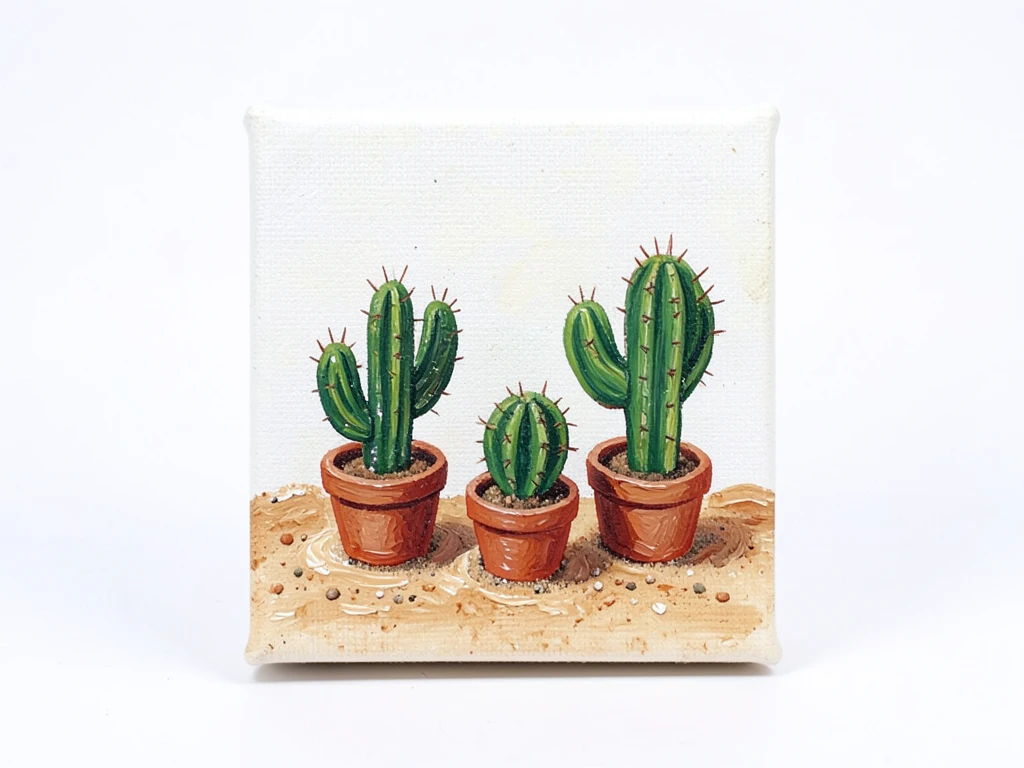
Paint the background a light sandy yellow. Paint tall green rectangles for cacti and add short lines for spines. This vertical theme can inspire abstract painting ideas. landscape fits perfectly on a miniature canvas.
28. Coffee Filter Watercolor Butterflies Art
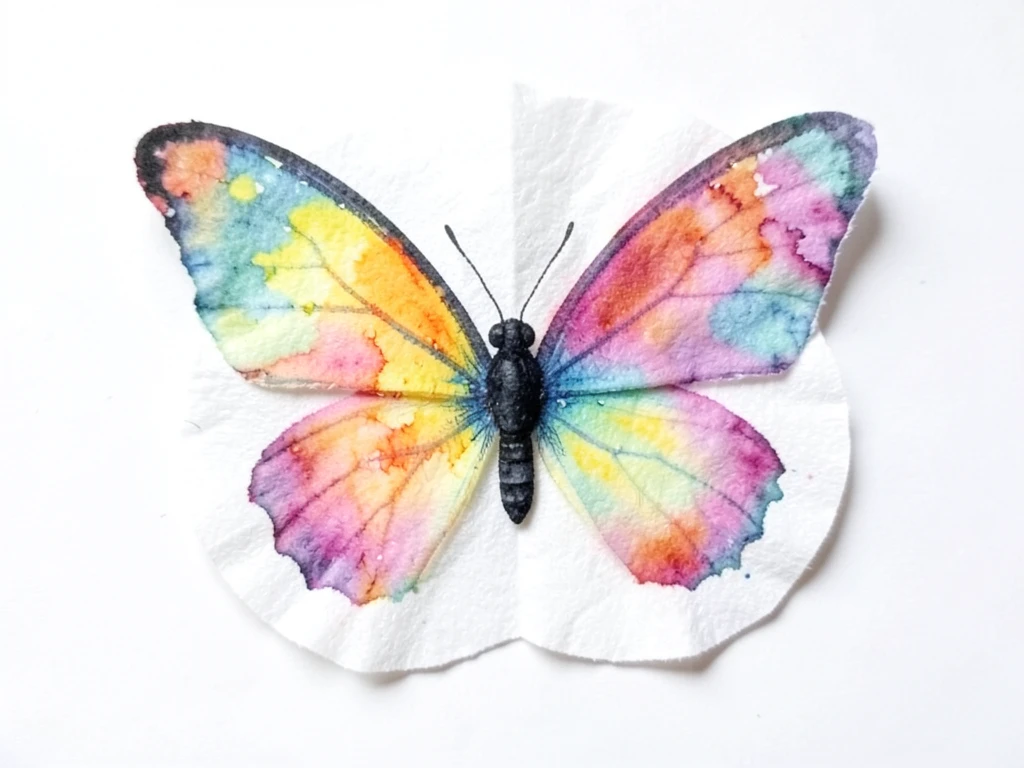
Draw butterfly wings on a flattened coffee filter with washable markers. Fold it, dip the tip in water to spread the color, and let it dry. Glue the colorful paper butterfly onto a painted mini canvas.
29. Finger-Painted Abstract Foliage Painting
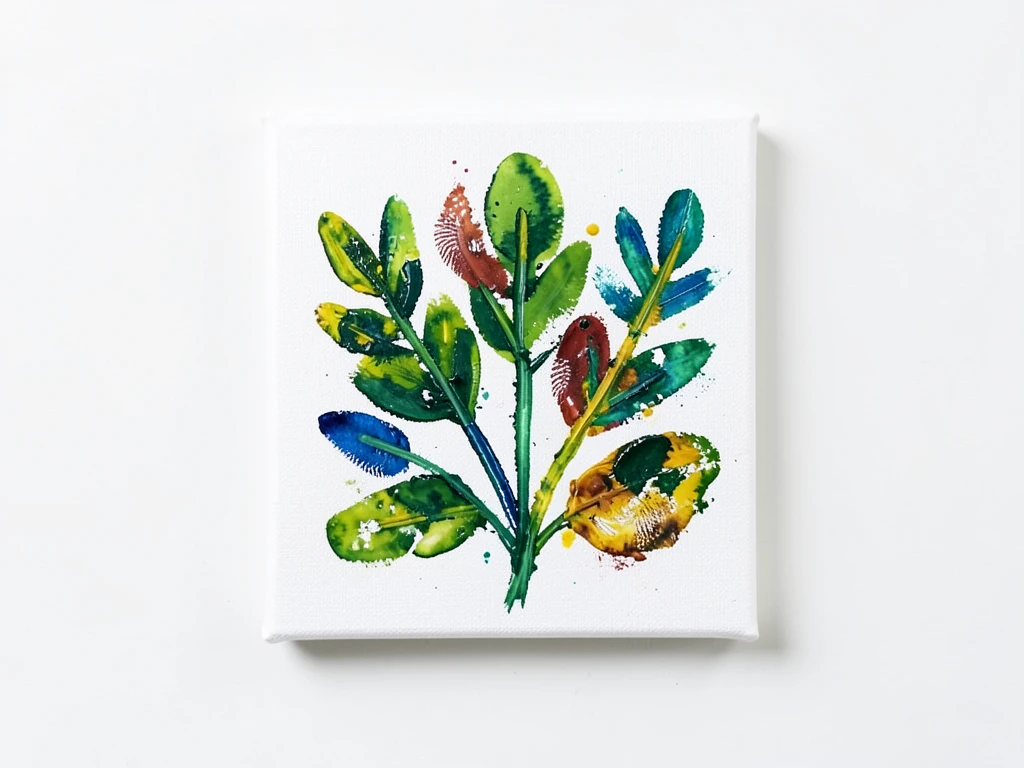
Squeeze green, yellow, and blue paint onto a palette. Press your finger in the paint and onto the canvas to make overlapping leaf shapes. This connects you directly to the artwork without the need for a brush.
30. Washi Tape Geometric Pattern Designs On Wood
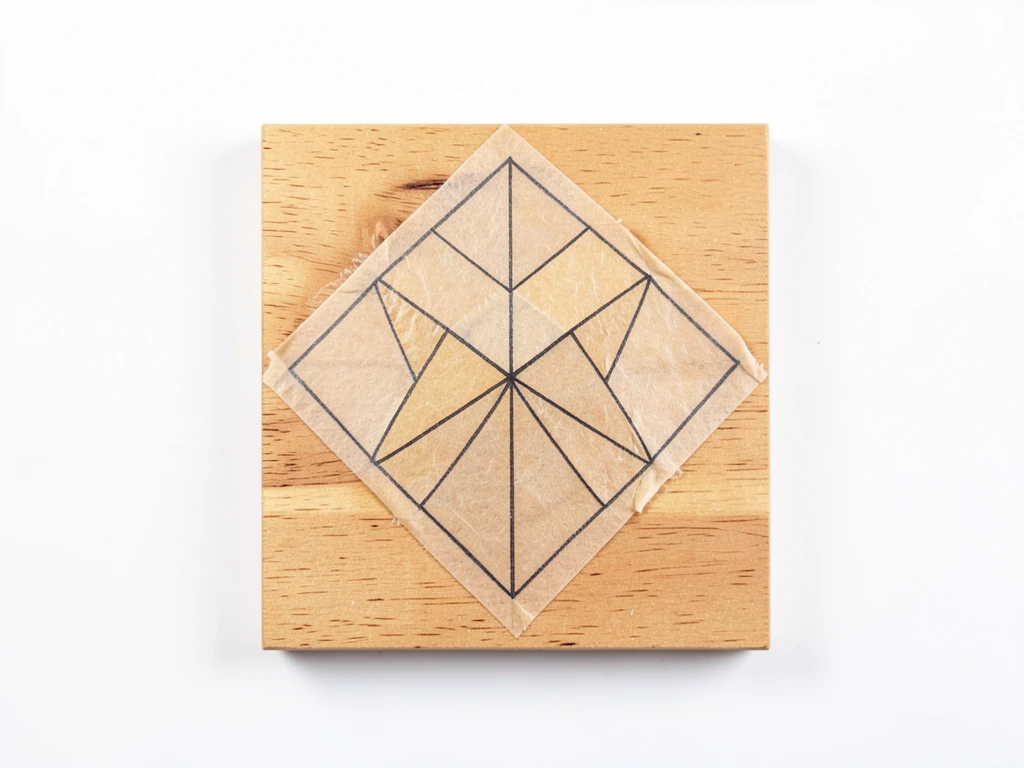
Apply strips of washi tape to a small wood panel in a crosshatch pattern. Paint over the entire panel with acrylic. Once dry, peel the tape off to reveal the natural wood grain breaking up the colors.
31. Salt Crystal Winter Scene Painting Ideas
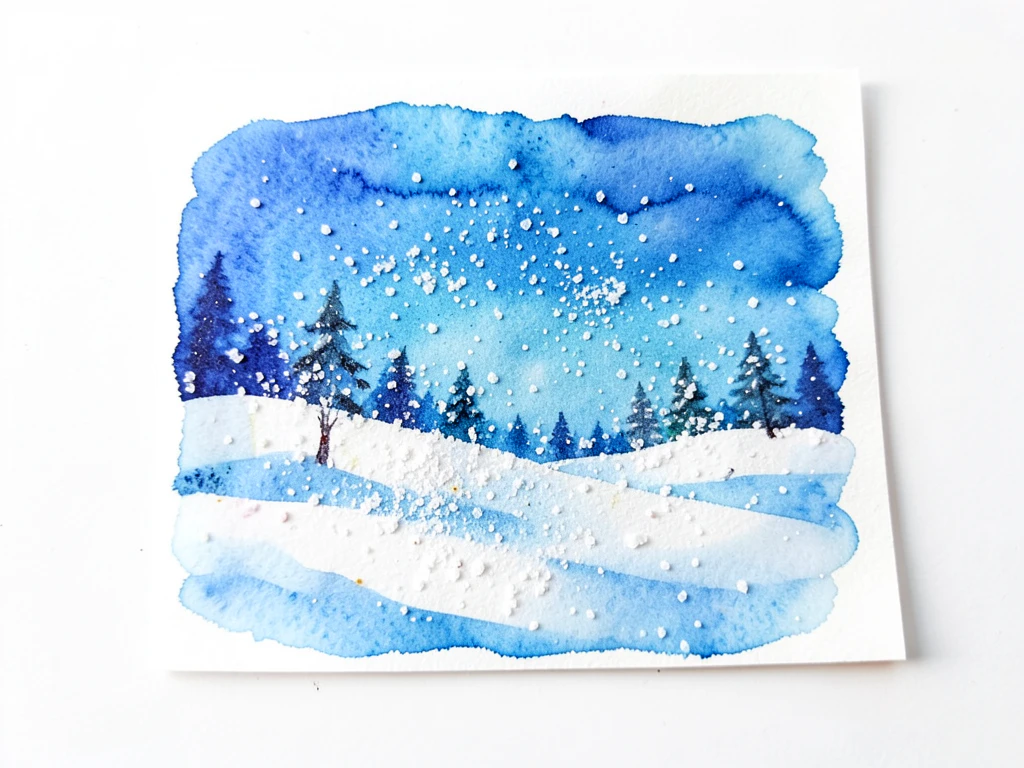
Paint a blue wash on watercolor paper and sprinkle salt thickly over the bottom half while wet. Brush the salt off once dry to reveal white crystal shapes. Paint a small black tree in the corner for a chilling winter vibe.
32. Mini Palette Knife Florals For Small Canvas
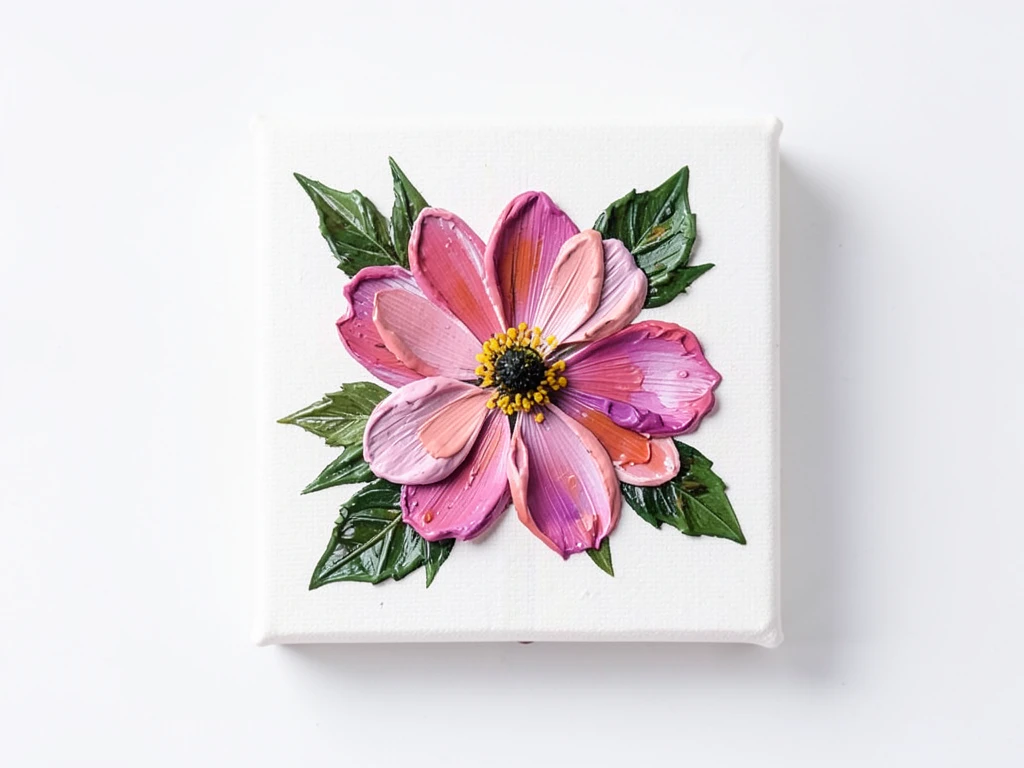
Load a palette knife with pink paint and dab it onto the canvas with a quick twisting motion to create rose-like shapes. Use green paint to pull downward strokes for stems, utilizing the thick paint for dynamic texture.
33. Negative Space Constellation Map Art
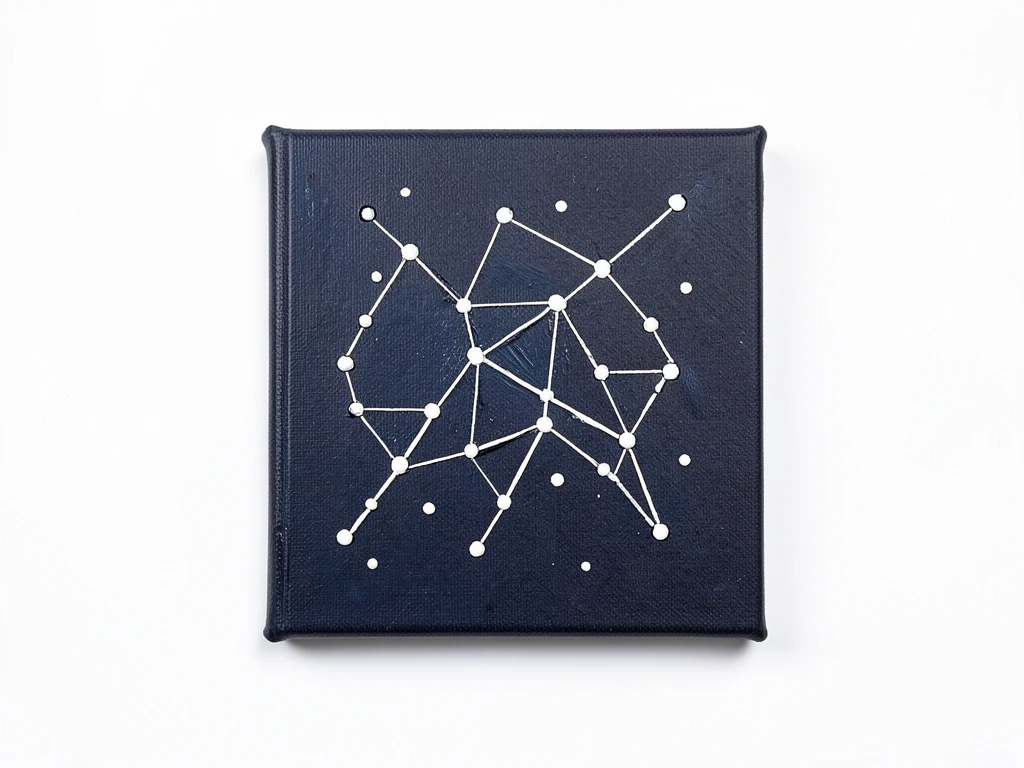
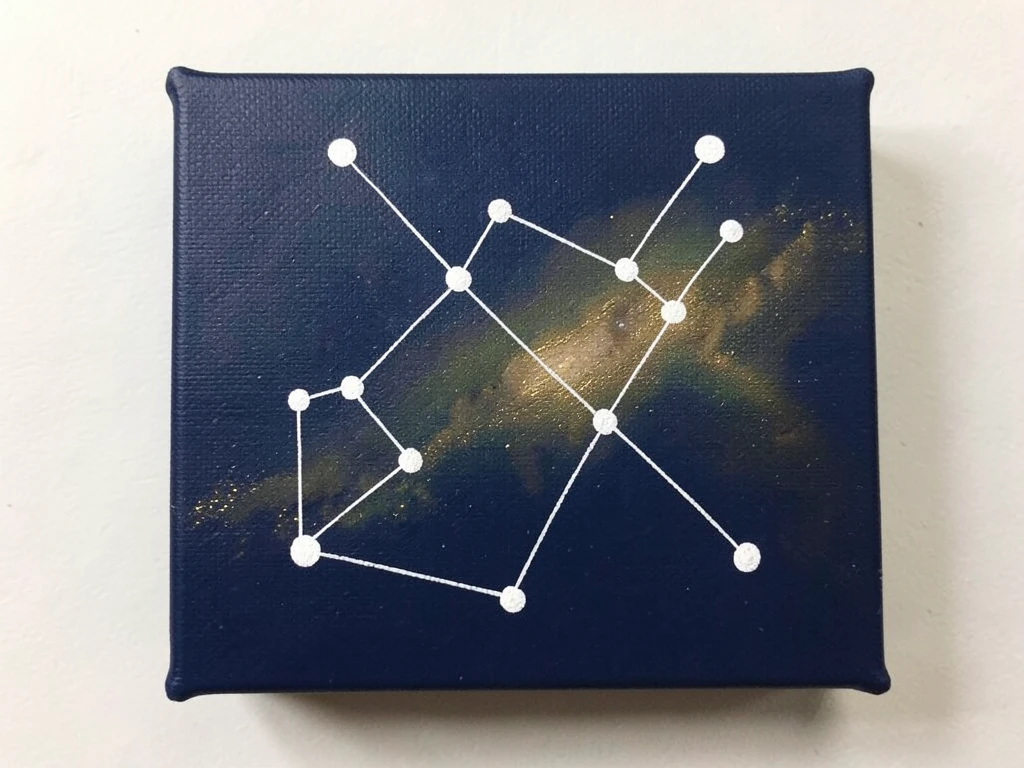
Paint the entire small canvas dark blue. Dot the canvas with white paint using a pencil tip to make stars. Connect the stars with thin white lines to form a real constellation. Learn how to paint realistic night skies to add nebulas in the background.
34. Alcohol Ink Yupo Paper Marbling Painting
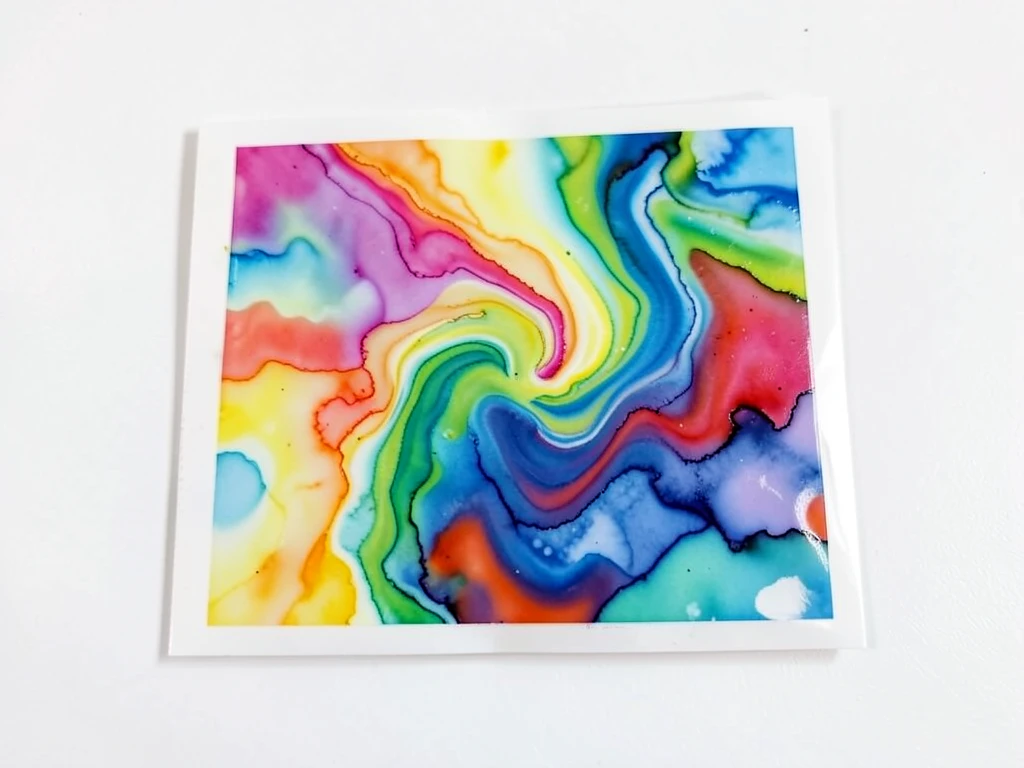
Drop alcohol inks onto Yupo paper and add blending solution. Tilt the paper so the colors flow. You can easily create patterns that mimic natural agate or marble.
35. Poured Acrylic Jewelry Dishes Painting
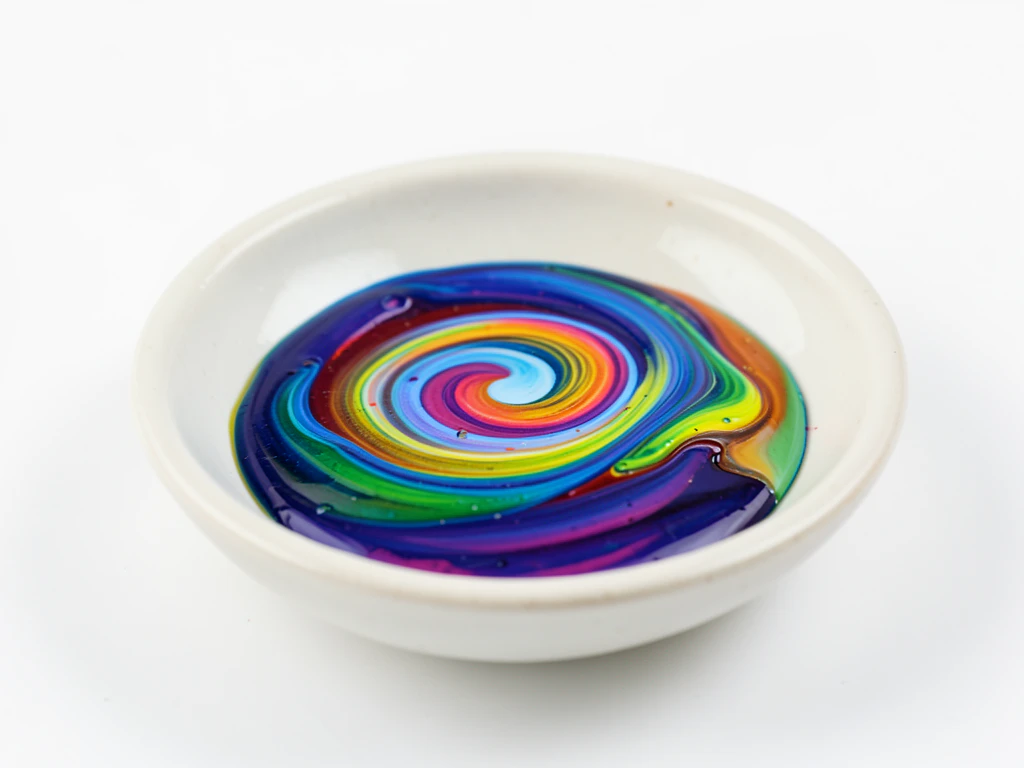
Mix acrylic paint with pouring medium and pour it into a shallow jewelry dish mold. Add a drop of silicone oil and drag a toothpick through it to create mesmerizing cellular patterns.
36. Gradient Ombre Moon Phases Painting
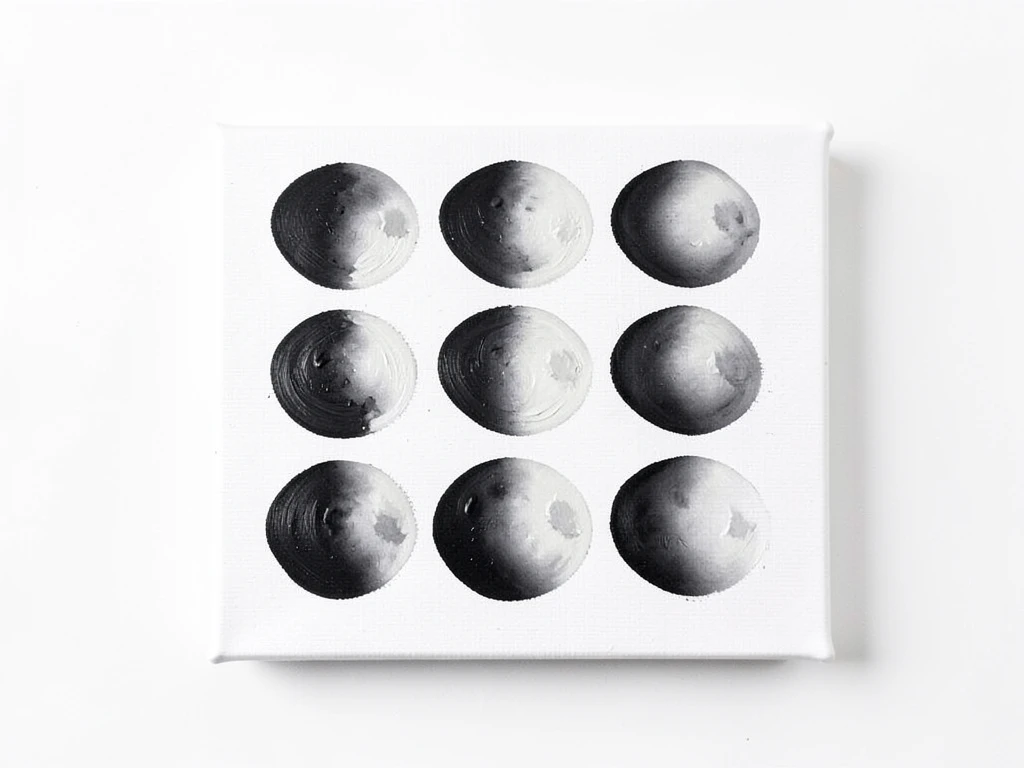
Paint the canvas dark blue. Mix varying amounts of white with blue to paint a row of circles, blocking out portions with black to depict the lunar cycle. This effectively teaches gradient blending.
37. Stippled Birch Tree Forests With A Brush
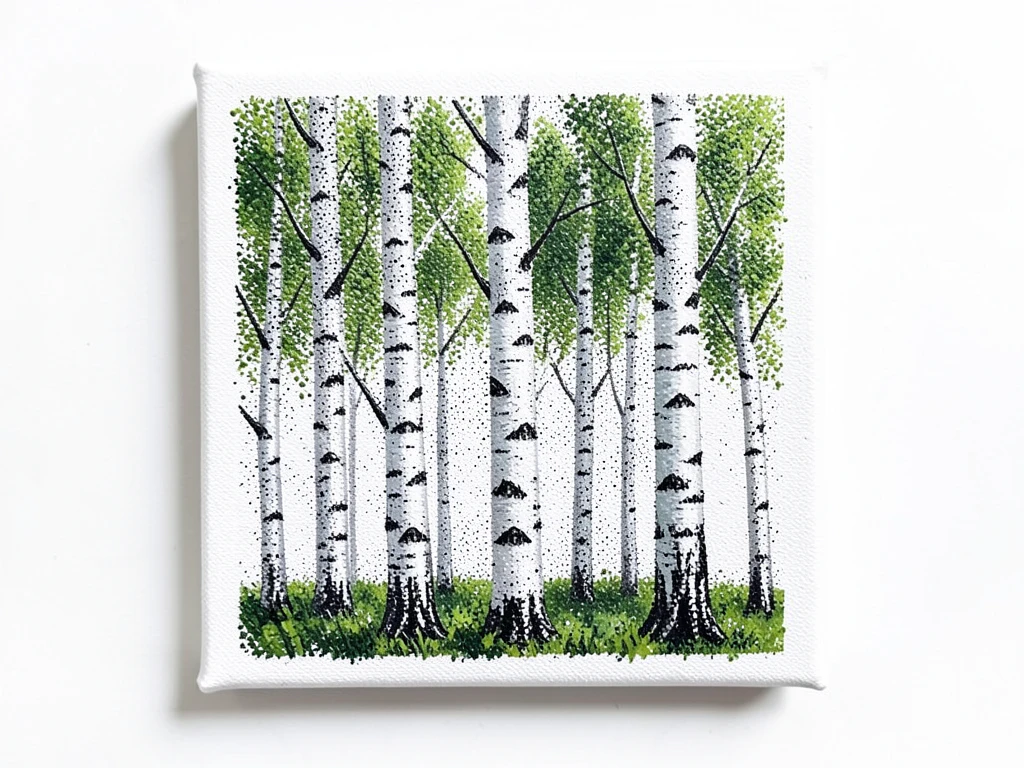
Paint a light gray background. Dip the end of a brush handle in black paint and dot it in vertical lines to mimic birch bark. This stippling technique builds rich visual texture.
38. Metallic Leaf Abstract Landscapes On Canvas
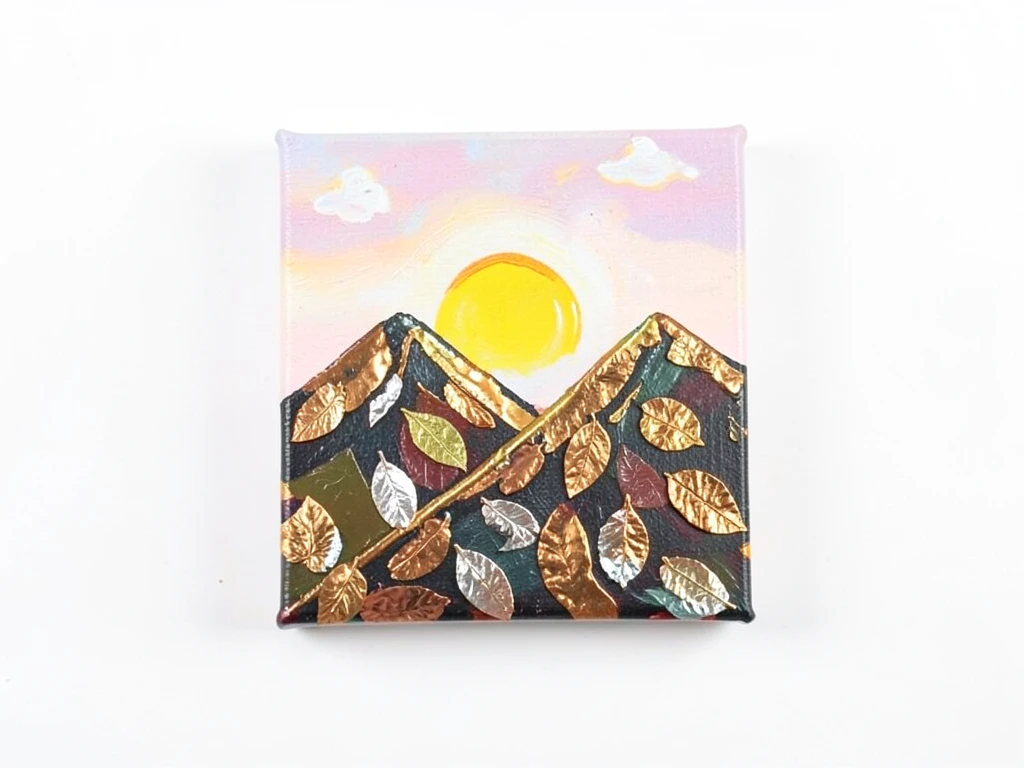
Paint a simple landscape using blue for the sky and brown for the ground. Brush adhesive on the horizon line and place gold leaf over it to elegantly separate the two areas.
39. Watercolor Resist Winter Cardinals Art
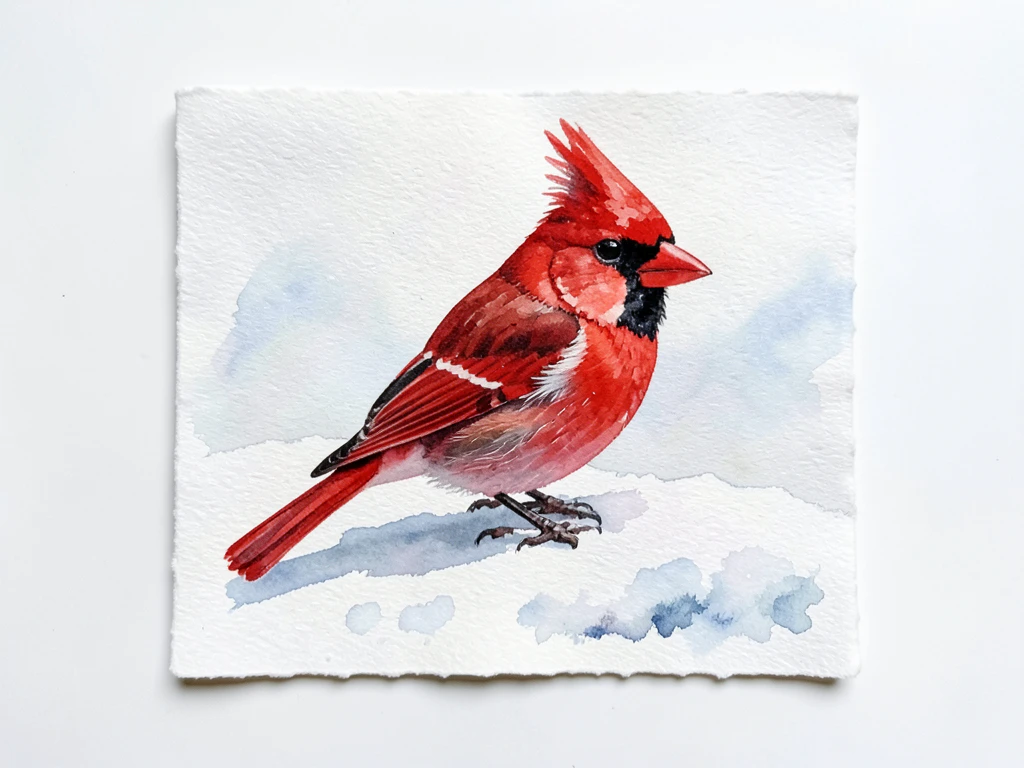
Draw a cardinal shape on watercolor paper with a white crayon. Paint a blue wash over the paper so the crayon resists the paint. Once dry, paint the cardinal red, leaving the crisp white outline intact.
40. Mini Canvas Abstract Face Profiles Painting
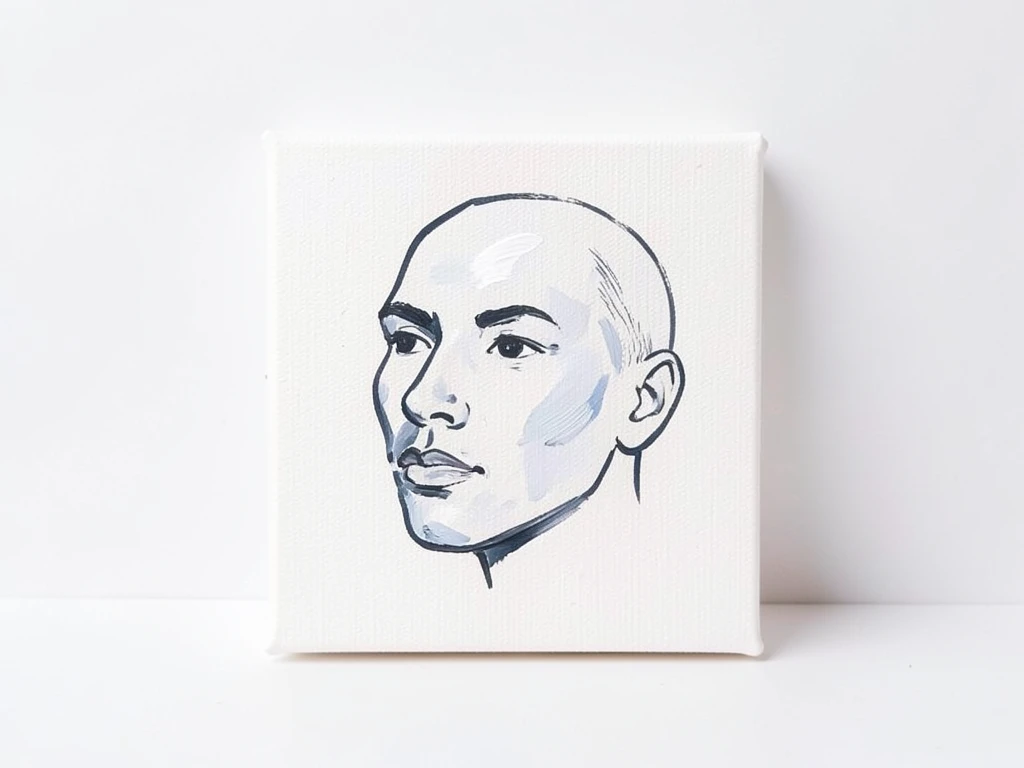
Sketch a side profile on your canvas. Fill the face shape with a solid color and the background with a contrasting one. Add a simple line for the eye and mouth to create striking abstract art—an effortless approach to easy small painting ideas that transforms basic shapes into gallery-worthy pieces.
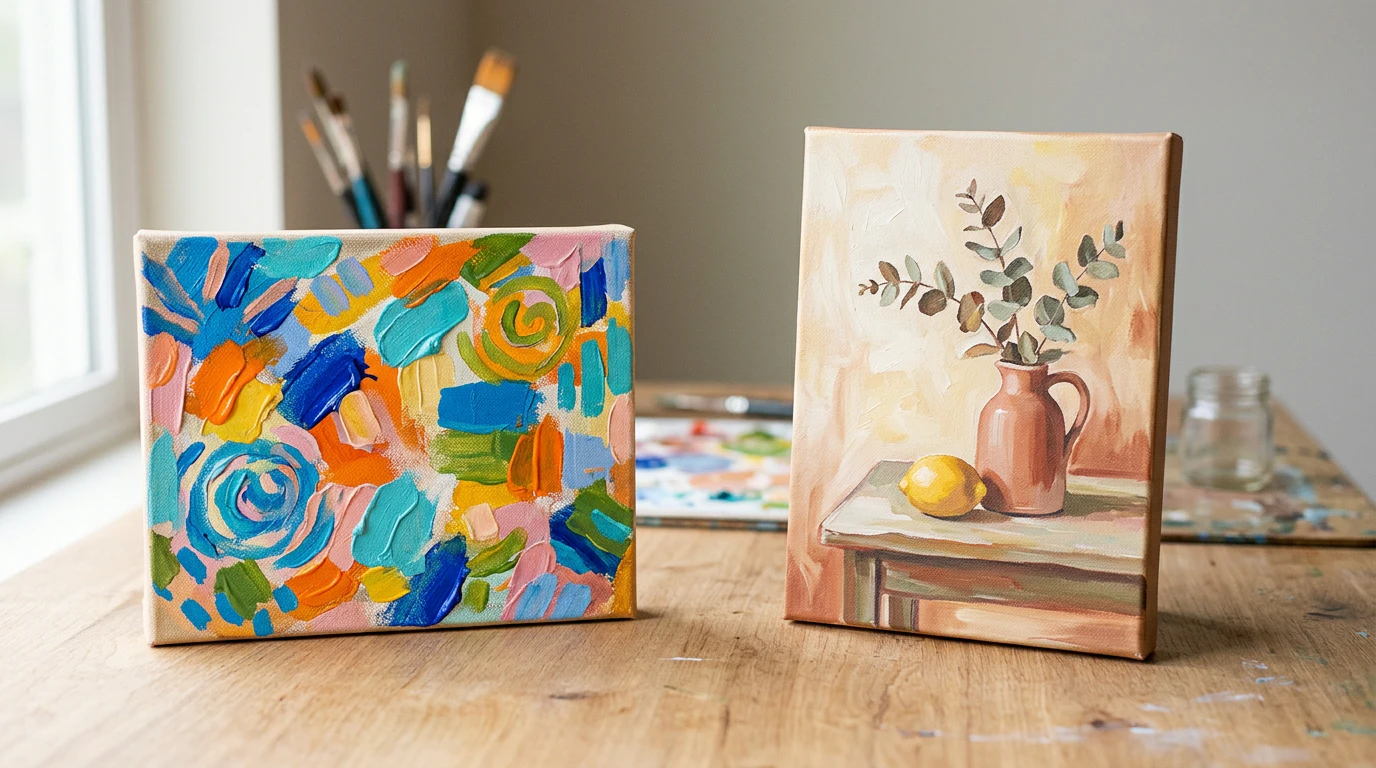
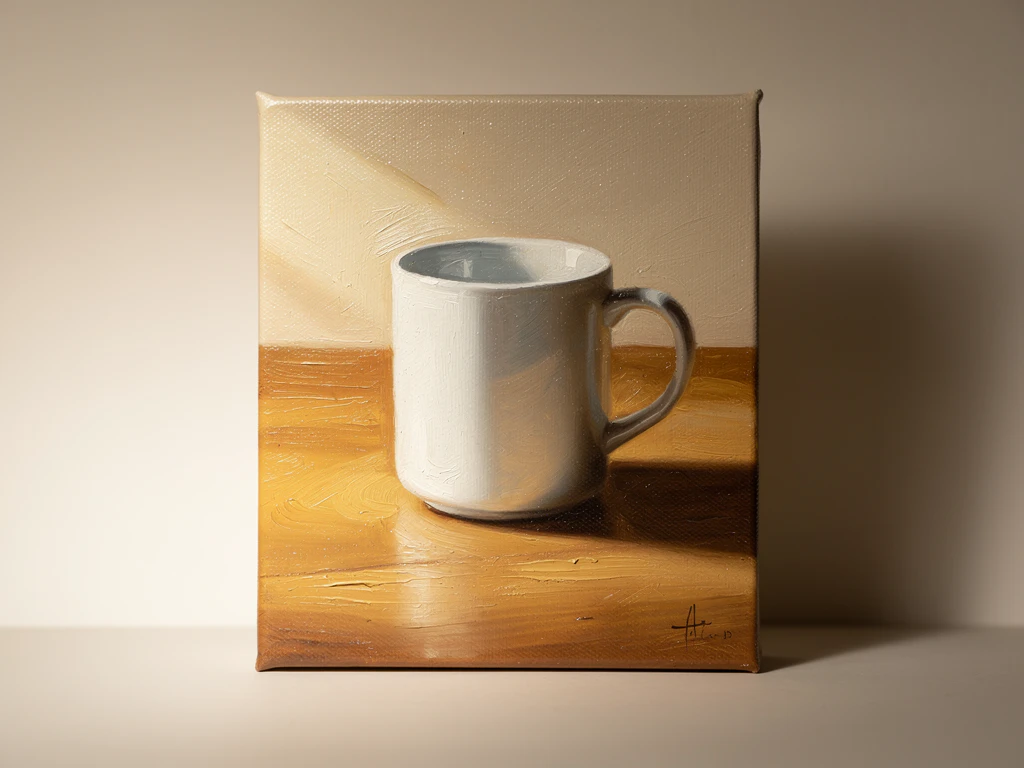
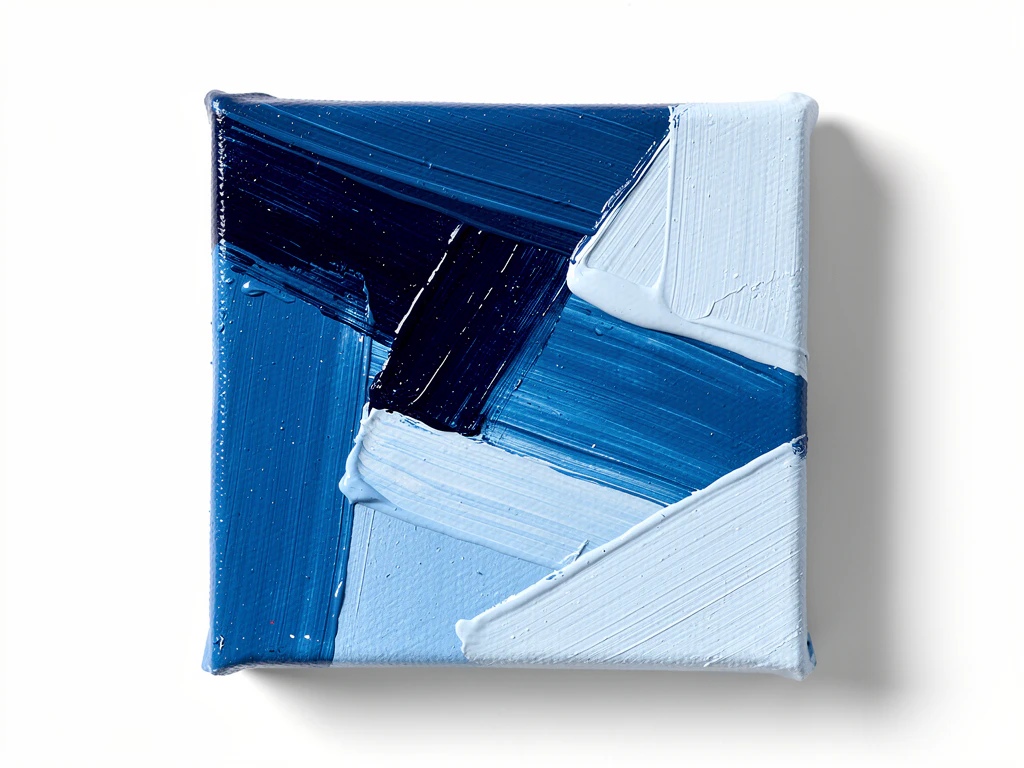
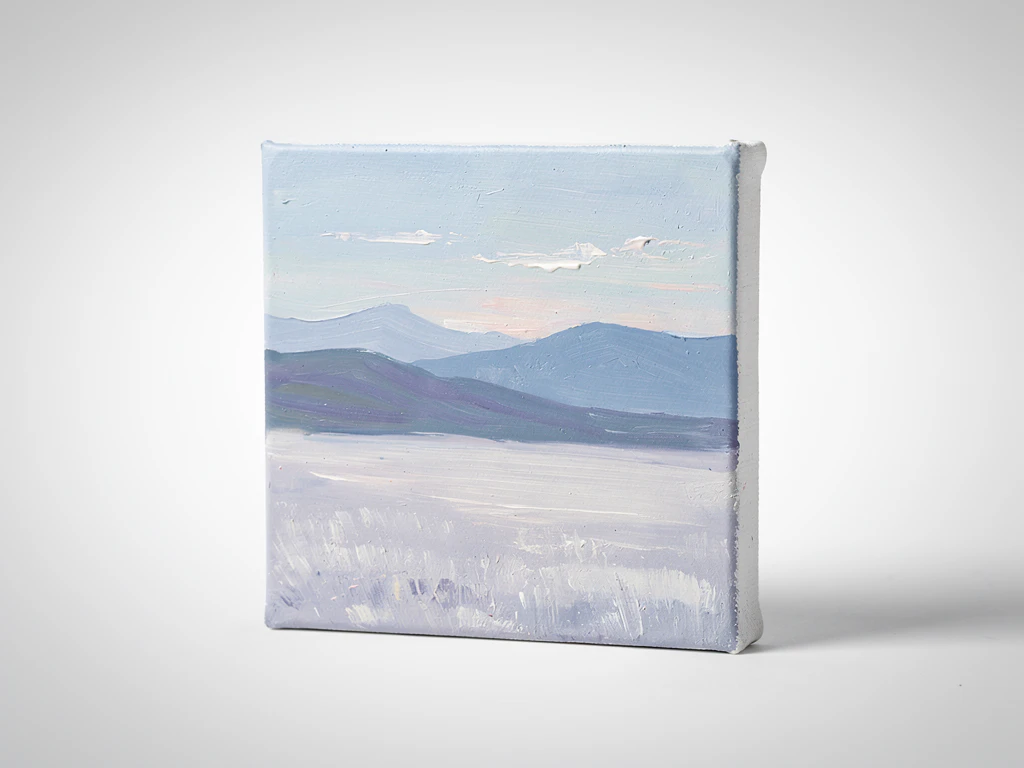
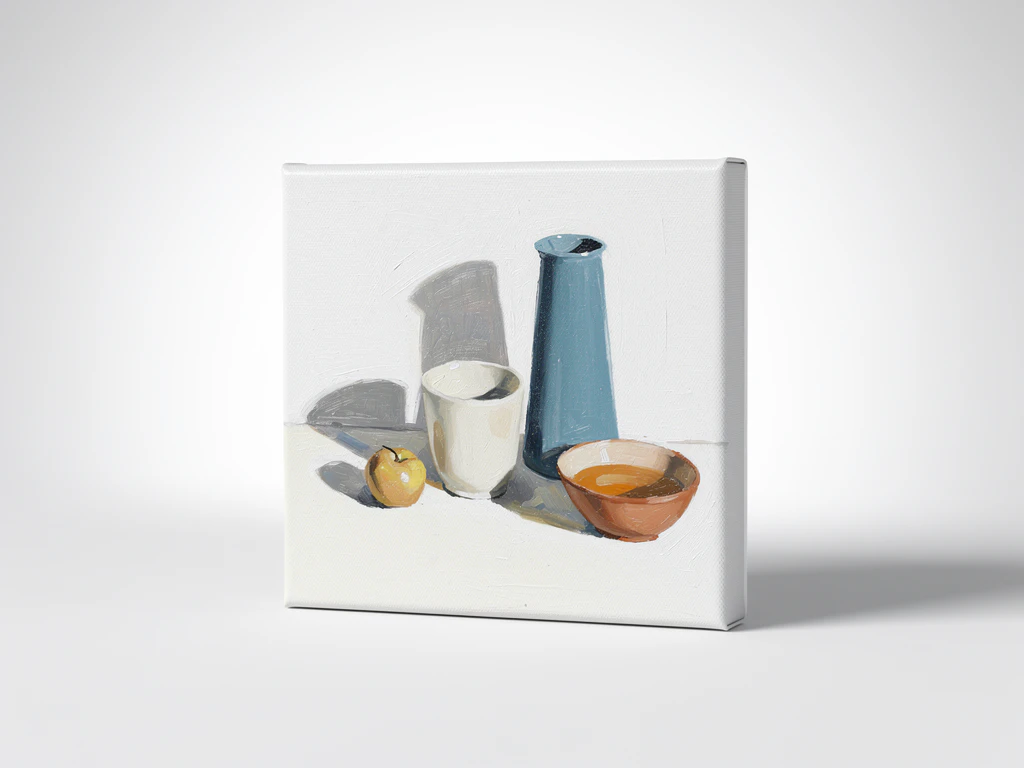
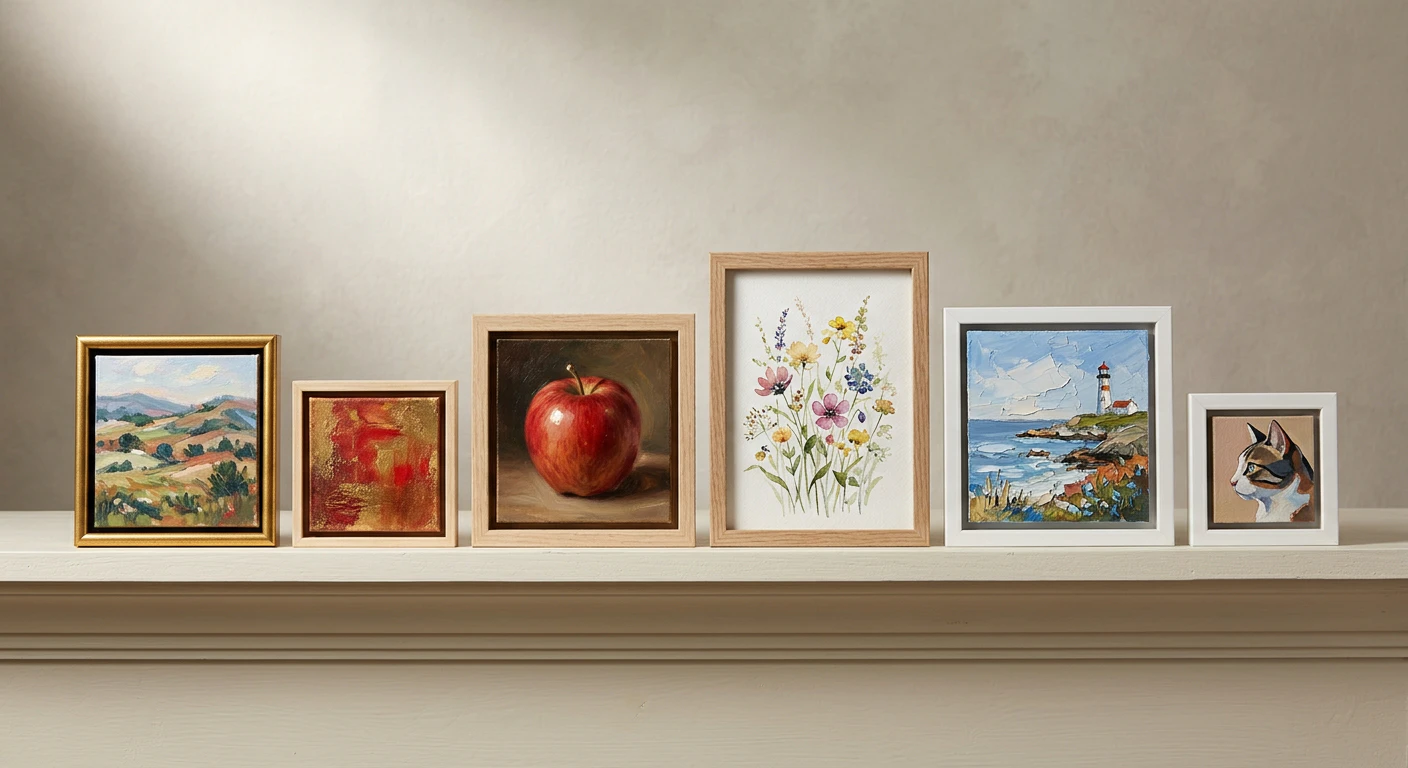
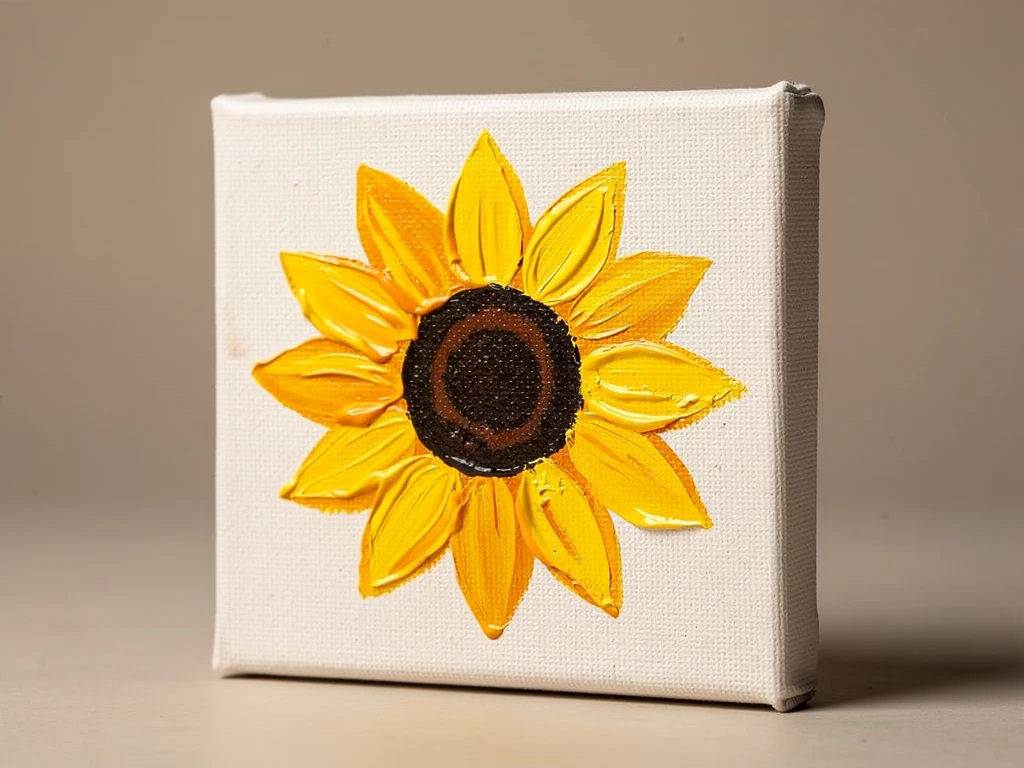
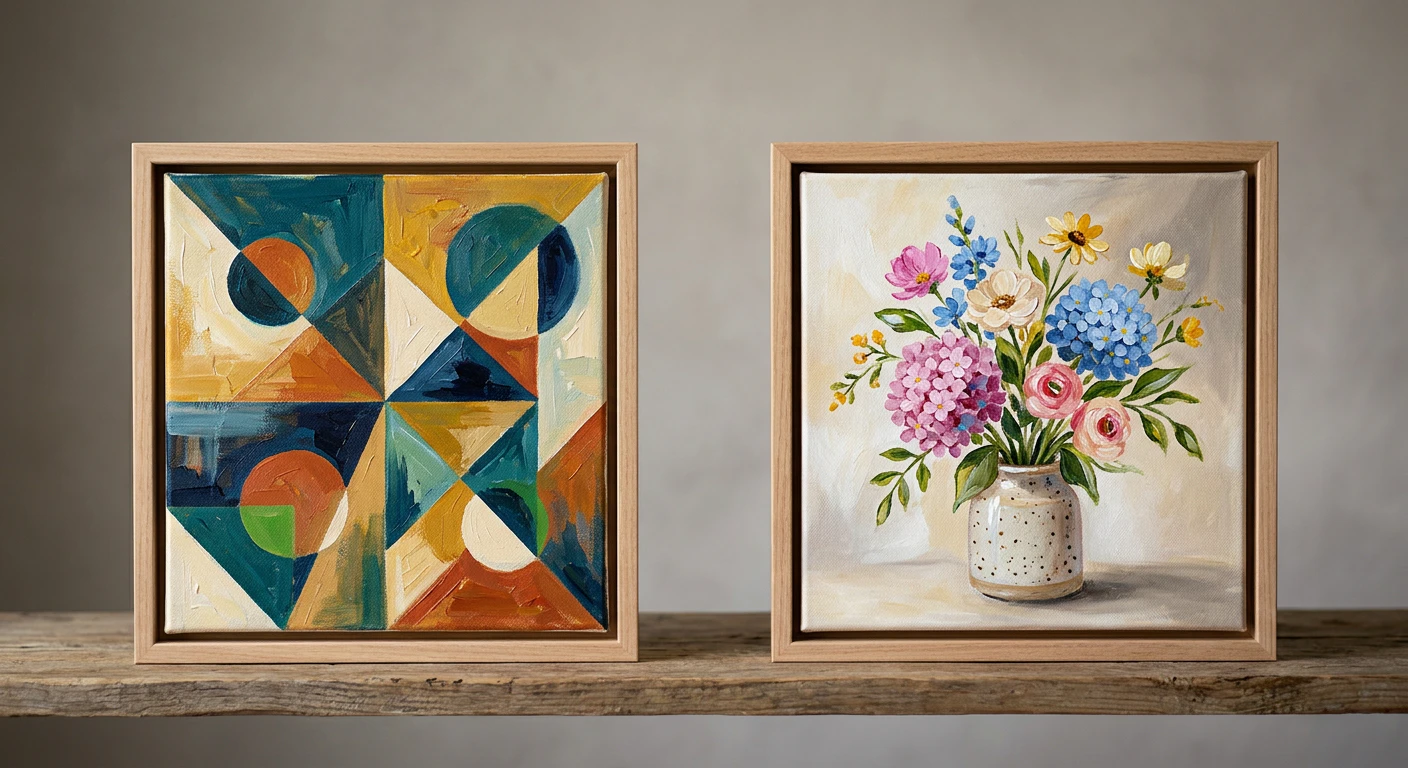
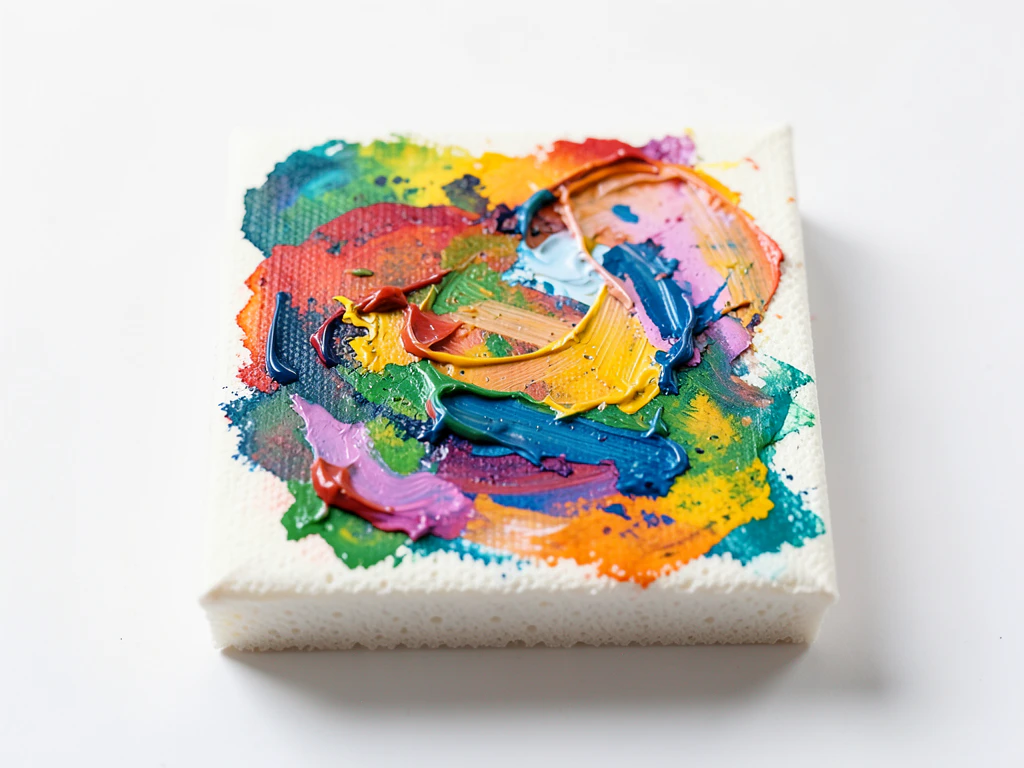
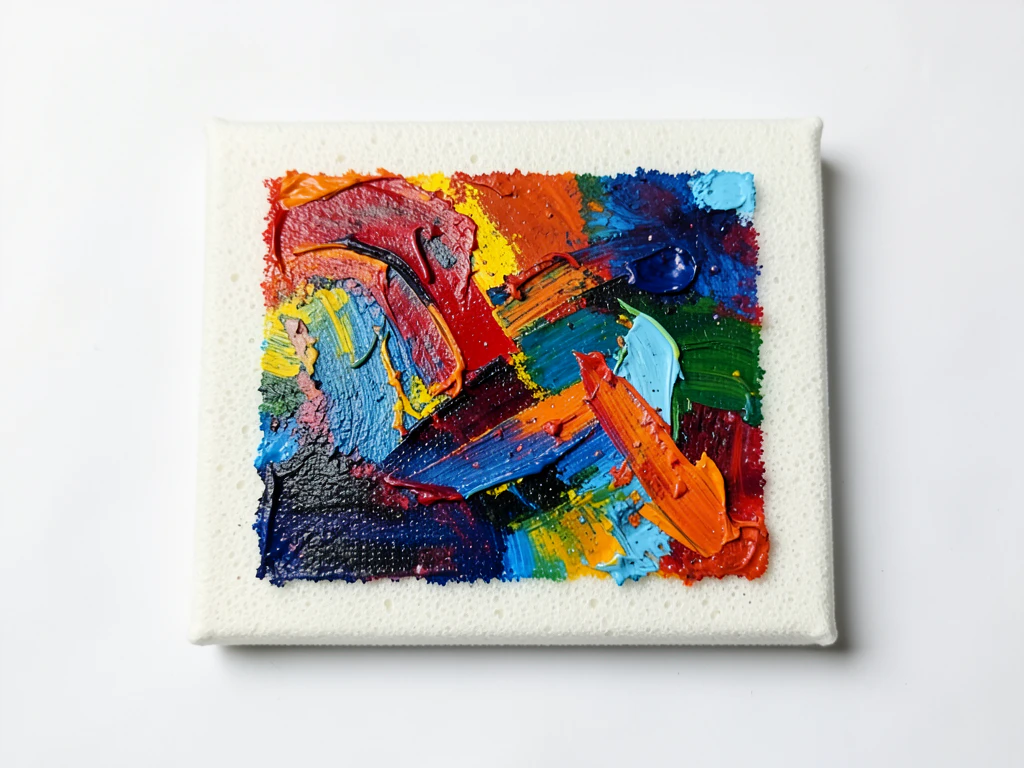
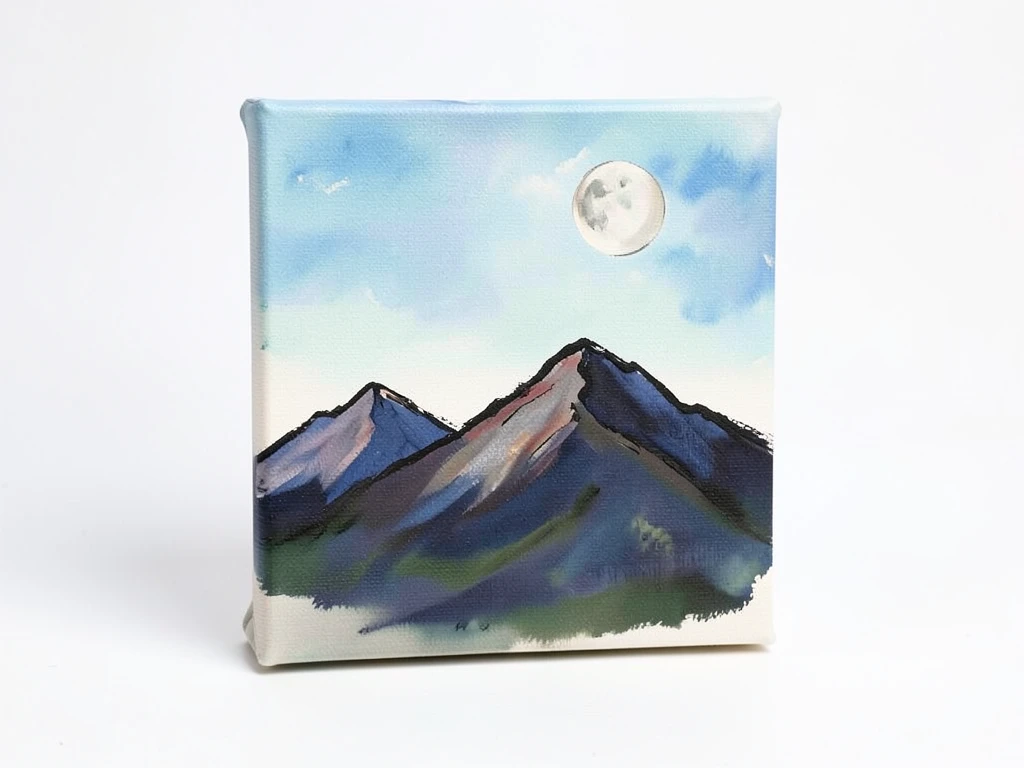
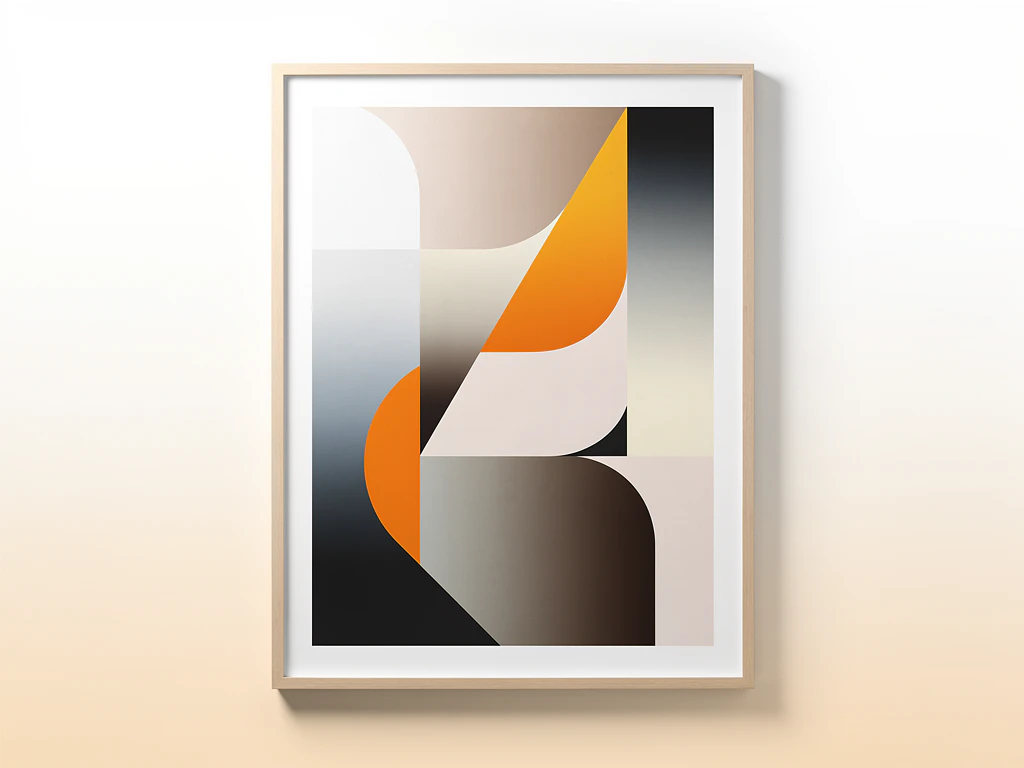
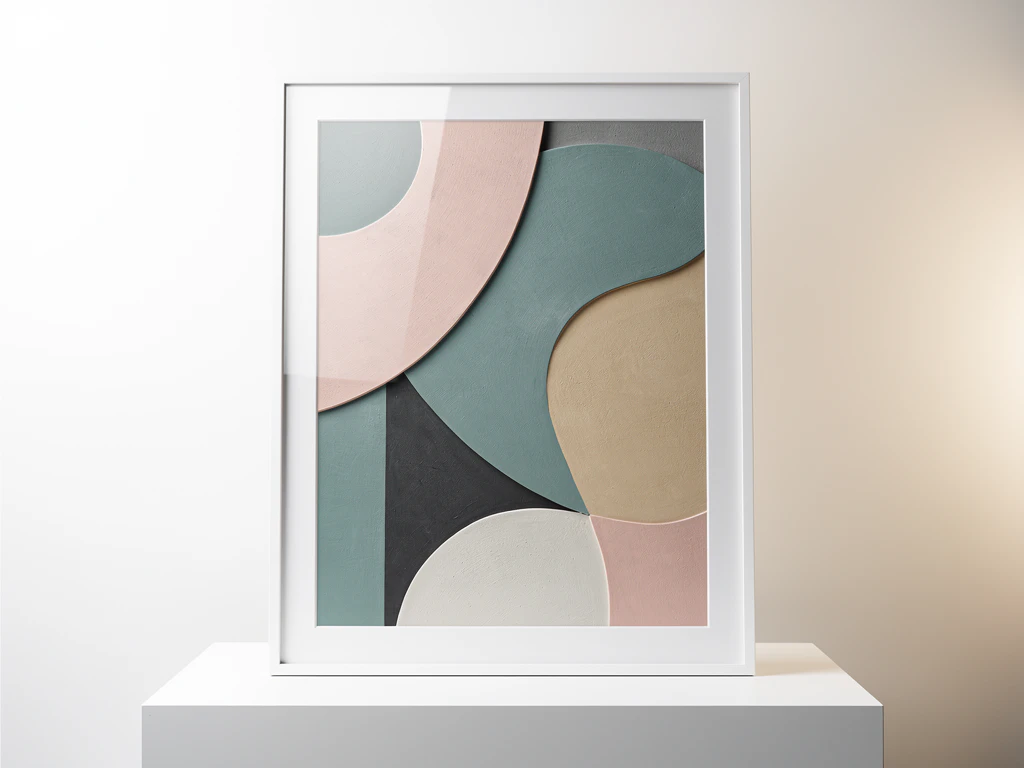
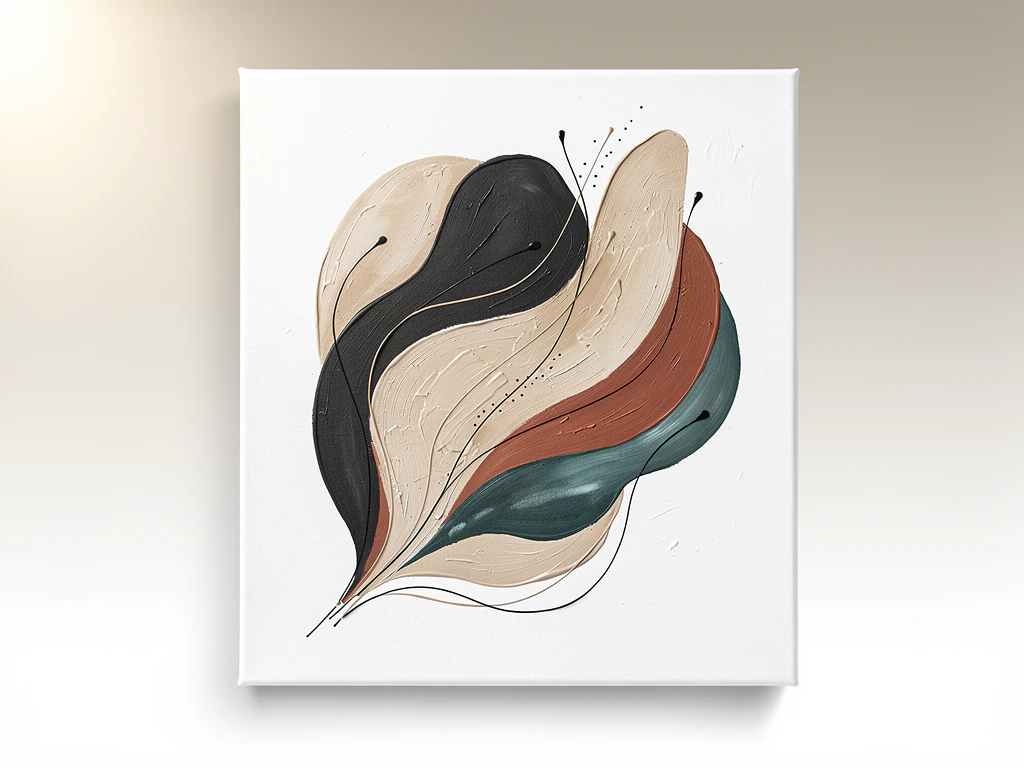
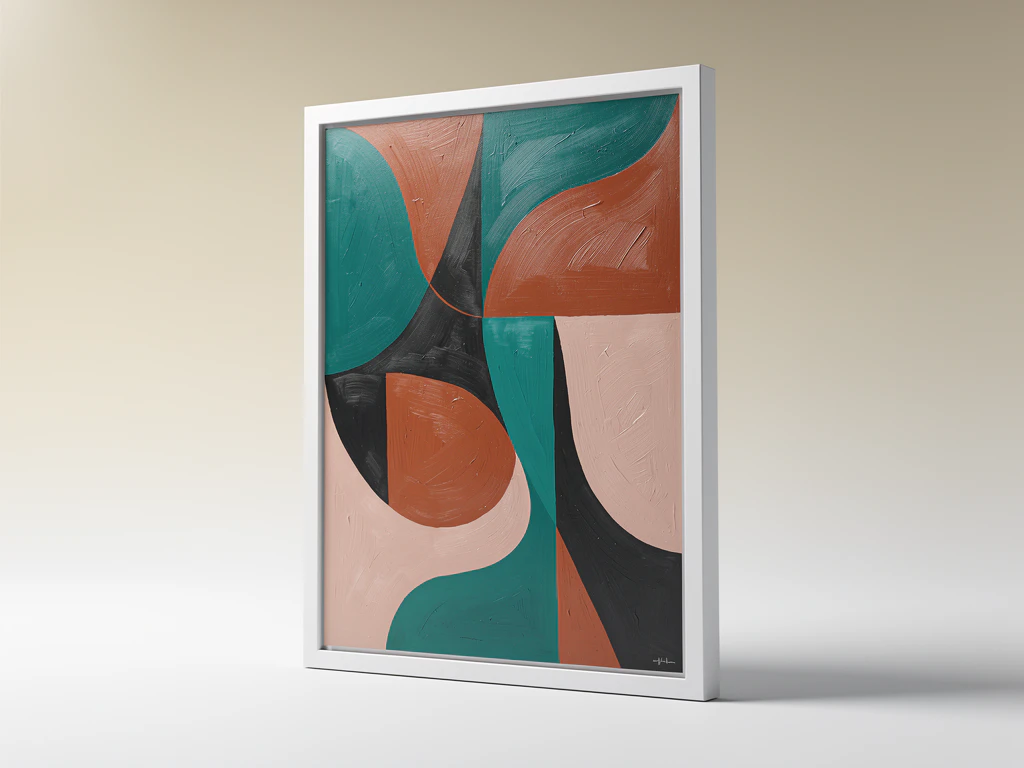
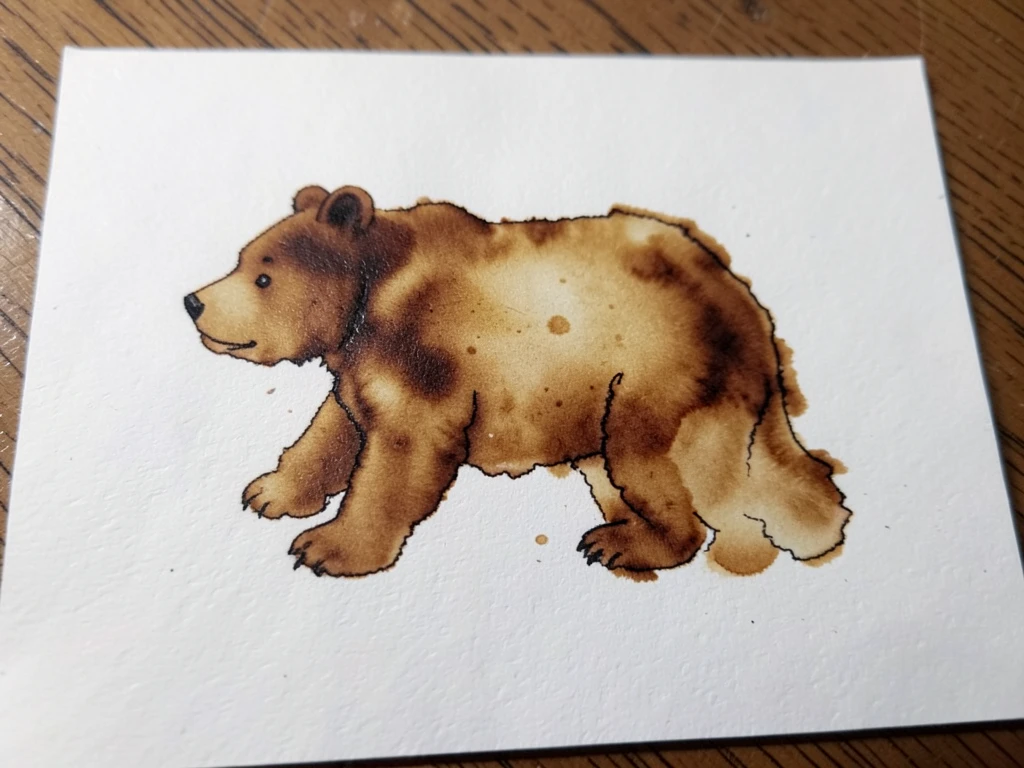
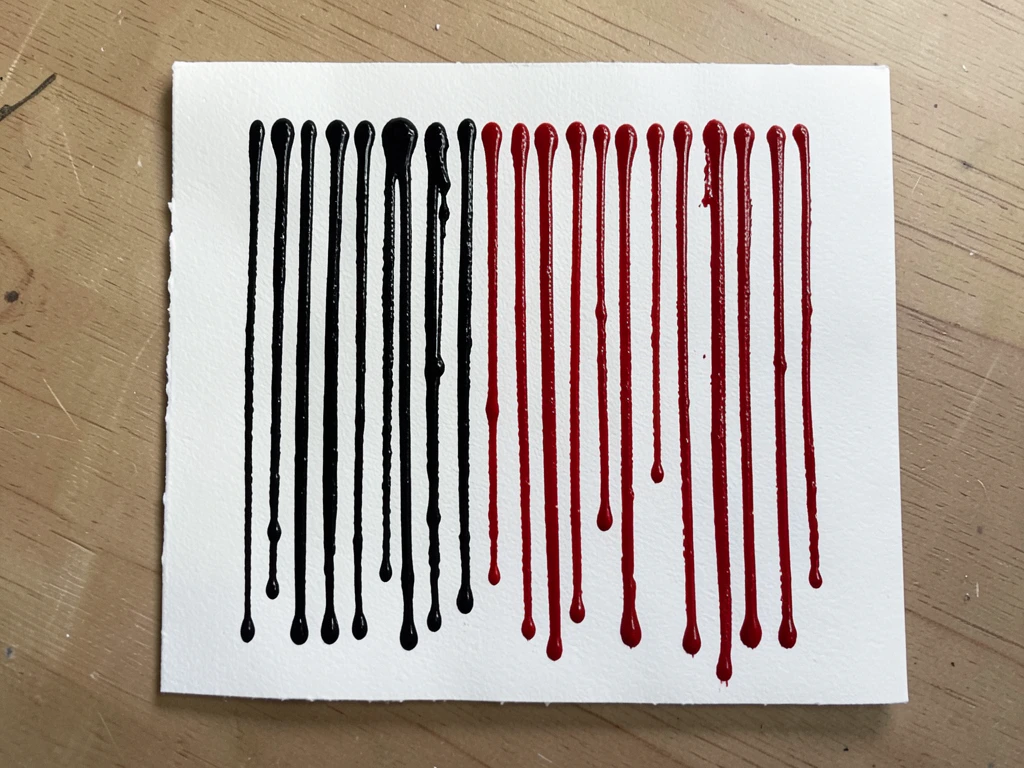
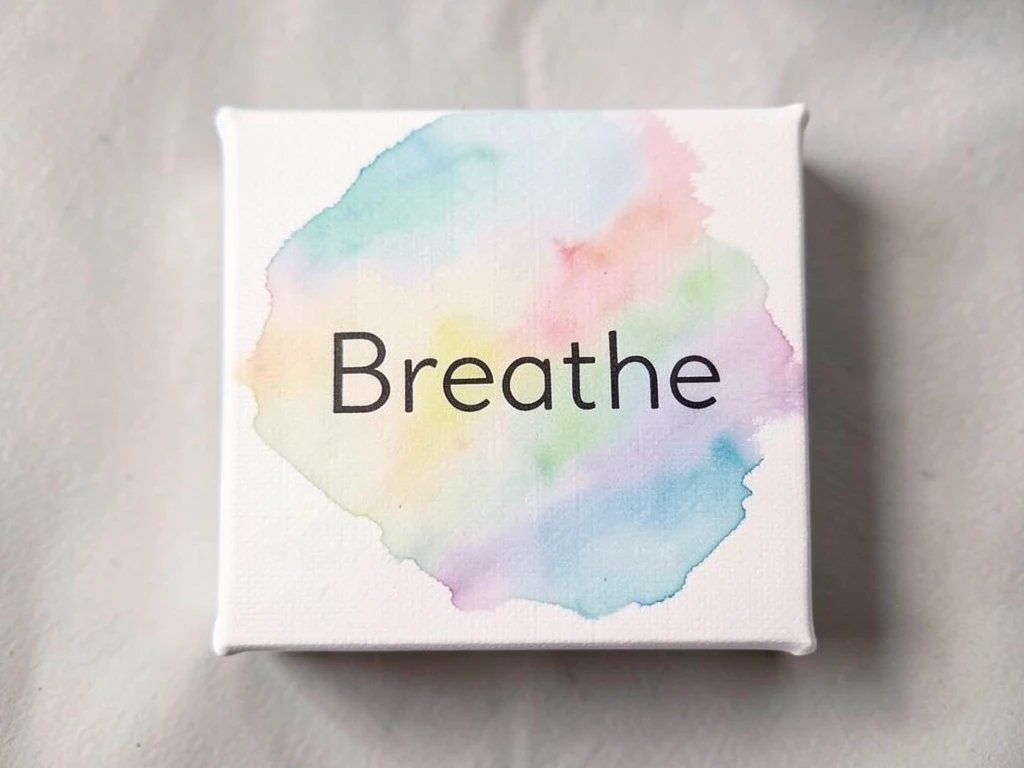
More Easy Small Painting Ideas Gallery For Inspiration
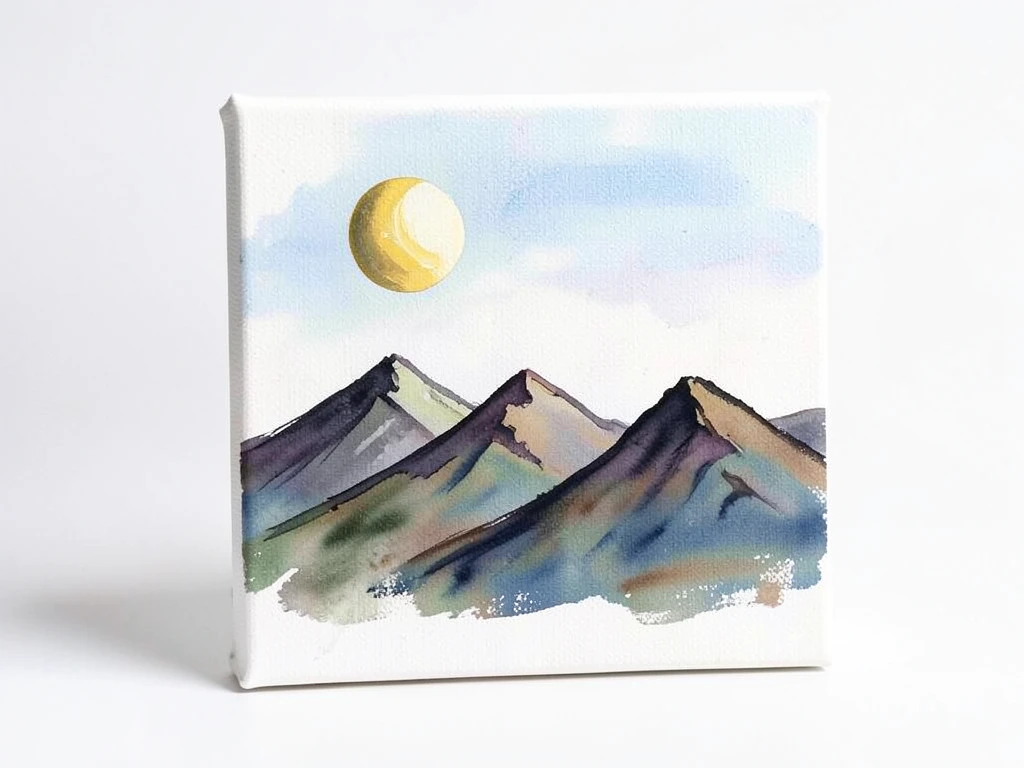
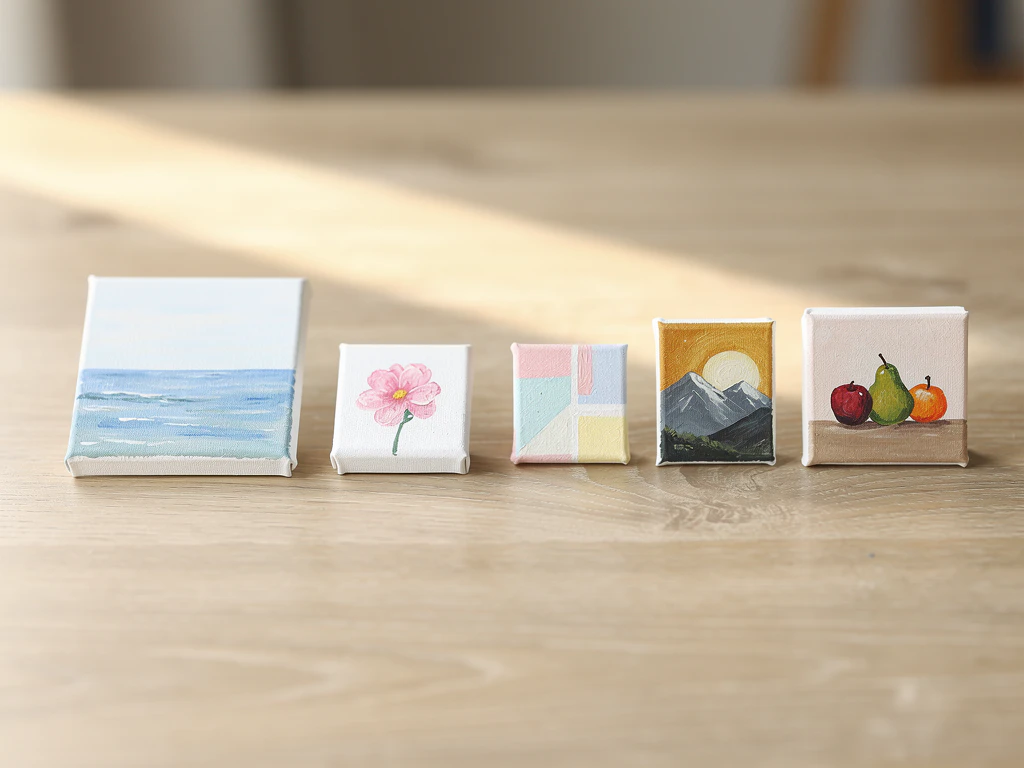
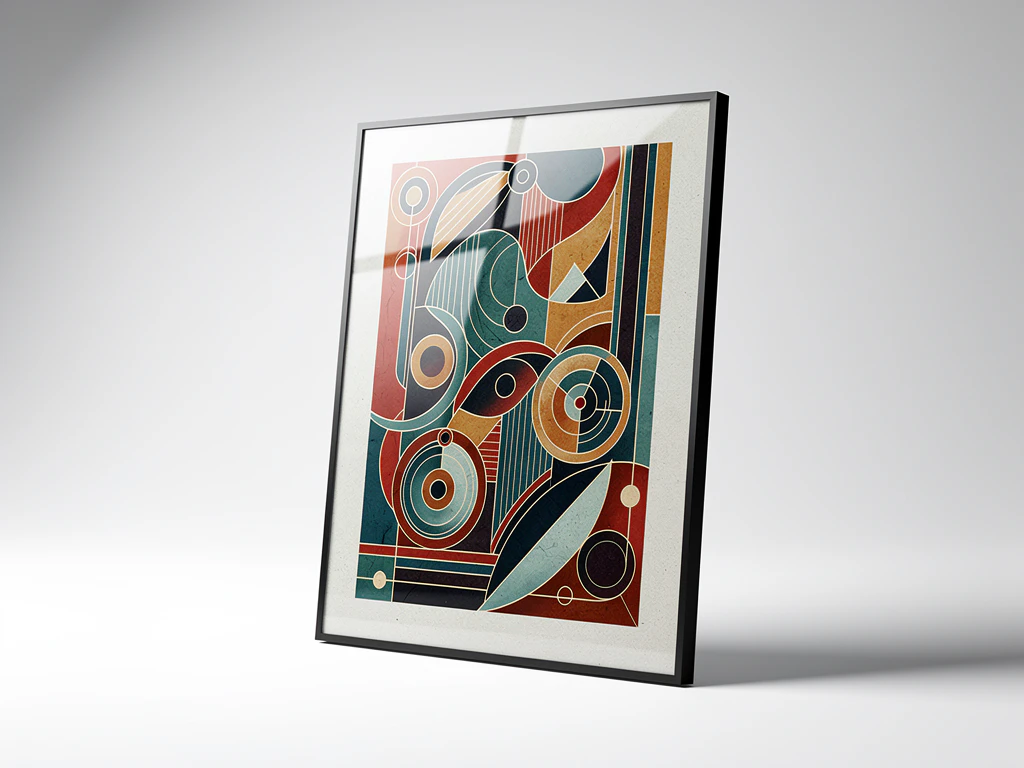
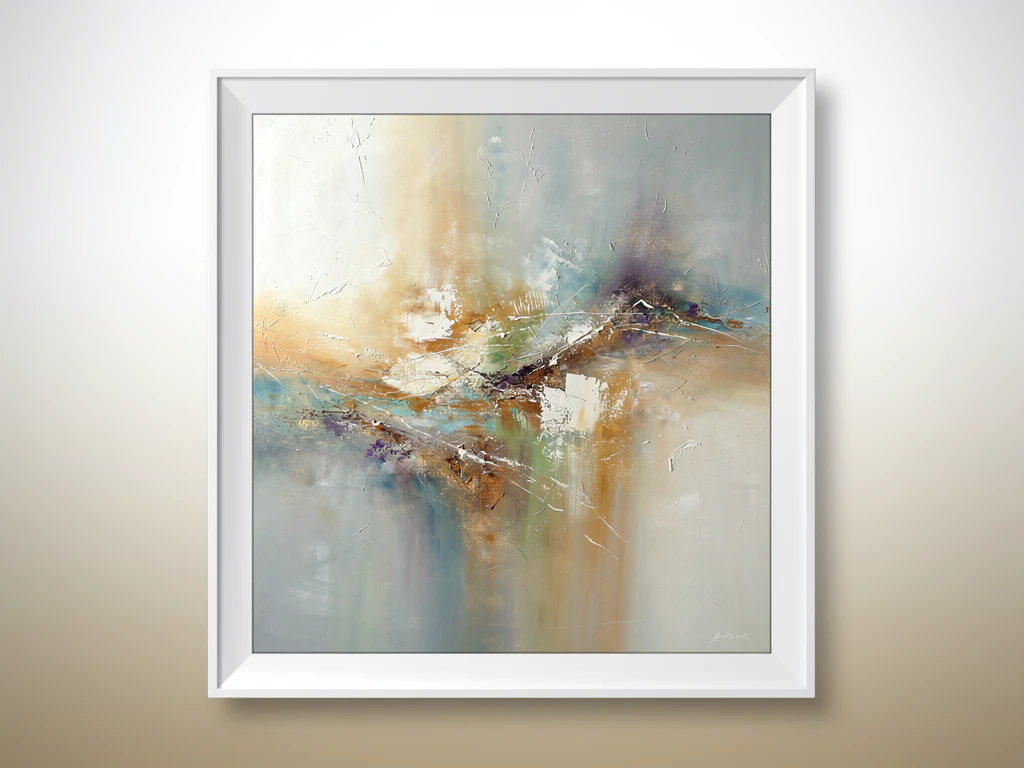
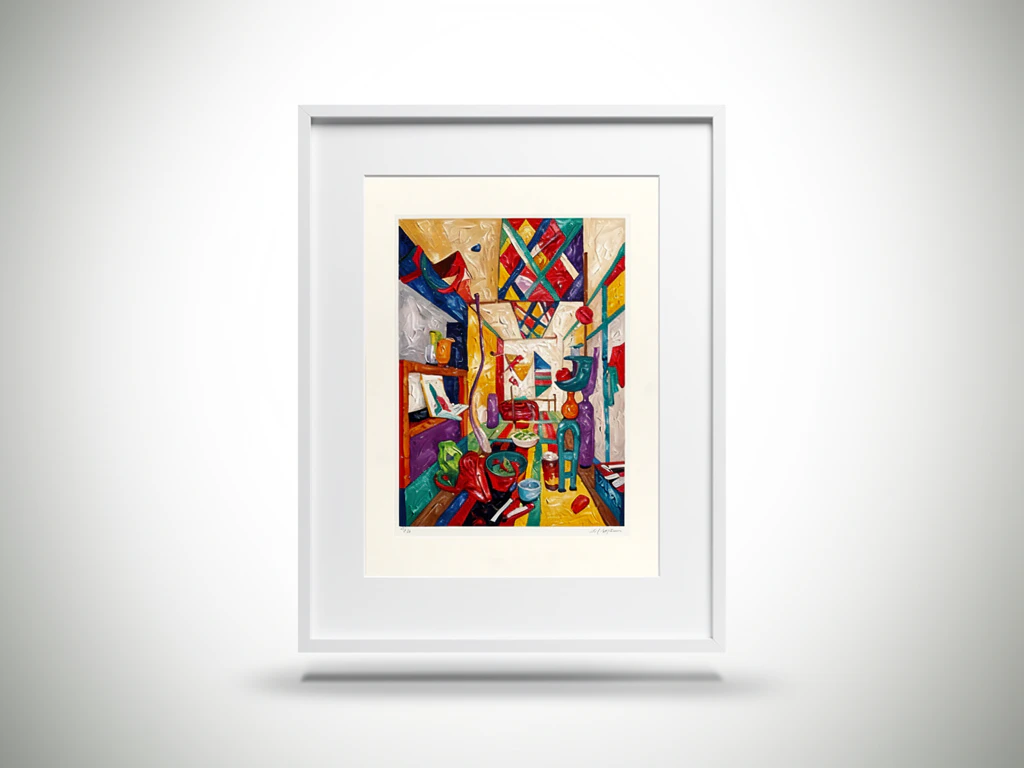
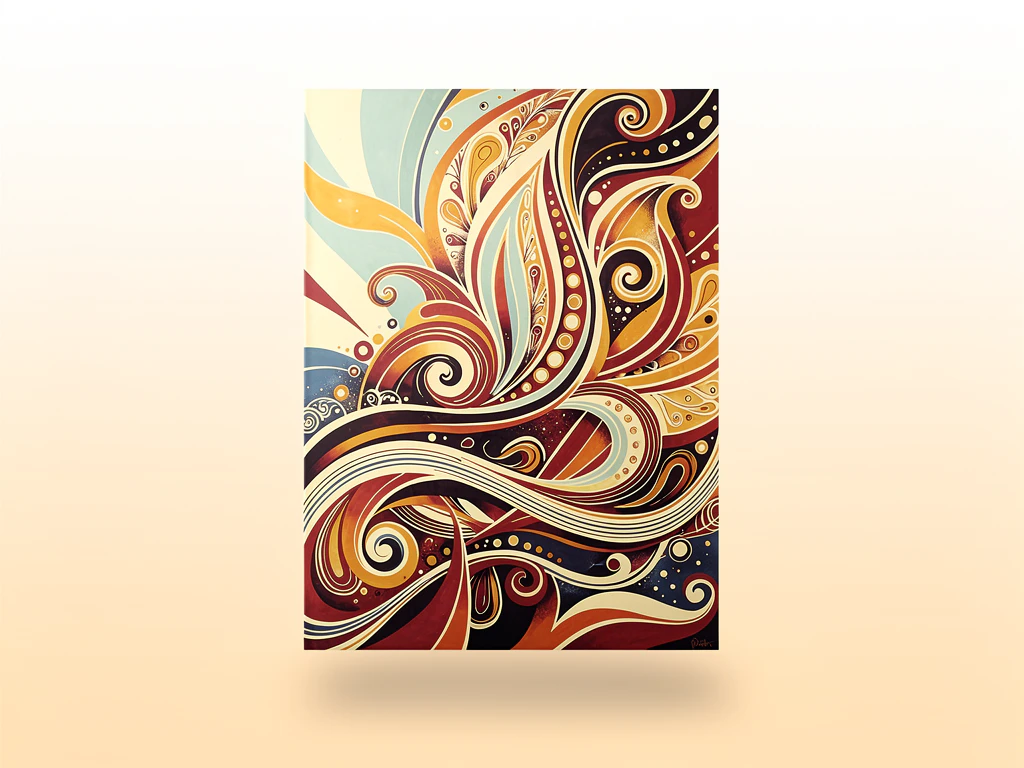
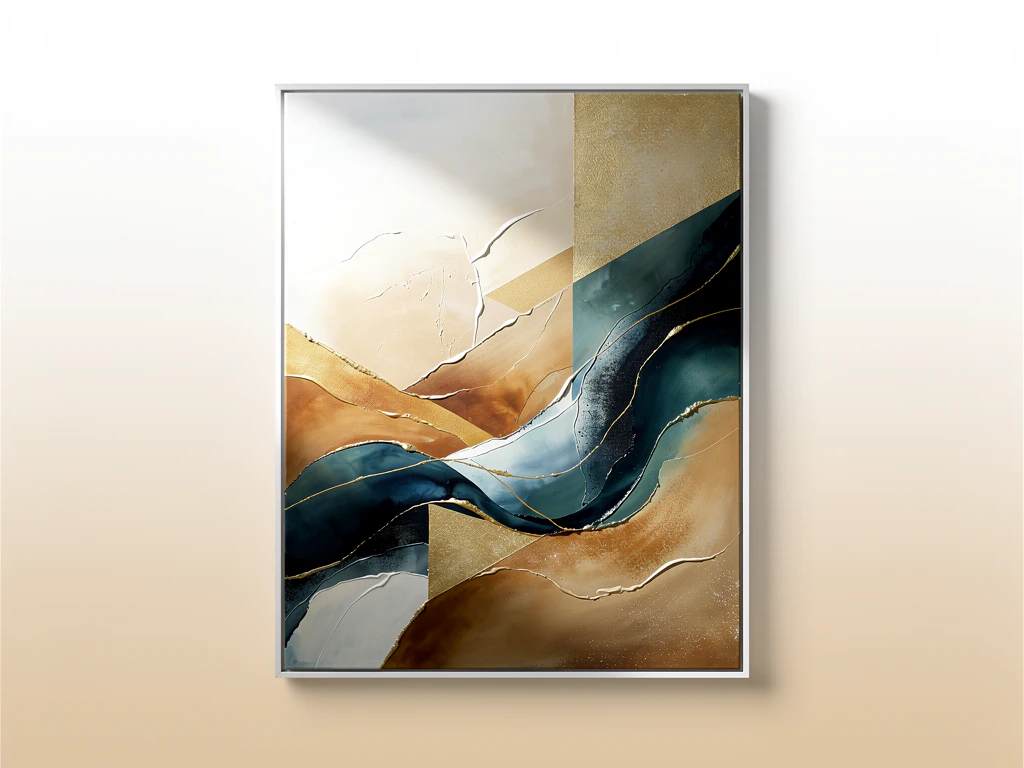
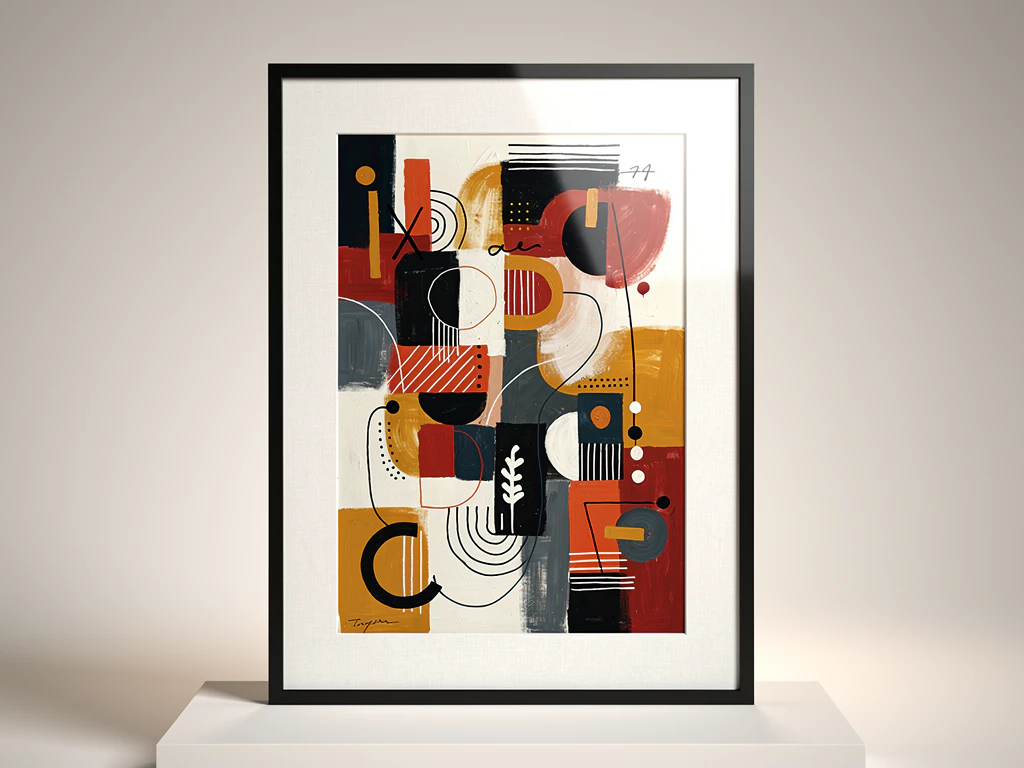
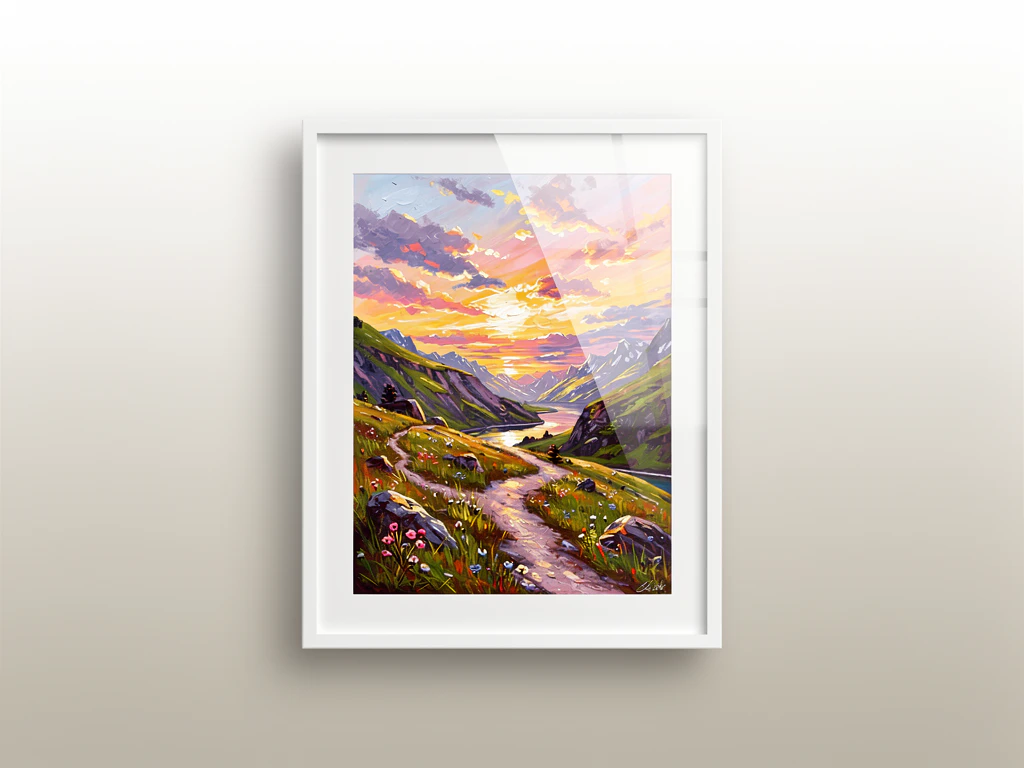
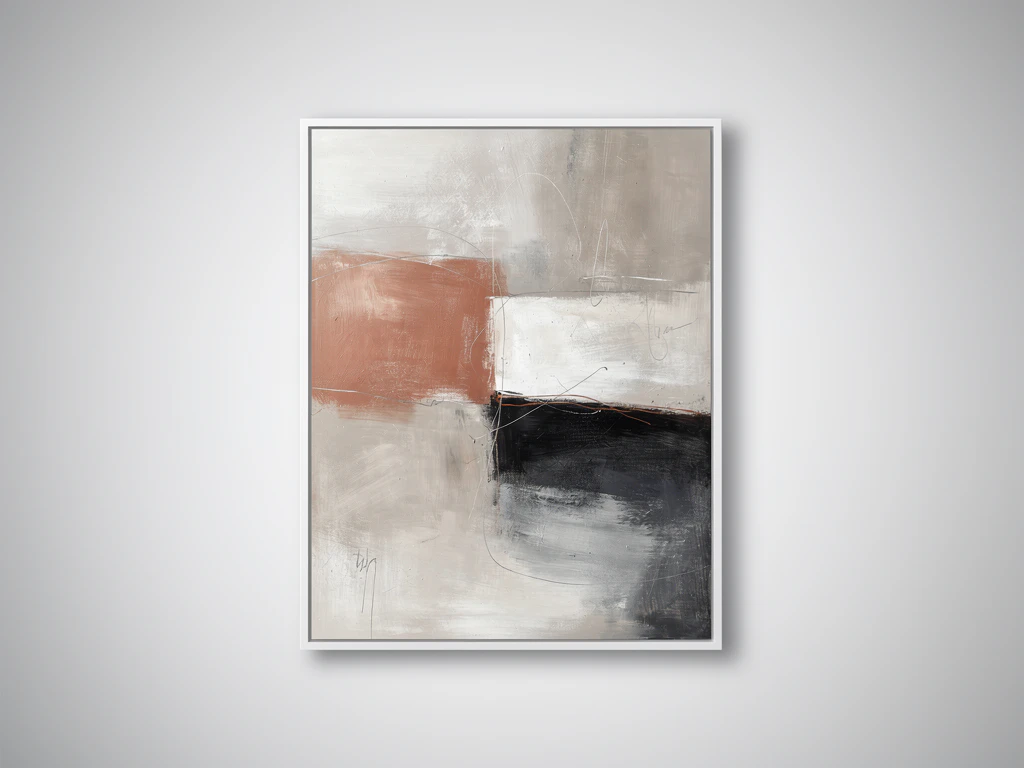
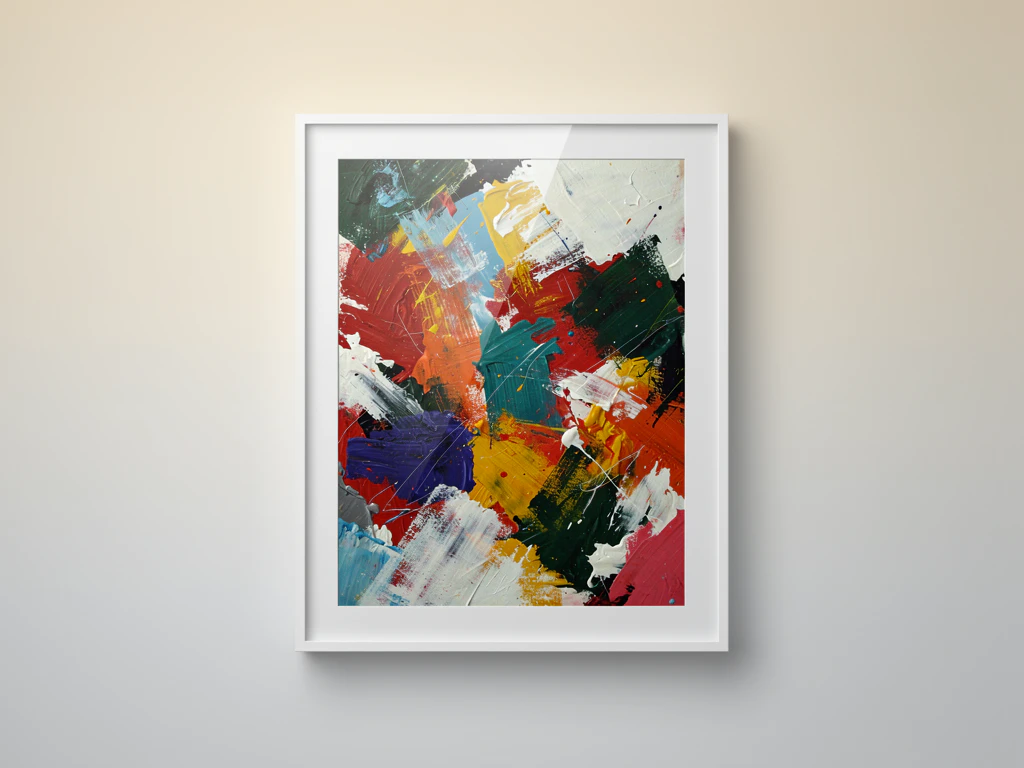
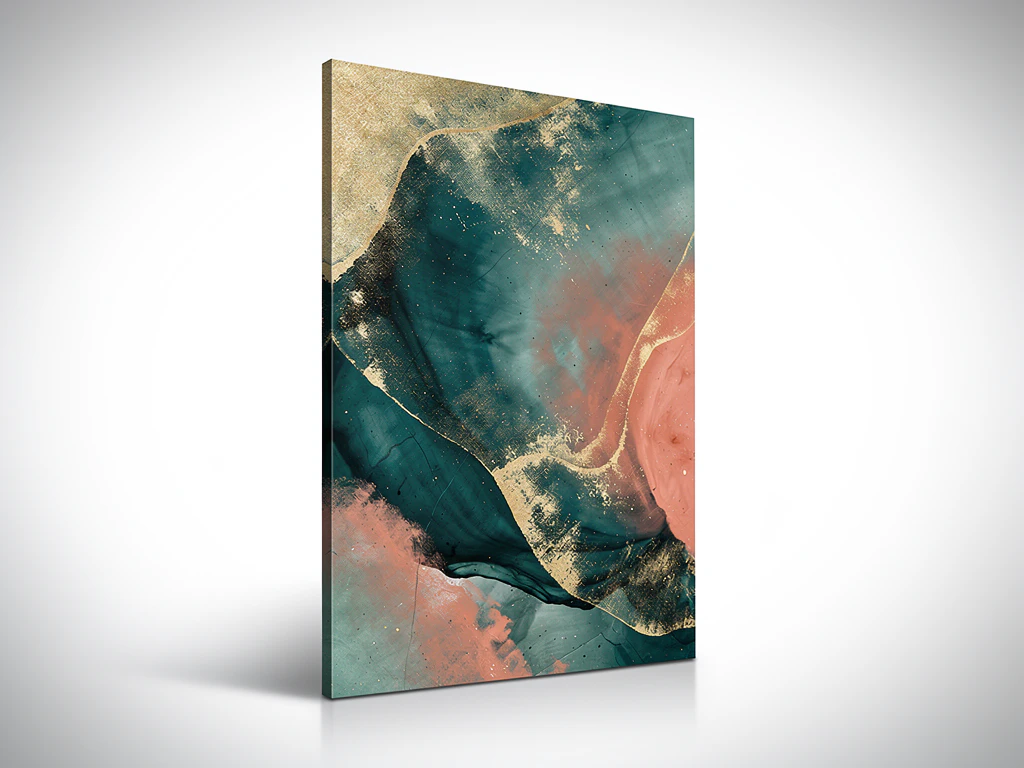
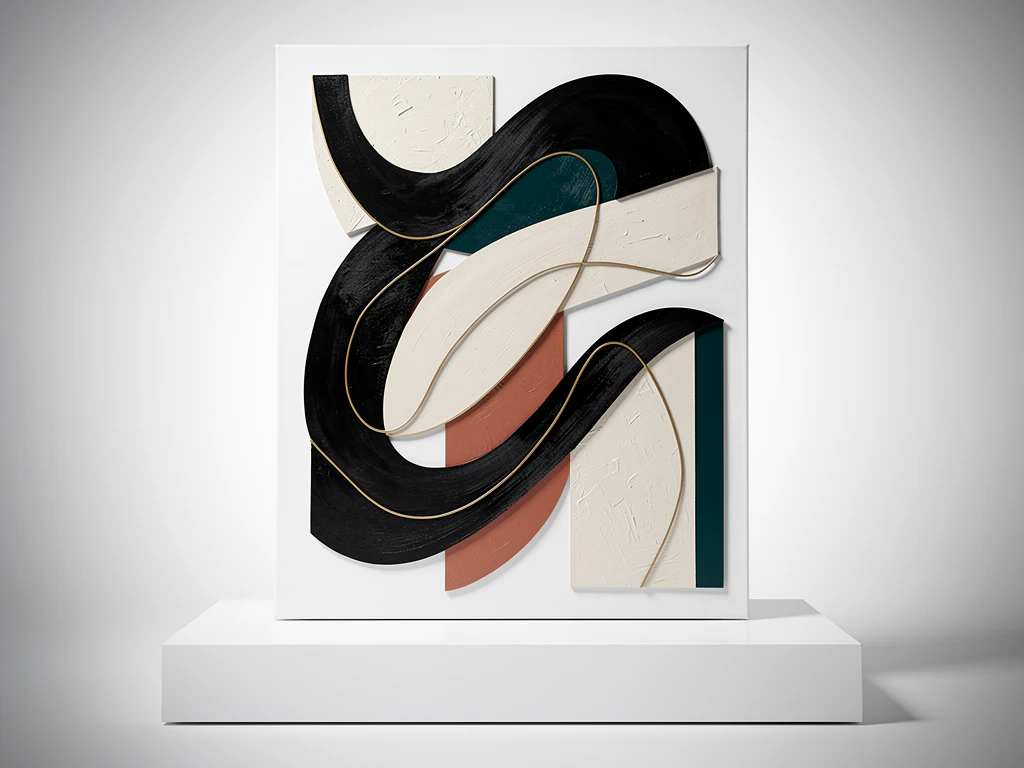
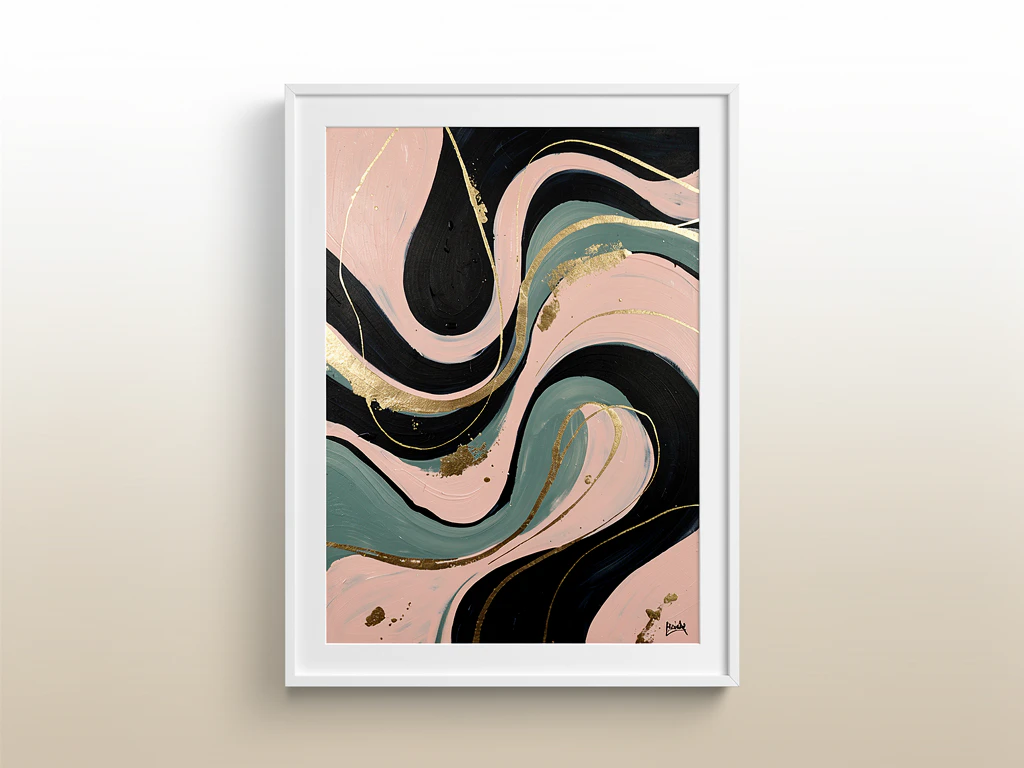
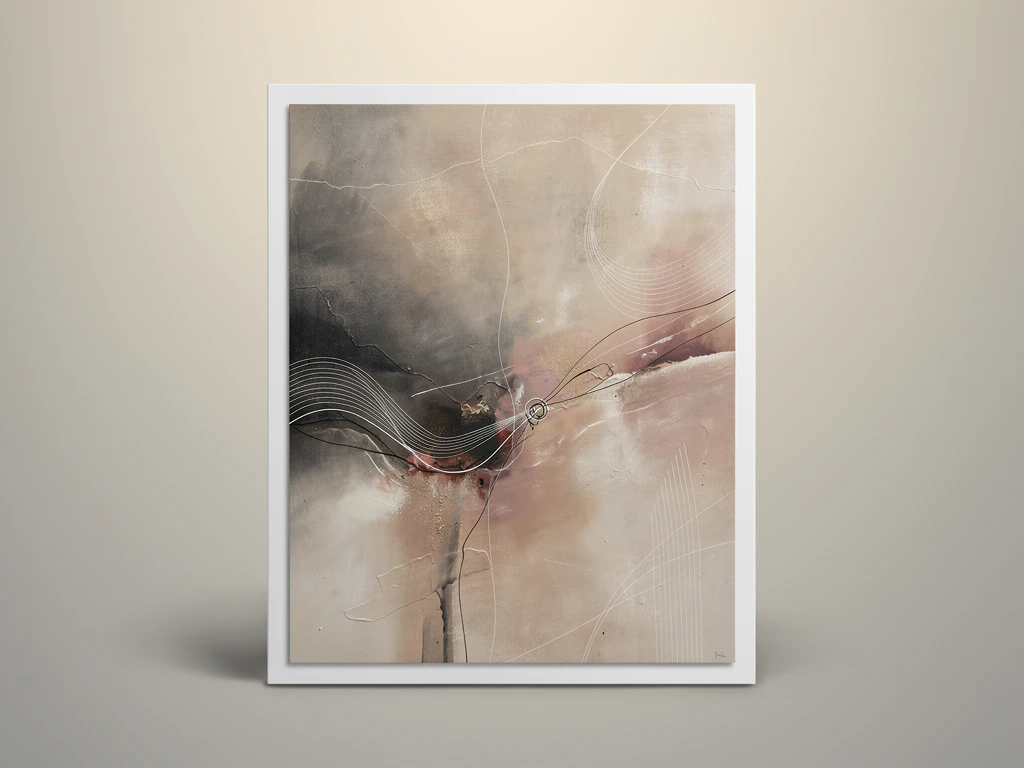
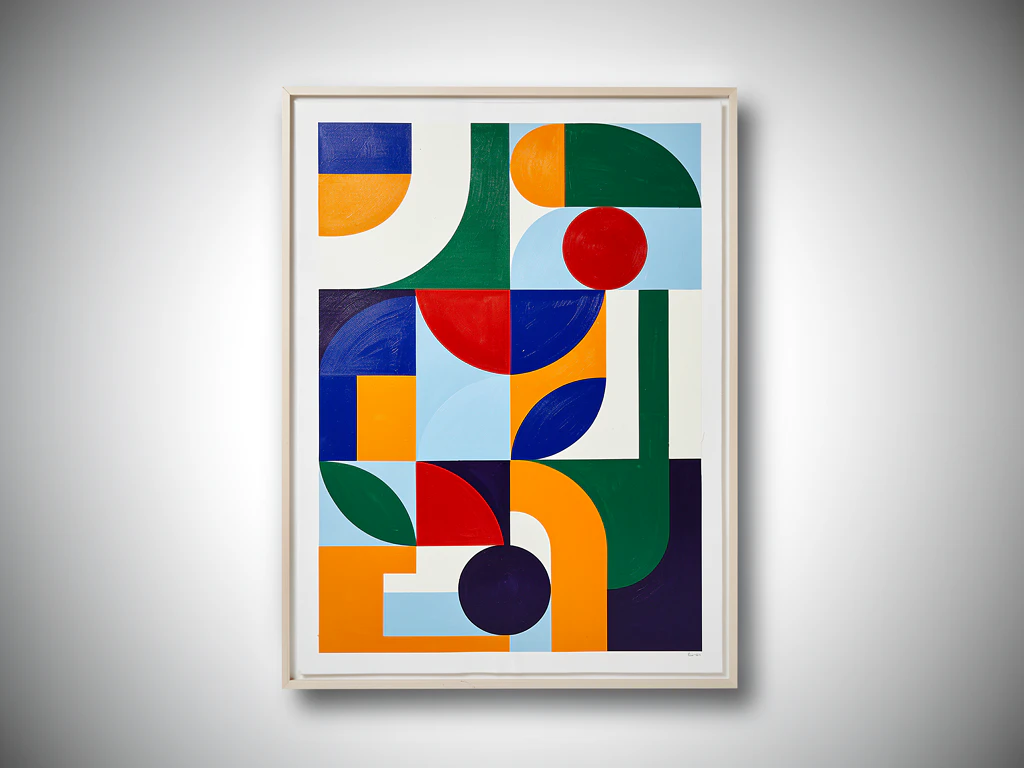
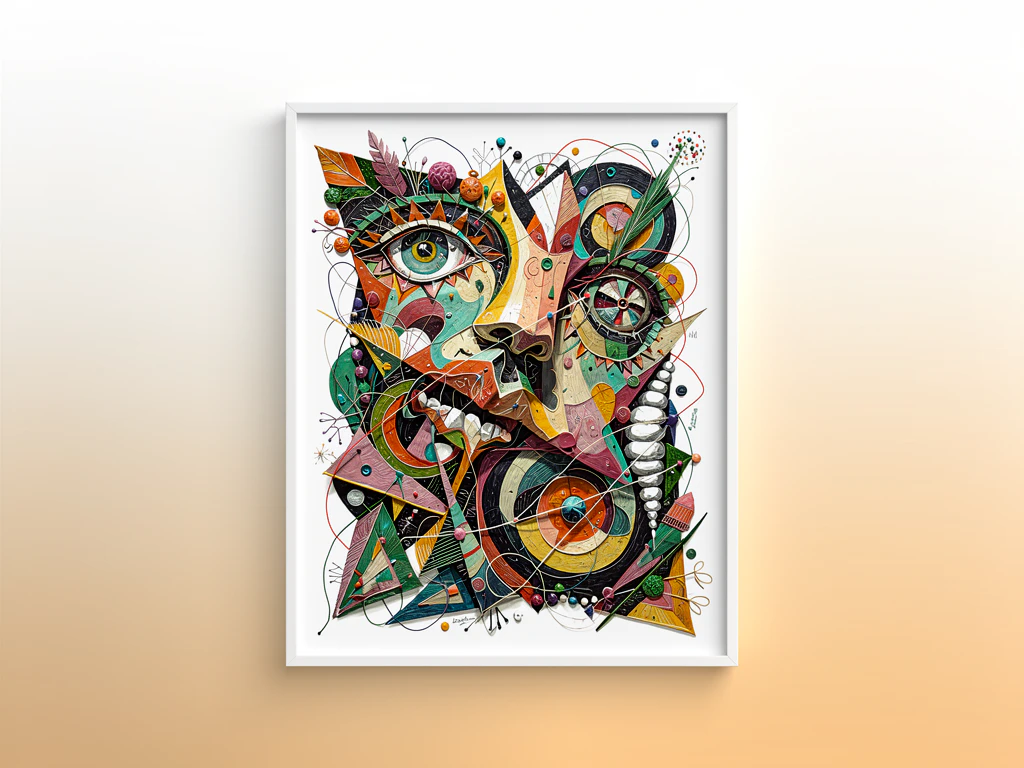
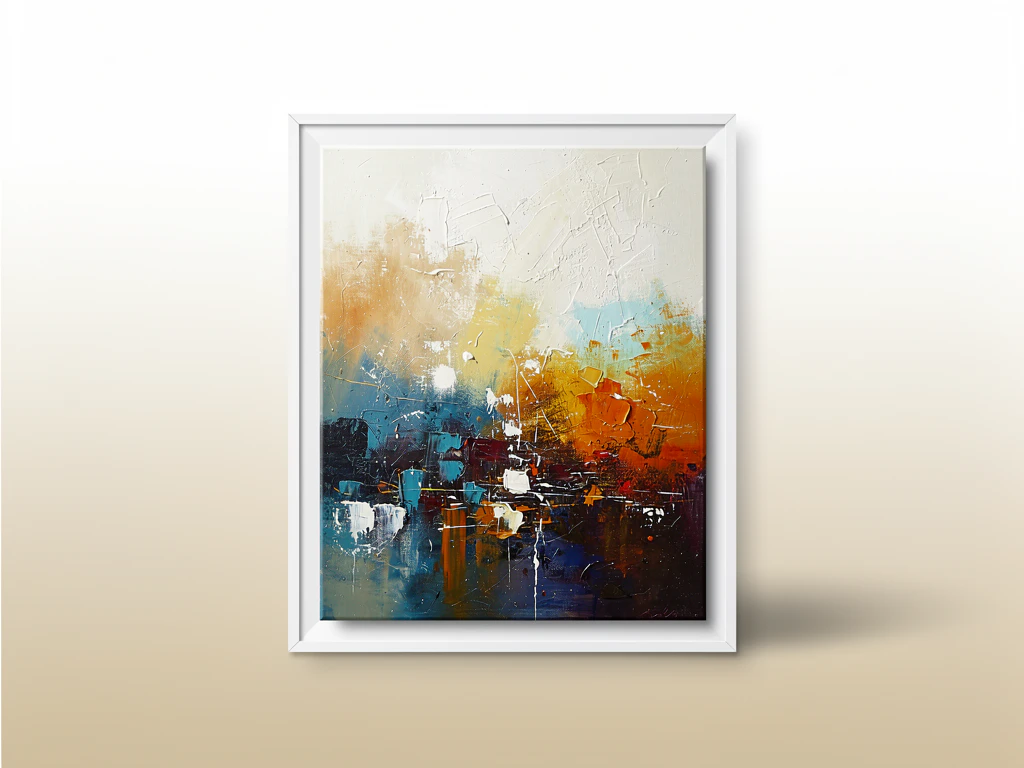
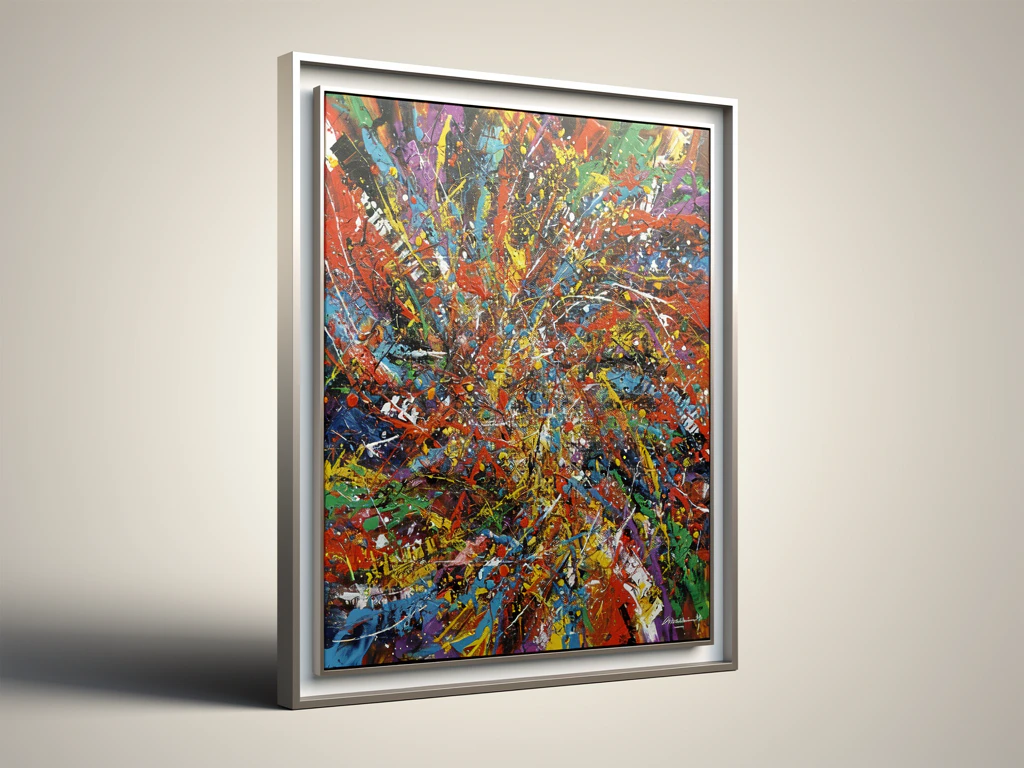
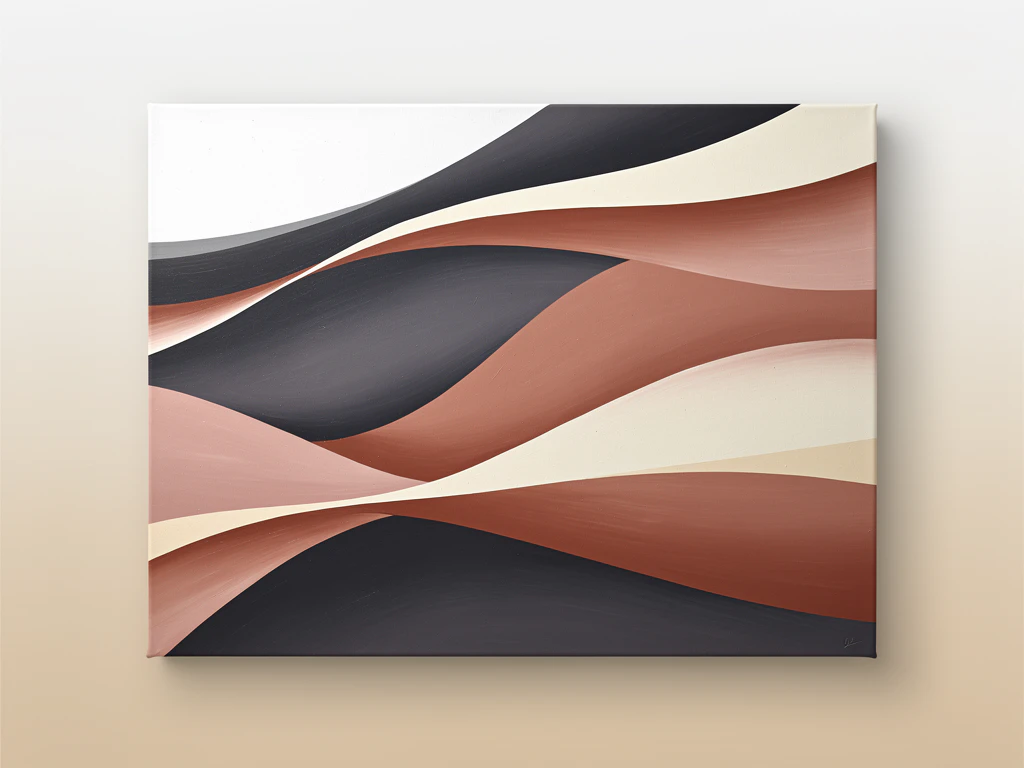
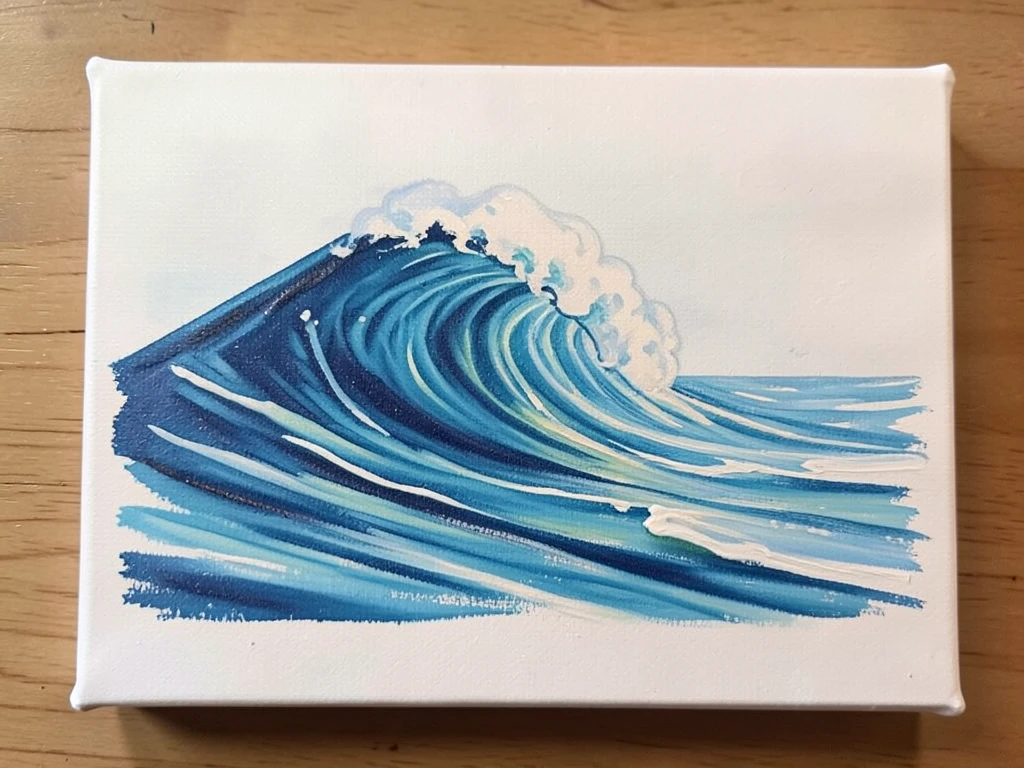
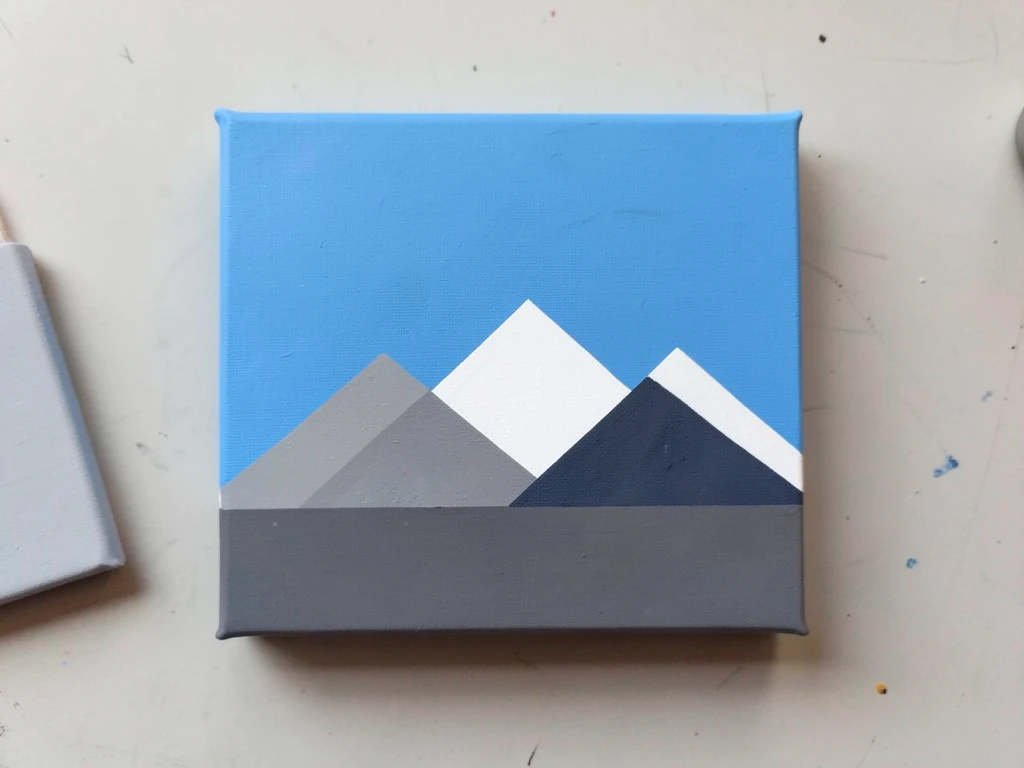
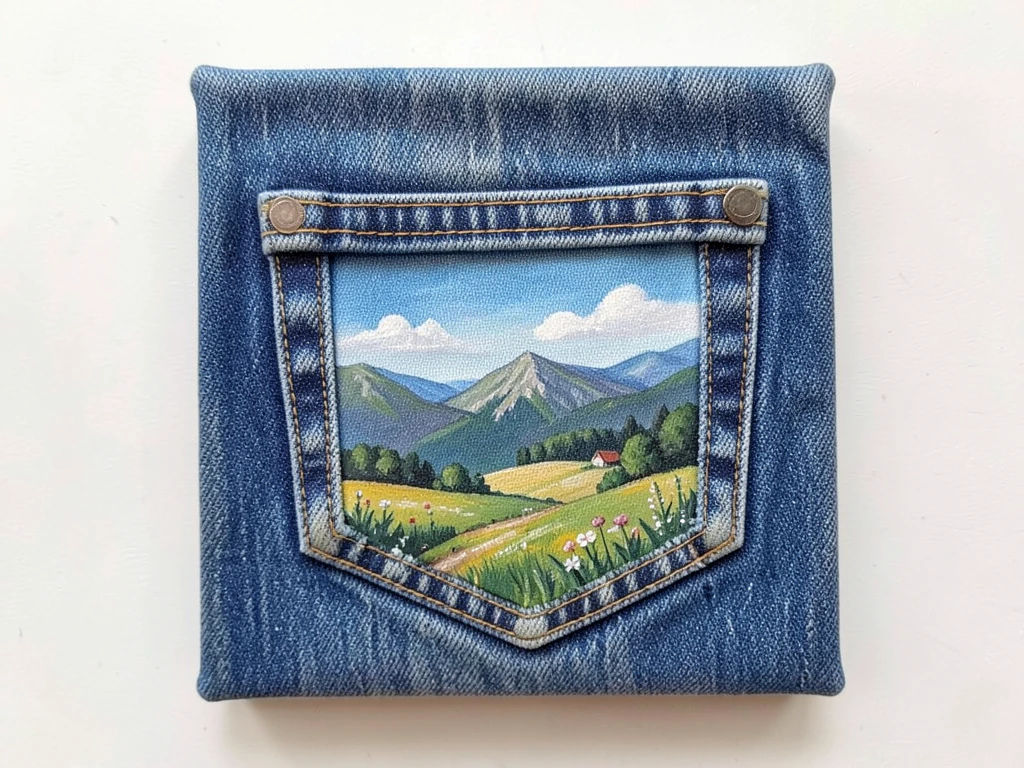
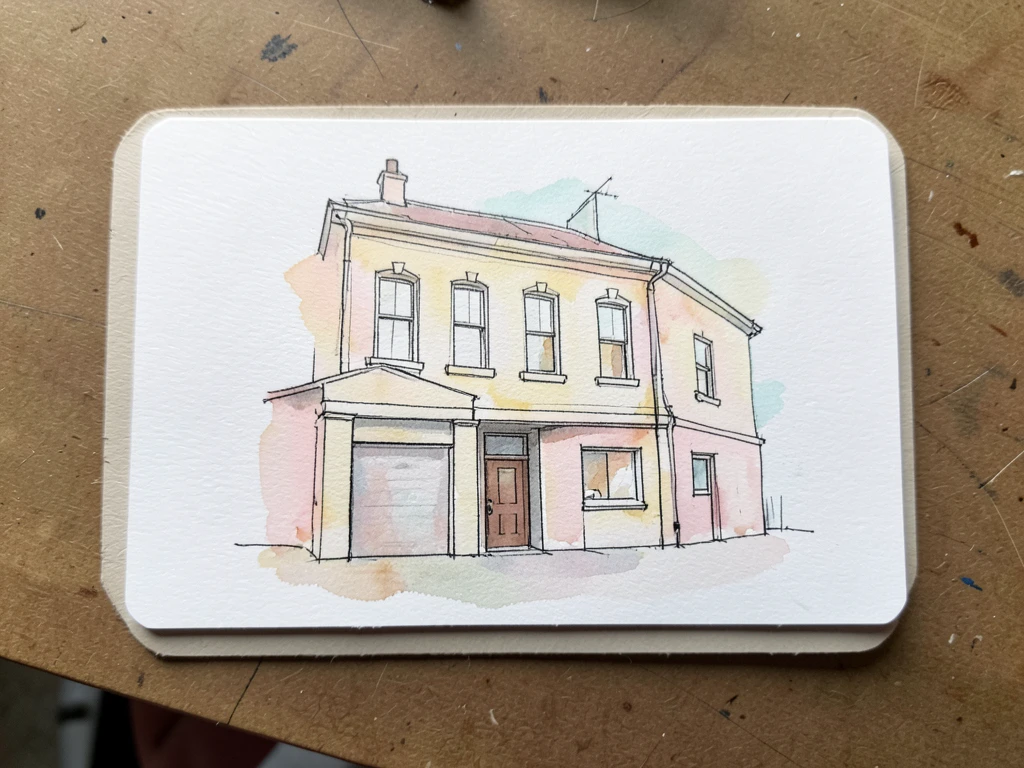
Conclusion
You now have 102 painting ideas for beginners ready to try. Each idea fits easily into a weekend and helps build a robust foundation in the painting arts. You learn about texture, color, and composition on a scale that feels incredibly safe. Pick the subject that interests you most, gather your supplies, and dedicate a few hours to your craft. Create canvas painting masterpieces that literally fit in the Hold the brush in the palm of your hand to create colors to blend.. Display them where you see them every day to remind yourself that you are, truly, a painter.
FAQs
Q: What are some inspiring small painting ideas for beginners?
A: Small painting ideas for beginners include simple landscapes, single-flower studies, basic portraits of pets or people, abstract color studies, and geometric rectangular compositions. Start with a limited palette, focus on composition and size, and practice quick, 15–60 minute sessions to build confidence.
Q: How do I choose the right size for a small painting?
A: Choose the size based on display space and the level of detail you want to include; common small sizes are 4×6, 5×7, and 8×10 inches. Smaller canvases encourage bold marks and simplified shapes, while slightly larger small sizes allow for more refined portrait features or intricate painting abstract experiments.
Q: Can a small portrait still capture expression and detail?
A: Yes. A small portrait can be highly effective by focusing on key features—eyes, mouth, and major planes of the face—using confident brushwork and contrasts. Limiting color and simplifying background elements or using a rectangular crop can enhance the sense of expression without overworking tiny details.
Q: What materials work best for small-scale painting projects?
A: For small painting ideas, use small brushes (sizes 0–4), acrylics for quick drying, gouache for matte finishes, or oils for blending if you prefer longer working time. Use rigid supports like small stretched canvases or panel boards to avoid warping and to maintain crisp edges in rectangular compositions.
Q: How can I create an interesting painting abstract on a small canvas?
A: To create a painting abstract on a small canvas, focus on strong shapes, dynamic color contrasts, and layered textures. Work with masked rectangular sections, stencils, or palette knife marks to add depth. Keep the composition balanced by varying positive and negative space relative to the overall size.