How to Develop a Personal Minimalist Painting Style Within Constraints
We all understand the core principles of minimalism: simplicity, limited palettes, and clean lines. Finding a unique voice within those strict rules requires patience. Working with constraints often feels intimidating initially, yet the trick involves treating those limitations as a creative playground. Start by identifying one element you feel naturally drawn to, perhaps a specific hue or a type of geometric shape. Experiment relentlessly within that tiny box to see what emerges. Consider what happens if you use two colors but change the texture, or if you express a mood with a single, perfect brushstroke. Your personal style emerges from these focused experiments rather than trying to use every one of our minimalist painting ideas at once.
Hard-Edge vs. Soft-Edge Techniques in Minimalist Painting
Think about the edges in your work and whether they appear sharp and precise or gentle and blurred. This fundamental split between hard-edge and soft-edge techniques defines much of minimalist painting. Hard-edge focuses on crisp, clean lines that create a sense of order and impact, often using tape and requiring meticulous planning. Soft-edge minimalism permits colors and forms to breathe into one another. This approach often utilizes wet-on-wet techniques or subtle blending to create atmospheric, serene effects. Deciding which method speaks to you remains crucial. Whether you want your painting to feel structured and bold, or calm and ethereal, your choice here sets the entire technical tone for your piece.
The Role of Scale and Proportion in Minimalist Composition
Scale acts as a defining factor in minimalist art. A small, delicate mark on a huge canvas feels profoundly different from a large, bold shape on a small panel. Consider how the physical size of your work affects its presence, as the elements are few and their proportions become hyper-important. The relationship between your painted form and the negative space around it creates the drama. A tiny dot in a vast field often feels lonely or powerful, while a stripe that runs from edge to edge anchors the whole composition. Before painting, play with sketches at different scales to test these dynamics. Ask yourself if your new minimalist painting ideas need room to breathe or if they should feel intimate and contained.
1. What Is Geometric Abstraction in Minimalist Wall Art
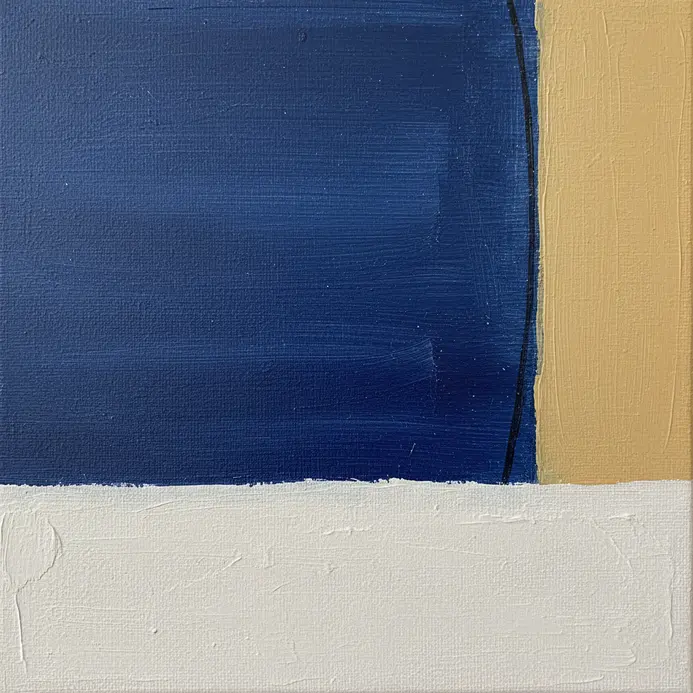
Consider that perfectly serene piece seen in a gallery or a chic living room, featuring a single, bold circle or a crisp grid of lines. Geometric abstraction in minimalist wall art represents where these two powerhouse styles meet, creating something that feels both intelligent and incredibly peaceful. We observe basic shapes like squares and lines stripped of any story or symbol, placed with total precision on a clean surface. This style generates a strong sense of order and calm, often using beige and other earthy tones. View this art as the relationship between the shapes themselves and the wall they inhabit, enhancing the living space. The negative space around a form holds as much importance as the form itself, acting as a key part of the minimalist aesthetic without overwhelming the room. This approach uses a limited color palette, often just one color or simple black and white, to highlight the pure form. A fantastic tip for your own minimalist painting ideas involves starting with a simple grid using painter’s tape to add structure and focus to a room.
2. How to Use Negative Space Effectively in Minimalist Painting
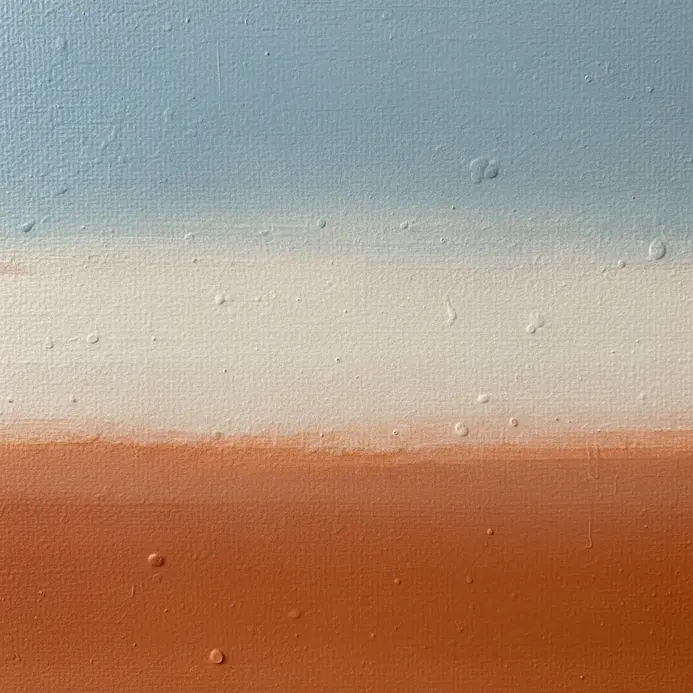
When brainstorming minimalist painting ideas, do not overlook negative space, as it provides that clean, focused look. In minimalist art, this “empty” area functions as an active shape that defines your subjects and creates visual balance. By carefully arranging what you leave unpainted, you guide the viewer’s eye and add a sense of depth. We favor this technique because it emphasizes simplicity and elegance, making your artwork feel serene and intentional. A beneficial exercise involves sketching thumbnails with blacked-out positive shapes to visualize the negative space before you start painting on your canvas.
3. Creating Monochromatic Color Field Paintings for Your Interior
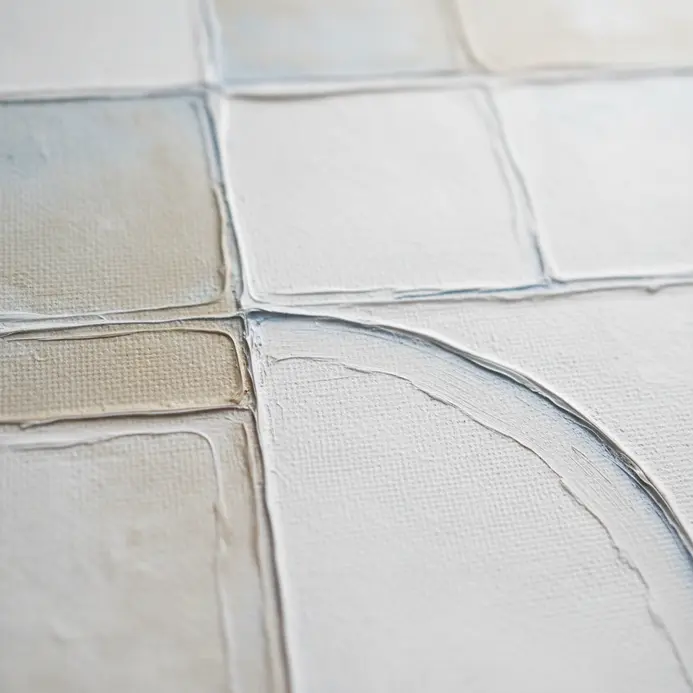
Picture a huge, gorgeous canvas washed in a single, breathtaking hue that makes your whole room feel instantly more sophisticated. That explains the magic of a monochromatic color field piece. We explore one color family through a beautiful range of its tones and textures. It serves as a powerhouse minimalist painting idea because it creates a profound, focused atmosphere without visual clutter. This approach works well because it allows texture and light to become the primary focus. When color is simplified, every brushstroke, every scrape of the palette knife, and the way light plays across the surface gets amplified. The result is a piece that feels deeply serene and intentional. Attempt the glazing technique by mixing color with a glazing medium for a transparent layer that adds optical depth.
4. The Role of Texture in Best Minimalist Painting
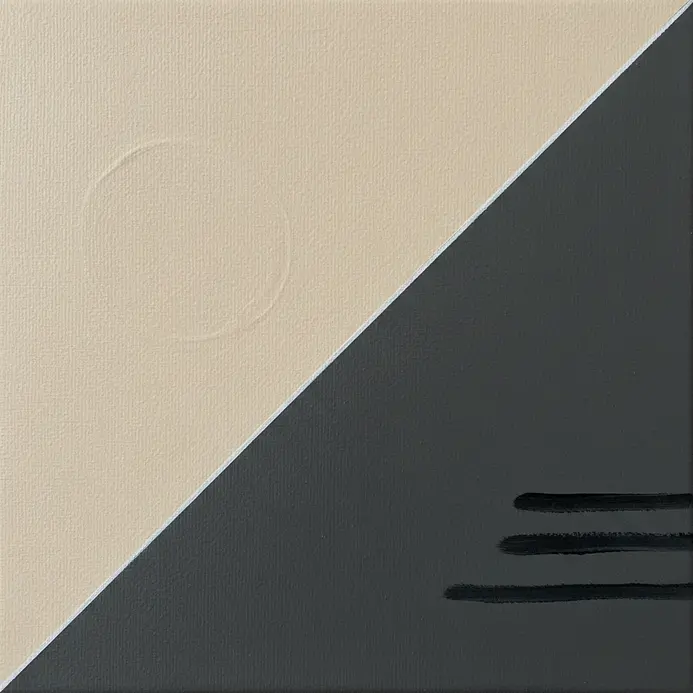
Often, standing before a minimalist painting creates a pull from something difficult to name; frequently, that element is texture. We typically view minimalism as smooth and flat, yet artists like Robert Ryman use thick canvas weave to assert physical presence, while Agnes Martin’s pencil lines make light shimmer. This texture acts as a deliberate choice to modulate light and create a meditative experience. It works effectively because it adds a layer of quiet complexity that makes simplicity feel profound. If you are exploring minimalist painting ideas, play with gesso textures by sanding between coats for a surface that appears flawlessly smooth yet reveals your hand.
5. Simplified Botanical Forms for Minimalist Painting Ideas
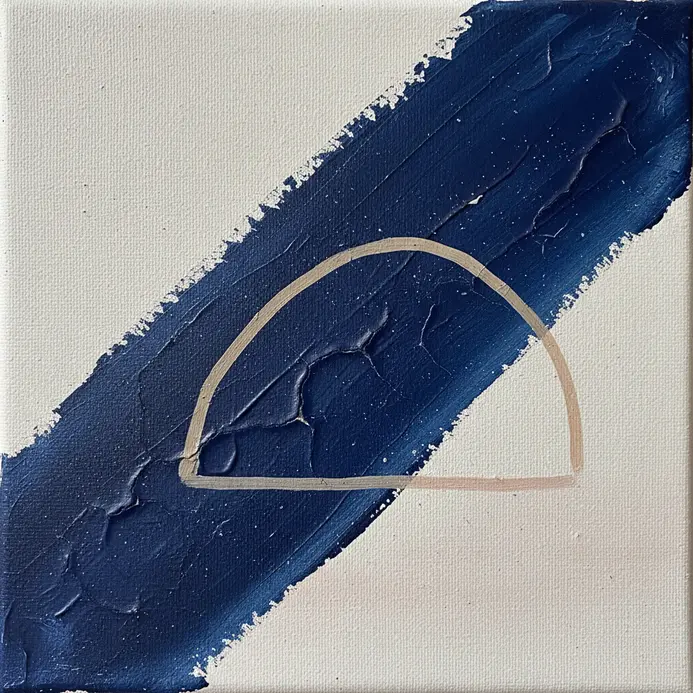
Let us strip a plant down to its beautiful bones. Simplified botanical forms capture the soul of a leaf or flower using only its most essential shapes and lines, often in pastel hues. We ditch tiny veins and complex shading to focus on pure silhouette, clean geometry, and the power of empty space. This approach yields a serene, graphic style that feels both modern and timeless. Strategic negative space allows the unpainted canvas to define the subject as much as the paint itself. Start with a simple monstera leaf silhouette or a eucalyptus sprig using a central line with opposing teardrops. Using a limited color palette of one vibrant hue against a neutral background forces you to prioritize form over detail, creating a stunning piece of minimalist painting ideas that soothes any room.
6. Horizon Line Compositions for Minimalist Landscapes
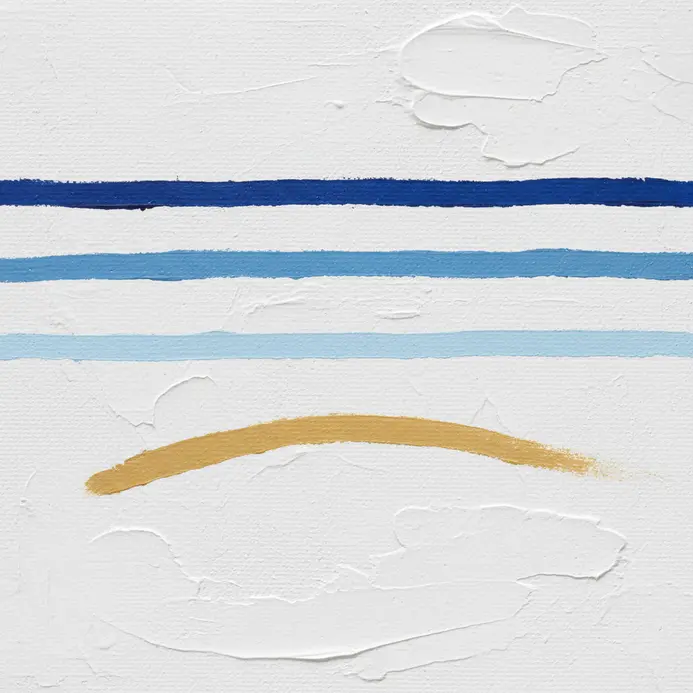
A minimalist landscape often delivers an instant hit of calm or vastness through the horizon line. In our minimalist painting ideas, the placement of that line determines the entire composition. A low horizon gives the sky center stage, ideal for sunset washes or moody clouds, while a high one puts the focus on textured ground, like sand or water. A centered line creates pure balance, often resulting in mirror-like reflections in a living space. We appreciate this method because it makes the ’empty’ space feel deliberate and serene rather than blank. Lightly pencil a rule of thirds grid on your canvas first to play with placements without commitment.
7. Single Element Focus Techniques for the Minimalist Painter
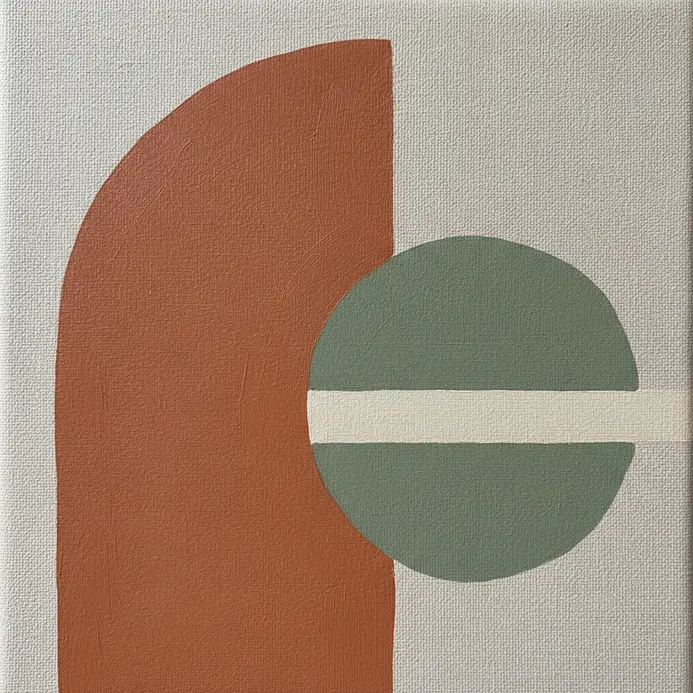
Magic happens when one element takes the entire spotlight. Staring at a perfectly placed object in the center of a blank canvas demonstrates the power of single-element focus. This technique involves stripping everything away except one chosen subject, such as a lone geometric shape, a single expressive brushstroke, or a solitary object floating in negative space. It forces the viewer to see the profound beauty in limitation and creates an instant, meditative focal point. These minimalist painting ideas thrive on playing with scale and isolation. Try the one-brushstroke challenge by loading your brush and making your entire painting in a single, continuous gesture. If you are new to this style, exploring easy things to paint for beginners helps build confidence with simple forms in minimalist design.
8. Limited Color Palette Selection Strategies for Minimalism
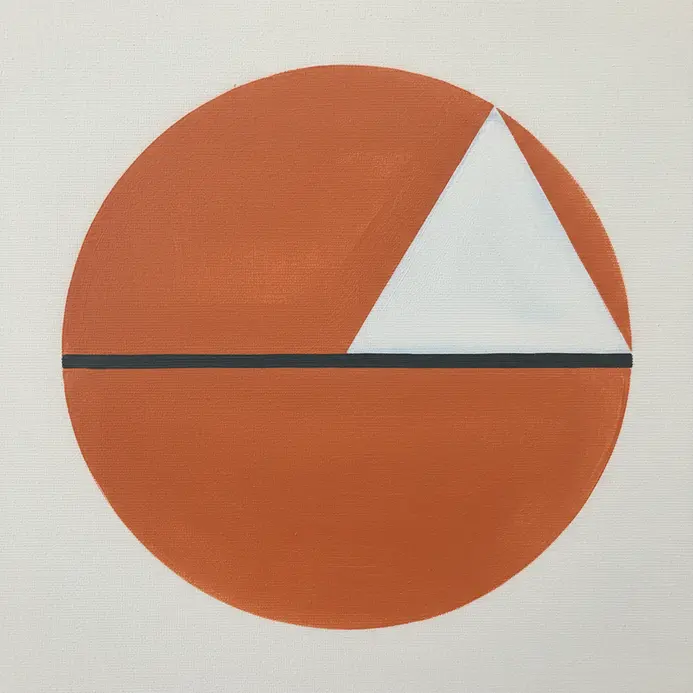
A limited color palette acts as a secret weapon for creating artwork that feels intentional and focused. We select one to three colors, perhaps with a neutral, and ensure every hue works for its place on the canvas. This strategy prioritizes functional harmony over decorative chaos and forces you to think about how color establishes mood without visual noise. The monochromatic method uses different shades of a single color, while the analogous strategy picks neighbors on the color wheel for subtle variety. Your minimalist painting ideas might also employ the achromatic plus one accent strategy, using black, white, and gray with a single pop of color. Start your palette with neutrals first, then add color only where it solves a specific problem. Exploring easy things to paint for beginners solidifies these foundational concepts.
9. Painting with Geometric Shapes and Forms to Add Interest
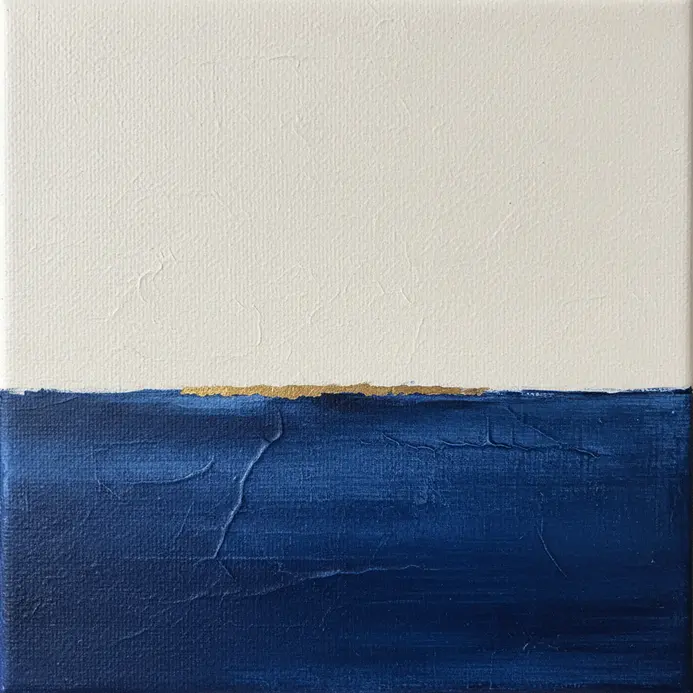
If your painting needs more visual strength, consider building your canvas with geometric shapes and forms. This involves using circles, triangles, and cubes as the hidden framework that makes the composition feel intentional and dynamic. Think of it as the architectural blueprint for your artwork, creating focal points and guiding the viewer’s eye. We start by breaking everything down, turning a tree into a cylinder or a house into a cube. This block-in method ensures your proportions and perspective remain solid from the first brushstroke. Why does this approach work so well for minimalist painting ideas? It brings a powerful sense of order and clarity, transforming complex scenes into clean, impactful statements using a pastel color scheme. Try a hard-edge approach with painter’s tape to create crisp boundaries between color fields.
10. Minimalist Still Life Reduction Methods for Interior Design
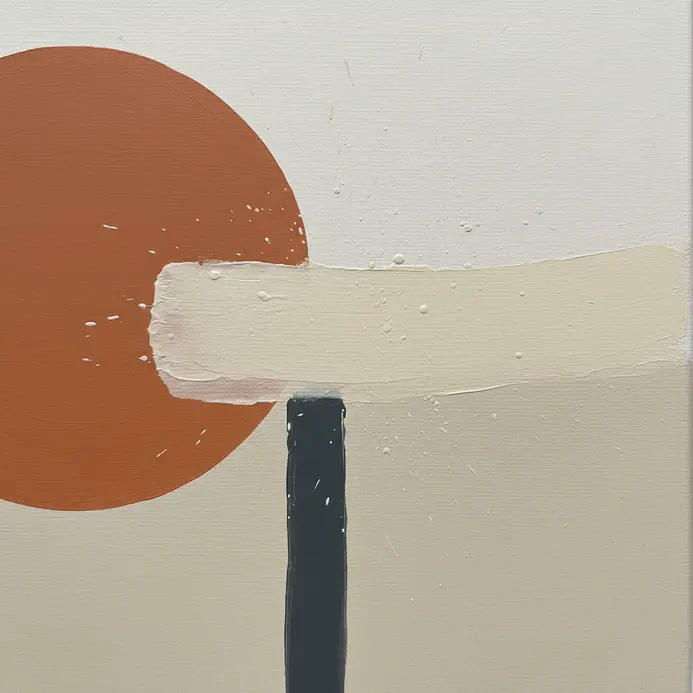
Minimalist still life reduction turns everyday items into intentional, beautiful compositions that make a room feel serene. We curate objects with purpose so the negative space around them feels like part of the design, creating visual breathing room. Start with a systematic edit by clearing a surface and bringing back only items that are functional or bring joy. Play with arrangement using the rule of three, as groupings of odd numbers appear more dynamic. Remember that a small, dark object balances a large, light one through visual weight. Restrict your palette to a couple of colors and let different textures add interest. This approach serves as a fantastic foundation for your own minimalist painting ideas, allowing you to focus on simple, impactful forms.
11. Edge Awareness and Frame Within Frame Techniques in Minimalism

The secret to perfectly balanced minimalist paintings often lies in edge awareness and frame within frame techniques. Edge awareness means scrutinizing every boundary where paint meets canvas, ensuring intentional placement for dynamic tension. Frame within a frame methods use elements like windows or shadow lines to create a secondary border, adding depth. For your minimalist painting ideas, this approach transforms simple compositions into cohesive, impactful artworks. We adore this because it directly enhances the sense of order and calm that defines the aesthetic. To get started, try sketching a basic grid on your canvas and placing a single bold shape within it.
12. Shadow Painting Without the Object for Best Minimalist Art

Shadow painting focuses on absence, making it one of my favorite minimalist painting ideas for its mysterious quality. You paint the memory a shadow left behind rather than the object itself. We focus entirely on that cast shape, using it to tell a story about something not visually present. It relies on the presence of an absence to create a powerful, quiet impact. This works because our brains love filling in the blanks. By giving viewers a shadow, you invite them to imagine the object, the light source, and the time of day. Try the Stencil Method by tracing the outline of a shadow from a chair or plant and painting that shape on a pale ground to capture a moment of light.
13. Working with Raw Canvas as an Element of Minimalist Painting
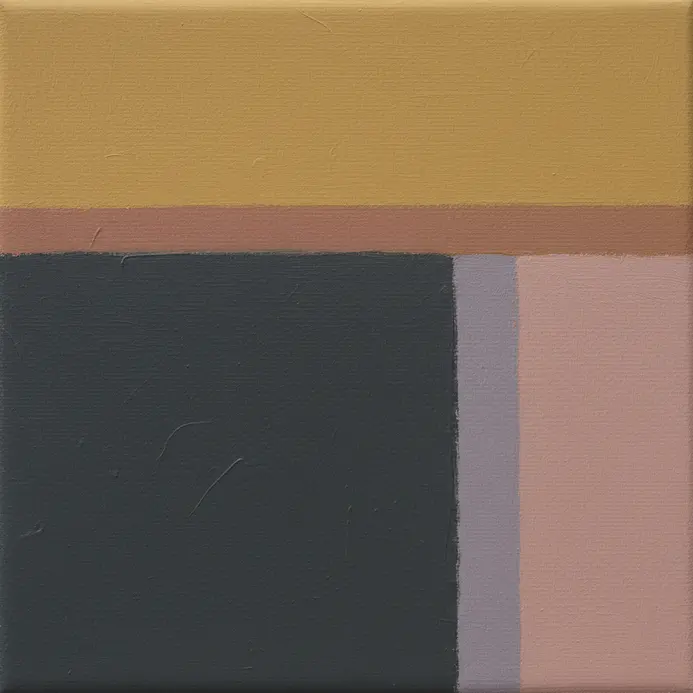
Leaving the canvas raw represents a bold move that changed painting. Instead of a smooth, primed surface, you work directly with the fabric, allowing its natural texture and color to shine. This celebrates the materials and turns the painting into an honest object in your space. This idea feels fresh because it strips everything back to absolute basics, embracing a monochrome palette. The warmth of linen and the visible weave create a serene, grounded presence. Artists like Robert Ryman used white paint on raw canvas to explore light and surface. When getting creative with minimalist painting ideas, let the canvas itself communicate. Try a test piece where you leave the tacking margins completely untouched and visible.
14. Tape Techniques for Crisp Lines and Geometric Patterns

Nothing signals professional quality like a razor-sharp line. Crisp, clean edges make geometric patterns look printed rather than painted, elevating your minimalist painting ideas to gallery-worthy status. Mastering your tape game remains the secret here. Start with the right tape, such as FrogTape, and burnish the edge with a credit card to seal it. Paint from the tape outward and pull it off while the paint is still wet. This eliminates frustrating bleeds and provides a satisfying, crisp finish. For intricate patterns, use fine-line tape in narrow widths to handle tiny details effectively.
15. Layering Methods for Depth in Minimalism to Elevate Your Work

Layering transforms work from flat to fascinating. This moves beyond a single, stark shape to build a serene yet complex world on canvas with gentle brushstrokes. We introduce relationships through subtle overlap or a whisper of micro-texture against a smooth color field. This creates a quiet invitation for the viewer to linger and look closer. Think about using conceptual tension in your minimalist painting ideas. Place a soft, organic curve against a hard geometric line, or let a single, symbolic shape imply a story. Start with a clean foundation, then introduce one layer at a time. A limited palette with five nuanced shades of blue creates incredible depth.
16. Sanding Techniques for Textured Surfaces in Minimalist Art
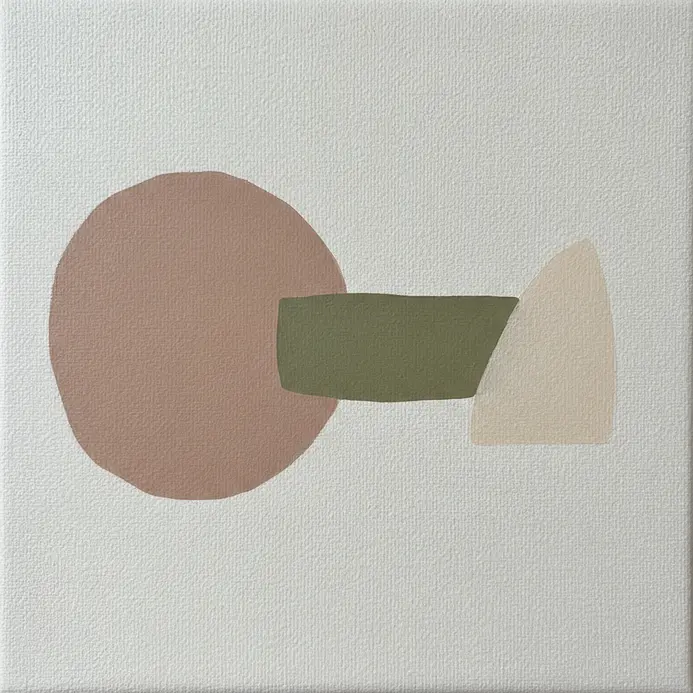
Sanding serves as a meditative secret weapon for your minimalist painting ideas, allowing for soft brushstrokes in earthy tones. We refrain from merely smoothing things out; we refine texture with intentionality, turning a raw surface into a quiet, light-catching plane. This process focuses on control, revealing the history of layers or creating a perfect, serene field. It gives artwork a soulful, tactile quality that pure geometry sometimes lacks. Use a rigid sanding block and consistent, linear strokes to subdue texture into a whisper. For a revelatory effect, try sanding through a top layer with fine grit to expose glimpses of color underneath, using raking light to inspect every shadow.
17. Scale Considerations in Minimalist Painting for Maximum Impact

A minimalist painting often feels like a window to another world when executed at the right scale. When we play with size in our minimalist painting ideas, we craft an experience rather than just an image. A massive color field on a blank wall creates a serene focal point, while a tiny grid on a small canvas adds intricate details that invite a closer look. Scale uses the space around the art to enhance its impact, making the whole room part of the composition. If working on a large piece, try using a wood panel for added texture, or for a small project, focus on a single bold curve to draw attention. Every inch counts in minimalism.
18. Series Development for Minimalist Concepts and Painting Ideas
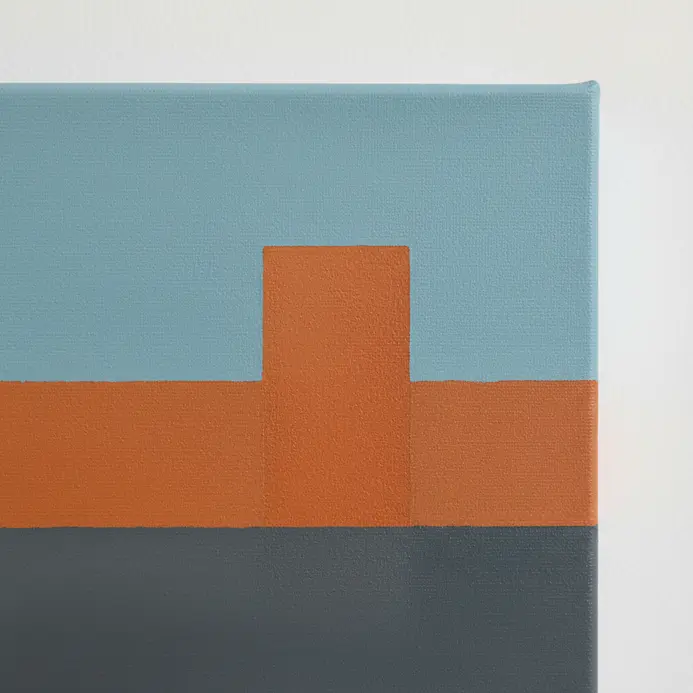
The most powerful minimalist painting ideas do not live alone on a single canvas; they thrive in a series. Think of it like curating a gallery show inside your studio, where each piece builds on the last to explore a concept. This approach allows a deep dive into themes like the weight of a single line or the drama between two colors. A cohesive series gives work incredible depth and a professional edge, transforming individual experiments into a deliberate statement. Viewers enjoy following the visual thread from one piece to the next. Start with a strict set of rules, such as a specific size or limited palette. This constraint focuses experimentation and makes tiny, intentional changes feel monumental.
19. Abstract Versus Representational Balance in Minimalist Painting
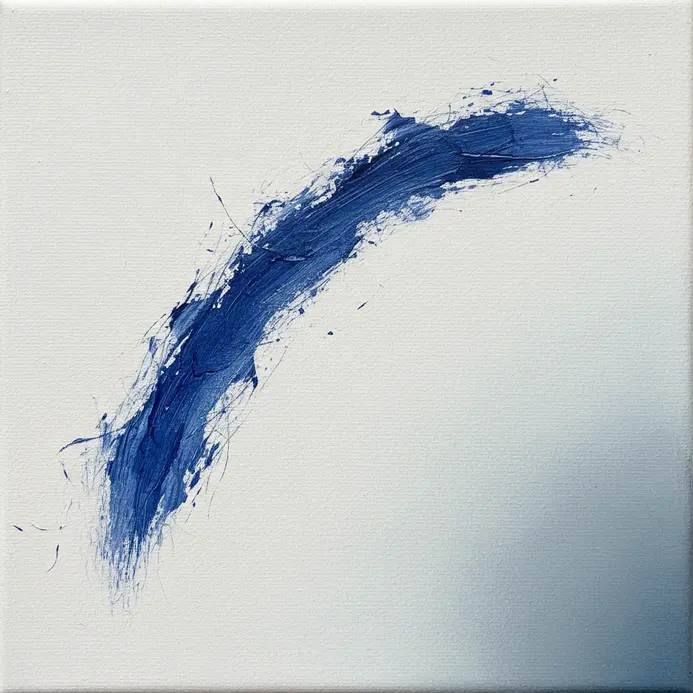
Making a shape feel like a mountain without depicting it literally is the quiet magic trick of minimalist painting. This involves finding the sweet spot between pure abstraction and a whisper of the real world. Artists use a single line or block of color to evoke emotion, creating a balance where the work remains formally abstract but deeply resonant. Agnes Martin’s grids exemplify this, appearing as pencil lines yet shimmering like light on water, drawing the eye with their subtle complexity. A great tip for your own minimalist painting ideas involves starting with a simple, real-world reference and stripping it down to its absolute essence. Reducing a scene to one perfect line and two color fields captures where the balance lives.
20. Common Compositional Mistakes in Minimalist Painting to Avoid

We often encounter minimalist painting ideas that look empty instead of intentional due to compositional errors. The biggest pitfall involves treating negative space like leftover background instead of an active shape. Placing a small mark dead-center on a huge canvas without consideration makes the space feel accidental. Another misstep is ignoring visual weight; a single heavy form in one corner tips the balance. You need dynamic equilibrium, where intensity answers size, especially in minimalist design. Fixing this matters because minimalism relies on essence and intention. Squint at your work to see if the composition remains exciting and resolved; if it looks like a vague blob, revisit those edge relationships.
The Decision Process: When Is a Minimalist Painting Complete?
Knowing when to stop represents the hardest part of minimalist painting. We often add one detail too many, losing the simplicity. To know if it is finished, step away and give your eyes a break. When you return, ask if every element feels essential and if removing one thing causes the composition to fall apart. A good test involves seeing if the painting holds interest with its quietness and feels intentional rather than empty. A minimalist painting is complete when nothing remains to take away. Trust that feeling of balanced stillness.
Framing and Presentation Considerations for Minimalist Works
For a minimalist painting, the frame functions as part of the artwork. A bulky, ornate frame often fights against the calm aesthetic. We refrain from overwhelming the work, preferring a simple, thin floater frame or no frame at all with clean, painted edges. The frame color should complement your limited palette, using neutral tones like white, black, or natural wood. The goal involves presenting the painting as a complete, cohesive object and ensuring the presentation feels like a natural extension of the piece’s simplicity.
Documentation and Analysis Methods for Minimalist Painting Practice
Once you create a series of minimalist works, avoid stacking them in a corner. Document and analyze your practice to foster growth. Take consistent, well-lit photos of every piece, then create a simple journal noting colors, materials, and techniques. Write down what you thought about and what problem you attempted to solve. Identifying which piece feels most successful helps you spot patterns. This process transforms individual paintings into a meaningful practice, giving clear direction for your next minimalist exploration.
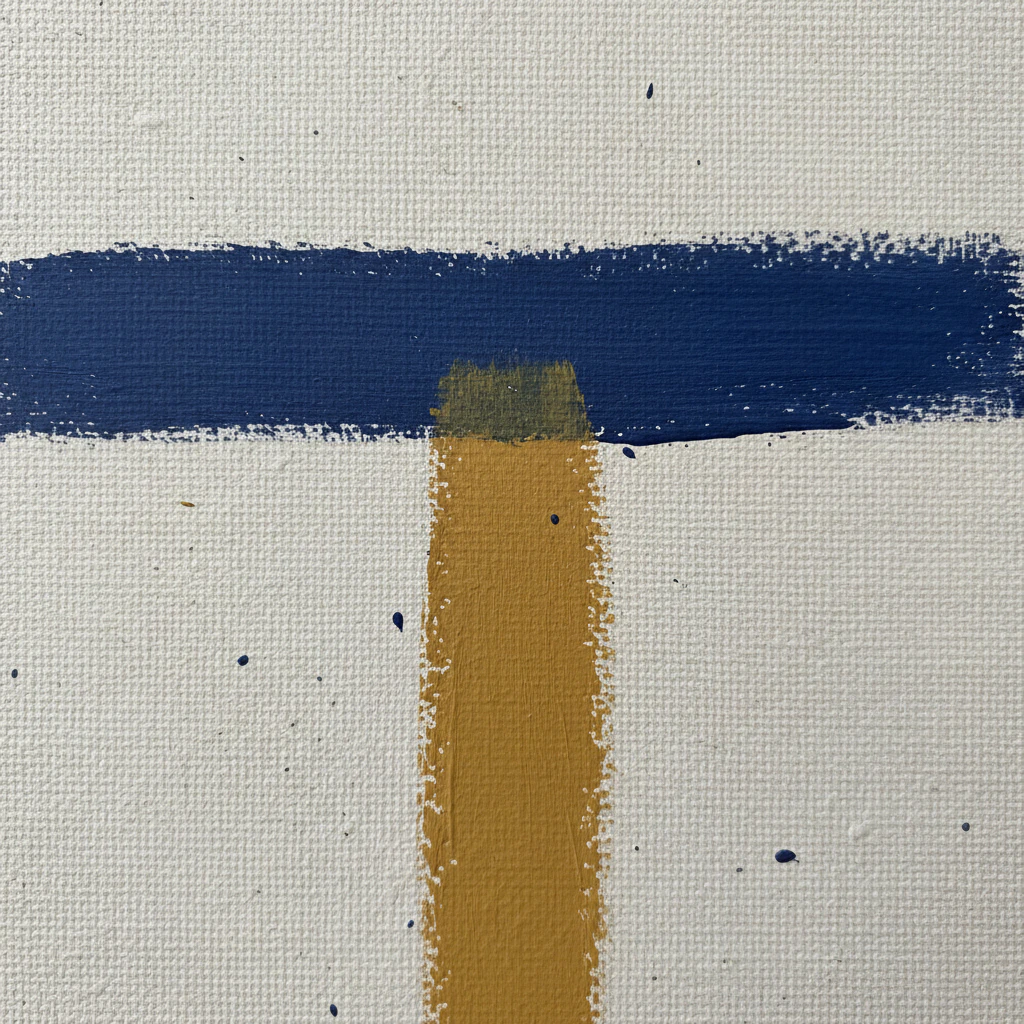
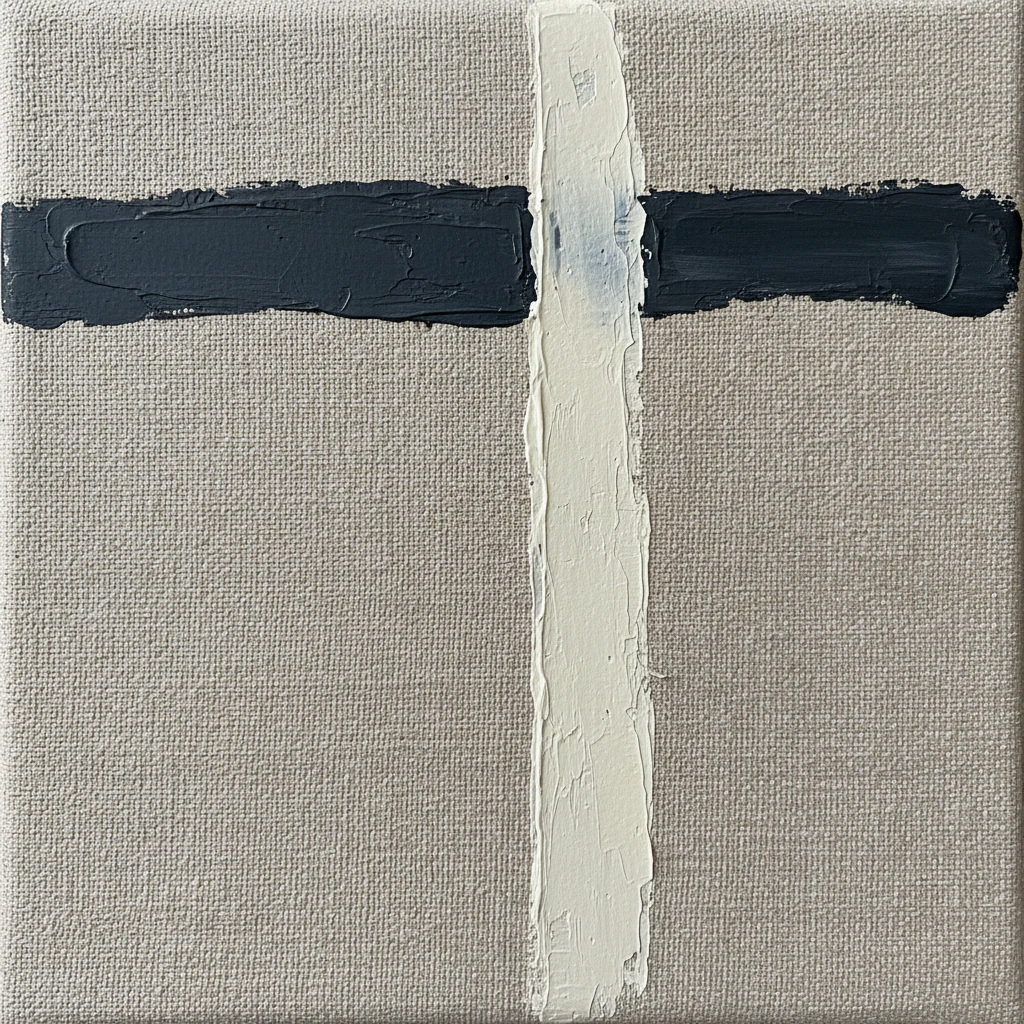
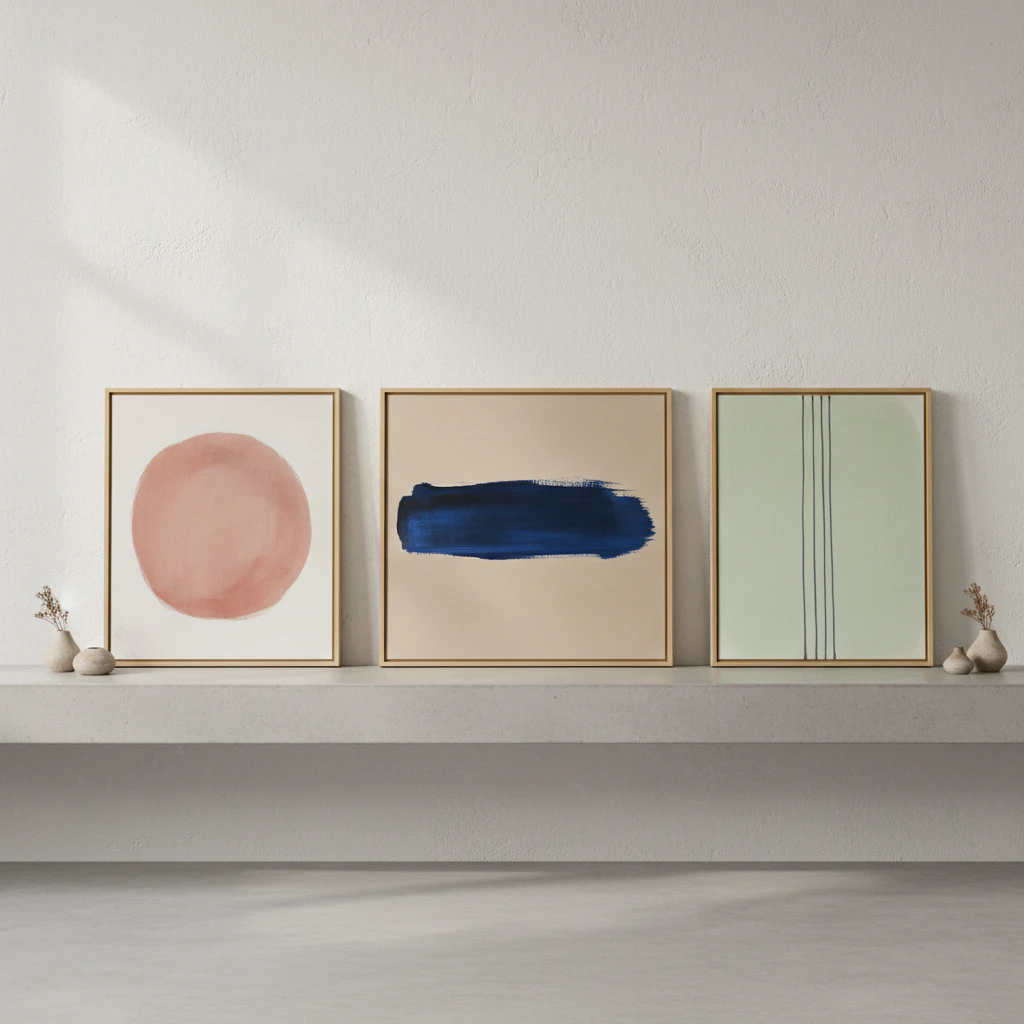
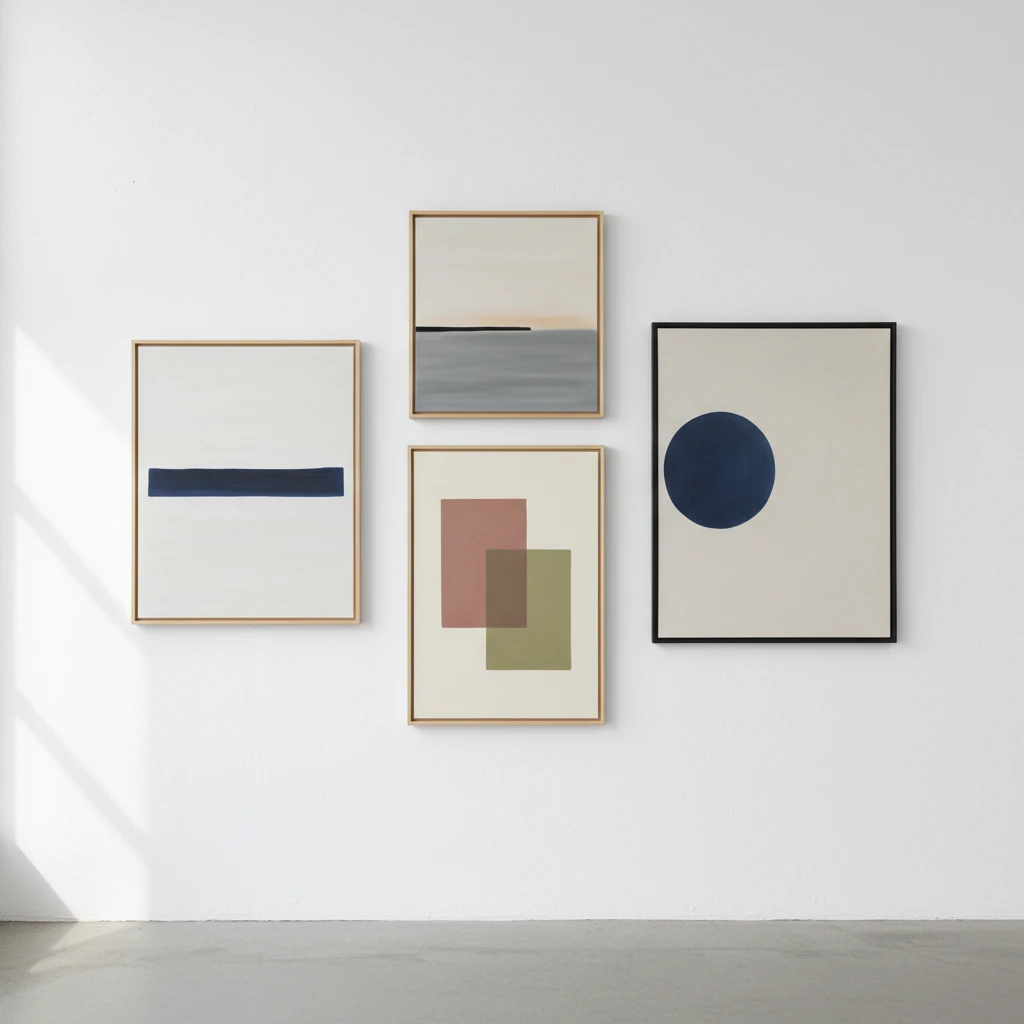
More Minimalist Painting Ideas Gallery for Inspiration










Conclusion
We have explored twenty paths into the focused world of minimalist painting, moving from core concepts to advanced techniques. The beauty of these minimalist painting ideas is their flexibility. You adapt them to your preferred medium, your personal color story, and the scale that fits your space. Minimalism gives your idea the quiet space it deserves. Pick one concept that sparks curiosity, limit your palette, and make your first intentional mark.
FAQs
Q: What are some minimalist painting ideas that emphasize the beauty of simplicity?
A: Choose a limited color palette, large areas of negative space and a single focal element—this understate approach highlights the beauty of simplicity and helps your piece feel calm and airy while retaining sophistication.
Q: How can I use straight lines and symmetry in minimalist paintings?
A: Straight lines and symmetry create a cohesive look and structural clarity; use measured spacing and flat surfaces to enhance order, or combine symmetric grids with slight irregular offsets to introduce subtle tension and keep things simple yet engaging.
Q: Can mixed media work in minimalist painting without losing minimalism?
A: Yes—mixed media can be used sparingly, such as a thin enamel stripe on a matte canvas or a small collage element, to create contrast and a tactile focal point while maintaining a restrained, painterly aesthetic.
Q: How do you create contrast in a minimalist piece while still keeping it understated?
A: Use contrasts of scale, texture (flat surfaces vs. glossy enamel), or tone rather than color overload; a tiny dark shape on a light field or a bold geometric form can make a statement without disrupting the minimal, cohesive look.
Q: What techniques add a sense of movement to minimalist paintings?
A: Introduce gentle diagonals, staggered marks, or gradations of tone; even with clean lines or flat surfaces, arranging shapes to lead the eye gives a subtle sense of movement while preserving the overall calm.