1. Paint a Simple Whimsical Tree
A tree is a perfect first subject. Whimsical trees are not realistic. They are built from easy shapes. Think of a lollipop or a cloud on a trunk. This easy watercolor painting project builds confidence quickly.
Start with a light pencil sketch. Draw a curved line for the trunk. Do not use a ruler. At the top, draw a big, puffy circle or oval for the leaves. Keep the shape loose.
Wet your brush and choose a color. A soft green or brown works well. Paint the leafy shape first. Let the color bleed to the edges. Then paint the trunk. Let the paint flow. Add smaller branches with the tip of your brush.
This method teaches you watercolor control. You see how wet paint behaves on paper. Your style will feel free and personal.


2. Create a Wash Landscape
A wash is a layer of diluted paint. This technique creates dreamy backgrounds. It is the foundation for many whimsical scenes and a staple for any artist.
Wet your watercolor paper evenly with a clean brush. Mix a large amount of a light color. Sky blue or sunset pink are good choices. Apply the color to the wet paper with broad strokes. Tilt the paper. Watch the paint move and create soft gradients.
Let this first layer dry completely. Then add simple shapes on top. Paint a black silhouette of hills or distant mountains. Add a small, solid shape for a sun or moon. The contrast between the soft wash and hard shapes adds interest.
This project shows the importance of drying times. It also shows how to build layers. Your piece will have depth with little effort.

3. Use a Resist Method for Lines
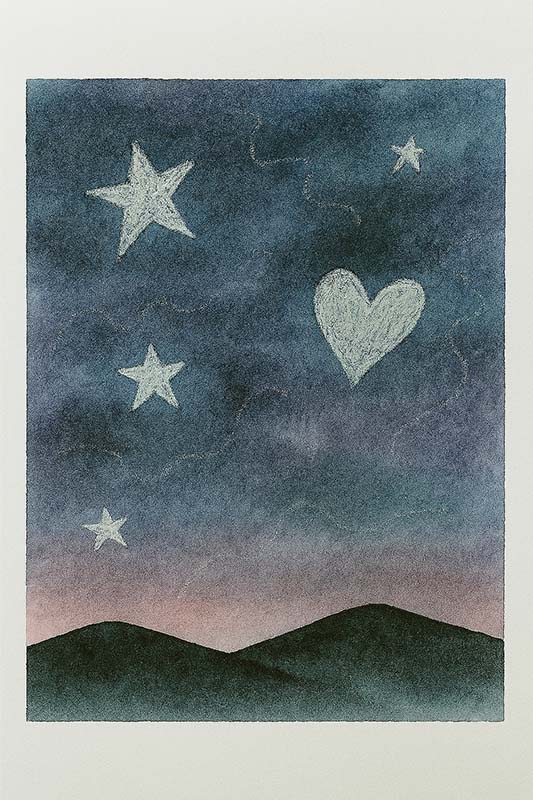
This fun technique uses two mediums. You draw with a white crayon or oil pastel first. Then you paint over it with watercolor. The wax resists the paint, so your drawing shows through.
Take a white crayon. Draw simple shapes on dry paper. Draw stars, hearts, or random lines. Press firmly. You might not see the drawing well. That is fine.
Now paint over the whole paper with a dark watercolor wash. Use a deep blue or purple. See your white lines magically appear. The result feels spontaneous and cool.
This method is great for abstract art. It teaches you about the properties of different materials. Every piece is a surprise. It is a good way to overcome fear of the blank page.
4. Paint Loose Flower Shapes
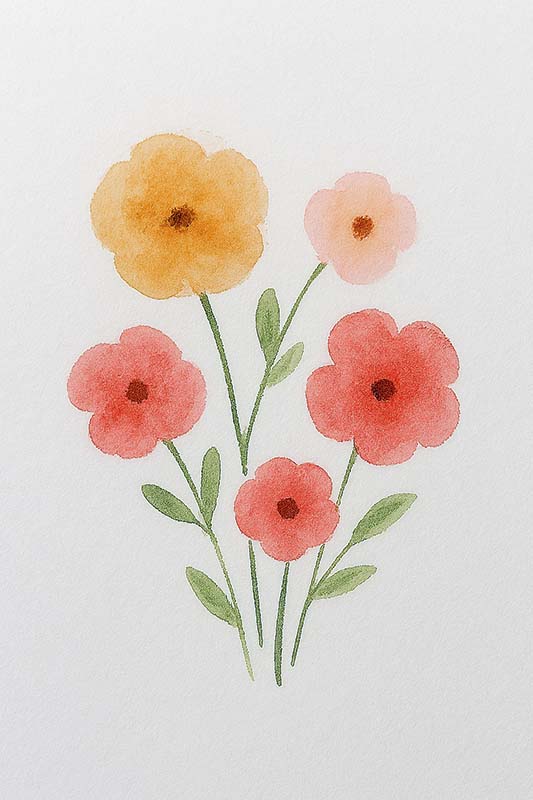
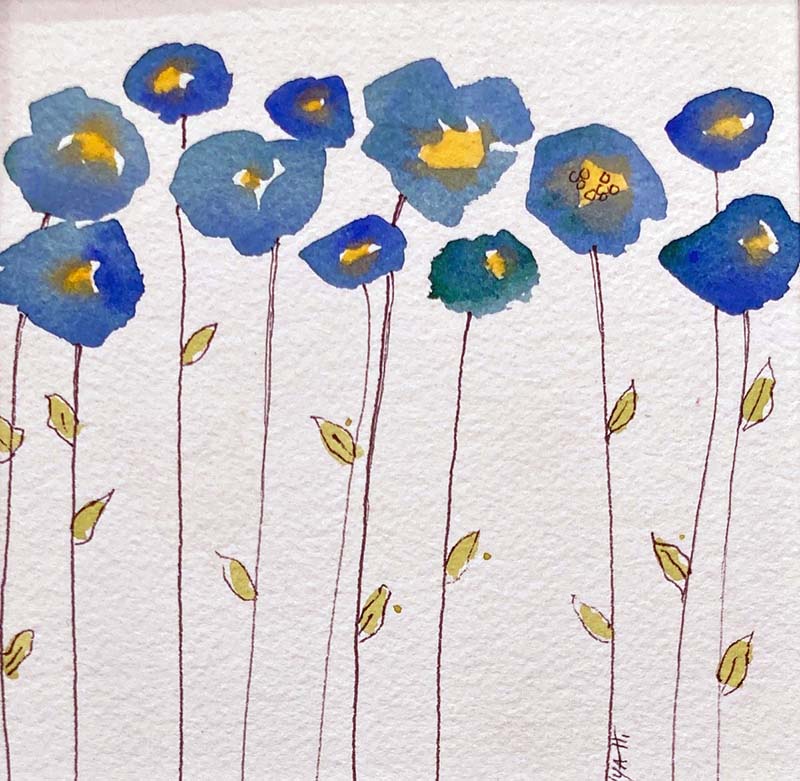
Whimsical flowers are circles and dots. Do not paint every petal. Think about the flower’s essence. This is a classic easy watercolor subject.
Choose three colors that look good together. Wet a brush and load it with paint. Press the brush to the paper and twist. You get a soft, blob-like shape. That is your first flower. Make a group of these blobs in different sizes and your three colors.
After the paint dries, use a finer brush. Add a small dot in the center of each flower. Paint thin, curved lines for stems. Add simple leaf shapes with quick green strokes. This combination of loose washes and sharp details defines the whimsical style.
This project builds confidence. You create a complete composition with variety. It shows how a limited palette keeps a piece cohesive.
5. Try an Abstract Color Blob
Not every piece needs to be an object. Abstract art is about color and feeling. This is the easiest idea on the list.
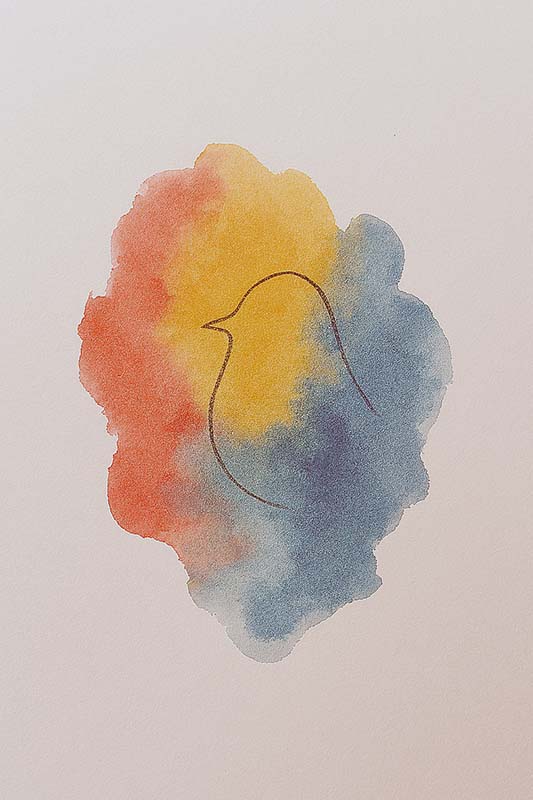
Wet your paper. Take your biggest brush. Pick a color you love. Apply the paint in a big, uneven shape in the center. Rinse your brush. Pick a second color. Touch it to the edge of your first shape. Watch the colors mix and bloom on the wet paper.
Add a third color if you want. Let the paint do the work. Do not over-control it. Once dry, you might see a shape in the blot. Use a pen or thin brush to outline a part of it. Maybe you see a bird or a face. This adds definition.
This technique frees you from expectation. It is pure play. It helps you learn how colors interact. Every piece is unique.
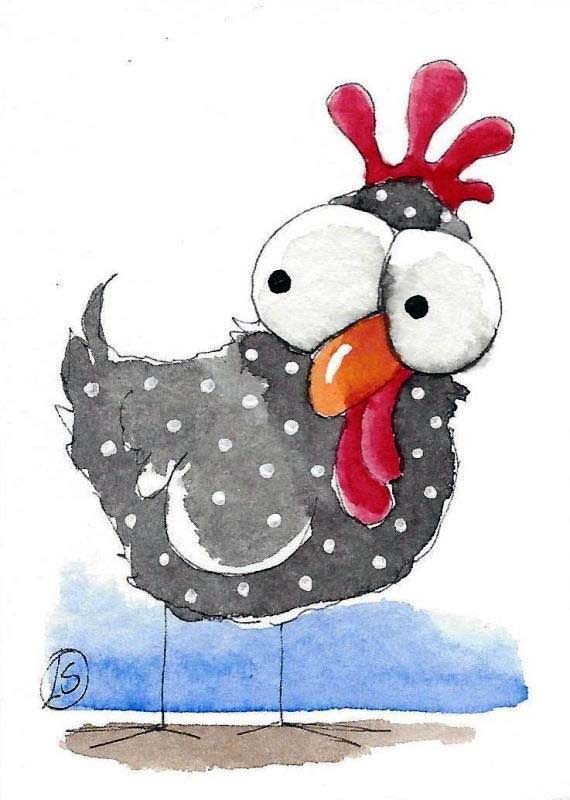
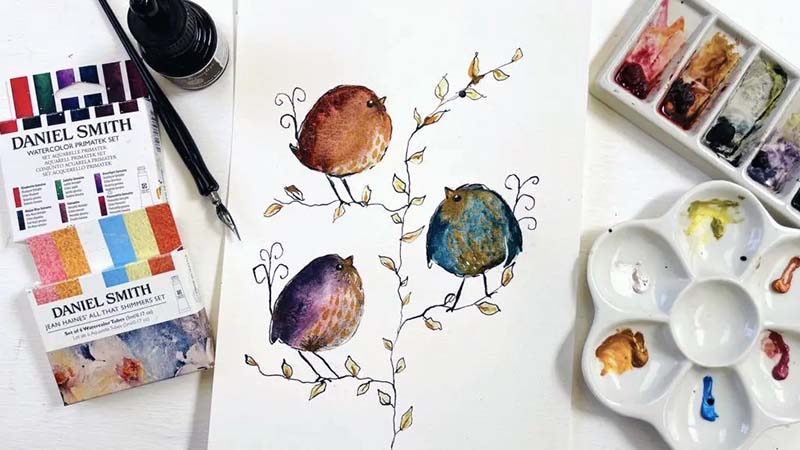
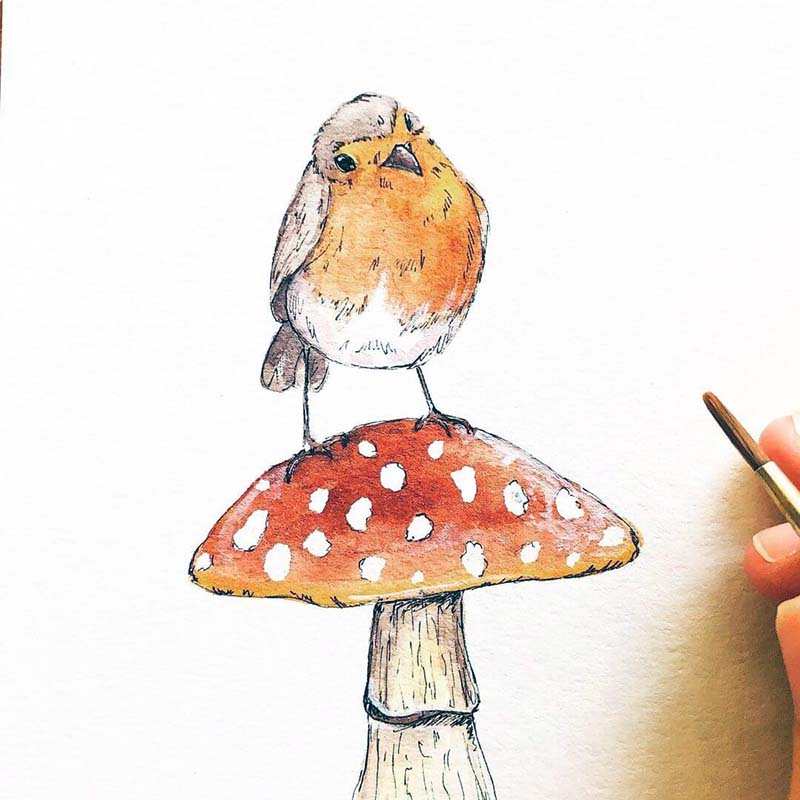
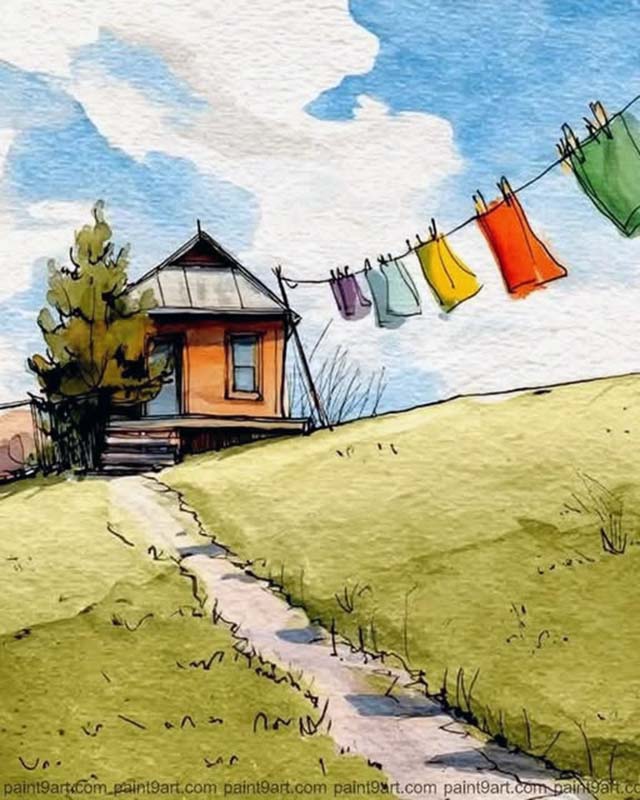
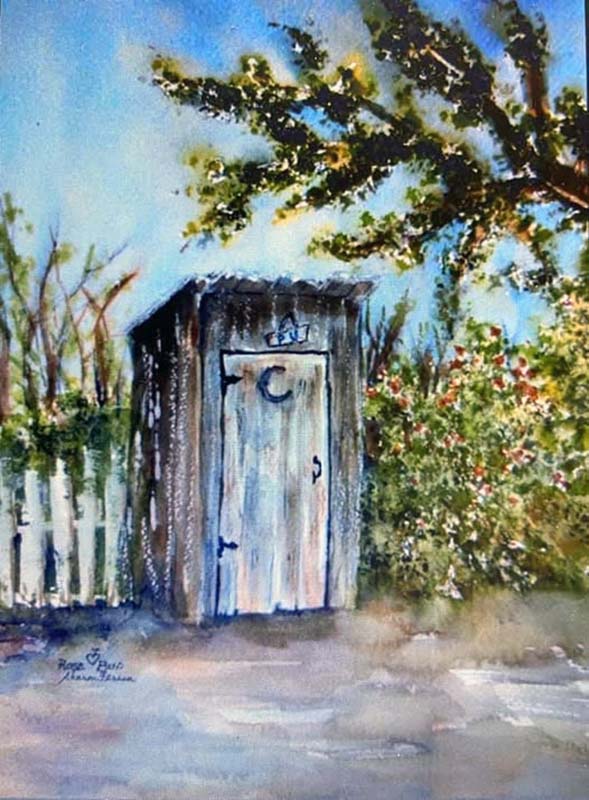
More Easy Whimsical Watercolor Ideas Gallery for Inspiration
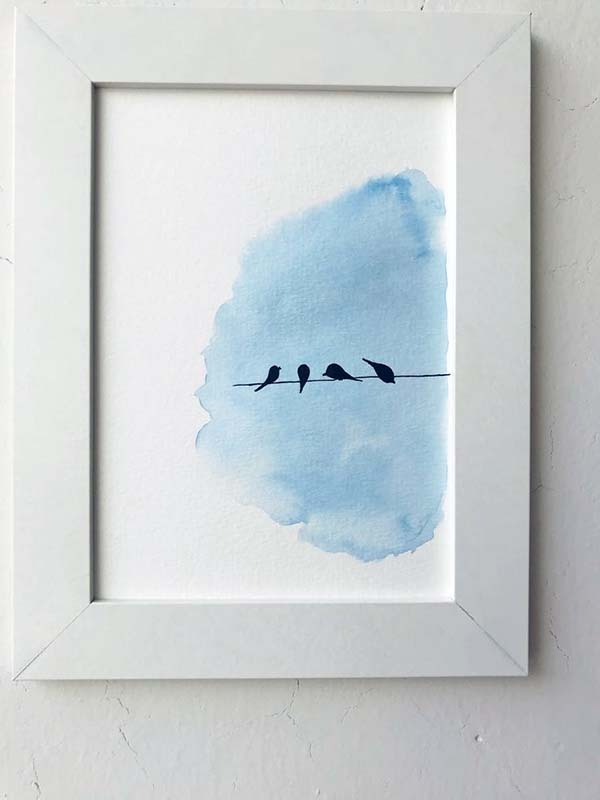






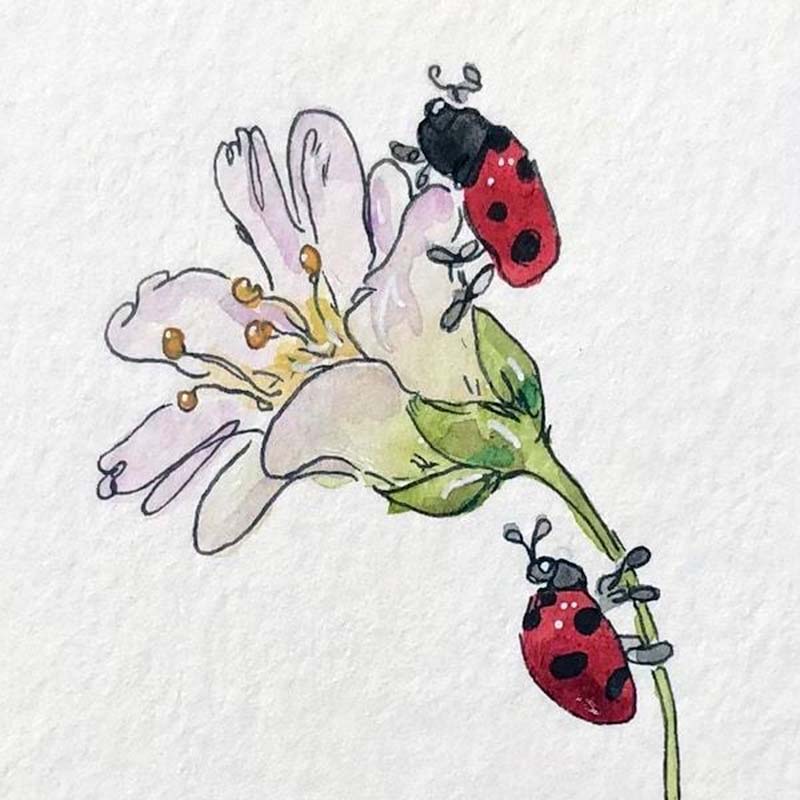
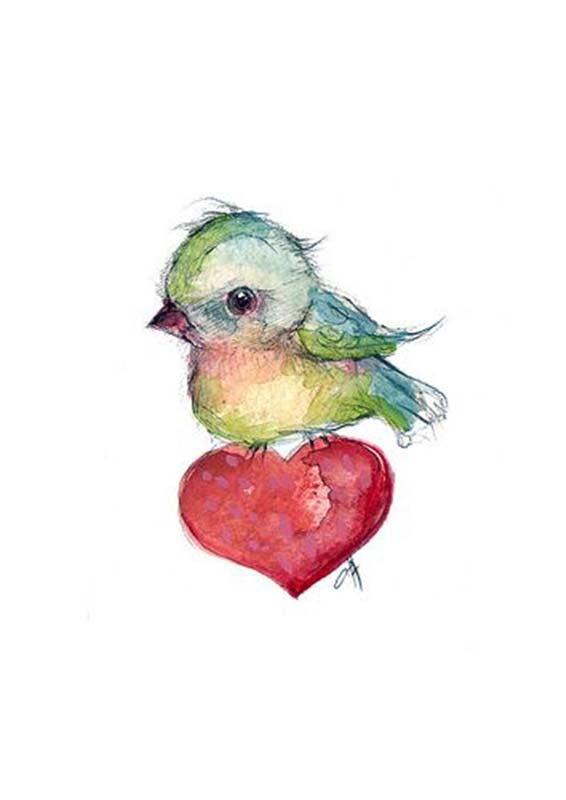
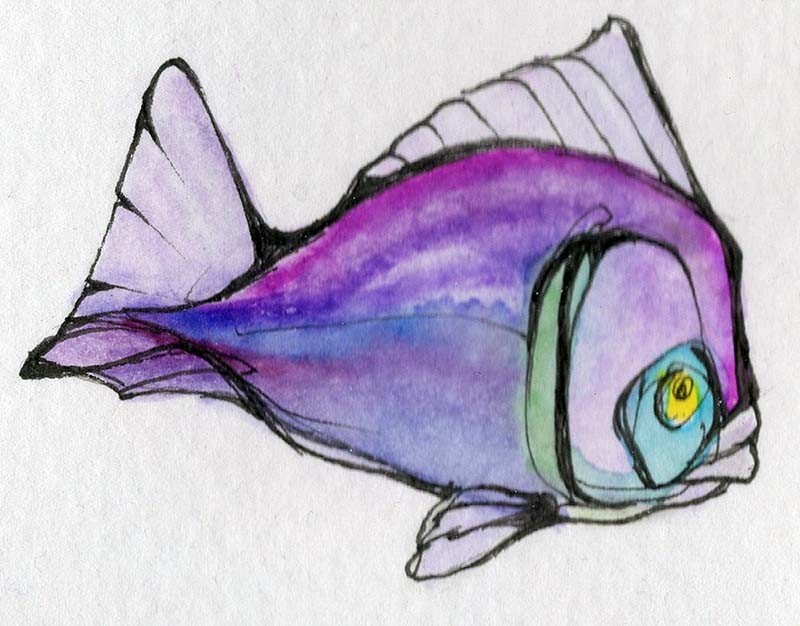



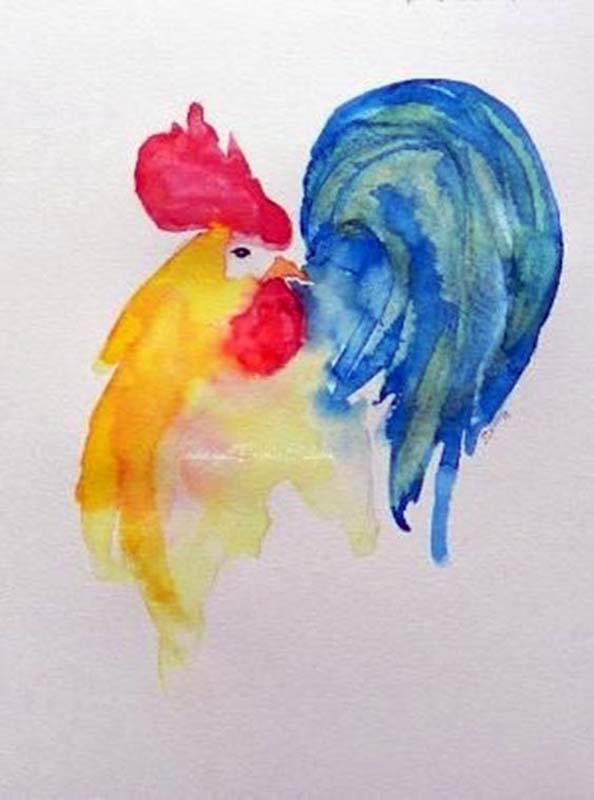

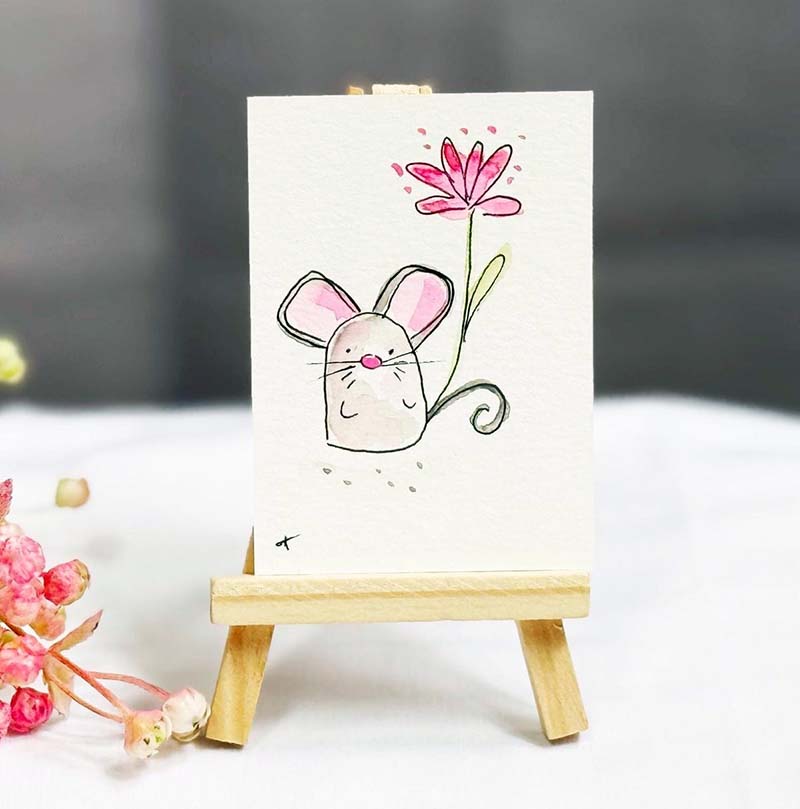
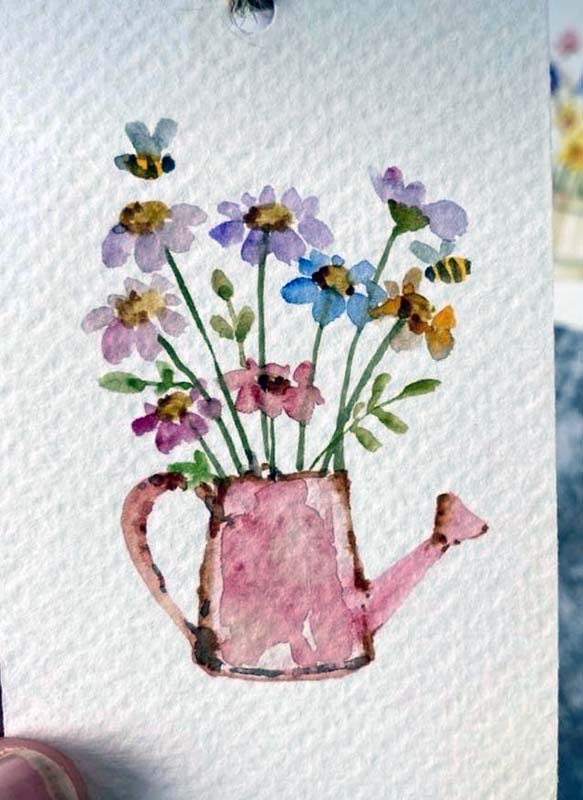

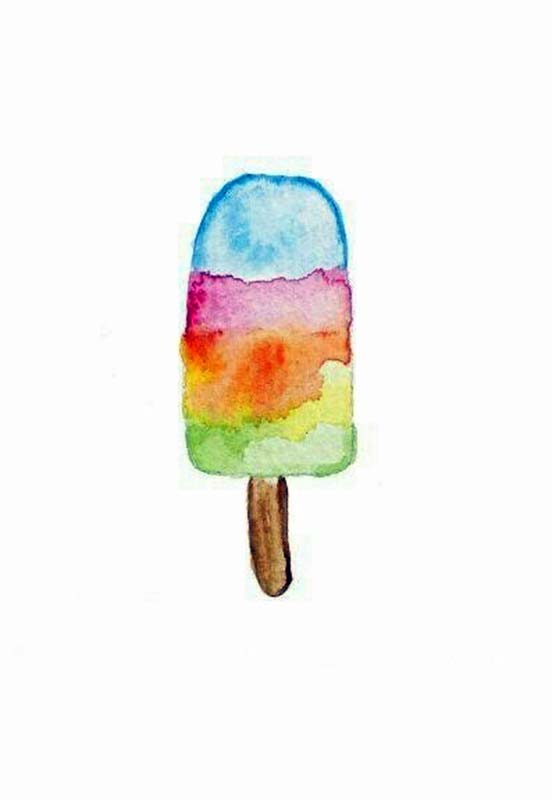
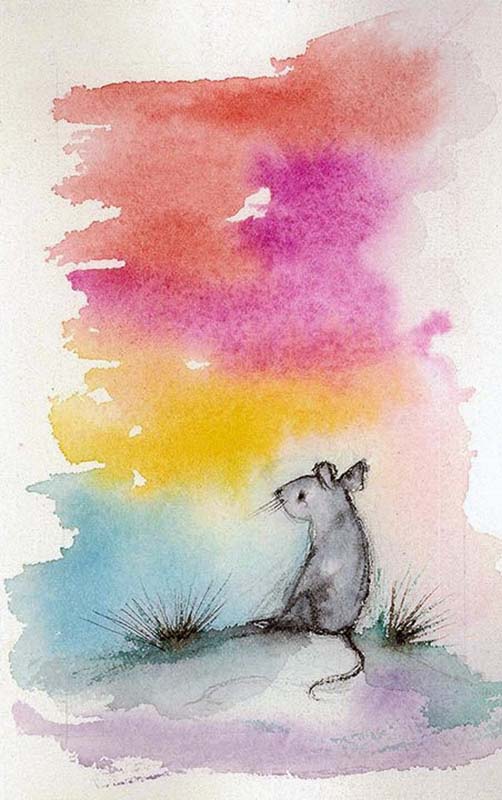
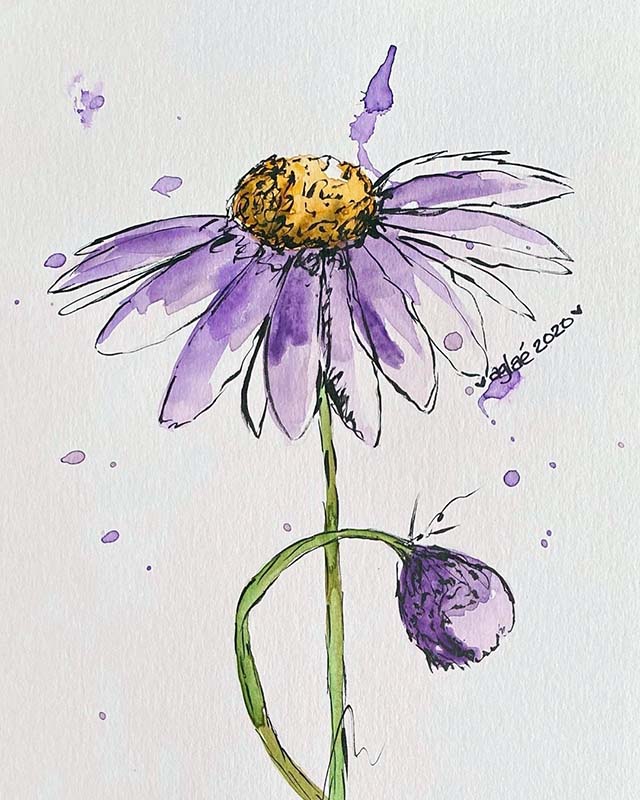


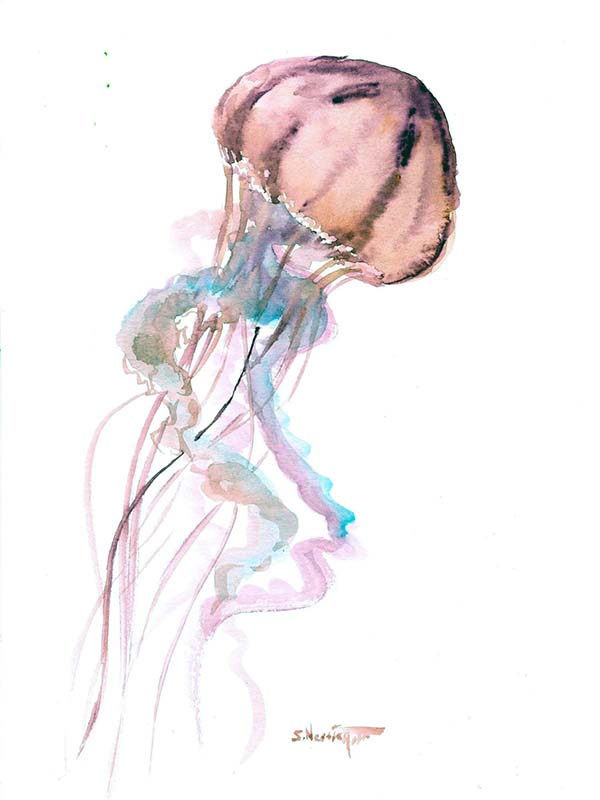





Conclusion
These five easy whimsical watercolor ideas start your practice. The goal is to finish pieces, not to make masterpieces. Whimsical art comes from repetition and a light feel.
Gather your supply of paper, paints, and brushes. Pick one idea and try it three times. Your third attempt will feel better than your first. Share your work with a friend. Then try the next idea on the list.
FAQs
Q: What are some easy whimsical watercolor ideas for beginners?
A: Beginners can try simple motifs like smiling moons, flying cats, hot air balloons, tiny houses, and playful florals. Follow a short tutorial for basic washes, layering, and adding white highlights to create whimsical effects without elaborate techniques.
Q: How do I set up my workspace to paint whimsical watercolors?
A: Create a comfortable space with good light, a flat table, water jars, paper towels, a palette, and a small selection of paints and brushes. This minimal resource setup helps you focus on playful experimentation rather than elaborate gear.
Q: Can you recommend a basic tutorial to learn whimsical watercolor techniques?
A: Yes—look for beginner tutorials that cover wet-on-wet washes, simple gradients, and adding ink outlines. Many free video and step-by-step written resources show how to build charming, whimsical scenes without complex steps.
Q: What supplies are essential for these easy whimsical watercolor ideas?
A: Essential supplies include student or artist watercolor paper (140 lb recommended), a small set of paints, round brushes (size 6 and 2), a flat wash brush, masking tape, and a few pens for details. These resources let you experiment without an elaborate inventory.
Q: How can I make a small space suitable for watercolor practice?
A: You can convert a corner table or a kitchen counter into a painting space—use a plastic mat or old placemat to protect surfaces, keep water and paper towels handy, and store supplies in a box. This compact resource setup is perfect for quick whimsical sessions.