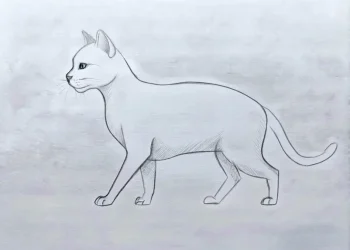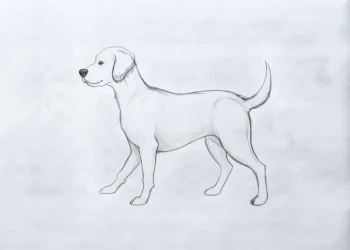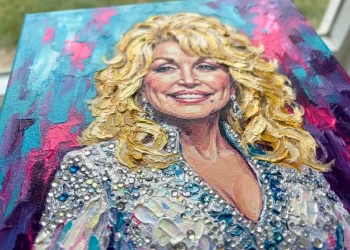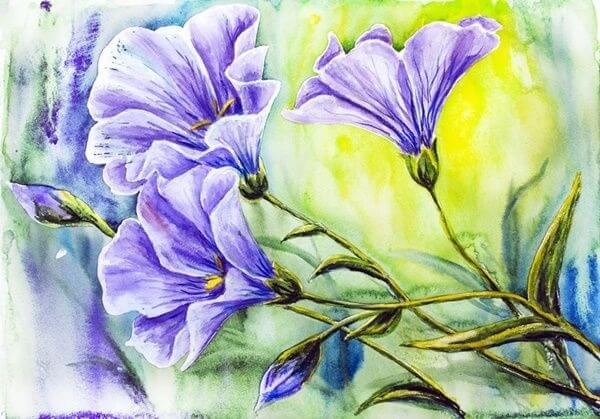
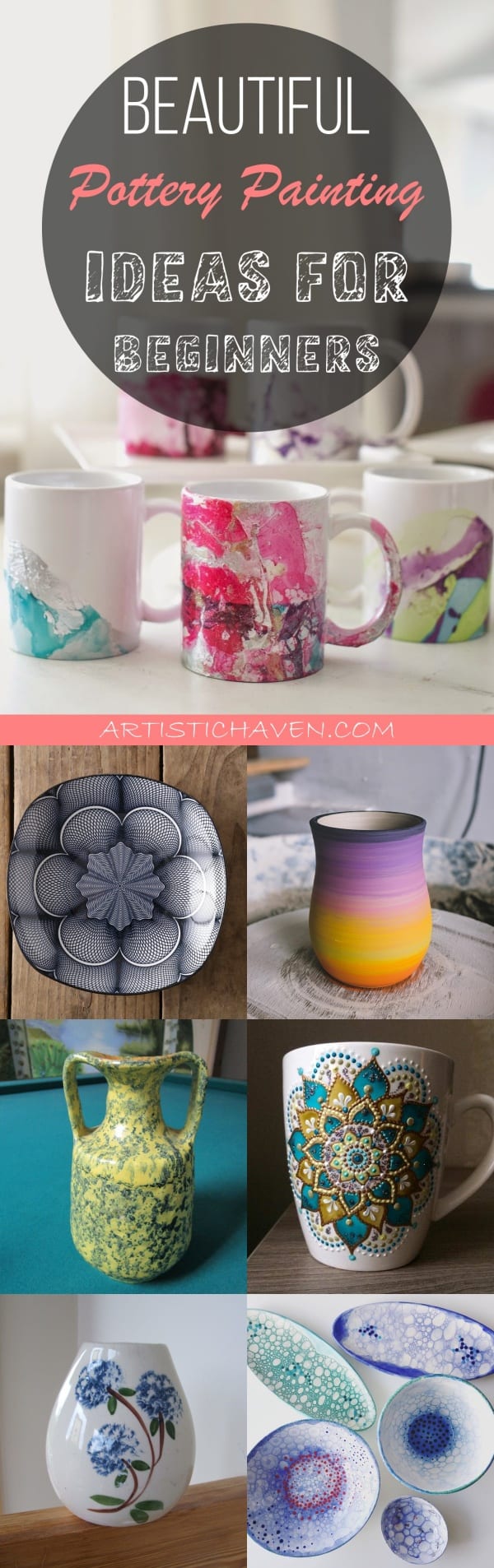
Pottery painting doesn’t necessarily have to be a pot, vase, or a bowl. You might as well enhance your creativity on your favorite coffee mug, a leafy tree, or maybe your cute, furry companion. Before you start painting pottery, pick your paint from options like latex, acrylic, epoxy, or any liquid paint that has an application with hand. Choose your base, which can be anything from terracotta pots to glazed ceramics, damp it with a sponge, and get going with your exotic ideas.
On that note, we have some of the most intriguing pottery painting ideas for beginners to try on. Care for some? Here, we go then.
Easy Pottery Painting Ideas for Beginners to Try at Home
What You’ll Need: Pottery Painting Supplies
Before you start painting, it helps to gather your pottery painting supplies. At a minimum, you’ll need a pottery piece (like a mug, bowl, or vase), the right kind of paint, and brushes. For beginners, acrylic paint is a great choice as it’s easy to use and clean. If you’re looking for a food-safe, glossy finish, you’ll need special ceramic paints or a glaze that can be fired in a kiln. Many “paint your own pottery” studios like Color Me Mine provide everything you need. For detailed work, paint pens are fantastic. A palette for mixing colors, a sponge, and a sealant to protect your finished work are also recommended.
Vibrant Glazes: The Key to Professional-Looking Pottery Design
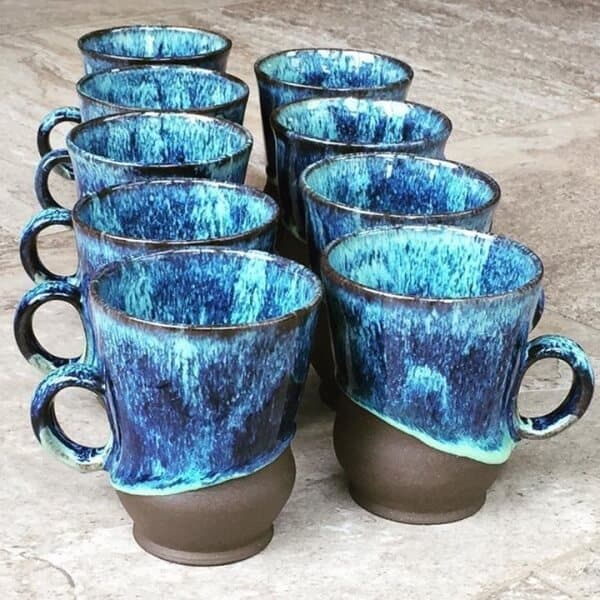
To be specific, these are called the undercoat glaze, which is essential in many pottery design projects. When observed closely, there are certain colors, when applied almost three times, looks all vibrant, shiny, and glazy. Also, known as pottery glazes, these are the form of undercoats that would hit a change naturally in the kiln due to the extreme temperatures, creating a conglomeration of colors. Firing a piece with multiple layers of glaze creates a beautiful, durable finish. Want to know the best part? You have the option to get the paint done in both shiny and matte finish. So, if you are a beginner and don’t want to let go of the craziness of colors, give pottery glazes to your painting.
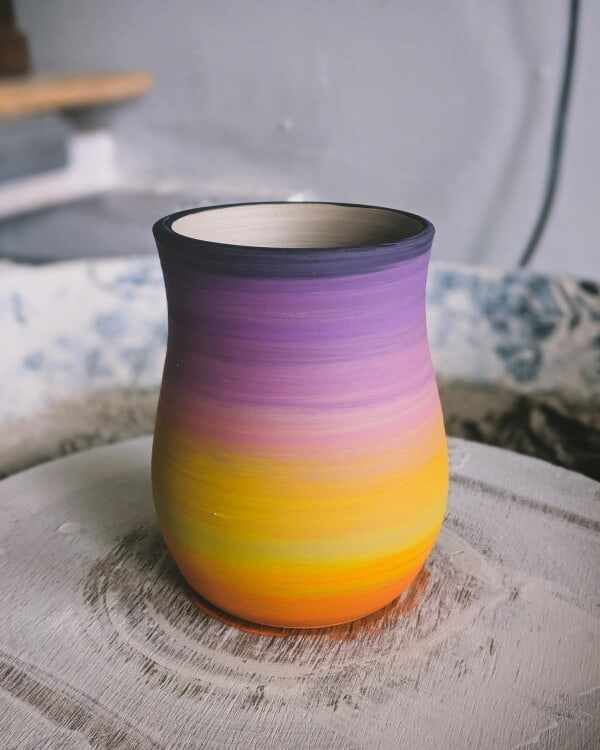
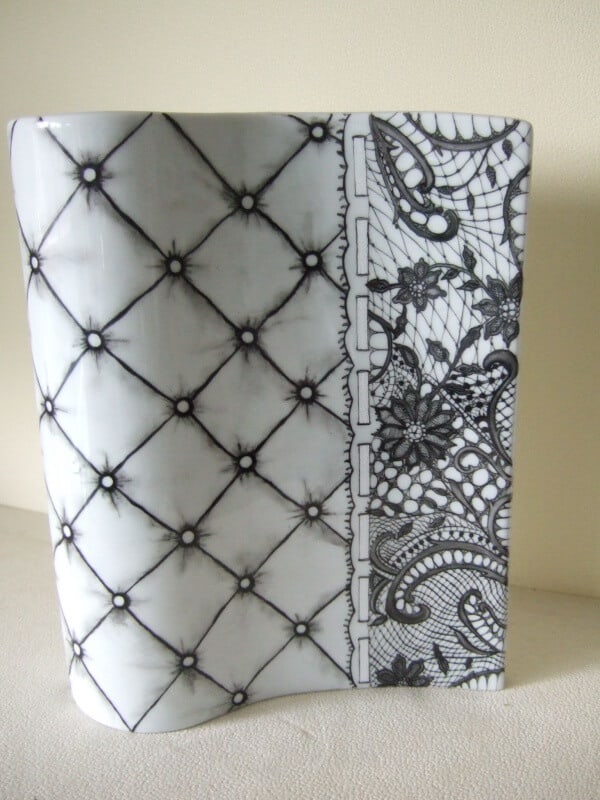
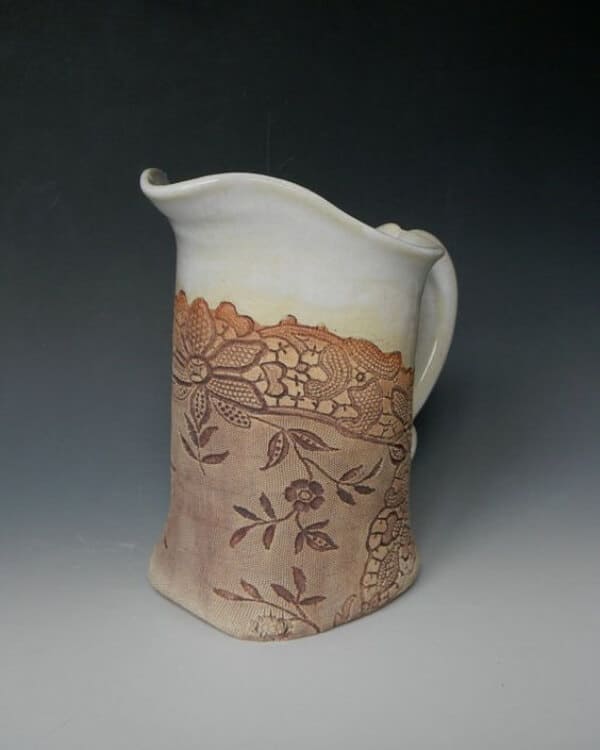
Lace Painting: A Simple Way to Create Intricate Designs
Painting is all about having fun, and here’s another fun thing that we can offer. Start by placing lace all over the pottery and get the pattern imprinted on your piece. This is a unique way to paint that creates a beautiful texture. Start the thing while the base is still wet and damp, and place a piece of lace over the piece in whatever pattern and design you like. Then, paint over that. Peel the lace to keeps the wonder that you created. This simple design technique can produce stunningly intricate designs.
Bubble Painting: A Fun and Easy Pottery Painting Idea
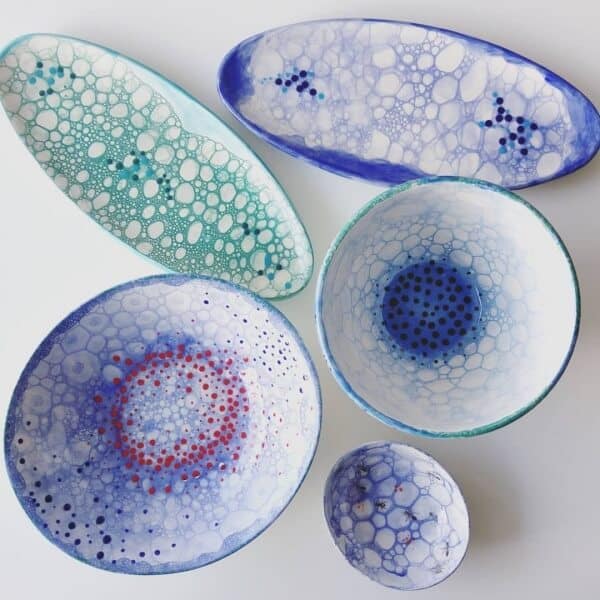
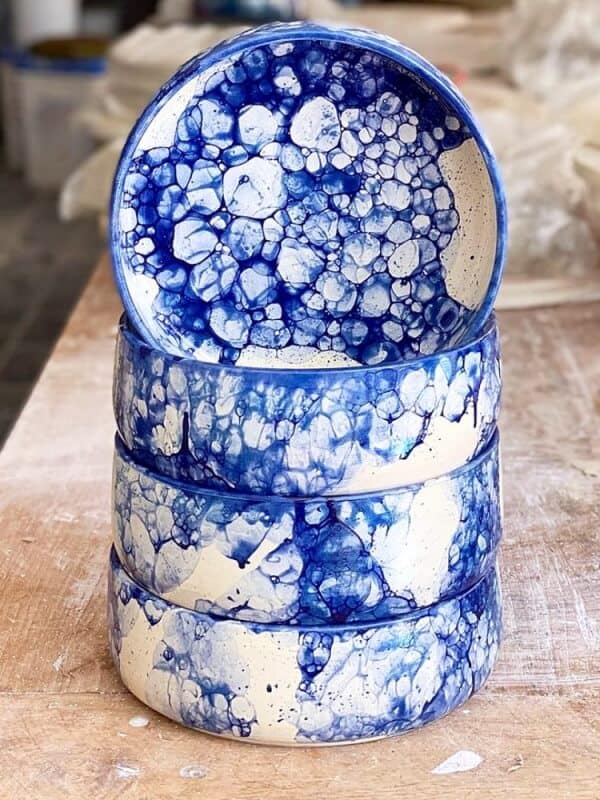
Yes, you have read that, correct. The list of the pottery painting ideas for beginners lists the bubbles that don’t burst or wither away. Rather, it forms a kind of pottery paint design that looks simplistically beautiful and is fun and easy to make. Start by splashing some paint, water, and dish detergent in a cup and mix it well.
Then use a straw, blow into the cup to create the rising bubbles. Once they have reached the helm of the cup, tilt the cup a bit over the piece of choice you have, which would allow the bubbles to fall and take a stand. The bubbles would begin to settle on top of the pottery, leaving behind a color stain. Do the same by selecting a few different colors to give your work an impressive finish.
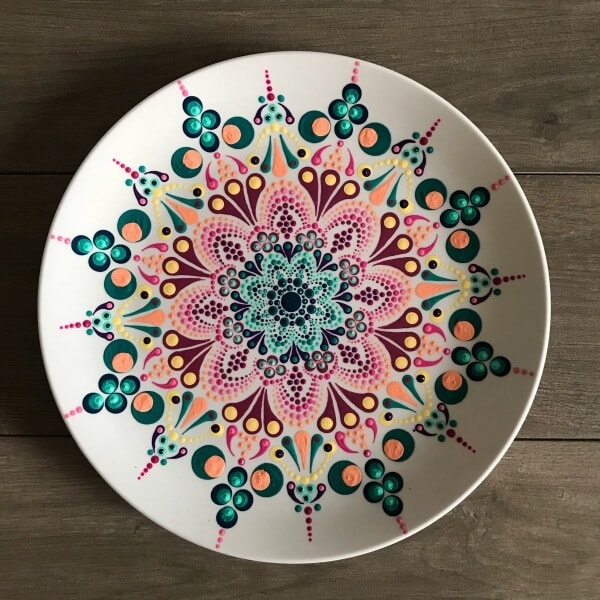
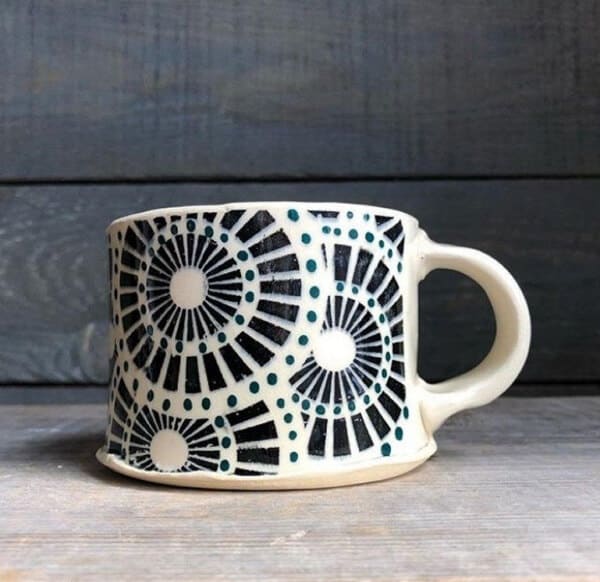
Mandala Painting on Ceramic Mugs and Bowls
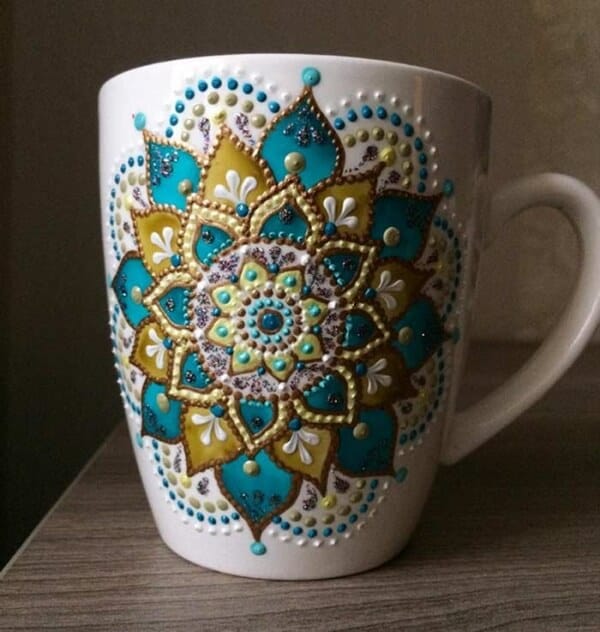
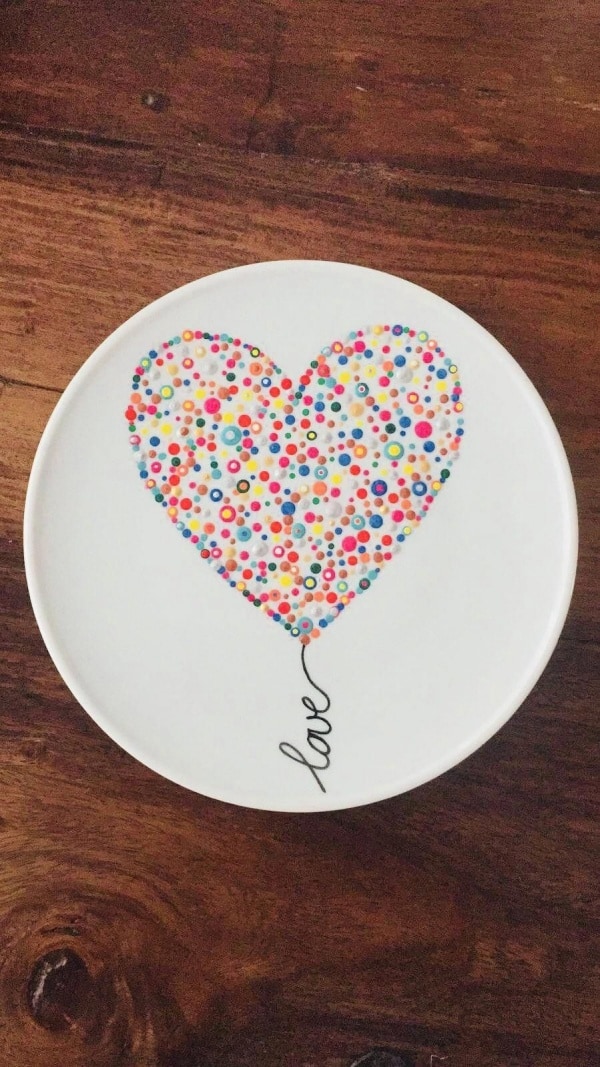
Although the name has regained its popularity in the recent past, Mandala design is intricate, beautiful, yet easy to create. This is a super simple technique for ceramic mugs. Start with a bucket of polka-dotted on the wall. But the essential part here is to create the symmetry well. The best way of detecting that is to place yourself with guidelines on the piece itself by using a regular number two pencil and creating a design or lines to form an image to work off of. Using paint pens can make creating the dots much easier.
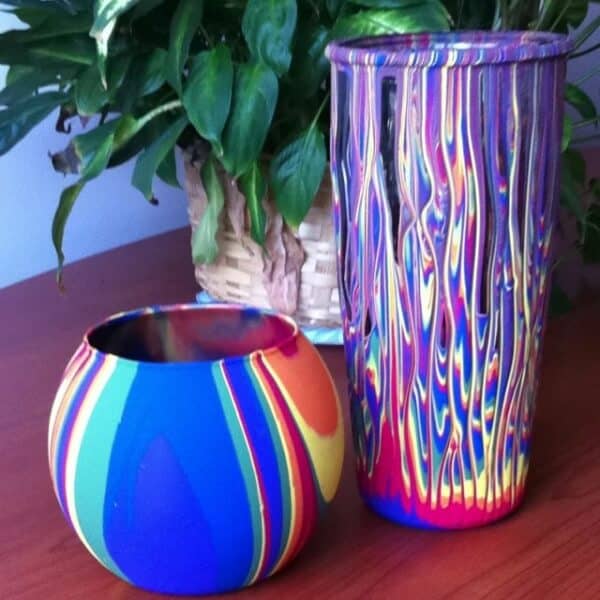
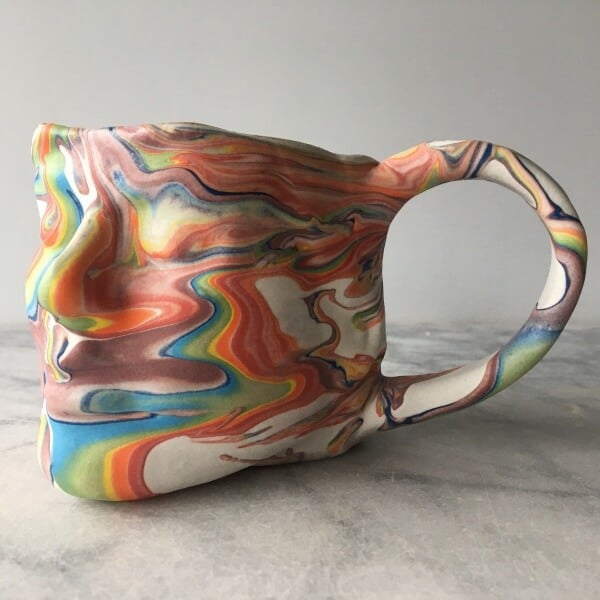
Fluid Art (Acrylic Pouring) on Pottery
Start by picking three to four colors of your choice. This technique is a fun way to add an abstract look to any pottery piece. Mix an equal amount of water into each container. Stir them a bit and pour one on top of each other, in another bowl. However, don’t mix it. Start by placing your in all different directions, see the paint to move and swirl together, and create colored layers. Once the entire surface is done, allow the excess color to drip off. Remember to wipe off your piece’s side or bottom with a wet sponge, if they get a little dirty. Just have fun, and do it well.
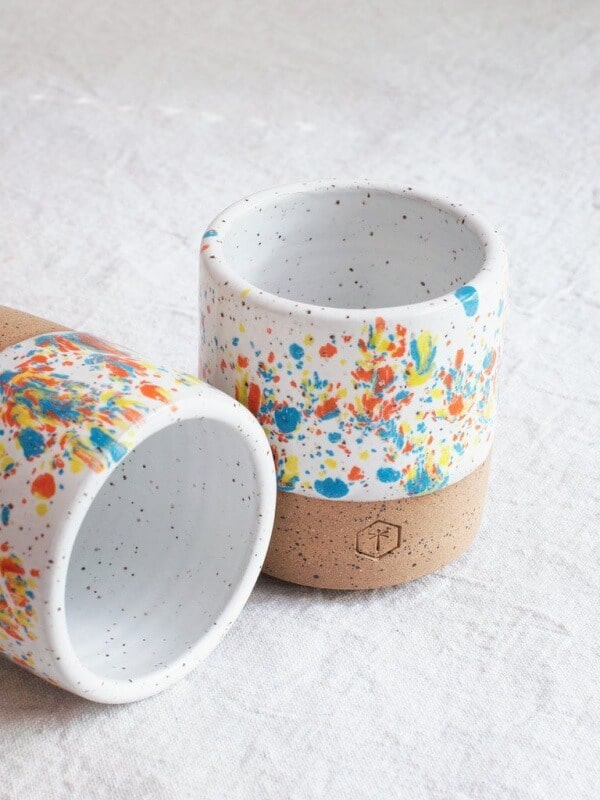
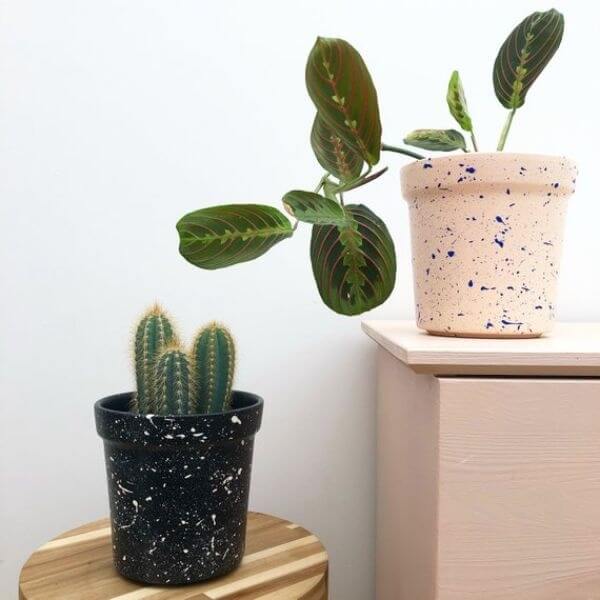
Splatter Painting: An Easy Technique for Flower Pots
This one is the hardest of all. Ok, just kidding. This technique is beginner friendly and perfect for flower pots. Start by pouring the paint. Grab a toothbrush or paintbrush, and flick paint at the pottery for your own ceramic painting ideas. Now you are done. For more enhancement, tape off areas, like the canisters. This would give the piece a more versatile and refined look. This one from the list of pottery painting ideas for beginners is a must-try, what say?
Stencil Painting with Polka Dots and Hearts
If you’re looking for something easy to recreate, using a stencil is a fantastic option. You can buy pre-made stencils or create your own with contact paper. A simple heart design or classic polka dots can transform a plain mug or bowl into a charming piece of hand painted art. Simply hold the stencil firmly against your pottery piece and dab paint through the openings with a sponge or brush. This method ensures clean lines and consistent shapes, making it one of the best easy pottery painting ideas for achieving a professional look.
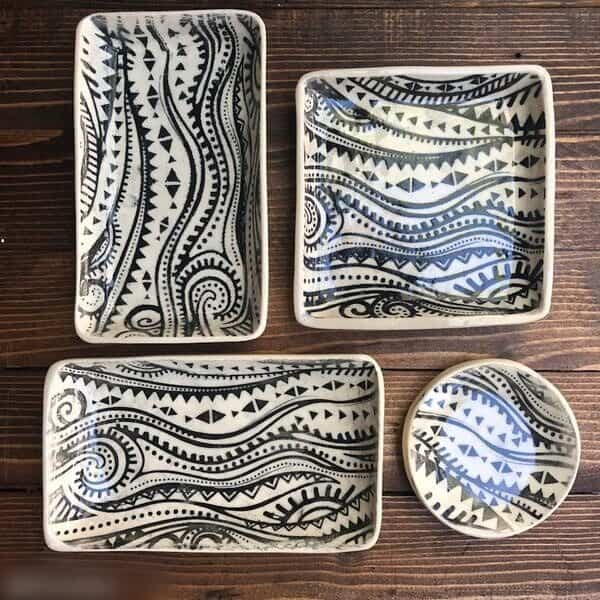
Silk Screens
Silkscreens can be designated as the mature version of a stencil. It gives the same effect as a screen printing on a t-shirt, especially when you’re looking to create unique pottery designs. Place your finger into the mixture, and spread it all over the surface of the silkscreen to cover the entire image. Peel it off, and the result is a replica of the original image. While that was cool enough, the night vision customized version looks mesmerizingly beautiful.
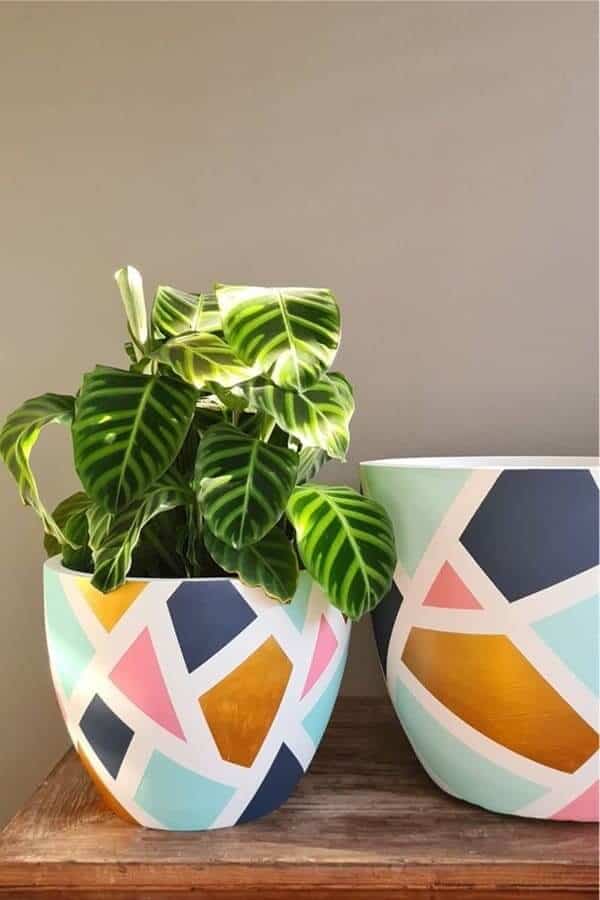
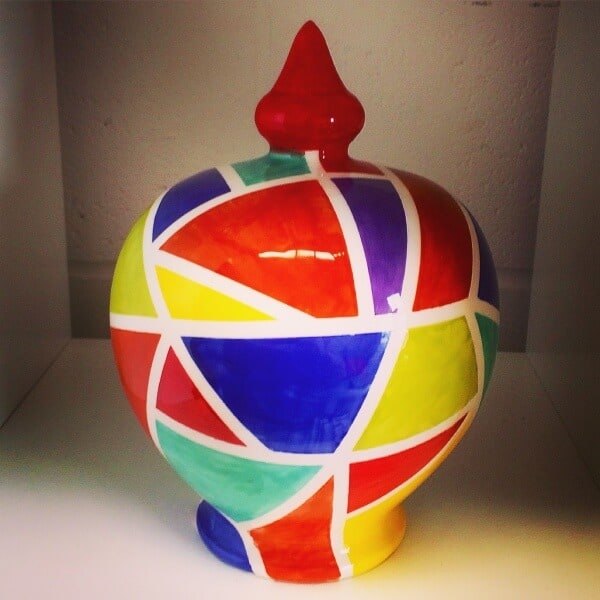
Using Masking Tape for Geometric Shapes and Blocks of Color
Yes, all you need right now is tape. This is a perfect tutorial for beginners. Consider the prep while you are thinking of painting a room from your house, and then sectioning the molding. Place the tape wherever you wish to perceive a spotless white or a nice clean line. This is a great way to create geometric shapes or clean blocks of color. Paint each of the lines with colors from your color palette. In the end, peel the tape off, and all you get is a beautiful, clear, and modern design.
Tracing and Transfer Process
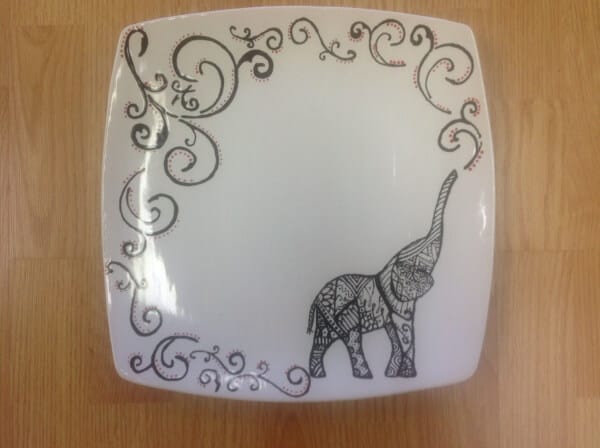
Thinking of a symbol you are crushing on, or an image that you would love to recreate? All you need is a bunch of transfer papers. Get the images or symbol traced, and then transfer this entire image onto the pottery. Just treat it like a page from the coloring book you had and fill in the sketched images with proper paint colors. This name from the list of pottery painting ideas for beginners Ceramic painting is a good way of remembering the childhood days, where pages from the coloring book meant a lot. This method is perfect for intricate designs you’re not confident in drawing freehand.
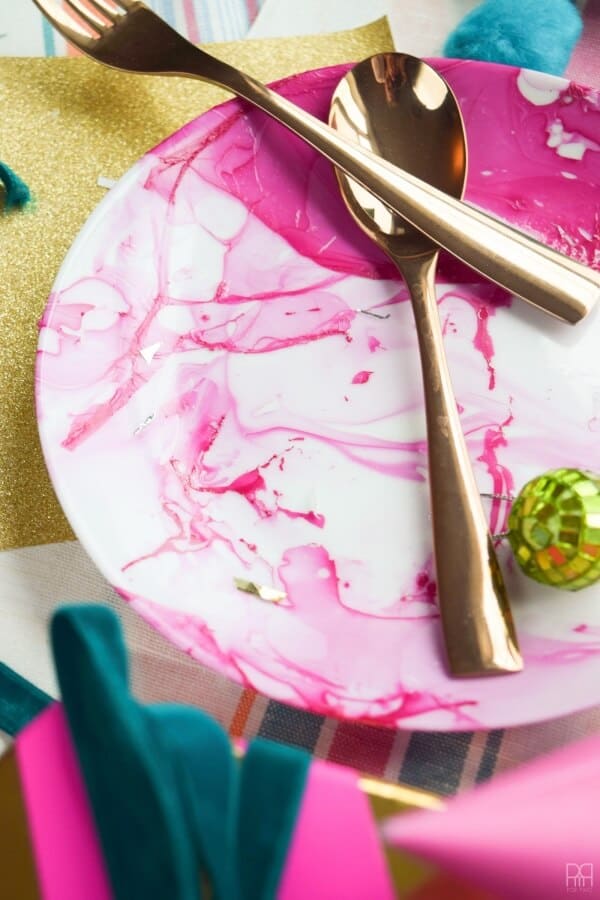
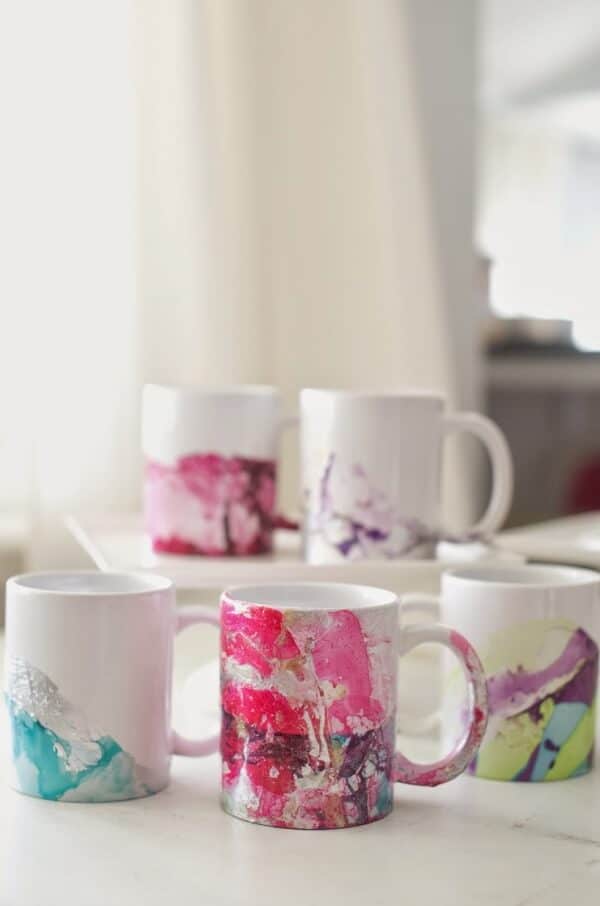
Marbling with Nail Polish
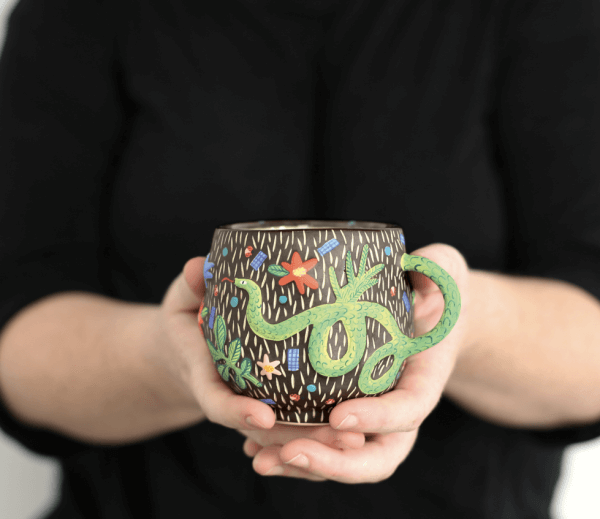
If you’re looking for a unique way to paint and make these DIY mugs, marbling with nail polish is a fun and easy technique. Fill a disposable container with warm water. Add a few drops of different colors of nail polish to the water’s surface. The polish will float on top. Gently swirl the colors with a stick to create a marbled pattern. Then, simply dip your ceramic mug or bowl into the water. The nail polish film will adhere to the surface, creating a beautiful marbled effect. Make sure to use a sealant to protect the design, especially if it’s on an item you plan on using often.
Sponging Paint
How about donning your mug with a sweater? This type of pottery paint looks adorably cute and is an easy one to create. Pick a mug with a clear dimension or ridges. Choose your favorite color, and paint the mug entirely. After ensuring the three coats, take a synthetic sponge and wipe away the paint from the sweater’s make-shift threads. Now, the paint is left in the nooks and crannies.
Alternatively, you might as well dab the sponge all around the piece, to layer your colors. This can create a beautiful texture with one color or multiple different colors.
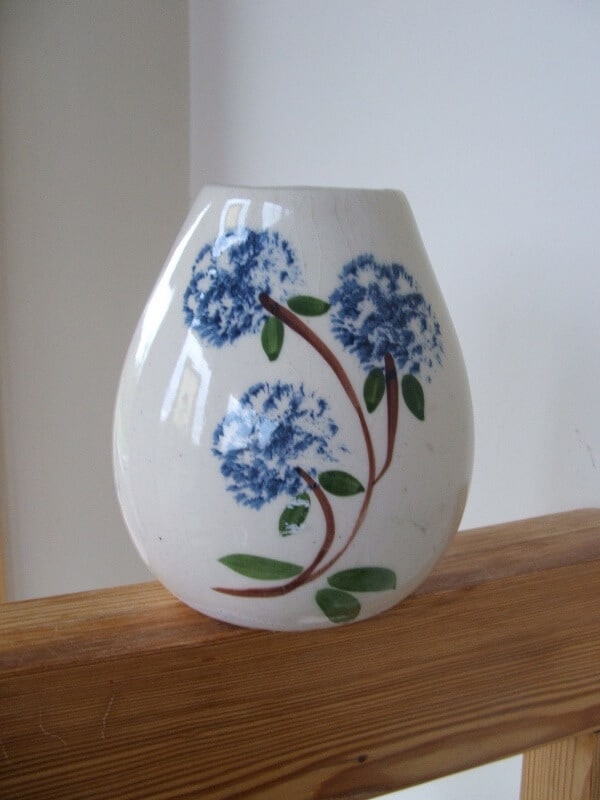
Slips
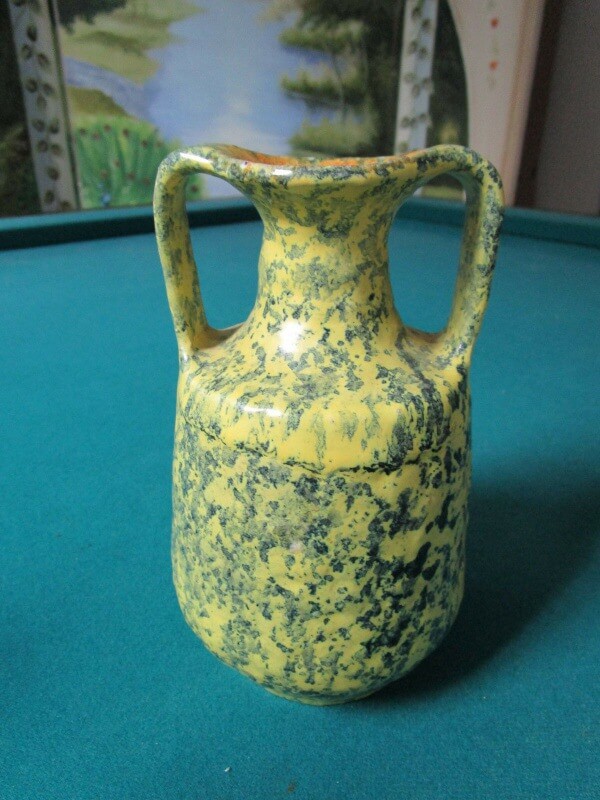
Not literally slipping or falling over, but a slip state of the liquefied immersion of clay particles in water. This one is also a fine method of color clay pottery, especially if you’re looking for something unique. For this, get hold of either the white slips or colored slips tinted with oxides. Slips produce the best effect when used on the wet greenware. Artists have a thing for the slip painting as the slip painting gets burnt along with the pot, making it a popular choice in pottery design. If you have a strong sense of aesthetics, the additional colors strengthen the visual impact or further enhance the image.
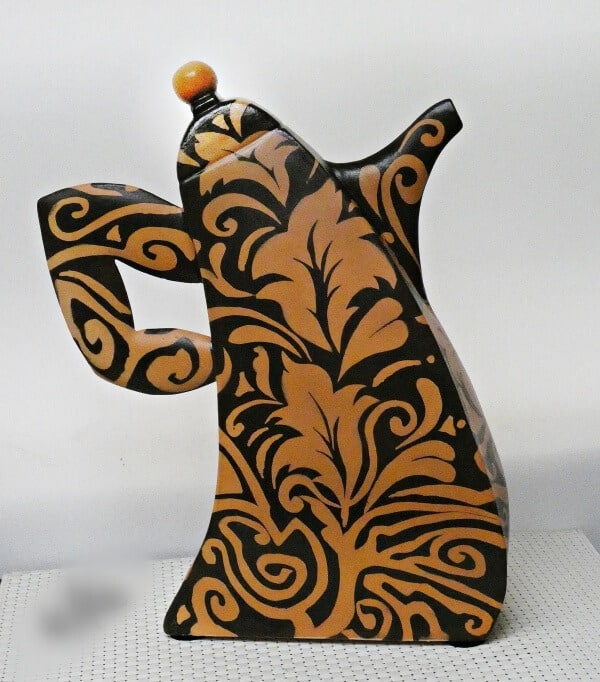
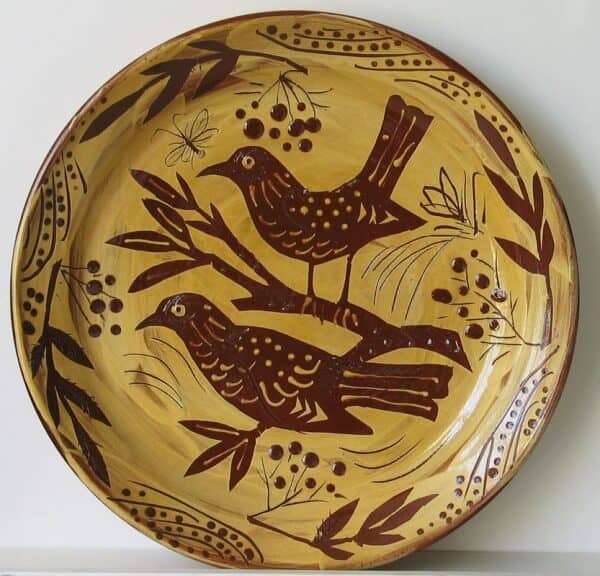
Oxide Stains
The oxide stains are the name in the list of pottery painting ideas for beginners, that’s awesome for painting flowing lines while adding the broader areas of color. Create the stains by mixing the earth oxides in water, however, along with a significant grease amount, which is a technique often used in ceramic painting. Some oxides become fickle and change color dramatically, depending on the other elements mixed in the glaze. For example, chrome oxide is usually thought to be a green colorant. However, with tin in the glaze, it might turn pink, which can be an exciting surprise in your pottery design.
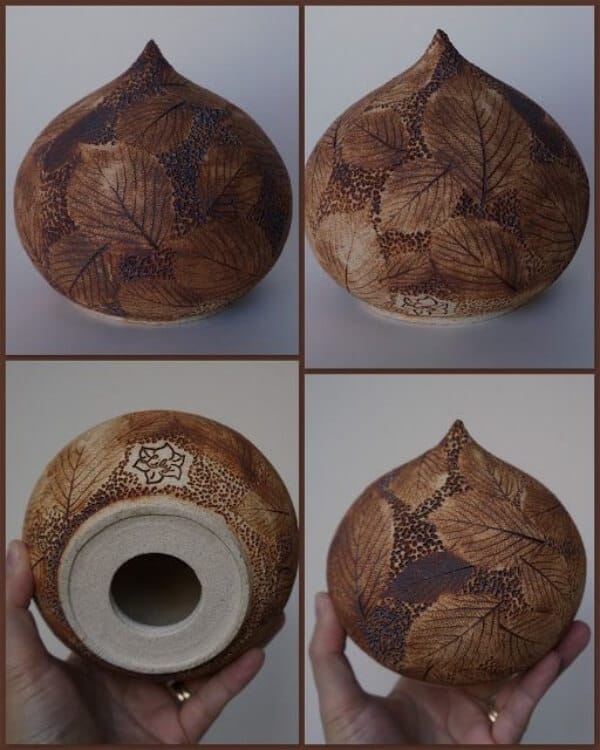
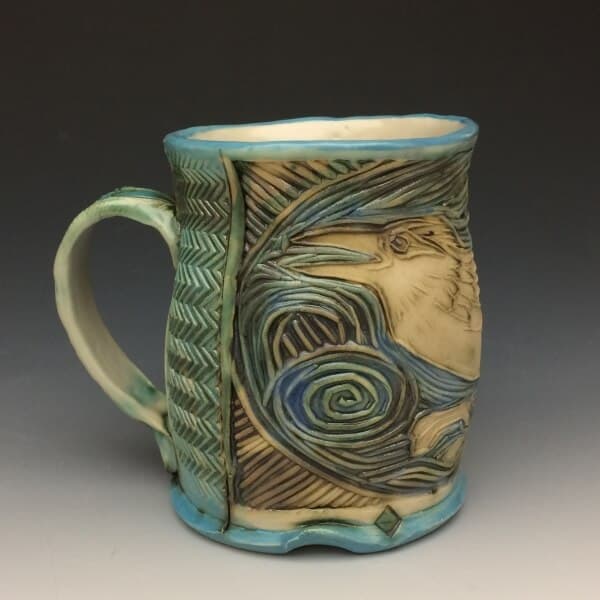
Glazes
Glazes are a bit different than the under-glazes that we have previously discussed, especially when considering various design ideas. Potters have been acquainted with painting on ceramics for years, only with the help of these glazes themselves. This includes glaze-on-glaze painting, similar to those seen in the majolica traditions, and donning other areas with glazes using different colors.
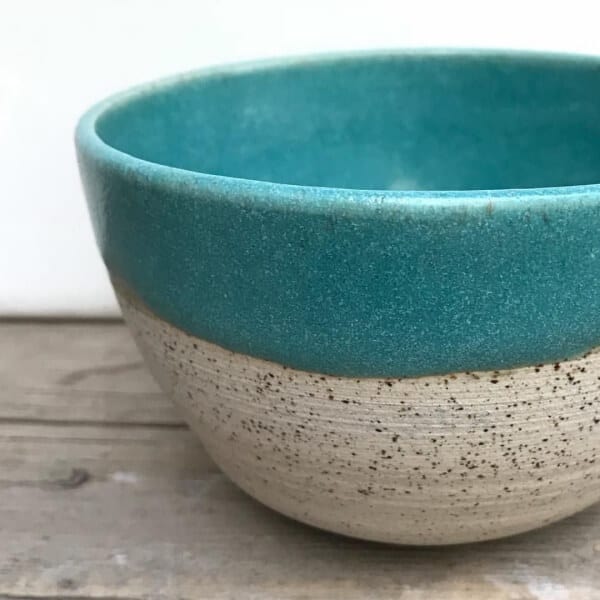
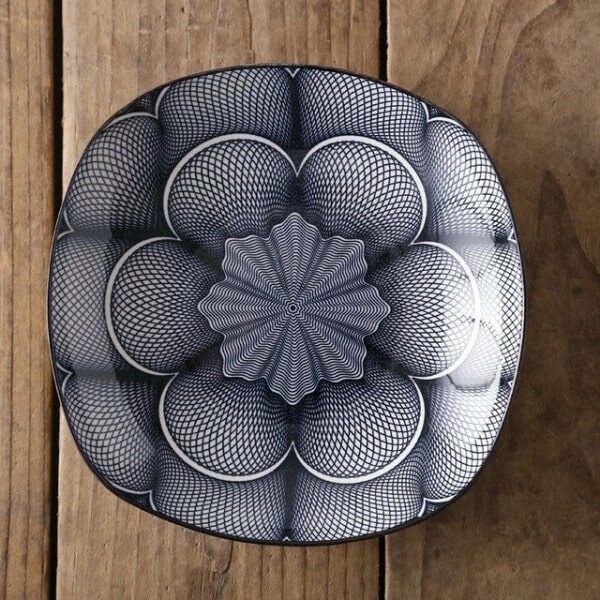
Fingernail Polish
Pottery artists can pick and choose from a variety of other traditional paints to pieces of ornament pottery that are non-functional. However, the only thing to remember here is that the non-ceramic paints either flake or peel off when the finished piece becomes wet or is meant for permanent outdoor use. Ceramic pieces are the best designs that serve as display art is one area where the artists frequently use traditional paints.
Wash Painting
The wash painting technique is another fun technique from the list of pottery painting ideas for beginners. This one is similar to the one used during the watercolor painting. It starts with diluting the paint in water. However, here the brush strokes must be visible for the painting to look effective and hold significance. To feel good about the art, some calligraphic writing, or maybe a mandala on the pottery with the wash painting works well.
More Easy Pottery Painting Ideas For Beginners
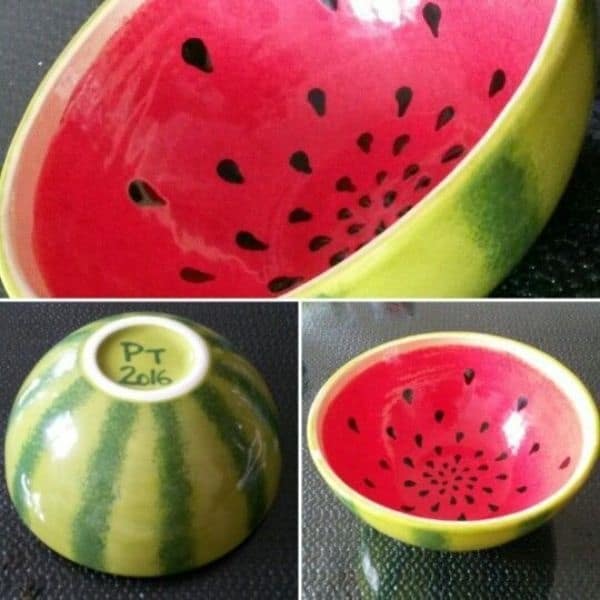
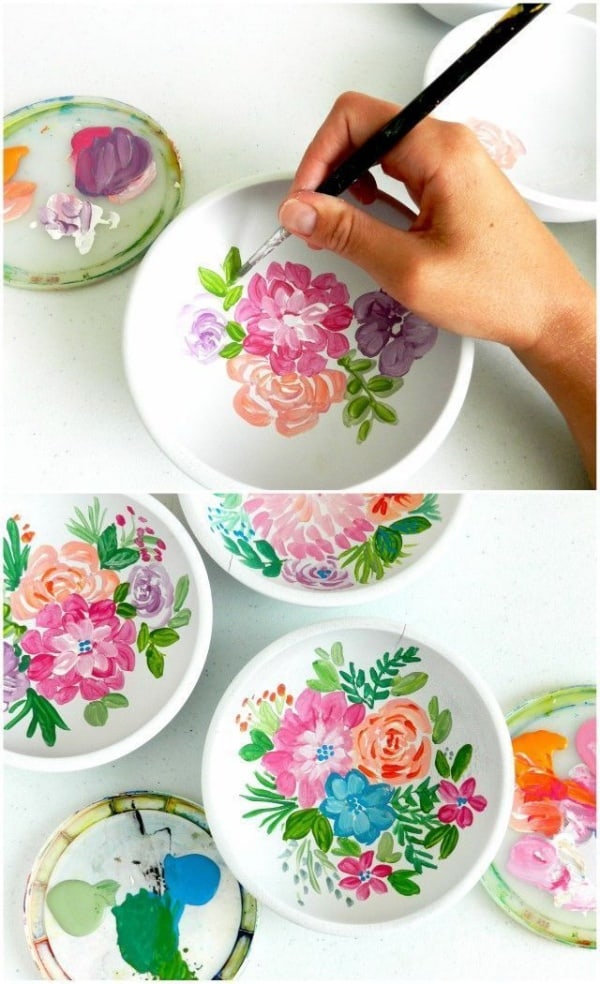
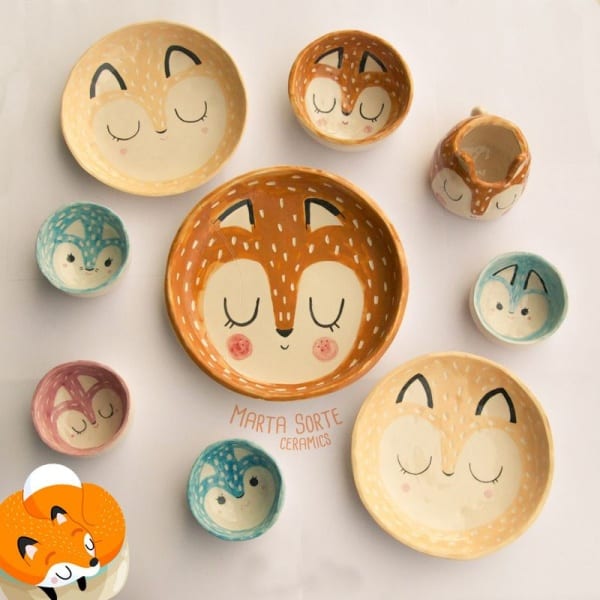
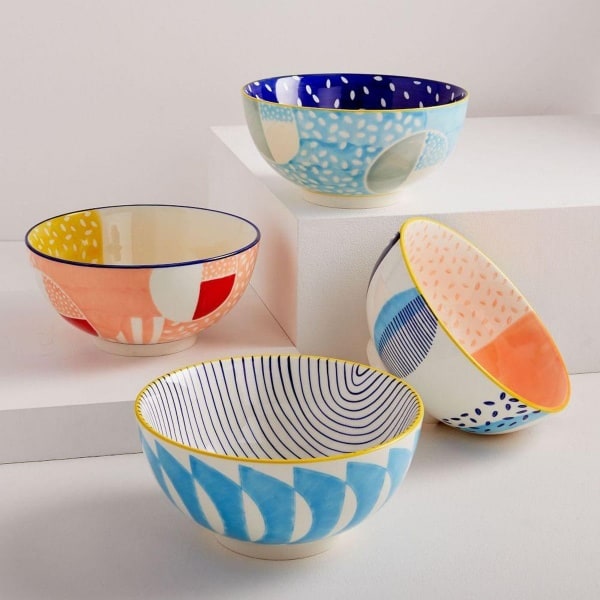
Conclusion
So, we have reached the final tenets of pottery painting ideas for beginners. As we all know and have discussed before, paintings are one of the best forms of art. To be able to paint is a blessing in itself. The most intriguing part I feel is the baking of clay, before or after the painting, especially when you’re looking to enhance your ceramic painting skills. Pottery painting looks incredible when done with proper techniques and grace. However, you need to tune well, join the dots, and create your art. Pottery painting is not a difficult thing to do. So, try well even if you are an amateur, or doing it for the first time. For more tips and tricks, join our email list!
FAQs
Q: What are some pottery painting ideas for beginners?
A: Beginners can explore a variety of pottery painting ideas such as creating unique designs on trinket dishes, using a simple cloud mug design, or trying out different patterns like cow print. These options are easy to add and allow for creativity without overwhelming complexity.
Q: What type of paint should I use for pottery painting?
A: For pottery painting, enamel paints are a popular choice because they provide a glossy finish and durability. Additionally, using acrylic paint is suitable for beginners since it adheres well to various surfaces. Always ensure the paint is appropriate for the type of pottery you are using.
Q: Can I use spray paint for pottery projects?
A: Yes, you can use spray paint for pottery projects. It can create a smooth finish and is quick to apply. However, it’s essential to ensure the paint is suitable for ceramics and follow safety guidelines when using spray paint.
Q: How many coats of paint do I need for my pottery?
A: The number of coats of paint you need may vary depending on the type of paint used and the desired opacity. Typically, two to three coats are recommended to achieve a vibrant finish. Ensure the paint is dry between coats for the best results.
Q: What pottery painting techniques should beginners learn?
A: Beginners should learn techniques such as layering colors, using stencils for patterns, and experimenting with brush strokes. Additionally, learning how to paint inside of the bowl can add depth to your design.