Essential Art Supplies For Traditional Bengali Motifs
Your foundational toolkit for Bengali motifs requires materials that support bold outlines and flat, vibrant color fields. A set of fine-tip permanent markers provides the confidence needed for calligraphic lines seen in Alpana and Patachitra. Choose opaque poster paints or gouache in a limited palette of earth tones like ochre, vermilion, and indigo, as these provide the flat coverage required. Work on smooth, heavyweight white paper to prevent bleed and support layering. These specific supplies directly facilitate the symbolic nature of the art, where line weight and unmodulated color act as primary visual elements.
Selecting Your First Cultural Motif And Palette
Begin by choosing a single, repeating motif to build confidence with line and form. A stylized Kalka paisley or a simple fish scale pattern provide ideal starting points. These designs focus practice on the rhythmic, continuous line work that defines the style, bypassing narrative complexity. Restrict your palette to two or three colors from the traditional spectrum, such as red oxide and black on a white ground. This limitation forces you to think in terms of shape and symbolic contrast rather than shading, establishing the correct foundational approach.
1. Sketch a Kalka Paisley Motif Line Art

Start with a classic motif that feels elegant and straightforward to draw. The Kalka, or traditional pattern, features a beautiful teardrop shape with a swirling point. Its flowing silhouette supports practice with smooth, continuous lines. Fill it with simple floral cores and scrolls to create variations. This design balances natural curves with structured detail for maximum learning impact. Using a fine-liner pen traces final lines for a crisp finish. Reviewing simple drawings to practice builds foundational muscle memory, which demonstrates how effective easy bengali drawing ideas translate into daily routines.
2. Outline a Jora Maach Pair Fish Sketch: Perfect Symmetry for Beginners
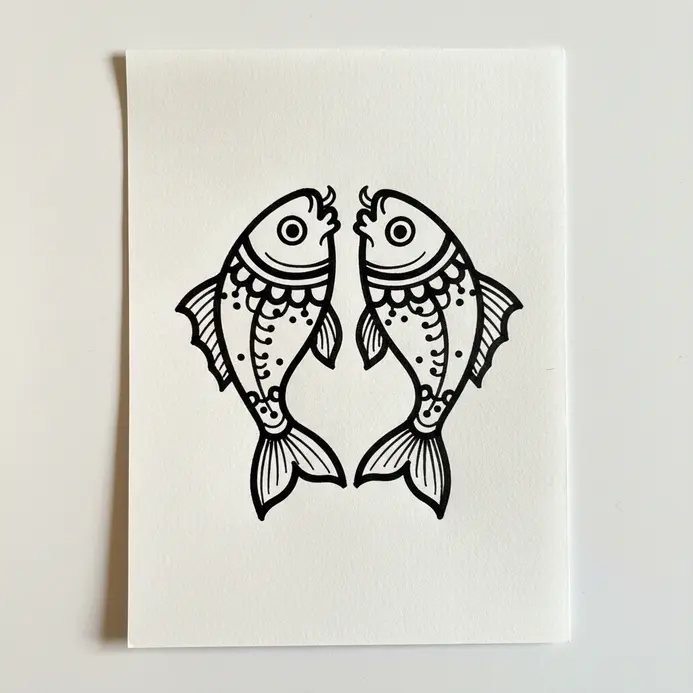
Reveal the method for creating a perfectly balanced design through a classic paired fish sketch. This motif focuses on harmony, with two stylized forms acting as mirror images. The flowing curves and fan-like fins create elegant movement that feels established yet fresh. Mastering bilateral symmetry establishes a skill set that makes subsequent drawings feel stable. Draw a light vertical line down your paper to act as a central axis. Sketch two identical oval shapes mirrored on each side, then add the heads and tails simultaneously. Applying a simple fold test on thin paper checks silhouette alignment before committing to dark lines.
3. Draw a Traditional Handwoven Shital Pati Fan — Your First Grid Pattern
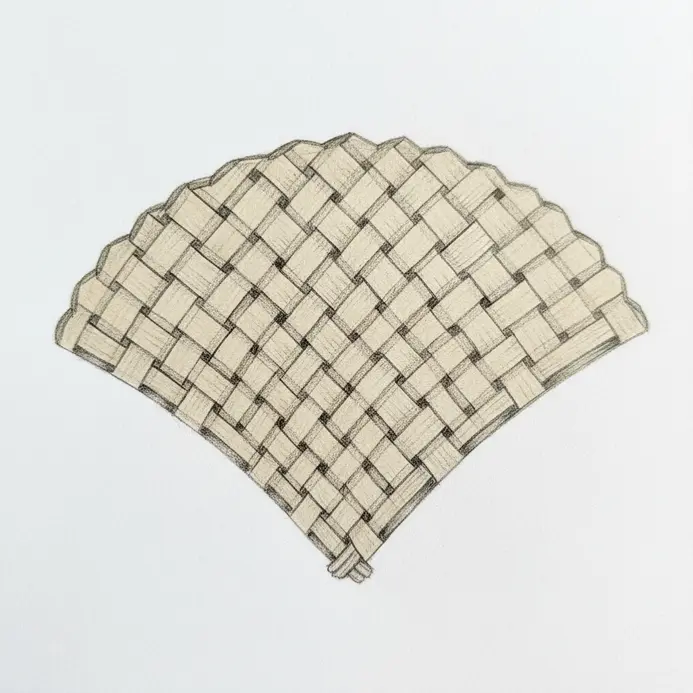
This fan introduces the concept of building traditional patterns through linear structures. Construct it using the radial grid method by starting with a pivot point at your semicircle base. Pull light, straight lines outward to form spokes, then connect them with curved arcs following the top edge. The technique mimics how actual murta reeds weave together. Maintaining a gentle touch with your initial guides keeps the paper surface fresh for final detailing. Keeping pencil pressure low prevents muddy layers during the texturing phase. Implementing these easy bengali drawing ideas ensures beginners build accurate spacing habits early on.
4. Form a Stylized Lotus Flower Outline Drawing

A clean, stylized lotus outline delivers an elegant composition without complex shading requirements. Start with a light pencil skeleton, mapping a simple vertical line and a circle to establish the center. Build the iconic petals using the almond shape technique, pressing lightly at the base and sweeping into a graceful point. This framework guarantees a balanced form for every artist. When ready to ink, use a fine-liner pen and stabilize your wrist to pull long, smooth petal curves toward your body. Locking your wrist position prevents shaky strokes during the final pass. You will find more structural guidance in our resource on how to draw a flower to strengthen your foundational confidence. Concentrating on structural alignment prevents the lopsided proportions that plague initial attempts.
5. Create an Alpona Flower Floor Design Pattern: Foundation for Larger Art
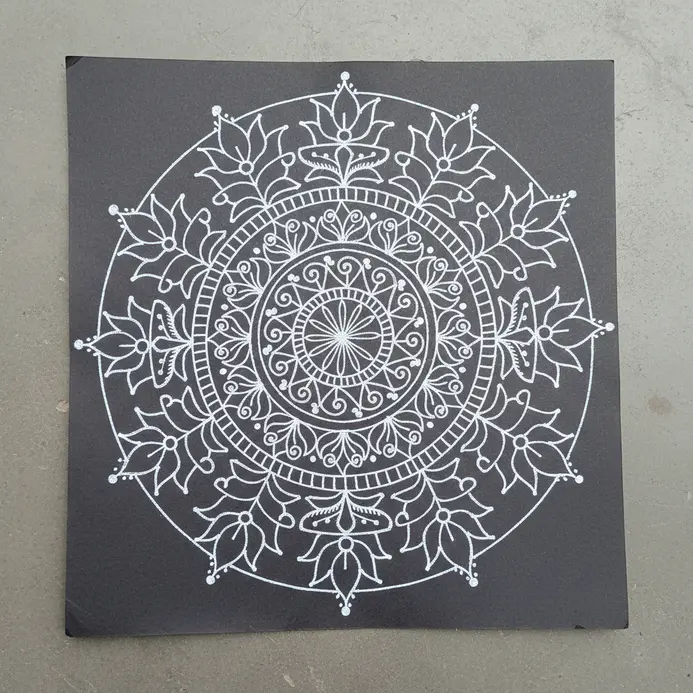
Establish a symmetrical floor mural that feels rooted in classic cultural aesthetics. The Alpona Flower serves as the ideal modular starting point. This floral structure builds around a central lotus, utilizing repeating vines and leaves that expand to fill any available area. The design scales seamlessly because of its inherent modular logic. Mark a geometric grid using chalk and string to anchor the primary elements. This framework guarantees precise petal and leaf placement, even when the composition covers expansive spaces. Implementing the Quadrant Method divides the workspace into four equal sections, allowing you to mirror designs flawlessly. Practicing these easy bengali drawing ideas builds spatial awareness for decorative layout planning.
6. Block In the Iconic Goddess Durga Eye Sketch — A Recognizable Motif
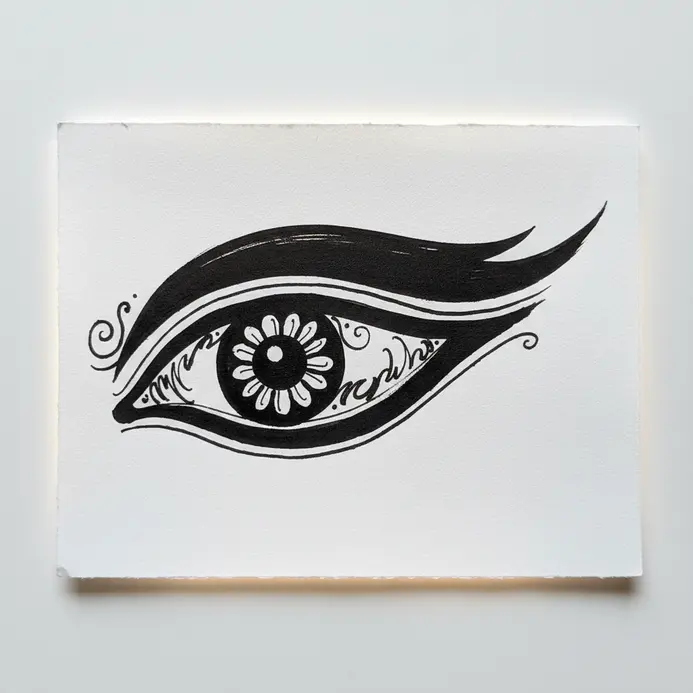
Establish the intense, divine gaze by blocking in a precise almond shape first. Draw a slightly tilted horizontal line to guide the upward slope of the expression. Outline the almond with a sharp inner corner and a tapered outer edge to create immediate recognition. This foundational geometry establishes the portrait’s overall character once secured. Apply the three-step circle method using two circular anchors if the almond shape feels challenging. Understanding basic ocular construction improves accuracy across multiple character styles. Consult the complete guide on drawing eyes for beginners for additional structural tips. Focusing on proportion mapping before detailing prevents common symmetry errors.
7. Outline a Decorative Conch Shell Spiral Motif

Experience the elegant, flowing energy of drafting a stylized conch shell. The composition centers on a widening spiral that flares into an open mouth, mimicking the sacred shankha. Fill the interior space with traditional kolka patterns and tiny lotus petals to establish an authentic regional feel. The organic, tapering structure naturally balances the page and creates rhythmic visual movement. Practice executing the main spiral in one continuous, confident stroke. Maintaining steady hand pressure captures the fluid, traditional spirit required for advanced compositions. Mastering spiral flow ranks among the most reliable easy bengali drawing ideas for line quality refinement.
8. Map a Traditional Bengali Bride Face Profile: Simplified Features for Results

Secure an elegant bridal profile by mapping foundational facial geometry. Begin with a light 2H pencil to sketch a gentle oval, placing simple vertical and horizontal guidelines to anchor the eyes, nose, and mouth. This preliminary layout guarantees accurate proportions during every phase of development. Maintaining whisper-light construction lines preserves the paper surface for final detailing. Switch to a softer 4B pencil for bold eyeliner and lip outlines, allowing the strokes to contrast against the subtle framework. Building from a structural ghost prevents heavy corrections later. Treat jewelry symbolically by rendering a single arc for the Tikli and cluster dots for the floral gajra. This method captures traditional aesthetics while eliminating visual clutter.
9. Draw a Folk Art Owl Wisdom Figure — Bold Lines for Maximum Character

Create a piece that carries cultural weight through confident geometric assembly. This stylized owl relies on bold outlines and a symmetrical structure inspired by classic regional painting. Assemble basic circles and triangles to establish a distinct, stylized figure. Avoid realistic shading, as flat colors and decorative patterns like dots and teardrops drive the visual impact. Graphic styling makes this approach highly forgiving for beginners seeking immediate success. Tracing your balanced pencil sketch with one smooth, continuous stroke establishes strong perimeter weight. Review examples of line drawing art to observe how flat design principles translate across mediums. This exercise proves that easy bengali drawing ideas deliver striking results through simplified geometry.
10. Add a Mango Fruit Branch Drawing Motif

Introduce classic regional elegance by drafting a curved botanical motif. Compose a sweeping branch adorned with one to three stylized mangoes and slender, pointed leaves. Capture the natural, flowing S-curve silhouette that historically symbolizes prosperity. The composition functions equally well as a simple line study or a layered painting. Draft the main branch with a gentle sweep rather than a rigid straight edge. Attach mango shapes via small stems, adding a slight taper to each fruit for realistic volume. Adjusting the size relationship between foliage and fruit generates natural depth. A fine-tip marker delivers crisp outlines before you apply color. Observing negative space between leaf clusters prevents overcrowding. Directing the viewer’s eye across the page relies on proper spacing control.
11. Build a Lotus Petal Border Design Element: Consistent Rhythms for Edge Work

Establish a clean, rhythmic border to frame your primary composition. This structural element repeats a simple teardrop shape along a defined perimeter. Maintaining identical spacing and fluid wrist motion guarantees professional results. Using a sharp HB pencil creates light guide marks without damaging the paper surface. Apply the divider method using a paper strip to measure equal distances between each petal base. Preventing crowding ensures consistent visual rhythm across the entire edge. Execute each stroke with a light-to-heavy pressure gradient, tapering carefully at the tip. Lock your drawing wrist and pivot from the elbow for extended lines. Rest your non-dominant hand on scrap paper to eliminate smudging. Practicing these easy bengali drawing ideas builds muscle memory for flawless edge finishing.
12. Create a Traditional Clay Doll Shape Silhouette — A Lesson in Fluid Curves

Capture timeless charm by cutting a beautiful silhouette that emphasizes organic flow. Focus entirely on gentle S-curves and C-curves that give the figure its rhythmic character. Maintain continuous blade movement instead of pausing between sections. Roll your modeling material to a consistent 1/8-inch thickness on parchment paper to start. Draft the shape focusing on a rounded head and a gracefully flared base. Position your cutting blade at a forty-five-degree angle while rotating the material to follow long curves smoothly. This technique eliminates jagged edges and produces a polished perimeter. For additional structural training, review resources on how to improve your drawing skills before attempting sculptural outlines. Keeping the material slightly warm prevents tearing during execution.
13. Sketch an Intricate Chandan Forehead Pattern Study

Transform a central facial canvas by applying traditional high-contrast layering. A classic Chandan pattern utilizes stark white pigment, often layered with a bright red kumkum accent for visual impact. The composition relies heavily on symmetrical motifs that create a delicate structural frame. Blending spiritual symbolism with strict geometry produces a refined aesthetic. Select a fine tipped stick or wooden skewer for applying narrow, precise lines. Mark the exact center between the eyebrows to establish a balanced anchor point before expanding outward. Measuring both halves with your own finger width guarantees matching proportions. Executing these easy bengali drawing ideas trains steady hand control for delicate line work.
14. Layer a Swirling Vine Leaf Alpona Motif: Dynamic Movement With Shapes

Activate static compositions by introducing a flowing botanical structure. Draft a sweeping S-curve to serve as your primary stem anchor. Attach thinner curling branches and almond-shaped leaves that follow the central axis exactly. Overlapping these layers generates visual depth and directional movement. Mastering fluid hand movements controls the taper required for authentic curve rendering. Review additional character drafting resources like cartoon characters with big eyes to compare organic line flow techniques. Maintaining steady pen pressure prevents harsh line breaks. These layered techniques establish depth without relying on heavy shading applications.
15. Draw a Traditional Peacock Feather Line Illustration — High Contrast Details

Construct a striking graphic composition through aggressive light and dark separation. This feather study relies on bold, solid black forms contrasting against delicate radiating strokes. Map the central shaft and teardrop-shaped center pattern before drafting fine outer barbs. Picking up fine-liner pens for the tracing phase sharpens the final contrast. Balancing rigid graphic structure with organic curvature creates authentic traditional appeal. Deliberately avoid perfectly geometric center rings during execution. Introducing calculated irregularities removes mechanical stiffness and restores hand-drawn character. Practicing high-contrast rendering ranks among the most reliable easy bengali drawing ideas for pen control development.
16. Form a Stylized Clay Pot Matka Drawing

Elevate an everyday object into pattern-rich artwork through structured symmetry. A stylized matka provides an ideal testing ground for decorative band placement. Sketch a balanced, bulbous silhouette first, then reserve interior space for repeating motifs. The rounded structure naturally guides motif alignment and spacing. Tracing decorative bands with a fine-liner pen solidifies your geometric accuracy. Holding your reference up to a mirror instantly reveals proportion imbalances. Correcting asymmetry early prevents structural distortion during the detailing phase. This exercise proves that simple vessel outlines serve as highly effective easy bengali drawing ideas for pattern layering practice.
17. Map out a Saree Border Pattern Motif Study: Continuous Flow for Textile Art

Develop an uninterrupted design sequence that mirrors graceful textile draping. Draft a seamless repeating chain where vines, paisleys, and floral shapes connect without visual interruption. Map a continuous central spine and position motifs so each segment terminates exactly where the next begins. This creates rhythmic professional framing suitable for garment decoration. Mimicking natural fabric movement prevents awkward design breaks during pleating stages. Drafting your initial layout on a long strip of paper tests infinite looping capability. This paper strip technique exposes alignment gaps before finalizing artwork. Consult foundational resources on flower drawings for beginners to observe repeating element placement. These continuous drafting strategies produce seamless textile borders efficiently.
18. Block In a Folk Art Sun Symbol Drawing — Essential Geometric Balance

Establish flawless radial balance through strict geometric measurement. Apply a compass and ruler to establish a precise central circle before extending outward lines. Divide the interior into eight equal segments at forty-five-degree intervals to anchor each ray position. This mathematical framework guarantees uniform spacing across all directional points. Beginners benefit from the fold and trace method when precision tools remain unavailable. Creasing paper manually generates perfect alignment guides without equipment. Keeping initial pencil marks light facilitates seamless erasure later. Applying angular drafting techniques demonstrates why easy bengali drawing ideas succeed through structural planning rather than guesswork.
19. Outline a Traditional Wooden Mask Face Outline

Construct a facial design that mimics carved wooden textures. Begin with an elongated oval foundation, then map oversized features like almond-shaped eyes and a pronounced central ridge. Aim for a sculpted aesthetic that emphasizes volume over flat representation. Playing with exaggerated proportions builds structural confidence during early drafting phases. Contour lines following surface curvature add three-dimensional weight to the composition. Deep cultural symbolism provides narrative backing for your geometric choices. Examine our foundational tutorial on how to draw a face for beginners to observe proportional anchors. Focusing on silhouette weight before internal detailing prevents structural collapse.
20. Sketch a Floral Mandala Alpona Style Design: Radial Balance for Centerpieces

Combine geometric order with organic floral shapes to produce a striking focal point. Establish a central lotus anchor, then expand outward with repeating paisley chains and trailing vines. The resulting dense pattern maintains perfect balance from every viewing angle. Providing a rigid outer framework makes complex internal detailing approachable for beginners. Measuring your page with a compass and ruler creates invisible alignment tracks. Dividing the canvas into eight equal wedges guarantees mirrored petal placement across the entire radius. Rotating your paper during drafting maintains uniform stroke pressure. Leaving intentional negative space prevents visual overcrowding between heavy filigree clusters.
21. Add an Abstract Leaf Pattern Decorative Fill — Refine Your Accent Elements

Convert empty margins into textured accent zones using simplified botanical repetition. An abstract leaf motif assembles basic organic forms, alternating scale and rotation to generate visual rhythm. Treat the gaps between primary shapes as secondary design zones. Applying a monochromatic palette keeps accent elements subordinate to your main focal point. Defining a simple base motif streamlines repetitive drafting across large areas. Scaling variations disrupt rigid symmetry while preserving thematic consistency. This layering strategy adds surface richness without competing against focal elements. Integrating background fills completes the artistic workflow associated with professional easy bengali drawing ideas.
Preserving And Displaying Your Traditional Folk Artwork
Apply a protective sealant immediately after pigment drying to ensure archival longevity. Coat the surface twice with matte acrylic spray varnish, allowing full curing time between applications. This treatment shields pigments from ultraviolet exposure and dust accumulation while maintaining the traditional matte finish. Select a simple wooden frame with neutral matting to avoid distracting from the artwork. Position framed pieces away from direct sunlight to eliminate pigment degradation. This preservation protocol ensures cultural artworks retain their original vibrancy for extended display periods.
Conclusion
Executing your first series of easy bengali drawing ideas establishes reliable muscle memory for larger decorative compositions. Store acrylic markers horizontally to guarantee consistent ink delivery during future sessions. Always map foundational silhouettes before applying dot arrays and defining black perimeter outlines. This sequencing preserves geometric integrity and prevents visual clutter during expansion. Practicing isolated components builds the structural confidence required for advanced alpona or textile pattern drafting. Notice how mastering basic teardrops and spirals directly transfers across subjects like lotus flowers and conch shells. Select the next motif that aligns with your current skill trajectory. Preparing your sketchpad immediately reinforces consistent creative habits.
FAQs
Q: What are some easy Bengali drawing ideas for beginners?
A: For beginners, start with simple Bengali art subjects like a cute boat on a river, a water lily, or traditional Bangla motifs such as alpana patterns. Use basic shapes to sketch first, keep lines light in your sketchbook inspo, and practice small studies to build confidence.
Q: How can I find and save ideas and inspiration for Bengali drawings online?
A: Use platforms like Pinterest to discover pinterest’s best ideas and inspiration: search keywords like “Bangla art”, “Bengali drawing ideas”, or “cute alpana”. Create boards to save ideas about Bengali work and use the “find and save ideas” features to organize references, color palettes, and step-by-step tutorials for later practice.

Q: What are some cute Bengali-themed drawing ideas for kids?
A: Cute Bengali-themed ideas for kids include smiling boats on a river, playful fish in water, simple terracotta toy sketches, cartoonized Bangla letters, and small animals wearing traditional clothes. Keep shapes rounded and colors bright to make drawings more appealing to children.
Q: How do I incorporate river and water elements into Bengali art sketches?
A: To include river and water in Bengali art, study the flow and reflections: draw gentle curving lines for the riverbank, add horizontal strokes for water texture, and include small boats, reeds, or ripples. Layer shading lightly in your sketchbook to suggest depth and movement.
Q: What materials are best for sketchbook inspo and simple Bengali drawings?
A: For sketchbook inspo, start with a soft graphite pencil, a fine ink pen for outlines, and a set of watercolor or colored pencils for light washes (ideal for river and water scenes). A smooth sketchbook, eraser, and a few reference prints from Pinterest can round out your kit.