
What Is Value Mapping and Why It’s Fundamental to Animal Realism
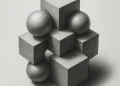
Before you even sketch the first line, understanding value mapping is the non-negotiable foundation of realistic animal pencil drawings. This technique involves systematically translating the lights and darks of your reference photo into a grayscale roadmap on paper. It’s the process that moves your work from a flat outline to a convincing three-dimensional form, defining muscle structure, fur volume, and the play of light across the animal’s body. Mastering value mapping is what separates a simple sketch from a piece that captures the true weight and presence of wildlife. For any artist working in graphite, this guide point keeps the image accurate from the first marks to the final detail.
Anatomical Landmarks Identification for Different Animal Categories
Realism is built on accurate structure, which begins with identifying the unique skeletal and muscular landmarks for each animal family. The placement of a lion’s scapula differs from a horse’s, and the skull shape of a canine is distinct from a feline. Learning these key anatomical points provides an invisible scaffold for realistic animal pencil drawings. This internal framework keeps your drawing proportionally correct from the start, allowing the detailed textures of fur or scales you layer on top to sit convincingly on a solid, believable form. Whether your subject is wild or domestic, strong structure supports stronger art.
How to Translate Photographic References into Structural Drawings
A common pitfall is copying a photo line-for-line, which leads to a stiff, traced appearance. The professional approach is to deconstruct the reference into basic shapes, volumes, and perspective lines first. Look past the distracting details of texture and pattern to see the animal as a series of interconnected spheres, cylinders, and boxes. This structural drawing phase establishes correct proportions, perspective, and posture. It transforms a flat image into a dynamic drawing with volume, creating a robust foundation upon which you build intricate layers of realistic animal pencil drawings with stronger texture and presence.
1. Cross-Hatching Fur Rendering Examples for Canine Pencil Drawings
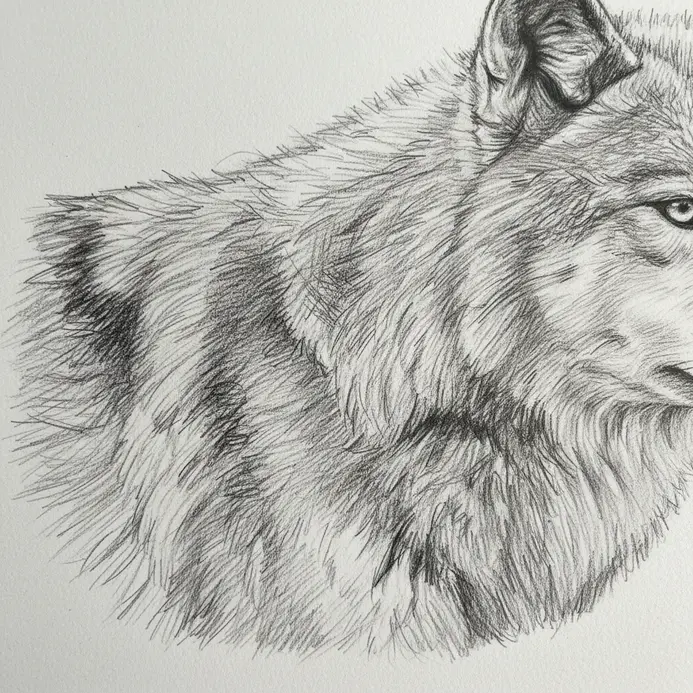
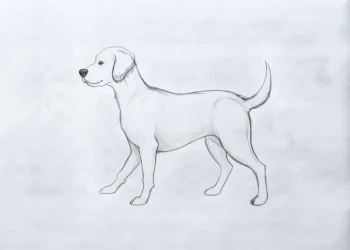
Let’s make that dog’s fur look so real you’ll want to reach out and pet your paper. Cross-hatching is a strong method for building soft, shaggy, or sleek textures in realistic animal pencil drawings. We layer sets of lines at different angles to create depth and shadow, and it’s all about following the flow of the fur over the dog’s muscles. Why does this technique work so well? It gives you strong control to build from a light sketch to a dense, textured coat, one deliberate layer at a time. Remember that the white gaps you leave between your pencil strokes matter as much as the marks you make, since they become the highlights that help each strand catch the light.
2. Stippled Scale Texture Styles for Reptilian Wildlife Drawings
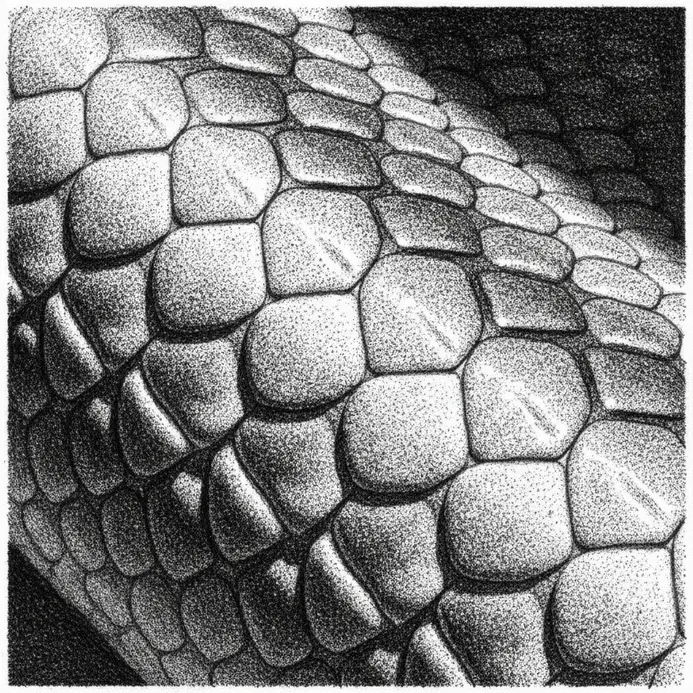
Have you ever looked at a reptile and been amazed by the complex patterns on its skin? Let’s bring that awe to your paper with stippled scale textures. This technique involves using layers of tiny dots to build up the form and texture of scales, starting with a light sketch to map out the pattern. On a snake with keeled scales, treat each scale as a miniature ridge and place denser dots in shadowed sections with sparser dots in the highlights. Following the body’s curvature helps the dots enhance three-dimensional form. This works well in realistic animal pencil drawings because it mimics the natural texture of wildlife with subtle depth. Use a stippling brush or fine pen for consistent dots, and if you need a starting point, check out our post on easy things to draw for beginners to practice basic techniques first.
3. Directional Stroke Feather Examples for Bird Pencil Art
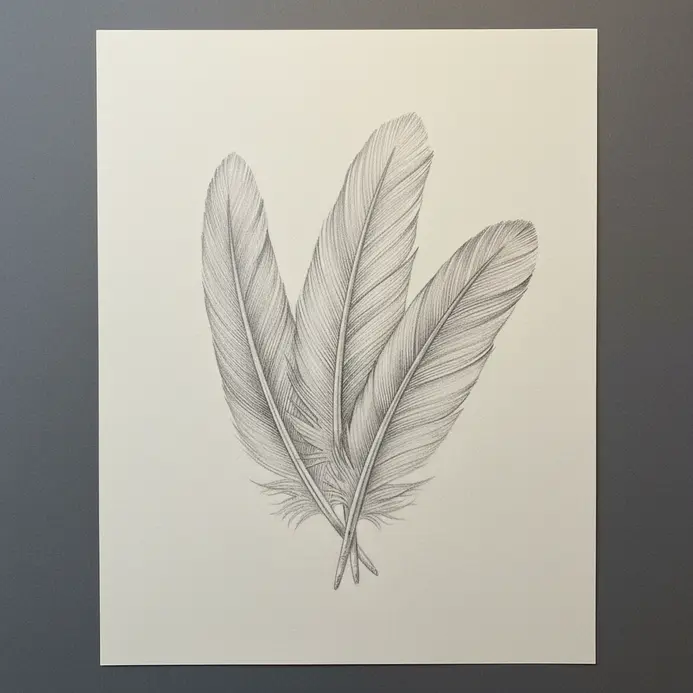
Let’s get one thing straight, friends—the magic that makes your bird drawings pop off the page isn’t some secret pencil, it’s your stroke direction. We’re talking about making every single line on your paper follow the way feathers grow and wrap around the bird’s body. That’s the exact energy that gives realistic animal pencil drawings their sense of movement and life. Your pencil strokes need to do double duty. For the soft breast of a songbird, use long, curved strokes that sweep downward and outward, hugging the rounded form. For stiff primary feathers on a wing, make your lines long, decisive, and pointed toward the tip. This technique builds texture and volume, transforming a flat sketch into a creature that looks ready to fly off the page.
4. Blended Gradient Skin Textures for Marine Mammal Artwork
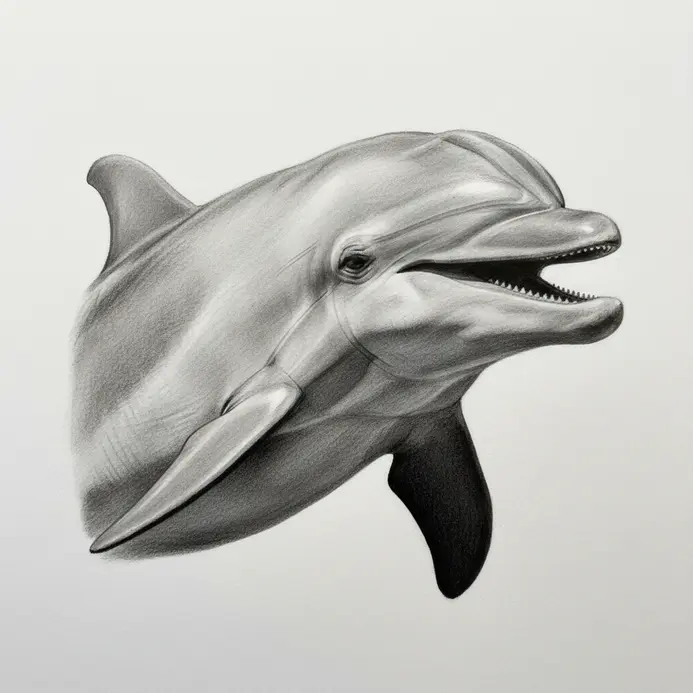
Picture this: a dolphin’s skin glistening under water, with light dancing across its sleek form. This is the effect blended gradients bring to realistic animal pencil drawings. You create soft transitions between shades to mimic wet, reflective surfaces and the flowing form of marine mammals, much like the techniques used in pencil drawings of animals. This transforms flat sketches into lifelike portraits that feel calm and fluid. Start with light pressure and build graphite in layers, using blending stumps to smooth the tones together for a luminous finish.
5. Layered Underpainting Fur Styles for Feline Pencil Drawings
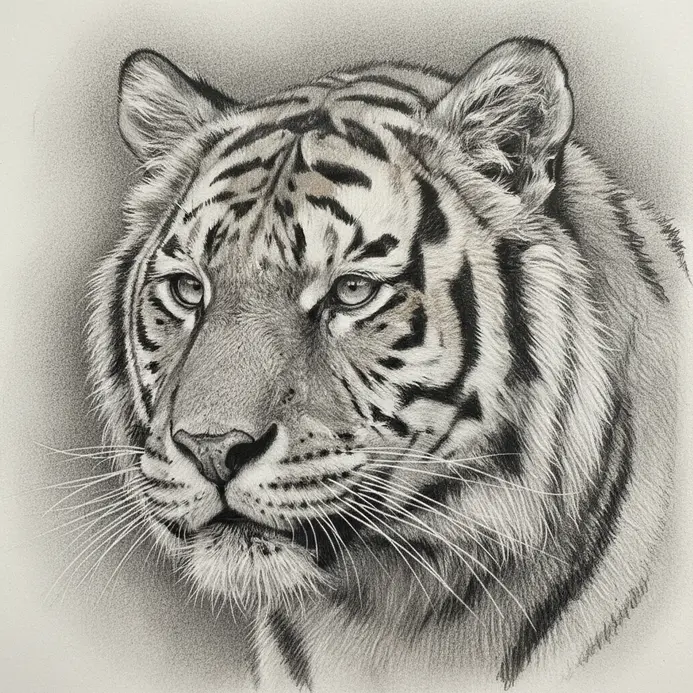
Let’s ditch drawing a million individual hairs right away and build a proper feline from the inside out. The layered underpainting method is a reliable way to achieve plush, dimensional fur in realistic animal pencil drawings. Start by blocking in the big shapes of shadow and light with the side of a 2B pencil, ignoring the fur at first. After your value map is set, soften edges and model the form before adding short, directional strokes that follow your fur territory map. Save your finest, sharpest hair detail for the end, especially around the eyes and areas of high contrast, so the piece stays cohesive and controlled.
6. Precision Line Whisker and Fine Hair Examples in Black and White

Let’s zoom in on the magic of those tiny, perfect lines that make fur look touchable. This approach relies on controlled marks that define a whisker or the flow of fine hair, all in black and white. The white of the paper becomes your brightest highlight, while contrast and line quality carry the whole effect. This works so well for realistic animal pencil drawings because it strips away color and leaves form, texture, and light fully exposed. Think in clumps and shadow shapes first, then add quick, confident strokes that follow the natural growth pattern of the coat.
7. Wet Fur Clumping Texture Styles for Aquatic Mammal Wildlife Art
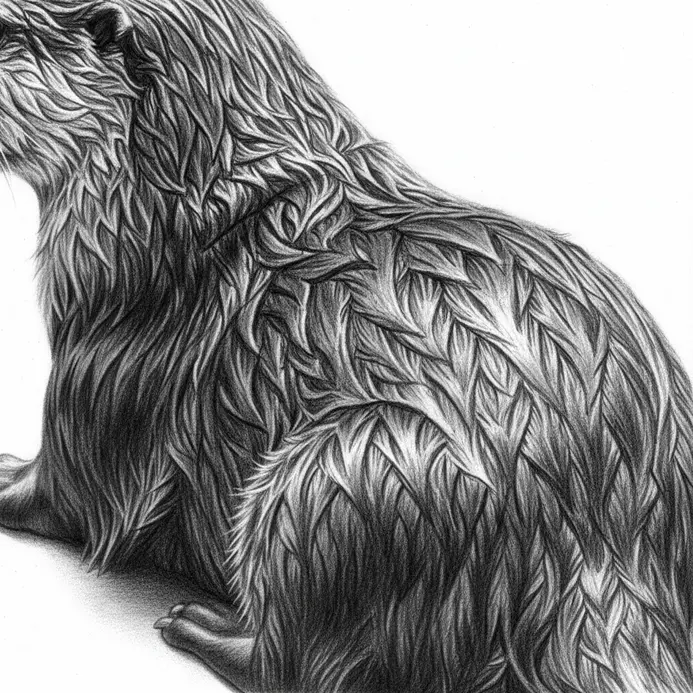
Let’s tackle the challenge of capturing the slick, clumped texture of a wet otter or seal. This is where realistic animal pencil drawings start to tell a stronger environmental story, inviting viewers to buy art that reflects nature. You’re not only drawing fur, you’re showing how water parts and runs over the body, forming dark channels and glossy ridges. This style adds dynamic realism that makes the subject feel freshly lifted from the water. Study the anatomical flow of the muscles underneath, because water follows contour and gravity with clear logic.
8. Backlit Animal Silhouette Shading Examples for Dramatic Art
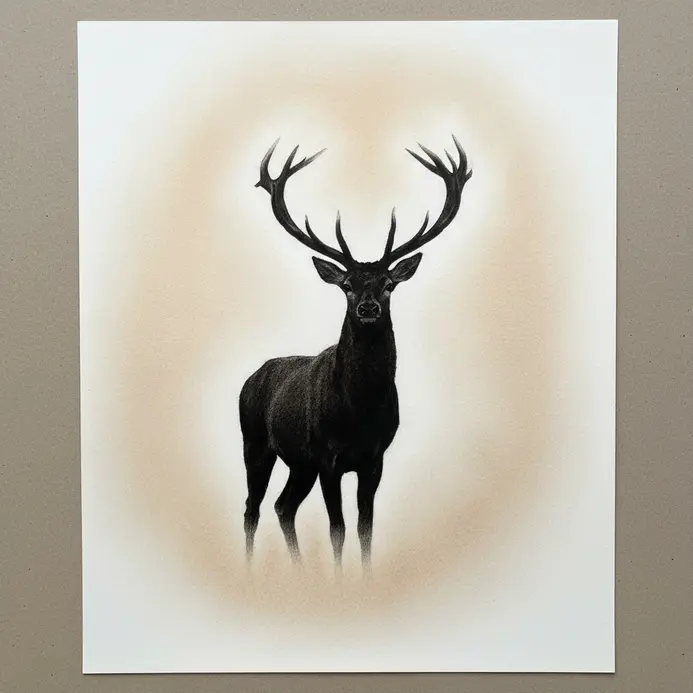
Backlit animal silhouettes are a powerful choice when you want a piece to feel epic and story-driven. Place your light source behind the subject and let most of the form fall into shadow, so the outline carries the emotion. The result is a shape-focused image where gesture and posture take the lead. This is one of the clearest ways to strengthen realistic animal pencil drawings, making them appealing for selling art. drawings because it trains your eye to read major forms before surface detail in pencil and paper sketches of animals. In graphite, deep darks against a soft background create atmosphere fast and keep the composition bold.
9. Rim Light Edge Definition Styles for Predatory Bird Drawings
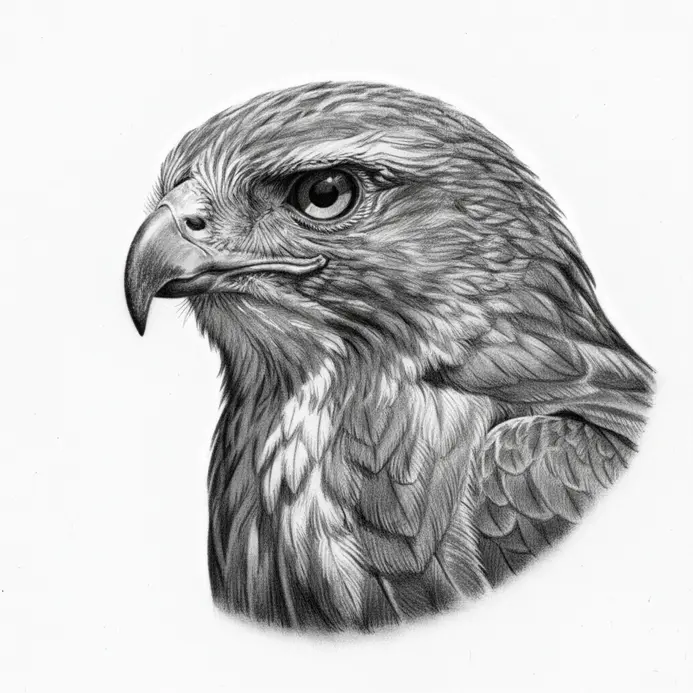
Want to make your hawk or eagle look like it’s bursting from the page with power? Rim lighting places a bright outline around the subject, which is perfect for defining sharp beaks and strong wings. It suggests dawn or dusk light and adds instant drama. That bright edge helps the eye read the form, turning a flat sketch into a dynamic creature. Whether you use a soft atmospheric glow or a crisp graphic halo, follow feather direction with your pencil strokes so the light feels integrated into realistic animal pencil drawings rather than pasted on top.
10. Diffused Soft Light Fur Examples for Nocturnal Animal Artwork

Have you ever stared at a moonlit fox and wondered how to capture that soft fur glow in your sketchbook? Diffused light from the moon or distant city glow creates low contrast and gentle shadows on fur. This makes pencil drawings feel atmospheric and understated. Artists love this approach because it builds mood without harsh edges. Use a blending stump to soften transitions and study reference photos with visible bounce light, which can enhance your pencil drawings of animals. In realistic animal pencil drawings, this method shifts attention toward form and quiet value changes rather than sharp surface detail.
11. High Contrast Dramatic Lighting Styles for Big Cat Pencil Art

Want your realistic animal pencil drawings to carry a strong emotional punch? High-contrast lighting pushes bright highlights against deep shadows to sculpt the animal’s form with force. Soft pencils such as 6B help you deepen the darks while untouched paper preserves the strongest lights. One striking option is split lighting, where one side of a tiger’s face sits in clear light and the other slips into darkness. That arrangement sharpens the focal point and adds tension, especially when the visible eye holds the viewer’s attention.
12. Subtle Mid-Tone Fur Examples for Woodland Creature Drawings

Let’s talk about the quiet power of mid-tones. These are the grays, browns, and soft shifts that stop an animal from looking flat and start giving it believable surface texture. In woodland subjects, those mid-range values carry much of the realism. An eastern gray squirrel, for example, shows cooler gray passages mixed with warmer bands along the flanks, while a fox coat often includes darker tipped hairs that lower the value without creating hard spots. These subtle changes help realistic animal pencil drawings feel natural, camouflaged, and tied to the wild landscape around them.
13. Combined Fur and Scale Texture Examples for Pangolin Art

A pangolin drawing stands out when the scales and bristly hairs feel integrated rather than separate. One effective traditional method is layered pencil or charcoal work, starting with a soft underlayer that maps skin and base fur. Then you define each scale with sharper marks and pull highlights back with an eraser. Finish by adding the finest hairs from the crevices outward. This sequence works because it builds the image from the skin up, which gives realistic animal pencil drawings a more unified and believable texture structure.
14. Feather and Skin Transition Styles for Avian Portrait Artwork

One of the details that makes bird portraits feel alive is the transition where skin meets feather. You are showing how feather groups emerge from softer tissue in a way that feels accurate and visually smooth. Around the eye, this shift is often where a drawing gains its most convincing depth. That is why realistic animal pencil drawings of birds depend so much on edge control and texture variation. A soft blending stump used in tiny circular motions around the eye area helps build that delicate halo where skin fades into feather.
15. Wet and Dry Texture Combination Examples for Amphibian Drawings

Amphibians are perfect for studying the contrast between wet and dry textures. A tree frog or toad often shows slick, reflective areas beside matte, detailed patches, and that contrast creates instant realism. Smooth tonal passages work well for glossy skin and eyes, while stippling or fine cross-hatching gives drier sections a granular feel. The logic of the texture placement is what sells the illusion. In realistic animal pencil drawings, viewers respond to these surface differences because they match what we expect from nature and make the subject feel tangible.
16. Extreme Close-Up Eye Detail Shading Examples in Wildlife Art

There is a reason close-up eye studies feel so intense. In realistic animal pencil drawings, the eye becomes a place where anatomy, reflection, emotion, and precision meet. You need to observe how light sits on the moist cornea, how the iris radiates from the pupil, and how tiny value shifts shape the socket around it. A sharp 2B pencil works well for fine radial lines in the iris, while a blending stump softens reflected sky tones in the cornea. When handled with care, this single feature can capture the wild presence of the entire subject.
17. Macro Paw and Claw Texture Styles for Predator Pencil Drawings

Ready to give your predator sketches some gritty realism? The close study of paw pads and claws adds a tactile quality that changes the whole piece, making it a compelling pencil drawing of animals. A wolf’s pads often show a pebbled surface, while claws contain ridges, wear patterns, and polished tips. That detail matters because it turns generic shapes into believable anatomy. In realistic animal pencil drawings, these surface textures help the viewer sense toughness, movement, and function all at once.
18. Low-Angle Perspective Fur Examples for Ground-Level Wildlife Drawings
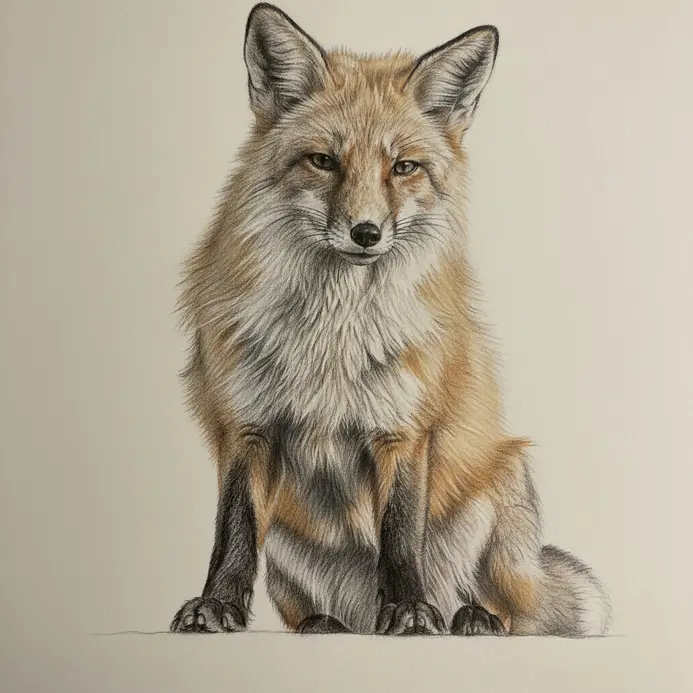
Low-angle perspective injects drama fast because it places the viewer near the ground and looking upward. The underside of the animal becomes prominent, and the fur on the chest, belly, and lower jaw shifts direction in ways that feel fresh and immersive. This view gives realistic animal pencil drawings a stronger sense of presence. Long, sweeping strokes on the chest fur of a wolf or bear help describe that downward drape against the light sky behind it.
19. Aerial Perspective Feather Styles for Flying Bird Pencil Art
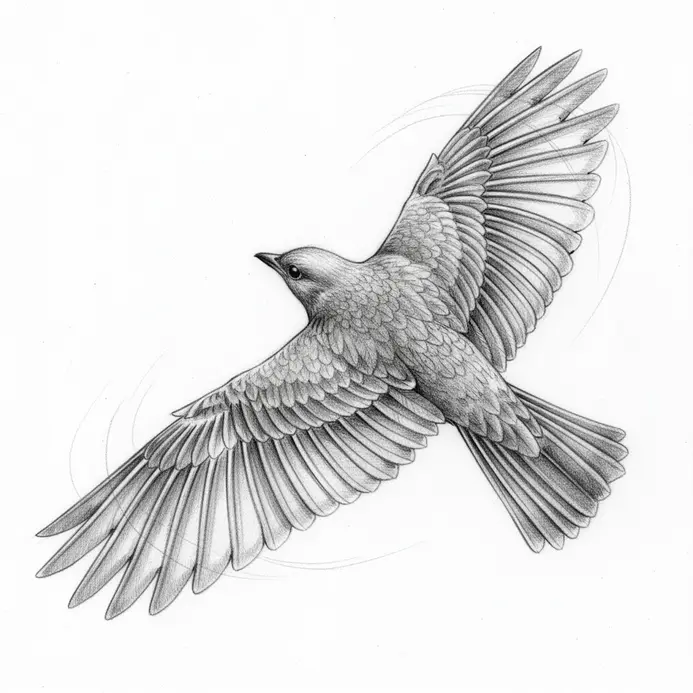
Aerial perspective helps flying birds feel three-dimensional by shifting value and edge clarity with distance, enhancing pencil drawings of animals. Feathers closer to the viewer stay darker and more detailed, while distant feathers become lighter and softer. That change creates convincing space across the wing structure, essential for realistic pencil drawings of animals. This works beautifully in realistic animal pencil drawings because it guides the eye through the image without forcing every feather into equal focus. An HB pencil for midground detail and softer graphite for deeper shadow is a useful working combination.
20. Profile Portrait Fur Rendering Examples for Equine Pencil Drawings

Profile portraits of horses rely on fur direction and surface changes more than many artists expect. Long, smooth strokes suit the sleek neck, while the muzzle often needs finer cross-hatching to suggest peach-fuzz texture and subtle plane changes. Directional shading tied to hair growth keeps the portrait believable. This method works because it mirrors how light moves across the coat and facial planes in pencil drawings of animals. In realistic animal pencil drawings, even a restrained amount of hair detail feels convincing when the stroke direction matches the anatomy.
21. Three-Quarter View Texture Styles for Primate Portrait Artwork

The three-quarter view is ideal for showing fur, skin, skull structure, and expression at the same time. It gives enough turn in the head to reveal depth while still keeping both the gaze and facial planes active. That makes it a strong choice for detailed primate portrait work, especially in pencil drawings of animals. Some artists build texture with thousands of directional graphite strokes, while others use a looser, painterly approach that follows the form with energetic marks. Both paths support realistic animal pencil drawings when the nearest eye and cheekbone are handled with care first.
22. Muscle Definition Shading Examples for Athletic Animal Drawings
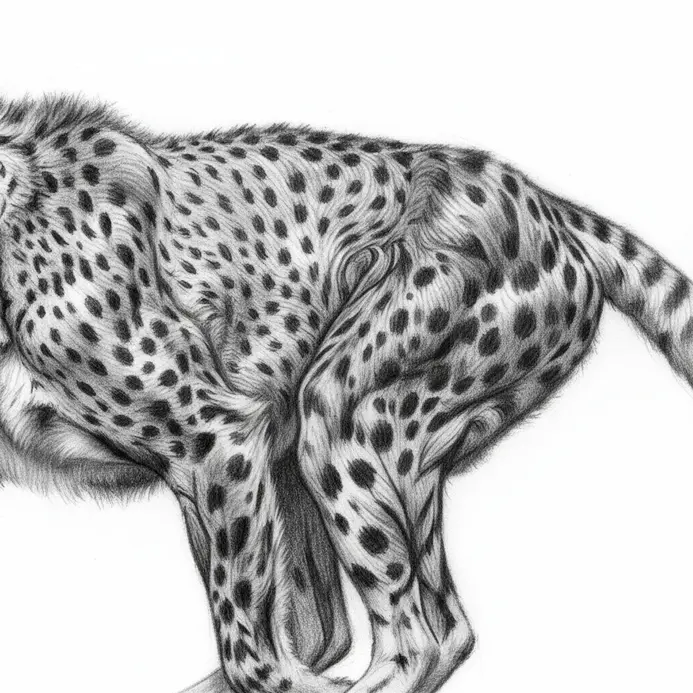
The power in an athletic subject comes from how well the muscles turn under the skin. Start with one clear light source and identify the major muscle groups before adding detail. Core shadows are especially helpful because they show where the form turns away from the light. This approach turns a flat outline into a body that feels ready to move. In realistic animal pencil drawings, muscular shading is less about exaggeration and more about clean observation of volume, tension, and rhythm.
23. Bone Structure Highlight Styles for Skeletal Emphasis in Art
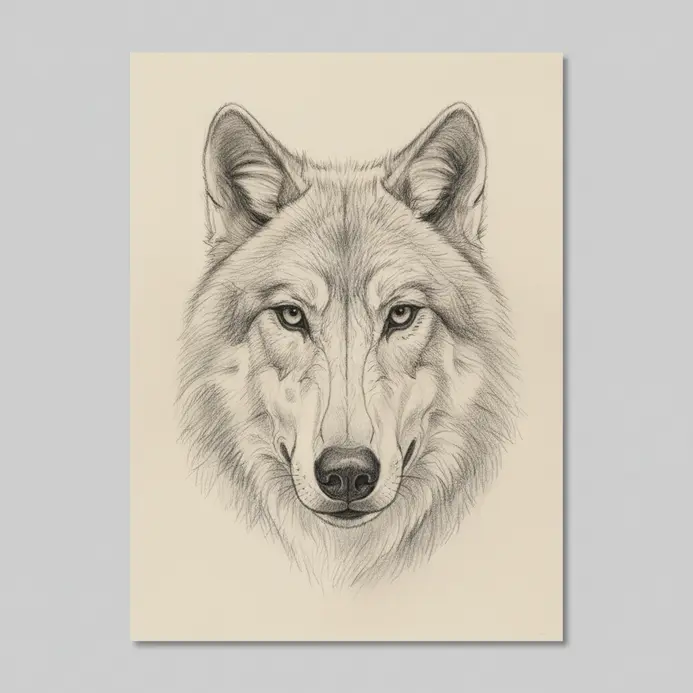
Highlighting skeletal structure is not about drawing bones on the surface. It is about using light and shadow to suggest the firm framework beneath the skin and fur. Sharp ridges around the skull, eye socket, or hip catch light differently from soft tissue, and those edges add authority to the form. This works well in realistic animal pencil drawings because viewers read hard and soft surfaces instinctively. Study skull references to see where highlights stay crisp and where adjacent shadows deepen to support the illusion of bone.
24. Vein and Tissue Texture Examples for Translucent Feature Drawings

Translucent features bring a special kind of delicacy to animal art. Thin skin, membranes, and wings often reveal soft tissue and faint veins when backlit, which adds both biological truth and visual interest. These inner structures help define the glow of the outer form. For realistic animal pencil drawings, vein patterns need careful line quality. Some subjects call for sharp geometric networks, while others need softer, fading streaks. The darker veins against illuminated tissue create the contrast that sells the effect.
25. Age and Weathering Fur Styles for Elderly Animal Portrait Art

There is something deeply moving about drawing an elderly animal, where every thin patch and faded hair suggests history. Your aim is not only to draw fur but to show a life written across the coat, similar to the detailed pencil drawings of animals by Kevin Hayler. Sun-bleached tips, thinner fur over bony areas, and soft gray around the muzzle all contribute to that story. This gives realistic animal pencil drawings an emotional pull that goes beyond surface likeness. Keep the variation subtle, and remember that aged fur often shifts toward warm cream or pale gray rather than stark white.
How to Develop a Systematic Approach to Animal Texture Studies
Mastering animal realism isn’t about completing one perfect drawing; it’s about building a repeatable process for tackling any texture. Dedicate focused practice sessions to individual elements: study only short, dense fur on one page, practice wet noses on another, and isolate bird feather groups separately. This systematic breakdown prevents overwhelm and builds a mental library of techniques. By isolating and conquering each textural challenge, you assemble a toolkit that lets you approach complex subjects with more confidence. That steady repetition is one of the clearest paths toward stronger realistic animal pencil drawings over time.
The Role of Negative Space in Defining Animal Form and Silhouette
Sometimes, what you don’t draw is as powerful as what you do. Negative space, the area around and between the subject, is a critical tool for refining shape and enhancing realism. Paying close attention to the silhouette of your animal against its background helps you spot proportional errors. Using negative drawing techniques, where you shade around fine hairs or whiskers to make them appear white, creates crisp lifelike details. This is a quiet but powerful support system behind realistic animal pencil drawings because it trains you to see relationships and edges with greater accuracy.
Building a Reference Photo Library for Animal Drawing Practice
Your growth as a wildlife artist hinges on the quality of your references. Move beyond a random collection of images by curating a purpose-built library. Categorize photos by animal, lighting condition, texture type, and perspective so each study session serves a clear purpose. Seek out high-resolution images with visible anatomical detail and strong value contrast. An organized library becomes an indispensable resource for realistic animal pencil drawings because it supports focused practice and helps fill gaps in both technique and observation.
More Realistic Animal Pencil Drawings Gallery for Inspiration






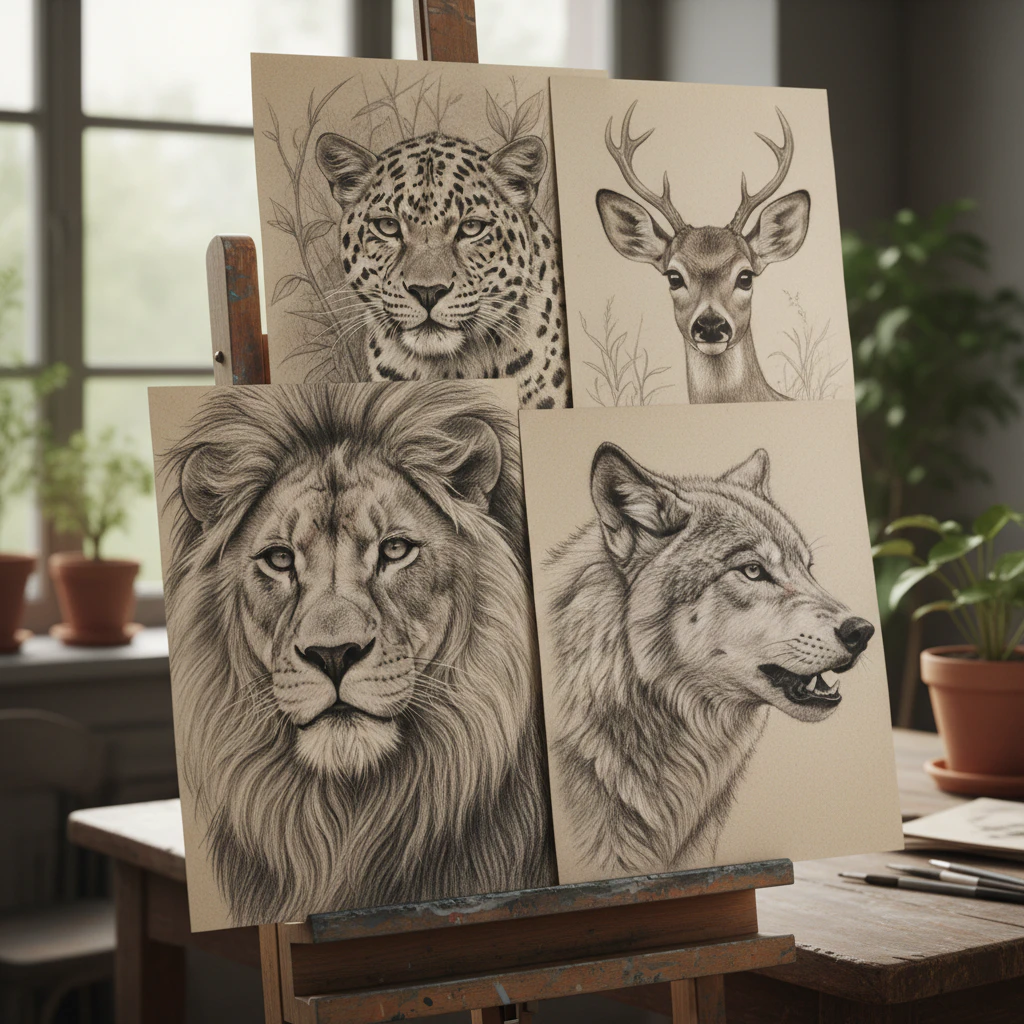


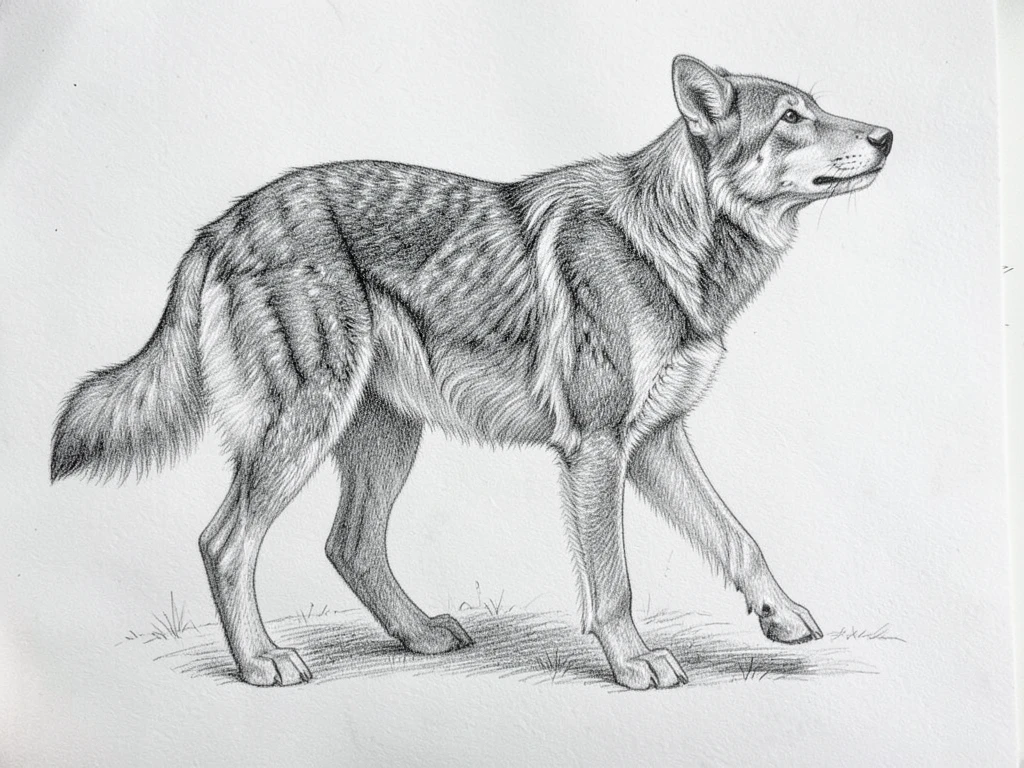


Conclusion
That’s quite the tour through texture and light, isn’t it? We’ve covered 25 distinct paths you can take when you sit down to create your next piece. From the tight cross-hatching of a wolf’s coat to the subtle aging on an elephant’s skin, each style offers a new challenge and a stunning result. I hope this collection of realistic animal pencil drawings gives you a concrete starting point. The next step is to pick one style that calls to you and make it your own. Grab your favorite pencil, find a great reference photo, and start shading so your realistic animal pencil drawings grow stronger with each finished page.
FAQs
Q: What are realistic animal pencil drawings and why are they popular?
A: Realistic animal pencil drawings are highly detailed, lifelike illustrations created using graphite, charcoal, or colored pencils to capture textures, fur, and anatomy. They are popular because they showcase artistic skill, evoke emotion, and fit many niches—from wildlife illustration and zoo studies to wall art and social media portfolios—making them appealing for hobbyists and professional artists alike.
Q: How do I start if I want to draw animals realistically as a hobby?
A: Begin with basic materials (quality pencils, paper, erasers) and study reference photos or visit a zoo to observe animal anatomy and movement. Practice simple sketches, focus on shading and texture, and build a small portfolio. Treat it as a lifestyle practice: set regular sketching times, gather ideas, and track effort to improve steadily.
Q: What techniques help when drawing fur on an elephant or leopard?
A: For an elephant, emphasize skin folds and subtle texture using blending and varied pencil grades; for a leopard, focus on short directional strokes for fur and careful rendering of spots and patterns. Layering, contrast control, and understanding light direction are essential skills for both subjects to achieve a convincing, artistic illustration.
Q: Can realistic animal pencil drawings be sold, and how can I earn from them?
A: Yes—artists can earn through original sales, prints (open edition or limited editions), commissions, licensing for advertising, and social media promotion. Build a niche portfolio showcasing your best pieces, use social media to reach buyers, consider wall art markets, and explore print-on-demand platforms to increase sales without heavy upfront print costs.
Q: Should I print my drawings or keep them as originals for a portfolio?
A: Both have pros and cons: originals can fetch higher prices and prove your artistic skill in a physical portfolio; prints allow wider reach, recurring sales, and affordable options for collectors. Many artists balance both—hold a few originals, offer open edition prints for volume sales, and include high-quality prints in their portfolio and shop listings.