Choosing Paper Types For Your Project
The fastest way to ruin a finished piece is skipping the right paper choice, particularly when printing valentines day coloring pages. Standard copy paper holds ink better and feels more substantial for cards. Teachers often select this option for worksheets to reduce cost while saving heavier stock for special valentines day coloring pages. Thick paper prevents colors from showing on the other side of the page. If you plan to frame the art later choose heavier weight stock. Lighter paper folds nicely for greeting cards without cracking at the crease. Always check the printer settings before running a large batch of prints.
Selecting Coloring Tools And Mediums
Young children need thick outlines and large areas for easy coloring with crayons or markers. Adults prefer detailed sections for meditative coloring using precision tools like fine-tipped pens. You will notice that colored pencils allow for layering and blending on most surfaces. Avoid using gel pens on thin paper since they dry slowly and smudge easily. Markers provide bold colors quickly but require more space between lines to prevent bleeding. For intricate designs like mandalas or floral borders use sharp colored pencils for control. Keep a small eraser handy to fix mistakes without damaging the paper surface. Experiment with different tools to find what feels best for your hand when using valentines day coloring pages.
1. Cute Bunny Holding a Heart Design Printable
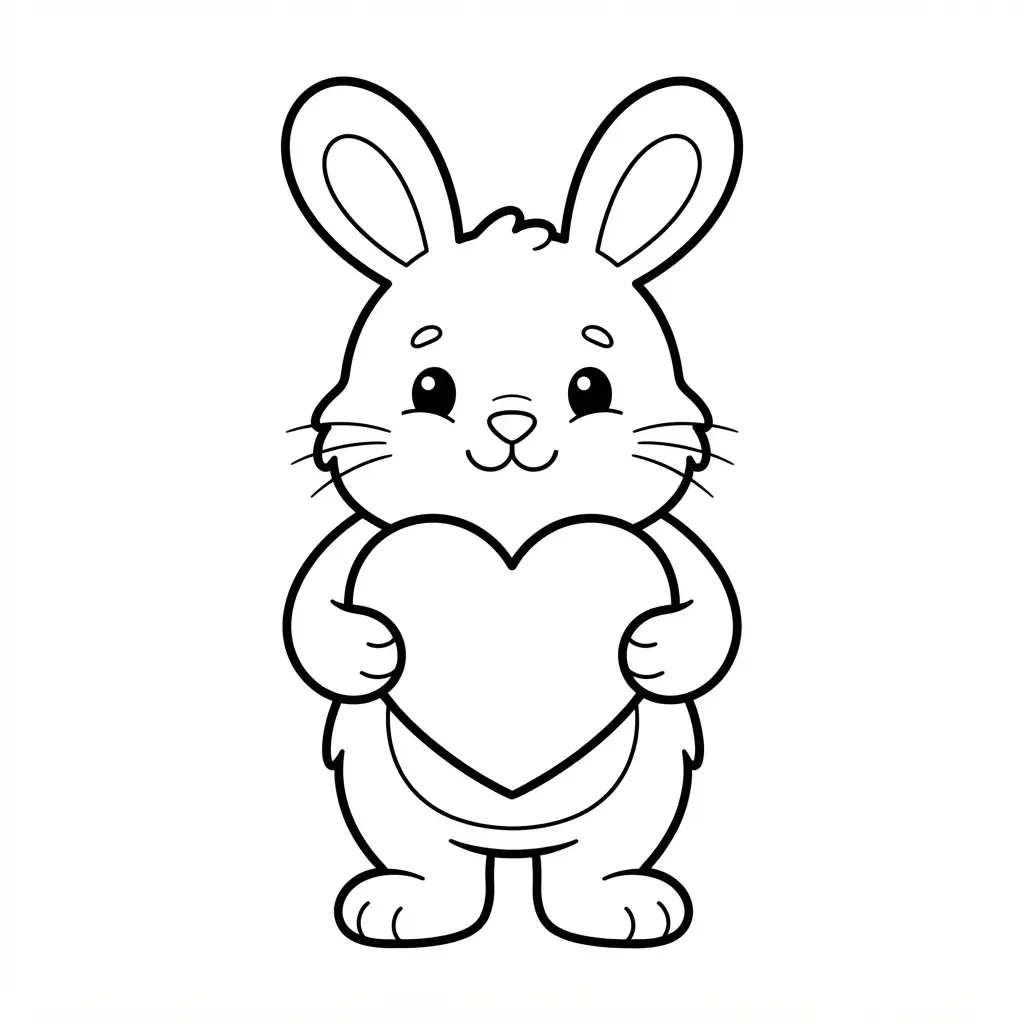
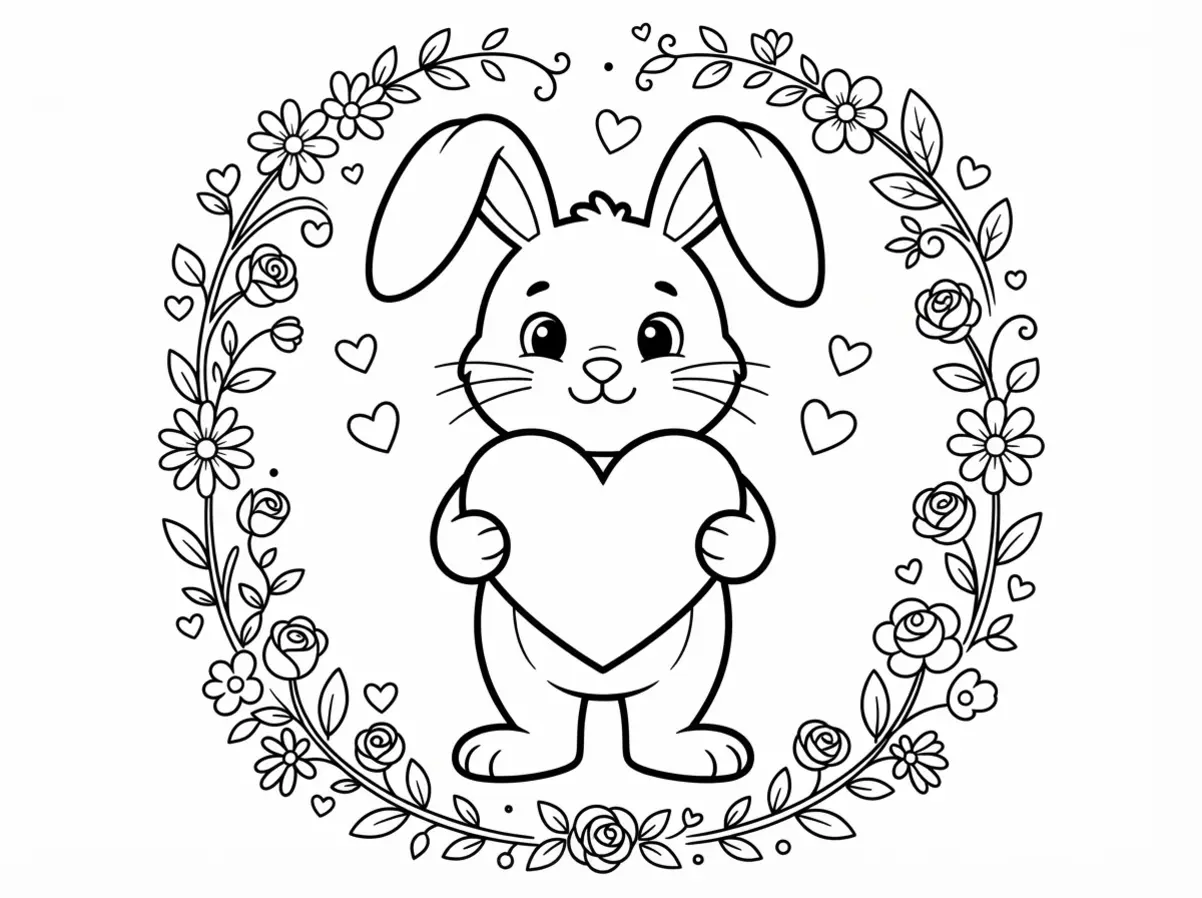
Ever wondered why a simple bunny outline holds a toddler’s attention longer than any busy scene? This valentines day coloring pages favorite proves it every time. One round bunny, two tall ears, and a plump heart in its paws leave big open spaces a four year old fills with confidence. The bold outer line guides wobbly crayon strokes without smothering them. I love this one for the youngest colorers because there is no wrong way to finish it. Pink ears, a red heart, a purple bunny, every choice looks sweet. Print it on standard paper for quick fun, or heavier stock if your child presses hard with markers. Pro tip: hand over a single crayon first and let them switch colors after each shape. Teachers tell me this sheet settles a room of excited kids faster than any story. You will love how long one sheet keeps little hands busy.
2. Simple Rose Bouquet Outline for Kids
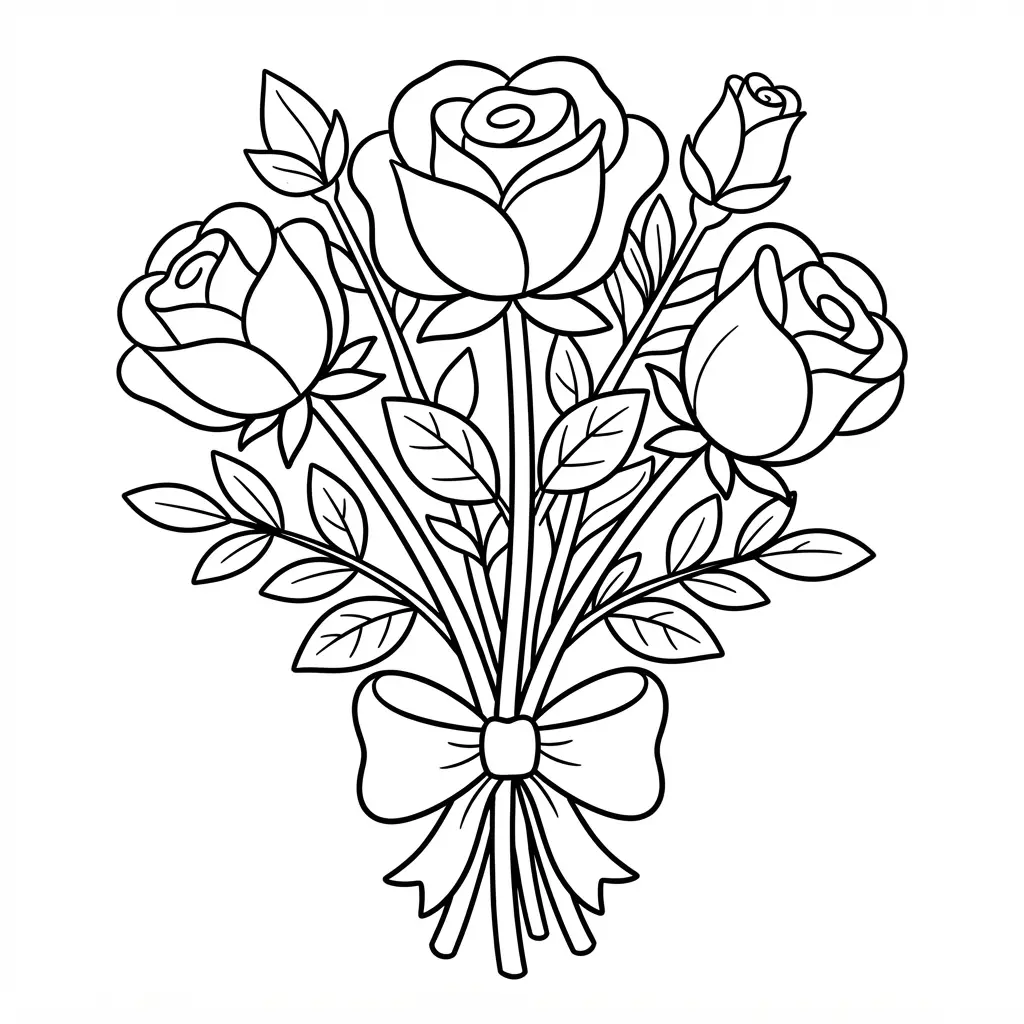
A rose bouquet sounds advanced until you see this outline in front of you. Trust me, the design only looks detailed. Each flower is a soft spiral with three or four curved petals around it, and the leaves are simple pointed ovals any child traces with ease. I was skeptical about roses for little kids until I watched a five year old fill every petal with careful stripes. The loose spiral centers hold all the detail, so the page reads as a real bouquet no matter how the coloring lands. Older kids love blending two reds or two pinks across the petals, and younger ones go wild with rainbow roses. Teachers use this one for a calm table activity right before the party starts. The full bouquet fits one standard page with room to spare for a hand drawn stem or two. Give it a try and feel proud when the finished sheet looks like flowers from a shop window.
3. Cartoon Puppy with Valentine Card Drawing
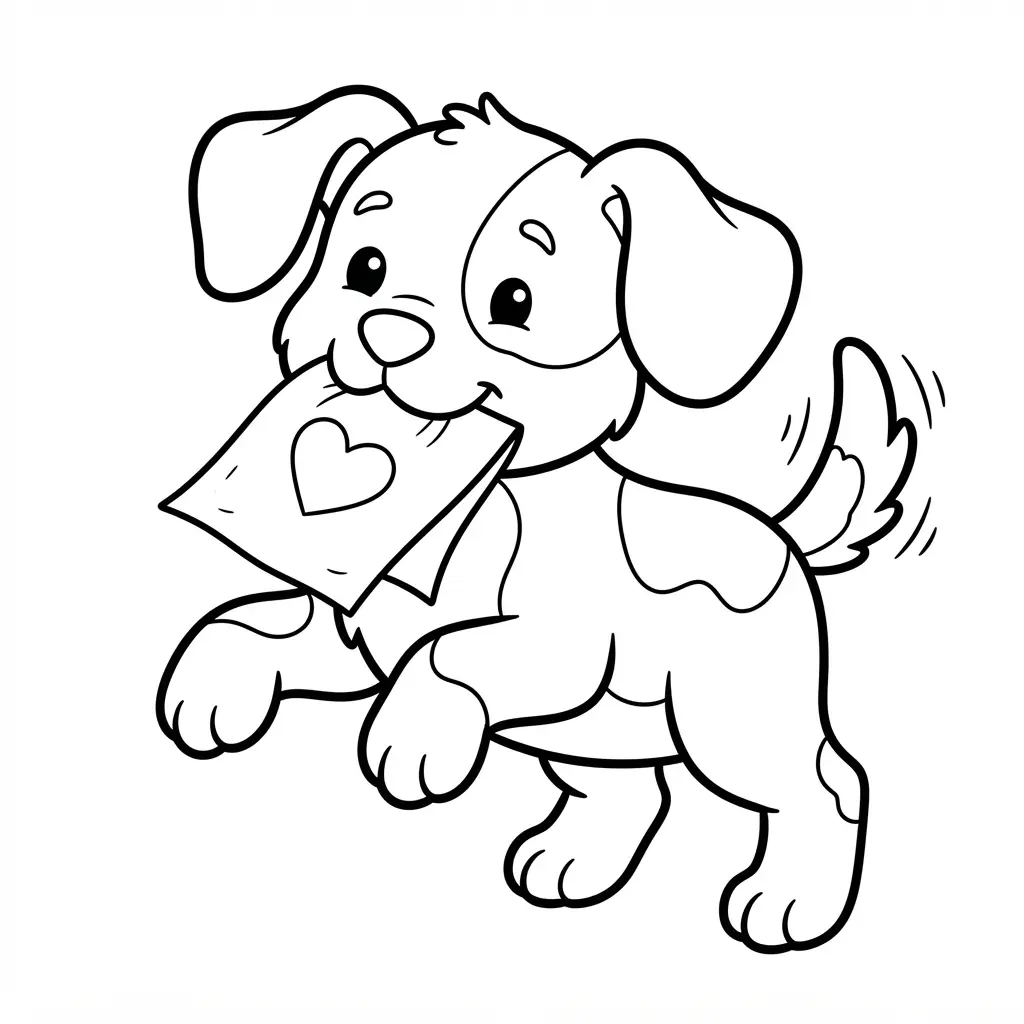
This one is my favorite of the whole set, no contest. A happy puppy trotting along with a valentine card in its mouth brings instant smiles before a single color touches the page. The big floppy ears and wagging tail give kids generous shapes to fill, and the tiny envelope in its jaws adds a detail older children enjoy. I love how the floppy ear shapes take marker or crayon evenly with no thin gaps to tear through. Print a class set and let each child write a name on the card for a friend. Is it not the sweetest way to trade valentines without candy involved? Pro tip: warm gray or tan works better than plain brown for the fur and leaves the card bright white. This sheet suits ages four to eight best. Younger siblings color the puppy while older ones decorate the envelope. You will love watching kids invent a message for the puppy to deliver.
4. Kid Friendly Cupid Arrow Design Sheet
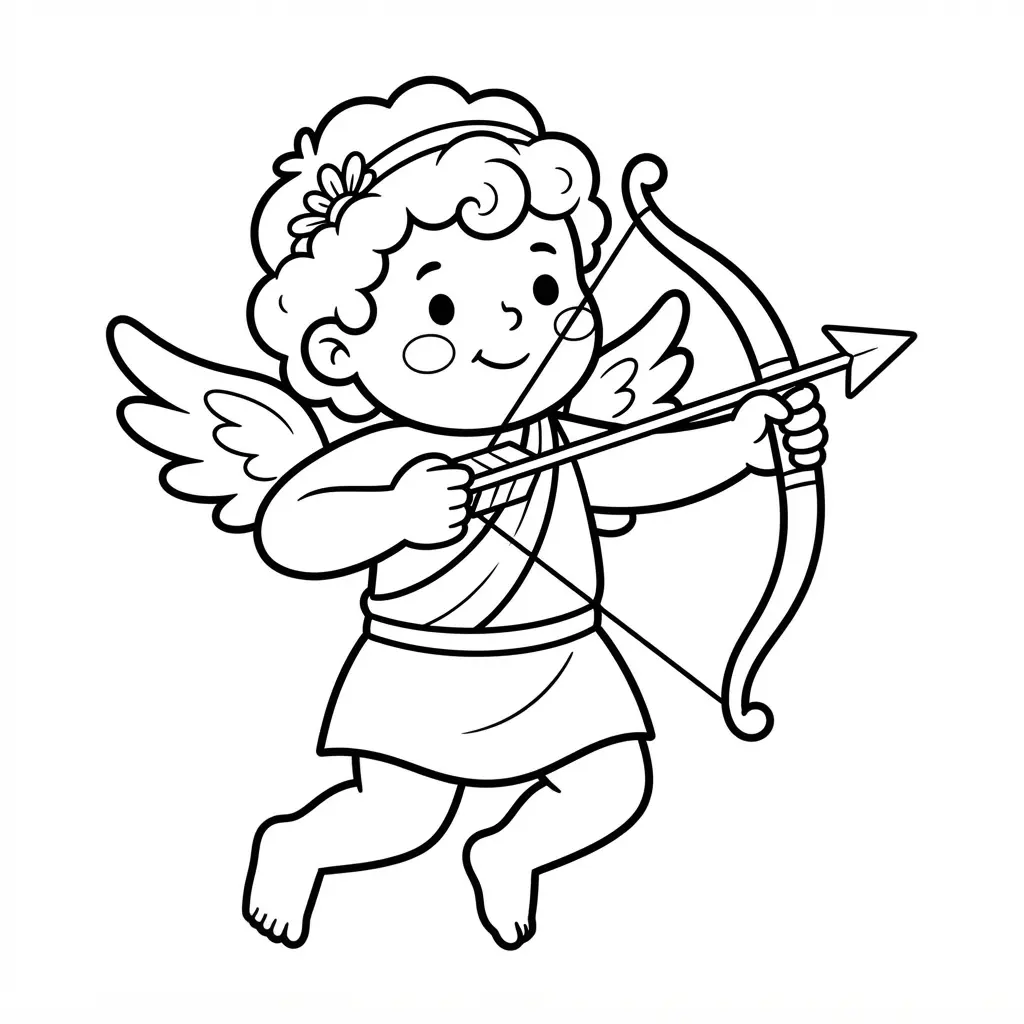
Picture a plump little figure floating on the page, wings spread wide and a bow raised high in the air. This cupid sheet captures the classic valentine spirit in the friendliest way possible. The round face and tiny diaper keep the character cute instead of fussy, and the arrows leave crisp white gaps between each line for easy coloring. The curved wing feathers are the fun part, since each row invites a slightly different shade of blue or silver. Kids love deciding where the arrow flies, and some draw a heart at its tip for extra drama. Children as young as four manage the bold lines without help. Older kids enjoy adding a sky or clouds around the figure. Pro tip: outline the wings in one color and fill the gaps with a lighter shade from the same family. You will end up with a cupid worthy of the fridge door, and maybe the front window too.
5. Heart Shaped Box of Chocolates Image
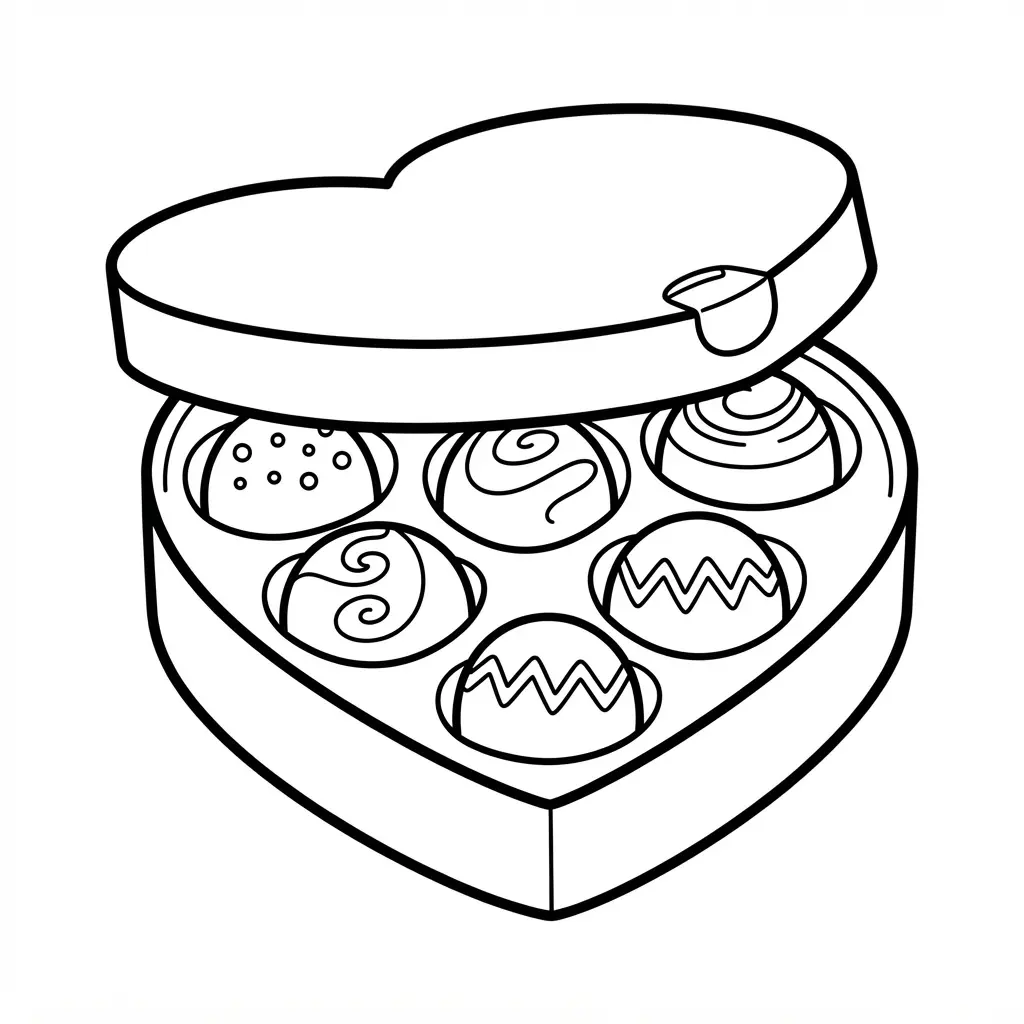
The biggest mistake on a chocolate box page is coloring every candy the same shade of brown. This design saves you from boredom with round truffles, swirled caramels, and a few squares with drizzle patterns on top. Each candy sits inside its own little cup, which gives kids clear borders and zero confusion about where one chocolate ends. The swirled caramel tops call for a second color, and a white highlight dot on each piece makes them look glossy. I love watching kids name the flavors as they color, strawberry cream, orange truffle, plain dark. Ages five and up handle the small cups with ease, and the open box leaves room to draw extra candies inside. Teachers use it as a counting game at the party table. Pro tip: keep the box lid a soft pink so the dark candies pop against it. You will be tempted to raid the kitchen after this one.
6. Sweet Smiling Heart Faces Printable Art

Grab the brightest crayons in the box before you print this page. Rows of smiling hearts with tiny eyes and cheerful grins cover the sheet, and every single one wants its own color. This design works for the youngest colorers because each heart is a big simple shape with a face in the middle. The tiny smile curves are the only fine detail, and even those sit well inside the lines. I love this one for group settings since twenty kids color the same sheet and no two look alike. Some hearts end up striped, some polka dotted, some solid red with a shy grin. Print extra copies because kids ask for a second round with new color plans. It suits ages three to seven perfectly. Pro tip: let each child pick one heart to be the valentine giver and write their name underneath. You will end up with a wall of grins.
7. Friendship Message Card Template for Schools
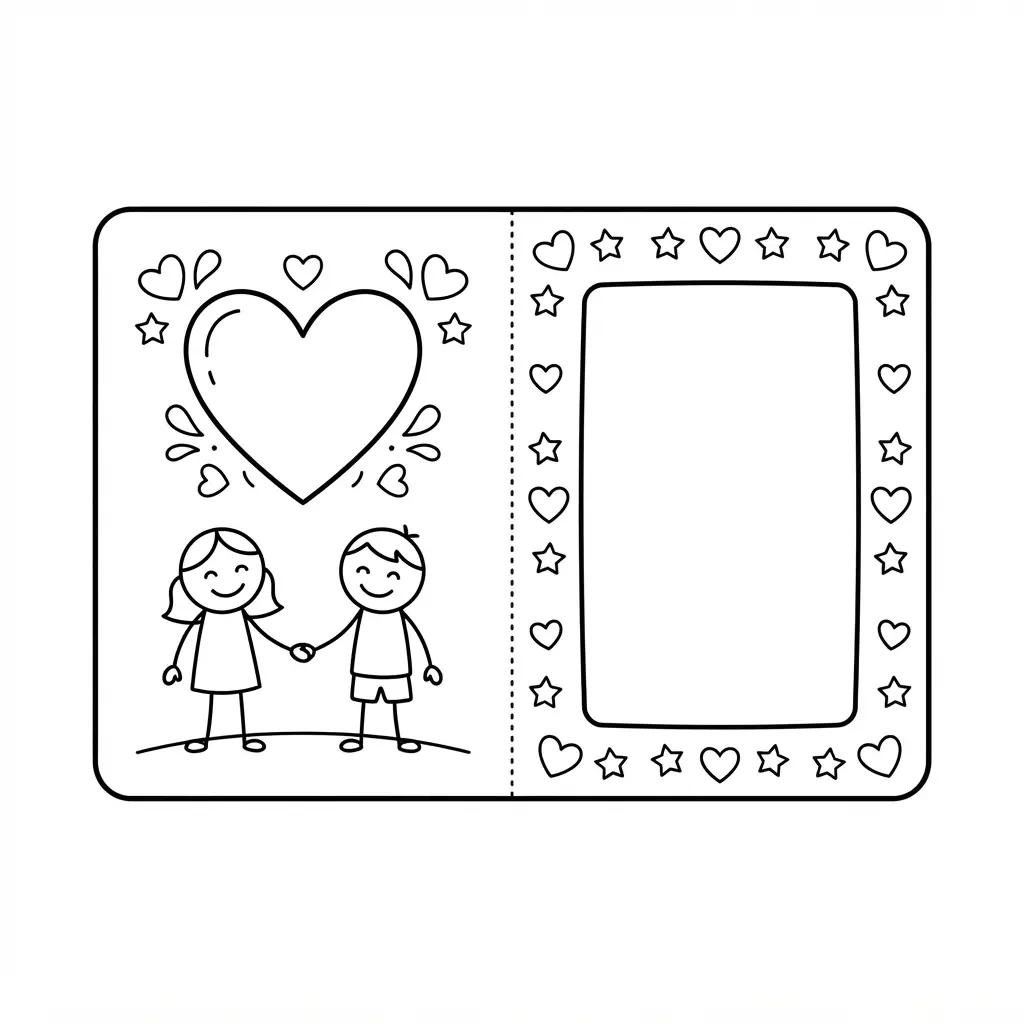
Want a valentine card and a coloring page in one sheet? This template from the valentines day coloring pages collection delivers both. The front shows a folded card frame with hearts and stripes waiting for color, and the inside stays blank for a personal message in the child’s own handwriting. I love how the blank message panel turns coloring time into writing practice without any complaint from the kids. Fold along the marked line after coloring and the sheet becomes a real card a friend keeps. Teachers run entire class exchanges with this one design since it removes the need for separate cards and envelopes. Ages six and up write real sentences, while younger kids draw their message instead. Either way the recipient reads love on every line. Pro tip: have kids color the front first and write the message while the page lies flat. You will watch quiet focus spread across the whole table.
8. Polar Bear and Penguin Love Scene
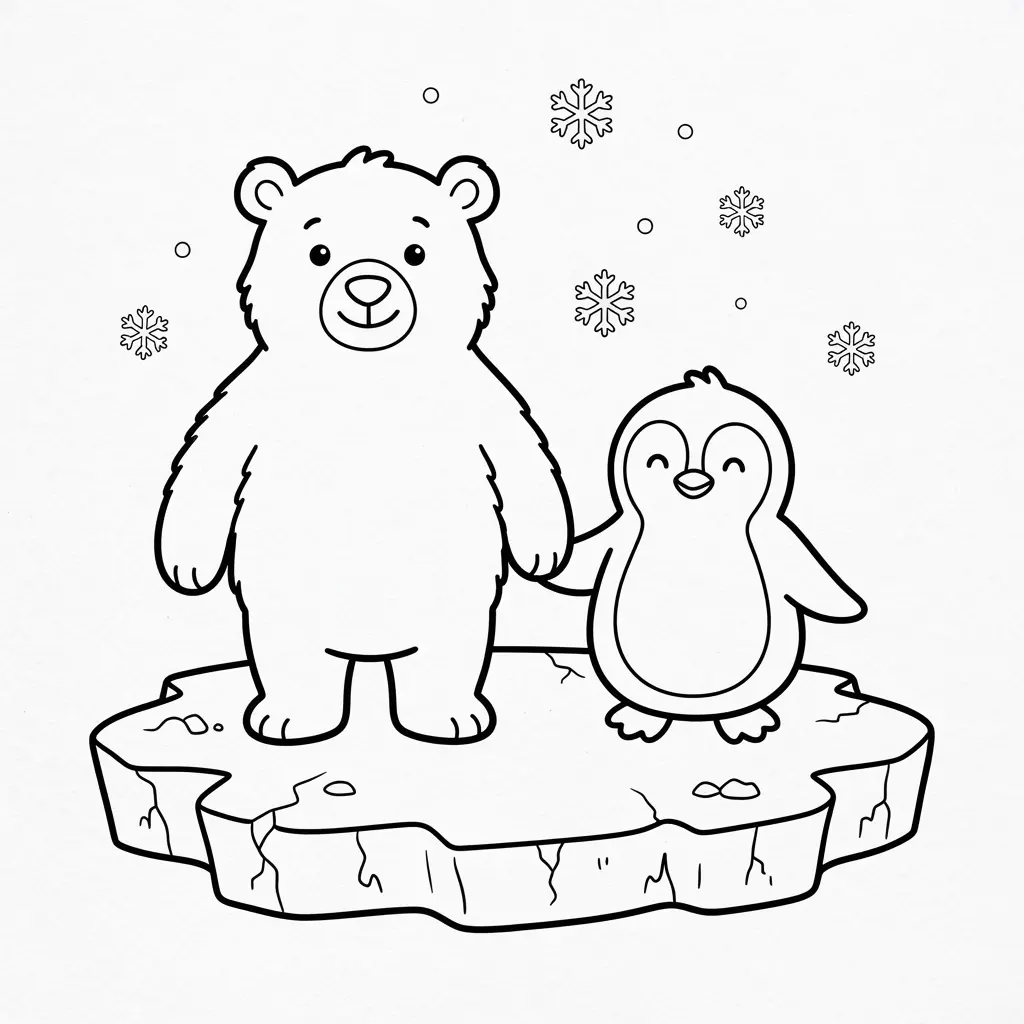
A polar bear and a penguin sharing one ice floe sounds like a geography mistake, and kids never once care. This scene pairs two of the most lovable winter animals in one sweet valentine moment. The bear wraps a flipper around its penguin friend, and both wear tiny heart details on their chests. The rounded body shapes make coloring easy, since big soft curves hold crayon strokes without a struggle. I love this one for teaching contrast, white bear against black penguin, with a blue ice floe underneath. Kids giggle at the size difference and invent whole stories about the pair. The scene suits ages five to nine and prints crisply on standard paper. Older children add a sunset sky behind the ice for extra warmth. Pro tip: leave the bear mostly white and shade only the edges in pale gray. You will be surprised how professional the finished scene looks.
9. Valentine Day School Mask Template Print
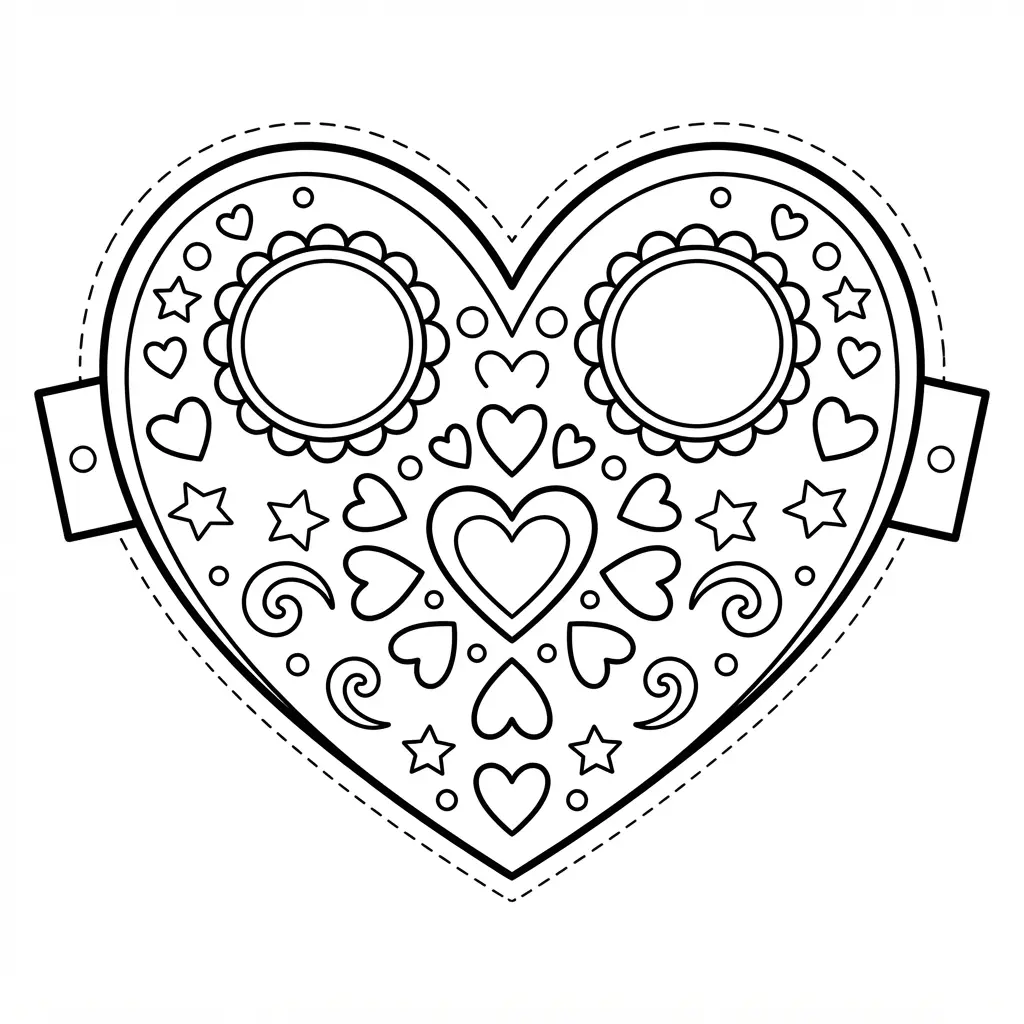
This is the sheet kids ask for by name every single February, and I understand why. A valentine mask turns a quiet coloring table into an instant party. The eye holes sit at the right height for children six and up, and the heart patterns across the surface offer plenty of coloring territory. The wide eye cutouts line up with a child’s face after one careful cut along the dotted guide. Punch holes at both sides, thread a ribbon or elastic, and the costume piece is ready. I love watching a whole class color their masks and then parade around the room. Teachers keep a spare stack ready since every child wants a second color scheme. It works for classroom photos and party games alike. Pro tip: print on cardstock so the mask survives more than one celebration. You will hear giggles before the last crayon goes down.
10. Floral Wreath Border Frame Design
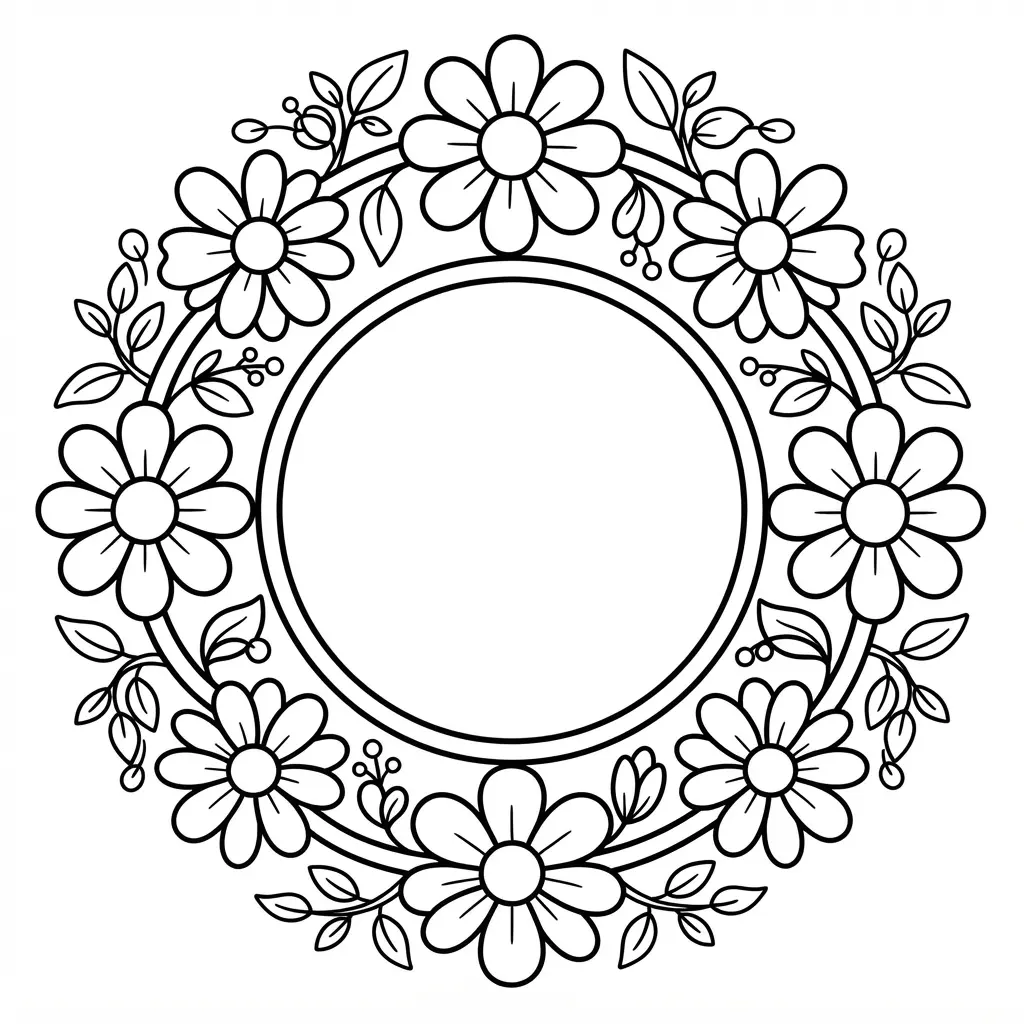
Picture a ring of flowers and leaves circling a wide open center, quiet and patient. This wreath design frames whatever you place inside it, a photo, a handwritten note, or simply more color. Each bloom along the ring carries its own petal pattern, and the leaves alternate directions so the eye travels all the way around. The open center circle is the gift here, since kids decide what belongs in the middle. I love this one for finished art display because it looks like a real framed piece once colored. Older children enjoy shading each flower from dark at the base to light at the tip. Ages seven and up produce gallery worthy results on heavy paper. Younger kids color the flowers while an adult writes the center message. Pro tip: color the wreath first and add a message in the center last. You will want to hang this one where everyone sees it.
Display And Share Your Finished Pages
The best way to preserve your work is framing it behind glass or scanning for digital archives. You can also tape pages to a bulletin board for a quick classroom display. Parents often hang completed art on the fridge to show off progress. Wait until the ink is completely dry before handling the page to avoid smudges. Use acid-free tape if you want to remove the picture later without tearing. Digital copies let you share designs with family members who live far away. Store flat sheets in a portfolio to keep them from curling over time.
Conclusion
So how was your creative session today? Look at what you have made and that is real skill right there. Coloring helps children develop focus and joy together. It creates a space where everyone can relax. These valentines day coloring pages show how art can share love. Keep some of the finished works in a special folder. They make beautiful gifts for friends and family. Teachers can use them to spark conversation about kindness. You might choose a different theme next time around. The process of bringing colors to life matters most. Celebrate your hard work and enjoy the results. Picking your favorite and getting started right away is always a great idea. Remember that the goal is fun not perfection with valentines day coloring pages.
FAQs
Q: What age group are these pages best for?
A: These designs work well for kids ages four and up. Younger ones can color the bigger shapes while older children add details to the lines.
Q: How do I print them without wasting ink?
A: Select draft or outline mode on your printer settings first. Most designs use standard white paper which keeps costs low.
Q: Are they available for instant download?
A: Yes the files save directly to your device after you click. This lets you print and start coloring right away.
Q: Can I use them in a classroom setting?
A: Teachers can share these for group projects easily. The simple designs keep all students engaged and focused.
Q: What coloring tools work best?
A: Crayons or colored pencils fit the bold lines well. Any standard art supply will give a nice result.