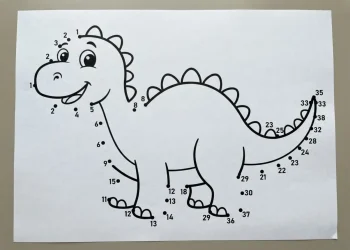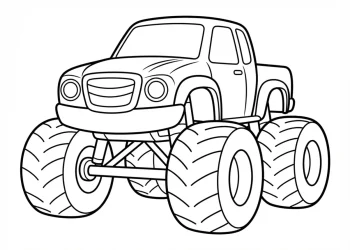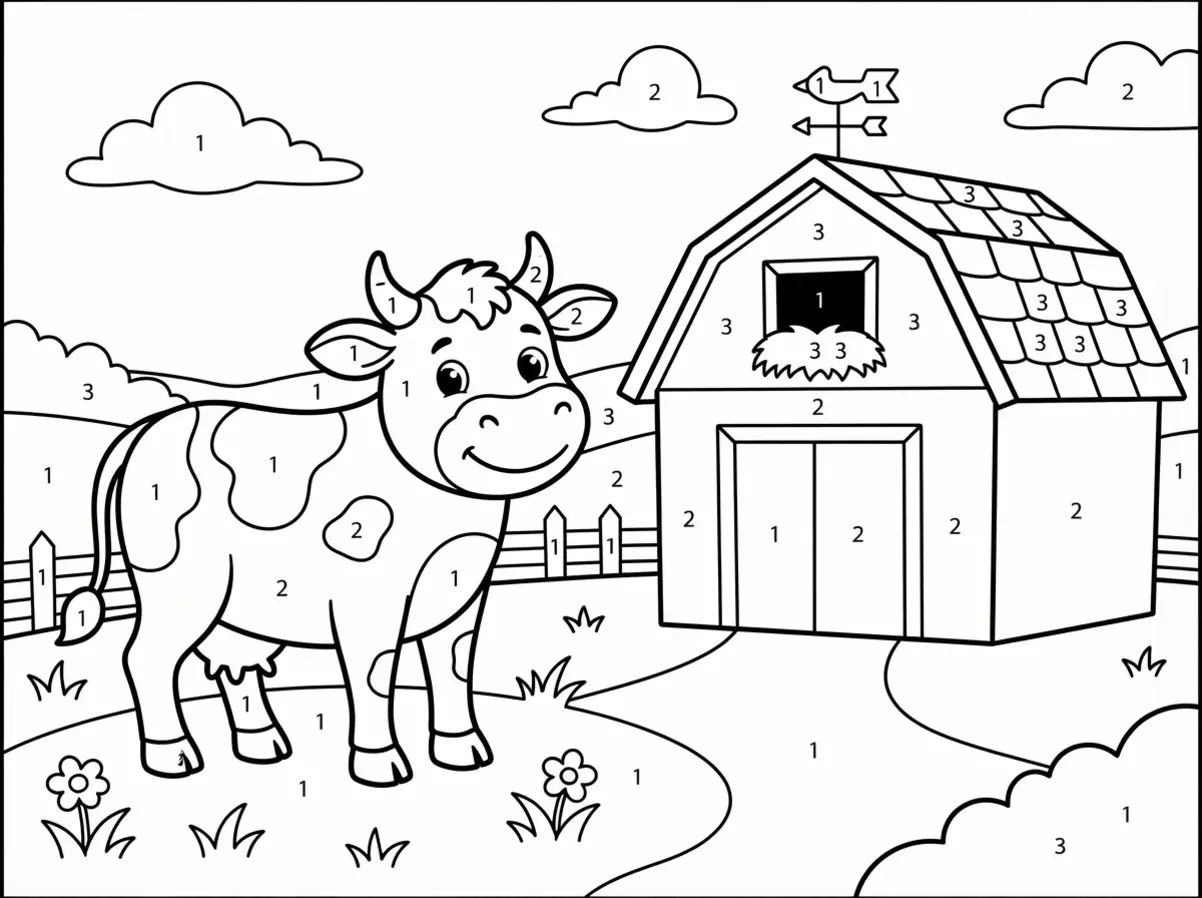
Finding an activity with clear instructions and early learning value takes time when children need something engaging. Color by number printables bring coloring, number recognition, and color matching together on one easy page. I love how each section gives kids a small goal, while the finished picture keeps them interested. Parents get a simple activity with little setup, and teachers gain a flexible option for centers, quiet work, or seasonal lessons. Look for bold outlines, spacious sections, and a short color key so children feel ready to work on their own. The pages ahead include animals, nature, vehicles, space, math, and holiday themes for different interests and skill levels. Let’s choose a favorite, gather crayons or pencils, and get started.
Matching Page Difficulty To Learner Development
Give preschool learners pages with three to five colors and large numbered regions for stronger numeral recognition and easier pencil control. Preschoolers benefit from familiar outlines featuring one object at a time, while early elementary learners handle smaller sections and six or more color assignments. Match the numeral size to the region, since a tiny number inside a narrow shape creates reading and coloring strain. Older children gain practice with visual scanning when scenes include overlapping shapes, repeated numerals, and less white space.
Keep challenge linked to hand strength, attention span, and number knowledge rather than age alone. A child still learning 1 through 5 needs a large-number layout, while a confident reader benefits from varied sections and a fuller palette, especially when using color by number printables, to support growing confidence. Pattern cues beside colors support children with color-vision differences.
Preparing Clear Keys For Home Printing
Set a high-contrast color key in a wide, uncluttered margin so home printers keep each numeral readable. Use dark numerals, thick borders, and generous spacing between color swatches, especially when pages print at reduced size. A PDF preserves alignment across common printer settings and keeps the key attached to its matching worksheet, a step that protects color by number printables during setup. Standard printer paper suits crayons and colored pencils, while cardstock gives markers a firmer surface and handles repeated classroom use.

Check a test page for pale yellow, green, or orange areas, since low ink levels often blur close shades. A black-and-white test also reveals whether outlines and numerals stay distinct, though children still need color names or pattern cues for accessible matching.
1. Simple Farm Animal Color Pages for Early Learning
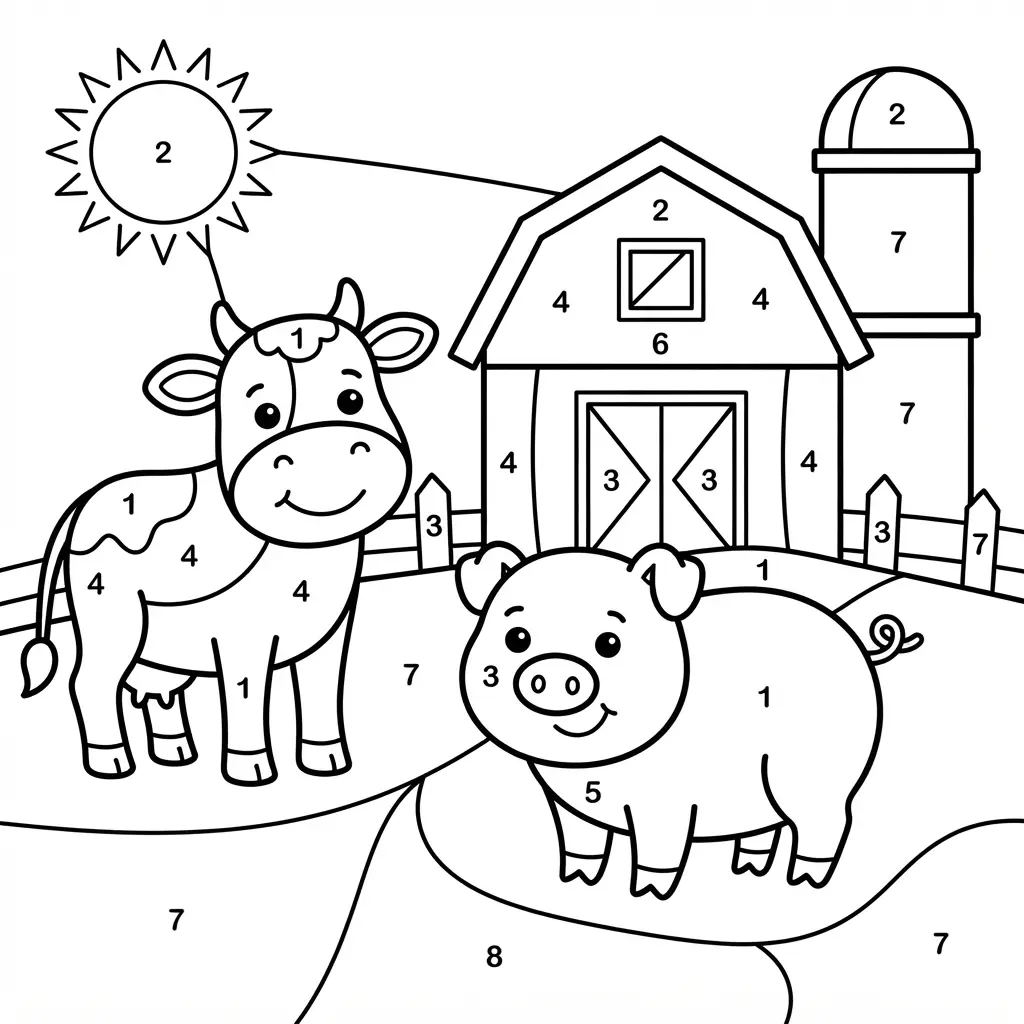
Want an easy way to make early learning feel playful? Start with a large cow, pig, horse, or chicken picture, then invite your child to identify the animal before picking up a crayon. With color by number printables, numbered sections guide each color choice, while thick outlines help small hands focus on broad shapes. I love adding a traceable animal name beneath the picture, followed by its sound or a short fact, since one page supports coloring, handwriting, and new vocabulary. Thick outlines keep the activity friendly for toddlers and preschoolers.
Print one worksheet per page, much like trusted color by number printables, so the animal stays large and uncluttered. Crayons offer an easy first choice, while washable markers suit children with steadier hand control. Ask your child to name the animal, copy its sound, and trace words such as cow, calf, or barn. Older preschoolers can review home vocabulary like coop or stable, plus male, female, and baby animal names as interest grows. Keep toddlers supervised around coloring tools, and celebrate effort rather than perfect lines. One animal per page gives beginners room to focus, and I love how each finished picture feels like a small lesson.
2. Deep Sea Marine Life Scenes: Ocean Numbered Coloring Pages
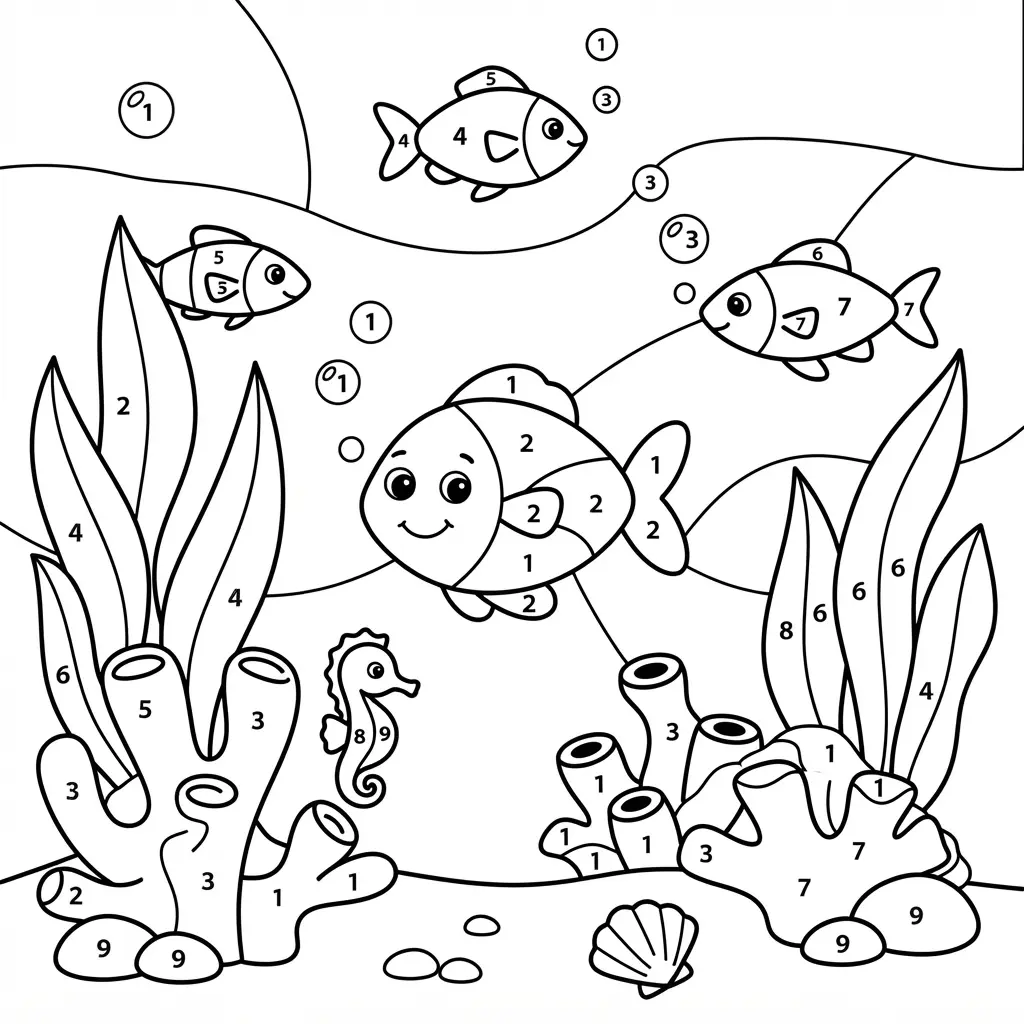
Deep-sea scenes turn a simple number lesson into a lively underwater picture, a layout shared by engaging color by number printables. I love watching an anglerfish, squid, jellyfish, or octopus appear as each section receives its matching shade. Start with the printed color key, then scan the page for each number before picking up a crayon or colored pencil.
Some pages show one animal, while others include coral, bubbles, sharks, crabs, and reef fish across a larger setting. Follow one number at a time, using light strokes inside each outline. Sound complicated? It is not. The clear pattern supports number recognition, color matching, fine motor control, and independent worksheet work.
For younger children, choose a simple creature page with fewer numbers. Older learners might enjoy detailed scenes with numbers from 1–20, offering more small spaces to manage. My go-to tip is to use washable markers on sturdy paper, a practice that preserves color by number printables for longer use, while crayons keep mess low and make the finished ocean scene feel satisfying.
3. Geometric Pattern Mandala Designs for Number Recognition
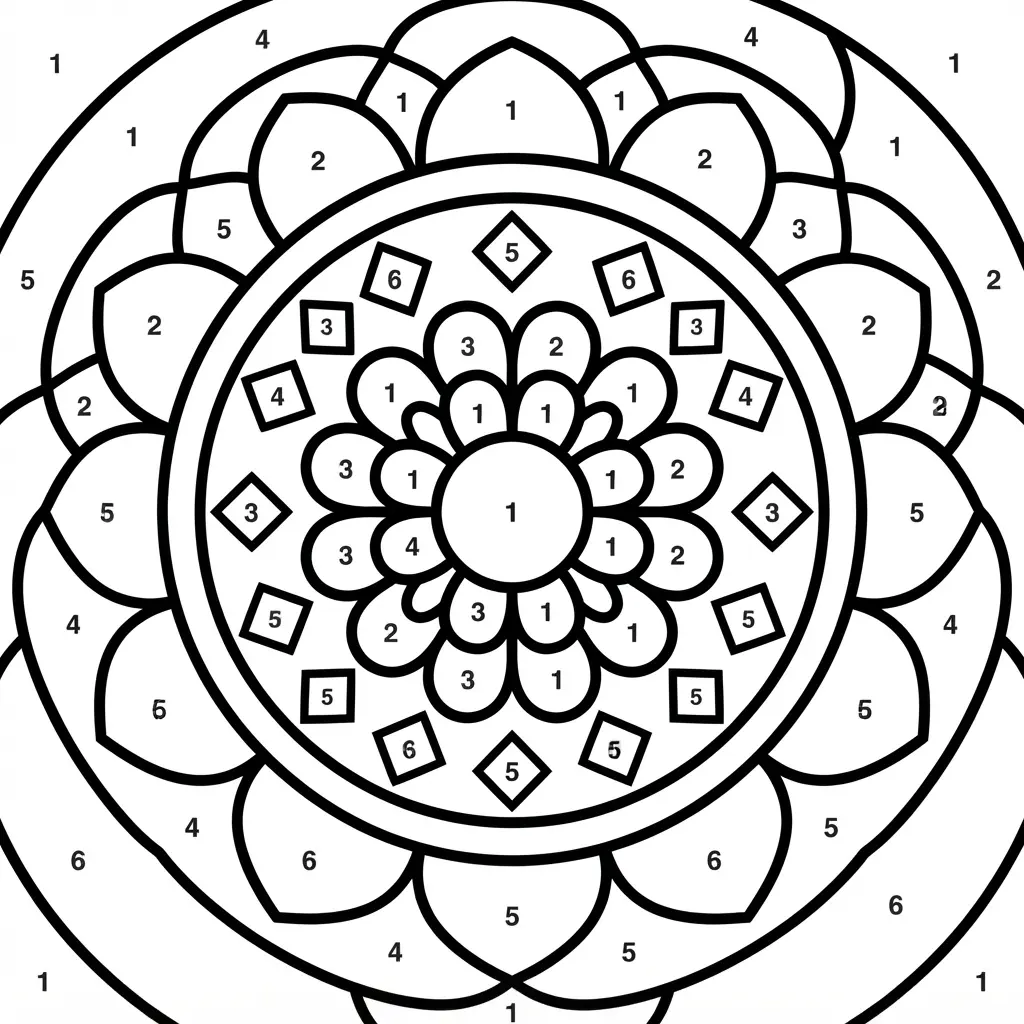
This one is a favorite because geometric mandalas look detailed while giving children a clear number task, just like advanced color by number printables, and each page uses repeated shapes. Each page uses repeated shapes, lines, and sections arranged around a center. I love watching a child spot the numeral, count the matching petals or wedges, then reach for the correct number-color key. Sound complicated? It is friendly practice for preschool and early elementary learners.
Start with large sections and bold outlines, then ask your child to name the numeral before coloring. Some sheets connect one mandala with a single digit, while others ask children to count repeated shapes or solve a small addition problem. Use crayons or colored pencils, and pause after each section so the number stays part of the activity.
The repeated layout supports numeral recognition, quantity matching, fine-motor control, and steady focus. For older learners, choose smaller sections or numbers through 20 for a stronger focus challenge. Keep the key visible, and remind your child to check each color before filling a section. The finished page feels satisfying because every choice follows a simple rule. Pro tip: begin with one color at a time, then review the whole design together. You have got this.
4. Summer Fruit Picnic Illustrations — Bright Numbered Coloring Pages
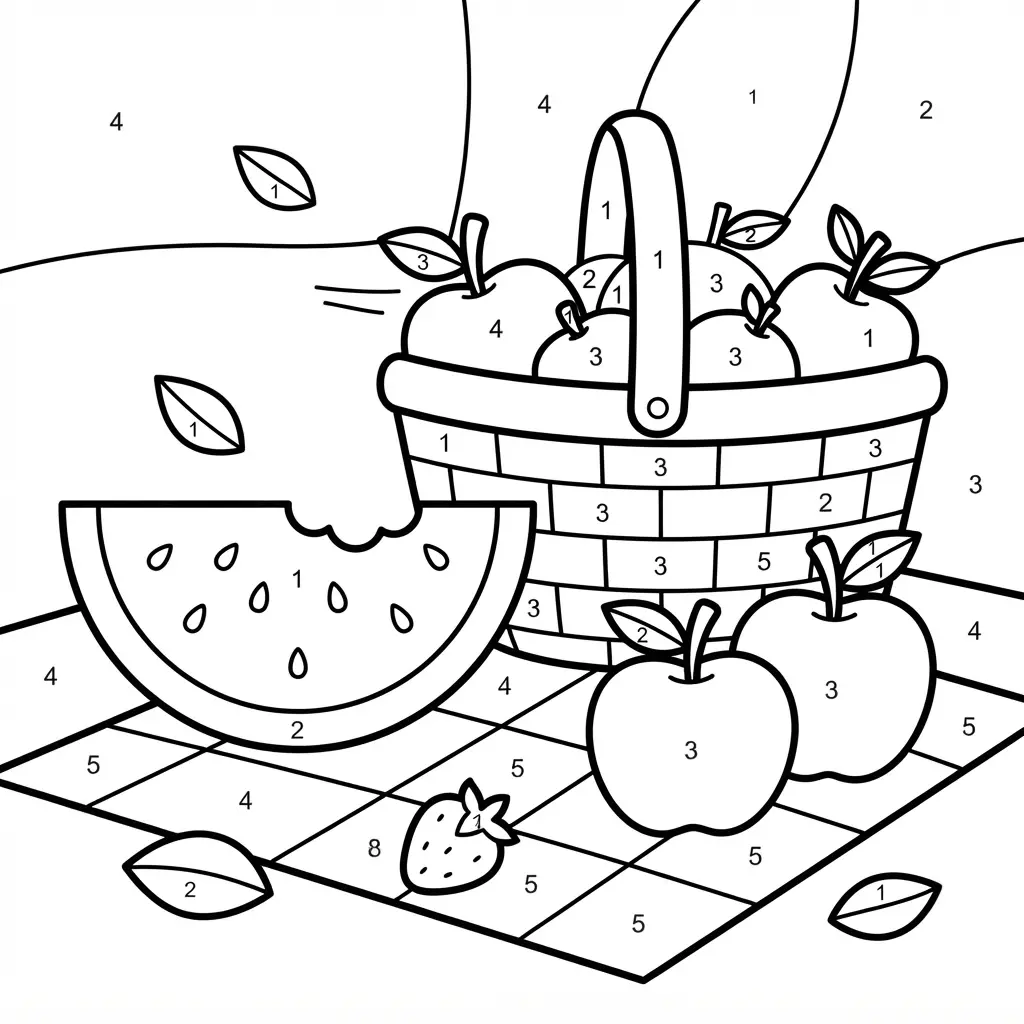
A finished picnic scene bursts with red watermelon, pink strawberries, purple grapes, yellow bananas, and a sunny glass of lemonade. Isn’t it satisfying when each small section joins the picture, a trait that defines quality color by number printables? I love this one because the image feels cheerful before the final color is even added. Printed numbered page gives children a clear place to begin.
Start by reading the color key, then ask your child to find each numeral inside the fruit, basket, blanket, cups, and clouds. Crayons, colored pencils, or washable markers work well for this activity. Encourage slow coloring around tiny sections, since number recognition matters as much as neat control. A full-color reference page offers gentle support for younger children, while older learners gain extra math practice by naming numbers aloud.
The mystery picture keeps attention focused because every correct choice reveals more of the summer scene. For a useful routine, finish the numbered coloring page first, then compare it with the reference and talk about counting picnic objects. Keep the sheet on a firm surface, and celebrate the final reveal. Trust me, the fresh fruit palette brings an instant smile.
5. Space Adventure Rocket Ships for Early Color Practice
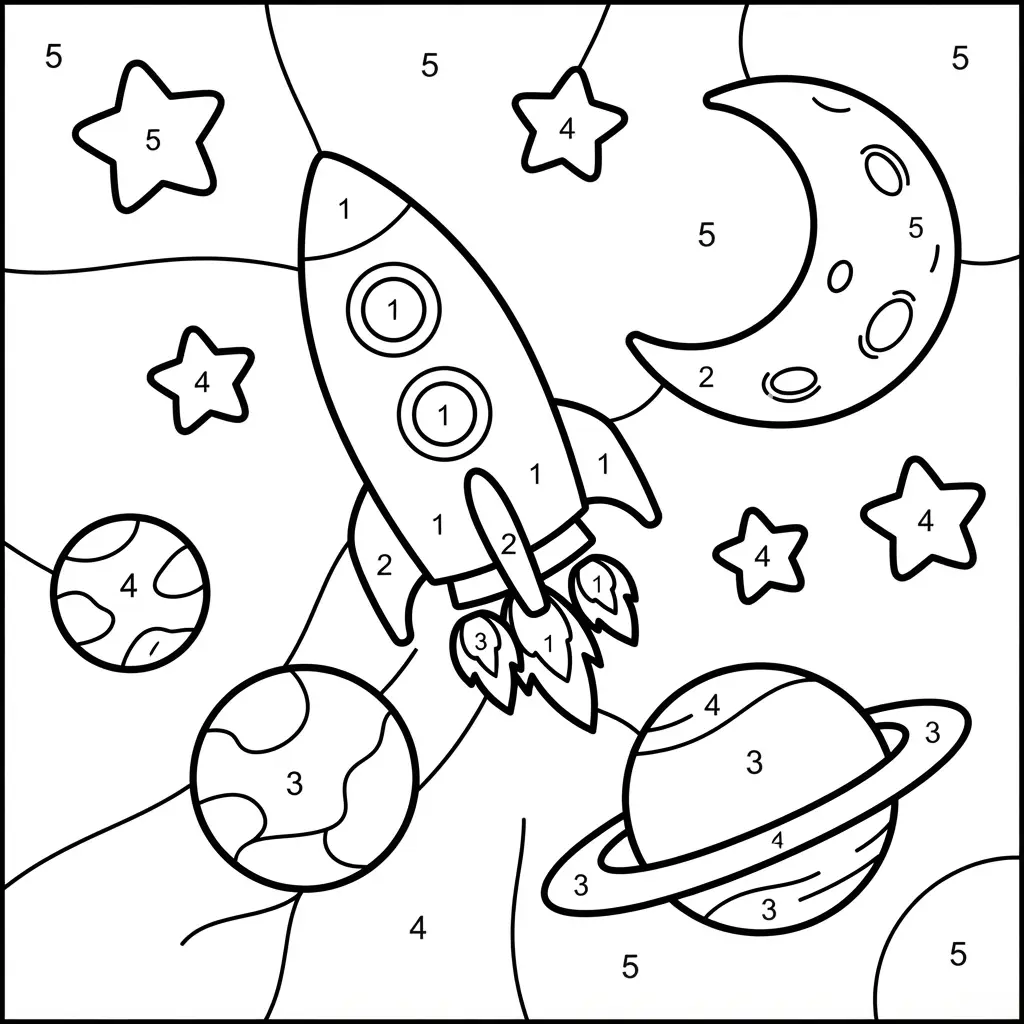
Don’t hand a preschooler a crowded rocket sheet and expect easy coloring, especially when navigating complex color by number printables. Young learners do better with bold outlines, a few large shapes, and clear color words beside each section. Start with a bold-outline rocket page, then point to the window, flames, stars, and planets as your child chooses crayons or washable markers. Ask where the rocket is headed to add a little storytelling and early space vocabulary.
For a color-matching activity, place colored rocket pieces beside the page and invite your child to pair each piece with its matching section. A color-by-shape worksheet adds shape recognition, similar to how color by number printables work, while a writing space gives older preschoolers a place to name the rocket’s destination. I love this one because every color choice also supports fine-motor control, focus, and hand-eye coordination. Keep color cards visible, give one direction at a time, and offer child-safe scissors only with close adult help. Soon, the finished rocket becomes a cheerful prompt for talking about planets, stars, and creative ideas.
6. Classic Dinosaur Landscape Scenes: Prehistoric Numbered Pages
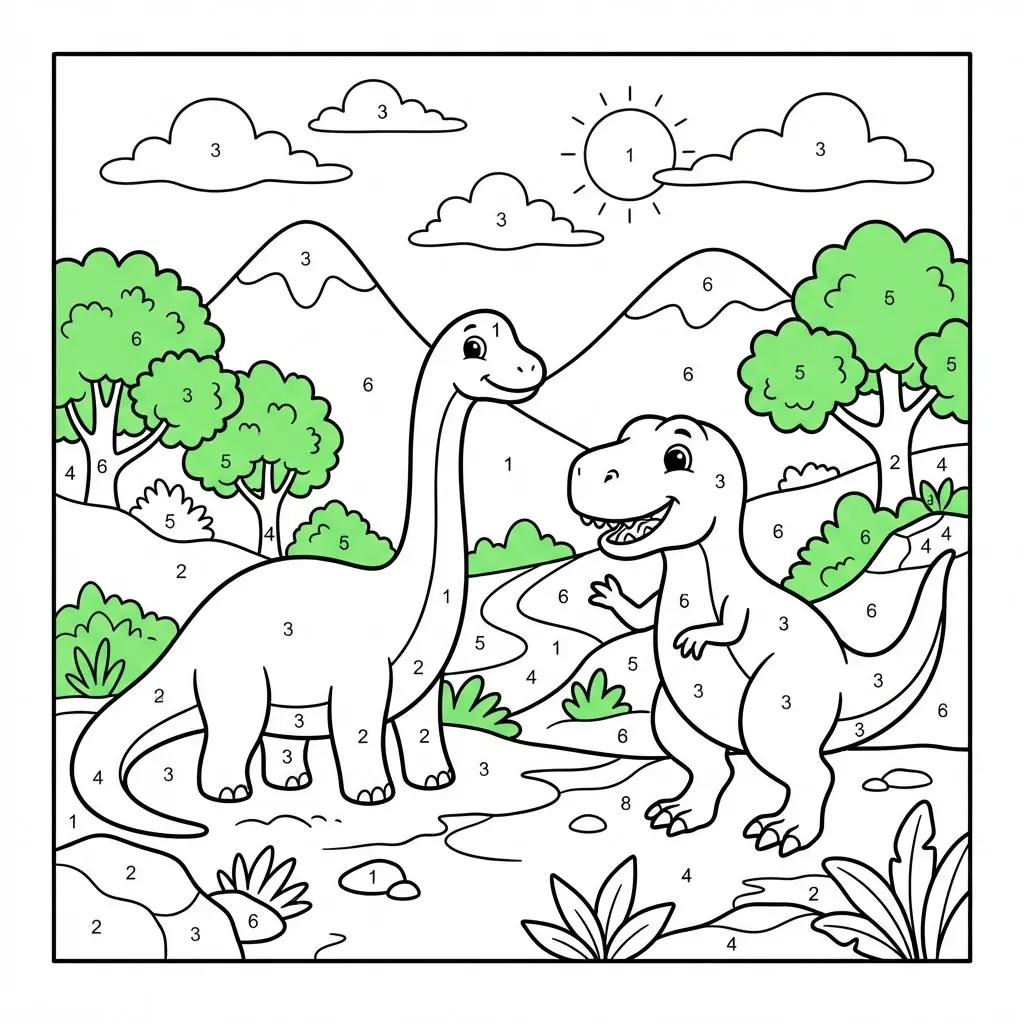
Grab your crayons and begin with the broadest numbered section, such as the sky, ground, or a distant volcano, following the simple layout of beginner color by number printables. These scenes often place a long-necked dinosaur among ferns, rocky hills, and tall trees, so each completed area gives the picture more shape. Follow one number at a time, then use light pencil pressure until you know the color feels right. Isn’t it satisfying to watch a plain outline turn into a prehistoric scene?
Keep nearby colors grouped by number so your eyes move easily between the key and the page. A green dinosaur, warm brown rocks, and a soft blue sky create a familiar storybook look, while a yellow sun adds a cheerful touch. I love saving the smallest details for last, including tiny leaves, footprints, and clouds. Trust me on this one: check every numbered section with your color key before adding darker layers. The final reveal feels extra rewarding when each little space fits neatly into the finished picture.
7. Seasonal Holiday Celebration Printables for Classroom Fun
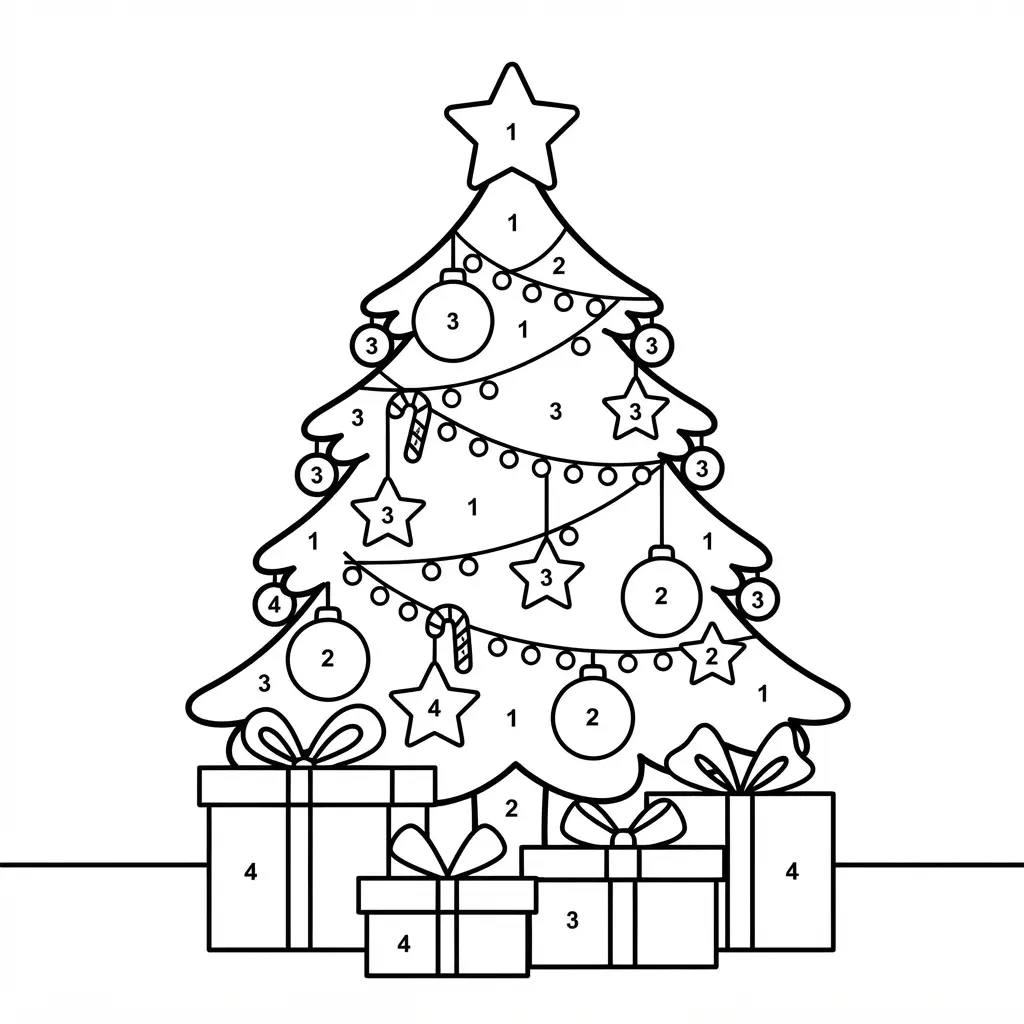
Looking for a cheerful classroom activity during the holidays? Seasonal color-by-number sheets bring festive pictures, simple directions, and quiet focus to one table, matching the reliable format of holiday color by number printables. Students match each numbered space with the right shade, then watch snowflakes, ornaments, pumpkins, or spring flowers take shape. A clear color key helps younger learners work with less assistance.
Choose pages with large sections for early learners and smaller spaces for older students. Set out crayons, colored pencils, or washable markers, then invite children to compare their finished pictures without turning the activity into a contest. I love pairing a short holiday chat with the coloring time, since students get a chance to share family traditions while their hands stay busy. Seasonal themes also give a bulletin board a warm, personal touch.
These printables work well for indoor recess, early-finisher folders, party stations, or the final minutes before dismissal. Print a few extra copies, sort the supplies into small trays, and keep a sample nearby for quick reference. The steady matching task feels satisfying, supports color recognition, and gives the room a calm festive mood. Add seasonal coloring sheets to your classroom plans and enjoy those proud smiles.
8. Friendly Woodland Creature Portraits — Simple Coloring Scenes
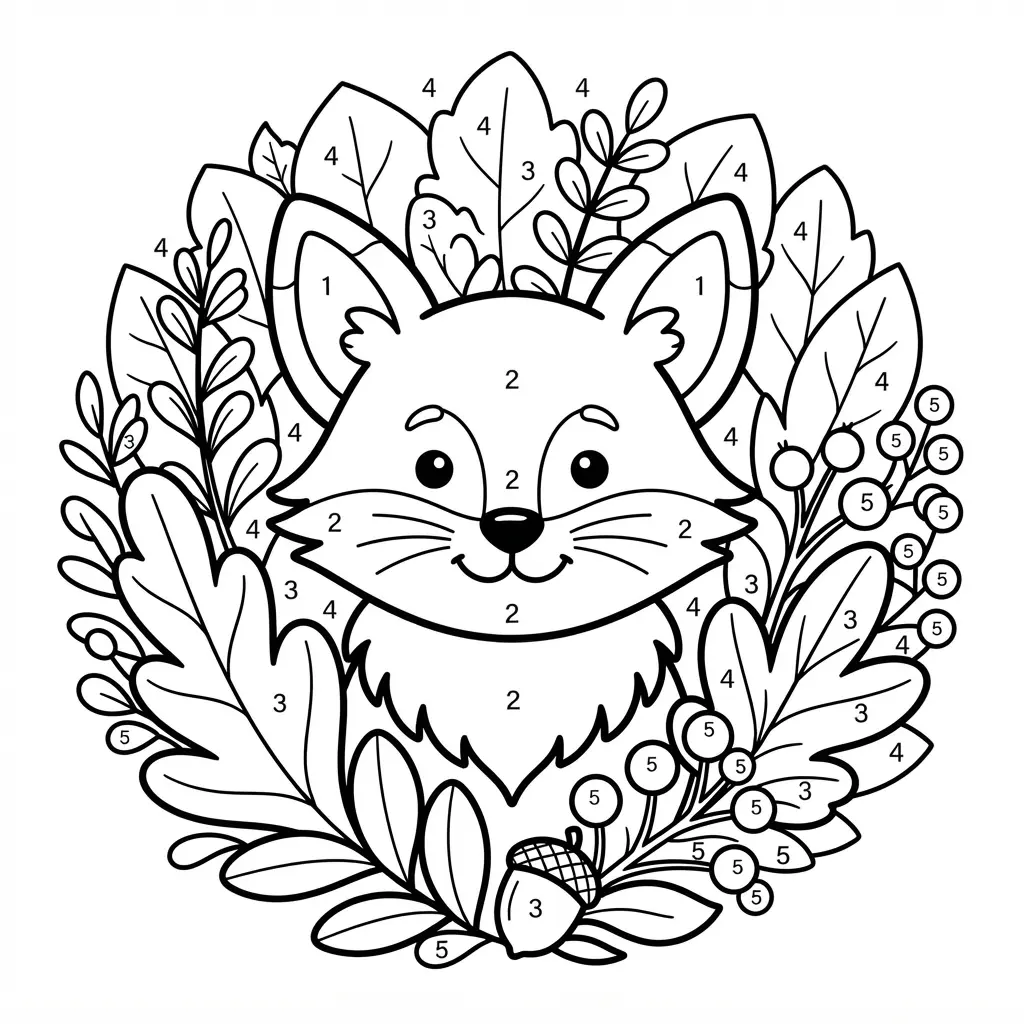
Friendly woodland creature portraits give color-by-number pages an instant dose of charm, which explains why teachers often use color by number printables for quiet centers. A smiling squirrel, fox, owl, rabbit, or deer stands at the center with friendly animal faces, while leaves, grass, acorns, or a log keep the setting easy to recognize. I love how each animal gives children a clear place to begin.
Use large coloring sections for the animal’s face, ears, body, and background objects. Keep bold outlines around every creature, and leave space between grouped animals so their shapes stay easy to follow. Sound complicated? It is not, especially when the scene includes only a few forest details and readable numbers. A squirrel beside a fox and owl feels playful, while a bear, deer, rabbit, and raccoon create a calm forest gathering.
Add autumn leaves, mushrooms, berries, and acorns for a seasonal page, or choose green grass and broad leaves for a general woodland theme. My go-to tip is to place a clear color key beside the picture, using child-friendly shades such as brown, orange, green, and yellow. The finished scene feels personal, cheerful, and easy to enjoy.
9. Math Problem Solving Pages with Color Keys
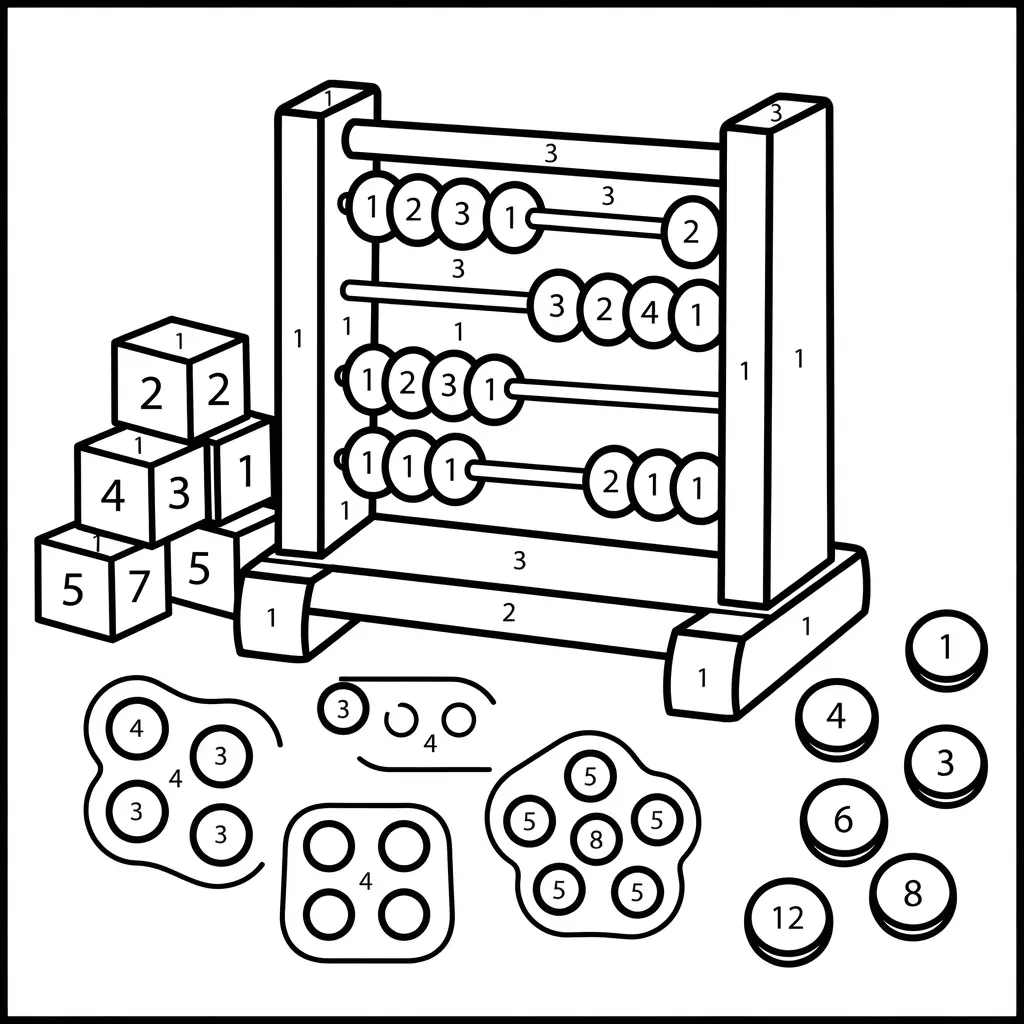
I love these pages because each solved problem gives you a clear color choice, a feature that aligns perfectly with math-focused color by number printables. A worksheet shows small math questions beside a picture divided into numbered sections, with a color key matching each answer to one shade. Sound complicated? It is not, since you solve one problem, find its answer in the key, and fill the matching section. Use a colored pencil set for neat areas and easy changes.
Start with easier questions, then move through addition, subtraction, multiplication, or division as the page grows more detailed. Keep your work beside the sheet, check each answer before coloring, and mark finished sections with a tiny pencil dot. I like how the picture stays partly hidden until the final few spaces receive their shades. The steady mix of problem solving and coloring keeps practice focused, while the finished image gives you a cheerful payoff. Keep a separate answer sheet nearby for working out longer problems, then enjoy watching the picture appear.
10. Whimsical Fairy Tale Castles: Storybook Numbered Pages
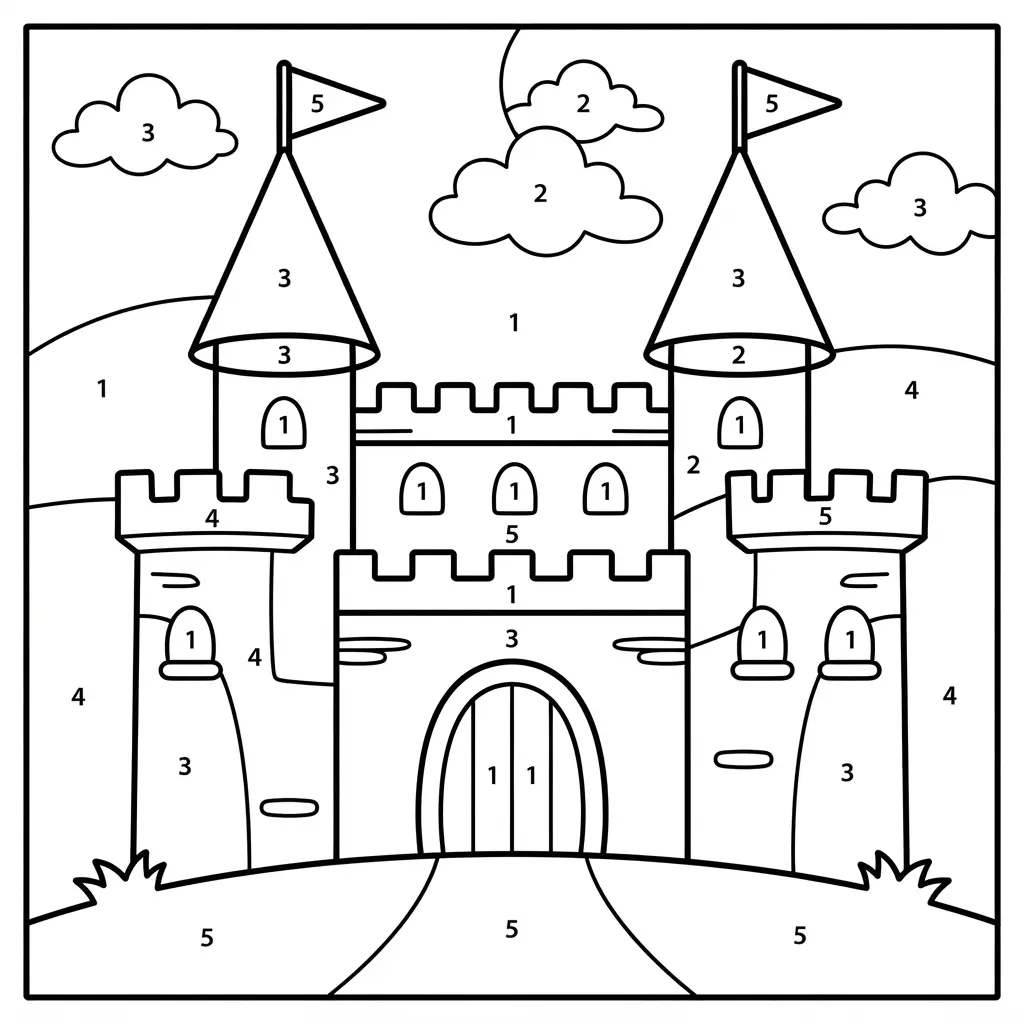
Pointed towers, curling banners, round windows, and a moonlit gate give this page a sweet storybook look once every section is filled, echoing the artistic detail of premium color by number printables. Ever wondered how a plain black-and-white outline turns into a royal scene? Follow each number to its matching shade, then watch the castle walls, roof tiles, flags, and clouds take shape one small space at a time. I love starting with the largest areas, using a matching color key beside the page so the sequence stays easy to follow.
Use colored pencils or crayons with light pressure, especially around narrow turrets and tiny window panes. Keep darker shades for roofs, doors, and tree lines, while softer tones suit clouds, stone walls, and distant hills. The numbered sections in color by number printables make each choice clear, so you do not need to plan the whole palette before beginning. This works because every filled space gives the scene more detail without asking you to draw complex shapes yourself. Add a gentle sky color last, check for missed numbers, and enjoy the proud feeling of seeing your castle come together.
11. Vehicle and Truck Collection for Young Colorers
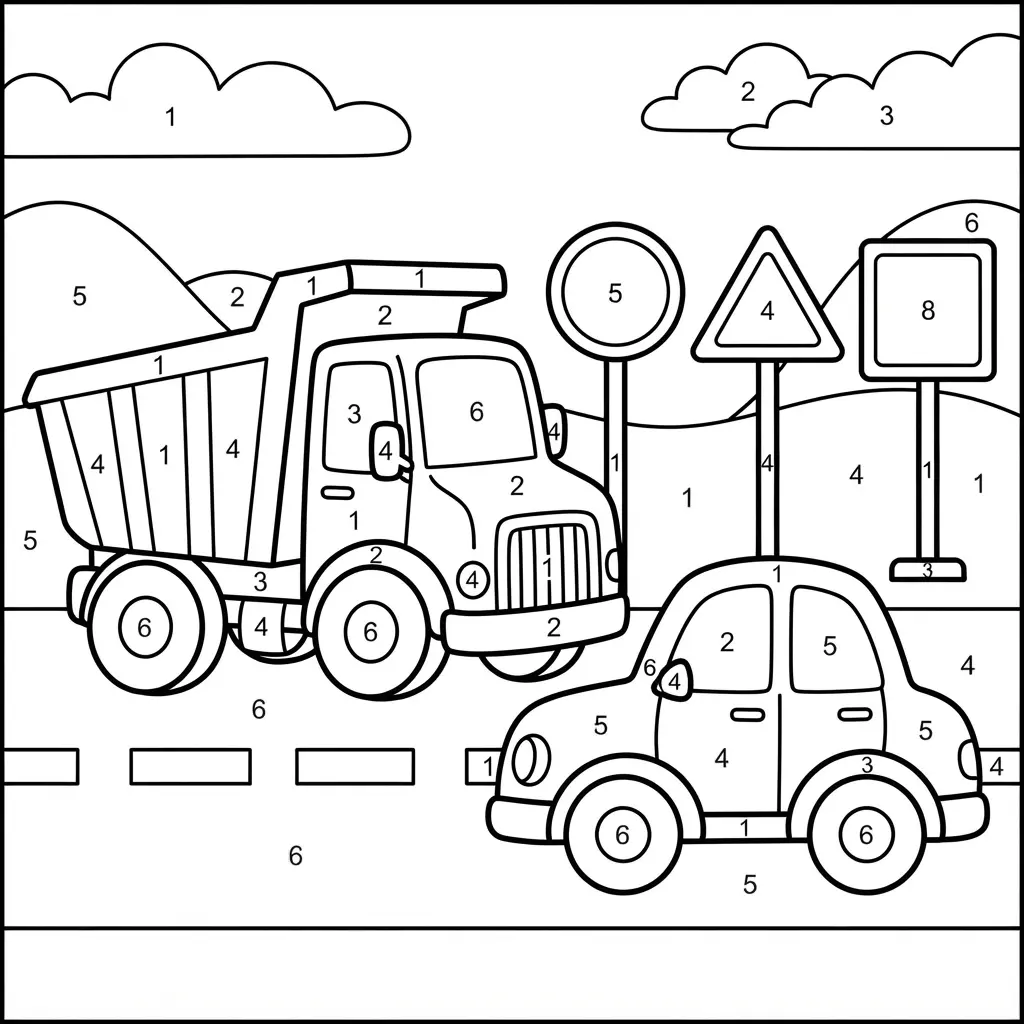
Many young colorers do better with bold outlines than tiny details, a reason why early color by number printables always prioritize clean spacing. Is a page filled with small parts helpful? Not for beginners. Pick a large picture with one vehicle per page, then guide little hands toward broad sections inside the chunky black lines. A fire truck, monster truck, garbage truck, or digger gives each page a familiar subject.
Start with the main body, then fill the wheels, windows, ladder, or bucket using bright crayons or washable markers. Thick black outlines make each section easy to spot, while simple vehicle names add useful vocabulary during coloring. Alphabetical construction pages bring letter practice into the activity, and short facts about trucks keep curious minds engaged. I love this set for ages 2 to 5, though older children still enjoy adding roads, clouds, and safety signs around the vehicles. Keep the pages large, offer only a few colors at first, and praise careful hand control. The finished collection feels cheerful, familiar, and satisfying.
12. Garden Flower and Insect Scenes — Nature Number Pages
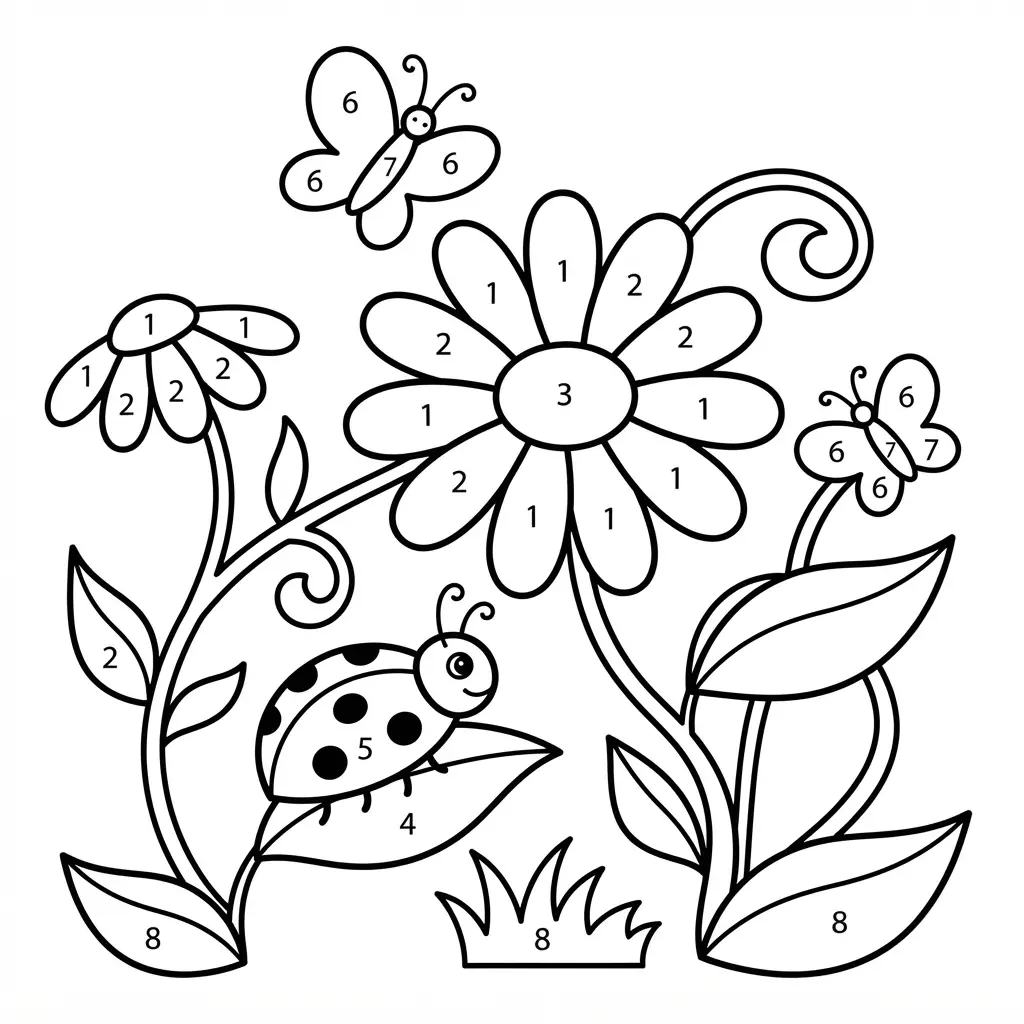
Point to the large 12 first, then let your child trace its outline with a finger before picking up a crayon, following the guided path of structured color by number printables. Around it, blooming flowers, bees, butterflies, and meadow lines create a friendly scene for number recognition. Follow the page’s color key, filling each numbered section while counting petals or spotting every tiny insect.
The large numeral stays easy to find, while the garden details give the eyes extra things to count and compare. I love asking children to name each flower and circle the bees before they begin coloring, since visual search keeps the activity lively. Is there a color instruction or only a pretty picture? Check for a numbered key first, because a nature coloring page without one is not a true color-by-number activity. Keep the page open and uncluttered, especially for learners in grades 5 and 6, and extend the session with counting from 1 to 10 or simple addition and subtraction to 20. Feel proud when the meadow fills with color.
Displaying Finished Pages For Learning Review
Mount finished pages at child eye level on an acid-free display board so children review their color choices and numeral matches without reaching or crowding one another. Leave a narrow border around each sheet to keep outlines visible and prevent neighboring pages from blending together. Add the child’s name, date, and chosen color key beside the page, giving teachers and parents useful evidence of number recognition and pencil control.
A rotating section for unfinished and completed work helps children notice progress without turning the display into a score chart. Keep pages flat with removable tabs, especially when crayons leave raised wax on the surface. A folder beside the board preserves older worksheets for later comparisons and conversations about color names, number order, and hand control.
Conclusion
So how was your creative session? Look at what you have made. Each finished page shows careful matching, steady focus, and a growing sense of confidence. Color by number printables give children a pleasant way to practice numbers while enjoying a picture they helped complete. They also give parents and teachers a calm activity with little preparation. For your next session, choose a page with a familiar subject, place the color key beside the paper, and let the child work at a comfortable pace. Praise careful choices rather than rushing toward a perfect result. A small folder keeps finished pages together and makes progress easy to see. Pick one new theme for the next sitting, set out the colors, and let your child begin with a smile.
FAQs
Q: What age suits color by number printables?
A: Many preschool and early elementary children enjoy them. Choose pages with large sections and a short color key for younger children.
Q: How do I print these pages?
A: Select standard letter-size paper in your printer settings and check the preview before printing. A regular color printer works well for clear number keys and outlines.
Q: Which paper works best for coloring pages?
A: Standard printer paper suits crayons and colored pencils. Use thicker paper for markers to reduce bleed-through.
Q: How do color by number pages support learning?
A: They link number recognition with color matching and careful visual attention. Children also practice following directions and completing a task in small steps.
Q: How do I choose a page for my child?
A: Start with large sections and familiar subjects for younger children. Choose smaller sections or math pages when a child wants more practice.