
Balancing Focus Between Subject And Reflection
Your camera will default to focusing on the solid object in your frame, which leaves the reflected detail soft and muddy. You need to override that instinct and place your focus plane right on the surface of the water or glass instead, letting the real world blur into a supporting role. Mastering reflection photography ideas requires this precise focus control. Trust me on this, your viewer’s eye will always travel first to the sharpest part of the image, so make sure that’s the reflection you want them to see. A tripod is essential here, as it lets you lock in that precise focus point and recompose without losing it. The good news is you can use a smaller aperture to increase your depth of field, but the real magic happens when you choose one plane to be perfectly crisp.
Managing Glare Across Reflective Surfaces
A circular polarizing filter is your best friend for cutting through the harsh highlights on water and glass that obscure your reflected subject. You rotate it while looking through your viewfinder, and you will watch those distracting white patches simply melt away to reveal the color and detail underneath. Understanding glare management is vital for reflection photography ideas near bright water. The trick is to find the sweet spot where the glare disappears but the reflection itself remains strong and vibrant. You also want to pay close attention to your own position relative to the light source, as shooting at an angle often minimizes those bright hotspots. A microfiber cloth in your bag is a lifesaver for wiping away smudges from windows before you shoot, because even a tiny fingerprint can scatter light and ruin your shot.
1. Rainy City Street Puddle Reflections — Urban Symmetry

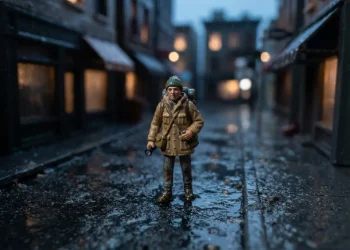
Ever found yourself staring down at a puddle after the rain, seeing a whole other world upside down? This setup perfectly demonstrates reflection photography ideas that rely on symmetry. This technique is all about getting your camera right down to that water level, so the edge of the puddle becomes the perfect line of urban symmetry. Frame the shot so a beautiful building or a street lamp is mirrored across that axis, creating a balanced, almost surreal composition.
I love how this turns ordinary wet pavement into a moody, cinematic scene. You get enhanced colors and dramatic lighting without needing any special equipment. Trying these reflection photography ideas and feeling the magic makes practice rewarding. For even more ideas in this kind of setting, read up on great rainy environment photography to expand your creative toolkit. Try it and feel the magic when that perfect reflection snaps into place.
2. Calm Lake Landscape Mirror Image

This shot is one of those stunning rewards for early risers and patient photographers. You wait for that absolute stillness when the wind drops and the water becomes a flawless sheet of glass, perfectly duplicating the scene above it. Early morning calmness naturally supports many reflection photography ideas. I love how positioning your tripod low to the shoreline lets you frame both the actual mountain or forest and its identical twin in the water.
It works because that perfect symmetrical reflection creates an instant sense of visual balance and deep tranquility. Your key move is waiting for those golden hour moments right around sunrise or sunset, when the light is soft and the air is most likely to be calm. Waiting patiently is essential for reflection photography ideas that capture perfect stillness. Feel that peaceful satisfaction when everything aligns and you capture a complete, serene mirror world.
3. Antique Mirror Double Portrait — Soft Window Light

This one is my favorite because it creates a timeless, painterly feel with zero fancy gear. Focusing on this technique highlights reflection photography ideas for intimate portraiture. You position your subject at a slight angle to an antique mirror, letting soft window light bathe their face while the camera captures both them and their reflection. Focus on the subject’s eyes or their mirrored gaze to pull the viewer right into the mood.
It works so beautifully because the mirror’s imperfections add texture and a whisper of history, while that gentle light flatters every feature. Trust me, practicing reflection photography ideas with window light yields timeless results. Trust me, you will be amazed by the nostalgic, almost romantic quality this single simple setup can produce.
4. Modern Glass Building Facade Reflection

The finished photo looks surreal, blending a crisp blue sky with the distorted silhouette of a neighboring tower on the glass’s surface. To capture it, I love finding a curved building facade around golden hour and positioning myself at about a 30-degree angle. A circular polarizing filter is my go-to tool to dial in just the right amount of reflection intensity, while a tripod keeps everything sharp. This works so well because the modern architecture acts as a giant, abstract canvas for the surrounding cityscape. It’s genuinely surprising how much texture and life a little rain or moving clouds can add to the reflection, proving why this approach ranks among top reflection photography ideas for architecture. For related inspiration on manipulating reflective surfaces, look into the creative possibilities for glass surface artistic effects.
5. Beach Wet Sand Shoreline Reflection

You might think you need perfectly calm seas, but wet sand creates a brilliant mirror even with gentle waves. This coastal scene directly inspires reflection photography ideas for shoreline shooters. Get down low with your camera right after a wave pulls back, when a thin layer of water covers the smooth sand. I love framing a subject against the sky so its reflection creates a perfect symmetry below. It works because that brief moment gives you a crisp, glassy surface you won’t find anywhere else on the beach. A polarizing filter is my secret for cutting the glare and making those sunset colors in the reflection truly pop.
6. Chrome Object Abstract Patterns

Hold a piece of colored paper next to a polished chrome kettle and watch the magic. I love how the surface becomes a canvas for whatever you put around it, not the object itself. Framing distorted chrome naturally fuels reflection photography ideas for abstract art. Your camera should frame the distorted reflection, focusing on the abstract color patterns that appear. A tripod is essential here to keep your shot crisp while you adjust your angle to catch the best light.
Golden hour warmth enhances reflection photography ideas involving polished metal. Controlled glare from a low sun can add beautiful warmth, so try shooting in the golden hour. This works because you are creating art from the unexpected, transforming an everyday surface into something new. You will feel a real spark of creativity when you see those vibrant abstract compositions appear in your viewfinder.
7. Sunlit Window Pane Portrait — Light and Shadow

Who would have thought a simple window could be your most dramatic light source? Working with natural shadows aligns perfectly with classic reflection photography ideas. Position your subject close to a sunlit window during golden hour, letting the panes cast long, soft shadows across their face. I love how the light gets patterned when it comes through frosted or textured glass, adding depth without any extra gear. It teaches you to see and shape natural light beautifully.
Your biggest friend here is proper exposure compensation. Balancing highlights remains crucial for reflection photography ideas in bright daylight. Meter for the bright highlights to keep those rich shadows, and watch your portrait gain a timeless, cinematic feel. It looks stunning, and you feel like you have unlocked a real pro secret.
8. River Flowing Water Subject

I love the painterly look you get from flowing water. Using slow shutter speeds expands reflection photography ideas near moving water. Find a slow, smooth section of river, plant your sturdy tripod, and set a shutter speed of around one second. This blurs the current just enough while the reflections on the surface stay beautifully intact.
You will capture both the solid trees on the bank and their shimmering, liquid twins below. That mix of movement and stillness is what makes river reflections so magical. Trust me, trying reflection photography ideas with flowing currents reveals incredible movement. Trust me, try it and feel the calm.
9. Shiny Metallic Surface Still Life

I love this one because it feels like discovering secret, abstract art right in your own home. Studying these setups helps execute reflection photography ideas for still life compositions. Your job is to see the metal not as an object, but as a canvas for capturing wildly distorted reflections of your environment. Think of it as painting with light using a controlled setup of a single metallic object and simple lighting. The magic happens when you position your object to catch reflections that transform into unexpected shapes. It is such a satisfying way to push your eye for composition and really master exposure to make those highlights shine. You need a solid foundation, so study some still life composition tips before you start arranging your reflective subjects.
10. Distorted Glass Sculpture Reflection

Picture this: a single, shimmering glass bottle reflects the room, but the view is wonderfully stretched and fragmented like looking through a fairground mirror. Working with curved glass expands reflection photography ideas into three-dimensional space. I love how these pieces use organic blown-glass forms to warp reality automatically, giving you a naturally abstracted scene without any digital fuss. Their curved surfaces manipulate light and create endless compositional layers as they interact with their surroundings.
That’s the magic here. Instead of a flat mirror, you’re working with a three-dimensional sculpture. It takes the environment and transforms it, turning architecture and people into fluid, unpredictable shapes. That deliberate distortion is why glass sculptures feature in advanced reflection photography ideas. Isn’t that a delightful way to play with reality?
For the most dynamic shots, pay close attention to the sculpture’s specific placement and lighting. The distortion is intentional, not random, so move around until the reflection surprises you. You will quickly see why this material ranks high among reflection photography ideas. Trust me, you’ll get lost in the possibilities.
11. Glossy Leaf Autumn Colors

A lot of photographers avoid glossy foliage on bright sunny days, but that is a mistake. Foliage naturally provides excellent reflection photography ideas for outdoor macro work. The waxy surface on leaves like Autumn Splendor horse chestnut is your secret weapon. It reflects light to make those fiery reds and oranges absolutely pop. I love how a polarization filter lets you control those reflections and boost the color even more. Try shooting with morning dew on the leaves to see that incredible beaded light effect. Is not that just stunning?
12. Black Car Surface Abstract

Find a clean, freshly washed black car and get your lens right up to a curved body panel. Capturing these curved surfaces fuels many reflection photography ideas on the go. Focus tightly on the reflection of a bright sky or building to capture high-contrast abstract shapes. I love the way the metallic paint texture adds a subtle grain to your shot.
Use a shallow depth of field to isolate that interplay of light and dark. Position yourself low and frame the surface so the car becomes unrecognizable. Your goal is a purely geometric, non-representational image. Does that not look stunning?
Post-processing becomes a key step for reflection photography ideas involving metallic paint. Post-processing is your friend here. Gently boost the contrast to make those reflections pop, and try a black and white conversion for even greater abstraction. This technique turns an everyday object into a gallery-worthy visual experiment.
13. High Gloss Furniture Detail — Clean Lines
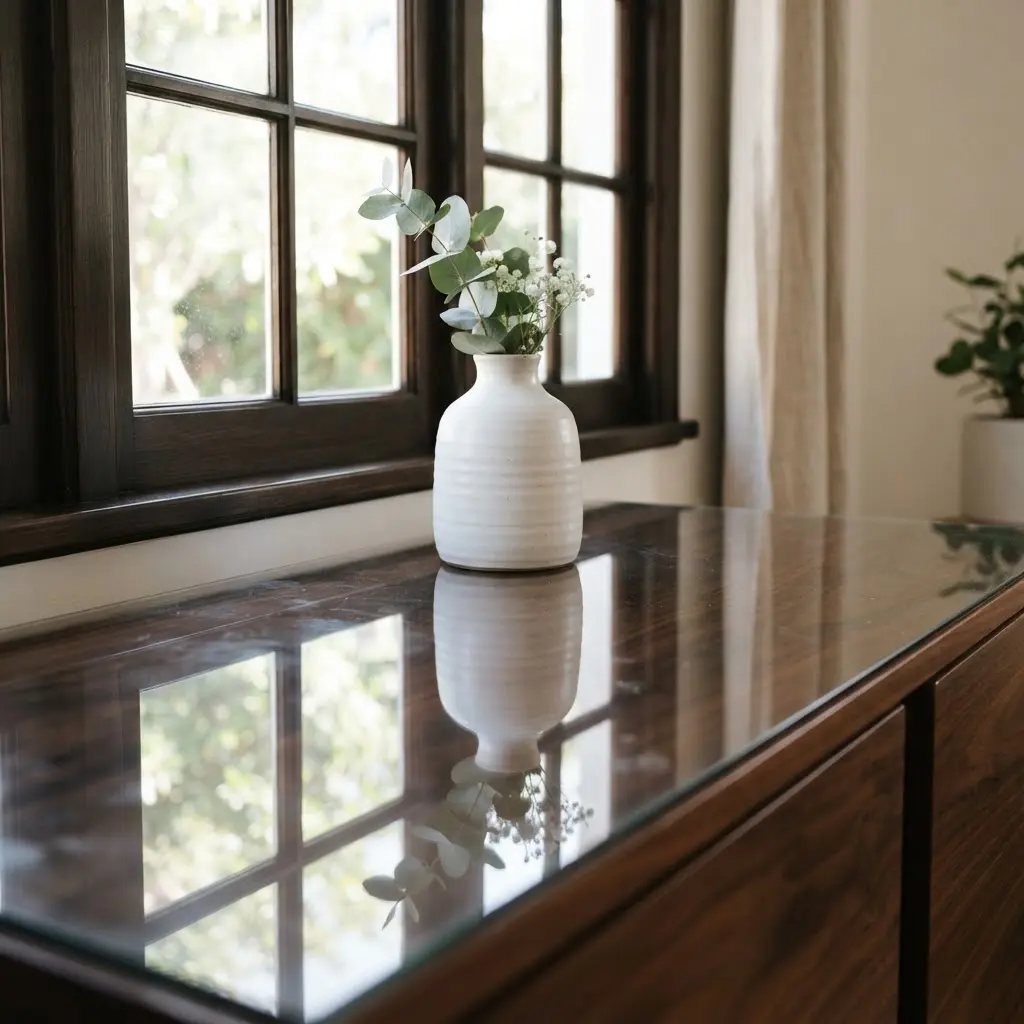
Sound complicated? It is really not. This interior technique matches modern reflection photography ideas for clean design. You position your camera so the surface becomes a dark mirror, reflecting a bright window or a single subject. I love using the sharp edges of the furniture as natural frames within my composition, directing the viewer’s eye right to the reflection.
Focus on maintaining those clean lines in your shot. Maintaining sharp geometry ensures your reflection photography ideas stay polished. This contrast between the simple form and the complex reflected image creates such sophisticated visual tension. Feel the modern drama when those two worlds collide.
14. CD Fragment Rainbow Effect

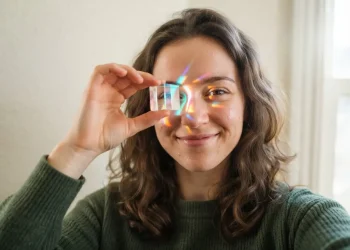
This little physics trick uses something you likely have in a drawer. The diffraction effect powers many experimental reflection photography ideas using household items. I love how you just position a CD fragment to catch the light, creating brilliant rainbow shards right in your shot. The effect works because those tiny data pits act as a diffraction grating, separating the light into its full spectrum.
The best part is the shifting color show you get as you or your light source moves. Moving your light source maximizes the success of these reflection photography ideas. To maximize the effect, try using a strong directional light source and keep experimenting with the angles. You’ll feel a genuine thrill when you capture those brilliant optical patterns.
15. Eyeball Catchlight Portrait Close-Up

I absolutely love how something so small can be the entire point of a picture. Capturing that tiny spark relies on careful execution of reflection photography ideas for extreme close-ups. You move in close, focusing only on one eye until the iris fills your frame. The magic happens when you position a small, diffused light to see that tiny spark of reflection appear perfectly centered in the pupil. It is like giving the portrait a soul with a single pinprick of light. Sound tricky? Getting the focus razor-sharp on the iris is the only real challenge. Trust me, when you nail it, the intimacy and detail are stunning.
16. Polished Stone Floor Patterns

That perfect, glossy floor in a grand museum lobby is more than just a surface. It is a structured canvas of light and geometry waiting for your lens. You will find patterns like the classic Versailles layout or a dramatic herringbone grid. I love using these strong, geometric lines to lead the eye directly to a subject’s reflection. Isn’t it amazing how such a formal element can create such dynamic images? Feel the structure in your composition.
17. Mirror Maze Geometric Lines

A classic mistake is trying to capture all the infinite reflections at once, which makes your photo a chaotic mess. The magic happens when you pick one strong line of symmetry and build your shot around it. Position yourself so your lens aligns perfectly with the 45-degree angles of the mirrors. You will see those repeating pathways form a crisp, disorienting pattern that feels both mathematical and surreal.
I love using a moderate aperture to keep the key geometric lines sharp while letting the endless reflections softly blur into the distance. A tripod is your best friend here for getting those clean, straight compositions in tricky light. It is incredibly satisfying to create an image that plays with reality so cleverly. Feel the thrill when those perfect lines converge into pure optical art.
18. Dew Drops on Spiderweb Reflection

Wake up before sunrise and you will find a tiny world of perfect spheres strung across a web. You need a macro lens to get close, using a tripod to keep everything sharp as you focus on those glittering droplets. I love how each one holds its own little mirrored scene, creating dozens of reflections in a single frame. It is like finding a hidden chandelier in your own garden.
Set your aperture to f/11 or smaller for enough depth to capture multiple drops, and use the soft morning light from the side to make them sparkle. The real magic happens when you position a colorful leaf or flower in the background, so it gets beautifully repeated inside each dewdrop. Does that not sound like the best way to start a day? Feel the satisfaction of finding this natural art right outside your door.
19. Concert Stage Wet Floor Lights — Color Contrast

Who would have thought stage lighting could become such a vibrant reflection subject? This technique uses contrasting color lights, like deep blues and fiery oranges, strategically aimed at a wet floor. The glossy surface amplifies the light, creating a dramatic wash of reflected color that ripples and shifts with the performance.
I love how it instantly adds a cinematic mood to any shot. The wet surface acts like a giant, dynamic reflector, giving you these stunning, saturated color blocks without any extra gear. It’s a perfect example of using environmental conditions to boost your creative photography.
Just watch the reflection angles to avoid harsh glare. Your photos will capture a professional energy that feels totally alive.
20. Bathroom Mirror Morning Light

This setup offers a level of control for reflection shots I genuinely love. Focus on the touch sensor controls to find the perfect mood instantly. You get clear, fog-free views thanks to the built-in heater, and the adjustable color temperature lets you switch from warm to cool light with a touch. It is satisfying because it turns a simple morning ritual into a studio-quality shoot without any extra gear.
Avoid placing the mirror directly opposite a window to prevent competing light sources from washing out your reflection. Keep it simple and watch your photos come to life with that perfect, soft glow.
Building A Cohesive Reflection Photo Series
Start by picking a single type of reflective surface, like all puddles or only glass windows, to create a visual thread that ties your series together. Your goal is to make each image feel like part of a deliberate collection, not just a set of random shots. You can achieve this by using a consistent color palette or by photographing a similar subject, like different buildings, across all your chosen surfaces. Pay attention to your composition style too, perhaps always placing the horizon line in the same third of the frame to build rhythm. This approach forces you to look deeper at how one material behaves, and your portfolio will tell a much stronger story because of it.
Conclusion
So how was your creative session? Reflection photography ideas help us notice familiar places with more care, whether we are watching rain collect on pavement or seeing morning light cross a mirror, making it easy to track favorite reflection photography ideas for future outings. Look at what you have made, with repeated shapes, unexpected angles, and small details from surfaces around you. That is real skill right there. For your next session, choose one reflective material and stay with it for thirty minutes. Change your position before changing your camera settings, then review which angle gives the cleanest subject and reflection. I love keeping a short note about the light, weather, and surface, since those details help me repeat a favorite result later. Pick your favorite idea, gather one simple subject, and get started right away with a fresh set of frames.
FAQs
Q: What camera settings work well for reflection photos?
A: Start with a moderate aperture such as f/5.6 or f/8 and set a shutter speed suited to your subject movement. Check focus on the main subject, then review the reflection at full zoom.
Q: How do I reduce glare on water or glass?
A: Change your shooting angle first and keep bright light sources outside the frame. A lens hood and a circular polarizing filter help control reflections on many outdoor surfaces.
Q: How do I keep both a subject and reflection sharp?
A: Use a smaller aperture and focus near the main subject. A tripod helps when the light is low, while careful focus checks prevent soft details in the mirrored area.
Q: What weather works best for puddle reflections?
A: Rain followed by a brief break often leaves clean puddles and softer light. Visit before foot traffic disturbs the water, and watch for safe places to stand.
Q: Which everyday surfaces work well for creative reflections?
A: Try polished metal, dark car panels, glossy furniture, windows, stone floors, and ceramic dishes. Wipe dust and fingerprints away before shooting so the reflected shapes stay clear.