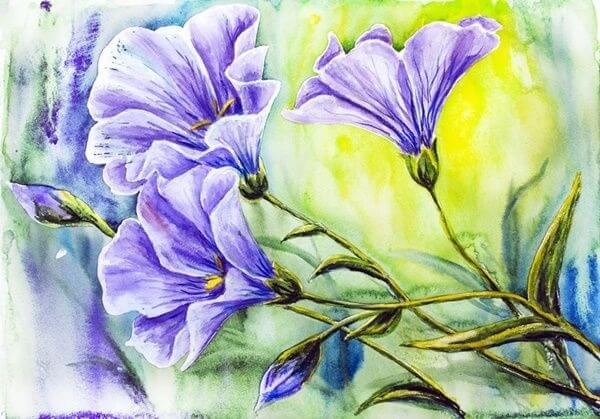
Still life painting forms the foundation of classical art training. You control every element of your great still life. You choose the objects. You arrange the composition. You direct the lighting. This control lets you focus on specific skills to become a better painter. You practice seeing shapes accurately. You practice mixing different colors. You practice rendering textures. This list of 40 easy still life painting ideas gives you a structured path. You move from simple or complex forms to intricate arrangements. Each idea teaches you something new about how to paint a still life. You gain confidence with every finished canvas.
Why Still Life Painting Is The Perfect Starting Point For Classical Beginners
A simple still life offers complete control. You decide what goes in the frame. You move objects until the arrangement pleases you. You adjust the light source with lamps or windows. The objects stay still. They do not move or change pose. This gives you taking the time to study each shape, shadow, and reflection. You compare your painting to the tabletop setup. You assess exactly where you need improvement. No other genre offers this level of control. It is the best way to learn the fundamentals of any work of art.
Essential Materials You Actually Need To Start (Spoiler: It’s Less Than You Think)
You do not need expensive supplies to select and execute these still life ideas. Buy a basic set of acrylic or using oil paints. Get titanium white, ivory black, cadmium red, ultramarine blue, and cadmium yellow. These five colors mix into everything. Buy a few synthetic or natural hair brushes. Get a flat brush for gestural broad strokes and a round brush for details. Buy a canvas pad or a few small stretched canvases. Buy a palette for mixing. A disposable paper palette works perfectly. Buy a cup for water or solvent. That is enough. Add materials as your skills grow.
Setting Up Your First Still Life: A Step-By-Step Guide To Composition
Find a tabletop near a window. Natural light works best. Place a cloth on the table. Choose three objects. Start with an apple, a book, and a cup. Arrange them in a triangle to establish harmony. The tallest object goes in back. The smallest goes in front. Walk around the table and use photography to capture angles if helpful. Look at the arrangement from different viewpoints. Pick the focal view you like. Mark the position of the table legs with tape. This lets you reset the setup if things move. Sketch the arrangement lightly on your canvas. You are ready to start painting your first of many easy still life painting ideas.
1. A Simple Still Life With A Bowl Of Seasonal Fruits

Choose three pieces of fruit. Use an apple, a banana, and a lemon. Place them in a simple white bowl. Position the bowl on a flat surface. Light it from one side. This creates shadows that define each form. Paint the fruit first. Add the bowl last. This teaches you to paint round objects and master tonal values. It teaches you to see how light hits different surfaces. The banana has a matte finish. The apple has a slightly shiny surface. The lemon has a vibrant, pitted texture. This is one of the most classic easy still life painting ideas.
2. Study Composition With A Classic Wine Bottle And Glass

Use a dark glass wine bottle and a clear glass. Place them close together. The bottle is tall and opaque. The glass is shorter and transparent. This contrast teaches you about value. The bottle reflects light on its curved surface. The glass shows the background through its sides. Paint the bottle first. Paint the glass second. Pay attention to the highlight on the glass rim and the ellipses at the top and bottom. This idea builds your skill with reflective surfaces.
3. Learn To Paint Drapery Folds On A Wooden Chair

Drape a piece of white cloth over a wooden chair. Arrange the cloth so it forms deep folds. Light the setup from the side. Paint what you see. The folds create a range of tones from bright white to deep gray. You practice seeing value shifts and halftones. You practice painting soft edges where folds curve. This exercise trains your eye for subtle transitions. It prepares you for painting fabric in any artwork.
4. Arrange A Simple Still Life With Vintage Books

Stack three books of different sizes. Turn one so its spine faces you. Turn another so its pages face you. This creates variety. Place a small object like a paperweight on top. Paint the rectangular shapes first. Pay attention to perspective. The pages show lines. The spine shows a curve. Books teach you about hard edges and straight lines. They contrast with organic shapes you paint later. This is another staple among easy still life painting ideas.
5. Paint A Ceramic Pitcher With Fresh Wildflowers

Find a simple ceramic pitcher or vase. Buy a small bunch of wildflowers. Arrange the flower stems loosely in the pitcher. The pitcher provides a solid form. The flowers provide delicate detail. Paint the pitcher first. Block in its color and shadows. Add the flowers last. Do not paint every petal. Suggest the flowers with quick, gestural brushwork. This teaches you to simplify complex subjects like Van Gogh did.
6. A Still Life Of A Brass Candlestick With Melted Wax

A brass candlestick reflects light. Place a white candle in it. Light the candle if allowed. The flame adds a warm glow. If you cannot light it, paint the wax drips. The drips create organic shapes down the side. Brass teaches you to paint metal. Wax teaches you to paint translucent material. This combination challenges your observation skills.
7. Compose A Still Life With An Artichoke And Garlic

Artichokes have complex textures. Their leaves create patterns of light and dark. Garlic bulbs have papery skin. Arrange both on a wooden board. The rough textures contrast with each other. Paint the large shapes first. Add the leaf details last. Do not paint every scale. Suggest the texture with broken color. This teaches you to paint what you see, not what you know.
8. Paint An Antique Clock With A Pocket Watch

Use a small mantel clock. Place a pocket watch next to it. The clock has numbers and hands. The watch has a chain. Paint the clock face first. Get the circle right. Add the numbers as simple marks. Paint the reflections on the glass. The watch chain creates curved lines. This idea teaches precision. It trains your hand to make controlled marks.
9. A Simple Still Life Of Mixed Nuts In A Copper Bowl

Buy a bag of mixed nuts in the shell. Fill a copper bowl with them. Copper has a warm, reflective surface. Nuts have rough, organic shapes. Paint the bowl first. Capture its color and shine. Add the nuts last. They spill over the rim slightly. This arrangement gives you practice with many small shapes. Each nut catches light differently. When looking for easy still life painting ideas that focus on texture, this is a great choice.
10. Arrange A Feather Quill And Inkwell For A Still Life

Find a glass inkwell and a feather quill. Place them on a piece of parchment or paper. The inkwell has a round form. The quill has a curved shape. The feather has delicate barbs. Paint the inkwell first. Paint the quill second. Add the feather details last with a small brush. This subject connects you to historical painting traditions.
11. Paint A Rustic Bread Loaf On Checkered Cloth

Buy a crusty bread loaf. Place it on a red and white checkered cloth. The bread has a golden brown crust. The cloth has a regular pattern. Paint the bread first. Focus on its round form and crust texture. Paint the cloth last. Let the checkered pattern recede. Do not paint every square. Suggest the pattern with loose strokes. This teaches you to handle patterns without overpowering your subject.
12. A Simple Still Life Of A Silver Teaspoon With Sugar

Place a silver teaspoon next to a small pile of white sugar. Use a dark surface for contrast in your arrangement and placement. The spoon reflects its surroundings. The sugar forms a small white hill. Paint the spoon first. Get its curved shape right. Paint the sugar last. Use small dabs of white with hints of gray. This idea teaches you to paint reflective metal and crystalline texture.
13. Paint Terracotta Pots With Fresh Herb Sprigs

Use two small terracotta pots. Place them side by side. Add sprigs of fresh herbs like rosemary or thyme on the soil. The pots have a rough, orange surface. The herbs have small green leaves. Paint the pots first. Capture their cylindrical shape in a still life composition. Paint the herbs last. Use quick strokes for the leaves. This teaches you to combine geometric and organic forms.
14. A Still Life With A Glass Paperweight And Letters

Place a clear glass paperweight on top of a stack of old letters. The paperweight magnifies the writing beneath it. The letters have creases and folds. Paint the letters first. Establish their flat planes. Paint the paperweight last. Show the distortion of the text beneath it. This challenges your ability to paint transparent objects.
15. Paint An Artist’s Palette With Tubes Of Paint

Arrange your own painting palette with tubes of paint squeezed out for a creative subject matter. Place a few brushes nearby. This is a self-referential still life. The palette has pools of color. The tubes have cylindrical forms. The brushes have handles and bristles. Paint what you see. This subject connects your tools to your art. It teaches you to paint familiar objects with fresh eyes, a way to get inspired.
16. A Simple Still Life Of A Pear Trio On A Ledge

Place three pears on a narrow ledge or shelf. Position them at different angles. One faces forward. One turns sideways. One leans back. Light them from above. Pears have a distinctive shape. They are wider at the bottom. Paint each pear as a unique form. This teaches you to see subtle variations in similar objects. This is another classic example of easy still life painting ideas.
17. Compose A Still Life With A Vintage Camera

Use an old film camera. Place it on a table with its strap hanging down. Cameras have many small parts. Lenses, dials, and buttons create complex shapes. Paint the camera body first. Block in its largest shape. Add the details last. The strap creates a curved line. This subject teaches you to simplify complex machines into basic forms.
18. Paint A Woven Basket With Skeins Of Yarn

Use a small woven basket. Fill it with colorful skeins of yarn. Let some yarn spill over the edge. The basket has a textured weave. The yarn has soft, fuzzy surfaces. Paint the basket first. Capture its overall shape. Paint the yarn last. Use thick paint to suggest its softness. This teaches you to paint different textures side by side.
19. A Still Life Of A Cut Pomegranate With Seeds

Cut a pomegranate in half to reveal its beautiful interior for your photograph. Place it on a white plate. Let some seeds fall out. The red skin contrasts with the white membrane. The seeds are jewel-like and translucent. Paint the whole fruit first. Paint the cut half second. Add the individual seeds last. This teaches you to paint complex interiors. It trains your eye for detail.
20. Paint Brass Scales With Old Metal Weights

Find a small brass scale. Place a few metal weights next to it. Scales have a balanced arm. Weights have simple geometric forms. The brass has a warm glow that varies under different lighting conditions. Paint the scale first. Get its structure right. Paint the weights last. They reflect light from their surfaces. This subject teaches you about balance and symmetry in composition.
21. A Simple Still Life Of Old Keys On Velvet

Collect several old brass or iron keys. Arrange them on a piece of dark velvet. The keys have unique shapes. The velvet absorbs light. The keys reflect it. Paint the velvet first as a dark field. Paint the keys last. Their metal stands out against the soft background. This teaches you to make metal objects pop using contrast.
22. Paint A Teacup And Saucer With A Lemon Wedge

Use a ceramic teacup and saucer. Place a wedge of lemon on the saucer. The cup has a handle and a curved interior. The lemon has juicy texture. Paint the cup and saucer first. Get their cylindrical shapes correct. Paint the lemon last. Its yellow contrasts with the cup. This teaches you to paint citrus translucency.
23. A Still Life Of Folded Linens With An Ivory Comb

Fold a piece of white linen into soft peaks. Place an ivory comb on top. The linen creates a landscape of folds. The comb has teeth and a curved back. Paint the linen first. Study its shadows and highlights. Paint the comb last. Its hard edges contrast with the soft fabric. This teaches you to paint hard and soft together.
24. Paint Walnut Shells And A Metal Nutcracker

Use a metal nutcracker and several walnut shells. Crack some walnuts open. Scatter the shells. The nutcracker has a mechanical form. The shells have rough, organic shapes. Paint the nutcracker first. Paint the shells last. The open shells reveal the nut inside. This subject offers practice with broken forms.
25. A Still Life Study Of Light Through A Glass Prism

Place a glass prism on a white surface near a window. Sunlight creates a rainbow spectrum on the surface. Paint the prism first. Get its triangular shape correct. Paint the colors last. They appear soft and blended. This teaches you to observe how light behaves. It connects painting to physics.
26. Paint Dried Sunflowers In A Simple Tin Vase

Use dried sunflowers. Their heads droop. Their petals are brown and curled. Place them in a plain tin vase. The sunflowers have complex centers. The vase has a simple cylindrical shape. Paint the vase first. Paint the flowers last. Their organic forms contrast with the vase. This teaches you to paint decay and age. When you want easy still life painting ideas that show the passage of time, this is an excellent option.
27. A Simple Still Life Of Chess Pieces On A Board

Arrange several chess pieces on a chessboard. Use a king, queen, and pawn. The pieces have carved forms. The board has a grid pattern. Paint the pieces first. Get their profiles correct. Paint the board last. Let the grid recede into the background. This teaches you to paint man-made forms with precision.
28. Paint Sliced Citrus Fruits On A Blue China Plate

Slice an orange, a lemon, and a lime. Arrange the slices on a blue patterned plate. The citrus interiors have radial patterns that vary in design and color. The plate has a decorative border. Paint the plate first. Paint the fruit slices last. Their bright colors pop against the blue. This teaches you to paint circular patterns, perhaps even arranging them in a whimsical, mandala-like symmetry to explore radial balance.
29. A Still Life With A Leather Journal And Fountain Pen

Place an open leather journal on a table. Lay a fountain pen next to it. The journal has pages and a cover. The pen has a nib and a clip. Paint the journal first. Show the curve of its pages. Paint the pen last. Its metal nib catches light. This subject has a quiet, thoughtful quality. It’s one of the more narrative easy still life painting ideas.
30. Paint A Brass Bell With A Woven Pull Cord

Use a small brass bell with a cord. Place it on its side so the clapper shows. The bell has a curved form. The cord has a textured weave. Paint the bell first. Capture its metallic shine. Paint the cord last to demonstrate the varying textures in your artwork. Its texture contrasts with smooth brass. This teaches you to paint different surface qualities.
31. A Simple Still Life Of A Stone Mortar And Pestle

Use a stone mortar and pestle. The mortar is a bowl. The pestle is a club. Stone has a matte, rough surface. Place them on a wooden table. Paint the mortar first. Get its interior curve correct. Paint the pestle last. It rests against the mortar. This teaches you to paint weight and solidity.
32. Paint A Velvet Ribbon And A Pair Of Scissors

Drape a velvet ribbon over a table edge. Place a pair of scissors next to it. The ribbon has soft folds. The scissors have hard metal edges. Paint the ribbon first. Its velvet absorbs light. Paint the scissors last. Their metal reflects light. This contrast teaches you about material properties.
33. A Still Life With Antique Spectacles On An Open Book

Place a pair of antique spectacles on an open book as the subject matter. The spectacles have round lenses and thin frames. The book has pages and a spine. Paint the book first. Show its open shape. Paint the spectacles last. The lenses distort the text beneath them. This teaches you to paint glass and transparency.
34. Paint A Clay Water Jug With An Olive Branch

Use a simple clay water jug. Place a fresh olive branch in it. The jug has a round body and narrow neck. The branch has small leaves and perhaps olives, adding to the still life composition. Paint the jug first. Capture its earthy color. Paint the branch last. Its organic form softens the jug’s geometry. This teaches you to combine pottery with nature.
35. A Simple Still Life Of A Thimble And Thread Spools

Arrange a small thimble and several wooden thread spools. The thimble is tiny and metallic. The spools have cylindrical forms with thread wound on them. Paint the spools first. They are larger. Paint the thimble last. It sits among them. This teaches you to paint small, detailed objects within a larger composition. If you need easy still life painting ideas that don’t take up much space, this is perfect.
36. Paint A Wax Seal Stamp And Folded Letters

Use a wax seal stamp and a few folded letters. Place a blob of sealing wax nearby to enhance the overall demonstration. The stamp has a metal head with a design. The letters have creases that vary in depth and texture. Paint the letters first. Establish their folded planes. Paint the stamp last. Its handle and head create interesting shapes. This subject evokes correspondence and history.
37. A Still Life Of A Carved Wooden Box With Coins

Place a small carved wooden box on a table. Scatter a few old coins around it. The box has texture and a lid. The coins have faces and dates. Paint the box first. Get its proportions right. Paint the coins last. They reflect light differently than wood. This teaches you to paint metal against wood.
38. Paint A Porcelain Egg Cup With Quail Eggs

Use a small porcelain egg cup. Place two or three quail eggs in or next to it. The egg cup is smooth and white. The eggs are small and speckled. Paint the cup first. Its form is simple. Paint the eggs last. Their speckles require careful observation. This teaches you to paint pattern on form. It’s one of the more delicate easy still life painting ideas to try.
39. A Simple Still Life With A Brass Compass And Map

Place a brass compass on an old map. Open the map to show creases. The compass has a glass face and moving needle. The map has lines and colors. Paint the map first. Suggest its folds. Paint the compass last. Its reflection and glass challenge your observation. This subject combines navigation with art.
40. Paint A Glass Cloche With A Botanical Specimen

Use a glass cloche or dome. Place a dried botanical specimen under it. The cloche is clear and curved. The specimen might be a fern or flower. Paint the cloche first. Show its shape and reflections. Paint the specimen last. It appears through the glass. This teaches you to paint through a transparent layer.
Beyond The Basics: Simple Techniques To Elevate Your Still Life Paintings
Use a viewfinder to frame your composition. Cut a rectangle in a piece of cardboard. Hold it up to your setup. Move it until you like the crop. This helps you compose and balance your drawing. Squint at your subject. This simplifies values. You see only light and dark. Paint those large shapes first. Add details last. Take progress photos. Compare them to your subject. Adjust as you go. You might even use a lightbox to transfer initial sketches. These techniques improve your results without extra cost.
Common Beginner Mistakes And How To Fix Them (Before You Get Frustrated)
You paint objects too small. They float in empty space. Fill the canvas. Make your subject larger. You use pure white for highlights. Highlights are rarely white. They take the color of your light source. Mix a little yellow into white for warm light. You ignore the background. The background matters. Paint it with attention. It supports your subject. You give up too soon. Step away. Come back later. Fresh eyes see mistakes. Fix them and continue working on your still-life masterpiece.
Conclusion
You have forty easy still life painting ideas to explore. Each one builds a specific skill. You learn to see light and shadow. You learn to arrange objects. You learn to paint different materials. Start with the first idea. A bowl of fruit. Paint it today. Paint it again tomorrow. Compare your work. Notice your progress. Then move to the next idea in our list of easy still life painting ideas. Your skills grow with each painting. The objects on your table become your teachers.
FAQs
Q: What are some easy still life painting ideas for beginners?
A: Easy still life painting ideas for beginners include a bowl of fruit, a single flower in a jar, a simple coffee cup and saucer, stacked books, or everyday kitchen objects. These setups help new artists focus on basic shapes, light, and color without complex composition using many elements.
Q: How do I choose objects when I want to create a simple still life scene?
A: When you want to create a simple still life scene, pick 3–5 objects with different shapes and textures but similar color families to keep harmony. Choose items that are meaningful to you as an artist and place a focal object slightly off centre to make the composition more engaging.
Q: What tips help with composition using limited props?
A: For composition using limited props, use a triangle or diagonal arrangement to guide the viewer’s eye, vary heights with books or boxes, and leave some negative space. Position the most important object near the visual centre or just off it, depending on whether you want a balanced or dynamic feel.
Q: Can I create compelling still lifes with household items?
A: Yes, you can create compelling still lifes using household items like utensils, fruit, bottles, and textiles. Experiment with lighting from a single source to create dramatic shadows and highlights that bring ordinary objects to life and showcase your skills as an artist.
Q: How important is lighting for easy still life painting ideas?
A: Lighting is crucial; it defines form and mood. Use natural window light or a single lamp at an angle to cast clear shadows. Soft light gives a gentle look, while strong directional light enhances contrast and makes the composition using shapes more readable for beginners.