Anatomical Markers for Authentic Cheetah Designs
The fastest way to make your cheetah look wrong is drawing leopard rosettes instead of solid black spots. Trust me on this, cheetah spots are simple, solid dots that never form those open circles. You also want to capture their slender, lightweight build compared to other big cats, which becomes obvious when you carefully study cheetah coloring pages.
Focus on their deep, narrow ribcage and long, flexible spine, which you can emphasize even in a resting pose. The iconic black tear marks running from their inner eyes down to the muzzle are a non-negotiable detail that makes the face instantly recognizable. A warm golden tan is your best base color for the coat, sharply contrasted with a bright white belly and inner legs.
Remember those small, rounded ears and that fabulous tail with its wide black bands and solid white tip. Getting these streamlined anatomical markers right is what separates a generic big cat from the real speedster of the savanna, especially when you carefully finish your cheetah coloring pages.
Choosing Appropriate Coloring Media and Paper Weight
A standard printer paper will buckle and warp if you use heavy marker layers for rich golden fur. The good news is a simple switch to a slightly thicker cardstock paper solves this completely, giving you a sturdy surface that handles multiple sessions of cheetah coloring pages.
You will notice that fine-tipped markers or colored pencils are perfect for filling in all those individual spots without bleeding over the lines. For the large areas like the tan coat or white underbelly, broader markers or even a light watercolor wash can save you so much time. The key is using media that allows for clean, bold color separation, so your patterns stay crisp on every sheet of cheetah coloring pages.
Always test your tools on a scrap piece first to see how the ink or pigment behaves on your chosen sheet. This little step ensures your final artwork looks vibrant and professional, not muddy or blurred.
1. Running Cheetah Savanna Action Scene

Ever wondered what makes a cheetah look like it’s truly flying across the plains? This page captures that incredible motion perfectly. You are not just coloring a standing cat; you are bringing a high-speed chase to life on paper.
I love how the artist drew the cheetah with its back arched and legs fully extended in that classic floating gallop. Focus on the long, flowing lines of the body and tail first. Use a smooth, continuous stroke with your pencil or marker to follow those curves and emphasize the speed.
The savanna background, with its simple grasses and distant trees, gives you room to play with warm yellows and earthy browns to set the scene. This works because the dynamic pose does all the heavy lifting, making your final picture look fast before you even add color to cheetah coloring pages. Trust me, when you finish, you will feel the thrill of the hunt.
2. Baby Cheetah Cub Sitting Portrait
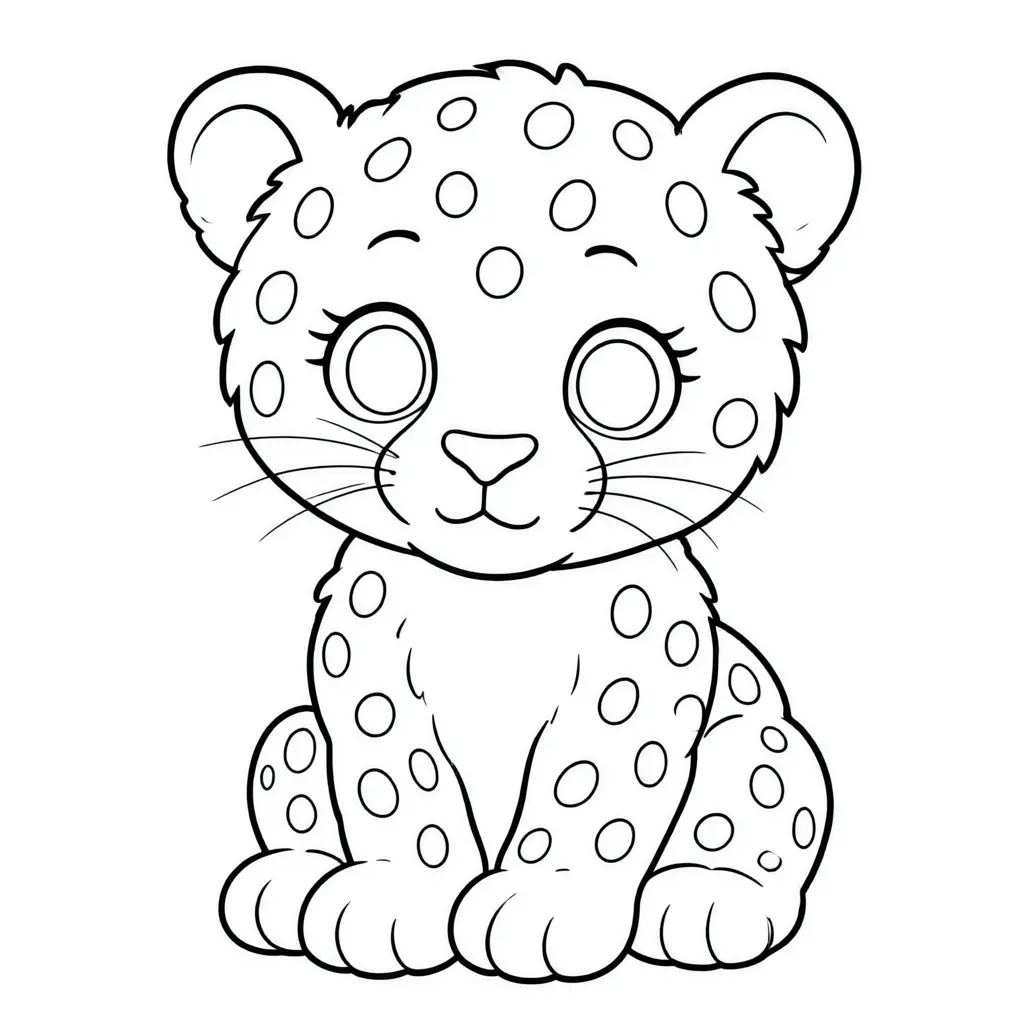
This portrait focuses all the attention on the cub’s sweet, expressive face and those iconic features. You will work on the large, innocent eyes first, making sure to leave a tiny white highlight in each to give them life. Then you can fill in the dark tear-streak markings that run from the eyes down the cheeks, adding gentle shading typical of high-quality cheetah coloring pages.
The fluffy white mantle along its neck and back is where you can really play with texture. I love using short, soft strokes here to mimic that fluffy fur. The small, solid black spots on its body are simple to place, and they pop beautifully against the clean white of its chest.
It is a surprisingly satisfying page because all that adorable detail comes together so quickly. Trust me, you will feel a real connection to this little cub by the time you are done exploring cheetah coloring pages.
3. Cheetah Mother and Cub Pair

This scene melts my heart every time. I love how it captures that quiet moment of connection on the savanna. You will start by lightly sketching in the tall grass and acacia trees for a soft backdrop, ensuring your cheetahs stay the clear focus while working through cheetah coloring pages.
Next, lay down a warm, sandy base coat on both animals with your markers. Then, grab your colored pencils to carefully blend the mother’s sleek fur and the cub’s incredibly fluffy mantle. Isn’t that cub’s mohawk of silver fur the most adorable detail?
The secret to a realistic finish is patience with the spots and facial markings. Use a fine-tip black pen to fill each solid spot and define the iconic tear tracks. That contrast between the soft, golden coats and the crisp black spots is what makes your artwork pop.
Finish by adding tiny white gel pen highlights in their eyes and on their whiskers for a lifelike sparkle. Trust me, those final touches bring the whole loving scene to life.
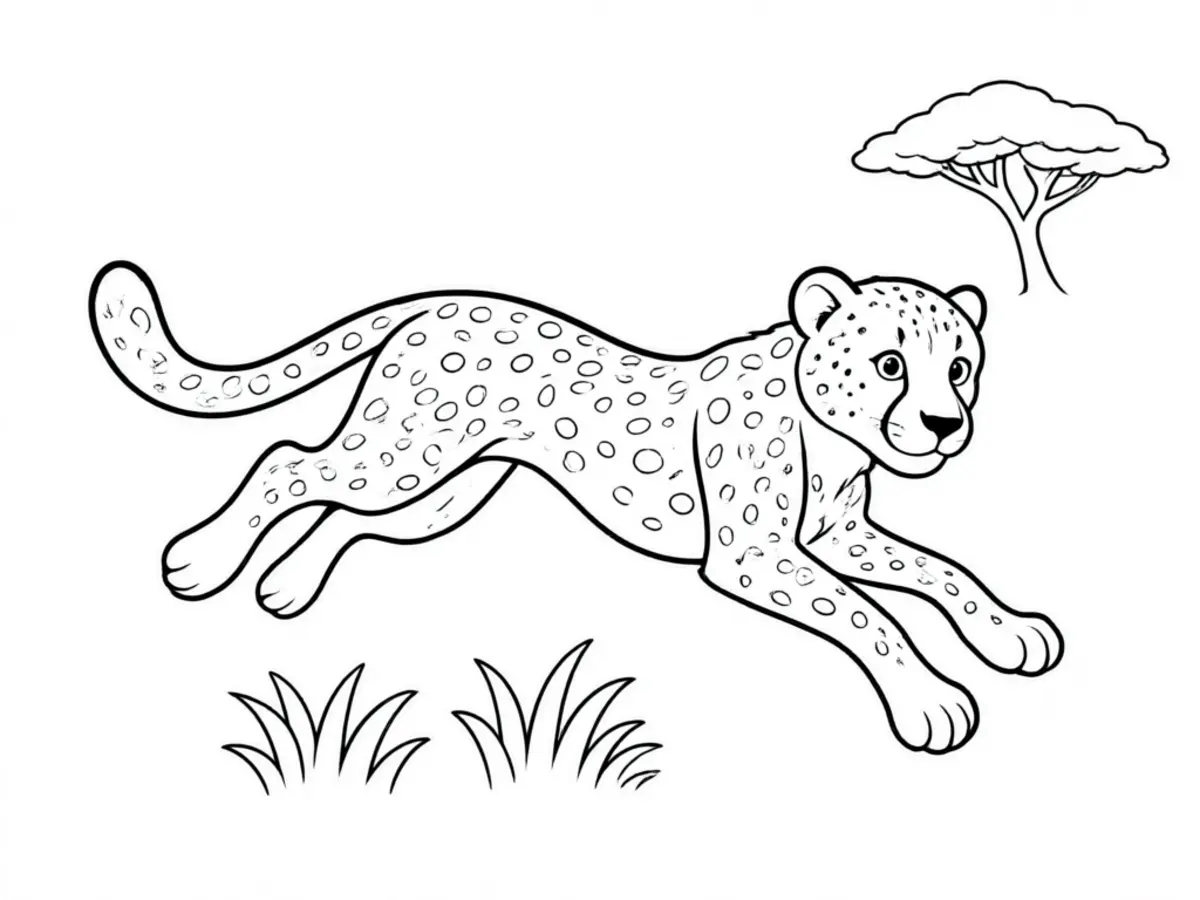
4. Jumping Cheetah Mid Air Outline

There’s something magical about seeing that long, sleek body stretched out in a perfect horizontal line. It looks like a photograph of a cheetah in full sprint, frozen in time just for you to color. You get to capture that raw power and grace in your own palette.
This outline is all about motion. The fully extended pose shows every muscle working together, from the reaching front paws to the powerful hind legs pushing off. I love how the clean lines let you focus on filling those iconic spots and the beautiful tear track markings without any clutter. It feels like you are animating the fastest land animal with every stroke on your cheetah coloring pages.
The real satisfaction comes from bringing that suspended leap to life. Try using a gradient of yellows and golds across its back to mimic the sun hitting its fur mid-run. You will feel the speed come alive on the page.
5. Cheetah Resting Under Acacia Tree

One common mistake is trying to fill in the cheetah’s spots first. Trust me on this one, you will get a much cleaner look if you start with the tawny base coat. Lay down your golden yellow or light orange over the entire body, letting the paper show through for the spots. Then, you can go in with a darker brown or black to carefully fill each distinct circle and shape while completing cheetah coloring pages.
This approach lets you focus on the beautiful, intricate lines of the tree without worrying about color bleeding into the wrong areas. The detailed canopy and gnarled branches are perfect for practicing light pressure with your pencil to create texture.
It works because building the color in layers gives the fur realistic depth, making your resting cheetah look soft and three-dimensional. You will feel a real sense of calm as this peaceful savanna scene comes together under your hand.
6. Cute Cartoon Cheetah Face Illustration
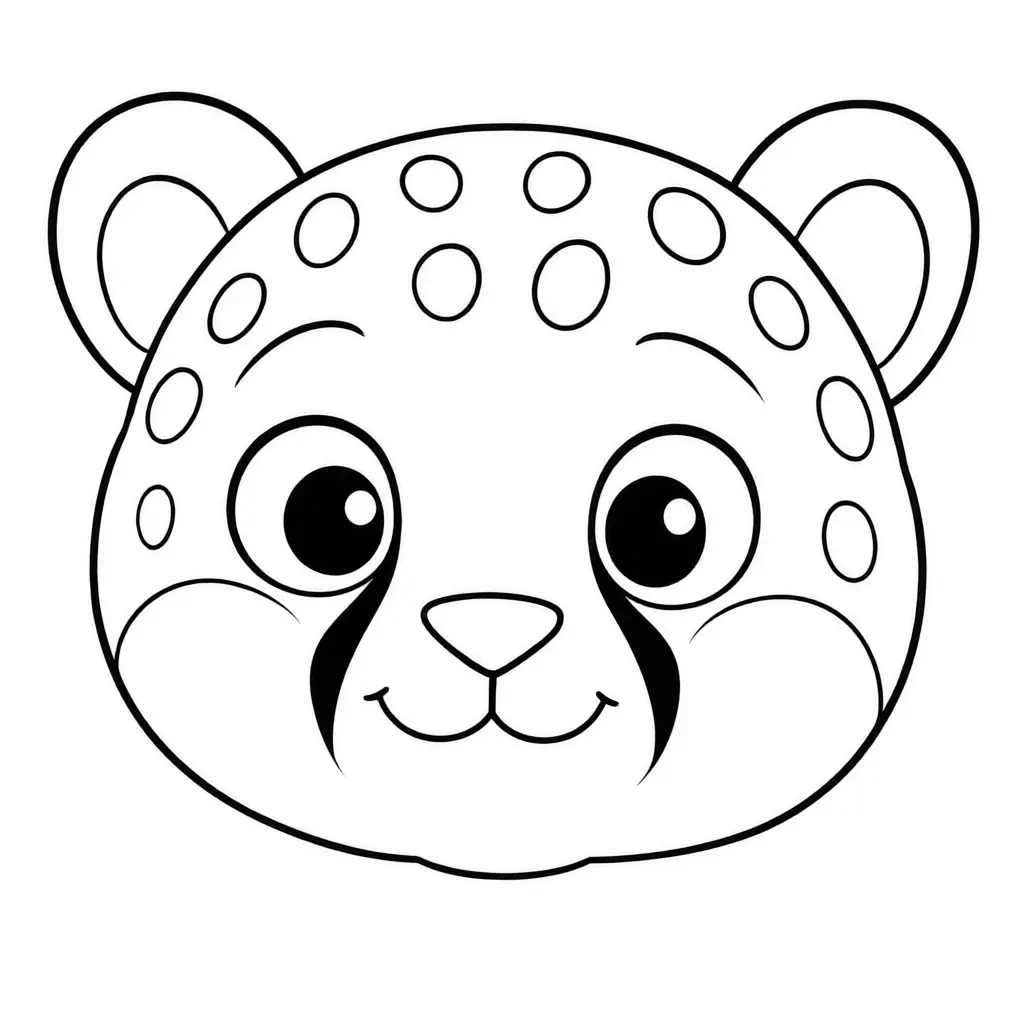
Start by looking at that soft, rounded head shape. It is wider at the cheeks, which gives it that adorable, squishable look kids love. I always suggest using a thick black crayon to trace the main outline first. This makes the friendly face pop right off the page, proving how versatile cheetah coloring pages can be for beginners.
Focus on the big, expressive eyes and the simplified nose. Isn’t it fun how a few simple lines create such a charming character? This style is perfect for building confidence because there are no intimidating details.
You will feel so proud when your little artist shows off their cheerful cheetah.
7. Zentangle Pattern Detailed Cheetah Design

Does your brain need a break from the real world? This design is your perfect mental vacation. You start with a powerful cheetah outline, but instead of coloring spots, you fill each section with tiny, repeating abstract patterns. I love how you can use a single fine-liner pen to create spirals, tiny grids, and waves inside the animal’s form, adding a unique mindfulness twist to traditional cheetah coloring pages.
The trick is keeping the cheetah’s key features, like its eyes and those famous tear marks, clean and bold. This makes the intricate patterns pop without losing the subject. It feels incredibly satisfying to watch a simple shape transform into a complex work of art, one deliberate stroke at a time. Give it a try and feel the calm focus wash over you.
8. Cheetah Walking Through Tall Grass
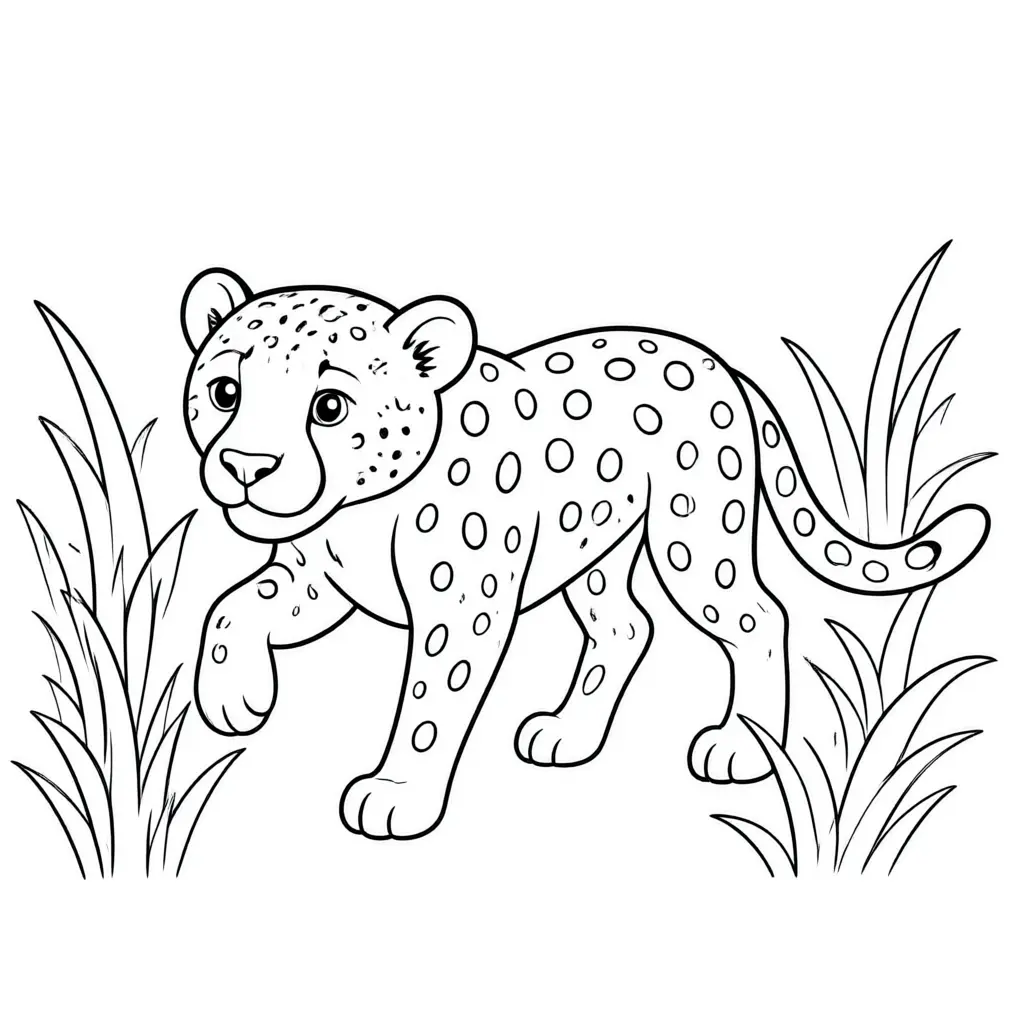
This scene is a masterclass in creating a sense of depth and stealth. I love how the overlapping tall grass blades make the cheetah look fully immersed in its habitat, not just placed in front of it.
Start with a light cream base for the cat’s coat, then build up golden tones on its back and legs. Use a sharp black pencil to carefully fill in all those signature spots and facial tear tracks. It works so well because it tells a story of camouflage and movement, not just a static portrait, making your habitat scenes stand out among other cheetah coloring pages.
The contrast between the animal’s circular spots and the linear grass is incredibly satisfying to color. Pro tip: color the background grass with lighter pressure and paler tones to make it visually recede, keeping your cheetah as the clear focal point.
9. Realistic Wild Cheetah Head Profile

I love this one because it feels like you are drawing a real animal, not just a picture. You will focus on that elegant, aerodynamic profile, laying down a light base coat of a cream or gold shade first. The magic is in the details, so use a fine-tip black brush pen to make the iconic tear marks and spots super crisp, bringing realistic wildlife artistry to your cheetah coloring pages.
Isn’t it satisfying to watch a flat outline become a living creature? Layer your colored pencils to build up the soft fur texture, and use a white gel pen to add tiny catchlights in the eye. This page works because all those small, accurate details add up to a stunningly realistic portrait. Feel proud when you step back and see that intense, wild gaze looking back at you.
10. Playing Cheetah Cubs in Mud
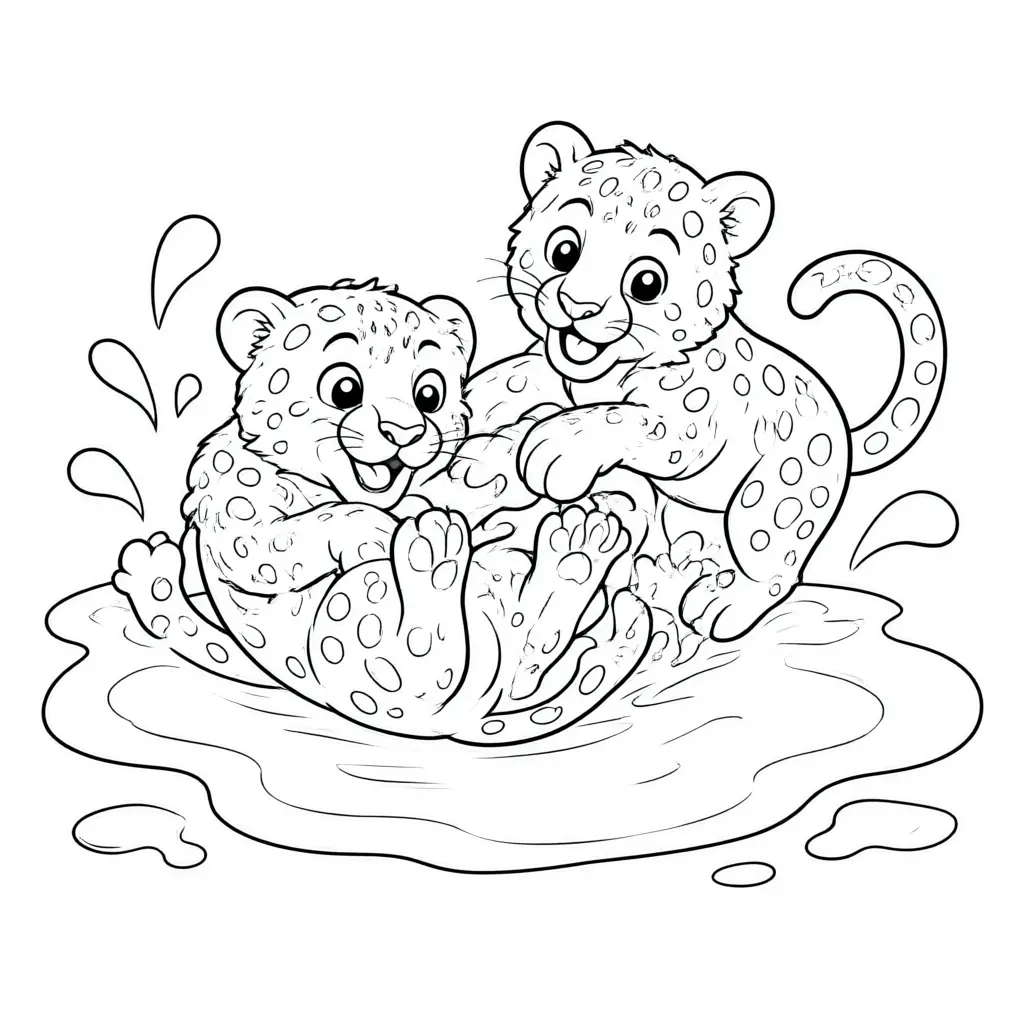
Picture the finished piece: a whirlwind of golden fur, muddy splashes, and pure, unadulterated cub joy frozen in time. This scene is all about capturing that playful chaos. You will want to use colored pencils for the precise spots and fluffy mantles on each cub, then switch to something like water-soluble markers to blend those rich, wet-looking mud tones in the puddle and splatters.
I love how this page lets you practice two distinct coloring techniques in one lively composition. Trust me, blending those earthy browns and ochres for the mud is incredibly satisfying. You will feel a real sense of life and motion when those playful cubs finally pop off the page, capturing pure joy on every sheet of cheetah coloring pages.
11. Cheetah Stalking Prey in Brush
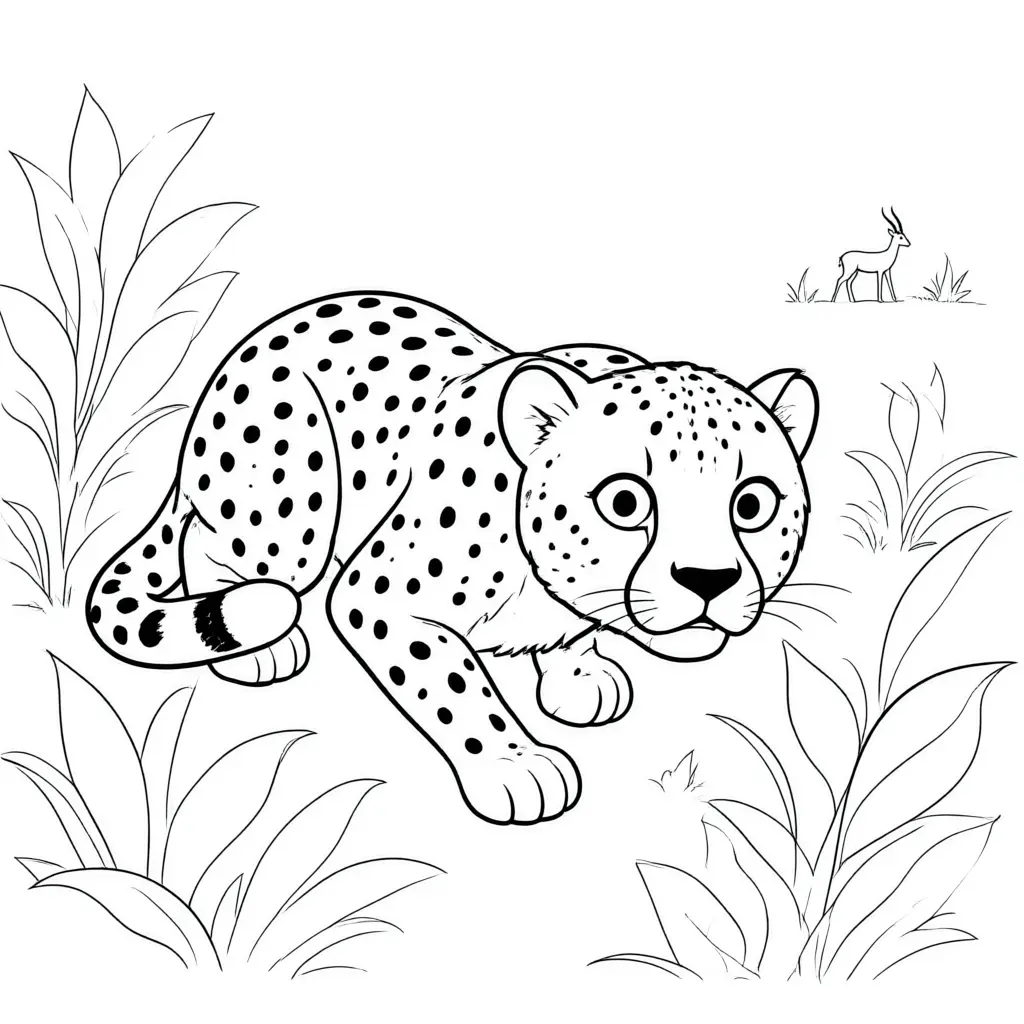
It’s easy to think a dynamic scene like this needs a hundred details, but the power comes from that one focused stalking posture. Your job is to capture the tension in the cheetah’s low body and intense gaze, leaving the surrounding brush loose and suggestive. I love using short, quick strokes for the tall grasses to build that dense, hidden feeling around the predator, adding dramatic tension to your cheetah coloring pages.
This works because your eye is drawn straight to the animal, creating instant drama on the page. Feel the thrill of the hunt as you bring this stealthy moment to life.
12. Geometric Mandala Style Cheetah Art

Grab your finest gel pens and a fresh sheet of paper. This design merges the cheetah’s iconic spots and tear lines with precise, symmetrical patterns. You will fill tiny triangles and concentric circles within the animal’s silhouette, turning its form into a structured mosaic, creating a stunning geometric masterpiece with your cheetah coloring pages. The contrast between the organic curves and rigid geometry is what makes this page so captivating to color.
I love starting with the central mandala on the forehead, using metallic gold or copper to make it pop. It feels like solving a beautiful puzzle, one tiny section at a time. Your focus shifts from the big picture to these satisfying micro-details. Isn’t it amazing how math and nature can blend so perfectly on the page?
Trust me, take your time with the fine lines. The payoff is a stunning piece of art that feels both ancient and modern. You will feel so proud when that last geometric spot is filled.
Displaying Your Completed Wildlife Artworks
A simple spray of matte fixative locks in your colors and prevents any smudging before you hang your masterpiece. This quick step takes seconds and protects all your hard work, especially if you used pencils or pastels. For a more finished look, slide your page into a clear plastic sleeve and pop it into a three-ring binder dedicated to your animal art.
You can also use washi tape to create a gallery wall on your bedroom door, easily swapping out new cheetah portraits as you create them. If you want something more permanent, a basic frame with a white mat board makes even a simple coloring page look like professional wildlife art. The white mat provides a clean border that really makes your cheetah’s bold spots and colors stand out. Displaying your work is the final, rewarding step that celebrates your focus on this incredible animal.
Conclusion
So, how did your creative safari go? I hope these pages brought a little bit of the wild’s excitement and beauty into your day. Look at what you have made—each finished piece is a unique artwork that captures your personal touch, and sharing your completed cheetah coloring pages brings so much joy.
Whether you focused on the realistic spots of a resting cat or the joyful energy of playing cubs, you have created something special. The best part about this activity is how it slows everything down, letting you appreciate the elegant lines and powerful form of these amazing animals. For your next project, try using a mix of colored pencils and fine-tip markers to really make those distinctive patterns pop. Your collection of wildlife art is a wonderful reminder of creativity’s simple pleasures.
FAQs
Q: What age group are these cheetah coloring pages best for?
A: This collection offers a wide range. Simple cartoon faces and cubs are great for younger children. The detailed zentangle, realistic profiles, and action scenes are better suited for older kids, teens, and adults who enjoy a more intricate challenge.
Q: What kind of paper should I use for printing these pages?
A: Heavyweight paper or cardstock is a great choice. It prevents bleed-through from markers and holds up well to layered colored pencils. This makes your finished artwork look crisp and allows for more detailed coloring techniques.
Q: Can I use these pages for a school project or party activity?
A: Absolutely. These printable cheetah coloring pages are perfect for educational units on animals, habitats, or Africa. They also make a fun, quiet activity for birthday parties or rainy day gatherings, sparking creativity in a group setting.
Q: How can I make the cheetah’s spots look more realistic?
A: Start with a base coat of tan or yellow. Then, use a brown or black pencil to add solid spots, remembering they are solid, not rings. Vary the size and shape slightly, and avoid making them too uniform for a more natural, wild look.
Q: Are there tips for coloring the savanna background scenes?
A: For grass, use short, upward strokes with multiple shades of green and yellow. For the sky, try a light blue gradient fading to a pale yellow near the horizon. Simple shading under the acacia tree or around rocks adds nice depth to the habitat.