Setting Up a Mess-Free Coloring Station for Little Ones
A plastic tablecloth taped to the table saves your furniture from marker streaks before the first page even lands. Tape the short ends down with painter’s tape so little hands don’t pull it loose mid-session. Seat your child in a booster with feet flat on the floor, since dangling legs make wobbly lines. Keep only three or four crayons on the table at once, and park the rest in a cup out of reach. A shallow muffin tin works better than a box for tiny hands grabbing colors. Pour a splash of water in one cup for rinsing brushes if you switch to paint, and slide a cookie sheet under everything for instant containment. You will spend less time wiping and more time watching those first proud smiles.
Matching Page Detail to Your Child’s Age and Grip
Give a two year old a page full of tiny details and the crayon goes down within a minute. Egg-shaped crayons suit the under-three crowd because a fisted grip colors the whole room without snapping the tip. Ages three and four handle standard pages with medium-size shapes and short outlines. Save the detailed scenes with small patterns for five and up, or for an adult coloring alongside the child. Watch your child color for one session before judging, since some three year olds trace carefully while some five year olds slam color everywhere. Rotate the stack so each sitting offers one easy page and one slightly harder page. A small challenge keeps interest high without tipping into frustration, and you will notice the grip strengthening week by week.
1. Sleeping Baby in Crib With Gentle Nursery Details
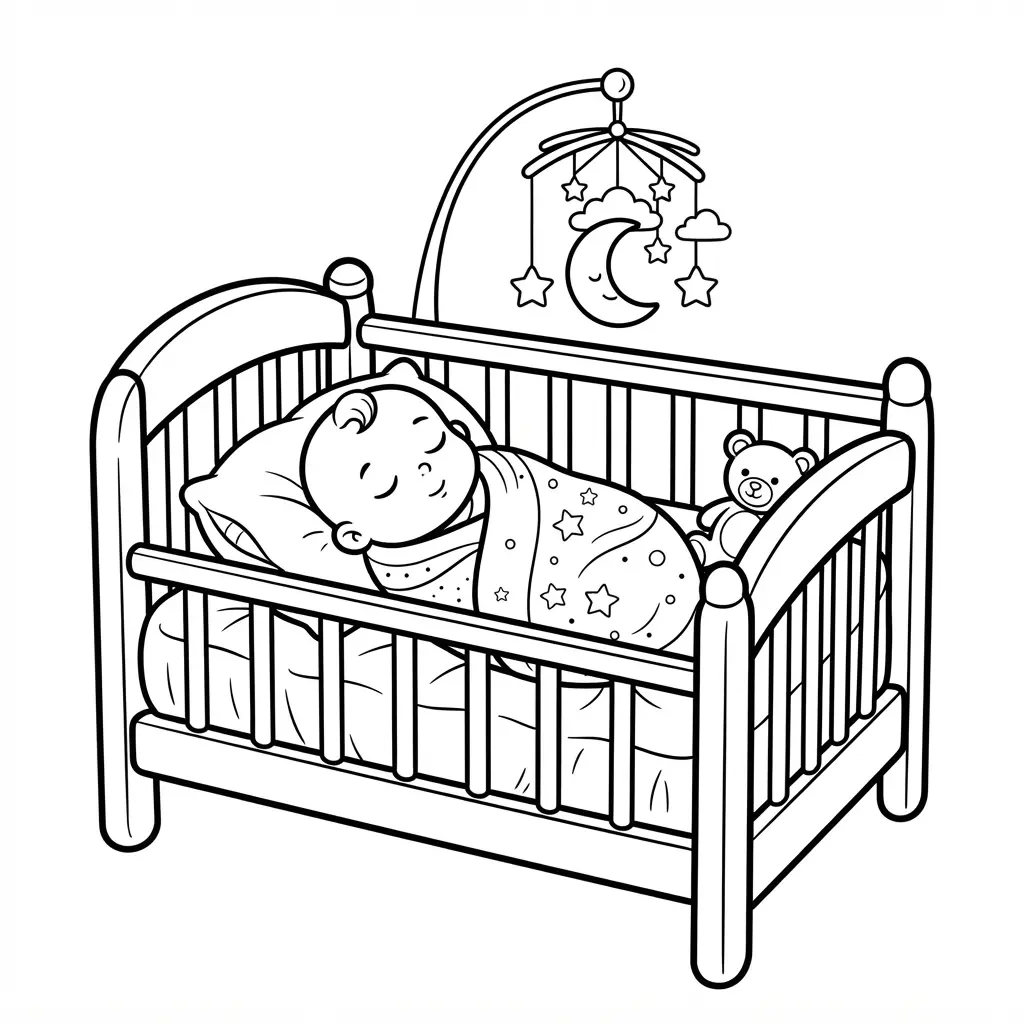
What could be more peaceful than coloring this classic baby scene? You start with a simple, central sleeping baby and a recognizable crib outline. I love how the gentle nursery details — think a mobile above the crib, a soft teddy bear nearby, and quiet dots on a blanket — are all drawn with smooth, thick lines so a young colorist can easily stay inside them, which is exactly why baby coloring pages work so well.
The trick is in the subtle shading. You do not need to color every single area; leaving parts of the baby’s face or the crib bars white keeps the whole picture feeling light and airy. It works because these soft details evoke that universal feeling of calm and safety we all associate with a sleeping infant.
Feel that quiet satisfaction when your page is complete, a perfect mix of gentle colors and happy focus. Before you pick up your crayons, choosing a harmonious palette benefits from seeing examples of other comforting scenes, like how to color a soft bunny nursery companion, to get the color mood just right while exploring baby coloring pages.
2. Baby Animal With Toy for Small Hands
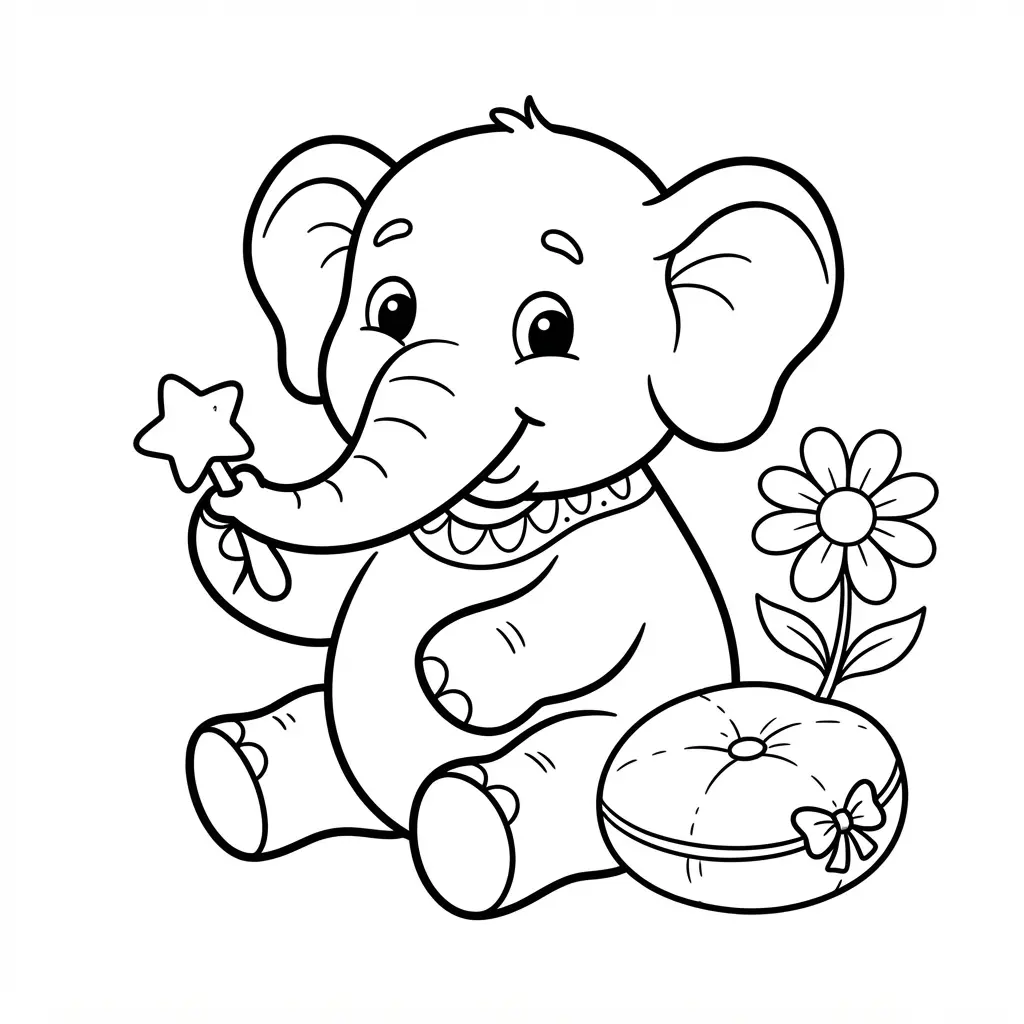
This one surprised me with how perfectly it fits a toddler’s hands. The design uses thick, bold outlines for those wide, wobbly crayon strokes, a common feature across baby coloring pages. You will see one happy baby animal, like a puppy, with a big ball or a simple toy in a clear, open scene.
It works because the super simple shapes build confidence instead of frustration. I love how the friendly faces on these adorable baby animals coloring pages make kids smile, proving how engaging baby coloring pages can be for young minds.
Your little one will feel proud finishing a whole picture. Give them those chunky crayons and watch them go.
3. Baby Bottle and Pacifier: Simple Nursery Line Art
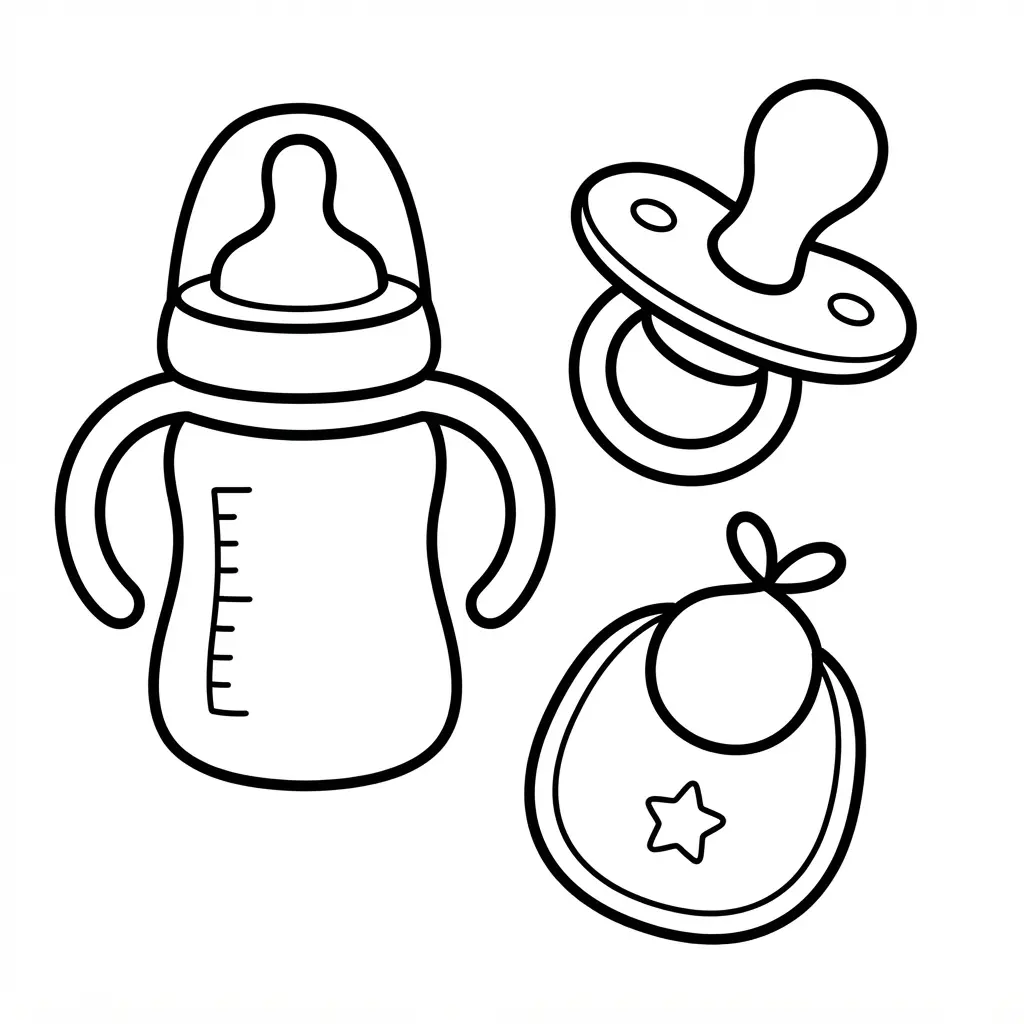
This one might look super basic, but trust me, that’s exactly why it’s a powerhouse for little kids. You start with a simple circle for the bottle’s base and a smooth oval for the nipple. The pacifier is just a circle, a shield shape, and a tiny handle. The key is using a thick, continuous line to outline everything so the shapes are perfectly clear and closed, mirroring the clear borders on baby coloring pages.
It works so well because it removes all the guesswork. Your child knows exactly where each color should go. You will love seeing their confidence grow as they fill these familiar, simple shapes. Try it and feel the pride when they show you their finished page.
4. Stork Delivering Baby in a Friendly Storybook Scene
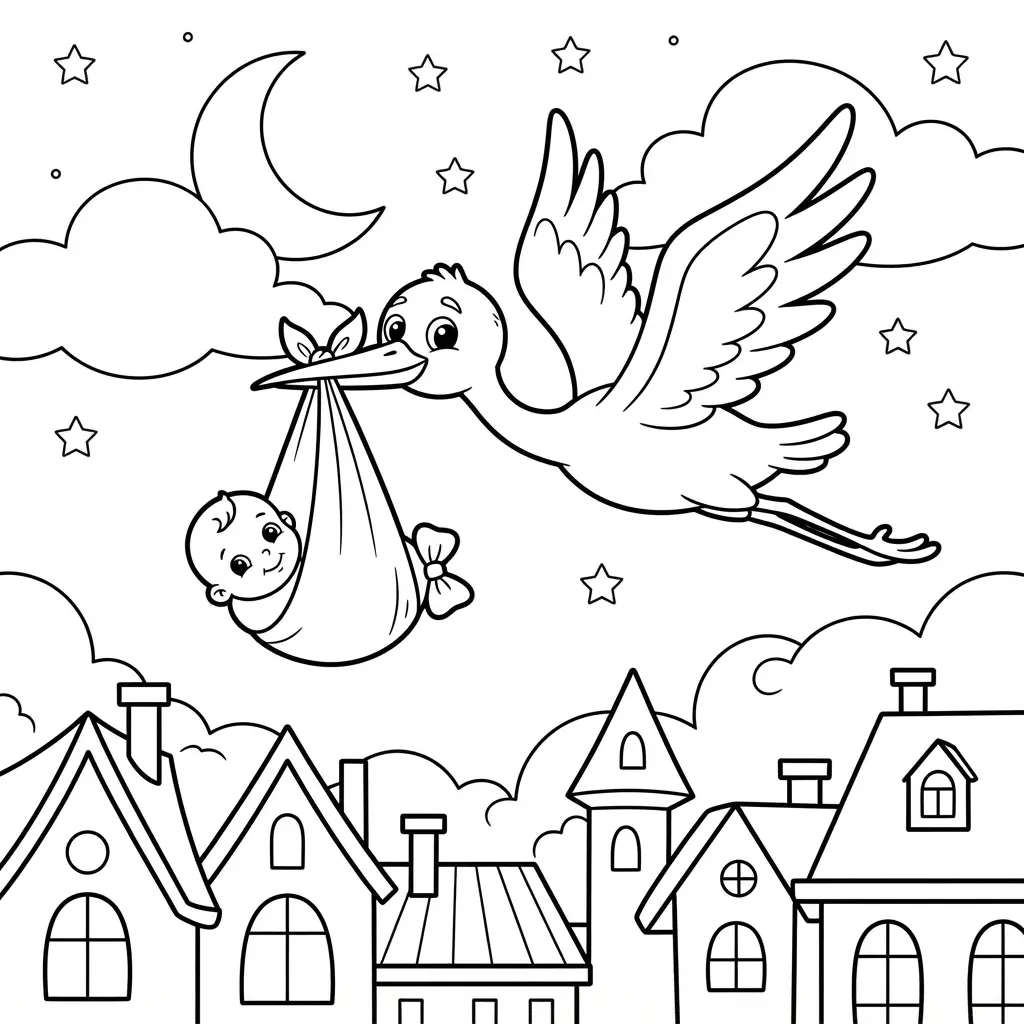
Picture a soft sunset sky where a gentle stork flies toward a little house, carrying a tiny wrapped bundle. It’s a classic image that feels both magical and reassuring, perfect for a child’s first introduction to the idea of a new baby arriving, making it a favorite among baby coloring pages.
When coloring, I love starting with the gradient sky using light blues blending into warm yellows and oranges. Next, fill in the stork’s feathers with a soft gray or white, then add a pop of color to the baby’s blanket and the flowers on the hills. Isn’t it satisfying when the whole peaceful story comes together on the page?
Pro tip: give the stork’s wings a slight upward curve to really show it’s in mid-flight. Your little one will feel so proud of their completed, heartwarming scene.
5. Baby Mobile With Shapes for Early Color Practice
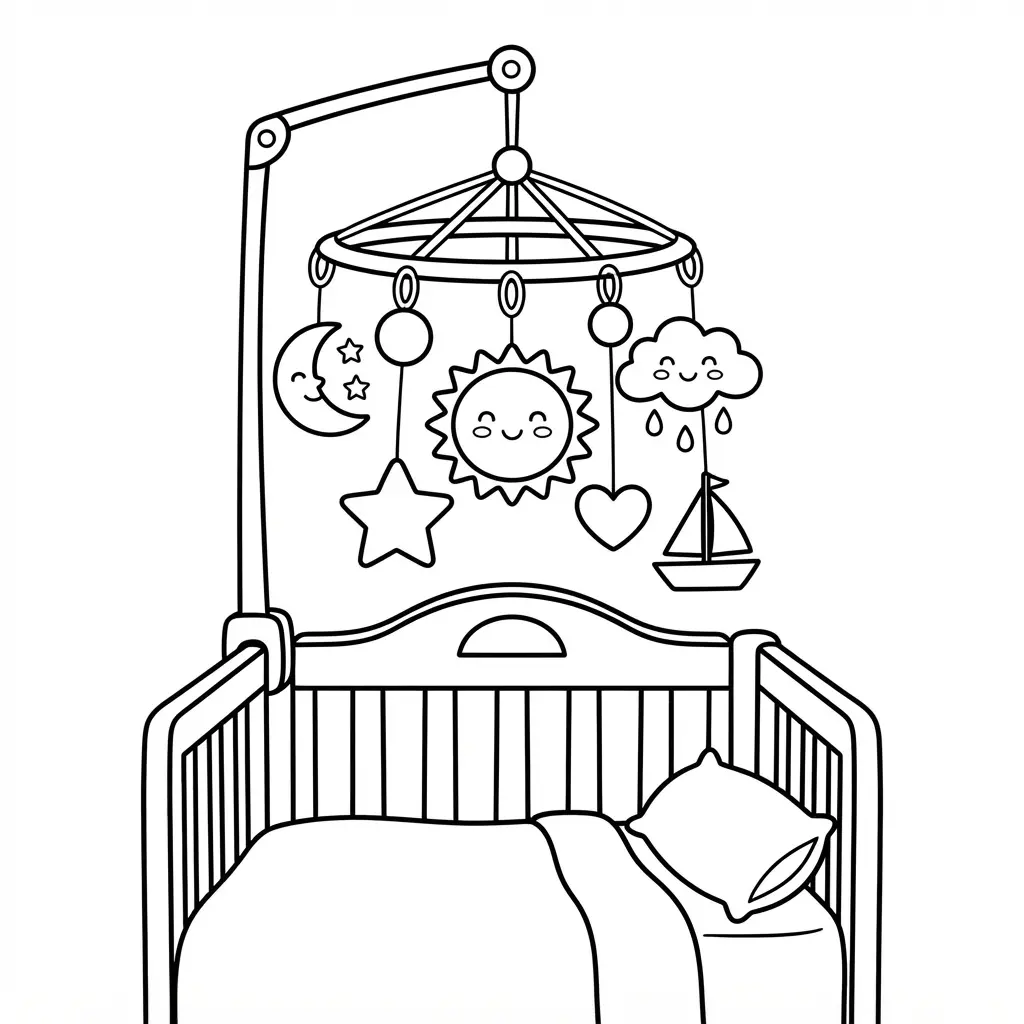
I see so many mobiles that are just way too busy for a baby’s eyes. The perfect one uses a primary color palette of red, blue, and yellow, which are the first colors a baby’s developing vision can really distinguish. It hangs about 25 to 35 centimeters above the crib, which is the ideal focal distance for those early months, a balance you will notice in baby coloring pages too.
The shapes are simple geometric solids, like octahedrons or discs, designed to gently encourage visual tracking. This focus on bold, simple elements is what makes coloring these pages so effective for little ones. You’ll find the clean lines and distinct colors help them practice their grip and recognition without any frustration.
6. Teddy Bear With Baby Outfit and Soft Details
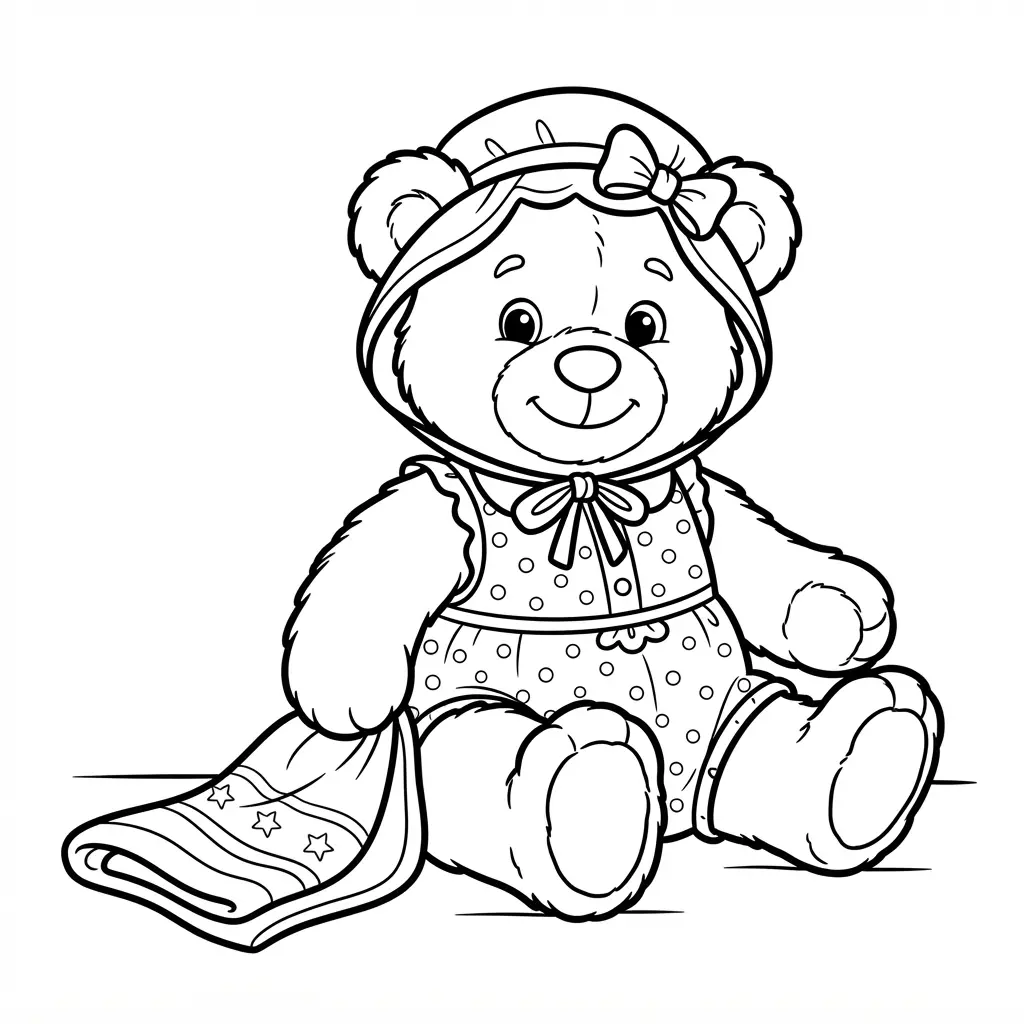
Grab your softest pencil and aim for those plush textures. I love drawing outfits with a plush fabric blend, giving them that cozy teddy bear feel. Outline a simple baby pramsuit first, then add little bear ears to the hood and maybe some hand-embroidered details on the chest.
Focus on gentle tactile elements through soft, rounded lines instead of sharp edges, mirroring the safe layouts of baby coloring pages. This works because it taps into a universal feeling of comfort and safety we associate with stuffed animals. Your little ones will have so much fun coloring in those soft details, and seeing more cute teddy bear coloring ideas can spark even more adorable outfit designs.
7. Baby Carriage Silhouette: A Clear Coloring Page Scene
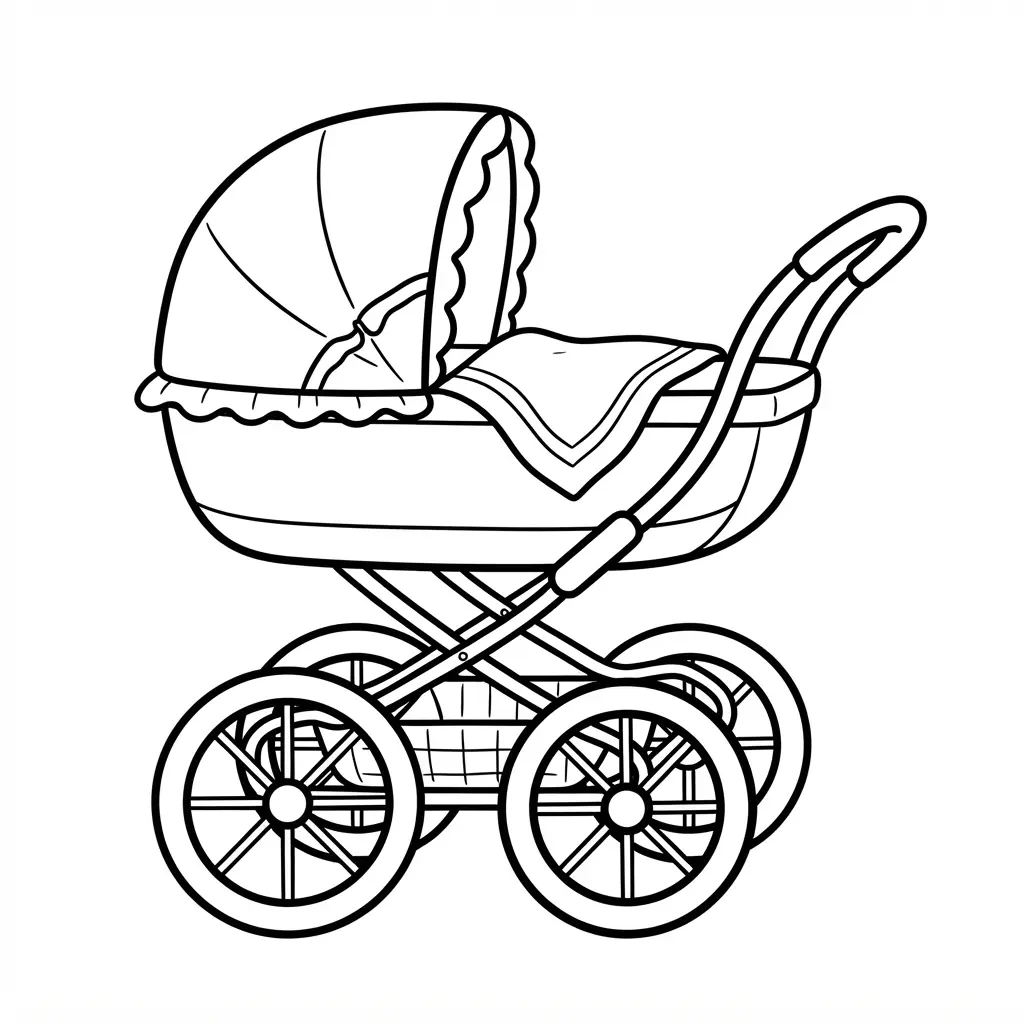
Here is one of my favorite styles for young artists just learning to stay inside the lines. A baby carriage silhouette gives you that perfect, simple shape made of clean, bold outlines. Your child just sees a recognizable stroller with its wheels and canopy, a familiar object waiting for their favorite colors, which aligns perfectly with baby coloring pages.
That clarity is exactly why it works so well for little hands. Without any distracting interior details, the focus stays on the satisfying task of filling the whole shape with color. It feels so rewarding to see that solid, colorful carriage come to life on the page.
I always recommend starting with a big chunky crayon for this one. Try it and feel the pride when they show you their finished masterpiece.
8. Footprints and Handprints for Family-Themed Coloring
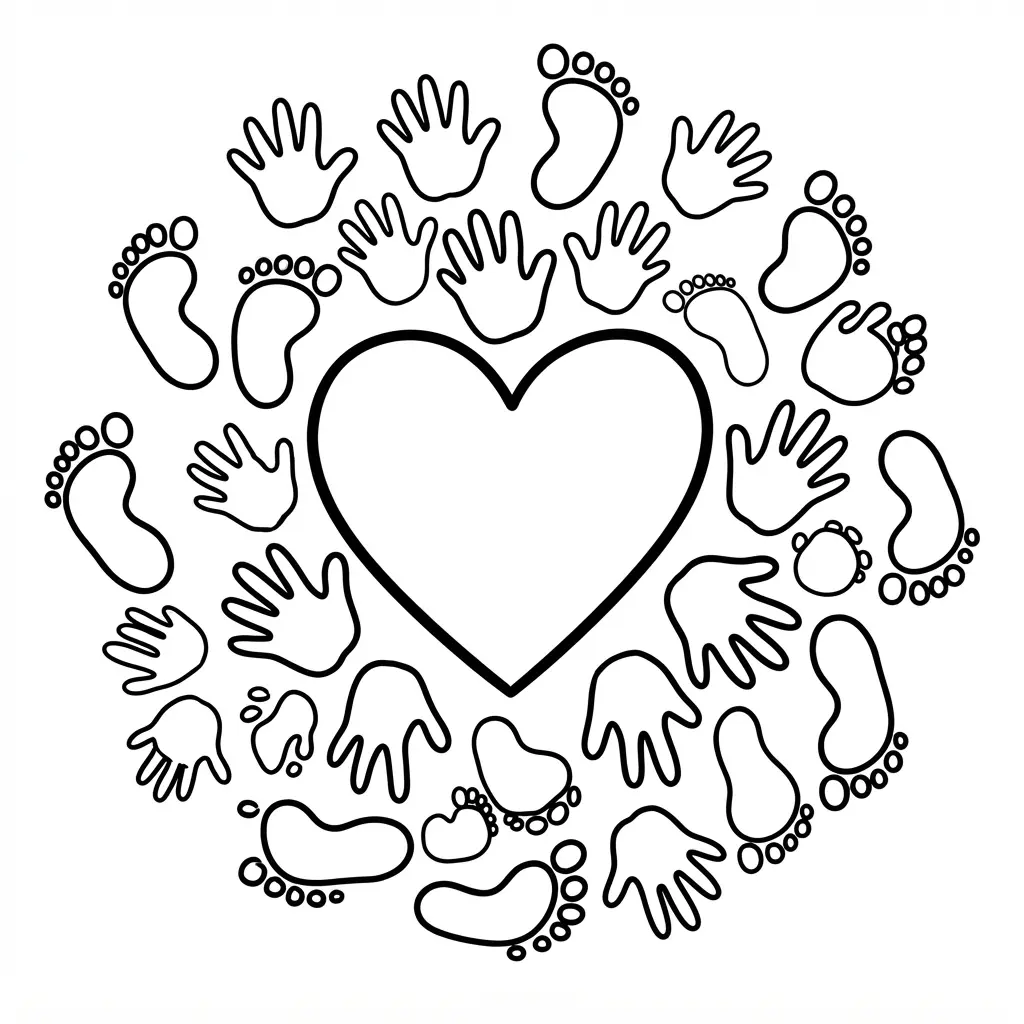
This project creates the sweetest keepsake you will make all year. You start with a printable template that has outlines for hands and feet, then use washable paint or just crayons to fill them in. You can trace actual hands and feet for a real print, or color the outlines directly for a less messy version, a flexible approach common with baby coloring pages.
The real magic happens when you arrange everyone’s prints together on one page to represent your whole family. I love how this activity doubles as a growth chart and a fun art session. It develops those important fine motor skills while giving you a tangible memory to hold onto. Your family will enjoy this creative time together, and you will feel proud of the beautiful result.
9. Baby Blocks Stack With Letters and Basic Shapes
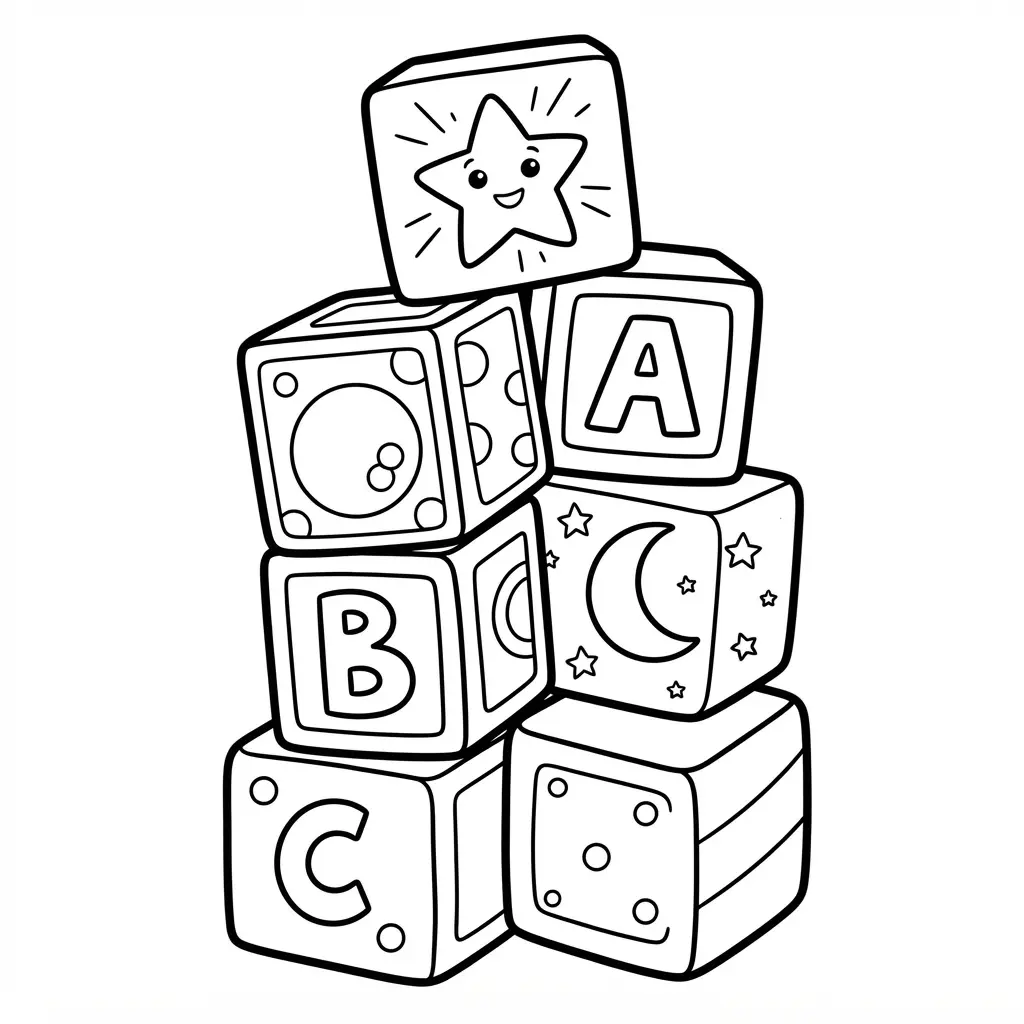
This is one of my favorite pages because it combines fun artwork with a real, useful skill. You will see a cheerful stack of classic baby blocks, some showing bright letters and others featuring circles, squares, or stars. Coloring each side differently reinforces the idea that blocks can be sorted and matched, which is a huge part of toddler play, a learning concept reinforced by baby coloring pages.
The key to making the image pop is to use bold, contrasting colors for each shape and letter. This technique helps the educational elements really stand out. You get the satisfaction of seeing a three-dimensional stack come to life from your flat page. Feel proud when you finish, because you are not just creating pretty art you are practicing a fundamental learning activity.
10. Pregnant Mother Silhouette With Warm Family Meaning
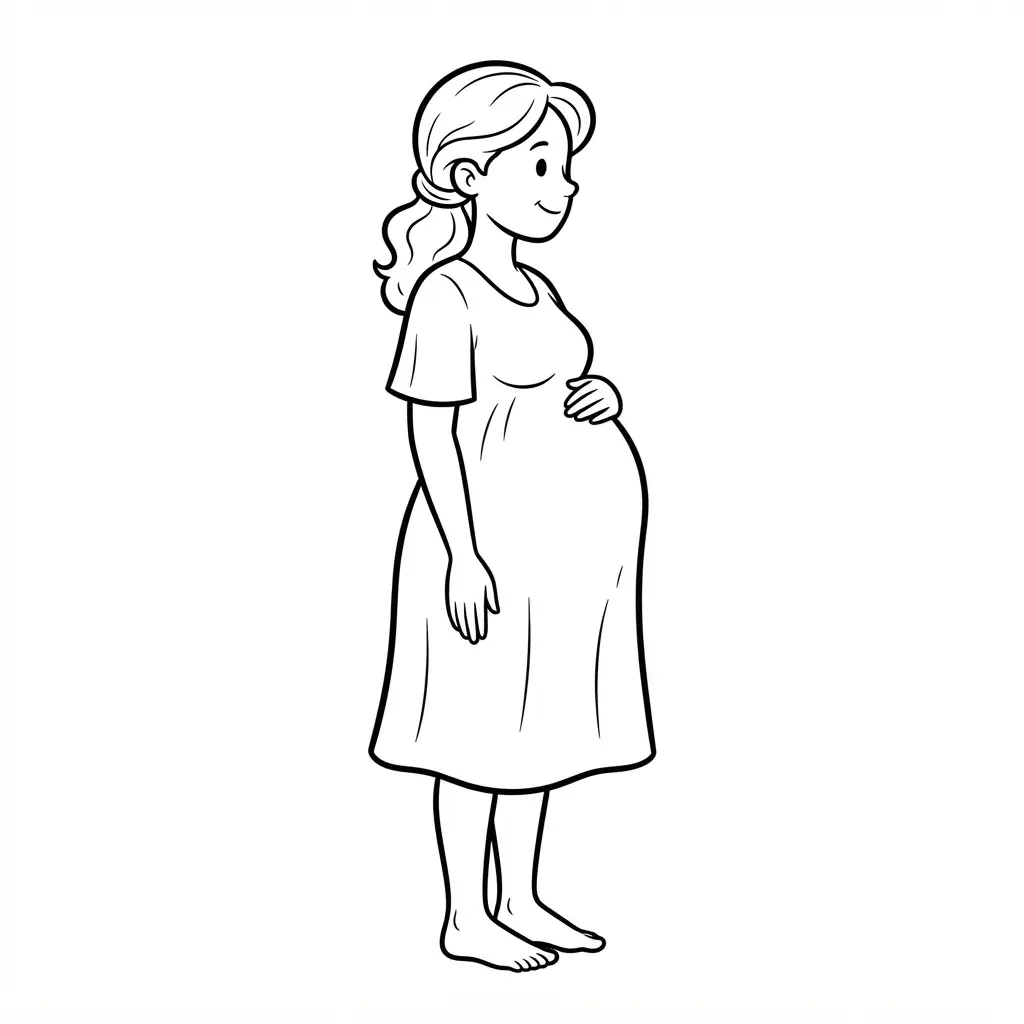
What strikes me first about this coloring page is its pure, simple shape against the page, a single curved line that says so much. Your job is to bring warmth to that outline with color, letting the solid silhouette of the mother become a beautiful canvas for your own family story. I love that you can add silhouettes of a partner or siblings right into the scene, their hands resting gently on the mother’s belly or holding each other close, adding a lovely narrative layer to baby coloring pages.
It works because you are not just coloring a picture you are celebrating a feeling of love and eager expectation. Try adding a soft, warm yellow sun behind the family group with a broad crayon stroke it makes the whole image glow with that joyful feeling of waiting for the new baby.
Turning Finished Pages Into Keepsake Artwork
Write the date in pencil on the back of every finished page before the pile grows, because you will never remember which month produced which masterpiece. Slip the best sheets into a clear plastic sleeve or a three-ring binder so the crayon stays put and the paper stops curling. Photograph the rest and keep one folder on your phone for quick sharing with grandparents. Frame a single favorite at the child’s eye level in the hallway, and swap it out monthly as new pages arrive. Grandparents love receiving a colored page folded inside a card, and teachers often keep one per child for a year-end book. You will build a record of growing skill without buying a single extra supply.
Conclusion
So how was your coloring session? Look at what you have made, from a softly colored nursery to a cheerful family scene. That is real skill right there, especially when each child chooses colors, adds small details, and feels proud of the result, showing why baby coloring pages remain such a trusted classroom and home activity. Baby coloring pages also give parents and teachers an easy way to support quiet focus without making the activity feel like schoolwork. For the next session, place crayons, washable markers, and colored pencils in separate cups, then let each child select one page before choosing colors. Keep the pace relaxed and praise personal choices rather than neatness. A small display on the refrigerator or classroom board gives every finished page a special place. Pick a favorite scene for your next sitting, perhaps exploring more baby coloring pages for inspiration, and let the children lead the color choices.
FAQs
Q: What age group suits baby coloring pages?
A: These pages suit toddlers, preschoolers, and early elementary children. Choose large shapes and wide spaces for younger children.
Q: Which supplies work best for these printable pages?
A: Use crayons for easy filling, washable markers for bold color, or colored pencils for small details. Place a protective sheet under each page.
Q: How do I print baby-themed coloring pages?
A: Use standard letter-size paper and select a black-and-white setting. Check the print preview first so the full outline stays on the page.
Q: How do I choose pages for a classroom?
A: Pick scenes with clear outlines, familiar objects, and different levels of detail. Prepare crayons or washable markers in shared color groups.
Q: How do I keep young children interested in coloring?
A: Let each child choose the subject and color order. Short sessions, gentle praise, and a small display area help keep the activity positive.