

Mastering Detail Control on Tiny Surfaces
When exploring mini canvas acrylic painting ideas, successful painting hinges on one deliberate shift in technique. You know the temptation to blend colors into a smooth gradient, but this leads to dull, muddy results every time on a tiny surface. Trust me, you need to adopt a more direct ‘alla prima’ approach with crisp, deliberate marks. Thin your paint with a single drop of medium to maintain strong saturation, and avoid overloading your brush with water. This precise method allows a single flower or a mountain peak to read with impressive clarity from a distance.
Essential Brush Selection for Miniature Precision
Your best ally for executing mini canvas acrylic painting ideas on a 4×4 inch surface is a 00 round synthetic brush. This tiny tip holds a perfect point for defining the silhouette of a single bold motif without the bristles flaring out. You will notice a size 0 round works beautifully for laying in small blocks of color for your simplified subject matter. Keep a small, stiff flat brush on hand for any initial underpainting you do to set the mood. Rinse these tools thoroughly and never let acrylic dry in the ferrule, as a damaged point ruins your control.
1. Paint a Vibrant Sunset Gradient Horizon Silhouette
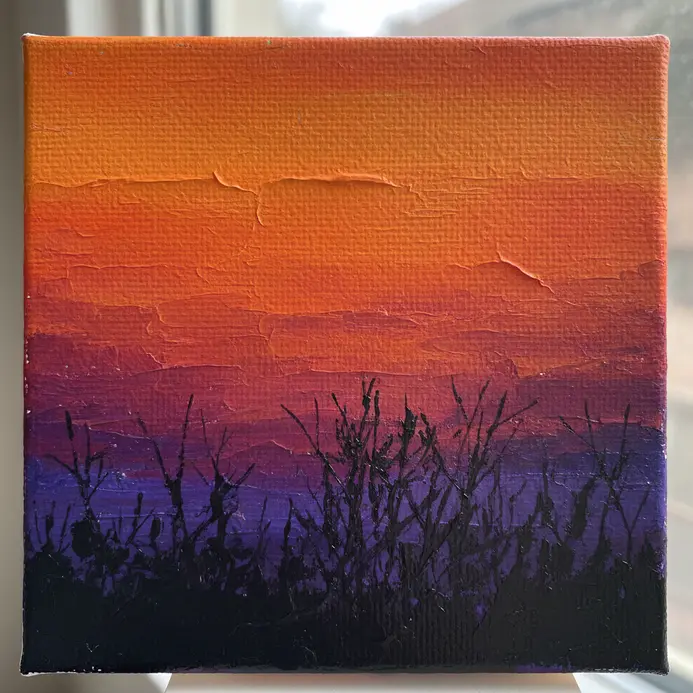
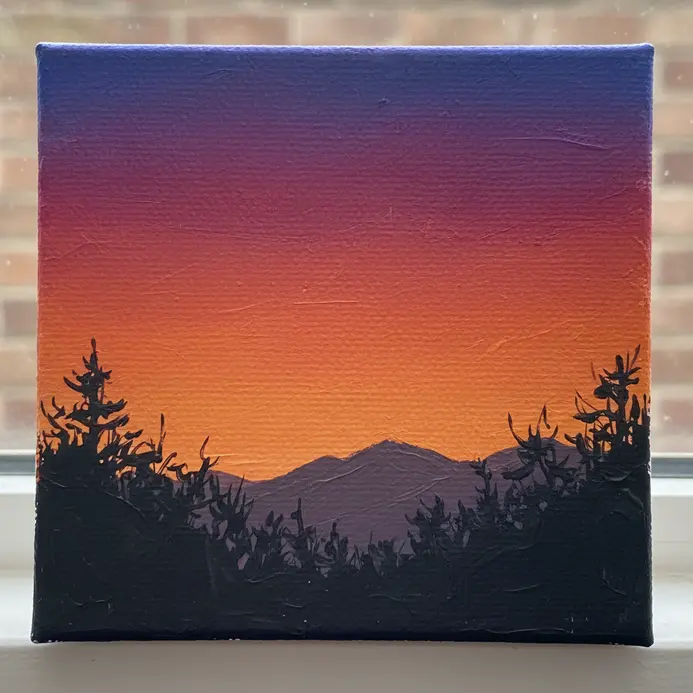
Whether you follow other mini canvas acrylic painting ideas or start fresh, this project looks complex but remains a fantastic entry point. You will blend a wet-on-wet gradient of fiery colors across your sky, working from light to dark. Paint a stark black silhouette of trees or mountains against it to create immediate drama offer a similar sense of reward. I love how this piece captures a whole mood without taking hours.
2. Create a Single Detailed Red Rose Bloom
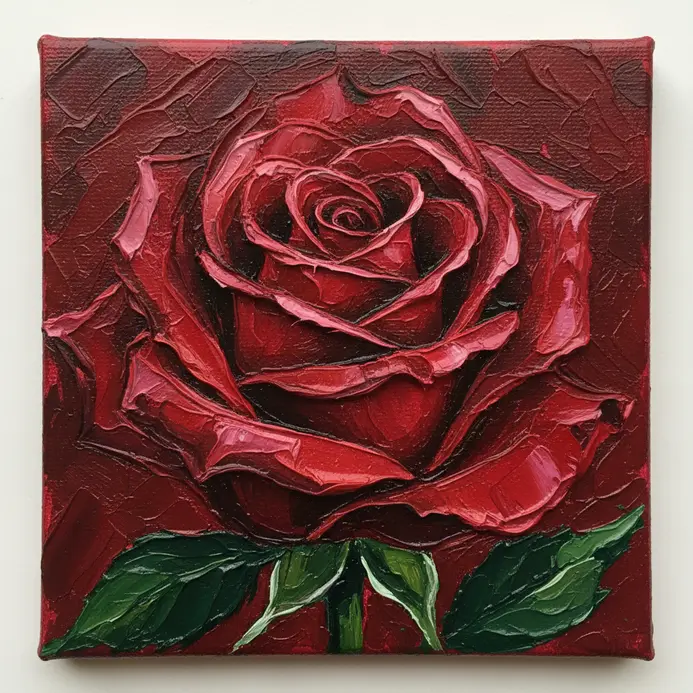
When searching for mini canvas acrylic painting ideas, you will find this rose looks intimidating but remains straightforward. It relies entirely on observing how a real bloom curls and overlaps. Start with a light sketch of the overall cone shape, then build your outer petals as broad, overlapping curves. Layer your reds from a deep crimson base up to vibrant ruby highlights in the light. Each petal receives its own shadow and curve. I love how this single bloom lets you practice realistic shading on a small scale.
3. Apply a Minimalist Black White Checkerboard Pattern
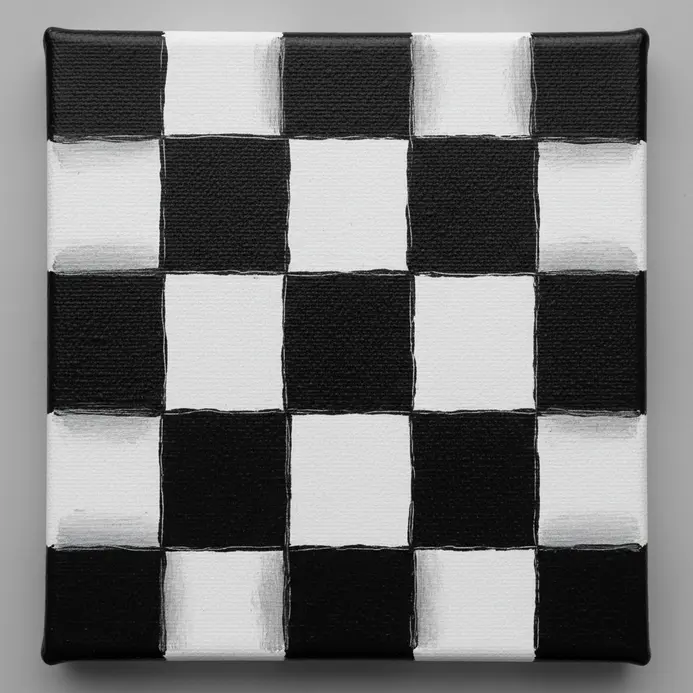
Among modern mini canvas acrylic painting ideas, this design looks sharp and rests entirely on careful setup. Draw a perfect grid of equal squares using a ruler and pencil as your guide. Methodically fill in every other square with black paint, let it dry, and fill the remaining spaces with white. The payoff is a clean, graphic look that feels highly intentional. Trust me, you will feel satisfaction when those crisp, alternating squares come together.
4. Sketch a Whimsical Spotted Red Amanita Mushroom
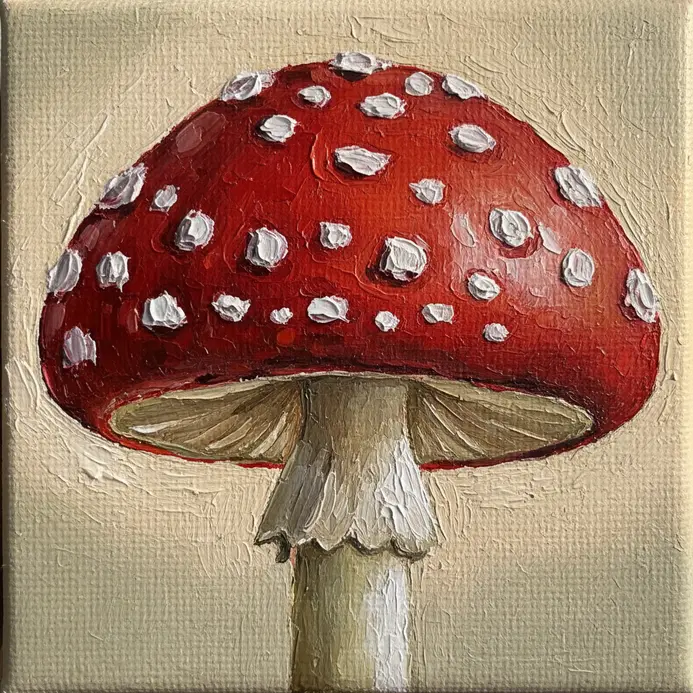
Exploring mini canvas acrylic painting ideas reveals such iconic shapes hold massive character. Paint a slightly wobbly, wide dome for the cap instead of a perfect circle. Draw a chunky, slightly bent stem and add a frilly skirt-like ring about two-thirds up the stalk. Scatter irregular white spots across the red cap with confidence. Embracing imperfection gives it a true storybook feel. It builds confidence for future projects and provides a stepping stone toward small painting ideas later on.
5. Build a Textured Impasto Palette Knife Ocean Wave
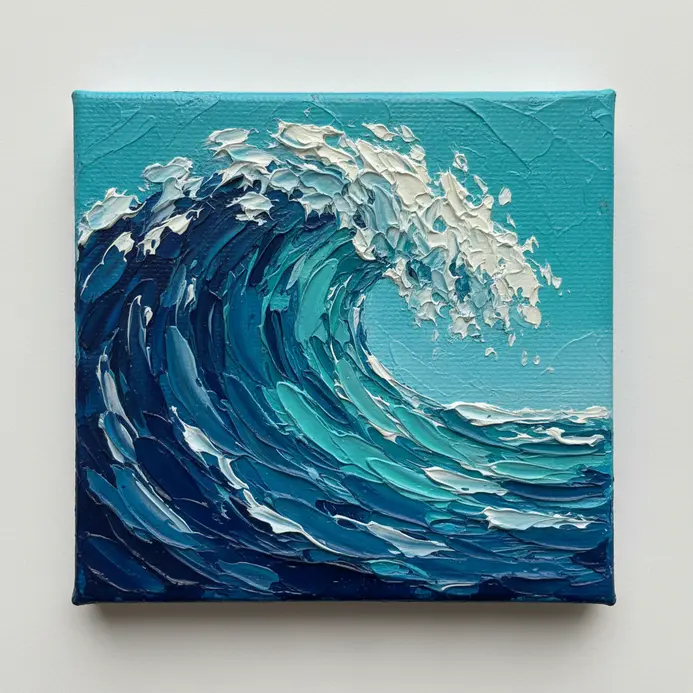
Texture techniques dominate favorite mini canvas acrylic painting ideas, and this wave looks wonderfully sculptural. Load a palette knife with thick, heavy body acrylics and apply bold, sweeping strokes to build the form. Layer different blues and greens for depth, then add crisp white foam along the crest. I love how the physical texture captures the ocean’s raw energy. Feel the satisfaction of creating a wave you can almost touch.
6. Capture Soft Pastel Auroral Northern Lights
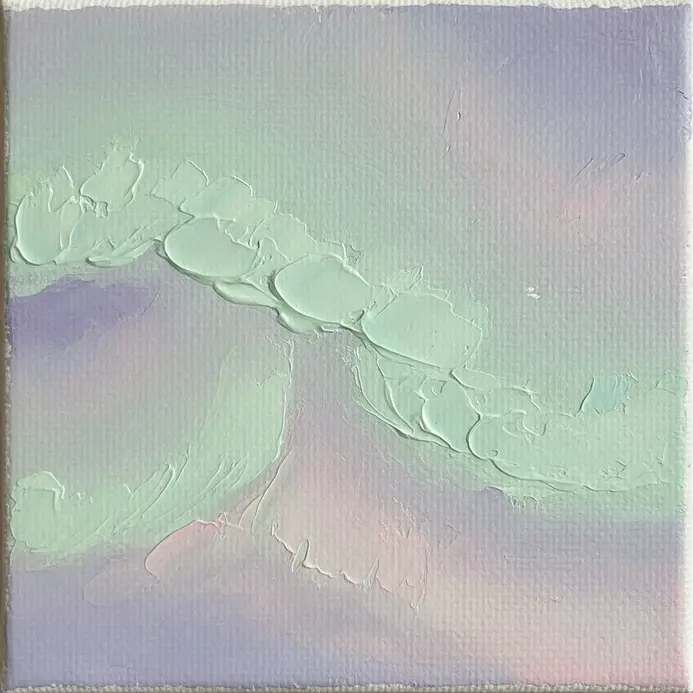
Capturing light defines atmospheric mini canvas acrylic painting ideas. Ever tried painting those wispy sky glows? Use a low ISO setting on your camera to keep digital noise down, which keeps pastel tones smooth. Set a longer shutter speed around ten seconds to let the light build gently. This method transforms a vibrant scene into a tranquil, painterly moment. For more acrylic on canvas inspirationThis technique serves as a beautiful starting point for your canvas painting ideas.
7. Outline a Simplistic Bright Yellow Lemon Wedge
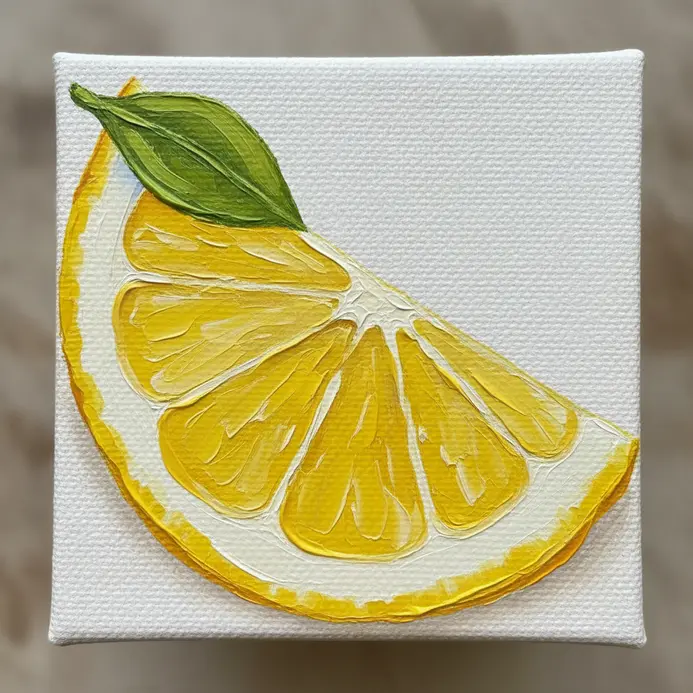
Crisp outlines belong to successful mini canvas acrylic painting ideas. A lemon wedge looks incredibly cheerful on a tiny canvas because it relies on simple geometry, perfect for abstract painting. Start with a gentle curve for the peel, then draw two lines that meet at a sharp point. A tiny inner arc connects them, and a few faint lines suggest segments. The shape remains instantly recognizable without heavy shading. Your fine-tipped pen becomes essential for those clean boundaries.
8. Form an Intricate Gold Mandala Geometric Design
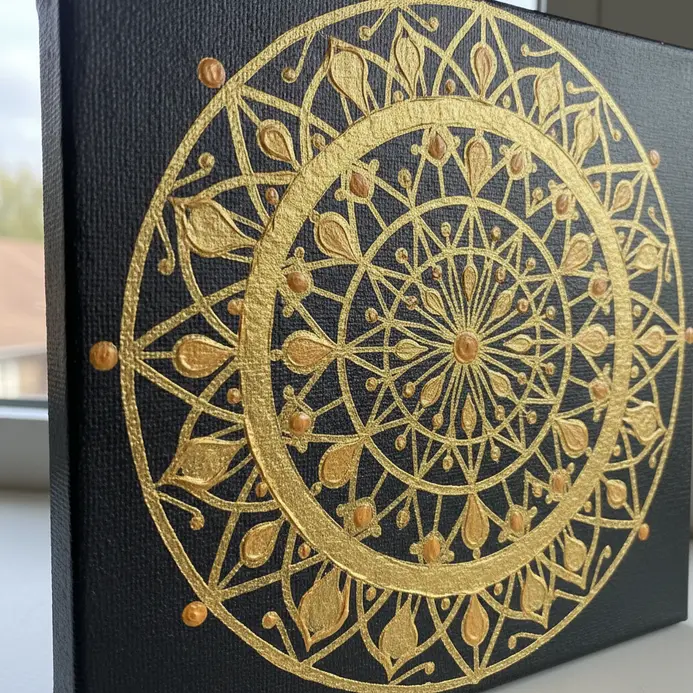
Building symmetry anchors advanced mini canvas acrylic painting ideas. This project looks like a masterpiece but rests on a simple method. Construct a symmetrical grid Use a series of circles and lines to serve as your guide for your abstract painting. Build geometric patterns from the center outward, repeating identical shapes in each section for balance. The structured process feels meditative. The real magic arrives when you layer several shades of yellow and brown to paint the design.
9. Paint a Cozy Steaming Ceramic Coffee Mug
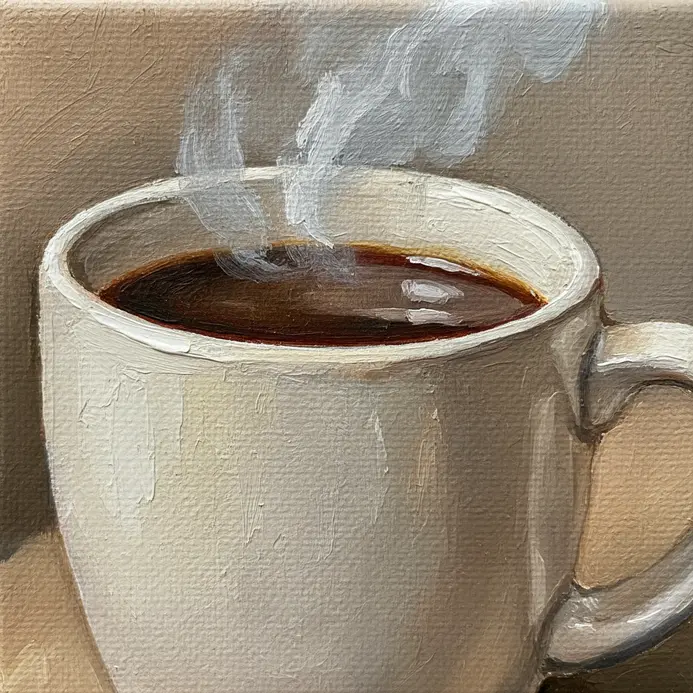
Rendering everyday objects highlights charming mini canvas acrylic painting ideas. A simple mug brings immense satisfaction when painted well. Lay down the ceramic’s main color, then build form with cool shadow tones and a bright highlight for that glossy feel. The magic lives in delicate steam wisps painted with highly diluted white. The familiar subject feels like a quiet morning moment. It pairs beautifully with detailed miniature art designs.
10. Add Detailed Blue Monarch Butterfly Wings
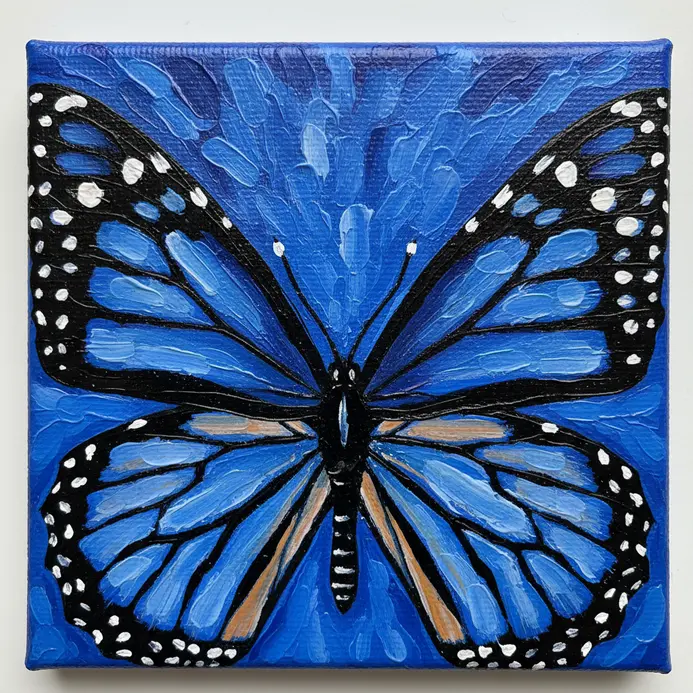
Transforming classic motifs elevates standard mini canvas acrylic painting ideas. Swapping orange for deep, shimmering sapphire creates a magical effect. The method relies on building color gradients in thin layers to achieve that iridescent quality. Lay down your base blues, then paint the intricate network of black veins with a fine detail brush. Trust me, using a reference photo for the wing pattern makes the difference. The result feels familiar yet wonderfully unusual.
11. Blend an Abstract Neon Galaxy Swirl Nebula
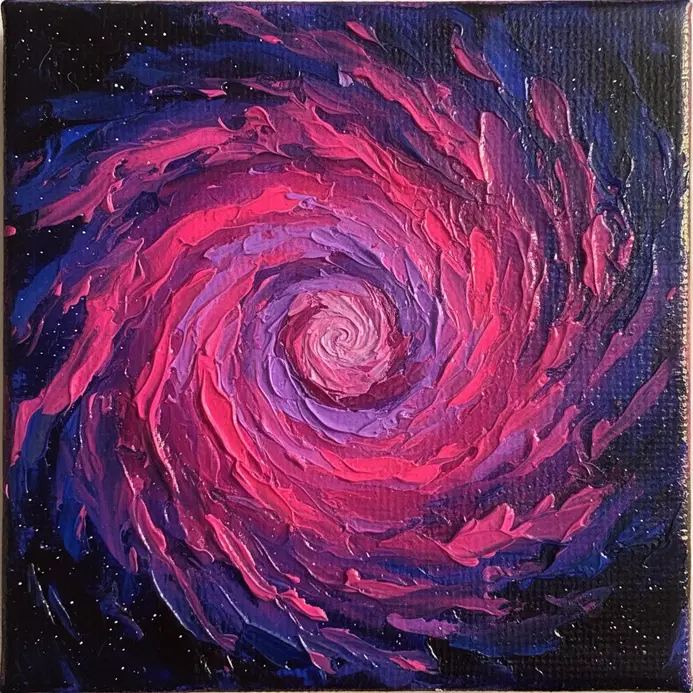
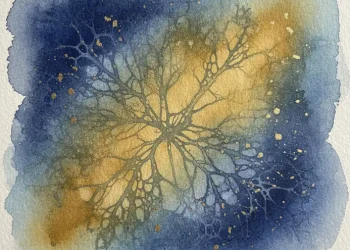
Mixing vibrant layers appears frequently in cosmic mini canvas acrylic painting ideas. The technique remains forgiving once you grasp the steps outlined in this tutorial. Cover the surface with a dark background and use a large, soft brush to sweep down electric blue and hot pink. Define those cosmic clouds with soft blending tools and add intense glows to create a stunning piece of art. High contrast makes the neon colors pop beautifully. For a related project the whole family enjoys, try these simple canvas projects for kids. That quick activity shares the same joyful energy.
12. Block In a Forest Silhouette Misty Pine Trees
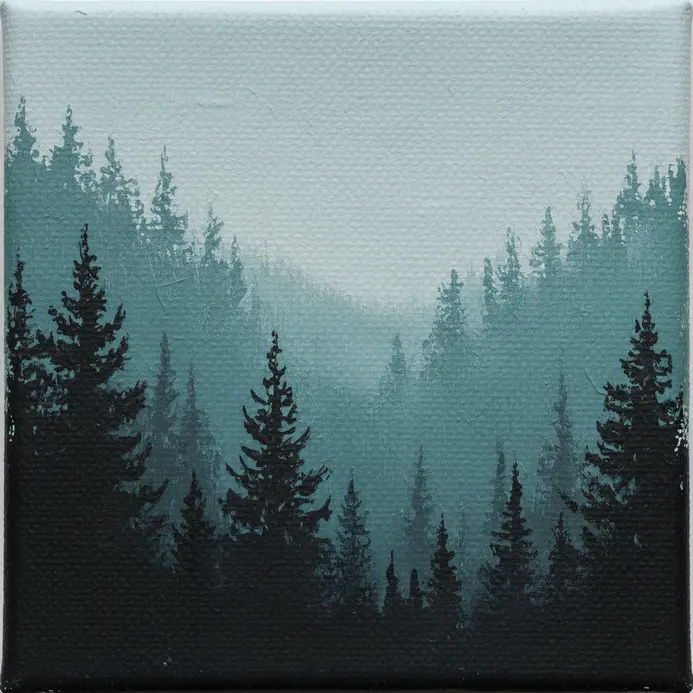
Blocking silhouettes defines atmospheric mini canvas acrylic painting ideas. You paint a quiet, misty forest without rendering every single branch. Start with a soft, blended gradient background using light colors. Block in a dark, solid mass for the trees and subtly suggest their jagged tops. Soften parts of that dark shape with a thin, watery white to create fog. That single shape feels deep and serene.
13. Create a Single Melting Strawberry Ice Cream
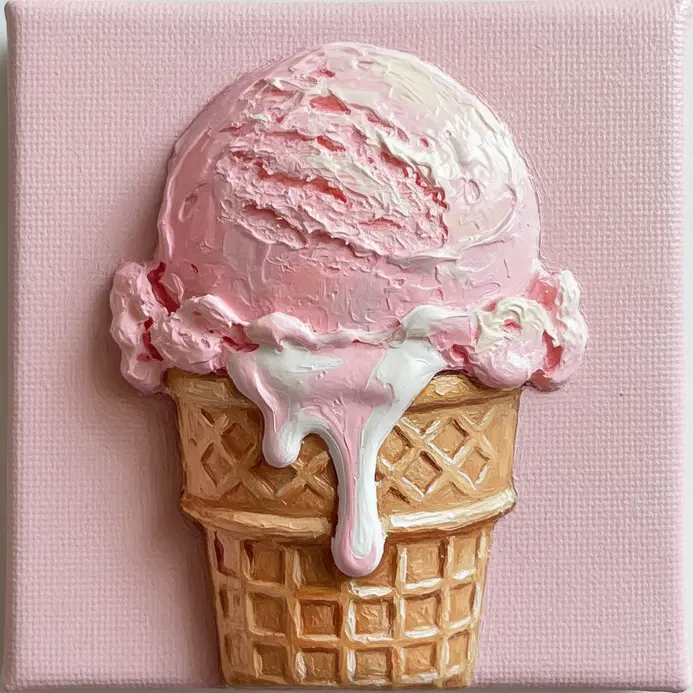
Playful subjects drive energetic mini canvas acrylic painting ideas. A melting ice cream cone looks irresistible because it captures transformation. Paint a slightly lumpy pink scoop in the center. Use a dabbing brush motion to create a soft, melting texture, then add darker red dots for seeds. The dripping phase arrives when you mix a lighter, translucent pink and paint thin, trailing lines. That shift from solid to liquid feels incredibly alive.
14. Apply a Geometric Primary Color Mondrian Block
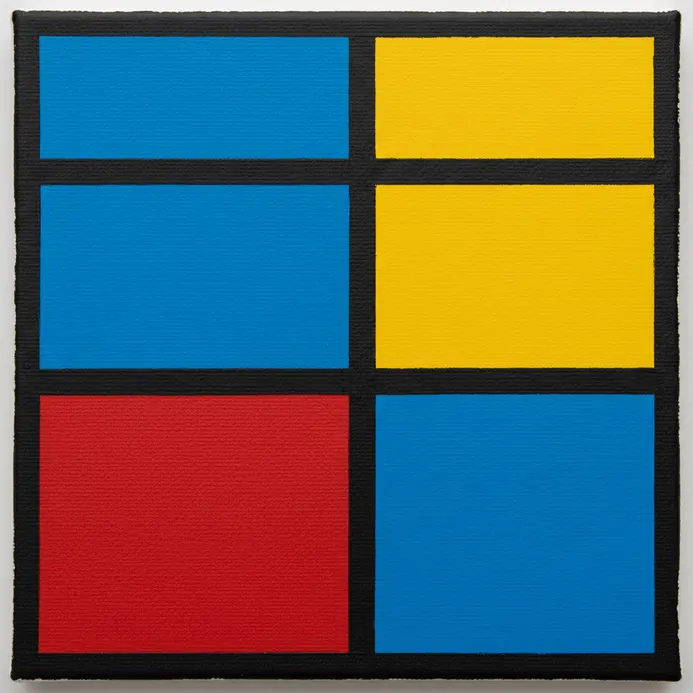
Grid planning anchors modern mini canvas acrylic painting ideas. This design relies on precision and mapping your sections first. Secure your boundaries with painter’s tape to mask off blocks you will leave unpainted. Fill your isolated squares with pure red, yellow, or blue acrylics. Clean lines and stark blocks create a striking visual statement. For a deeper dive, explore Minimalist art for canvases can inspire a variety of canvas painting ideas..
15. Paint a Detailed Succulent Potted Desert Plant
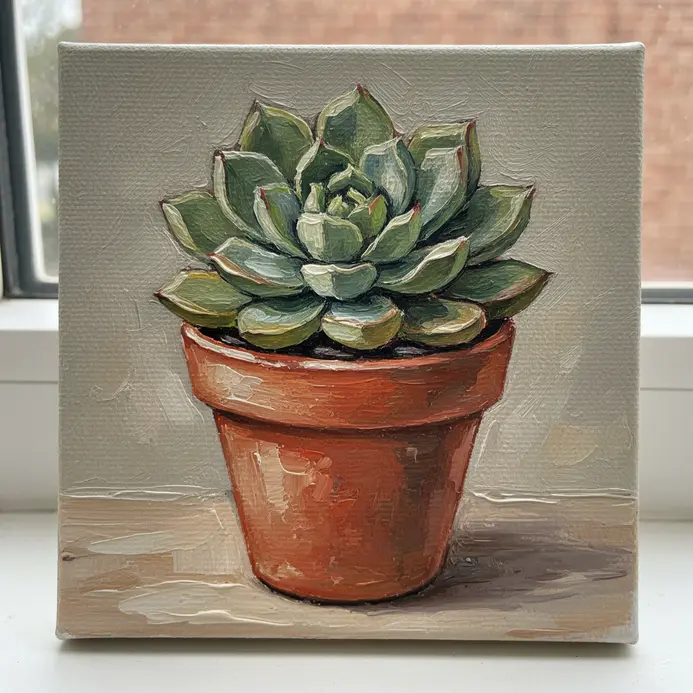
Rendering foliage belongs to botanical mini canvas acrylic painting ideas. The process remains wonderfully simple despite the initial complexity. Map the pot and leaf shapes lightly, then apply a thin wash for your base layer. Build texture with small, deliberate strokes, focusing on vibrant leaf tips and subtle shadows. The method relies on layering to achieve realism. Your terracotta pot will appear beautifully warm and earthy.
16. Add a Gold Leaf Edged Abstract Shape
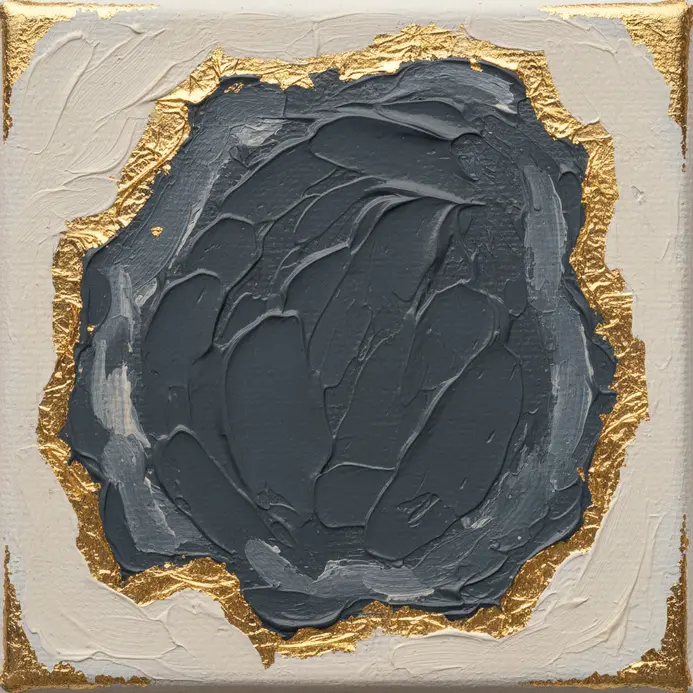
Metallic accents elevate contemporary mini canvas acrylic painting ideas. First, paint a simple organic curve or sharp form on your canvas. Apply a thin line of gilding size along that edge. Wait for the adhesive to grow tacky, then press your gold leaf sheet firmly into place. Brush away the excess flakes to reveal a stunning metallic border. The shiny outline adds instant sophistication and pulls focus directly to your abstract shape. Explore abstract art for beginners This technique is essential to build your foundation for any DIY project.
17. Outline a Single Ruby Red Apple Fruit
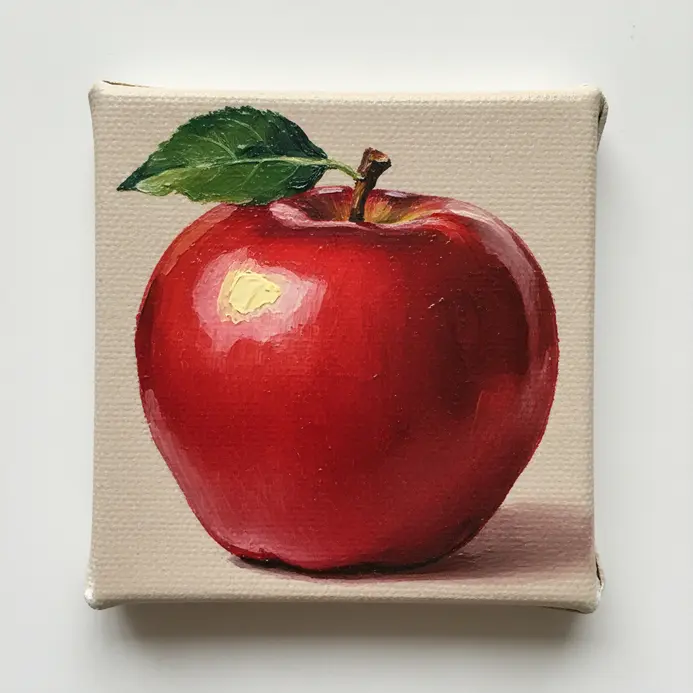
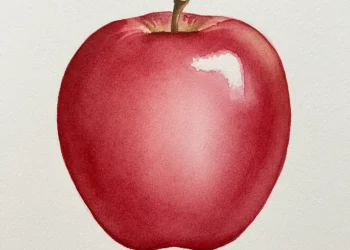
Outlining fruit shapes fits naturally into traditional mini canvas acrylic painting ideas. A simple apple looks incredibly elegant on a small surface. Lightly sketch the rounded shape, then fill it with a vibrant ruby red base. Add darker reds for shadows along one side to establish that spherical volume. That rich, glossy surface becomes a powerful focal point. A tiny white dot for the highlight makes it look delightfully fresh.
18. Achieve a Sparkling Night Sky Star Field
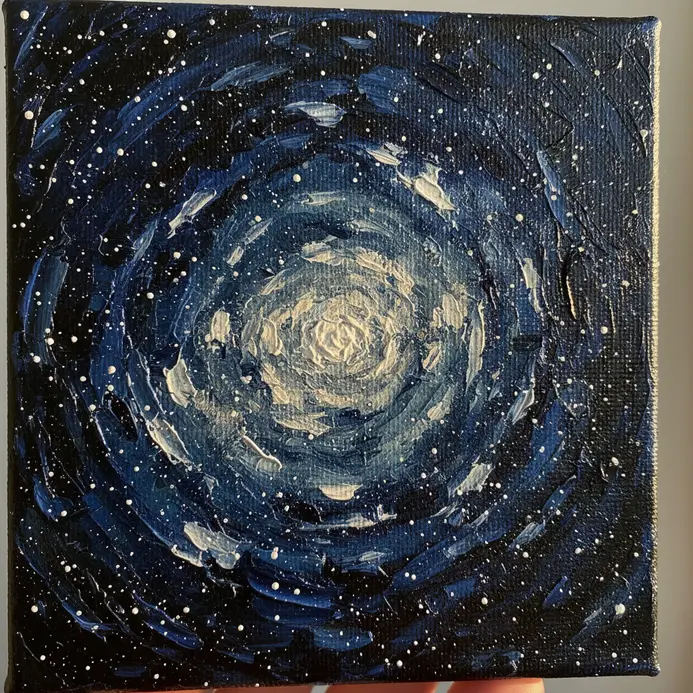
Adding celestial dots guides nocturnal mini canvas acrylic painting ideas. Mix a deep, dark blue or black for your foundation sky in your canvas painting. Once dry, apply white acrylic paint on a fine detail brush to create stars. Dab lightly for tiny, bright specks and vary your pressure for different sizes. The technique transforms a dark surface into a glowing scene. Maintain strong contrast between the sky and your bright points for maximum impact.
19. Sketch a Tiny Glass Wine Glass Silhouette
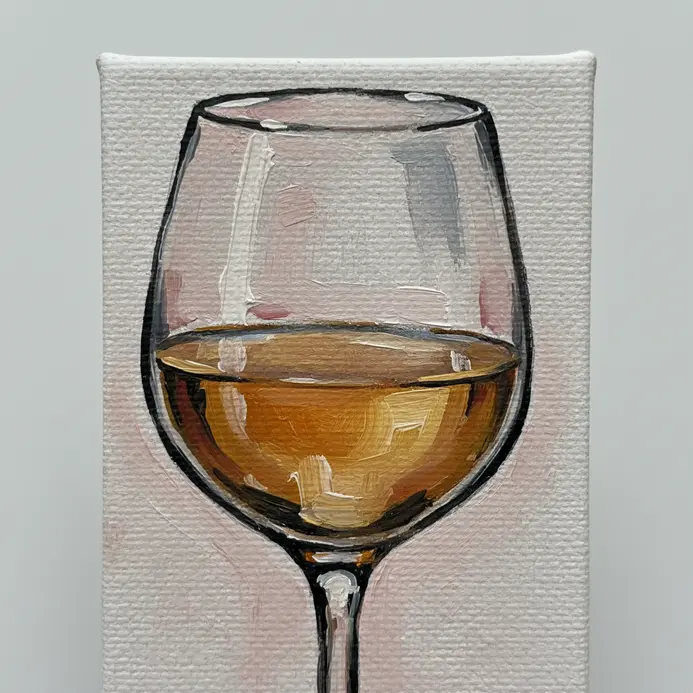
Rendering glassware belongs to sophisticated mini canvas acrylic painting ideas. A wine glass outline relies on three simple geometric forms. Mark the base curve using a 2H pencil before adding a short stem and a flaring bowl. Maintain a balanced, minimalist outline throughout. That shape reads instantly as elegant. For a complementary exercise, try adding some simple flower canvas art nearby.
20. Paint a Monochromatic Blue Mountain Range Peaks
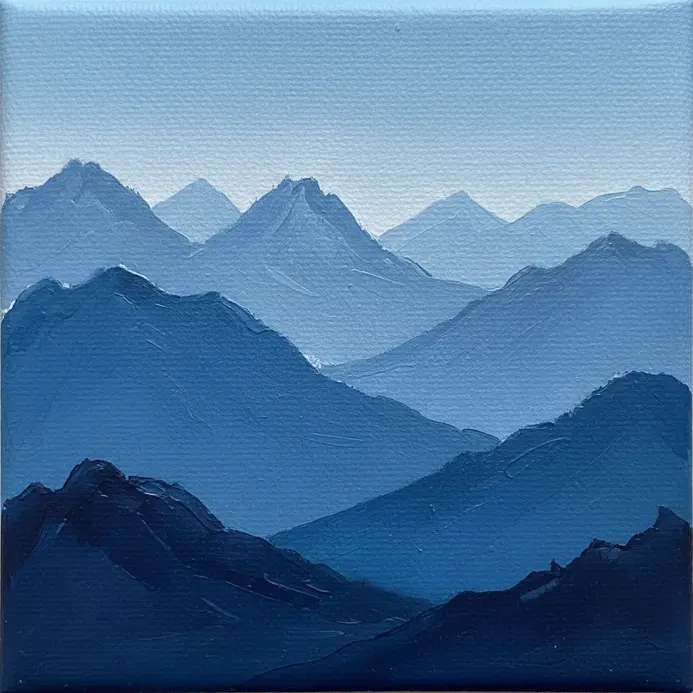
Value shifting controls atmospheric mini canvas acrylic painting ideas. You will stick strictly to varying shades of a single color. Lay a light wash for distant peaks, then build darker, more saturated Phthalo Blue for the foreground. Manage the transitions carefully to establish misty depth. Planning your values with a quick sketch first ensures cohesion. The finished piece radiates tranquility, resembling a serene landscape painting.
21. Create a Whimsical Polka Dot Patterned Donut
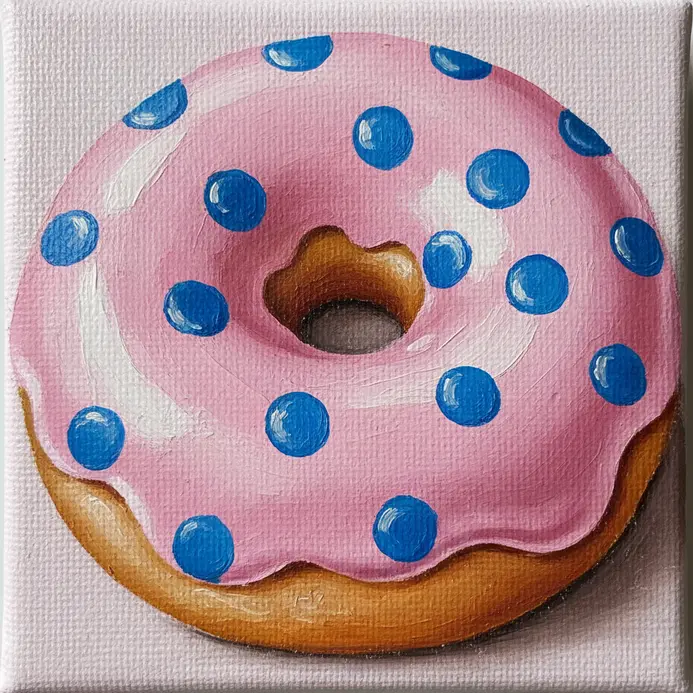
Ever wondered how to paint something that feels like pure joy? Start with a vibrant, pastel base for your donut shape, using a thick, opaque glaze consistency to make it pop. Let loose with dots in contrasting colors, varying their size and placement with a small brush for a playful, confetti-like look. This approach works because it turns a simple shape into a celebration of color and pattern. For a similar feel with different subjects, check out these easy still life paintings. Try it and feel the delight when those whimsical dots come together.
22. Layer a Soft Watercolor Wash Floral Study
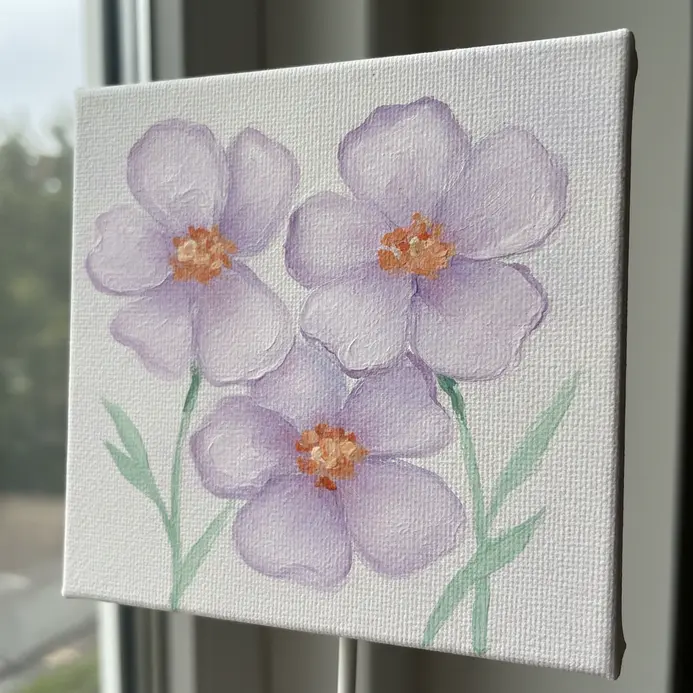
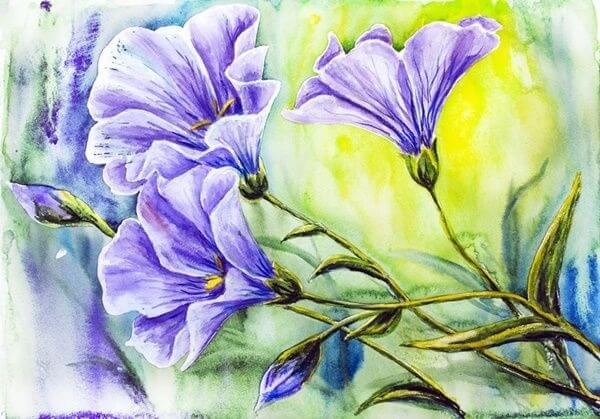
Ever wondered how to achieve that dreamy, delicate look in a flower painting? The secret lives in building layers with highly diluted watercolor washes. Apply the lightest possible tint of your main colors first. Let it dry completely, then gently add another transparent layer. This method creates soft transitions and a lovely sense of depth without harsh edges. The technique feels forgiving and luminous on the canvas, making it ideal for painting for beginners. Try it to experience the gentle, ethereal beauty you can create.
23. Draw a Silver Skeleton Key Outline Design
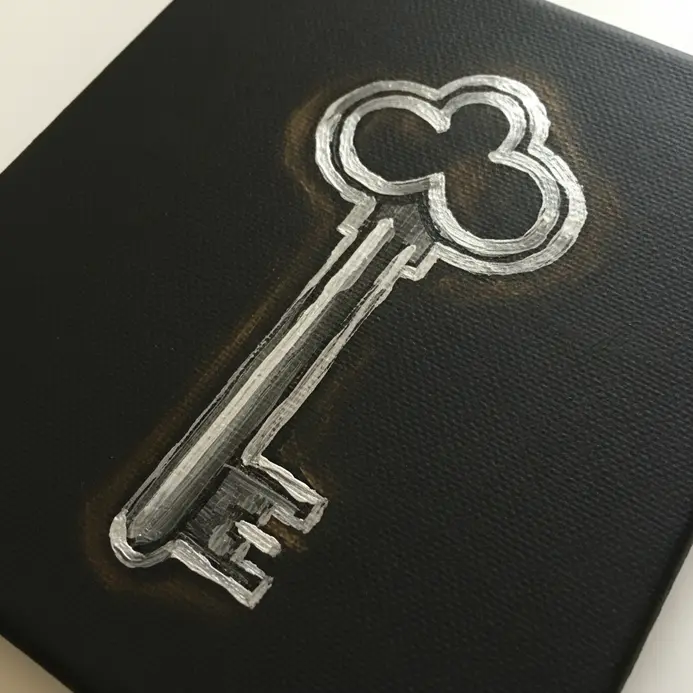
This outline looks decorative but relies entirely on basic geometry. Map your central vertical guideline lightly to keep the bow symmetrical and the shaft straight. Use your arm for those long, smooth lines along both sections. Once the shapes feel balanced, trace over them with a firm, confident stroke. The crispness a fine-tip pen provides sharpens the entire design. That clean, elegant silhouette appears instantly when you commit to the line.
24. Block In a Bold Tropical Palm Leaf Silhouette
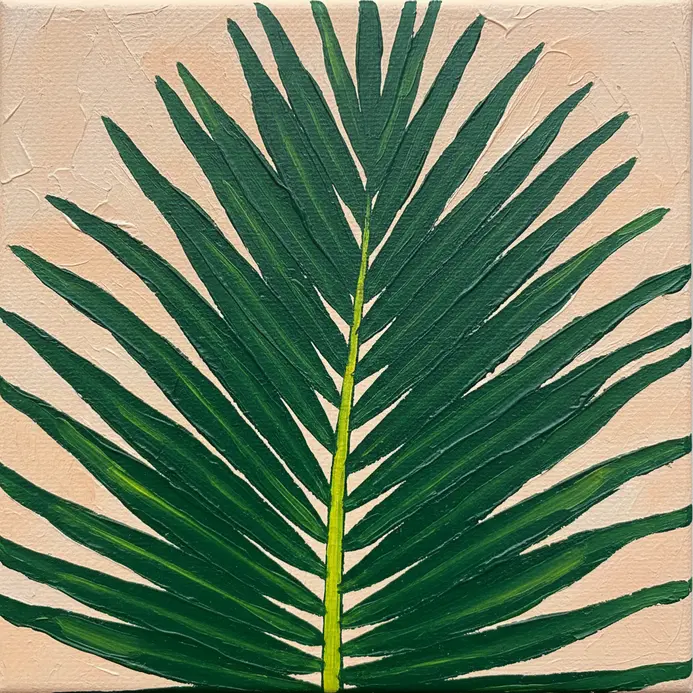
This design looks detailed because the composition remains deceptively straightforward. You are simply filling one large, unified shape. Lightly sketch your outline, then trace it with a hard-edged brush loaded with dark paint. Fill the interior solidly for that sharp silhouette. Strong contrast makes a graphic statement on a tiny surface without requiring fussy details. It feels instantly tropical and energetic. For a different approach to simple shapes, explore monochromatic canvas designs.
25. Paint a Detailed Honey Bee Floral Landing
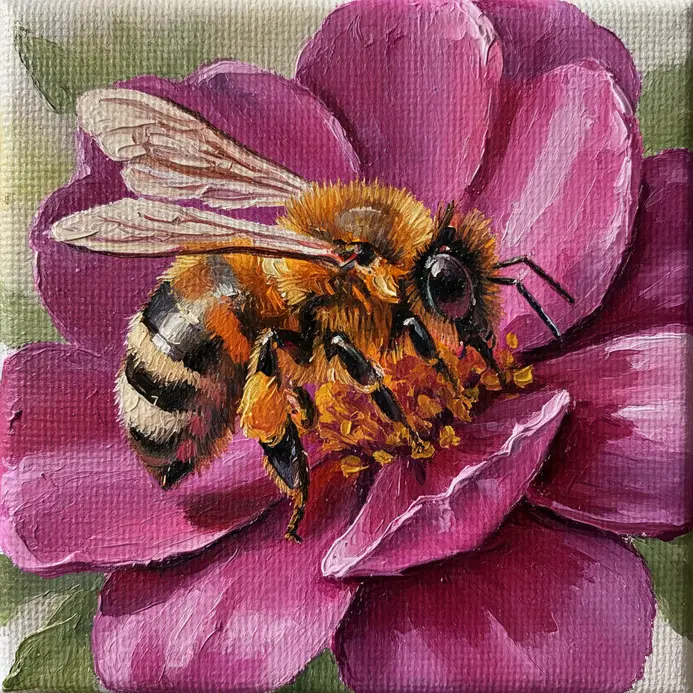
Capturing tiny moments defines nature-focused mini canvas acrylic painting ideas. This project freezes the exact instant a honey bee lands on a foxglove. Build the fuzzy body and velvety petals in thin, careful layers. The intense detail makes a tiny scene feel expansive. Trust me, patience with the finest detail brush rewards you when those microscopic pollen grains emerge.
26. Achieve a Glowing Lit Pillar Candle Flame
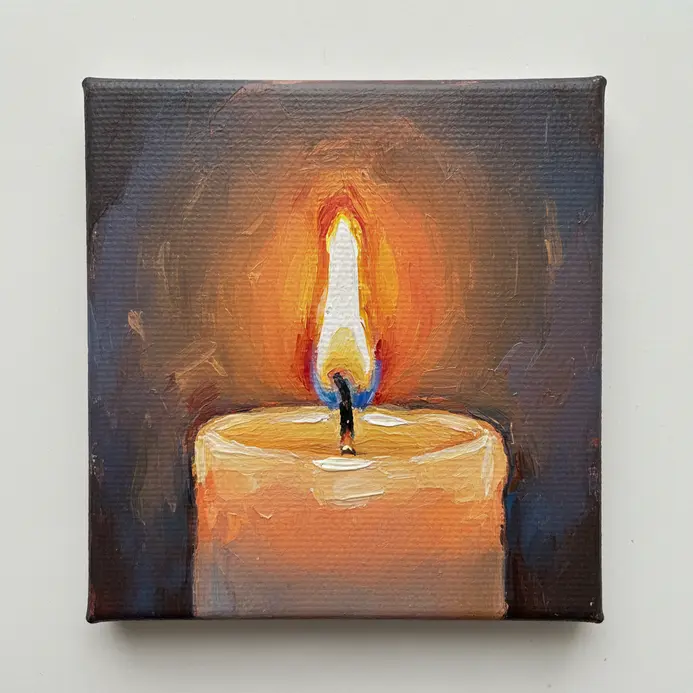
Ever wonder why some flames burn steadily while others sputter and smoke? The answer lies in allowing the wax to melt completely to the edges during the first lighting. Wait about one hour per inch of diameter to establish a full melt pool. This practice sets the foundation for clean, efficient burns later on and prevents tunneling. Keep the flame healthy by trimming the wick to a quarter inch before lighting. This simple habit keeps the flame from growing too tall or producing soot. Place your piece in a draft-free area to maintain that steady illumination. Explore more whimsical art concepts to build your confidence.
27. Create an Abstract Splatter Art Multicolor Fusion
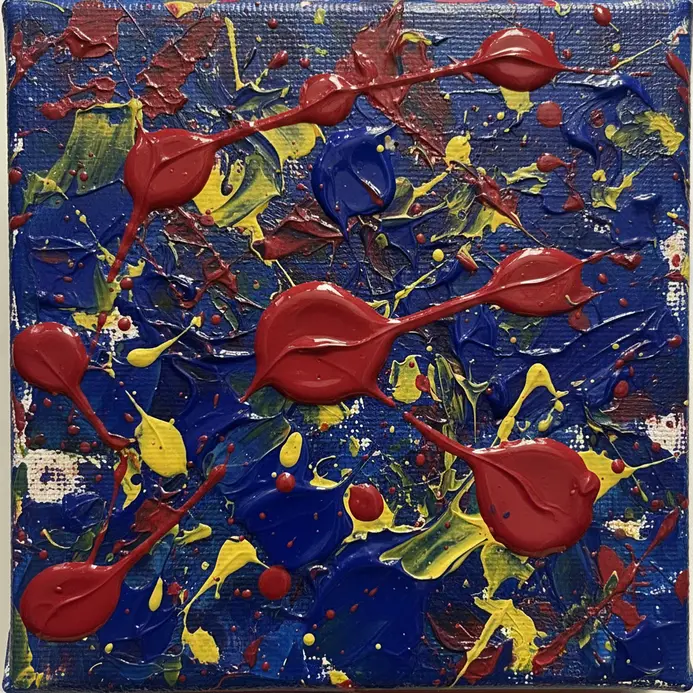
Controlled chaos often brings immense satisfaction to painters. Select 5 to 8 vibrant colors and thin them to a creamy consistency using an acrylic flow improver. Load your brushes, sticks, or squeeze bottles, then layer energetic flicks across your surface. Let the hues collide and blend naturally on their own. The spontaneous fusion creates incredible depth without looking muddy. Trust me, watching those vibrant layers settle together sparks pure creative joy.
28. Capture a Serene Lake Water Reflection Scene
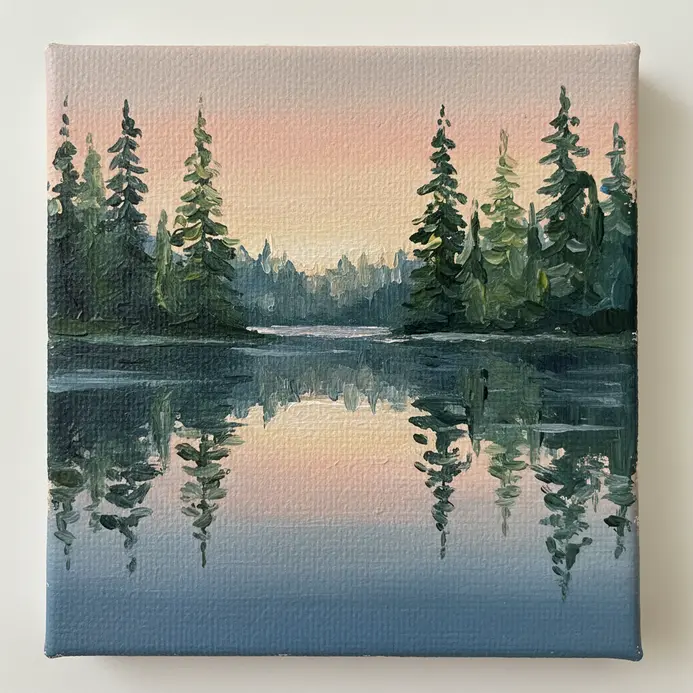
You might ask how artists capture those flawless mirror images. Block in your sky and landscape first, then apply a base wash for the lake water. Paint the reflections softer and slightly darker than the original objects above them. That symmetry generates instant calm across the surface. Working from a photo reference helps stabilize your proportions in your landscape painting. Try it and watch the peaceful scene take shape.
29. Build Small Stacked Vintage Literary Books
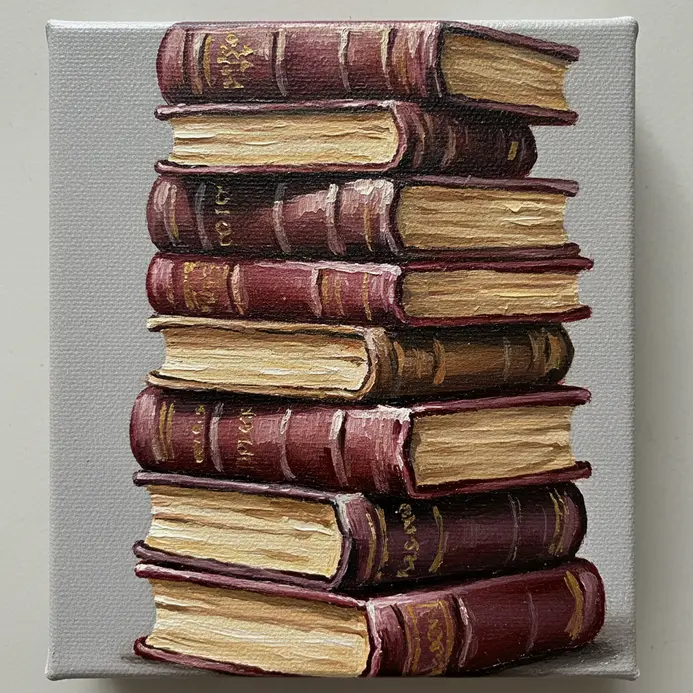
Ever wanted to build a charming vintage scene without painting heavy details? Wrap small wooden blocks in vintage scrapbook paper to form miniature volumes, then stack them and secure the bundle with twine. The mix of patterns and optional edge distressing builds a nostalgic atmosphere often follow similar mixed-media principles. This approach feels like a delightful change of pace from traditional painting. The stacked arrangement looks cozy and collected instantly.
30. Apply a Graphic Bold Stripe Patterned Background
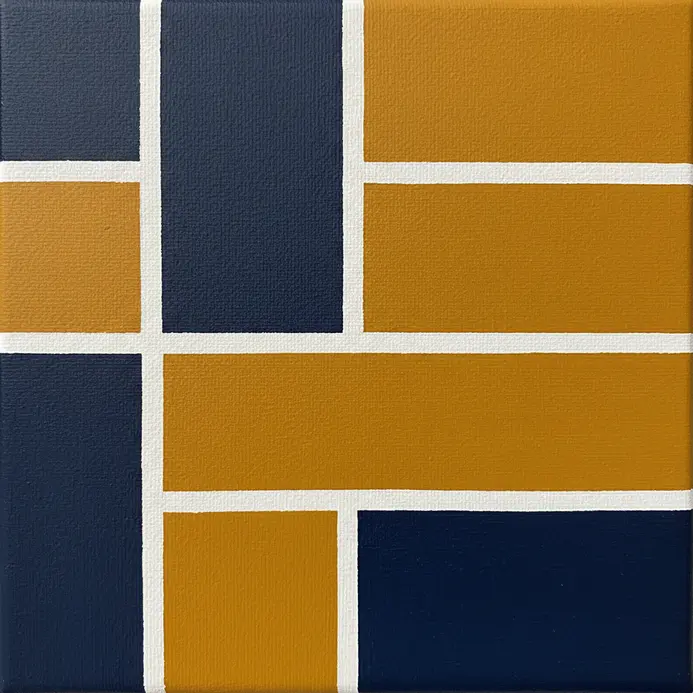
This design looks incredibly polished and executes with surprising speed. The primary tool here is low-tack painter’s tape. Map your stripe layout lightly, press the tape down firmly along your lines, and paint the bold colors between the borders. Peel the tape away to reveal sharp geometry instantly. That reveal feels incredibly satisfying every single time. Remove the adhesive while the paint remains dry to the touch to guarantee crisp, perfect edges consistently.
Preserving and Displaying Miniature Canvas Collections
One light coat of a matte acrylic varnish locks in weeks of work. This protective layer shields your saturated palette from dust and UV exposure without adding distracting gloss. Allow the painting to cure fully for at least one week before applying the finish in a clean space. Select a shallow shadow box frame to guard the surface while highlighting your canvas painting. Group several small canvases in a grid to celebrate the entire collection. Your finished work deserves this simple protection to maintain vibrant colors for years to come.
Conclusion
These small canvases let you celebrate a single concept without filling a large surface area. Your eye for detail and color finds a natural home here. For your next step, pick a palette you adore and apply it across your favorite mini canvas acrylic painting ideas. Working within a limited color family strengthens your mixing skills and builds a cohesive gallery. The joy remains in the making, and each tiny finished piece stands as proof of your growing confidence.
FAQs
Q: What are some fun and easy acrylic mini canvas painting ideas perfect for beginners?
A: Beginners to try simple subjects like a cherry, pineapple, birch tree or a rainbow gradient (ombre) using basic paintbrush strokes, sponges, or q-tips. These creative ideas are simple, versatile, and can be completed on small canvases for painting in one sitting — ideal as a craft project or a homemade gift.
Q: How do I choose the best paint medium and canvases for painting small acrylic pieces?
A: Acrylic is a versatile paint medium that works well on mini canvases; look for pre-primed canvas panels at your local craft store. Craft paint can be used for practice, but artist-grade acrylics give richer color and better mixing results. For texture, experiment with adding medium or using a sponge and different painting techniques to add texture and dimension.
Q: Can you suggest easy canvas painting techniques and tools for creating unique art?
A: Try techniques like acrylic paint pouring for swirly effects, masking tape for clean geometric lines, sponging for soft gradients, and dry-brushing for impressionist texture. Use various paintbrush sizes, q-tips for tiny dots, and even household sponges to make unique art that adds texture and personality.
Q: What are some mini canvas painting ideas for beginners who want to make a homemade gift?
A: Simple motifs like a small cherry, pineapple, ombre sunset, minimalist birch tree, or a tiny rainbow scene are perfect for beginners and make charming homemade gifts. Pair with a decorative frame or attach on a small easel for easy decor that feels personal and handmade.
Q: How can I find inspiration and drawing ideas for mini canvas projects?
A: Find inspiration in everyday items, seasonal trends, social media, or a walk outside. Keep a small sketchbook for quick drawing ideas, browse craft store displays, or combine concepts like an impressionist swirly sky over a silhouette tree. Creativity often starts by mixing familiar motifs — think cherry meets rainbow or pineapple with ombre background.