
Physiological Impact Of Dermal Trauma During Training
Sweat is the primary threat to your fresh tattoo during a workout, which makes the question of whether you can workout after getting a tattoo so critical during recovery. Your raised body temperature and increased blood flow from exercise cause vasodilation, which can exacerbate swelling and slow down the initial healing process. The friction from your clothes and equipment also poses a real risk of secondary trauma to that delicate, healing skin. Trust me on this, that first 48-hour window is absolutely critical for initial epithelial closure, and pushing through a workout too soon can directly compromise your tattoo’s clarity and color saturation. The good news is that this intense risk period is relatively short if you manage your recovery properly.
Consulting Your Artist On Healing Timelines
Your tattoo artist will give you a site-specific timeline because a piece on your shoulder blade heals completely differently than one wrapping your elbow or knee. They understand how the skin stretches and moves on each unique part of your body, which directly dictates your exact schedule and when you can workout after getting a tattoo safely. This personalized advice accounts for the mechanical strain your training will impose, something a generic aftercare sheet simply cannot do. You want to avoid turning a simple healing process into a prolonged ordeal with potential ink loss or scarring. Bring your workout routine into the conversation before you even get inked, so your artist can help you plan the optimal placement and recovery strategy from the start.
1. Understand the Initial Open Wound Healing Risks
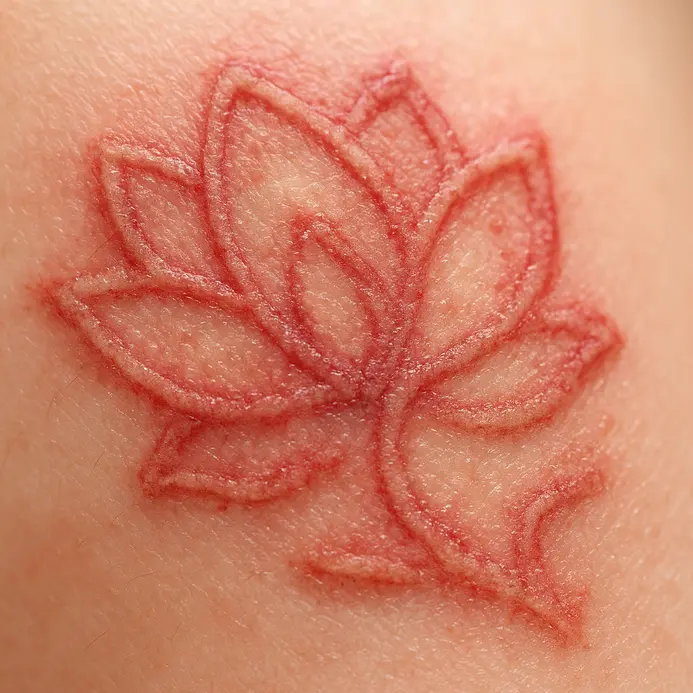
Ever feel a little nervous about that fresh tattoo? I totally get it. Right now, your skin is an open wound. That means the protective barrier is broken, letting in moisture and, yes, germs. Many athletes constantly ask can you workout after getting a tattoo while the dermal layer is still rebuilding itself. Think about infection risks. The needle creates thousands of tiny openings, and contaminants from dirty gym equipment or your own sweat can get inside. This is why those first new tattoo aftercare tips are so strict about keeping it clean and dry. Wondering if you can workout after getting a tattoo during this phase often overlooks how vulnerable your immune defenses actually are. Then there is bleeding and swelling. Damaged capillaries are trying to seal, and raising your blood pressure from heavy lifting can cause fresh oozing or a bigger bruise. It is not just about messing up the ink. It is about letting your body do its job without extra stress. Trust me, giving it a few days of rest makes all the difference for a clean, vibrant heal. Feel confident in your decision to pause.
2. Respect the Recommended Two Week Rest Period
Ever feel like you are ready to jump back into the gym after a few days? I have been there. Your fresh tattoo looks okay, so you think it is fine, but remember that there is a risk of infection if you don’t take care of it properly. That two week guideline directly answers the core question of when you can workout after getting a tattoo without compromising your skin barrier. For the first several days, your body enters a delicate inflammatory phase, cleaning the area while building new, fragile tissue. Trust me on this one. Pushing through a workout can lead to more than just extra pain, which is exactly why professionals emphasize waiting before you even consider can you workout after getting a tattoo. Giving your body those full two weeks of focused repair time is the single best thing you can do for your tattoo’s final look. Feel confident in your patience.
3. Avoid Sweat Induced Bacterial Infection Hazards
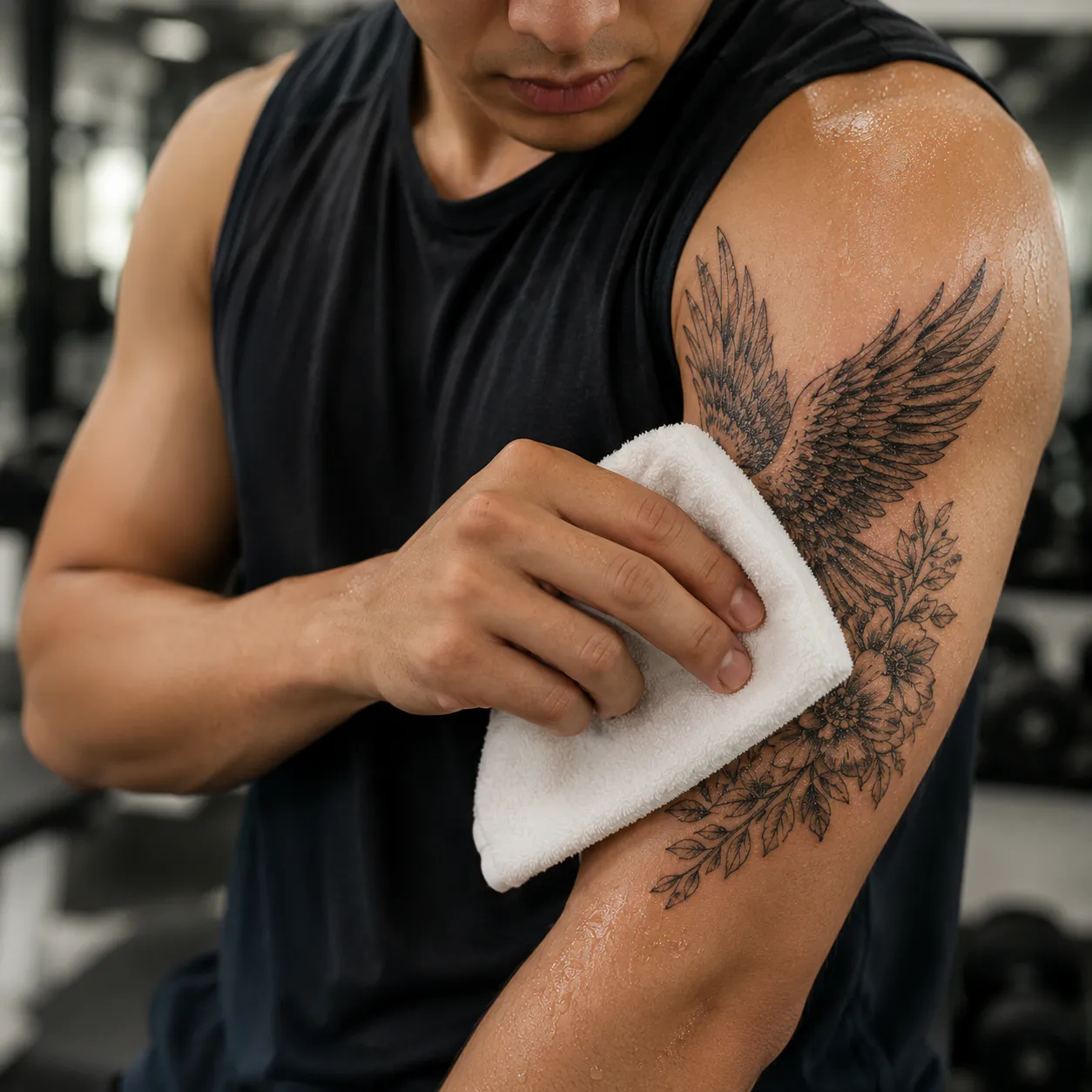
Ever notice how a fresh tattoo feels extra sensitive in a steamy gym? That warm, moist environment is a playground for bacteria. Sweat itself is not the villain, but when it mixes with your skin’s natural oils, the real concern becomes whether you can workout after getting a tattoo without triggering irritation or infections like folliculitis. This is why managing moisture remains your top priority. Your best defense is a quick, gentle shower right after your workout. I always recommend using a mild, pH-balanced soap to clean the area without harsh scrubbing. Thoroughly pat your skin dry with a clean towel, and let it air out completely before putting on loose, clean clothes. Changing out of sweaty gear immediately is non-negotiable to keep your healing art safe. Following a proper wait time between tattoo sessions lets your skin recover fully, so you can get back to your routine with confidence. Stick to these simple steps and feel secure knowing you are protecting your new ink.
4. Identify Gym Equipment Surface Contamination Risks
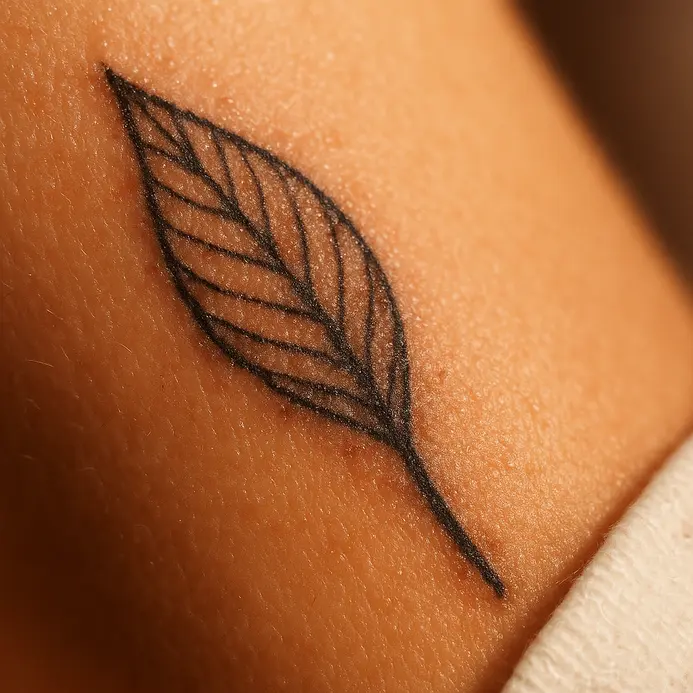
Ever noticed how a weight bench feels a bit damp after a busy hour? That is not just sweat. It is a sign of a real, invisible risk called gym equipment surface contamination. This happens when bacteria, viruses, and fungi are left behind by others and thrive in that moist environment, explaining why you should carefully plan if you can workout after getting a tattoo near shared spaces. Think about all the surfaces your hands touch: dumbbell grips, machine buttons, and yoga mats. High-touch spots like treadmill rails and locker room benches are hotspots. The common mistake is thinking a surface looks clean, so it is safe, which can increase the risk of infection. Many harmful pathogens are invisible. They can transfer to your skin in an instant, especially if you have that new ink. Protecting yourself is straightforward. I always use a clean towel to create a barrier between my skin and any equipment. I also make a point to wash my hands thoroughly before I leave. This simple habit dramatically cuts your risk of picking up something nasty and bringing it home to your healing art.
5. Prevent Tattoo Stretching and Friction
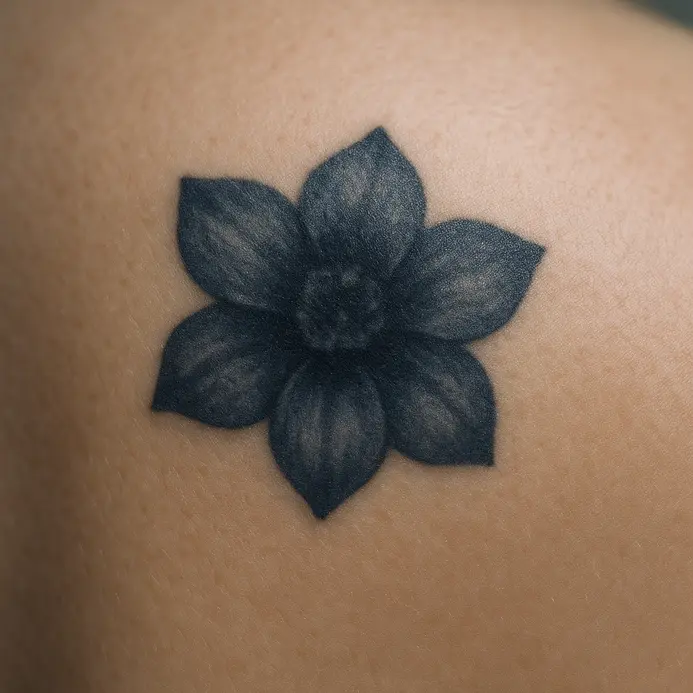
You might not think about your daily movements much, but trust me, your fresh tattoo is hyper-aware of every twist and bend. The real question of can you workout after getting a tattoo without stretching or rubbing the skin needs a careful answer before you hit the floor. For the first few weeks, wear loose-fitting clothing and avoid workouts that target the tattooed area. This keeps the design crisp and prevents irritation. Your long-term care matters just as much. Rapid weight changes can distort the ink over time, and sun exposure is a major culprit for fading. Applying a high-SPF sunscreen whenever you are outside is a non-negotiable habit for protecting your art’s vibrancy. Think of it as preserving your investment. Remember, the skin is fragile during healing. Gentle cleaning and moisturizing are key, and avoiding direct friction helps prevent issues like patchy healing or the need for a touch-up. It is all about giving your beautiful new art the best possible start for a lifetime of looking great.
6. Minimize the Impact of Exercise on Scabbing
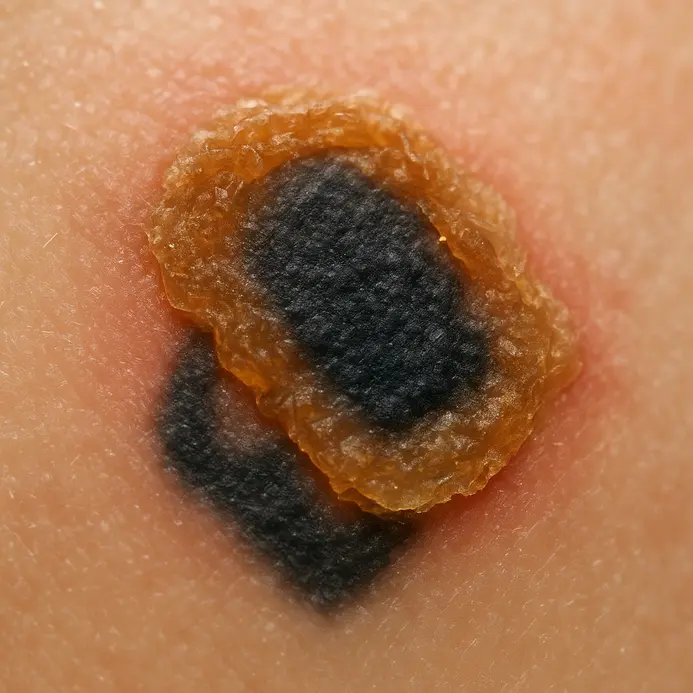
Ever notice how a fresh scab seems to pull and protest with every move? This can happen if you stretch the skin too soon after getting your tattoo. That is your body asking for a little extra care. The goal here is to protect that natural bandage so the new skin underneath can form without interruption. Your first move should be to assess your scab. Is it on a joint? Is it still fresh and soft? If so, you need to be extra gentle, because wondering can you workout after getting a tattoo while that fragile layer hardens requires extreme caution. For the first few days, I recommend sticking to complete rest from anything strenuous. Protection during activity is key. Wear loose, breathable clothing made of cotton to avoid friction. If you need a cover, use a non-adherent pad to prevent it from sticking, as tight clothing can irritate your tattoo. Most importantly, listen to your body. Stop immediately if you feel any pulling or sharp pain. Trust me on this one, letting that scab heal properly now means a much better-looking tattoo later, so wait at least a day after getting it before considering any activities.
7. Follow Waterproofing and Swimming Activity Bans
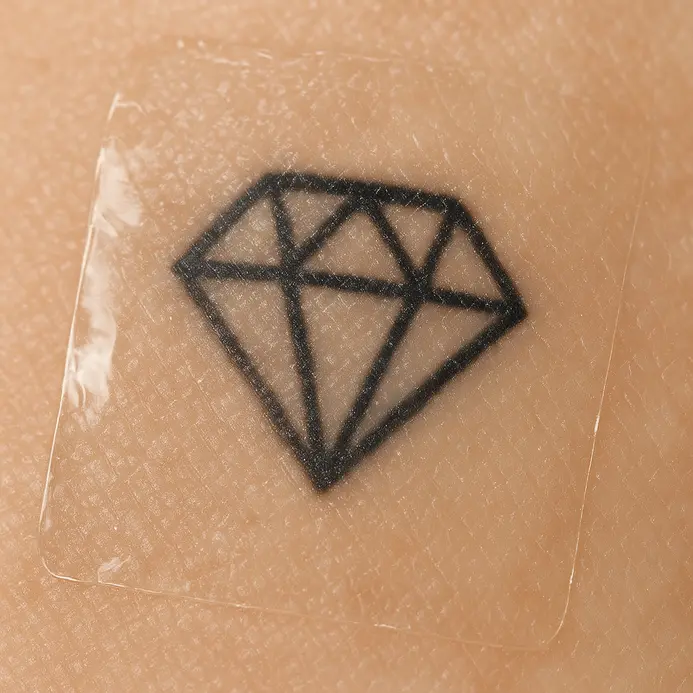
Ever think a quick swim or shower is fine because your tattoo looks sealed? That is a common and risky assumption. The protective film that forms over your healing tattoo is not waterproof. Soaking it breaks that seal and lets waterborne bacteria in, which can lead to a serious infection and ruin your new art. This is why I always tell friends to treat pools, oceans, and even long baths like they are off limits. Following a strict drying schedule clarifies exactly when you can workout after getting a tattoo without risking moisture damage. It is not forever, but it is crucial right now. For many, the waiting period becomes part of their tattoos symbolizing healing journeys, a physical reminder of patience and self care. Trust me on this one. Keeping your tattoo completely dry from submersion is non negotiable for a perfect heal. Feel confident in your aftercare by sticking to quick, gentle rinses only.
8. Choose Clothing for Optimal Wound Protection
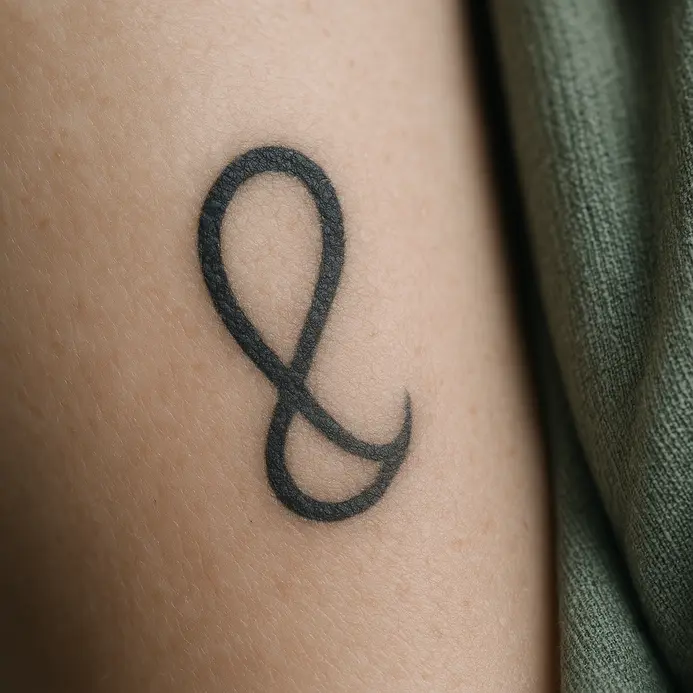
Ever wondered why your workout gear feels so wrong on a fresh tattoo? It is all about friction and breathability. You want a barrier that protects without smothering the area. Your first thought should be loose-fitting cotton or bamboo. These natural fabrics are soft, breathable, and directly answer the concern of can you workout after getting a tattoo without restrictive gear causing irritation. They soak up any excess moisture and let the area breathe, which is key for preventing complications. Trust me on this one, avoiding tight, synthetic materials makes a huge difference in your comfort and healing speed. It keeps your new ink safe while you move, so you can get back to your routine with confidence. Feel that relief knowing you are protecting your art.
9. Recognize Signs of Infection During Exercise
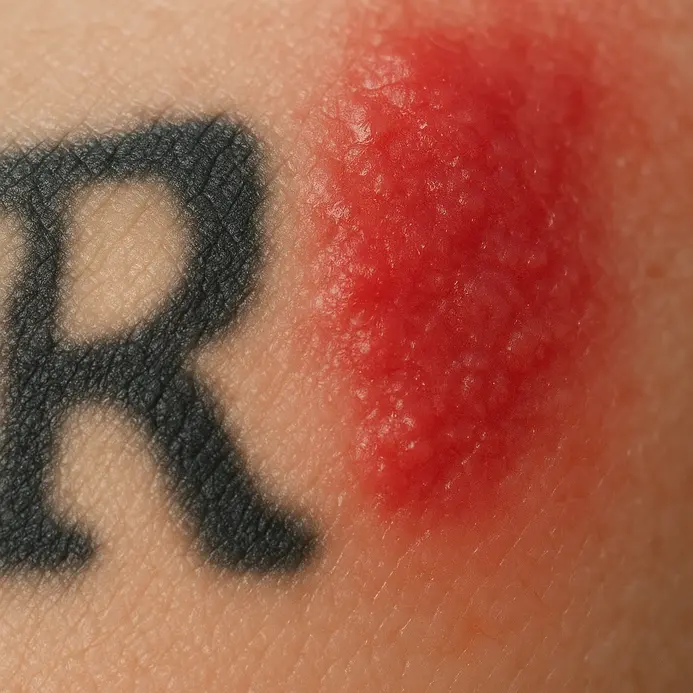
Ever feel that post-workout ache and wonder if it is just sore muscles or something more? It is so easy to push through, but knowing the difference is key for protecting your new tattoo and your health, especially if you want to work out after getting it. Your body is already working hard to heal, so an infection will drain your energy reserves fast. During a workout, pay close attention to unusual fatigue or weakness. Feeling dizzy or getting chills when you should be warming up is a major red flag. I always watch for a persistent cough or shortness of breath that feels worse than normal exertion. These are your body’s signals to stop and rest. Ignoring these signs can slow your recovery, making it clear why you can workout after getting a tattoo only after your immune system has fully stabilized. Listen to your body, pause your routine, and feel confident you are making the smart choice for your healing skin. After all, your health is the priority, whether you are thinking about your fitness or pondering if getting tattoos is sinful.
10. Plan Your Gradual Return to Physical Training
Ever feel that itch to jump right back into your full routine after a break? Resist it! Your body needs a structured comeback to stay healthy. Understanding exactly when you can workout after getting a tattoo safely depends entirely on pacing yourself through an active recovery phase. This means gentle walks or easy cycling, keeping sessions short and at a conversational pace. It is all about letting your muscles and skin adapt without stress. After that initial week, you can slowly reintroduce your normal workouts. Start at about half your usual intensity and volume for the next few weeks. This careful approach prevents strain and helps you build a solid foundation again. Trust me, this patience pays off by keeping you injury-free and excited to train. Listen closely to your body’s signals during this time. Proper rest and nutrition are your best tools for a strong return. You will come back feeling refreshed and ready to crush your next workout.
Long Term Ink Preservation Strategies Post Healing
Once your tattoo is fully healed, a consistent sunscreen habit becomes your most important tool for preserving its vibrancy for decades. Ultraviolet light is the single biggest cause of tattoo fading, breaking down ink particles in the dermis over time and causing colors to blur and dull. You should apply a broad-spectrum SPF 30 or higher to the area every single day, even in winter or on cloudy days, because UV rays penetrate through clouds and windows. This daily protection prevents the accelerated aging and color distortion that sun exposure guarantees. Choosing moisture-wicking, loose-fitting fabrics for your workouts will also minimize abrasive friction over the long term, keeping the skin’s texture smooth and the ink sharp.
Conclusion
Getting a tattoo is a commitment to a piece of art you will carry with you, and that includes giving it the care it needs to look its best. It is natural to feel eager to return to the activities that make you feel strong and healthy. The key is patience and listening to your body—treating that fresh ink with the same respect you give your fitness goals. By understanding exactly when you can workout after getting a tattoo and following a careful timeline, you protect your investment and ensure your tattoo heals beautifully. Remember, a short rest now means you can enjoy your new art and your active lifestyle for years to come. The most important step is always to consult your artist or a doctor if you have specific concerns about your healing process.
FAQs
Q: Can you exercise immediately after getting a tattoo?
A: No. Immediately after getting a tattoo your skin is an open wound and the tattooing process has damaged layers of skin. You should avoid exercise immediately after getting a tattoo because sweating, friction from clothing, and movement can irritate the skin, increase the risk of infection, and interfere with proper tattoo aftercare.
Q: How long should you wait to work out after getting a tattoo?
A: How long you should wait depends on tattoo placement, size, and your healing. For most people it’s advisable to wait at least 48 hours before any light activity that may cause sweat or friction, but many artists recommend waiting 4 to 6 weeks for intense workouts or a full return to cardio workout routines to allow skin cells to repair the damaged skin and for proper healing.
Q: What should I know about exercising too soon after getting my first tattoo?
A: Exercising too soon after getting a tattoo can lead to increased risk of infection, excessive swelling, and fading or bleeding of ink. Sweat and movement can irritate the area, cause the skin to shear, and may lead to drying out and cracking or scab disruption. If this is your first tattoo, follow your artist’s aftercare and err on the side of waiting at least a few days for minimal activity and up to a week or more for more demanding exercise.
Q: If my tattoo is on my thigh, when can I do leg workouts?
A: A thigh tattoo is subject to friction from clothing and muscle movement. For a thigh tattoo you should wait at least 48 hours for light movement, avoid heavy leg days for at least a week, and consider waiting 2 weeks or up to 4 to 6 weeks for intense weightlifting or cardio that targets the area. Wearing loose fitting clothing and avoiding tight gym shorts will help protect the site as it heals.
Q: Should I cover your tattoo when working out or at the gym?
A: Cover your tattoo if sweat or gym equipment will touch it. Use clean breathable bandaging or non-stick sterile dressings for the first few days to keep your tattoo clean and protected, and change coverings as needed to keep the area dry. Wiping down any equipment before use and avoiding direct contact with shared surfaces reduces the chance of contamination.