Establishing Visual Cohesion Through Limited Palettes
Your first tube of paint determines the entire mood of a sophisticated abstract piece. I start every elegant work with a monochromatic color scheme of heavy-body acrylics, pulling one base hue from a tube of Payne’s Gray or Raw Umber. You build nuance from there by adding white for tints and black for shades, never introducing a second competing color family. This restraint forces you to focus on texture and form, which is the real secret to visual success. The result is a harmonious composition where light interacts with your layered medium to create quiet depth. Beginners often make the mistake of using every color they own, but trust me, a single, well-chosen hue speaks volumes more.
Selecting Primed Surfaces For Professional Texture Depth
A rigid, flat surface like a primed wood panel gives your textured layers a stable foundation that won’t sag or flex over time. You need this solid base to confidently build up thick palette knife strokes without the canvas giving way underneath your pressure. Gallery-wrapped canvases work too, but ensure they are deep and properly braced. The prepared ground on these surfaces also absorbs paint evenly, preventing unwanted blotches that disrupt your atmospheric gradients. This professional start is what allows the final piece to feel intentional and refined, not haphazard. Your sophisticated application techniques depend entirely on the quality of the surface you begin with.
1. Paint a Muted Grey Minimalist Gradient Fade

Who would have thought a simple grey fade could feel so sophisticated? You will work with three to five muted grey paints that share the same subtle undertone, like all cool blues or warm beiges. Apply them in bands and then gently blend where they meet to create that seamless, calming transition. I love this one because it builds visual depth without any clutter, perfect for a serene modern space. Many elegant abstract painting ideas rely on this exact approach to guide your composition. For a great starting point, check out these abstract painting beginner ideas.
2. Add Gold Leaf Texture to a Cream Square Composition
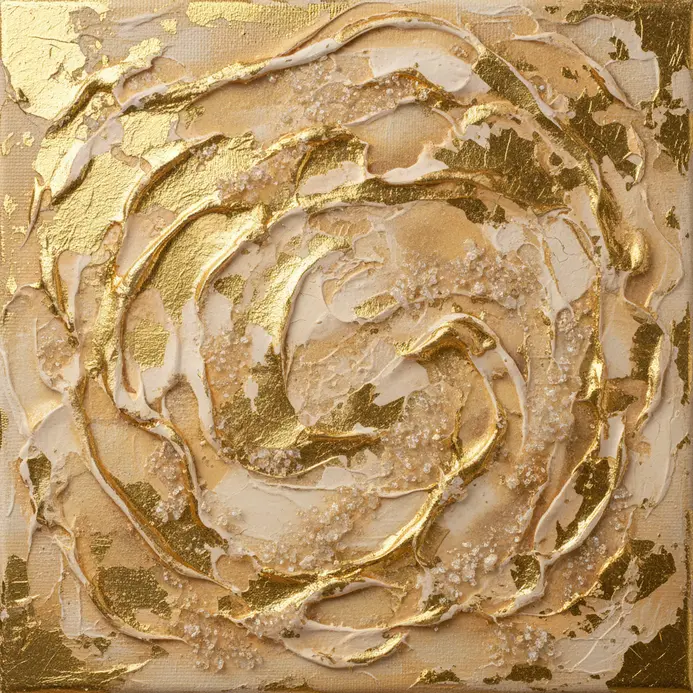
Who would have thought such a luxurious look could be so approachable? You start with a warm, inviting color that sets the tone for your creative abstract art. cream square base, then apply sheets of shimmering gold leaf or a convincing digital texture over it. I love how the soft background makes the metallic shine feel elegant, not gaudy. The result is a piece with incredible depth that feels both modern and timeless. Following elegant abstract painting ideas like this one shows you how simplicity creates lasting impact. Sound complicated? It is not. For a digital version, layer a high-resolution gold texture over your cream layer and play with blend modes like Overlay. In the physical world, apply a tacky adhesive called sizing, then gently press the delicate leaf onto it. Isn’t that satisfying? You end up with a rich, tactile surface that catches the light beautifully, reminiscent of colorful abstract art.
3. Create an Indigo Ink Soft Wash Ripple Effect
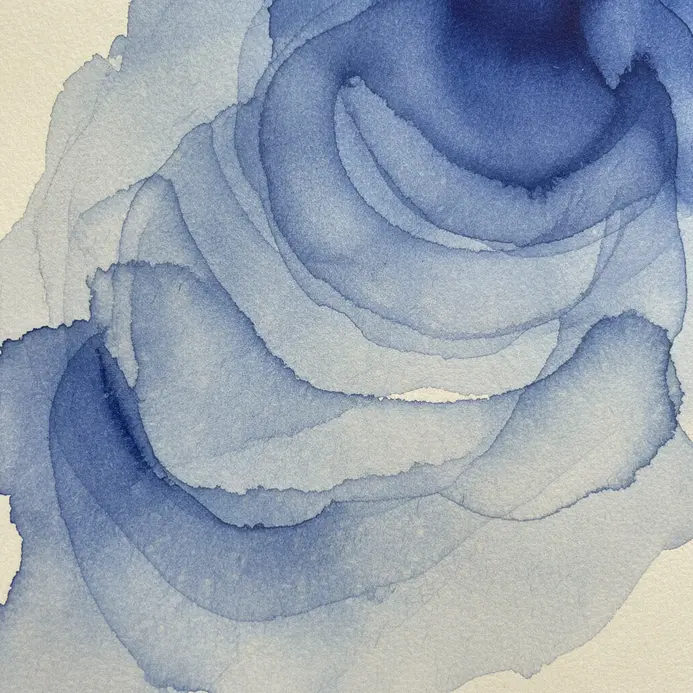
This one is deceptively simple. It looks like a complex water pattern, but it is all about using a low opacity brush to build up soft layers. You start with a light wash of indigo, then paint gentle, imperfect circles or waves that fade softly at the edges. The beauty is in the softness and the natural, watery movement it creates. I love how calming this effect feels. The key is to avoid perfect shapes and let your brushstrokes be loose. Trust me, exploring elegant abstract painting ideas that prioritize soft washes yields a result that feels serene and sophisticated.
4. Draw a Charcoal Gestural Single Line Mark
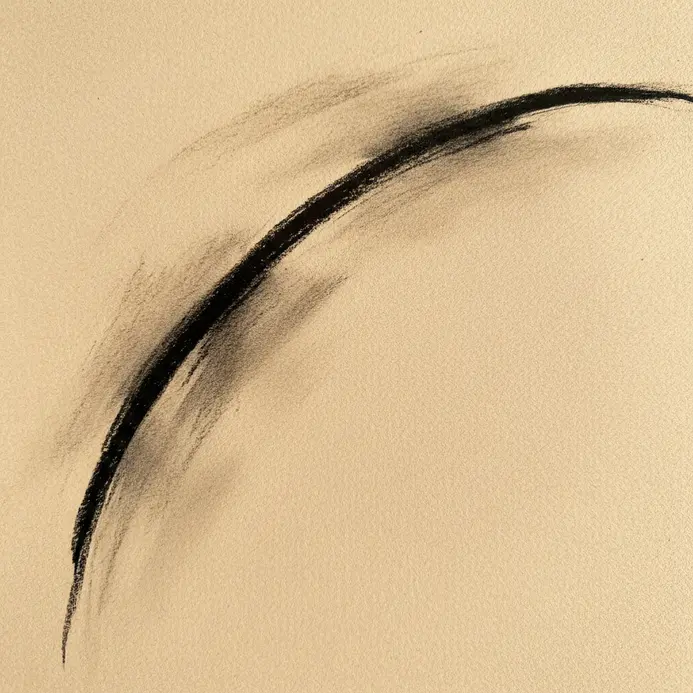
Ever wondered how to capture a subject’s energy with a single, fluid motion in your abstract art? This technique sits at the heart of many elegant abstract painting ideas because it focuses on feeling the form, not copying details. Grab some vine charcoal and stand up to use your whole arm. Draw your chosen object with one continuous, unbroken line, focusing purely on its movement. The beauty lies in the confident, expressive gesture you create. You will love how this practice builds your observational skills and leads to stunning, striking black & white paintings.
5. Build a Monochromatic White Impasto Relief Surface
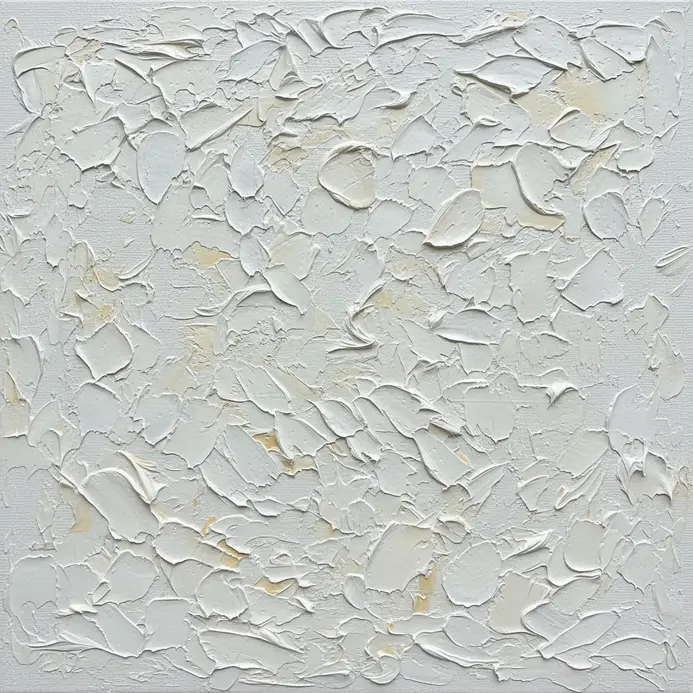
Ever wondered how to make a painting feel more like a sculpture? This technique is all about thick, dimensional texture using only white. You will layer heavy body acrylic paint or modeling paste onto a sturdy panel with a palette knife. The magic happens as light plays across the peaks and valleys you create, giving you a dynamic, minimalist piece. I love how this feels both sophisticated and incredibly hands-on. Trying elegant abstract painting ideas like this relief surface technique brings sculptural depth to life under your hands. Try it and feel the results.
6. Layer Translucent Blush Overlapping Geometric Shapes

Ever wondered how to make a geometric piece feel soft and inviting? This technique is a favorite of mine because it creates such elegant depth. You will paint translucent blush washes over crisp shapes like squares or circles, letting the colors blend where they overlap. It works because the transparency builds a gentle, sophisticated color story without harsh lines. When you stack delicate layers, your elegant abstract painting ideas naturally evolve into something highly refined. For a clean, modern look, check out these inspired minimalist painting styles and feel the calm sophistication in your own work.
7. Capture an Ethereal Sage Green Atmospheric Cloudscape
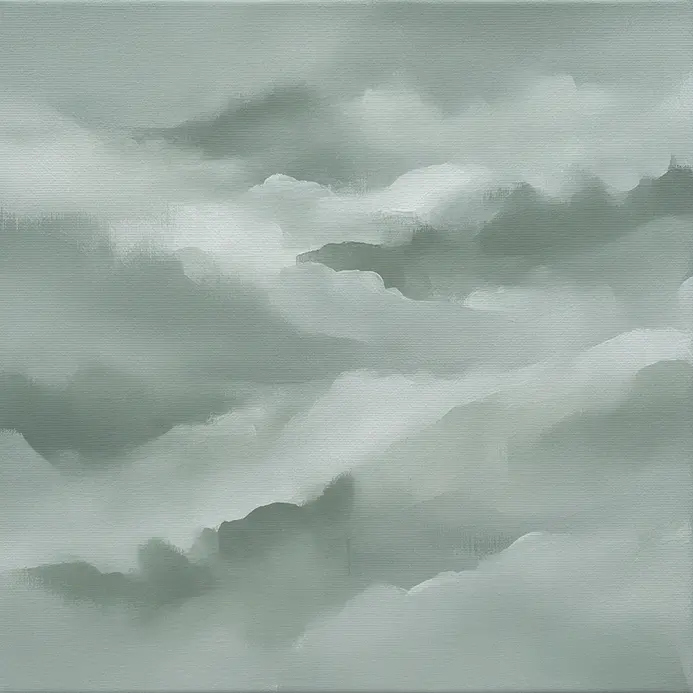
Ever wondered how to make a sky look truly dreamy? This concept is all about soft, layered clouds in a muted, sophisticated sage green palette. You start with broad washes of this calming color, building up translucent layers to create a hazy, diffused light effect. The magic lies in those subtle tonal shifts and the absence of harsh lines. I love how this approach evokes such a peaceful, spacious feeling. Incorporating serene landscapes into your elegant abstract painting ideas guarantees a tranquil result. Try it and feel the serenity in your finished piece.
8. Form a Copper Vein Deconstructed Botanical Study
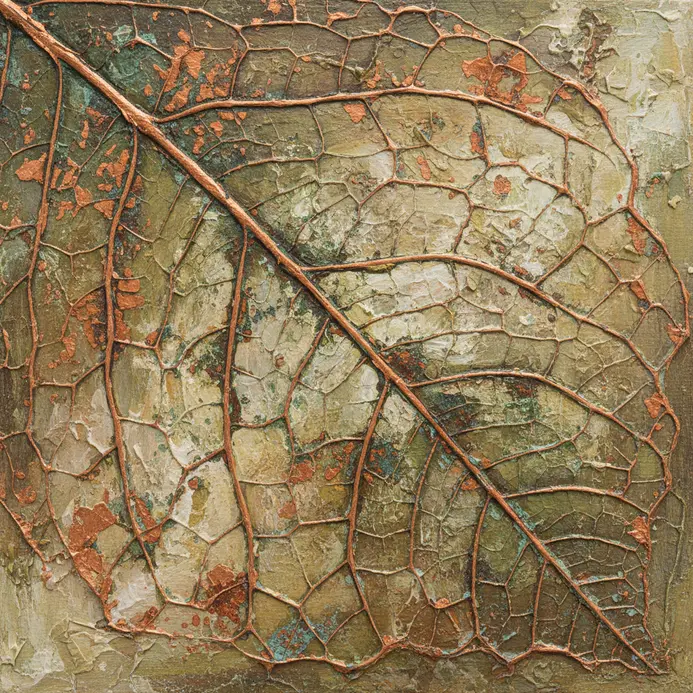
This one surprised me. It looks like a complex botanical illustration, but the secret is in the deconstruction. You break down a plant into its core parts, like the stem and leaf veins, and then render each element with an emphasis on its structural lines as if they were oxidized copper veins. I love how this technique blends natural forms with a touch of industrial elegance. Trust me on this. The payoff is a piece that feels antique and full of hidden strength, not merely a pretty picture. Isn’t that a beautiful way to see a plant? Adding structural botanicals to your elegant abstract painting ideas introduces fascinating organic rhythm.
9. Achieve a Navy Blue Fluid Marbled Swirl
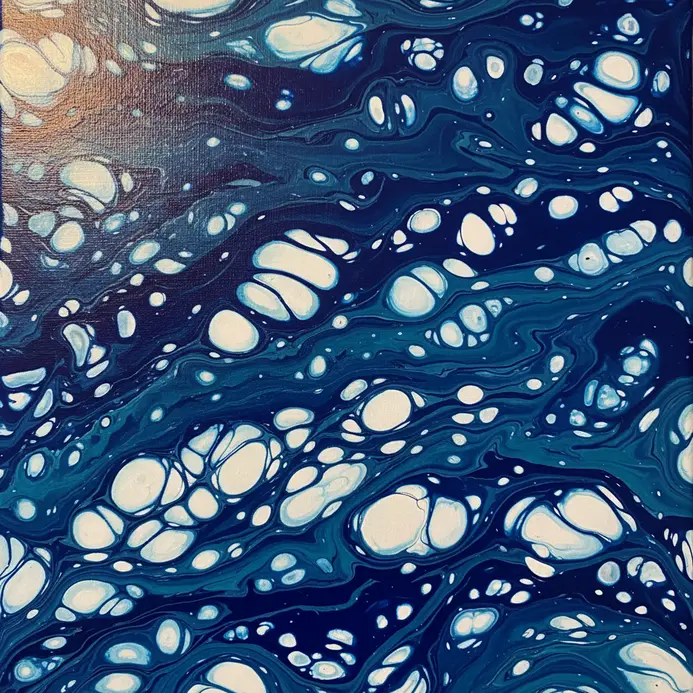
Who would have thought a look this luxurious could come from a simple swirl in an abstract art piece? You start with a wet base layer of rich navy, then immediately drop in little pools of white or silver. The magic happens when you drag a thin tool like a toothpick through those wet colors, creating elegant, flowing patterns that never fully blend. I love how this technique captures a sense of liquid movement, making your surface look like a deep, swirling galaxy. Your key to success is using a light hand to avoid over-mixing, which keeps the colors distinct and the swirls crisp. Doesn’t that final, glossy, marbled finish feel stunning? Fluid techniques remain some of the most compelling elegant abstract painting ideas you can explore today. For a different kind of fluid elegance, you can also explore ink painting ideas to see how other mediums behave.
10. Sketch a Fine Graphite Echoing Ripple Pattern

It looks so complex, but trust me, this is a wonderfully simple exercise in control. The magic lies in your pressure control. Start with a dark, soft spot at the center, then draw concentric circles that get lighter and fainter as they expand outward. I love how this technique trains your eye to see subtle value shifts. Use a kneaded eraser to soften edges, and feel the satisfaction of that perfect, fading echo. Mastering precise pencil work ensures your elegant abstract painting ideas maintain that delicate balance. The payoff is truly rewarding.
11. Apply Soft Ochre Layered Glazed Rectangles

Ever wondered how to get that rich, luminous depth in an abstract piece? The secret is in the glazing medium. You build up translucent layers of soft ochre paint, letting each one dry completely before adding the next. This creates overlapping rectangles that seem to glow from within, with a sophisticated, warm finish. I love this technique because it feels less like painting and more like building light. Patience is your best tool here. For a similar sense of serene depth, look into celestial painting inspirations. Layering careful geometric forms keeps your elegant abstract painting ideas looking polished and refined. The final result is so quietly elegant and satisfying.
12. Outline a Deep Terracotta Minimalist Arc Form

Ever feel like a room needs a single, grounding element that whispers warmth? This deep terracotta arc does exactly that. You are creating one smooth, substantial shape with blunt ends, like a piece of ancient pottery found in a modern gallery. I love how its rich, earthy color and matte finish feel both organic and incredibly refined. Trust me, keeping the surface perfectly uniform is your key to that sophisticated tranquility. Grounding your composition with a bold focal shape elevates even your simplest elegant abstract painting ideas to gallery standards.
13. Paint a Pale Lavender Whispering Brush Stroke
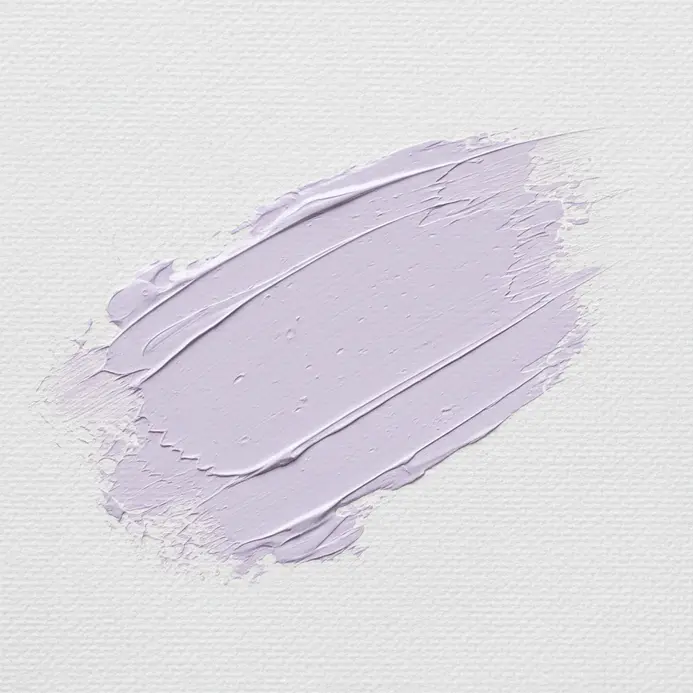
It looks so delicate, doesn’t it? The secret is mixing your own perfect pale lavender. Start with a big dollop of Titanium White and add the tiniest specks of blue and red. Load your brush lightly and let it whisper across the canvas with one gentle, confident motion. This subtle stroke adds an incredible sense of air and softness, perfect for creating a sophisticated mood. I love how a single, well-placed mark feels so complete. Restraint in brushwork ensures your elegant abstract painting ideas maintain their graceful atmosphere.
14. Build a Textured Sand Neutral Monotone Field

Ever wondered how to make a painting look refined without bright colors? This idea is all about creating depth with texture and light. Start by building up a thick base of acrylic modeling paste on your canvas. Shape it with a palette knife to make gentle ripples like a windswept dune. Once it’s dry, use a single, soft beige or grey paint in thin washes over everything. The magic happens when light hits those tiny ridges and valleys, creating a beautiful, quiet landscape. It feels so satisfying to create such a sophisticated piece with one color. Emphasizing tactile surfaces transforms basic shapes into compelling elegant abstract painting ideas. For a completely different but equally impressive approach, take a look at hyper-realistic oil painting.
15. Add a Bronze Metallic Structured Grid Motif

Who would have thought adding a grid could feel so luxurious? This idea is about painting intersecting lines with a bronze metallic paint. The warmth and light-catching sheen of the bronze instantly adds a layer of sophisticated elegance to your canvas. I love how the structured lines provide a grounding sense of order within the abstraction. Trust me on this one, the secret is using low-tack artist’s tape for those perfectly crisp edges. Apply it over your pencil sketch, paint your bronze lines, and peel it away carefully while the paint is still a bit tacky for a fun twist. Isn’t it satisfying to reveal those sharp, gleaming lines? Incorporating metallic grids into your elegant abstract painting ideas introduces a modern architectural edge.
16. Capture a Blurred Slate Blue Horizon Line
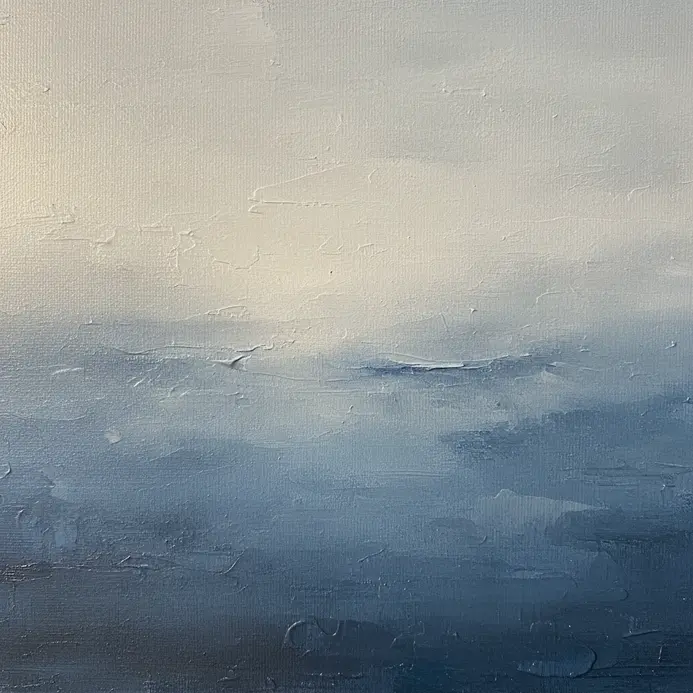
Ever wondered how photographers create those dreamy, minimalist horizon shots? This is one of my favorite ways to introduce an abstract feel into a landscape. You’ll need your camera on a sturdy tripod and a long exposure setting, ideally during twilight or on an overcast day to capture that perfect slate blue color. The blur from moving clouds or water turns a simple line into a soft, elegant focal point. It works so well because it strips away distracting detail, leaving you with pure mood and color, essential for any abstract art. For a fresh take on blending digital and traditional effects, explore these innovative digital painting concepts. Studying atmospheric horizons expands your elegant abstract painting ideas beyond traditional studio methods, bringing in elements of nature.
17. Apply Silver Leaf for Organic Edge Detail

Ever wondered how to make a painting’s edge look like it was kissed by moonlight? This technique is my secret weapon for adding a luxurious, shimmering border that feels natural and handcrafted. You carefully apply oil-based gilding size in a freeform, wavy line along your edge, then lay down delicate sheets of silver leaf. The result is a soft, opulent detail that catches the light beautifully. Trust me, the magic is in that intentional imperfection. It works because the contrast between the metallic shimmer and your base color creates a stunning, sophisticated texture. You will feel so proud when you see that organic, elegant line glowing on your canvas. Refining your borders through gilding techniques ensures your elegant abstract painting ideas receive that final polished touch.
18. Layer a Sheer Umber Veiled Composition
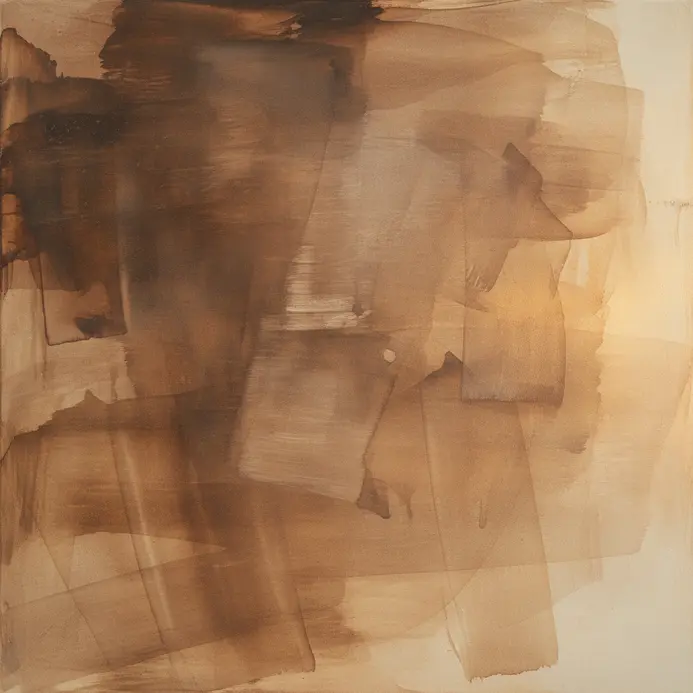
Does your abstract work feel a bit flat? A sheer umber veil adds instant depth and mystery. Start with your base shapes and colors, then mix a thin umber glaze with a glazing medium. Apply it in broad, translucent washes over your composition and let each layer dry. I love how this technique pushes elements back, creating a warm, atmospheric mood that enhances the abstract art experience. The real magic is in the subtlety, letting hints of the underlayer peek through. Try it and feel the intrigue it brings to your work. Glazing layers properly integrates depth into all of your elegant abstract painting ideas.
19. Draw a Soft Charcoal Botanical Branch Abstract

This one is a favorite for its moody, atmospheric feel. Start by loosely sketching the main flow of a branch with soft vine charcoal. Let your hand follow the natural curve and gesture, not the details. Then, use the side of your charcoal to build up soft, sweeping tones, letting some areas stay light and others go beautifully dark. It is so effective because that organic movement and tonal depth create instant elegance. For a different kind of elegant wall art, you might also enjoy this guide to This transformative DIY wall painting is a fun way to explore creative abstract art ideas.. Exploring natural forms through charcoal guarantees your elegant abstract painting ideas stay grounded in reality.
20. Form a Matte Taupe Focused Focal Shape

Ever wondered how to create a quiet, sophisticated centerpiece in your abstract work? I love to use a matte taupe paint to build a single, soft-edged shape right where I want the eye to land. Think of it as a gentle anchor, a defined mass that grounds the entire composition. This works because the flat texture feels modern and intentional, not loud or flashy, making it ideal for contemporary abstract art. Trust me, the subtle authority of that one shape will make your whole painting feel more cohesive and elegant. Placing deliberate focal points elevates all of your elegant abstract painting ideas into balanced masterpieces.
21. Blend a Deep Emerald Smoothed Color Transition

This one looks so luxurious, but the secret is in a simple, gradual shift. You will lay down a dark emerald and slowly blend it into a lighter shade or a complementary color, using soft strokes to erase any harsh lines, creating a colorful effect. I love how the HSL color space in digital tools gives you a more natural, smooth gradient without muddy tones. It feels calming and sophisticated because your eye follows the gentle flow of color. For a different take on pattern-based elegance, check out this guide to intricate abstract dot art. Smooth blending remains one of the most foundational elegant abstract painting ideas you should master.
22. Use Off White for a Minimalist Negative Space Study

Ever feel like pure white can be a bit too harsh? I love using a palette of subtle off-white tones like eggshell and ivory. Paint one or two simple, strong shapes against a slightly different background shade. The magic is in those quiet edges where the forms meet the space. This works because the gentle contrast feels sophisticated and serene, not stark. Try it and feel the calm elegance in your composition. Respecting negative space keeps your elegant abstract painting ideas breathing freely.
23. Paint a Warm Coral Gentle Curving Path

This idea feels like a visual sigh of relief, doesn’t it? You start by lightly sketching a flowing S-curve or C-curve on your canvas. Then, layer up your coral shades from a mid-tone base, adding lighter peaches and deeper salmons to give that gentle path soft dimension. I love how the warm color palette instantly creates a serene and inviting mood. Try it and feel the calming flow come to life under your brush. Gentle directional movement strengthens the narrative within all elegant abstract painting ideas.
24. Build a Misty Pearl Structured Fragment Study

Ever wondered how to create depth that feels both hidden and luminous? This study starts by lightly sketching a simple geometric grid on your panel. Then, wash over it with thin, translucent acrylic glazes in muted grays and blues to build a soft, hazy atmosphere. The magic happens when you add pearlescent paint to select areas, letting those ‘pearl’ fragments glow from within the mist. It is satisfying because you are painting a beautiful metaphor for discovery itself. I love how this technique lets you explore watercolor techniques for blending, even with acrylics. Atmospheric layering delivers incredible visual results.
25. Draw a Burnished Gold Minimalist Thin Line

Who would have thought a single line could feel so luxurious? This is all about restraint. You will carefully draw one unbroken, incredibly thin line using a muted, warm gold. It is not bright or glittery, but has the soft sheen of antique jewelry. I love this one for its quiet confidence. The trick is a steady hand and a color with depth. You will find it creates a sense of elegant sophistication instantly. Trust me, the payoff is huge. Feel that rush of understated refinement when your perfect line is complete.
26. Apply a Soft Plum Translucent Glaze Wash

Who would have thought a simple wash could add so much subtle sophistication? This is one of my favorite finishing touches. You mix a little soft plum paint with a generous amount of glaze medium to create a thin, see-through liquid. Then, you apply it in smooth, even strokes over your dried base layer. The magic happens because the translucency lets all the beautiful textures underneath peek through, now tinted with a gentle, muted purple. It creates a lovely depth and a slightly aged, refined feel that an opaque layer cannot match. For a similar delicate effect in a different medium, you might enjoy these soft pastel watercolor paintings. Trust me on this one. Apply it thin, let it dry, and feel the transformation.
27. Outline a Black Ink Deconstructed Leaf Vein

Ever looked at a leaf and wondered about the intricate highway system inside? This idea focuses on that skeleton, not the whole leaf. Start with a very light pencil sketch to map out the flow of the main vein and a few broken branches. Then, use a fine technical pen to trace those lines, deliberately leaving gaps and exaggerating segments for that abstract, deconstructed look. I love how this transforms a simple natural structure into something so elegant and architectural. It works because the stark black ink highlights the beautiful complexity we often miss. Trust me, the satisfaction comes from seeing those delicate lines create a whole world of negative space in your abstract art.
28. Build a Pale Sand Textural Impasto Hillside
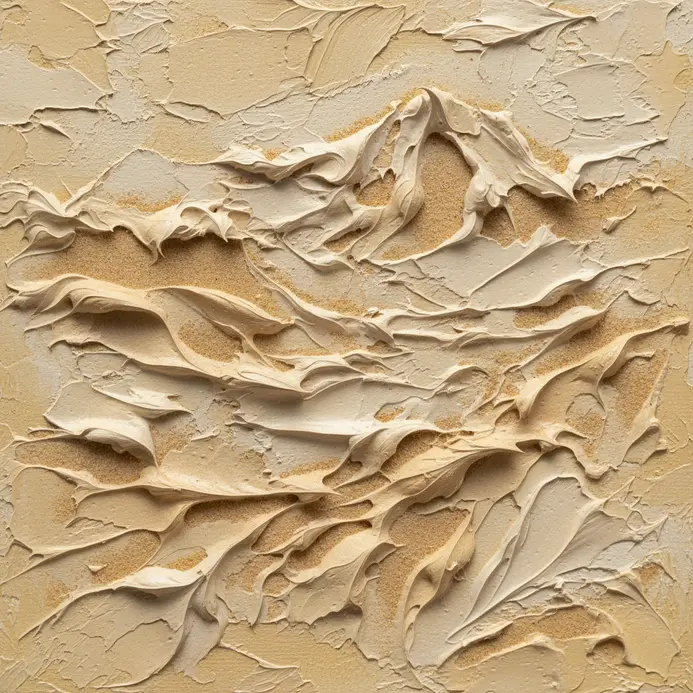
Ever wondered how to make a painting feel like a piece of the earth itself? This approach is all about thick, sculptural layers. Use a palette knife to apply heavy body acrylics mixed with gel medium, building up a sloping hillside in pale sand and cream tones. I love how the physical ridges and marks become the landscape, creating a serene, tactile experience. Your final piece will feel substantial and wonderfully textured.
29. Layer Soft Teal Overlapping Transparent Shapes
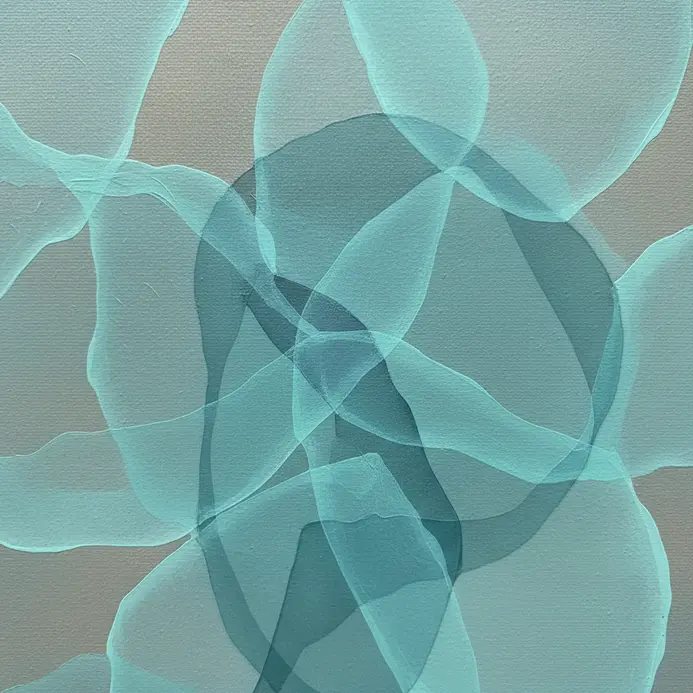
Who knew stacking soft teal shapes could create such a calming, modern effect? You start by picking a few different soft teal shades and drawing organic or geometric shapes. The magic happens when you lower each shape’s opacity and let them overlap, creating new, subtle colors where they intersect, perfect for your abstract art. I love how this builds depth without any clutter. It works because the gentle color blending feels sophisticated and serene. For a similar fluid and gentle aesthetic, you might enjoy these whimsical watercolor painting ideas. Feel that sense of calm wash over your canvas.
30. Capture a Muted Steel Blue Ethereal Trace

Ever wondered how to paint a whisper? This idea is all about subtlety. Start by mixing a muted steel blue using Payne’s Gray, white, and a tiny bit of raw umber to kill the brightness. Apply it in thin, translucent washes, letting layers build a soft, luminous depth. Then, use a dry brush or a sponge to introduce those fleeting, ghostly traces. The key is to avoid any hard edges, letting forms dissolve into a hazy atmosphere. I love how this creates a sense of quiet mystery and sophisticated calm. Try it and feel the serene, dreamlike quality emerge from your canvas.
Applying Archival Varnishes For Longevity And Sheen
A single coat of matte acrylic varnish applied with a soft, wide brush protects months of careful work from dust and UV damage in two minutes. You want to use a professional-grade, non-yellowing formula specifically for acrylics to lock in your color harmonies without shifting their tone. Apply it in thin, even strokes after the painting is completely bone-dry, usually waiting at least a week, as a tip for achieving a refined finish. This final step unifies the surface sheen, eliminating any uneven glossy spots from dried medium, and enhances the perceived depth of your textured layers. It is the definitive finish that signals a completed, professional artwork ready for display.
Conclusion
The true joy of creating art lies in building a space for quiet reflection in your home. Each of these techniques serves as a starting point for your own exploration of color, texture, and form. Remember, the most sophisticated pieces often come from a place of restraint and careful editing. When you begin your next project, focus on one technique at a time and let the composition breathe. Your personal collection of elegant abstract painting ideas will grow naturally as you discover what balance and harmony mean to you.
FAQs
Q: What are some elegant abstract painting ideas for beginners?
A: For beginners, elegant abstract painting ideas include focusing on blocks of color, simple geometric shapes, and limited palettes to convey richness without overworking the canvas. Start by choosing two or three harmonizing hues—perhaps a muted rainbow of pastels or a vibrant pairing—and experiment with texture using palette knives or layered washes. Treat the process like a class in composition: establish a focal point, leave breathing room, and let the spirit of the piece emerge through restraint and thoughtful design.
Q: How can an artist create a unique abstract piece while working within a constraint?
A: Constraints often spark creativity: limit your palette, use only one brush, or restrict your marks to vertical strokes. These creative ways of setting boundaries force inventive problem-solving and can lead to a unique painting abstract expression. For example, impose a rule to include one unexpected color splash—introducing drama and contrast—while keeping overall elegance through balanced composition and subtle textures.
Q: How do I hang an elegant abstract painting in a living room or office?
A: To hang an abstract painting in an office or living room, choose a focal wall and align the center of the painting at eye level (around 57–60 inches). Consider scale: a large mural or oversized canvas makes a bold statement, while a series of smaller panels or blocks of color arranged in a grid can create a sophisticated gallery effect. Keep surrounding decor minimal to let the painting’s richness and spirit stand out.
Q: What techniques can add vibrancy and drama to abstract works without losing elegance?
A: Mix matte and glossy layers, introduce high-contrast accents, or use metallics sparingly to add vibrancy and drama. Apply vibrant strokes or drips selectively to preserve overall refinement. Experiment with sous layers of muted hues and then reveal bright marks on top to create depth and movement; this balances restraint with expressive energy.
Q: Which historical artists can inspire elegant abstract painting ideas?
A: Look to early 20th century pioneers for inspiration: Wassily Kandinsky’s exploration of color and spirit, and Jackson Pollock’s emphasis on gesture and rhythm, both offer lessons. Kandinsky’s compositions reveal how color relationships and symbolic shapes create emotional resonance, while Pollock demonstrates how energetic mark-making can be harnessed into sophisticated compositions when tempered by considered design.