

Mastering Water Control for Soft Animal Features
When you explore easy watercolor animals ideas, the fastest way to get those soft, fuzzy edges for a rabbit’s fur or an owl’s feathers is by painting your shape onto paper that’s already wet. Here is the thing: you want to avoid adding so much water that your pigment races across the page and loses its form. Trust me on this, a Use a medium round brush to achieve the desired effect in your painting. loaded with pigment but not dripping is your best tool for this controlled ‘wet-on-wet’ technique. You will notice the color bleeds beautifully at the edges, creating that perfect suggestion of softness without a single hard line. The good news is that this tool gives you enough control to define the animal’s silhouette while the damp paper does the blending work for you. Just remember to let each layer dry completely before adding details like eyes, or you will get those muddy blooms we all want to avoid.
Selecting Harmonious Pigments for Wildlife Subjects
You can mix a whole forest of fur and feather tones for your easy watercolor animals ideas using only a warm red, a cool blue, and a sunny yellow. Your finished piece will feel more cohesive, and you will learn color relationships far better than with a dozen tube greens. For a fox, try mixing that red and yellow for a rich orange, then tone it down with a touch of blue for shadows. The transparency of the medium means these layered mixes glow instead of turning flat and muddy. I recommend starting with a limited palette of three primary colors to keep things simple. This approach forces you to see the animal not as a collection of named colors, but as values and temperatures you can create yourself. It is the secret to paintings that feel alive and unified, not like a patchwork of disconnected hues, making every brush stroke count as part of the guide.
1. Paint a Minimalist Silhouette Flying Swallow Flock
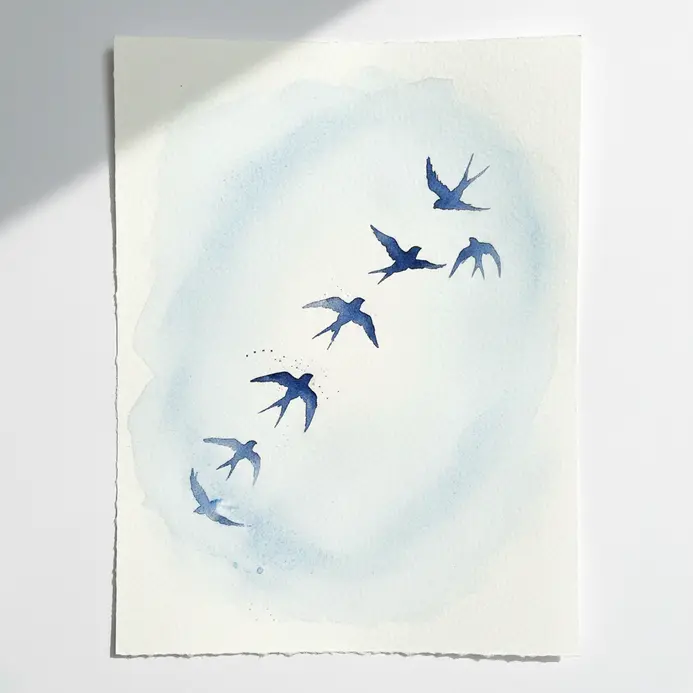
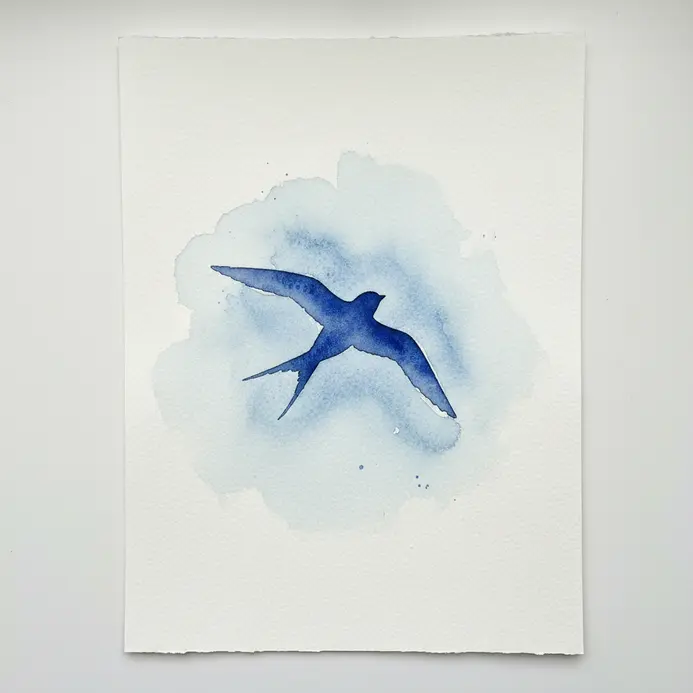
Who would have thought a simple outline could look so graceful and full of motion? This piece quickly became my favorite among easy watercolor animals ideas because it is a quick, elegant exercise. You start with a light, dry muted background wash on your paper, then capture the motion with a simple outline. Then, with a fine-tipped brush and black paint, you create those iconic bird shapes. Vary their sizes and the angle of their wings to make the flock feel alive and natural. The magic is in the stark contrast between the shapes and the sky. The solid black silhouettes pop against the soft background, creating a feeling of freedom and peace without any fussy details. It looks sophisticated, but the process is wonderfully straightforward. easy watercolor painting ideas. Trust me on this, the key is to keep your edges crisp and avoid overcrowding. Try it and feel the quiet satisfaction of creating something so beautiful and simple.
2. Create a Loose Wet-on-Wet Jellyfish Illustration
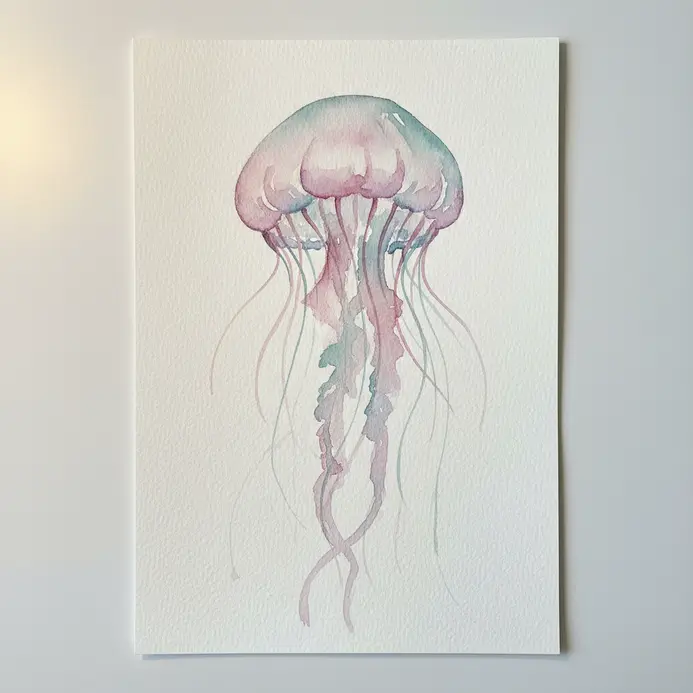
Ever wondered how to capture that magical, see-through look of a jellyfish? This wet-on-wet method is an absolute favorite for executing your easy watercolor animals ideas. You start by getting your watercolor paper nicely glistening wet, then drop in your blues and purples. Watch them bloom and blend into a soft, bell-shaped form all on their own. That unpredictable flow is exactly what gives your painting its luminous, ethereal quality. I love how it feels more like playing than painting. Trust me, keep your paper at that perfect damp stage, and you will be amazed at the beautiful, fluid creature that appears.
3. Build a Geometric Pastel Snail Shell Study
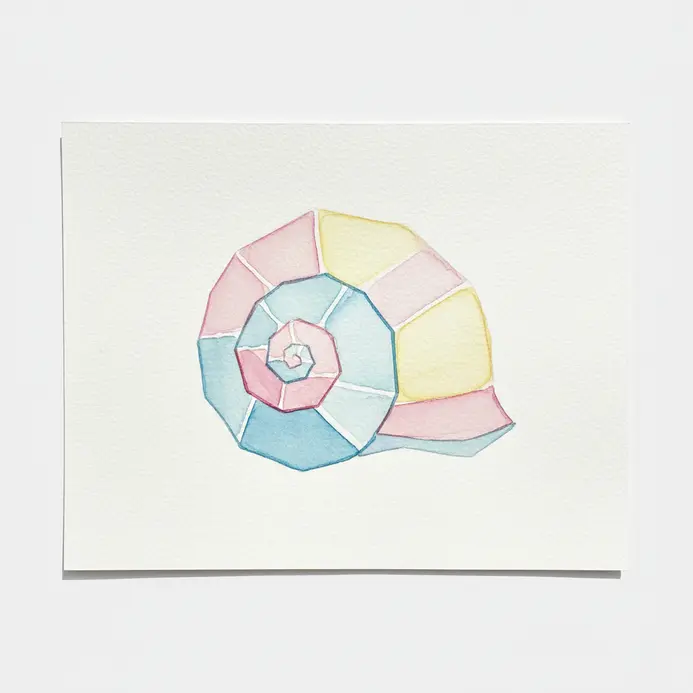
This one looks intricate, but it is all about breaking a natural shape down into simple forms. You start by sketching the shell not as a spiral, but as a series of concentric squares or circles to map out the geometry. Then, you fill those shapes with the softest layers of pastel color, blending gently to create that dreamy, ethereal look, much like a creative artist would do. Why does this work so well? It teaches you to see structure within organic subjects, which is a huge boost for your observational skills. The pastel palette keeps everything light and airy for your easy watercolor animals ideas, perfect for a study that feels more like meditation. I love how this approach turns a complex form into a manageable, relaxing project. For a playful take on soft colors, you might enjoy these whimsical watercolor ideas.
4. Apply a Single Wash Sitting Rabbit Silhouette
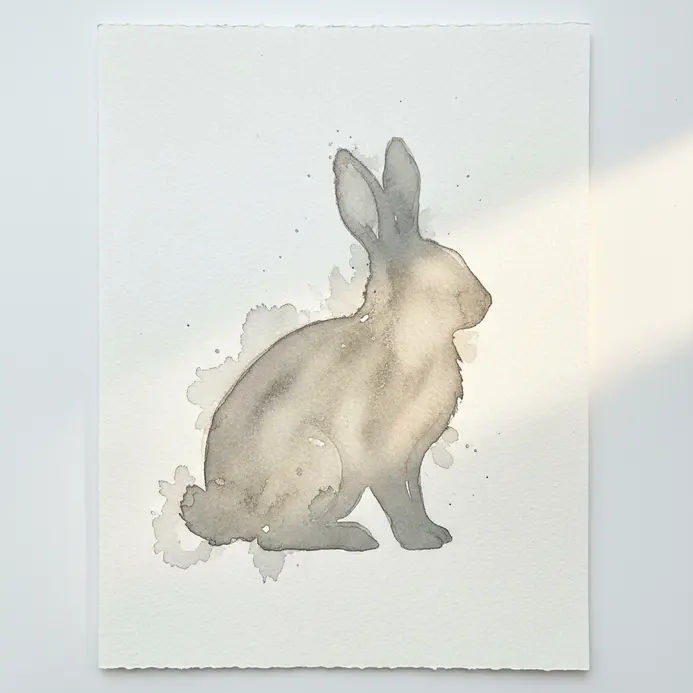
Ever wondered how to create a striking, minimalist animal painting with just one application of paint? This single wash technique is your answer for keeping easy watercolor animals ideas simple and bold. You start by lightly sketching a sitting rabbit shape, then mix up a generous puddle of a dark color like Payne’s Gray. The trick is to work quickly, outlining the shape first before filling it all in with that rich, fluid wash. It feels like a magic trick, turning a simple silhouette into a piece of art with such a focused, confident move. Why does this work so well? It forces you to master brush control and water-to-pigment ratio in one go, which builds serious skill fast. My go-to tip is to tape your paper down to prevent buckling and mix more paint than you think you need. That way, you avoid patchy areas and get a beautifully even, dark tone. The payoff is a clean, elegant rabbit that looks far more complex than it was to paint. For another great beginner project that uses similar wash techniques, try your hand at some easy flower painting for beginners.
5. Capture an Abstract Butterfly Wing Gradient Pair
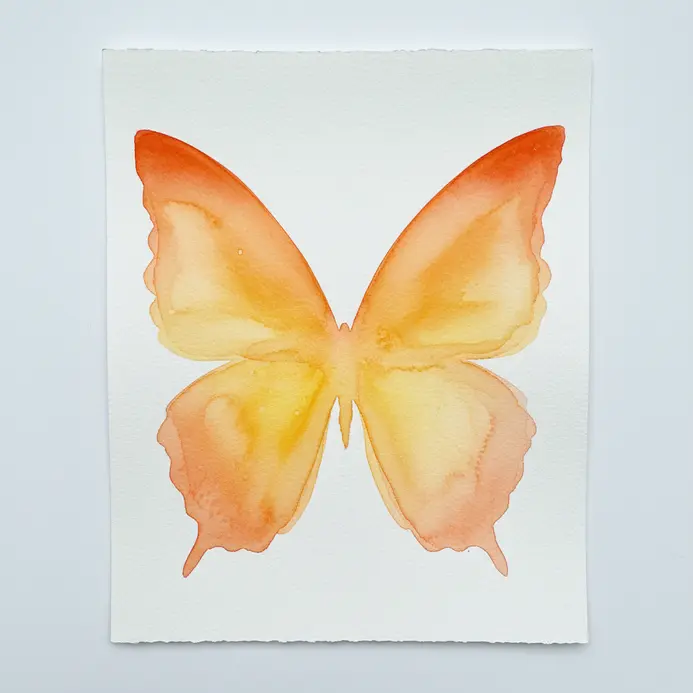
Ever wondered how to paint the shimmer of a butterfly wing without drawing a single outline? This project stands out as a top pick among easy watercolor animals ideas because it focuses purely on color flow. It looks complex, but trust me, it is one of the most forgiving watercolor techniques you will try. You are creating two abstract panels of pure color that feel like a pair of wings. Start by choosing two colors that flow together, like a deep blue fading into a light purple. Wet your paper slightly, then let the colors blend and bloom into a soft gradient. The trick is to work quickly and let the water do the mixing for you. Isn’t it satisfying to watch those luminous transitions appear on their own? For the second piece, try a complementary palette, like orange fading into a soft yellow, to create your pair. This works so well because it captures the essence of light and iridescence, not the details. You are painting a feeling, not a photograph. Try it and feel the pure joy of watching color come to life.
6. Achieve a Soft Wash Owl Eye Close-up
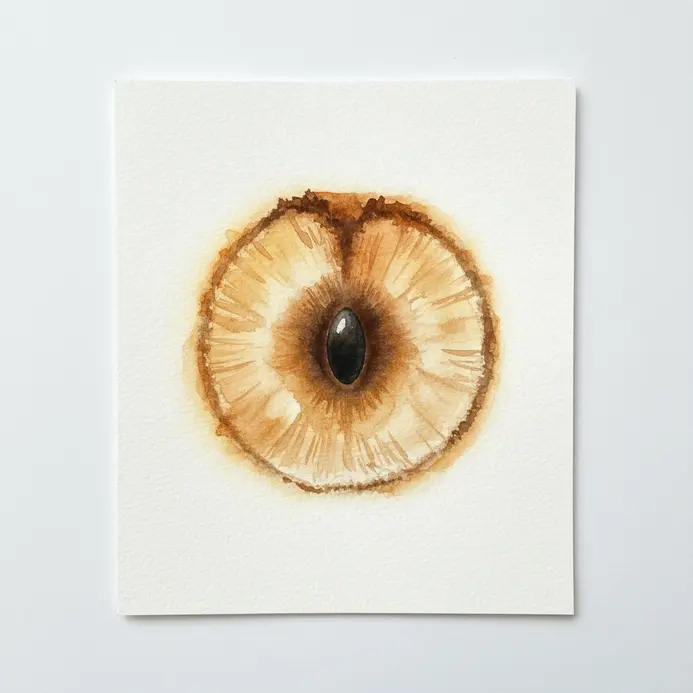
Have you ever been mesmerized by the profound stare of an owl, a subject that many artists find inspiring? Painting it might seem challenging, but with a soft wash, you can create a stunning close-up that fits perfectly with your easy watercolor animals ideas. I love how this method teaches patience and precision. Start by lightly sketching the eye on cold press watercolor paper. Dampen the area thoroughly, then drop in diluted yellows and oranges for the iris, allowing the colors to bleed and create soft gradients. Build up the depth with layers of browns and a touch of blue for the pupil. This wet-on-wet approach hones your water control, a fundamental skill for all watercolor work. Isn’t it satisfying when the blends come out seamless? Don’t forget the magic touch – a crisp catchlight. Use white gouache or leave a tiny speck of paper to make the eye sparkle. simple pastel watercolor paintings.
7. Form a Simple Orange Fox Body Wash
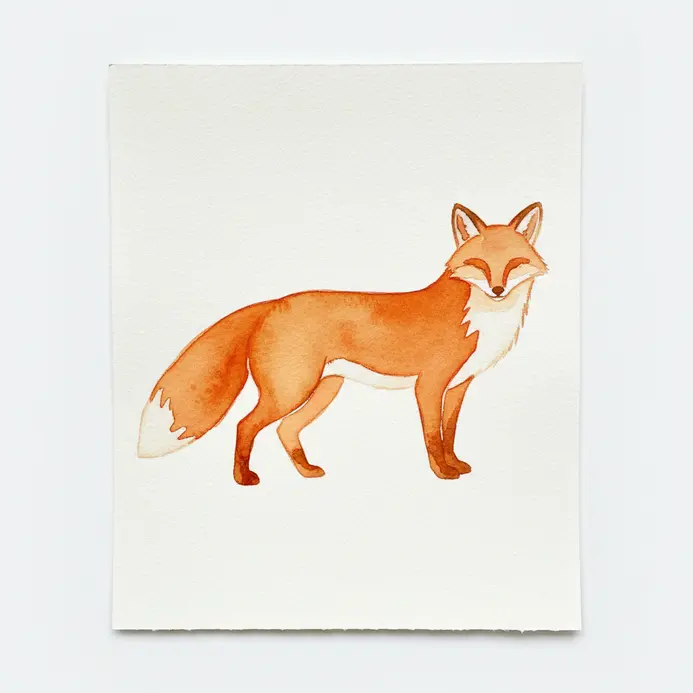
Ever felt a bit intimidated by painting animals? Trust me, this orange fox body wash is a fantastic confidence booster that brings your easy watercolor animals ideas to life. You start with a big, simple wash of warm orange watercolor to create the fox’s body shape. While that is still damp, drop in a bit of darker orange at the bottom for subtle shadow, and use a smaller brush to add pointy ears and a fluffy tail. It works because the loose wash does most of the work, letting you focus on the fun silhouette. I love how forgiving this method is. If you enjoy this loose, suggestive style, you might also like exploring realistic watercolor painting subjects for a different challenge. Feel how satisfying it is to see that fox appear with just a few simple strokes.
8. Add Textured Hedgehog Back Spiky Rendering
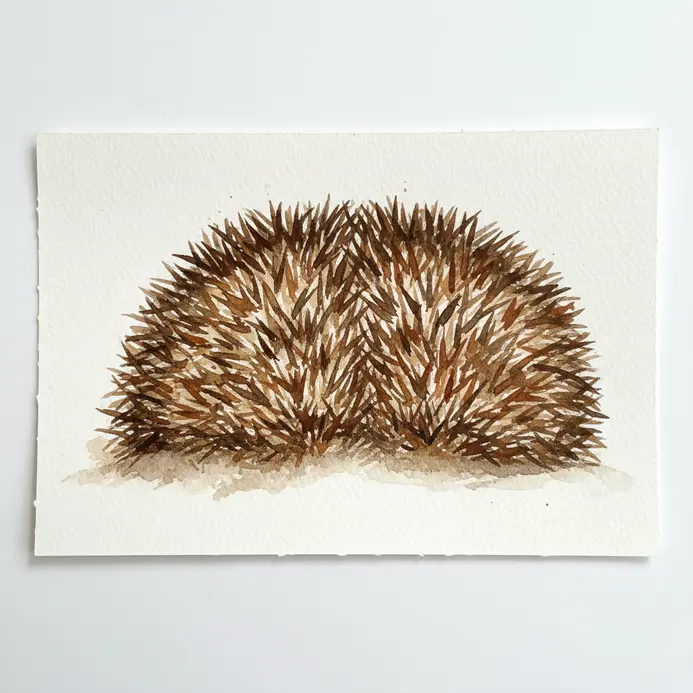
Ever wondered how to make a hedgehog’s back look convincingly spiky instead of just furry? This is the step that truly brings your little creature to life. After your base wash is dry, grab your fine-tipped round brush. Use a darker shade to paint individual spike shapes, letting them follow the curve of its back. Vary their length and overlap them slightly to create depth and a natural look. Then, build up those shadows with another layer of even darker paint in the areas where quills would overlap, proving that easy watercolor animals ideas thrive on layered contrast, as shown in this creative tutorial. I love this part because it adds so much volume. Once that is dry, use a lighter, more opaque color to add tiny highlights on the edges of some spikes that catch the light. This simple contrast is what makes the texture pop and feel sharp. Does that not look stunning?
9. Outline a Monochromatic Elephant Shape Silhouette Study
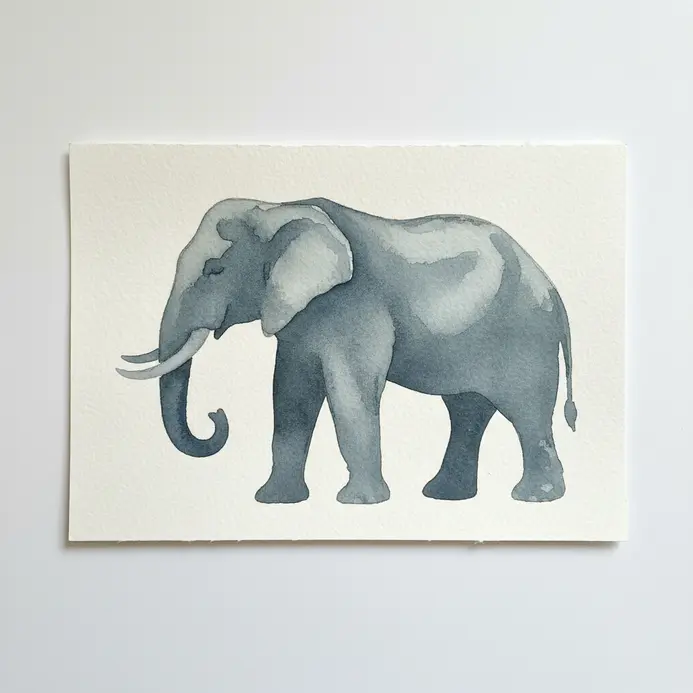
Ever notice how a simple silhouette can feel so powerful? This study is all about capturing the majestic shape of an elephant using only one color. I love the focus it brings. You will start by finding a strong reference photo of a dog in a clear side profile for your painting. Then, you will trace its entire outline, focusing on the big shapes like the curve of the back, the swing of the trunk, and those iconic ears. The goal is a clean, single-shape silhouette. Work with a single dark color on a light background, or vice versa, to keep it monochromatic. This forces you to see the animal purely as a shape, ignoring all the internal details and textures for many easy watercolor animals ideas. Isn’t that a satisfying way to simplify a complex subject? The result has a beautiful, graphic quality that feels both ancient and modern. For your next project, check out other easy beginner painting ideas to keep building your skills.
10. Mix a Vibrant Blob Shape Tropical Fish
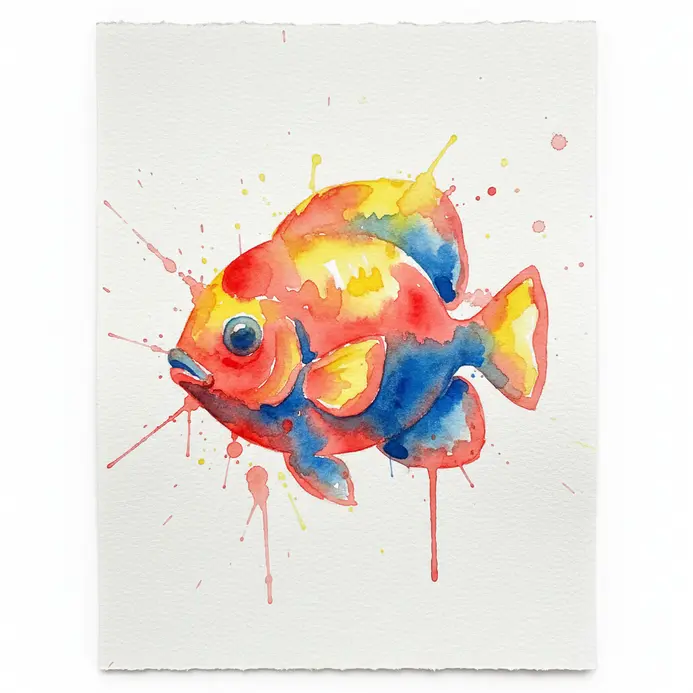
Ever feel intimidated by drawing fins and scales when exploring easy watercolor animals ideas? This tutorial provides a step-by-step approach to ease your worries. This one is a total relief, focusing purely on color and a fun, flowing shape. You will start by painting a soft, organic blob with a bright primary color like electric blue or hot pink. While it is still damp, drop in two or three contrasting vibrant colors to create spontaneous stripes or spots, letting them blend together beautifully, in a creative effect that enhances your painting. It works so well because the lack of rigid structure removes all pressure. Your success hinges on choosing lively, saturated hues that play off each other, creating an effect that captivates the viewer. I love this approach because it feels more like joyful play than a technical exercise. For a deeper dive into blending and layering, check out these essential watercolor painting techniques. My go-to tip is to embrace the irregularity. Let the water do the work for you by painting wet-on-wet to achieve those soft, dreamy transitions. The final payoff is a stunning, abstract fish bursting with tropical energy. Does that not look stunning?
11. Sketch a Minimal Detail Panda Face Portrait
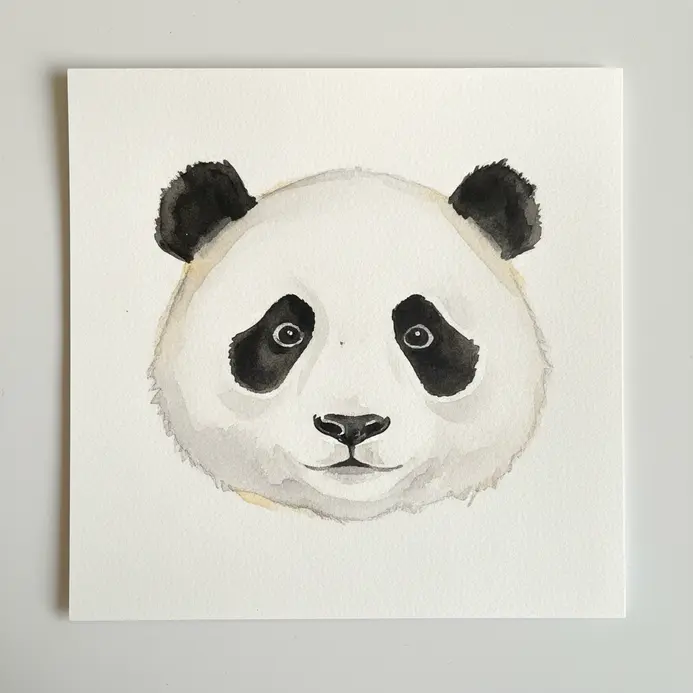
This one surprised me, as it turned out to be a step-by-step guide to painting fur. I love how you can create a recognizable panda portrait using just a few simple shapes. The secret is starting with a Start with a large, slightly squashed oval to outline your cute animal character. for the head. Think of a flattened balloon, a little wider than it is tall. Does that sound more natural than a perfect circle? It absolutely is. Your HB or 2B pencil is perfect for mapping these easy watercolor animals ideas. Lightly sketch that main head shape, then add the iconic black patches for the eyes and ears. Trust me, keeping it minimal is the whole point. You will be amazed at how those few shapes come together to form a charming animal portrait. This is a fantastic way to practice your basic sketching skills and understand iconic features. Feel the satisfaction when your simple lines turn into a friendly panda face.
12. Block In a Rounded Penguin Body Color Block
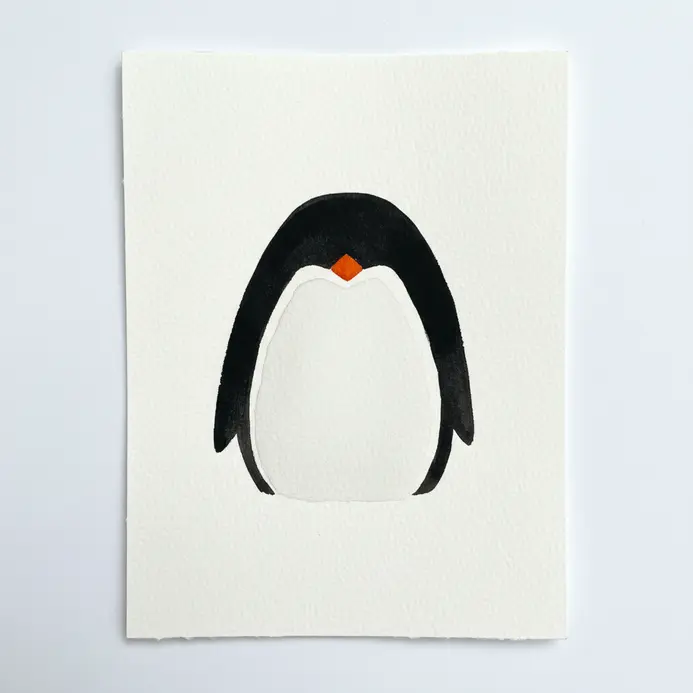
Ever feel overwhelmed by the details of a penguin? This step simplifies everything by focusing your practice on core shapes. You start by laying down a single, solid dark color block To define the penguin’s main body shape, follow this easy step-by-step guide. Forget the eyes and beak for now. Just focus on creating that smooth, egg-like silhouette with your brush. I love using a dark blue-gray instead of pure black. It gives you room to add deeper shadows later. Work on a new layer if you are painting digitally, or sketch lightly with a pencil first. The goal is a clean, rounded form that feels solid and balanced. This strong foundation makes all the following steps so much easier and more satisfying. Trust me, getting this base shape right is the secret to a charming penguin. Once you have it, you are set to add personality. This foundational approach is a great technique to try with other subjects too, like when you explore beginner abstract painting ideas.
13. Paint a Majestic Stag Head Silhouette Profile
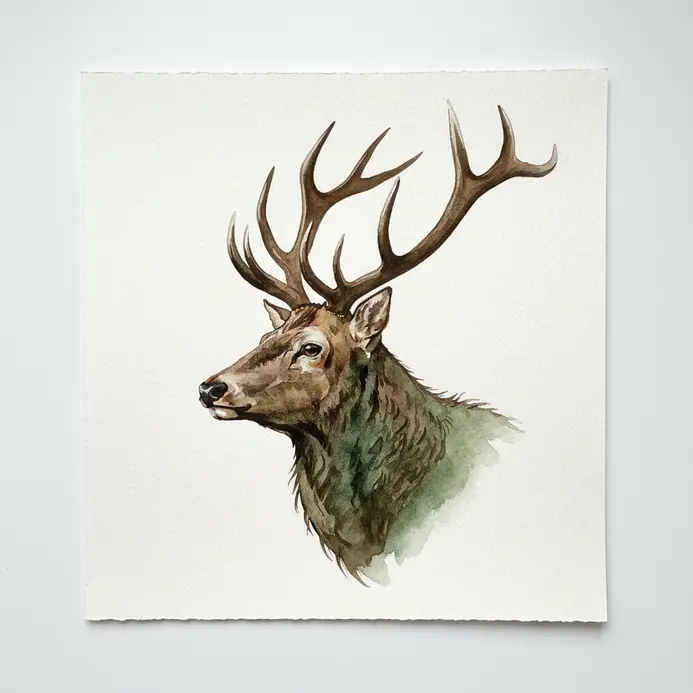
This project looks so dramatic, but its simplicity is the secret. You paint the entire stag head as a solid, single-colored shape against a lighter background. The magic is all in that clean, recognizable outline with its intricate antlers. It creates instant impact without any internal details. The key is a small detail brush for those sharp edges and antler tips. Use a flat brush to lay down your background color first and let it dry completely. Then, carefully fill in your sketched outline with a deep black paint for a solid, flat silhouette. This works because the strong contrast feels powerful and elegant. For a great place to start, try this on small canvases for beginners. You will feel so proud when you see that majestic profile come to life.
14. Create a Curled Tail Cat Sitting Shape
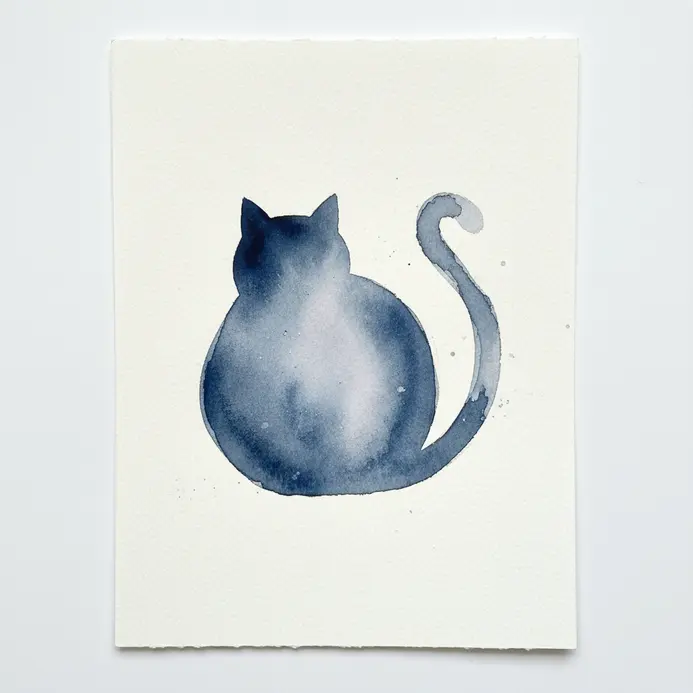
Ever notice how a cat’s tail tells you exactly how it feels? This sitting pose, with the tail curled around its paws or over its back, is a classic signal of contentment or quiet alertness. Start with a simple flattened oval for the body, then place a smaller head circle slightly off-center on top. The magic is in that tail curve—draw it thick at the base, then let it flow in a natural, graceful ‘S’ to wrap around the front or back. This shape works because the curled tail adds a dynamic, interesting line that suggests life and personality without any complex action. I love how forgiving this pose is for proportions. Trust me on this, a slightly wonky body looks more natural than a perfect symmetrical one. Focus on getting that flowing tail right, and your cat will look perfectly cozy and complete.
15. Layer a Simple Standing Bear Outline Wash
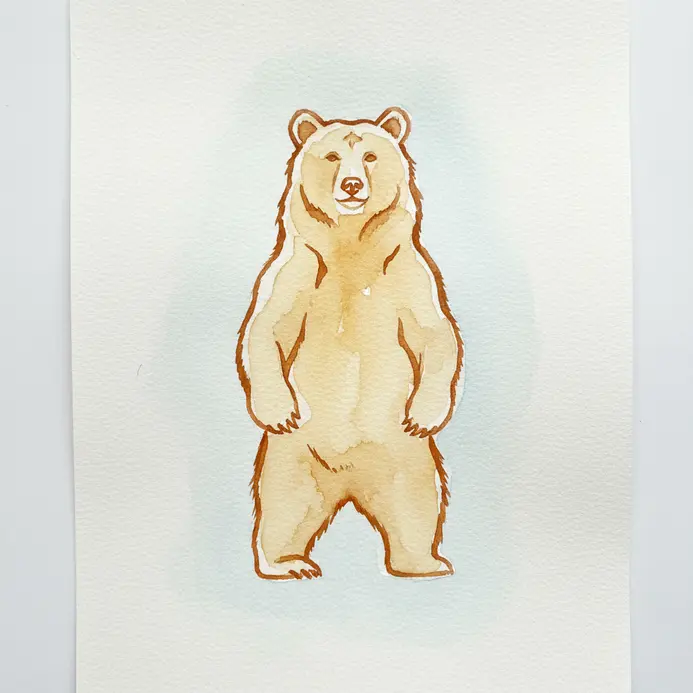
Does the idea of layering watercolor sound tricky? Trust me, this method is one of the gentlest ways to create a charming animal illustration. You start by painting a translucent wash for the bear’s entire body shape. This is where you can be loose and free. After that layer dries completely, you define the form with a precise, darker outline using a fine brush or pen. I love this because the soft wash gives your bear a subtle glow and volume, while the crisp line pulls the whole piece together. It is a fantastic way to practice control and create something with a delicate, storybook feel. easy animal pencil drawings. Your biggest ally here is patience. Let that first wash dry fully before you even think about the outline. That single step makes all the difference for clean, beautiful lines. Give it a try and see how satisfying this layered look can be.
Preserving Finished Illustrations with Archival Techniques
Watercolor paintings are fragile and will fade quickly if you leave them exposed to direct sunlight. The best protection is to frame your work behind glass with a mat board to keep the paper from touching the surface. If you want to display a piece without glass, you must use a protective spray varnish formulated for works on paper. Apply two light coats after the painting is bone dry, letting each coat cure fully. This creates a UV-protective spray varnish barrier that shields your pigments from the light damage that causes fading. Always store unframed work flat in a portfolio away from humidity, which can cause buckling or mildew over time. This care ensures your charming animal sketches stay as vibrant as the day you painted them.
Conclusion
Working with these simple animal shapes reminds us that art is about expression, not perfection. Each project you complete builds your familiarity with how water and pigment move together on the paper. For your next step, pick one animal you enjoyed painting the most and create a small series of it in different color palettes. This repetition deepens your technique while keeping the process light. Your collection of easy watercolor animals ideas is a personal record of your growing confidence. Keep that playful spirit with you as you paint.
FAQs
Q: What are easy watercolor animals and why are they good for beginners?
A: Easy watercolor animals are simplified animal illustrations using basic shapes, soft washes, and minimal detail so beginners can focus on color, gentle brushstrokes, and movement rather than technical accuracy. They’re a delightful way to practice control, layering, and creative expression without feeling overwhelmed.
Q: What basic supplies do I need to start painting simple animal watercolors?
A: A small set of watercolor pans or tubes, a few synthetic or sable-like brushes (round sizes 4 and 8 are versatile), cold-pressed watercolor paper, a palette, clean water, and paper towels are enough. Choose brushes that hold water well for soft washes and allow you to vary brushstrokes for fur, feathers, or whiskers.
Q: How do I create convincing movement in a watercolor animal painting?
A: Suggest movement with dynamic poses, loose outlines, and varied brushstrokes—long, sweeping strokes for tails or wings and short, curved strokes for running legs. Leaving parts of the paper unpainted and using soft transitions adds a sense of motion. Being curious about how animals move and observing photos or life will improve your sense of rhythm.
Q: What simple techniques deliver the best results for fur and feathers?
A: Work from light to dark: start with a gentle wash to block in form, then build texture with progressively darker, deliberate brushstrokes. Use a dry brush for quick fur texture, lift highlights with a damp brush or paper towel, and add a few confident, curious marks to suggest detail without overworking the piece.
Q: How can I make small watercolor animal paintings suitable for cards or gifts?
A: Keep compositions compact, use bright but limited palettes, and leave a margin for trimming to card size. Simple, charming subjects like a sleeping cat or playful bird look delightful on a handmade card. Mount your painting on cardstock and consider adding a thoughtful handwritten note—these make quick, personal gifts.