
What Is a Value Study in Watercolor Realism
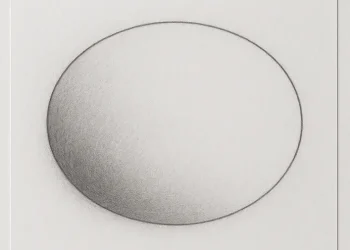
Before diving into our list of inspiring ideas, let’s tackle a foundational concept most tutorials gloss over: the value study. This is your essential roadmap for realistic watercolor painting, and it supports realistic watercolor painting ideas by clarifying where light, mid-tones, and shadow belong. It involves sketching your subject in shades of grey to plan the light, mid-tones, and shadows, separate from color. Why is this critical for watercolor? Because the medium’s translucent nature means you must work from light to dark. A strong value study prevents muddy colors and ensures your final painting has convincing three-dimensional form and depth. Think of it as the architectural blueprint for your luminous washes.
Reference Analysis Methodology for Watercolor Planning
Now, let’s upgrade how you look at reference photos. Don’t copy mindlessly; analyze systematically. Break down your image into distinct challenges: identify the hardest edge, the softest transition, the warmest shadow, and the coolest highlight. Map out which areas will require dry paper, dry brush texture, or a smooth wet in wet blend. This pre-painting analysis turns realistic watercolor painting ideas into a series of solvable technical steps. It’s the strategic thinking that bridges a simple idea list to a polished execution.
1. Translucent Botanical Watercolor Examples with Vein Detail for Beginners
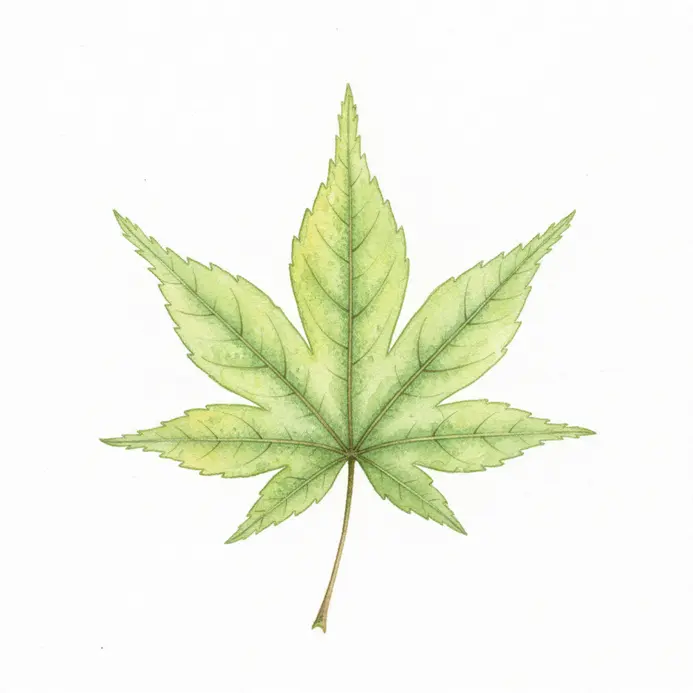
Have you ever wanted to paint botanical subjects that look effortlessly translucent, with every vein delicately defined? We’re diving into watercolor techniques that make this possible for a beginner. Start with the wet-on-wet wash: dampen your watercolor paper where the leaf will be, then drop in diluted watercolor paint to create a soft, see-through base. Next, add vein details, which can be simplified in a step-by-step approach for beginners. You can use the lifting method by gently removing pigment with a clean brush, or paint fine lines once the wash is almost dry. This works so well because it teaches you control over water and pigment, which is key for realistic watercolor painting ideas. Practice on simple watercolor leaf shapes like lemon leaves to build confidence and strengthen watercolor basics.
2. Architectural Texture Watercolor Styles Featuring Weathered Surfaces
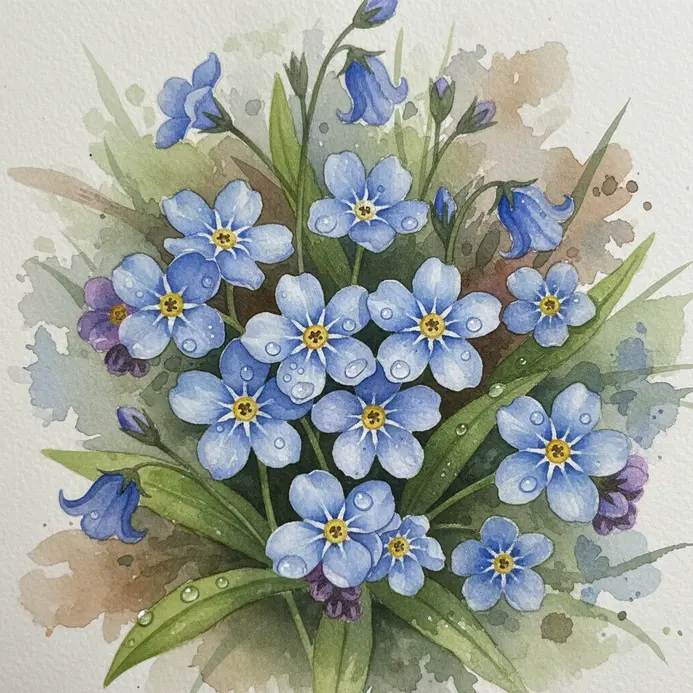
Let’s get our hands dirty with the gorgeous grit of old buildings. We’re painting peeling paint and crumbling brick because these surfaces are packed with stories. You’ll use watery layers of color to mimic decades of grime and let granulating watercolor paint create a stony, textured feel. Watercolor’s natural flow and transparency are perfect for showing how decay builds up over time. I love using layering and glazing with earth tones to create depth, and a dry brush pass on rough watercolor paper gives instant flaking-paint texture, making it a great technique for easy watercolor painting. It is one of those realistic watercolor painting ideas that adds instant character while sharpening observation skills.
3. Atmospheric Landscape Watercolor Examples with Specific Lighting
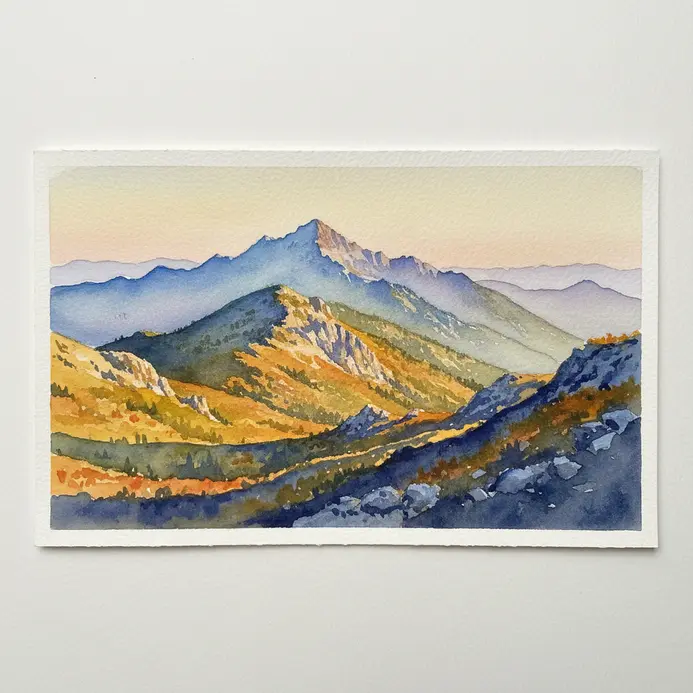
Let’s capture some serious mood by painting light you can almost feel. We’re moving beyond basic scenery to create realistic watercolor painting ideas that tell a story through the air itself. Think about a forest path in sunset glow or a watercolor landscape of misty mountain ridges at dawn. The magic happens because watercolor’s fluidity is perfect for showing how light interacts with the atmosphere. For golden hour, start with soaked paper and use a wet-on-wet gradient, blending yellow into oranges and cool purples. Once that luminous sky is dry, paint the foreground in a single dark mix to create sharp silhouettes and strong landscape painting depth. When painting mist, remember aerial perspective: distant elements should be lighter, cooler, and softer than anything in the foreground. This simple value scale shift creates depth and mystery in watercolor landscape work.
4. Reflective Surface Watercolor Ideas Capturing Material Interactions
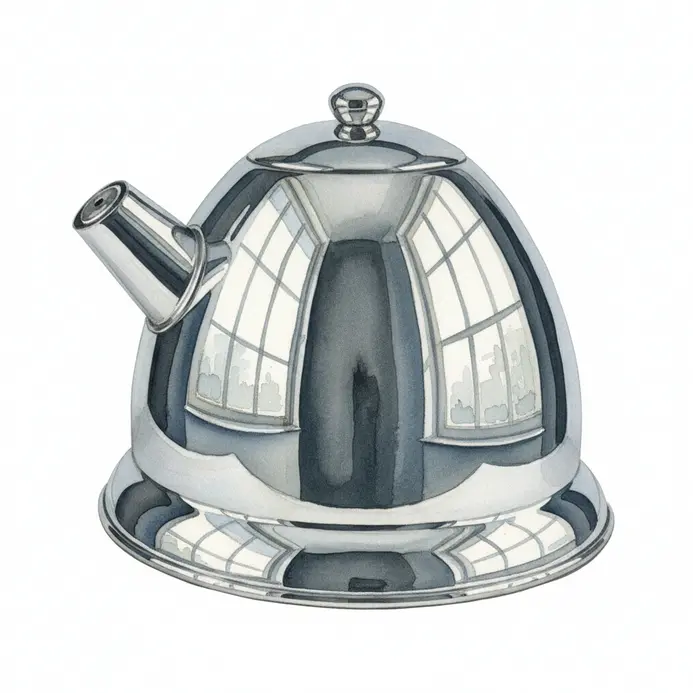
You know that magical, slightly distorted world you see in a spoon resting in your coffee cup? That’s the playground we’re stepping into with realistic watercolor painting ideas focused on reflective surfaces. We’re capturing how light bends and bounces between materials like water, glass, and metal. The secret is all in the value hierarchy and edge control, letting wet paint do some of the work. For water interacting with a surface, try a wet-on-wet technique on damp paper to get that soft, diffused look. A purposeful backrun also helps suggest droplets and reflective distortions without painting every detail.
5. Natural Science Watercolor Examples with Microscopic Detail
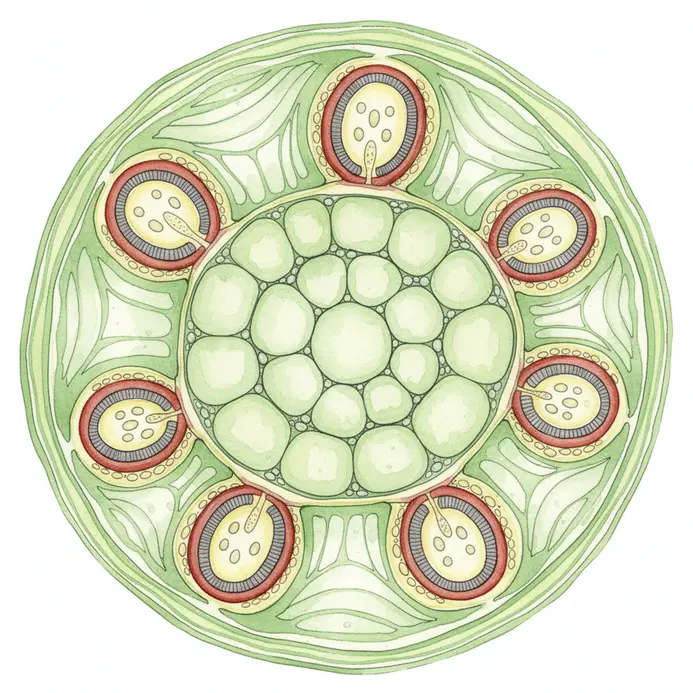
Have you ever thought about painting a world you can’t see with your naked eye, using easy watercolor painting methods? We’re talking about the detail of natural science subjects, from pollen grains to radiolarians, which can be approached through step-by-step techniques for beginners. These realistic watercolor painting ideas blend scientific observation with watercolor art in a way that feels both educational and beautiful. You might paint botanical anatomy or explore marine biology with a cluster of plankton. The key is layering and glazing with watercolors to build translucent depth without losing luminosity. Start with a fine watercolor brush for tiny pores, delicate structures, and subtle shifts in hue.
6. Urban Detail Watercolor Styles Exploring Industrial Subjects
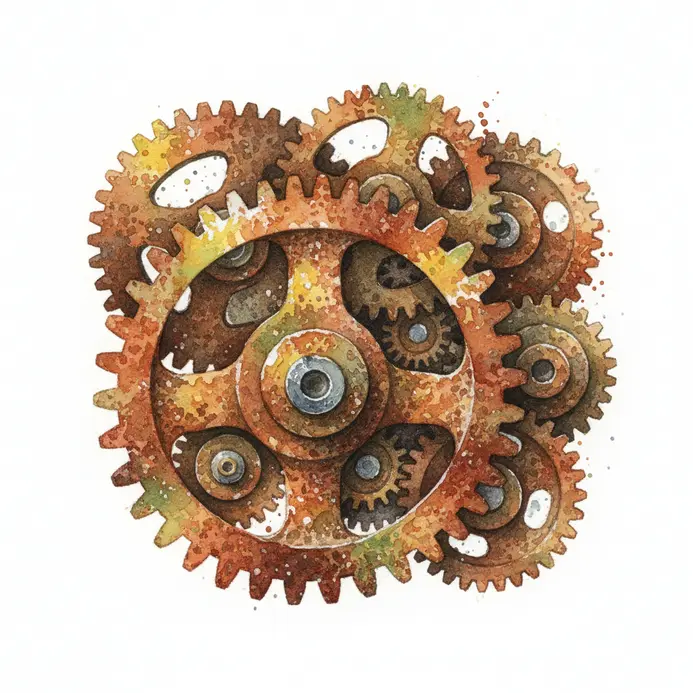
Isn’t it captivating how watercolor’s gentle flow brings the rough world of industrial sites to life? This style is a strong match for artists seeking realistic watercolor painting ideas with grit and structure. We get to play with soft washes and hard edges while capturing rusty pipes, metal panels, and graffiti-tagged walls. It works because watercolor’s transparency adds poetry to these functional spaces. For convincing rust effects, layer burnt sienna over a cool blue wash and drag pigment with a dry brush so the paper texture catches broken marks and rough shapes.
7. Textile and Fabric Watercolor Examples with Complex Folds
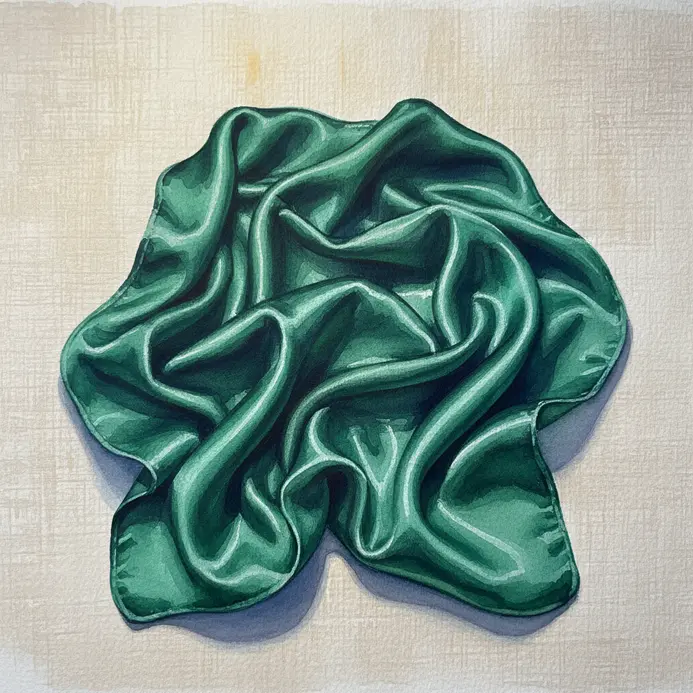
Let’s dive into painting fabric folds, a classic subject for watercolor painting that makes your work look more convincing. First, decide where the light is coming from. Then identify the bright crests, dark hollows, and sloping planes in each fold. For denim or upholstery, rely on wet on dry methods to paint sharp shadows with hard edges. For linen or silk, wet-in-wet passages help you blend colors softly for a natural drape. Practicing folds supports realistic watercolor painting ideas because it trains your eye to read highlights and shadows clearly.
8. Cultural Artifact Watercolor Ideas Preserving Historical Objects
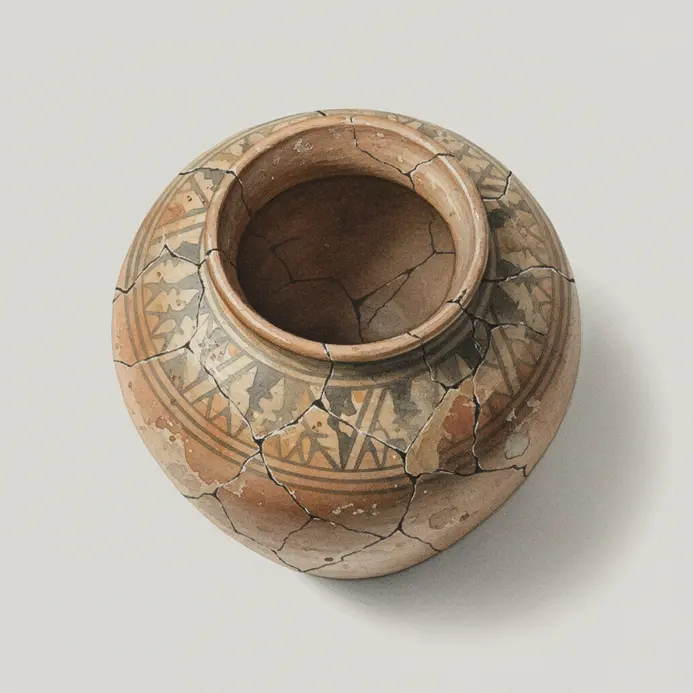
Have you ever held a piece of history and longed to save its tale? Watercolor lets us do exactly that, especially when looking for easy watercolor painting ideas. This is one of those realistic watercolor painting ideas where we act like artistic conservators, capturing form, wear, and the story in every crack. Use layered glazes to build the earthy tones of old pottery or faded fabric. People love this approach because it turns history into a hands-on creative dialogue. If you’re new, practicing with simple subjects first builds strong painting skills for aged surfaces and simple still life studies.
9. Weather-Affected Watercolor Examples with Environmental Conditions
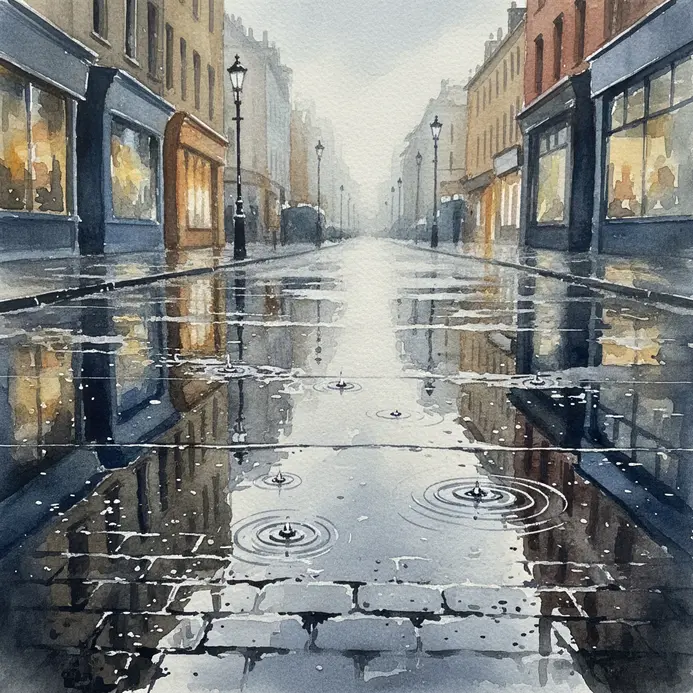
Painting weather-affected scenes is a strong way to explore realistic watercolor painting ideas. Imagine a rainy street with blurred reflections or a foggy forest where trees fade into the distance, ideal for an easy watercolor still life composition. We achieve this by manipulating wetness, soft edges, and color saturation to mimic environmental conditions. This approach works because it leans into the properties of watercolor paints. When painting a storm, drop dark paint colors into a wet sky to form brooding clouds, then lift out pale areas for dramatic contrast and white space.
10. Mixed Media Realistic Watercolor Styles Incorporating Other Mediums
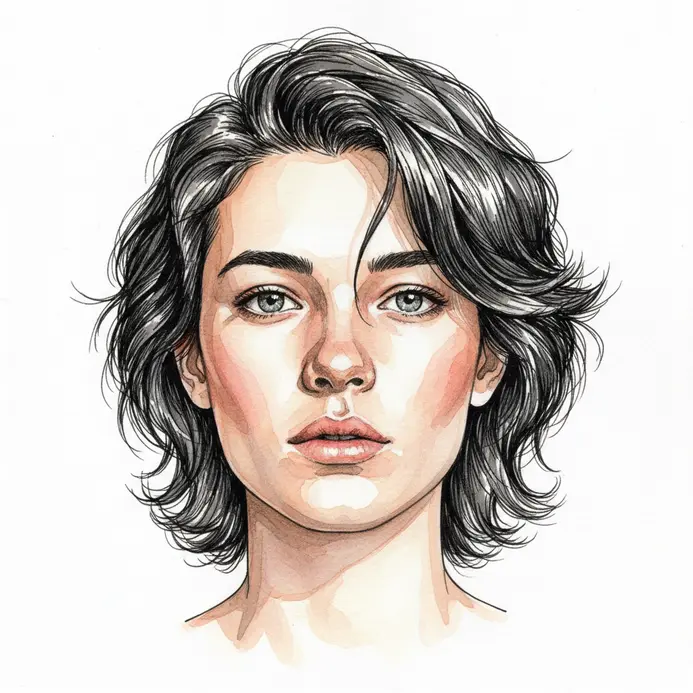
Ready to give your realistic watercolor painting ideas a boost of detail and texture? Mixed media starts with luminous watercolor washes, then adds graphite or ink for crisp lines and fine accents. These pairings solve specific drawing problems without hiding the watercolor underneath. Always make sure your watercolor layer is fully dry before drawing on top, or the surface turns muddy fast. This method is ideal for adding details to architectural subjects, watercolor portraits, or still life arrangements with sharp edges and subtle layer control.
11. Liquid Interaction Watercolor Examples Capturing Fluid Dynamics
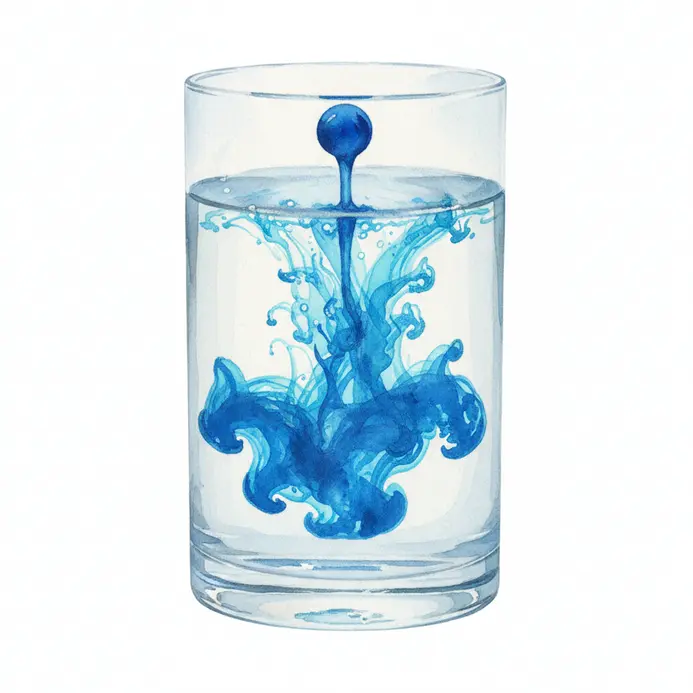
Get ready to let the paint do its own dance on the paper. We are painting liquid behavior itself, from ink blooming in water to cream swirling into coffee, which can be explored through easy watercolor painting techniques. That makes this group of realistic watercolor painting ideas both technical and playful. The core idea is directing pigment diffusion, gravity, and wet paint timing. Try dropping a second color into your initial bloom before it starts to paint dry. It is a great exercise for controlling layers of color while still enjoying the spontaneous side of watercolor.
12. Metallic Surface Watercolor Ideas with Oxidation and Patina
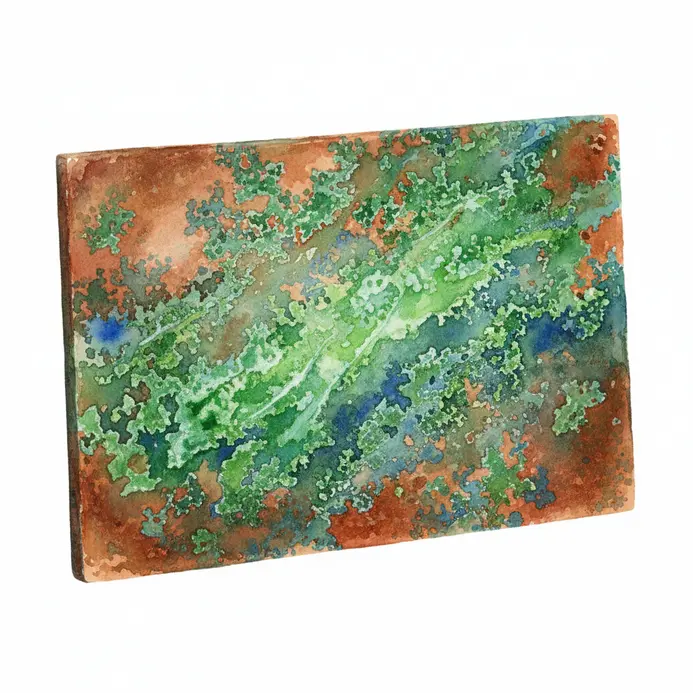
I love this challenge because it is all about creating a believable illusion with watercolor paint. We are not relying on metallic pigments, but exploring vibrant colors through easy watercolor painting ideas. Instead, realistic watercolor painting ideas for metal depend on value contrast, careful hue shifts, and crisp highlights beside deep shadows, making it an excellent subject for easy watercolor painting ideas. Start with a warm base layer, then glaze in blues and greens of oxidation once the first wash is dry. The separation between layers of color creates a luminous surface that feels aged and complex. It is a smart exercise in color mixing and edge discipline.
13. Animal Fur and Feather Watercolor Examples with Species-Specific Texture
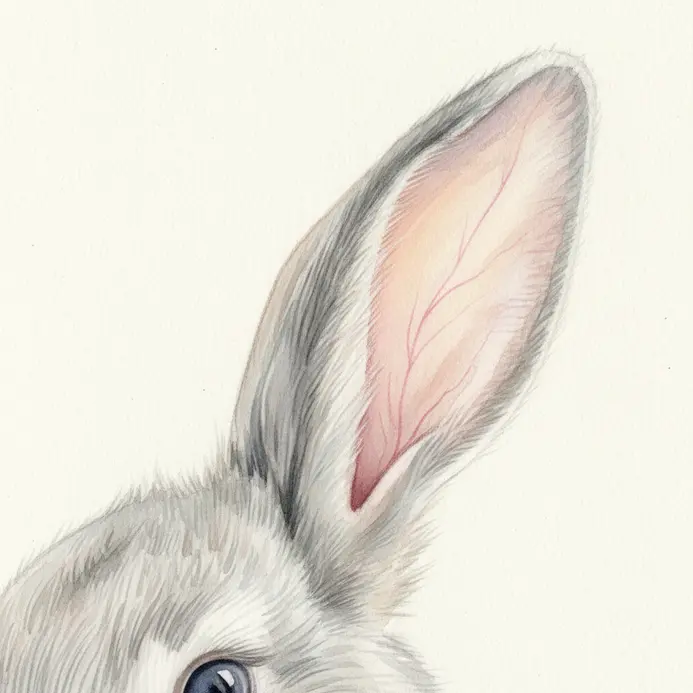
Let’s talk about the magic of making fur look touchable. This is where realistic watercolor painting ideas come alive, and success depends on matching the painting techniques to the animal’s coat. For short fur, use controlled wet on dry strokes that follow the form and reserve tiny accents for the darkest shadows. For a thick layered coat, start with a mottled wet in wet underlayer, let it dry, and then add darker guard hairs with dry brush marks. This process creates depth because you are painting fur in visible layers rather than outlining every strand.
14. Glass and Transparency Watercolor Styles Exploring Refraction
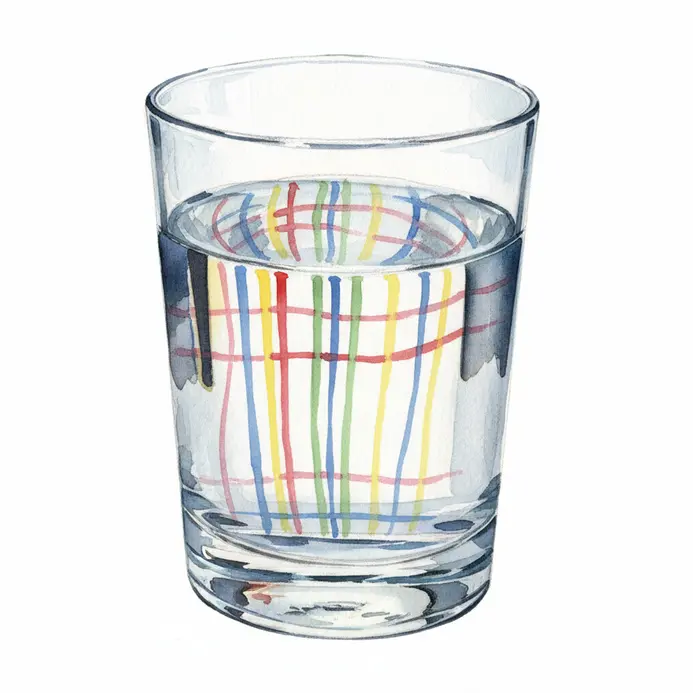
Painting glass is one of the coolest challenges for finding realistic watercolor painting ideas, especially for those who are looking for easy watercolor techniques. We are not painting the glass itself, but the distortions and refraction around it. A simple watercolor still life with a clear glass and patterned paper gives you plenty to study. Start by drawing the warped shapes you see rather than the object you expect. Then build transparent glazes from light to dark, preserving white space for highlights. Lost and found edges help make your painting feel airy while crisp rim lines keep the glass structure believable.
15. Food and Culinary Watercolor Examples with Freshness Indicators
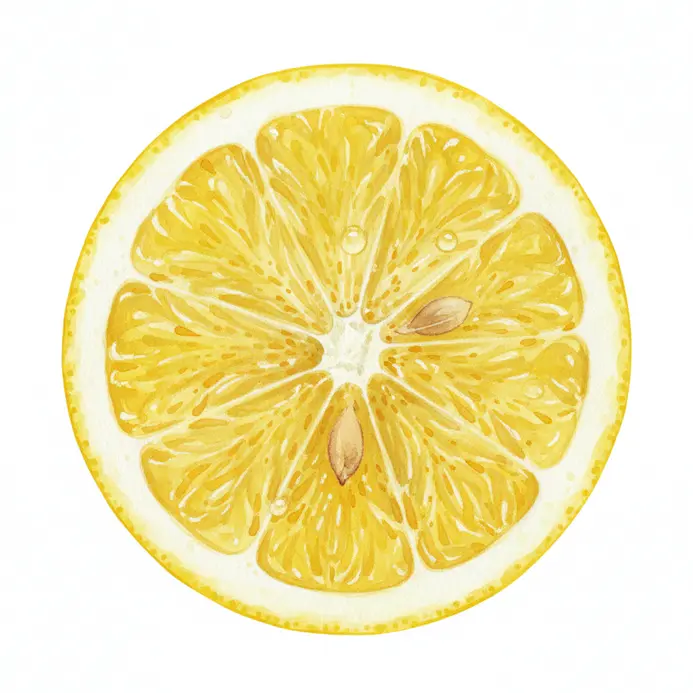
Have you ever painted a lemon and wanted it to look juicy enough to taste? Food studies are realistic watercolor painting ideas that train your eye for gloss, texture, and subtle color temperature. Wet-on-wet passages work well for soft interiors, while dry brush strokes suggest crisp peels and baked surfaces. This works because we respond strongly to familiar freshness indicators like sheen, translucency, and tiny speckles. For more practice, check out our tutorial on beginner-friendly subjects and try simple paintings that focus on one fruit or one plated item at a time.
16. Mechanical Detail Watercolor Ideas Featuring Precision Components
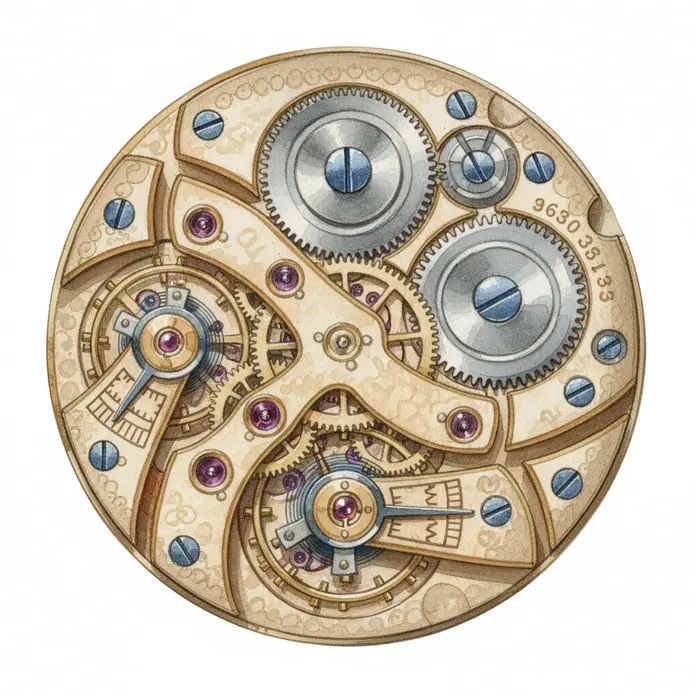
Let’s get geeky and paint the tiny parts that make machines tick. Mechanical subjects are realistic watercolor painting ideas built around precision, contrast, and patience. Watercolor makes metal look convincing by placing sharp highlights beside deep shadow shapes under each gear tooth and spring. Try using masking fluid to preserve razor-sharp highlights before laying down your washes. This subject is excellent for advanced painters who want stronger edge control and cleaner structure in technical painting projects, but can also be adapted for easy watercolor painting ideas.
17. Seasonal Transition Watercolor Examples Capturing Temporal Changes
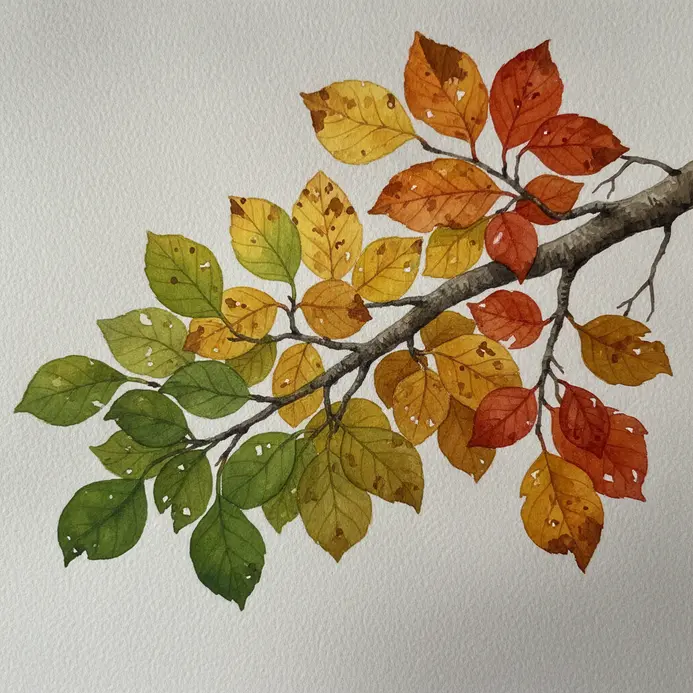
Have you ever wanted to paint the quiet magic of a season changing its mind? This concept is one of the most poetic realistic watercolor painting ideas because it captures time passing, not only a single scene. A branch shifting from late summer greens to autumn orange becomes a visual story. The trick is in layering and blending. Start with a cool muted wash for the fading season, then introduce warmer notes of the new one. Watercolor’s translucent quality makes painting even subtle transitions feel natural and soft.
18. Underwater Scene Watercolor Styles with Light Penetration Effects
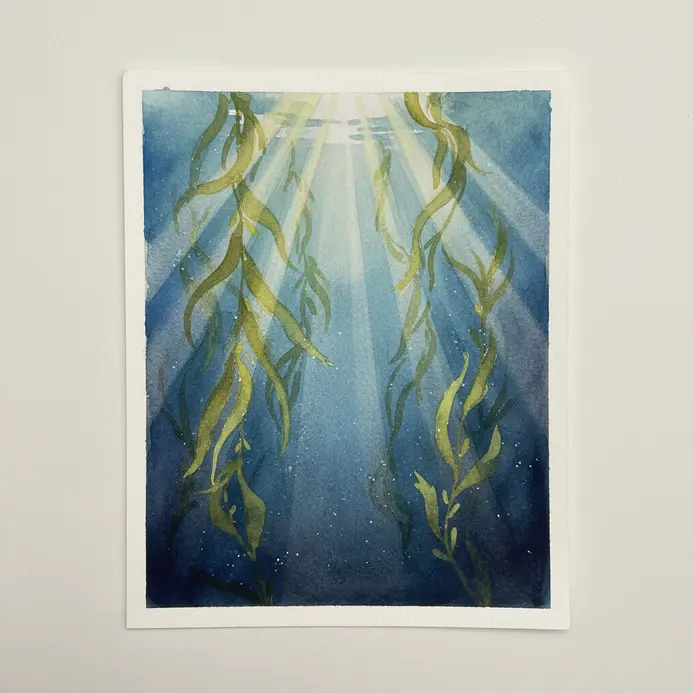
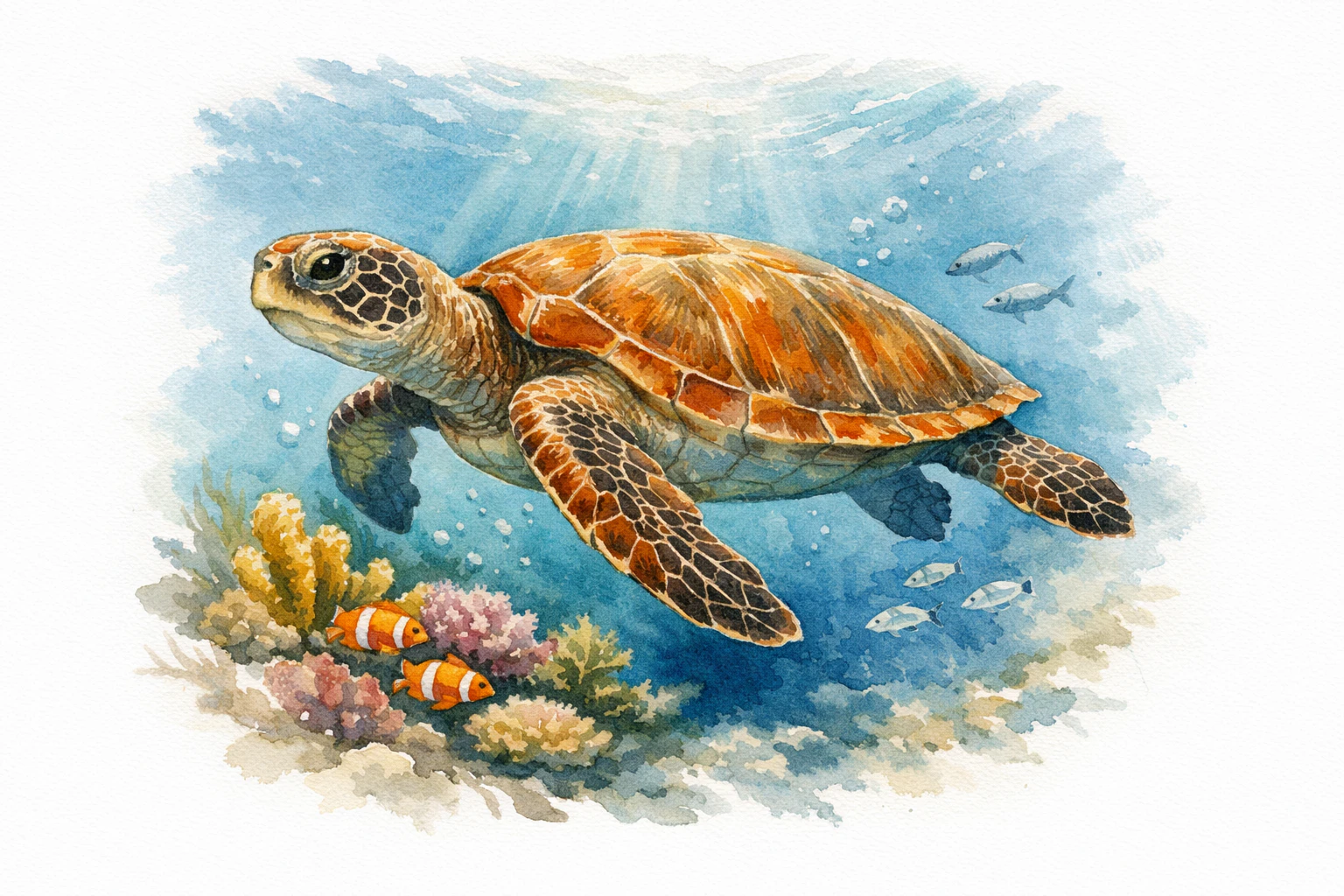
Have you ever been mesmerized by the way light filters through water, creating those beams? This realistic watercolor painting ideas category revolves around light penetration and underwater depth. Layered glazing helps build the water column from pale distance to saturated foreground color. Colors desaturate into blues and greens as forms recede, which helps create depth. For a quick study, use wet-on-wet backgrounds to establish underwater haze, then add darker forms and highlights and shadows once the first washes settle.
19. Architectural Interior Watercolor Examples with Spatial Depth
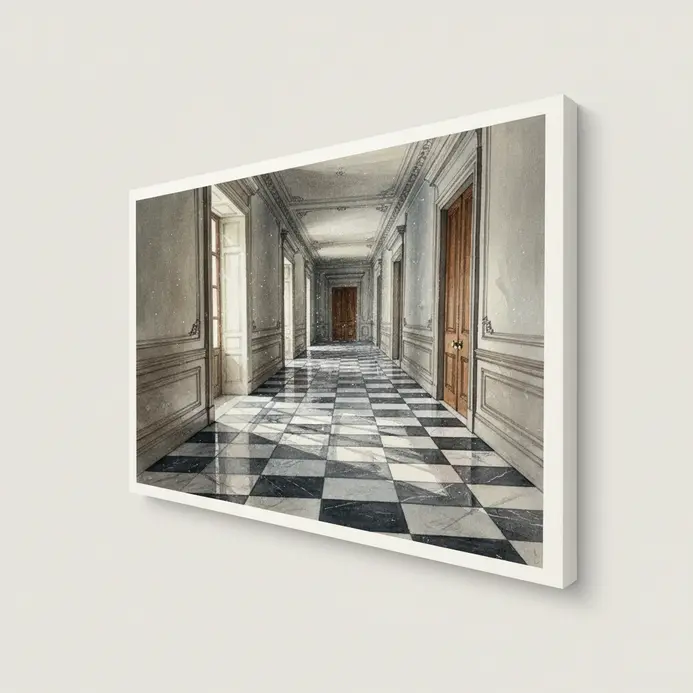
Have you ever looked at a painting and felt like stepping right into the room? Architectural interiors are realistic watercolor painting ideas that depend on linear perspective, atmospheric shifts, and controlled value changes. Distant walls should soften and cool while nearby forms hold stronger contrast. Watercolor is perfect for this because layered washes mimic light moving through real spaces. Start with a one-point perspective drawing of a hallway or your own living room, then build the scene from light to dark.
20. Natural Element Watercolor Ideas Combining Multiple Textures
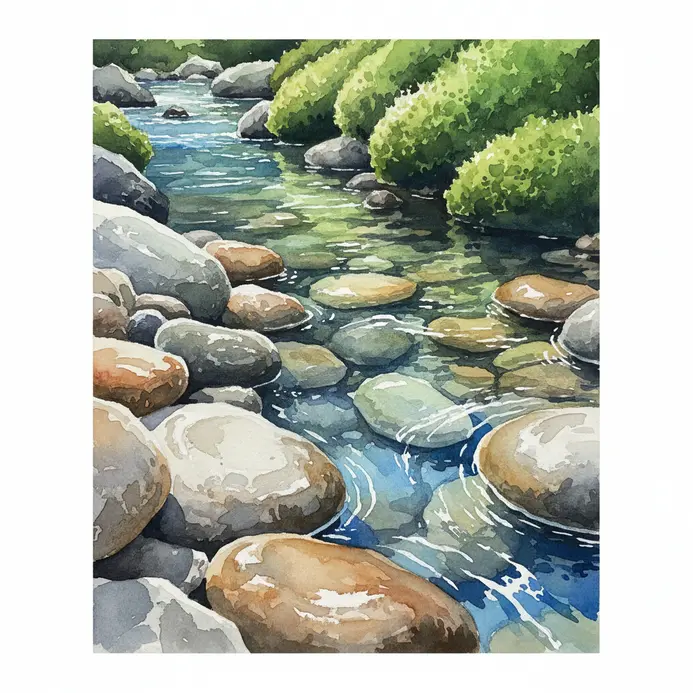
Picture a scene where you can almost feel the crunch of leaves and the slick surface of wet stones, perfect for a step-by-step watercolor painting tutorial. These realistic watercolor painting ideas depend on combining different techniques used for bark, water, moss, and sand within one composition. Each surface calls for its own touch. Use wet-on-wet for flowing water, dry brush for rough bark or sand, and granulating pigments where you want natural grit. This variety makes painting more immersive because it mirrors how we experience nature through many textures at once.
21. Conservation-Focused Watercolor Examples Documenting Material Decay
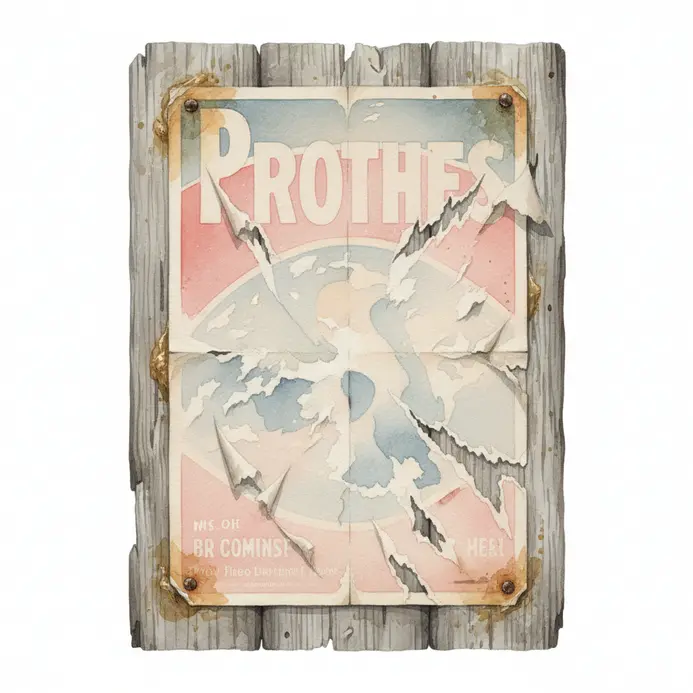
Have you ever thought about using your watercolor skills to help preserve history? This niche shows how watercolor records the slow decay of stone, paper, and painted surfaces with empathy and precision, which can be a fascinating topic for abstract watercolor painting. It is one of the most meaningful realistic watercolor painting ideas in this list. Subtle washes and fine brushwork capture erosion, tide lines, crack patterns, and faded color with sensitivity that photography sometimes misses. Try observing an old poster, worn wood, or aged paper at home and turning it into a careful documentary study.
Problem-Solving Common Watercolor Realism Challenges
After exploring those ideas, you’ll likely face a few universal hurdles. When colors turn muddy, it often comes from overworking wet layers, so let each glaze dry fully before the next watercolor layer. If your highlights are lost, lifting color is easier than forcing opaque corrections later. For flat-looking textures, vary your edges and move from soft blends to hard edges where the material changes. The best fix is diagnosing the issue clearly: value scale, temperature, moisture level, or edge control. This troubleshooting mindset helps realistic watercolor painting ideas turn into stronger final painting results.
Your Next Watercolor Painting Awaits
You now have a rich palette of ideas and, more importantly, the conceptual toolkit to approach them with confidence. Realism in watercolor is not about photographic copying; it is about intelligent translation through transparency, luminosity, and fluidity. Start with a strong value study, plan your layers for translucency, and welcome the happy accidents. Whether you choose a glistening droplet or a weathered brick wall, each painting builds your watercolor skills in observation and rendering. Grab your watercolor brushes, trust your process, and let the water work its quiet magic on your next watercolor study.
Conclusion
Wow, what a journey through texture, light, and detail. We’ve covered ground from the microscopic world to vast urban landscapes. The beauty of these realistic watercolor painting ideas is that each one teaches you something new about how the world looks and feels, and realistic watercolor painting ideas also give you a clear path for steady growth. Did a particular subject make you want to grab your brushes right away? I know the metallic patina and liquid dynamics stand out for me. Remember, the goal isn’t perfection on the first try. It’s about observing closely, building layers, and capturing light. Pick one idea that speaks to you, gather your references, and start painting. Share your progress with us over at Artist’s Haven. We’d love to see what you create.
FAQs
Q: What are some realistic watercolor painting ideas for beginners to try step by step?
A: For beginners, start with simple subjects like a single leaf, a pear, a glass jar, or a small landscape. Follow step-by-step guidance: sketch the basic shapes and sizes lightly, block in light washes, build midtones, add details, and finish with highlights. Using a limited palette from your watercolor set and following step-by-step tutorials helps you focus on fundamental techniques without becoming overwhelmed.
Q: How do I choose the right watercolor set for realistic results?
A: Choose a watercolor set with artist-quality or student-grade pigments that include a warm and cool version of primary colors plus a neutral gray or Payne’s gray. A good set supports the correct use of color and mixing, letting you achieve subtle realistic tones. Also pick brushes in a variety of shapes and sizes and a paper with at least 300gsm to handle layering and lifting.
Q: What basic techniques should I learn to paint realistic textures?
A: Focus on fundamental techniques like wet-on-wet for soft blends, wet-on-dry for crisp edges, glazing for transparent layers, and drybrush for texture. Practice controlling water ratio, lifting to create highlights, and using splatter or salt for organic textures. Mastering these basic techniques makes it easier to render realistic surfaces like wood, skin, or foliage.
Q: Can you recommend easy to paint realistic subjects that also teach techniques and painting control?
A: Yes—try painting a single apple (shape, gradient, highlight), a ceramic mug (reflections, shadows), a small bouquet (overlapping shapes and use of color), or a stone pathway (textures and perspective). These easy-to-paint subjects help you practice step by step, combining fundamental techniques and attention to shapes and sizes.
Q: How can I learn to paint with watercolors when I’ve been painting mainly in acrylics or oils?
A: If i’ve been painting in acrylics or oils, start by experimenting with water control and transparency. Watercolor requires planning for preserves of whites and working from light to dark. Try free watercolor exercises—wet-on-wet washes and simple value studies—to retrain your approach. Emphasize glazing and minimal overworking to respect the medium’s properties.