Looking at Indian folk art can spark inspiration, but the intricate details may feel intimidating. That’s why easy gond painting ideas for beginners are the perfect way to dive in — simple, joyful, and designed to help you explore creativity without pressure.
Originating from the Gond tribe—one of India’s largest indigenous communities spread across Madhya Pradesh, Maharashtra, and Chhattisgarh—this style is deeply inspired by nature. It’s not about photorealism; it’s about storytelling through intricate patterns. Whether you want to explore a new hobby or connect with tribal history, these easy gond painting ideas for beginners are the perfect starting point.
The beauty of this art form lies in its simplicity. You start with an outline and bring it to life using dots, dashes, and lines. In this guide, we’ll showcase ten accessible concepts, featuring multiple easy gond painting ideas for beginners, that will help you create your first masterpiece on canvas or paper.
1. Modern Abstract Gond Patterns
Sometimes, you just want to draw patterns without a subject. This is where you can mix traditional art forms with modern abstraction, making it one of the best easy gond painting ideas for beginners.


- The Concept: Filling a page with “signature patterns” like the rope, the scale, and the dot.
- Why It Works: It acts as a reference sheet. Artists like Jangarh Singh Shyam developed unique pattern languages; this helps you find yours.
- Action Step: Grid your paper into six squares. Dedicate each square to a specific Gond filler pattern (e.g., cross-hatching, small circles, dashed lines).


2. The Majestic Elephant Silhouette
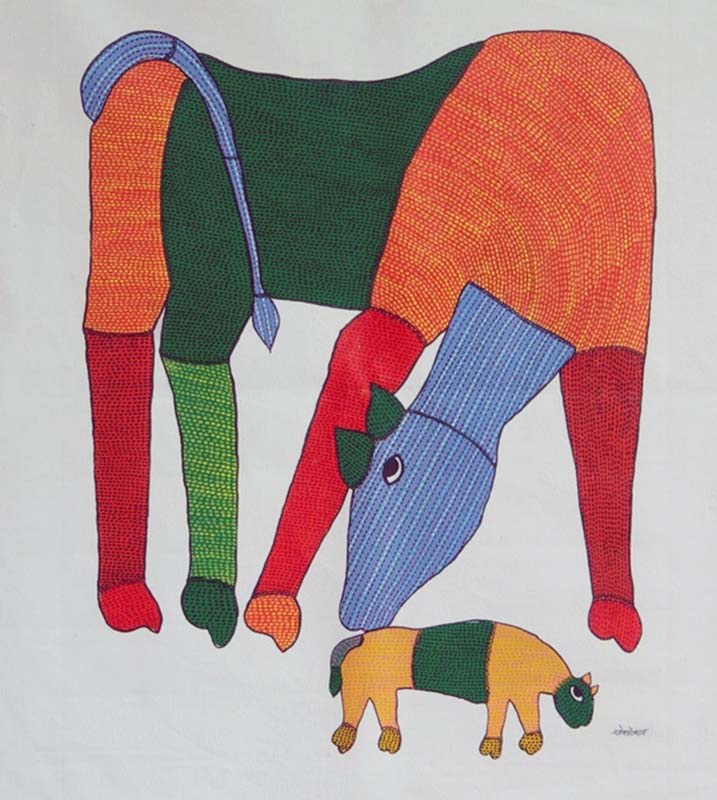
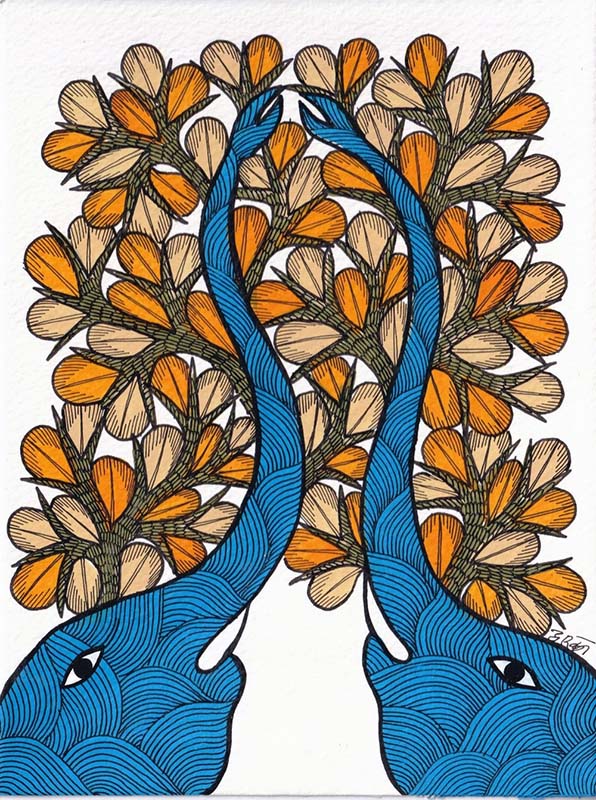
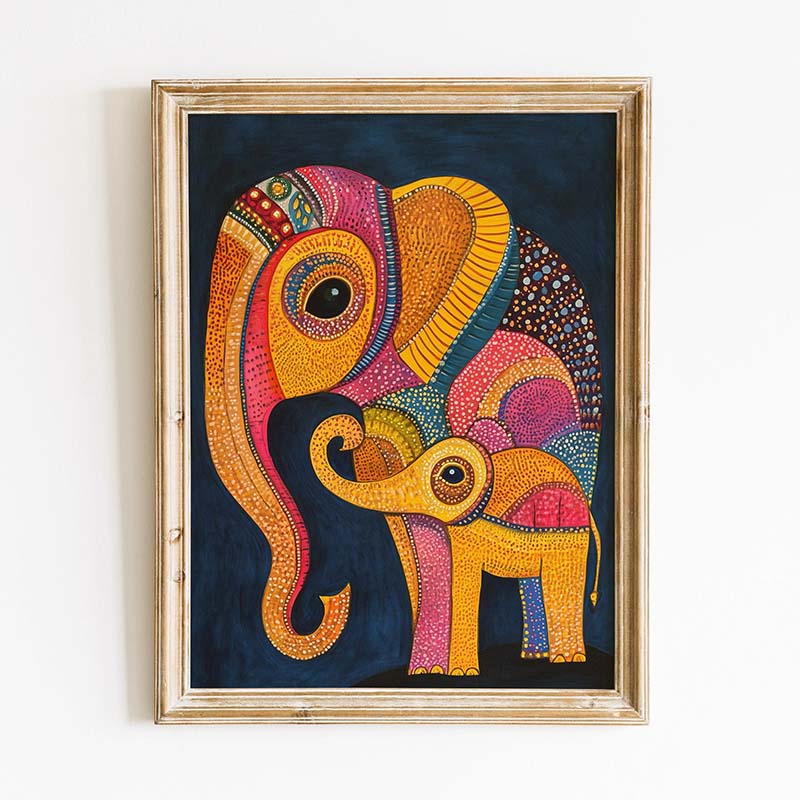
The elephant is a staple in Gond painting. In traditional Gond beliefs, the elephant represents strength and prosperity. Because of its large body mass, it offers a perfect surface to practice different textures, making it a classic among easy gond painting ideas for beginners.
- The Concept: A side-profile of an elephant with a curved trunk.
- Why It Works: It allows you to compartmentalize the body into sections (legs, head, torso) and fill each with a different pattern.
- Action Step: Sketch a large oval for the body. Use a fine-liner to segment the interior. Fill the legs with zig-zags and the torso with fish scales.
Actionable Takeaway: Recognize the significance of gond art in your creative projects. Start big. The larger your outline, the easier it is to fill with patterns without the ink bleeding together.


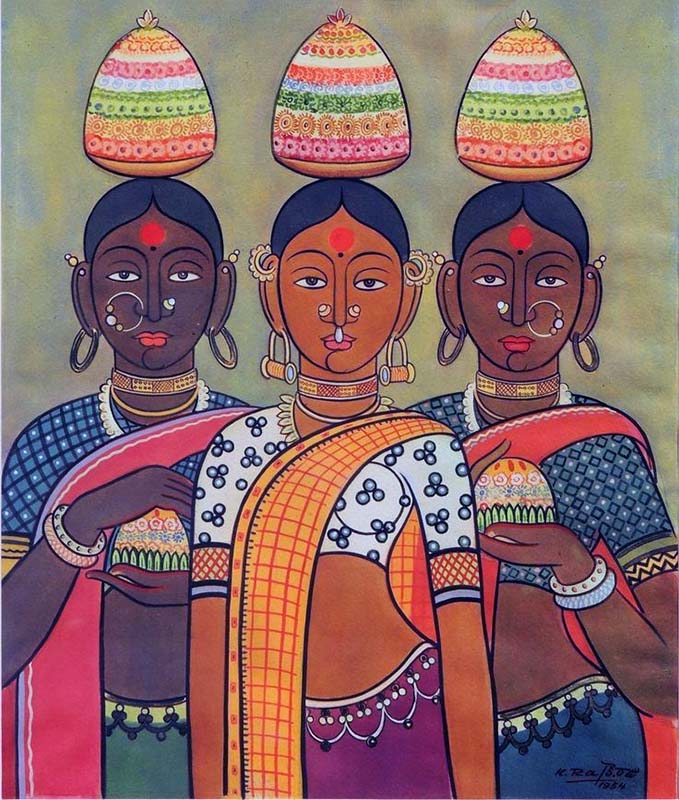
3. Village Life: The Harvest
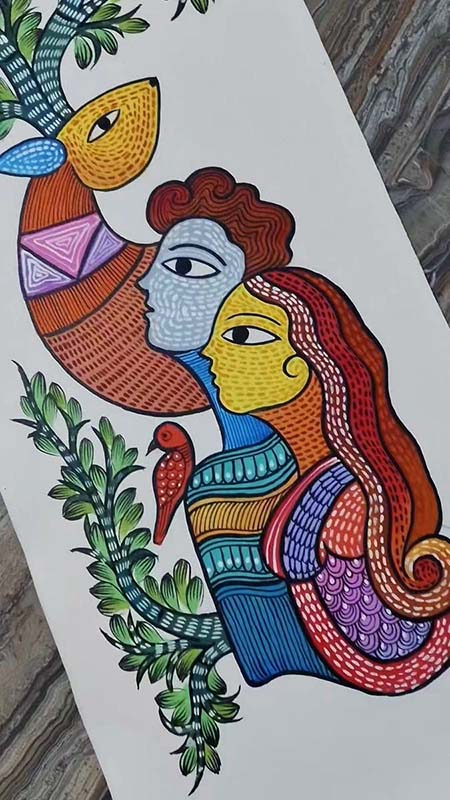
Moving beyond animals, depicting human figures allows you to tell a story about everyday life in the village. This narrative approach adds depth to your list of easy gond painting ideas for beginners.
- The Concept: Figures carrying baskets or working in a field.
- Why It Works: Gond human figures are abstract. You can construct them using triangles and circles, avoiding the stress of anatomical correctness.
- Action Step: Assemble the figures in a row to emphasize the significance of gond arrangements. Unify them by using the same pattern for their clothing, suggesting a community working together.
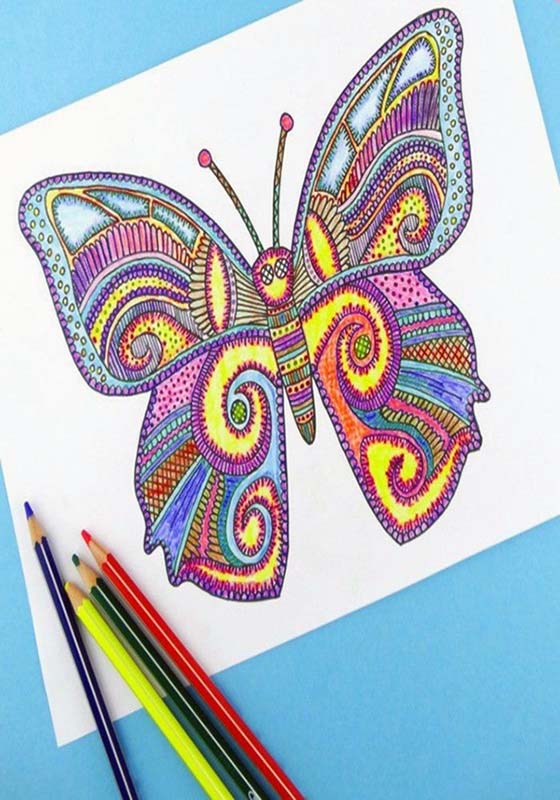
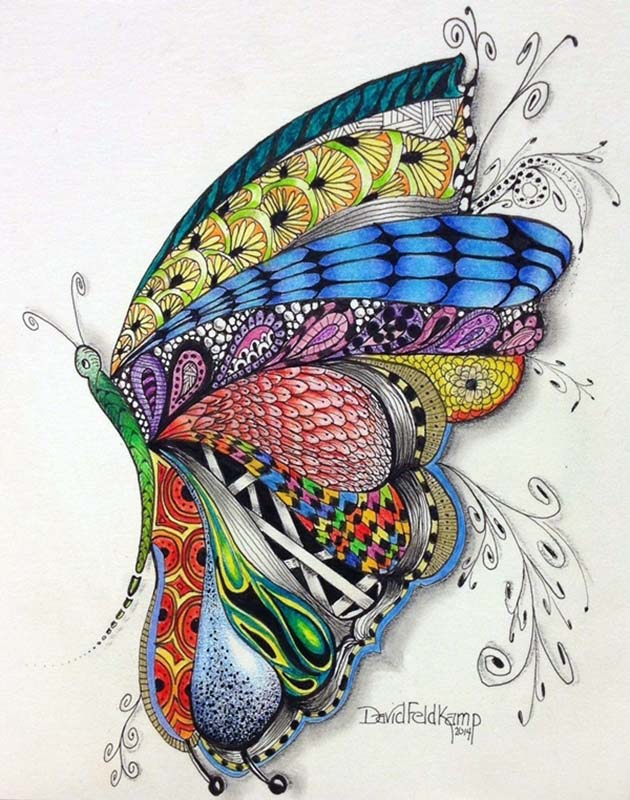
4. Butterfly Symmetry
Traditional motifs often rely on symmetry. A butterfly is the perfect biological canvas to practice this mirroring technique, serving as one of the most colorful easy gond painting ideas for beginners.
- The Concept: A top-down view of a butterfly with exaggerated wings.
- Why It Works: It trains your hand to replicate patterns. What you do on the left, you must do on the right.
- Action Step: Bisect the butterfly with a central line. Segment the wings into smaller shapes. Fill one side, then immediately fill the corresponding section on the other side to maintain balance, a principle that resonates in many Indian art forms.
5. The Singing Sparrow
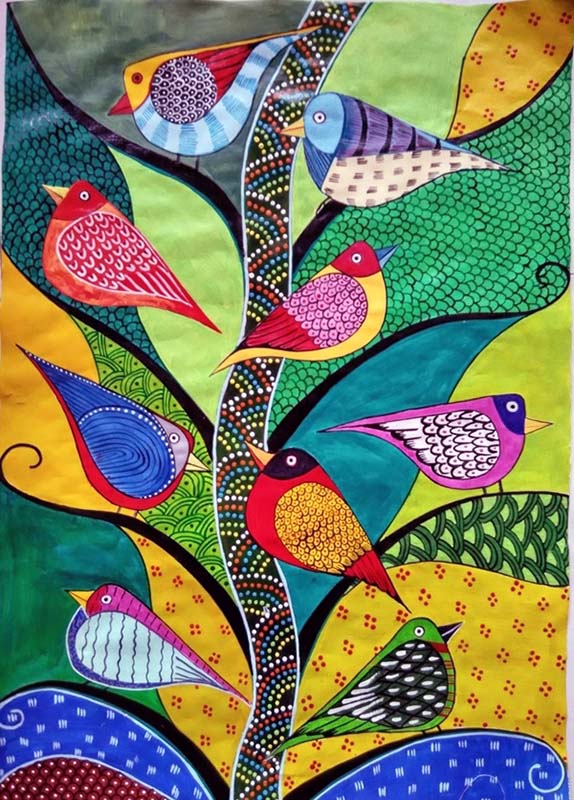
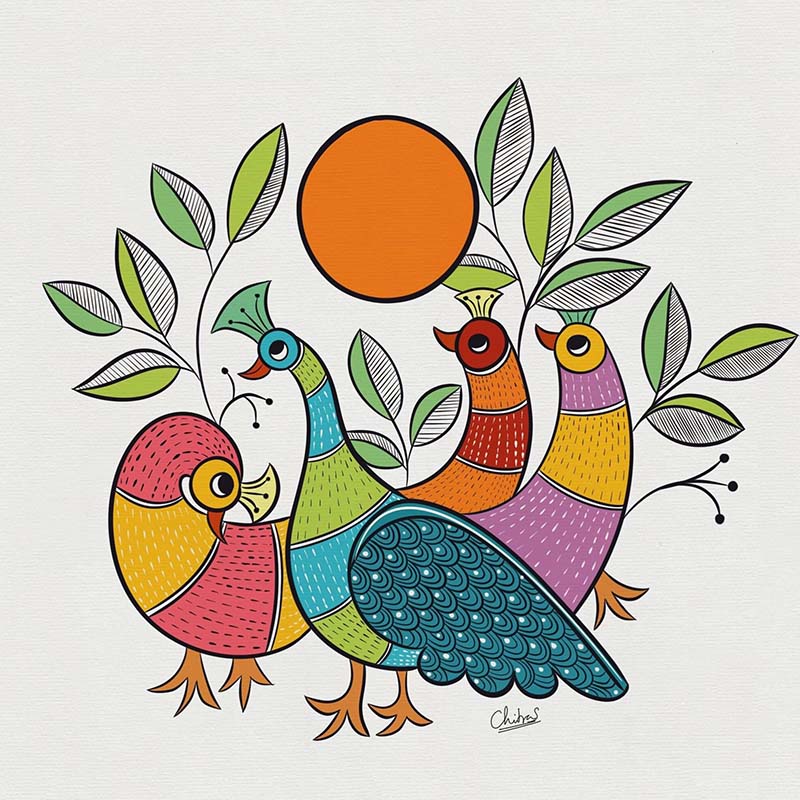
Simple everyday creatures like sparrows feature heavily in the day to day narratives of the Gonds. This is a low-pressure subject for a quick sketch, perfect for an exhibition setting.
- The Concept: A small bird perched on a single branch.
- Why It Works: It’s quick. You can complete a sparrow in 20 minutes, which helps cultivate a sense of accomplishment.
- Action Step: Perch your bird on a diagonal line. Stipple the chest area with tiny dots to create a fluffy texture, distinct from the smoother wing feathers.
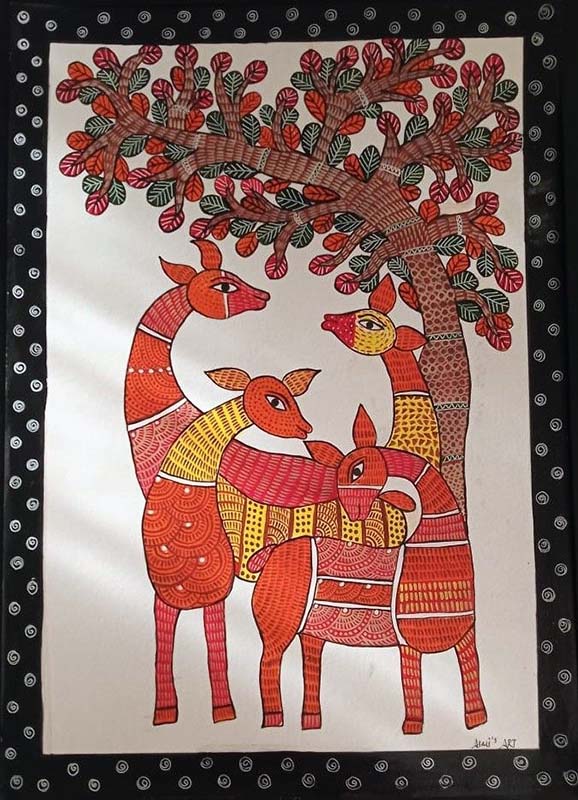
6. The Monochromatic
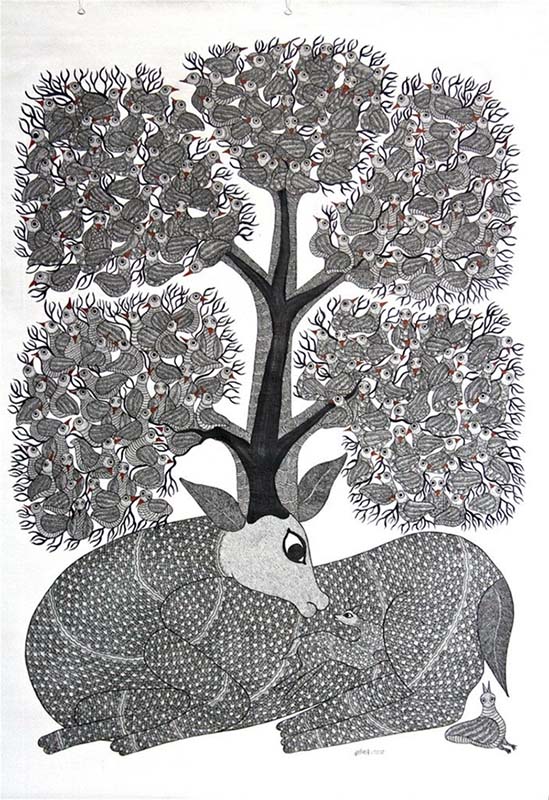
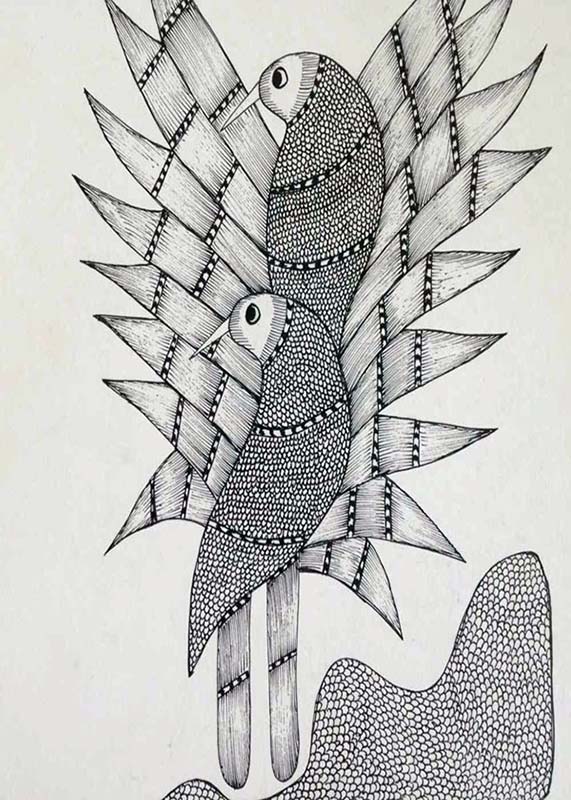
You don’t always need a rainbow. High-contrast elements can enhance the significance of gond art. Black and white drawings are a striking way to showcase the unique style of Gond lines.
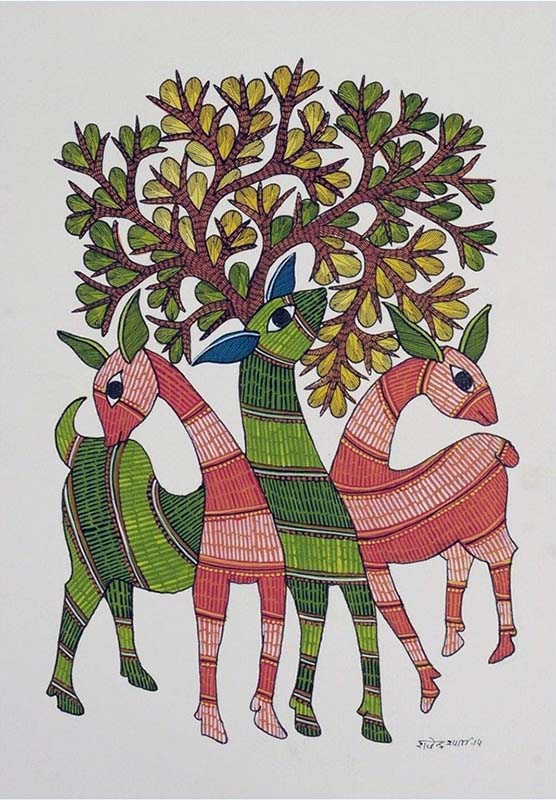
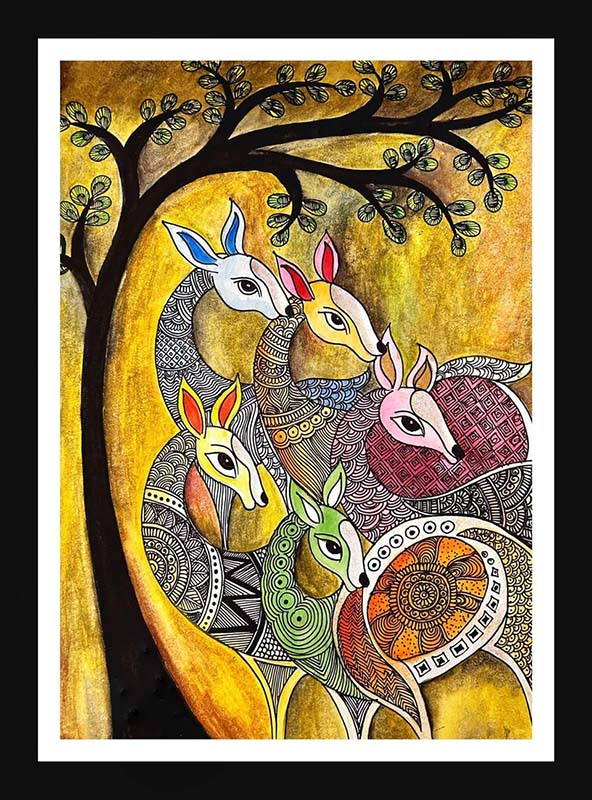
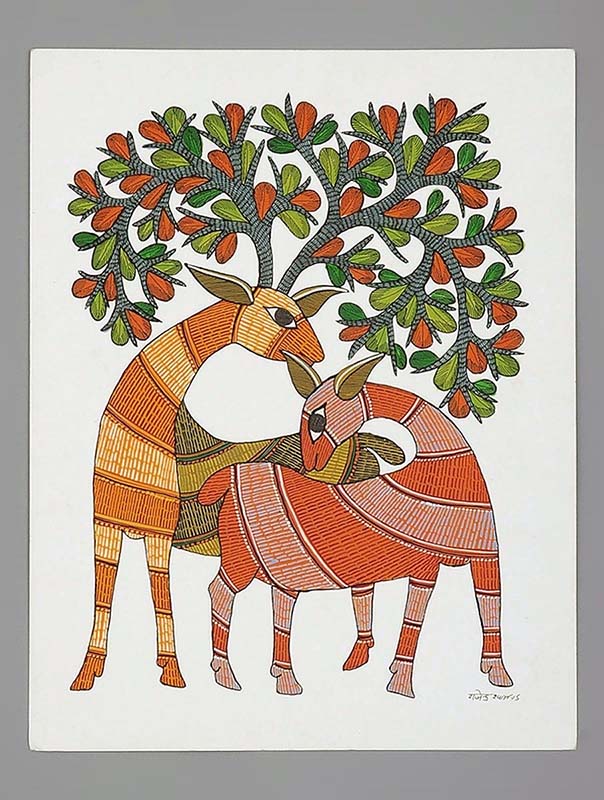
- The Concept: A deer drawn in black ink on white paper, or white ink on black paper.
- Why It Works: It forces you to refine your line work. Without color to hide behind, your patterns must be clean.
- Action Step: Elongate the deer’s legs and neck to create a more dynamic form, often seen in Indian art forms. Illuminating the figure with white gel pens on black paper can make the art look like a chalkboard or traditional mud wall.
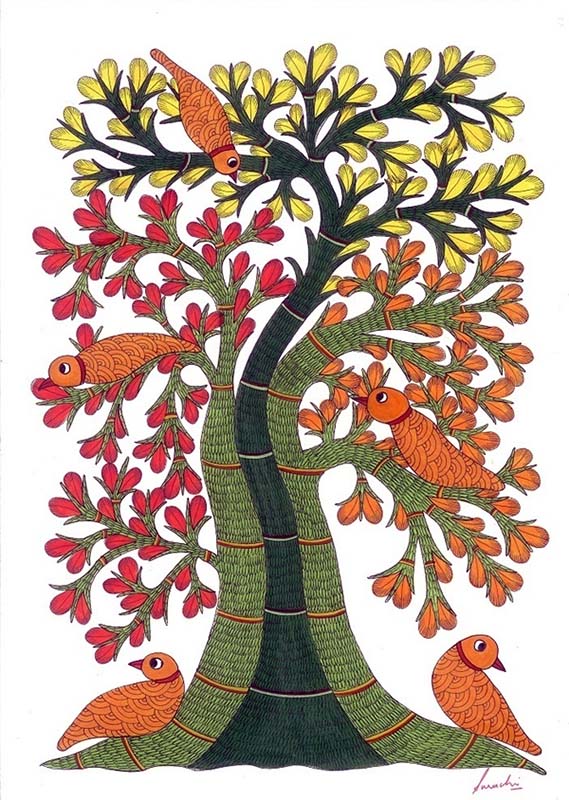
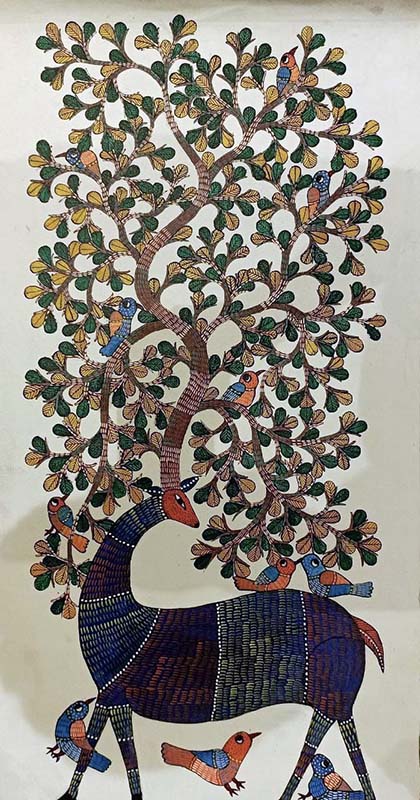
7. The “Tree of Life” with Curving Branches
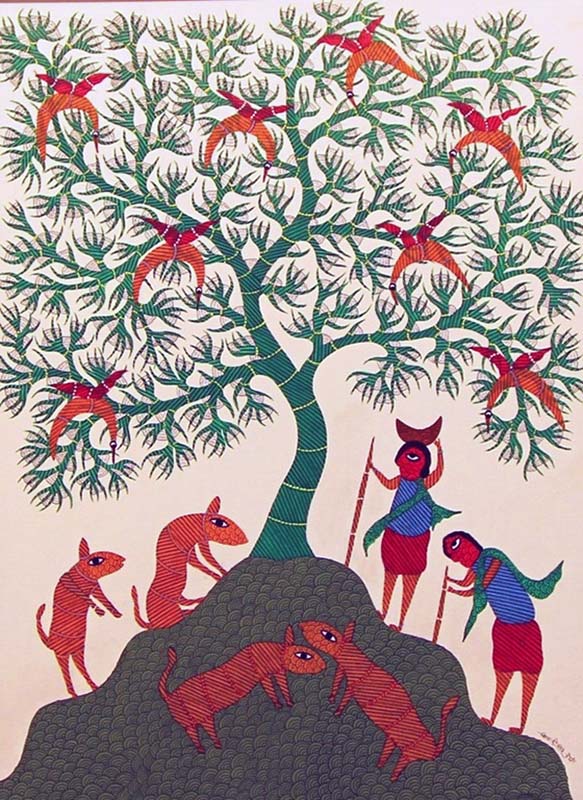
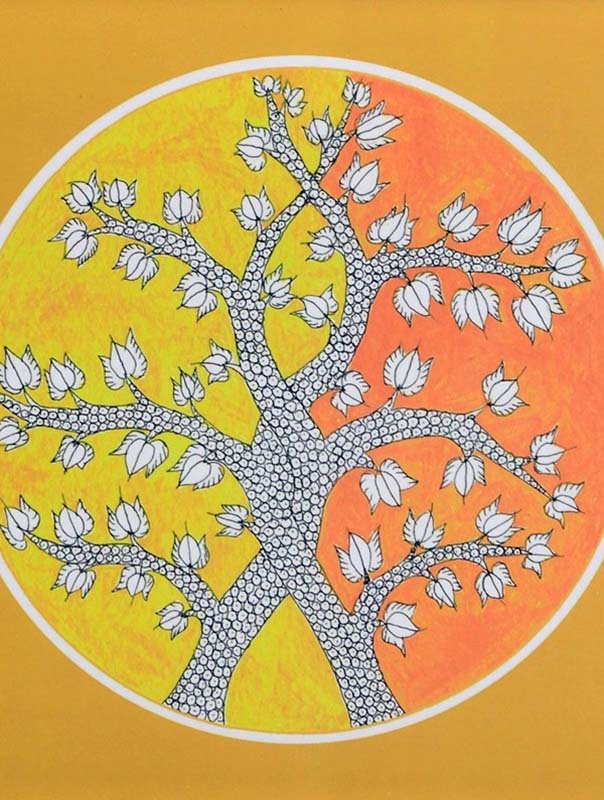
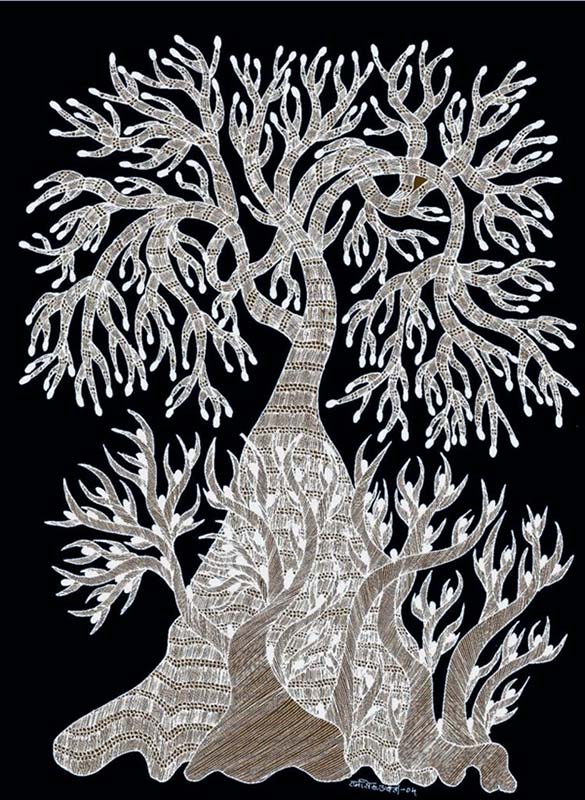
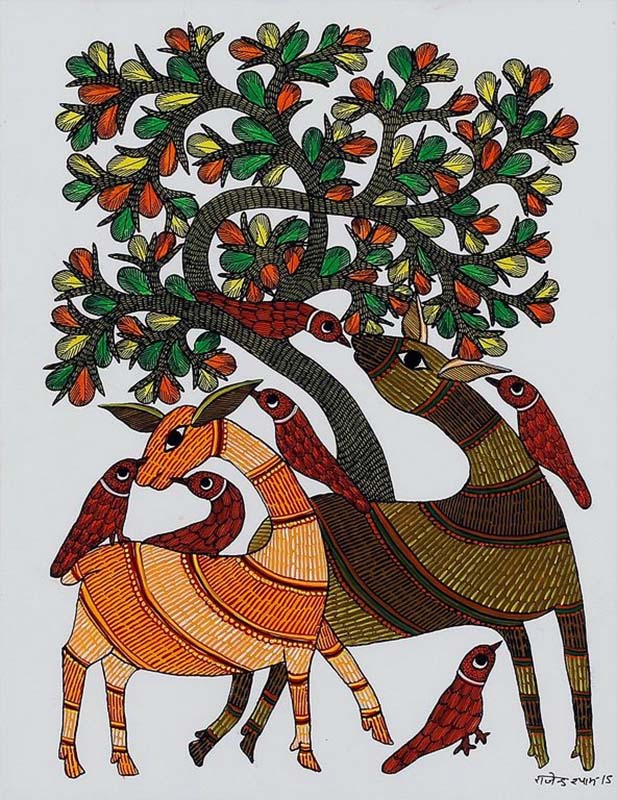
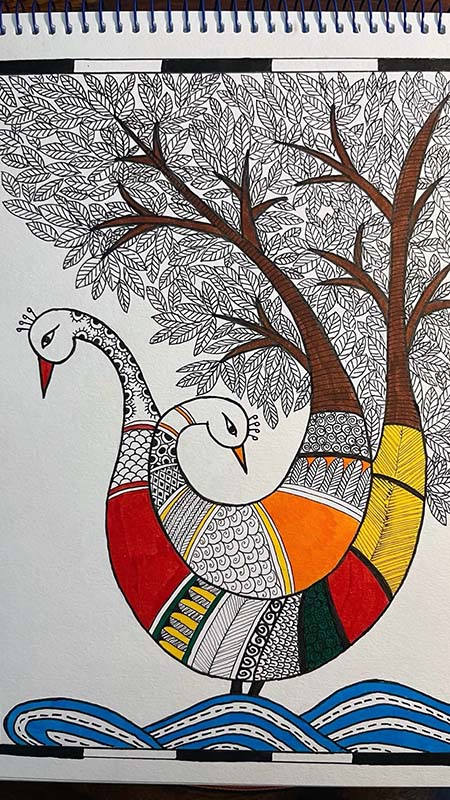
For the Gond tribal community, trees are central to existence. They believe spirits reside in the root and branches. The “Tree of Life” is a fantastic way to learn how to create flow in Indian art forms.
- The Concept: A tree that curves and twists, rather than standing straight.
- Why It Works: You can abandon rigid structure. The branches can meander across the page, giving you freedom to experiment.
- Action Step: Anchor your tree with a wide base. As you draw branches, taper them off into spirals. Fill the trunk with a “bark” pattern made of vertical wavy lines.
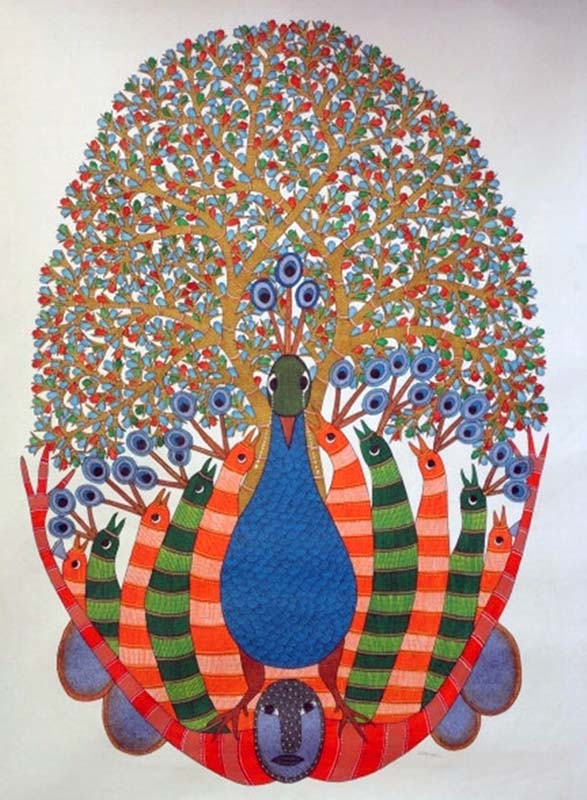
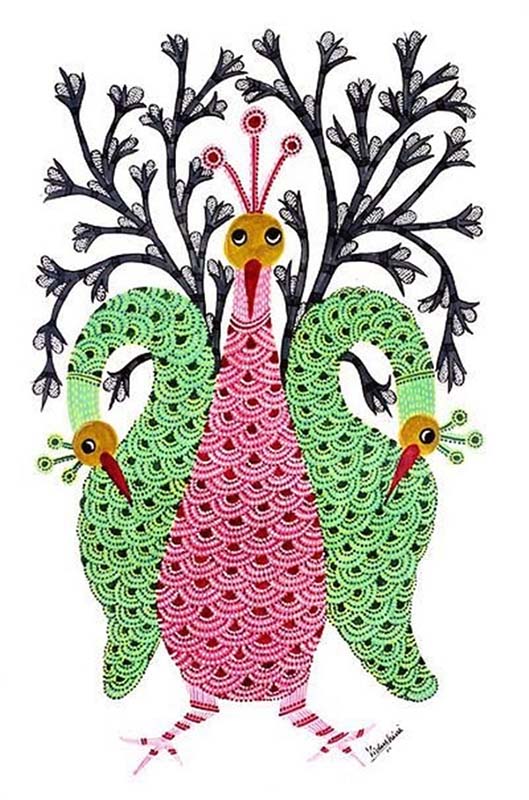
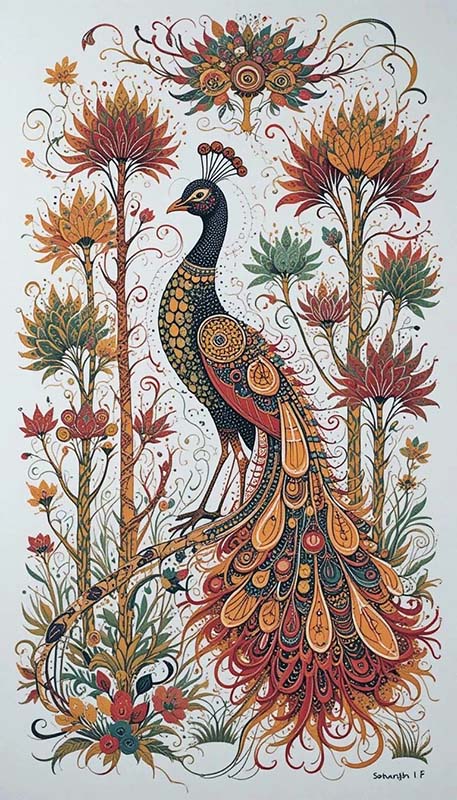
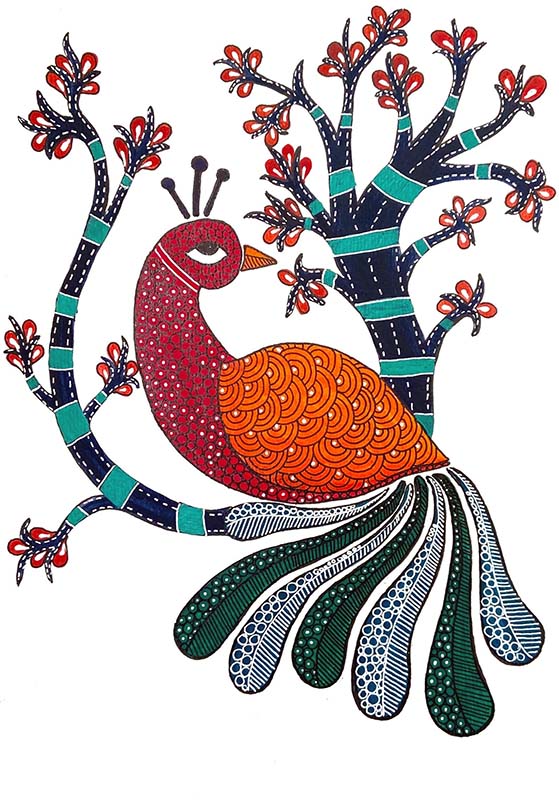
8. The Vibrant Peacock
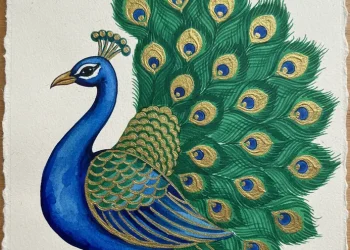
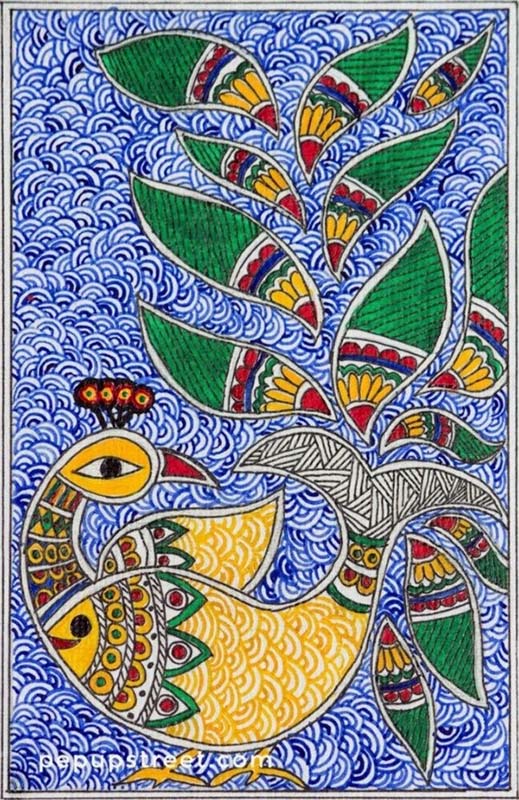
If you want to play with colour, the peacock is your best friend. This bird allows you to use the vibrant palette that Gond art is characterized by. The use of vivid colors is key here.
- The Concept: A peacock with its tail feathers either trailing behind or fanned out.
- Why It Works: The feathers act as individual containers for your dots and dashes. You can saturate the page with blues, greens, and bright pinks.
- Action Step: Construct tear-drop shapes for the feathers. Layer a smaller teardrop inside each one. Use bright acrylic paints to fill the base, then draw patterns over it once dry.
If you’re unsure about which paints to buy, check out our guide on “Essential Art Supplies for Folk Painting,” which includes the significance of gond techniques here.
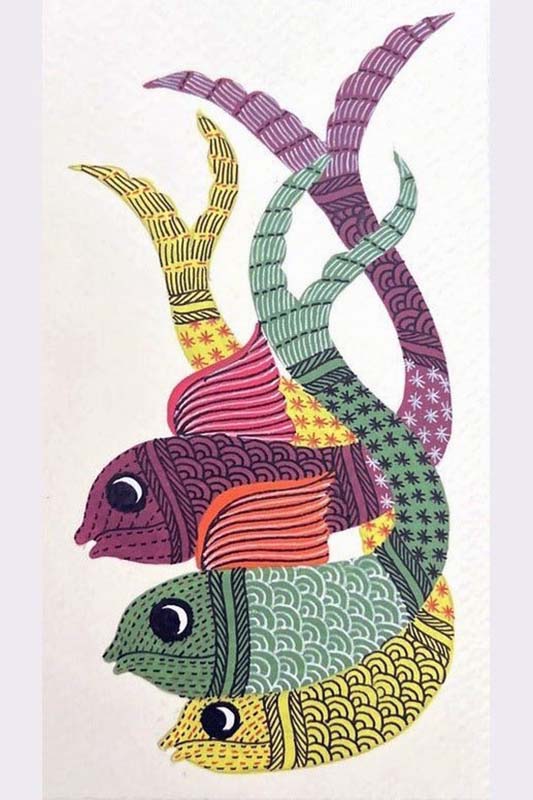
9. Schools of Fish in Geometric Streams
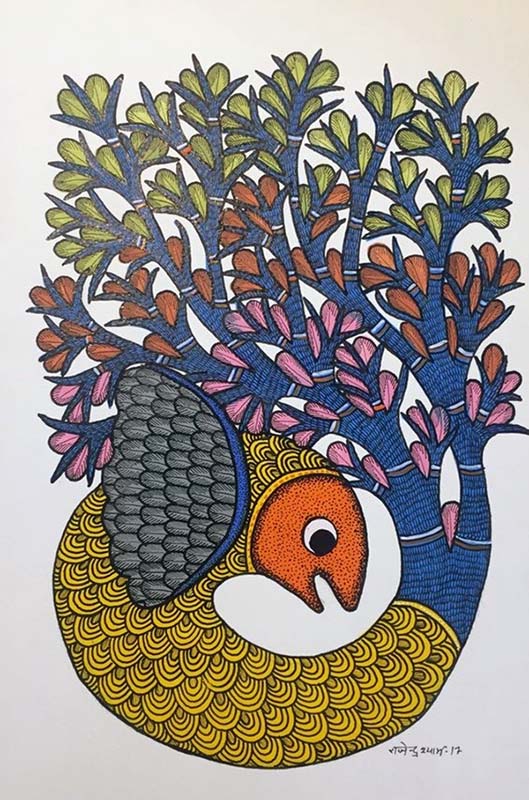
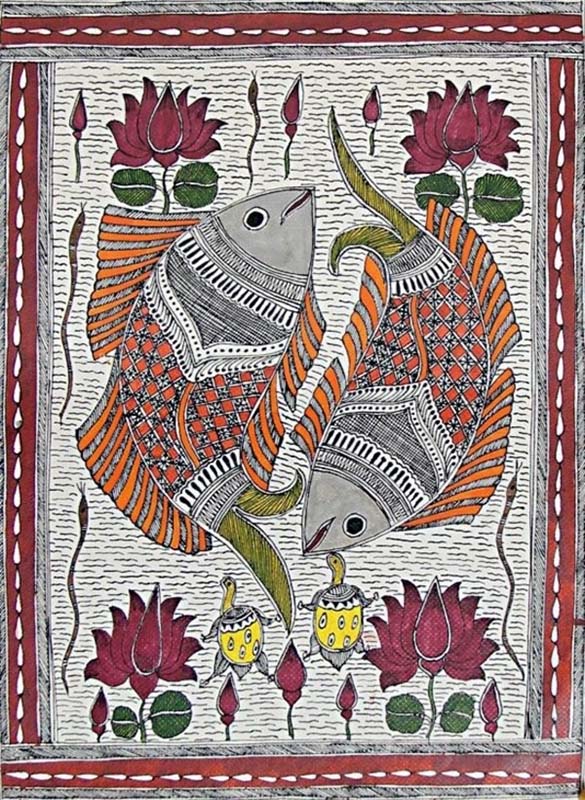
Fishes on the swim are often depicted in Gond art paintings to represent fertility and the flow of life. This is often where a beginner finds their rhythm.
- The Concept: A group of fish swimming in the same direction, fitting together like a puzzle.
- Why It Works: It teaches you spatial awareness, which is essential in creating balanced compositions in art exhibitions. You learn to interlock shapes without overlapping them clumsily.
- Action Step: Draft simple, almond-shaped fish bodies. Streamline their fins. Instead of realistic scales, use the chevron (>>) pattern to imply movement.
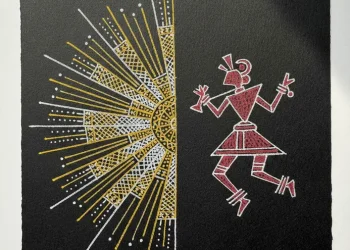
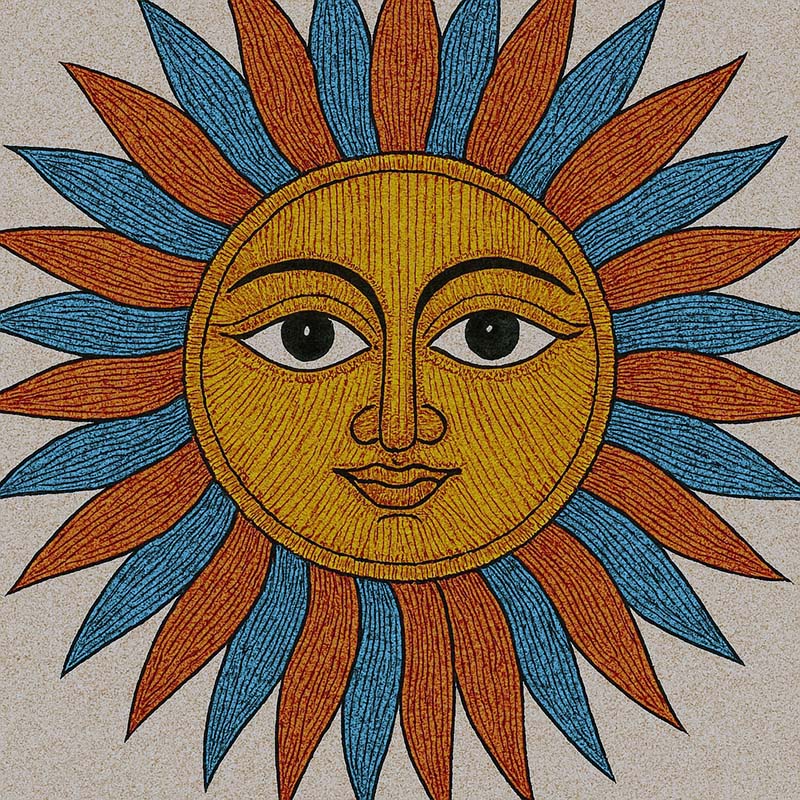
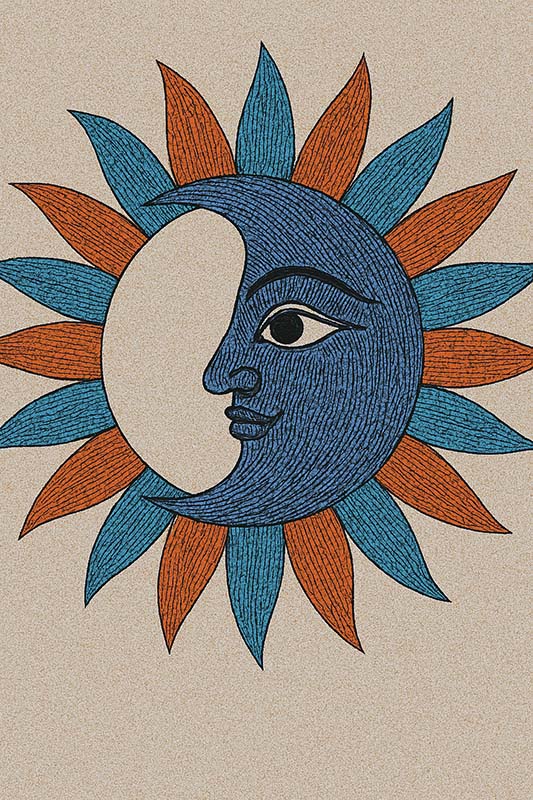
10. The Sun and Moon Duo
Gond art often depicts the deity or cosmic elements. The sun and moon are not just celestial bodies; they embody the significance of gond storytelling.
- The Concept: A sun with a face, surrounded by radiating rays that look like petals or leaves.
- Why It Works: It introduces geometric shapes. Circles are foundational to Indian art.
- Action Step: Radiate the rays outward. Alternating colors between the rays creates a hypnotic effect. Give the sun large, expressive eyes.
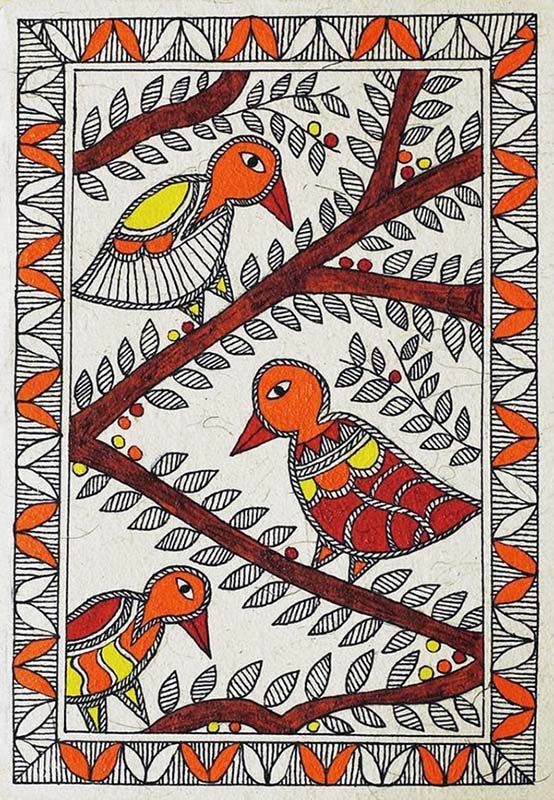
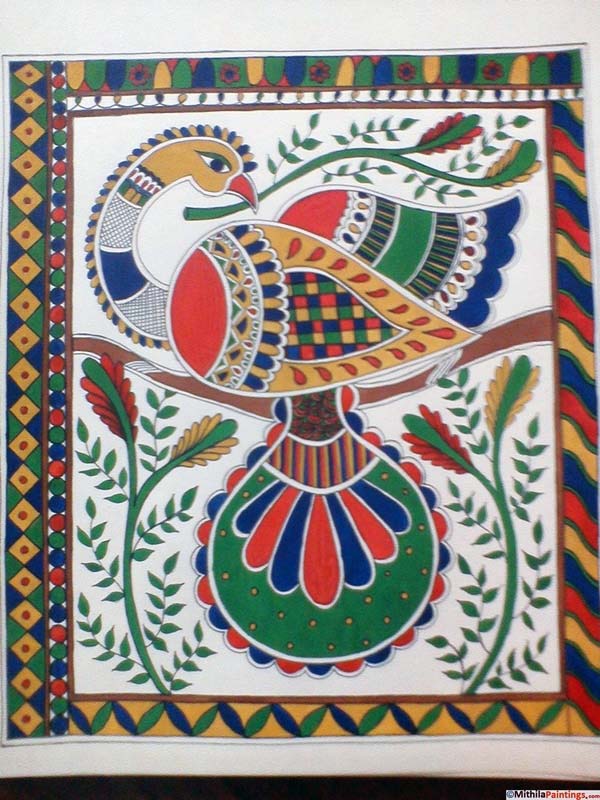
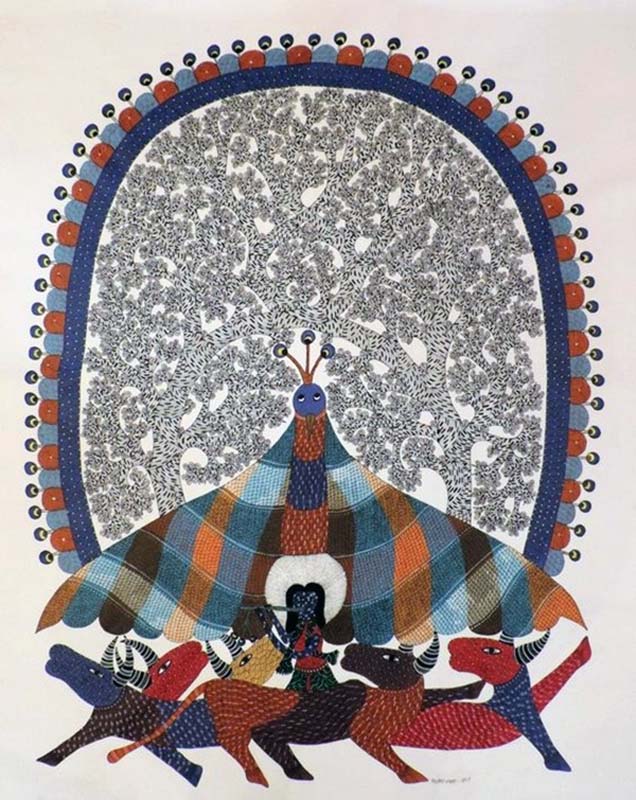
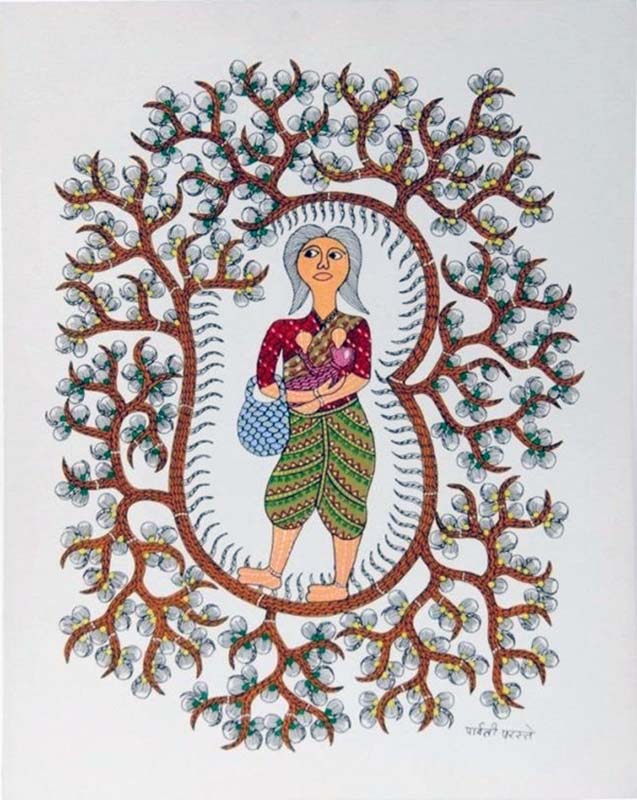
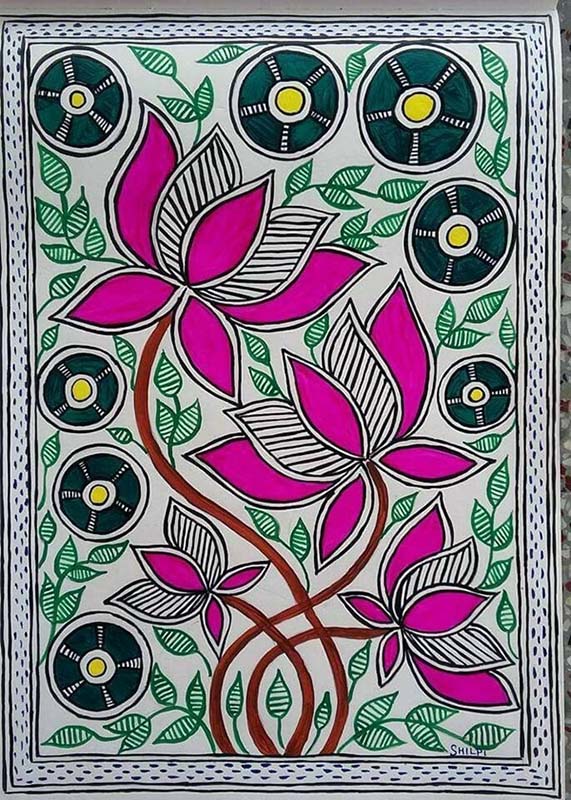
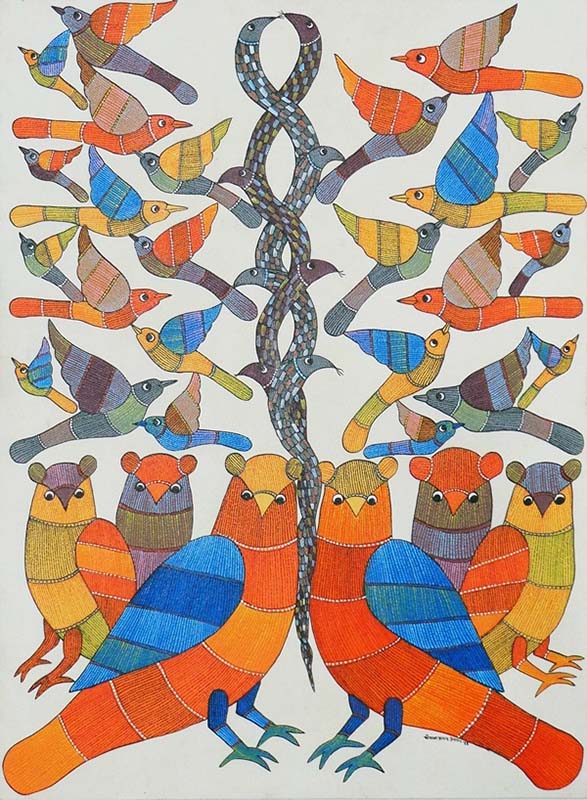
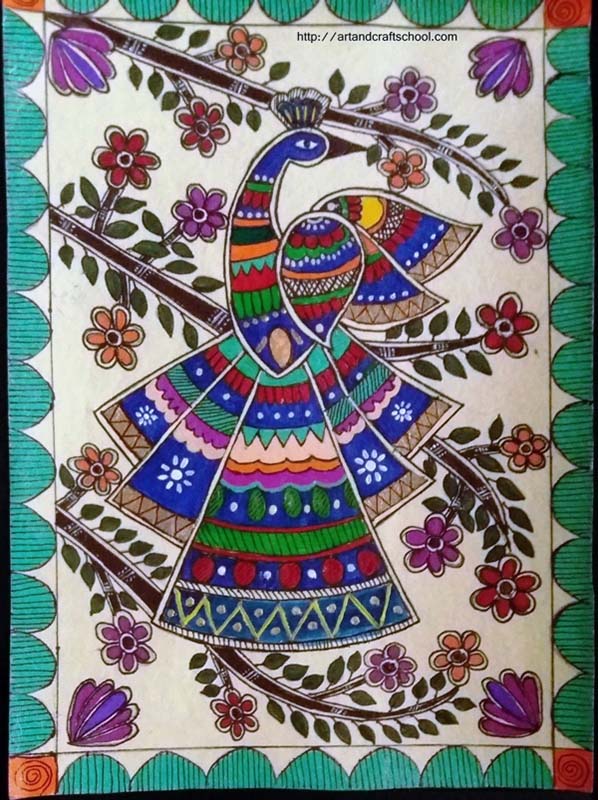
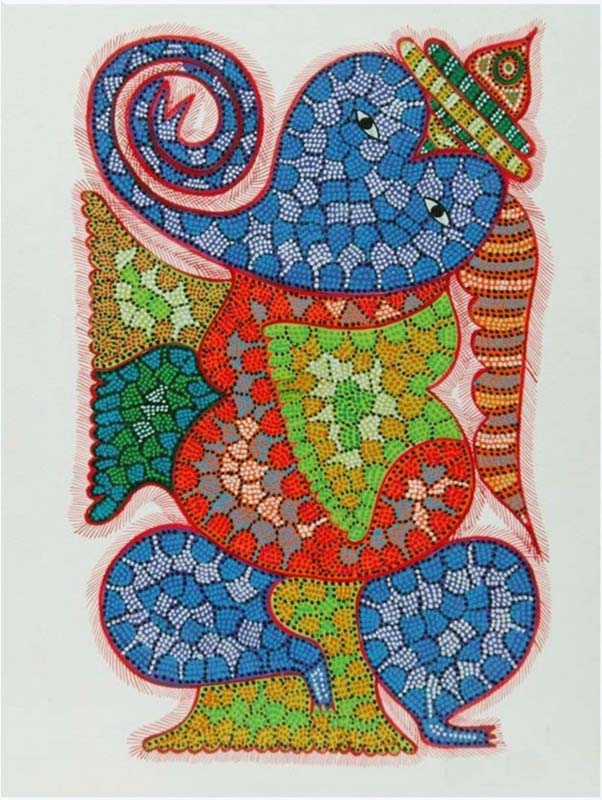
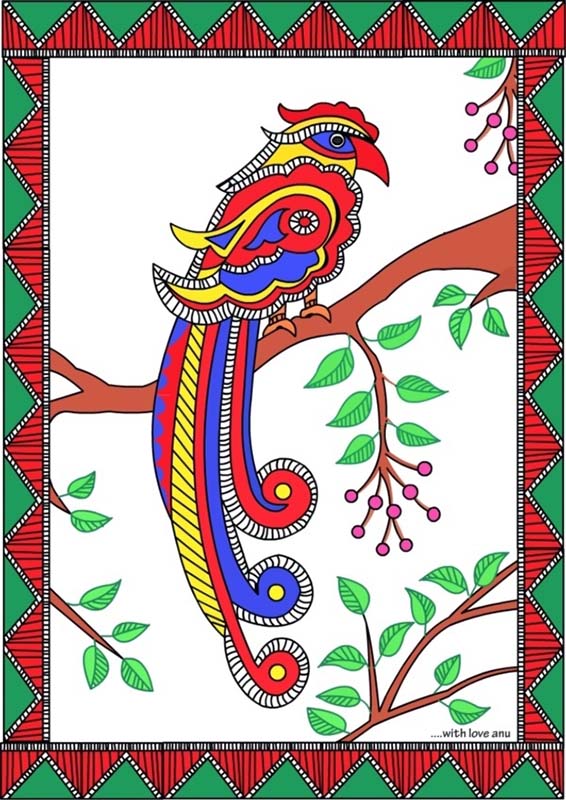
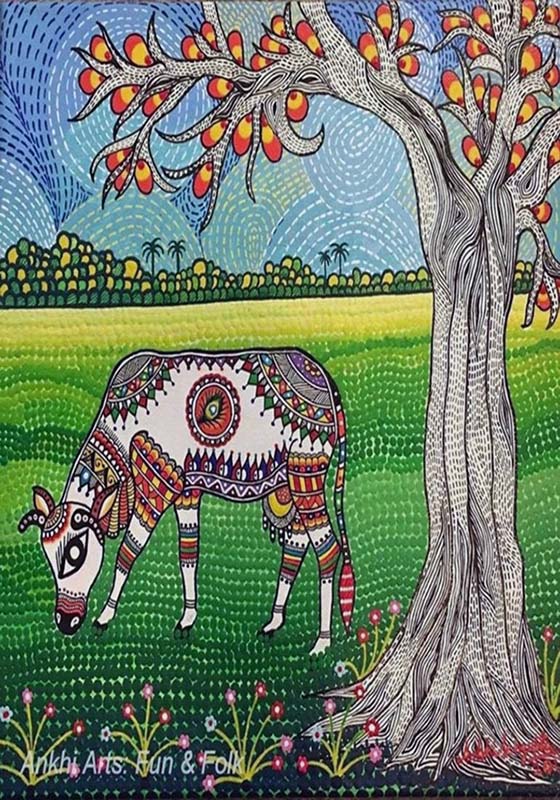
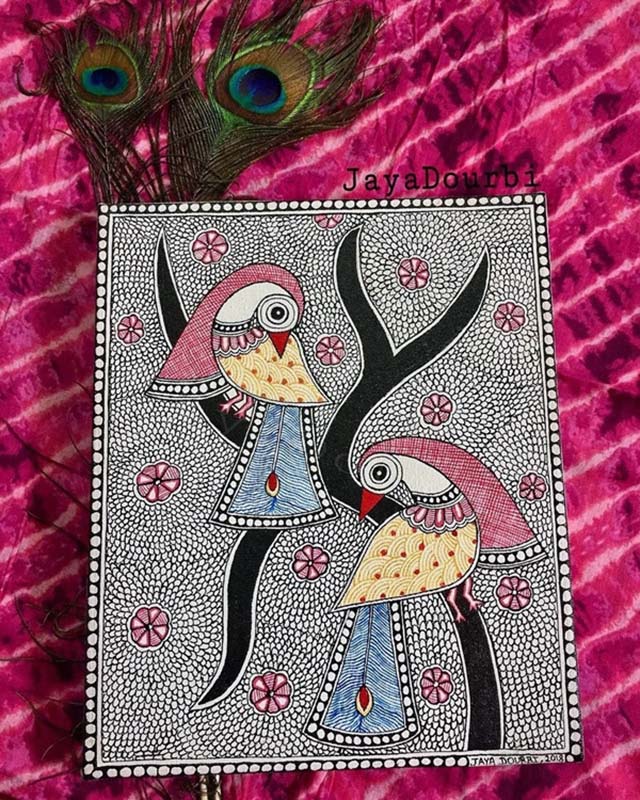
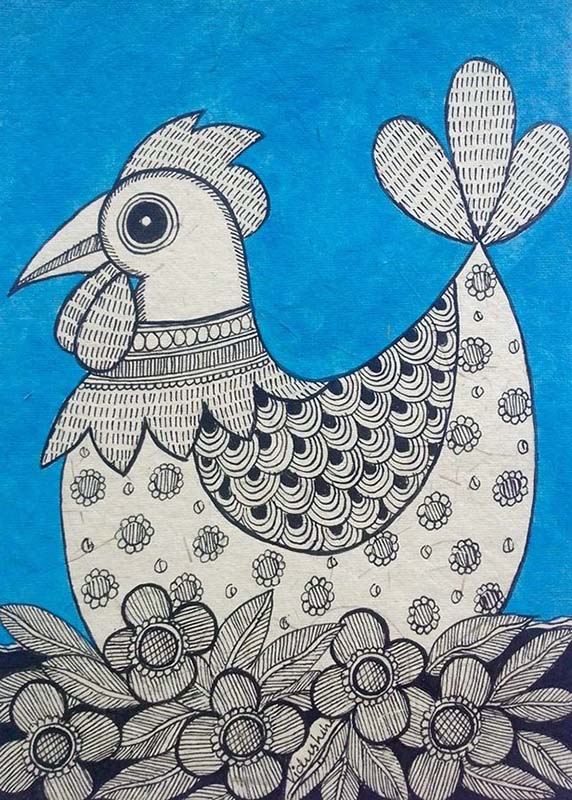
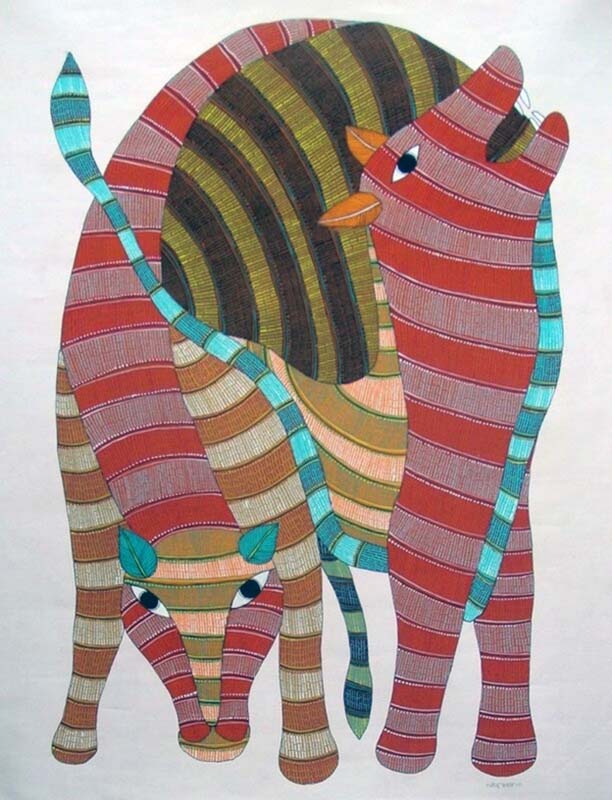
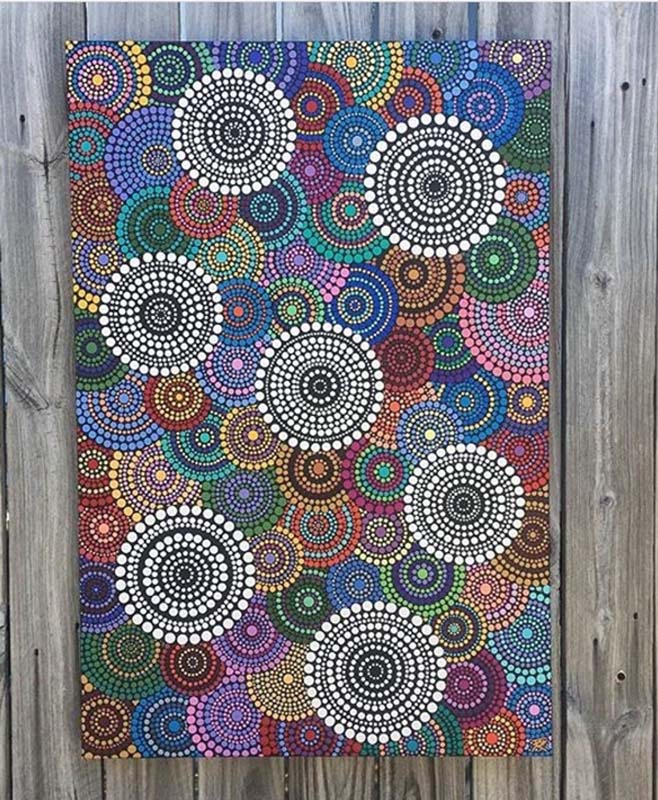
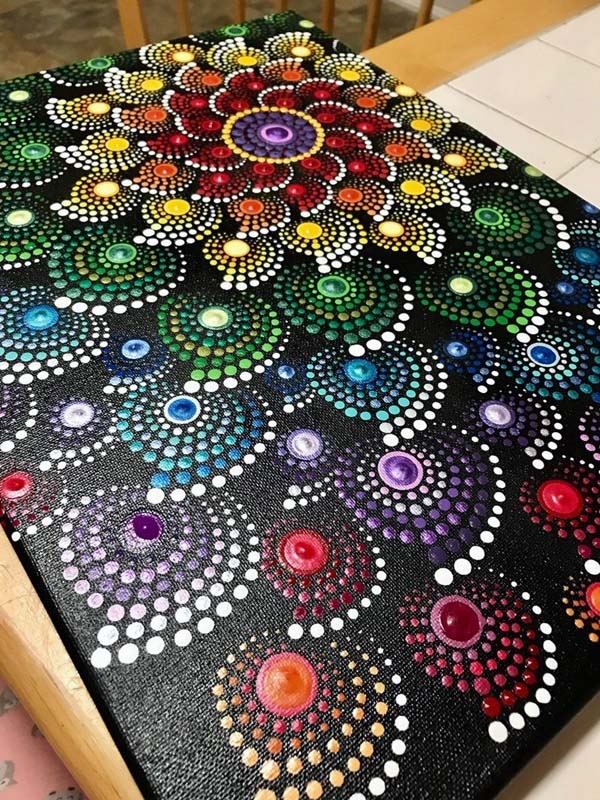
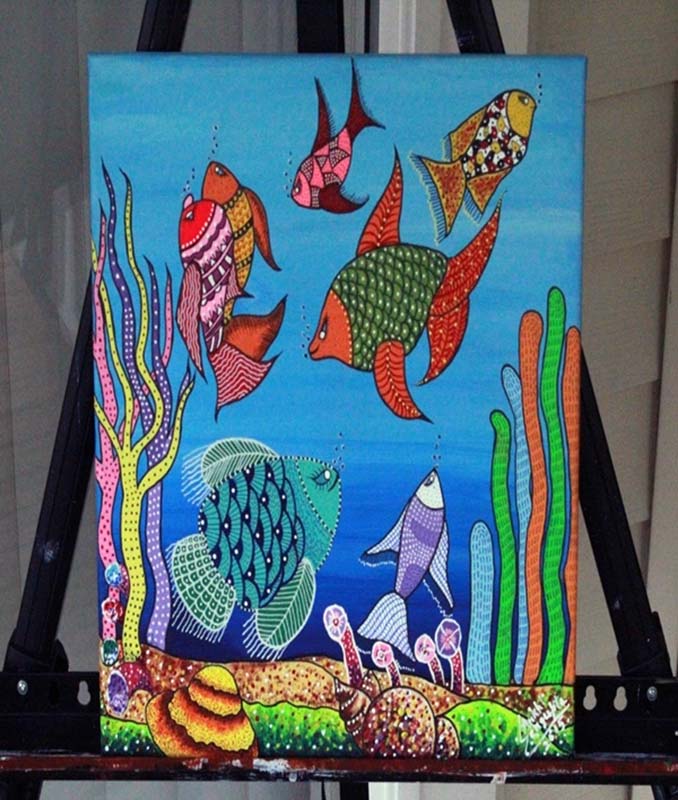
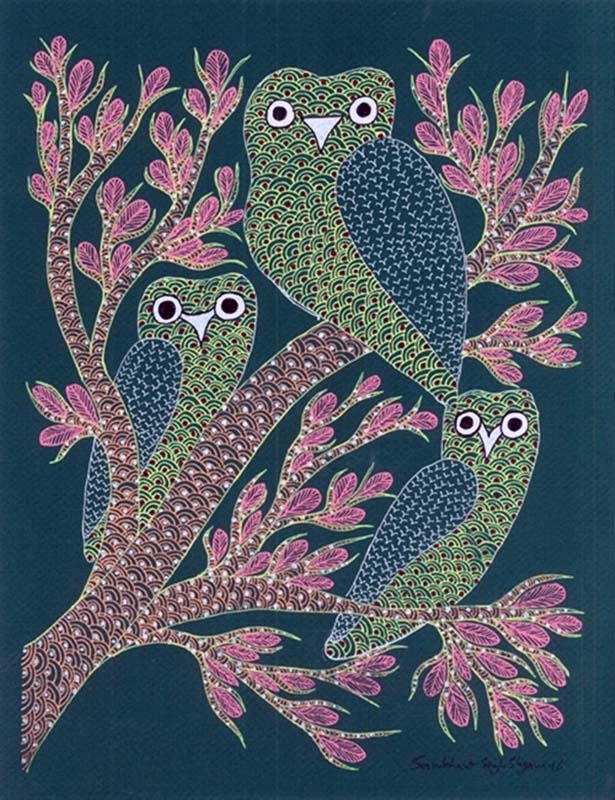
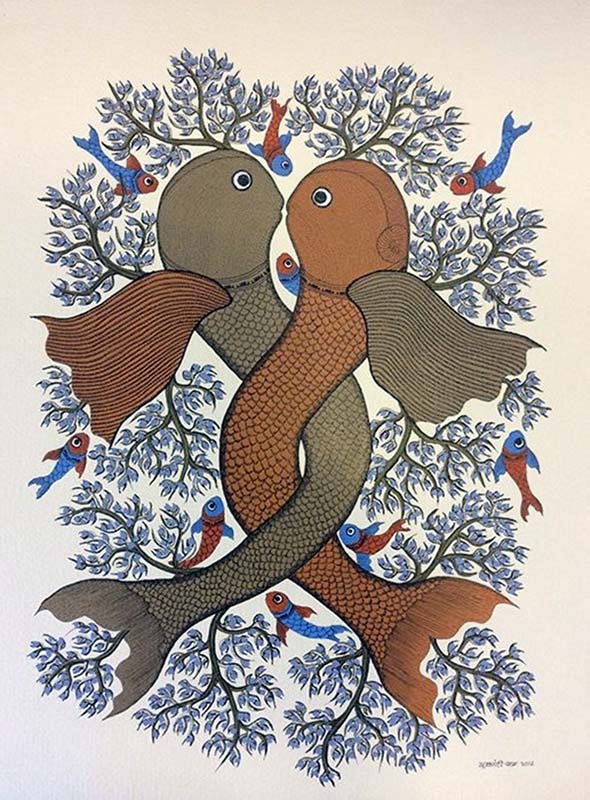
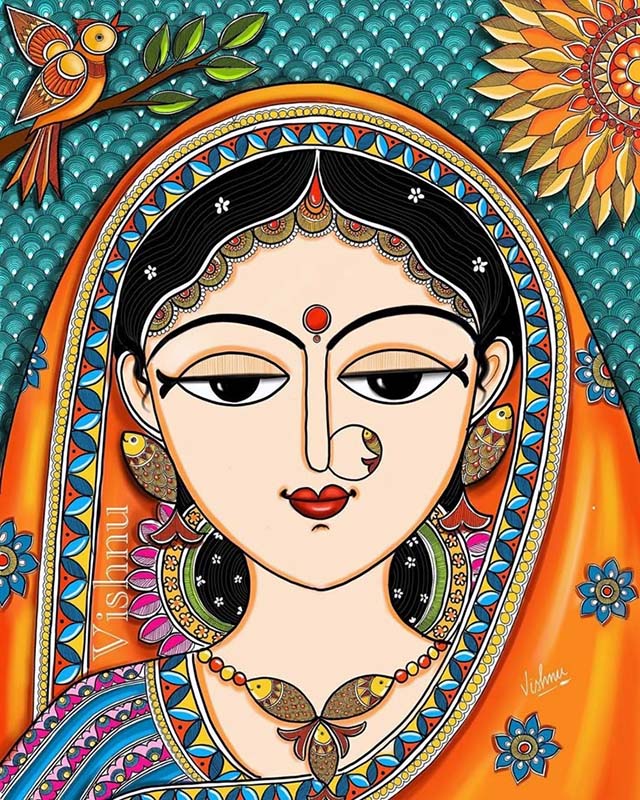
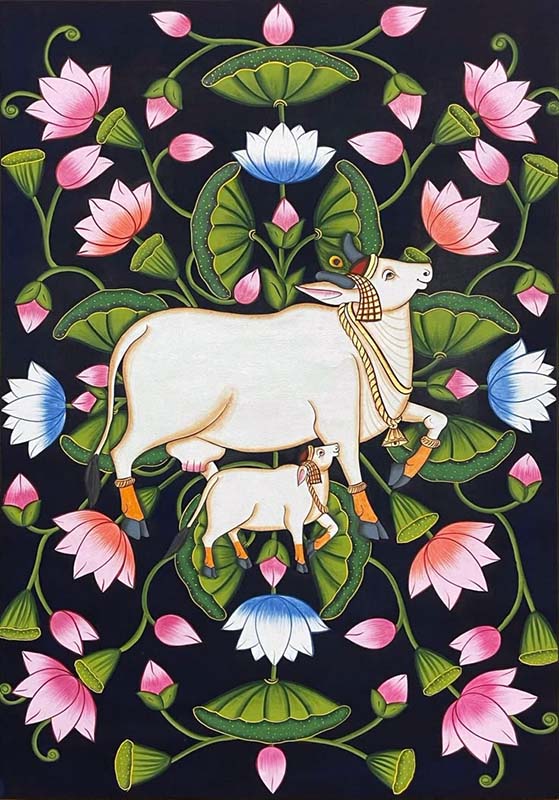
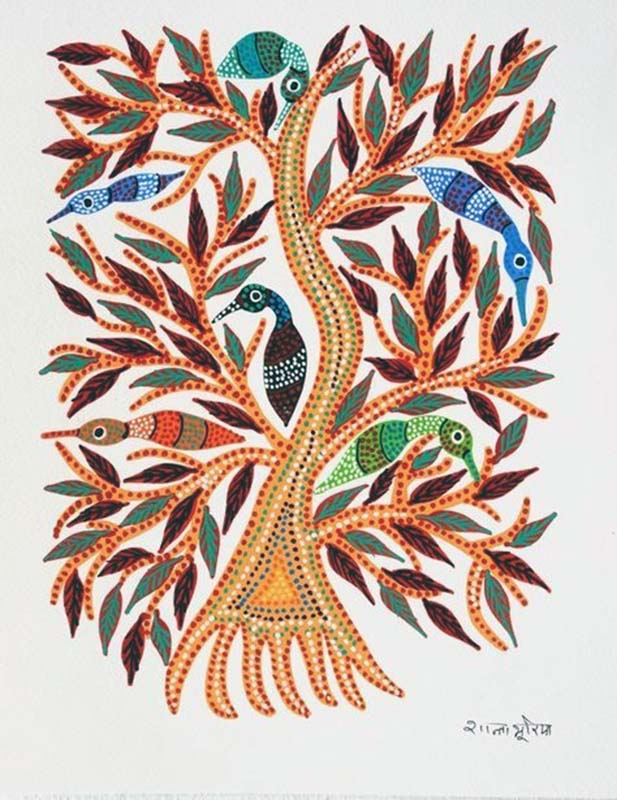
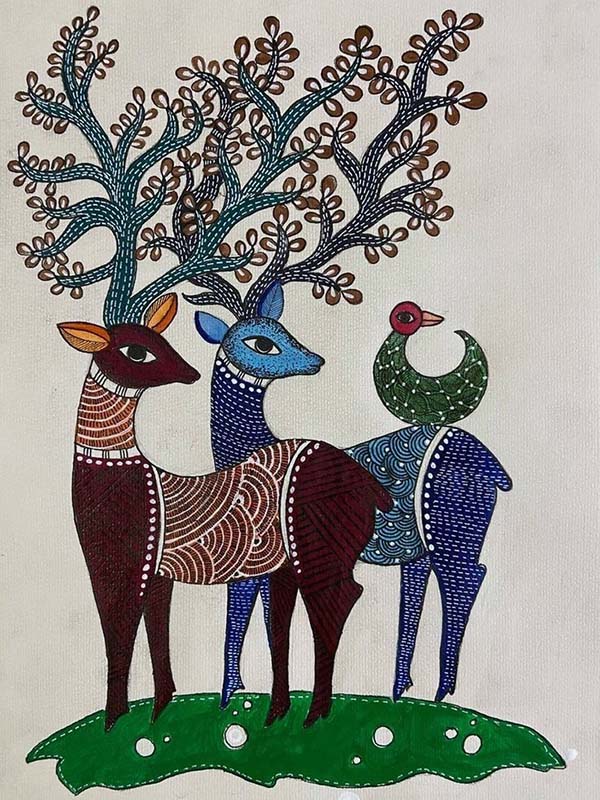
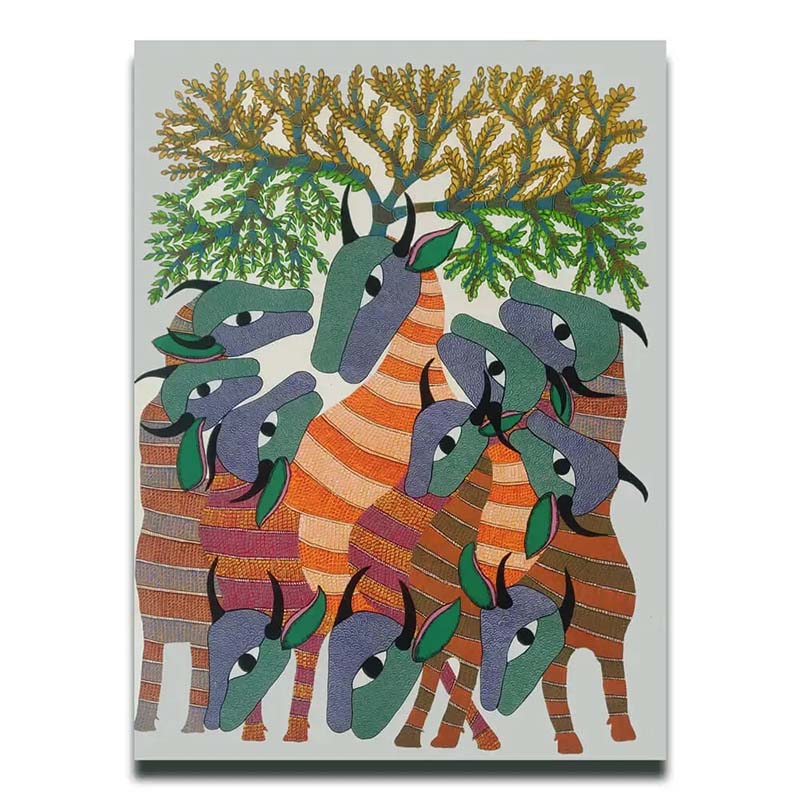
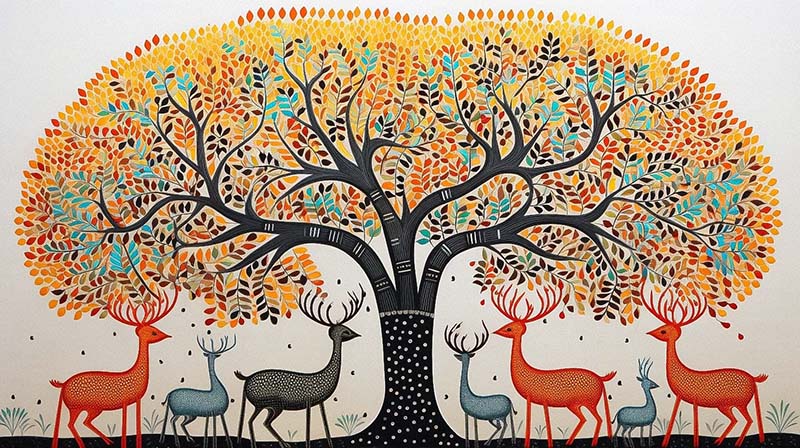
More Simple and Easy Gond Painting Ideas for Beginners Gallery
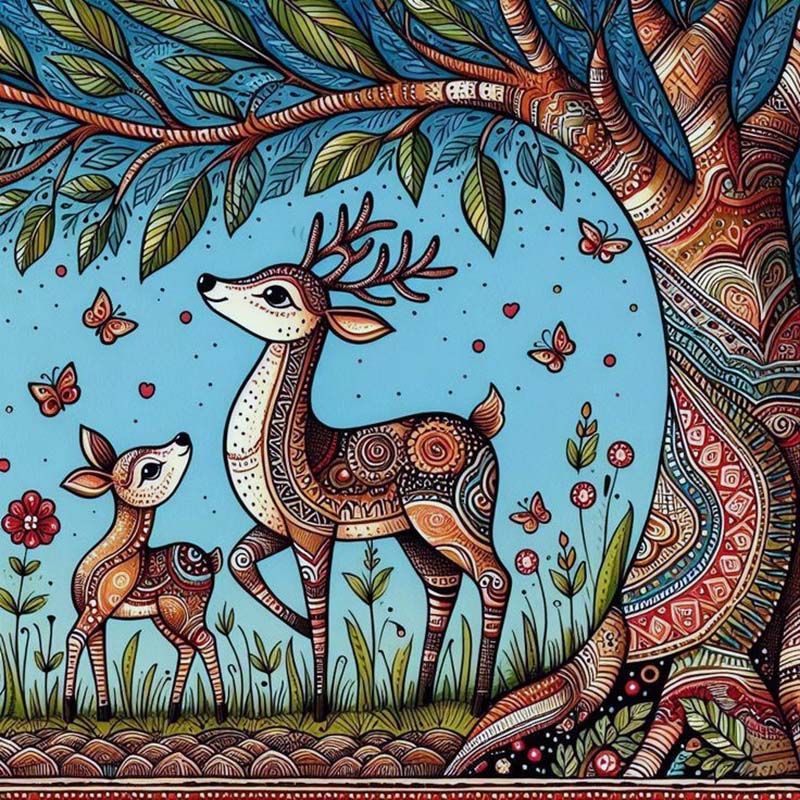
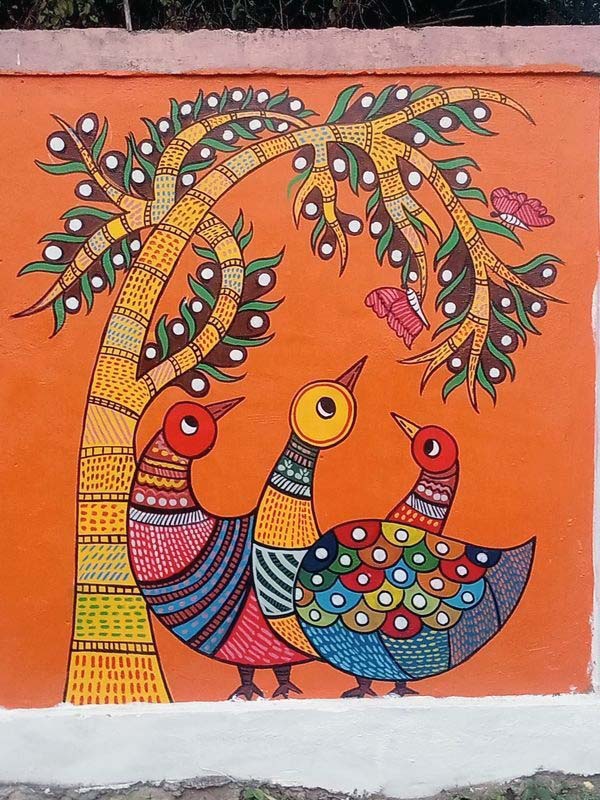
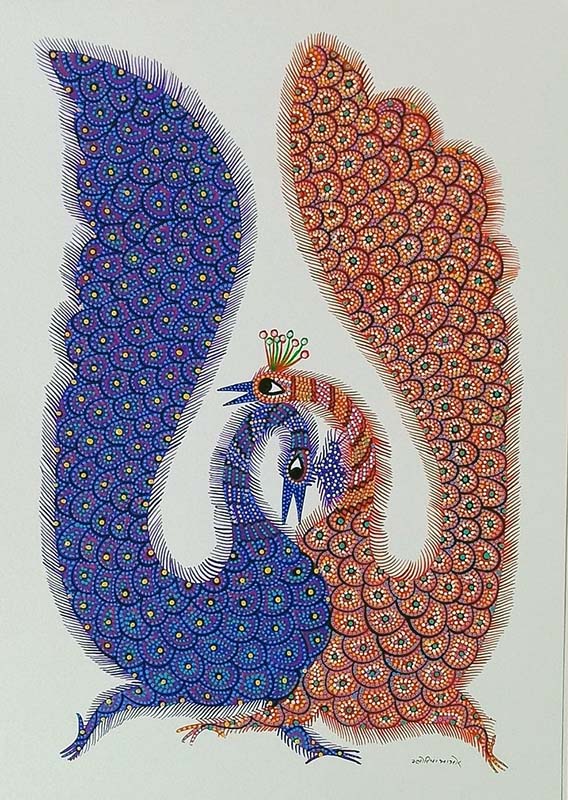
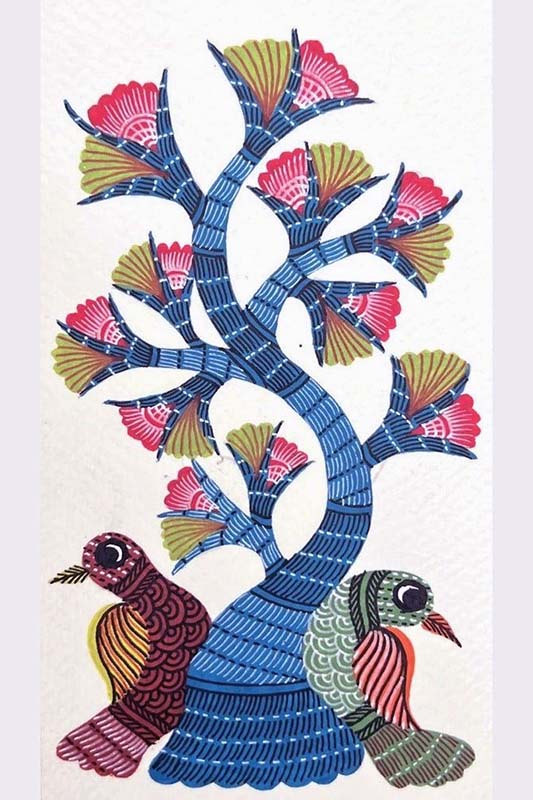
Conclusion
Entering the enchanting world of Gond doesn’t require a degree in fine arts. It requires patience and a willingness to let your hand move rhythmically. By starting with these easy Gond painting ideas for beginners, you are not just drawing; you are connecting with the richness of a tribal tradition that has been passed down for centuries.
Remember, whether you use professional acrylic paints or simple markers, the soul of the artwork is in the pattern, showcasing the significance of gond designs. So, grab your tools, pick a motif, and let the dots connect. Ready to start? Pick the “Singing Sparrow” from the list above and spend 15 minutes sketching it right now. It’s the easiest first step.
FAQs
Q: What is Gond painting and how does it relate to the tribal art form of central India?
A: Gond painting is one of the well-known tribal art forms that derive from the Gond tribe of central India, particularly regions like Chhattisgarh, where Gonds used vibrant colors and intricate designs. This artistic practice is deeply rooted in the cultural heritage of the Gond and uses patterns and motifs to depict stories, day to day life, nature and mythological themes such as goddess figures; it represents the rich cultural significance of a tribe that has preserved its identity through visual expression.
Q: Who are the Gonds and how did their tribal people influence Gond painting?
A: The Gonds are a tribe in India whose tribal people developed a distinctive style called Gond or Gondi painting. Members of the tribe used imagery of animals like cow, plants and local deities to record life and beliefs; these depictions reflect how deeply rooted the art is in tribal customs, rituals and the social fabric of Gond communities.
Q: What materials and natural pigments do beginners need for a basic tutorial?
A: For a beginner’s tutorial, start with simple materials: paper or canvas, brushes of various sizes, and natural pigments or hues derived from plant sap, charcoal, clay and other organic sources. Using natural colors is traditional — artists historically used plant sap and earth pigments — but commercial watercolors and acrylics are fine for DIY practice while you learn patterns and motifs.
Q: What are common patterns and motifs in Gond painting that an enthusiast should learn first?
A: Beginners should focus on repeating patterns and motifs such as concentric dots, lines, leaves, animal forms (like cow and birds), and stylized human figures. These elements create the intricate textures that define Gond work; learning how to layer tiny strokes and fills to form a wide range of textures helps in achieving the distinctive look of Gond paintings.
Q: How can I start a simple DIY Gond painting project at home?
A: Start small: choose a simple subject—an animal, tree or goddess figure—sketch basic outlines, and fill with rhythmic patterns and colorful hues. Use a limited palette to practice balance, experiment with natural pigments if available, and work on defining boundaries and fills using fine brushes or bamboo sticks. A step-by-step tutorial approach will build confidence for more complex compositions.