Optimising Dorm Room Workspaces for Artistic Flow
When selecting art projects for college students, your success starts with choosing the right paper to handle your media without buckling. Bristol board or heavy-weight cold-press watercolor paper gives you a sturdy foundation for gouache or watercolor markers. This prevents the warping that ruins details on flimsy surfaces. Clear off a clean desk area and keep a dedicated roll of paper towels nearby. I tend to skip this step, but laying down a cheap plastic tablecloth first protects your desk from stray ink or paint. Organize your micron pens and gouache tubes in a simple pencil case or small box you can tuck into a drawer. The good news is that working small on these premium surfaces feels more professional and keeps your focus tight on the composition.
Selecting Portable Media for Shared Living Spaces
Water-based gouache delivers rich, matte colors without the strong fumes of oils that can bother your roommate. This medium fits perfectly when building your collection. It dries quickly on that bristol board, letting you layer colors without waiting days. Pair it with a set of watercolor markers for adding controlled gradients, and you have a complete color system that fits in one small tray. Trust me on this, using a limited palette forces creative decisions and results in a more cohesive piece. You will notice your work stays cleaner when you are not fighting with messy, sprawling supplies. The modular nature means you can pause, snap the lid on your gouache, and stow everything away in minutes.
1. Create a Gold Leaf Botanical Pressed Frame
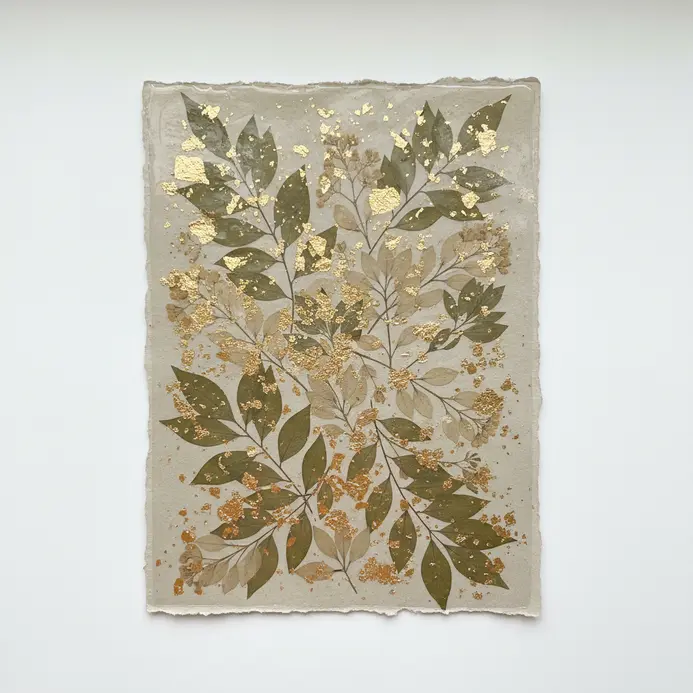
When starting art projects for college students, this gold leaf frame looks incredibly fancy but is surprisingly straightforward to assemble. You will need a simple wooden frame, some pressed flowers or leaves, and gold leaf adhesive. Brush the adhesive onto the frame where you want the metal finish, then carefully apply delicate sheets. After the metal finish sets, arrange your pressed botanicals inside the frame behind the glass. The contrast between the organic, muted greens and the brilliant shine makes this work of art so special. It is a perfect way to add elegant decor to your space. If you are looking easy painting projects for inspiration.
2. Sketch a Minimalist Charcoal Human Figure Study

Ever stare at a figure drawing and feel overwhelmed by detail? Studying scale supports anatomy art projects for college students. Start with a dynamic pose reference and use light vine charcoal to capture the gesture with a flowing line of action. Block in the head, rib cage, and pelvis as simple shapes. Your goal is to suggest form using minimal lines and just a few key values. It works because it trains your eye to see essential structure first. Trust me, keep it loose and let the negative space do the work. Feel that clarity when you step back.
3. Build a Found Object Mixed Media Collage

Gathering materials for art projects for college students means looking at old keys or ticket stubs and seeing a story waiting to be told. You will turn those everyday items into textured, personal artwork in this tutorial. Collect fabric scraps, bottle caps, and natural elements, then combine them with paints on a sturdy surface. I love how this project transforms forgotten objects into something with real visual depth. Do not rush to glue everything down. Arrange your items first to play with composition. This planning stage creates a cohesive piece where every element feels intentional. The final payoff gives you unique art that feels truly yours. Try these creative doodle art ideas to complement your mixed media work.
4. Paint an Abstract Watercolor Emotional Color Swatch

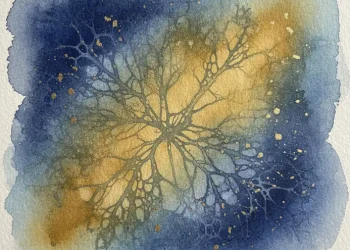
Translating emotion guides watercolor art projects for college students. You start by selecting your feeling, then intuitively apply paints to paper. Use a wet-on-wet or wet-on-dry technique to let the pigments flow and blend naturally. Your main job is to observe how colors interact and layer them for depth. I love how it bypasses the need for representational skill and gets straight to creative expression. Do not overthink it or try to make it pretty. The real payoff is self-discovery. Isn’t it satisfying to see a feeling take shape?
5. Capture a Cyanotype Print Study of Leaves

Among classic art projects for college students, cyanotype printing looks like a science experiment but rewards you with magical printmaking. Coat acid-free watercolor paper with a UV-sensitive solution, arrange leaves on top, and let the sun do the work. After a quick wash, you get a Prussian blue print capturing every vein. I love how this process turns a simple nature walk into historical artwork. You get to play with light and shadow, and each leaf gives a unique result. Grab some ferns, find a sunny spot, and feel the thrill of watching your image develop.
6. Paint a Monochromatic Gouache Urban Landscape Sketch

Monochrome studies enhance urban landscape art projects for college students. Ever feel intimidated by color? You will use only black and white gouache paint to create grays, blocking in the values of a city scene. I love how this forces you to see form and contrast. Start by squinting at your reference photo to find the lightest and darkest values. Mix a few gray tones, remembering that paint dries a bit lighter. Build your sketch from big shapes down to details. Trust me, mastering this value study makes every future painting stronger. For a fantastic way to practice foundational shapes, try mandala drawing for beginners. Does your urban sketch pop with depth now?
7. Draw an Intricate Pen and Ink Mandala

Precise line work anchors mandala art projects for college students. Ever wondered how detailed patterns get made? It looks complex, but the process is meditative. Start with light pencil lines, find the center, and draw a series of concentric circles with a compass. Fill each ring with repetitive patterns using fine-liner pens, building outward. I love how this method turns a blank page into a structured universe. It practices patience while creating something stunning. aesthetic drawing inspiration.
8. Weave a Recycled Fabric Woven Wall Hanging

Recycling textiles inspires woven wall art projects for college students. You will create a unique piece by weaving strips of old t-shirts or sheets on a simple DIY cardboard loom. The tactile rhythm of over-and-under with colorful fabric strips is incredibly satisfying. What makes it so great is how personal it feels. You are giving forgotten textiles a beautiful second life. Try it and feel proud of your sustainable, handmade creation.
9. Design a Surrealist Magazine Cutout Digital Collage
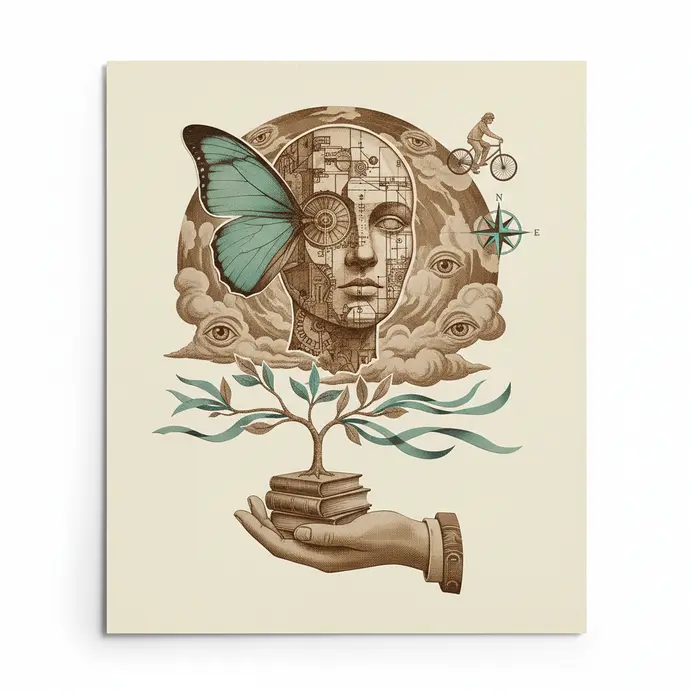
Digital cutouts define surreal collage art projects for college students. Gather digital pictures from free archives or scan old magazines, then use Adobe Photoshop to blend them together. Play with scale and place illogical elements side by side to capture that subconscious feel. It is rewarding because you are building a new visual world from found pieces. For a creative break, explore DIY craft projects to mix up your routine. I love how this process surprises you with unexpected connections.
10. Apply a Textured Impasto Palette Knife Sky
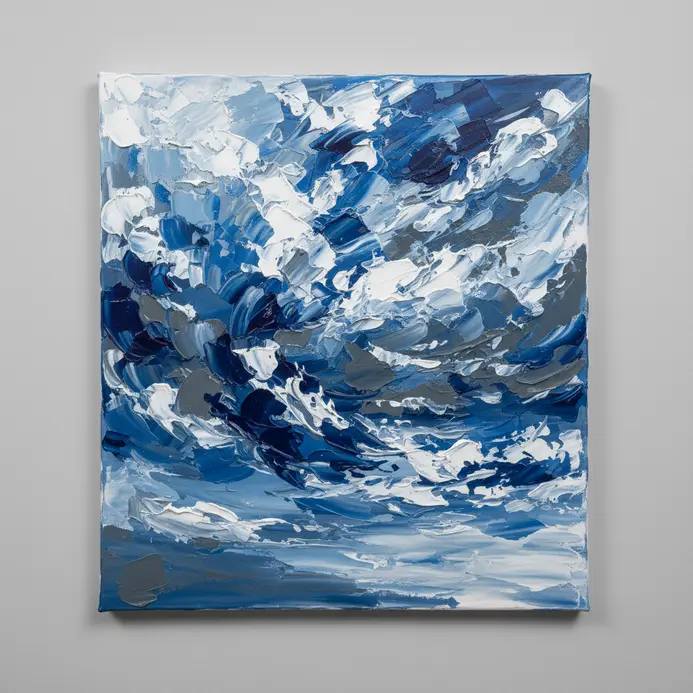
Texture techniques elevate impasto sky art projects for college students. Use a palette knife to apply thick paint directly onto your canvas, building layers that mimic rolling clouds. I love how the raised paint catches light, creating instant depth. It is forgiving and expressive, making it perfect for a bold statement piece. Start with a basic cloud sketch. Load your knife with heavy body acrylics and press, pull, and twist. The key is using varied pressure for a natural look. This method works great on a mini canvas painting. Trust me, the tactile result satisfies.
11. Layer a Tissue Paper Stained Glass Window
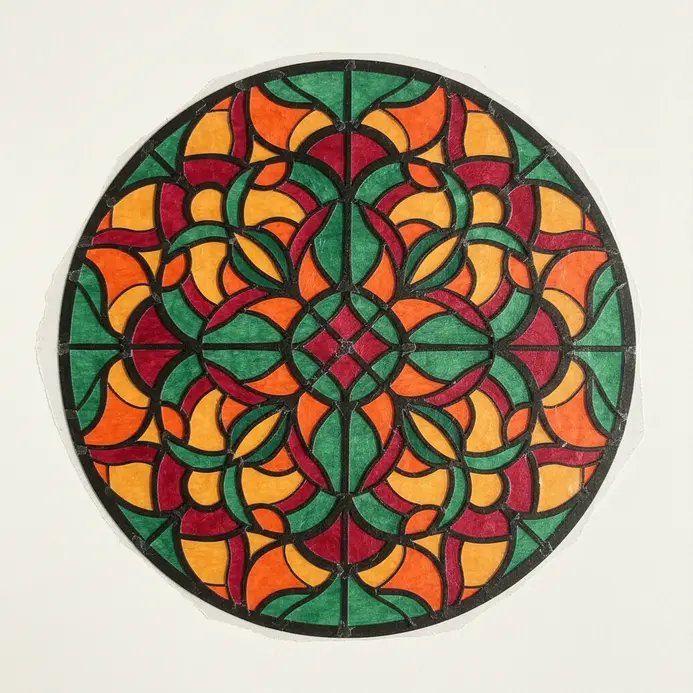
Layering translucent materials guides stained glass art projects for college students. Start by cutting a design from a sturdy sheet of colored pencil. black cardstock, which acts as your window frame. Then layer different tissue colors over the openings on the back. I love how overlapping creates new colors and beautiful depth. The key is to make sure your pieces overlap generously to avoid flat gaps. Try it and feel the magic when you hold the finished piece up to light.
12. Carve a Handcarved Rubber Block Minimalist Stamp
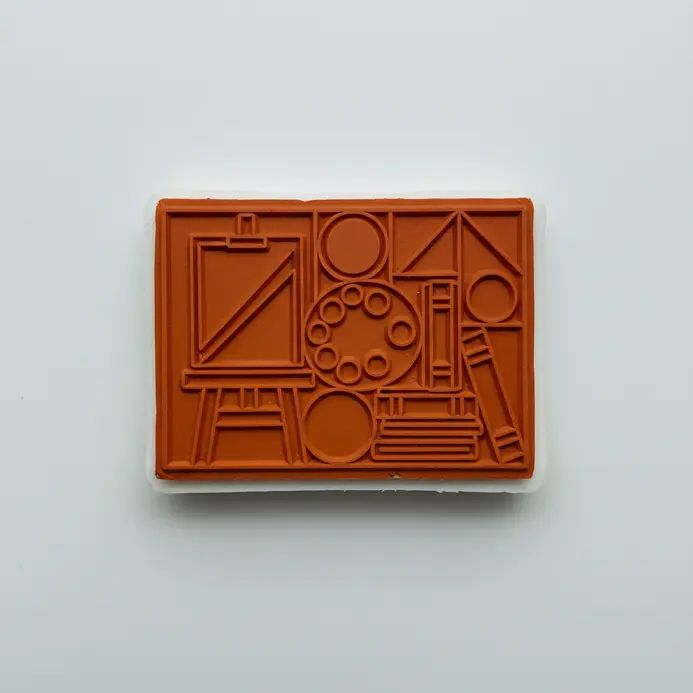
Simple stamp carving suits handmade stationery art projects for college students, guided by an art teacher. Start with a pencil sketch focusing on clean lines. Transfer your design to a soft rubber block and carve the negative space with a V-gouge tool. Press your stamp onto an ink pad and make your mark. I love how the minimalist style makes simple shapes look intentional and elegant, much like a work of art. It feels satisfying to create a physical tool that prints your design. You can personalize notebooks or cards, and check out these art projects for secondary students. homemade keychain crafts.
13. Draw a Marker Gradient Pop Art Portrait

Bold gradients pop in portrait art projects for college students. You will start by simplifying a high-contrast photo into sharp shapes. Build up smooth skin tones using an alcohol-based marker and its colorless blender for perfect transitions. Finally, trace everything with a sharp black pen for that iconic punch. It practices seeing light while creating something vibrant and dorm-room ready, perfect for an art teacher’s tutorial. Trust me, seeing that blended portrait come together feels satisfying.
14. Form a Wire Sculpture Kinetic Abstract Form
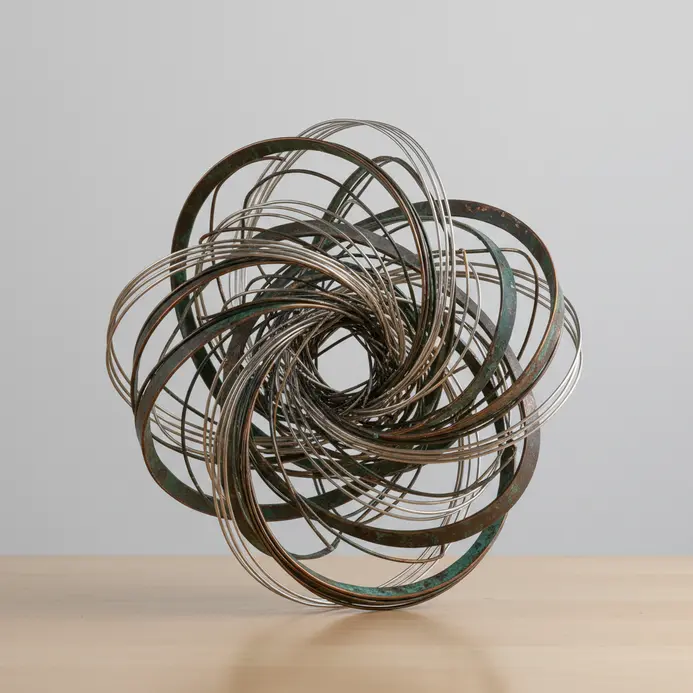
Metal bending challenges kinetic sculpture art projects for college students. Start by sketching abstract shapes and planning how they will move in your animation project. Bend and twist annealed steel wire into your forms, paying attention to balance around pivot points. I love how the negative space becomes as important as the metal. It forces you to think in three dimensions, creating something that never stays static. The final payoff is seeing your sculpture catch a breeze. Try these easy watercolor techniques. Isn’t that satisfying?
15. Paint a Custom Denim Tote Bag
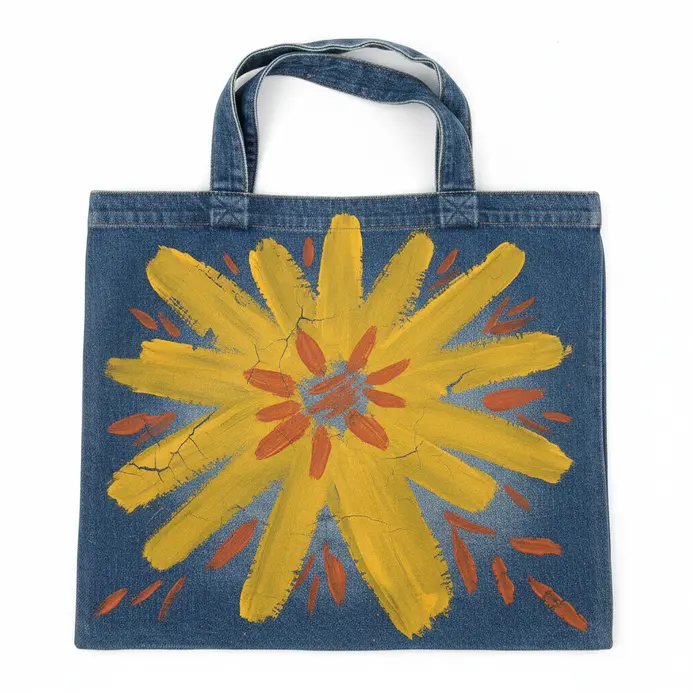
Custom painting defines wearable fabric art projects for college students, inspired by art history. Grab a plain denim tote and some fabric paints. I love how you can sketch a simple design first, then fill it in with thin, even coats. The key is letting it dry fully before heat-setting it with an iron. You end up with a one-of-a-kind accessory that reflects your style. Check out Beginner flower painting can be an exciting art project for secondary students. techniques. Trust me, you will feel proud carrying your creation around campus.
16. Sketch a Digital Tablet Concept Environment Design

Concept mapping drives digital device art projects for college students. You start by sketching sleek hardware, but the real magic is in the context-aware operating system. It changes what it shows you based on location, time, and activity. I love how this project blends industrial design with user experience. You are mapping out how someone interacts with their entire digital world. Trust me, focusing on seamless integration makes a concept feel futuristic and personal. Does that not sound like a satisfying challenge?
17. Illustrate a Coffee Stain Abstract Ink Drawing
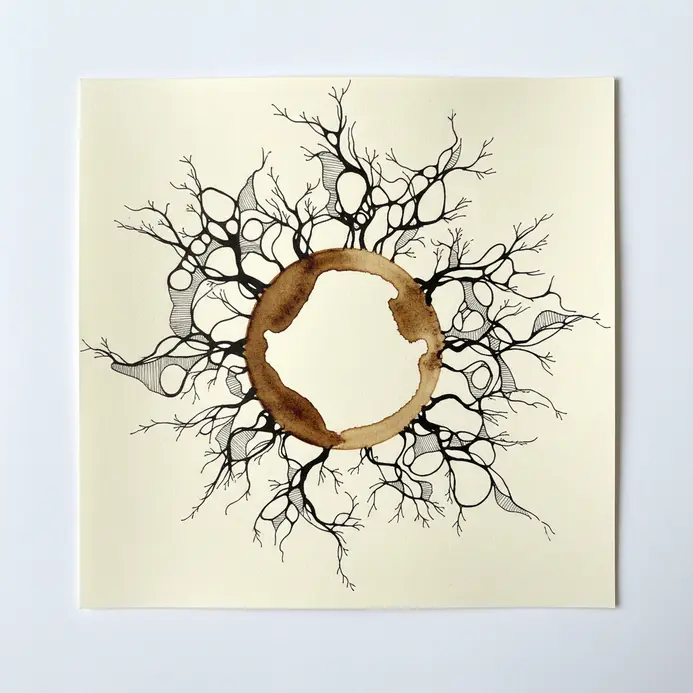
Fluid stains spark abstract ink art projects for college students. Start by letting a coffee stain dry on heavy watercolor paper, which gives you lovely organic gradients. Play with India ink, using washes to blend and fine brushes to define shapes inspired by the edges. I love how this technique forces you to work with the unpredictable. It practices abstract thinking without pressure. For a great follow-up, check out these simple sketch ideas. Does that not look stunning?
18. Build a Clay Slab Handbuilt Trinket Dish

Hand building clay teaches ceramic art projects for college students. You will roll out a flat slab of clay to a consistent thickness, cut your base and sides, then score and slip edges to join. The process is tactile because you are literally building a functional object from the ground up. Let your piece dry slowly under loose plastic to prevent cracks. When you pull the glazed dish from the kiln, it feels like pure magic. It adds a personal touch to your space. Find beginner flower painting ideas to explore another outlet.
19. Embroider a Vintage Photograph Altered Art Piece
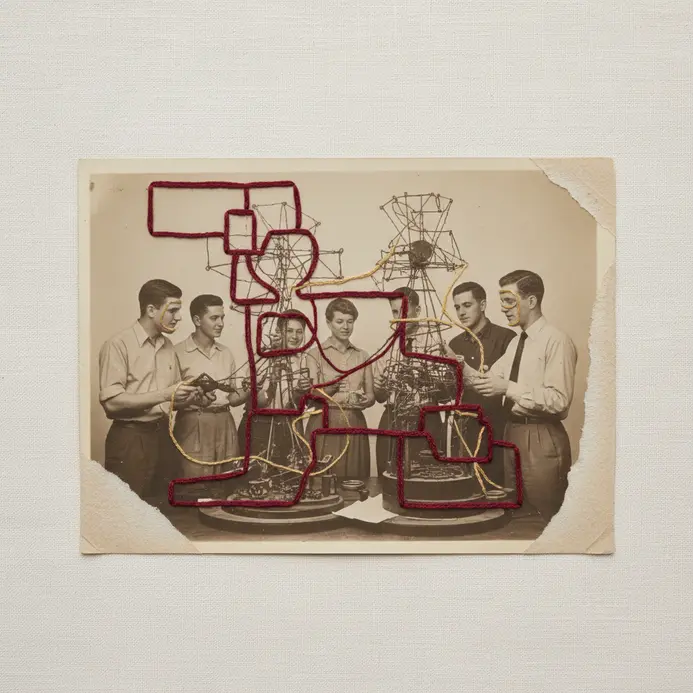
Hand-stitched additions pair beautifully with mixed media art projects for college students. Select a vintage photograph, plan a simple design, and carefully embroider directly onto the surface. It tells a new story with an old image. I love that it feels like a conversation between past and present. Prep your photo by pre-piercing holes with a sharp awl to prevent tearing. This makes the whole process smooth and meditative. You will end up with a deeply personal piece. It remains a surprisingly accessible and dorm-friendly outlet. Try it and feel the satisfaction of blending two artistic worlds.
20. Fold a Geometric Paper Origami Sculpture
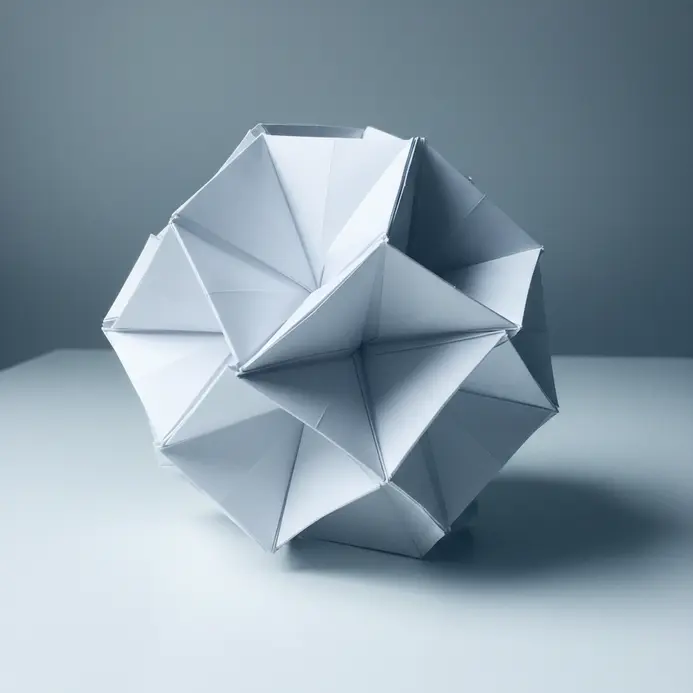
Who would have thought folding paper feels like solving a puzzle in an art lesson? You will start with identical paper units, like the Sonobe module, and interlock them following a clear pattern. The magic happens as you connect the last few pieces and flat folds pop into a geometric form. The process combines spatial reasoning with a creative, hands-on activity, giving a tangible reward. I love watching paper squares transform into a sturdy polyhedron. Explore some anime drawing inspiration.
21. Assemble a Pressed Flower Mobile Hanging

This project looks delicate, but the assembly is straightforward. You start by laying out pressed flowers and measuring uniform lengths of clear fishing line. Attach a flower to each strand with glue, then hang them from your chosen hoop. I love how it turns a simple activity into a permanent garden. Finish with a protective spray coat and admire your customized decor. Check out beginner flower painting techniques. Step back and enjoy the view.
22. Pour an Acrylic Small Canvas Marble Effect

Ever wondered how beautiful marble patterns get made? This accessible fluid technique mixes acrylic colors with pouring medium to a honey-like consistency. Layer them in a cup, pour onto your canvas, and tilt it to let gravity create organic patterns. You will watch colors flow right before your eyes. I love using a tiny drop of silicone oil in one color to encourage cell formations. Elevate your canvas on blocks so excess paint drips cleanly. Try this and feel the magic.
23. Draw a Sharpie Tiled Pattern Mug Design

Ever stared at a plain mug and imagined it covered in a repeating pattern? This project makes that vision real with a few supplies. Brainstorm your tile design on paper and lightly transfer it to the surface. Grab permanent Sharpie markers and start drawing, using oil-based ones for durability. If you use regular markers, bake the mug to set the design. The tiled approach makes the process manageable. Work slowly and let ink dry to avoid smudges. Explore easy acrylic canvas painting.
24. Sketch a Charcoal Perspective Room Corner
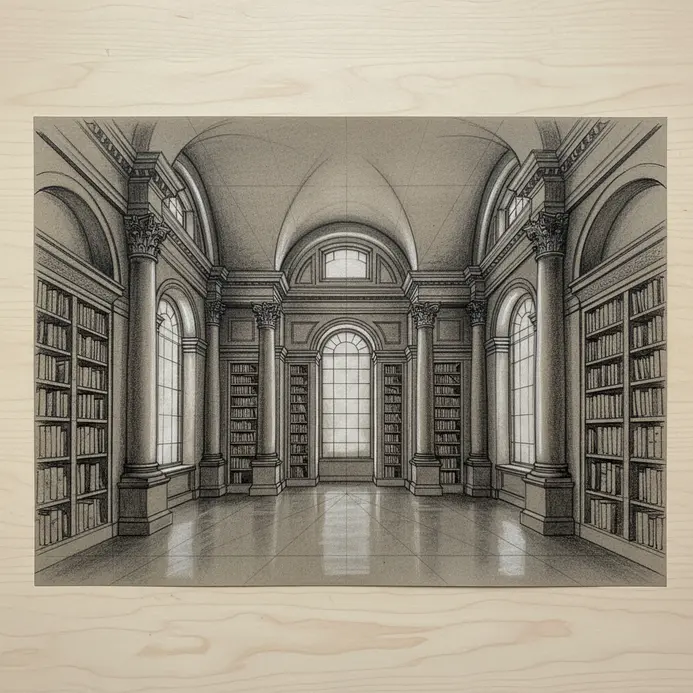
Ever stared at a blank page and wondered how to make a room feel real? This project focuses on a simple corner. Lightly draw your horizon line and two vanishing points in your art lesson. Connect lines from the corner out to those points to build walls and floors for your art projects for secondary students. The real magic happens when you pick up charcoal. Use a soft vine stick to block in shadows and a compressed stick for dark corners. Work light to dark, watching where light hits. This full value range makes the space feel three-dimensional. Try beginner oil painting next.
25. Create a Collage Self Portrait with Symbolic Elements
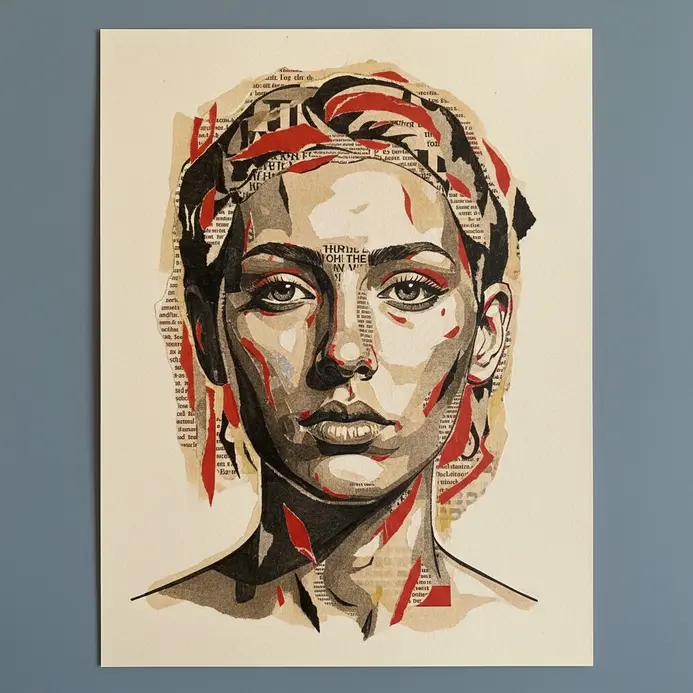
Ever felt like a single photo could never capture the full story? You will build a personal narrative through collected pieces. Gather meaningful materials and layer them onto a sturdy cardboard base. I love how arranging becomes visual storytelling in an art lesson. This process explores identity in a tactile way. Trust me, the final result feels incredibly rewarding.
Temporary Display Methods for Academic Living Quarters
Protect your finished work on paper with a light spray of matte acrylic varnish once fully dry. This seals the surface from dust and moisture, keeping delicate clippings from peeling. Use washi tape or reusable adhesive putty on your wall to avoid paint damage. Rotate favorite pieces on a small clipboard hung from a command hook for an ever-changing gallery. This reflects your mood without permanent changes to your space. Your art becomes a personal motif you enjoy daily without any hassle.
Conclusion
Making art in college is about carving out a little space in a busy schedule. Each piece invites you to explore a new material or technique, helping you learn about your own creative voice. You do not need a perfect studio or endless free hours to start. Pick one that speaks to you, gather your supplies, and give yourself permission to play. The collection of art projects for college students we shared is just a beginning. Your next favorite piece is waiting for you to begin.
FAQs
Q: What are some quick art projects for middle school and high school art classes to start the new school year?
A: Quick starter projects that engage middle and high school students include liquid watercolor symmetrical paintings, contour line self-portraits on tagboard, and swirl collage warm-ups using scissors and glue; these activities require minimal art supplies, set classroom routines in the art room, and help an art educator assess student creativity and skill level early in the school year.
Q: How can I adapt projects for different skill levels in middle school art and high school art courses?
A: Design projects with layered challenges—begin with a basic template or contour drawing for middle school students and offer extensions like pastel blending, typography composition, or stop motion animation sequences for older or advanced students—this differentiated approach supports personal expression while letting each student progress at their own pace.
Q: What collaborative art projects work well for school art classes and art education goals?
A: Collaborative murals, large-scale surrealism-themed installations, and stop motion animation films made in small groups encourage teamwork among middle and high school students; assign roles for ideation, storyboarding, editing program tasks, and final assembly so everyone practices art materials management and experiences meaningful, shared outcomes.
Q: Which low-cost art materials and free art resources are best for classroom use?
A: Stock up on versatile, inexpensive items like tagboard, pastel sticks, toothpicks for texture experiments, liquid watercolor, and recycled materials; supplement with free art resources such as downloadable templates, lesson plans, and royalty-free image libraries to expand project options for school art classes without blowing the budget.
Q: How can art educators encourage student creativity and personal expression in structured assignments?
A: Provide open-ended prompts (for example, create a surrealism portrait incorporating a favorite project motif), allow choice of media—pastel, liquid watercolor, collage with a template—and incorporate reflection or artist statements so students articulate meaning, process, and how the work connects to their life for more meaningful experiences.