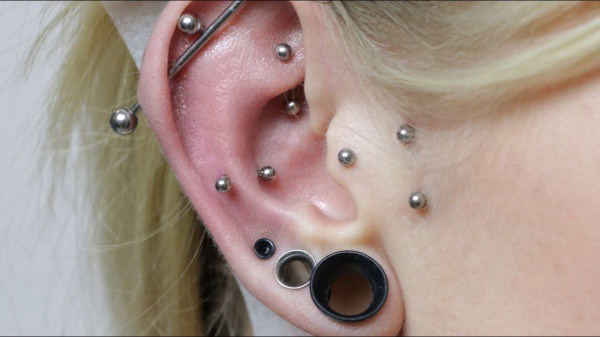
It will not be wrong to say that this practice has become more acceptable over the years, as piercing is one of the most popular forms of self-expression. It is not restricted to home-bound people; in fact, professionals are also opting for it. Psychology says that if you are going for piercing, it speaks a lot about your personality. Mostly, individuals who believe that they can not be tamed or domesticated by society get into such actions. It is often considered as a way of expression. The definition or say the location of piercing has changed tremendously, especially with the rise of septrils. From a simple nostril piercing, today, you see people getting their eyebrows, cheeks, or even lips pierced.
Have you seen people getting their nose bridge or cheeks pierced or butt cheeks pierced or say opting for spikes on spinal, or even a stretched septum? These are among the most distinctive ways we have found people getting pierced with. To join the wagon is Septril Piercing. Get your Septum stretched and add the piece of jewelry at the tip of your nose. That must be painful.
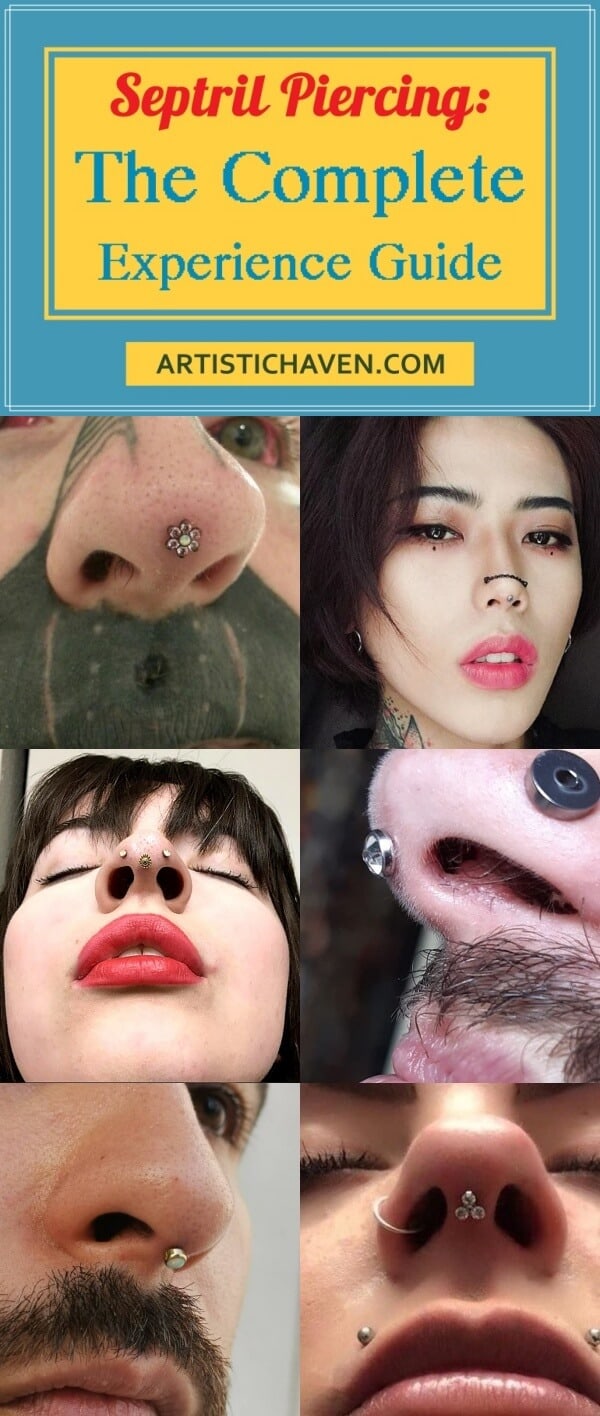
What Exactly Is a Septril Piercing?
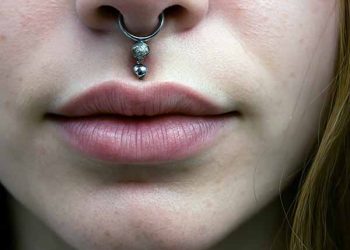
This unique piercing traverses the nasal septum, specifically targeting the area known as the “columella” at the bottom tip of the nose. Unlike a standard septum piercing, the Septril nose piercing ideally passes through cartilage (which contributes to its higher pain level). It’s a complex process: first, the septum must be stretched to a larger gauge, and then pierced downwards towards the nose tip. Also known as a Jungle piercing or nose tip piercing, it’s a truly quirky piercing style.
Important Considerations:
- Anatomy Matters: A broader nose structure is often preferred for a Septril piercing as it’s generally easier to execute.
- Patience Required: This piercing requires immense patience – both during the procedure and the extended healing time.
- Planning is Key: Extensive planning and discussion with your piercer at the piercing studio are crucial to ensure safety while stretching the septum.
Pros & Cons: Weighing Your Decision
- Pros: Highly unexpected and rare, ensuring you stand out. The jewelry placement is considered exceptionally cool and special.
- Cons: The process is notoriously painful, taxing, and lengthy. The pain level is reported as high. It’s undoubtedly expensive, requiring multiple sittings over potentially years. Healing takes significantly longer.
The Septril Piercing Procedure: Everything You Need to Know
The Septril’s uniqueness lies in its distinctive appearance and the prerequisite of a stretched septum piercing. Here’s how it unfolds:
- Stretching Phase: Before getting a Septril, you must already have a stretched septum. Standard septum piercings start around 14-16 gauge. Achieving the gauge needed for a Septril requires continuous, gradual stretching over a significant period – a minimum of 18 months is common, though timelines may vary.
- Critical Tip: DO NOT STRETCH IT ON YOUR OWN. Improper stretching can lead to complications only correctable by surgery, as this area combines delicate skin and cartilage.
- The Piercing: Once the septum is sufficiently stretched, your experienced piercer will use specialized tongs to grip your nose. A piercing needle is then carefully inserted through the stretched piercing hole in the septum, directed downwards, and exits at the tip of your nose.
- Jewelry Insertion: The chosen jewelry options (typically small curved barbells designed for this piercing style) will be inserted through this new path.
Yes, the entire process is long, complex, and demands significant patience and commitment. Finding an experienced piercer who understands this specific type of nose piercing is crucial for a safe and successful outcome.
Septril Piercing Cost: Investing in Uniqueness
This type of piercing is costly due to the multiple appointments required for stretching and the piercing itself. Costs are typically broken down:
- Base Fee/Consultation: Varies by region and studio (e.g., $50-$80 US, £30-£60 UK, €40-€70 Europe).
- Stretching Fees: Separate charges for each stretching session over the months/years.
- Piercing Jewelry Cost: Separate from the procedure fee. Quality is paramount for health (recommended: titanium, surgical steel, or gold).
Expect to pay significantly more overall compared to a standard piercing. It could cost hundreds when factoring in all stretching sessions and quality jewelry pieces. It’s important to keep in mind that this investment covers a process that can take multiple appointments over a long period.
Septril Piercing Pain: What Level of Discomfort?
Pain is subjective. Some find earlobe piercings agonizing, while others handle more intense piercings like septrils easily. Generally:
- Pain increases with larger gauge needles and piercing through cartilage.
- Septril piercing is widely considered a bit more painful due to the cartilage involvement and the complexity. The pain level may vary based on individual pain tolerance.
- It should NOT be your first piercing experience.
Post-Procedure Note: Your nose will be sore for days. The total healing time for a new piercing takes about 9 months to heal completely. Because the stretching process overlaps, healing begins incrementally but takes longer overall.
Septril Piercing Aftercare: Ensuring Proper Healing
Healing takes time – typically 9-12 months to heal completely. Follow these essential aftercare tips for your new piercing to ensure proper healing.
- Hands Off: Avoid touching the piercing area.
- Clean Hands Only: If you must touch, ensure hands are meticulously clean.
- Saline Solution: Cleanse the piercing twice daily with sterile saline solution. Avoid using solutions containing alcohol, chlorine, or harsh chemicals.
- Gentleness is Key: Be extremely gentle around the piercing site.
- Follow Your Piercer: Adhere strictly to the personalized aftercare for septril instructions provided by your piercer. They understand your specific anatomy best.
Avoid anything that might slow down the healing process after getting the septril piercing (harsh products, trauma, poor hygiene). Proper aftercare is crucial for a piercing that could take 6 to 9 months or longer to fully mature.
Septril Piercing Risks: Important Considerations
The nature of this piercing carries inherent risks:
- Infection: Piercing cartilage significantly increases infection risk. Meticulous aftercare is non-negotiable. Watch for redness, pus, or excessive swelling.
- Extended Vulnerability: The prolonged stretching and healing phases for septrils create a longer window for potential infection, potentially taxing your immune system.
- Immunocompromised Individuals: Consult a doctor before starting due to the critical, extended healing period.
- “Blow Out”: This occurs when stretched tissue is forced too quickly, causing internal scarring and irritation, often requiring the process to restart.
- Metal Allergies: Use only hypoallergenic jewelry (titanium, surgical steel, high-karat gold). Avoid silver and nickel to prevent allergic reactions.
- Permanent Alteration: This is crucial: If you remove the jewelry after the piercing has healed, the septum will NOT return to its original shape. Surgical correction is the only option to close the hole.
Carefully weigh these risks before committing to getting a Septril piercing. It’s a significant, largely permanent body modification.
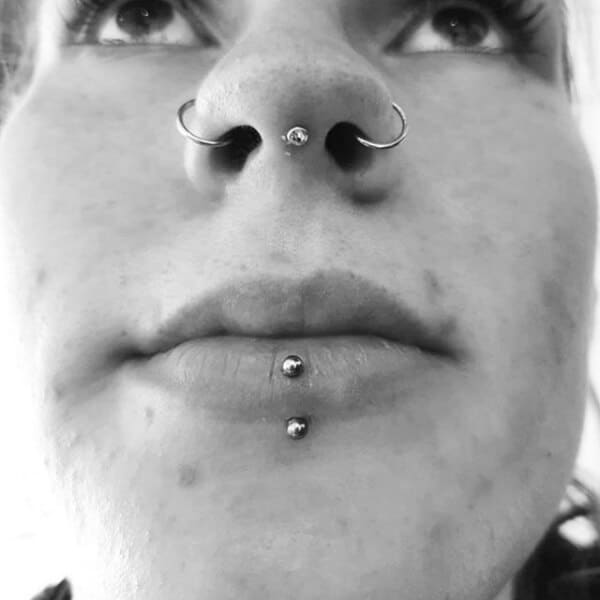
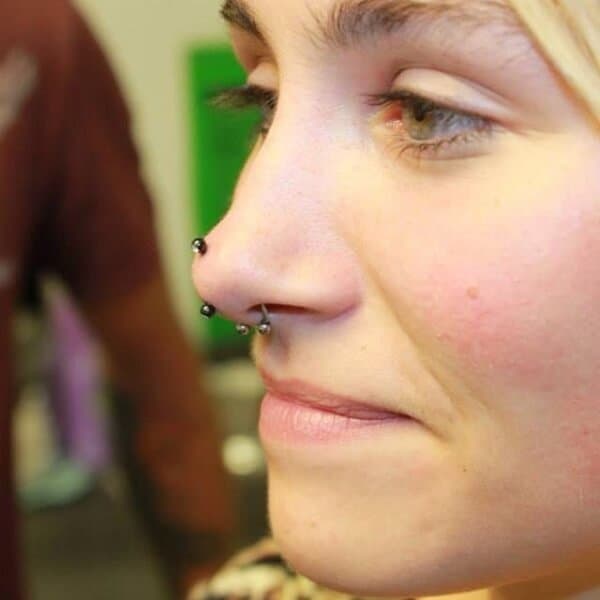
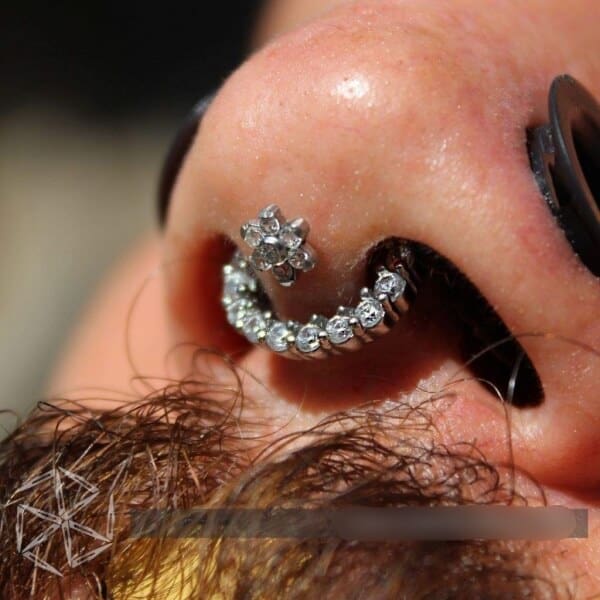
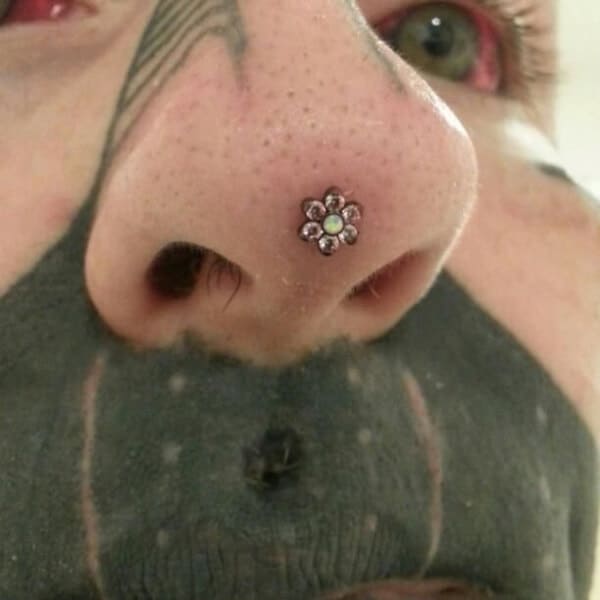
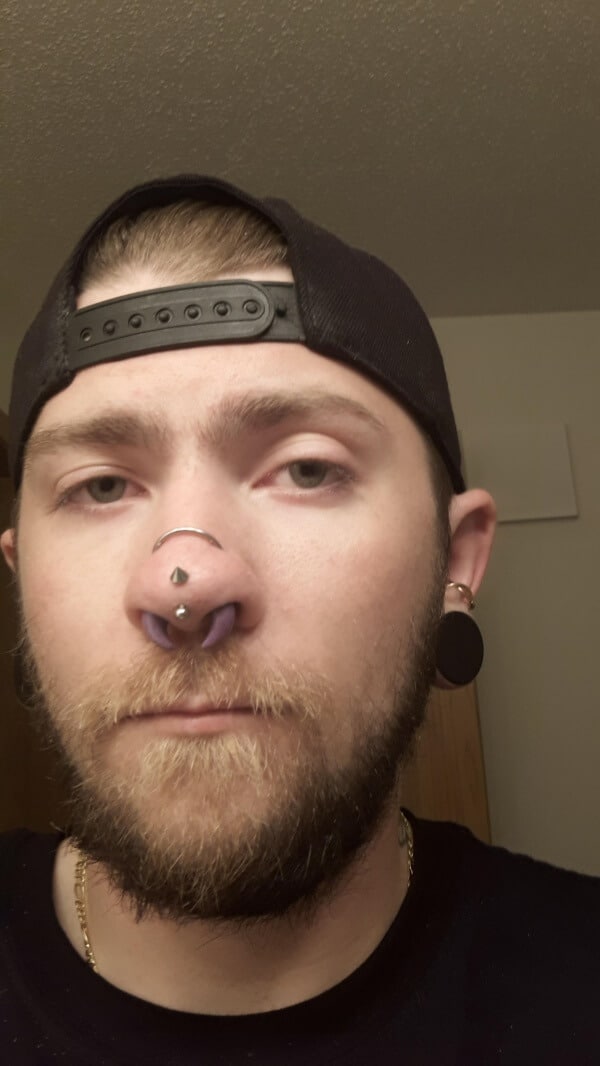
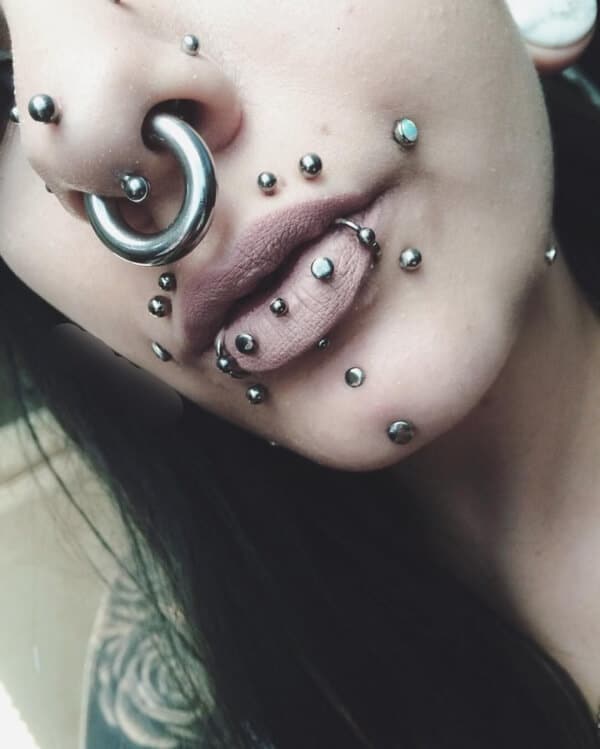
Septril Piercing Inspiration Gallery



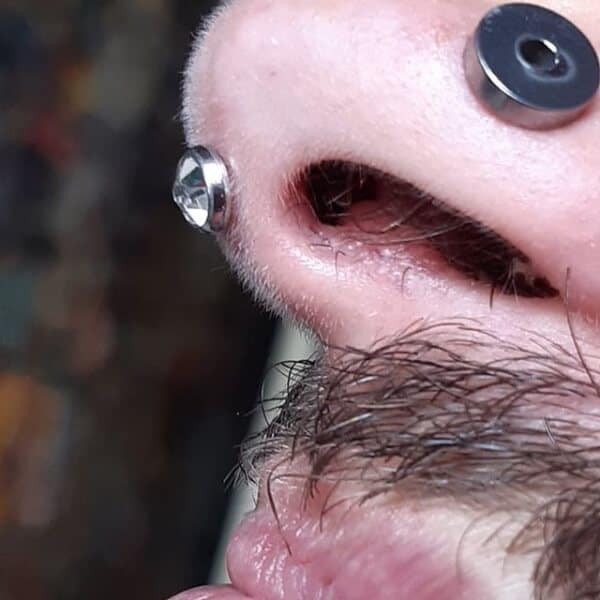
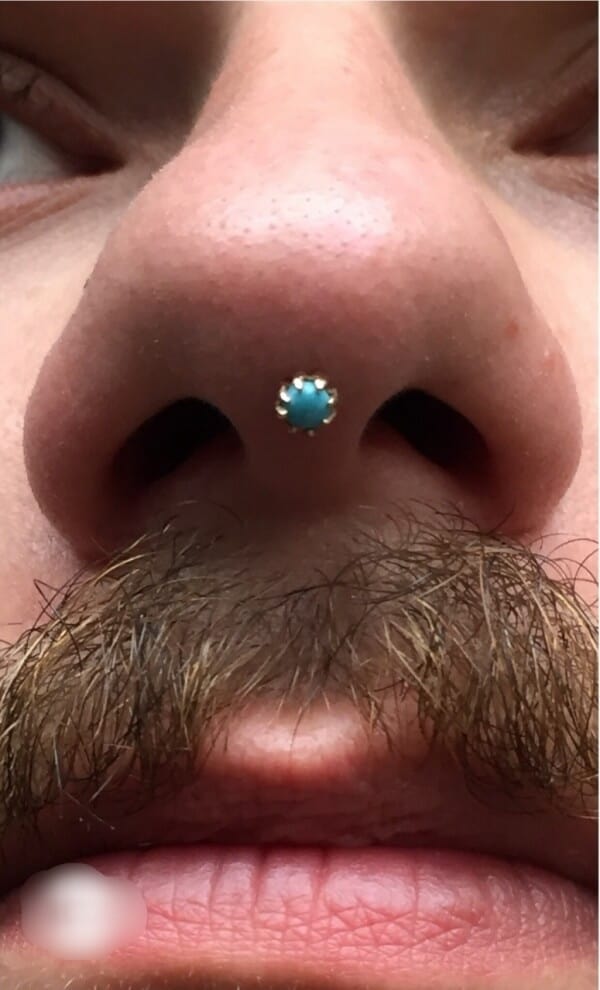
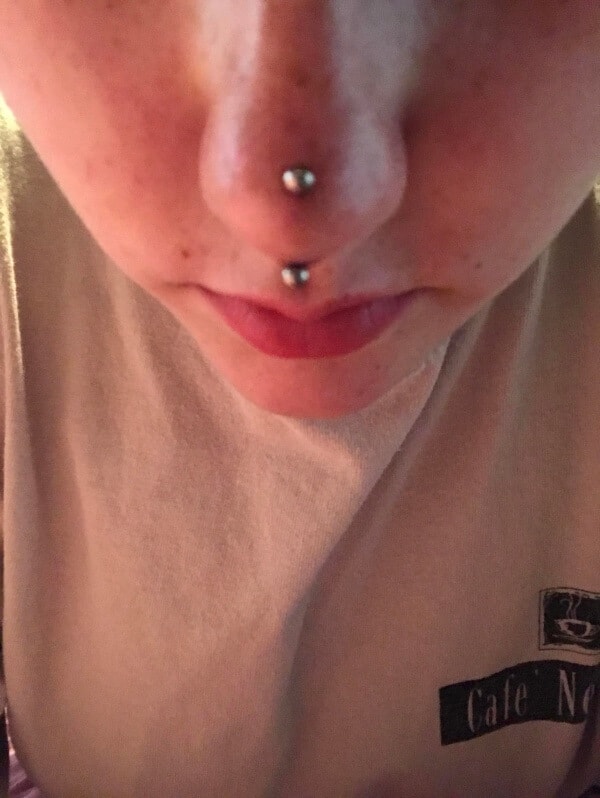
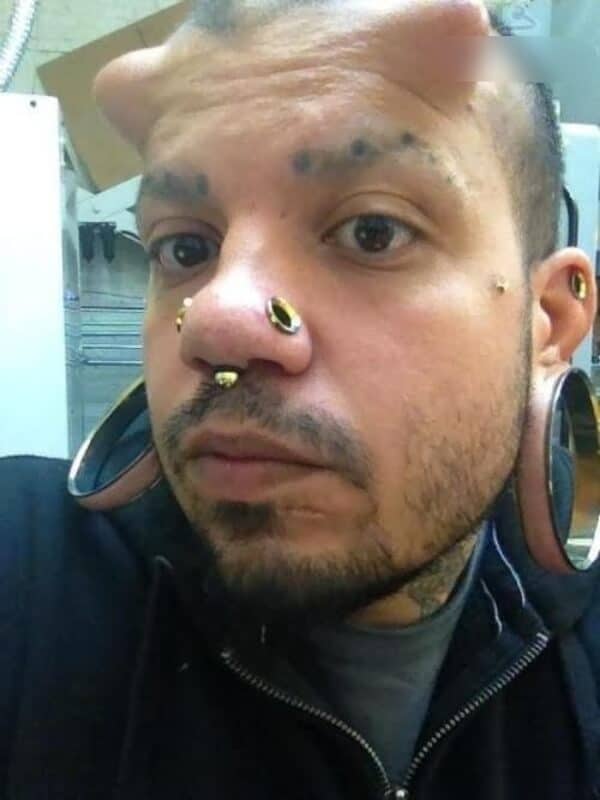



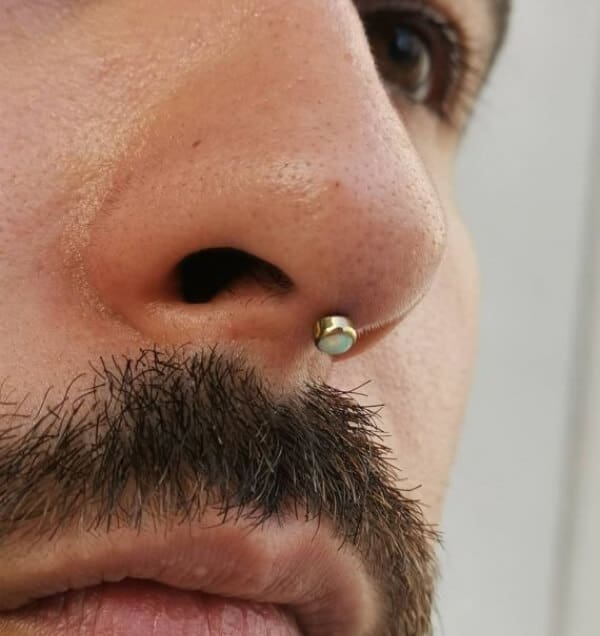

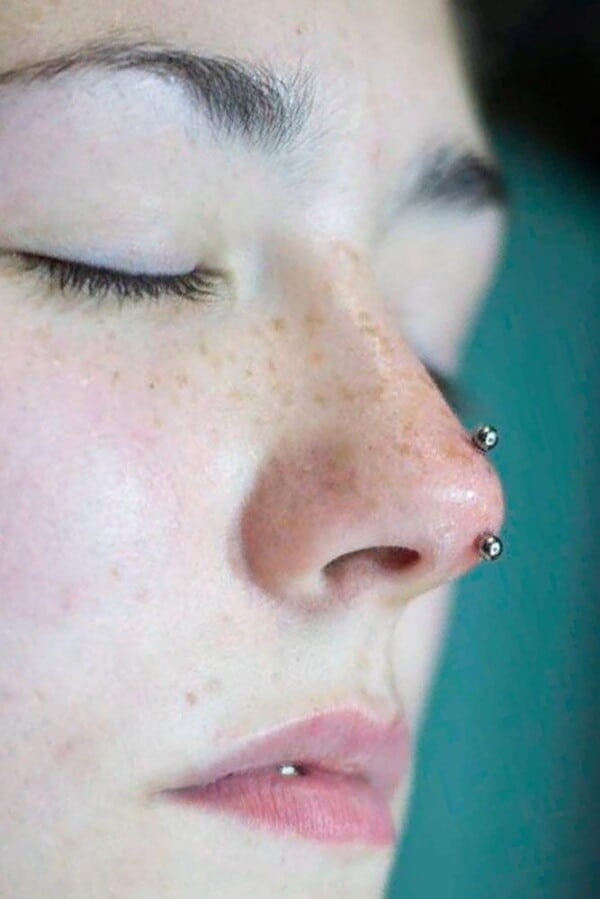
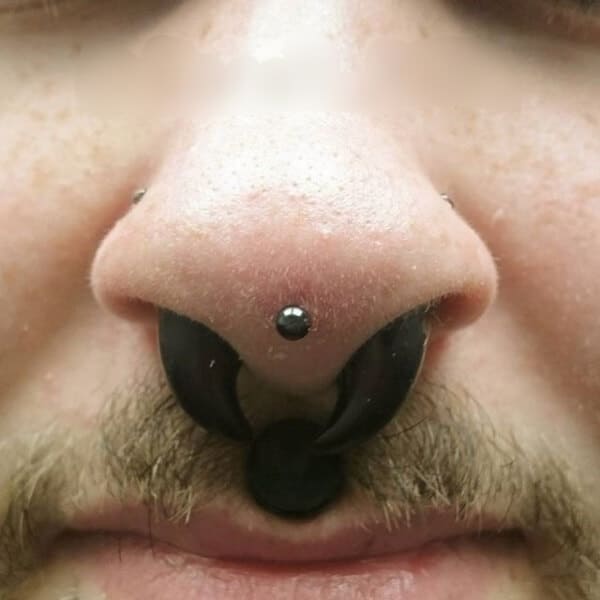
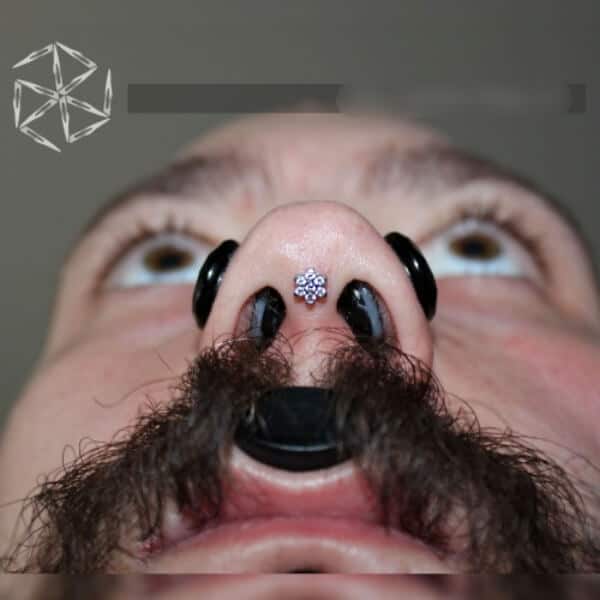
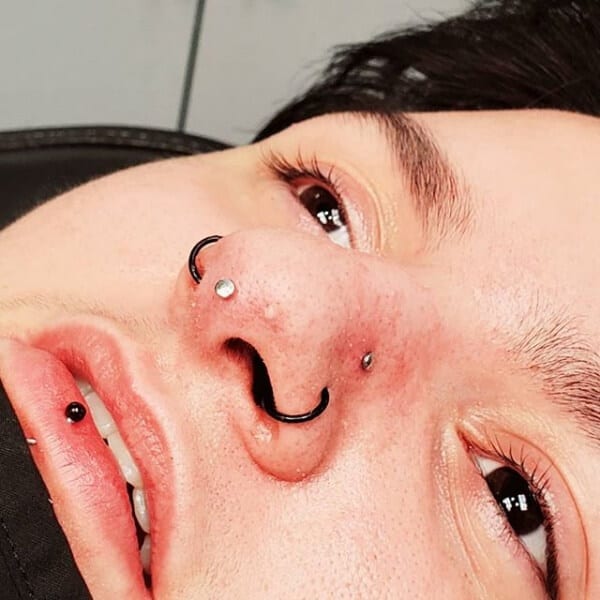

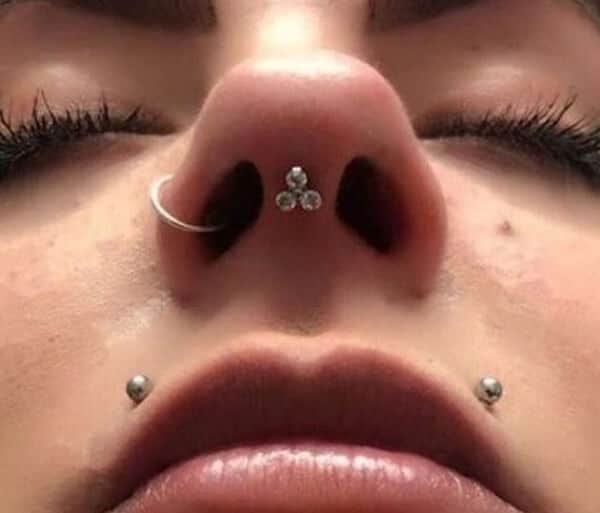
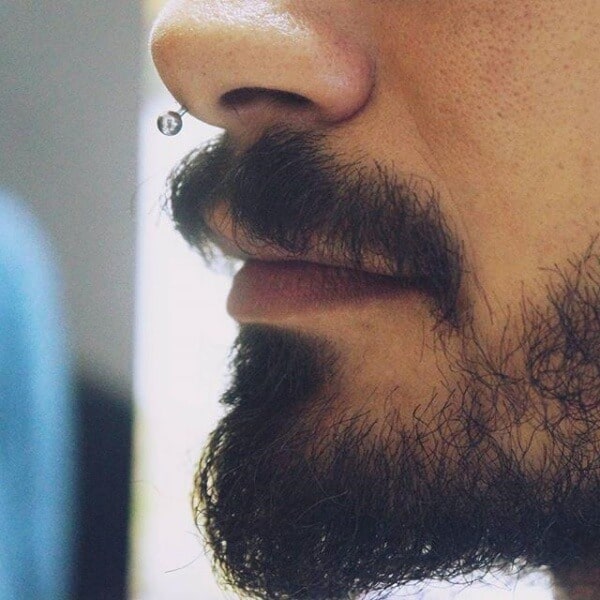
Conclusion
It has been seen that piercing was not an easily acceptable phenomenon in western culture earlier. Nonetheless, it has crossed many eras, generations, and continents; today, piercing is considered a fashion statement overall, particularly with the popularity of septrils. It is almost impossible to ignore someone who spots a nose ring. We believe that body piercing is an extremely special step for anyone. People often connect emotions to it and take it as a milestone to embrace.
It highlights their personality and their urge to move on or be different from the rest, showcasing their choice in the type of piercing. And talking about the Septril Piercing, one cannot ignore it. Getting the septum piercing is absolutely personal and up to an individual’s choice, whether they prefer a stud or a stretched septum. However, we don’t recommend this to any beginner. If someone is opting for a Septril piercing, then he or she needs to be sure of the decision as it is an intense and arduous process. Once you have decided to get it, then there should be no looking back.
FAQs
Q: What kind of jewelry is used for a septril piercing?
A: The most common jewelry styles for a septril are small curved barbells or a stud. Because of the unique placement at the bottom tip of the nose, the piece of jewelry needs to be small and comfortable. It’s crucial to use hypoallergenic materials like titanium or surgical steel to avoid allergic reactions during the long healing period.
Q: How long does the septum stretching process take before I can get the piercing?
A: The process can take a significant amount of time, as the septum must be stretched gradually. A minimum of 18 months of stretching is often required before your nasal septum is ready for the piercing needle. This timeline may vary depending on your anatomy and how your body responds to stretching.
Q: What should I do if I see redness or pus around the piercing site?
A: Redness and pus are signs of a possible infection. You should immediately increase your aftercare routine by cleaning the piercing area with a sterile saline solution. Do not remove the jewelry. If symptoms persist or worsen, contact your experienced piercer or a doctor right away.
Q: Is it more painful than a standard septum piercing?
A: Yes, most people report that the pain level for a septril is higher than a standard septum piercing. This is because the piercing goes through cartilage at the nose tip and requires a stretched piercing hole, making it a more intense experience. The piercing pain is significant, so it’s not recommended for beginners.
Q: Can my stretched septum return to normal if I take the jewelry out?
A: No, once your septum is fully stretched and the septril piercing has healed, the stretched piercing will not shrink back to its original size. The only way to close the hole is through surgical correction. This is a permanent body modification, so it’s important to be completely sure before you begin the process.