What Is An Ashley Piercing and How Is It Placed?
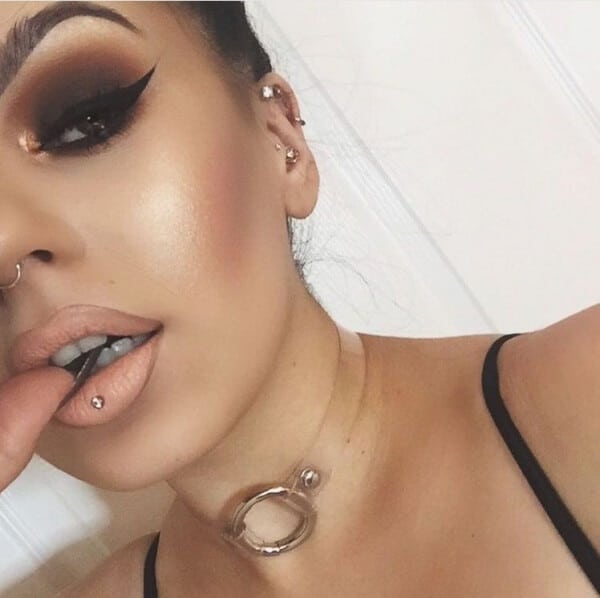
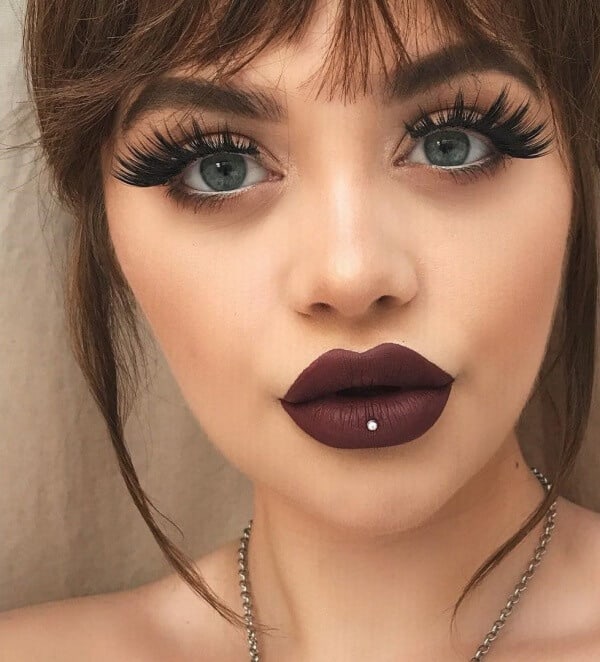
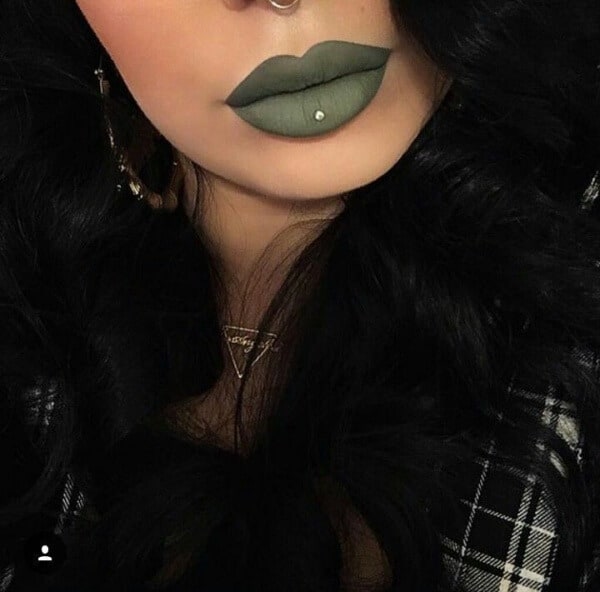
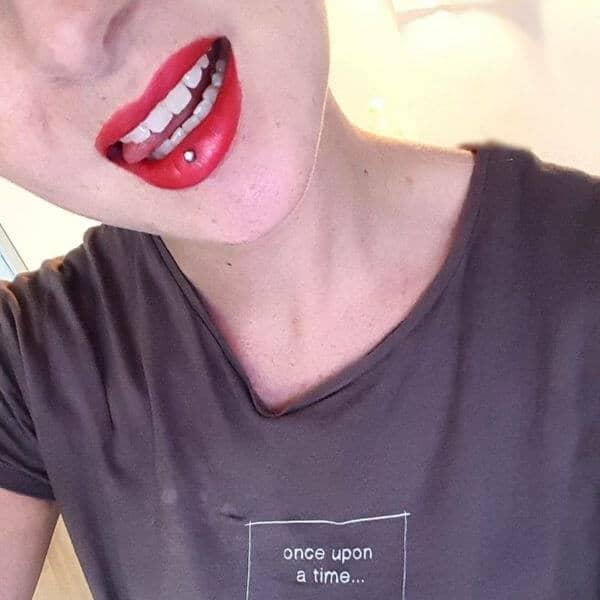
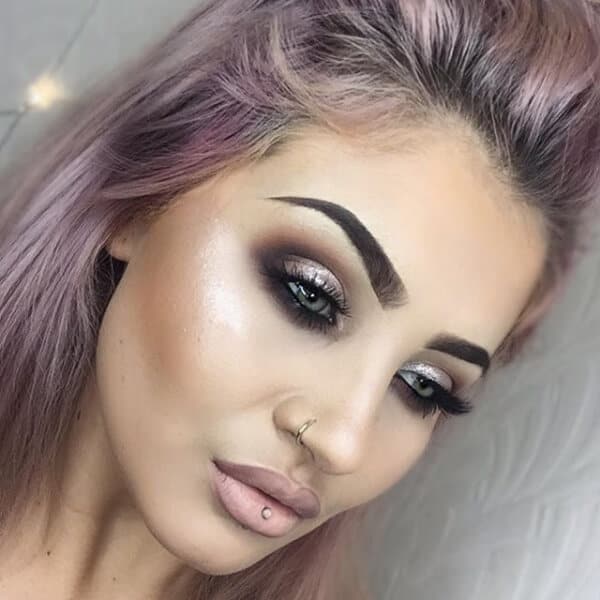
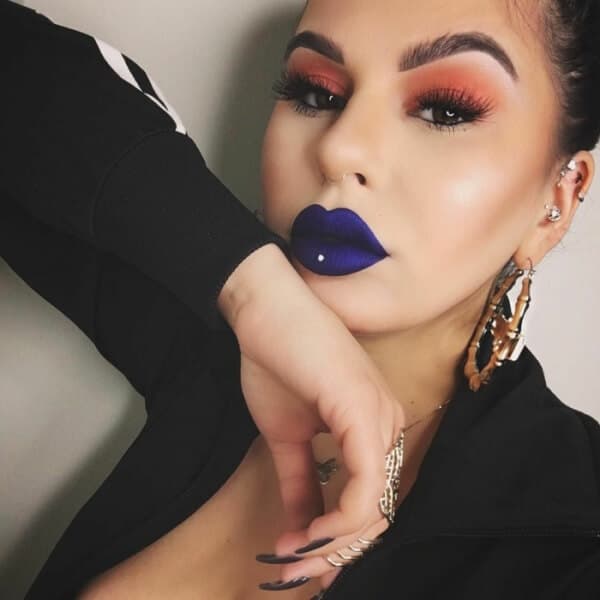
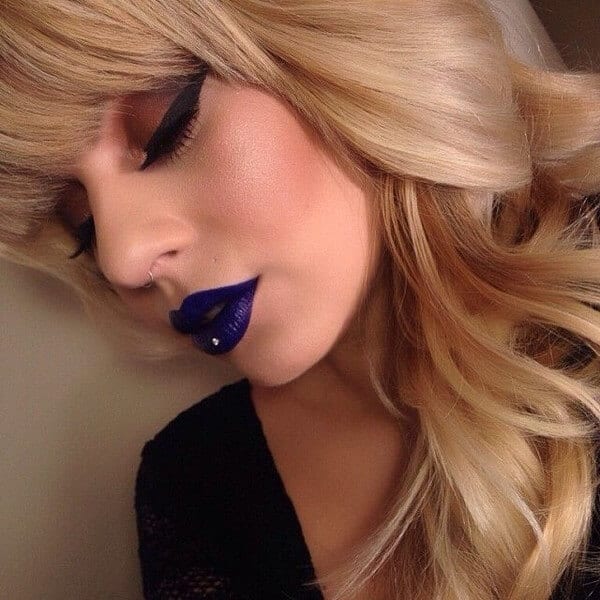
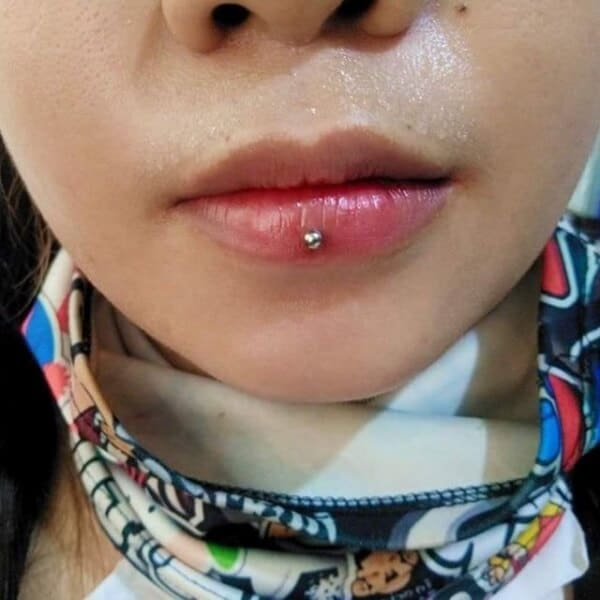
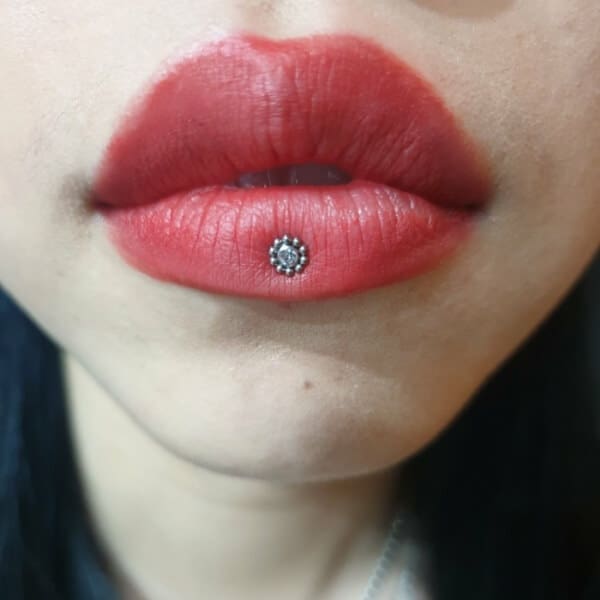
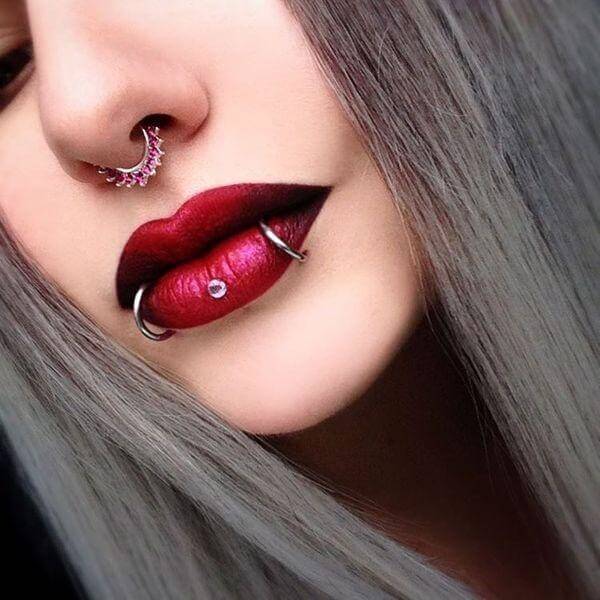
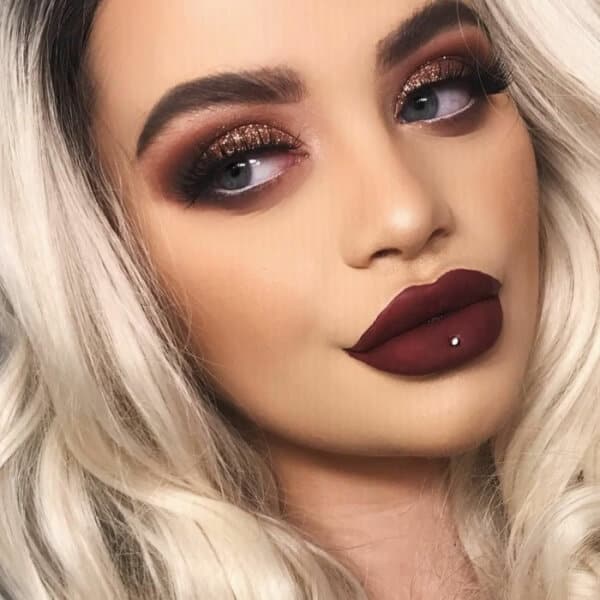
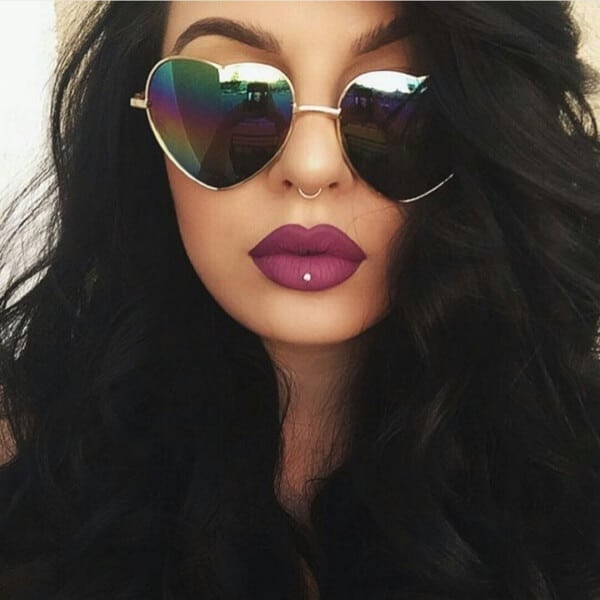
Ashley piercing stands amongst the most popular lip piercing that marks a single puncture at the center of your lower lip. It penetrates at that point, exiting through the back of the lip inside the mouth. To accentuate this glam pierce, a labret stud or diamond-studded gemstone would be a perfect setting. The jewelry used is typically a labret stud with a flat back to sit flush against the tissue inside the mouth, which helps reduce irritation.
Getting this form of piercing fascinates and excites most women! Although, there are even a few men who like to get along with this experimentation, they should know about the Ashley piercing risks. Before taking any decisive action, it is crucial to know in and out of this piercing technique. Let’s hammer the pros and cons relevant to Ashley Piercing.
Ashley Piercing Pros And Cons-
Pros:
- It is a great choice for the minimalist who does want to overdo with multiple piercings but still wants something more unique than a standard ear piercing, though a well-placed orbital piercing can also be very striking.
- If you are fanatical about the mesmerizing shape and appeal of your lips, this piercing would highlight the feature extraordinarily.
- Styling with the latest trends adds to your fan following and Ashley piercing, much like a stylish philtrum piercing, would spike up this list.
Cons:
- Spot of piercing can be a crucial aspect as it is done on the lower lip that means the jewel piece could collide with the teeth and the gums. Hence, it might lead to bruising of gums off late.
- Surrounding the piercing spot, a dark scar could develop, and overlapping it with a darker shade of lip gloss might be the only option.
- Due to the sensitive tissue in the spot, chances of swelling are higher as compared to other forms of piercing, such as a frenulum piercing.
The Ashley Piercing Procedure: What You Need to Know
Understanding the process of Ashley piercing would redefine the facts and you get a clear thought of this modification process. As it is an intrusive piercing procedure, all tools, and jewel chunks to be used undergo in-depth sterilization. Once cleaning is done, mouth and lip sterilization is the next step. Thorough clean-up is essential as it is a sensitive area with maximum bacterial activities, especially when using titanium jewelry. Water or a saline solution is helpful to ensure that no infection can hit the piercing area, making an alcohol-free mouthwash a good option for initial cleaning and ongoing aftercare.
The piercer would now mark the exit and entry spot with a surgical pen, ensuring the needle is properly aligned for the vertical labret piercing. Just like the dentists, they place a tool at the lower lip to affix the positioning, which is crucial for a type of lip piercing. Now the Ashley piercing is instantly done to reduce the pain effect. With the completion of this, a chunky jewel stud is inserted with immediate effect. You are ready to flaunt your new look with eminence!
It is also important to hire a good piercer as it is going to retain for a lifetime. A professional in this arena would assure a smooth and well-done piercing to the spot. An online review of his certification and reputation might help you to make the right choice.
How Much Does Ashley Piercing Cost?
Ashley piercing covers the sensitive low lip area and a good professional is thus essential. Depending on the expertise of the piercer, you can pick the right professional for this purpose. If you are getting this procedure in the United States, it might cost somewhere $40 to $55. While in the United Kingdom, it can cost 25 to 60 pounds, and 30 to 55 euros in Europe for a vertical labret piercing, everything you need to know about the costs is essential for planning.
Now talking about the jewelry for Ashley piercing, it is important to ensure that you are buying a piece made up of high-quality material. For initial jewelry, titanium or surgical stainless steel are popular choices because they are lightweight and reduce the risk of an allergic reaction. These metals reduce the chances of any kind of infection or complication associated with Ashley piercings. You can also hunt online to grab some striking studs and gemstones.
Ashley Piercing Pain Level and Individual Pain Tolerance
Ashley piercing is well-known for its sharp pain during the process. As the lip area is sensitive, there is high proximity of pain and swelling in that part, so it’s important to be prepared. Lips comprise of several tender nerves that accelerates blood circulation. When the pierce hits at the right point during a vertical labret piercing, it can stimulate nerves, leading to a lot of pain for seconds. Your individual pain tolerance will play a large role here.
Amongst all other kinds of piercing, Ashley piercing is highly exposed to infection problems. This area is in constant touch with food, saliva, makeup, and other outside stuff that enters your mouth. Such objects are bacteria infused and can instantly react with the newly done piercing. It is therefore considered to keep a check on any symptoms like redness, white discharge, or swelling. Consult your doctor if you find that the pain is unbearable.
The Healing Process: Healing Time and Essential Tips
Ashley piercing can cause open wounds that can heal with proper care, ensuring they are fully healed before any kissing. The average healing time for such a lip piercing is around 3 to 4 months. There are a few tips that you must keep in mind for quick and effective recovery.
- Ensure proper oral hygiene with regular cleaning and avoid contact with clothes, things, and hands.
- Make a daily ritual to soak the wound at least twice a day with saline water.
- Every time you dry the wound, try using disposable paper products because cloth towels might snag the jewelry leading to injuries.
- Avoid consumption of highly acidic or spicy foods for a couple of days to prevent irritation.
- Although you might find it fascinating, avoid touching the jewelry area or playing with the stud.
- Be gentle when cleaning to avoid causing unnecessary trauma or bleeding to the delicate tissue.
- Healing of wounds would take time and buying some piercing aftercare sprays can be a great idea. It boosts the healing process and prevents any further infection.
Proper Aftercare for Your Ashley Piercing
- To ensure proper aftercare after Ashley piercing, avoid usage of alcohol for cleaning the pierced area to minimize pain level and irritation. This might cause a lot of irritation and redness on your lips. It is vital to rinse your mouth with a saline solution or an alcohol-free mouthwash after eating to keep the pierced area clean.
- Besides, avoid jumping off to common swimming pools as unknown bacteria might attack the wound.
- Many people make the blunder of using face products on the lip area, a mistake to avoid with any piercing, including a snug piercing.
- Do not think of jewelry change until the complete healing of the pierced spot is assured, a rule that also applies to cartilage piercings like the auricle piercing.
- Also, make it a rule to avoid touching the piercing with dirty hands to prevent infection.
- Oral contacts with any person or things are a big no for at least a month.
Understanding Ashley Piercing Risks: Infection, Scarring, and Gum Damage
Along with the aftercare and healing tips, breezing on the Ashley piercing risks is also an important factor that you need to know. Understand the fact that not every individual is the same. Hence, some might very casually enjoy this new transformation while others might quit with this accessory midway. It also depends on the kind of jewelry you select.
Just to save some bugs, do not compromise on the quality of labret stud. A good piece would sustain for long without causing any kind of infection or complications. You can opt for gold, surgical steel, silver, or diamond as your first lip accessory. Carry out thorough online research to figure out the best alternative that suits your lips. You might end up with some super glamorous alternatives that are trendy and do not burn holes in your budget, especially if you know about Ashley.
Infection is a major risk associated with Ashley piercing or any other facial piercings, including a septril piercing. Opting a bigger jewel stud stretches the skin and can leave a bad scar after its removal. Hence, undergoing proper aftercare and cleaning processes is important to maintain the quality of your vertical labret piercing. Several creams and aftercare solutions accessible in the market can revive the damages done to your beautiful lips.
A significant risk specific to this type of lip piercing involves your oral health. The back of the jewelry rests against your teeth and gums, and constant friction from talking and eating can lead to serious damage to the teeth, such as enamel erosion, and gum recession. This is why a professional piercer must use a flat back barbell and ensure the placement minimizes this contact. Poor placement or improper jewelry can create lasting dental problems and significant discomfort. After healing, some scar tissue may also form at the piercing site.
The next up risk relevant to Ashley piercing is teeth and gum complications. If the jewelry pieces keep touching your teeth and gums, you might suffer the side effects like gum erosion or maybe tooth scrambling. Finding a perfect spot for piercing procedure is therefore an art that can be possible only with a professional. You have to be extremely diligent with the selection of piercer and jewelry, such as a flat back barbell, to ignore all risks related to it. Even if then you are suffering any type of complications, the best way out is to consult your doctor without any delay to address your pain level.
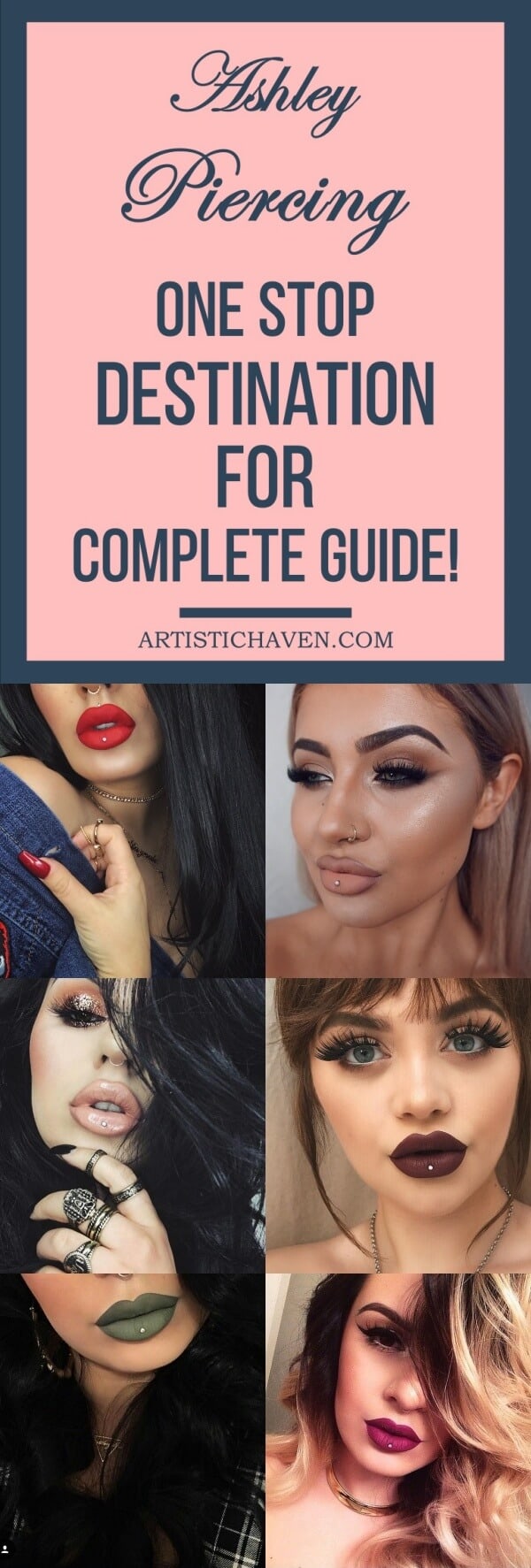
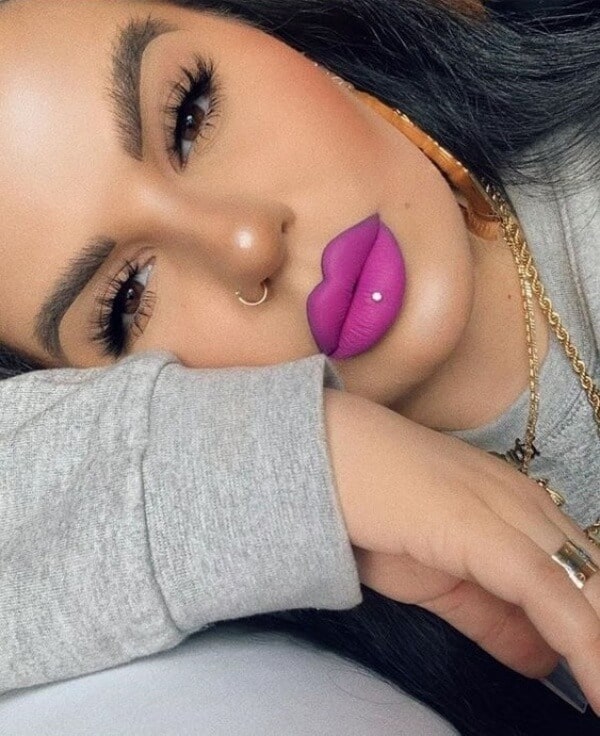
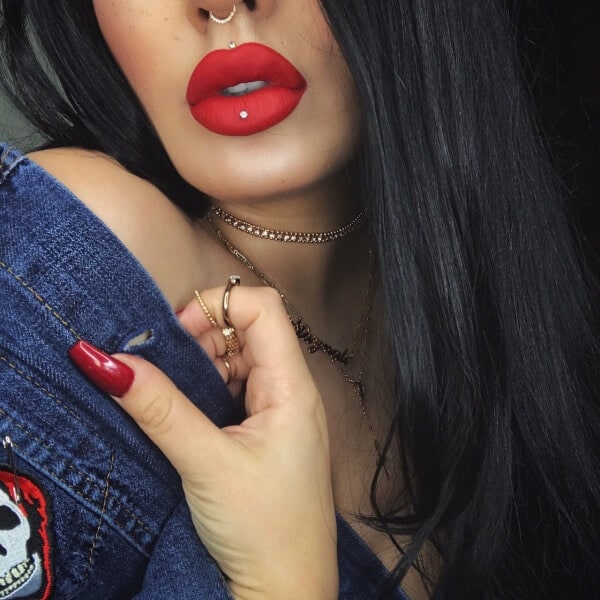
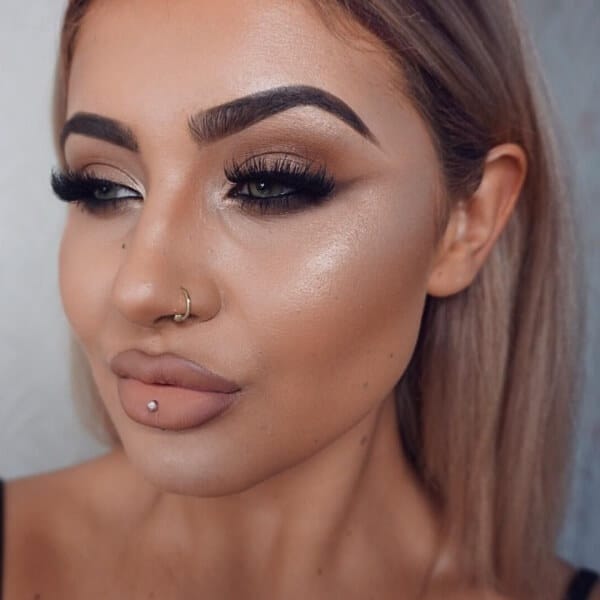
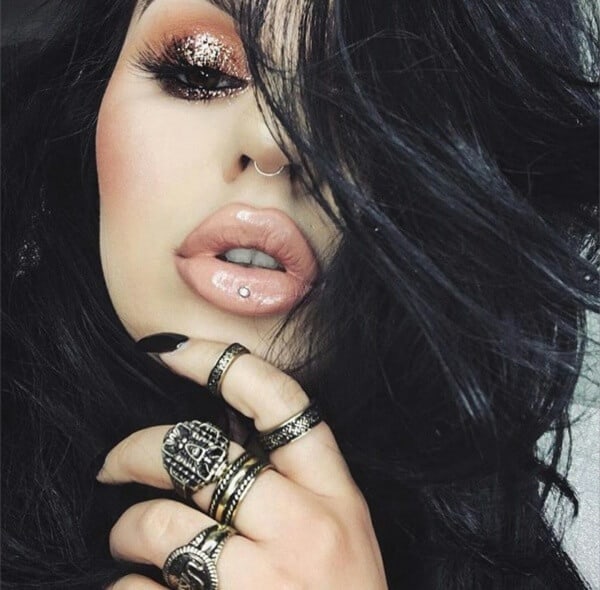
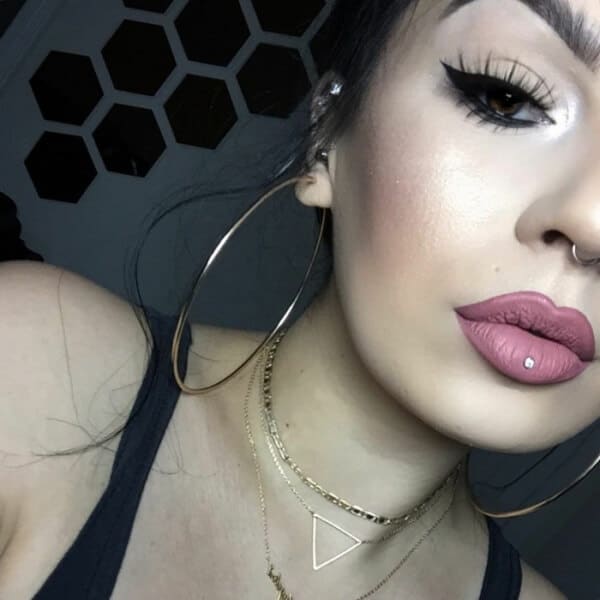
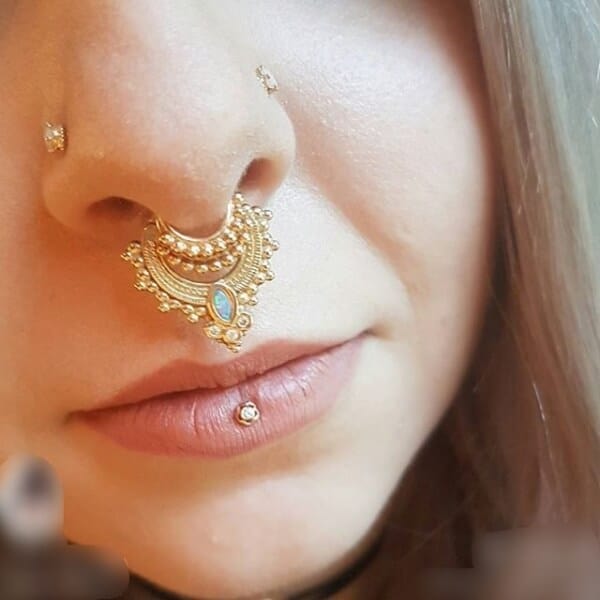
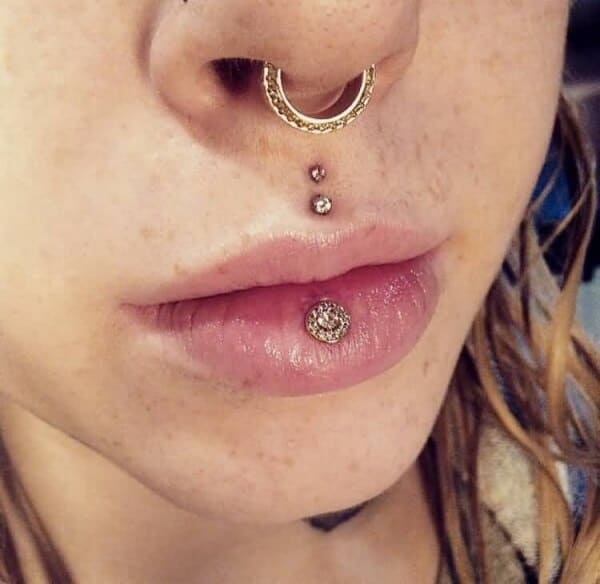
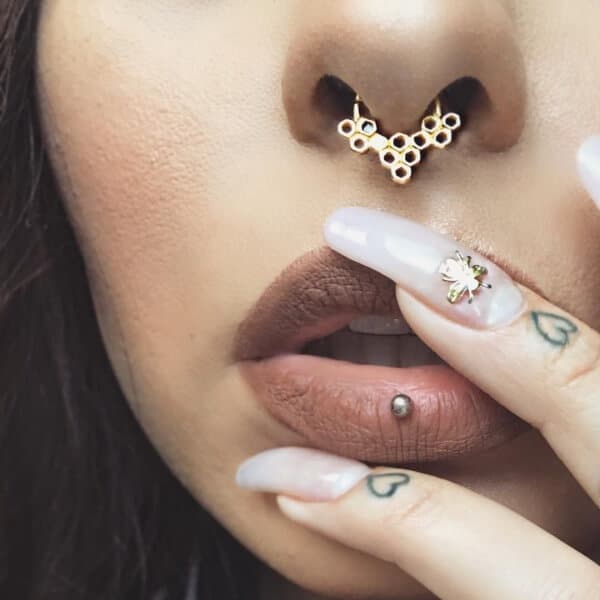
Ashley Piercing Inspiration Gallery





Conclusion
Ashley piercing can be addictive especially when you watch other women looking gorgeous with that shiny dot over their lips, often enhanced by stylish Ashley piercing jewelry. Classy and finely designed gemstones can have a great impact on the adorning of your beautiful lips. You can own the crowd with this stunning look that embellishes the features vividly. Dainty labret studs give some cute aesthetics to your look.
If at all, you are sensitive to any procedures, it is better to skip this type of piercing to avoid exceeding your individual pain tolerance. People with weak enamel or oral problems might also be unable to sustain this kind of piercing, so it’s important to consult a professional. If you are not into any of these problem sets, go ahead and accentuate your oral looks with Ashley piercing which enhances the dimensions of your lips magnificently. It is ultimately your call to decide whether to opt for this or to consider your individual pain tolerance. But this is one thing you would enjoy and cherish each day and with every outfit. After all, it’s all about the feel-good factor that magnifies your happiness, and Ashley piercing is a small way to it!
FAQs
Q: What is an ashley piercing?
A: An ashley piercing is a type of lip piercing that is placed in the center of the lower lip. It consists of a single piercing that goes through the lip and exits on the inside of the mouth, typically using a labret stud as jewelry.
Q: How long does it take for an ashley piercing to heal?
A: The healing time for an ashley piercing usually varies depending on individual factors, but it generally takes about 12-16 weeks for the piercing to completely heal.
Q: What type of jewelry is commonly used for an ashley piercing?
A: Labrets are the most common type of jewelry used for an ashley piercing. They typically feature a flat back that sits against the gums, helping to prevent irritation and discomfort.
Q: What aftercare instructions should I follow for an ashley piercing?
A: Aftercare instructions for an ashley piercing include keeping the area clean, using mouthwash to rinse your mouth, and avoiding any jewelry that may cause irritation. It’s important to follow proper aftercare to ensure the piercing heals smoothly.
Q: Should I use sterling silver jewelry for my ashley piercing?
A: While sterling silver jewelry can be visually appealing, it is often recommended to use hypoallergenic materials such as titanium or surgical steel for initial piercings to reduce the risk of allergies and irritation.