What Is Hyper-Realistic Oil Painting versus Photorealism
Before you select a subject, it’s crucial to understand your medium’s unique power. Hyper-realism in oil painting isn’t only copying a photo; it’s an artistic interpretation that often uses exaggerated detail, focus, and lighting to create a heightened, tactile reality that feels more real than a photograph. While photorealism aims for precise replication, hyperrealism leans on the oil painter’s toolkit—the depth of glazes, the vibrancy of optical color mixing, and the textural possibilities of oil paint itself—to comment on and enhance reality. This distinction gives hyper realistic oil painting ideas their edge, since each one asks for technical skill and deep conceptual engagement with the subject.
How to Select Reference Photos for Hyper-Realistic Painting
Your painting is only as good as your reference. For hyper-realism, seek photos with extreme clarity, dynamic lighting that creates strong value contrasts, and interesting surface texture. Avoid flat, even lighting. The goal is to find an image that presents a clear technical challenge—like the complex reflections in crumpled foil or the subsurface scattering in a slice of fruit—which will push you to master specific layering and blending techniques. This intentional selection bridges the gap between a mere idea and a structured skill-building exercise, which is why strong references sit at the center of successful hyper realistic oil painting ideas.
Systematic Approach to Building Painting Complexity
Don’t jump into painting a full portrait with wet skin and glass reflections on day one. A systematic progression is key. Start with mastering single-texture objects like a metallic sphere to understand reflections, then move to transparent objects such as glass for distortion, and finally combine elements like a portrait with droplets on skin. Each subject in a well-considered list should target a specific technique, allowing you to cumulatively build the advanced observational and manual skills required for the most complex hyper-realistic compositions. The strongest hyper realistic oil painting ideas often follow this sequence instead of throwing every challenge onto one canvas at once.
Psychological Preparation for Hyper-Realistic Painting Projects
Hyper-realism is a marathon, not a sprint. Mentally prepare for long sessions focused on minute details. The process requires patience, resilience against frustration, and the ability to break down overwhelming complexity into manageable, layered steps. Understanding that perfect proportions through the grid method or a flawless monochrome underpainting are only the foundation—and that the true magic happens in the later layers of color and light—is the mindset that separates successful hyper-realist painters from those who abandon their canvas. That mindset supports hyper realistic oil painting ideas far better than rushing toward a finished image.
1. Transparent and Reflective Surface Examples in Hyper-Realism

Painting a glass of water that looks so real you want to take a sip is the ultimate flex for a hyper-realist oil painter. We are talking about the masterclass challenge of capturing light as it bends and bounces through clear objects. You are not only painting the surface. You are layering the distorted world seen through it, plus the shiny highlights on it, all at once. The magic happens because our brains recognize this impossible visual puzzle as perfectly real. Among hyper realistic oil painting ideas, this one trains your eye to capture transparency, reflection, and the shifting relationship between object and background. Start with a simple glass bottle on a patterned cloth. The label behind the glass will teach you about color shifts, and the curved sides will show you how to distort that background beautifully.
2. Organic Decay and Transience Subject Styles with Layering
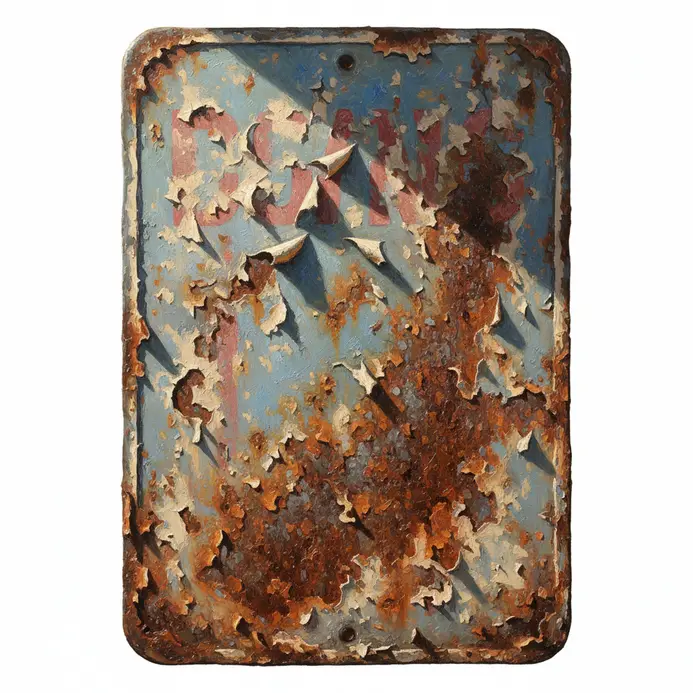
Let’s talk about painting the beauty of fading things, where we use layering to tell stories of time and memory. This style isn’t about capturing a perfect, static image. Instead, we build up and scrape back paint to mimic erosion, creating textures that feel weathered and alive. Think about those hyper realistic oil painting ideas that stop you in your tracks, then imagine that realism applied to a peeling wall or a rusted surface. The magic happens when you let some colors from the underpainting peek through the top layers, much like nature slowly reveals what’s underneath. It’s a process of controlled surrender, and the happy accidents are often the best part. Try scrubbing a wet layer with a rag to create a worn, vintage effect.
3. Extreme Portrait Focus and Detail Examples in Oil Paint
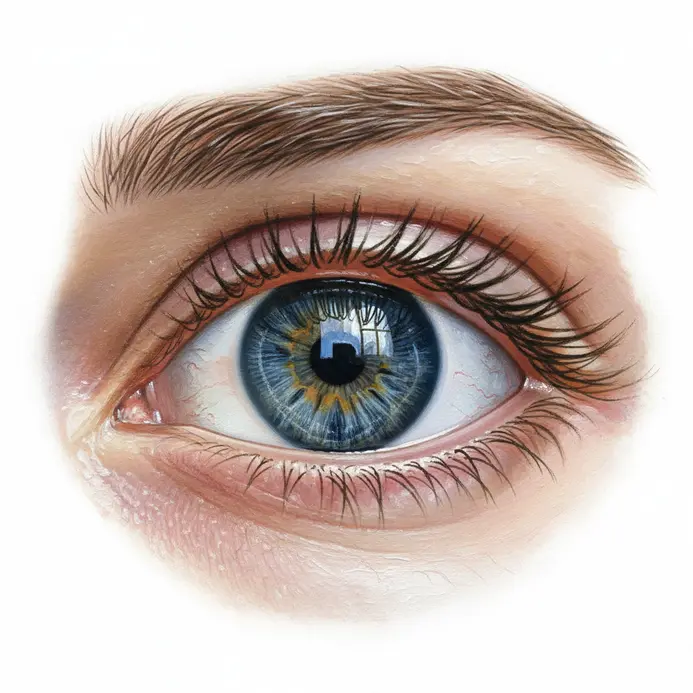
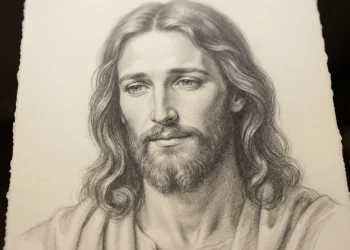
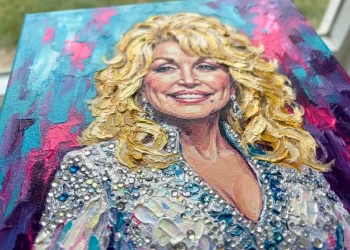
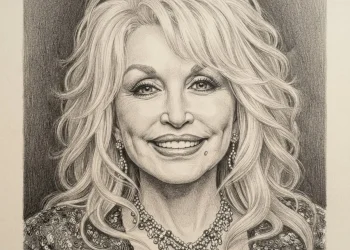
Let’s get up close and personal with the kind of detail that makes you lean in and whisper “wow.” We’re talking about hyper realistic oil painting ideas that capture every pore, every stray eyelash, and the exact way light catches a bead of sweat. Think of it as painting with a microscope, where glazing and scumbling build up layers so real you feel you could touch the skin. This subject creates a breathtaking, almost tangible connection with the portrait subject. Try working on a super smooth panel instead of traditional canvas to get a cleaner surface for micro-details and smoother brushstrokes.
4. Metallic Texture and Patina Painting Ideas for Hyper-Realism
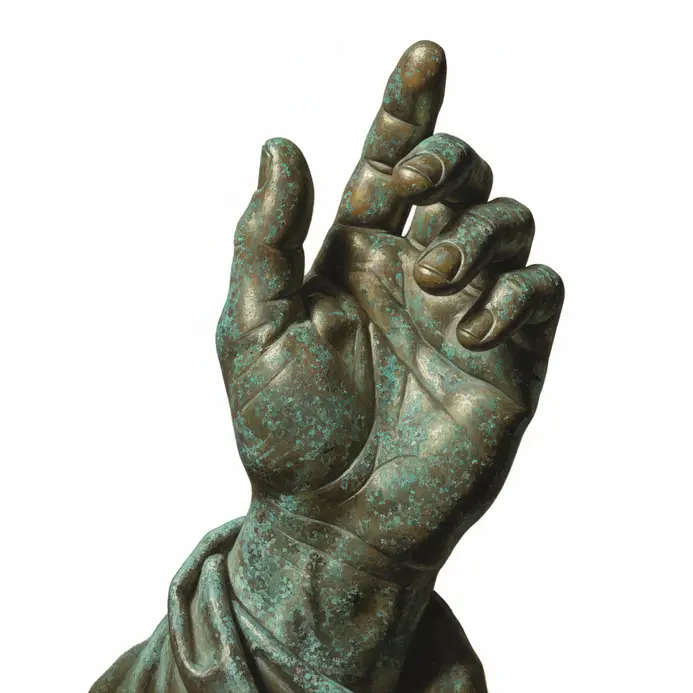
Let’s talk about the magic of making metal look real enough to touch. We’re moving beyond simple shiny surfaces to capture the soul of aged bronze or the soft glow of a satin finish. The secret is that metal behaves like a mirror, so you are painting the distorted reflection of the world around it, not only a gray object. That means observing how lighting warps over curves and how environmental colors tint the surface. Why does this technique create such strong hyper realistic oil painting ideas? It forces you to see and paint the relationships between objects, not only the objects themselves. For verdigris on copper, start with your base metal color, then build transparent blue-green glazes and add a few opaque highlights for a crystalline crust effect in the recessed areas.
5. Liquid and Viscous Substance Examples with Precise Lighting

Let’s talk about the magic of painting something that looks so real you could reach out and touch the wet surface. When we tackle hyper realistic oil painting ideas involving liquids, the secret is in how we mimic the light. Think about the brilliant rim on a drop of honey or the way milk swirls with internal glow. Use backlighting to make a substance look clear and edge lighting to define its shape against the background. Our eyes are trained to read these precise highlights and shadows as real texture and form. A great tip is to study a photograph using a darkfield illumination setup, where the liquid glows against black, giving you a clean roadmap for your layers of paint.
6. Worn and Aged Object Styles with Historical Narrative in Paint

Imagine a painting so real, you can almost smell the history in its worn surfaces. That’s the thrill of hyper realistic oil painting ideas focused on aged objects. We’re not only painting objects; we’re building entire histories with every scratch and stain. By using layering techniques like dry brushing and glazing, we build time’s passage on the canvas. Each mark tells a story, turning decay into a narrative that feels lived-in and deeply human. Try starting with a vibrant base layer and gradually scumbling on grime for that authentic, sun-bleached look.
7. Botanical and Floral Hyperrealism Examples Using Layered Oil Paint
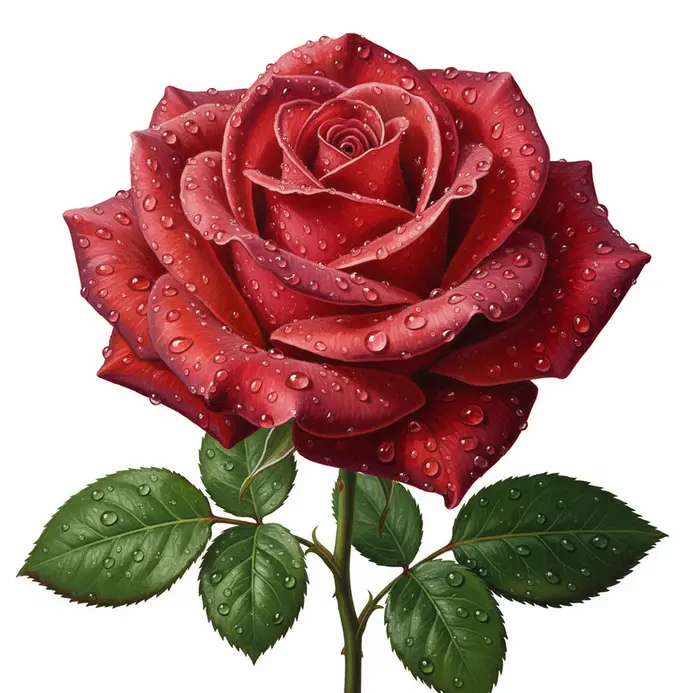
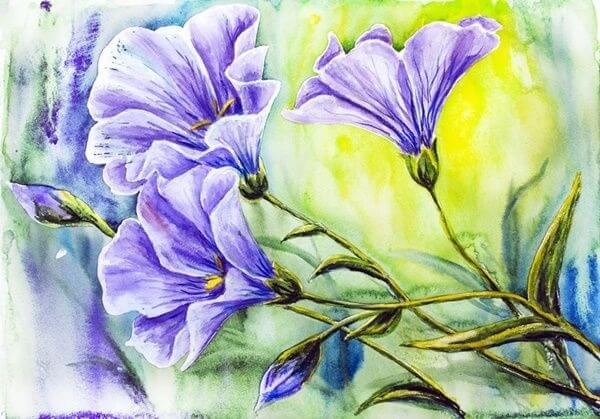
Botanical hyperrealism isn’t only copying a photo. It’s about using thin, layered oil paint to build that velvety texture on a petal or the cool dew on a leaf. We are creating a sensory experience that feels more real than reality itself. These hyper realistic oil painting ideas work so well because patient glazing and scumbling create detail that feels impossible at first glance. Think about painting a red rose: build it with transparent color, letting warm yellows glow beneath cooler red glazes. For white flowers, layer subtle greys and blues instead of relying on titanium white alone. Start with a detailed monochrome underpainting to lock in the values first.
8. Animal Fur and Feather Texture Studies for Hyper-Realistic Painting

Exploring hyper realistic oil painting ideas through fur and feathers makes your artwork feel full of life. Paint the light dancing over each hair and barb, with focus on form instead of mere detail. Study anatomy closely, since fur follows muscle flow and feathers connect with tiny hooks. This method works because it mirrors how we see texture in reality, adding depth and richness to the final painting. Begin with a monochrome sketch to lock in values, then use an angled brush for crisp feather edges and fine details.
9. Architectural and Urban Detail Painting Ideas with Sharp Lighting
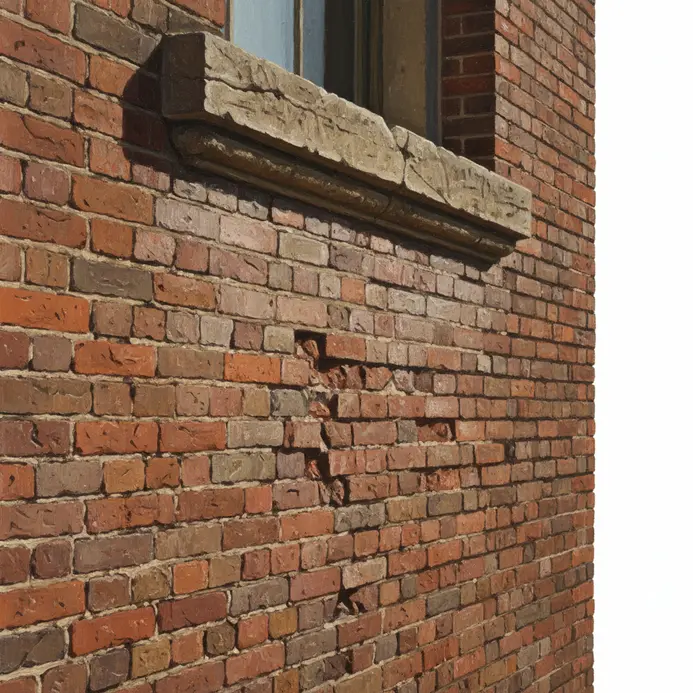
Let’s get specific and turn a fire escape into a geometric masterpiece. Picture a late afternoon sun raking across the metalwork, casting intricate, elongated shadows of railings and steps onto a brick wall. You are not only painting a fire escape; you are painting the rhythmic pattern it creates. The sharp side-lighting transforms a 3D structure into a crisp abstract grid with high-contrast drama between brilliant light and deep shadows. Hyper realistic oil painting ideas like this sharpen your sense of composition as much as your technical control. Try mixing a tiny bit of the wall’s color into your shadow tones to keep them anchored and believable.
10. Fabric and Textile Weave Examples in Hyper-Realistic Oil Paint

Painting fabric so real you want to touch it is one of the ultimate tests of skill. We are not only painting a pattern here; we are creating art that resonates with hyper realism. We are painting how that pattern distorts over a three-dimensional fold and catches the light. That makes these hyper realistic oil painting ideas compelling because they ask you to master light, form, and texture at once. Think about the diagonal ribs of denim bending around a knee or the silky sheen on satin. For a tricky twill like denim, try a dry-brush scumble over your value underpainting to suggest that worn grain without overworking the surface.
11. Food and Culinary Subject Styles with Appetizing Oil Paint Layers

Let’s talk about making food look so real you want to reach into the canvas for a bite. The secret is building up those appetizing oil paint layers. Start with a solid underpainting to establish light and shadow, then add thin glazes for the deep color in wine, coffee, or glossy fruit skin. Those careful layers create the moisture, sheen, and texture that make food irresistible. Hyper realistic oil painting ideas in this category work beautifully for still life because they combine familiar forms with many details. Try scumbling with a dry brush to mimic the soft bloom on a peach or the dusting of powdered sugar.
12. Mechanical and Technological Object Examples for Precision Painting

Let’s get specific. If you love capturing tiny details, the industrial world takes that obsession to another level through precision and function. Think about a vintage camera, a watch movement, or a turbine blade with crisp edges, engineered curves, and glossy or matte metal surfaces. These hyper realistic oil painting ideas force you to refine control and build thin layers with patience. Start with a detailed drawing and a limited palette. This focus on capturing pure form and surface, without the distraction of bright colors, builds discipline for any hyper-realistic oil painting project.
13. Water and Atmospheric Effect Painting Ideas in Hyper-Realism
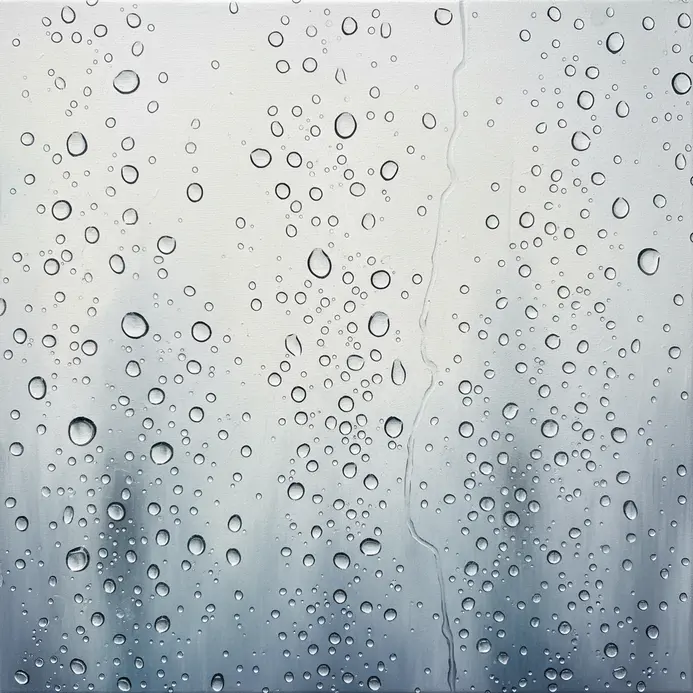
What if you could paint the air itself, or capture a splash of water so real it looks wet? That’s the magic of mastering these effects. We are talking about fog thick enough to feel cold, or a dewdrop on a spiderweb with perfect spherical clarity. The trick is in value shifts and edge control, because you paint the light passing through, not only the object. Hyper realistic oil painting ideas in this area feel like visual magic when the illusion lands. Start with a monochrome grisaille underpainting to lock in those subtle tonal relationships before adding color.
14. Minimalist Single-Subject Focus Examples with Dramatic Lighting

Picture a single glowing water droplet on a dark leaf, painted with such realism it feels tangible. This minimalist approach isolates one subject using negative space and sculptural lighting to build mood and depth. Hard side or back light emphasizes texture and creates mystery through shadow. That is why hyper realistic oil painting ideas built around one object often captivate viewers so quickly. Try positioning a light at a 90-degree angle to highlight surfaces like leather, glass, or polished stone for instant impact.
15. Complex Multi-Element Composition Styles for Layered Painting

Let’s leave single-subject work behind for a moment and create a full visual universe on one canvas. We’re talking about compositions where multiple figures, objects, and textures coexist in a layered dance. The goal is to guide the viewer’s eye on a journey instead of dropping all the attention on one spot. These hyper realistic oil painting ideas embrace complexity without chaos through careful planning. Place main elements within interconnected triangles or diamonds to create tension, then establish a clear hierarchy with one primary focal point and softer secondary forms. Veils of transparent color between foreground and background add depth and richness. Try starting with a non-representational chaos layer of drips and splatters to break the blank surface and preserve accidental texture, similar to the expressive style of Chuck Close.
16. Narrative and Symbolic Object Examples in Hyper-Realistic Oil Paint

Some hyper-realistic paintings let a simple object tell a whole story. In this style, artists use meticulous detail to turn everyday items into powerful symbols. A wrinkled bed or decaying fruit, for example, suggests absence or the passage of time through still life symbolism. Hyper realistic oil painting ideas in this category add emotional depth to realism. Pick an object from your own life and paint it with exaggerated focus so the image does more than depict a surface—it carries memory and meaning.
17. Macro and Microscopic View Painting Ideas for Extreme Detail

Let’s shrink our perspective and reveal the worlds hidden in plain sight. This approach pushes hyper realistic oil painting ideas to the limit by focusing on magnified reality and the microscopic universe. You might paint a leaf’s vein structure like a map or the geometric perfection of a salt crystal. This style captivates because it turns the ordinary into an alien landscape that is always present but rarely noticed. Start with a strong macro photograph as your reference, then build thin layers and tiny brushstrokes to sell the illusion of hyper realism.
18. Weathering and Environmental Effect Examples on Painted Surfaces

Let’s add a new layer of realism by painting surfaces touched by time and the elements. We’re talking about the textures of fading, cracking, and staining that tell a story, elements that are crucial in creating art with hyper realism. Think about a bright red barn door faded to soft pink, or deep cracks in paint on an old wooden bench. This is not about damage alone; it is about capturing authentic history on your canvas. Hyper realistic oil painting ideas in this area force you to observe and layer color, texture, and transparency in a way a pristine surface never could. A great tip is to start your study with easy things to paint for beginners like a single rusted bolt or a piece of weathered wood to practice subtle color shifts.
19. Light and Shadow Study Subject Styles in Hyper-Realistic Painting

Ever notice how a perfect highlight makes a glass of water look wet enough to drink? For hyper realistic oil painting ideas, you do not paint light the same way on skin as you do on chrome. Your study style needs to shift with the material in front of you. Organic surfaces such as skin have a layered, translucent quality where light glows from within, while manufactured materials demand a high-contrast and precise approach, much like the works of Richard Estes. This distinction trains your eye to observe the physics of each surface instead of relying on a generic shading formula. When painting hair, block in the major masses of light and shadow first before chasing single strands.
20. Surface Imperfection and Flaw Examples for Authentic Oil Paint

Surface imperfections can tell the whole story of a painting. Fingerprints in paint, craquelure from aging, sinking in, and pentimenti where earlier drawing peeks through all act like a visual biography. Even traction cracks and irregular aging patterns reveal process, time, and the vulnerability of the medium. In hyper realistic oil painting ideas, understanding flaws helps artists create more authentic and life-like work. Use a raking light to highlight brushstroke texture and inspect how the surface catches light across ridges, dents, and tiny chips.
21. Motion and Transient Moment Painting Ideas with Oil Paint Layers

What if your painting could hold a breath, a blur, or a flicker of light? The magic lies in using oil paint’s slow drying time to build soft, luminous blends that suggest movement. You are not only painting a subject; you are painting the air and time around it. That is what makes these hyper realistic oil painting ideas feel alive. Our brains read soft transitions and directional streaks as motion, especially when the first layer stays stable beneath translucent movement cues, a technique often seen in the works of Leonardo da Vinci. Try a fan brush to drag transparent paint in the direction of movement over dry paint for a runner in the rain or hair caught in wind.
22. Interior and Domestic Space Examples with Controlled Lighting

What if you could paint a room so real you could feel the time of day? We’re talking about a sunbeam slicing across a polished wood floor at dawn, or the warm glow of a lamp in a quiet evening scene. This is about capturing a specific moment of lighting, not only the furniture inside the room. Hyper realistic oil painting ideas for domestic interiors work so well because they combine composition, atmosphere, and emotional narrative. Start with a grisaille underpainting to nail your values before color enters the process.
23. Natural Element Combination Styles for Complex Hyper-Realism

Let’s talk about making your hyper-realistic oil painting feel alive by fusing natural elements. We’re not only placing a leaf on a rock. We’re creating a believable whole where the fusion itself has a story, like a vine squeezing into stone or frost crystals forming along a leaf’s veins. This style works because it follows real-world material logic while showing contrast in texture, temperature, and composition. Pick a dominant color tone to unify the piece and support one of the more advanced hyper realistic oil painting ideas on this list.
24. Industrial and Manufactured Object Examples with Hard Lighting

Looking for subjects that pack a punch? Industrial objects under hard lighting are a texture lover’s dream. Hard lighting from a bare flash or direct lamp casts sharp shadows that make every gear, machined edge, and worn tool handle pop. These hyper realistic oil painting ideas succeed because they create contrast and depth that feel instantly believable, embodying the principles of hyper realism. Use side lighting to accentuate edges, or test backlighting for a dramatic silhouette that still preserves form through reflected light.
25. Personal Artifact and Memory Painting Ideas in Hyper-Realistic Oil

Let’s take a trip through memory with an object that holds a whole story in its scratches and creases. Paint a personal artifact, such as a wristwatch or apron, with hyper-realistic precision, then let memory drift around it in softer color and atmosphere. The object feels undeniable and solid while the emotional context stays more elusive. That contrast gives these hyper realistic oil painting ideas unusual depth. Start with a grisaille underpainting of the artifact to lock in form, then build transparent glazes that suggest memory without overpowering the central subject.
26. Scientific and Medical Instrument Examples for Technical Painting

Scientific and medical instruments are technical treasures for the painter. They combine glass that refracts light with metal that reflects it in clean, controlled ways. Studying these subjects trains your eye for surface interaction, precision, and subtle value relationships. They also tell stories of care, observation, and invention. Hyper realistic oil painting ideas built around these tools reward patience and attention to detail, especially when arranged on a neutral background that keeps the focus on form and material.
27. Cultural and Historical Object Styles with Rich Oil Paint Layers

Picture a time-worn book on a stone table, its leather cover so textured you almost feel the grain beneath your fingertips. This subject uses rich oil paint layers to give cultural objects weight, history, and presence. The slow-drying medium supports both transparent shadow and thicker highlights across worn edges and ornament. Old master approaches help here. Think of Rembrandt and Jan van Eyck, where thin layers, dark grounds, and selective highlights built vibrancy and monumentality, much like the techniques used by Claude Monet. Hyper realistic oil painting ideas in this category benefit from chiaroscuro, careful palette control, and the patience to let one layer dry before the next refines the surface.
28. Abstracted Realism Composition Examples in Hyper-Realistic Painting

Abstracted realism gives you the pleasure of flawless detail inside a strange or fragmented composition. You render each form with photorealistic care, yet the scene itself breaks expectation. A shattered mirror reflecting different sections of one face is a perfect example. This approach works because it plays with perception while preserving technical realism. Hyper realistic oil painting ideas of this type feel expressive without giving up control. Try a deconstructed watch with its gears suspended in space, each part painted like a photograph.
29. Seasonal and Temporal Subject Painting Ideas with Evolving Light

What if the time of year came through light alone? These subjects focus on seasonal atmosphere, where spring haze, summer glare, autumn warmth, or winter coolness become the main event. You are not painting a static scene so much as a brief condition of light across a landscape or still life. That is why hyper realistic oil painting ideas tied to seasons feel emotional and immediate. For autumn leaves, paint dark to light and glaze transparent oxides over the lit areas to make them glow from within. For winter, lean into cool greys, ivory black, and restrained highlights to preserve smoothness and silence.
30. Beginner-Friendly Technical Challenge Examples for Hyper-Realism

Let’s demystify the process by breaking it into small technical studies. Start with one simple object under controlled lighting, such as a marble, egg, or apple. This puts all your attention on material truth and on the way light interacts with a single surface. It also gives beginners a strong entry point into hyper realistic oil painting ideas without the overload of a full portrait or landscape. Practice fat over lean, smooth blending, and value control with a limited palette. Then compare three spheres—rough stone, polished wood, and glossy ceramic—to train your eye for gloss, texture, and fine differences in reflection.
Conclusion
What a list. We have walked through thirty distinct paths you can take in your hyper-realistic oil painting journey. Each idea is a new puzzle of light, layer, and texture waiting for your solution. The key is to pick one that excites you and scares you a little, because that’s where real growth happens. Remember, hyperrealism is as much about your observation as it is about technical skill. Your perspective on these subjects is what will make your work stand out. If you are choosing among hyper realistic oil painting ideas, start with the subject that speaks to you on a personal level. Grab your palette, mix your colors, and start building those layers. Your most detailed masterpiece is a brushstroke away.
FAQs
Q: What makes a hyper realistic oil painting different from a realistic painting?
A: Hyper realistic oil painting aims to reproduce subjects with photographic precision, emphasizing extreme small details, flawless textures and depth; while realistic painting captures believable forms and lighting, hyper realism pushes those elements further to create an intensified illusion of reality.
Q: Can I use acrylics instead of oil to create hyper realistic pieces?
A: Acrylic can be used for highly detailed work and dries faster than oil, but oils offer superior blending and glazing that many artists prefer for hyper realistic effects; some artists combine acrylic underpainting with oil glazes to get the benefits of both mediums.
Q: How important is drawing skill with pencil before starting an oil painting?
A: Strong pencil drawing skills are very helpful—establishing accurate proportions, values and composition with pencil or graphite allows you to transfer a precise underdrawing to oil, making it easier to capture the exact small details required for hyper realism.
Q: What brushes and techniques help capture small details in hyper realistic oil paintings?
A: Use fine-point sable or synthetic detail brushes, layering thin glazes, scumbling and tiny stippling to build texture. A steady hand and the technique of letting each layer dry before refining will help you render minute highlights, hair, pores and fabric weave convincingly.
Q: How do I choose colors like burnt sienna for lifelike skin tones and shadows?
A: Burnt sienna is a versatile warm earth that works well in underpaintings, midtones and shadow mixes. Combine it with ultramarine, alizarin crimson and titanium white to create rich, realistic painting palettes and subtle transitions required for believable skin and ambient shadow.