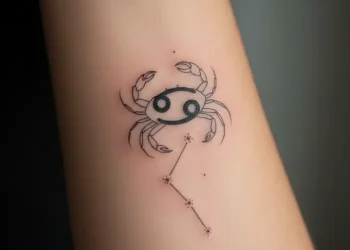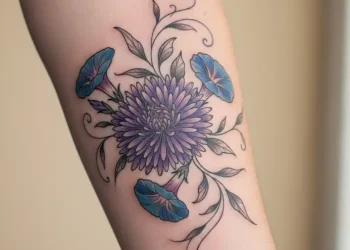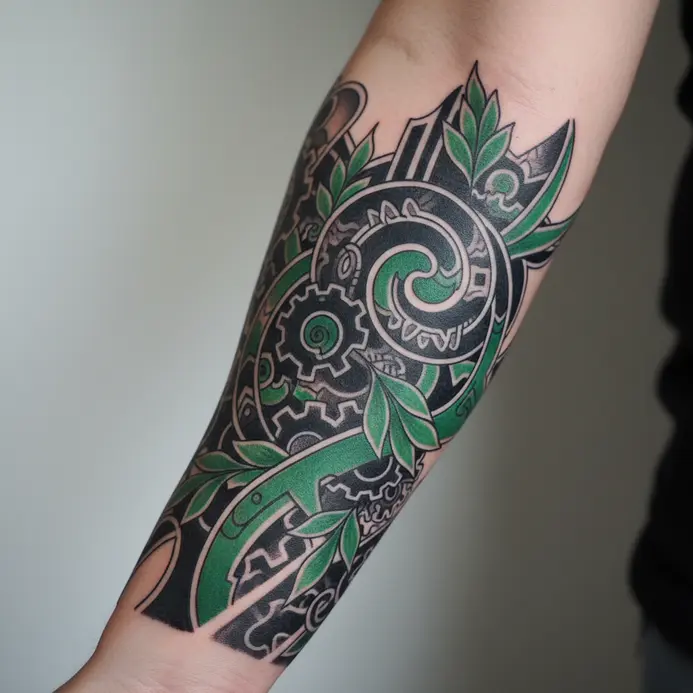


Defining Storytelling Elements Through Visual Themes
The fastest way to create a coherent sleeve is to anchor it with one unifying visual theme. Trust me on this, it is the single biggest factor that pulls your collection of images into a single, powerful story. Understanding how to design a tattoo sleeve means knowing this theme becomes the connective tissue, allowing for variety without chaos. This upfront decision makes every subsequent choice about imagery, placement, and artist selection infinitely easier. A strong foundation ensures your ink never feels like a random assortment of art collected over the years.
Mapping Design Elements Across Three Dimensional Anatomy
Your arm is a living cylinder, not a flat canvas, so the placement of each element must account for how the skin stretches and folds. When figuring out how to design a tattoo sleeve, remember that master tattoo artists treat the limb in distinct zones to maximize flow. The outer forearm and bicep are prime real estate for your most detailed, high-contrast focal points, as these areas are most visible and have stable skin. The inner bicep and inner forearm are perfect for more personal, intimate imagery. Navigating challenging zones like the elbow or ditch works best with abstract patterns or flexible compositions that bend without distortion. You want to ensure that your piece moves naturally whether your limb is straight or bent.
1. Define Your Sleeve Tattoo Theme and Artistic Style
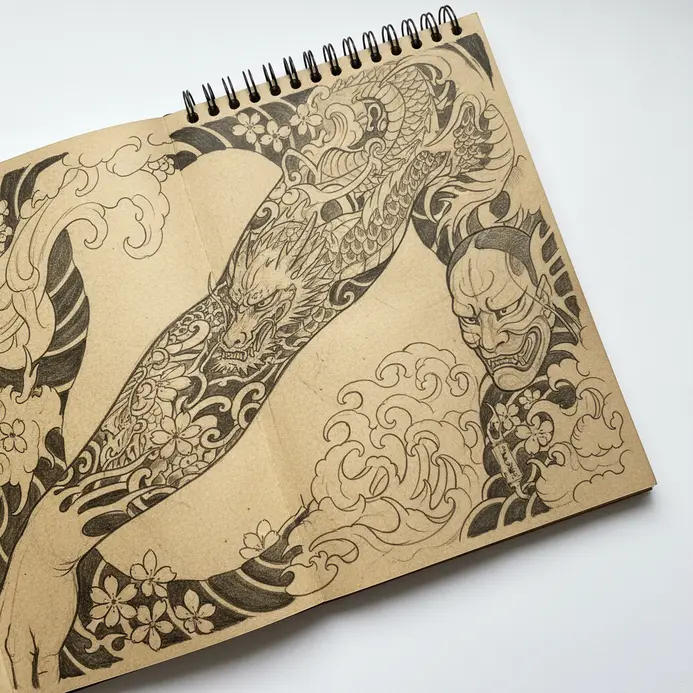
Ever felt overwhelmed thinking about where to start? Trust me, skipping this first step is the biggest mistake I see. Grasping how to design a tattoo sleeve means giving your ink a clear heart that ties every element together. Start by digging into what truly matters to you, whether it is nature, a personal story, or mythology. Jot down keywords and build a mood board with visuals that spark that exact feeling, especially when designing your sleeve. Mastering how to design a tattoo sleeve requires a visual anchor that keeps your vision sharp as you research different artistic styles. From bold Traditional to delicate Fine Line, each approach tells your story in a different voice. This research opens up endless possibilities. My pro tip: compile everything into a concept brief for your artist, because clear documentation makes collaboration smooth. Plus, planning ahead helps you manage practical aspects like wait times between tattoo sessions, keeping your project on track. Feel the excitement build as your vision takes shape!
2. Curate a Digital Mood Board for Visual Consistency
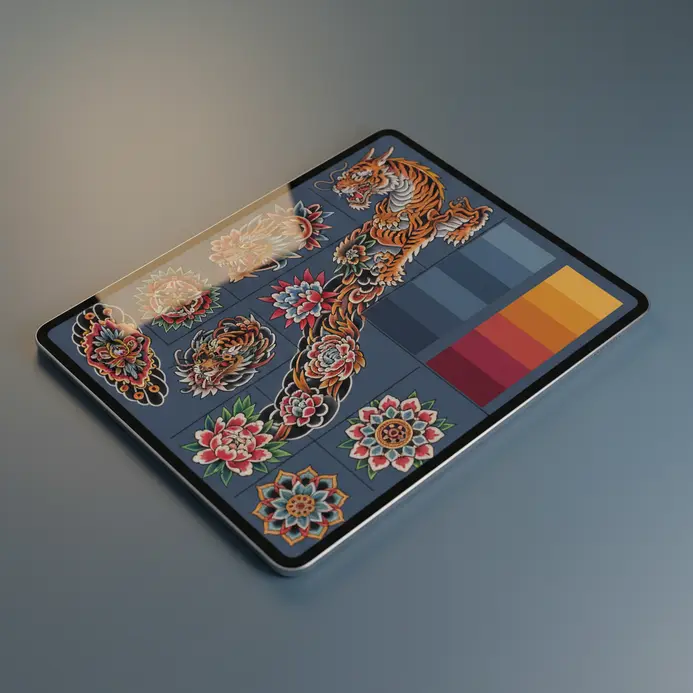
Ever feel overwhelmed by all your scattered ideas? Knowing how to design a tattoo sleeve turns that chaos into order, so grab a digital platform like Pinterest to gather everything. Start by pulling color palettes and specific styles onto one screen, then ruthlessly edit them down to the strongest visuals that share a cohesive vibe for your sleeve flows. This process forces you to spot common threads in your taste, which completely changes how to design a tattoo sleeve by removing distracting clutter. I love adding notes to each image explaining why it works, which makes discussing your vision so much clearer. It turns a vague concept into a tangible plan, ensuring your ink feels like one unified piece instead of a random collection. For a great example of meaningful integration, you could explore how to cover scars with tattoo art. Feel that clarity?
3. Evaluate Your Arm Anatomy and Natural Contours
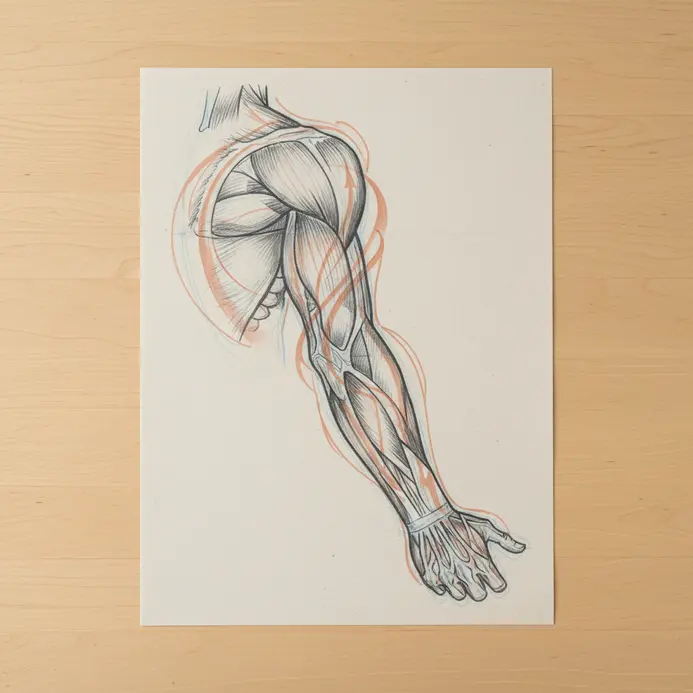
Ever looked at a flat picture and wondered how it will wrap around your body? Figuring out how to design a tattoo sleeve starts here, because your limb is a dynamic canvas. Stand for a solid visual inspection in a mirror to trace your muscle lines for the perfect arm sleeve design. Notice how your elbow bends and where your bicep peaks, because this understanding is the secret to perfect flow. I love how knowing how to design a tattoo sleeve turns a simple sketch into a custom piece that adapts to your movement. Trust me, taking a moment to really see your landscape makes the layout of your arm sleeve click instantly.
4. Place Your Primary Focal Point Art for Maximum Impact
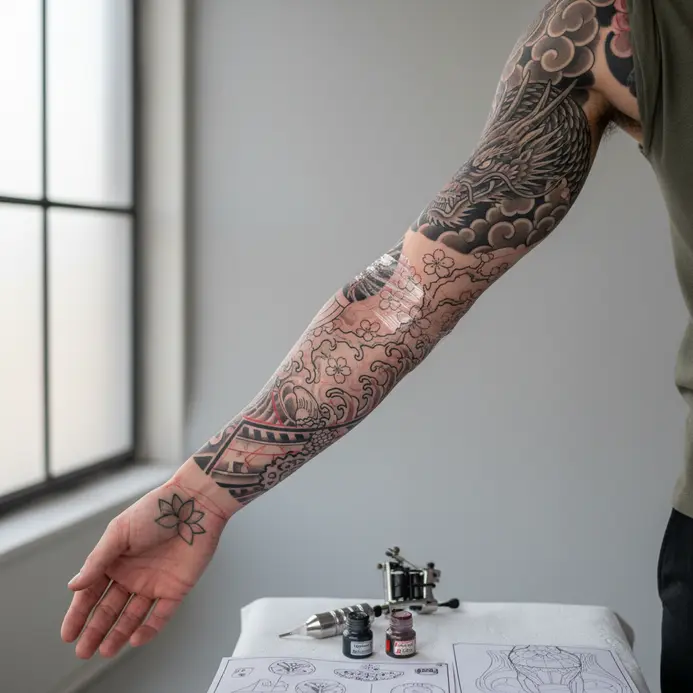
Ever feel like a sleeve is just a bunch of separate tattoos sitting side by side? That is why discovering how to design a tattoo sleeve means anchoring everything to one primary focal point. This star of the show gives your entire composition a clear sense of order and direction. Think of it like a lead singer in a band demanding your attention. You want it to shine brightest by using the Rule of Thirds, which creates perfectly balanced intersections. Most creators find that asking how to design a tattoo sleeve leads directly to placing the heaviest ink where the grid lines cross for instant harmony in a patchwork sleeve. Your chosen zone should complement the art’s shape and size, giving it room to breathe and command attention while curving with your body. For a modern, minimalist approach to supporting pieces, consider incorporating single line tattoo designs around it. Get this placement right, and your layout falls beautifully into place around it.
5. Choose a Specialized Tattoo Artist for Your Sleeve Design
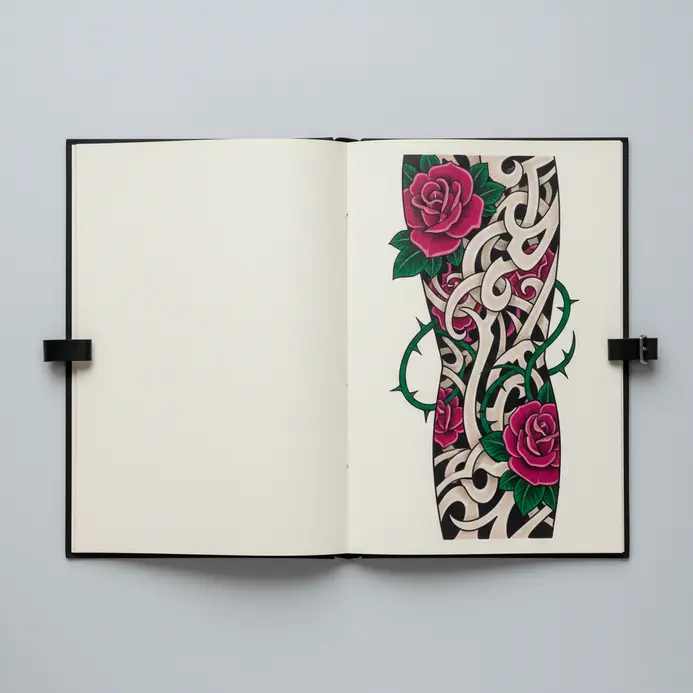
Ever wondered why some long-term ink looks like a single painting while other pieces feel completely disjointed? Discovering the right professional is the absolute core of how to design a tattoo sleeve. You need a true specialist for a project this large, not just someone who does flash tattoos. Your first move is deep-diving into artist portfolios, a vital step in how to design a tattoo sleeve that proves technical consistency over years. Do not just browse fresh work; always hunt for healed photos to verify longevity. A consultation is your chance to discuss your vision and see if their creative process aligns with yours. Finding an expert in large-scale composition completely elevates how to design a tattoo sleeve by guaranteeing anatomical flow. They will build a cohesive layout that hugs your natural shape, giving you ink you will adore forever in your half sleeve. If a soft aesthetic appeals to you, reading about watercolor tattoo style considerations will prepare you for a deeper conversation.
6. Establish a Realistic Project Timeline and Total Budget
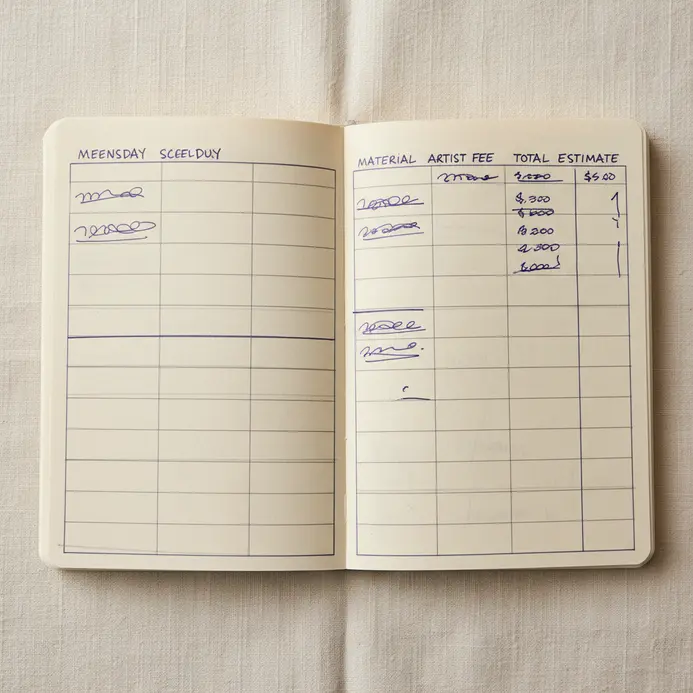
Ever feel overwhelmed thinking about how long a project takes or what it truly costs? Realizing how to design a tattoo sleeve starts with building a stress-free schedule before the first needle drops. It transforms a vague dream into a clear, manageable roadmap. Break the project down together and outline each appointment, from consultation to final touch-ups. Mapping a detailed session breakdown guarantees realistic expectations for both sides. Always include crucial healing windows so your skin recovers fully before the next round. For your finances, request a total project quote rather than an hourly guess. Always add a contingency reserve of 10-20% for both your timeline and costs, because life happens and designs evolve. Knowing how to design a tattoo sleeve properly means preparing for those adjustments without panic. Setting clear expectations keeps your studio relationship healthy and makes the whole journey incredibly enjoyable. Trust that your future self will thank you for this upfront clarity. Researching a specific theme like a neo-traditional design for your sleeve will help you estimate complexity accurately.
7. Conduct a Collaborative Tattoo Design Consultation
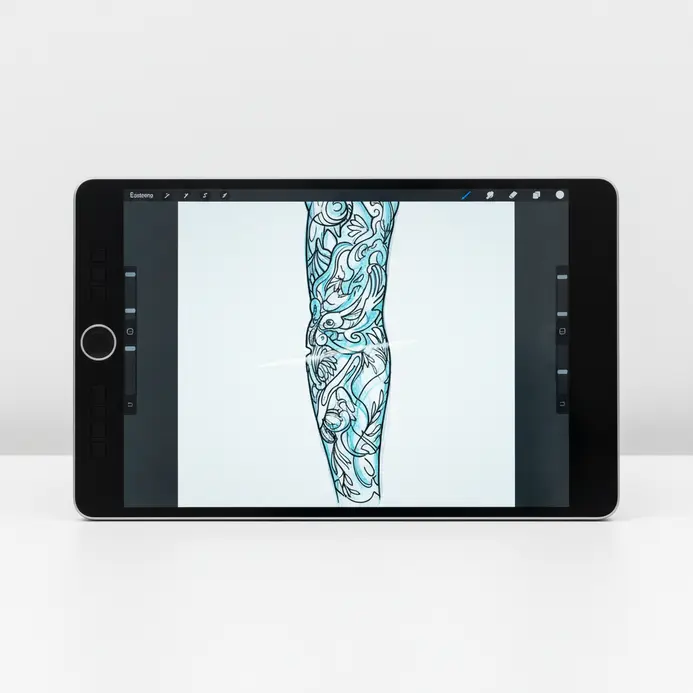
Ever wondered how professionals translate big ideas into seamless body art? That first meeting defines how to design a tattoo sleeve through true creative partnership. You bring your raw vision, and they apply their expertise on anatomy and technical limits. Trust me, this open conversation is the absolute foundation for permanent work you will love forever. Come prepared with organized ideas for your half sleeve. reference images that highlight your preferences and deal-breakers. Learning how to design a tattoo sleeve relies on watching them sketch rough sizes directly on your skin to test the visual weight. They will also walk you through pricing, deposits, and revision policies so nothing catches you off guard later while getting a tattoo sleeve. This transparent dialogue ensures your entire project feels exciting rather than overwhelming. Managing expectations early prevents costly mistakes. Does that sound like the perfect way to kick things off?
8. Finalize Your Sleeve Stencil Flow and Arrangement
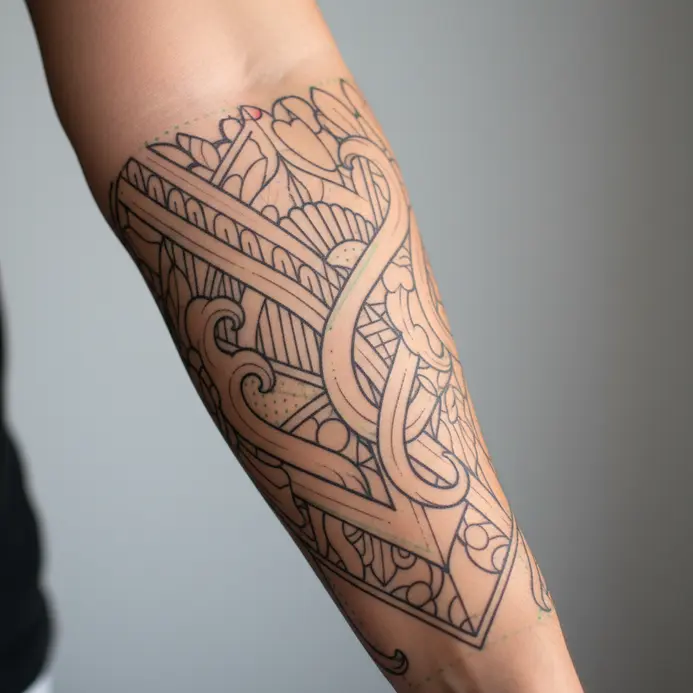
Ever feel like you are staring at a giant puzzle, trying to force individual pictures into one perfect frame? This final layout session is where everything snaps into place. You will watch them position the largest focal points first to anchor the entire layout. They will then arrange secondary elements and background textures, shifting the stencils until the composition wraps flawlessly with your upper arm contours. This is exactly how to design a tattoo sleeve properly, turning separate pieces into a unified narrative. You must flex your limb, sit, and check every mirror angle to catch awkward gaps. Give honest feedback until the placement feels completely balanced, because this step prevents disjointed edges and ensures your story reads clearly from shoulder to wrist. Do not rush it. Speaking up now guarantees you walk out happy.
9. Execute the Initial Large Scale Section of Your Sleeve
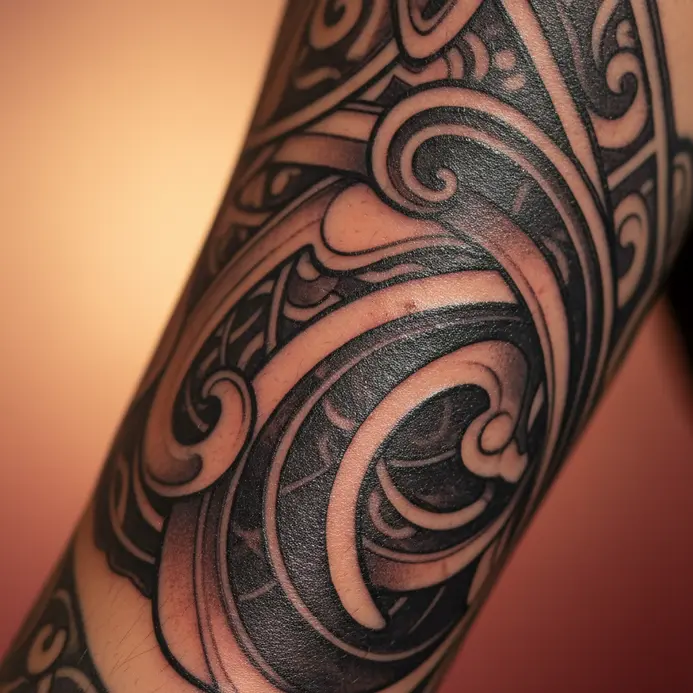
Ever feel that electric mix of excitement and nerves right before the first needle touches down? This appointment transforms your layout from paper into living art. The absolute key to surviving this day is rigorous pre-session preparation starting days in advance. Sleep fully, eat a heavy meal, hydrate well, and pack dark clothing plus snacks. During the tattooing process, your artist will map outlines and build shading while you manage the sensation through deep breathing during the process of designing your sleeve. Muscle tremors or heavy fatigue are totally normal during long sessions. Right after finishing, they will hand you strict aftercare cards that you must follow to the letter for flawless healing after getting a tattoo sleeve. Learning how to protect fresh ink starts now, and reading up on understanding tattoo color changes will save you from panic later when planning your patchwork sleeve. Trust that careful cleaning keeps the rest of your layout incredibly smooth.
10. Sequence Subsequent Filler and Background Sessions
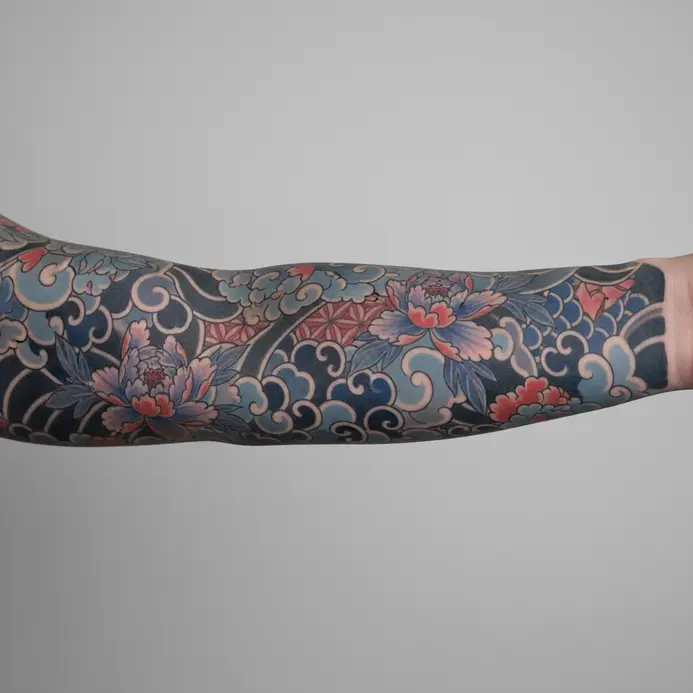
Ever wondered why some extensive ink looks perfectly balanced while other projects feel messy? It completely depends on the exact order of your follow-up appointments. After your heavy anchors heal, schedule specific days strictly for textures and filler that stitch the heavy anchors together in your larger pieces. Treat these touch-ups like painting walls before adding trim. You establish major background elements first to build depth and shadow. I love how to design a tattoo sleeve naturally by layering negative space and delicate patterns between your primary subjects over several months. Think of integrating integrating small tattoo ideas around heavy ink to soften transitions. Nailing this exact pacing makes the final reveal incredibly satisfying and structurally sound.
Long Term Preservation And Maintenance Regimens
A proper cleaning routine begins the moment you step out of the chair and continues forever. Follow your professional instructions exactly for the first few weeks, which means gentle washing and a thin layer of fragrance-free ointment. Once fully recovered, daily high-SPF sunscreen becomes non-negotiable when you step outside, since UV exposure ruins crisp lines faster than anything else. You will see natural softening over the decades, but booking quick touch-up visits will keep your skin artwork vibrant. Your body art deserves that ongoing respect.
Conclusion
Building a permanent body canvas is a deeply personal journey that freezes your personal history into living ink. It demands open communication, careful budgeting, and absolute trust in the studio process you selected. A massive project demands patience in both the planning phase and the chair, but that upfront effort dictates the final quality. Watching your concept materialize, session by session, creates a deeply rewarding bond between creator and creator. Taking the time to master how to design a tattoo sleeve ensures every inch of permanent ink honors your original story.
FAQs
Q: What is the difference between a full sleeve, quarter sleeve, and a style sleeve?
A: A full sleeve or full arm sleeve covers the entire arm from shoulder to wrist, while a quarter sleeve typically covers only the upper or lower arm. The term style sleeve refers to the overall aesthetic—realism, traditional, neo-traditional, Japanese (hikae), patchwork style, or blackwork—that determines how individual pieces will fit together. When planning a sleeve, decide whether you want a cohesive design that flows across the whole arm or a patchwork approach made of smaller images and individual pieces by different artists.
Q: How do I choose a motif and theme for my sleeve tattoo design?
A: Start by picking a theme for your sleeve that reflects your interests—nature, mythology, portraits, or even disney characters adapted professionally. A clear motif, such as floral, geometric, or traditional Japanese hikae elements, helps ensure that your sleeve flows and looks cohesive. Discuss your ideas with a tattoo artist to finalize motif placement and color choices so the entire sleeve reads as a single, cohesive design rather than disconnected imagery.
Q: How long does a custom tattoo sleeve or full sleeve tattoo take to complete?
A: Sleeve takes vary widely: a full sleeve tattoo can take dozens of hours spread over multiple sessions, and some sleeve projects can take even years to complete depending on complexity and healing between sessions. Many tattoo artists recommend booking multiple sessions spaced to allow proper healing between sessions; time between sessions is often several weeks to a few months, depending on size and color work.
Q: Should I use one artist or many tattoo artists for my arm tattoo?
A: If you want a cohesive design that flows across the whole arm, working with one artist—or an artist who specializes in sleeves—is usually best. However, tattoo collectors sometimes bring in different artists for individual pieces, creating a patchwork style. If you choose multiple artists, pick artists whose work complements each other and coordinate so the entire sleeve doesn’t look disjointed. Many tattoo artists can help blend different pieces into a unified sleeve.
Q: How do I plan placement and design flow when creating a tattoo sleeve?
A: Start by mapping the top and work your way down (or vice versa) and decide on focal points for the entire sleeve. Smaller spaces like the lower arm and smaller images can fill gaps and help you ensure that your sleeve flows. Your tattoo artist can help you create connecting elements—backgrounds, shading, or motifs—that make the sleeve design cohesive while honoring each individual piece.