1. Abstract Watercolor Splash (Because Rules Are Boring)
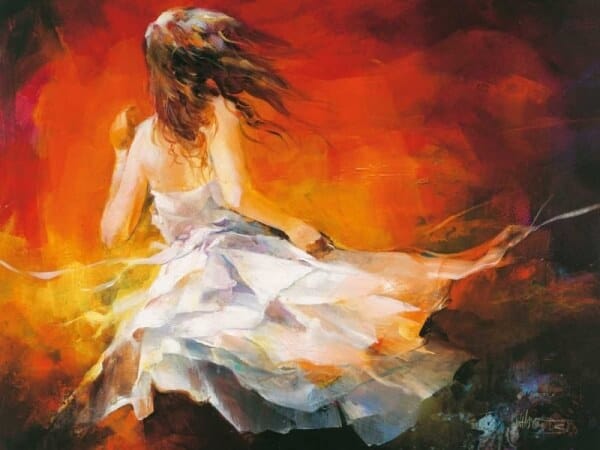
Jettison the idea you need a perfect picture; embrace the beauty of watercolor. Think wild color bursts, muddled pigments bleeding into each other, and sketchy lines that feel alive. A good tattoo artist can orchestrate chaos into something breathtaking. The key? Trusting an artist who gets abstract design and watercolor tattooing. Look for portfolios full of movement, not rigid copies. Seriously! This tattoo style transcends traditional outlines and is a truly unique way to express yourself through modern art.

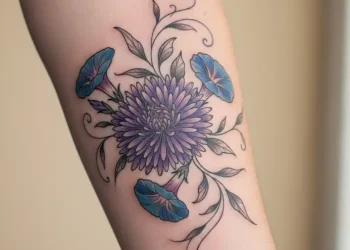
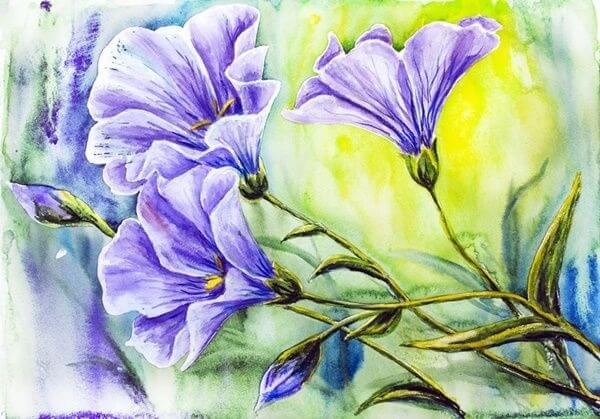
2. Flower Watercolor Tattoo Ideas That Actually Bloom
Forget flat petals. Watercolor paintings make florals cascade down your skin like they’re still growing. Imagine a rose tattoo where deep reds saturate the center, then blend into soft pinks at the edges, maybe with a green hue accenting a stem. This watercolor technique works beautifully for any flower tattoo, from a delicate lotus blossom to a vibrant peony. Here’s the twist: Delicate watercolor flower tattoo designs often trounce big, bold ones in longevity for watercolor. Fewer large color fields mean less potential fading drama. Guess what? A single, artful blossom makes a stunning first tattoo.

3. Mythical Creatures: A Unique Way To Use Watercolor
Unicorns, dragons, mermaids? Watercolor ink ignites their magic. Swirls of blue and green shimmer like scales, pastel horns glow, and fiery breath looks like it could burst right off your arm. What nobody tells you: These watercolor tattoo designs demand an artist skilled in both creature anatomy and watercolor tattoo technique. Otherwise, your dragon might just look like a muddy lizard. Ouch. Find someone who can wrestle color into believable fantasy, making your mythical creatures come to life.

4. Watercolor Galaxy Sleeve (Prepare For Stares)
Cobble together deep blues, vibrant purples, and shimmering white pigments to orchestrate your own night sky. Tiny star dots puncture the darkness, and maybe a planet swirls with vibrant hues. The key? Layering and shading. A great artist builds depth, making it feel infinite, not flat. Honestly, this is commitment – but the payoff? A stunning watercolor tattoo that’s pure body art wow.

5. Delicate Butterfly Watercolor Tattoo
Jettison the predictable monarch. Think translucent wings dusted with pastel yellows, soft blues, or even vivid hues like electric blue streaking across. The watercolor effect lets the wings look almost fragile, like they could flutter away. This concept is perfect for those seeking beautiful small tattoos. Here’s the thing: Placement matters. A dainty butterfly tattoo nestled behind an ear or on a wrist trounces a giant back piece for capturing that delicate feel. Seriously! Consider a watercolor butterfly for a touch of whimsy.

6. Single Statement Stroke Watercolor
Think less “picture,” more “artful gesture” in your watercolor art. One bold stroke of ink, maybe muddling from deep crimson to soft pink, sweeping across your skin. Simple? Yes. Powerful? Absolutely, watercolor tattoos are becoming a popular choice. What nobody tells you: This minimalist watercolor tattoo relies HEAVILY on the artist’s confidence and technical skill. A shaky line wrecks it. Find someone known for clean, bold work who can transcend the basic.

7. Watercolor Animal Portraits (With Soul)
Marinate a realistic animal outline with washes of watercolor. A wolf’s fur bleeds into greys and blues; a bird’s feathers bloom with unexpected vibrant colors. The key? Keeping the essential features sharp (eyes, key lines) while letting the color run wild around them. Honestly, this watercolor technique breathes incredible life into animal tattoo designs, creating a dynamic piece of art. Consider a watercolor bird tattoo or even a turtle tattoo for a unique spin.

8. Geometric Shapes Meet Watercolor Chaos
Contrast is king. Sharp triangles or clean circles contain or are sliced through by bursts of watercolor ink. The rigid lines anchor the splash, creating serious visual interest. Here’s the twist: This combo sidesteps some fading worries – the black ink lines hold the shape even if colors soften over time. Guess what? It’s a unique way to jazz up geometric ink.

9. Watercolor Quote With a Painterly Accent
Instead of plain script, let the letters blossom with color. Maybe the first letter bleeds into a splash, or vivid hues drip down from the words. What nobody tells you: Legibility is crucial. Don’t let the watercolor effect muddle the message. A skilled tattooist can balance artistry with clarity. Seriously, choose your words and placement wisely.

10. Seasonal Watercolor Tattoo Ideas
Capture the feeling of a season. Autumnal leaves blazing with reds, oranges, and yellows that blend together. Winter scenes with cool shades of blue and white dusted like snow. Spring florals in pastel bloom. Summer sunsets saturated with heat. The key? Using color theory specific to the season. Honestly, these make beautiful, evocative pieces of art.

11. Watercolor “Hidden” Element Tattoos
Tuck a small splash of unexpected watercolor within a larger blackwork piece. A burst of color inside a geometric shape, or vivid hues peeking from behind a detailed raven. Here’s the thing: These little surprises elevate traditional work and add a unique touch without going full watercolor. Ouch-free way to test the style!

12. The Amanda Wachob Inspired Abstract Floral
Channel the tattoo world pioneer. Think loose, expressive floral designs where petals cascade and muddle like real paint on paper, often using green hues and soft pastels. What nobody tells you: Truly capturing artist Amanda Wachob’s style requires an artist deeply studied in her watercolor tattoo techniques. It’s more than splatter; it’s controlled expressionism. Seriously research watercolor tattoo artists who specialize in this look.

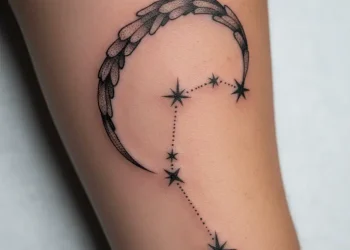
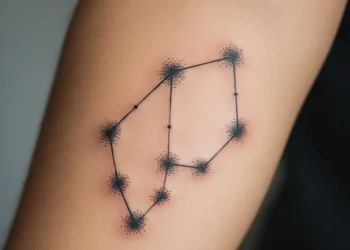
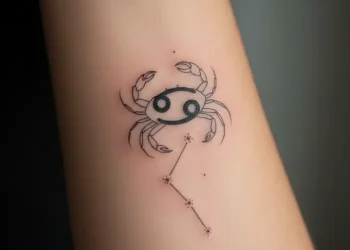
13. Watercolor Constellation Map
Dot delicate stars with tiny bursts of watercolor ink around them, creating shimmering nebulae in vivid hues of purple, blue, and pink. Connect the stars with fine, sketchy lines. The key? Scale and shading. Too big, and the magic gets lost; too dense, and it looks muddy. Honestly, this makes a beautiful watercolor tattoo for astronomy lovers of tattoos that look stunning.

14. Monochromatic Watercolor Masterpiece
Ditch the rainbow. Stick to varying shades of blue, or muddled greys and blacks, or soft pastel pinks. This creates a sophisticated, cohesive look for your favorite watercolor tattoo. Here’s the twist: Monochrome sidesteps some potential color-clashing issues and can look incredibly elegant. Guess what? It often ages more gracefully than multi-hued pieces.

15. Watercolor Dragonfly Tattoo (Delicate & Dynamic)
Capture the ethereal beauty and symbolism of change with a watercolor dragonfly. Their intricate, translucent wings are a perfect canvas for the watercolor effect, allowing for stunning blends of vibrant hues like electric blue, shimmering purple, or soft sunset colors. The key is in the details: fine, sketchy lines for the delicate body and veins contrast beautifully with the soft color washes on the wings. Here’s the twist: A dragonfly tattoo in this style makes for a breathtaking arm tattoo or a delicate piece along the collarbone or ankle. What nobody tells you: The long, slender form of a dragonfly is excellent for complementing the body’s natural lines, creating a flow that feels both organic and artistic. Seriously, this design merges the beauty of watercolor with a timeless symbol of adaptability.

Finding The Right Tattoo Artist For Your Design
The single most important decision you’ll make is choosing your tattoo artist. Not every artist at a tattoo shop is proficient in watercolor tattooing techniques. Look for a portfolio that is full of color and showcases healed work, not just fresh ink. A great artist will be transparent about how colors might fade and will design the tattoo to last. During your consultation, they should use a stencil to place the design, ensuring the core structure is perfect before the free-flowing color is added. Don’t be afraid to ask about their experience, or even their apprenticeship, to understand their background in the the tattoo industry is embracing many kinds of tattoos, especially watercolor styles..
Everything You Need To Know: A Reality Check
Wrestle with the facts before you get a tattoo. Watercolor tattoos often require more touch-ups because they lack the solid black ink outlines that contain the pigment in traditional designs. This lack of outline is exactly what makes watercolor tattoos feature so unique, but it’s a trade-off. Aftercare is CRUCIAL – jettison long soaks and strictly avoid direct sunlight, especially initially, to keep bright colors from fading prematurely. What nobody tells you: Not all skin tones hold every hue the same way. A consultation with an expert tattoo artist experienced in these specific watercolor tattoo techniques is non-negotiable. Seriously! Do not let just anyone cobble together your dream piece. Research artists whose portfolios sizzle with stunning watercolor work on your favorite Here are some watercolor tattoo design ideas that incorporate a beautiful watercolor background..
More Stunning Watercolor Tattoo Design Ideas for Inspiration


Conclusion
So yeah, think about the vivid hues in your next tattoo like a watercolor design. Watercolor tattoos are stunning – no doubt. But they’re also a commitment that starts with finding a killer tattoo artist who gets the style inside and out. Marinate on these watercolor tattoo ideas, pick what sparks joy for you, and ask all the right questions during your consultation. The success of your body art depends on a great design, a skilled artist, and your dedication to aftercare. Arm yourself with solid aftercare knowledge. Then? Go bloom with confidence. Your beautiful tattoo awaits.
FAQs
Q: What is a watercolor tattoo and how is it different from traditional tattoos?
A: A watercolor tattoo is designed to look like an actual watercolor painting on the skin, using soft washes of color, gradients, and often abstract art elements rather than the solid fills and solid black outlines common in traditional tattoos. While classic tattoo design relies on solid black outlines and clear shading, watercolor tattoos focus on creating a watercolor look that mimics painting with watercolor pigments, sometimes combined with black and gray details for contrast.
Q: Are watercolor tattoos suitable as ideas for your next ink?
A: Yes—watercolor tattoos make gorgeous watercolor tattoos and can be great ideas for your next tattoo or next ink if you want a vivid tattoo or subtle wash of color. Popular choices include watercolor butterfly tattoo, watercolor dragonfly, feather tattoo, and moon tattoo. When choosing ideas for your next piece, consider placement like an arm tattoo or collarbone tattoo to showcase the flowing color of a watercolor tattoo like a dragonfly tattoo.
Q: Will a watercolor tattoo fade faster than other types of tattoos?
A: Watercolor tattoos may fade differently because they often use less heavy black ink and more diluted color pigments; tattoos fade over time depending on sun exposure, skin type, and ink quality. Many watercolor tattoos require touch-ups to keep the watercolor pattern vivid, and adding watercolor elements to a design may affect long-term color retention compared with black and gray or solid black outlines.
Q: Do watercolor tattoos need a black outline to last or look defined?
A: Not always—some watercolor tattoo art intentionally avoids solid black outlines to preserve the painterly, like a watercolor painting effect. However, skilled in watercolor tattoo artists sometimes incorporate minimal solid black outlines or black and gray accents to provide structure, improve longevity, and make the design readable as it ages.
Q: Can you get a watercolor tattoo that resembles actual watercolor paintings or painting with watercolor?
A: Yes, highly skilled artists can recreate the watercolor pattern and feel of actual watercolor paintings on skin. This requires an artist experienced in the art of tattooing who understands color layering, dilution, and how pigments interact with skin to create that soft, blended appearance that looks like a watercolor painting.