




Key Takeaways: Preventing Your Tattoo from Turning Green
- Tattoos turn green due to the absorption of ink into the skin, causing a lightening of the concentration and resulting in a green hue.
- Black ink is particularly prone to turning green as it ages.
- Factors such as the brand of ink, exposure to sunlight, skin health, and skin tone can contribute to tattoos turning green.
- Using high-quality ink and following proper aftercare can help prevent tattoos from turning green.
- Protecting tattoos from sunlight and choosing a reputable tattoo artist is essential in preserving tattoo vibrancy.
Factors That Contribute to a Green Tattoo
When it comes to tattoos turning green, several factors come into play. The primary contributor is the absorption of ink into the skin over time. This process is particularly noticeable with older or low-quality inks, which have less stability. The ink, especially black ink, contains various shades, including dark green, which become more visible as the ink gets absorbed into the skin.
Additionally, exposure to sunlight can accelerate the aging process and contribute to tattoo fading. Sunlight contains ultraviolet (UV) rays that can break down the ink particles and cause colors to fade. The more exposure a tattoo has to sunlight, the faster it may fade and turn green.
One of the main reasons tattoos turn green is that the pigment in the ink changes over time. Originally, the black ink is made of densely packed deposits of ink. As the years pass, the body’s immune system slowly breaks down and absorbs these particles. As the deposit becomes less densely packed, the original color can shift, often revealing the underlying green or blue base of the black ink.
To better understand the factors causing green tattoos, let’s explore the role of ink absorption and the impact of sunlight exposure on tattoo fading.
Ink Absorption and Tattoo Fading
The absorption of ink into the skin is a natural process that occurs as the body’s immune system interacts with foreign substances like tattoo ink. Over time, the ink particles gradually disperse and become less concentrated in the skin, resulting in the tattoo appearing lighter and less vibrant.
Black ink, which is the most commonly used color in tattoos, contains shades of dark green. As the ink gets absorbed into the skin, these green pigments become more visible, leading to the tattoo turning green.
Sunlight Exposure and Tattoo Fading
Sunlight exposure can significantly affect the longevity and appearance of a tattoo. UV rays cause damage to the skin cells and break down the ink particles, leading to tattoo fading. The more intense and prolonged the sunlight exposure, the higher the risk of color alteration and fading.
To protect your tattoo from sunlight, it is recommended to apply a broad-spectrum sunscreen with a high SPF to the tattooed area. This helps protect the ink from UV damage and prevent premature fading. Wearing protective clothing or seeking shade when the sun is strongest can also minimize sunlight exposure and preserve the vibrancy of your tattoo.
Tattoo Ink and its Impact on Color Changes
Black ink plays a significant role in the color change that tattoos undergo over time. As black ink ages, it tends to turn green, creating an unwanted appearance. This color transformation occurs because black ink contains dark green shades, which become more noticeable as the ink is absorbed into the skin. While ink absorption is a natural process, using high-quality ink can help slow down the green color change.
One of the factors that contribute to the green color change is the quality of the ink used in the tattooing process. Older or low-quality inks are more prone to this color shift, as they have less stability. On the other hand, modern tattoo inks are typically formulated with stabilizers and better ingredients, making them more durable and less likely to turn green.
It’s important to remember that different manufacturers use a different base for their inks. Some inks are designed to be “black blacks,” while others might be “blue blacks.” Depending on the pigments used, these inks will age differently. This is why doing your research and choosing an experienced artist is so important—they will know which ink brand works best for longevity.
Choosing a reputable tattoo artist who uses quality ink is crucial to prevent issues with color change. Reputable tattoo artists often invest in high-quality inks that have been tested and have a track record of maintaining their color vibrancy over time. Additionally, the ingredients in high-quality tattoo inks are carefully selected to minimize the risk of color change, ensuring that your tattoo stays true to its original appearance for years to come.
How to Prevent Tattoos from Turning Green
- Choose a reputable tattoo artist: Ensure that your tattoo artist uses high-quality ink for your design. Older ink products are more prone to fading, so selecting a skilled and professional artist can make a significant difference in avoiding green tattoos.
- Protect from sun exposure: Sunscreen is vital for safeguarding your tattooed areas from harmful UV rays. Apply a broad-spectrum sunscreen with a high SPF to prevent the ink from fading due to sun exposure. This simple step can help preserve the integrity of your tattoo’s colors over time.
- Avoid friction: When choosing the placement of your tattoo, consider areas without constant rubbing or friction. Continuous friction can cause color change and fading. Opt for areas on your body with less movement or contact with clothing or accessories.
- Follow aftercare instructions: Your tattoo artist will provide you with specific aftercare instructions tailored to your tattoo. Follow these instructions diligently to ensure proper healing and color retention. This includes keeping your tattoo clean, moisturizing the area, and avoiding activities that may cause damage.
Understanding Tattoo Aging and Color Changes
As tattoos age, they go through a natural process of ink absorption into the skin. This absorption results in a gradual change in the appearance of the tattoo, including a decrease in the visibility of the ink and a decrease in the density of the remaining ink.
The color change that occurs during this aging process depends on the pigments used in the ink. With black ink, for example, the resulting hue is typically green or bluish as the ink gets absorbed and lightened.
It’s important to note that tattoo aging is a gradual process that takes place over several years or even decades. As the ink is absorbed into the skin, the tattoo may appear less vibrant and the colors may shift. This is a natural part of the tattoo aging process.
The location of your body art also plays a role. Body parts that experience more friction or sun exposure, like hands and feet, will often fade faster. This is why finger tattoos can fade easily and are more prone to blurring or turning into a blot that is unrecognisable later in life. When getting a tattoo, you may want to pick a more fleshy area to help the ink stay looking fresher for longer.
Understanding the ink absorption process and the resulting color changes can help you appreciate the unique character that tattoos develop over time. While some people may prefer the crispness of a fresh tattoo, others embrace the evolving nature of aging tattoos.
Tattoo Care and How to Prevent Color Changes
Proper care can help retain the color of tattoos for a longer period. One crucial factor is protecting the tattoo from UV rays by using sunscreen or covering it with clothing when exposed to the sun. Sun exposure is a leading cause of tattoo fade. Additionally, choosing a reputable tattoo artist and following their aftercare instructions can help maintain the tattoo’s vibrancy. In some cases, touch-ups by a skilled tattoo artist may be possible to correct fading or color changes, although the outcome may vary depending on various factors.
To improve the longevity and appearance of your tattoo, consider the following tips:
- Tattoo Aftercare: Follow the aftercare instructions provided by your tattoo artist to ensure proper healing and minimize the risk of complications. This may include cleaning the tattoo gently, applying aftercare ointments, and avoiding excessive exposure to water.
- Protecting Tattoos from the Sun: Sun exposure can cause tattoos to fade faster. Use a high SPF sunscreen specifically formulated for tattoos or cover your tattoo with clothing when spending time outdoors.
- Moisturizing the Skin: Keeping the skin well-hydrated can help maintain the tattoo’s appearance. Use a fragrance-free, non-comedogenic moisturizer to prevent dryness and flaking.
- Avoiding Friction: Areas of the body that are prone to friction, such as joints or areas where clothing rubs against the tattoo, can cause color loss. Consider the placement of your tattoo and choose an area that is less likely to experience constant rubbing.
- No Picking or Scratching: Avoid picking or scratching your tattoo, as this can disrupt the healing process and lead to color loss or scarring.
| Aftercare Instruction | Description |
|---|---|
| Clean the tattoo | Gently wash the tattooed area with mild, fragrance-free soap and lukewarm water. Avoid scrubbing or soaking the tattoo. |
| Apply aftercare ointment | After cleaning the tattoo, apply a thin layer of aftercare ointment recommended by your tattoo artist. This helps keep the tattoo moisturized and promotes healing. |
| Avoid direct sunlight | Avoid exposing the tattoo to direct sunlight or tanning beds, as UV rays can fade the ink and increase the risk of complications. |
| Avoid submerging in water | Avoid swimming pools, hot tubs, and baths during the healing process, as prolonged exposure to water can interfere with the healing process. |
| Avoid picking or scratching | Don’t pick, scratch, or peel the tattoo. Doing so can disrupt the healing process and increase the risk of infection. |
Ensuring Tattoo Quality and Longevity
When it comes to tattoos, quality plays a crucial role in preserving the color and longevity of your ink. By using high-quality ink and seeking the services of a skilled tattoo artist, you can ensure that your tattoo remains vibrant for decades, without significant color change. Investing in a quality tattoo is not only a statement of personal expression but also a wise investment in the longevity of your body art.
High-quality tattoo ink is formulated with stability in mind, reducing the chances of premature color fading or the dreaded green hue that can occur over time. When you choose a reputable tattoo artist who uses top-notch inks, you can rest assured that your tattoo will age gracefully, maintaining its original beauty for years to come.
To further enhance the longevity of your tattoo, taking proper care is essential. This includes following the aftercare instructions provided by your tattoo artist, which may involve moisturizing, avoiding direct sunlight, and gentle cleaning. By following these guidelines, you can significantly extend the lifespan of your tattoo’s vibrant colors.
Furthermore, investing in a quality tattoo can help you avoid the need for frequent touch-ups. While all tattoos naturally fade over time due to factors like exposure to sunlight and the body’s natural shedding of skin cells, a well-executed, high-quality tattoo will fade gradually and evenly, maintaining its aesthetic appeal.
Benefits of High-Quality Ink and Tattoo Longevity
- Extended vibrancy of tattoo colors
- Reduced chances of premature color change, such as turning green
- Minimized need for frequent touch-ups or color corrections
- Enhanced overall appearance and satisfaction with your tattoo investment
| Benefits | Quality Tattoo | Low-Quality Tattoo |
|---|---|---|
| Longevity of Colors | Decades without significant color change | Prone to premature fading and color shifting |
| Need for Touch-ups | Minimal touch-ups required | Frequent touch-ups needed to maintain color vibrancy |
| Overall Satisfaction | Ensures long-lasting satisfaction with your investment | Potential disappointment with fade and color changes |
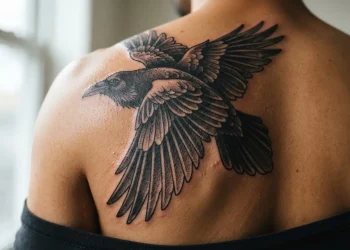
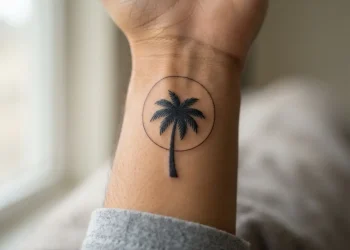
Aged Tattoos Then and Now: Visual Examples of Color Changes
2 Years


3 Years


9 Years

10 Years


15 Years

53 Years


Conclusion: How to Prevent Color Changes in Tattoos
In conclusion, the phenomenon of tattoos turning green is primarily attributed to the natural absorption of ink into the skin over time. Black ink, in particular, is more prone to this color change due to the presence of dark green shades within its composition. However, it is possible to slow down this process and preserve the vibrancy of tattoos with proper care and the use of high-quality ink.
To ensure the longevity of tattoo colors, it is crucial to protect them from sun exposure by applying sunscreen or covering them with clothing. Following the aftercare instructions provided by a reputable tattoo artist is also essential in maintaining the tattoo’s vibrancy. By taking these proactive steps, individuals can enjoy their tattoos for decades while minimizing the risk of color fading or turning green.
While all tattoos will naturally fade over time, investing in a quality tattoo and practicing proper care can significantly prolong their vibrancy. By choosing a skilled tattoo artist and using high-quality ink, individuals can avoid premature color changes and the need for frequent touch-ups. While it is impossible to completely stop the aging process, these measures can help tattoos retain their beauty for a longer duration.
FAQs
Q: Why does black ink turn green or blue over time?
A: The main reason tattoos turn green and blue is because black ink is often made from a base of dark blue or green pigments. Over many years, as the densely packed deposits of ink are slowly absorbed by the body, the black color thins out, revealing the underlying green hue of the original pigment.
Q: Can the quality of the ink prevent my tattoo from turning green?
A: Yes, ink quality is a major factor. High-quality ink from reputable manufacturers is formulated to be more stable and fade-resistant. While all ink will eventually age, a professional tattoo artist using a top-tier ink brand significantly increases the chances your ink will stay looking fresh for much longer.
Q: How much does sun exposure affect a tattoo turning green?
A: Sun exposure is one of the biggest enemies of a tattoo. UV rays break down the tattoo pigments in your skin cells, accelerating fading and color changes. It’s crucial to be diligent when it comes to slathering your tatts in sunscreen to protect your investment and keep the original color for as long as possible.
Q: Will a tattoo touch-up fix a green tattoo?
A: A touch-up can sometimes help, but it isn’t always a perfect solution. A skilled tattoo artist can go over the faded lines with fresh black ink to restore the density and cover the green hue. However, the old ink is still under the new layer and may continue to spread, so results can vary.
Q: Do tattoos on certain body parts fade or change color faster?
A: Yes, the location of your body art matters. Tattoos on high-friction areas like hands, fingers, elbows, and feet tend to fade much faster because the skin cells in those areas regenerate more quickly. If you want your ink to stay looking fresher for longer, it’s often best to pick a more fleshy and protected area.











Discussion about this post