
Oral Mucosa Versus External Skin Tattooing
An inner lip tattoo often loses visible sharpness sooner than a tattoo on external skin because the needle places ink in fast-renewing oral mucosa. Saliva, chewing, tongue contact, teeth, speaking, and acidic drinks repeatedly rub or irritate the area throughout the day. This constant exposure explains why a small word or line often softens, lightens, or develops uneven gaps during the first months. External skin holds pigment in a thicker, more stable environment, while mouth tissue renews its surface quickly during healing, which directly shapes how long do inner lip tattoos last. Ink depth, line thickness, color, and personal healing still change the timeline from one person to another.
Treat the result as semi-permanent rather than guaranteed to disappear. A faint outline or blurred pigment might last for years, even after the original design stops looking clear.
Healing Changes Requiring Dental Attention
Severe swelling, worsening pain, pus, fever, or bleeding after the early healing period warrants prompt dental assessment. Mild tenderness, swelling, surface peeling, and patchy color often appear while oral tissue heals, so early unevenness does not prove the ink has faded permanently. When evaluating how long do inner lip tattoos last, remember that pain intensifying instead of easing points to irritation or infection risk, especially alongside a foul taste, discharge, or trouble opening the mouth.
Persistent sores, numbness, tooth rubbing, or a design area continuing to break down also deserves professional review. Do not scrub the tattoo, pick at peeling tissue, or apply household products inside the mouth. A dentist or qualified tattoo professional should assess symptoms before any touch-up, since adding ink to unsettled tissue raises further irritation.
1. Mucosal Tissue Cell Turnover Rate and Ink Fading

Ever wondered why an inner-lip tattoo fades faster than ink on your arm? The inner lip is oral mucosa, a thin, moist lining unlike the deeper dermal layer used by ordinary skin tattoos. Surface cells turn over quickly, with some lining areas renewing in about 5 to 10 days, which helps clarify how long do inner lip tattoos last, while one estimate measured superficial shedding in roughly 2.7 hours. More keratinized areas take several weeks.
As cells move toward the surface, pigment caught inside them leaves with normal shedding. Saliva and friction add daily stress through eating, drinking, chewing, speaking, toothbrushing, and repeated rubbing. Inflammation and immune-cell activity also affect how pigment spreads or fades. This helps explain why two tattoos on the same inner lip often change at different speeds, a factor to weigh when estimating how long do inner lip tattoos last.
Deeper ink placement often leaves pigment in tissue longer, while shallow work often fades within weeks or months. Deeper pigment sometimes lasts for years, yet it might look blurred, patchy, or diffuse rather than cleanly disappear. I love this detail because it keeps expectations honest: cell turnover is not a countdown to fading, which clarifies why guessing how long do inner lip tattoos last requires patience. Ask a qualified tattoo professional about placement, and seek medical care for signs of infection, strong inflammation, or scarring.
2. Mechanical Friction and Saliva Exposure in Daily Life
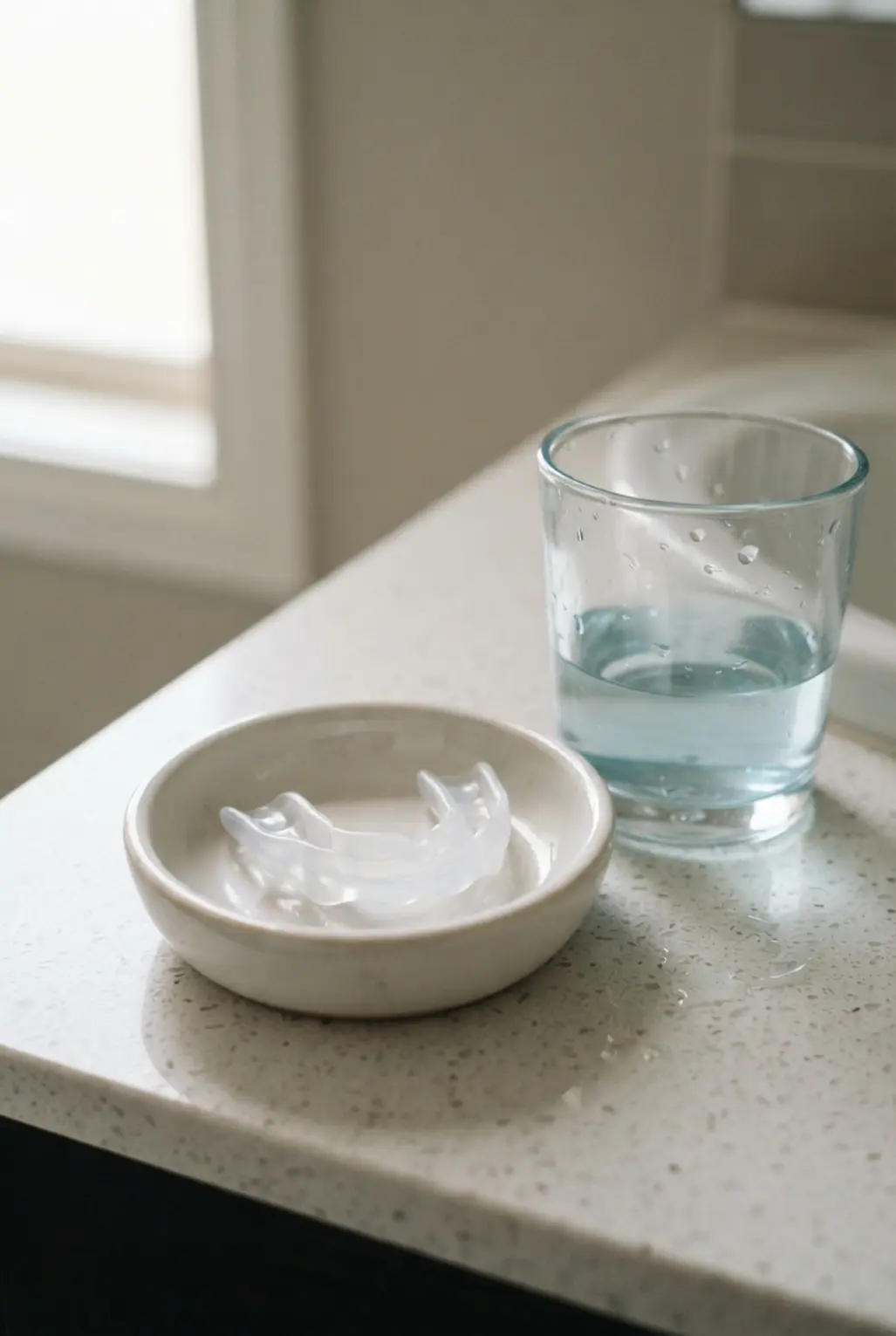
Inner lip tissue gets a surprising amount of daily action, so repeated rubbing matters more than many people expect. Chewing, swallowing, speaking, and tongue movement create steady contact with teeth and nearby tissue. A fresh inner lip tattoo faces this motion while its surface settles. Sound uncomfortable? Tenderness is common after repeated contact, especially with accidental biting or rough dental edges, creating steady friction that shapes how long do inner lip tattoos last during early settling.
Saliva helps oral surfaces slide with less friction while hydrating tissue, diluting irritants, buffering acids, and clearing food particles. During meals, salivary flow rises with chewing, giving the area more lubrication and cleansing. Dehydration, medication use, aging, or certain health conditions reduce moisture, making ordinary movement feel harsher. I love this simple reminder: saliva does much more than keep your mouth wet, and it quietly influences how long do inner lip tattoos last through moisture balance.
Keep drinking water and use gentle oral hygiene while the area feels sensitive. Braces, retainers, dentures, sharp teeth, or rough restorations deserve attention if one spot keeps reopening. Persistent soreness, redness, thick white ink tattoo fading rates, or an ulcer needs dental evaluation rather than an assumption about friction. Does the area keep rubbing in the same place? Fixing the contact point helps protect healing tissue and keeps irritation from continuing, so remember this detail when tracking how long do inner lip tattoos last.
3. Ink Pigment Saturation and Tattoo Depth
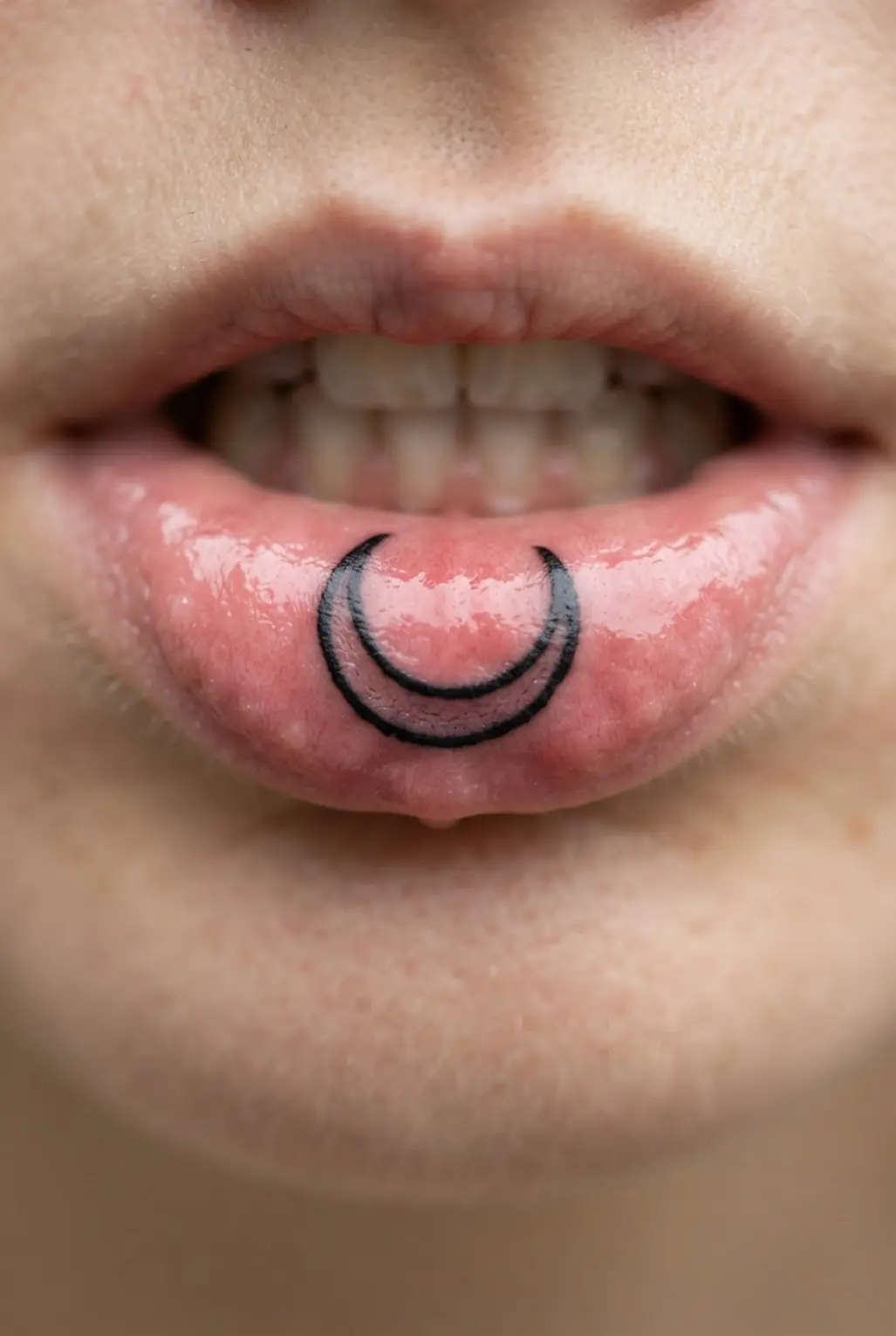
I was skeptical about how much depth affects fading until I saw healed inner-lip tattoos side by side. Pigment saturation describes how densely ink sits in the tissue, while depth describes its placement. A fresh tattoo often looks darker because surface ink mixes with blood, plasma, and irritation. After healing, weak saturation often appears pale or patchy. How does deeper ink fit into the picture?
A needle placed too shallow leaves pigment near the renewing surface, so much of it disappears as cells shed. Proper placement puts pigment within a suitable dermal zone, while excessive depth raises the risk of blurred lines, pigment migration, swelling, and scar tissue. Inner-lip tissue is mucosal, so it needs a white ink tattoo fading rates with this location rather than a fixed depth used for every body area. This anatomical reality directly controls how long do inner lip tattoos last.
Repeated passes might strengthen coverage, but overworking the tissue often harms healing instead of improving color. Trust me on this one: a vivid fresh result does not prove correct depth or lasting saturation, a detail to note before guessing how long do inner lip tattoos last. Ask your artist how the design should look after healing, then follow the aftercare plan closely. This distinction makes faded sections easier to understand and helps set realistic expectations for touch-ups.
4. Typical Fading Timeline Estimates for Inner Lip Tattoos

At first, an inner-lip design often looks dark, soft-edged, and slightly blurred, with the tissue still tender during early healing. Over the first few days to two weeks, some pigment can leave the area, especially after uneven ink placement. A clear healing timeline helps you read these early changes without assuming the final result is already visible. Does it vanish after one quick phase? Not always.
Early fading often shows up between one and three months, with fine lines, tiny lettering, and lighter shades losing clarity first. From three to twelve months, many designs look patchy or muted, and noticeable fading frequently appears within six to twelve months. After one to three years, a soft outline, shadow, or isolated dark pigment might remain, with black ink sometimes lasting for several more years. Touch-ups extend visibility, while smoking, lip rubbing, food acids, and saliva add daily irritation. A complete disappearance isn’t guaranteed. Persistent soreness, swelling, unusual pain, or gum changes deserve an oral-health check from a dental or healthcare professional. Feel prepared before making your choice.
5. Common Design and Font Limitations for Inner Lips
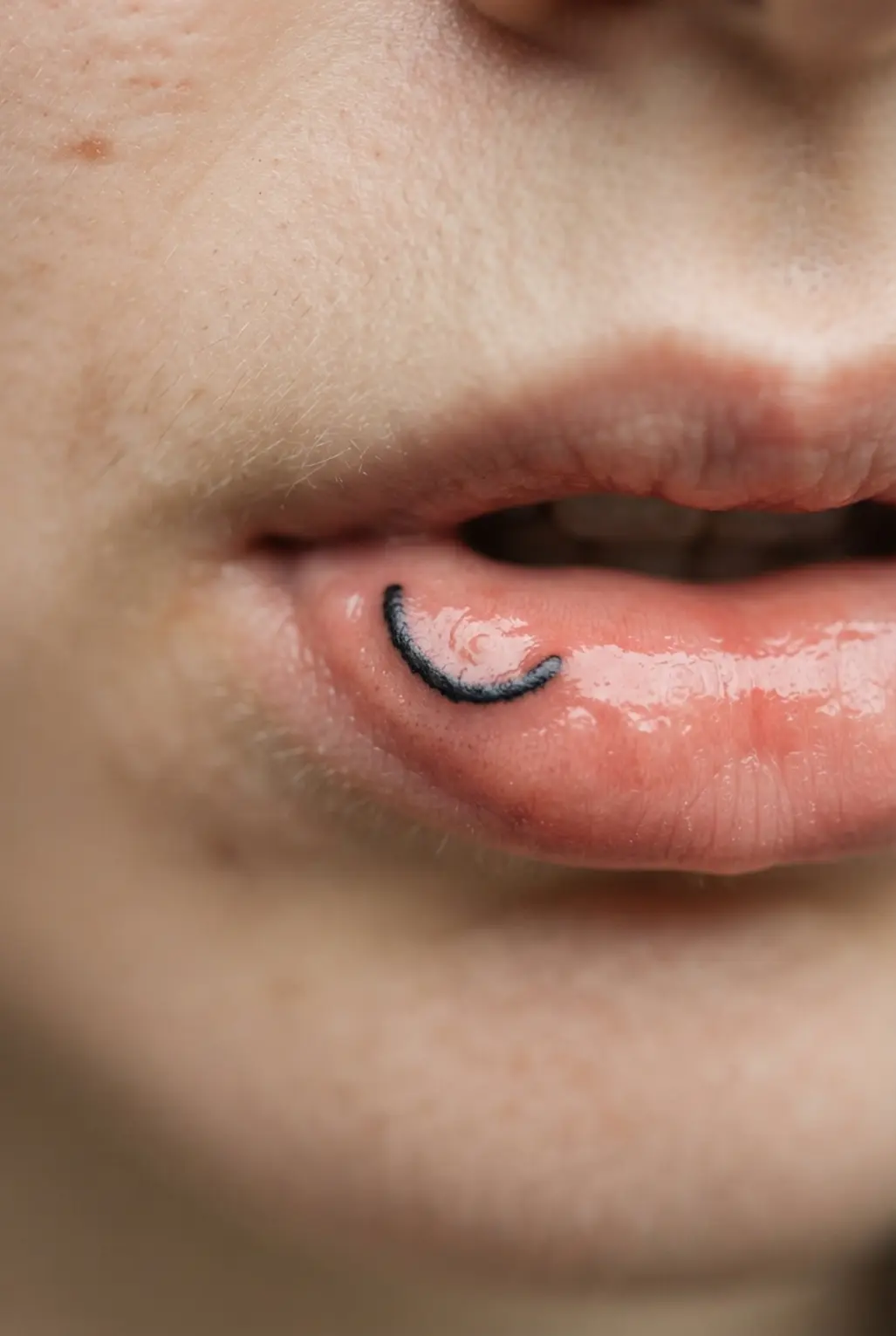
A tiny inner-lip tattoo does not give every font a free pass. Ever tried reading thin script after the letters shrink and soften? Fine strokes, tight loops, long phrases, and heavy shading often lose clarity as the tattoo heals. Start with bold block lettering, short words, or a basic symbol with open spaces between each part.
Check the artwork at its intended size, then view it with the lip relaxed and stretched. Uppercase sans-serif letters often stay clearer than delicate lowercase script, while black ink offers stronger contrast than pale shades. Your artist should assess the natural fold of your lip, since movement and placement might hide part of the design. I love this tip because a few careful spacing changes often make a small tattoo far easier to read. Keep the design compact, clean, and easy to recognize, and you will feel proud when the healed result still looks crisp.
6. Chemical Impact of Oral Products on Tattoo Longevity

Skip the idea of toothpaste scrubbing ink away, and focus on the healing tissue instead. Tattoo pigment sits below the surface, so ordinary toothpaste and mouthwash do not chemically erase it, while an inner-lip tattoo touches these products directly during early healing. Use gentle oral care, follow your artist’s instructions, and pause any product causing burning or stinging. Is the mouthwash itself the reason an inner-lip tattoo fades? Usually, no. Irritation, not chemical bleaching, is the realistic concern.
Heavy drinking soon after the appointment brings different concerns. Alcohol is best viewed as a healing risk, since dehydration, poor decisions, picking, and slower wound repair raise the chance of scabbing, infection, or uneven pigment retention. Nicotine constricts blood vessels and reduces oxygen reaching injured tissue, while smoke toxins add more strain. Nicotine gum, lozenges, pouches, and vapes still deserve care during healing. I love this simple rule: protect the healing tissue first, then worry about fading. Avoid heavy alcohol during the first several days, and minimize nicotine until the area settles.
7. Individual Skin Chemistry Variations and Ink Retention
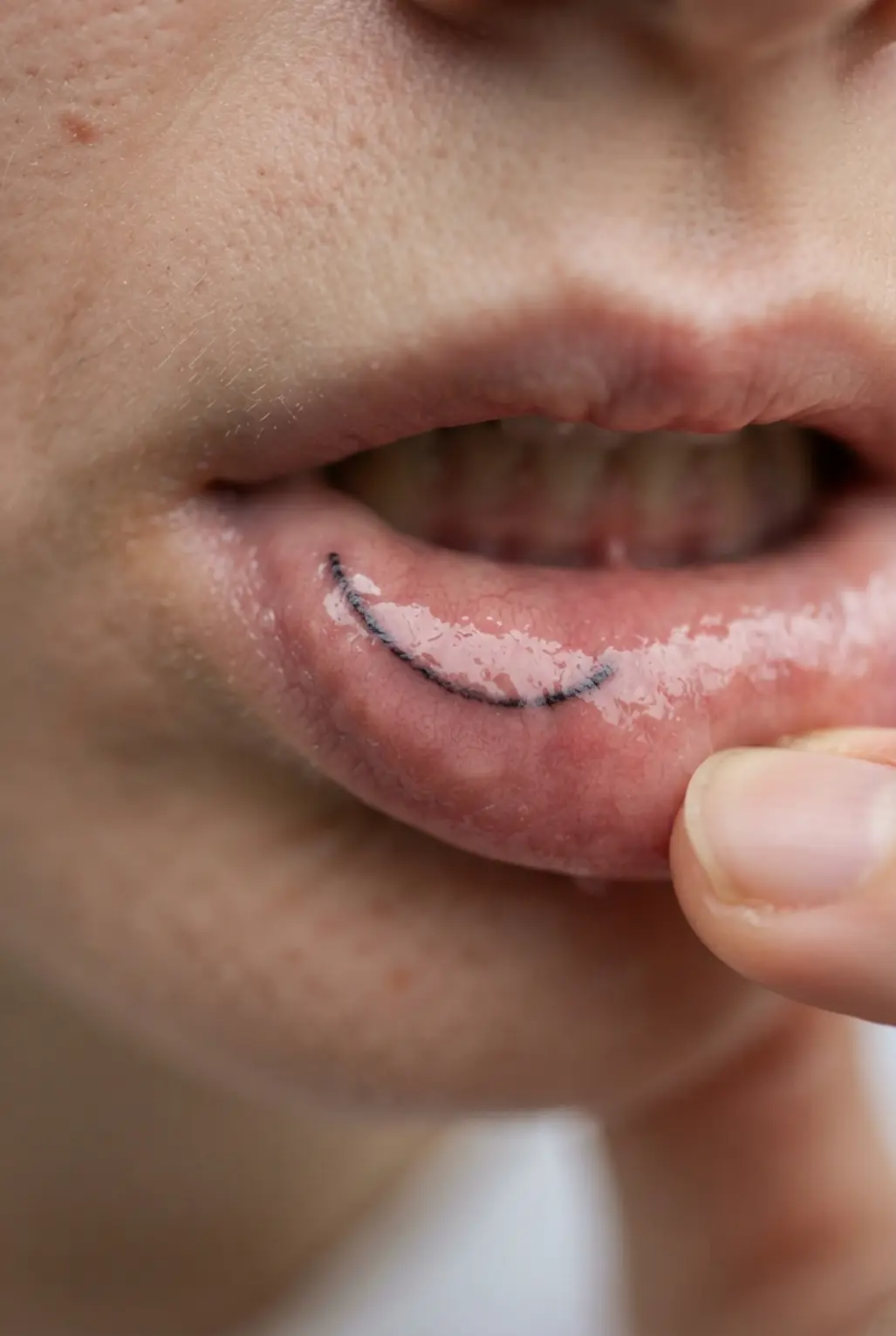
Why does one inner-lip tattoo hold its color longer than another? Ink enters the dermis, where macrophages and other skin cells take up pigment. Some pigment stays inside these cells, while released particles get captured again as cells die. I love this detail because it explains why normal skin renewal does not erase the design overnight.
Your skin’s oil, hydration, and pH shape the early healing period. Dry or irritated tissue often scales more, while prolonged inflammation disturbs pigment distribution. A stronger immune response sometimes brings swelling, itching, or thickening. Follow your artist’s gentle healing care advice closely, and do not treat surface oiliness as proof of ink rejection. This personal biology is one reason identical inner-lip tattoos heal with different levels of fading.
A lighter-looking tattoo does not always mean pigment has vanished. Melanin, tanning, epidermal thickness, scarring, and light scattering change contrast, so the design might seem softer even with pigment still held in the dermis. Persistent swelling, itching, thickening, or raised texture deserves professional medical assessment rather than self-diagnosis. Trust me, reading the skin’s response this way gives you a more honest sense of lasting ink.
8. Health Risks and Infection Potential Before Booking
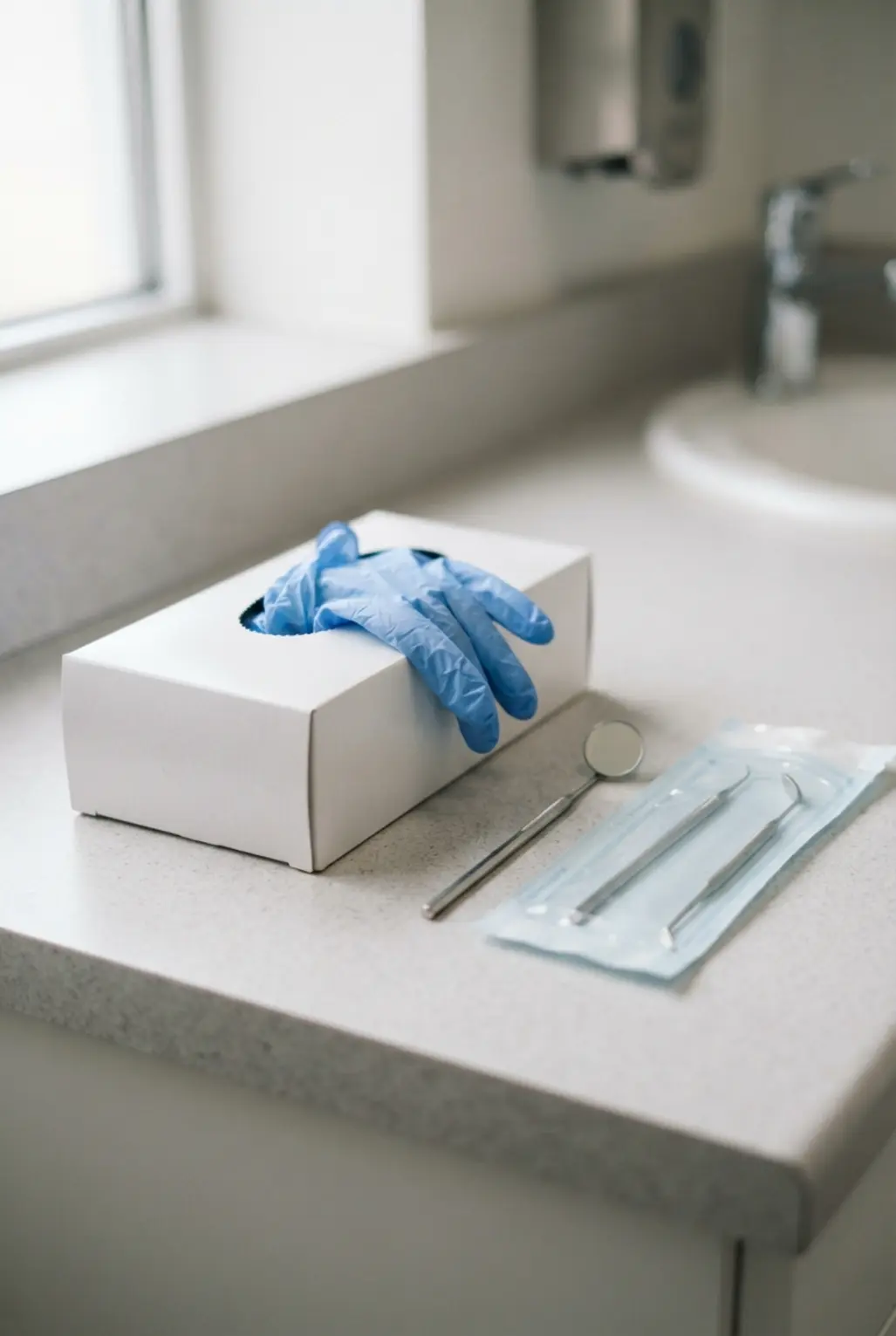
An inner-lip white ink tattoo fading rates separate health check before you book, because the placement sits inside the mouth rather than on external skin. I’d ask the studio to explain its infection-control process, including equipment sterilisation, fresh single-use supplies, and hand hygiene. The supplied research does not verify a risk level, so avoid treating familiar skin-tattoo advice as complete oral guidance.
Sound straightforward? It still needs careful questions. Ask which ink is intended for oral tissue, and request an answer supported by recognised health guidance. I love a careful booking chat, since it gives you space to mention mouth sores, dental conditions, or immune-related concerns before an appointment. Do not rely on casual claims about healing, fading, or timelines.
A qualified medical professional is the right person to advise you about your personal situation. Before booking, ask about qualified medical advice and follow studio guidance supported by public-health standards. Pro tip: write down each answer, then pause before the appointment until you feel informed rather than rushed. This small step keeps your decision calm and clear.
9. Professional Aftercare and Maintenance Tips for Oral Tattoos

I love this part because careful aftercare gives a fresh oral tattoo its best start. Treat the inner lip as a mucosal wound, not like ordinary skin. Wash your hands before touching it, then avoid rubbing, biting, pulling, or stretching the tissue. Practice gentle rinsing after meals with plain water or an alcohol-free mouthrinse, while keeping twice-daily brushing with a soft-bristled toothbrush. Sound fussy? It is a small routine with a big comfort payoff.
For the first few days, soft, cool foods often feel kinder than hot, spicy, acidic, salty, or crunchy choices. Floss with care and keep the area clean without forceful swishing or repeated scrubbing. Skip alcohol, smoking, vaping, recreational drugs, and harsh products such as hydrogen peroxide, skin-tattoo balms, petroleum ointments, or fragranced creams. Never apply external tattoo products inside the mouth unless a qualified professional confirms oral use. This is my go-to tip: less friction means less irritation while the tissue settles.
Saliva, eating, friction, and fast mucosal turnover explain why oral tattoos often fade or blur sooner than tattoos on external skin. A lighter look during healing does not mean you need an immediate touch-up. Wait for complete healing before judging the final color or booking any correction. Mild tenderness, swelling, or color change sometimes occur, but worsening pain, swelling, discharge, fever, or other unusual signs deserve prompt advice from a dentist or physician. I find realistic expectations make maintenance far less stressful, especially for anyone asking how long do inner lip tattoos last.
10. Reality of Permanent Partial Visibility After Fading
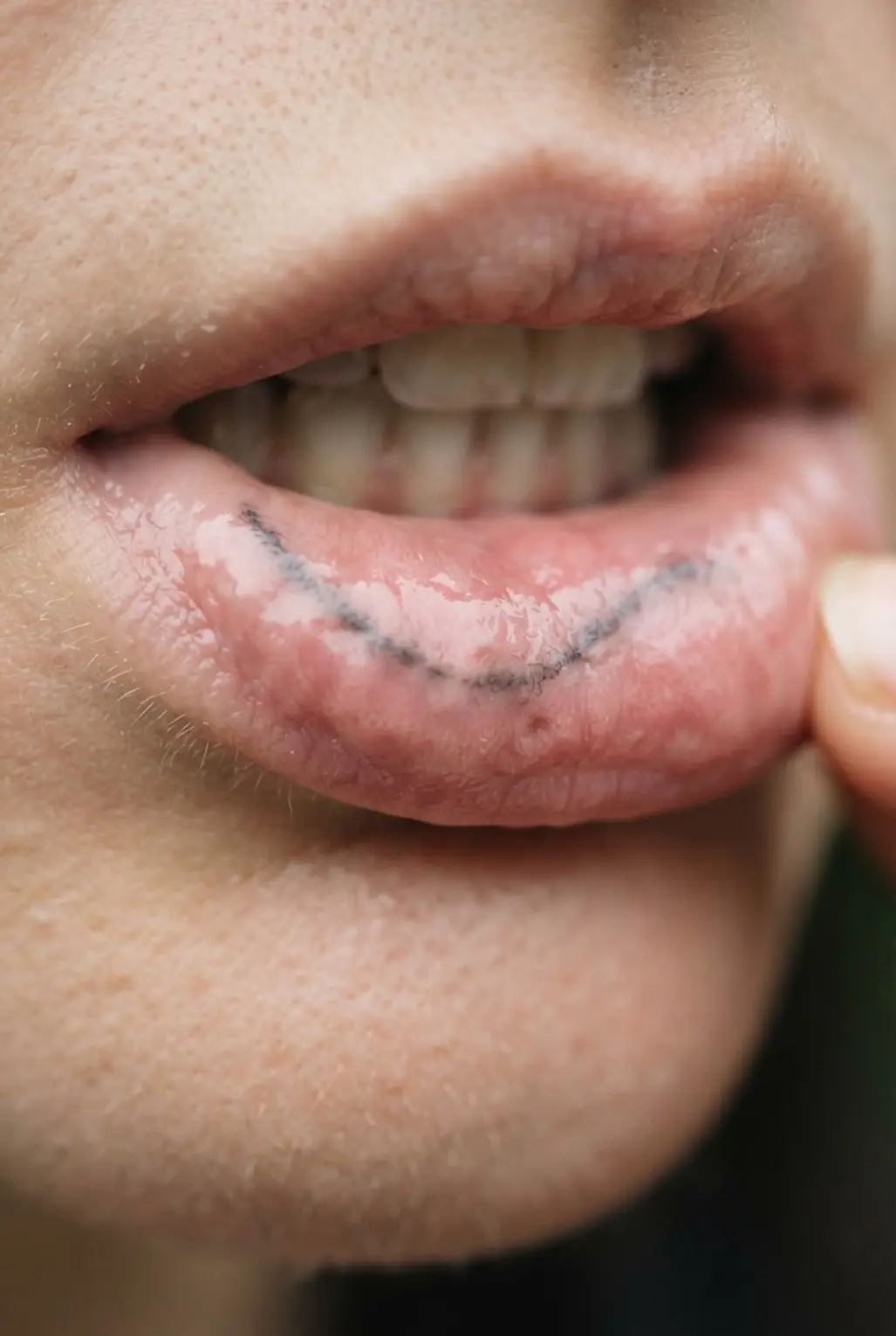
A faded inner-lip tattoo might appear as a soft gray trace, a broken outline, or no visible mark at all, depending on the person and the tattoo. Does a faint mark mean the pigment will stay permanently? Current research supplied for this topic gives no verified timeline or firm answer about faint residual pigment. A tattoo that looks absent under one light might seem easier to spot under another, so appearance alone does not prove complete disappearance.
I prefer treating fading as a change in visibility, not proof the tattoo has vanished. No source-backed details confirm how ink type, needle setup, healing, or inner-lip placement affect lasting partial visibility. Your own result deserves an individual assessment from a qualified tattoo professional or dermatologist, especially if you notice lasting color, irritation, texture changes, or uncertainty about what you see. For anyone asking about fading, the safest answer here is personal variation with no verified promise of total removal or permanent visibility. Keep your expectations flexible and judge the healed result over time, not from an early look.
Professional Evaluation Of Persistent Pigment
Pigment still visible after the design fades deserves a dental examination when it sits beside a sore, lump, color change, or ongoing tenderness. Some inner lip tattoos leave blurred blue, black, or gray traces for years, even after most lines disappear. A stable, painless mark often reflects retained ink rather than an urgent problem, yet appearance alone does not identify its depth or cause. A dentist checks the surrounding mucosa and rules out trauma from teeth, irritation, or another oral lesion.
Bring the original tattoo date, ink color, and any recent changes to the appointment. Avoid another tattoo session until a clinician clears unusual tissue changes, since a touch-up hides visual evidence and adds fresh injury. Seek prompt care for rapid growth, drainage, increasing pain, or bleeding without friction.
Conclusion
So how was your decision-making session? A small inner lip tattoo often carries a private joke, a memory, or a message meant for you first. Personal meaning deserves honest expectations, because fading feels appealing to some people and disappointing to others. Now you know why saliva, rubbing, cell turnover, ink depth, design size, and oral products shape the result. Health concerns also deserve attention rather than dismissal. Before booking, ask the artist about mucosal experience, sterile practice, healing care, and steps for soreness or swelling. Keep the design simple, follow the aftercare directions, and seek medical help for worsening pain, pus, fever, or spreading redness. How long do inner lip tattoos last is still an individual question, so choose with patience rather than a promise of permanence. I hope your choice feels personal, informed, and comfortable each time you smile. Track how long do inner lip tattoos last over your own schedule, pick the design only when it feels right for you.
FAQs
Q: Will an inner lip tattoo fade completely?
A: Many inner lip tattoos fade to faint marks or disappear from view. Others keep partial lettering or outlines for years, so complete fading never comes with a guarantee. Oral tissue renewal speed and daily friction directly determine the fading pace.
Q: Is fading during the first few weeks normal?
A: Early lightening often happens as the mouth heals and surface cells renew. Fast fading still deserves a message to the artist, especially when ink disappears unevenly or soreness increases. Initial pigment loss typically stabilizes once mucosal shedding slows down.
Q: Does an inner lip tattoo hurt more than a regular tattoo?
A: Most people describe the session as brief but sensitive. Mouth movement, saliva, and tenderness after the appointment add to the discomfort during healing. Numbing options and short application windows usually make the process manageable.
Q: What health risks come with an inner lip tattoo?
A: Possible problems include infection, allergic reaction, prolonged swelling, and painful irritation. Worsening pain, fever, pus, or spreading redness call for medical attention. Professional sterilization and proper aftercare significantly reduce complication rates.
Q: How should I choose lettering for an inner lip tattoo?
A: Choose bold, simple lettering with enough spacing for the small area. Fine details and crowded fonts lose clarity sooner as the ink softens and fades. Minimalist designs with high contrast tend to retain visibility longest.