Beyond the Basics: The Nuanced World of Line Drawing
Line drawing is far more than an outline; it is the foundational language of art, capable of capturing everything from the precise geometry of architecture to the fleeting energy of a gesture. Many examples of line drawing art reveal that the true magic happens in the interplay between methods, where a calligraphic stroke conveys emotion or negative space amplifies a minimalist portrait. This exploration moves past simple definitions to uncover the practical how and expressive why behind powerful linework. It gives you context to not only identify techniques but also apply them with intention in your own artistic practice.
From Stroke to Statement: How Lines Build Meaning
Every mark you make carries weight, both visually and psychologically. In many examples of line drawing art, the choice between a hesitant, broken line and a confident, continuous one tells a story before the subject is fully recognized. Historical masters like Picasso understood this, using the ‘blotted line’ approach to inject spontaneity, while Paul Klee used graphic lines to explore the imaginative and abstract. Today, we bridge classic fundamentals with modern application, examining how tool choice affects stroke character, how to combine techniques for hybrid styles, and how to build a personal line vocabulary that moves beyond imitation toward authentic expression.
1. Minimalist Continuous Line Botanical Examples for Your Sketchbook
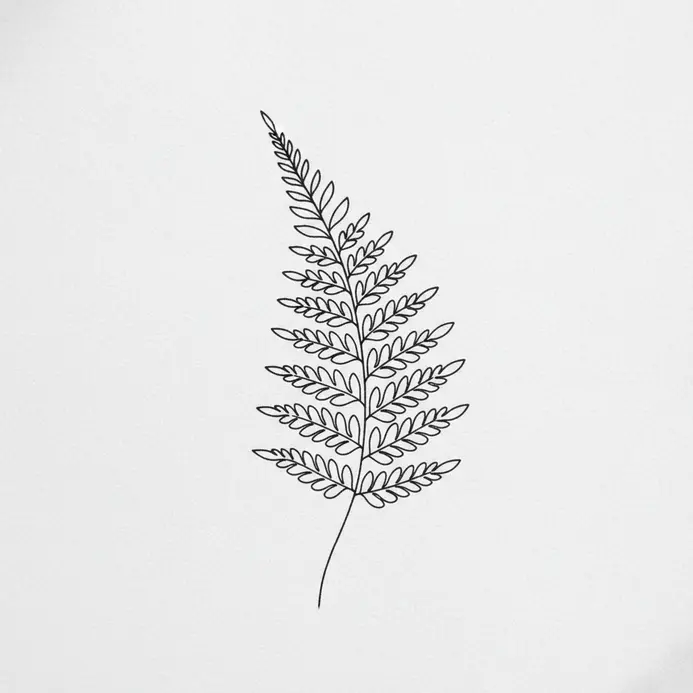
Have you ever wanted to create elegant, meditative art with one unbroken stroke? Minimalist continuous line botanical drawing uses one flowing line to capture the essence of plants, focusing on silhouettes like leaves and flowers. This technique embraces imperfections, which gives every sketch a unique style and quiet character. It stays popular because it turns drawing into a calm exercise that simplifies the world around us. For a great start, try drawing a simple teardrop leaf from base to tip and back without lifting your pen; it is a foundational move seen in many examples of line drawing art.
2. Geometric Animal Line Drawing Styles Worth Exploring
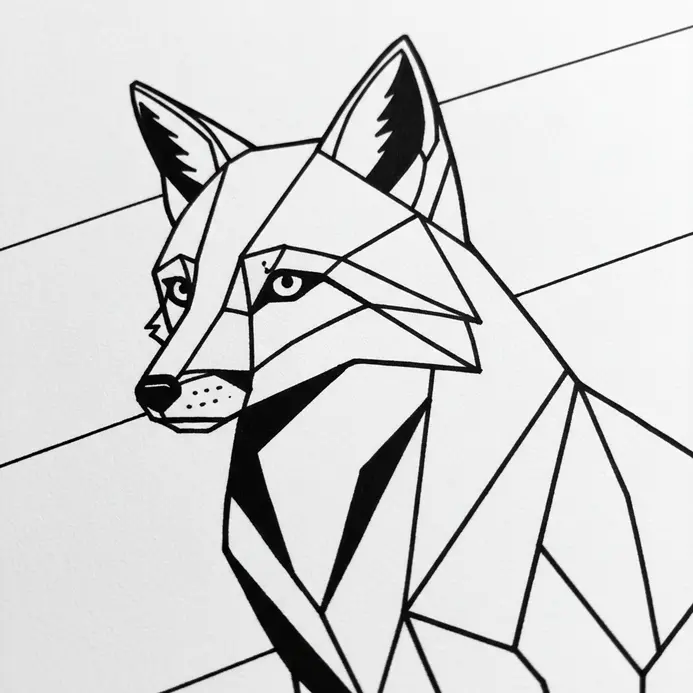
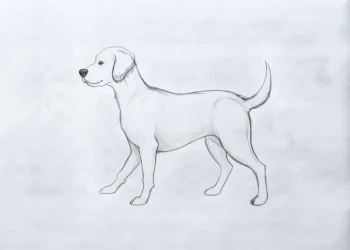
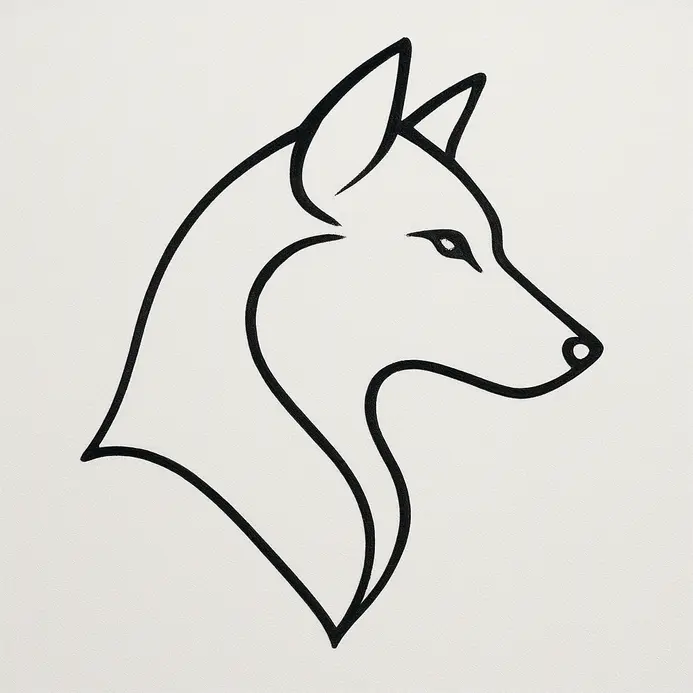
This style turns the wild grace of animals into structured artwork built from clean lines and strong shapes. In examples of line drawing art with geometric animals, artists deconstruct a wolf, bird, or deer into facets and patterns that still capture the subject’s essence. It is a strong exercise in simplification for any line artist. A great place to start is the minimalist single-line contour. This one line approach uses a single, unbroken stroke to suggest the creature, which makes negative space central to the design. You can find more inspiration for simplifying complex subjects in our guide on easy things to draw for beginners. If you want a digital art feel, try low-poly faceting. This method builds animals from interconnected straight line structures and polygonal surfaces, producing sleek line artwork that feels modern and timeless at once.
3. Expressive Portrait Line Art with Dramatic Weight Variation
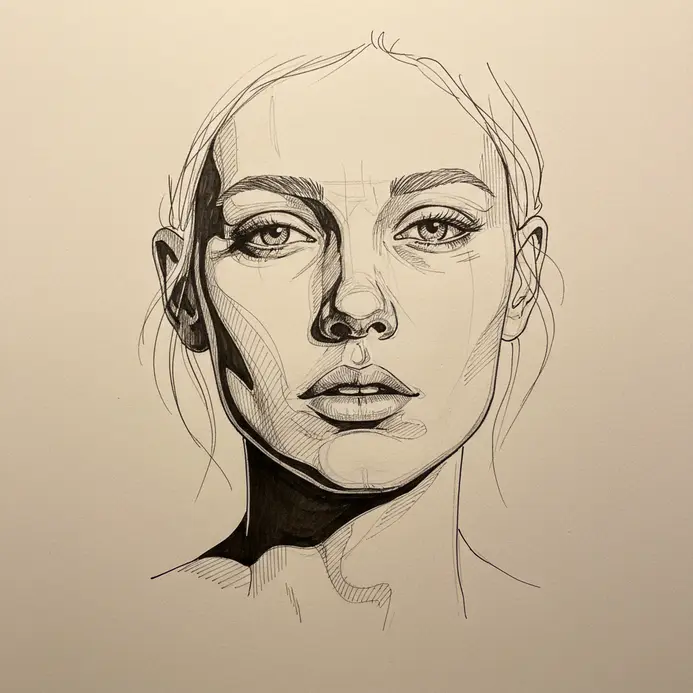
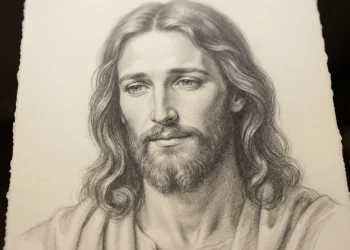
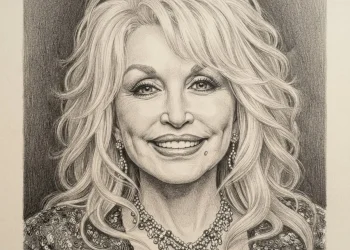
Some portrait drawing seems to breathe right off the page, and dramatic weight variation is often the reason. In examples of line drawing art focused on portrait work, artists use thick and thin contour changes to sculpt a face, suggest light, and deliver emotion without shading. The power of line does the heavy lifting. Start by deciding where the light comes from. Thicken your lines where shadows fall, such as under the chin or along the side of the nose, and let the line fade in brighter areas. A brush pen works well here because its flexible tip moves from a single black line to a hair-thin stroke in one expressive motion.
4. Architectural Line Sketch Examples Featuring Clever Negative Space
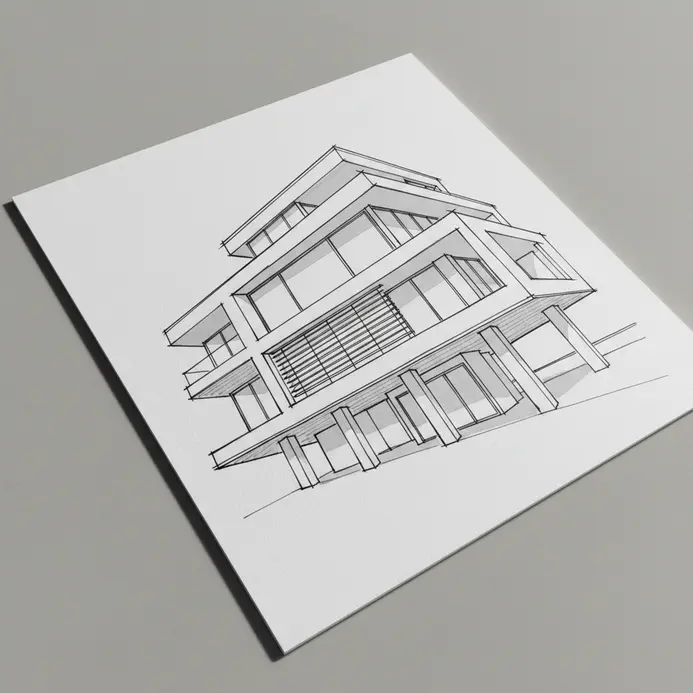
In architectural line art, the empty spaces often tell as much of the story as the marks themselves. Clever negative space, such as using the sky to define a roofline or leaving a courtyard blank inside a darker form, turns basic line drawing into a more dynamic illustration. This approach works because it invites the viewer to complete the image. For practice, try the silhouette technique with pen or pencil on white paper, focusing on the shapes of the empty areas. Many examples of line drawing art rely on this method to build atmosphere and scale.
5. Organic Flow-Based Line Drawing Examples Inspired by Nature
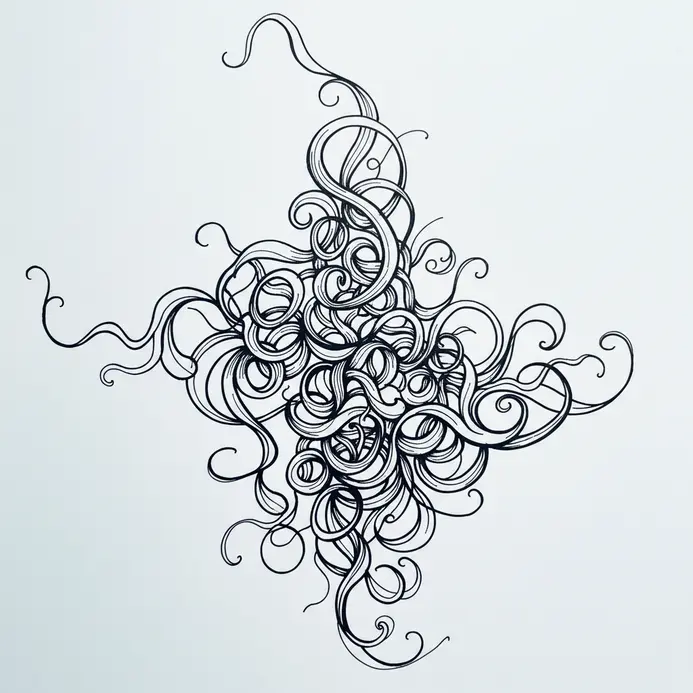
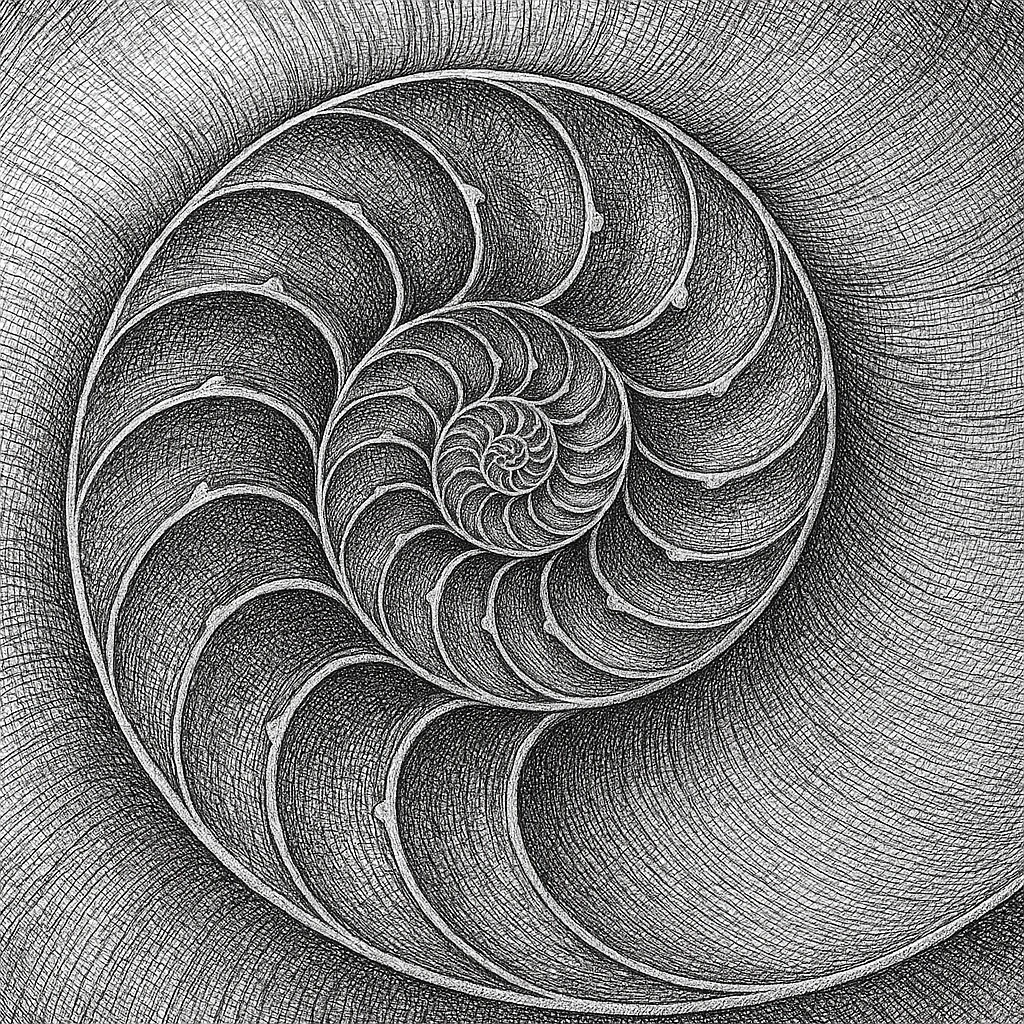
Organic flow-based line drawing translates the curves of rivers, shells, roots, and plant life into fluid linework. This art form focuses on continuous line movement that captures natural growth and motion, often through freehand pressure changes and loose style marks. Artists love this method because it encourages an expressive approach to art connected to the rhythms of the world around us. Spend time observing a fern or vine, then draw it in one line, emphasizing its movement through examples of line drawing art inspired by nature.
6. Precision Technical Line Art Styles for Detail-Oriented Artists
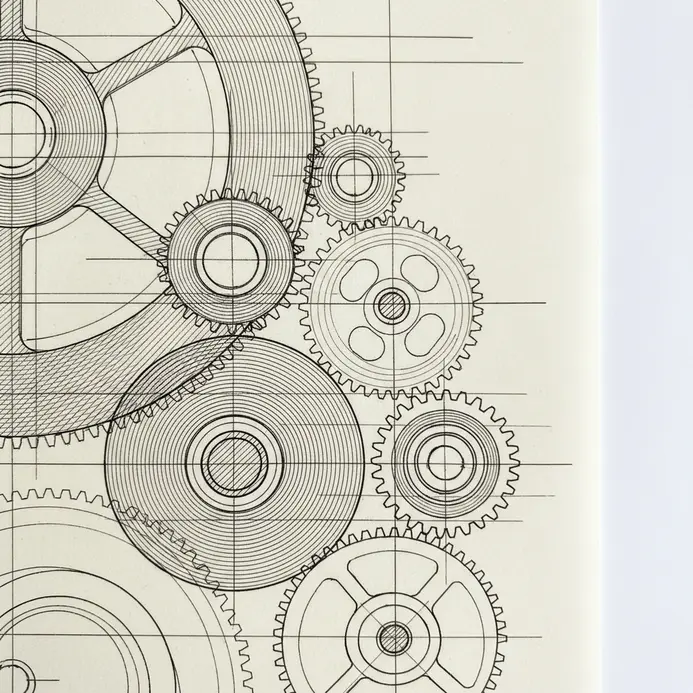
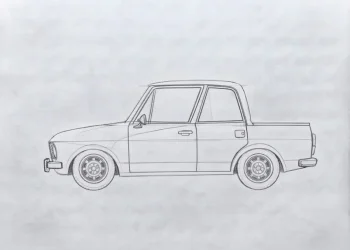
Precision technical line art sits where drawing meets engineering, architecture, and scientific illustration. These examples of line drawing art depend on exact measurements, clean lines, and careful hierarchy so the artwork explains how something looks or works. The appeal comes from clarity and structure. Technical illustration, drawing and basic printmaking exercises, and architectural drafts all rely on controlled line weight to show depth and importance. If you are new to this style, start with an isometric sketch on graph paper using a fine liner.
7. Gesture-Based Human Figure Line Drawing Examples
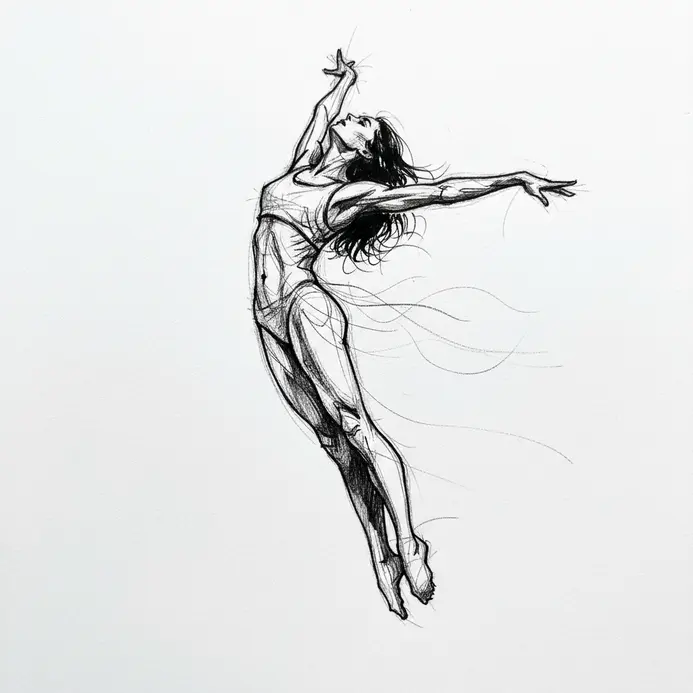
Gesture drawing captures the action of the human figure with a few sweeping marks. Rather than focusing on details, these examples of line drawing art aim to capture movement, posture, and the overall energy of a pose. This makes the practice excellent for loosening the hand and training the eye. A seated figure, for example, often depends less on facial detail than on the curve of the spine and shoulder line that suggests weight and feeling. Try 30-second poses to sharpen your sense of motion.
8. Mythological Creature Line Art Styles Blending Real and Imagined
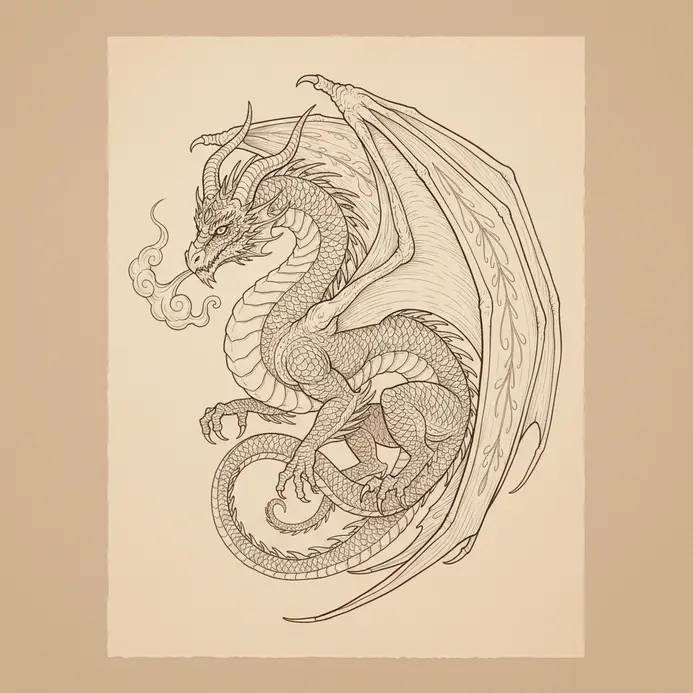
Mythological creature line art becomes convincing when real anatomy meets imaginative design. Artists study bat wings, bird skeletons, or feline muscles, then adapt that knowledge into hybrids that feel grounded and expressive. The linework defines contour, muscle, and texture, whether the final piece leans toward ink illustration, caricature, or a more elaborate fantasy sketch. Start with a real animal first, then gradually add mythical features to build believable line art examples.
9. Urban Landscape Line Sketch Examples with Strong Perspective
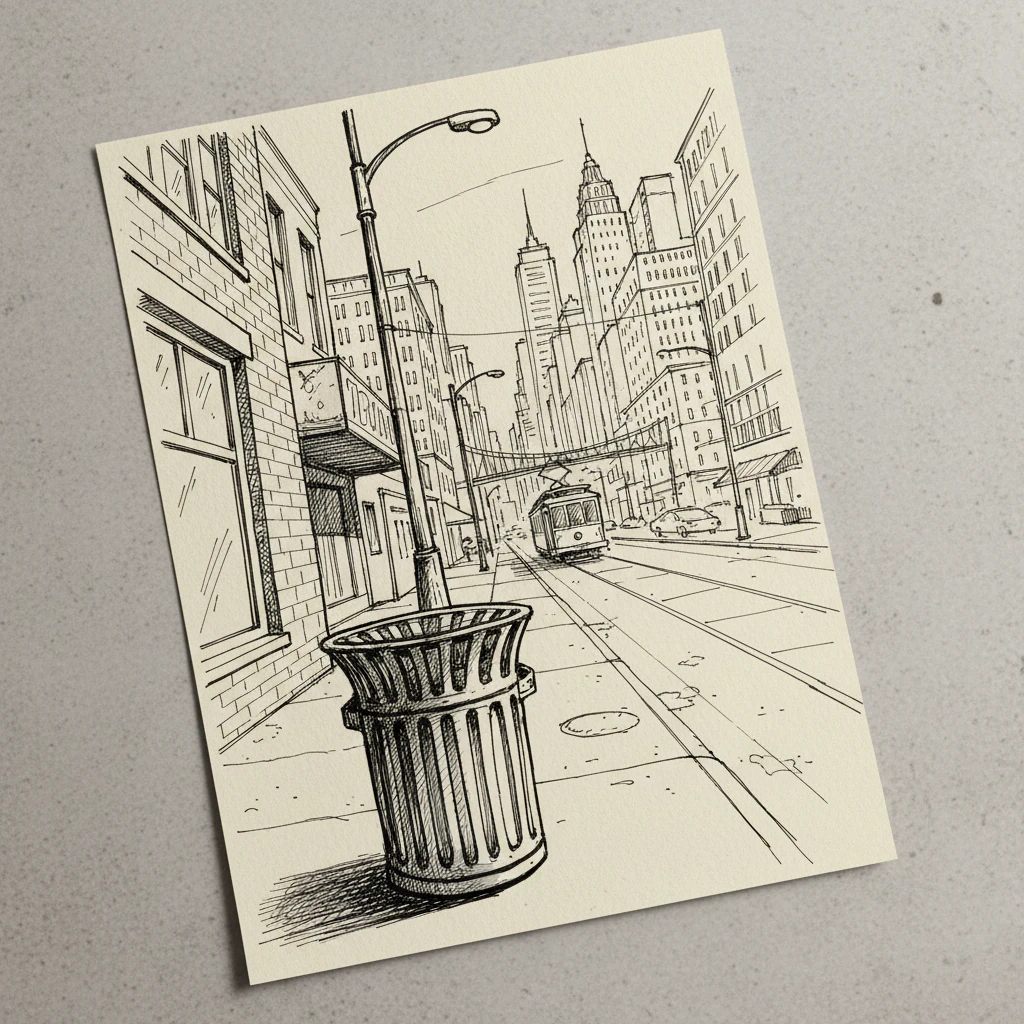
Urban landscape drawing gains energy from strong perspective. Many examples of line drawing art in city scenes rely on one-point or two-point perspective to create depth, structure, and a sense of movement through streets and buildings. This technique turns simple lines into vivid spatial stories. Try a worm’s-eye view with a low horizon line if you want towers and facades to feel larger and more dramatic.
10. Abstract Geometric Line Art Examples Exploring Pattern

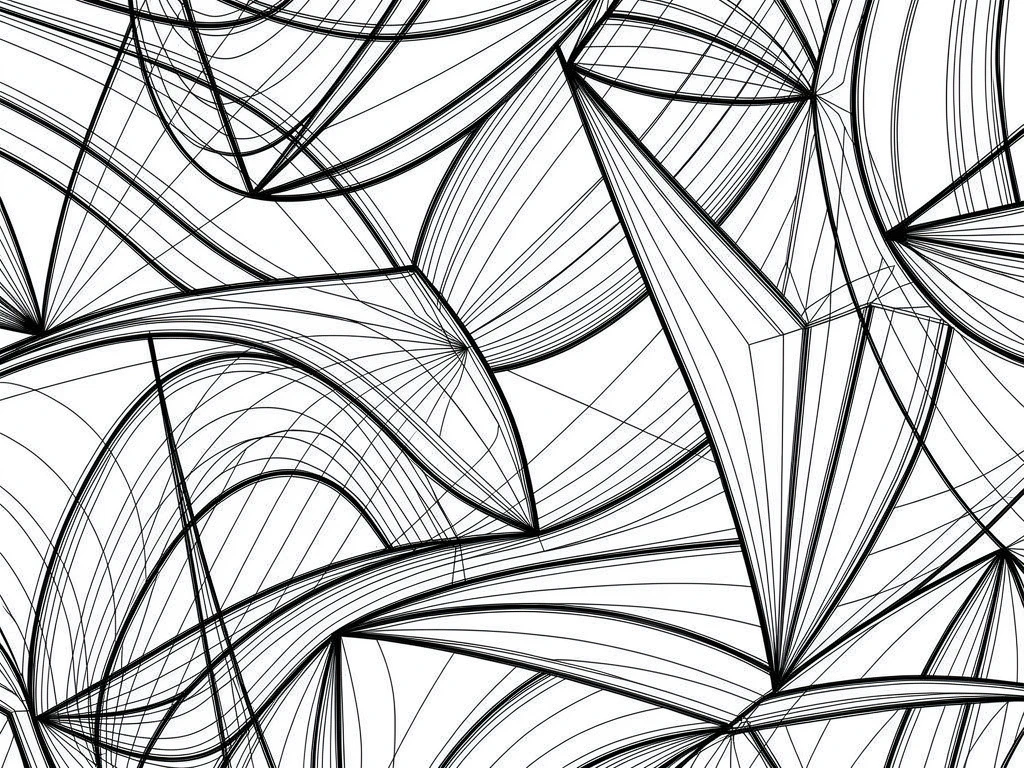
Abstract geometric line art strips visual language down to shapes and lines, then builds rhythm through repetition. Artists such as Paul Klee and later abstract line art innovators showed how systematic spacing and graphic lines create optical movement and structure. Line density is one of the most useful tools here. In examples of line drawing art based on pattern, narrow spacing creates darker value while wider gaps keep the surface light, all without traditional shading. For practice, draw a set of parallel lines and slowly increase the spacing as you move across the page. For more foundational drawing exercises to build your confidence, our guide on easy things to draw for beginners is a great place to start.
11. Cross-Hatching Dominant Line Drawing Examples for Rich Texture
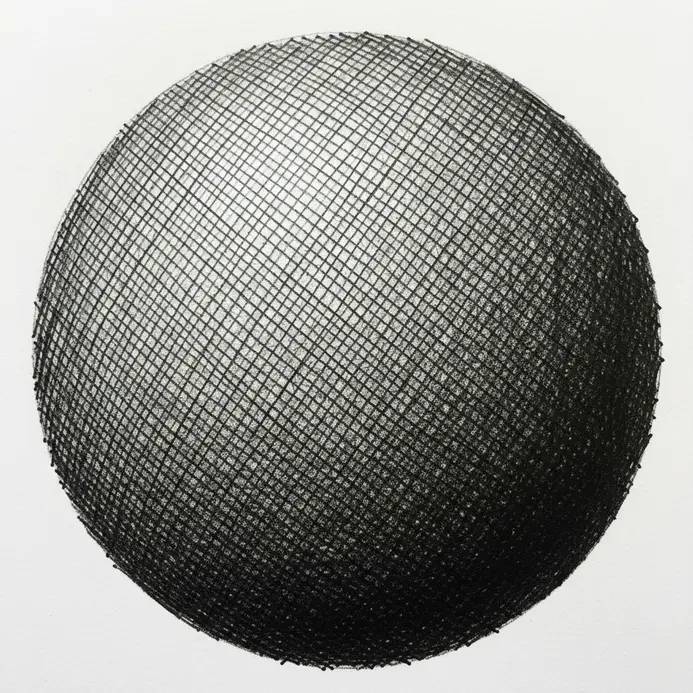
Cross-hatching works best when it starts with a dominant layer of directional lines. Those first marks describe the form of the subject, and the later hatching adds texture, depth, and tonal structure. Wood grain, cloth folds, and bark all benefit from this logic. In examples of line drawing art with rich texture, the initial line drawing establishes flow, while the crossed layers build the surface character. Keep hatching shorter and slightly curved on rounded forms so the contour remains clear.
12. Single-Line Contour Drawing Examples Maximizing Economy
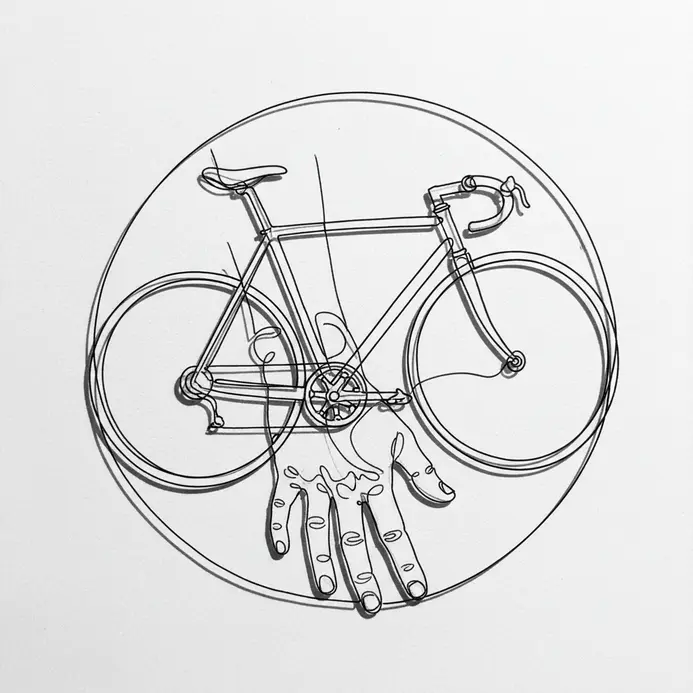
Single-line contour drawing is all about economy. A face, cup, or portrait becomes a complete work of art through one continuous path, with each curve and shift suggesting form through simple lines rather than detail. This method sharpens observation because it asks you to simplify a subject to its essentials. In examples of line drawing art made this way, even glasses or hair become part of the same uninterrupted route, turning efficiency into visual elegance.
13. Stippling-Influenced Line Art Examples Creating Soft Gradients
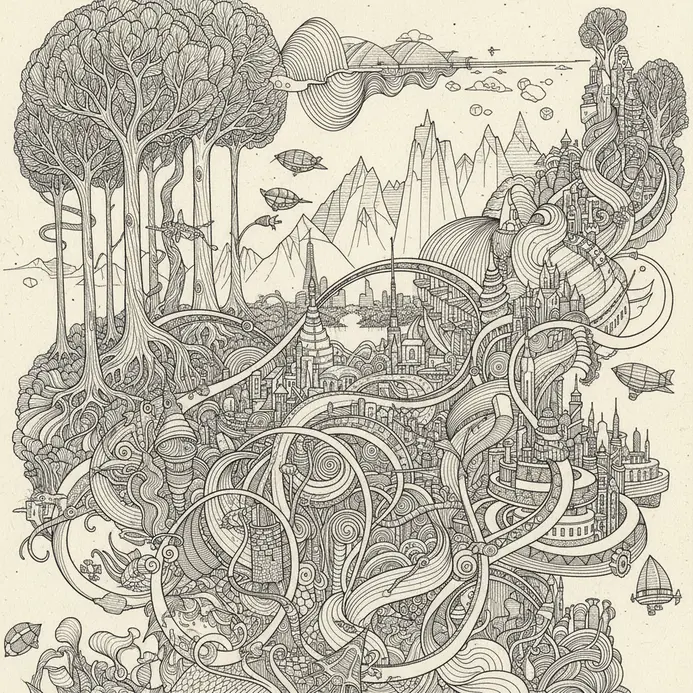
Some of the softest tonal effects in line art come from methods borrowed from stippling. Instead of relying on dots alone, artists adjust line spacing and line weight so the marks function like tonal particles across the surface. Botanical illustration and portrait work often use this approach to create subtle gradients. These examples of line drawing art show how ink lines, when packed closely or allowed to breathe, can capture light with a refined and organic feel.
14. Scribble Technique Line Drawing Examples Capturing Raw Energy

The scribble technique replaces polished contour with an energetic web of overlapping marks. These examples of line drawing art feel immediate because the linework captures motion, tension, and mood all at once. Pressure variation plays a major role. Dark, dense scribbles define depth and shadow, while lighter loose style marks keep the image open and active. A 60-second timer is a useful way to preserve that spontaneous energy.
15. Minimalist Animal Silhouette Line Art Examples
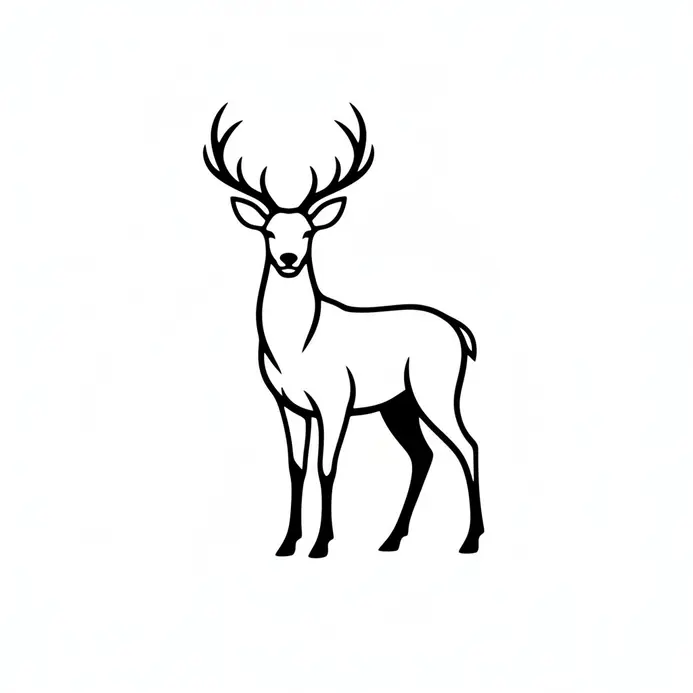
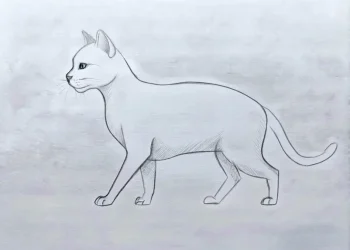
Minimalist animal silhouette line art reduces a creature to its most recognizable form. A whale’s back, a deer’s antlers, or the curve of a cat can become the entire image through a single line or a small set of clean lines. The strength of this style comes from the relationship between the drawn contour and the surrounding negative space. In examples of line drawing art like these, the viewer completes the missing information, which gives the image a crisp, minimalist impact.
16. Botanical Scientific Illustration Style Line Drawing Examples
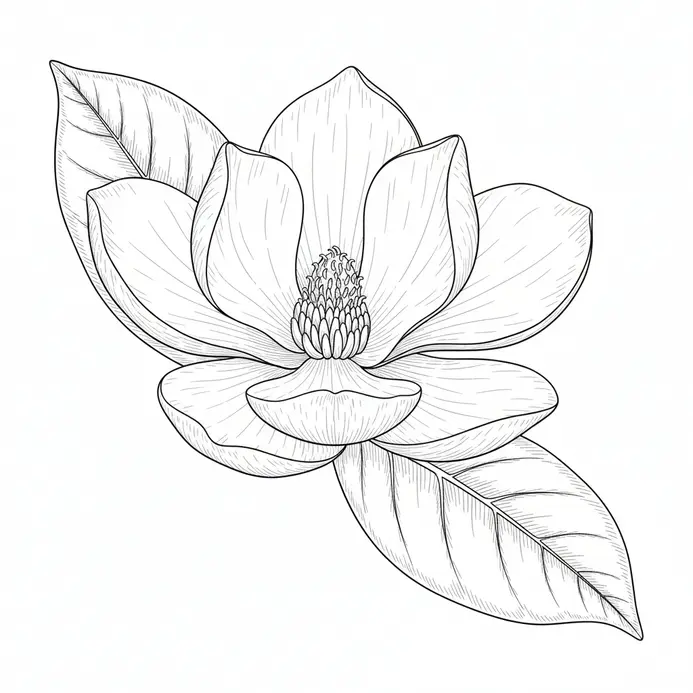
Botanical scientific illustration combines clarity, observation, and disciplined linework. These examples of line drawing art use contour, stippling, and precise vein detail to document leaves, stems, and petals with accuracy. The result is both artwork and visual reference. Start with a single leaf and study the vein structure first, then add surface texture with careful ink marks to preserve both information and elegance.
17. Architectural Fantasy Line Art Blending Reality and Imagination
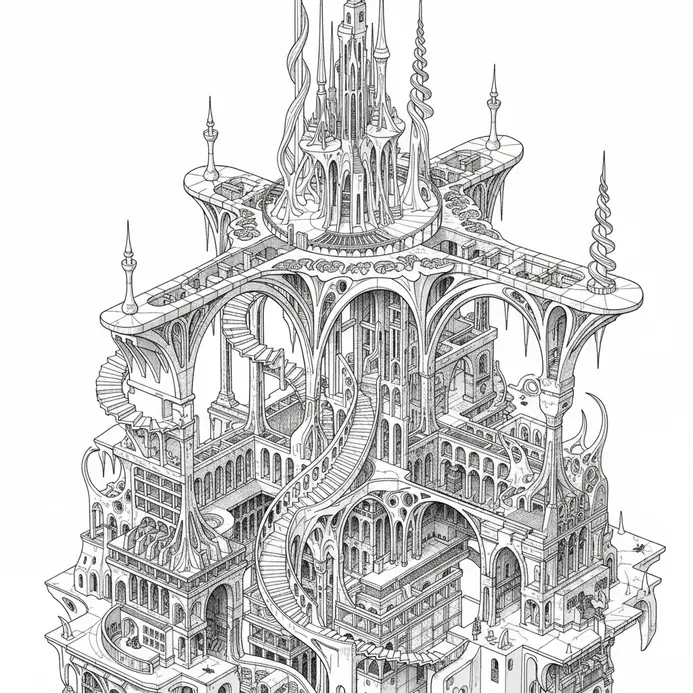
Architectural fantasy line art blends real structural logic with imaginative invention. Floating towers, impossible stairways, and tree-like buildings become believable through disciplined perspective and expressive line weight. This style succeeds because it balances structure with wonder. Many examples of line drawing art in fantasy settings borrow from real cathedrals, bridges, and domes, then push those forms into something dreamlike through detailed linework.
18. Negative Space Dominant Line Drawing Examples
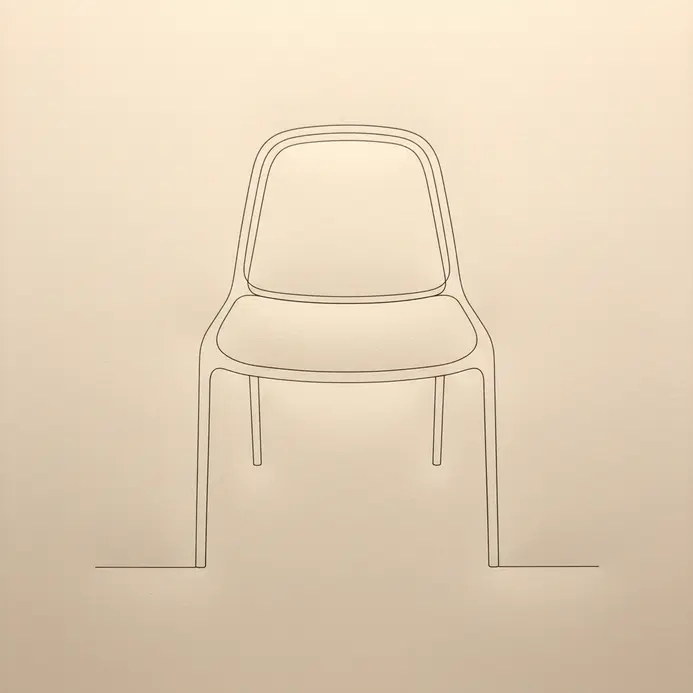
Negative space dominant drawing gives equal importance to the forms around the subject. In these examples of line drawing art, the eye shifts between positive shape and empty space, which creates tension and visual interest. This effect appears in poster design, contour portrait work, and even logo systems. If the background shapes feel as solid as the foreground when you squint, the composition is doing its job well.
19. Cultural Pattern-Inspired Line Art Examples
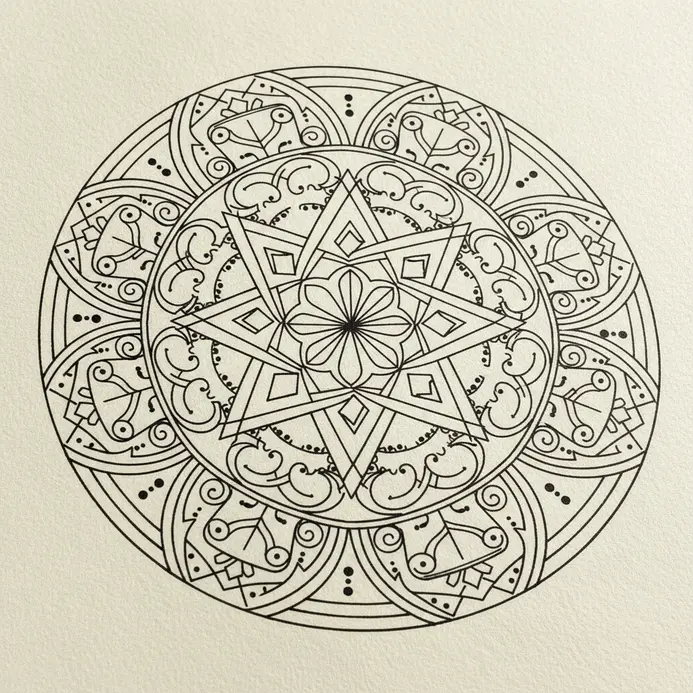
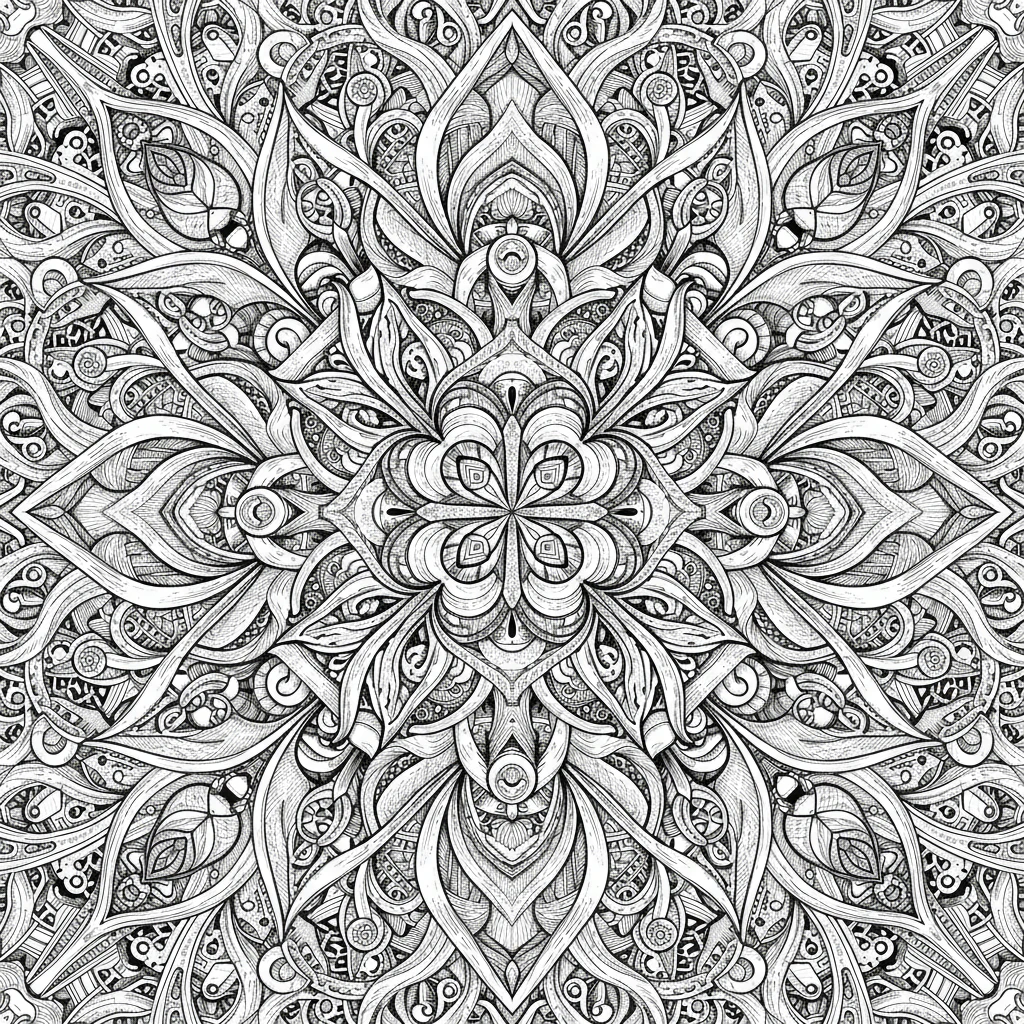
Cultural pattern-inspired line art draws from traditions such as Celtic knots, Islamic geometry, botanical textile motifs, and symbolic folk design. The form of line carries history, rhythm, and visual meaning through repeated shapes and lines. Artists often simplify these sources into cleaner contemporary compositions. In examples of line drawing art with cultural influence, studying the underlying scaffold first helps you understand the structure before building your own interpretation.
20. Emotion-Driven Line Drawing Examples Conveying Specific Moods
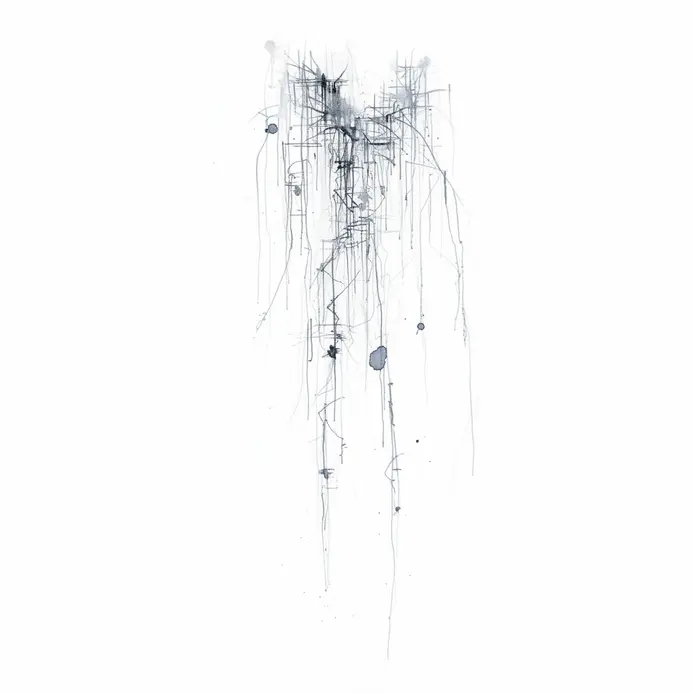
Emotion-driven drawing uses line character to communicate mood before detail enters the image. Long horizontal strokes feel calm, while jagged or compressed marks create tension and agitation. These examples of line drawing art show that expressiveness often comes from how the mark behaves rather than what it describes. Try drawing the same self-portrait or tree four times with different emotional intent to study the psychology of line.
21. Hybrid Style Line Art Examples Combining Multiple Techniques

Hybrid styles stand out because they combine several methods in one coherent image. In examples of line drawing art built this way, bold contour, cross-hatching, technical linework, and brush-based marks work together to create hierarchy and depth. This approach adds realism and expressive range. Start with a simple sketch, then reinforce selected edges with a brush pen and build supporting texture with controlled hatching.
22. Composition-Focused Line Drawing Examples with Dynamic Layouts
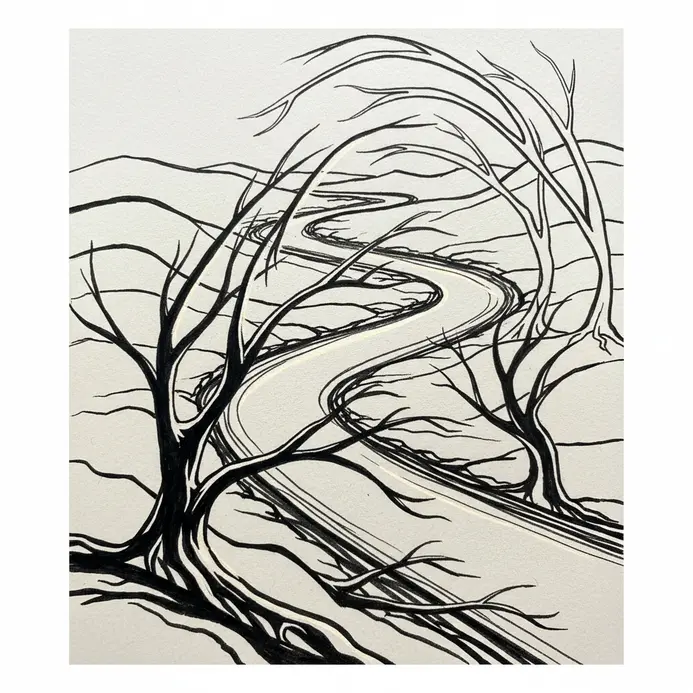
Dynamic layout gives line drawing movement across the page. Off-center placement, asymmetry, and directional line systems guide the viewer through the composition and make the artwork feel active rather than static. When studying examples of line drawing art, it becomes clear that composition often shapes the experience as much as subject matter. A cityscape from a low angle with strong diagonals is a simple way to test this principle.
23. Medium-Specific Line Art Examples Showcasing Tool Variations
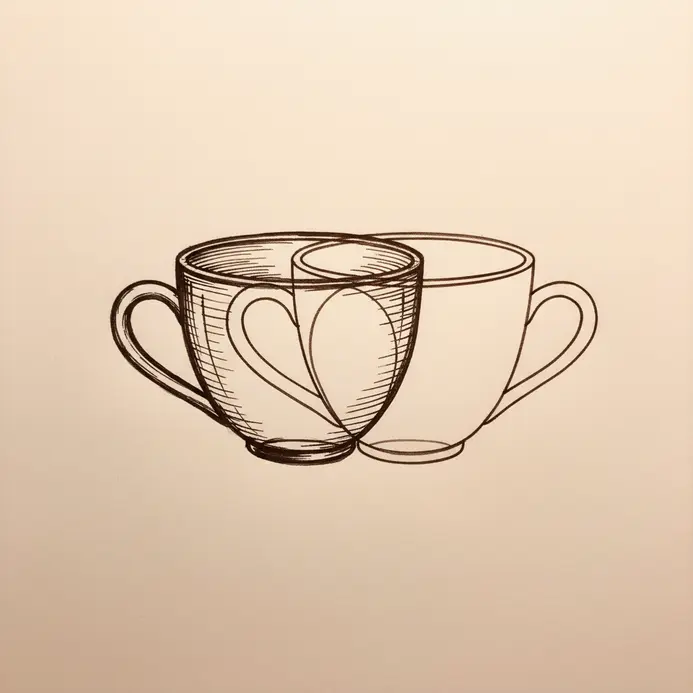
The tool in your hand changes the entire character of a drawing. A hard pencil gives crisp, controlled marks, while a soft pencil, brush, or nib produces more expressive variation in tone and edge. These examples of line drawing art are shaped by medium as much as by subject. A commercial illustrator, a pop artist, and a technical illustrator might all draw the same object differently because their chosen tools produce distinct line qualities.
24. Subject-Fusion Line Drawing Examples Merging Categories
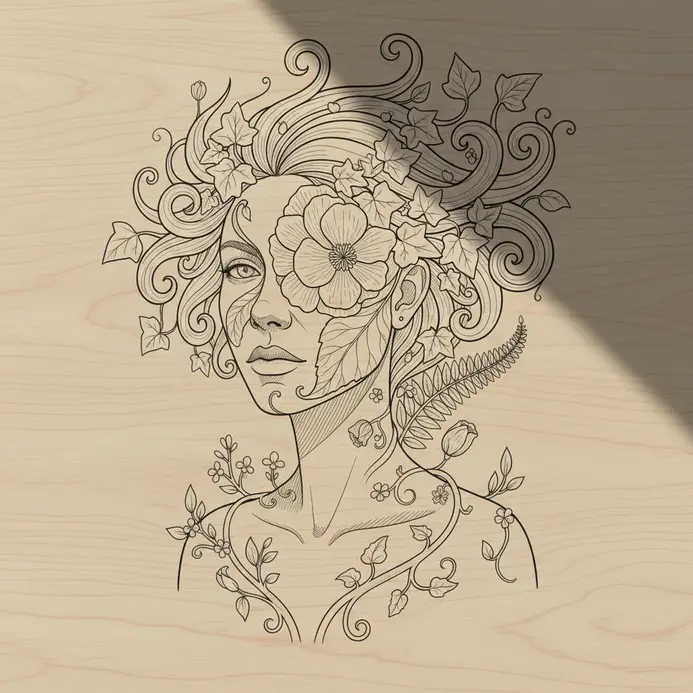
Subject-fusion drawing merges separate categories into one image, such as an animal with botanical growth or architecture woven into anatomy. This pushes the artist to identify the essential shapes of both subjects and decide where their contours can merge. Some of the most imaginative examples of line drawing art come from these collisions. Start with a light sketch of both subjects overlapped, then look for shared curves, graphic lines, and contour paths that unify the final illustration.
25. Beginner-Friendly Continuous Line Drawing Examples with Simple Subjects

Continuous line drawing is one of the easiest entry points for beginners because it reduces the process to observation and flow. Simple subjects like a mug, leaf, or house work well when you draw the full form without lifting the pen. These examples of line drawing art build confidence because they reward observation over perfection. Use a rollerball pen, plan your route first, and let the line remain unbroken even when the result feels a little imperfect.
More Examples of Line Drawing Art for Beginners







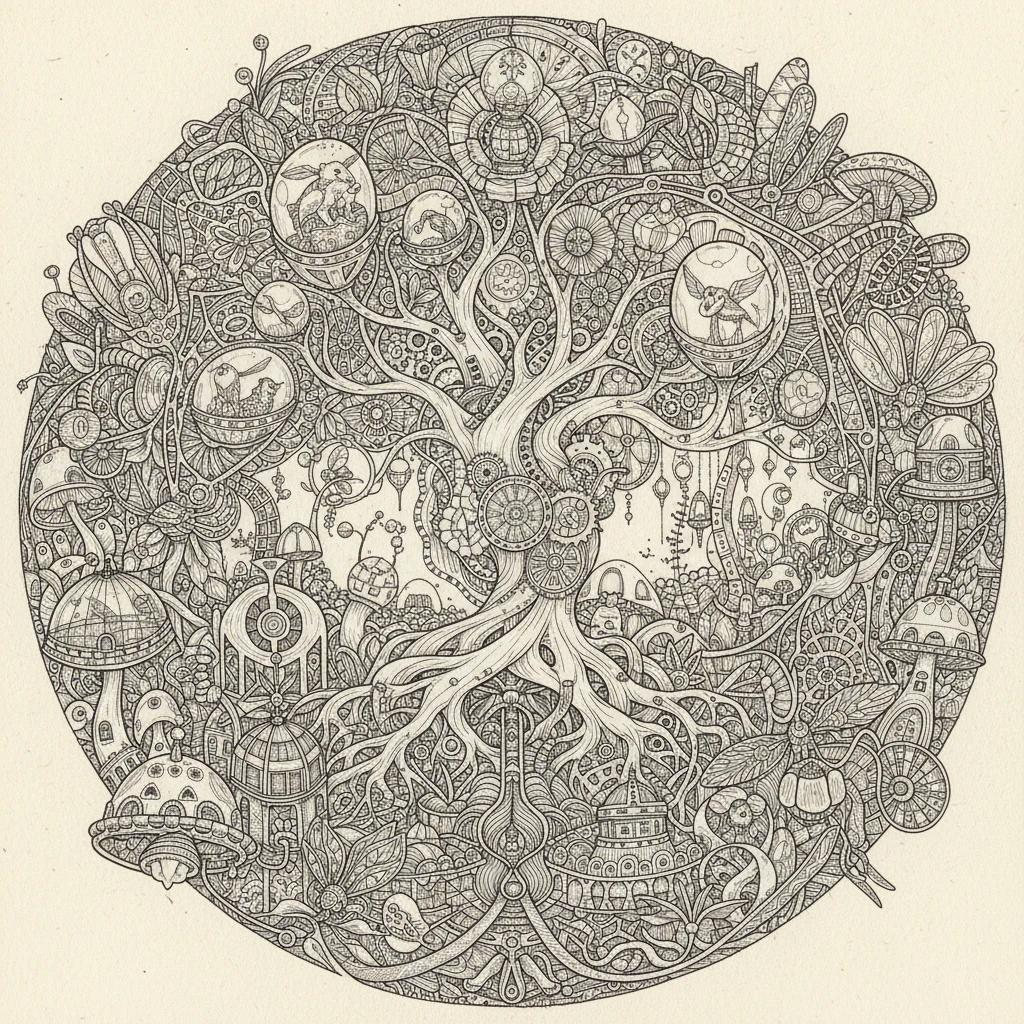


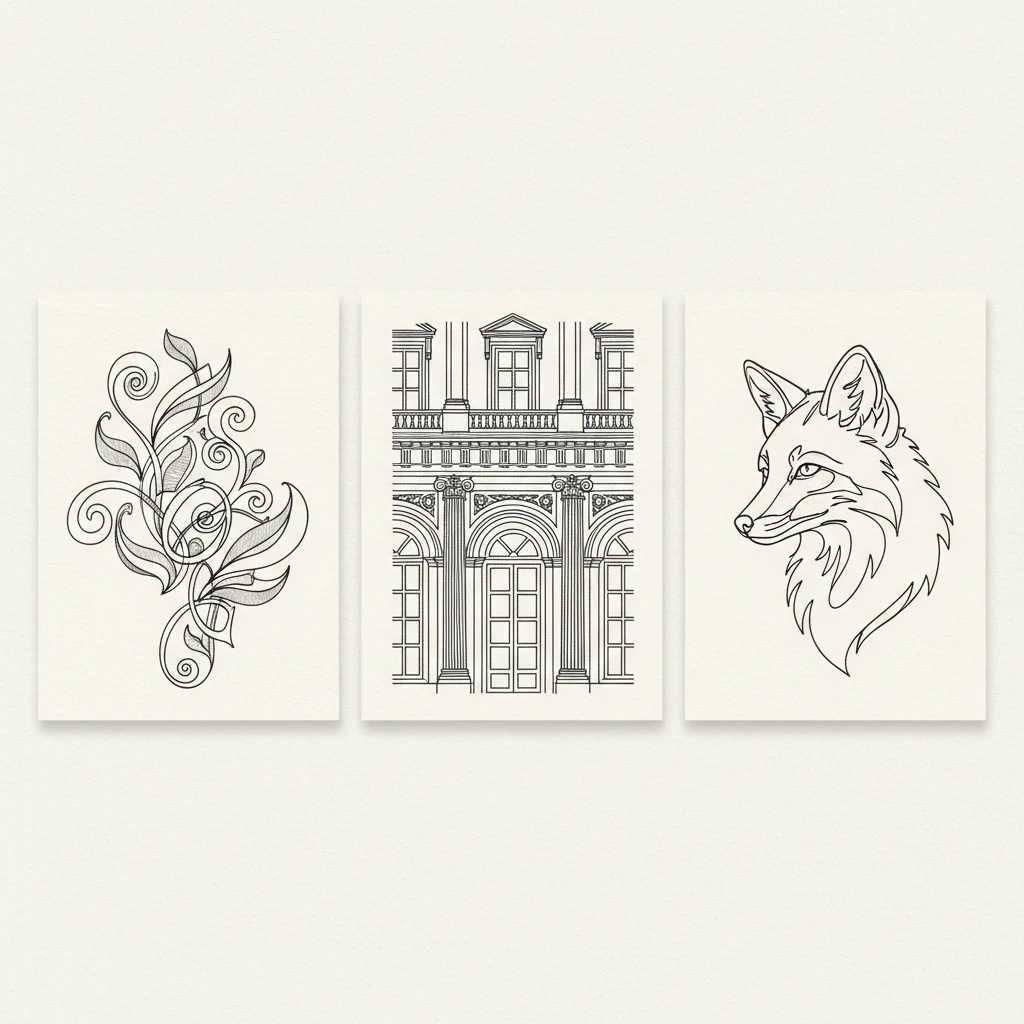


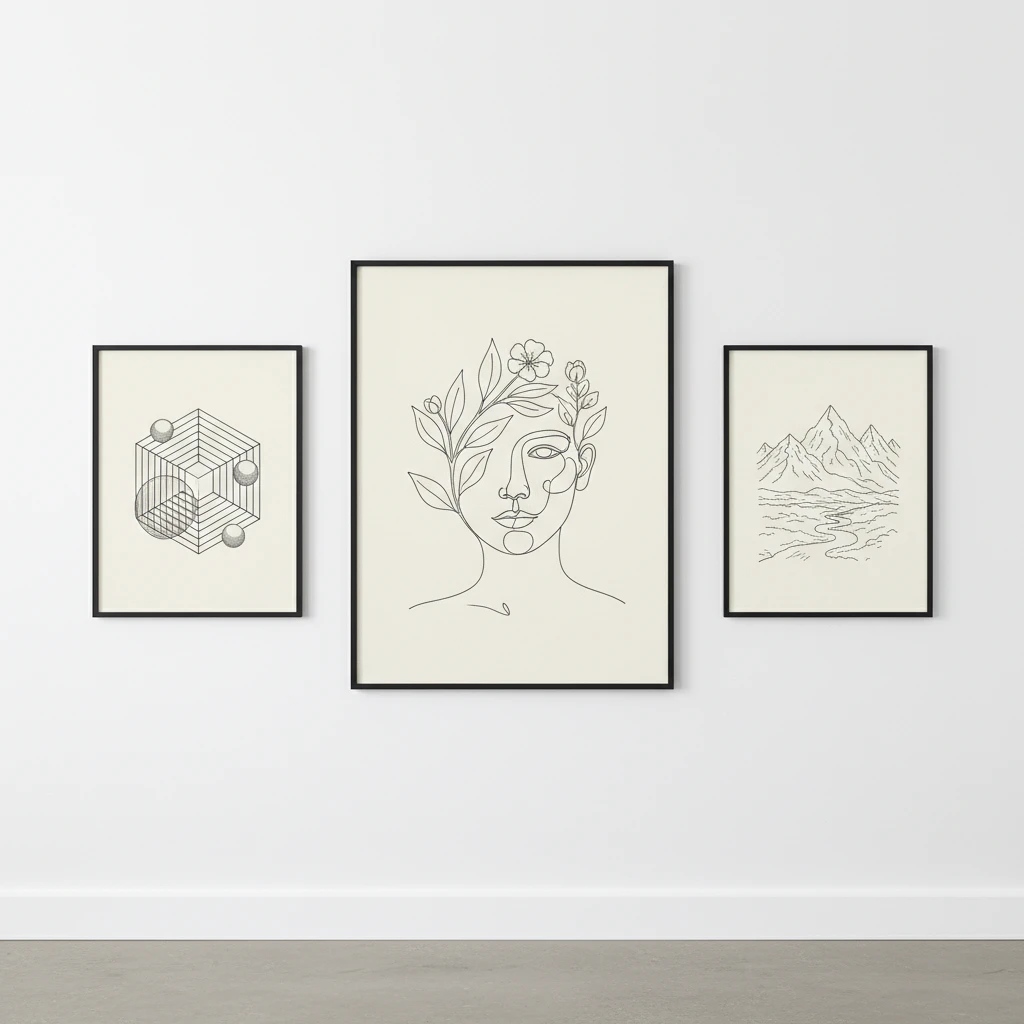


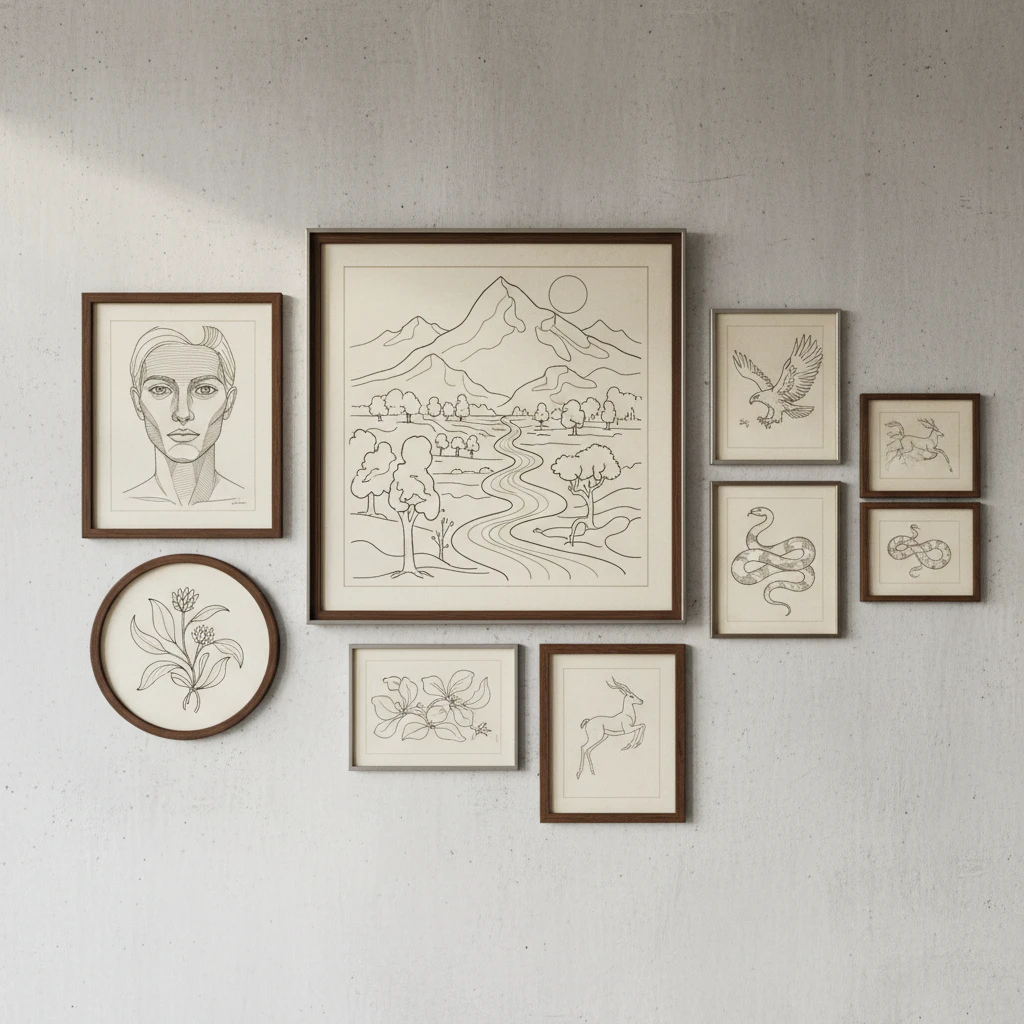


Conclusion
What a tour through the possibilities of line. From precise technical illustration to raw scribble energy, these examples of line drawing art show how much expression, structure, and mood can grow from the simplest marks. The best part is that you can begin with a pen or pencil and a page. Pick one approach that spoke to you, open your sketchbook, and make the first line.
FAQs
Q: What is the simplest type of line drawing to start with?
A: A continuous line contour drawing is a strong place to begin. It teaches observation, hand control, and the use of line through a single line path, and it helps beginners understand how simple lines can capture form without heavy shading.
Q: Which famous artists are known for their line work?
A: Pablo Picasso is one of the most cited names, especially for one line drawing and the ‘blotted line’ approach. Other famous line artists include Paul Klee, Henri Matisse, and Keith Haring, each known for a unique style in line art, illustration, and broader art history.
Q: How do I make my line drawings look more professional?
A: Focus on line weight, contour control, and clean lines. In portrait, botanical, or architectural artwork, thicker marks often anchor the foreground while thinner ones describe detail, and careful linework helps capture the essence of the subject with more expressiveness.
Q: Can I create line art digitally?
A: Yes. Digital art tools support pressure sensitivity, clean edits, and smooth linework, which makes them useful for line drawing, abstract line art, and illustrator workflows. Many artists use digital brushes to mimic ink, pen or pencil texture, or a loose style with graphic lines.
Q: What is the difference between line art and a sketch?
A: Line art usually refers to a more finished illustration built from controlled contour and deliberate marks, while a sketch is often looser and more exploratory. A sketch might search for shapes and lines in the world around the artist, while line artwork tends to refine those ideas into a final work of art.