

Palette Mixing Techniques for Depth and Tone
The fastest way to approach any easy acrylic landscape painting for beginners is to start with a mid-tone underpainting. Trust me on this, that single wash of grey or muted color gives you a perfect middle ground to build both your shadows and highlights against. New painters often skip this step, but it builds confidence because you are not fighting a blank slate. Use your primary triad and earth tones to mix this initial wash directly on your surface. Your goal for atmospheric depth is to keep those background layers soft and blended, then create a sharp contrast with bold, opaque shapes in the foreground. This approach creates a sense of distance without needing perfect perspective.
Synthetic Brush Selection for Textured Landscape Strokes
A flat synthetic brush with stiff bristles is your best friend for laying in those big, bold shapes of sky and distant hills when practicing easy acrylic landscape painting for beginners. The good news is these brushes hold a good amount of student-grade heavy body acrylic, which gives you that opaque coverage you need. You want one in a medium size for blocking in color. Then, grab a smaller filbert for painting your pine tree silhouettes and mountain ridges. The rounded tip lets you create those organic, textured strokes with a single press and lift motion. Keep a separate brush for your titanium white to avoid muddying your clean colors, and remember to rinse often. Over-blending is the most common technical failure, so let your brushstrokes stay visible and expressive.
1. Paint a Minimalist Sunset Gradient Horizon Scene
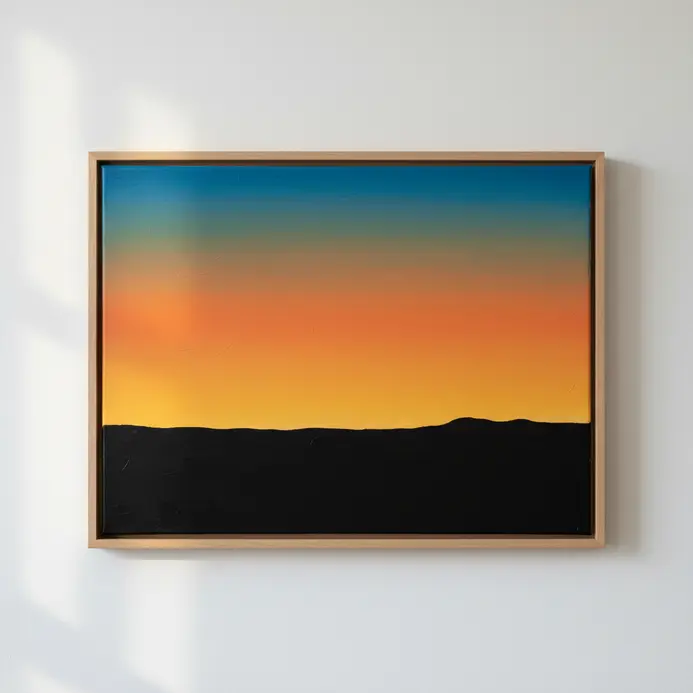
Who would have thought tackling easy acrylic landscape painting for beginners with such a simple setup looks so striking? This project looks complex, but it is all about patience and smooth blending. You will start with a deep midnight blue at the top of your canvas and blend downward through indigo, purple, and finally into warm apricot orange near the horizon. The secret is using a wide, soft blending brush and keeping your paints wet to avoid harsh lines. That sharp, clean line between sky and land is what makes this piece so calming. Paint the lower half a solid charcoal grey, and add a whisper of the warm horizon color right along the line for a subtle reflection. Trust me, the meditative feeling you get from focusing on the color flow is incredible to build your skills. Feel the satisfaction when your seamless gradient comes together.
2. Pastel Pink Cloud Mountain Range: Achieve Soft, Dreamy Layers
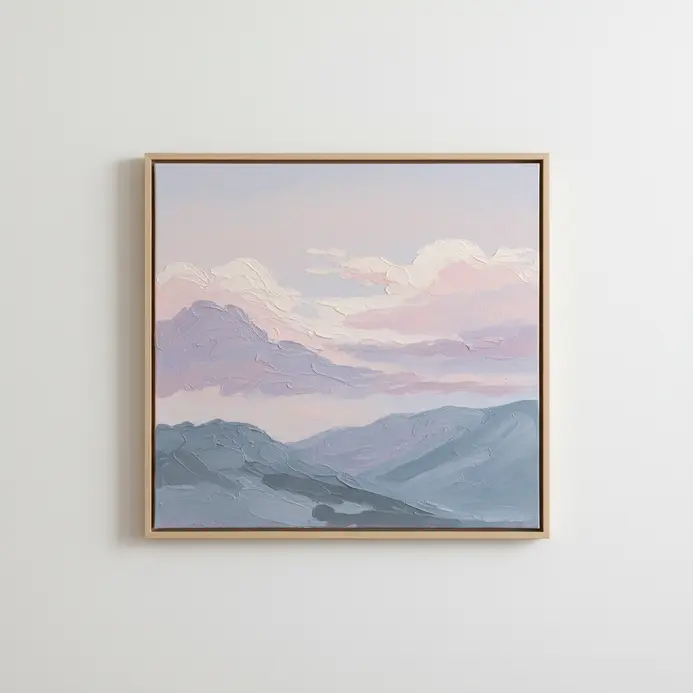
Ever wondered how those dreamy, ethereal landscapes come together? This style looks complex, but trust me, finding your rhythm in easy acrylic landscape painting for beginners is wonderfully beginner-friendly. The secret is mastering atmospheric perspective. Paint your closest mountain range with slightly darker, more defined pinks, then make each receding layer progressively lighter and softer until the farthest ones almost melt into the sky. For the clouds, avoid any hard edges by using a dry brushing technique To feather their shapes in your painting lesson. Mix your pinks with plenty of white to keep them soft and desaturated. You will love how this creates such a peaceful, layered depth with minimal effort.
3. Create an Evergreen Forest Silhouette Evening View
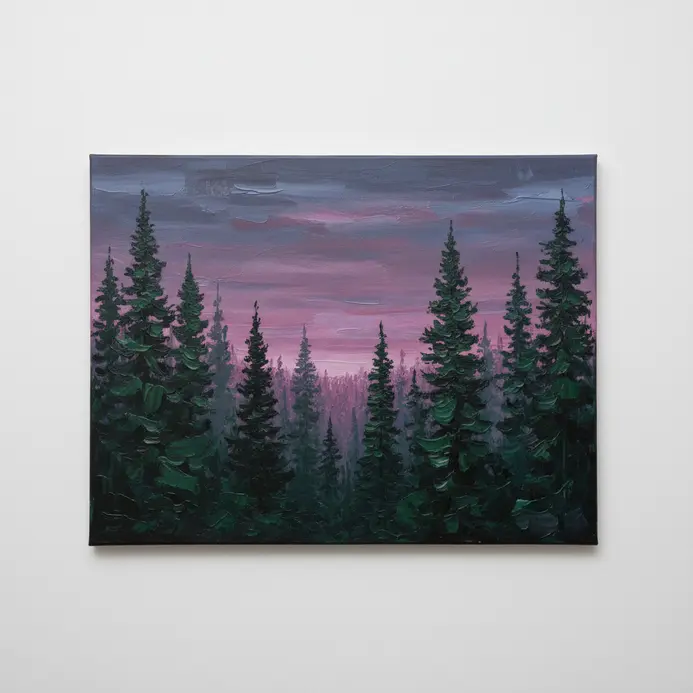
Ever wondered how to paint something so atmospheric and moody? This one looks complex, but the technique is wonderfully straightforward for easy acrylic landscape painting for beginners. You will start by creating a smooth gradient for the evening sky, blending warm oranges into deep purples. Then, using a dark indigo or black, paint the jagged, varied shapes of your evergreen trees against that bright backdrop. Trust me, the contrast is everything. Focus on making each tree silhouette unique in height and fullness. Layer them by painting larger, more detailed ones in front and fainter ones in the distance to create depth. Isn’t it satisfying how such a simple concept creates such a dramatic scene?
4. Block In a Golden Wheat Field Summer Vista
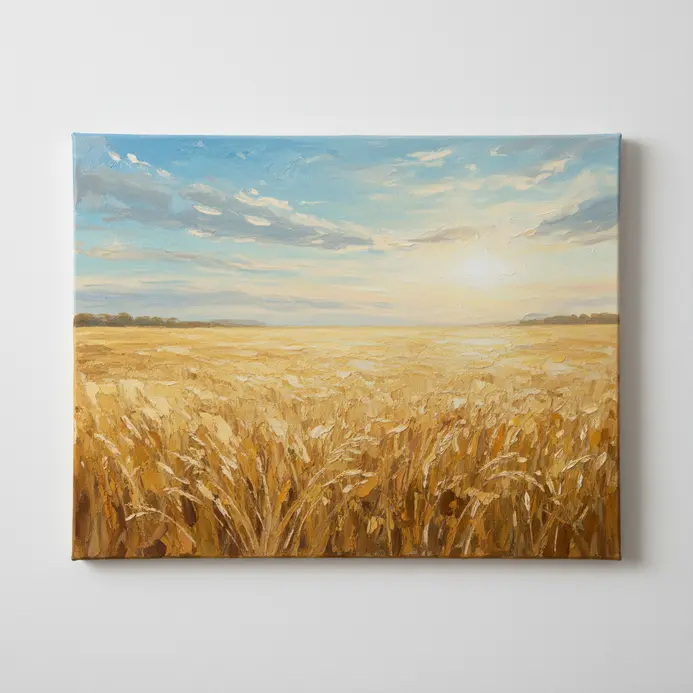
Ever feel overwhelmed by a huge, sunny landscape while learning easy acrylic landscape painting for beginners? Blocking it in is your best friend. You will start by making a few tiny thumbnail sketches to figure out your composition. Then, on your main surface, lightly sketch the horizon and the big shapes of the field and sky as the first step in your painting lesson. Now for the fun part of getting started with your painting. Grab a big brush and block in the sky with a light blue or warm yellow. Then, use a simple mix of yellow and ochre to lay down the main field shape. Resist the urge to paint individual stalks. This initial stage is all about getting those big, beautiful shapes and colors down first. It builds a strong foundation so your final details truly sing. If you enjoy this approach to landscapes, you might also like to explore oil painting landscapes. Trust me, seeing that golden field take shape with a few bold strokes is incredibly satisfying.
5. Deep Blue Moonlit Lake Shoreline: Mix Rich, Dark Tones
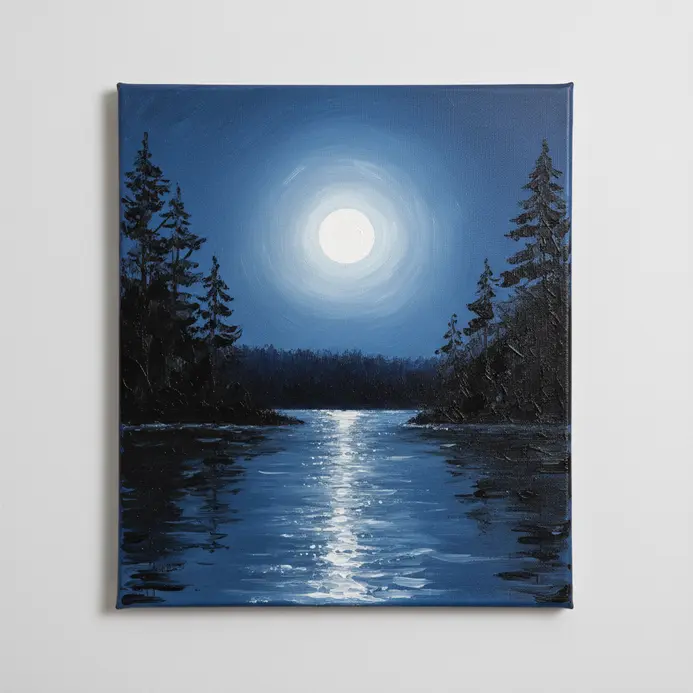
Ever wondered how to paint the deep mystery of a lake at night without it looking flat in easy acrylic landscape painting for beginners? The secret is mixing, not simply using black. Start with a dark blue base, like ultramarine deep or indigo, for your water and sky. Then, add richness by layering in touches of dioxazine purple or burnt umber to create complex shadows that have real depth. I love how this approach makes your painting feel alive and full of atmosphere, not simply dark. Feel the satisfaction when your moonlight scene comes together with those luminous, rich tones.
6. Apply Vibrant Autumn Foliage on a Hillside View
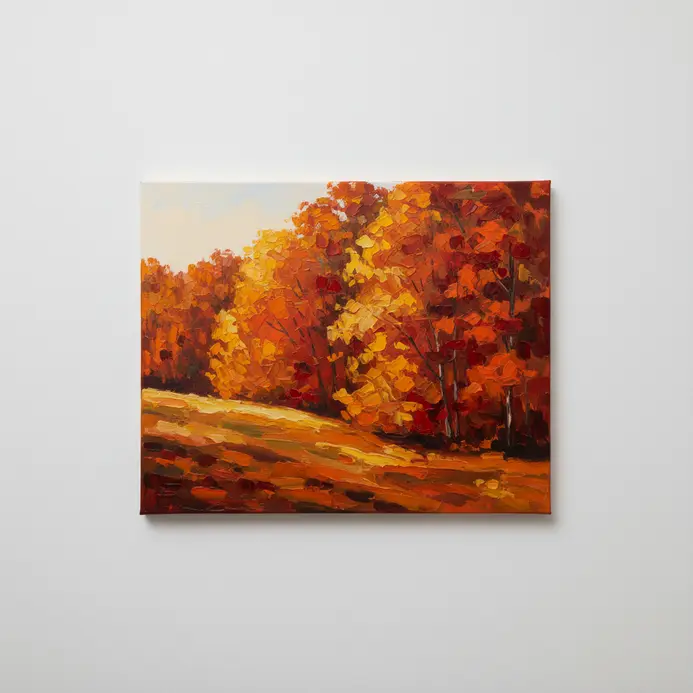
Ever wondered how to make those autumn hillsides look so rich and full of life? It is simpler than you think when studying easy acrylic landscape painting for beginners. Start with a warm underpainting of yellow ochre to give your scene a glowing base. Then, layer on your vibrant reds, oranges, and yellows in distinct clusters, mixing colors on the canvas for natural variation in your landscape acrylic painting. This technique works because it builds depth and energy from the ground up, matching how sunlight hits a forest. A great next step is to explore simple watercolor landscape scenes to see how other mediums handle light and color. Trust me, you will love the final burst of autumn energy on your canvas.
7. Paint a Simple White Cabin Snowy Landscape
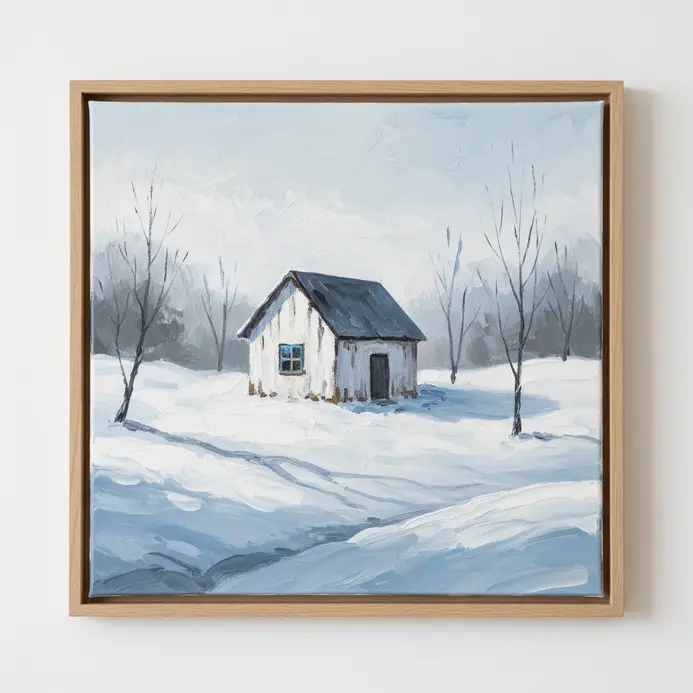
Who would have thought a snowy scene would become a favorite in easy acrylic landscape painting for beginners? You start with a light pencil sketch of the horizon, your cabin, and a few trees. Then, the magic happens with the wet-on-wet blending. Apply a light blue acrylic base for your sky and blend darker blues into it while it remains wet to create that soft, atmospheric gradient. For the snow, use pure white with hints of cool grey in the shadows to give it form. This limited palette keeps things simple but incredibly effective. Trust me, you will love how this single scene teaches you about creating depth. After you master this, you might enjoy trying some easy flower painting tutorials for a pop of color in your next project.
8. Purple Lavender Field Rolling Hills: Build Depth with Color
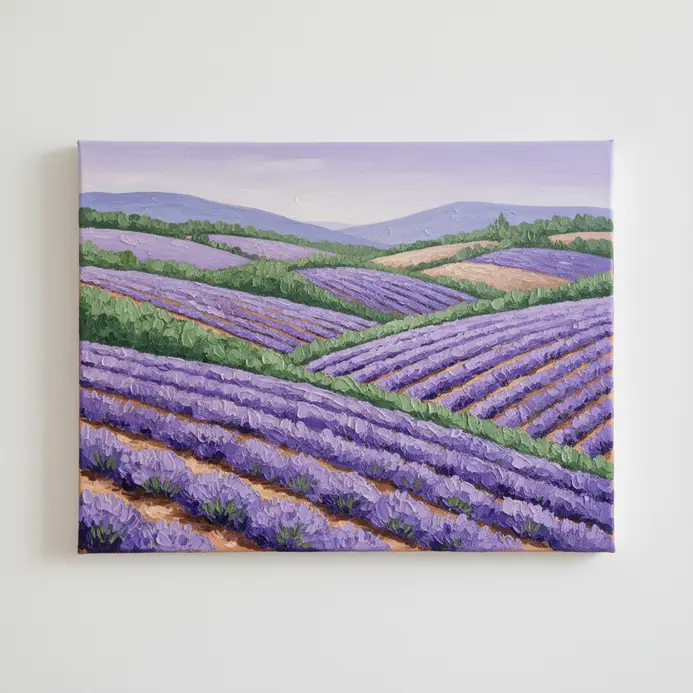
Ever look at a lavender field and wonder how to capture it on canvas? The secret is atmospheric perspective. You will paint your closest hills with the most vibrant purples and greens, then gradually mute those colors and lighten their value as they roll into the distance during your easy acrylic landscape painting for beginners Practice painting with acrylics to improve your skills. I love how this simple trick instantly creates a believable sense of space. Think of it as a color gradient. Your foreground gets deep violets and bright highlights. The midground shifts to softer periwinkle, and the farthest hills become pale, blue-gray whispers. Isn’t it satisfying to see that depth appear on your canvas?
9. Capture a Serene Coastal Lighthouse Ocean View
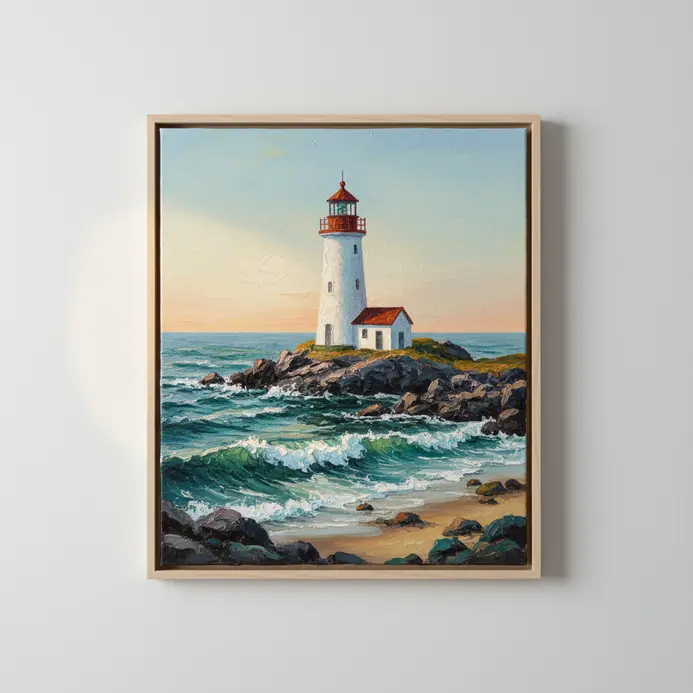
Have you ever stared at a photo of a peaceful lighthouse and thought you could never paint that calm feeling? The trick is all in the light and the water. Aim for a soft, diffused light like an overcast day or the golden hour, which gives you gentle colors and soft shadows ideal for easy acrylic landscape painting for beginners. Use horizontal brushstrokes for a calm ocean and keep your lighthouse simple against the sky. This works because that quiet light naturally creates a sense of peace, making the whole scene feel relaxing instead of dramatic. I love using a simple sky wash as my first layer to set the mood. For a smaller, manageable version of this scene, try these techniques on small canvas painting ideas.
10. Blend a Soft Misty Morning Forest Clearing
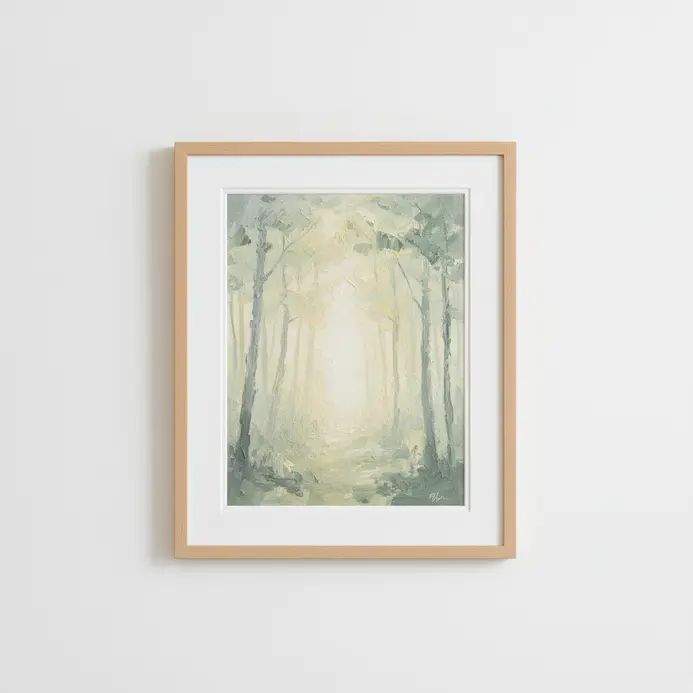
Ever wondered how to capture the quiet, dewy feeling of a forest at dawn? This is all about creating atmosphere with soft, layered blends of color when exploring easy acrylic landscape painting for beginners. You will start with a cool, misty mix of blues and pale grays for the sky and background trees. Then, use a soft, damp brush to gently pull that color into the mid-ground, where you will add muted greens and browns for the forest floor. The key is to let your brushstrokes be loose and let the colors softly merge on the canvas. I love how this technique builds depth so effortlessly. It works because those hazy transitions mimic how our eyes see light filtering through morning fog. For a perfect payoff, add the tiniest hint of a warm, glowing color like a pale yellow for the diffused sunlight peeking through. It is a fantastic way to practice blending and create a peaceful scene and feel that creative confidence grow.
11. Bright Desert Cactus Sunset Vista: Use High-Contrast Colors
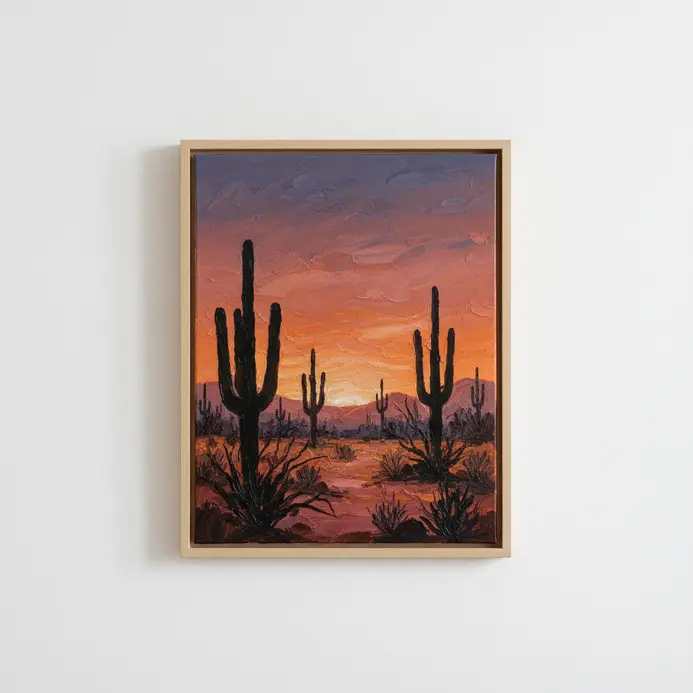
Ever wondered how to make your painting pop with instant drama during easy acrylic landscape painting for beginners? The trick is to lean into the bold color opposites of a desert sunset. Start with a sky of blazing cadmium red and orange. Then, paint your cactus silhouettes with a vibrant phthalo green, making them stand out sharply against the warm glow. This works because the stark difference between the warm and cool colors creates incredible depth. I love how the dark cactus shapes against the bright sky make the whole scene feel alive. Try it and feel the excitement when those colors truly sing in your painting with acrylics.
12. Sketch a Single Willow Tree River Scene
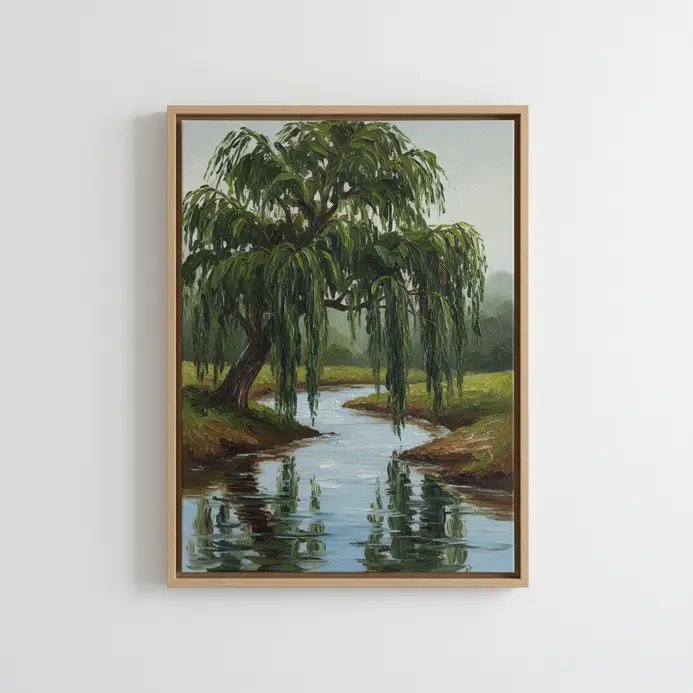
Ever felt intimidated by all the details in a landscape? Trust me, starting with a simple light foundational sketch makes it all feel approachable. Begin by drawing a very faint horizon line, then add a gentle curve for the riverbank. Lightly place your willow tree as a soft, rounded shape slightly off-center. This loose setup lets you map out the entire composition before committing to any dark lines. Isn’t that a relief? For your next project, you could even paint easy lighthouses in landscapes using this same sketching principle. Feel how confident your drawing becomes.
13. Abstract Geometric Mountain Peak Canvas — Simplify Shapes
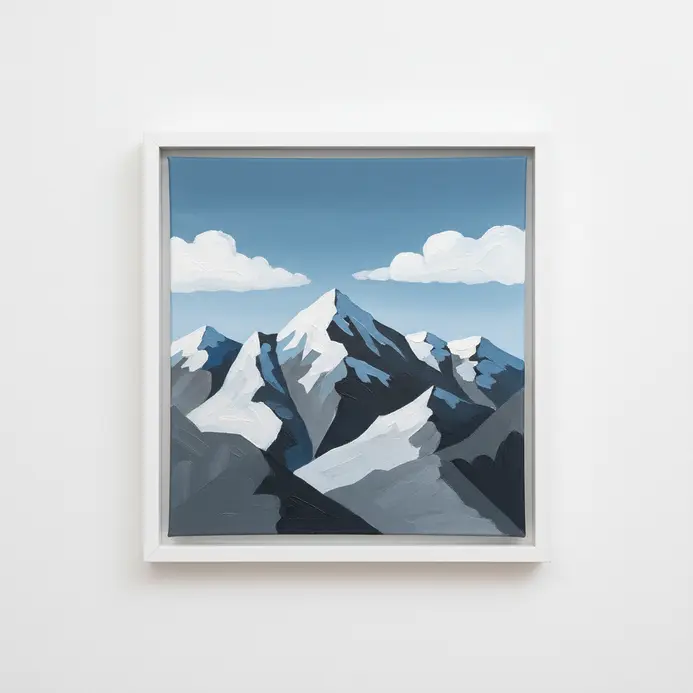
Ever think a mountain could be made of triangles? This one is a fantastic way to sidestep tricky realism. You start by sketching the silhouette, consciously turning every curve into a sharp, straight line. Define the peak as a clear triangle, then let slopes become long trapezoids or parallelograms. It works because you are focusing purely on strong, graphic shapes instead of fussy details. I love how quickly a few bold angles create a striking, modern landscape. Trust me, the real trick is to keep it simple. Resist the urge to fill the shape with too many internal lines Instead, add just a few to suggest light and shadow on different geometric planes. This creates depth without clutter. Try it and feel that instant graphic punch when your abstract mountain comes together.
14. Paint a Tropical Palm Tree Beach Horizon
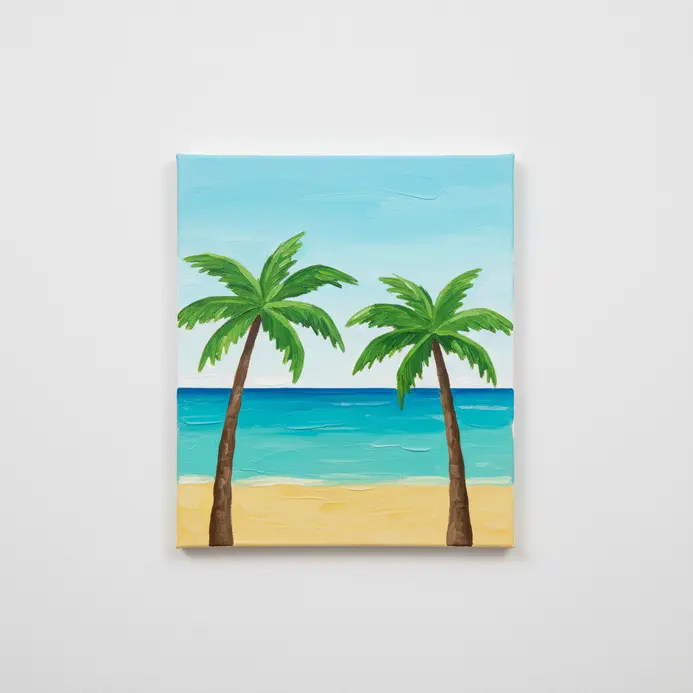
Ever wondered how to capture that perfect beach sunset? You start by lightly sketching the horizon line off-center. Then, use a large flat wash brush To blend your sky colors from deep blue down to a glowing orange near the water, follow this step by step guide. I love this part. For the palm trees, mix a rich Sap Green for the fronds and use a small round brush to create those signature spiky shapes. This creates fantastic depth and a warm, inviting scene. It is incredibly satisfying to see that tropical glow come together. For more inspiration on different creative styles, you can always try abstract painting approaches.
15. Create a Dark Dramatic Stormy Sea Scene
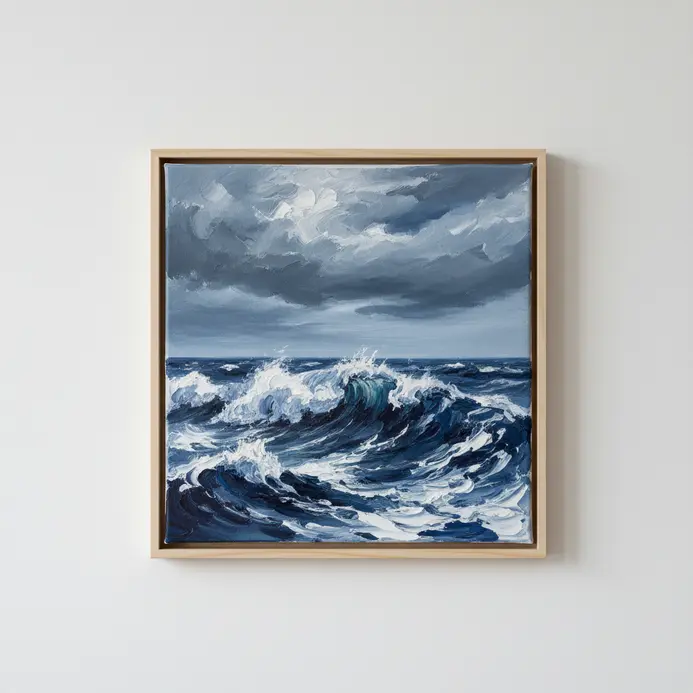
Who says beginner paintings have to be calm? This scene is all about raw power and mood. You will start by blocking in a dark sky and sea with deep greys, blacks, and murky greens, avoiding bright blues. I love using a large flat brush for this to cover ground quickly. Next, mix in flashes of white to create the frothing chaos of breaking waves. Use a stiff brush to dab and drag the paint, suggesting spray and wind-torn foam. A palette knife is perfect for adding thick, textured peaks to your waves. This builds incredible drama and movement. Focus on strong contrast between your dark colors and the bright white foam. That contrast is what makes the scene feel intense and alive. It is a fantastic way to practice expressing emotion with paint in a step by step painting lesson. You can even start small with some ideas for small paintings to build your confidence. Feel the energy you have created on the canvas!
16. Light Field Sunflowers Meadow View: Apply Bold Yellow Strokes
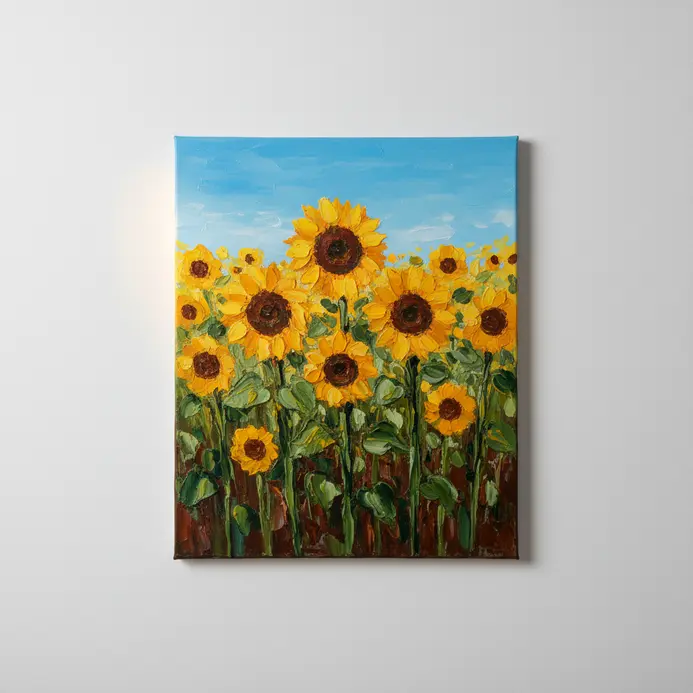
This one is a pure joy to paint. It looks complex, but it is all about letting go and trusting your brush. Load up a generous amount of Cadmium Yellow paint and press it onto the canvas with confident, thick strokes. Let the direction of your marks suggest petals and stems, not define them perfectly. I love how this approach captures the feeling of a bright, sun-drenched field more than a perfect photograph. Use a range of yellows, from lemon to ochre, with a touch of orange for warmth in the flower centers. This variation is what creates that shimmering, light-filled look. Do not blend the colors too much. Let those distinct, bold strokes sit side by side. The texture and energy come from that visible, happy brushwork. See how vibrant your meadow becomes when you paint with this kind of freedom?
17. Outline a Quiet Country Road Autumn Path
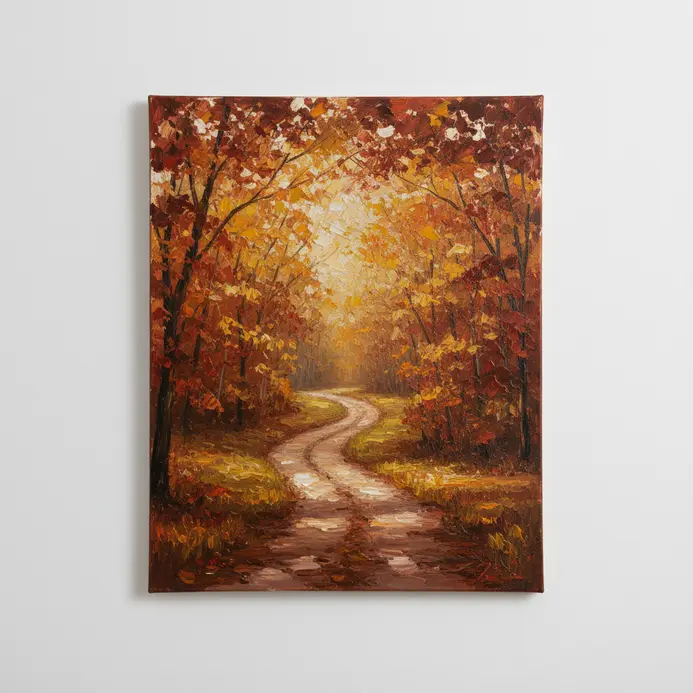
Ever feel overwhelmed trying to capture a full landscape? I love this one because you start with a simple road perspective sketch. Draw two lines that vanish towards the horizon to create your path. Then, block in the basic shapes of trees and a distant hill on either side. This framework instantly gives you a sense of depth and place. Now, think about the autumn mood. Layer in warm, broken color for the foliage instead of solid blocks. Use dabs of crimson, ochre, and burnt sienna on your trees. Let some of that underpainting show through for texture, like glimpses of sky or branches. The quiet feeling comes from soft edges and a limited, earthy palette. This approach is satisfying because it builds a complex scene from manageable, simple shapes. For a great way to build your foundational skills with color and form, you can practice with still life subjects. Feel how peaceful your painting becomes.
18. Paint a Frozen Pine Tree Winter Scene
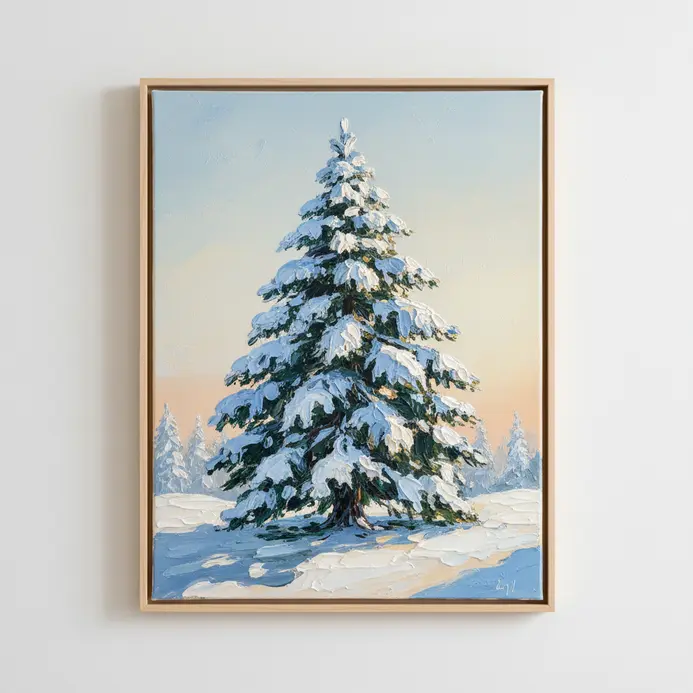
Ever wondered how to capture that quiet, frosty stillness? This one looks detailed but is built from simple layers. Start with a cool background using Cerulean Blue and Titanium White for the sky. Then, block in your pine trees with a dark mix of blues and browns, saving the pure white for last. Use a fan brush to dab on the snowy pine needles. It creates perfect texture without needing to paint every single needle. I love how this simple tool makes the trees look full and frosted. Add final sparkle by spattering a bit of thinned white paint with an old toothbrush for falling snow. Remember, your shadows in the snow should be cool blues and purples, not black. This keeps the scene feeling crisp and bright. For a different take on serene scenes, check out explore minimalist landscape approaches. Feel the peaceful chill of your finished winter painting.
19. Clear Night Sky Starry Valley: Dot in Tiny Highlights
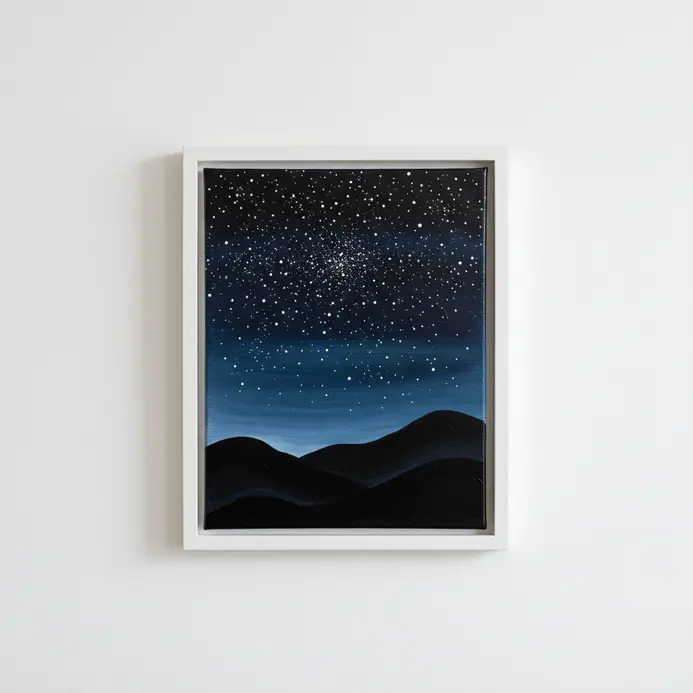
Ever wonder how those perfect, twinkling stars are painted? It looks magical, but the trick is surprisingly simple. Instead of blending, you create the entire sky with tiny, precise dots. Use a deep blue or purple background and let it dry completely. Then, take a fine brush or even a toothpick and dot in your stars with white or pale yellow paint. Vary the size and brightness of your dots to build a realistic, deep field of stars. I love how this teaches you careful control while creating something so peaceful. Try it and feel the quiet satisfaction of building a galaxy one dot at a time.
20. Build Rolling Green Grassland Summer Day Layers
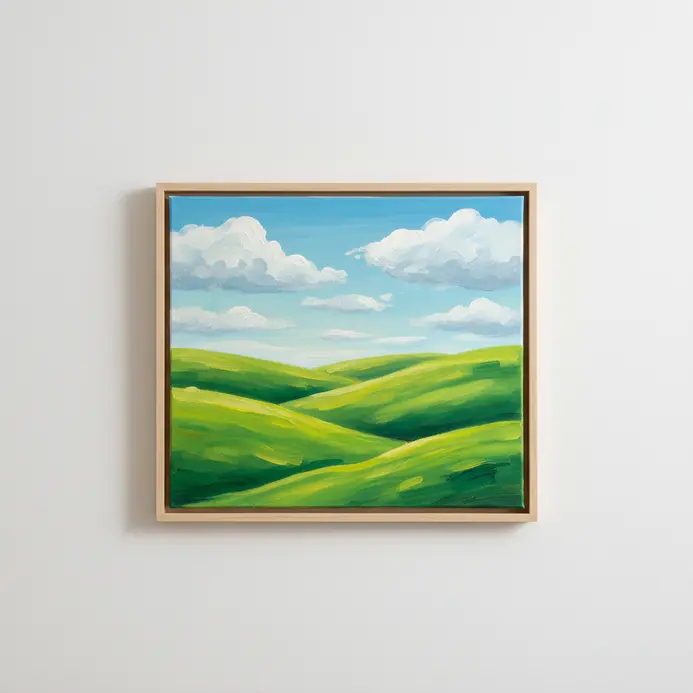
This technique looks complex, but it is simply about working from back to front. Start with a pale, hazy sky and distant hills using muted blue-greens. Then, paint your mid-ground with more saturated greens, saving the brightest, most detailed grass and wildflowers for the front. This layering creates amazing depth and makes the scene feel expansive in your landscape acrylic painting. I love how this methodical approach makes a realistic landscape feel totally achievable. For a different take on simplifying nature, you can explore minimalist landscape approaches.
21. Capture a Reflective Quiet Pond Willow Scene
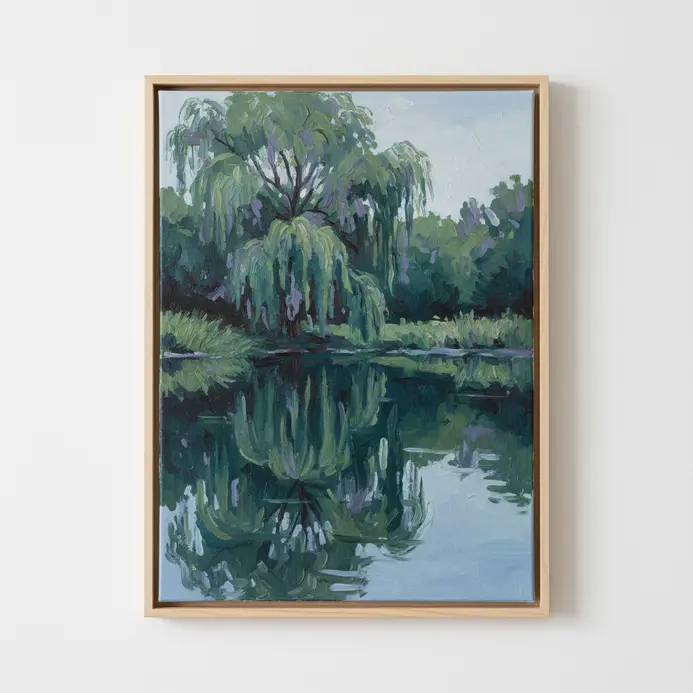
Who would have thought painting a perfect reflection could feel so simple? The trick is to paint the willow and its reflection at the same time. Use a soft, muted color palette to build both the tree and its watery twin with gentle, vertical strokes. This keeps the colors harmonious and makes the water look still. I love this part. Make the reflection slightly darker and less detailed than the tree above. See how that instantly creates depth and calm? It is the secret to capturing that quiet, mirror-like feeling. For a striking alternative that focuses purely on light and form, you could also try black and white landscapes. Does that not look stunning in your demonstration of color?
22. Warm Orange Sky Canyon Landscape: Mix Earth Tones
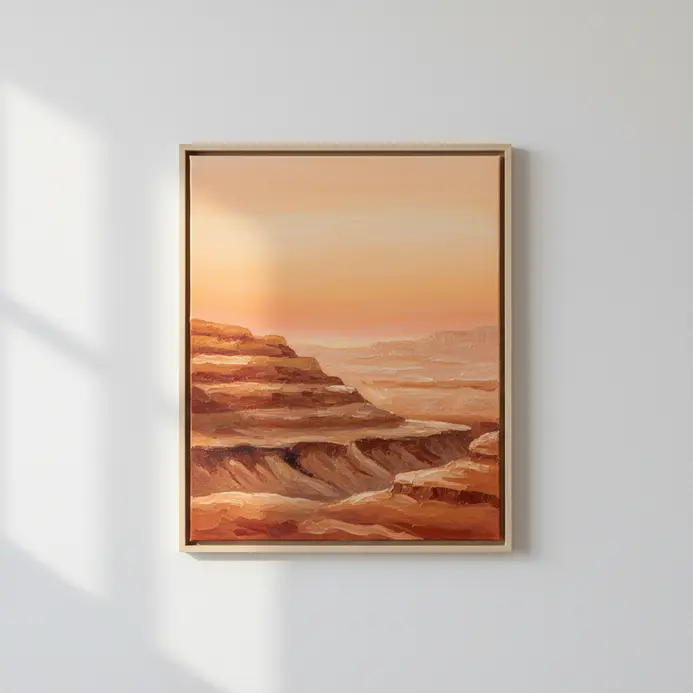
Ever wondered how to make canyon rock look so real and textured? The secret is not using a single color, but building up layers of different earth tones. Start your sky with light yellows, then blend in oranges and reds. For the rocks, mix a variety of browns, reds, and even a touch of muted purple in the shadows. I love how this layering creates incredible depth. Trust me, avoiding a flat, single brown will instantly make your landscape feel vast and dramatic. Feel the warmth of that sunset glow in your finished piece.
23. Paint a Rustic Barn Farm Field View
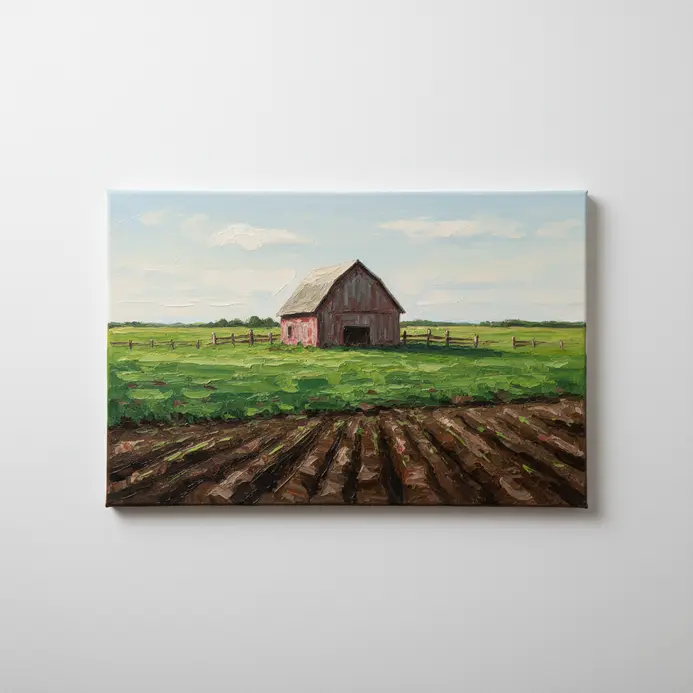
This one looks detailed, but trust me, the composition is super approachable. You will start with a simple sketch, then build up the late afternoon sky and the lush field in thin layers. I love using a large flat brush for that initial sky wash to get a smooth, even color. Next, focus on the barn itself. Mix a warm red with a bit of brown for a weathered look, and use a smaller brush for the windows and door. That golden light hitting the side of the barn is what makes the whole scene feel warm and nostalgic. Finally, add those long shadows and details in the grass. Does that not look peaceful and inviting? You have got this.
24. Calm Blue Ocean Wave Horizon — Simplify Water Movement
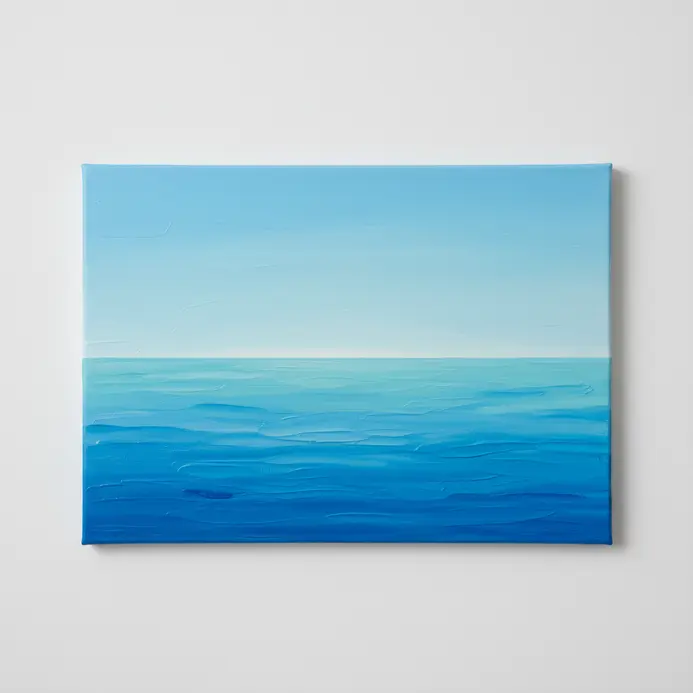
Ever wondered how to paint water that feels serene yet alive? The secret is understanding the forces at play in landscape acrylic painting, not painting every single ripple. You are not depicting still water, but a gentle, dynamic system. Focus on capturing the gentle, long-period swells that travel as energy through the water, not the water itself moving horizontally. This creates that subtle, believable movement you see on a calm day. I love starting with a flat wash for the horizon, then adding soft horizontal strokes for those distant swells. Remember, even a calm ocean has texture from light wind and tidal forces. Your painting will feel more authentic when you show that quiet energy. Feel how relaxing it is to paint that peaceful horizon.
25. Glowing Lantern Forest Path Scene
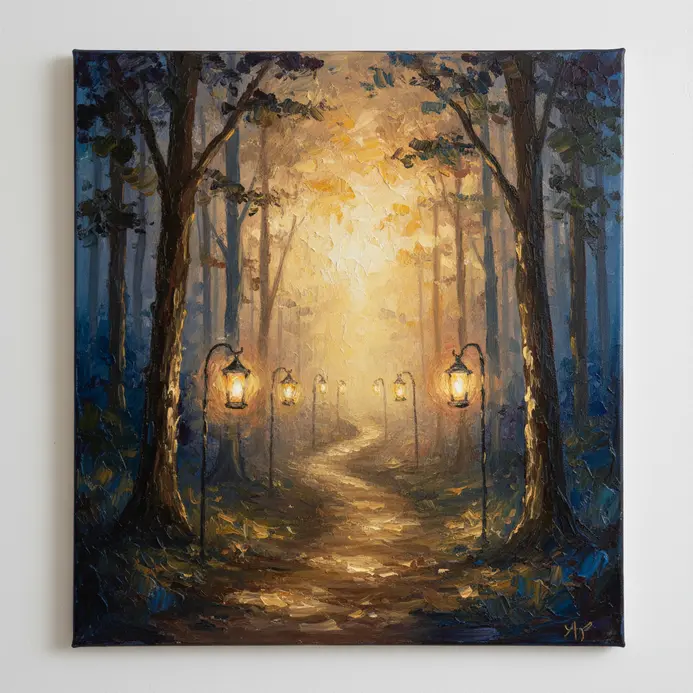
Who would have thought you could create such a magical feeling with just a few simple steps? This one is all about building a cozy mood. Start by painting your dark forest path using a mix of dark green and brown. Let that dry completely. Now, mix a bright yellow with a little white and use a small round brush to place your glowing lanterns along the path. The secret is to paint a soft halo of light around each one while the yellow is still wet. Isn’t it amazing how this simple glow brings the whole scene to life? Try it and feel the magic you have created in your easy acrylic painting ideas.
Varnish Application to Protect Finished Acrylic Layers
A single layer of matte acrylic varnish applied with a clean, wide brush seals your work and prevents dust from settling into the paint texture. Here is the thing, you must ensure every painted area is completely dry first, which usually takes 24 hours. This final step locks in your color choices and provides a uniform finish, especially important if you used different sheens in your painting. Look for a varnish labeled as non-yellowing to keep your sky gradients clear and bright over time. Apply it in a well-ventilated room with smooth, even strokes, and avoid going back over areas once they start to set. Your finished piece will have a professional, protected feel ready for display.
Conclusion
Every painting you finish adds a little more confidence to your creative voice. The real success in easy acrylic landscape painting for beginners is not a perfect replica of a photo, but the feeling you get when you step back and see your own interpretation of a sunset or a forest. Keep that first painting nearby as a reminder of where you started. For your next project, pick a scene with a color you love and focus on mixing the three main tones: a light, a medium, and a dark. The landscapes you create are a wonderful record of your growing skills and a personal celebration of the natural world.
FAQs
Q: What basic supplies do I need to start an acrylic landscape painting easy project?
A: To get started painting a simple landscape you’ll need acrylic paints, a set of brushes, a DIY canvas or pre-stretched canvas, gesso (or black gesso if you want a dark ground), a palette (a stay wet palette helps because acrylic paint has a fast drying time), water jar, paper towel or kitchen roll for wiping brushes, and a varnish or fixative for a final coating. These basics let you learn to paint without overwhelming gear.
Q: How do I paint a landscape step-by-step for beginners?
A: A beginner-friendly step-by-step approach begins with priming the canvas with gesso, sketching a simple composition, blocking in large color shapes (sky, midground, foreground), adding darker values for depth (darks and darkest shades), refining forms and details, and finishing with highlights and a protective coating. Follow an easy to follow landscape tutorial or demo to see the painting process and painting time for each stage.
Q: What acrylic painting techniques are best for an easy landscape?
A: Easy acrylic painting techniques include wet-on-dry blocking, dry brushing for texture, glazing with thinned layers to create richer colors together, and using palette knife for impasto strokes. Because acrylics have a fast drying time, techniques like glazing or blending benefit from a stay wet palette or misting to keep paint workable. Layering darker values last helps establish the darkest areas and depth.
Q: How do I mix colors to get natural landscape tones?
A: Color mixing starts with primary colors plus white and a neutral dark. Mix colors together to create muted greens and earth tones by adding small amounts of complementary colors or a touch of black for the darkest shades. Practice mixing value and temperature—darker, cooler colors recede while warmer, lighter colors advance—to make your landscapes more believable.
Q: How long does an acrylic landscape painting take from start to finish?
A: Painting time varies by size and detail: a simple landscape can take a couple of hours to block in and another session to refine. Acrylic paint often dries quickly between layers, so total painting time can be shorter than oils. Factor in drying between coats, and use techniques like misting or a stay wet palette if you want longer working time during a single session.