Matching Line Complexity To Children’s Ages
Pages with thick contours, large eyes, and broad open shapes suit toddlers because these features keep coloring areas easy to control, which explains why parents love animal coloring pages for early learners. Preschoolers benefit from recognizable animal silhouettes with minimal background detail, especially when hand strength and pencil control are still developing. Older children often prefer thinner outlines, habitat settings, fur textures, feathers, scales, stripes, and repeated patterns since added detail gives them more room for careful choices. A useful page keeps the animal clear even when a child colors outside the lines, making animal coloring pages a reliable tool for steady skill growth.
Tiny enclosed spaces create frustration for early colorers, while oversized blank areas help crayons move smoothly. Choose designs according to motor skill rather than age printed on the page since children within one group work at different levels. Thick contour lines print more reliably than delicate outlines, so teachers often recommend checking thickness before printing.
Printer Settings For Clear Coloring Outlines
Set the printer to actual size and black-and-white mode so animal outlines keep their intended proportions and contrast. A print preview catches clipped ears, tails, or habitat borders before paper leaves the tray, which keeps every sheet crisp. Crayons and colored pencils work well on standard printer paper, while washable markers often need heavier cardstock to reduce bleed-through. Keep scaling at 100 percent, and select normal or high-quality print mode instead of draft when thin details matter. Proper printer settings ensure your animal coloring pages come out crisp and ready for use.
Black ink produces cleaner guides than pale gray settings, especially after repeated copying. Check the first page for broken lines, missing facial details, and crowded margins. A clear outline supports controlled coloring without forcing children to press hard, and adjusting your printer settings guarantees that every sheet looks its best.
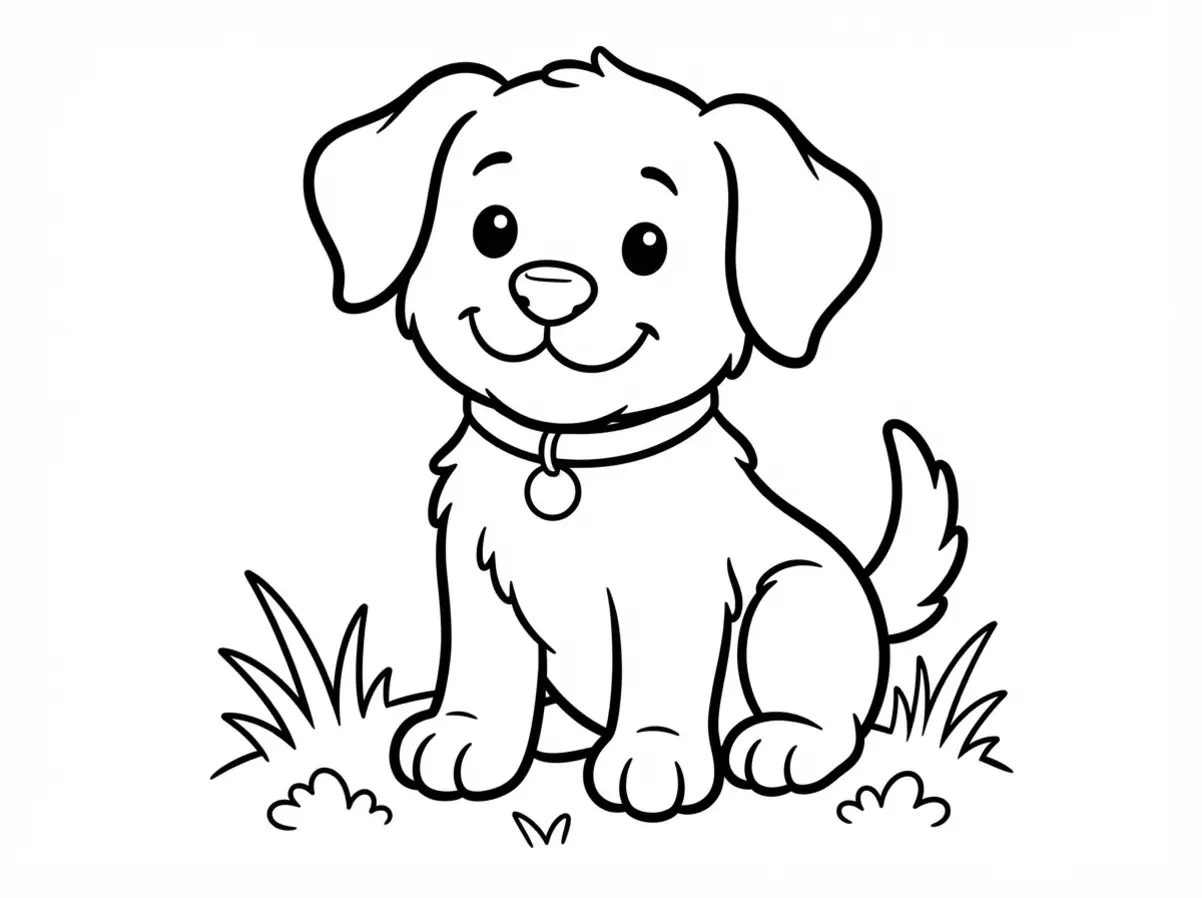
1. Cute Puppy Sitting on Grass: Simple Line Art
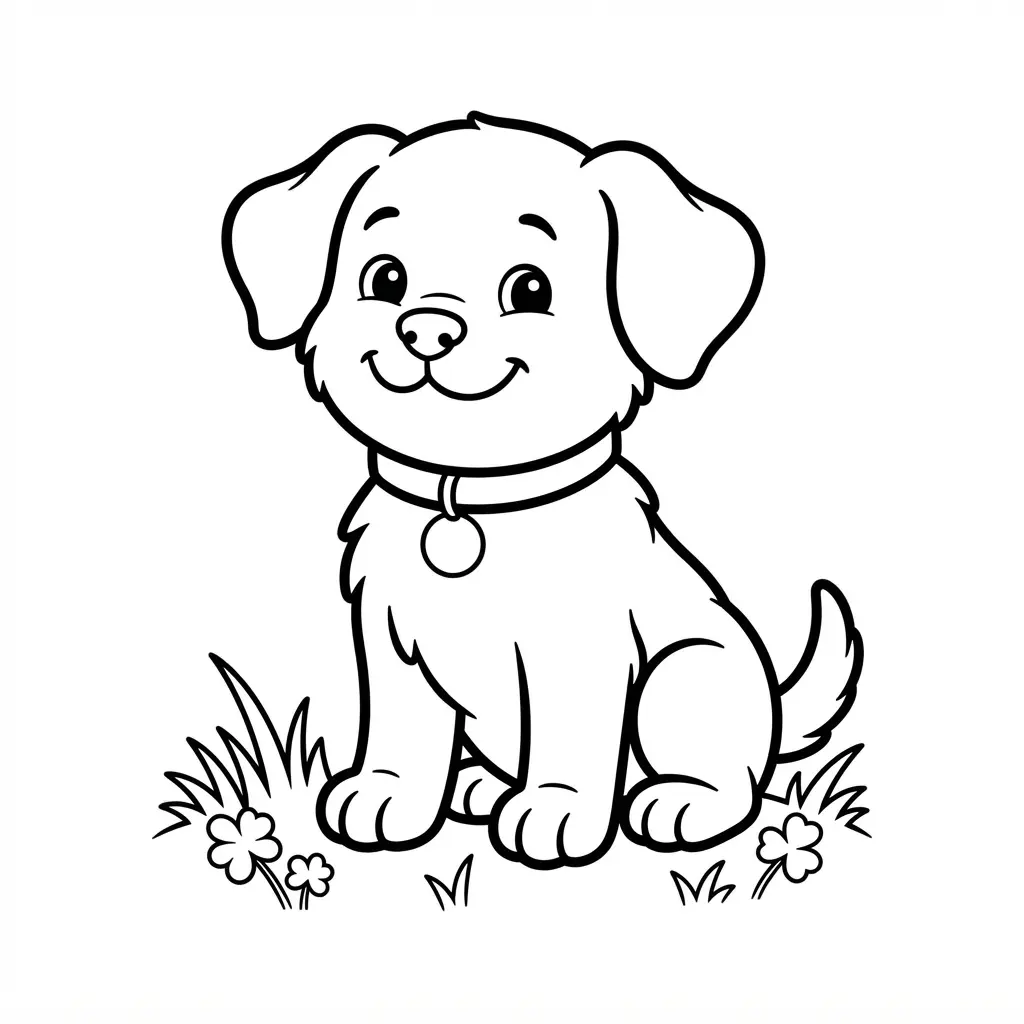
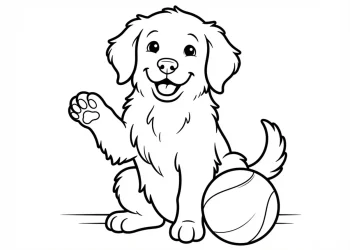
Want a sweet, easy subject for your next coloring session? Start with a seated puppy built from bold black outlines, leaving the white background open and clean. Draw floppy ears, round eyes, a tiny nose, and a happy smile with only a few interior lines. Then add a small grass patch beneath its paws.
This open layout gives children plenty of room for bright crayons or pencils. I love how quickly the character becomes recognizable, and the simple shapes feel calm to color. Use slow outline tracing to keep the ears clear, then leave filled areas out of the page, which proves how simple animal coloring pages stay so engaging.
2. Playful Kitten Playing with Yarn — Cozy Pet Scene
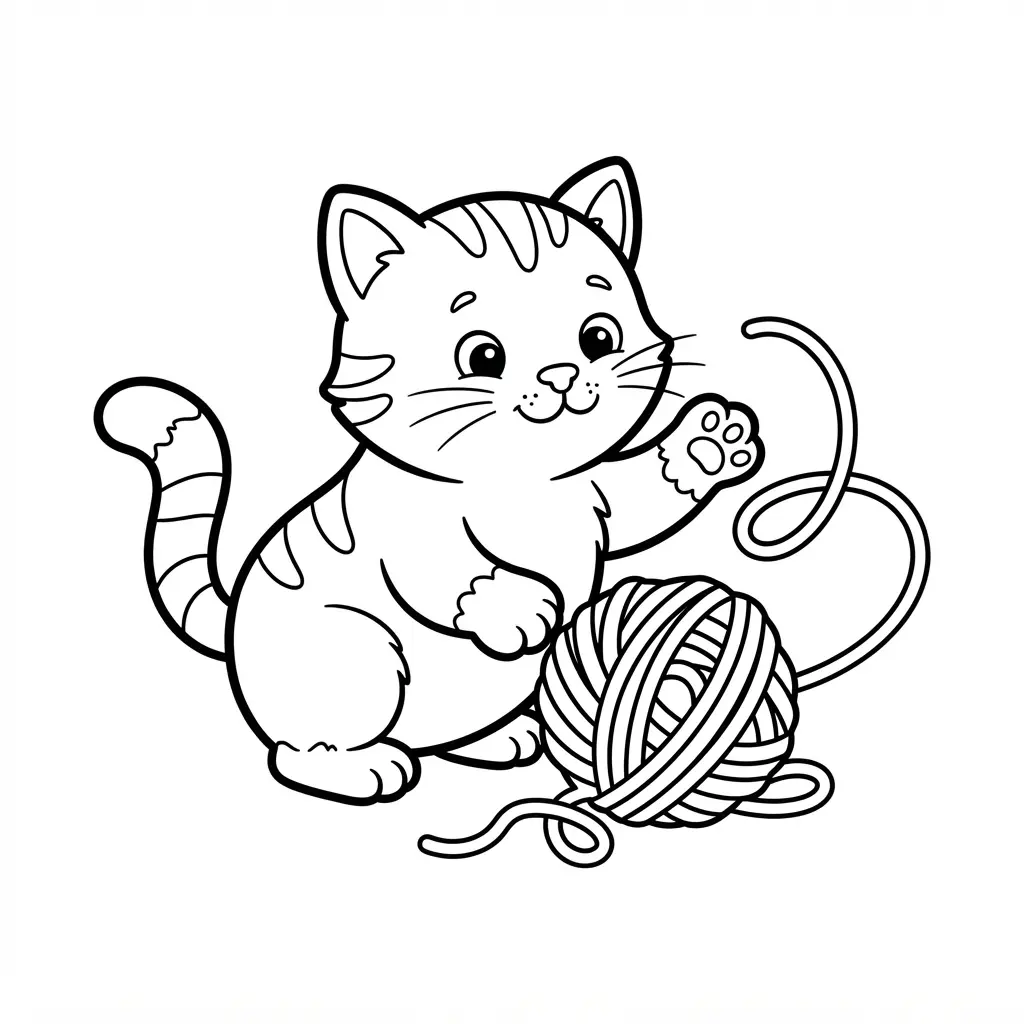
This cozy kitten scene brings instant warmth to animal coloring pages. Start with a pouncing kitten pose. Keep bright, curious eyes, tiny visible paws, and a curled tail clear. Draw the yarn ball beside the paws, keeping each strand rounded and easy to follow. Sound complicated? It is not.
Surround the kitten with a knitted blanket, soft cushions, a woven basket, and a nearby window. Use simple rays and shadow shapes to suggest sunlight, while short broken lines show fluffy fur without crowding the page. Try colored pencils in cream and honey tones for a gentle room glow.
Keep foreground outlines stronger and background lines lighter for easy depth. Your finished page will feel cheerful, homey, and full of playful movement, and I always keep a stack nearby for quick rainy-day fun.
3. Majestic Lion with Flowing Mane: Wild Animal Portrait
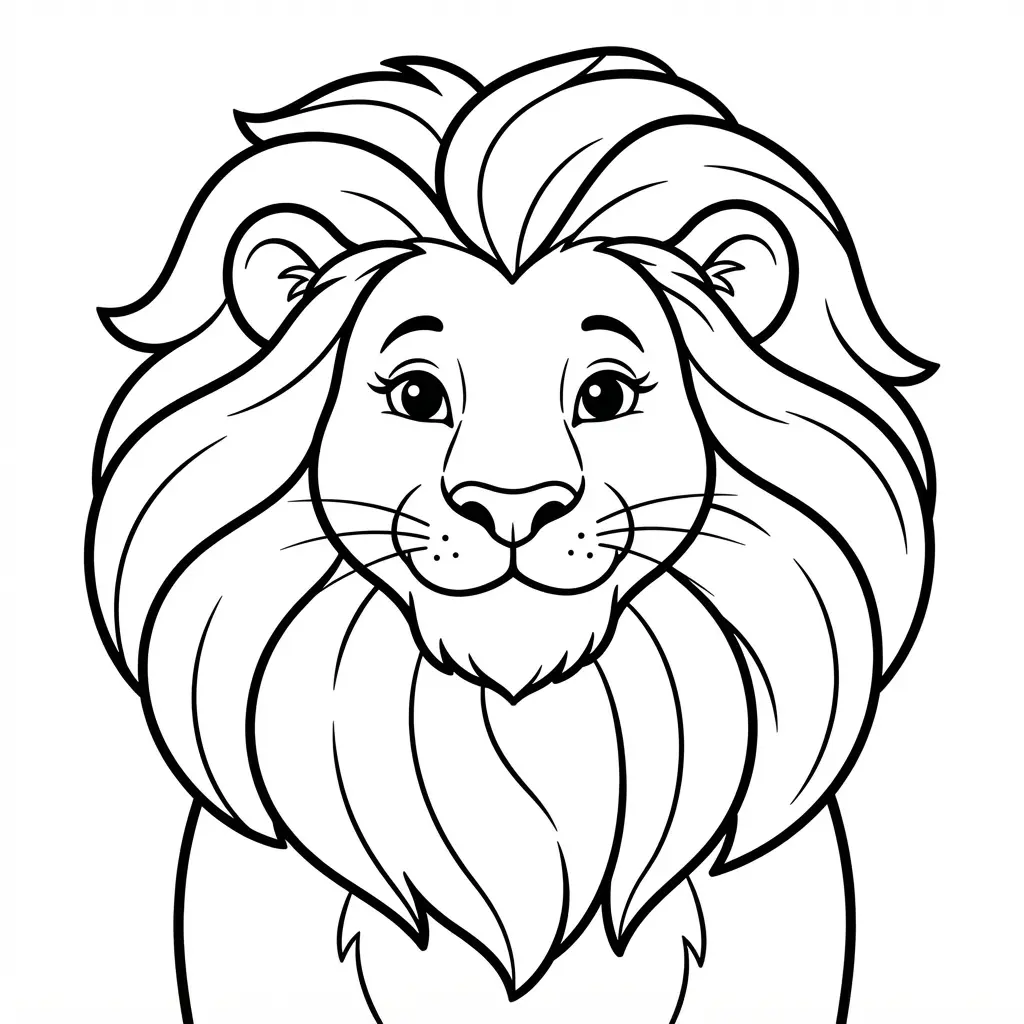
I love this portrait because the lion’s face feels calm, proud, and full of character. Ever tried coloring a mane with separate flowing sections? Start with bold facial outlines, then follow each fur strand outward from the cheeks and crown. Keep the amber eyes clear, and leave small white spaces for lively highlights. Use golden and copper shades across the mane.
Add darker brown near the roots for depth. A soft sunset wash behind the head suggests the savanna without pulling focus from the face. The simple background makes this page welcoming for younger artists, while layered fur keeps older colorists engaged. Trust me, watching the mane take shape feels satisfying.
4. Large Elephant in African Savannah — Habitat Scene
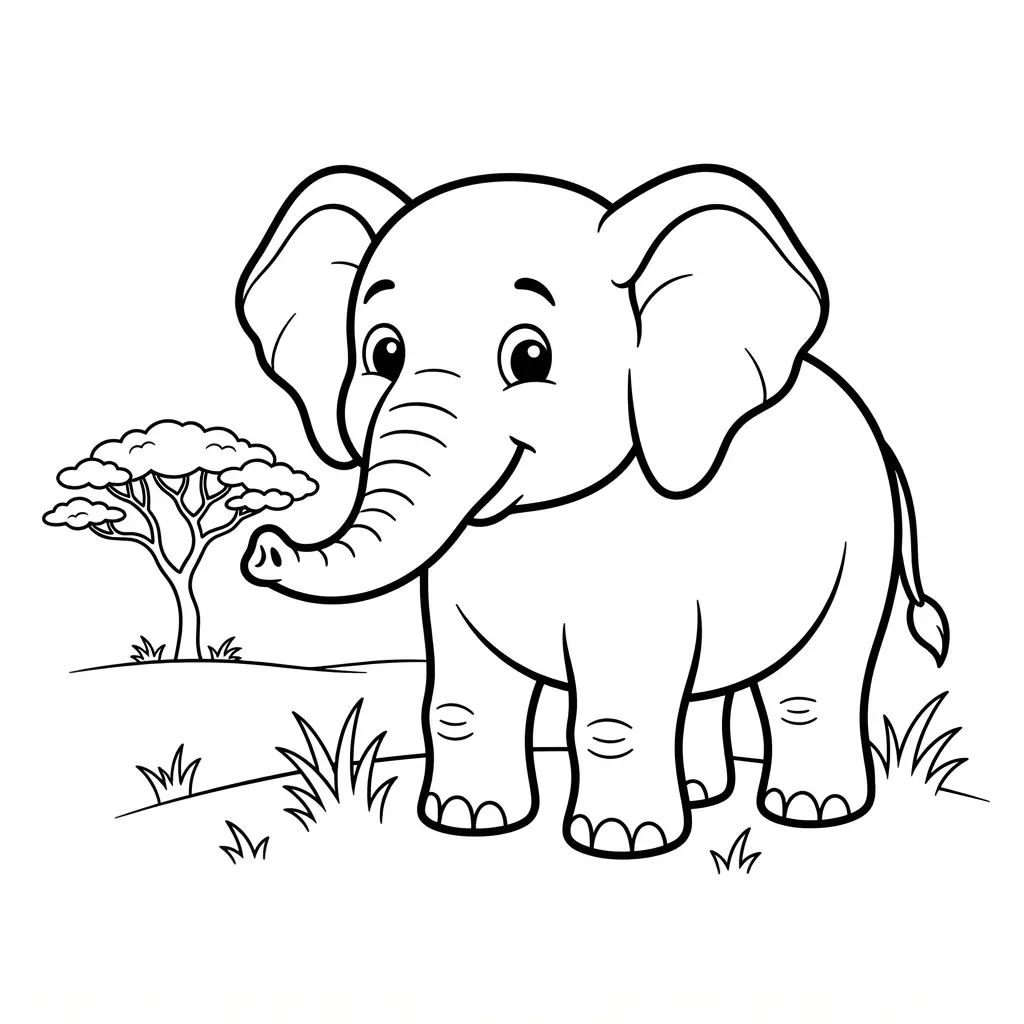
Golden grasses curl around sturdy feet while sunset lines warm the sky behind a broad-eared elephant. Isn’t this a lovely scene to color? Start with a large elephant outline, giving its trunk, tusks, thick legs, and fan-shaped ears clear space. Add tall grass in the foreground.
Place simple acacia trees, distant hills, tiny birds, and light dust behind the animal. I love keeping those background shapes open, so young artists have room for gray skin, tan grass, green leaves, and orange sky. The elephant stays easy to spot, and each section feels satisfying to fill. Keep distant wildlife small and uncluttered for a calm finish.
5. Tall Giraffe Eating Acacia Leaves: Gentle Wildlife Art
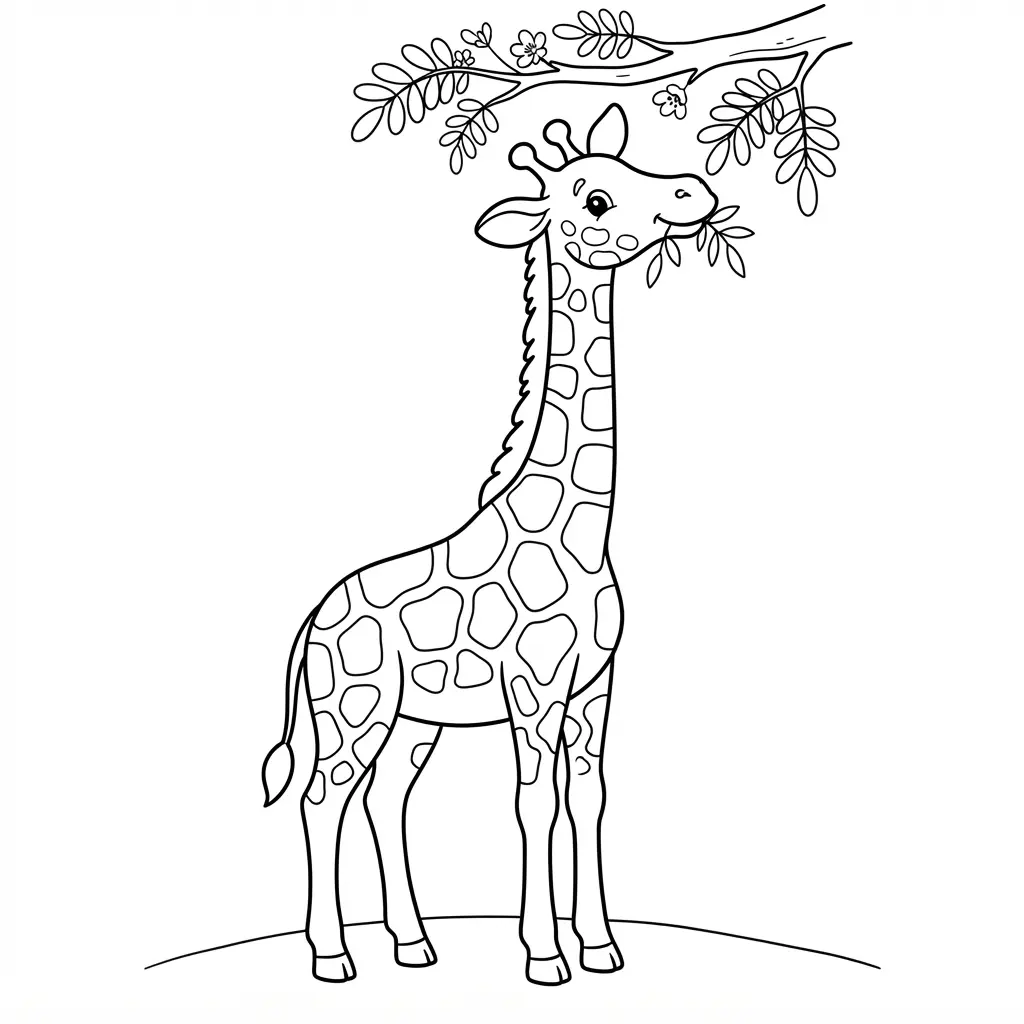
Many beginners draw the giraffe standing alone, which loses the peaceful savanna setting. Start with the tall giraffe beneath a spreading acacia, then guide its long neck toward clustered leaves. Add gentle outlines for the amber coat and brown patches, keeping the calm expression clear. Build the background with pale blue sky, distant grasses, and soft golden light slipping through the branches.
Does the scene feel complicated? It is not. I love how simple leaf clusters give you room to try green shades while warm earthy tones keep the picture restful. Keep faraway details light so the giraffe and tree stay easy to see, which shows why animal coloring pages work so well for beginners.
6. Fluffy Panda Munching Bamboo Shoots — Cute Forest Friend
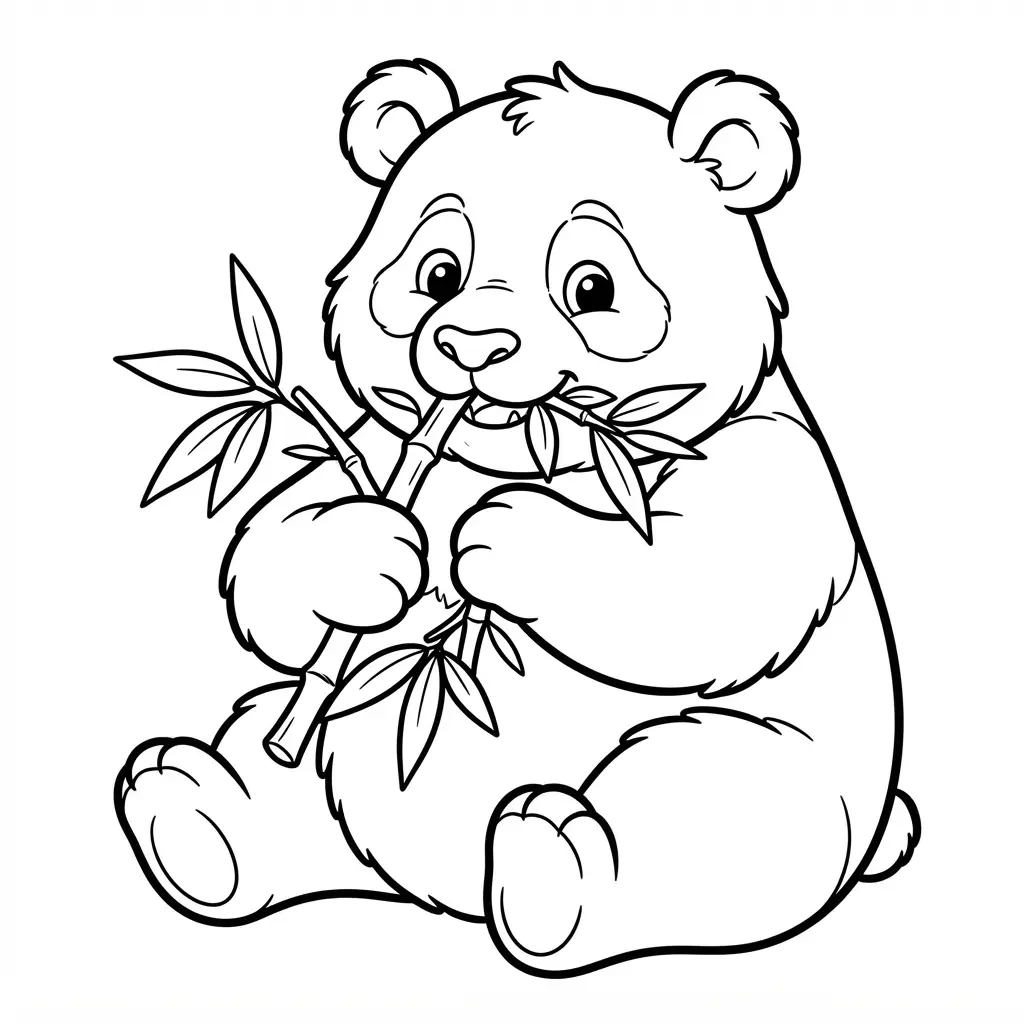
Place a seated panda in the center, using soft circles for its chubby body, rounded paws, bright eyes, and gentle smile. Add a bamboo shoot beside its mouth and another near its paws so the munching action reads at once. Who would not love coloring this peaceful forest friend? I love framing the character with tall bamboo stems.
Keep broad leaves and open gaps for warm sunbeams clearly spaced. Keep outlines bold and fur marks short, leaving roomy sections for black, white, green, brown, and soft yellow. Trust me, a little dappled light makes the page feel cozy without hiding the panda, which is a common reason kids return to animal coloring pages.
7. Butterfly with Wing Patterns: Nature Coloring Design
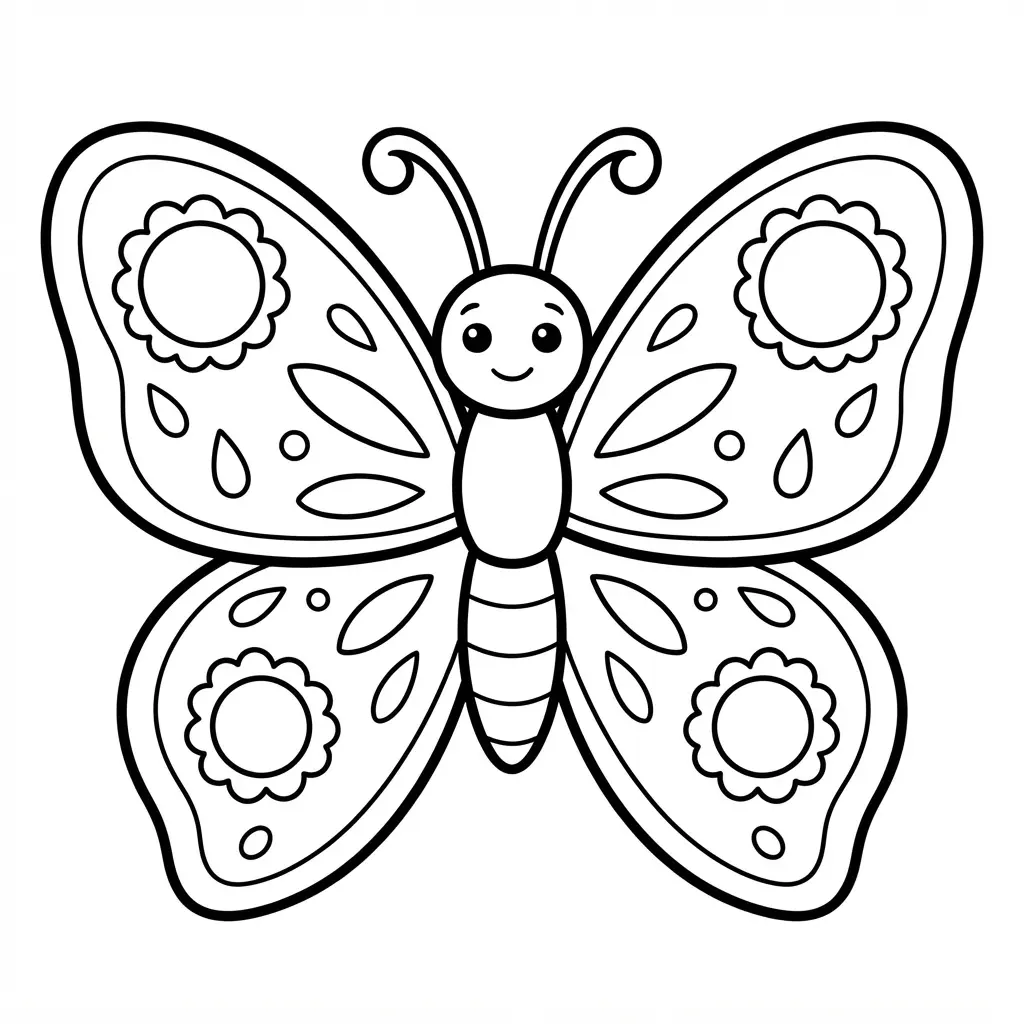
Ever wondered how a butterfly page stays detailed without feeling messy? Start with the bold wing outlines, then fill each side with balanced leaves, flowers, vines, feathers, raindrops, and small geometric shapes. Keep the body graceful, with slim antennae and only a few wildflowers or gentle leaves around it. The clean black-and-white design leaves every section open for crayons, colored pencils, or markers.
I love matching colors across both wings, then adding one small surprise in each pattern. Clear spaces keep the page comfortable for older children and adults. Keep patterns coordinated rather than identical, and leave the background white for a crisp finish. This layout proves that nature-themed designs offer the most creative freedom.
8. Slow Sea Turtle Swimming Underwater — Ocean Scene
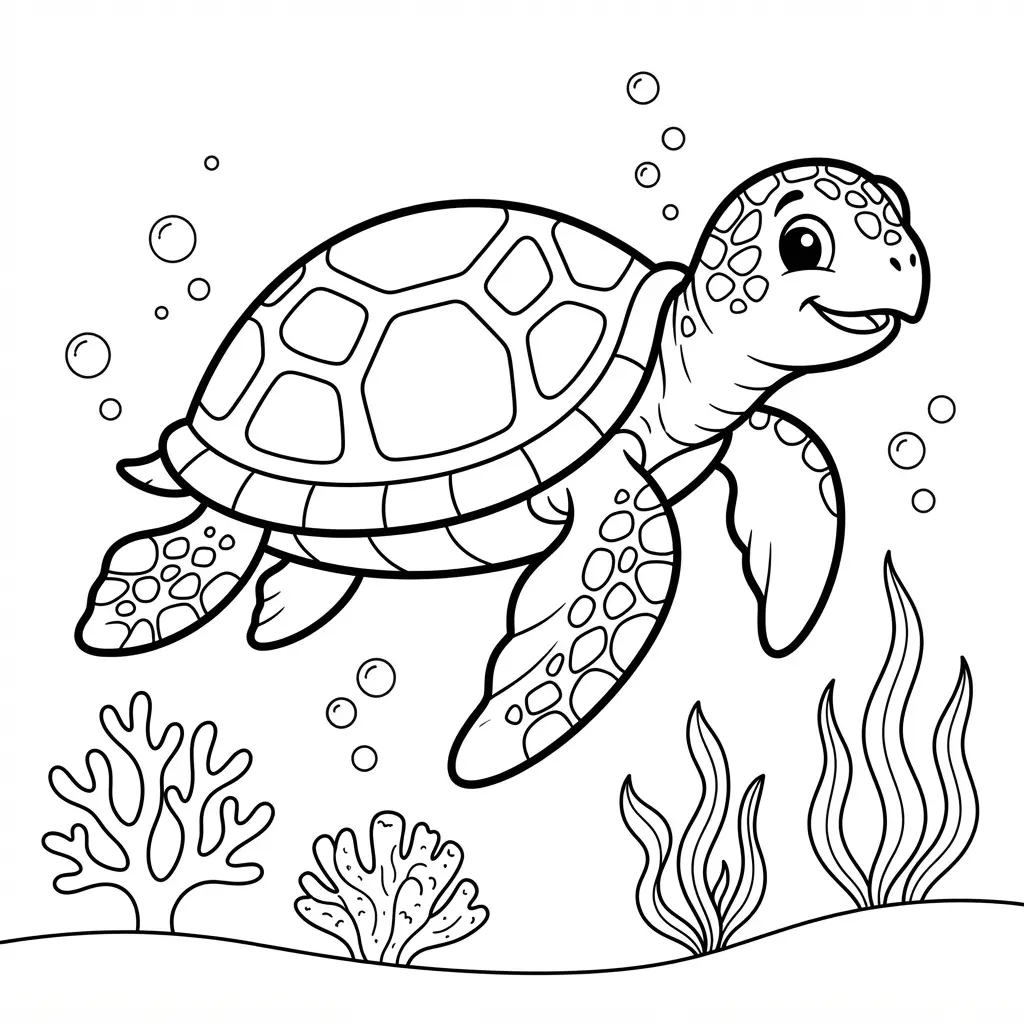
This scene feels calm from the first outline. Start with a large sea turtle gliding horizontally, giving each flipper a long, graceful curve instead of sharp motion lines. Leave open turquoise water around the shell so the turtle stays easy to notice. Add a sandy seabed below.
Include seagrass and a few small fish tucked into the background. Now draw soft sunbeams from the surface, plus curved light marks across the shell and sand. Bubbles and tiny floating particles fill empty spaces without crowding the subject. Sound complicated? It is not.
The clean sections make these sheets relaxing to finish, which is why ocean-themed pages rank high for quiet time. I love using gentle greens, warm sand tones, and blue shades here. Keep the outlines distinct, then enjoy the peaceful underwater result.
9. Galloping Horse in Open Meadow: Motion-Filled Scene
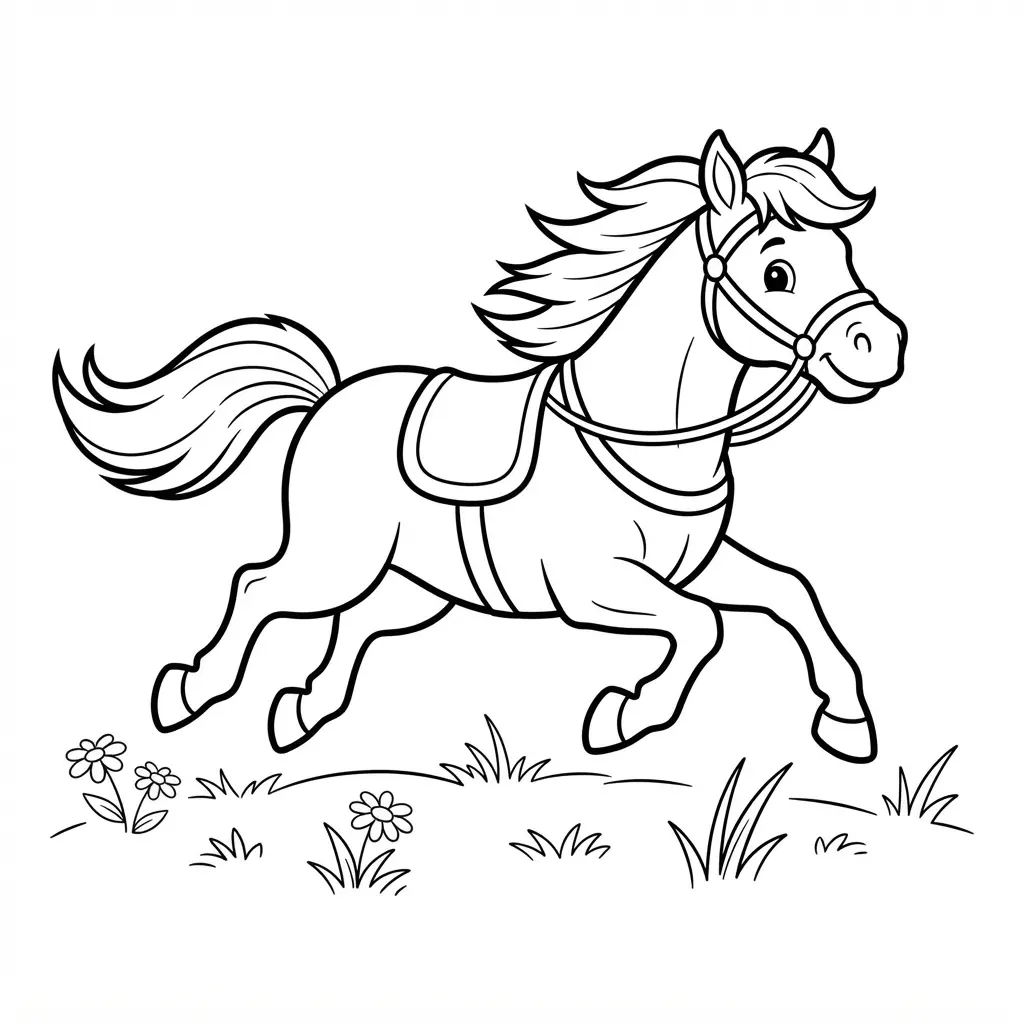
I love this scene because the horse feels alive before you add a single color. Sketch a chestnut horse in mid-stride, with its legs stretched into a clear gallop, then add a streaming mane and tail to show wind behind the body. Ever tried capturing speed in a still drawing?
Add loose dust and crushed wildflowers around the lifted hooves. Frame the subject with rolling hills, soft clouds, and a clear blue sky, keeping distant marks lighter than the horse’s outline. Warm golden-hour color along the back and neck gives the scene a cheerful glow.
I love how a sharp horse against a softer meadow makes your page feel open and free. Pro tip: leave small white gaps between dust lines and hooves for airy motion. This movement study keeps artists engaged from start to finish.
10. Magical Unicorn with Flowing Mane — Fantasy Friend
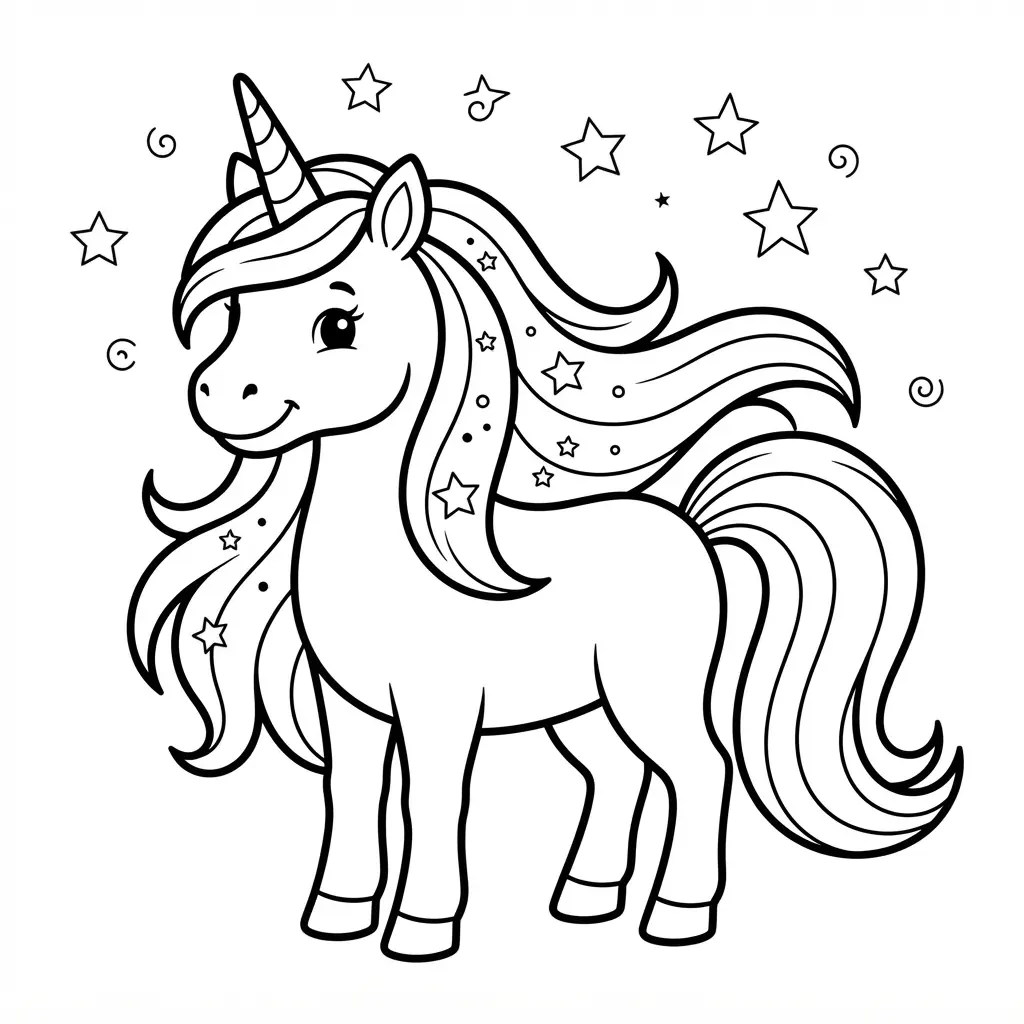
A unicorn with a long, flowing mane stands among glowing flowers, fluttering butterflies, curling vines, and tiny stars. Start with the central unicorn outline, then add a clear spiraled horn, sparkling eyes, delicate wings, and a warm smile. Sound complicated? It’s not. I love how the long curved strokes make the mane and tail appear to move.
Leave open spaces around the meadow details, then add soft light marks near the flowers and wings. Use colored pencils or crayons for a storybook finish, and keep the unicorn’s face friendly rather than fierce. Your fantasy friend will feel ready for a page of its own, which shows why magical themes attract older kids.
11. Curious Monkey Hanging from Tree: Playful Jungle Scene
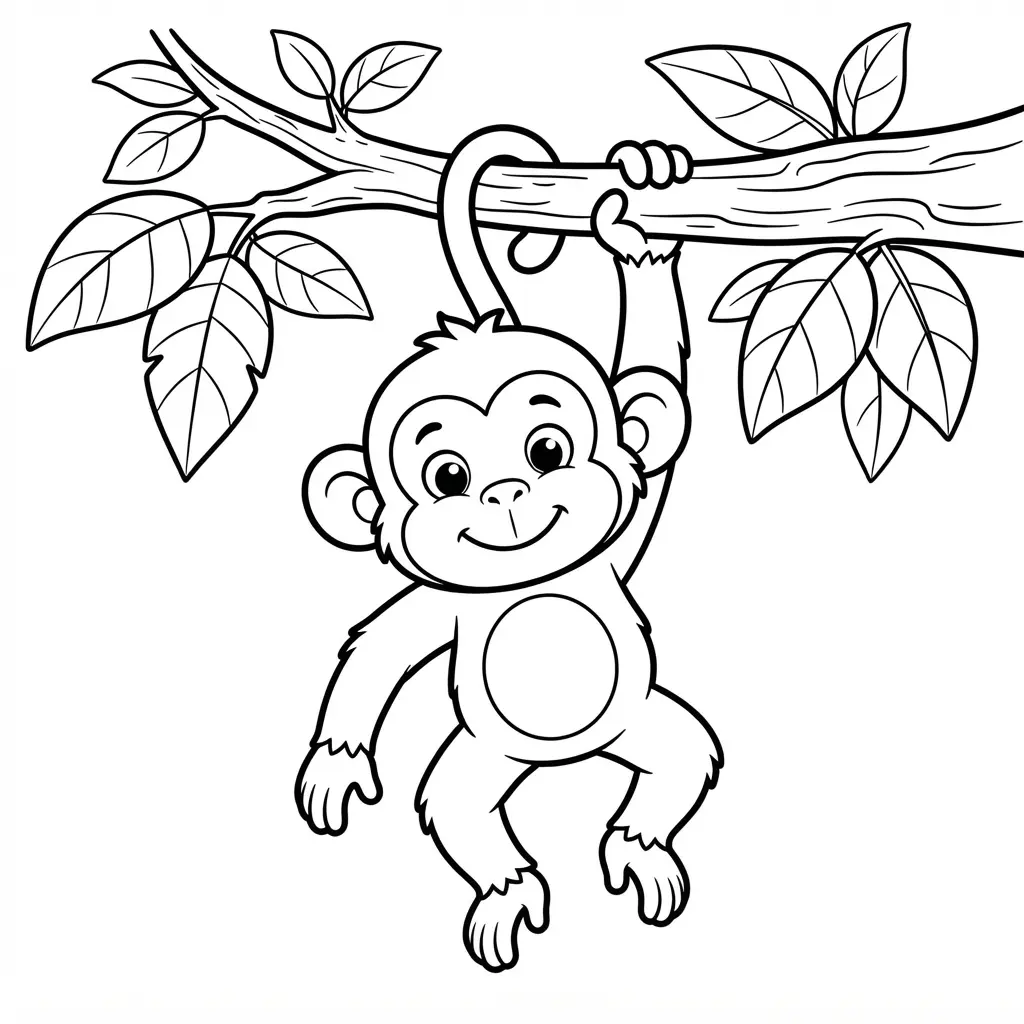
A common mistake is coloring every jungle detail with equal intensity, which hides the monkey. Keep the upside-down monkey clear, then trace the sturdy vine through the scene so its curved line shows how the body hangs. I love directing the monkey’s reaching hand toward tropical flowers, then filling the setting with layered green tones.
Twisting branches, exotic birds, and pale rays of sunlight add natural depth to the frame. Use brown or warm tones for the monkey, bright colors for flowers, and yellow or pale orange for sunbeams. Crayons suit broad shapes, while sharpened colored pencils bring out eyes, flower centers, and bird features. Isn’t it satisfying when your page feels like a cheerful jungle adventure?
12. Sleeping Fox in Forest Den — Peaceful Woodland Art
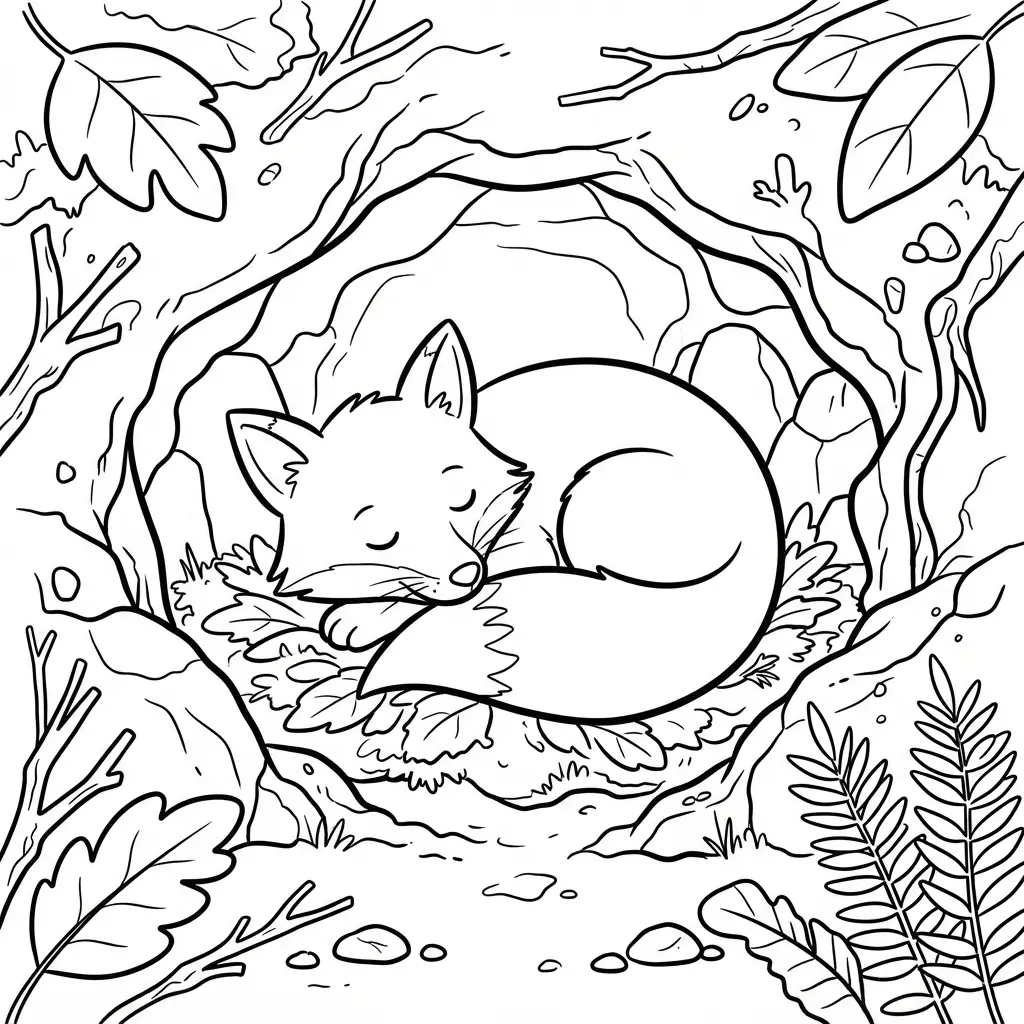
Start with the curled fox outline, placing its closed eyes and nose inside the den. Wrap the broad tail around the body, then add clear curved lines so the sleeping pose reads at once. Frame the entrance with moss, ferns, mushrooms, acorns, and a few wildflowers. Isn’t the peaceful shape satisfying already?
Add warm leaves and soft dappled sunlight near the entrance, while keeping distant trees light and simple. I love using reddish orange, muted greens, golden yellow, and gentle browns here, though black and white lines leave every choice open. This balanced scene brings a cozy woodland mood to quiet sessions.
13. Little Bunny in Carrot Patch: Garden Animal Scene
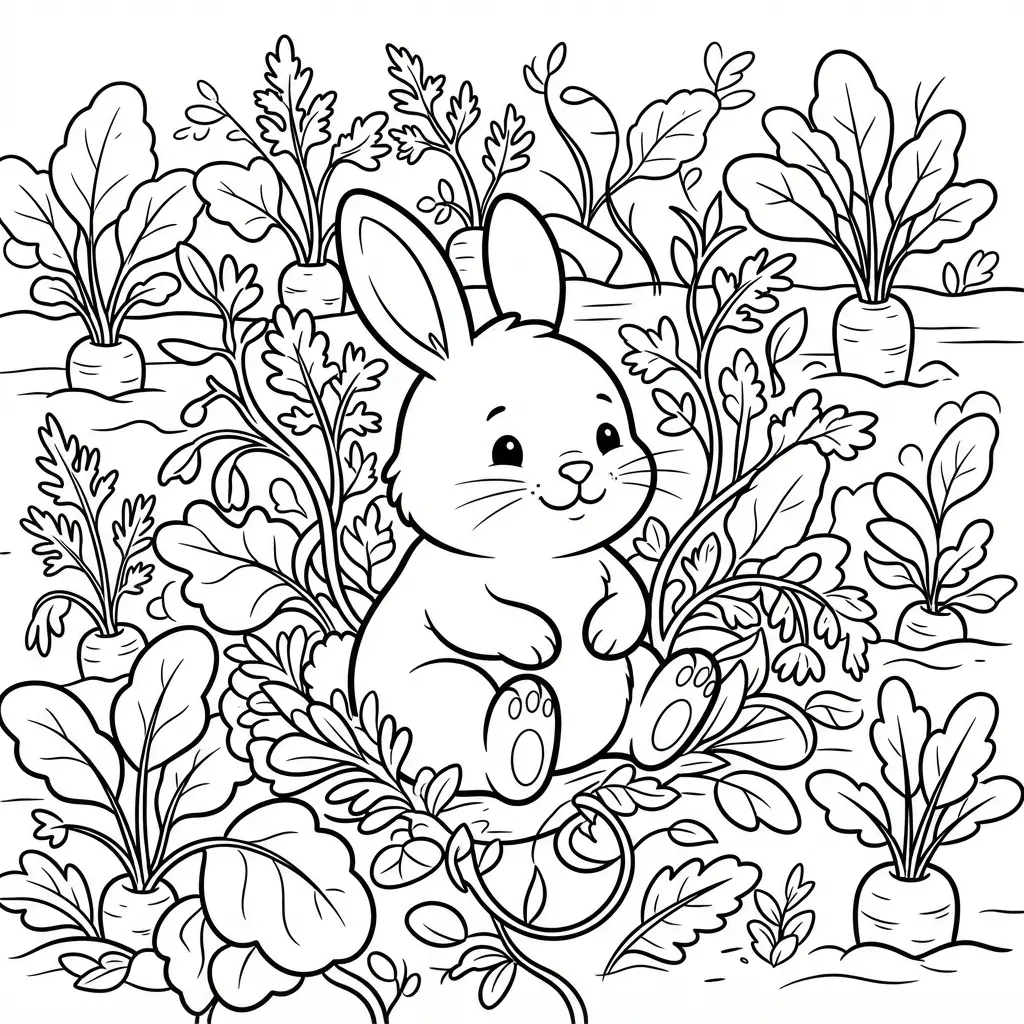
Ever tried giving a bunny its own little garden story? Start with a centered sitting bunny, using clear outlines for its floppy ears, tiny pink nose, curious eyes, and fluffy cream fur. Surround the character with bright orange carrots, leafy green tops, delicate wildflowers, and gentle foliage. I love how warm morning sunlight and soft pastel colors give this children’s book scene a calm, cheerful feeling.
Keep the bunny as your focal point, then add gentle watercolor texture for a cozy finish. Leave enough open space for every shape to stand out clearly. This garden layout remains a favorite for preschool storytelling time.
14. Friendly Frog on Lily Pad — Pond Life Picture
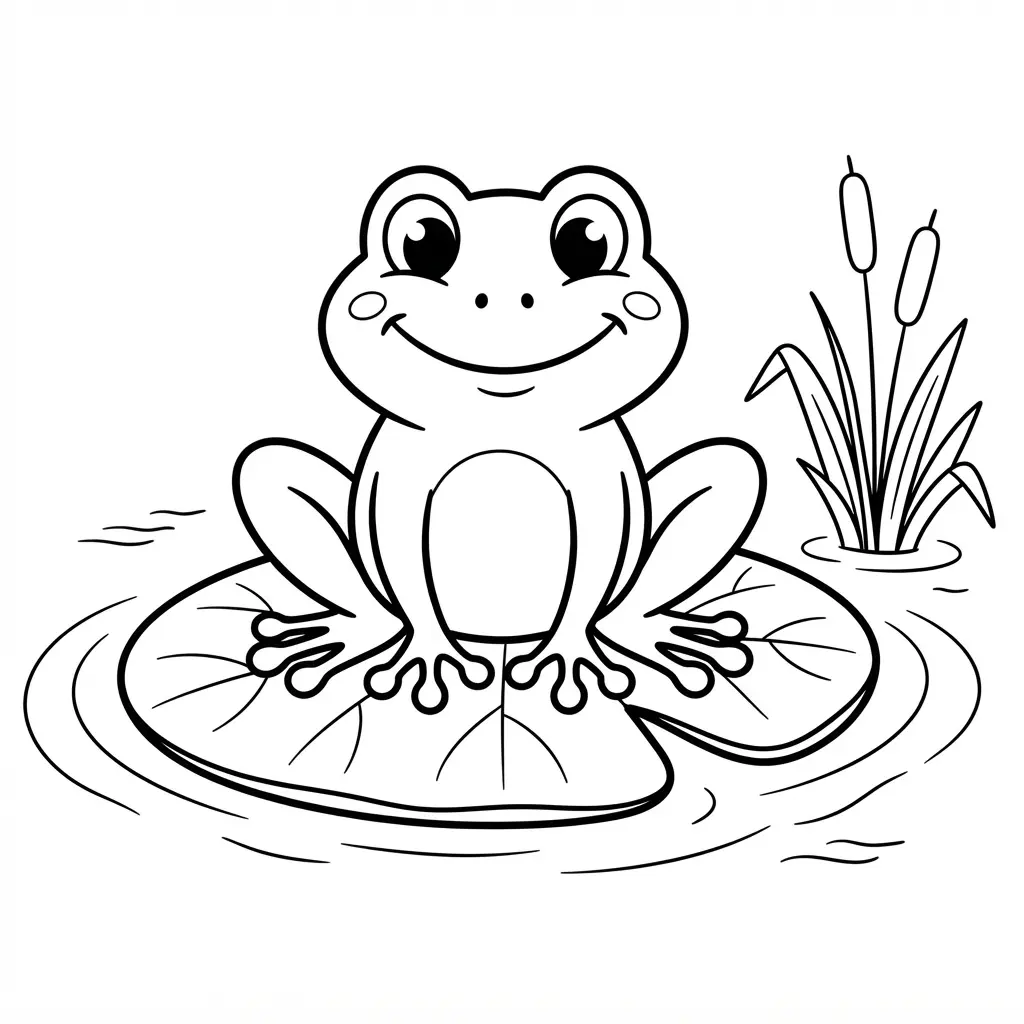
This friendly pond scene gives you one cheerful character to enjoy, with a frog perched on a large lily pad. Start with the pad, then place the smiling frog above it, raising one front foot in a playful wave. Sound complicated? It is not.
Bold outlines and plenty of open space keep this project manageable for small hands. Add cattails, floating flowers, dragonflies, a few small fish, and gentle ripples around the main shape. I love how these pond details add variety without stealing attention from the frog. Pro tip: leave thin gaps between details so printed lines stay clear, then enjoy the cheerful result.
15. Spotted Leopard Resting on Branch: Wildlife Portrait
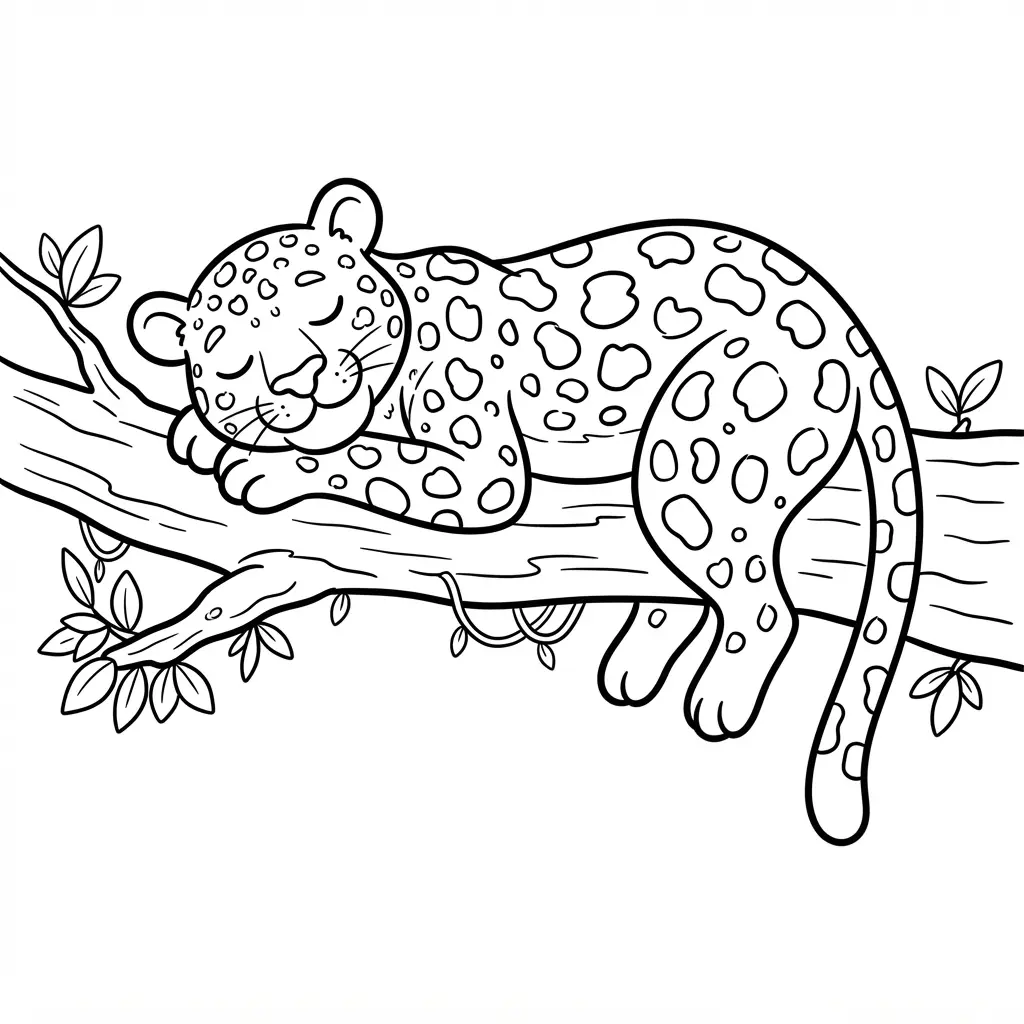
I love this one because the leopard looks peaceful while still full of character. Start with a long, relaxed body line along a sturdy branch, then shape the draped paw so the pose feels loose rather than tense. Add a calm forward gaze, amber eyes, fine whiskers, and clear black rosettes across the golden coat.
Keep the face uncluttered so it stays the focal point. Sound complicated? It is not. Frame the branch with broad leafy shapes, leaving the background softer and less detailed than the animal. Use warm highlights along the back and gentle shadows beneath the body to give your wildlife portrait depth. Leave white gaps between rosettes, leaves, and fur lines for clean color choices.
16. Wise Owl Perched on Oak Tree — Woodland Study
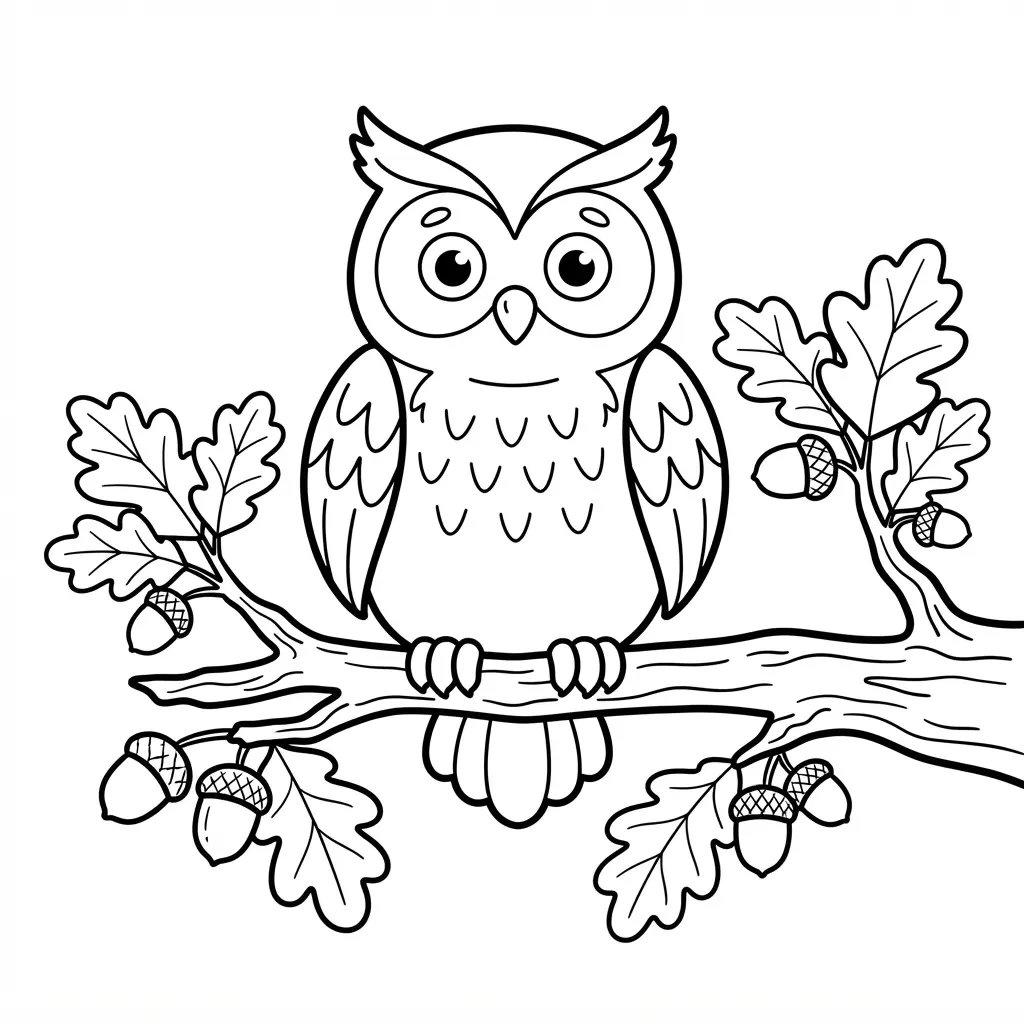
Golden eyes catch the soft canopy light while layered feathers settle over the owl’s calm, upright body. Does the scene feel peaceful already? Start with the sturdy oak branch, then shape gnarled bark, moss, acorns, and curling leaves around the bird without crowding its face. Earthy browns, muted greens, warm ochres, and restrained gold keep the woodland study quiet and natural.
Use fine graphite marks for feather edges, rough bark lines, and distinct acorn shapes, while watercolor washes soften the distant foliage. I love how the observant posture gives this scene a gentle sense of character without making the owl dramatic. Keep background outlines lighter than the focal details, and enjoy the calm rhythm of each texture.
17. Striped Zebra in Grassland Plains: Bold Pattern Study
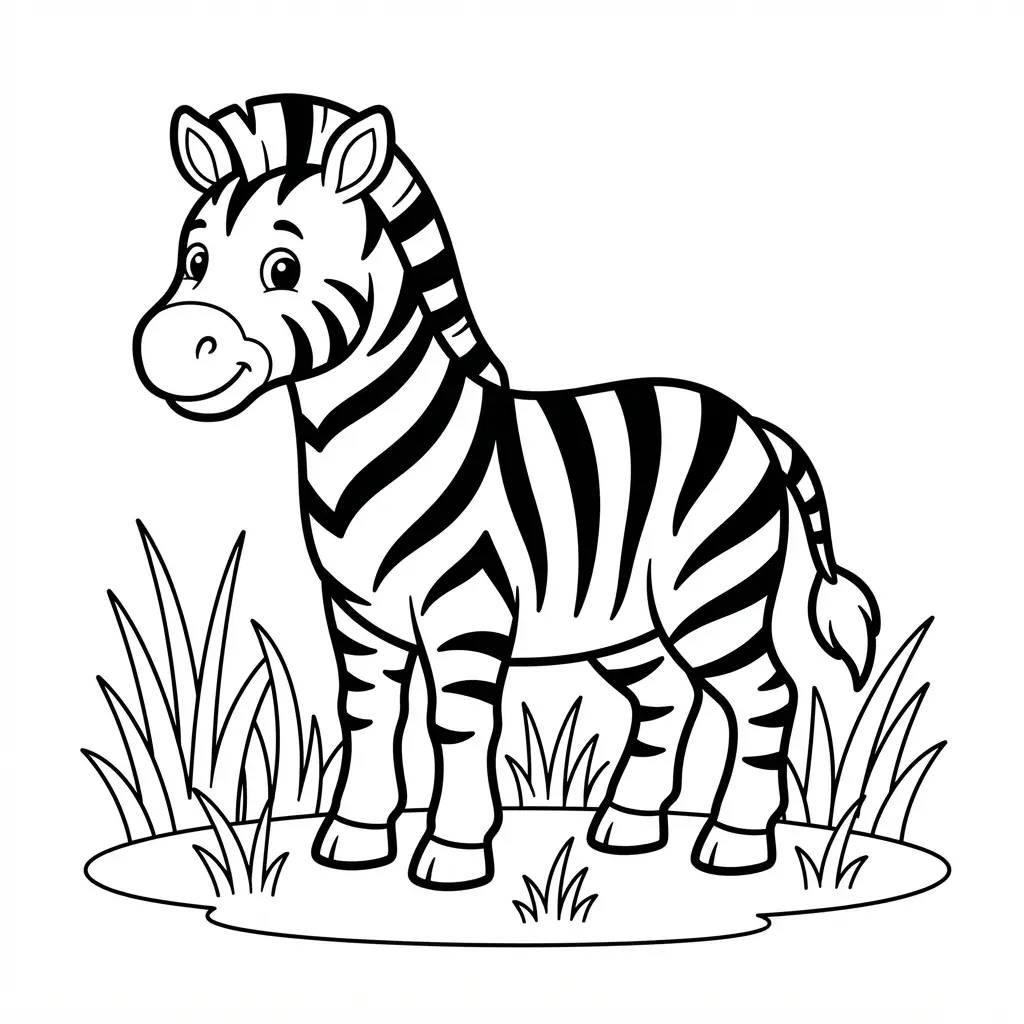
Many colorists make zebra stripes straight and evenly spaced, but this flattens the animal’s shape. Sound complicated? It isn’t: place the zebra in profile, then draw crisp lines following the neck, ribs, belly, and legs. Add golden grass, a soft horizon, a few acacia trees, and a warm blue sky with simple background shapes.
I love how the bold pattern becomes easier to follow when the scenery stays quiet. Use curved stripe lines to suggest muscle, leaving small spaces for subtle shadows beneath the belly and legs. Dark stripes, earthy grasses, and blue sky create a pleasing color study, while the profile keeps every mark readable. Trust me, this scene feels satisfying because repetition gives your hands a steady rhythm.
18. Happy Dolphin Jumping from Waves — Ocean Activity
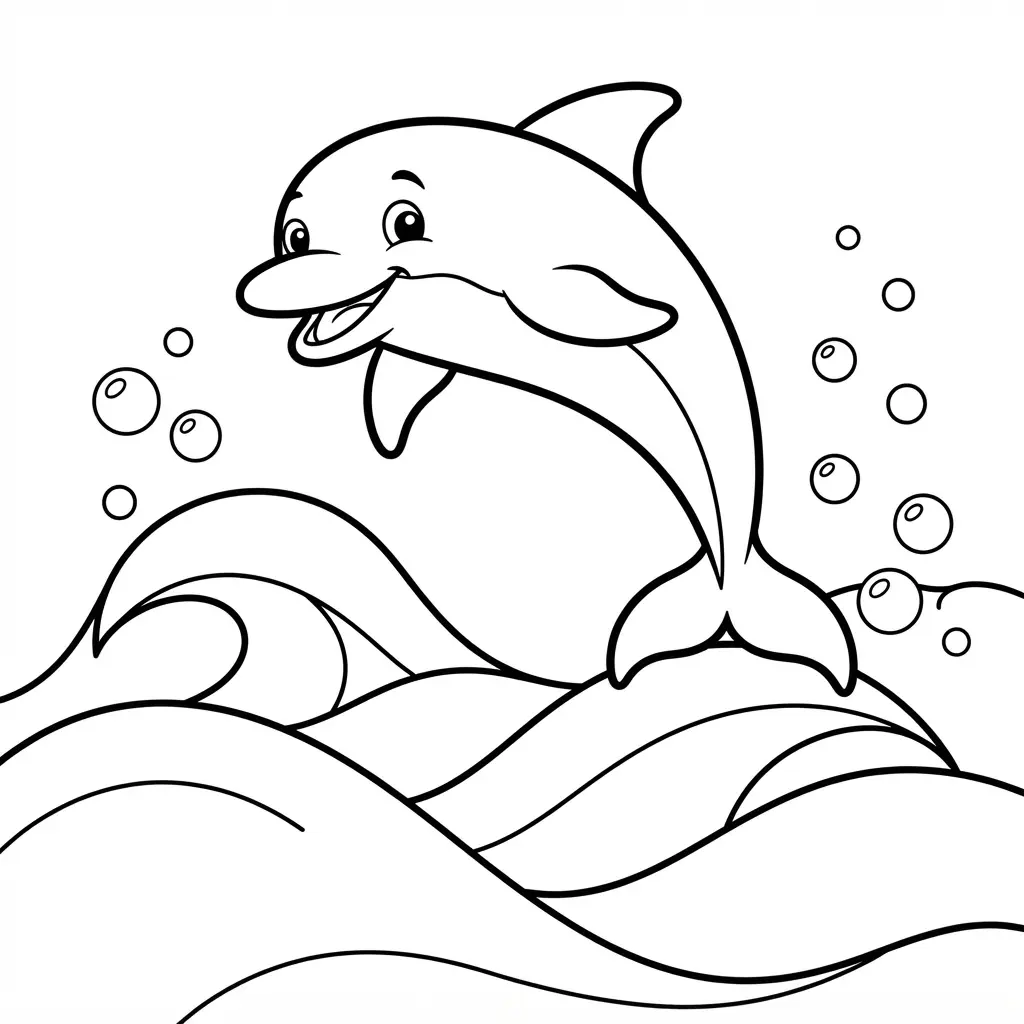
Start with the curved dolphin outline, lifting its nose above the rolling waves. Add small arcs for ocean spray around its sleek body, then place soft clouds across the bright sky. I love how the arcing pose makes the leap easy to read. Use bold outlines to separate the dolphin, water, and clouds.
Fill the sea with turquoise shades and the sky with blue. Leave the background open so small hands have room for color choices. Doesn’t the spray give the dolphin a clear connection to the water? Finish with white cloud shapes, and enjoy how each cheerful section invites a fresh color choice.
19. Cuddly Koala Climbing Eucalyptus Tree: Australian Wildlife
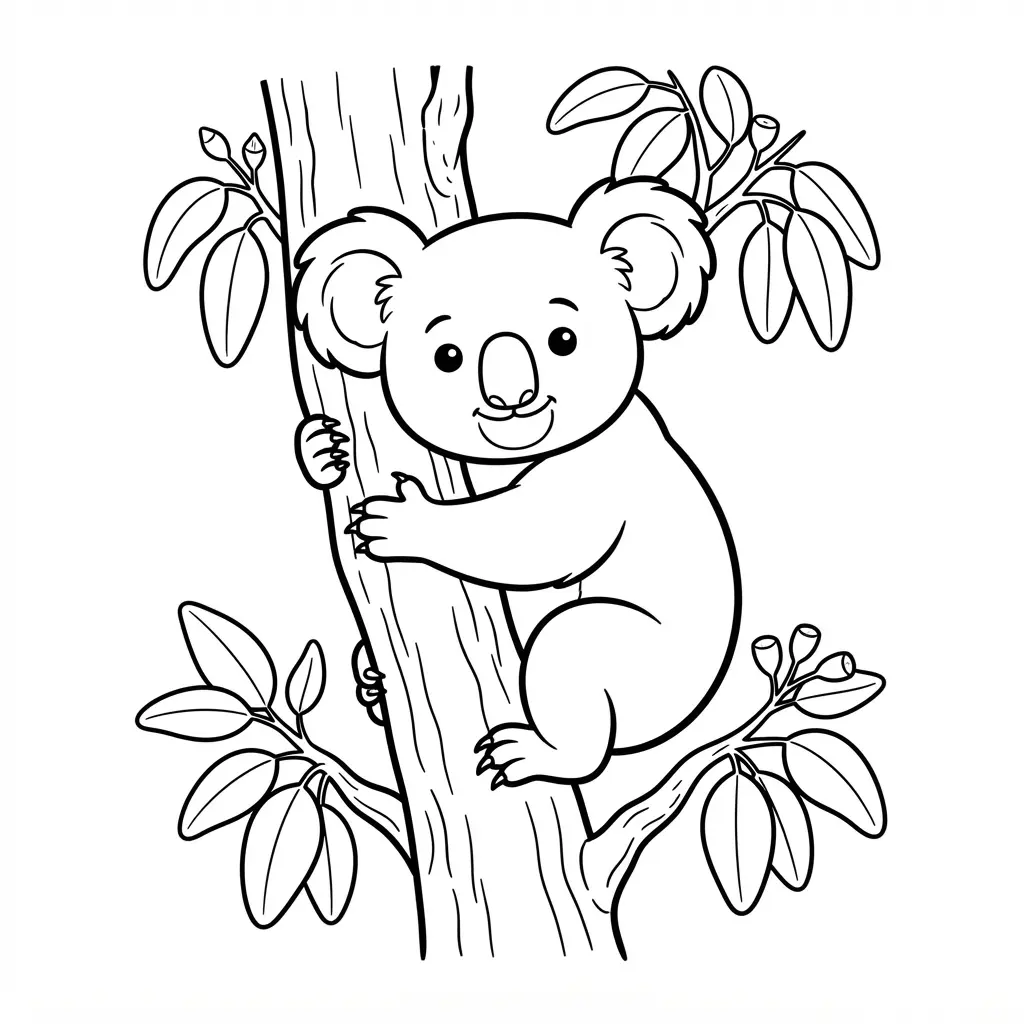
Ever tried giving a koala its own eucalyptus tree? Start with a tall trunk, then outline the cuddly body hugging it, with paws clearly pressing into the bark. Add fluffy ears and round nose, keeping the face gentle and open for easy coloring. Together, these shapes make a friendly Australian wildlife scene children recognize at once.
I love how the rough bark, smooth leaves, and soft gray fur invite different color choices. Use silvery-green leaves near the canopy and leave broad spaces around the koala for younger artists. Feel proud when this peaceful bushland picture comes together, which makes it a reliable choice for quiet afternoons.
20. Slow Snail with Spiral Shell — Garden Nature Study
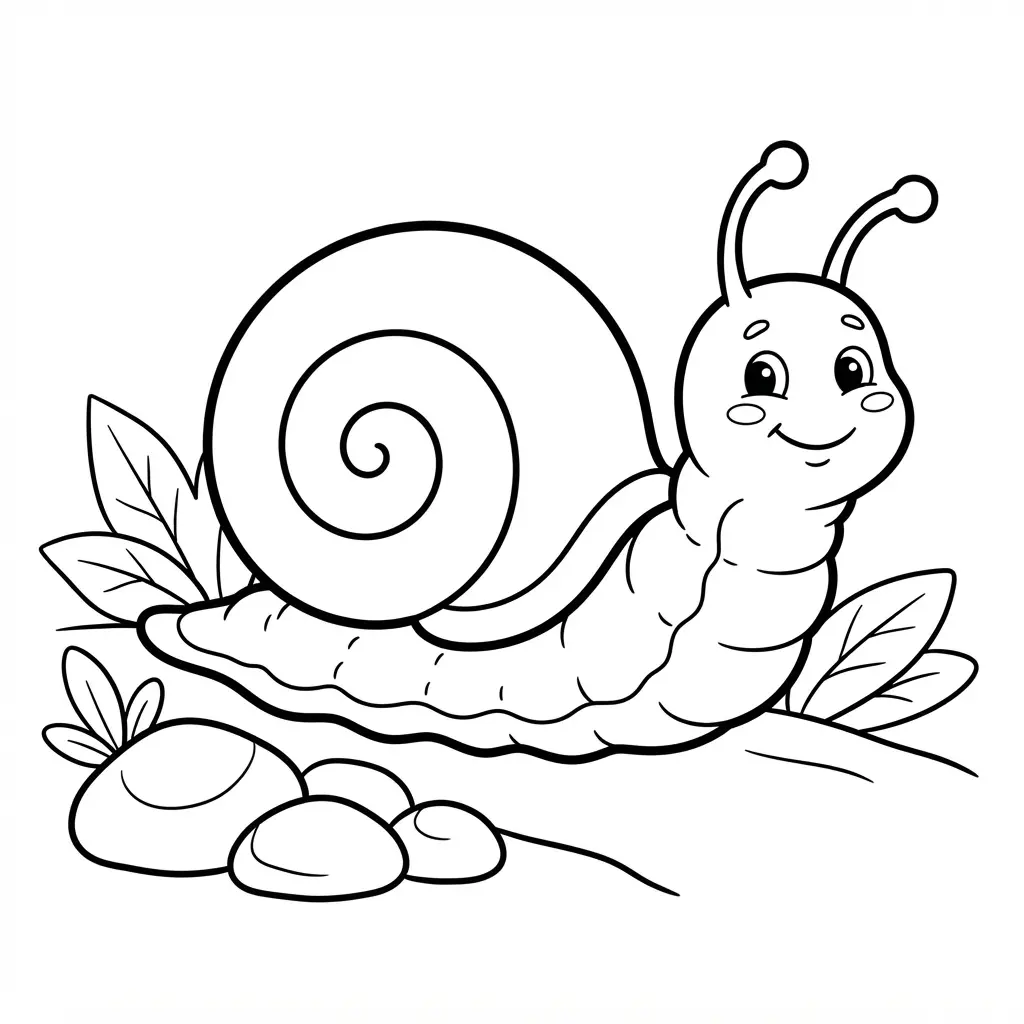
This snail study is a sweet way to turn a garden creature into a clear coloring project. Start with a rounded spiral shell, then add the soft body, long feelers, and smaller feelers reaching toward the ground. Trace a shiny trail beneath it, and color the scene with leafy greens, damp soil browns, or gentle nighttime shades. Why might a snail be safest moving slowly at night?
Cool, damp air suits its body, while shade helps it avoid dry conditions. I love adding leaves, small stones, and shady hiding places around the snail for a natural setting. Look for silvery trails after rain, and observe without touching the animal. Your finished page becomes both a cheerful picture and a simple lesson in garden life.
21. Busy Bee near Sunflower Bloom: Garden Pollinator
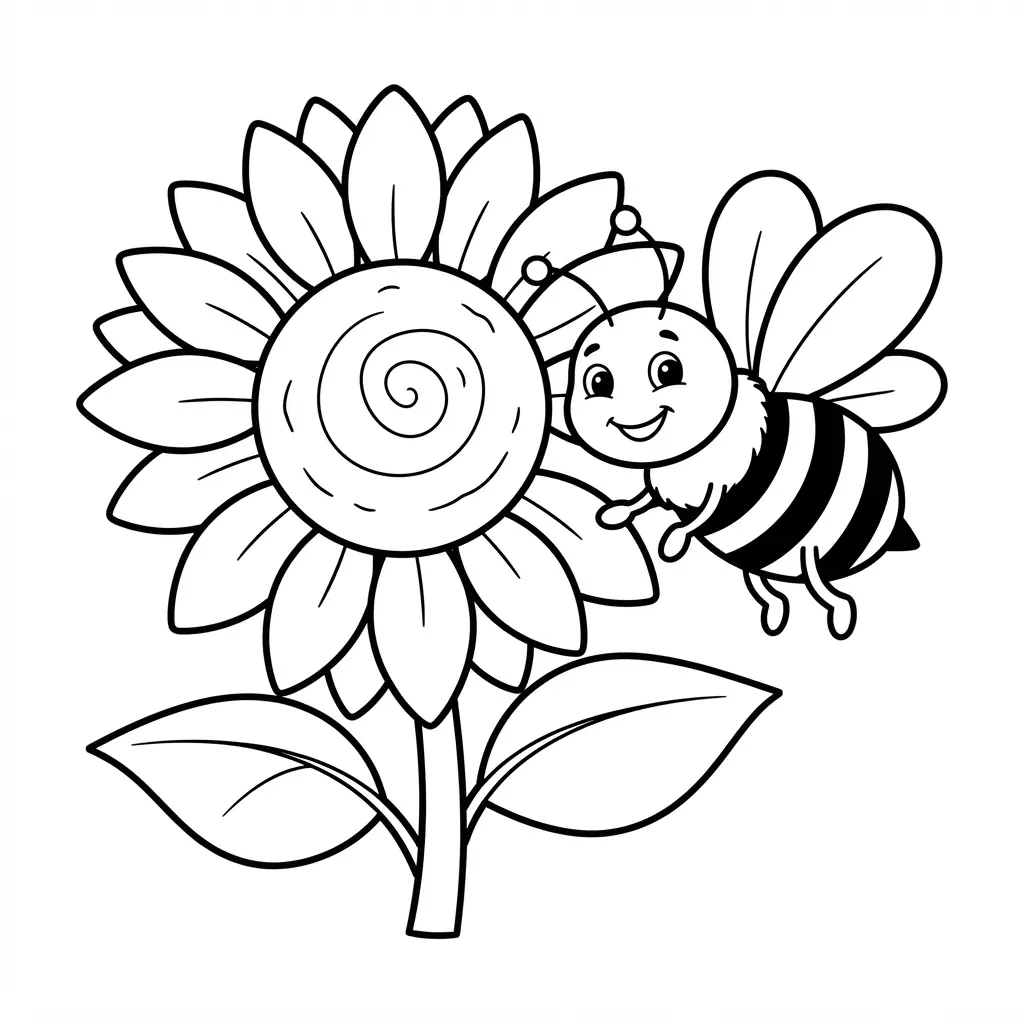
This one is a favorite of mine because the bee and sunflower create a cheerful garden scene. Does the striped visitor look ready to pause beside the broad petals? Mark the bee’s striped body with rounded bands, small wings, and a few motion lines. Give the bloom a wide center and layered sunflower petals.
Keep each shape open for easy coloring. Add a few leaves or simple garden marks around the edges while leaving room around both subjects. I love how the paired shapes make the garden-pollinator theme easy to recognize. Try a soft sky wash behind the bloom and enjoy the friendly finish, which shows how pairing subjects boosts engagement.
22. Brave Bear Catching River Salmon — Forest Stream Scene
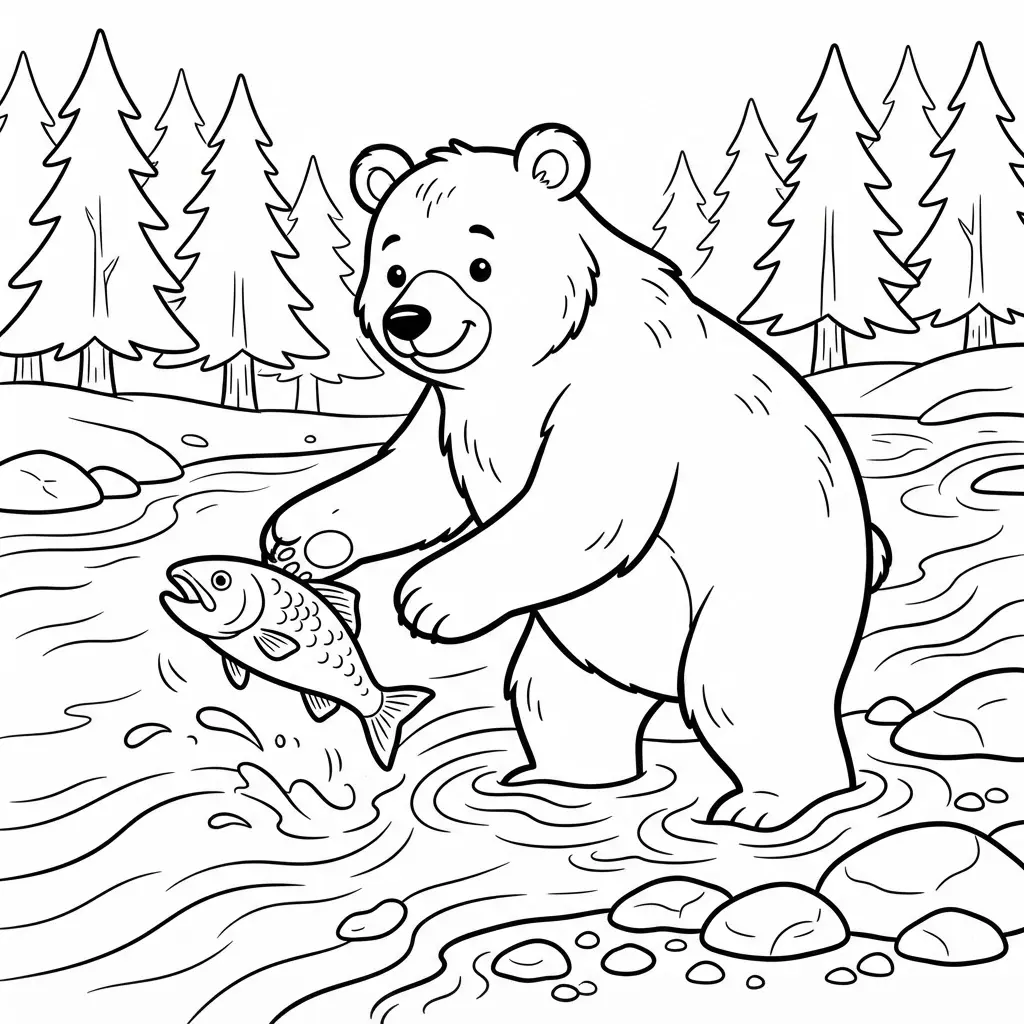
Clear water flashes around mossy rocks as a brown bear braces in the stream, wet fur catching warm forest light. How does the salmon leap so close to its raised paws? Keep the bear and fish as the clearest shapes, then add rushing current lines, splashing droplets, drifting leaves, and open water spaces. Frame the scene with tall pine and cedar trees.
Lush greenery and golden reflections complete the background. I love using distinct outlines for each texture, since fur, water, rocks, and leaves stay easy to color. Give the bear a focused face and sturdy stance, then enjoy this brave wildlife story.
23. Tiny Hedgehog in Autumn Leaves: Seasonal Woodland Art
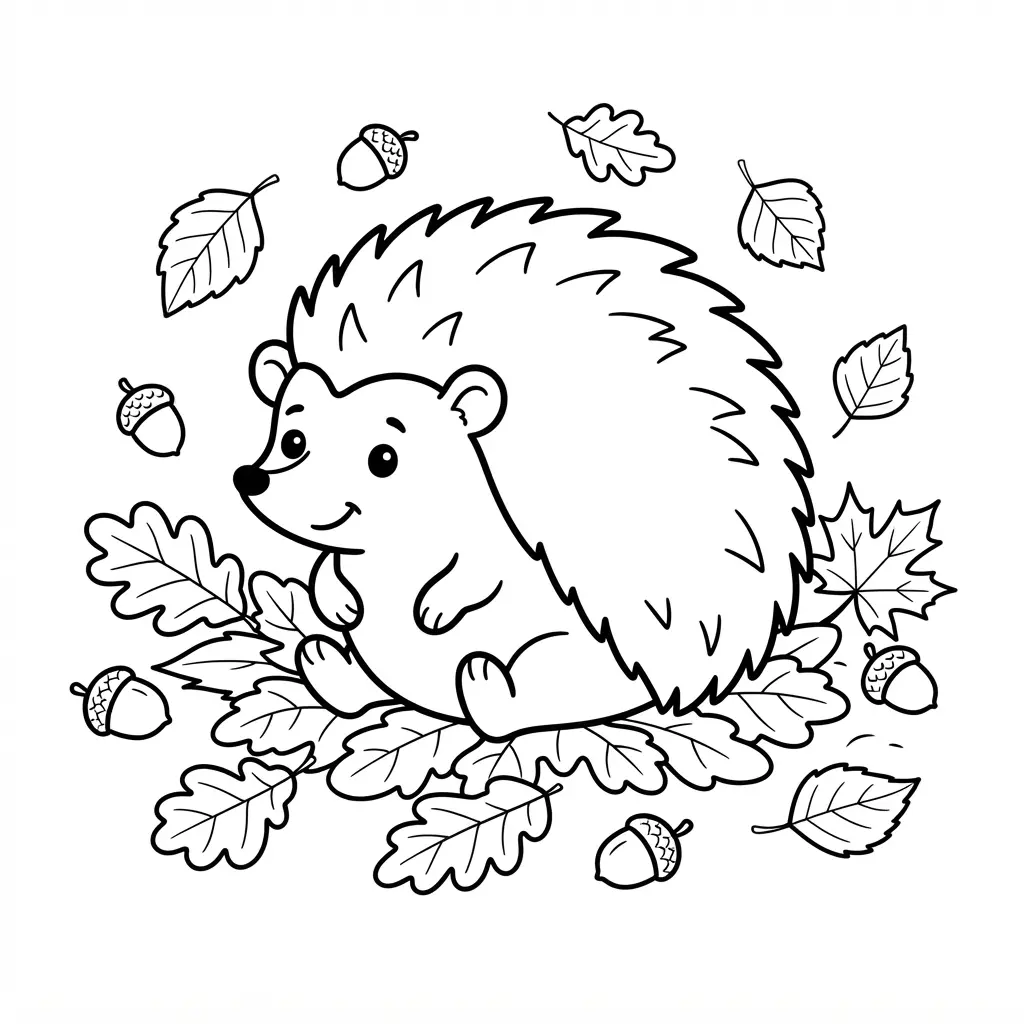
A common mistake is covering the tiny hedgehog with leaves, so keep its curious face and soft brown spines clear. Place it at the center of a square scene, then frame it with red, orange, gold, and russet leaves. Add a small acorn beside its paws, with moss, mushrooms, and twigs around the edges. Sound complicated? It is not.
I love adding falling leaves and gentle sunbeams between the trees. Use rounded linework instead of sharp marks to keep the storybook mood soft. Each leaf, mushroom, and twig gives you a small area to color, making the page peaceful and satisfying. Keep the palette warm, and feel proud when the woodland scene comes together.
24. Majestic Eagle Soaring Through Sky — Bird Study
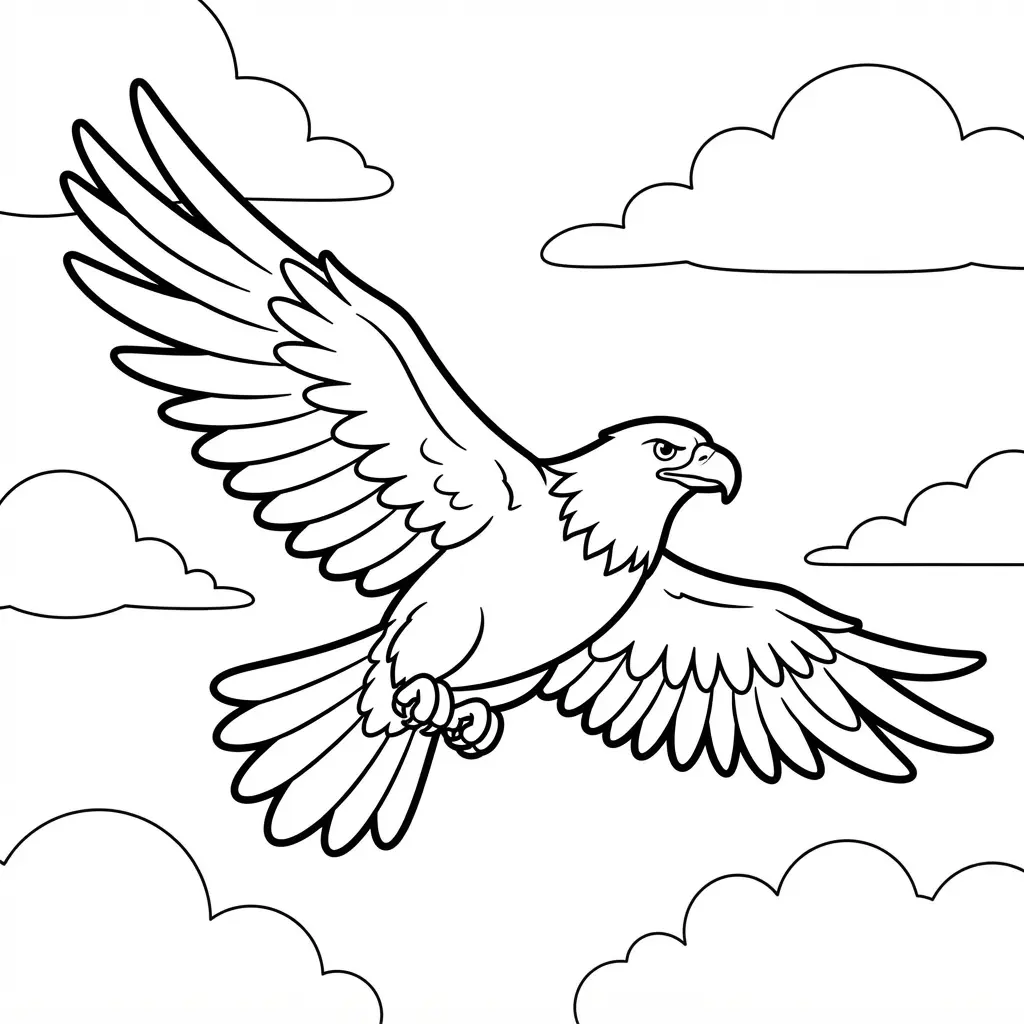
Start with the eagle’s broad body shape and fully extended wings, then mark the head, curved beak, focused eyes, and firm talons. Build feather groups in clear layers, following each wing’s direction instead of scattering random lines, while soft clouds sit below and light haze fades behind the bird. Doesn’t the upward view make the pose feel calm and strong?
I love adding gentle color to the sky first, then keeping sunlight bright along the feather edges so the eagle stays sharp. Keep cloud outlines simple, and enjoy watching this bird study come together. The open sky layout provides plenty of room for shading practice.
25. Friendly Penguin Sliding on Ice: Winter Animal Scene
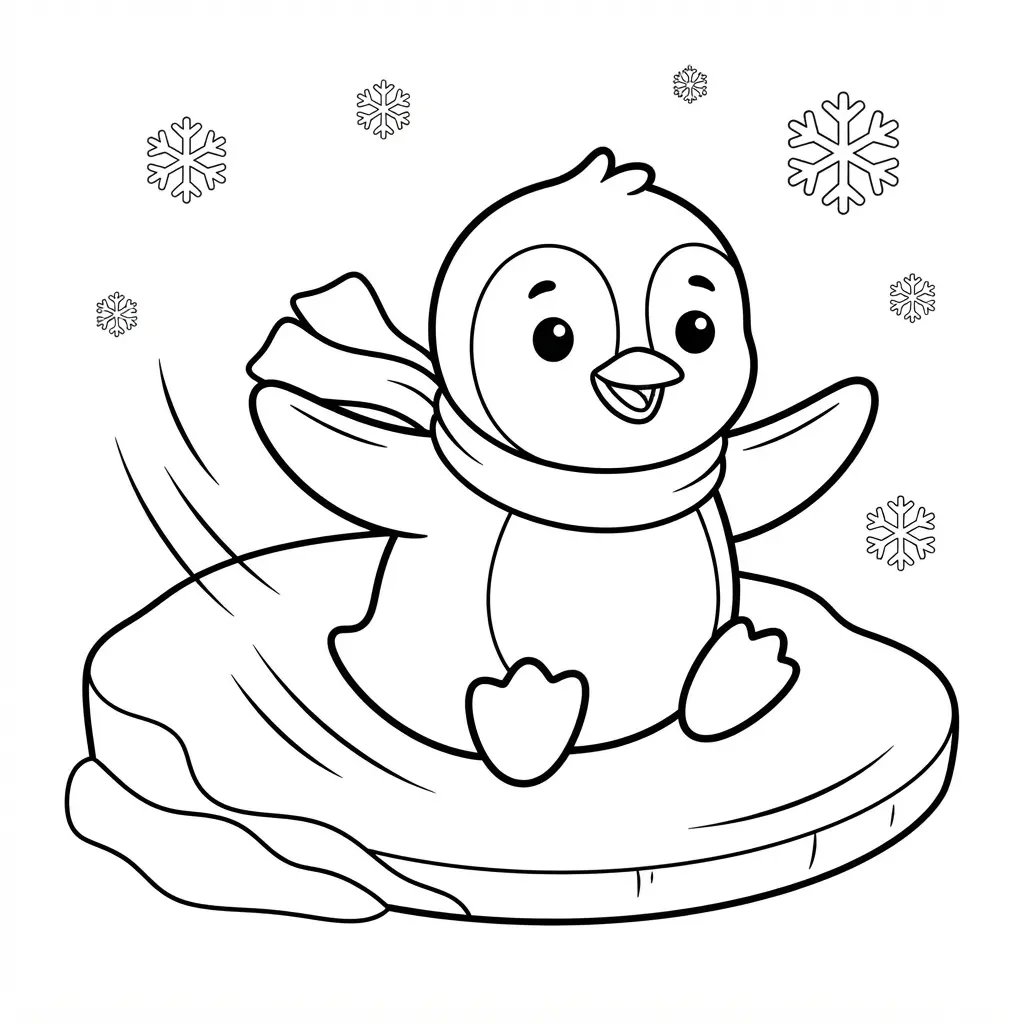
Who wouldn’t smile at a penguin racing across a shiny sheet of ice? Start with the rounded penguin body, then add a wide grin and flippers stretched outward to show motion. Place the character on a smooth curved ice line, leaving plenty of open space around the belly. I love adding a few snowflakes.
Simple icebergs and distant snowy hills create a clear winter setting. Small footprints and a fish-shaped ice sculpture give curious colorists extra spots to fill, while bold black outlines keep every shape easy to follow. Keep the background light and skip shading, so the happy penguin stays the star.
26. Graceful Flamingo Standing on Water — Wetland Study
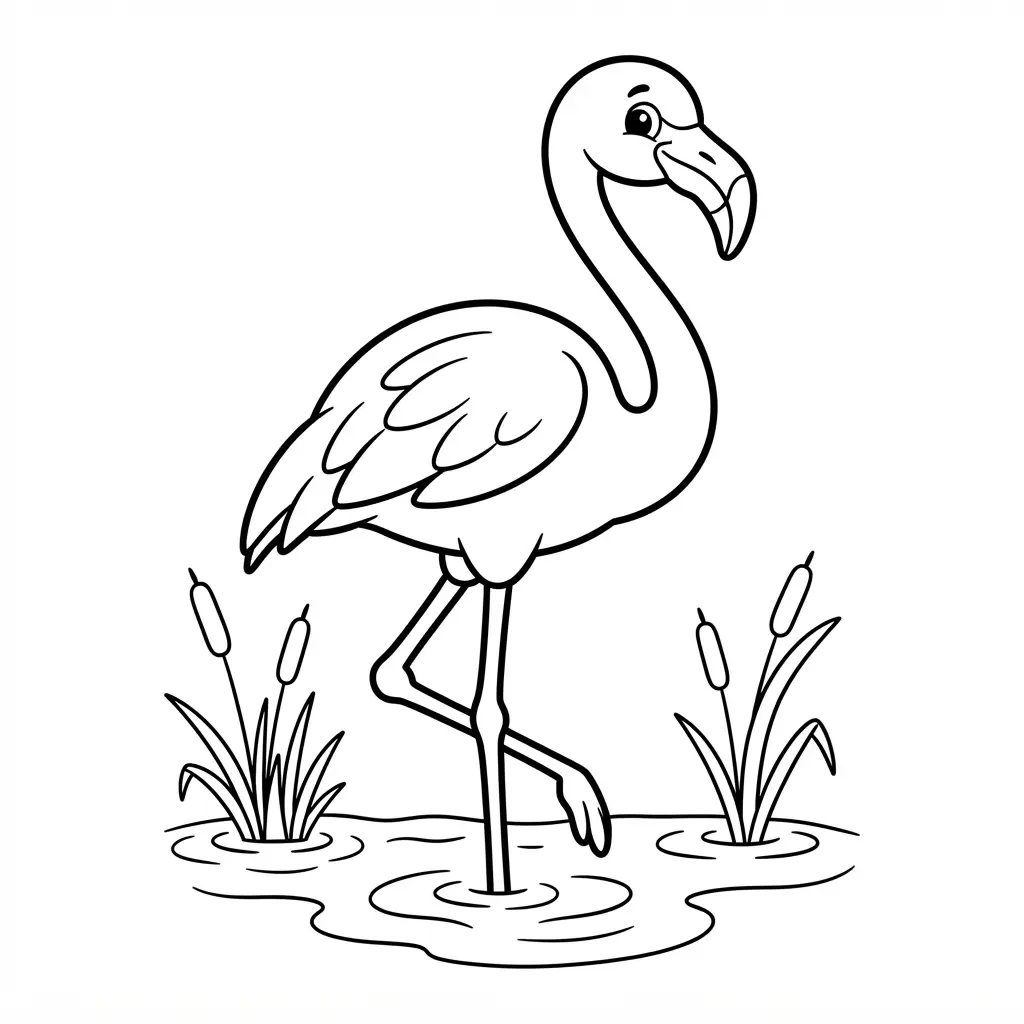
This flamingo study feels calm from the first pencil line. Set a vertical composition with the bird tall above shallow water, one leg lifted and the other steady beneath its body. Trace the elegant neck in a soft curve, then add delicate feather marks and realistic anatomy. Use a muted pastel palette for pinks, soft greens, and warm golden light.
Reeds, marsh grasses, distant mangroves, and early mist stay gentle in the background. Isn’t the softened reflection satisfying? Keep it lower in contrast, with small ripples spreading from the supporting foot. I love how this scene teaches symmetry while keeping a natural pose. Leave the glassy water open around the bird.
27. Small Squirrel Holding Acorn Nut: Forest Friend
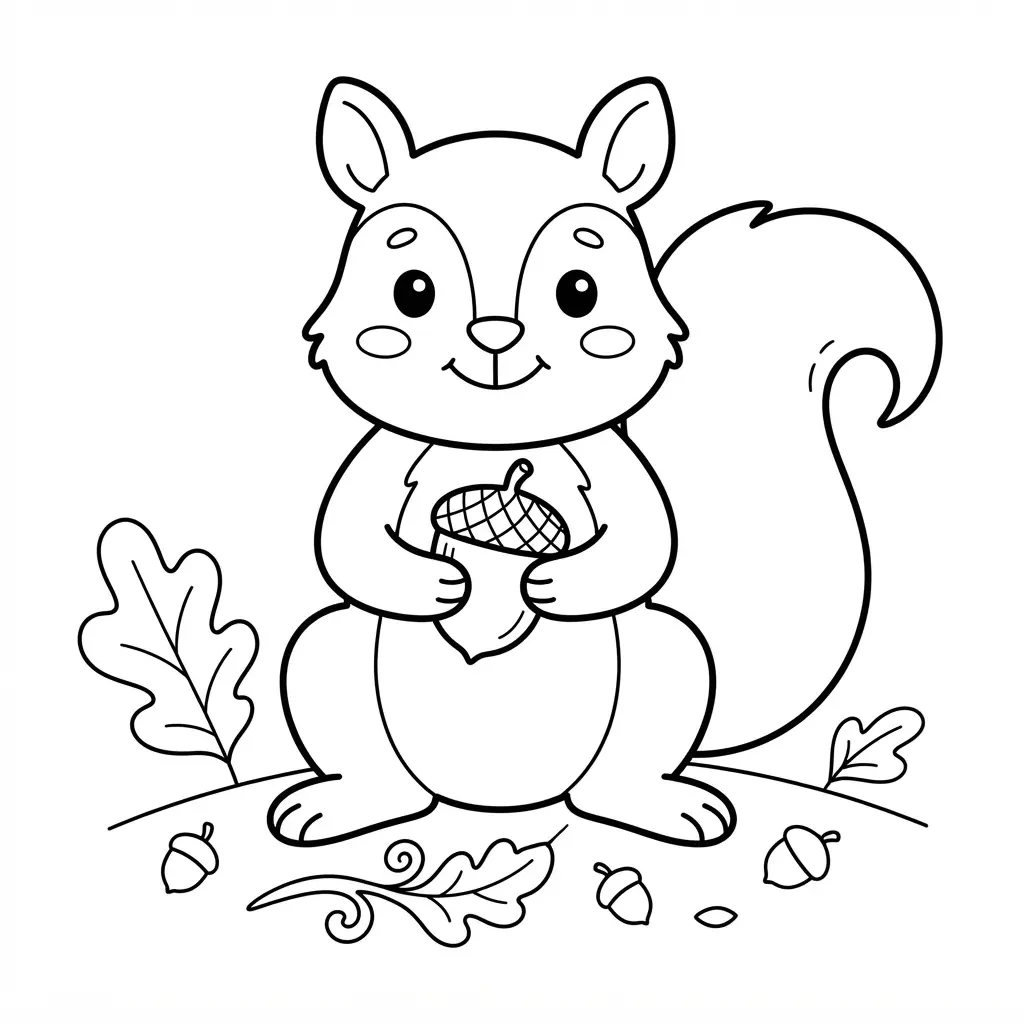
This one is my favorite because the squirrel looks sweet, calm, and ready for a forest snack. Ever seen a friendlier woodland scene? Its big eyes and fluffy tail give children an easy character to enjoy. Place the squirrel in the center, seated on a tree stump.
Draw a large acorn between its front paws, making sure the paws touch or wrap around it. Add leaves, pinecones, mushrooms, and small plants around the stump, while keeping each shape open and clear. The simple outlines make this page comfortable for young artists. Use open coloring spaces for a relaxed finish. I love how friendly this little forest friend feels.
28. Friendly Cow in Green Pasture — Farm Animal Scene
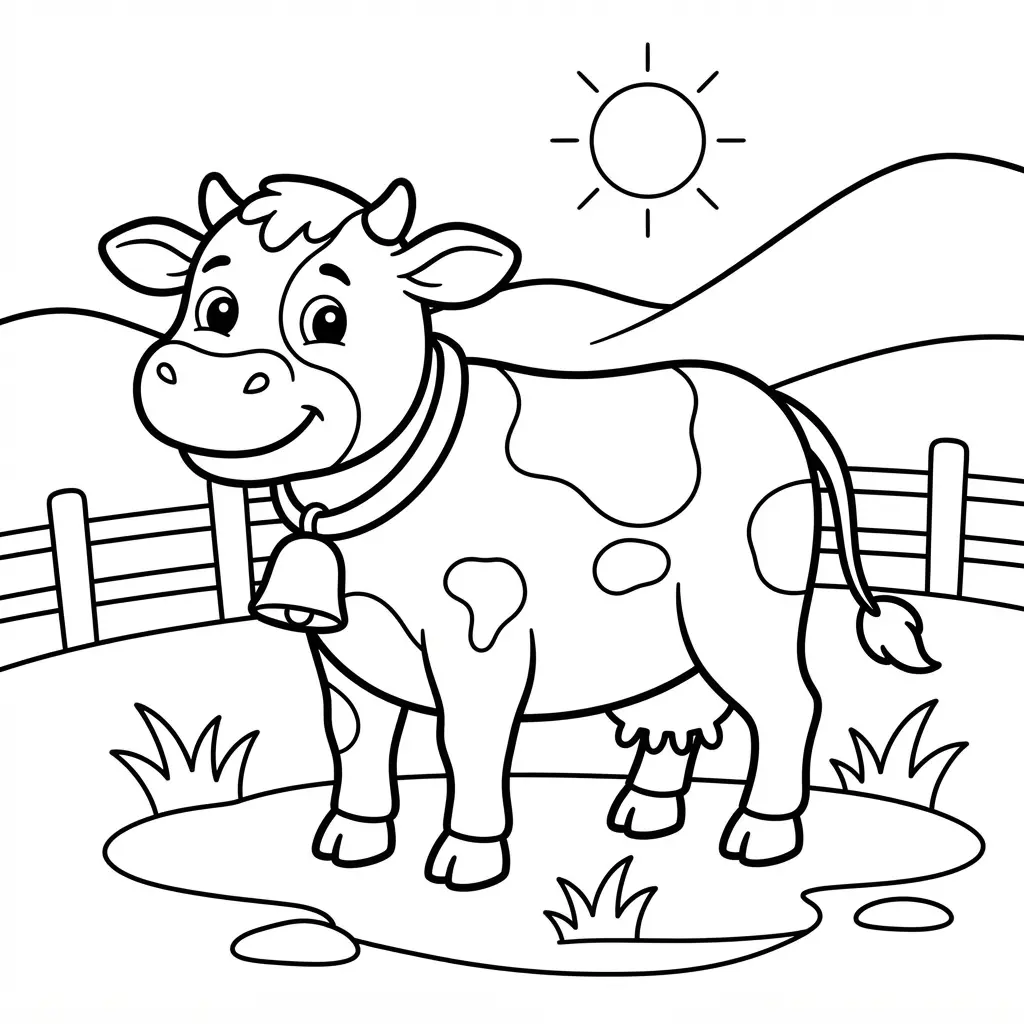
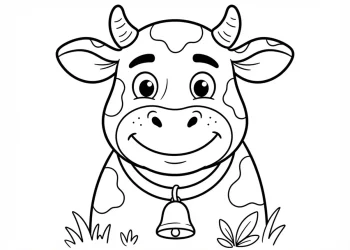
Golden sunlight warms a cheerful brown-and-white cow as it stands among tall grass and tiny wildflowers. Soft hills, fluffy clouds, a rustic fence, and a distant red barn give the farm scene depth. What makes this picture so welcoming? Keep the simple cow features clear.
Fill the pasture with curved grass strokes and small flower shapes. I love adding green to the field, red to the barn, blue to the sky, and golden yellow to the sunlight. Leave open space around the cow so each detail stays easy to color, which keeps farm themes fresh year after year.
29. Curious Shark in Ocean Reef: Underwater Wildlife Art
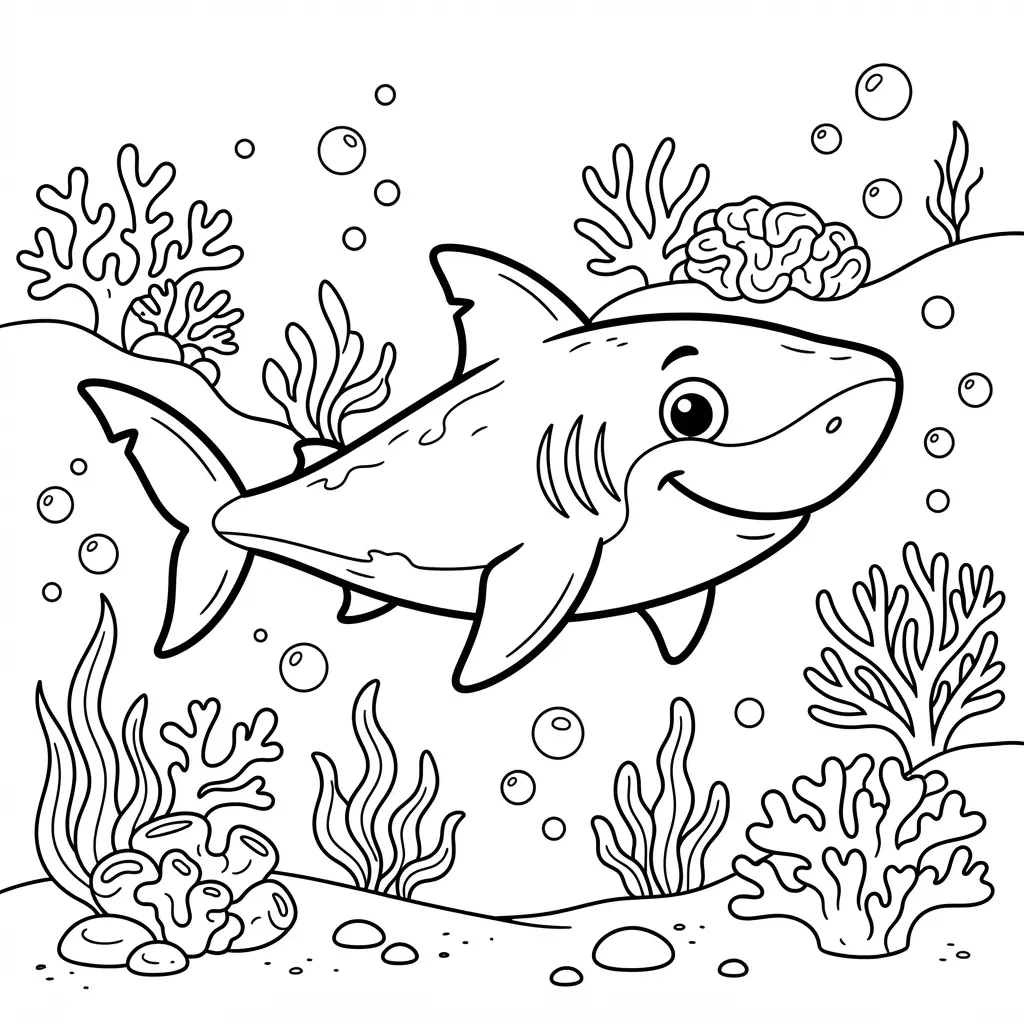
A shark in a coloring page doesn’t need a fierce snarl. Is a calm great white gliding through a coral reef more inviting? I love using the shark’s curved outline as the starting point, then adding clear turquoise water, soft sunbeams, and layered reef shapes behind it. Trace sea fans, anemones, vivid coral formations, silver fish, and sea turtles with open outlines.
Keep the shark’s anatomy believable, with a pointed snout, strong fins, and an observant eye. Blue water beside coral tones gives each section a clear color choice, while distant shapes add depth. Trust me, this peaceful scene feels satisfying because it encourages careful looking at ocean wildlife.
30. Soft Lamb in Spring Meadow — Gentle Farm Scene
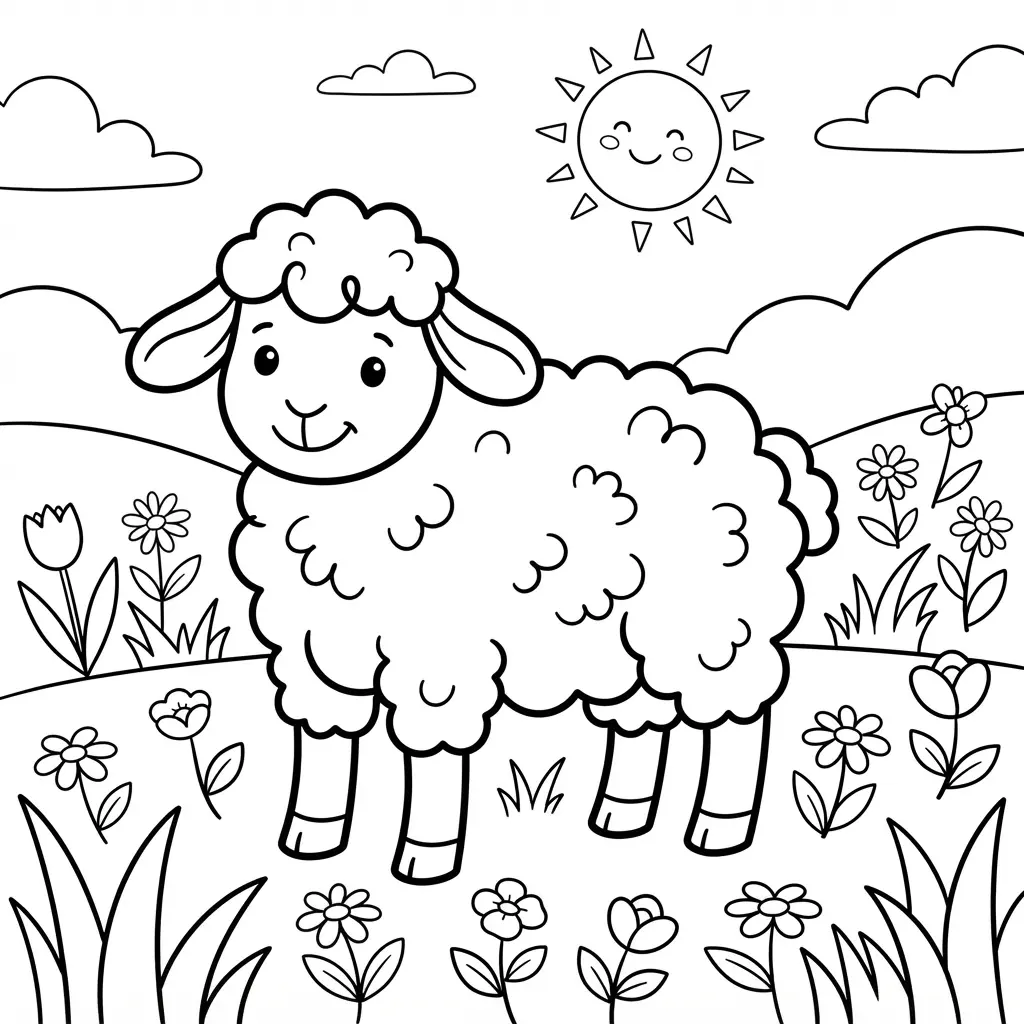
Start with a rounded lamb outline, giving its fluffy coat soft scallops around the head and body. Add open grass shapes beneath the hooves, then place tiny wildflowers and golden dandelions across the foreground. Sound complicated? It is not, and the lamb should stay larger and clearer than every other shape.
Draw a simple wooden fence behind it, followed by rolling hills and a small farmhouse with a red roof. Pale clouds and gentle rays suggest morning light, while fresh green, soft yellow, muted brown, and pale blue keep the farm scene calm. I love leaving broad spaces inside the lamb for easy coloring.
Turning Finished Pages Into Learning Activities
Writing the animal’s name beneath a finished page turns coloring time into a short literacy activity without crowding the illustration. Ask children to point to body parts, describe the habitat, or dictate one fact for an adult to record. Older learners benefit from labeling paws, wings, beaks, fins, or scales, while younger children practice matching a printed animal name to its picture. A finished page also supports sorting activities by habitat, diet, movement, or covering such as fur, feathers, and scales. Beyond coloring, animal coloring pages can be turned into flashcards, story starters, or habitat sorting games, making them even more versatile for classroom use.
Animal name labels give teachers a clear starting point for sound recognition and vocabulary review. Keep prompts short and leave writing space separate from the picture so coloring remains comfortable. Life-cycle pages invite simple sequencing conversations, and habitat scenes encourage children to compare how animals live. These additions make each sheet useful after the crayons return to the box.
Conclusion
So how was your creative session? A favorite animal often brings a personal memory, a classroom theme, or a simple reason to sit down and color. Look at what you have made, from a bright butterfly to a friendly cow, and give yourself credit for every color choice. Animal coloring pages also work well for quiet afternoons, rainy-day activities, and lessons about habitats or caring for living things. For your next step, pick one page with a simple outline and one with extra details, then compare which style feels best for your child or class. I love seeing how the same picture changes when each artist chooses a different palette. Keep a few finished pages nearby for display, choose another favorite, and get started right away.
FAQs
Q: What age group suits these animal coloring pages?
A: Simple outlines suit toddlers and preschoolers. Pages with more details suit older children and classroom activities. Clear line thickness ensures comfortable grip for developing motor skills.
Q: Which supplies work best for printable animal pages?
A: For printable animal coloring pages, crayons work well for younger children. Colored pencils and washable markers suit older artists who want smaller areas and stronger color control. Choosing the right medium prevents paper tearing.
Q: How do I print animal coloring pages clearly?
A: Use bright white paper and a high-quality printer setting. Letter-size paper works well for home and classroom use. Always run a test sheet to check contrast before mass printing.
Q: How do I choose pages for a classroom lesson?
A: Match the animal with your lesson topic, such as farm life, ocean habitats, or rainforest creatures. Add simple facts and let children choose their own colors. Group similar difficulty levels for smoother instruction. Many teachers find that themed sets of animal coloring pages keep lessons cohesive and engaging.
Q: Are there simple animal pages for younger children?
A: Yes, choose pictures with bold outlines, large open spaces, and few background details. Familiar pets and farm animals often suit early coloring practice. Wide sections help reduce frustration during initial attempts. These simpler animal coloring pages build confidence before moving to more complex designs.