Color Palette Selection for Emotional Resonance
The fastest way to create a powerful abstract animal relies on choosing two colors that naturally clash, like a vibrant orange against a deep teal. This high-contrast approach instantly defines your shapes and creates a visual energy that feels alive on the canvas. Forget trying to match the subject’s true colors. Instead, pick a palette that reflects its character. A fiery red and yellow combo captures a lion’s spirit, while cool blues and silvers might evoke a whale gliding through deep water. When testing abstract animal painting ideas for beginners, this selective use of color becomes your primary tool for defining form. Trust me, limiting your palette to three or four bold choices forces you to be expressive and keeps your work from getting muddy and overworked.
Essential Surface Preparations for Abstract Layering
Your first layer should be a mid-tone wash of color, not a stark white canvas. Painting a simple background of burnt sienna or a soft grey immediately kills the intimidating blank space and gives your subsequent bold colors something to react against. I recommend using a wide, flat brush to lay this down quickly on a primed stretched canvas. Let this base layer dry completely. Developing proper surface prep for abstract animal painting ideas for beginners proves crucial because a dry base allows you to build up opaque acrylic layers without them blending into a mess. You might skip this step, but a prepared ground gives your painting depth from the very first mark. It also helps you see your initial shapes more clearly as you block in the animal’s energy.
1. Paint a Bold Geometric Orange Tiger Head

Ever wonder how to turn a fierce animal portrait into a simple, modern piece? Start by sketching a large, slightly angled oval for the head, then break down the features into sharp triangles and rectangles. I love using a straight edge or ruler to keep those lines crisp and confident. Practicing these abstract animal painting ideas for beginners works best when you focus on bold shapes and high contrast, avoiding perfect realism. You will find tons of other abstract painting ideas for beginners to explore once you get the hang of it.
2. Create a Watercolor Splatter Blue Indigo Elephant

Who thought a majestic elephant could feel so fresh and modern? You will start with a light pencil sketch, then build up washes of cool blues and deep indigo. The real magic happens when you flick your brush to create energetic watercolor splatters. Exploring these abstract animal painting ideas for beginners reveals how this technique blends a calm color palette with a burst of playful texture. Try it and feel the artistic energy come alive on your page.
3. Apply Thick Impasto with a Palette Knife for a Cow

Ever wondered how to get that rugged, tactile feel of a cow’s hide? Grab a palette knife and your heaviest paints. Scoop a generous amount and apply it directly onto the canvas, using the blade to drag and build up the texture of the cow’s form and muscles. Like many abstract animal painting ideas for beginners, this thick application adds so much energy and dimension. Trust me, the satisfaction of seeing those thick, sculptural marks come together feels fantastic.
4. Capture Fluid Pour Iridescent Jellyfish Tentacles

Ever wondered how to paint something that feels both underwater and out of this world? When trying abstract animal painting ideas for beginners, let your paints flow freely to create the base, then pull delicate, wispy shapes from the chaos. I love using interference paints to get that magical, color-shifting shimmer on the tentacle forms. Isn’t that stunning? easy animal painting inspiration.
5. Outline a Minimalist Line Art Black Cat

Who thought a cat could look so chic with only a few strokes? You focus on the essential shapes: a rounded head, pointed ears, and a long, graceful curve for the back. Use a fine-liner pen on white paper for that sharp, clean contrast. Many abstract animal painting ideas for beginners force you to see the pure form, skipping the tiny details. Trust me on this one, because that single, confident line for the tail makes all the difference. Feel the elegance when you step back.
6. Block In a Neon Color Block Flying Flamingo

This concept relies on graphic punch. You will block in a flying flamingo using distinct, solid shapes of vibrant neon acrylics. It looks complex, but the key depends on using masking tape for those razor-sharp edges between colors. While executing these abstract animal painting ideas for beginners, note how the bird’s iconic silhouette stays clear even in this bold style. The result is a dynamic piece full of electric energy. For another fun way to stylize animals, check out these animal rock painting techniques. Trust me, you will feel so proud of this vibrant creation.
7. Stencil a Gold Leaf Pattern Butterfly

Ever wondered how to add a touch of instant luxury? This project feels surprisingly simple and gives you a gorgeous, shimmering butterfly. You use a butterfly stencil and a special adhesive, then press on sheets of gold leaf. Once you brush away the excess, exploring abstract animal painting ideas for beginners leaves you with this crisp, metallic pattern that catches the light beautifully. Trust me, the wow factor is immense, and it feels so satisfying to reveal that perfect gold silhouette.
8. Build Sponged Texture for a Pastel Pink Pig

This trick looks complex, but it stands as one of my favorite ways to bring a digital animal to life in contemporary art. Start with a soft, light pink as your base layer. On a new layer set to Multiply or Overlay, use a spatter or chalk brush with a slightly darker pink to gently dab on the texture. When browsing online, you can find various techniques for capturing wildlife in your artwork. abstract animal painting ideas for beginners, note how this simple step adds realistic depth. Keep your touches light and feel proud of that adorable skin you created.
9. Form Abstract Circular Swirls for a Lion Mane

Trying these abstract animal painting ideas for beginners feels wonderfully forgiving. Instead of drawing individual hairs, you will create the mane’s bulk with large, overlapping abstract swirls. Start by sketching the mane’s silhouette, then fill it with circles and spirals of different sizes. Let them overlap and flow into each other to build that wild, full texture. I love how this technique focuses on shape and movement over detail. Vary your line weight to add depth, making some swirls bold and others delicate. This creates a dynamic, stylized look that feels both powerful and playful. For a great way to practice these shapes, try out some acrylic painting ideas for beginners on a simple canvas. Feel how satisfying it is to see that majestic form come together.
10. Layer a Collage Paper Patchwork Owl

Ever thought an owl could be made from scraps? This project offers a fantastic tactile experience. You start by sketching a simple owl outline on a contemporary piece of nature-inspired artwork. sturdy cardboard base. Then, tear and cut various papers into patches, layering them on top of each other to build the body and feathers. Like all the best contemporary artworks, this piece captures the essence of nature. abstract animal painting ideas for beginners, overlapping pieces create real depth and a wonderfully textured look. The layering technique turns a flat shape into something you can almost feel. Your owl will have a unique, dimensional character all its own. Trust me, the satisfaction of seeing that patchwork come together delivers a real payoff.
11. Achieve Dripping Paint Rainbow Zebra Stripes

This concept looks dynamic, but the process remains wonderfully simple. Start by sketching loose, irregular zebra stripes on a new layer with a hard-edged digital brush. Then, add a layer above, fill it with a rainbow gradient, and set its blend mode to ‘Color’ to transform those stripes. Following abstract animal painting ideas for beginners here means using a ‘splatter’ brush to paint drips downward from each stripe’s edge. It works because the contrast of bold pattern, vibrant color, and fluid motion creates pure energy. For a softer color blend, this technique pairs beautifully with watercolor painting for beginners methods.
12. Sketch a Charcoal Messy Fur Wolf

Messy fur feels easier to draw than perfect fur. It centers on letting your hand make short, varied strokes with soft charcoal sticks can add depth and texture to your wildlife sketches.. Follow the direction of the wolf’s form, but allow your lines to go a little wild and overlap when exploring abstract animal painting ideas for beginners. I love using my kneaded eraser to dab out highlights and lift charcoal for those stray, light hairs. This creates instant depth and texture in your nature-inspired artwork. Watch how the messy clumps start to look realistic. That is the true magic of charcoal.
13. Add Crackle Medium for an Aged Texture Turtle

Ever want to make a new turtle craft look like a cherished antique? The trick relies entirely on the timing of your crackle medium. Apply a full, even layer over your dry base coat. Then, wait for it to get tacky before brushing on your top coat. Testing abstract animal painting ideas for beginners like this reveals how tension between the layers creates beautiful, random cracks as it dries. I love how this simple step adds instant history and character. Feel that satisfying surprise when the texture appears.
14. Create a High Contrast Ink Blot Dog

This concept thrives on happy accidents and graphic drama. You apply liquid India ink to smooth paper, then blow or tilt it to create random, Rorschach-like shapes. While it dries, look for a dog’s silhouette in the blots and use a fine brush to define an ear or snout. Most abstract animal painting ideas for beginners highlight how high contrast makes the abstract form pop instantly. It satisfies because the ink does half the creative work for you. easy things to paint.
15. Paint Dot Art Geometric Tribal Lizard

Ever wondered how those detailed dot patterns come together? This style combines the meditative action of pointillism with bold geometric shapes and tribal lines. You will sketch a lizard, divide its body into triangles and diamonds, then fill each section with different colored dots. When sharing abstract animal painting ideas for beginners, this structured framework makes the complex texture totally achievable. Trust me, the satisfaction when your pattern clicks into place feels unbeatable.
16. Capture an Expressionist Purple Brushstroke Bear Form

This concept centers on feeling, not perfection. Forget realistic fur and instead use bold, unblended purple brushstrokes to block in the bear’s powerful shape. Exaggerate the form and let your strokes show the animal’s raw energy. Exploring abstract animal painting ideas for beginners creates a primal, emotional impact without needing technical precision. small painting ideas to practice your expressive marks.
17. Mix Metallic Media for a Feather Peacock

Who thought you could capture a peacock’s shimmer so easily? I love this concept because you layer different metallic paints and materials, like foil or glitter, to build up the feathers. Start with a dark background and add washes of iridescent watercolor before defining details with a metallic gel pen. While reviewing abstract animal painting ideas for beginners, you will see how varied textures mimic the real bird’s magical, shifting colors. Your final piece will look beautifully complex, but trust me, the layering process feels wonderfully forgiving.
18. Use Negative Space for a Silhouette Jumping Deer

Does negative space sound tricky? It remains a favorite way to create elegant, powerful art. You are not painting the deer at all, but the space around it. Start with a strong, simple sketch of a cute little deer mid-jump, focusing on that classic arched back and slender legs. When practicing abstract animal painting ideas for beginners, paint the background in a bold, dark color, leaving the deer shape untouched and light. The magic lives in that high contrast, making the form instantly pop. You will love how this clever trick turns an empty area into a dynamic animal.
19. Draw a Vibrant Scribble Style Golden Retriever

Who thought a scribble could capture a dog’s spirit so perfectly? Start with a loose pencil sketch to mark the head and ears, then block in some sunny yellow and orange washes. Your main job involves layering energetic, varied scribbles over this base, letting the lines suggest fur and shape. Many abstract animal painting ideas for beginners free you from realism’s pressure. The vibrant, playful colors you choose will make your Golden Retriever feel joyful and alive. You find more playful, accessible projects like this in our guide to canvas painting for kids. Your tip relies on using your whole arm, not only your wrist, to keep those scribbles loose and dynamic. Feel the pure joy of creating something so full of life, like a stunning piece of wildlife art.
20. Build Chunky Texture for Impasto Sheep Wool

Ever wondered how painters achieve that fluffy, touchable wool texture? It all comes from building up thick paint. Start with a thin underpainting to map out your sheep’s form and shadows. Then, grab a palette knife and mix heavy body acrylics with a gel medium for serious bulk. Following popular abstract animal painting ideas for beginners, you scoop and press the paint onto your surface, shaping it into clumps and swirls. I love how this technique creates real, physical depth. Trust me, the final look delivers incredible satisfaction.
21. Layer Ghostly Transparent Washes for a Forest Fox

Ever wondered how to paint a fox that feels like a whisper in the woods? The secret relies on building up color with transparent watercolor washes. Start with a pale, tea-like wash of Raw Sienna for the whole form, letting it dry completely. Then, layer slightly stronger washes of burnt sienna and sepia for shadows, keeping your paint thin. Testing these abstract animal painting ideas for beginners allows light to seem glowing through the fur, which creates that magical and alive atmosphere. I love how this makes a sense of mystery without heavy detail, and you find more abstract dot art techniques to pair with this ethereal style.
22. Paint a Graphic Pop Art Bright Fish

Who thought a simple fish could look so iconic? Start by sketching a basic fish shape on your canvas and plan your bold colors. Then, use flat brushes to fill in each section with smooth, opaque acrylic paint. After it dries, tracing crisp black outlines around everything requires a liner brush or a paint marker. When sharing abstract animal painting ideas for beginners, remember that high-contrast graphic looks instantly satisfy the eye and capture attention. My go-to tip suggests using masking tape for perfectly sharp edges on your background, feeling that pop art pride when you peel it back.
23. Capture a Splattered Ink Abstract Horse Gallop

Ever wondered how to paint pure energy? This concept delivers it. You start by laying down a loose wash for the horse’s form, then letting loose with the splatters. I love using a stiff brush to flick ink around the legs and tail, capturing that kicked-up motion. Implementing abstract animal painting ideas for beginners here means embracing randomness, letting drips and sprays build the gallop’s spirit. It feels incredibly freeing to watch the horse emerge from the chaos.
24. Form Cubist Shapes for a Segmented Giraffe Neck

This concept looks intimidating, but stands as a fantastic way to build confidence with geometric abstraction. Start by sketching the neck’s overall direction as a series of connected, angular blocks. Then, define each segment with straight lines and sharp corners, avoiding smooth curves. Shade the different planes to give your shapes volume. It feels satisfying as you watch a familiar animal form transform into something structured and new. whimsical painting inspiration.
25. Paint a Fauvist Green Skin Swamp Crocodile

Who thought a crocodile could look so vibrant? This concept focuses on pure, emotional color. Forget realistic green and brown. Grab your boldest acrylics and start with electric lime and emerald for the skin, using thick, unmixed patches. Paint the eyes as fiery orange orbs and give it a shocking fuchsia mouth. Your swamp water can remain deep indigo with wild purple and yellow reeds, creating a vibrant nature scene. It works because clashing colors create pure energy, avoiding realism. Trust me, let your brushstrokes stay visible and feel the raw power when you finish.
26. Draw an Abstract Line Weave Spider Web

This concept looks detailed, but the secret lives in the radial spokes. Start with a few off-center dots, then draw lines fanning out. Now for the fun part: connect them with wavy, overlapping, and even broken lines to create the weave. I love how this captures the web’s delicate structure without being literal. Vary your line weight from thick to whisper-thin for instant depth. Isn’t it satisfying to see those interlocking patterns emerge? abstract painting ideas for beginners.
27. Apply Stippled Texture for Spotted Leopard Hide
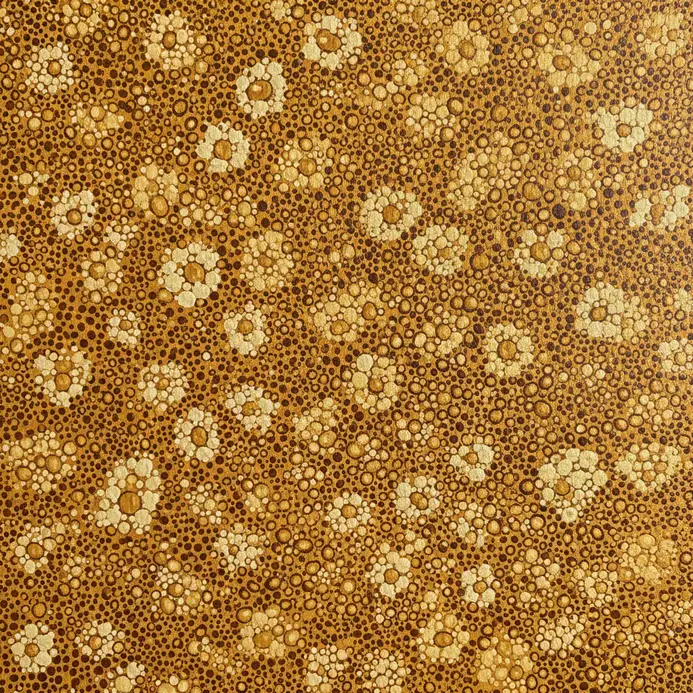
Does the thought of drawing a leopard’s spots make you nervous? Do not worry, the stippling technique remains your friend. It centers on building up those rosettes with small, irregular dots. Start by lightly sketching the spot shapes, then use your pen to dot along the edges, making the dots denser there. Fill the centers with fewer dots to keep them lighter. I love how this method lets you build texture so gradually. Trust me, you will feel a real sense of accomplishment when that spotted pattern comes to life.
28. Blend a Soft Gradient Cloud Shape Whale

This concept remains deceptively simple and creates a dreamy effect. Grab your soft round brush, perfect for creating delicate details in wildlife artwork. set to zero hardness and paint the basic whale shape with light, sweeping strokes. Next, refine that fuzzy silhouette with your eraser tool set to the same soft brush, enhancing the details of your artwork. The magic happens when you add a Gradient Overlay Layer Style for those smooth color shifts. I love how this balances a recognizable form with total softness. Trust me, seeing that cloud-whale appear feels absolutely magical.
29. Draw Sharp Angular Fragmented Hawk Wings

This step looks intimidating, but trust me, it delivers the magic. Forget smooth curves. Start with a light HB pencil to sketch a sharp, angular ‘M’ shape. Then, use a 2B or 4B pencil to break that shape into separate, jagged segments. Draw long, blade-like feathers that overlap and point in different directions. The key rests in making it look broken and powerful, avoiding neat and tidy lines. It works because sharp angles create incredible energy. You will love the dramatic effect! easy animal painting inspiration.
30. Build a Dense Palette Knife Rabbit Burrow

This concept looks like a sculpture, but remains a fantastic painting project that brings wildlife to life. You will use a generous amount of modeling paste to build up the burrow mound, creating tunnels and earthy textures with your palette knife. I love how you carve and shape the paste while it stays wet. The dense layers catch light beautifully, making the scene feel real and tactile. Trust me, do not be shy with the paste. Feel the satisfaction of creating a little world you can almost touch.
Varnishing Techniques for Professional Surface Protection
Wait a full week after your final brushstroke before you even consider varnish. Acrylic paint needs time to cure completely beneath the surface, even if it feels dry to the touch. Applying a sealant too early traps moisture and causes cloudiness or cracking over time. When you are ready, use a wide, soft foam brush to apply a thin, even coat of a matte acrylic varnish. The matte finish works perfectly for abstract work as it eliminates glare and gives the entire piece a uniform appearance. Let this first layer dry for at least two hours, then apply a second coat in the opposite direction for complete coverage. This final step locks in all your hard work and protects the painting from dust and UV light.
Conclusion
Your love for animals and art forms a powerful combination. Exploring these abstract animal painting ideas for beginners acts as a springboard, not a rigid set of rules. The most important step involves picking one project that sparks curiosity and simply beginning. Do not worry about making it perfect. Focus on the joy of mixing a surprising color or making a bold mark with a palette knife. Each painting you finish adds to your experience and helps you find your unique artistic voice.
FAQs
Q: What are some simple abstract animal painting ideas to inspire beginners?
A: Start with bold shapes and limited colors to capture an animal’s personality rather than realistic details. Try a gentle rhino silhouette made of geometric planes, a subtle curve suggesting a cat’s back, or a curious bird using layered washes. These ideas help you select a level of abstraction that suits your skill and can support continued practice—watch a short video tutorial to further inspire and guide your process.
Q: How can I choose colors and composition to convey strength or gentleness in animal art?
A: Use strong contrasts, angular forms, and saturated colors to convey strength; choose soft gradients, muted palettes, and round shapes to express gentleness. For example, a rhino can be depicted with heavy charcoal tones and sharp edges for raw strength, while a deer might be shown with pastel washes and subtle strokes to suggest a gentle personality.
Q: What techniques help abstract animal paintings feel personal and not generic?
A: Emphasize unique marks, texture, and scale to reflect your own response to the animal rather than copying a photo. Add small symbolic details—an eye, a patterned patch, or an unexpected color—to reveal curiosity and personality. This addition makes prints available later more distinct and appealing to animal art lovers.
Q: Can abstract animal paintings raise awareness about extinction or conservation?
A: Yes. Abstract work can communicate emotion and urgency without literal depiction. Use evocative titles, fragmented forms, or disappearing shapes to reference extinction. Partnering with conservation groups or donating a portion of sales can support international efforts and attract collectors who are conservation lovers.
Q: What materials and surface choices best support abstract animal ideas at different skill levels?
A: Beginners can start with acrylics on canvas or heavy paper for easy corrections. Intermediate artists might explore mixed media—ink, collage, and texture paste—to add depth. Advanced painters often select archival paints and prepared panels to achieve fine subtleties. Consider availability of prints available if you want to reproduce works for home display or sale.