Selecting Roll Dimensions For Finished Work
Reserve 3 to 4 inches of canvas on every side beyond the intended finished dimensions before cutting. This stretching allowance gives you enough fabric to fold around stretcher bars and secure it without pulling the painted area toward an edge. Measure the bars as an assembled rectangle, since corner joints and bar depth affect the fabric required. Match the roll width to the artwork’s longer dimension when possible, reducing seams and awkward joins. Check the canvas grain before marking, because a crooked weave often shows as uneven tension after mounting. Add extra length for deep bars or gallery wraps, where the fabric travels farther around the sides. Mark each corner lightly on the reverse, then keep the planned orientation consistent during storage and stretching. A paper template helps confirm proportions before you cut valuable linen or cotton canvas, and recognizing How Rolled Canvas Can Work for You prevents wasted material during your layout.
Preparing A Clean, Flat Workspace
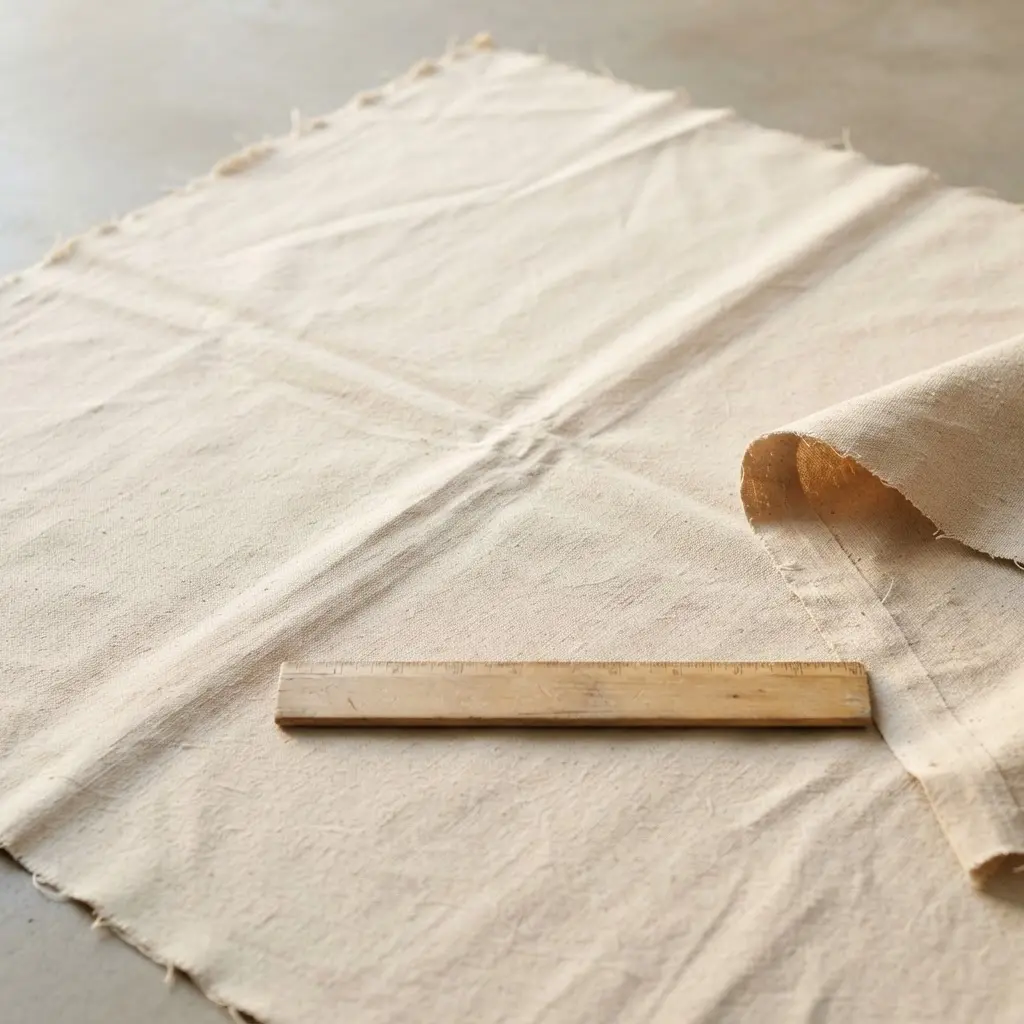
A rigid 6-foot worktable gives rolled canvas enough support to lie flat without hanging over an edge. Cover the surface with a self-healing cutting mat so grit, staples, and wood splinters do not mark the fabric during measuring or trimming. Bright, even lighting helps you spot creases, loose threads, and faint pencil lines across pale canvas. Keep the table clear of wet paint, solvent jars, food, and sharp tools, since rolled fabric picks up debris quickly. A clean cotton sheet offers a temporary cover when the workspace sits unused between sessions. Leave room around the table for the full roll to uncoil without scraping a wall or chair. Check the floor too, because dust transferred from shoes often settles on fabric lying near the work surface, while understanding How Rolled Canvas Can Work for You in a tidy studio keeps preparation smooth and focused.
1. Portability and Global Shipping Benefits for Rolled Canvas
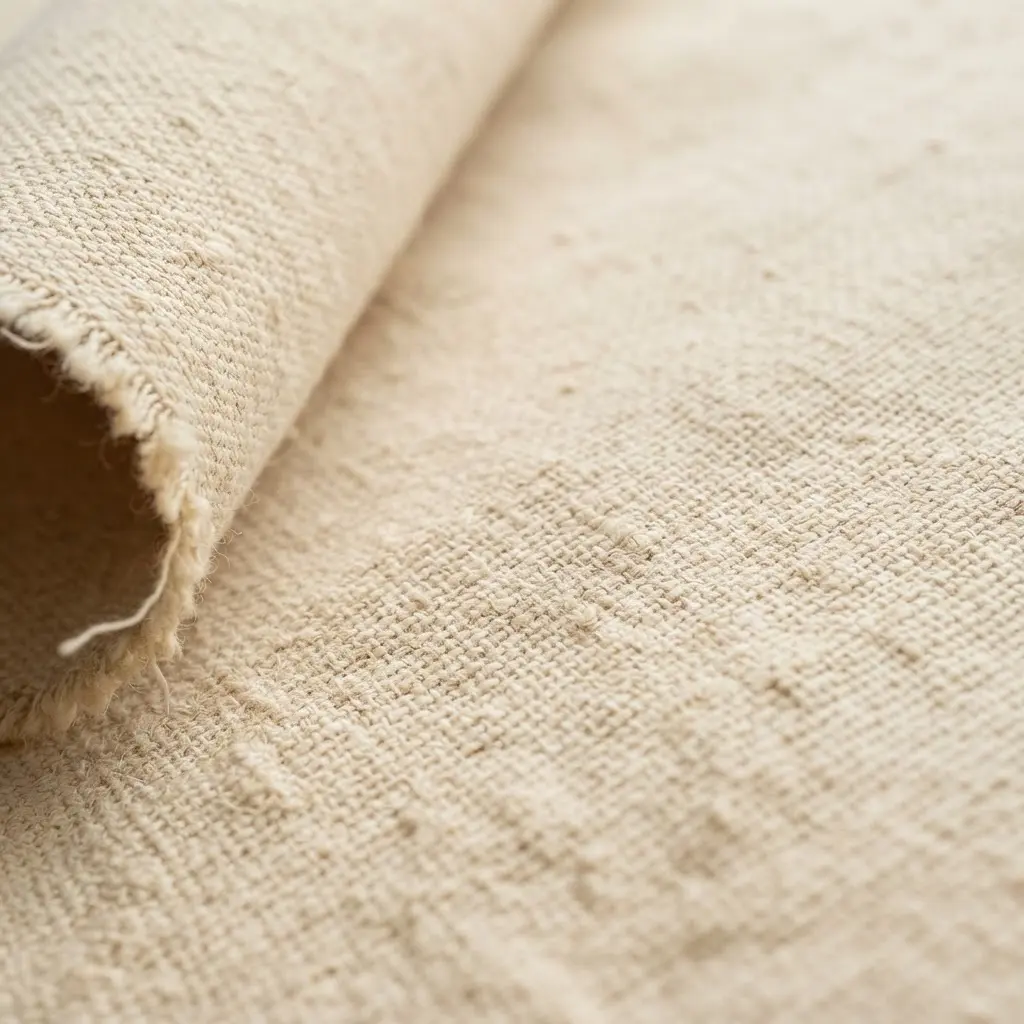
Ever wondered how a 36 × 48-inch painting travels across borders without filling a whole truck? Rolled canvas keeps the artwork unstretched and unframed, then places it inside a rigid mailing tube. I love this format because the finished artwork stays large while the parcel stays slim and easy to handle, and realizing How Rolled Canvas Can Work for You makes global logistics completely manageable.
Compared with stretched or framed packaging, the tube takes up far less space, which helps limit dimensional-weight charges based on length, width, and height. DHL, FedEx, UPS, and postal services use their own divisors and surcharge rules, so check the packed measurements before booking. This smaller parcel also makes international shipping easier for galleries, artists, and print-on-demand sellers.
Pack the surface carefully, place it in the tube, and protect both ends from crushing. The recipient will need stretcher bars before display, so rolled canvas suits buyers who value lower freight costs and flexible transport over instant hanging. Trust me on this one: measure the final tube, not the artwork alone, before comparing courier prices.
2. Custom Sizing for Large Installations and Oversized Artwork
Large rolled canvas becomes far easier to plan once the finished size guides every support choice. For work above 60 inches on any side, choose 2 to 2.5-inch stretcher bars or a hybrid aluminum-wood system, then add internal cross-bracing beyond 48 inches. Pieces over 96 inches need multi-directional braces, keyed corner joints, and extra reinforcement against bowing and twisting. Sound complicated? It is a clear sizing plan, and I love how it keeps a huge surface square and steady, especially when learning How Rolled Canvas Can Work for You across large formats.
Keep the artwork separate from the decorative moulding by fitting a wooden or aluminum strainer inside the frame rabbet. Fasten the canvas to this inner support, not to the outer finish, so tension and weight spread across the structure instead of pulling on delicate joints. This approach suits murals and gallery installations. Rolled fabric gives you room to plan the final proportions before stretching, which helps you choose depth, bracing, and frame details with confidence. Trust me on this one, good support makes oversized artwork feel calm, secure, and ready for its space.
3. Cotton Versus Linen Fiber Differences for Painted Surfaces
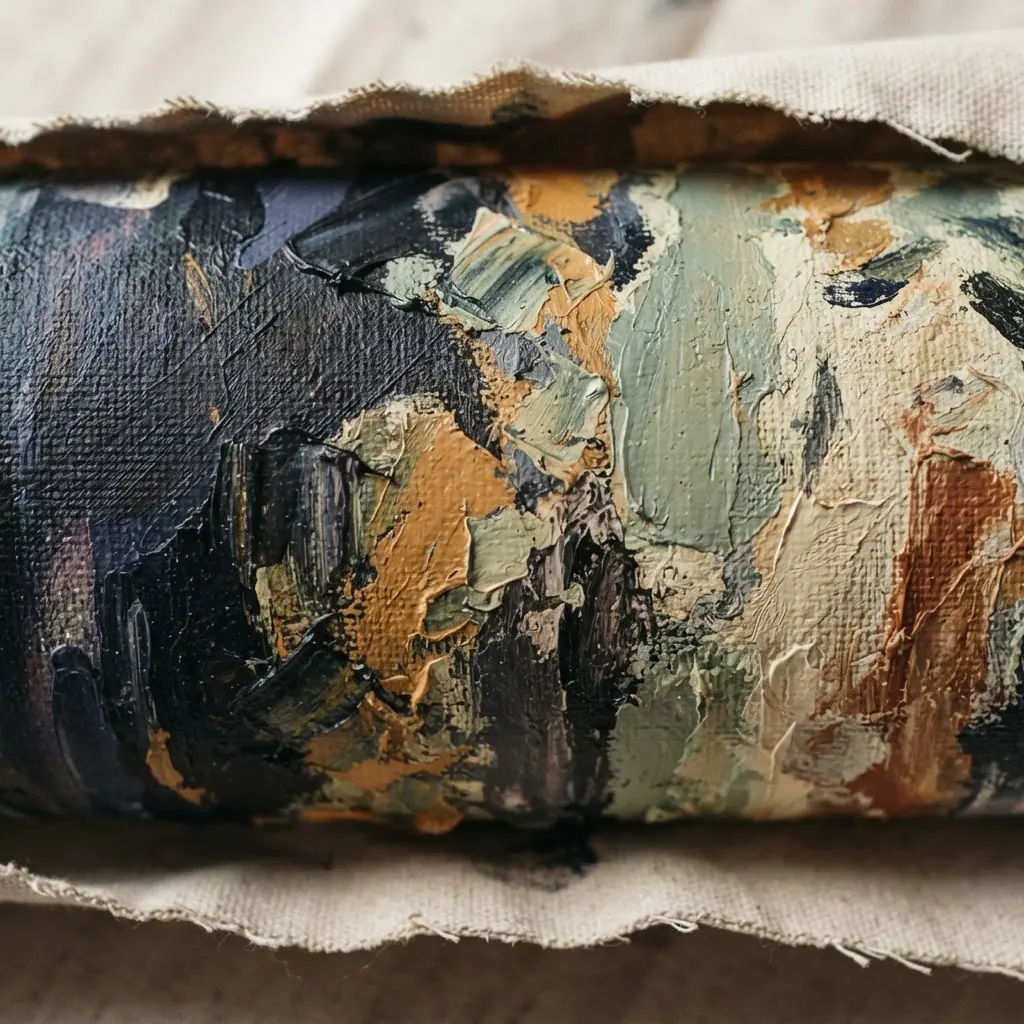
I love comparing cotton and linen before a canvas ever reaches the easel. Both begin as cellulose fibers spun into yarn and woven into a support, yet their origins and fine structures give each surface a different feel. Cotton comes from Gossypium plants, while linen comes from flax, Linum usitatissimum. Sound like a small detail? It affects how the fabric handles during sizing, ground application, stretching, and painting, and seeing How Rolled Canvas Can Work for You with different fibers saves time on material trials.
Look beyond the visible weave and study the fiber type beneath it. Cotton often feels easier to handle during preparation, while linen brings different strength and dimensional behavior as humidity changes. Those shifts matter beneath paint layers, since movement in the support influences tension and surface stability. Choose cotton or linen after weighing strength, humidity response, and stretching demands, then inspect the roll for an even weave and clean yarns. Trust me, this small check feels reassuring because your painted surface is better matched to your process.
4. Primed Versus Unprimed Surface Options for Canvas Painting
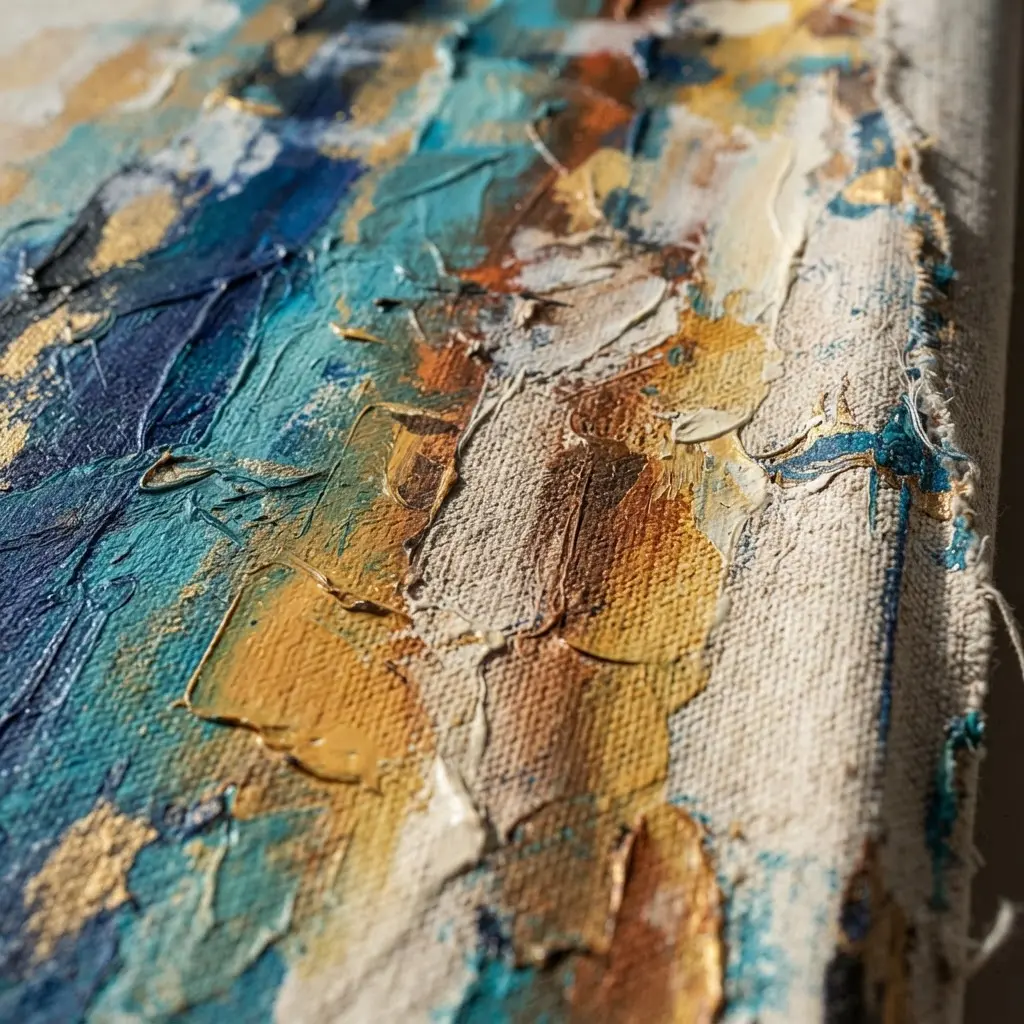
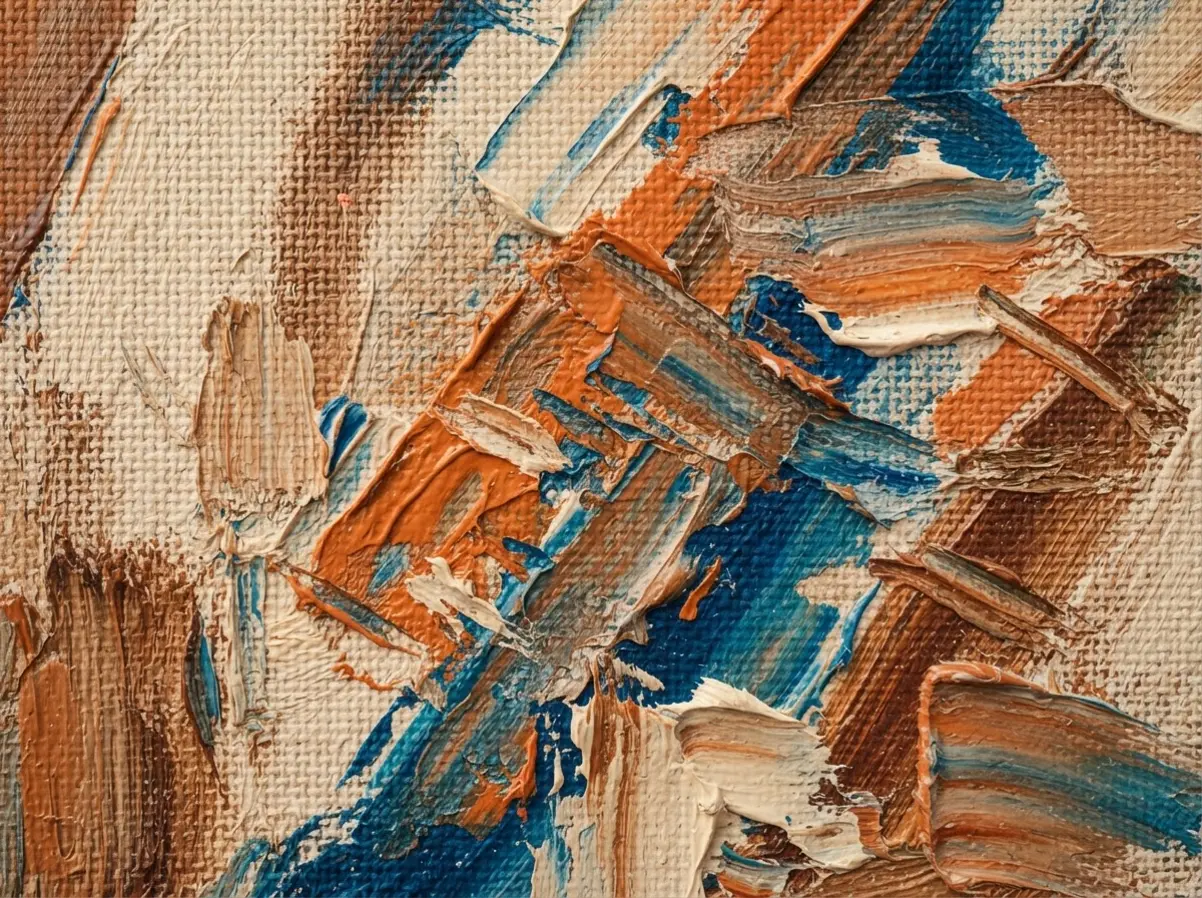
Watch translucent color sink into the weave, leaving soft edges and a fully matte finish. Raw canvas feels dry and tactile beneath the brush, while the paint settles among its fibers. Ever tried this before? The result suits staining, gentle washes, and quiet Color Field effects.
For cleaner layers and sharper shapes, start with acrylic gesso. It seals the fibers, controls absorbency, and gives acrylic or oil paint a steady surface for scraping, wiping, and adding raised marks. A white ground also reflects light through thin paint, helping colors look brighter, and watching How Rolled Canvas Can Work for You with a white ground makes layering effortless. This is my go-to choice for dependable handling.
An oil-based ground offers low absorbency, smooth blending, and more open time for oil paint. Keep acrylic paint away from oily grounds, since adhesion suffers, while understanding How Rolled Canvas Can Work for You prevents wasted batches and uneven drying. Painting oils directly onto raw fabric also deserves care, as the binder can soak into fibers and contribute to brittleness over time.
Choose an absorbent ground for wash, gouache, or ink handling, or use clear gesso when the linen or cotton color should stay visible. Extra coats create a smoother surface but soften the weave. Pick the finish based on the edges, sheen, and paint movement you want, then enjoy the satisfying control of a prepared surface.
5. Storage Solutions for Raw Canvas in Dry Studios
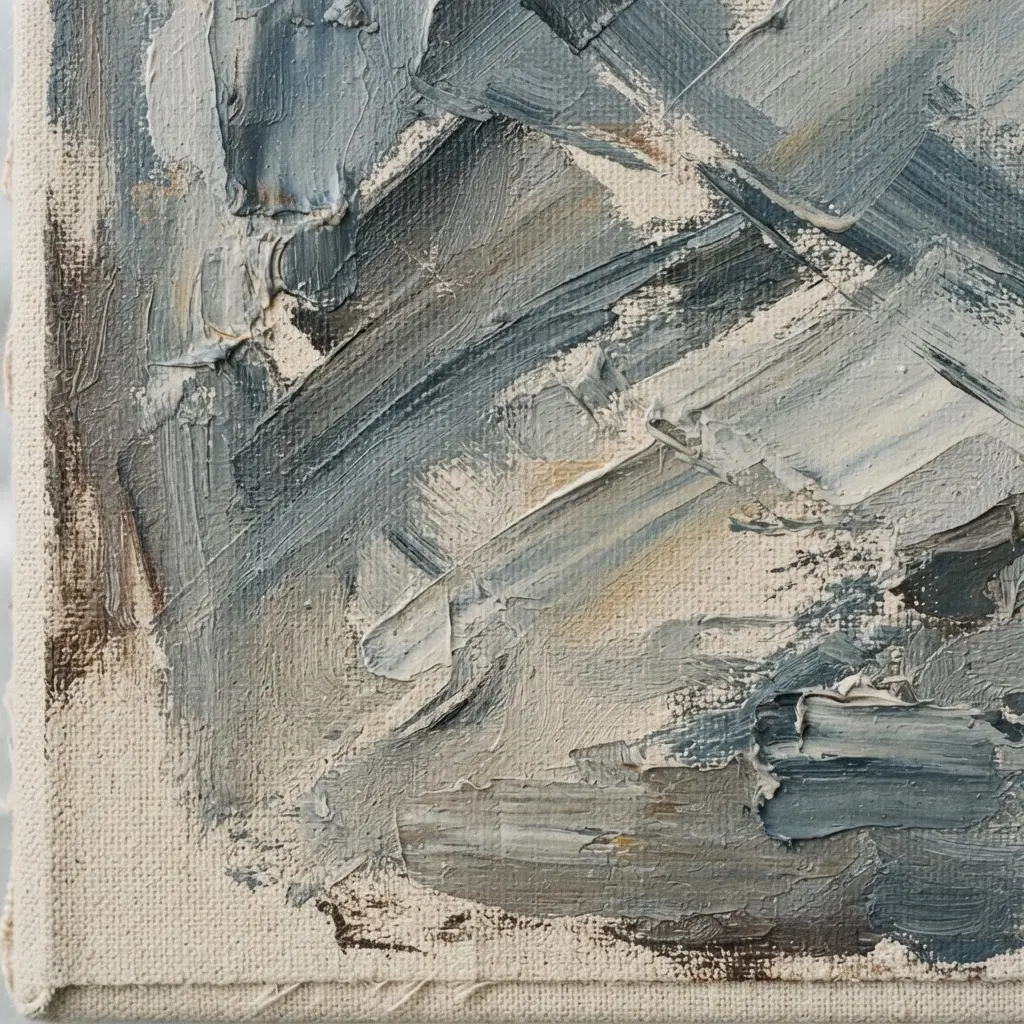
A dry studio doesn’t mean raw canvas belongs in a sealed plastic bag. Sound fussy? A clean storage rack keeps rolls off the floor, away from spills, dust, and exterior walls. Realizing How Rolled Canvas Can Work for You in organized racks saves precious studio space and keeps materials accessible.
Support each roll along its length so its own weight doesn’t create sagging or flattened areas. Cover the fabric with a breathable cloth or suitable protective wrap, leaving room for air movement around the roll. Keep cotton duck and linen far from radiators, heaters, sunlight, and ventilation outlets, since local heat creates uneven drying, and knowing How Rolled Canvas Can Work for You protects delicate fibers from premature aging. I love labeling each roll with its fiber type, weight, width, length left, and arrival date because selection becomes quick and gentle.
Use a hygrometer to watch relative humidity in a dry studio, rather than judging conditions by touch. Avoid tight folds, sharp bends, and heavy items pressed against the canvas. Rolls moved from another room or building should rest in the studio before cutting or stretching, giving the fibers time to adjust. Stable storage protects the usable surface and makes every future project feel easier.
6. Canvas Stretching Tools and Equipment for Smooth Results
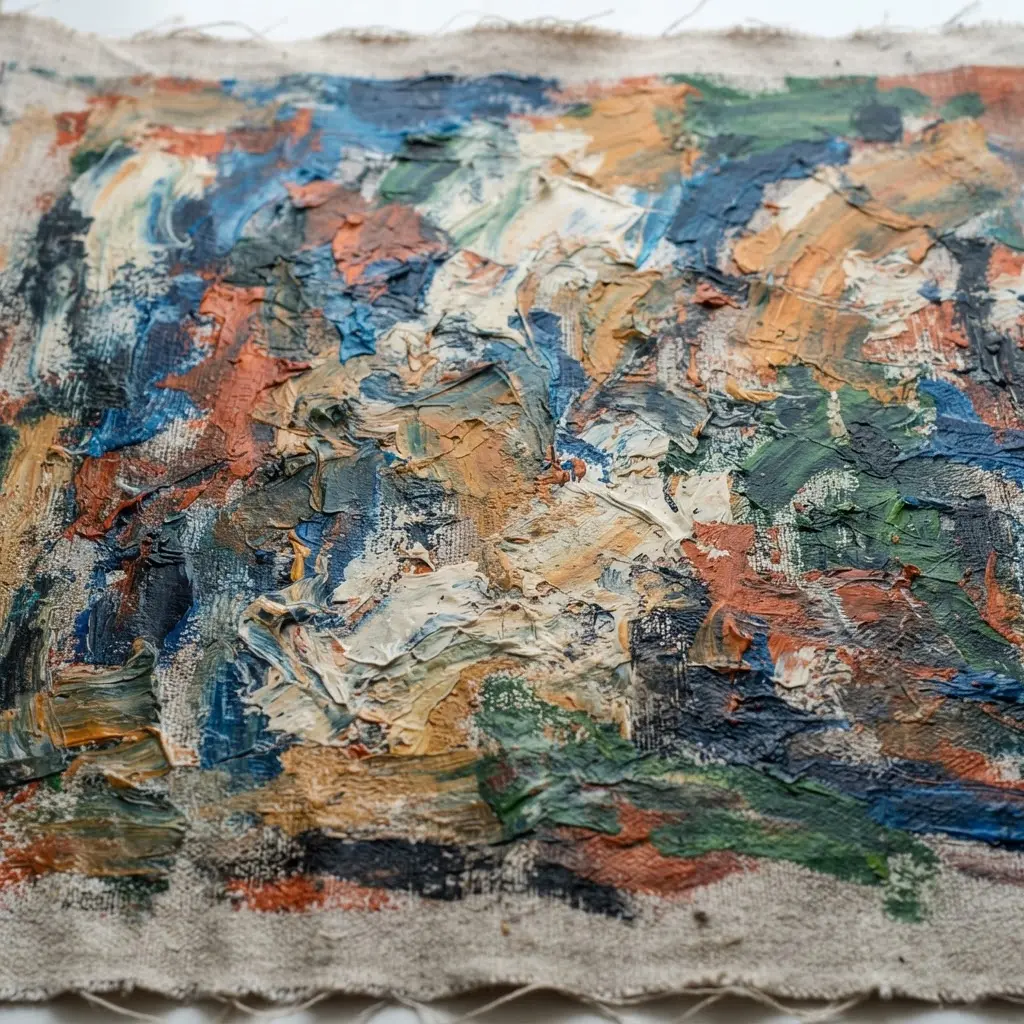
Grab a pair of Acrylic painting on canvas before you pull the first edge. Choose wide jaws around 4–5 inches for cotton duck, heavy linen, or primed canvas. The broad grip spreads pressure across several fabric threads instead of stressing one small spot, and seeing How Rolled Canvas Can Work for You with the right tools turns a messy job into a clean process. Trust me, this feels far safer than tugging heavy fabric with narrow pliers.
Pull the canvas across the stretcher frame, then secure it while keeping the force even from side to side. Rubber-padded jaws help protect the weave and gesso from cracks or punctures, while an integrated fulcrum or lever knob gives your hand extra reach. Keep the fabric aligned so it does not touch the frame’s inner edge, where ghost lines might appear. Sound complicated? It is not once your hands find a steady rhythm, while observing How Rolled Canvas Can Work for You during tensioning builds reliable studio habits.
I love this setup because each pull feels controlled, and the surface begins to look smooth without corner bunching or ripples. Check the frame as you go, since uneven force can lead to warping. My go-to tip is to move around the frame in short sections rather than tightening one side all at once. You will feel proud when the finished canvas has a clean, stable surface ready for paint, proving knowing How Rolled Canvas Can Work for You at every stage guarantees a flat painting ground.
7. Professional Tensioning and Framing Techniques for Flat Canvas
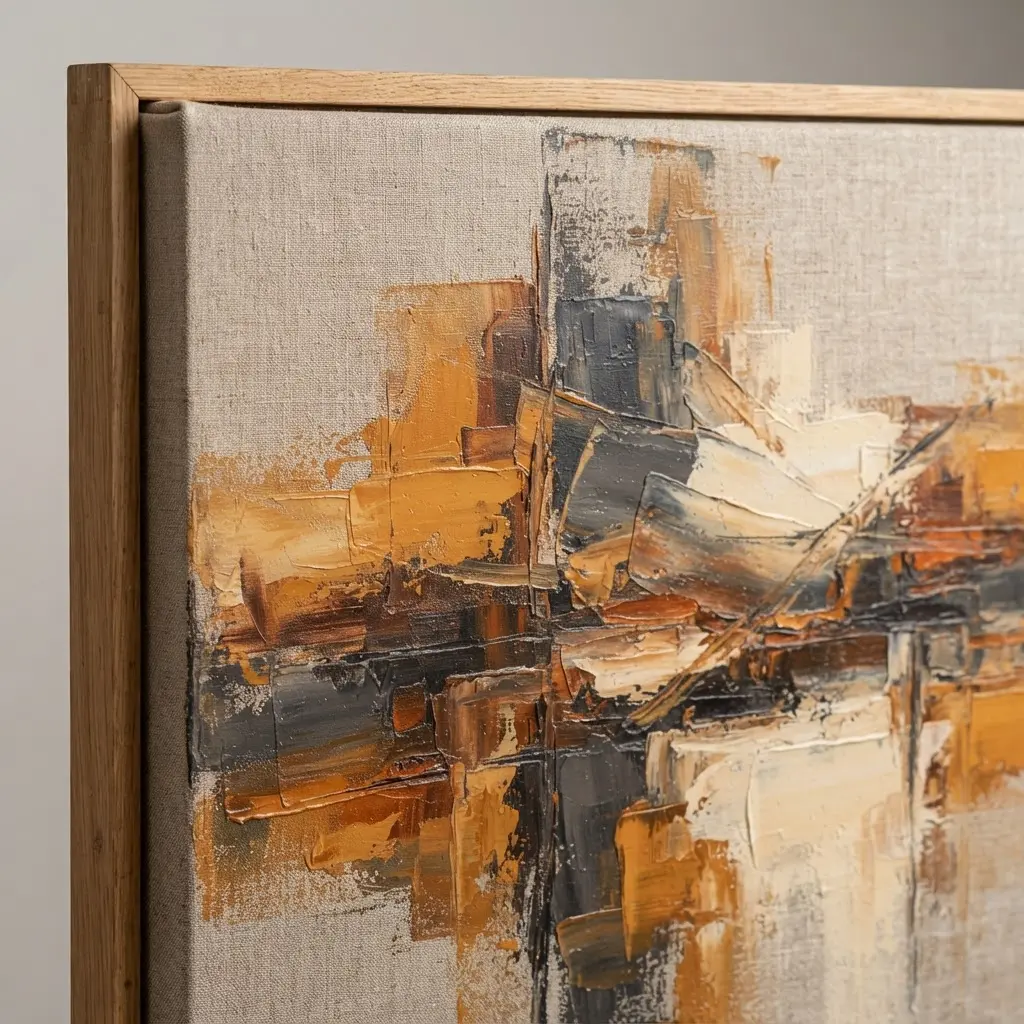
Ever wondered why a flat Acrylic painting on canvas and ready for a polished frame? The answer starts with the wooden chassis behind the fabric. A strainer has fixed, immobile joins, giving your canvas a firm support when later adjustment is not needed. A stretcher uses expandable corners, so you have room to correct tension after mounting, and understanding How Rolled Canvas Can Work for You clarifies whether a strainer or stretcher fits your goal. I love this distinction because it makes the support choice feel clear instead of confusing.
Lay the canvas over the selected frame, keep the fabric evenly positioned, and attach it with steady tension across each side. For professional presentation, keyed mortise-and-tenon stretcher bars provide an expandable structure suited to future tension corrections. Strainers suit stable setups, while stretchers offer more control as the fabric settles over time. Your final frame should fit around the tensioned canvas without pressing against the painted surface. This is my go-to tip: choose the chassis before mounting, since the right support helps preserve a neat surface and lasting stability. Feel proud when the finished piece sits flat, secure, and ready to display.
8. Cost Savings for Prolific Artists Using Rolled Canvas
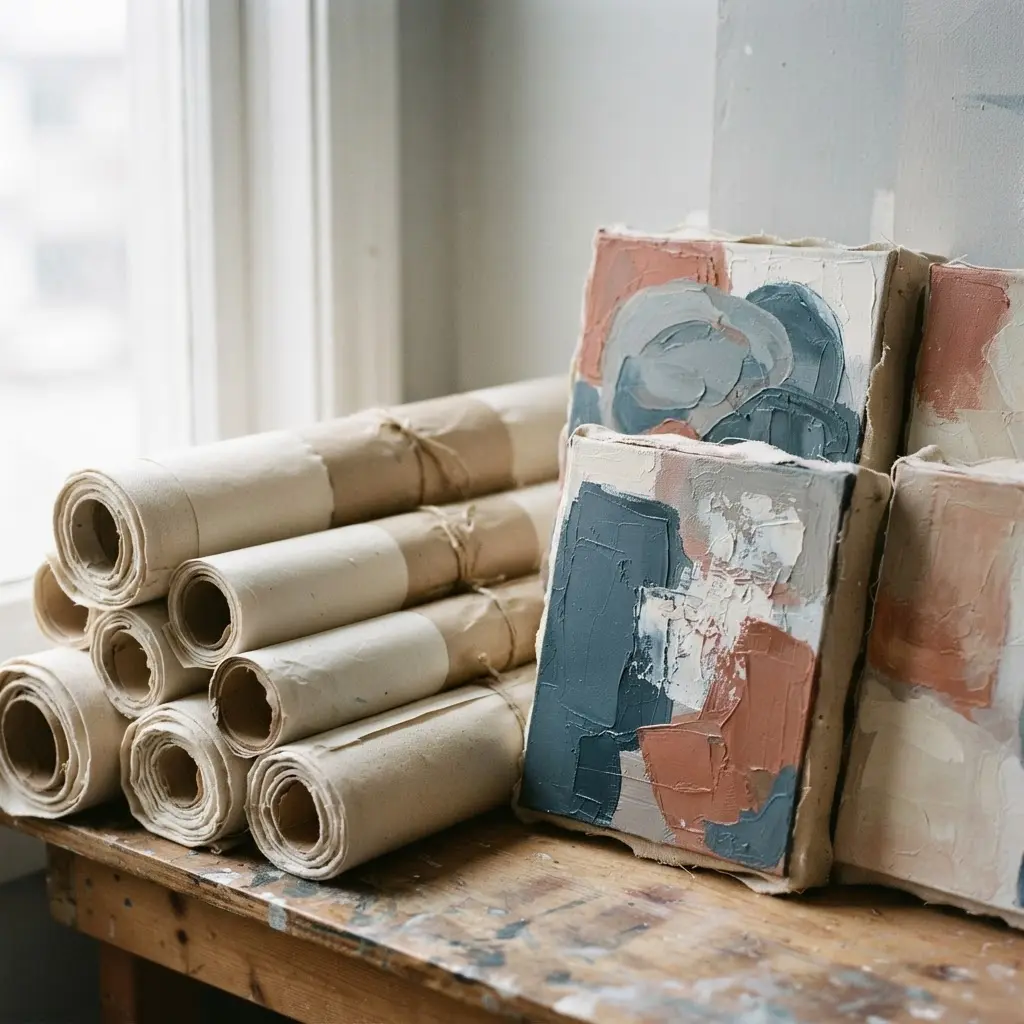
Producing painting after painting makes the support budget add up fast, so a canvas roll gives prolific artists a smarter starting point. A 5- to 50-yard roll separates the painting surface from factory assembly, stretcher bars, staples, packaging, and retail markups. Primed cotton canvas often runs about 40% to 70% less per square foot than comparable pre-stretched canvas, and calculating How Rolled Canvas Can Work for You reveals long-term studio savings. Sound complicated? It isn’t.
Cut each piece to size, then stretch it across bulk stretcher bars or pine strips prepared in your studio. Buying supports in batches spreads the setup cost across many paintings, while primed canvas lets you start painting without extra surface preparation. Rolled linen also makes higher-grade Belgian or Italian linen more practical for a steady studio practice. I love having control over both the dimensions and the surface.
Shipping adds another saving because one compact roll takes less room than several rigid canvases, and carriers often use dimensional weight. For finished work, remove the dried canvas from its bars, place acid-free glassine over the painted side, roll it around a sturdy heavy-wall tube, and slide it into a mailing tube. Include stretcher bars, staples, labor, and packing supplies in your total before judging the final price. The savings feel best when your painting schedule stays busy.
9. Archival Preservation and Maintenance Tips for Painted Canvas
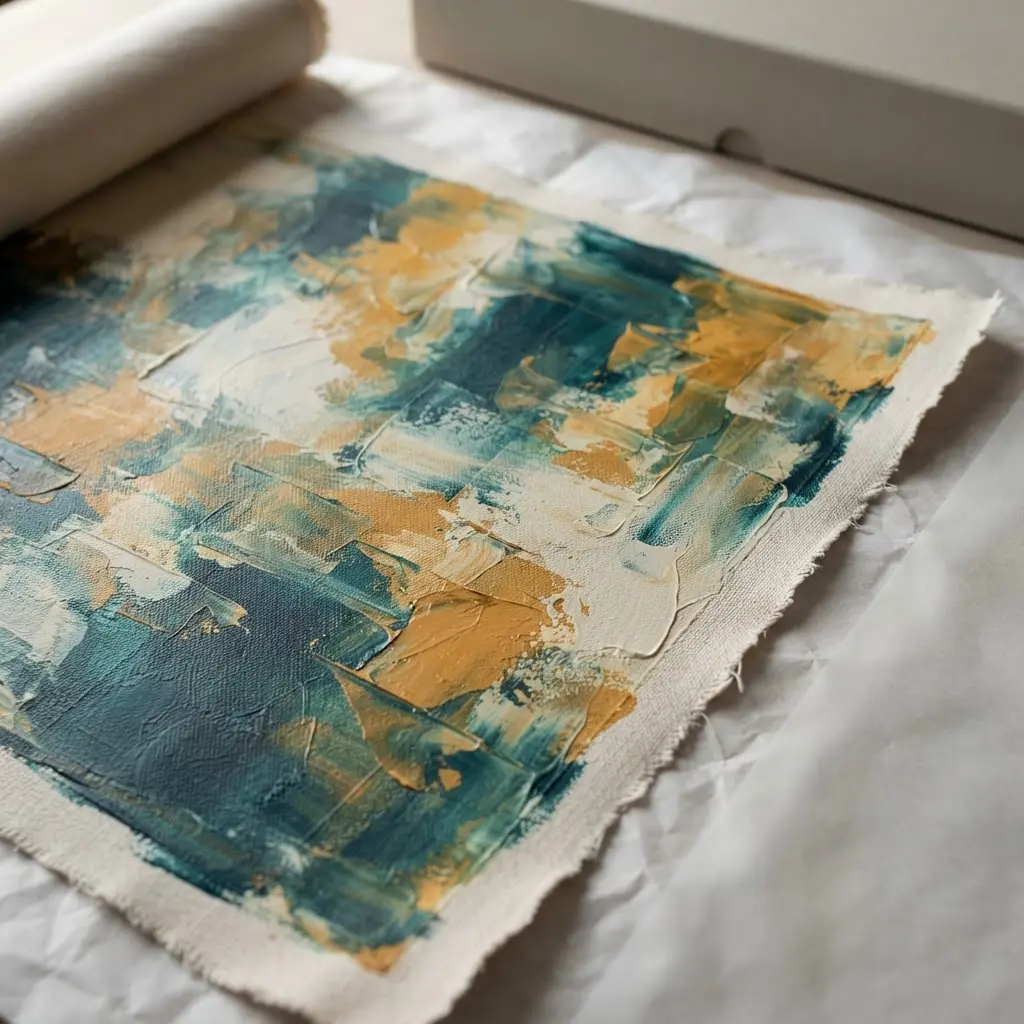
I love this tip because careful storage protects a painting before trouble appears. Keep rolled or stretched canvas in steady room conditions, away from heaters, damp walls, direct sun, and sharp changes in relative humidity. A painted canvas includes fabric, wooden stretcher bars, ground, and paint layers, so each part responds to moisture at its own rate. Sound complicated? It is not. Treat the whole piece gently and avoid leaning heavy objects against the surface.
For dust, use a soft, dry brush held slightly above the surface, and stop at any area with flaking, lifting, cracking, or loose paint. Do not wipe oil, acrylic, or mixed-media work with water, household cleaner, or a damp cloth. I use clean hands, padded support, and both hands during a move, since pressure on one edge strains the fabric and frame. Store artwork upright with space around it, and ask a conservator for treatment when the surface shows damage. Your reward is a calmer routine and a canvas ready to enjoy for years.
10. Gesso Preparation for Raw Material and Even Coverage
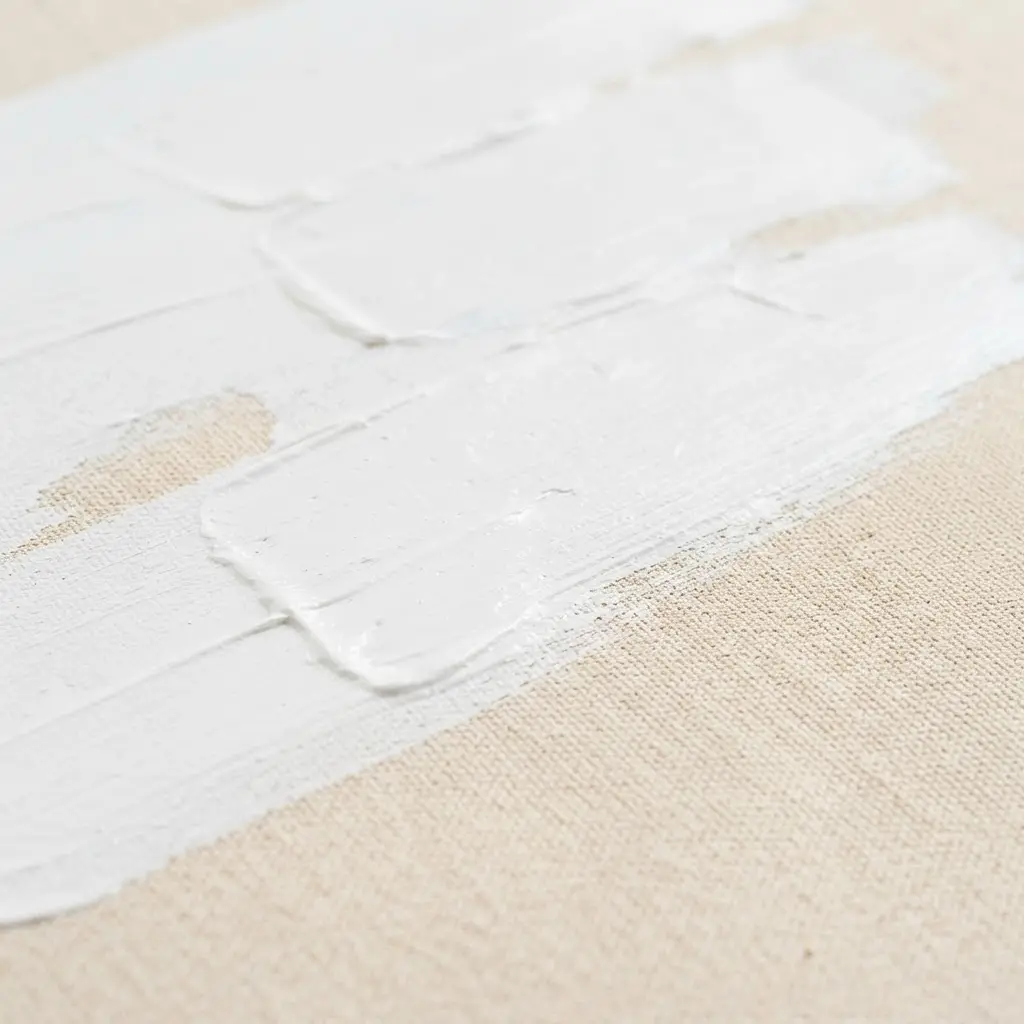
The finished surface feels smooth beneath a brush, with an even drag and no bare areas absorbing paint too quickly. First, identify your raw support as flexible canvas, linen, or paper, or as rigid wood, MDF, or hardboard. Choose compatible gesso for the material, since acrylic gesso suits flexible and rigid supports beneath acrylic or oil paint. Sound complicated? It is not. Apply the ground in an even layer so the surface develops steady absorbency and consistent tooth.
Acrylic painting on canvas acrylic polymer emulsion, chalk or calcium carbonate, titanium dioxide, and additives. Traditional glue gesso uses animal hide glue, such as rabbit skin glue, with chalk or gypsum, so treat it as a separate material with different preparation needs. Gesso helps paint adhere and limits moisture or acids from raw material reaching the paint film. I love this step because the surface feels controlled before color enters the picture. Pro tip: inspect the dried ground under side light, then correct thin or rough spots before painting. You will feel confident once every section looks uniform.
Documenting And Displaying Finished Pieces
Record the finished dimensions, canvas type, paint medium, and completion date on the back of the stretcher before hanging the painting. A small archival label inside the frame or on the stretcher keeps those details with the work during future moves. Photograph the front, back, and signature area in even light, then store the files with the written record. For acrylic paintings, a fully cured UV-protective acrylic varnish helps reduce surface grime and light exposure during display. Choose gloss when color saturation matters, or matte when reflections distract from the image. Keep the painting away from radiators, damp exterior walls, and direct sunlight, since heat and moisture strain fabric and wood. Use two hanging points with a level wire system for larger stretchers, which reduces twisting on the wall.
Conclusion
So how was your creative session? Rolled canvas gives your practice more choice, whether you are planning a small study, shipping work across distance, or preparing a broad surface for a room-sized piece. How Rolled Canvas Can Work for You becomes personal when you select a fiber, finish, and size suited to the way you paint. I love the sense of ownership in measuring the bars, pulling the fabric evenly, and seeing a surface settle into place. For your next step, stretch a small test piece before working on a large format, then note how the tension feels after gesso dries. Look at what you have made. That is real skill right there. Let us keep building from one painting to the next, with room for practical choices and your own visual voice. Pick your favorite size, set aside a quiet afternoon, and start the next canvas with confidence.
FAQs
Q: Should I buy primed or unprimed rolled canvas?
A: Primed canvas saves preparation time and gives you a ready painting surface. Unprimed canvas suits artists who prefer full control over sizing and gesso layers.
Q: How should rolled canvas be stored between paintings?
A: Keep the roll upright in a protective tube or loose sleeve. Store it in a dry room away from damp walls, direct heat, and sharp pressure.
Q: What tools do I need to stretch rolled canvas?
A: Use stretcher bars, canvas pliers, a staple gun, staples, scissors, and a measuring tape. A square helps you check the frame before securing the fabric.
Q: How do I stop stretched canvas from sagging?
A: Pull the fabric evenly from the center of each side toward the corners. Add staples in a balanced sequence and check the surface after the first gesso layer dries.
Q: Is linen better than cotton for archival artwork?
A: Linen has strong fibers and a refined surface suited to long-term work. Cotton costs less and suits studies, practice pieces, and many finished paintings when prepared well.