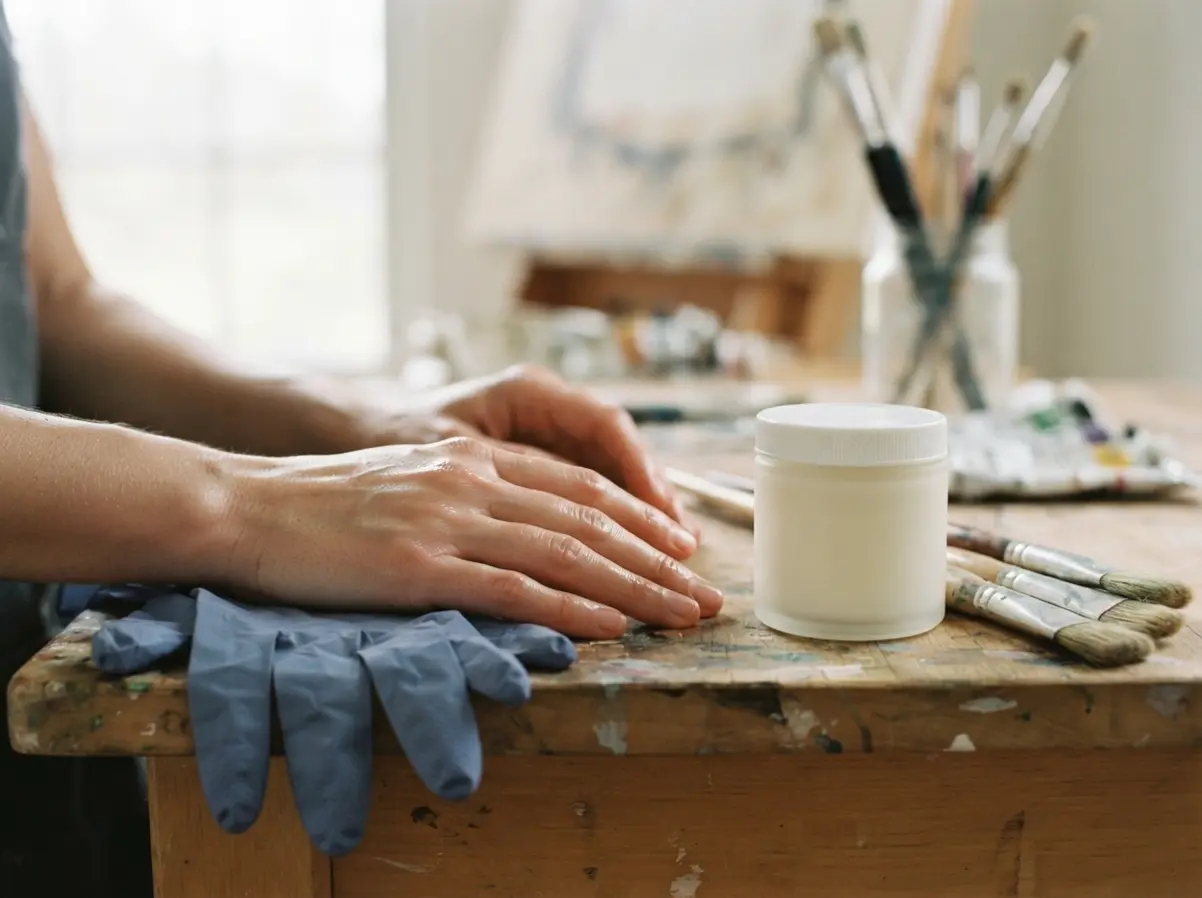


I love a routine that takes only a few minutes, so let us keep this practical and easy to repeat. You will find glove guidance, gentle cleansing habits, barrier-supporting creams, overnight repair, sun protection, and warning signs worth taking seriously. Each idea fits around real painting time, whether you work at a kitchen table or in a busy studio.
Keep your Safety Data Sheets nearby, gather a mild cleanser and fragrance-free ointment, and let us get started with care habits your hands will appreciate. This straightforward approach ensures hand care for painters stays practical and repeatable every single week.
Setting Up A Low-Contamination Painting Workspace
Keep solvent containers closed and on a separate tray at least an arm’s length from your clean brush and towel area. Use one clearly marked dirty zone for wet palettes, rinsing jars, used rags, and contaminated gloves, while your phone, food, and fresh paper stay outside it.
A washable silicone mat protects the table from drips and sticky resin, while a lidded waste jar keeps solvent-soaked rags away from open paint. Read each label and Safety Data Sheet before choosing gloves, since establishing consistent hand care for painters relies heavily on this preparation step. Nitrile resistance changes with solvent, thickness, temperature, and contact time, so verify compatibility first.
Oil paint, acrylic, watercolor, and resin each demand different exposure controls, especially when wiping spills rather than handling a closed container. Keep lids, waste jars, and ventilation arranged so your hands do not cross clean surfaces after touching mineral spirits, varnish, or hardener.
Positioning Handwashing Supplies Near The Easel
Place a handwashing station, which forms the foundation of hand care for painters, within a few steps of the easel. Stock the area with fragrance-free liquid soap, paper towels, and a soft nail brush.
The brush helps clear pigment from nail edges without scraping dry skin or pushing color into small cracks. Keep a bowl of lukewarm water nearby for brief rinsing, then move to a sink when paint, thinner, varnish, or resin touches your hands. Never use acetone, turpentine, xylene, or lacquer thinner as a skin cleaner, because these liquids strip the barrier and increase irritation.
A pump bottle reduces contact with shared soap surfaces, while a lined waste bin gives used towels and disposable gloves a contained place. Place barrier cream, clean cotton towels, and spare gloves outside the contaminated zone, so fresh supplies stay usable during cleanup.
1. Chemical-Resistant Glove Selection for Studio Safety
Ever wondered why one studio glove feels safe for one paint cleaner but fails with another? Start with the product’s SDS and check Sections 2, 3, 7, and 8. Match the exact chemical, concentration, mixture, and working temperature to the manufacturer’s data for your glove model.
This quick check gives your hand care for painters routine a safer foundation. Brief splashes, wet tool handling, immersion, and long contact each need a different protection level.
Look for permeation details and breakthrough time, then choose protection lasting well beyond your planned session. A thicker glove often offers longer protection, yet maintaining balanced hand care for painters matters because heavy material might limit brush control and finger movement. I love this step because it keeps safety practical for detailed studio work.
For solvent-heavy cleanup, compare nitrile, neoprene, butyl rubber, PVC, or laminated barrier gloves against the complete product data. Nitrile suits many oils and greases, while butyl often fits aggressive solvent exposure. Latex brings allergy concerns, and disposable polyethylene suits brief, low-hazard splash work rather than extended contact.
Replace gloves after damage, swelling, stiffness, or suspected permeation, prioritizing proactive hand care for painters during every studio visit. You will feel confident handling your next painting session when the barrier remains fully intact.
2. Cotton Glove Liner Benefits for Sweaty Hands
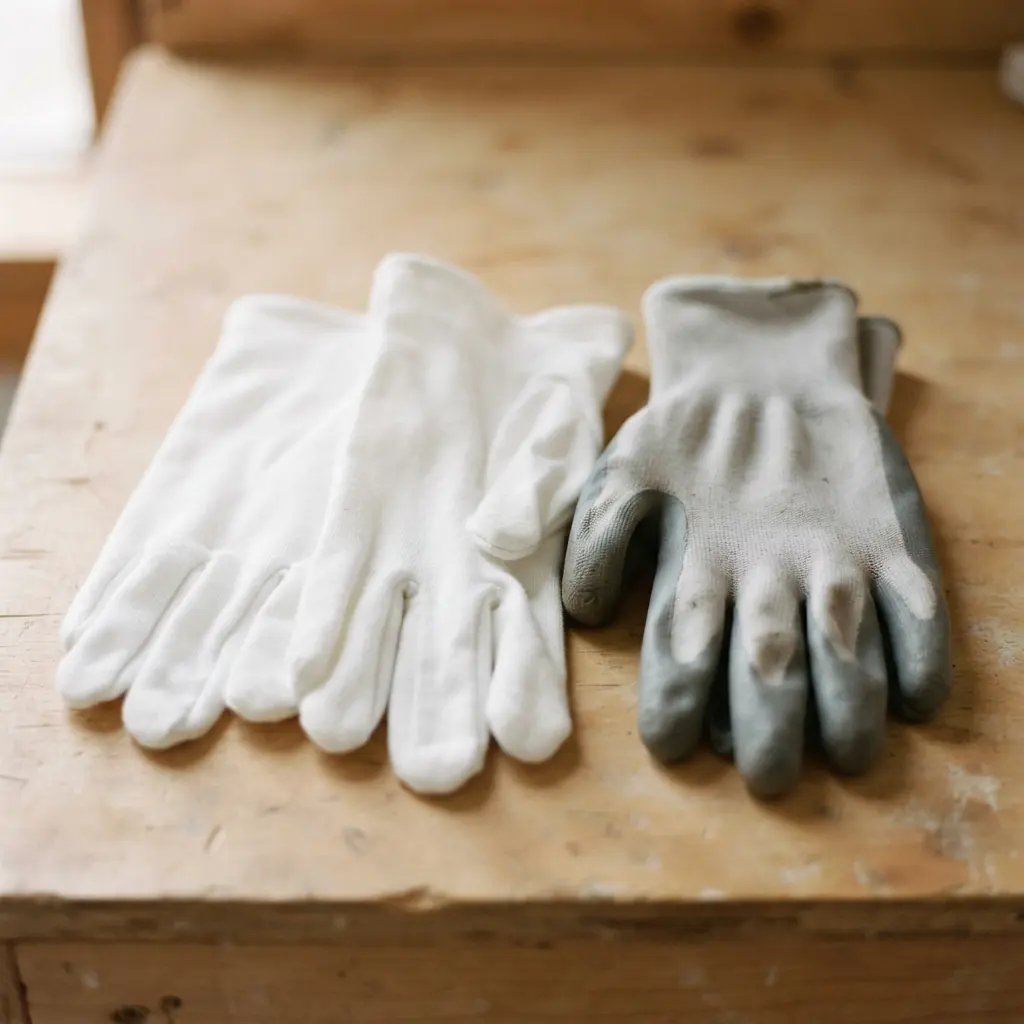
This small layer makes long painting sessions more comfortable when your palms get sweaty. Cotton liners give your skin a soft, breathable surface beneath protective gloves, which directly improves hand care for painters during extended studio hours. They absorb perspiration, so the outer glove feels less clammy while your fingers stay steadier around brushes and handles.
I love this simple fix when damp skin starts causing rubbing or a shaky grip. Is there anything nicer than finishing a session without sticky palms? Start with clean, dry hands and thin cotton liners that fit snugly without squeezing your fingers or wrists.
Put them on before your outer gloves, then change them as soon as they feel damp. Remove both layers during breaks so your hands and liners get air. Keep several pairs nearby, wash used liners with fragrance-free detergent, and let every pair dry fully before wearing them again.
A smooth, low-seam pair also helps reduce pressure points while you hold a using ergonomic brush holds. Cotton absorbs sweat, but it does not stop perspiration. The drier surface helps reduce friction, skin-oil buildup, and clamminess, which supports steadier tool control during detail work.
A cotton barrier also limits direct contact with rubber, latex, plastic, or residue inside reusable gloves. Persistent or excessive palm sweating deserves a dermatologist’s advice, since treatment options extend beyond glove liners. Reliable hand care for painters always includes monitoring moisture buildup throughout the day.
3. Solvent Exposure Prevention Strategies for Painters

This is my go-to safety step because cleaner air makes painting far more comfortable. Start with safer water-based products when they provide the finish your project needs, then keep every container closed between uses. Sound complicated? It is not, and reading the label plus the Safety Data Sheet gives you clear details about hazards, ventilation, storage, spills, and protective gear.
Work outdoors or in a mechanically ventilated area, with local exhaust ventilation placed near vapors and spray mist. A properly ventilated spray booth works better than an open window because it captures contaminants before they spread through your breathing zone. Never use solvent-based paint in an unventilated room, basement, vehicle, tank, or other confined space, and stop work if the ventilation system fails.
I love using HVLP equipment for spray work because it helps limit overspray, though it does not remove vapor hazards. Keep booth doors closed, restrict access, maintain hoses and spray guns, and allow full drying and off-gassing before removing respiratory protection. Wear the PPE listed on the SDS, but treat it as one layer, not your only defense.
These habits support hand care for painters by reducing skin, eye, inhalation, and ingestion exposure. You will notice less irritation when airborne chemicals stay controlled and off your skin.
4. Fragrance-Free Cleansing Methods for Paint-Stained Hands

Clean hands feel soft and fresh, with no perfume lingering after the last rinse. Consistent hand care for painters always begins with these gentle washing steps. Ever tried removing paint without harsh products?
Start with warm water and fragrance-free soap, then loosen residue with your fingertips, a soft cloth, or a gentle nail brush. I love this calm approach because it protects the cuticles and the skin between your fingers.
For dried water-based paint, massage in a little mineral oil, sunflower oil, or olive oil, leave it for one to two minutes, then wash again. A baking soda paste helps with small stubborn spots, while petroleum jelly softens paint sitting along the nails. Oil-based paint needs the same gentle painting tasks before soap and water.
Repeat the process instead of scrubbing hard. Sound easier than reaching for solvents? It is. Skip paint thinner, turpentine, gasoline, mineral spirits, acetone, and bleach on your skin. Never use a pumice stone or nail brush over cuts, redness, or irritated areas.
Rinse well, pat dry, and apply a fragrance-free moisturizer or thin layer of petroleum jelly. Stop if burning, swelling, blisters, or lasting irritation appears, and seek medical advice if symptoms continue. Proper cleansing keeps hand care for painters effective without introducing new chemical stressors.
5. Ceramide-Based Hand Creams for Barrier Support
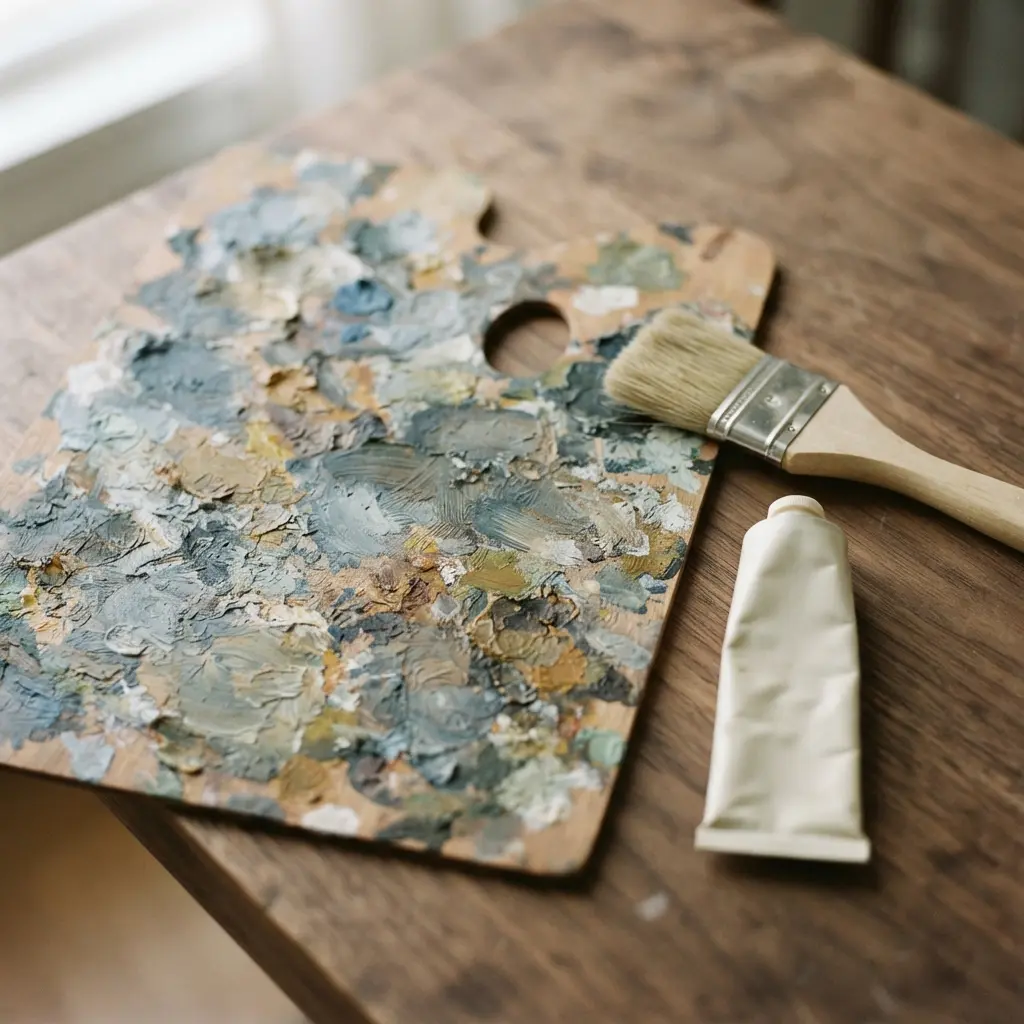
Waiting until your hands feel painfully dry is a common mistake. Barrier support works best as part of a steady routine. After washing, pat your hands dry while a trace of moisture stays on the skin, integrating reliable hand care for painters into this quick step. Smooth on a ceramide-rich hand cream right away.
Ceramides help reinforce the outer barrier and slow moisture loss, while glycerin, hyaluronic acid, and dimethicone add hydration and a light protective layer. Sound complicated? It is easy, and I love how soft hands feel after this small step.
Apply cream again after each handwashing session or whenever your skin starts feeling tight. Rich creams often suit severely dry or eczema-prone hands better than thin lotions, though fragrance-free formulas tend to feel gentler on sensitive skin. Urea and alpha-hydroxy acid help smooth rough texture, yet these ingredients might sting cracked or inflamed areas, so use them with care and follow sun-exposure guidance.
Persistent eczema, deep cracks, bleeding, infection, or strong inflammation needs medical attention rather than moisturizer alone. Keep a tube beside your sink or painting table, and make regular reapplication part of your studio rhythm. Targeted hand care for painters relies heavily on maintaining that protective lipid layer throughout the day.
6. Overnight Moisture Lock Treatment for Dry Skin

Wash your hands with lukewarm water and a fragrance-free cleanser, focusing on nighttime hand care for painters to maximize absorption. Then pat them dry while leaving the skin slightly damp.
Smooth on a rich moisturizer with ceramides, glycerin, or hyaluronic acid. Finish with a thin layer of petrolatum or a fragrance-free occlusive balm, focusing on rough knuckles, fingertips, and cracked spots. Why does this feel so comforting after a long painting session? Moisture sits against the skin while the occlusive layer slows its escape, giving dry areas time to settle overnight.
I love this bedtime reset because it leaves my hands softer by morning without adding steps to the workday. Slip on cotton gloves before sleeping if your hands need extra support or the products rub off on your sheets. Repeat the routine each night until your skin feels comfortable, then maintain it two or three nights each week.
Keep the occlusive layer thin, since a heavy coating feels greasy and offers no added benefit for ordinary dryness. Stop if burning or a rash develops, and avoid sealing products over active infections or heavily irritated skin. Persistent cracking, bleeding, or intense itching calls for a dermatologist’s advice. Nighttime hand care for painters prevents the barrier from thinning during repeated studio days.
7. Workplace Skin Barrier Protection for Studio Routines
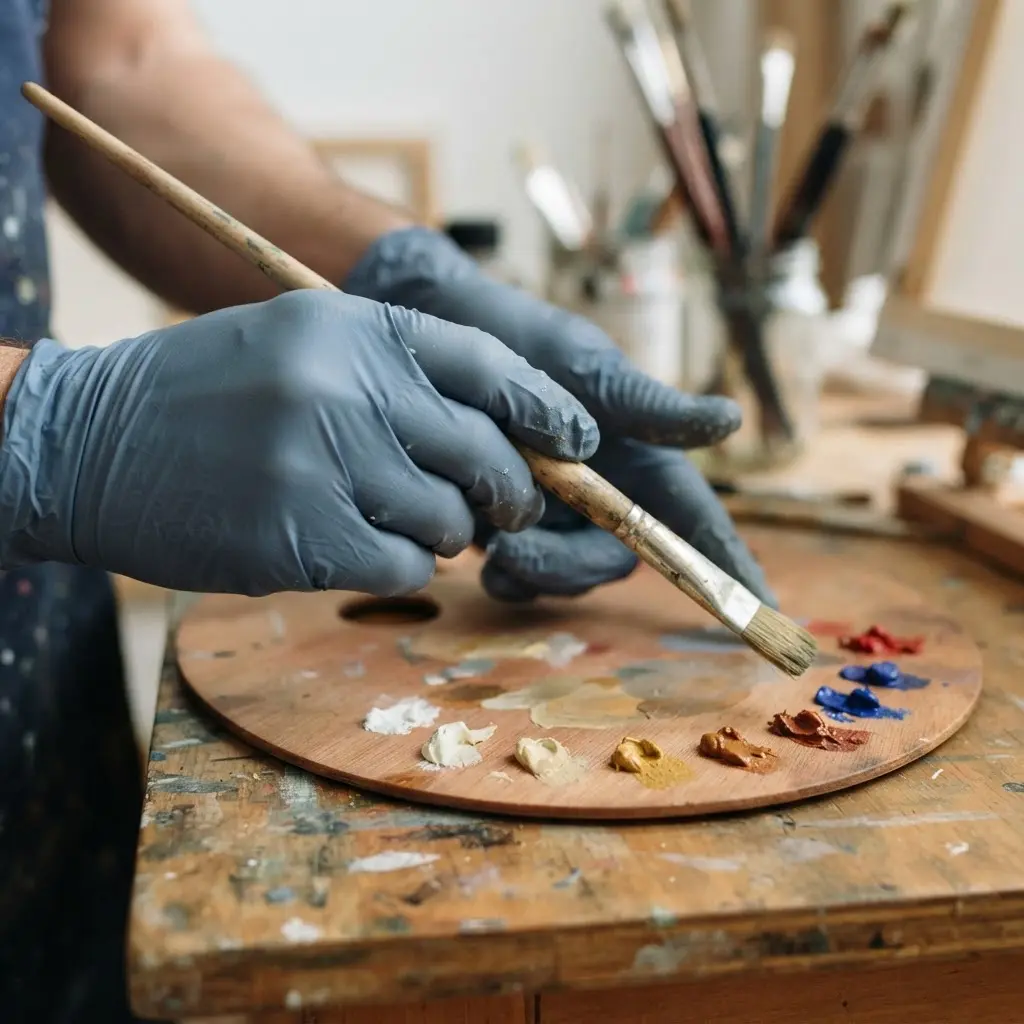
Ever noticed how a short cleanup leaves your hands tighter than a long painting session? Start each studio day by checking for redness, cracks, peeling, blisters, or open areas. Remove rings and watches before wet work, then smooth on a fragrance-free cream. Cover cuts with a suitable dressing before putting on gloves.
During cleanup, keep direct skin contact brief. Use pumps, tongs, or applicators, and select task-specific gloves for solvents, adhesives, pigments, detergents, or disinfectants. Check the Safety Data Sheet and glove maker’s resistance chart, since disposable gloves do not suit every chemical.
Replace torn, sweaty, or contaminated gloves at once. Remove them during safe breaks so hands dry. Quick hand care for painters steps during these pauses prevent chemical accumulation on the skin. Clean cotton liners help during extended wet work, provided they stay dry and do not affect grip.
After each task, turn gloves inside out during removal, wash with lukewarm water and mild fragrance-free cleanser, rinse between fingers, pat dry, and moisturise while skin is slightly damp. Never use solvents or bleach on skin. Moisturiser supports the barrier but does not replace required hygiene. I love this routine because fewer exposures and steady care make repeated studio sessions more comfortable. Persistent, painful, or worsening redness, cracks, blisters, or open areas need assessment by a qualified healthcare professional.
8. Sun Protection for Painters Working Near Windows

Long painting sessions beside a bright window deserve the same skin attention as outdoor work. Ordinary glass blocks most UVB, yet much UVA passes through, especially during direct sunlight at a sun-facing window. Sound like a small concern? Repeated UVA exposure adds to premature aging and skin-cancer risk, so move your easel away from the brightest patch.
Lower blinds or curtains while keeping airflow clear. Cover your arms and legs with tightly woven, lightweight clothing, then smooth a broad-spectrum sunscreen over exposed skin. Prioritizing complete hand care for painters means adding UV defense during bright indoor sessions.
Choose a water-resistant product with SPF 30 or higher, and reapply about every two hours and after heavy sweating, following the product label. For eye care, choose safety glasses or sunglasses marked for 99–100% UVA and UVB protection, with wraparound frames helping against side exposure. Trust me on this one, shade and clothing belong beside sunscreen, not behind it.
A professionally suitable UV-blocking window film suits workstations beside sunny windows, provided it does not reduce ventilation during paint or solvent use. Sun sensitivity differs with medication and health conditions, so discuss unusual redness, rash, or burning with a healthcare professional or pharmacist. Keep gloves, respirators, ventilation, and safety data sheet controls in place for chemical work.
9. Occupational Dermatitis Warning Signs and Timely Care
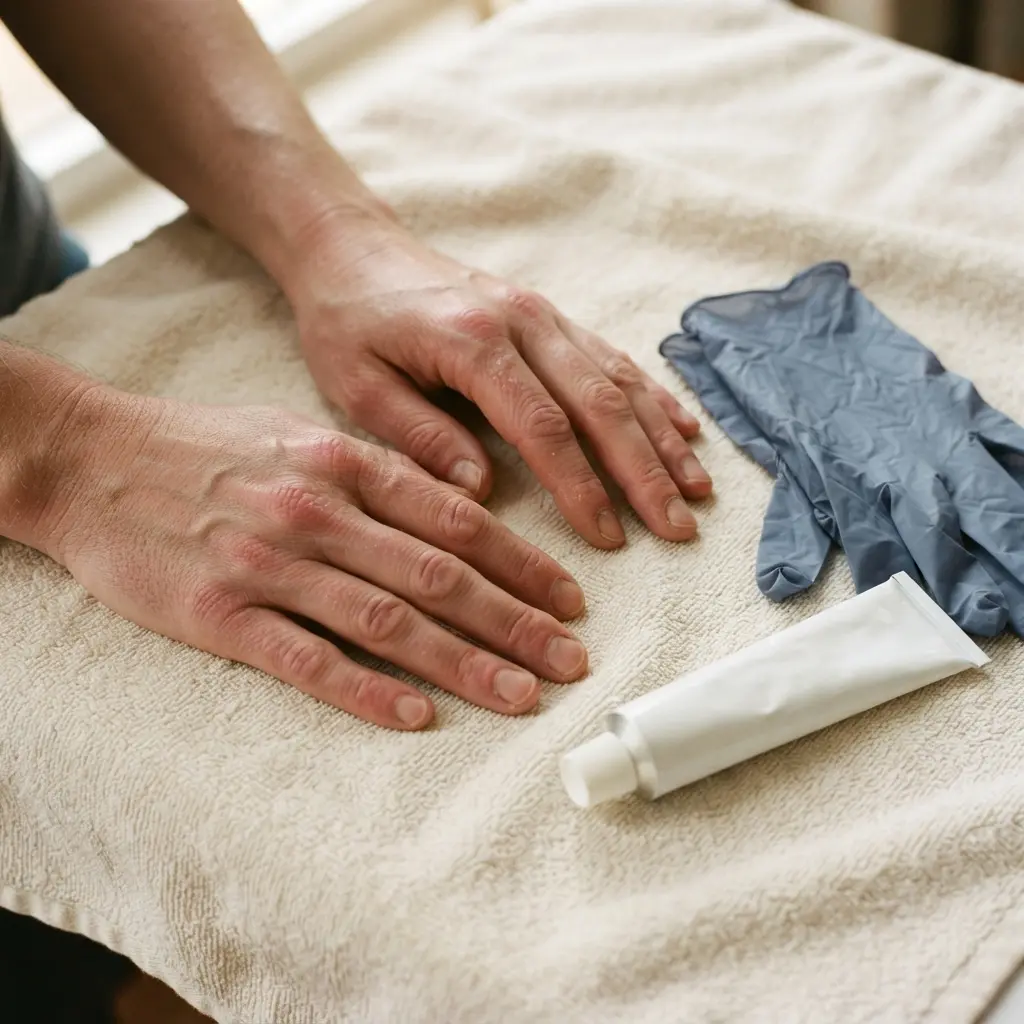
This warning sign deserves quick attention because small cracks can become painful fast. Early detection remains crucial for effective hand care for painters when symptoms first appear. I’ve learned to watch for itching, burning, redness, swelling, rough patches, peeling, blisters, or tender splits around the fingers and wrists.
Does a rash ease during weekends or holidays? It might point toward a work-related trigger, though this pattern does not prove the cause. Start with gentle lukewarm washing after contact with paint, solvents, cleaners, adhesives, or water. Skip harsh scrubbing and never use a solvent to clean your skin.
Pat dry, apply a fragrance-free moisturiser, leave blisters intact, and record the products, gloves, tasks, and timing linked with each flare. I love this simple record because it gives your clinician useful clues. Report recurring symptoms early and arrange medical care for spreading redness, open sores, drainage, severe swelling, ongoing pain, or skin problems affecting sleep and work.
A dermatologist or occupational-health clinician might use patch testing to check for allergy and separate dermatitis from infection, psoriasis, or fungal disease. Seek emergency help for breathing trouble, throat or lip swelling, extensive blistering, eye exposure to corrosive chemicals, or severe chemical burns. Timely hand care for painters requires professional intervention before minor irritation becomes a chronic condition.
10. Essential Artist Hand Kit for Daily Protection

After a painting session, your fingertips might feel dry, sticky, or tired, with tiny traces of color caught around each nail. A compact kit keeps hand care for painters simple and ready beside the easel. Start with powder-free nitrile gloves for wet, messy work, then check the product’s SDS before handling resin, adhesive, or solvent.
Remove rings and bracelets before you begin, and keep cotton liners nearby for long glove sessions. Cut-resistant workshop gloves suit carving, sculpture, glass, metalwork, and rough surfaces, while finger cots cover small cuts during light handling. I love keeping each pair clean and dry, since damp fabric quickly becomes irritating.
For cleanup, reach for a mild fragrance-free cleanser, lukewarm water, hand wipes, and clean shop towels. Avoid scrubbing with pumice or using solvents on your skin. Finish with a fragrance-free hand cream, choosing a thicker cream or ointment when dryness feels tight or cracked.
A small first-aid pouch should hold adhesive bandages, sterile gauze, medical tape, antiseptic wipes, and wound ointment. Replace damaged or contaminated disposable gloves, and wash cotton liners often. Sound like a lot? Once these supplies live in one pouch, daily protection feels easy, tidy, and reassuring. Organizing your materials ensures complete hand care for painters never requires last-minute scrambling.
Recording Products Behind Recurrent Hand Reactions
Write the exact product name and date beside every recurring hand reaction, maintaining a detailed hand care for painters journal for future reference. Include paint, medium, cleaner, varnish, resin, or hardener. A product label log links symptoms with specific materials instead of grouping all studio chemicals together.
Record glove material, exposure type, contact length, skin condition, and whether the glove interior felt wet, sticky, swollen, or stiff. Keep the matching Safety Data Sheet with the entry, since its skin protection, breakthrough time, first aid, and disposal sections guide safer decisions.
Photographs of redness or cracking, taken for personal records, help show changes over time without relying on memory. Persistent irritation, burns, swelling, or suspected allergy needs assessment by a qualified health professional, especially after repeated contact with the same product.
Conclusion
So how was your creative session? Your hands have worked through brush cleaning, color mixing, gripping tools, and long hours of detail work, so caring for them is part of respecting the time you give to painting. The best hand care for painters fits into ordinary studio habits rather than adding a long routine.
Before your next session, check the Safety Data Sheet for each solvent, keep suitable gloves within reach, and place a fragrance-free ointment beside your sink. After cleanup, wash with a mild cleanser, pat your hands dry, and apply cream while the skin still feels slightly damp. If redness, cracking, swelling, or itching keeps returning, arrange a medical assessment instead of pushing through discomfort.
Look at the care you have given yourself, then return to your next canvas with more comfort and confidence. Pick a small painting project for tomorrow and give your hands the same steady attention.
FAQs
Q: Which gloves suit painters who handle solvents?
A: Check the solvent Safety Data Sheet for glove material and breakthrough guidance. Chemical-resistant nitrile often suits many studio tasks, while stronger solvents need a different material or added protection.
Q: Should painters wear cotton gloves under nitrile gloves?
A: Cotton liners help manage sweat during longer sessions and reduce rubbing. Keep liners clean and dry, and change them when damp.
Q: What cleanser suits paint-stained hands?
A: Choose a mild, soap-free, fragrance-free cleanser with lukewarm water. Never use solvent to remove paint from skin because it strips protective oils and increases irritation.
Q: Which cream helps dry hands after painting?
A: Choose a fragrance-free cream with ceramides or an ointment with petrolatum. Apply after washing and again before bed, especially over cracked or tight areas.
Q: When should a painter seek care for hand irritation?
A: Seek medical advice for persistent redness, itching, swelling, blisters, painful cracks, or spreading rash. Prompt care helps identify occupational contact eczema and suitable treatment.