What Is Silk Shading and How It Differs from Thread Painting
Before you dive into the visual feast of needle painting ideas, let’s clarify a foundational term you’ll encounter: silk shading. Often used interchangeably with thread painting or needle painting, silk shading is technically a specific technique within the broader art form. It traditionally uses long and short stitch with silk threads to create smooth, painterly colour gradients, as the name suggests. While modern thread painting embraces all thread types and often mixes stitches, silk shading remains the gold standard for achieving ultra-realistic, blended effects, especially in botanical and portrait work. Understanding this distinction helps you choose the right tutorial, supply list, and reference for the luminous, fine-art look you’re after.
How to Master the Long and Short Stitch Foundation Row
Every stunning thread-painted petal and portrait begins with a single, crucial row: the foundation. This first line of long and short stitch is not only a starting point, it is the blueprint behind many needle embroidery painting ideas. The key is irregularity; stitches of varying lengths create a ragged, organic edge that lets the next row of thread blend in without harsh lines. Think of it as laying down the darker values of your subject’s outline. Mastering this uneven, purposeful foundation is the most important technical step, since it determines how smoothly you build up colour and form in all later layers.
Understanding Color Blending Theory for Smooth Gradients
Moving beyond a simple list of floss colors, successful needle painting requires thinking like a painter about blending. This is not only about placing light and dark threads side by side. True blending theory involves understanding value and hue shifts. For a realistic gradient, you often need an intermediate colour that bridges the two main shades, both in value and temperature. For instance, blending a cool blue into a warm yellow might need a transitional green-gray. Planning this progression on a value scale before you stitch is one of the smartest needle embroidery painting ideas for soft, dimensional transitions.
1. Realistic Botanical Thread Painting Examples for Your Pattern
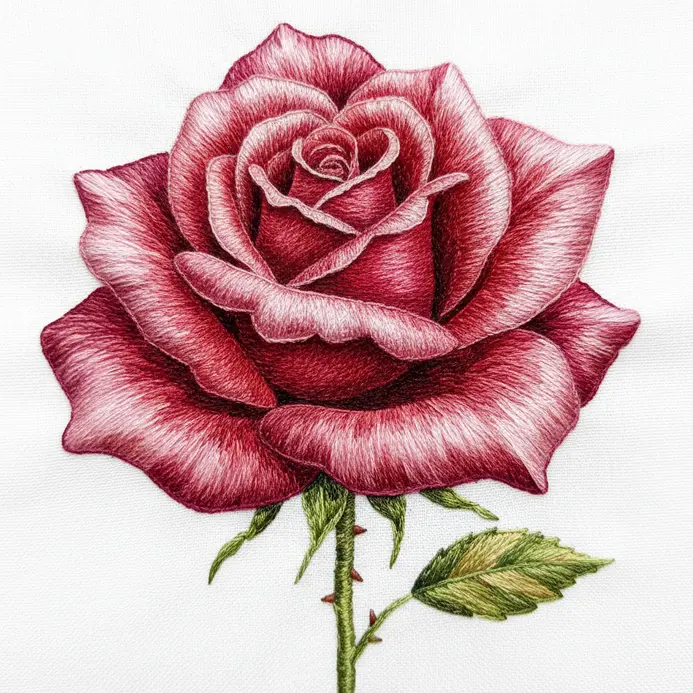
Picture this: a wild strawberry plant rendered in thread so lifelike you can almost taste the berries, as seen in Trish’s latest YouTube video. This is the magic of realistic botanical thread painting, where we use embroidery floss like paint in our needle painting embroidery projects. We carefully blend colors and direct our stitches to mimic nature’s own brushstrokes, creating stunningly real flowers and leaves for our pattern work. Why do we love it? It transforms a simple embroidery project into a tiny, wearable piece of art that makes people do a double-take. Many needle embroidery painting ideas begin with flowers because they teach shading, filling, and shape in a way that feels natural. Let’s break down a wild rose motif. For the petals, you’ll want to use a subtle color shifting technique, moving from a pale pink at the base to a deeper hue at the edges. The secret is to follow the natural curve of each petal with your stitch direction. Then, create a textured center with a dense mix of French knots in golden yellows and ambers. A quick tip? Keep the edges of your petals slightly irregular for that perfectly imperfect, natural look.
2. Impressionistic Landscape Embroidery Painting Styles with Colour
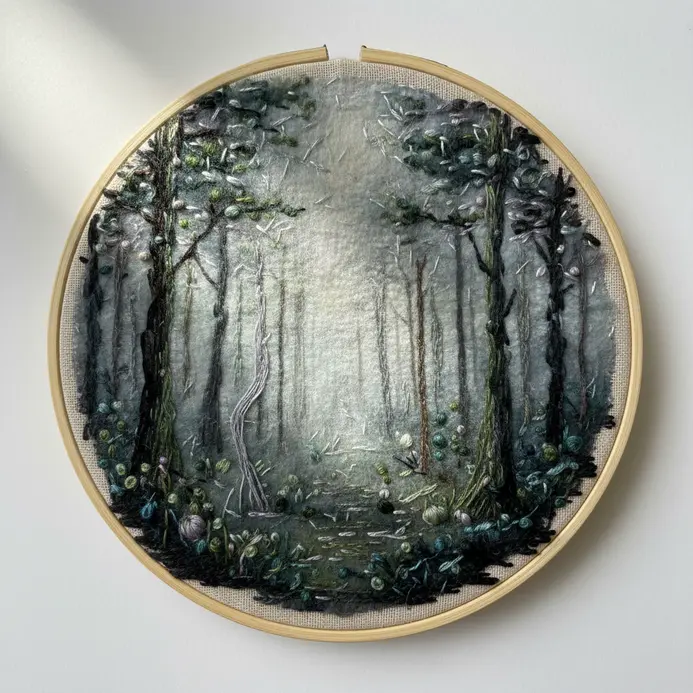
Have you ever wanted your embroidery to glow like a sun-drenched meadow? Let’s dive into impressionistic landscape styles. We’re taking the essence of Impressionist painting, capturing light and atmosphere, and translating it into thread. Instead of flat colours, we use speckled, multi-hued stitches like French knots and seed stitch to create optical mixing. Your eye blends the threads from a distance, making the scene come alive. Why does this work so well, Trish? It injects movement and luminosity into every piece, turning simple stitches into a vibrant, tactile painting. For a pro tip, grab fine threads; using one or two strands gives you that delicate, painterly effect perfect for needle embroidery painting ideas with landscape design.
3. Mixed Media Embroidery Painting Combinations in Your Design
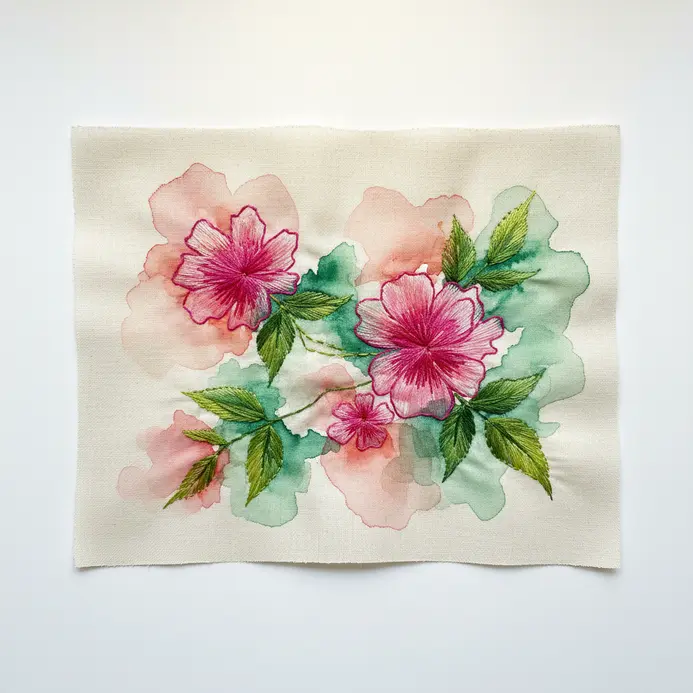
Have you ever stared at a painting and wished you could reach out and touch the textures? Mixed media embroidery painting makes that possible. We blend fluid painting techniques with tactile embroidery to create pieces rich with texture and story. Paint a lush background and use embroidery to add detailed accents that guide the eye. People adore this because it offers strong control over depth and narrative. A pro tip? Try the paint first, stitch after method with a simple design to get started. Sketch your stitches lightly on the dry paint with a water-soluble pen for needle embroidery painting ideas that feel simpler for a beginner.
4. Cultural Influence Embroidery Painting Examples for Your Stitch
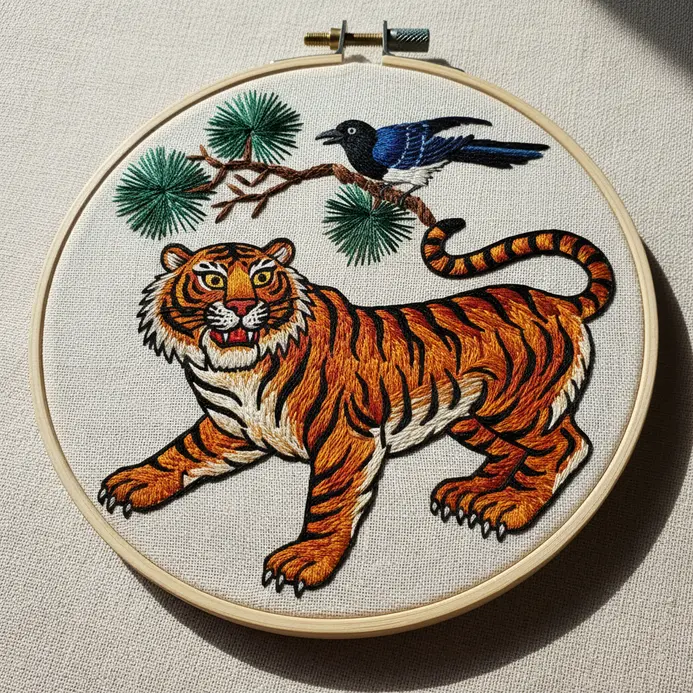
Ready to let the world’s art traditions guide your needle? Let’s explore how different cultures turn thread into breathtaking painted scenes, perhaps through the lens of Trish Burr’s techniques. We can find amazing needle embroidery painting ideas by looking at the serene landscapes of East Asia, the bold geometry of Indigenous art, or the ornate narratives from Europe. Your project gains a whole new layer of meaning when you borrow these visual languages. Why does this work so well? It connects your hand to centuries of artistic storytelling, making every stitch feel intentional. A fun tip? Try using the long-and-short stitch on a simple flower motif to mimic the soft gradients of a Chinese silk painting.
5. Textural Animal Fur Thread Painting Techniques for Practice
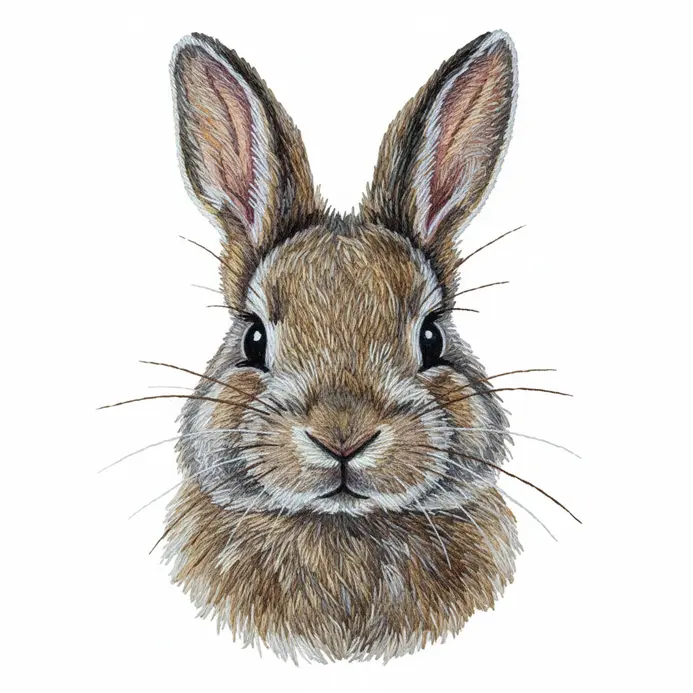
Ever wanted to make your embroidery look so real it could fool the eye? Textural animal fur thread painting is your answer. We use techniques like the long and short stitch to create lifelike fur by stitching in the direction of hair growth and layering colors for depth. Varying your stitch length is crucial for avoiding a uniform, unnatural look. It’s amazing how a few well-placed stitches transform flat fabric into fluffy, textured art. This method shines because it mimics how light plays on fur, adding a three-dimensional effect that plain stitches do not match. If you’re exploring needle embroidery painting ideas, this is a must-try for adding wow factor to your embroidery projects. For practice, start with a simple animal like a deer, since their short, smooth fur is ideal for learning. Use stranded cotton floss for easy blending, and always work from reference photos to get the fur pattern right. Build the layers slowly for the best results, and you will be amazed at the realism you achieve with practice.
6. Monochromatic Thread Painting Style Variations with Floss
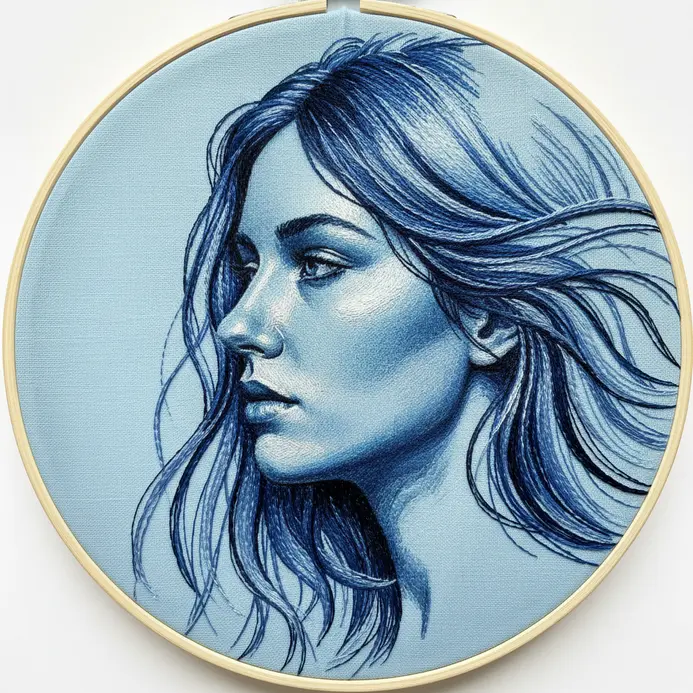
Okay, let’s get obsessed with the magic you make with one color. Monochromatic thread painting is all about using different shades of the same hue to build dimension. We swap out color variety for tonal value as our main tool. Think of it like a black-and-white photo, built with thread. You’ll find a few main styles to play with. Want a classic, dramatic feel? Tonal realism uses tiny, blended stitches and single strands of floss to mimic photographs. For something more artistic and loose, a painterly style uses visible, layered stitches to capture light and texture. It is one of those needle embroidery painting ideas that trains your eye to see darker and lighter value shifts clearly. Here’s my favorite tip: start by sorting your floss into five distinct value families, from your lightest whisper to your deepest shadow, before you even thread your needle.
7. Miniature Scale Embroidery Painting Examples for Beginners
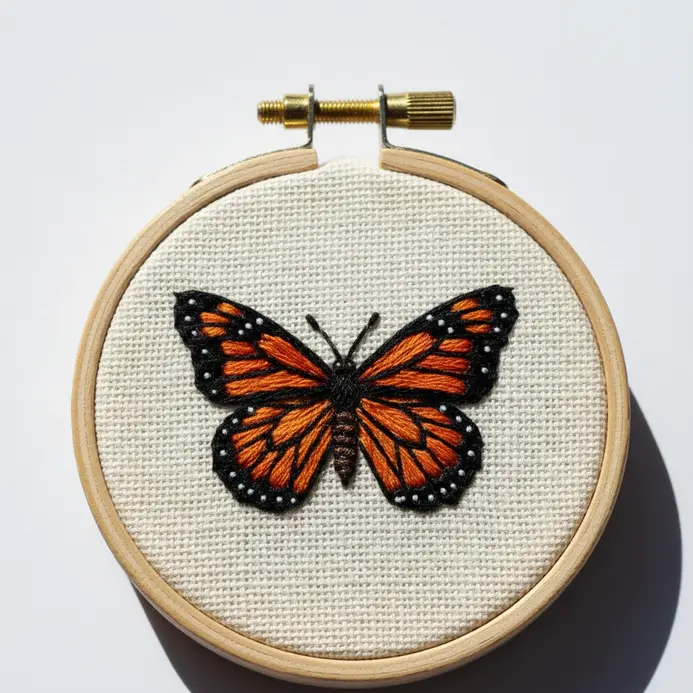
Let’s shrink the canvas for maximum creative fun. A miniature embroidery painting is a tiny, detailed world you hold in your hand, showcasing the intricate designs of needle painting embroidery. We’re talking about working in a 3-inch hoop, which makes these needle embroidery painting ideas approachable for a beginner. You get to practice all the beautiful shading and texture without a huge time commitment. Starting with a single bloom is my top recommendation. Pick one flower, like a poppy or a daisy, and give it your full attention, just as you would with a pansy in a needle painting embroidery project. This project teaches you long and short stitch for smooth petal shading and how to make perfect French knots for the center. You only need two or three colors of thread, so it’s simple to manage. The secret is in the small scale. Because the area is tiny, you see results quickly, which is motivating. You can complete a lovely little piece in an afternoon. My tip? Use a water-soluble pen to lightly sketch your design first. If you need more basic painting practice, our guide on easy things to paint for beginners has great composition ideas you can translate into thread.
8. Abstract Expressionist Thread Painting Approaches for Your Design
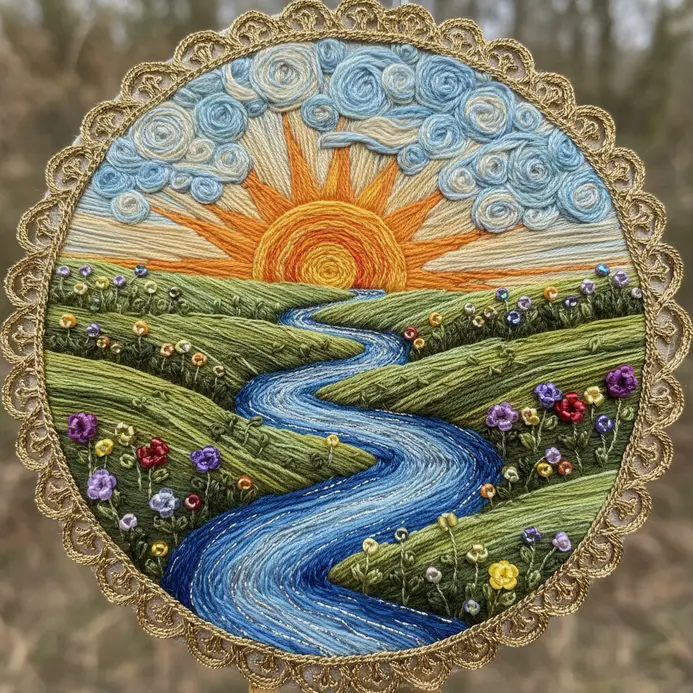
Ready to let your needle dance with pure, raw emotion? Abstract Expressionist thread painting throws out the rulebook, letting your stitches become energetic, spontaneous gestures on the fabric. We are not painting a picture of something here. We are using thread to record the physical action of making art, building up texture and colour that feels alive. You’ll love this because it feels freeing. There’s no wrong way to do it. Many needle embroidery painting ideas focus on realism, but this approach shifts the attention to movement, mood, and bold design. A fantastic tip is to lower your machine’s feed dogs, grab a darning foot, and try creating long, looping dripping lines by moving the hoop quickly.
9. Seasonal Theme Embroidery Painting Styles with Colour
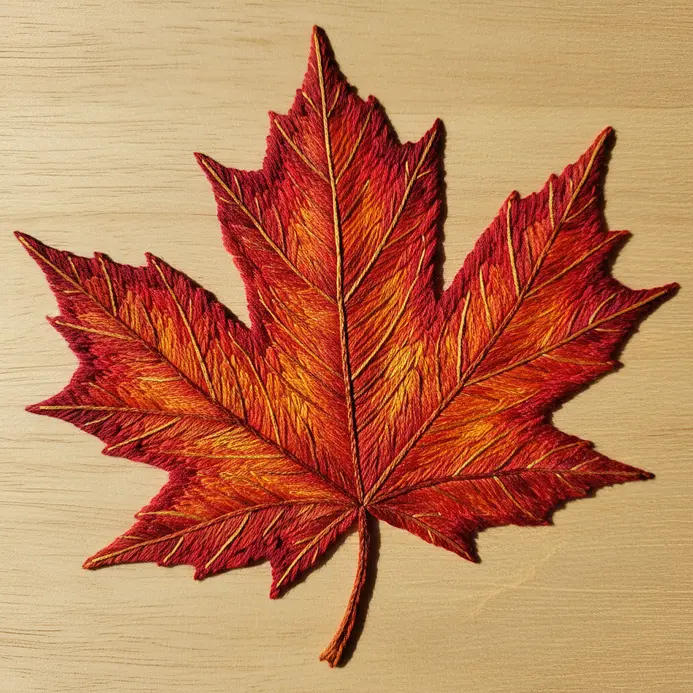
Okay, let’s talk about the best part of thread painting: making your hoop feel like a sunny summer day or a fresh spring morning. Seasonal themes are my favorite needle embroidery painting ideas because they let you play with mood and light through colour and stitch. We use specific palettes and techniques for each season. Think lush, saturated long-and-short stitch blends for a bold summer sunflower, or soft, airy layers of single-strand floss for spring blossoms. The magic happens because colour is the cornerstone of this whole technique. Want a pro tip? Try painting a faint watercolor wash on your fabric first for a dreamy seasonal background.
10. Marine Life Thread Painting Examples for Your Pattern
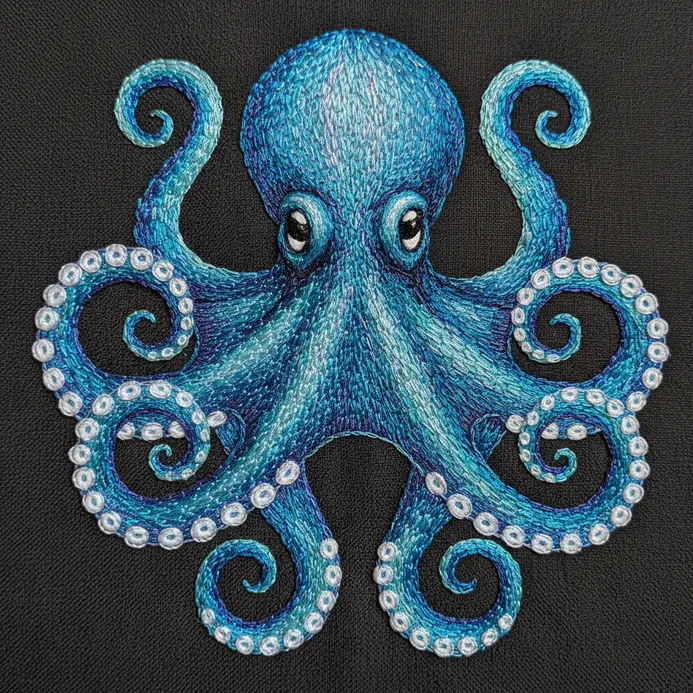
Have you ever pictured the ocean’s magic stitched right onto your fabric? Marine life is a treasure trove for thread painting, offering endless needle embroidery painting ideas with wild textures and colors. We can stitch graceful manta rays using smooth satin stitch or tackle detailed seahorses with layered long-and-short stitch. From jellyfish with wispy tentacles to dragonets with neon pattern work, each creature teaches new techniques for vibrant design. Why do we love this? The organic shapes are forgiving, making shading and blending feel less stressful. Here’s a tip: start with a vertical moon jelly swarm to practice those dreamy, loose stitches. It is a perfect way to dive into your next project, especially if you check out the library of tutorials on YouTube.
11. Architectural Detail Embroidery Painting Styles for Your Stitch
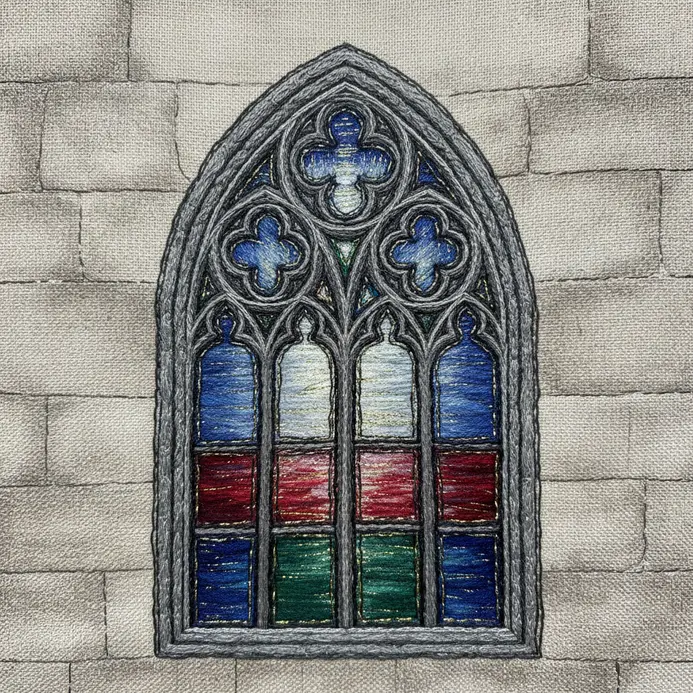
Have you ever dreamed of stitching a cathedral’s stained glass glow or a barn’s weathered wood? Architectural detail embroidery makes it possible by turning your needle into a drafting tool and thread into paint. We focus on capturing light, shadow, and texture, from realistic technical drawings to impressionistic thread paintings. Why do we love it? It blends the satisfaction of precise needlework with the freedom of artistic interpretation, giving you tons of creative needle embroidery painting ideas from the library of Trish Burr. For a great start, pick a style that matches your mood: crisp back stitch for clean lines or flowing long-and-short stitch for soft gradients.
12. Fantasy and Mythical Thread Painting Examples for Your Design
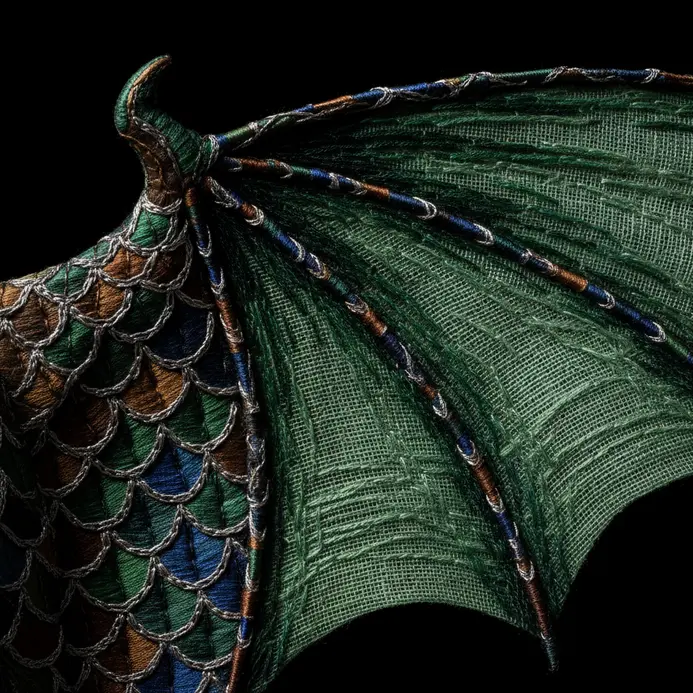
When exploring needle embroidery painting ideas, fantasy themes offer a world of inspiration. Ready to add some magic to your needlework? Fantasy thread painting lets you create epic, mythical artworks that tell stories with every stitch. We’re talking about stitching everything from glowing celestial nebulae to fierce, scale-covered dragons. From ethereal moon phases to mythical creatures like phoenixes with blazing feathers, each design uses thread blending for luminous color transitions. Using techniques like long-and-short stitch for smooth gradients and layered satin stitch for gleaming scales, you achieve painterly effects that pop off the fabric. People adore this because it allows for endless creativity and brings mythical stories to life, making each piece a personal treasure. A fun variation? Try incorporating metallic threads for highlights on elements like dragon horns or star clusters for instant sparkle.
13. Still Life Embroidery Painting Approaches with Reference
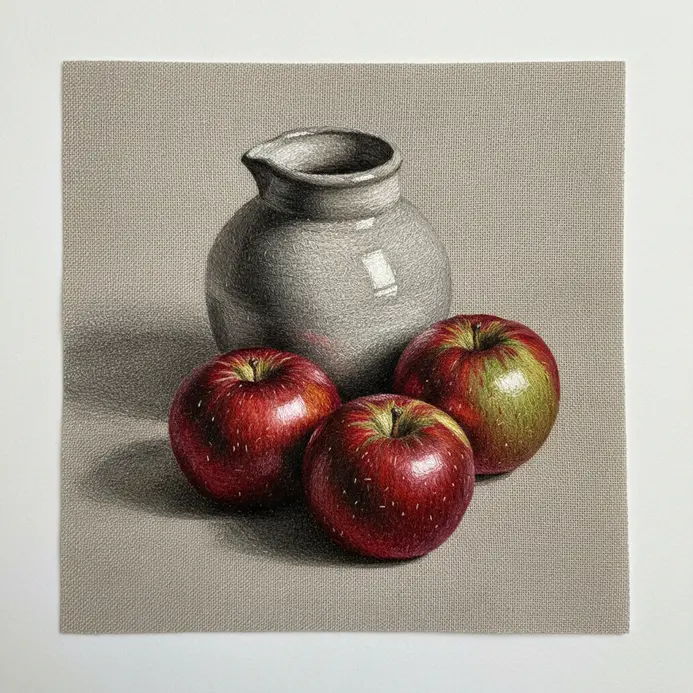
Have you ever seen an embroidery so lifelike, you swear it’s a painting? That’s the magic of still life needle embroidery painting ideas. We use thread as paint and fabric as canvas, with two main styles to explore. The painterly approach blends colors smoothly using long and short stitch, while the textural approach plays with stitches like French knots for a tactile feel. Why do we love it? It combines the precision of embroidery with the creative flair of painting for stunning, unique art. My tip: grab a simple reference photo and map your light areas first to nail the shading.
14. Portraiture Thread Painting Style Variations for Practice
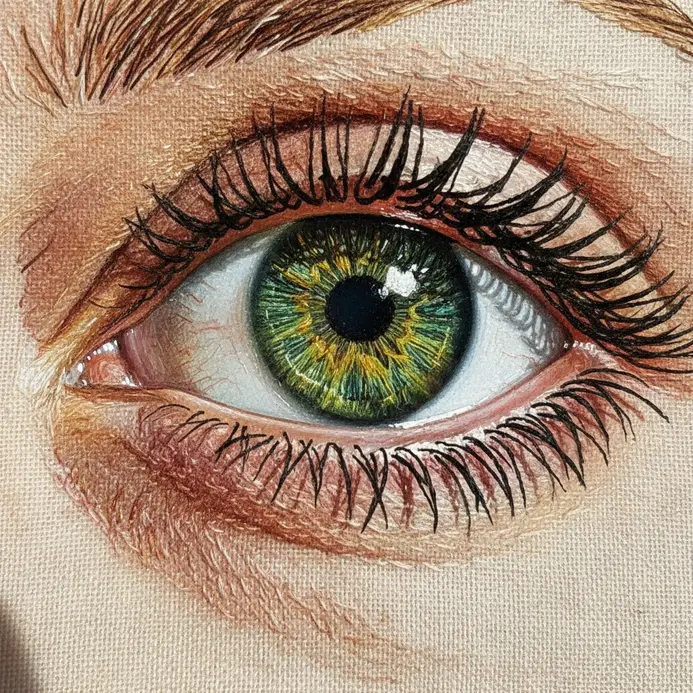
Want to find your unique voice without the pressure of a masterpiece? Let’s play with style. The secret is to work in a series of small portraits of the same subject. We’re talking 3 to 5 little 4×4 inch faces where you switch up your approach each time. This isolates the style variable so you see exactly how your choices change the final piece. Start with the foundation of tonal realism, which is like channeling Rembrandt with your needle. You simplify your reference into three or four major value shapes: bright highlight, mid-tone, core shadow, and reflected light. Use longer, directional stitches that follow the form of the face for that dramatic, solid look. It is one of the strongest needle embroidery painting ideas for learning form and realistic shading. Ready for something looser? Try an impressionistic style. This is all about color separation and suggestion. Instead of seeing skin as beige, you’ll look for violets, greens, and pinks placed side by side. Use short, dashed stitches of pure color and let the viewer’s eye do the blending.
15. Geometric Abstract Thread Painting Examples for Beginners
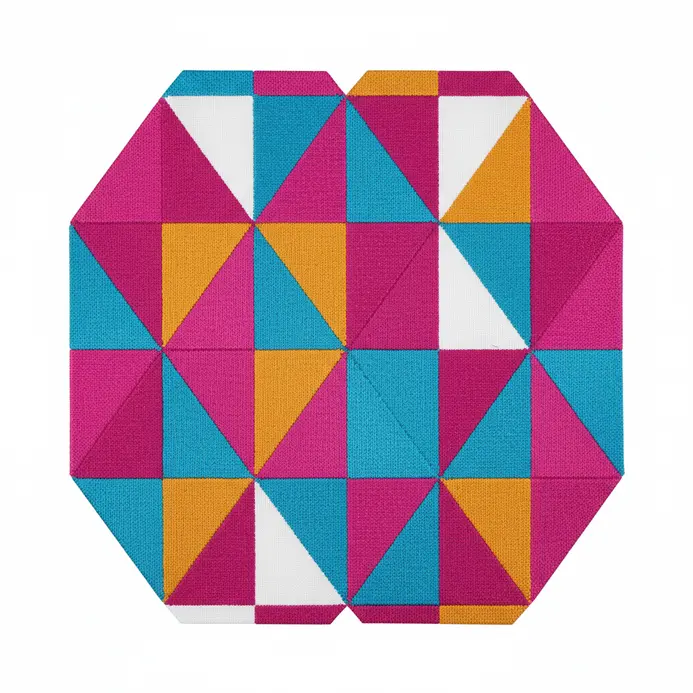
Ready to make something modern and bold that feels totally doable? Geometric abstract thread painting is your perfect starting point. We are focusing on clean lines, simple shapes, and how colors play together instead of trying to make something look real, as demonstrated in various needle painting embroidery kits. This approach is forgiving and lets you play with composition right away. Why is this so great for your first needle embroidery painting ideas? It builds fundamental skills while the abstract style means there is no wrong way to do it. Let us start with lines and grids to get comfortable. Grab a water-soluble pen and draw a simple 4×4 grid on your fabric. Fill each square with a different color using a neat satin stitch. Next, try a parallel line study with a backstitch across your hoop. Vary the spacing and color for a graphic look that builds strong muscle memory for straight lines. Once lines feel good, move to basic shapes like floating triangles or concentric circles. My top tip, Mary? Try a gradient of two colors on a simple chevron pattern.
16. Floral Close-Up Embroidery Painting Styles with Shading
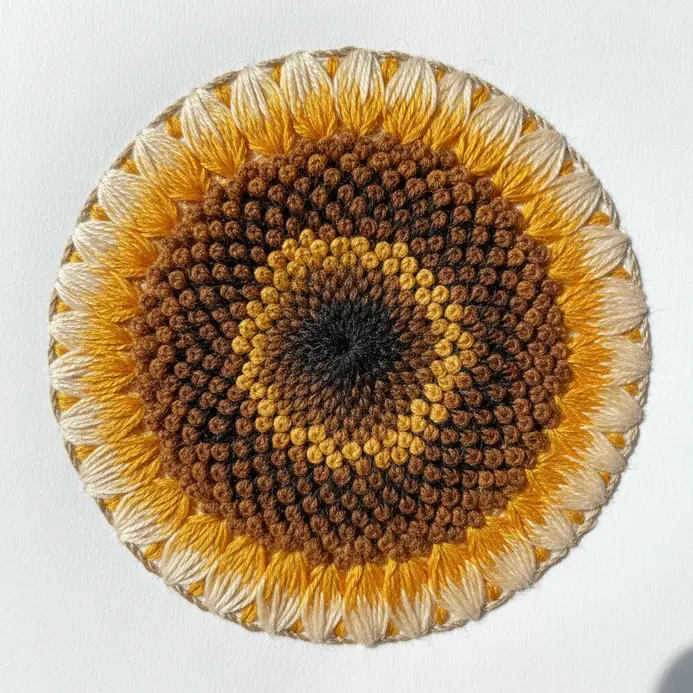
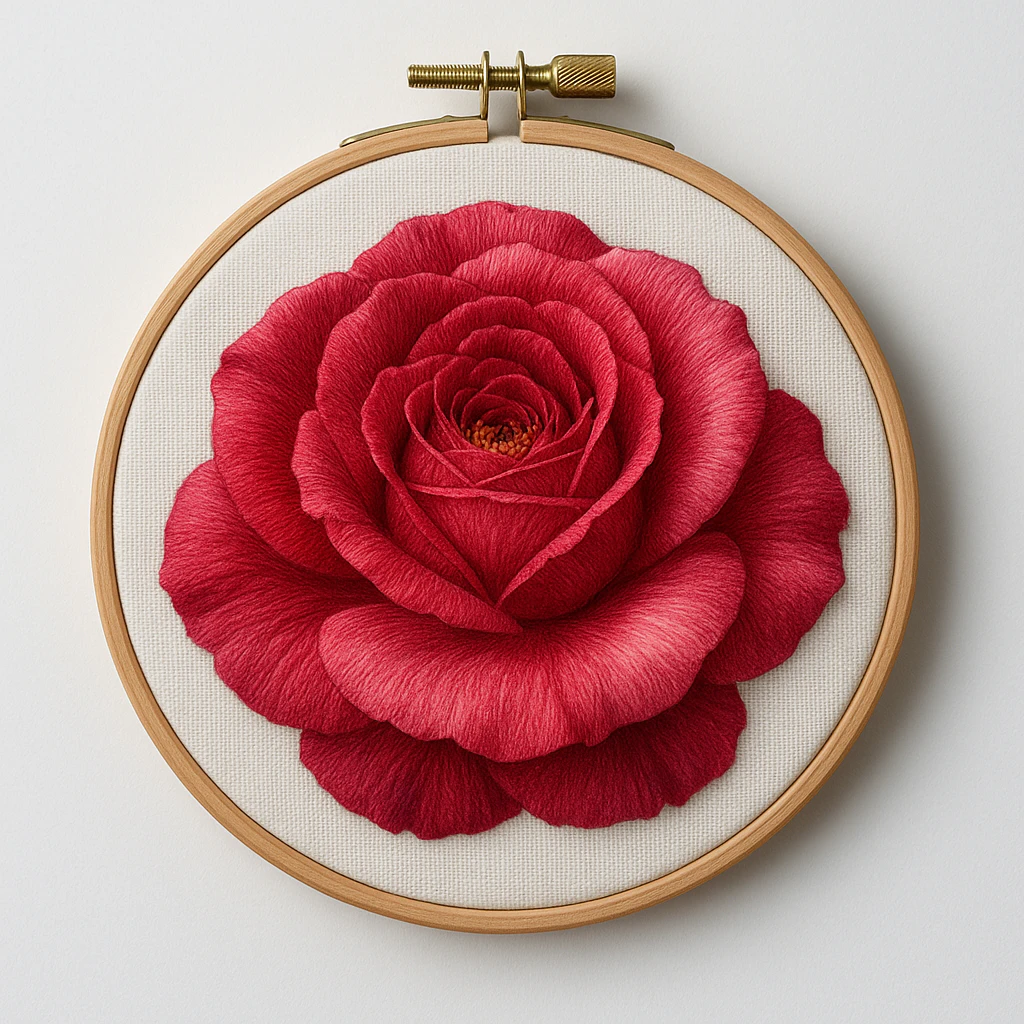
Picture a single rose petal, so real you almost feel its velvety texture. That’s the magic of floral close-up embroidery painting, where we ditch outlines and paint with thread instead. We focus on a tiny, perfect section of a bloom, using layered stitches and strategic shading to build depth and light. Why do we love this style, particularly the pansy designs? It turns a simple needle embroidery painting idea into a breathtaking miniature work of art that feels alive. It is also one of the most satisfying needle embroidery painting ideas for learning stitch direction and subtle colour shifts. A fantastic tip is to start with a high-quality reference photo and let your stitch direction follow the petal’s natural curves.
17. Celestial Theme Thread Painting Examples for Your Pattern
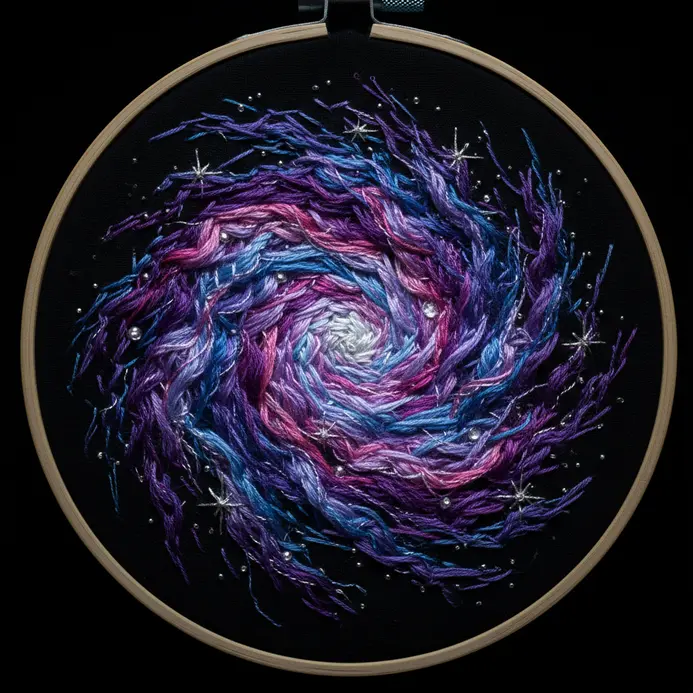
Have you ever wanted to bring the night sky to life with your needle, inspired by a tutorial from Mary? Celestial themes are a dream for thread painting, offering stunning blends of structure and vibrant color. From a cratered full moon built with circular long-and-short stitch to a shooting star with a sweeping gradient tail, these needle embroidery painting ideas let you master shading and texture. You can paint a crescent moon with a subtle glow using sparse seed stitch or tackle planetary bands with blended colors. This approach is loved because it mixes precise technique with artistic freedom, creating pieces that truly pop. For a quick win, start with a simple constellation using back stitch before moving into more complex scenes.
18. Urban Landscape Embroidery Painting Approaches with Colour
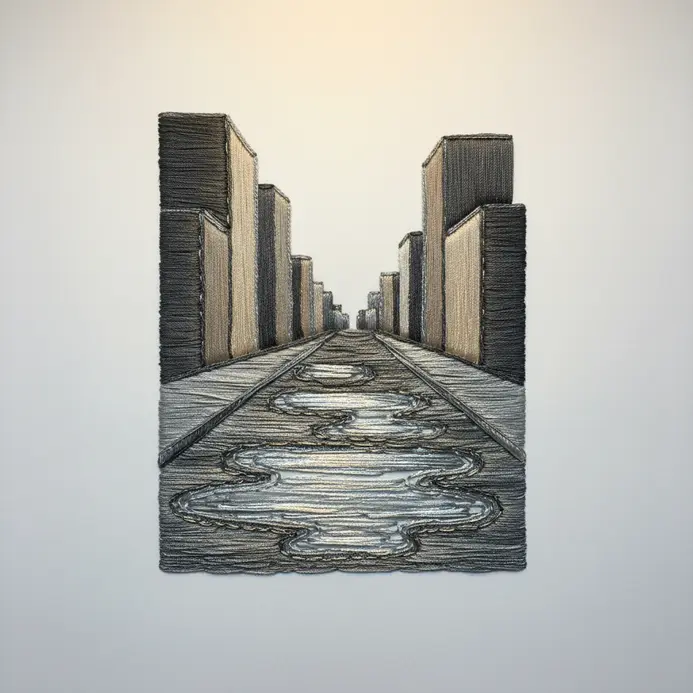
Ready to transform your cityscapes with thread? Urban landscape embroidery painting is about capturing the soul of the city, not only its skyline. We use color and stitch to build mood, from a photorealistic street corner to an abstract impression of neon lights. This approach turns your hoop into a tiny, textured window onto the world. Let’s talk about four main artistic mindsets you can adopt. The realistic approach is like painting with thread, using a wide palette and careful blending to match a photo. Want to convey pure energy? The abstract approach uses emotional colors and stitch direction, like French knots for chaotic traffic. For a clean, graphic look, try the illustrative approach with bold, limited palettes and crisp satin stitch fills. My personal favorite is the mixed media approach, where you start with a watercolor wash for your sky and then stitch buildings on top for depth. Why does this work so well? It gives you total painterly control to create atmosphere and perspective with needle embroidery painting ideas drawn from everyday streets. A fantastic tip is to use cooler, muted blues and greys for distant buildings and warmer, brighter colors up close.
19. Insect Macro Thread Painting Examples for Your Design
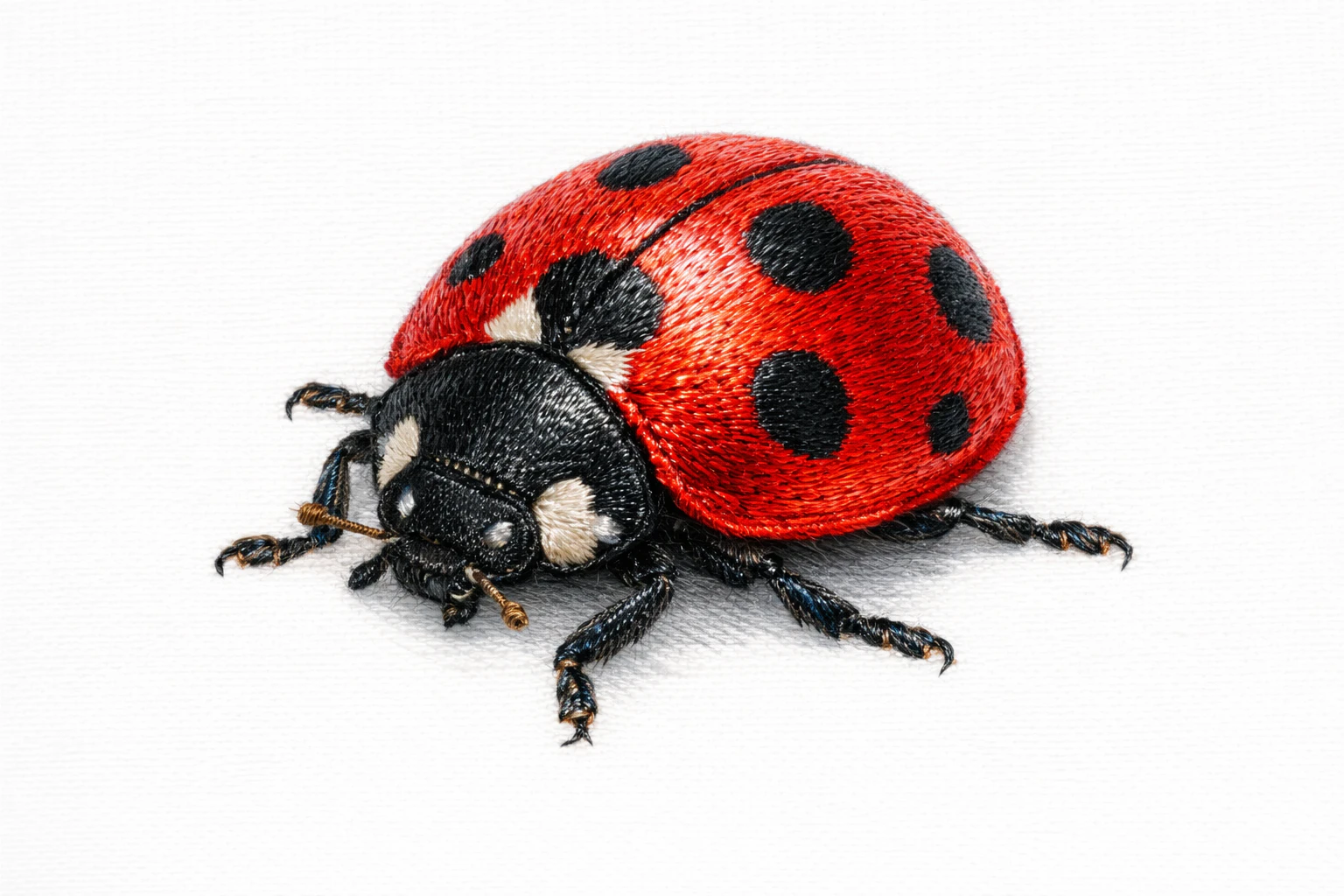
Have you ever been mesmerized by the microscopic world of insects? With insect macro thread painting, we stitch that fascination into existence, creating textured art that feels alive. This approach uses techniques like color blending with silk or rayon threads to mimic iridescent beetle shells or delicate butterfly wings. Whether you’re aiming for a realistic praying mantis or a watercolor-inspired moth, the key is in the layering and shading. It is all about translating those tiny details into thread. People love it because it combines the precision of illustration with the tactile pleasure of hand embroidery, offering a unique way to celebrate nature’s beauty. For a modern twist, experiment with neon threads on dark fabric to make your nocturnal insects pop with a contemporary vibe. Good reference photos are your best friend for this kind of needle embroidery painting ideas project.
20. Mixed Stitch Texture Embroidery Painting Styles for Practice
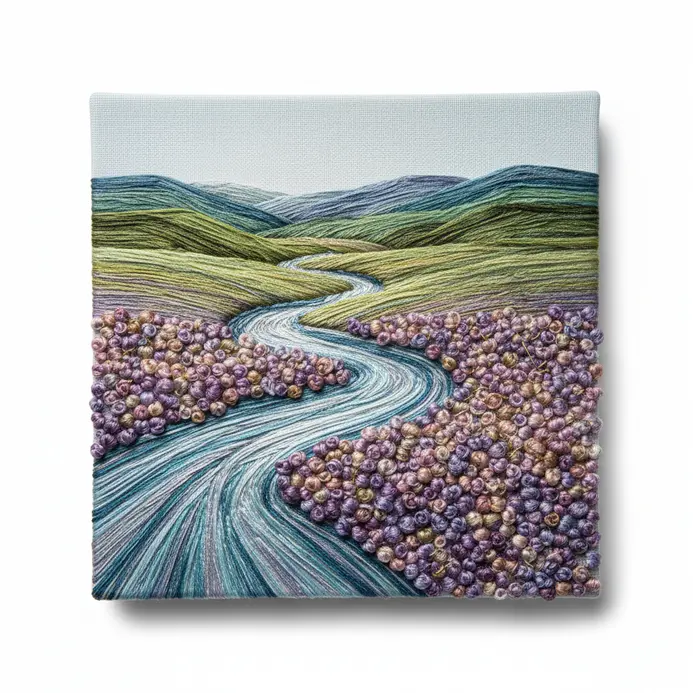
Ready to turn your hoop into a canvas bursting with texture? Mixed stitch embroidery painting is where your thread becomes your paint. We use stitches like French knots for impasto effects and long and short stitch for smooth blends. Think like a painter: each stitch adds a unique brushstroke. This creates dimensional artwork that standard embroidery does not match. We love it because it blends needlework and fine art for total creative control. If you’re exploring needle embroidery painting ideas, this style is a fantastic starting point. For practice, layer a satin stitch fill next to turkey work to see how textures play together.
21. Monochromatic Landscape Thread Painting Examples with Floss
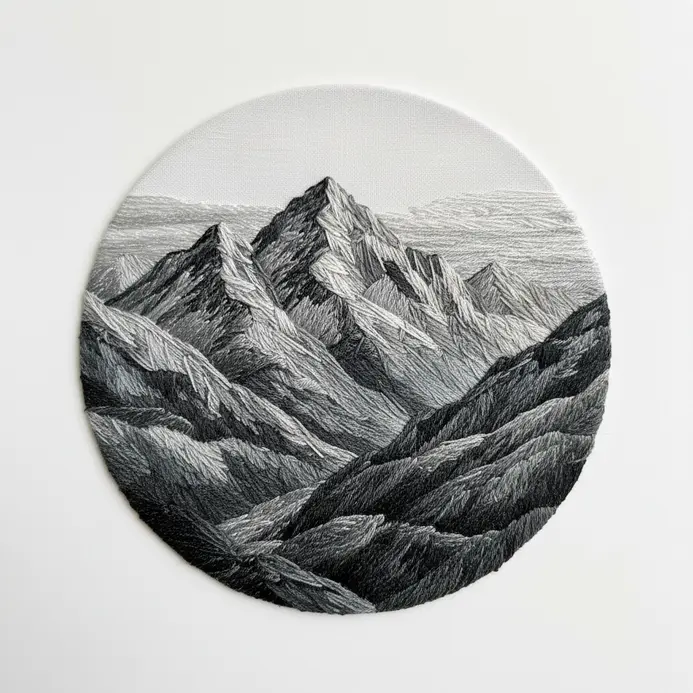
Let’s talk about a needle embroidery painting idea that trades a rainbow for pure mood and texture. Monochromatic landscape thread painting uses a single color palette to build entire scenes, like a graphite drawing made with floss, as recommended by Trish Burr. We focus on tonal variation, using different strand counts and stitch densities to create light, shadow, and depth. Why does this work so well? It forces us to master technique and shading, resulting in a piece that feels cohesive and elegant. Think about a misty mountain range stitched in shades of grey. You’d use a single strand of light floss for the distant peaks and build up to six strands of black for the gritty foreground rocks. The emotional tone is set by your color choice. A blue palette creates a serene moonlit forest, while sepia gives you a vintage desert scene. My top tip? Plan your values with a quick pencil sketch first. It makes translating light and shadow into long and short stitch much easier, and it fits beautifully with needle embroidery painting ideas based on atmosphere.
Common Thread Painting Mistakes and How to Fix Them
Even with beautiful ideas, execution gets tricky. A common frustration is visible lines between color sections, often caused by stitches that are too uniform or rows that are too distinct. The fix is to return to the foundation principle: vary your stitch lengths within each row and needle blend by occasionally bringing a stitch from a new color row down into the previous one. Another frequent issue is thread tension that is too tight, causing the fabric to pucker and distort the image. The solution is to practice a relaxed, consistent pull and always use an appropriately sized hoop to keep your fabric drum-tight. These fixes matter across all needle embroidery painting ideas, from floral work to portrait studies.
How to Finish and Preserve Needle Painting Projects
Your final stitches are only the beginning of your artwork’s life. Proper finishing transforms hooped work into a lasting piece. After carefully removing it from the hoop, press your work face-down on a thick towel to avoid crushing the stitches. For framing, use acid-free matting to prevent fabric discoloration over time, and make sure the glass does not touch the embroidery. For items like cushions or ornaments, consider applying a light, fabric-safe backing to protect the stitches from snags and dust. This final step of preservation is what elevates your project from a practice piece to a cherished heirloom, ensuring all your blending and shading remains vibrant for years to come. It also gives your best needle embroidery painting ideas the finish they deserve.
Conclusion
So, what do you think? We have traveled through a whole universe of needle embroidery painting ideas, from the realistic to the wildly abstract. This gallery proves thread is not only for outlines. It is a true painting medium. I hope one of these styles sparked that I have to stitch that feeling. The best part is you can mix and match these concepts. Try a miniature architectural piece or a monochromatic insect portrait. Your next project is waiting in this list, and these needle embroidery painting ideas are a strong place to begin. Pick one idea that excites you, gather your floss, and start painting with your needle. Let’s see what you create.
FAQs
Q: What is needle embroidery painting and how does it differ from traditional embroidery?
A: Needle embroidery painting is an approach that uses embroidery stitches, color blending, and shading to create images that resemble painted artworks; unlike traditional counted-thread or purely decorative embroidery, it focuses on tonal transitions and painterly effects. The basics include choosing threads, fabrics, and stitches that help you blend colors like a painting—think of it as sewing with a painter’s palette rather than following strict counted patterns.
Q: I’m a beginner—what are the essential supplies and instruction I need to get started?
A: A beginner’s kit should include embroidery needles, a selection of threads (cotton and silk recommended), a suitable fabric, an embroidery hoop, and basic patterns or a sampler to practice. Look for instruction that covers the fundamentals—needles, threads, tension, and simple stitches—and search resources like needlenthread.com or beginner’s video series for clear step‑by‑step guidance that provides everything you need to start.
Q: Where can I learn needle embroidery painting—are online courses or a painting class better?
A: Both online courses and local painting-class style workshops work well depending on your learning style. Online platforms and sites such as needlenthread.com offer structured lessons and part 1/part 2 series you can follow at your own pace, while in-person painting-class formats give real-time feedback. A hybrid approach—beginning with online basics then attending a hands‑on class—is a practical way to learn.
Q: Can you explain split stitch and other stitches useful for painting effects?
A: Split stitch is excellent for creating subtle lines and fills because the thread splits through the stitch for a textured, paint‑like look. Other useful stitches include long-and-short stitch for smooth shading, satin stitch for solid areas, and seed stitches for texture. A sampler practice focusing on these stitches helps you master how each contributes to painterly effects.
Q: How do I plan a needle painting commission or sell embroidered paintings on Etsy?
A: For commissions, communicate clearly about size, subject, materials, timeline, and pricing. Build a portfolio of samples and samplers to show your style. On Etsy, create listings with clear photos, process descriptions (part 1: concept and sketches; part 2: execution and finishing), policies, and tags like “needle embroidery painting” to attract buyers. Good instruction resources can help you refine presentation and pricing.