
Defining Character Personality for Design Briefs
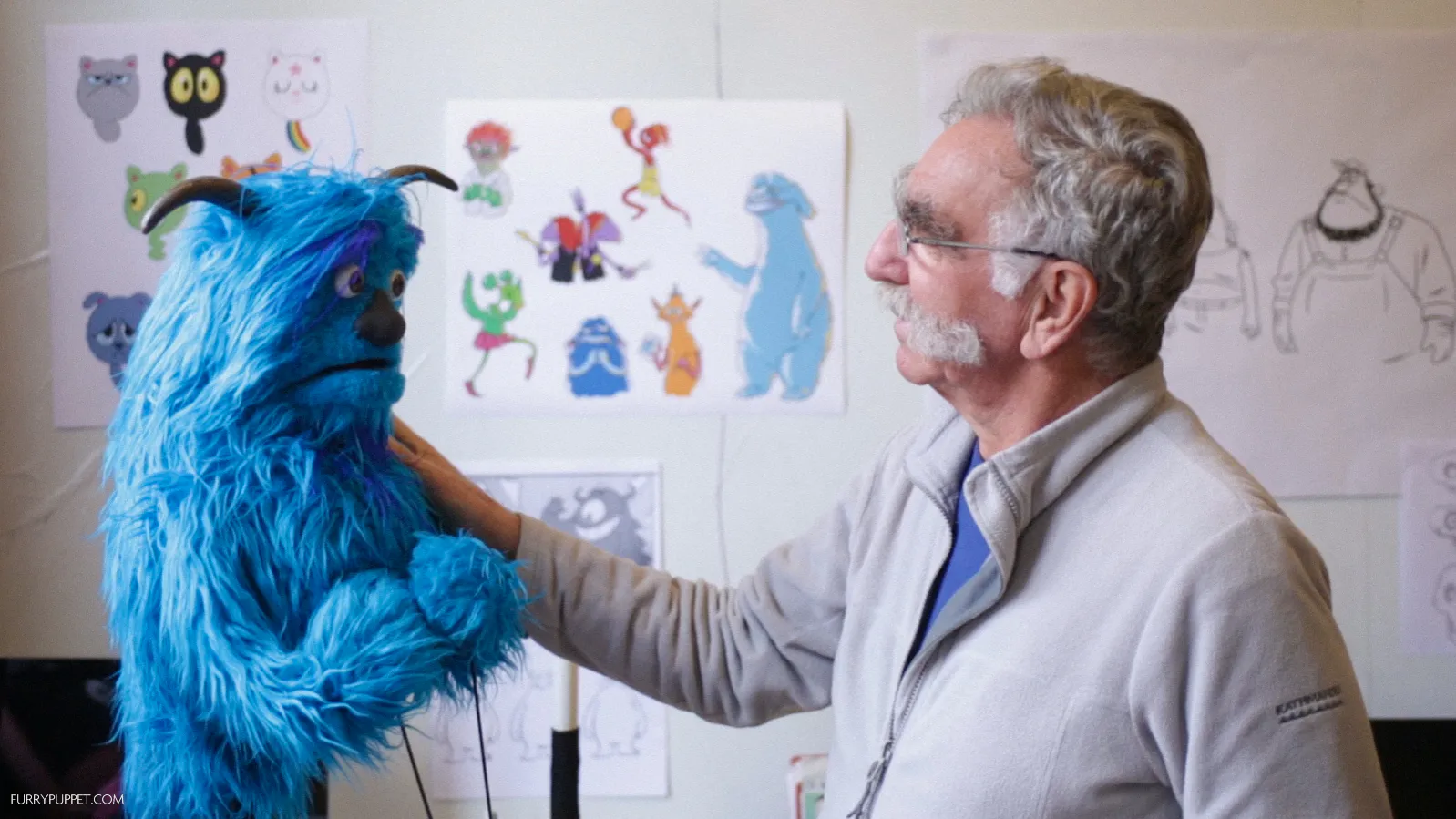
The most important question to ask yourself is how your figure personality should physically manifest in its face and posture. A shy character might have a subtle downturn in the resin eyes and a slightly hunched shoulder pattern, while a bold one needs a wider stance. This is where the design brief moves from a flat drawing into a living creature. The team at Furry Puppet Studio translates personality into tangible details like the density of the fur pile and the specific curve of the mouth opening. The good news is, investing time in this feedback phase ensures your finished custom puppets feel like a true character rather than a generic toy.
1. Missy Elliott and Pharrell, as marionettes
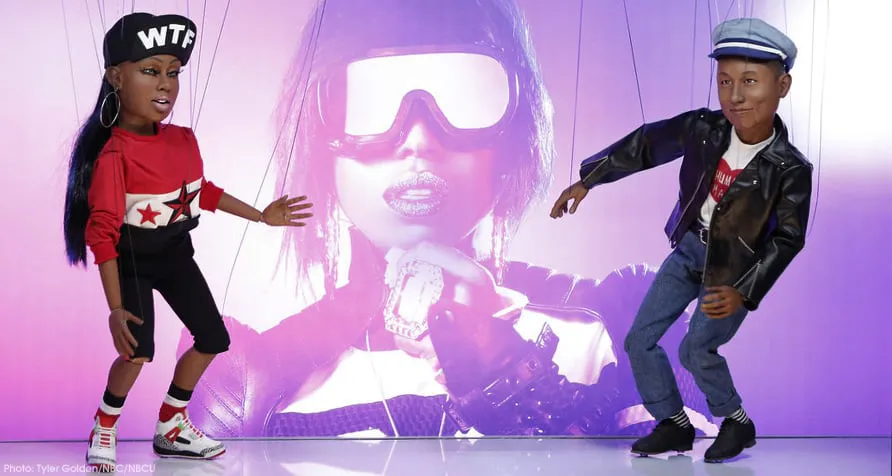
For Missy Elliott’s single “WTF (Where They From)” with Pharrell Williams, the studio built full marionettes in the likeness of both artists, costumes included. Marionettes are famously difficult to perform, so the team brought in street dancers and rebuilt the puppets’ insides to carry that same authentic movement and style. These figures prove puppets are great for a high-energy routine.
2. Jon Hamm and a hitchhiking yeti
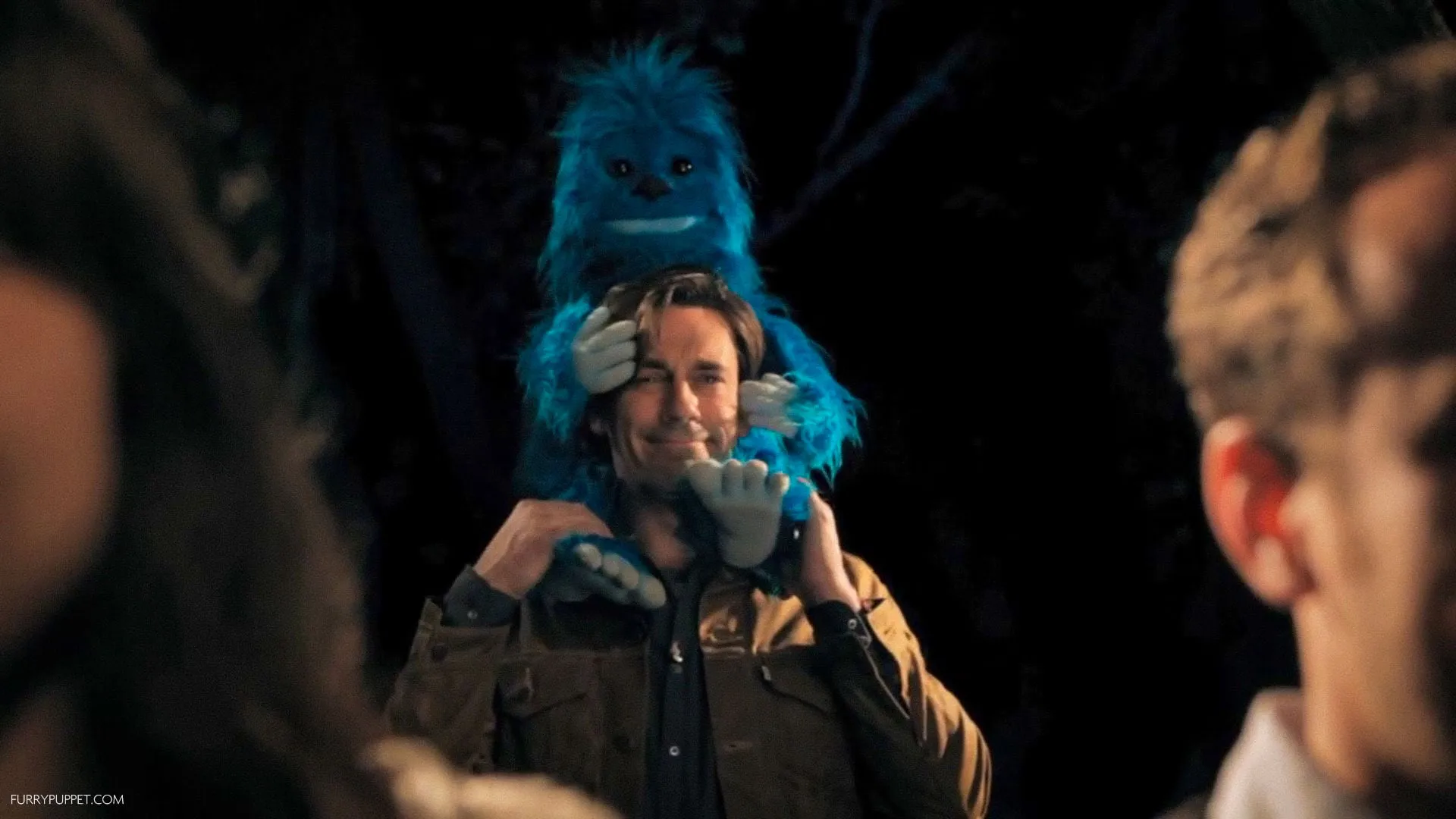
For a video by the folk band Herman Düne, the artisan builders created a lovelorn blue yeti who wanders out of the forest and sticks out his thumb for a ride. The driver who finally pulls over is Jon Hamm. The unique puppet barely moves, yet the puppeteer and his subtle puppetry create a special memory that carries the entire scene.
3. Apple’s iPhone campaign in Japan
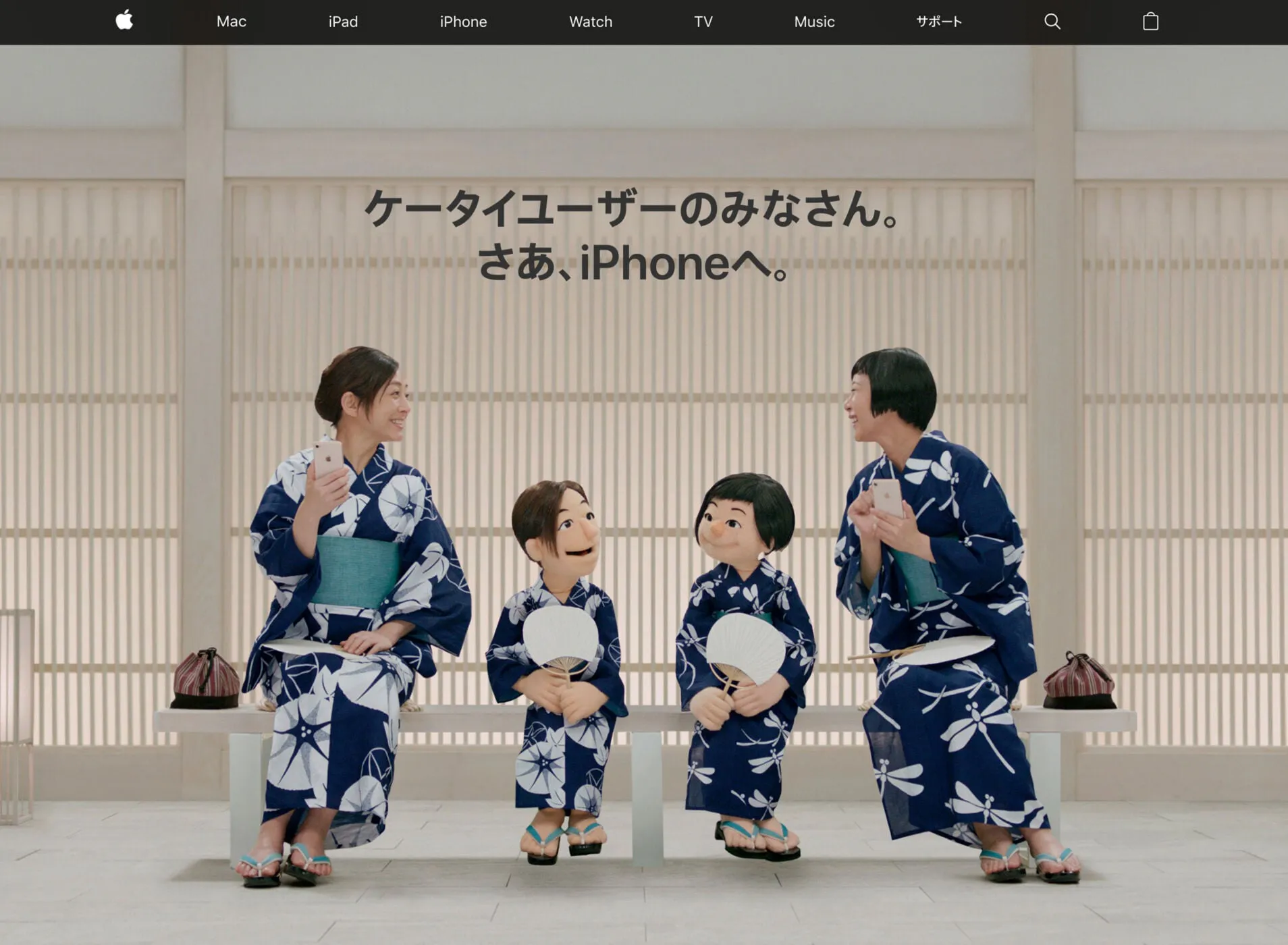
The studio spent two years working with Apple’s team on a production campaign that ran in Japan. The characters were designed and fabricated in New York, then shipped to Tokyo for the event, where two puppets in summer yukata turned up alongside their human counterparts.
4. Frankie Focus, the mascot who became an unlikely star
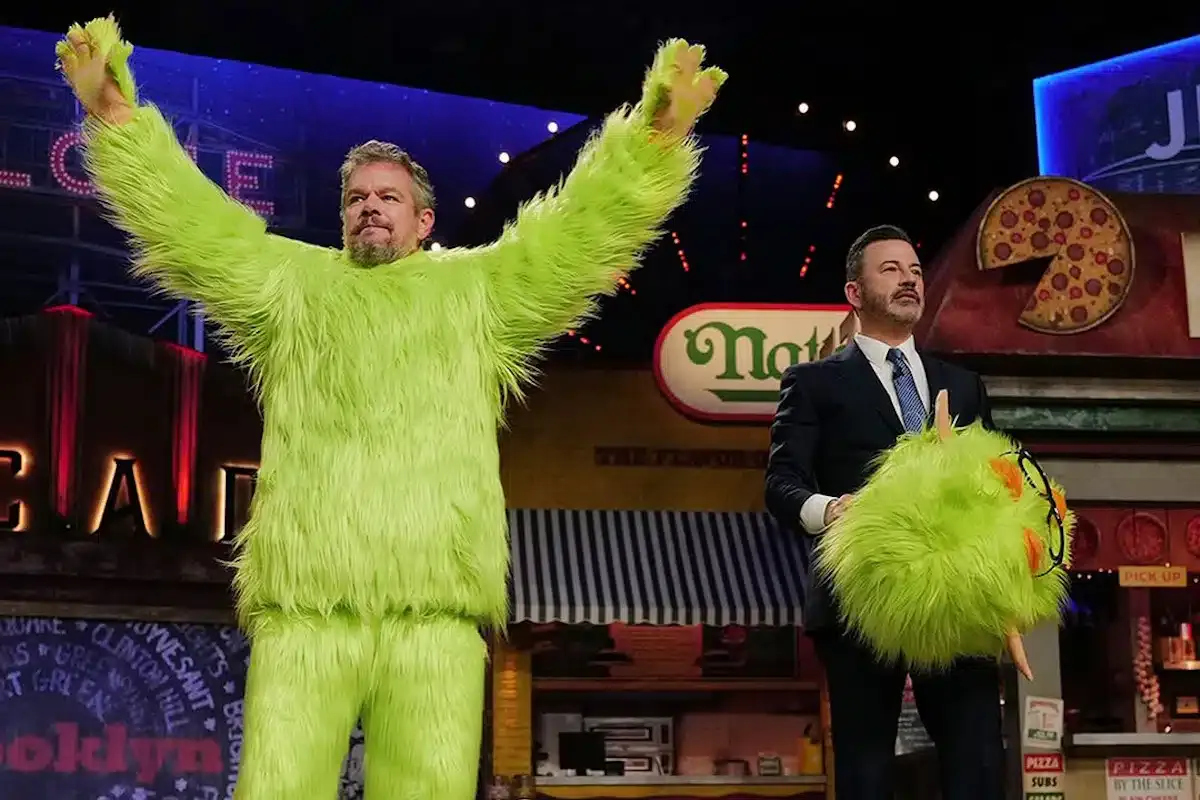
Frankie Focus is the mascot of New York State’s phone-free school initiative, and he debuted alongside Governor Hochul. The irony was not lost on anyone when Frankie himself became a screen star, turning up everywhere from the news to a spot on Jimmy Kimmel Live with Matt Damon inside the full-body costume.
5. Lil AC and Andy, for CNN
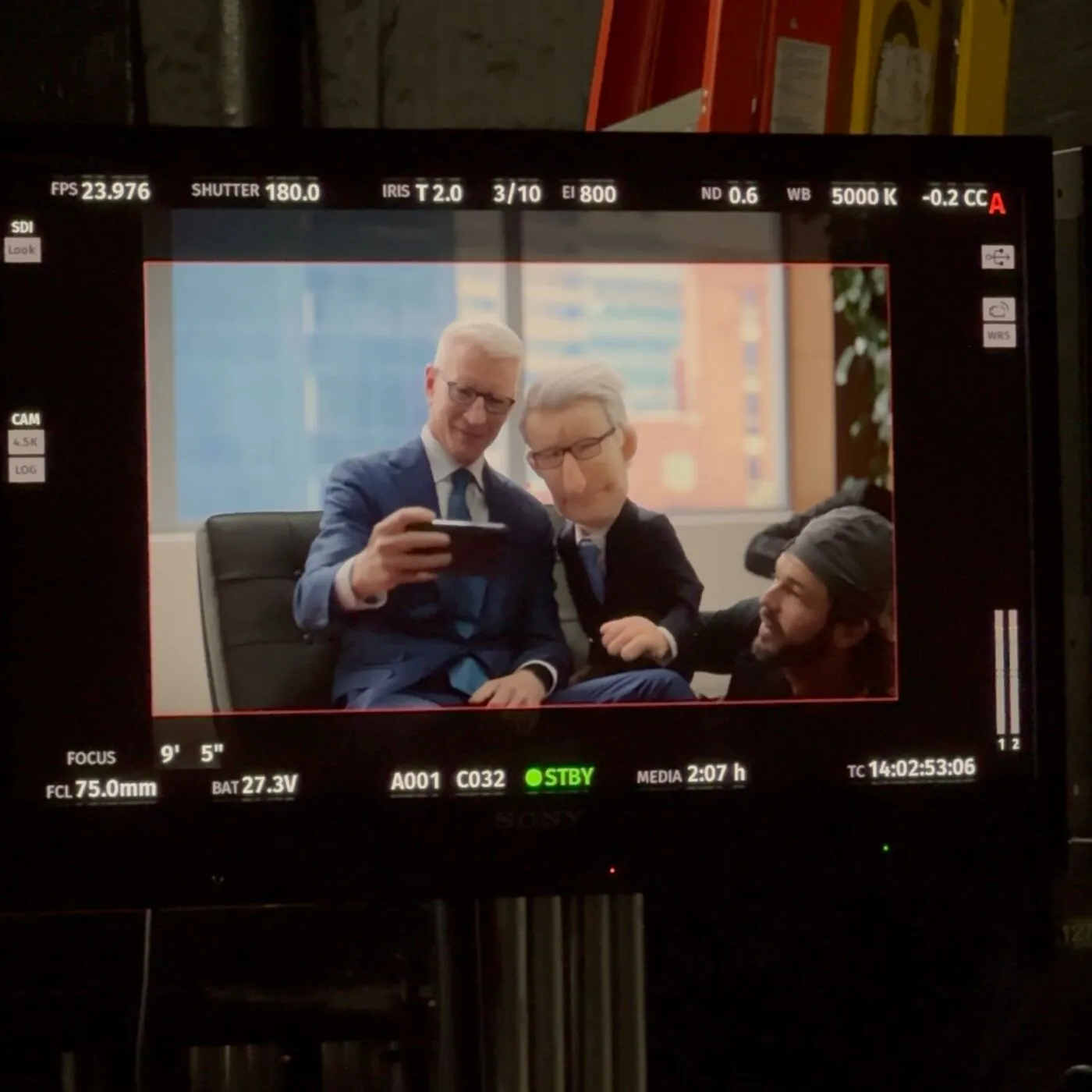
To promote CNN’s New Year’s Eve broadcast, the studio built puppet doubles of longtime co-hosts Anderson Cooper and Andy Cohen, who have rung in the new year together for nearly a decade. By all accounts, Cooper was delighted to meet his miniature self. It’s a prime example of how to collaborate on an original design.
6. The Nike x NIGO puppet
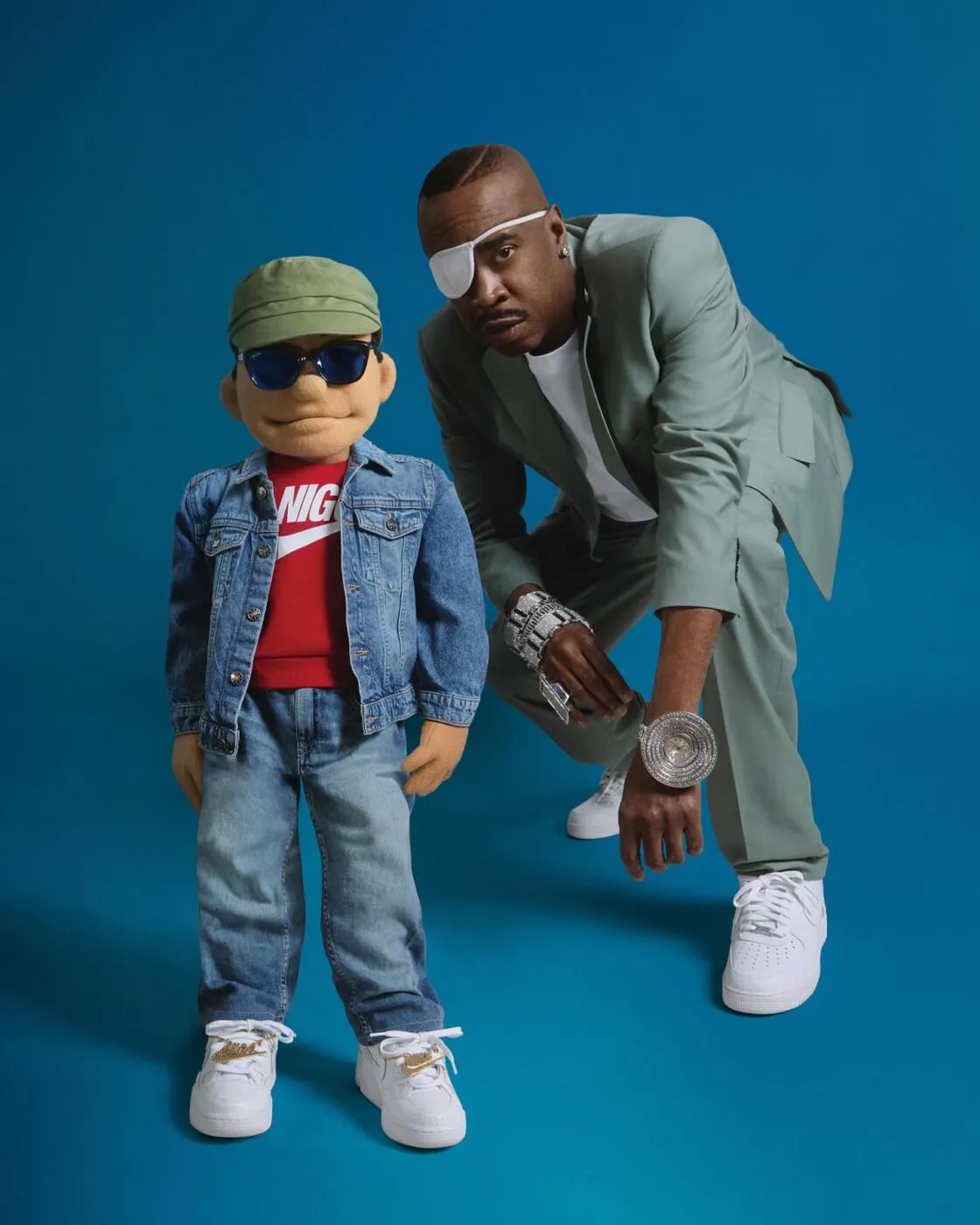
For the launch of Nike’s Air Force collaboration with designer NIGO, the studio built both the NIGO puppet and its wardrobe, right down to the sneakers. The campaign shoot brought in hip-hop royalty, including Slick Rick, to share the frame with the moving-mouth figure. You can really see the quality in every puppet’s accessory.
7. A puppet for Desus Nice
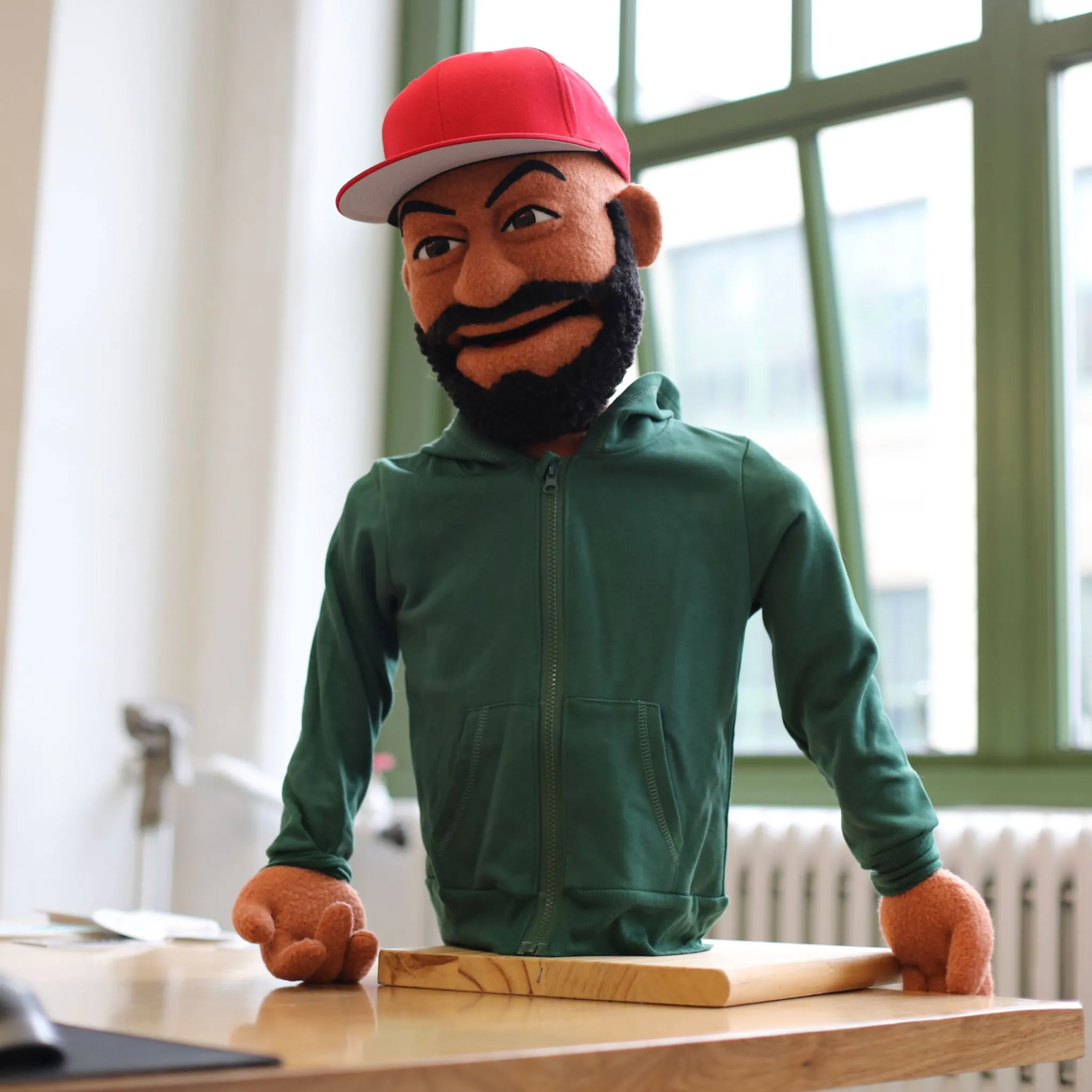
By popular demand, the studio designed a custom puppet likeness of comedian Desus Nice. Translating a real, recognizable person into foam and fleece is one of the harder things to pull off, since the goal is to capture an expression rather than copy a photograph.
8. Frank and Morris, Utah’s safety vultures
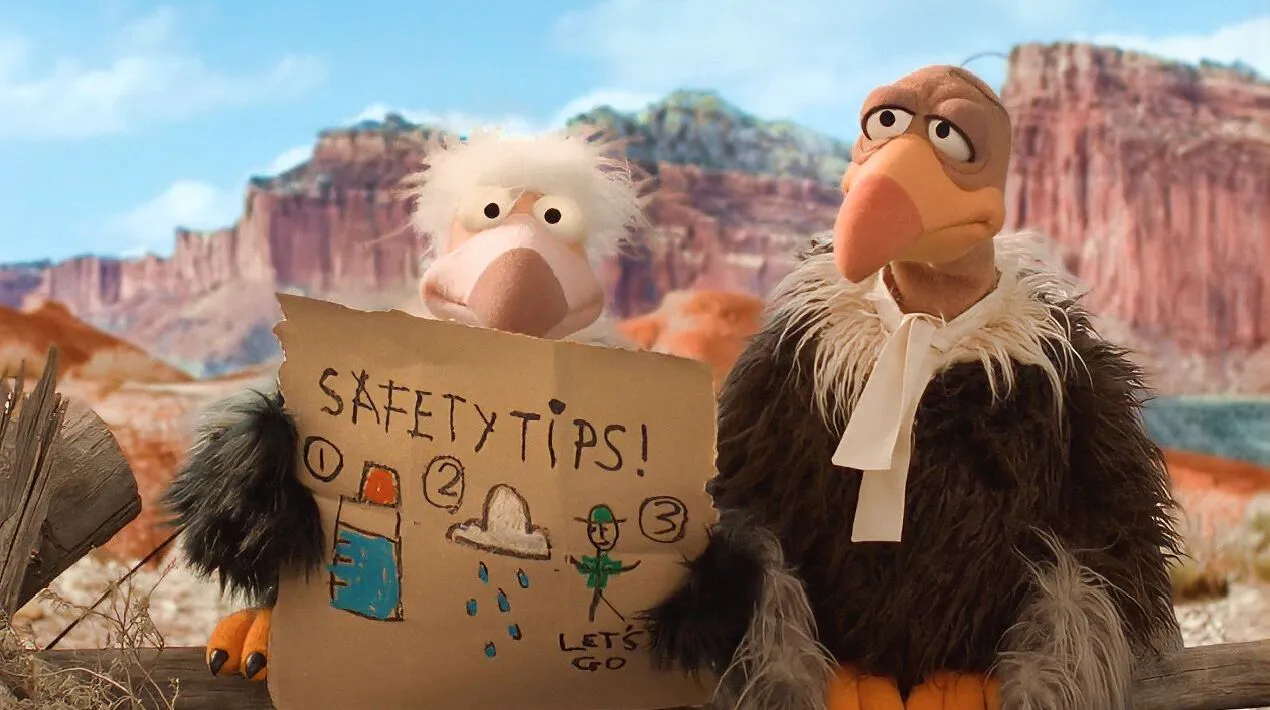
For the Utah Office of Tourism, the studio created Frank and Morris, a pair of deadpan vultures who hand out public-safety tips from the red-rock backcountry. They want visitors to stay safe, though, as the campaign cheerfully admits, they would understand if you didn’t. These hand puppets add fun to serious topics.
9. A cast of mechanized monsters
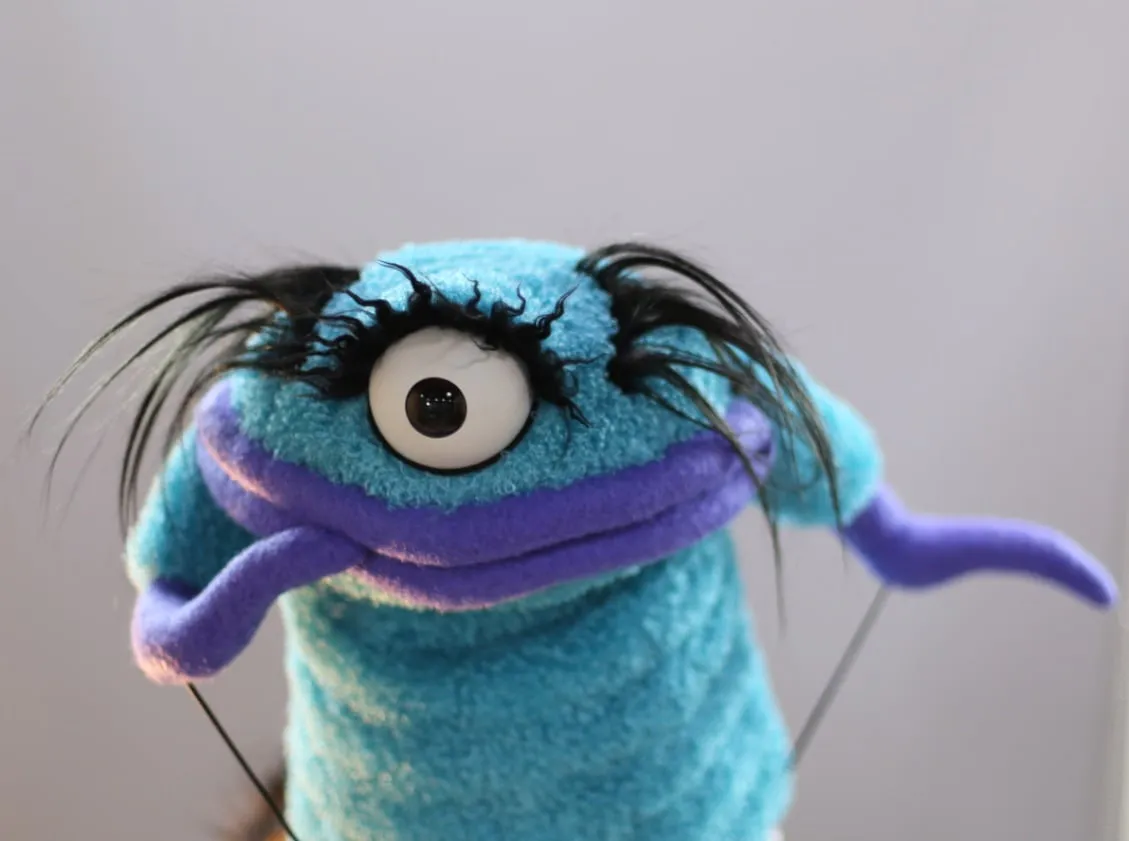
For a production based in New Zealand, the studio built a family of mechanized monster puppets with moving features driven by slender control rods. They are a reminder that a single oversized eye can sometimes say more than a pair, offering a professional touch to any story.
10. Appliances with attitude
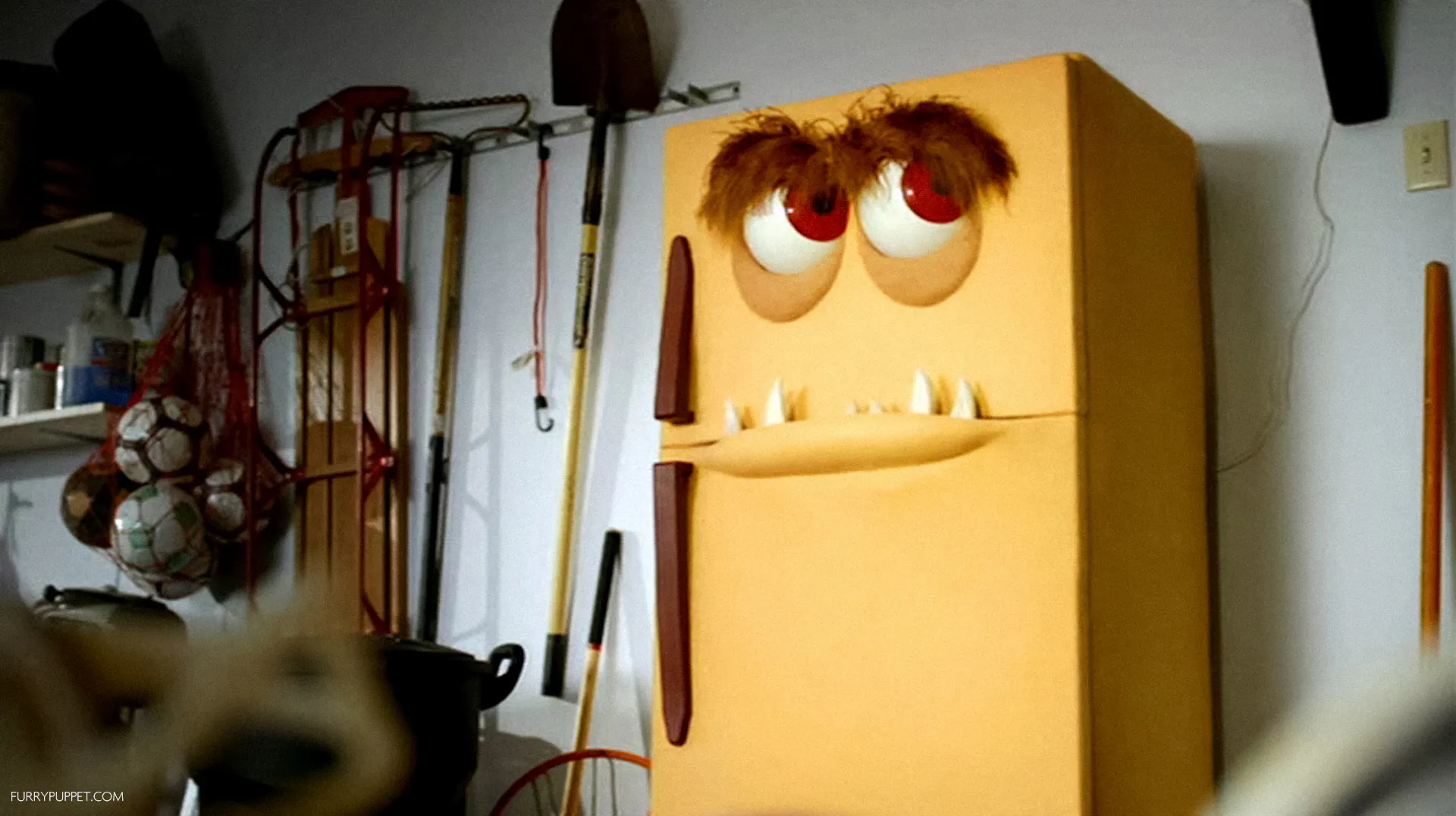
Not all of the studio’s characters are creatures. A recurring feature in its work is the animated everyday object, like this grumpy refrigerator, complete with heavy eyelids, bushy brows, and a mouthful of teeth. It shows how even an inanimate product can have a mouth and finger details that come alive.
Maintaining Puppet Longevity and Performance Storage
Always store your completed figure in a neutral pose to prevent stress on internal wires. The main goal involves avoiding permanent creases that ruin smooth movement over time. Finding a cool spot away from direct sunlight protects your materials from UV fading. Proper packaging for custom puppets includes acid-free tissue padding around delicate joints.
Trust me on this, regular care protects your investment and keeps the character ready. Whether storage lasts for a week or several years, maintenance matters. Routine cleaning and careful handling extend the lifespan of custom puppets significantly. Always check the internal mechanisms before your next show begins.
Conclusion
So, which character sparked your imagination the most? Each figure shows how great design captures personality and tells a story effectively. The best part invites collaboration between a client and a skilled maker. Focusing on unique traits like expression and movement defines the entire creative journey. Bringing that vision to life requires patience and attention. The right custom puppets become beloved parts of any theatrical production.
Your next unforgettable character waits to be constructed today. Whether it’s music videos, national ad campaigns, late-night television, or state safety PSAs, creating puppets is a magical process. If you want a unique character for a loved one, play, or a ventriloquist act, we highly recommend working with experts. You can buy and explore more custom puppets at furrypuppet.com.
FAQs
Q: What is the difference between a hand puppet and a marionette?
A: A hand puppet is worn directly over the performer’s hand and arm, using fingers to control the mouth and head movements. A marionette is a full-body figure suspended by strings from above, allowing for complex gestures and multi-limb choreography during a school play or video recording.
Q: How long does it take to design and build a custom puppet?
A: The timeline varies based on mechanical complexity and artistic detail. A simple figure might require a few weeks, while an articulated character featuring moving eyes or specialized foam cores needs several months of prototyping, fabrication, and quality testing before delivery.
Q: What materials are best for a durable performance puppet?
A: Professional fleece and high-density faux fur remain popular for their realistic texture and resilience on stage. Internally, lightweight plastics, reinforced foam blocks, and sealed fabrics provide lasting structure, ensuring your piece survives repeated event appearances without losing its original shape or performance quality.
Q: Can I request specific features like moving eyes or eyebrows?
A: Absolutely. Articulated facial features are common requests that enhance realism. These mechanisms integrate directly into the head structure during the initial design phase, guaranteeing natural, reliable motion that fits a ventriloquist routine or professional film shoot without requiring constant manual adjustment.
Q: How do I start the process for commissioning a custom puppet?
A: Begin by defining your character’s core personality and intended use. Gather visual references, consider the performance environment, and reach out to a specialized studio. Discuss your budget, timeline, and whether you want a stage-ready figure or a collectible gift, then let the collaborative design process begin.