
Anatomical Triggers for Sensory Nerve Response
Mapping the most painful tattoo spots reveals that your pain spikes when the needle hits skin stretched directly over bone, like your ribs or kneecap, because the vibration has nowhere to go. That buzzing sensation travels straight through the skeletal structure instead of being absorbed by soft tissue. The same principle applies to areas with a high concentration of nerve endings, such as the armpit or the top of your foot.
These zones send a more intense and immediate signal to your brain. We tend to think pain is about skin thickness, but the real culprit is often the lack of a subcutaneous fat layer acting as a natural shock absorber. This is why bony areas consistently rank high on any pain scale chart.
Physiological Variables Influencing Individual Pain Tolerance
Navigating through the most painful tattoo spots requires understanding that your personal pain threshold is not a fixed number but shifts with your hydration, stress level, and even the time of the month. A well-rested body with stable blood sugar handles the needle’s assault far better than a tired, dehydrated one.
Your natural skin sensitivity and overall nerve density also play a huge role, which is why two people getting the same spot tattooed can report completely different experiences. The good news is you have some control here. Building a plan around these physiological factors, like scheduling a morning session after a good meal, is your first line of defense.
This proactive approach lets you manage your individual response before the machine even starts.
1. Rib Cage – The Challenge of Skeletal Vibration
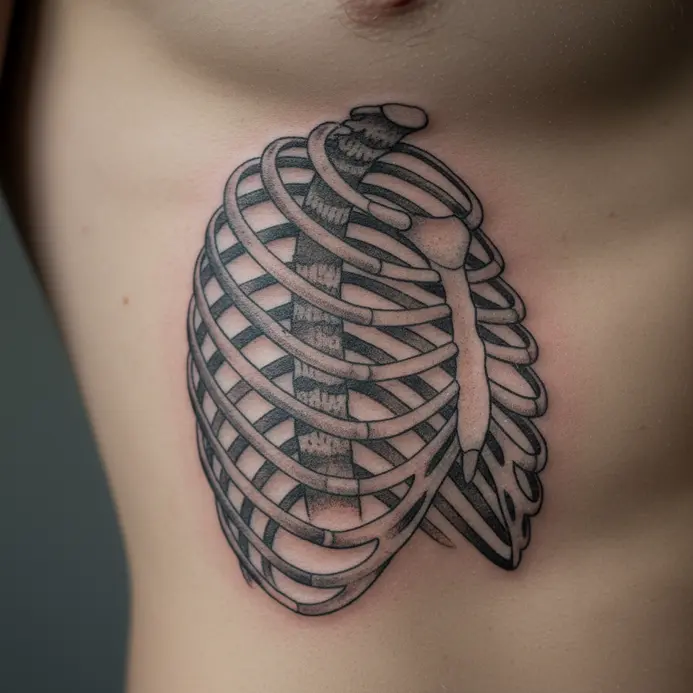
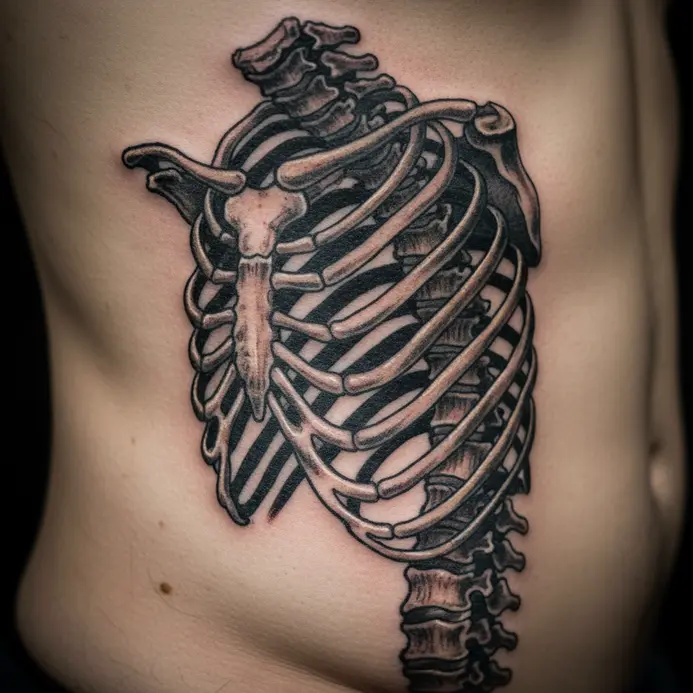
Ever wondered why the most painful tattoo spots often include areas like the ribs? That deep, buzzing vibration you feel comes from the complex structure right beneath it. Your rib cage is not a solid wall of bone. It is a dynamic framework of costal cartilages and moving joints, all connected to protect your lungs and heart.
Every time you breathe, the whole structure shifts and flexes. This constant motion means the needle is interacting with a living, vibrating lattice. The cartilage acts like a shock absorber, but it also transmits and amplifies those vibrations right into your core.
I always tell friends this area is a commitment because you are feeling the resonance of your entire skeleton. Trust me, knowing what to expect makes a huge difference. Before you book a session in this spot, it is smart to read up on what getting a tattoo feels like so you are mentally prepared for that unique sensation.
That deep, internal buzz is why this placement tops so many pain charts. It is a raw, visceral feeling unlike anywhere else on your body. But understanding the mechanics behind it? That is the first step in mastering your own tattoo experience.
2. Scalp and Skull – Understanding High Sensitivity
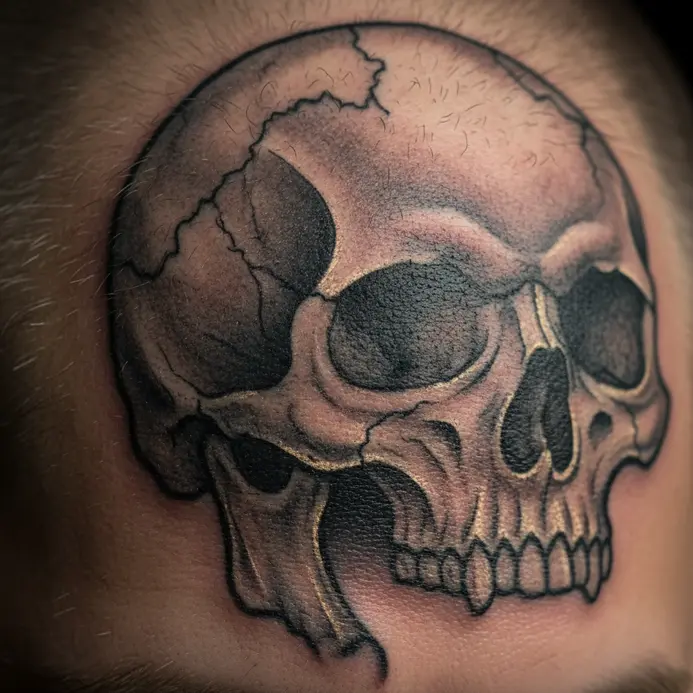
Topping the list of most painful tattoo spots are areas like the head where that rich nerve supply sits beside the bone. It is not just the buzzing needle. Your scalp is packed with sensory nerve endings for pain, touch, and pressure. These nerves are part of a dense network, and they are right next to the bone’s sensitive covering, the periosteum.
That dense network is exactly why the sensation feels so sharp. I love explaining this because it helps you prepare mentally. Knowing the anatomy behind the pain makes it feel less mysterious and more manageable.
For a big piece in this area, proper planning is key. You need a solid plan for waiting between tattoo sessions to let your skin recover fully. Trust me on this one. Feeling prepared makes all the difference.
3. Spinal Column – Navigating High Nerve Density
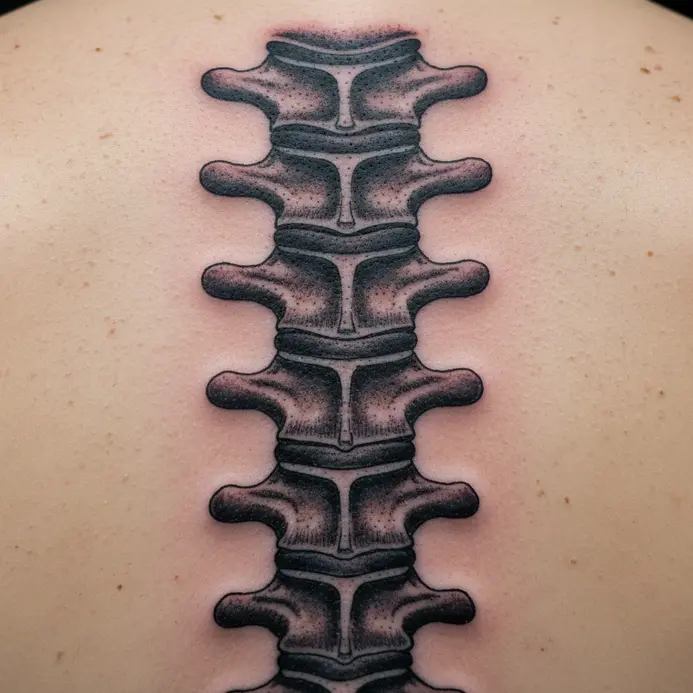
When charting the most painful tattoo spots, many collectors ask why a back tattoo feels so much more intense than one on your arm. It is not just about hitting bone. The skin over your spinal column is packed with nerve endings that send sharp, direct signals. I have seen the most seasoned collectors take a deep breath for this spot.
Your spine is your central nervous system’s highway, with nerves branching out to your entire body. Tattooing this area means working right over that dense network. The sensation is often described as a deep, vibrating sting that is hard to ignore.
It is a powerful placement, but you need to be ready for the commitment. If you are thinking about covering up old marks in this sensitive area, learning how to get tattoos over scars is an essential first step to discuss with your artist. Trust me, knowing what to expect makes all the difference in your experience.
4. Foot and Ankle – Coping with Bony Proximity
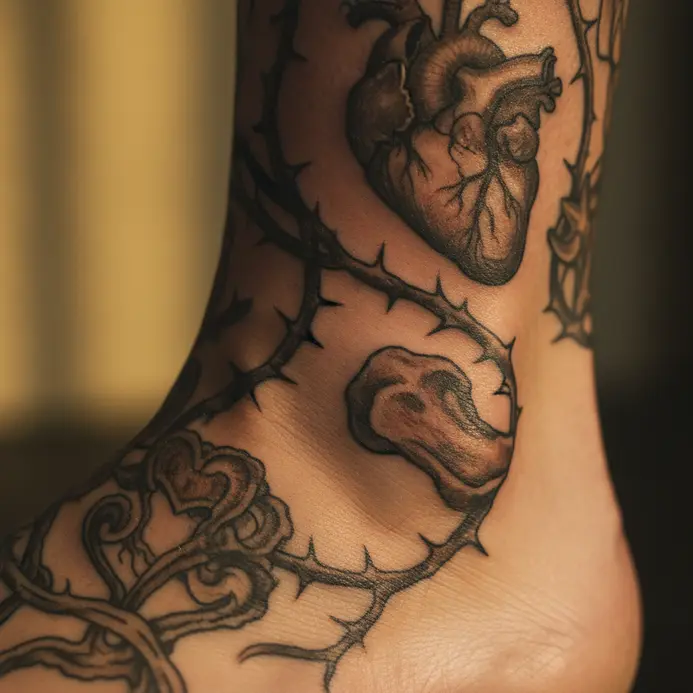
Ever wondered why your foot feels like it is getting zapped when the needle hits? That is bony proximity in action. With over 30 joints and minimal cushioning, the needle’s vibrations travel straight to the bone. It is a surprisingly intense sensation that catches many people off guard.
When mapping the most painful tattoo spots, artists working on this area know they must adjust their hand pressure and needle speed. They will likely use a lighter touch to minimize trauma. For you, managing the pain starts before you even sit down. Get plenty of rest, stay hydrated, and eat a good meal.
During the session, focus on deep breathing or bring a friend to distract you. The real work begins after you leave the studio. Swelling has nowhere to go in this tight space, so diligent aftercare is non-negotiable.
You will need to elevate your foot religiously and follow a strict cleaning routine. Trust me, reading up on proper new tattoo aftercare is your best friend for a smooth healing process. Stick with it, and you will feel proud of your resilient new art.
5. Inner Elbow Ditch – The Reality of Thin Skin
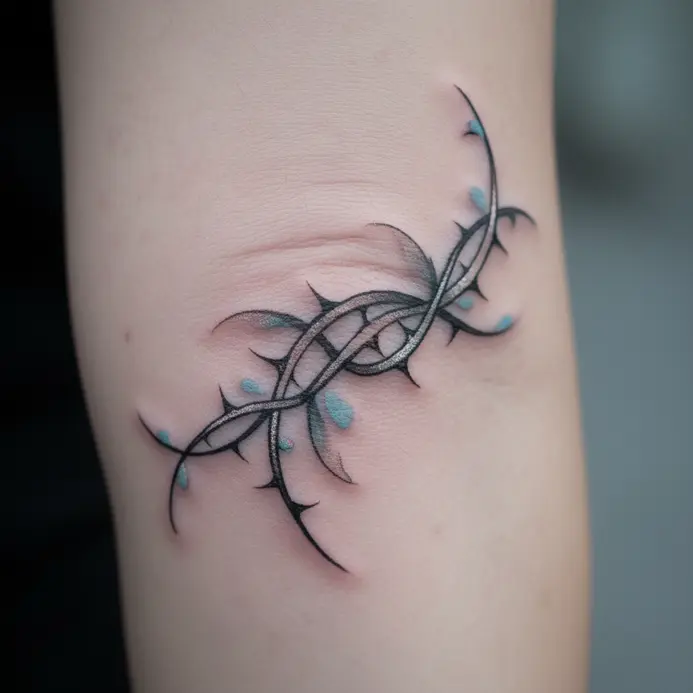
You might assume soft hollows avoid the most painful tattoo spots, but the reality of the inner elbow is quite the opposite. This area, known as the antecubital fossa, has some of the thinnest skin on your body. That means all the nerves and blood vessels are sitting much closer to the surface.
It is a prime location for your artist to hit a superficial nerve cluster, which translates to a sharp, intense sensation. I love this spot’s look, but trust me, you feel every single pass of the needle here. The thin skin also makes it prone to more swelling and bruising afterward. It is a stunning placement, but knowing what you are in for is key.
For more context on what makes different spots unique, reading some interesting facts about tattoos can be really helpful before you book your session.
6. Kneecap and Knee Ditch – Areas of High Sensitivity
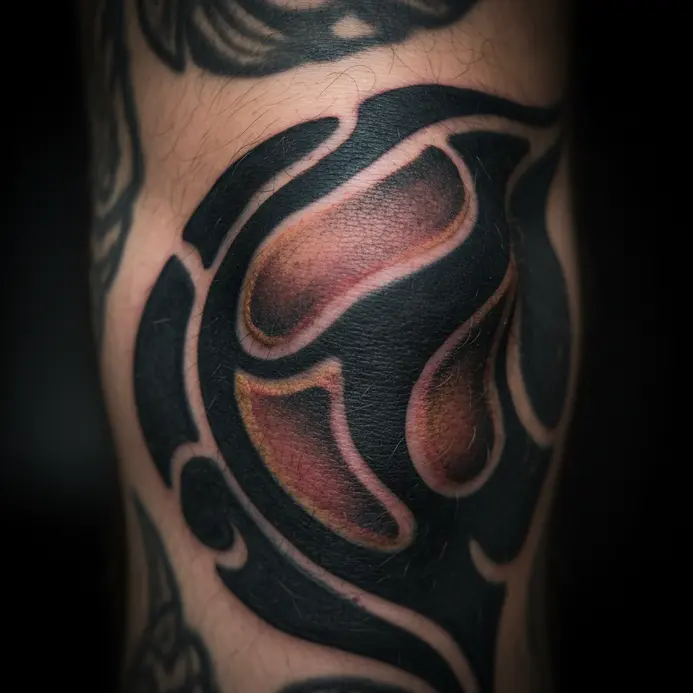
Ever wondered why the kneecap and the back of the knee are such notorious spots? The kneecap is a small, exposed bone with a rich nerve supply right under the skin, so the needle feels like it is vibrating directly on the bone itself.
Comparing the most painful tattoo spots reveals why I love the contrast between the sharp, bony sensation in front and the deep, nerve-based intensity in back. This area houses major nerves and blood vessels, making it incredibly sensitive to any pressure or vibration.
Because these areas are so sensitive, proper planning is crucial. Before you book a session for a piece here, it is smart to read up on small tattoo ideas for men to consider designs that require less time under the needle. You will feel more confident knowing what to expect from a shorter, more manageable session.
7. Armpit – Considering Lymph Node Proximity
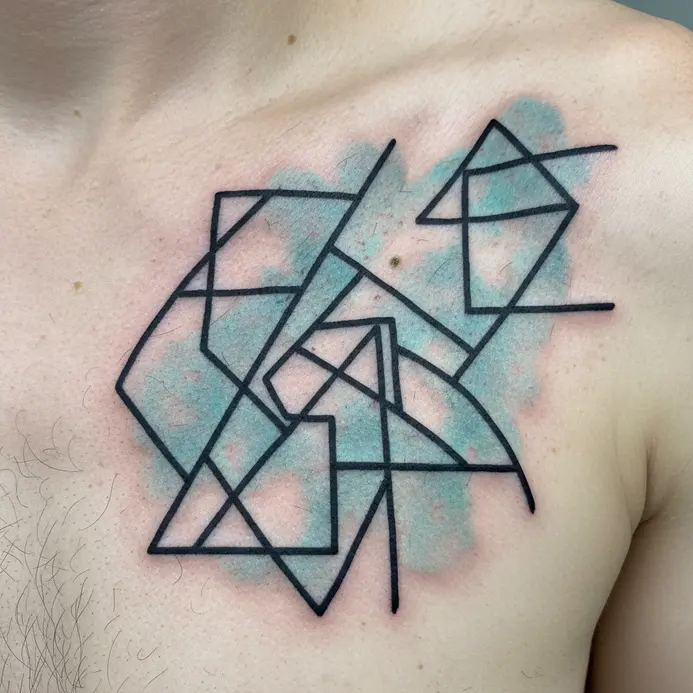
This spot surprised me. It looks like a simple fold of skin, but the armpit is a complex hub of nerves and lymph nodes. This dense network of axillary lymph nodes sits right where the needle would go, making it one of the most sensitive areas you can choose.
When evaluating the most painful tattoo spots, those anatomical filters explain why causing inflammation here carries more risk. I love how this knowledge empowers you. Those nodes are your body’s immune system filters, so it is about choosing an artist with impeccable hygiene to protect this vital area.
Sound complicated? It does not have to be. If you are set on this placement, do your research first. Reading up on small tattoo ideas for girls can help you plan a simpler, less invasive design that still looks stunning. Your comfort and safety are the real payoff.
8. Inner Thigh and Groin – Managing Nerve Exposure
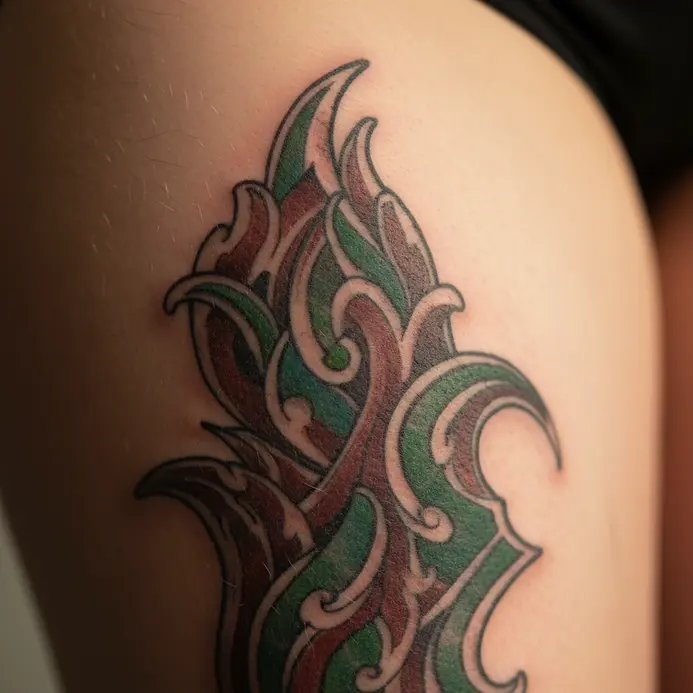
Ever wondered why a tattoo here can feel like a sharp, electric zap instead of a steady burn? That is your body’s dense network of nerves talking. This area is packed with sensitive pathways like the lateral femoral cutaneous nerve, which is quite close to the skin’s surface.
An artist’s heavy hand or the constant stretching of your skin during the session can easily irritate these structures, leading to that distinctive shooting pain. Navigating the most painful tattoo spots here means choosing an artist who understands this delicate anatomy and uses a lighter touch.
I always recommend a short consultation to discuss your pain tolerance and the artist’s approach for such a sensitive spot. Proper aftercare is also crucial to prevent prolonged nerve irritation during healing, much like the careful process needed for delicate tattoos on fingers. Getting through it is a test of endurance, but the payoff for such a personal placement is absolutely worth it.
9. Nipple and Areola – Tissue Sensitivity Explained
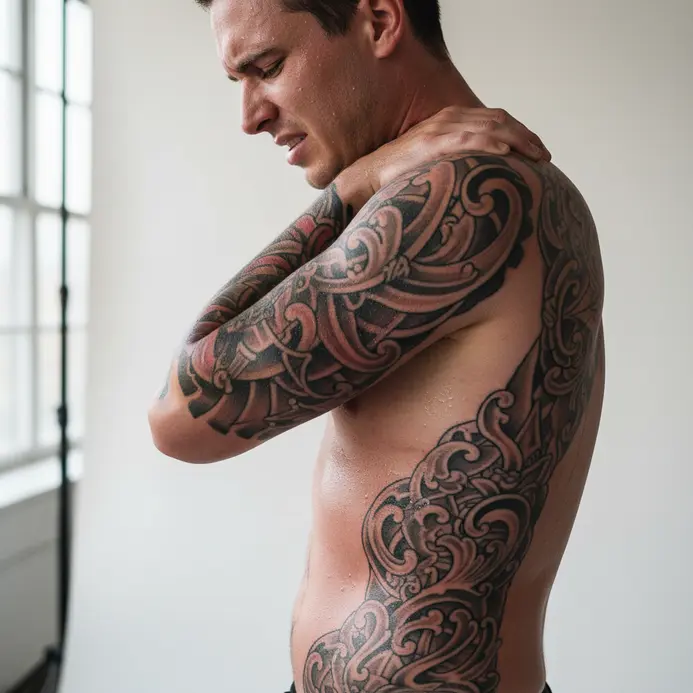
Ever wondered why this area feels so intensely sensitive? It is not your imagination. The nipple and areola are packed with a dense network of specialized nerve endings that detect everything from light touch to deep pressure.
When discussing the most painful tattoo spots, that high concentration explains why your brain receives a flood of sensory signals at once. Your pain tolerance for other spots might not fully prepare you for this one. This precise anatomy makes tattooing here a sharp, intense experience.
If you are thinking about a tattoo in this location, I always recommend reading up on white ink tattoo considerations for a subtler, lower-contrast look. Trust me, understanding the unique tissue here makes all your decisions feel more confident.
10. Hand and Finger – The Complexity of Joints
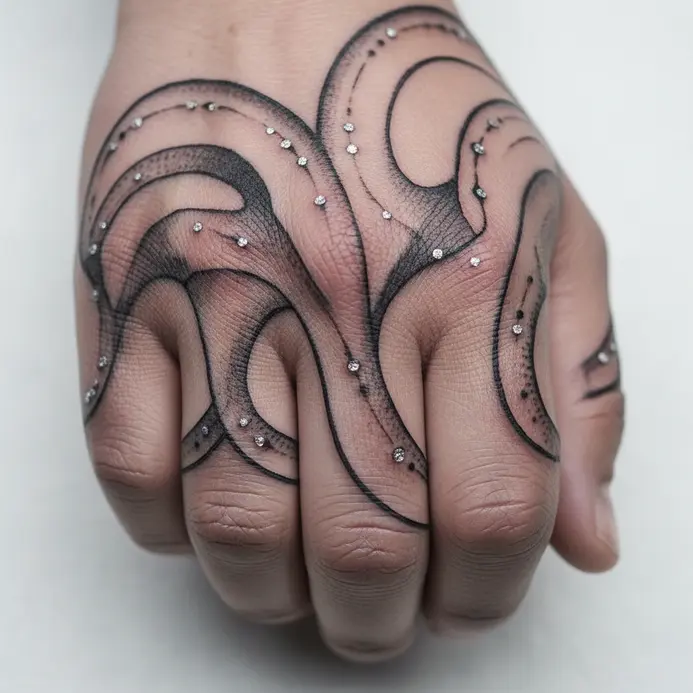
Ever wondered why a tattoo on your knuckles feels so intense? It is not about thin skin alone. Your hand is a marvel of engineering with 27 individual bones and a whole network of highly mobile joints. Every time you make a fist or wiggle a finger, those joints are gliding and rotating right where the needle is working.
Exploring the most painful tattoo spots shows that constant motion is the main culprit behind the unique challenges here. The ink has to settle into an area that is always stretching and bending. This often leads to quicker fading or even blowout distortion as the ink spreads under the thin, mobile skin.
I love the look of hand tattoos, but trust me, you need to go in knowing they require extra care and might need more touch-ups over the years. Before committing to ink in this notoriously tender spot, it is smart to ask your artist about the watercolor tattoo style pain profile, as the soft, blended application can feel different on sensitive joints. Feel prepared, not surprised.
Strategies for Minimising Discomfort During Long Sessions
When preparing for the most painful tattoo spots, the single best thing you can do for a multi-hour tattoo is to schedule strategic breaks with your artist before you hit your limit. Trust me, a five-minute pause to walk around, drink water, and let your adrenaline reset makes the next hour feel possible.
Talk to your artist about using a numbing cream approved for tattoo use on the most sensitive areas, applied at the right time so it does not affect ink saturation. Bring headphones with a distracting playlist or podcast, and focus on steady, deep breathing to keep your nervous system calm.
Remember, your artist wants you to be comfortable too, so speak up the moment you need a breather. It turns a marathon into a series of manageable sprints.
Conclusion
Thinking about the most painful tattoo spots is really about honoring your own comfort and commitment. This knowledge is not meant to deter you, but to empower you to have an open, honest conversation with your artist. They can help you plan a session that respects your pain tolerance, perhaps breaking a larger design into shorter sittings for a sensitive area.
Remember, the sensation is temporary, but the art you choose is forever. Bring this understanding with you, take a deep breath, and focus on the personal meaning behind the design. You are making a choice to carry something meaningful, and that is worth every bit of thoughtful preparation.
FAQs
Q: Is there anything I can do to reduce the pain during my tattoo?
A: Staying well-hydrated, getting a good night’s sleep, and eating a solid meal beforehand help your body cope. Avoid alcohol or blood-thinning medication. Talk to your artist about taking breaks if you need them.
Q: How bad is the pain on the ribs really?
A: The rib area is often described as intense due to the thin skin vibrating directly over bone. The sensation is a sharp, scratching ache. Many people find deep breathing techniques helpful to manage the discomfort during the session.
Q: Will a tattoo on my foot fade faster because it is painful?
A: Fading relates more to aftercare and skin cell turnover, not the initial pain. Feet experience more friction and sun exposure. Proper aftercare and occasional touch-ups help maintain the tattoo’s appearance over time.
Q: Should I use a numbing cream for a sensitive spot?
A: Discuss this with your tattoo artist first. Some creams can affect how the skin receives ink. A professional artist can recommend a trusted product and advise on proper application timing if they approve its use.
Q: How long does the sharp pain last after the tattoo is done?
A: The intense needle sensation stops immediately when the artist finishes. You will feel a sore, sunburn-like tenderness for a few days as the skin begins healing. Following your artist’s aftercare instructions minimizes this discomfort.