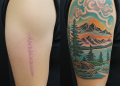

The Biological Process of Skin Regeneration Between Tattoo Sessions
Understanding the wait between tattoo sessions starts with your skin’s biology. A tattoo is a controlled wound where the needle deposits ink into the dermis, the skin’s second layer. Your body immediately begins a complex healing process: inflammation, tissue rebuilding, and collagen remodelling. While the surface may look closed and feel normal within a few weeks, the deeper dermal tissue needs significantly more time to regenerate and stabilize the ink. Rushing into your next session before this cellular repair is complete compromises the skin’s integrity, leading to poor ink retention and increased risk of scarring.
Surface Healing vs. Dermal Readiness: Understanding the Critical Difference
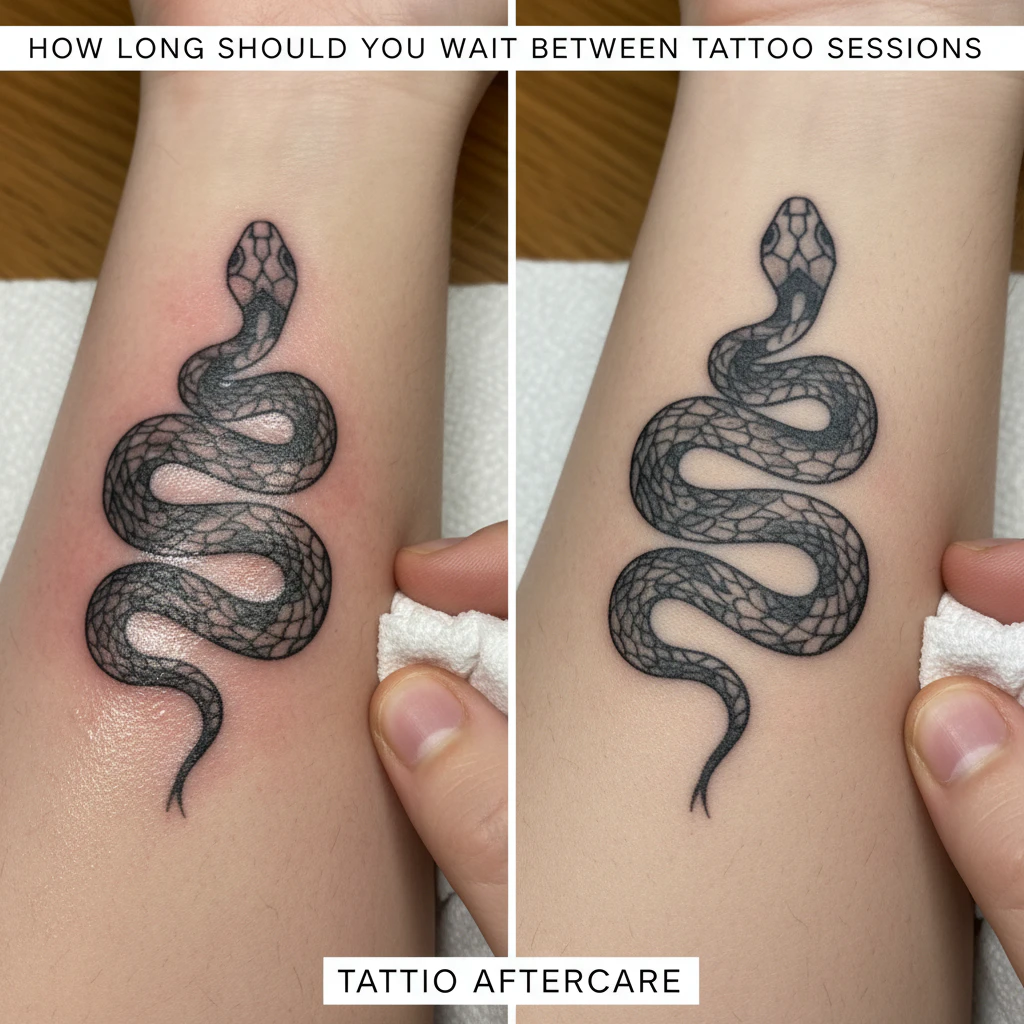
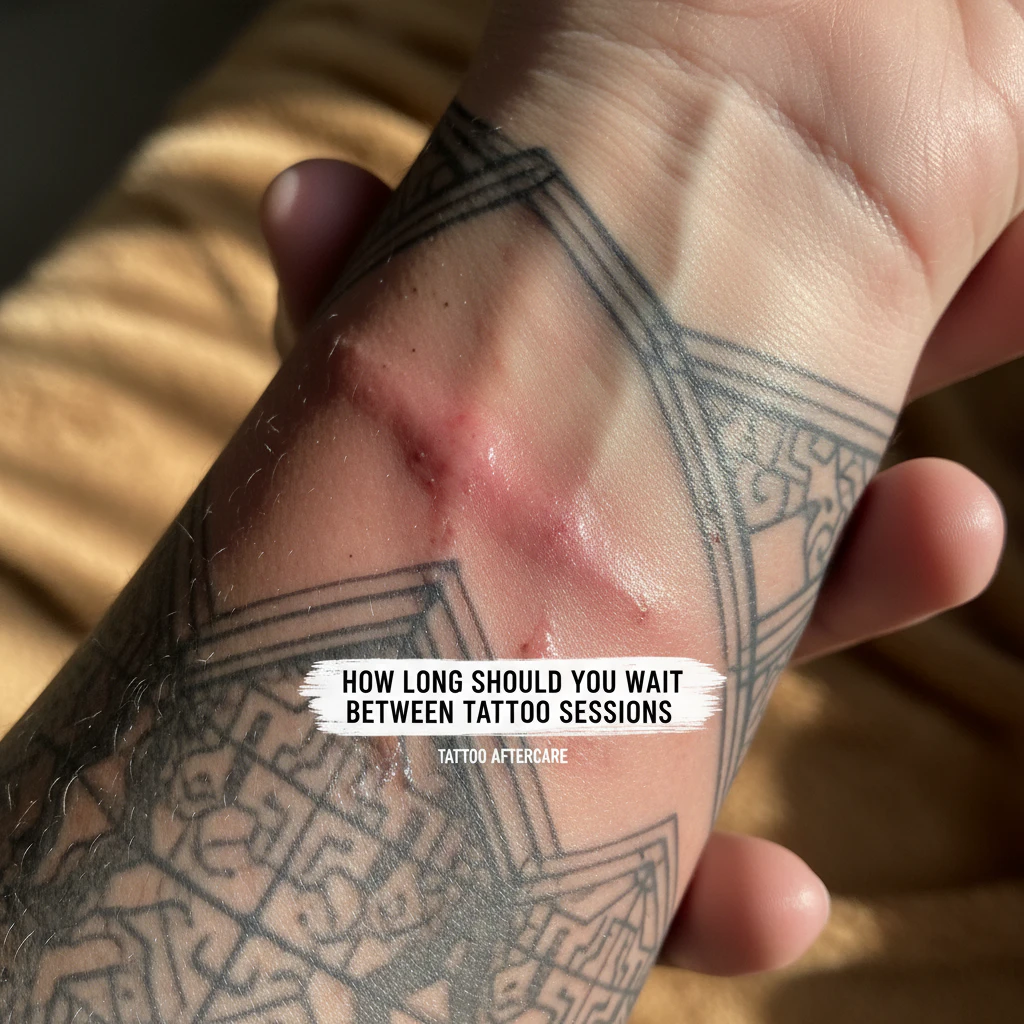
This is the most crucial concept for timing your sessions. Surface healing, when scabs have fallen off and the shiny new skin layer has formed, is only the first step. Dermal readiness is what matters for your next tattoo, and that is when the deeper skin structure has fully regenerated, is no longer inflamed, and has regained its strength and elasticity. A tattoo can look healed on the surface in 2-3 weeks, but true dermal readiness for more needle work typically takes 4-8 weeks, or longer for large pieces. Scheduling based on surface appearance alone is the fastest way to damage your new art. If you are wondering how long should you wait between tattoo sessions for your right tattoo, the answer depends on the healing time your body needs to recover properly. A consultation with your tattoo artist gives you a better timeline for the next tattoo session and helps avoid infection or pain and discomfort from rushing.
1. Day 3 Plasma Weeping Stage Visual Guide for Healing
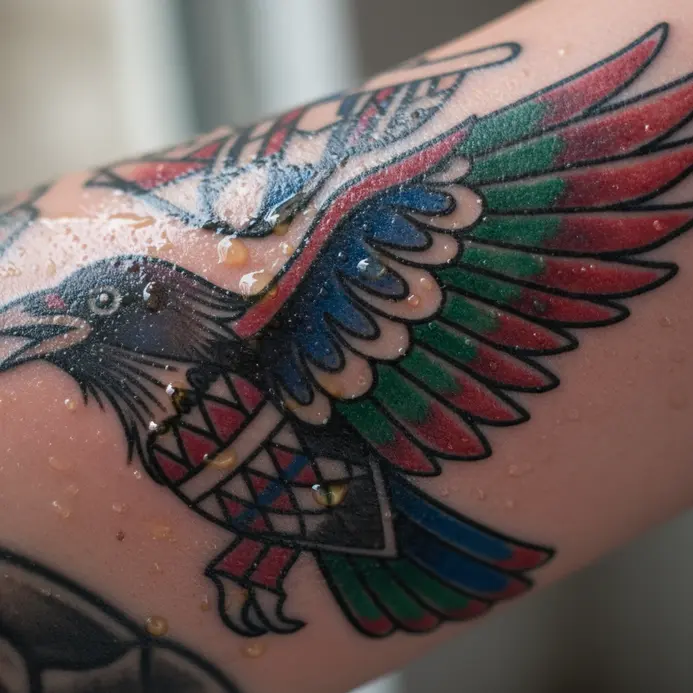
Okay, so your tattoo is on Day 3 and it looks like it’s been sealed in a shiny, clear gel? That’s the plasma weeping stage in full swing, and it’s a normal part of the healing process. Your skin is pulling double duty, flooding the area with that clear, yellowish fluid to form a protective layer and kickstart the repair work. This is why the ink looks so dark and vibrant right now, but don’t get too attached to that exact color, because it’s only a temporary effect from the fluid. We know it feels a bit weird, right? Your skin is tight, maybe a little warm, and the first hints of an itch are starting as your tattoo is healing. That’s all a sign your body is doing its job, and your immune system is working to heal properly. The key is knowing what’s normal: thin, watery fluid is good, while thick, green, or smelly pus is a problem. This glossy plasma layer is your body’s own perfect bandage, delivering nutrients and fighting off infection before you think about your next tattoo session. Here’s a practical tip: when you gently wash your tattoo, you might see a bit more of that fluid seep out. Just pat it dry with a clean paper towel and let it breathe. Avoid rubbing or using a cloth, as the thin film can stick. This stage peaks around now and will start to ease up soon, making way for the next phase. Isn’t it amazing how our bodies handle this?
2. Week 2 Peeling Sunburn Texture Example and Timeline
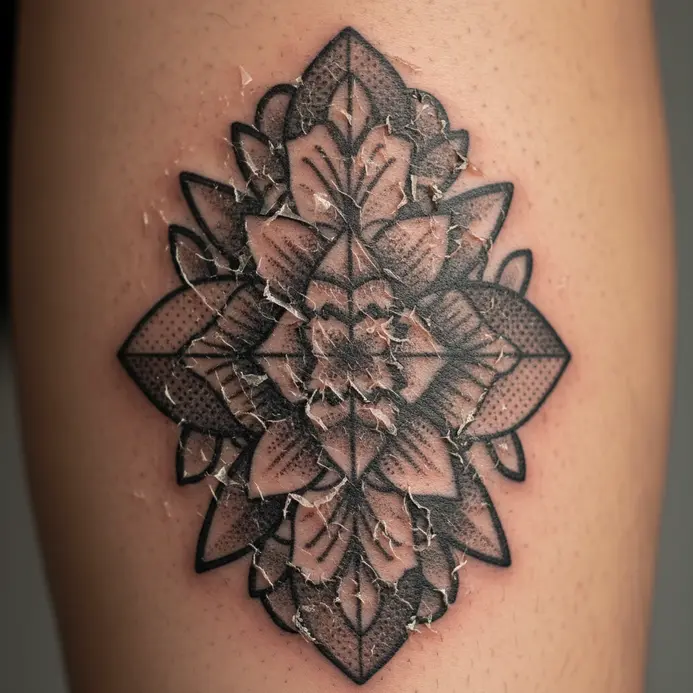
Okay, let’s get into the truly satisfying, and kinda gross, part of a sunburn’s healing journey. Remember that tight, shiny, painful skin from last week? By days 8 and 9, it’s completely transformed into something that feels like parchment paper. It’s papery, wrinkled, and extremely dry, with those first little white flakes starting to appear. Your body has already built new skin underneath, so this top layer is dead and ready to say goodbye. The raw pain is mostly gone, but hello, relentless itching. This is your cue that the big peel is about to start. Now, days 10 through 12 are the main event. This is peak desquamation, which is the medical term for shedding. You’ll see two main peeling patterns: flaking, where large areas shed in tons of little bits, and sheet peeling, where whole pieces roll back. So, why does this matter for your tattoo healing timeline? Think of your fresh ink as a controlled, artistic wound. Your body uses the same intense resources to heal it, and if you are still in the active peeling phase of a sunburn, your immune system is already working overtime, which is why it’s important to wait between sessions. Scheduling another tattoo session now would put a huge strain on your body, so you need to let this sunburn finish its final shedding by days 13 or 14 and give that new skin a chance to fully calm down before you book your next tattoo appointment.
3. Milky Haze Phase Week 3 Appearance for Your Artist
Okay, so your tattoo looks a little ghostly right now, right? Don’t panic, you’re in the totally normal milky haze phase. Let’s break down what your artist sees when you walk in for a check-up or to plan how long should you wait between tattoo sessions. Picture a human silhouette viewed through frosted glass, with edges softened into wispy tendrils, much like the delicate process of healing one tattoo. The whole piece has this beautiful, swirling internal texture, like dense vapor or liquid marble, with a soft internal glow. It’s hauntingly serene, and it means your skin is doing its regenerative work perfectly. Your artist looks for this specific milky, settled appearance to gauge your healing progress before thinking about scheduling your next appointment. A quick tip? This is when your tattoo can look a bit dull, so trust the process and keep up with gentle cleansing and moisturizing. If you are looking to get a next tattoo, this stage is not the time to rush, because the body needs time to heal between sessions.
4. Color Saturation vs Linework Healing Comparison
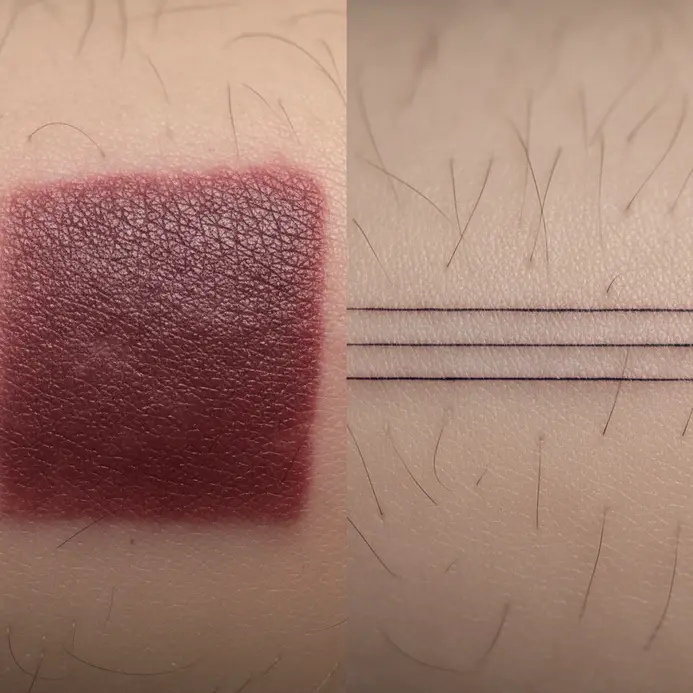
Ever wonder why your fresh color looks dull and cloudy after a week while your friend’s bold lines still look so sharp? It all comes down to how your skin gets its ink. Let’s compare the healing patterns for these two techniques. Linework creates deep, precise cuts that heal slower and can form noticeable raised scabs. Color saturation, on the other hand, is more like a widespread abrasion that peels faster but goes through a prolonged milky stage where the vibrancy seems to hide. The core principle here is trauma versus precision. A single needle creates a concentrated injury that takes time to settle, while a mag needle causes a larger surface area of more superficial damage, which is important to consider when planning many tattoos. This is a big reason why you need to know how long should you wait between tattoo sessions for different styles. Rushing back before one technique has fully settled can compromise your tattoo design, whether you are getting a tattoo for the first time or planning two tattoos close together. So, what’s the practical tip? Be patient with color. That hazy, wrinkled look is normal for weeks, and your artist will thank you when it’s time for a potential touch-up. If you are getting multiple tattoos, the waiting period matters even more because proper healing protects the right tattoo and lowers the risk of infection.
5. Joint Placement Extended Healing Timeline and Schedule
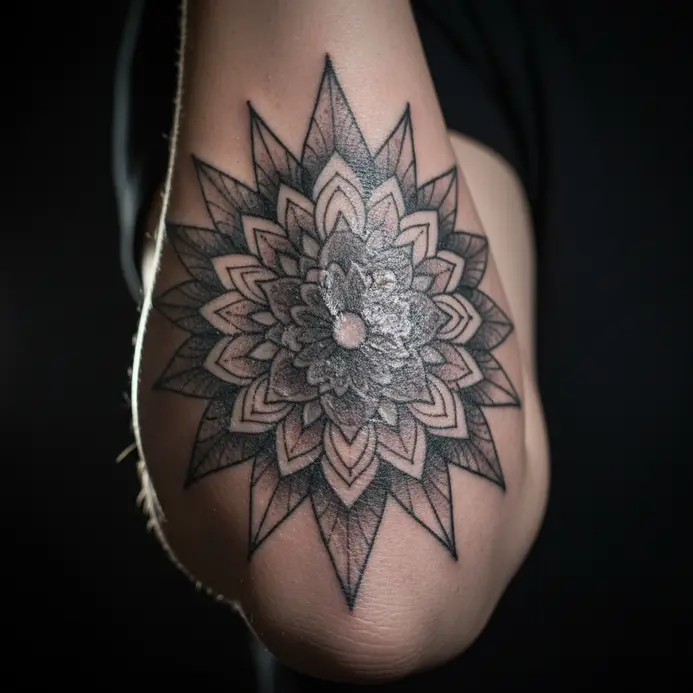
Let’s talk about the spots that demand a little extra patience, like your elbow or knee. We know tattoos in these areas look incredible, but that thin, constantly moving skin means your healing schedule needs a major extension. You might see weeping and swelling for up to ten days instead of just a few, and that tight, peeling phase can stretch for a month or more. Why does this matter for your next appointment? Because rushing into another session before your joint tattoo is fully settled is a fast track to patchy ink and a rough recovery; it’s important to wait. Your body needs that extended timeline to rebuild the skin properly after all that friction. I recommend marking your calendar for a longer wait between tattoo sessions when you’re working on a sleeve that crosses a joint. Switch from ointment to a gentle, fragrance-free lotion as soon as peeling starts to keep the area flexible. A good tip is to gently dab your lotion on instead of rubbing, which helps avoid irritating those delicate, raised scabs. If illness, strain, or pain and discomfort slow your recovery, give the wound even more time to heal between sessions.
6. Blackwork Session 6-Week Readiness Marker
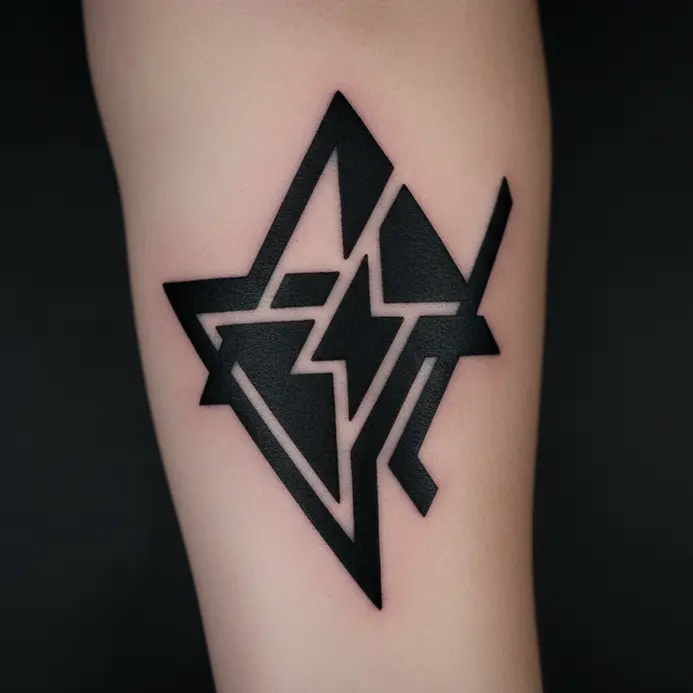
Hey tattoo lovers! So, you’ve hit the six-week mark with your epic blackwork piece and you’re wondering, ‘Is it time for more ink, or should I wait until my tattoo is healing completely?’ Let’s break it down. Your tattoo should now feel smooth, with no rough patches or redness, indicating that your tattoo is healing properly. For blackwork, the higher ink density means that healing usually takes a bit longer, so patience is key. Ensure that there’s no tenderness or heat in the area before proceeding. That solid black design needs this full period to heal without complications. During weeks 5-6, the peeling should be complete, and the ink starts to look vibrant again. Why is this so important? Rushing between sessions typically leads to poor ink retention and can even damage your skin. It’s crucial that the black appears settled and consistent across the design. Here’s a little trick: gently run your fingers over the area—if it feels even and pain-free, you’re likely ready to schedule that next sit. Remember, when considering how long should you wait between tattoo sessions, this six-week checkpoint is a solid guide for bold styles like blackwork, especially when artist availability shapes your appointment timeline. For a big tattoo or a first session on a new tattoo, your tattoo artist may ask for more time to heal properly.
7. Touch-Up Session 4-Week Healing Progression
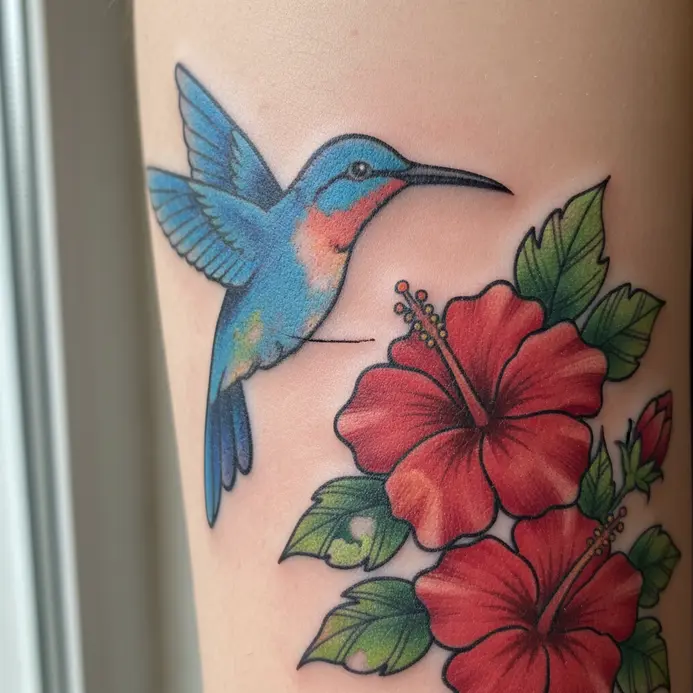
Good news, your touch-up healing journey is usually a faster, less intense version of your first tattoo experience. Your skin is already prepped from the original work, so the 4-week timeline is your complete cycle from fresh ink to settled art. Let’s walk through what to expect each week. The first week is all about that open wound care; think redness, a bit of oozing, and that tight, sunburned feeling after your first tattoo. You’ll wash gently with a fragrance-free antibacterial soap and start with a thin layer of ointment before switching to lotion. By week two, the peeling starts. This is normal, like a sunburn flaking off, but remember the golden rule: never pick or scratch. Your colors will look dull and cloudy underneath, which freaks everyone out, but it’s only the ink settling. Keep moisturizing with something simple like Lubriderm. Weeks three and four are about patience as the cloudiness fades and your true, vibrant colors pop back out. This is why knowing how long should you wait between tattoo sessions matters, because your body needs this full surface heal before considering more work. A pro tip? Once you hit week four, it’s important to wait and start using a strong sunscreen to protect your investment while your tattoo is healing. If you are getting another tattoo soon, bring your aftercare instructions and healing timeline to the consultation so your artist knows the area is ready.
8. Sleeve Work Cyclical Healing Pattern and Pain Management
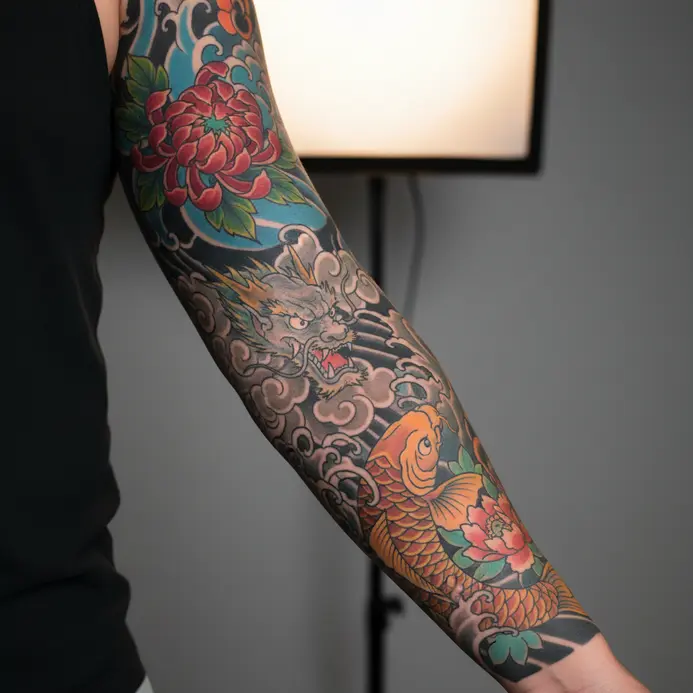
Picture your arm as a living art project with its own complex healing calendar, where fresh ink meets settled ink in a delicate dance. This is the cyclical healing pattern of a sleeve, and it’s why spacing your appointments correctly is everything. Instead of one simple healing timeline, you’re managing multiple overlapping phases: a fresh section that’s an open wound, a month-old area that’s still itchy, and a fully settled piece from your first appointment. Your artist carefully plans each session around these zones, which is a huge part of deciding how long should you wait between tattoo sessions. We love this approach because it respects your skin’s need to recover, building the masterpiece without overwhelming your body. Managing this cycle is also key for pain management as you want to get the most out of your healing process. Have you noticed how a spot tattooed last time might feel more sensitive when the needle works nearby? That’s cumulative sensitivity in action, and the pain and discomfort are easier to handle when each tattoo session has enough time to heal between sessions. A great tip is to keep a simple healing journal, noting when each area feels settled so you and your artist can plan the next move perfectly.
9. Properly Spaced vs Rushed Session Visual Contrast
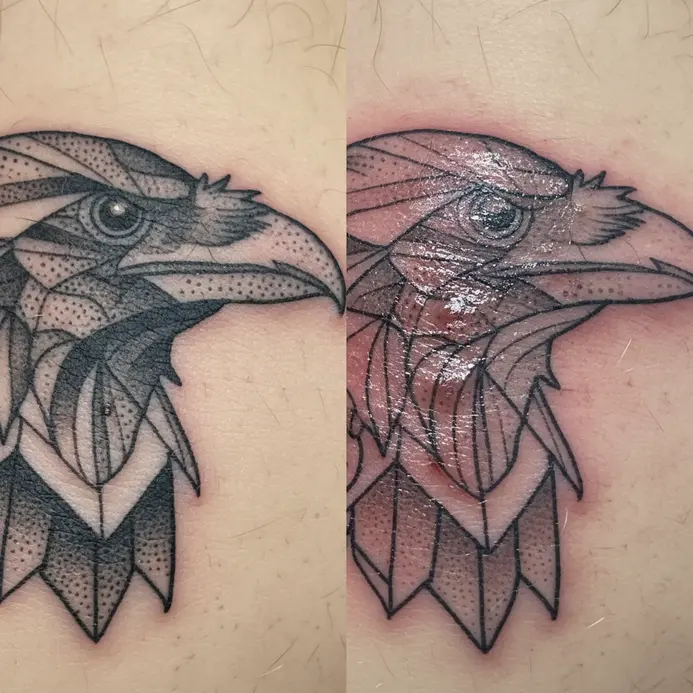
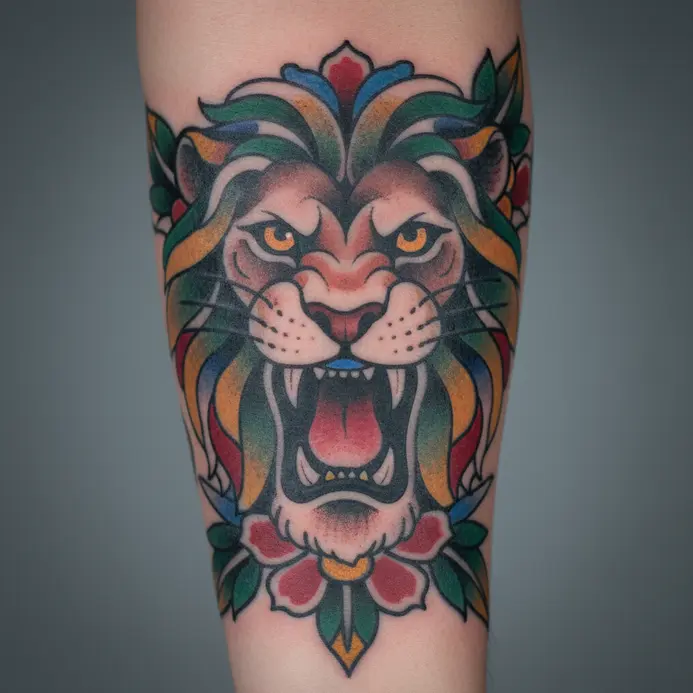
Let’s be real, you want to see that crisp, vibrant tattoo in the mirror, not a blurry, patchy mess. The visual difference between a properly spaced piece and a rushed one is night and day. When you wait for full healing between appointments, your artist works on a stable, calm canvas. This means sharp lines that stay put and color that pops evenly, because the ink settles into skin that’s ready to hold it. Why does this work so well? Your body needs that time to recover completely, turning each fresh session into a clean slate for amazing art. Rushing back too soon? We’ve all been impatient, but tattooing over swollen, angry skin is a recipe for visual regret. You might see blown-out lines or color that heals unevenly and looks dull. That’s because the needle is hitting traumatized tissue that can’t hold the pigment properly. I always tell friends, your future self will thank you for the wait. A good tip is to schedule your next session only after all that peeling and itching has totally stopped, and your skin feels smooth and normal again. If you are wondering how long should you wait between tattoo sessions for a particular tattoo, ask your tattoo artist during consultation so the appointment lines up with proper healing and artist availability.
10. Fully Settled Ink Month 3 Final Appearance
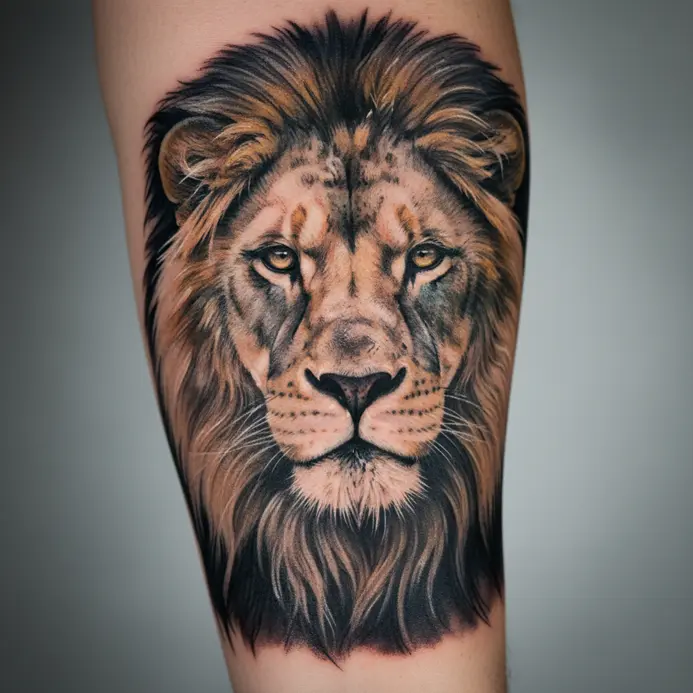
Let’s celebrate. By the three-month mark, your tattoo has officially reached its final, settled appearance. We know it felt like a long road from that fresh, shiny day. Remember that milky, waxy phase where the colors looked dull? That was your skin’s deeper layers, the dermis where the ink lives, doing the slow, important work of organizing everything. Now, those true colors are locked in and looking sharp. This is the permanent look you’ll have for years to come, which is why understanding how long should you wait between tattoo sessions is so crucial. You need to let one piece fully settle like this before starting another nearby. Rushing doesn’t give your body the time it needs to heal properly in those deep layers, and that raises the risk of infection if a new wound is opened too soon. Isn’t it amazing to finally see the finished artwork? Here’s a fun tip: take a photo now and compare it to your day-one picture. You’ll see the incredible transformation from a bright open wound to a fully integrated part of your skin’s story. If you are looking to get another tattoo, this timeline helps you plan the next session with your artist and keep every tattoo session on track.
Optimal Communication Strategies with Your Artist About Session Timing
Your tattoo artist is your most valuable partner in planning session spacing. After your first session, discuss a tentative timeline, but be prepared to adjust it based on your personal healing. Send clear, well-lit photos of your healing tattoo to your artist a week before any scheduled follow-up. An experienced professional can assess dermal readiness from these images, looking for settled colour, matte not shiny skin texture, and the absence of redness. Trust their judgment if they recommend postponing, because their goal is to ensure the best possible outcome for your tattoo’s longevity and appearance. If you are looking to get a new tattoo or getting multiple tattoos in one season, artist availability and your body needs time to heal between sessions matter just as much as the art itself. A simple consultation gives you a realistic timeline and reduces the chance of rushing a tattoo session before the skin is ready.
Specific Types of Tattoo Damage Caused by Insufficient Healing Time
Ignoring the necessary waiting period doesn’t just delay your project, it can permanently harm it. Tattooing over skin that hasn’t fully recovered can cause blowouts, where ink spreads blurrily under the skin due to a weakened dermis. It significantly increases the risk of heavy scarring, including keloids or hypertrophic scarring, and can lead to patchy, uneven colour saturation as the skin rejects the new ink. Furthermore, it puts immense strain on your immune system, raising the risk of infection and prolonging overall discomfort. Patience is the ultimate tool for protecting your investment. For a large tattoo, a half sleeve, or a second session on the same area, the size of the tattoo and the healing process set the timeline. When you wait between tattoos long enough for proper healing, your next tattoo has a far better base to heal between sessions without added wound stress.
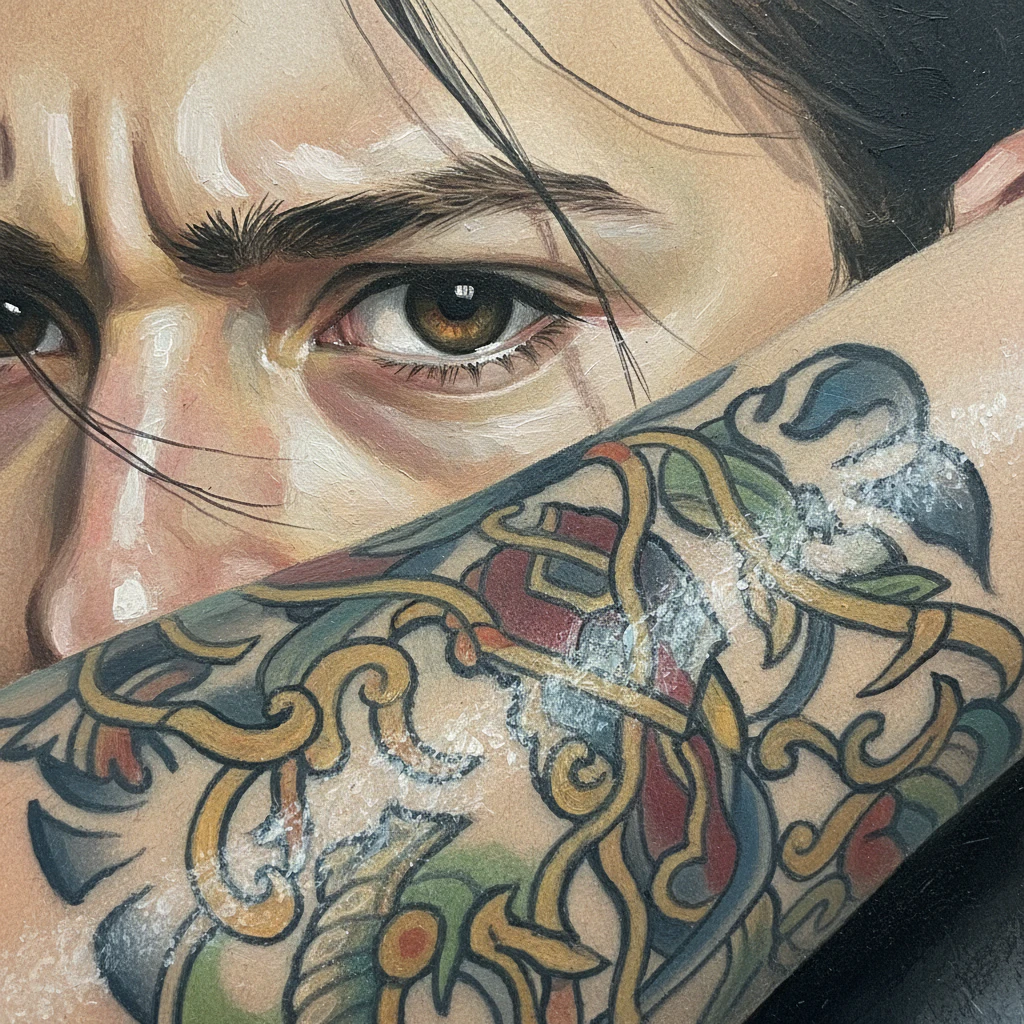
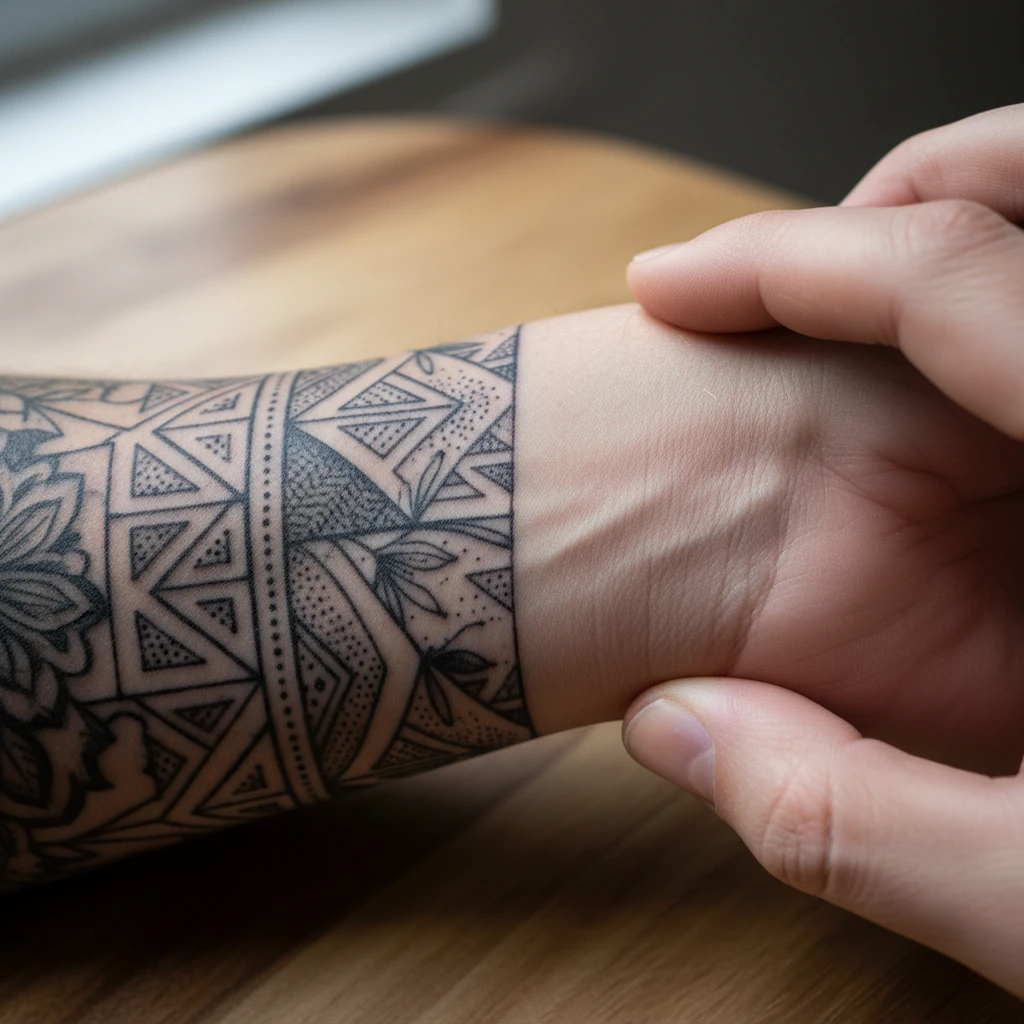
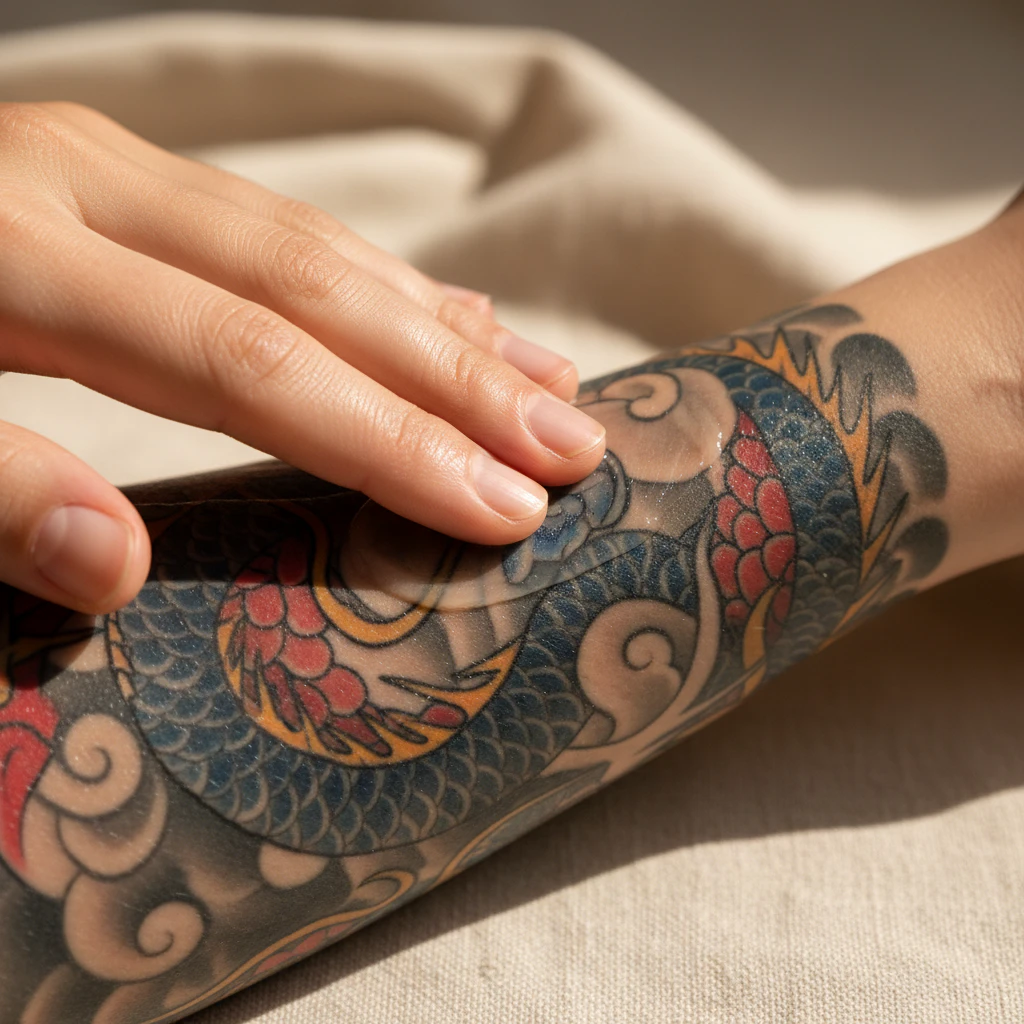
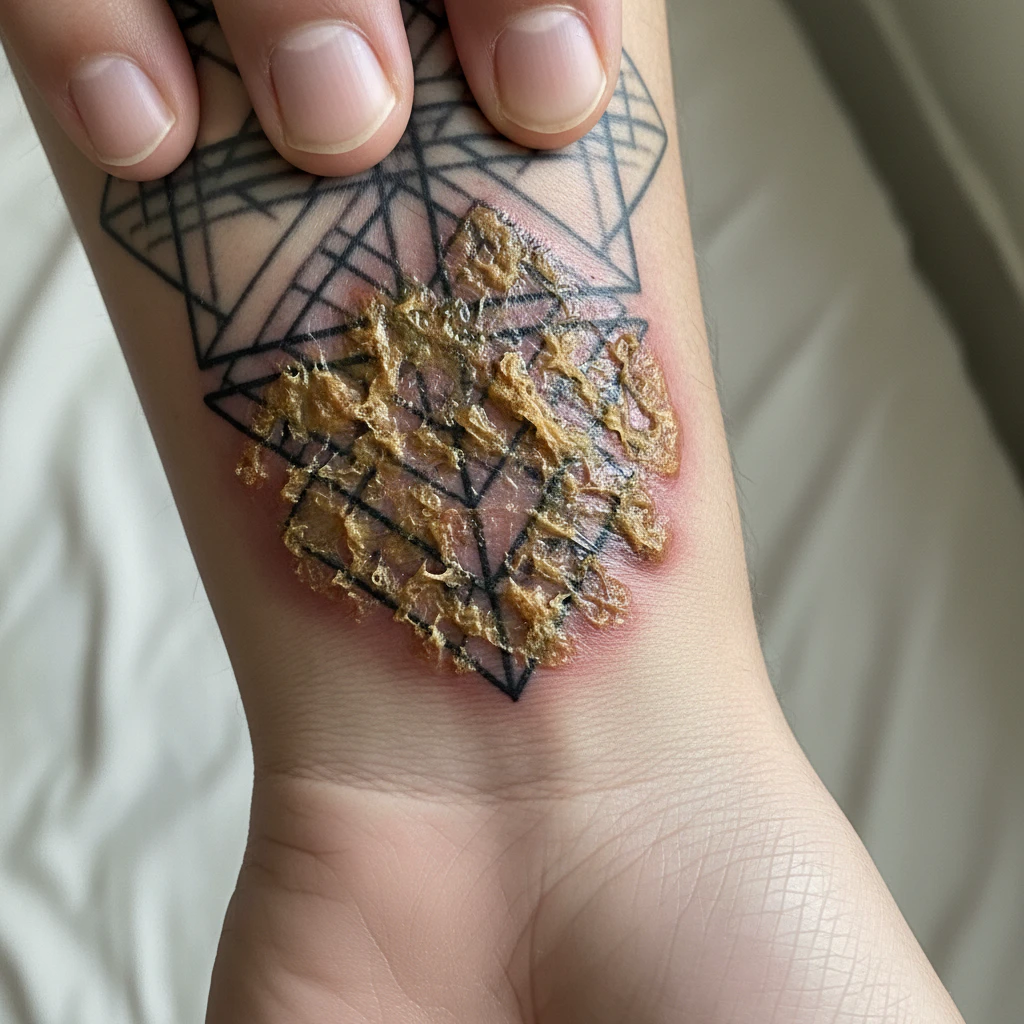
More Tattoo Sessions Gallery
Conclusion
Understanding the visual timeline of tattoo healing transforms how you plan your sessions. It shifts the question from a generic timeframe to recognizing specific signs on your own skin. We have walked through ten key milestones that signal when your body is truly ready for more ink. This knowledge empowers you to collaborate effectively with your artist and schedule appointments that prioritize your skin’s health. The result is better healing, superior artwork, and a more comfortable experience. For your next piece, use these visual guides as your personal checklist before booking. When you ask how long should you wait between tattoo sessions, the best answer is the one your healed skin gives back. Trust the timeline, respect the waiting period, and let each tattoo fully settle before the next appointment.
FAQs
Q: How long should you wait between tattoo sessions?
A: The general recommendation is to wait until the area is fully healed before scheduling the next session, which usually takes 2–8 weeks depending on size and placement. For most tattoos, waiting at least two weeks is necessary for surface healing, but many artists prefer clients to wait until the skin is completely healed before resuming work done on the same area.
Q: Why does the artist ask for the tattoo to be fully healed before the next appointment?
A: Artists need healed skin to assess how the ink settled, check for scarring or infection, and safely apply additional shading or color. Working on skin that isn’t completely healed can increase the risk of poor pigment retention and complications, and may require future touch-ups or even partial removal.
Q: Can I book another session sooner if I feel the tattoo looks healed?
A: You should follow your artist’s guidance because appearances can be deceiving. Even if the surface looks healed, deeper layers of the skin may still be repairing. Waiting until a professional confirms it’s fully healed reduces the chance you’ll need extra work done later.
Q: How does the size and complexity of the design affect the waiting period between sessions?
A: Larger, more intricate pieces typically require multiple sessions spaced weeks to months apart to allow proper healing and to give the artist and client time to evaluate progress. Complex color work or layers may need the skin to be completely healed before continuing to ensure optimal results.
Q: What if I have plans or events and need the next session sooner?
A: Communicate with your tattooist. They may adjust scheduling if the timing is safe, but pushing sessions before the skin is healed can compromise the final look. If you must expedite, consider focusing on areas already healed rather than reworking the same spot.