

Field Distance And Nesting Disturbance Signals
Keep a 20-metre buffer from an active nest when an adult bird gives repeated alarm calls or refuses to return, which remains essential when following bird photography ideas in sensitive habitats. Watch for repeated circling, agitated wing flicks, crouched posture, and sudden flights from cover, since these signs show your position feels threatening. A telephoto lens lets you frame feather detail without closing the gap, while a monopod steadies long sessions beside wetlands or forest edges. Avoid nests hidden in reeds, low branches, or rock ledges, even when adults appear absent. Young birds often stay quiet and motionless nearby. Back away when an adult carries food, circles repeatedly, or changes its usual route. A clear view never makes prolonged disturbance acceptable.
Autofocus Setup For Changing Bird Movement
Set continuous autofocus to animal tracking with eye detection when a bird shifts between open water and reeds, as precise gear settings often shape successful bird photography ideas. Choose a small focus zone for a perched subject, since the camera has fewer background branches to confuse it. Expand to zone or tracking mode for flight, especially when wings cross pale sky or dark foliage. Keep focus on the nearest eye in portraits, while shutter speeds near 1/1600 second freeze rapid wing beats. A back-button focus setup separates focusing from exposure, helping you hold focus while waiting for takeoff. Test tracking against reeds before the bird enters frame, because thin stems often steal focus. Spare batteries matter during cold dawn sessions, when autofocus and image review drain power.
1. High-Speed Raptor in Steep Flight
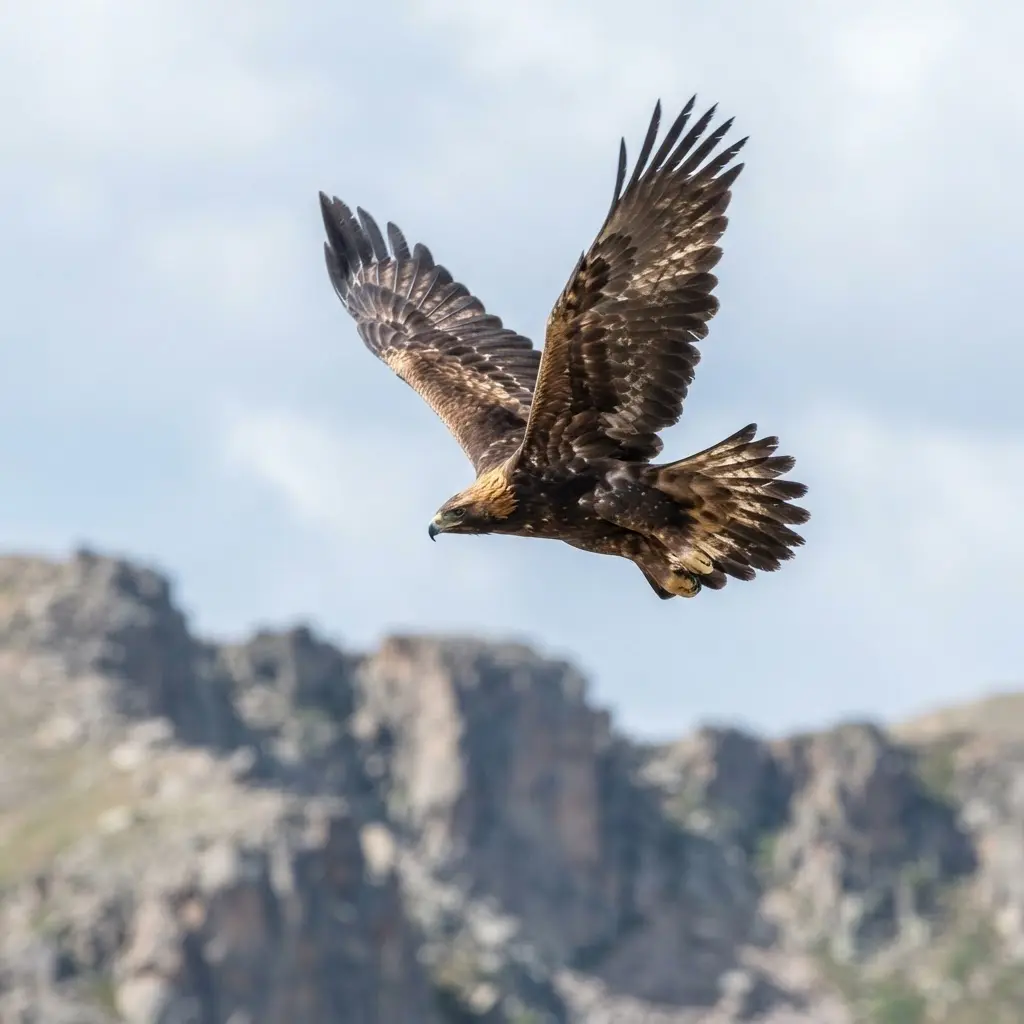
Ever tried photographing an aircraft as it climbs almost straight upward? At an air show, follow the F-22 Raptor before its steep climb, Power Loop, or Raptor Slide begins, then keep your framing smooth through the turn, which perfectly demonstrates dynamic bird photography ideas adapted for rapid subjects. A fast shutter speed freezes the nose angle, wings, and vapor trails, while burst shooting gives you several frames to choose from.
I love this subject because the sharp attitude shows speed, altitude, and control in one frame, a concept that directly inspires bold bird photography ideas. Keep continuous autofocus active, pan with your torso, and review the sequence for the moment the aircraft holds its highest angle of attack. Slow-motion video offers another view of the movement during high-G changes in direction. Trust me, steady tracking makes this shot feel controlled.
2. Sharp Eye Macro Feather Portrait
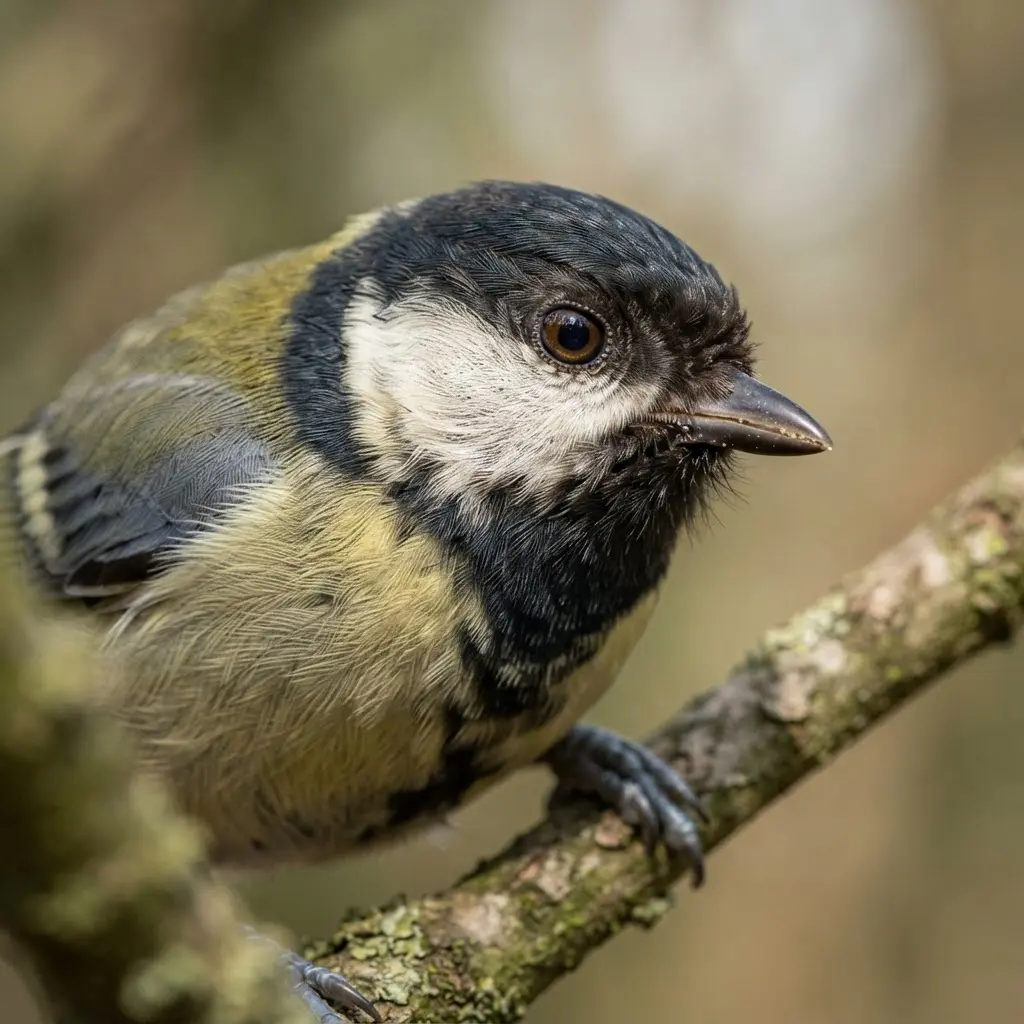
This close-up turns a single feather into a study of color and texture, which forms the foundation for detailed bird photography ideas. Set a peacock feather on a stable support, then place its eye-like marking near the center of your frame. Use a macro lens and focus on the ocellus, fine barbs, or one small section, rather than trying to keep every part sharp. Sound complicated? It isn’t.
Controlled light brings out metallic color shifts, while a shallow depth of field lets nearby details soften, a balance often highlighted in bird photography ideas. Add a few water droplets for extra surface detail, but keep your chosen focal point crisp. I love this idea because ordinary feathers reveal hidden structure through the camera. Pro tip: check focus at full magnification before pressing the shutter, then feel proud when every barb looks clear.
3. Silhouetted Perched Bird at Sunset
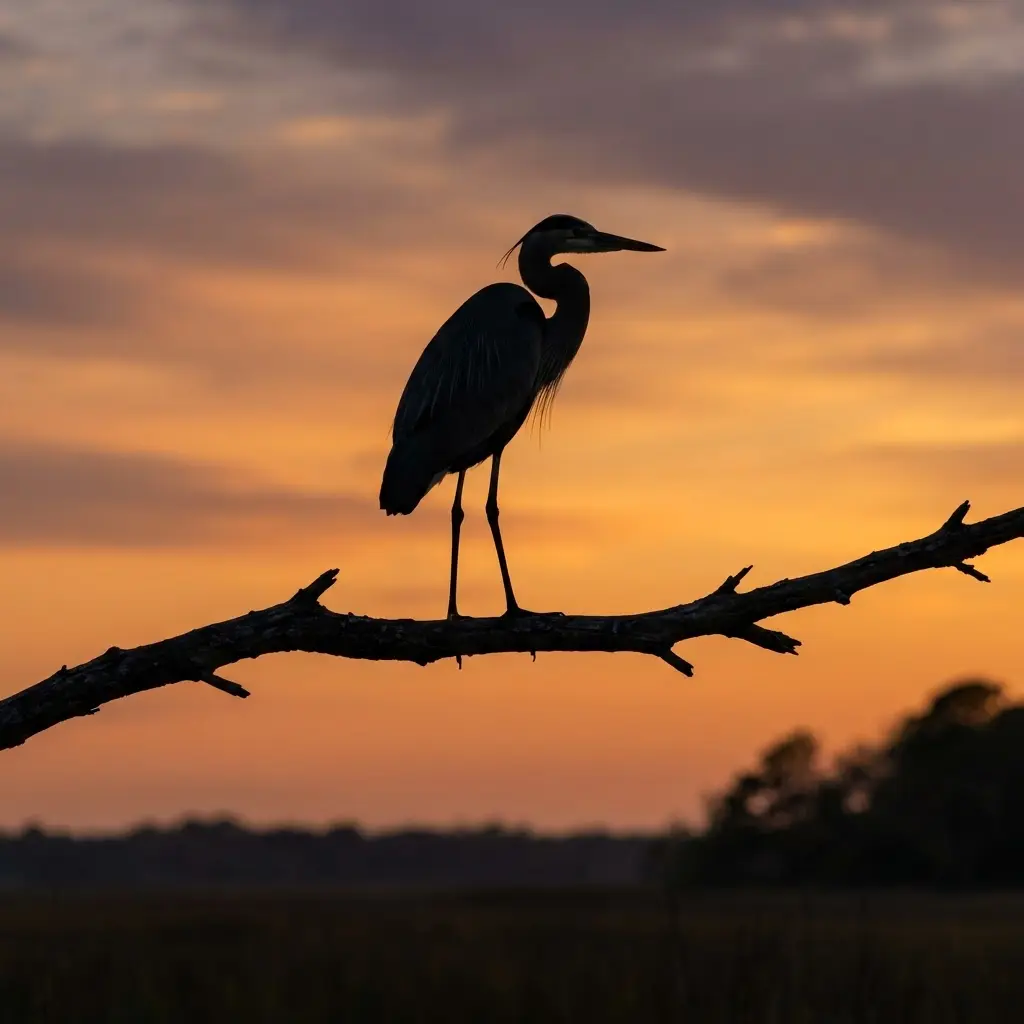
I love this setup because a quiet perch and a warm sky turn one bird into a clean graphic subject, a visual strategy central to bird photography ideas. Place yourself so the bird sits before the brightest part of the sunset, then expose for the sky with manual exposure controls. Sound tricky? It is easier than it looks.
Choose a branch with a clear outline, then frame the head, beak, feet, and body against orange, gold, or pink light. A moderate zoom lens helps you keep your distance while preserving the bird’s shape. Keep the frame uncluttered, and use a lens hood when flare distracts from the sunset.
Expose for the sky, not the bird, so the silhouette stays nearly black, a technique that anchors reliable bird photography ideas. A single bird feels calm, while two perched together create balance and connection. Check the outline before pressing the shutter, since a branch crossing the body weakens recognition. Trust me, the strongest frames often come from a simple profile and a clean sunset.
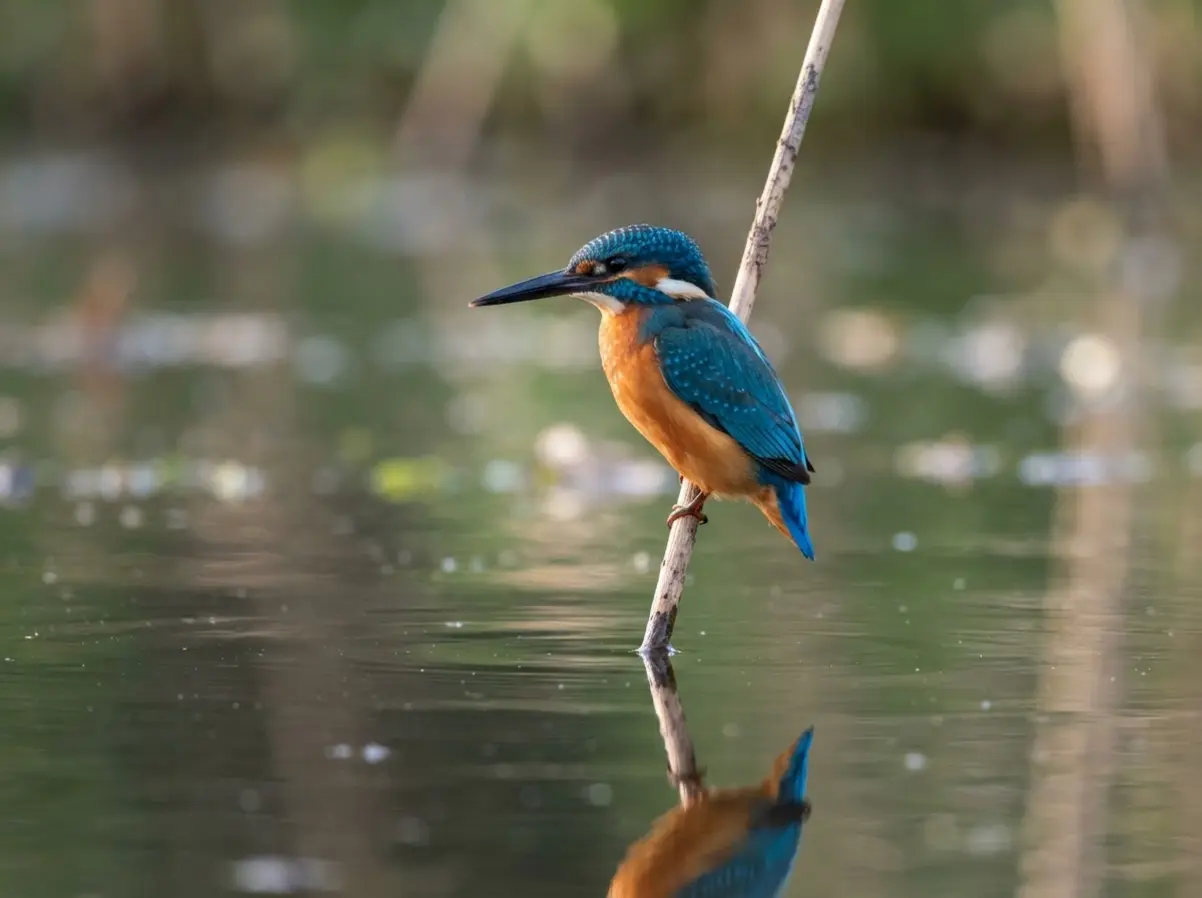
4. Low-Angle Reflection in Calm Water
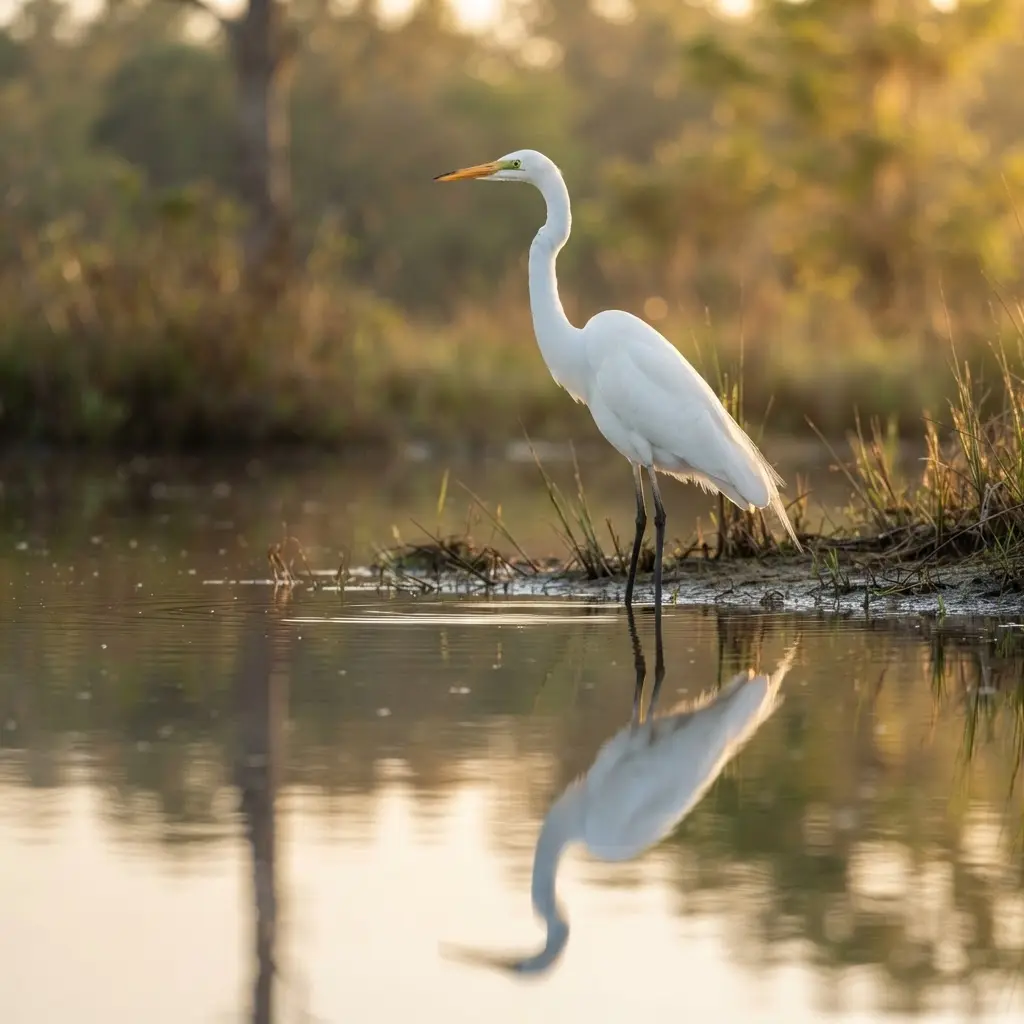
The water lies smooth enough to hold the bird and sky in one clean, quiet shape, with every head turn rippling through the mirrored scene, which perfectly illustrates peaceful bird photography ideas. I love this setup because a low viewpoint places your eye close to the waterline and gives the reflection room to stand beside the bird.
Find a calm pond, lake edge, puddle, or sheltered shore, then settle into a stable position and frame both subject and reflection before the surface shifts, a method I always recommend for bird photography ideas. Use a low camera position and watch the water for its smoothest moment. Sound tricky? It is not. Shoot from too high and the mirror effect fades, while small ripples soften details. A polarizing filter reduces glare, though it might weaken the reflection, so test one frame with and without it. Trust me on this one, patience brings the clearest result.
5. Backlit Bird Amidst Autumn Foliage
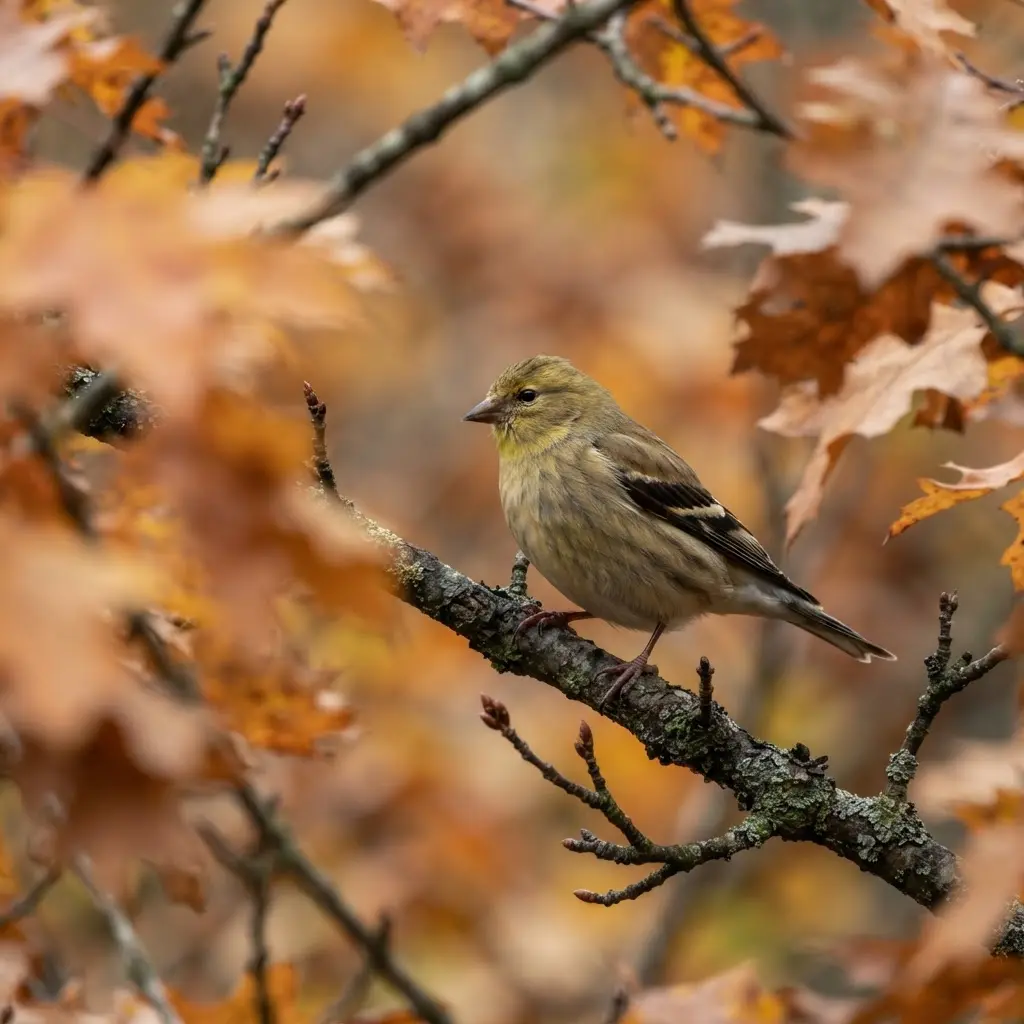
Many photographers expose for the bird and lose the warm autumn glow, but a brighter background setting keeps the subject from turning into a dull shape, a balance that guides many bird photography ideas. Sound tricky? It isn’t. Use spot metering on the bird, then shift your angle until the sun sits behind its outline and the leaves glow.
Keep the bird’s eye near a bright gap, leaving space around the wings so the rim light stays clear. I love this setup because soft leaf color gives the silhouette warmth without stealing attention, an approach that defines successful bird photography ideas. A high shutter speed helps freeze small movements, while careful timing keeps the bird sharp against those copper and gold leaves.
6. Action Shot of Bird Feeding Chick
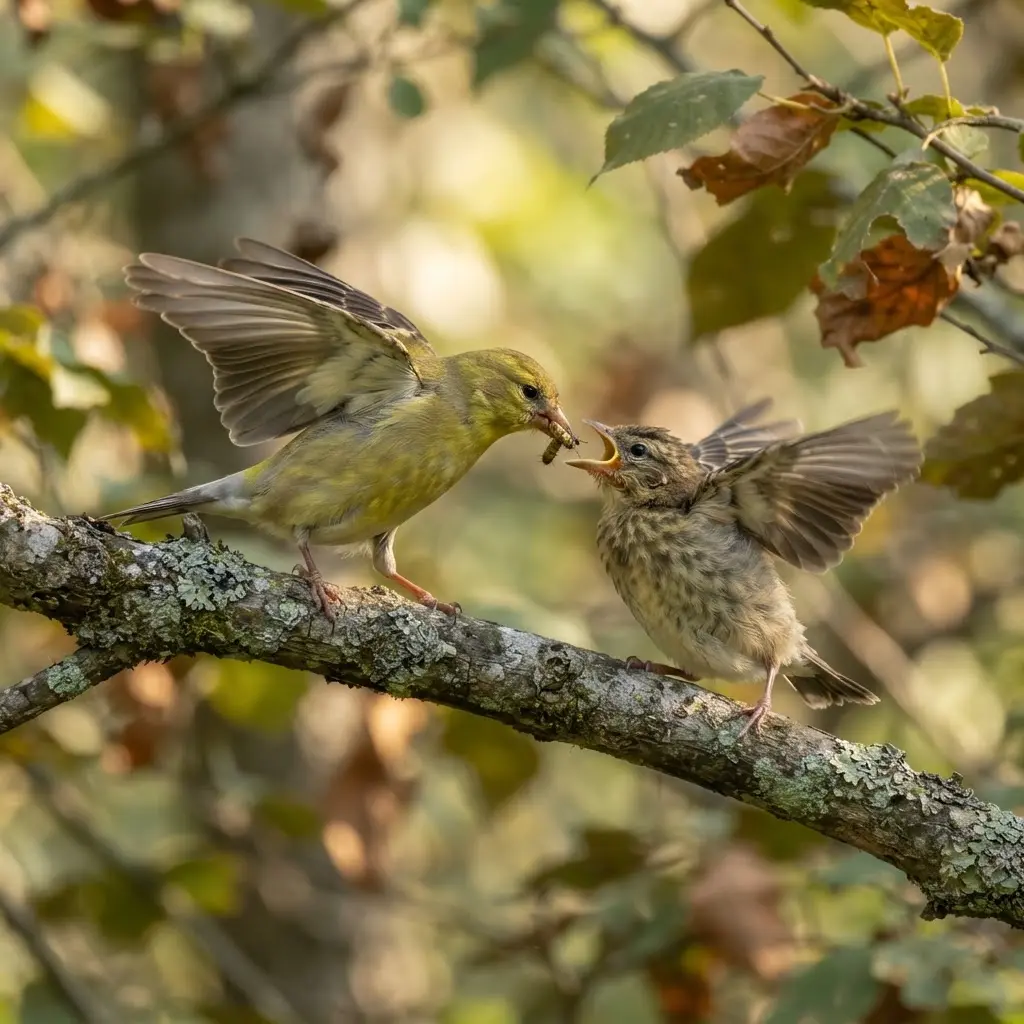
Set your camera near the nest or feeding perch, then watch the adult’s flight path before pressing the shutter, which captures intimate moments that fuel bird photography ideas. Use a fast shutter speed and keep your focus point on the chick’s head, since the food transfer lasts only a moment. Is the parent bird returning on a steady rhythm? Stay still, leave plenty of space, and let each visit happen naturally.
I love this frame because it shows care, movement, and the chick’s wide-open mouth in one clear scene, a narrative often found in my favorite bird photography ideas. Wait through several visits, and keep the nest unobstructed so the birds stay relaxed. A quiet position and natural light help preserve the scene’s honest detail. Trust me, the parent-and-chick connection makes this one feel special.
7. Atmospheric Bird in Winter Snowfall
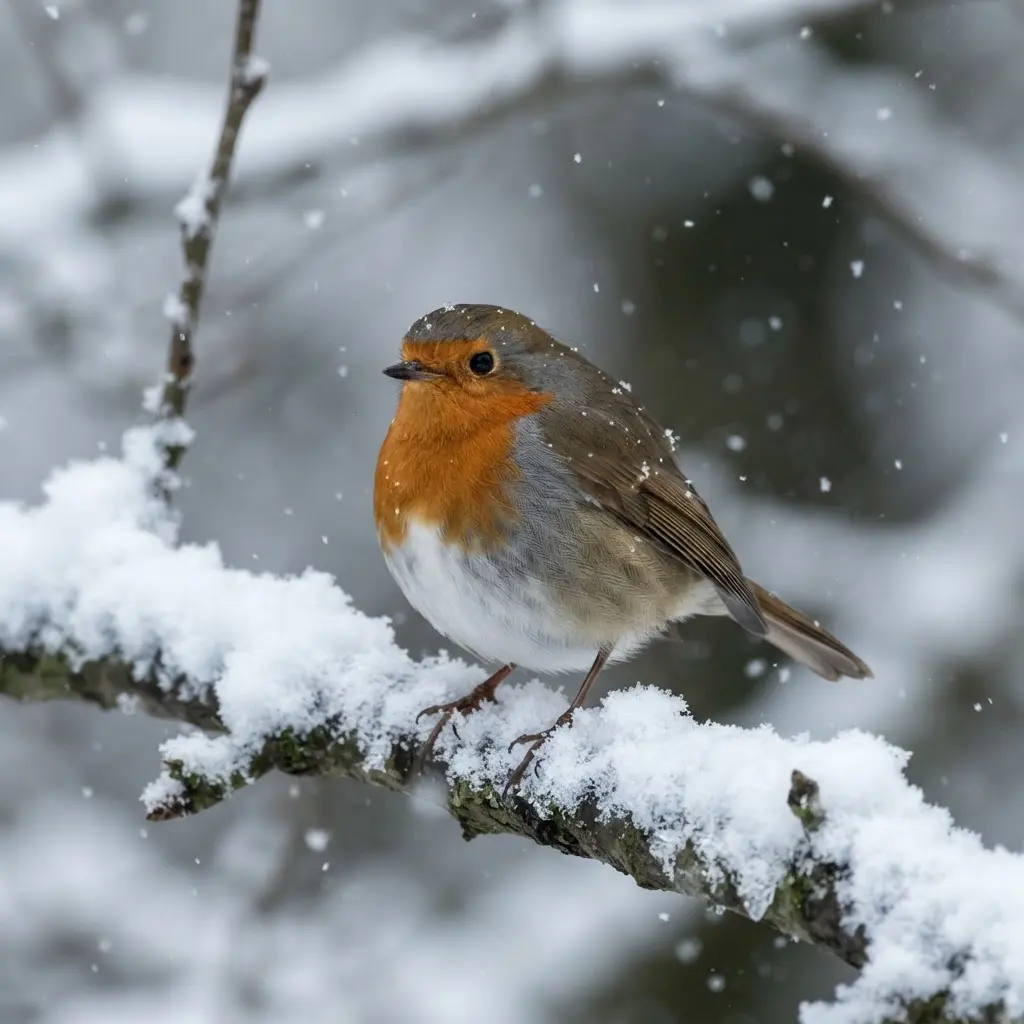
Ever watched snowfall turn a familiar bird scene into something quiet and full of motion? Start with a cardinal on a snowy post, or frame a mockingbird on a branch coated in white, an exercise that refreshes classic bird photography ideas. Keep open space around the subject so each flake stands apart.
For more energy, follow a bullfinch in flight through a snowy forest, or catch two sparrows mid-air. Let falling flakes cross the foreground and background, giving the frame depth while the bird stays easy to spot, a layering technique I recommend for bird photography ideas. I love how this approach turns a simple winter portrait into a scene with feeling.
Choose your mood before pressing the shutter: stillness suits a perched bird, while flight brings urgency and life, a choice that shapes atmospheric bird photography ideas. Watch for a clean contrast between feathers, pale snow, and darker trees. A fast shutter helps freeze wingbeats, while a slower one leaves soft streaks in the flakes. Trust your eye, and enjoy the hush.
8. Abstract Motion Blur Flight Path
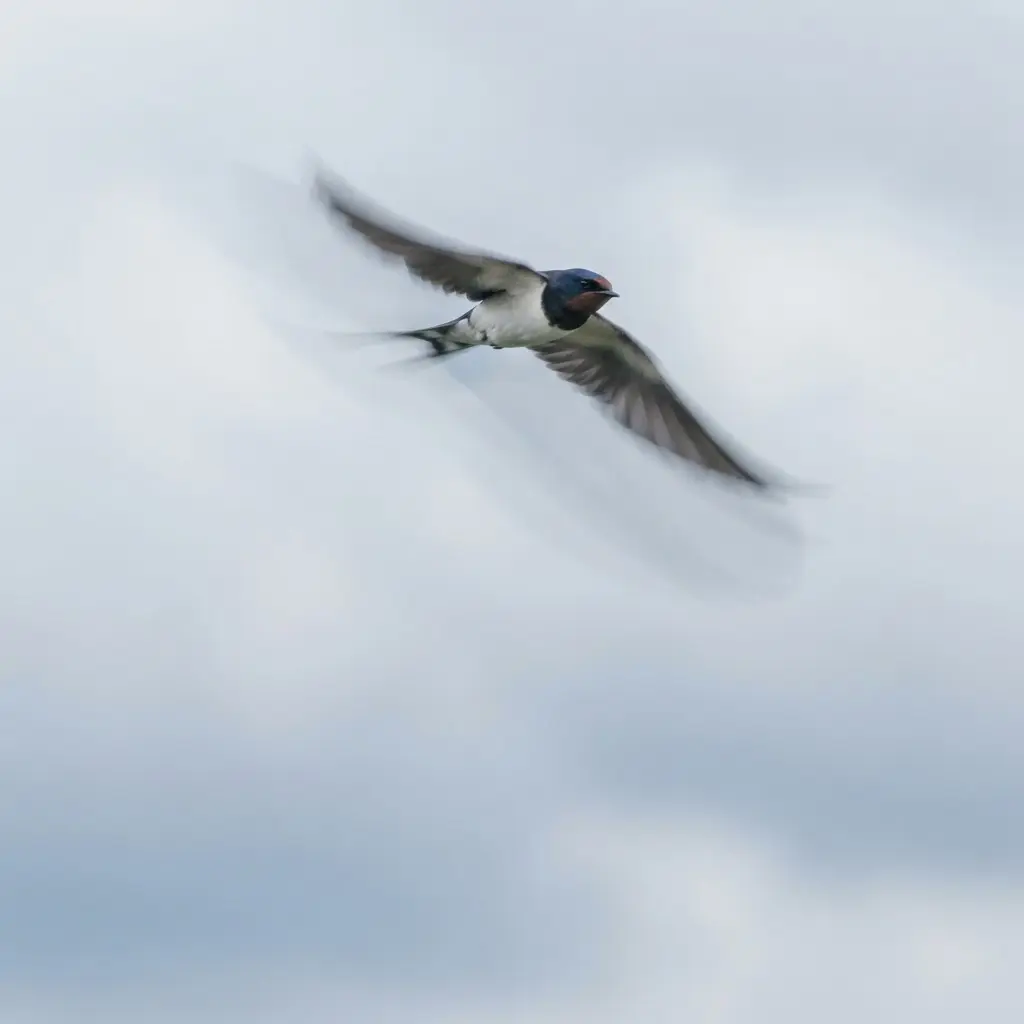
This approach turns a flying bird into a flowing streak, and I love how quickly it changes a routine frame, which opens creative bird photography ideas for artistic shooters. Set a slower shutter speed, follow the bird smoothly, and press the shutter during the wingbeat. Keep the bird’s head near one area of the frame while the wings and background stretch into soft lines. Sound tricky? It is easier when you begin with a wide view and give yourself room to follow.
Try this near open water, a clear sky, or another uncluttered setting, since simple tones keep the blur readable and support experimental bird photography ideas. Your first frames might look uneven, so adjust the speed in small steps and watch how much feather detail stays visible. The strongest result often shows a recognizable eye or bill surrounded by flowing motion. I use this exercise to make flight shots feel more personal. Keep your elbows relaxed, follow through after pressing, and enjoy the surprise in each frame.
9. Intimate Preening Sequence in Sunlight
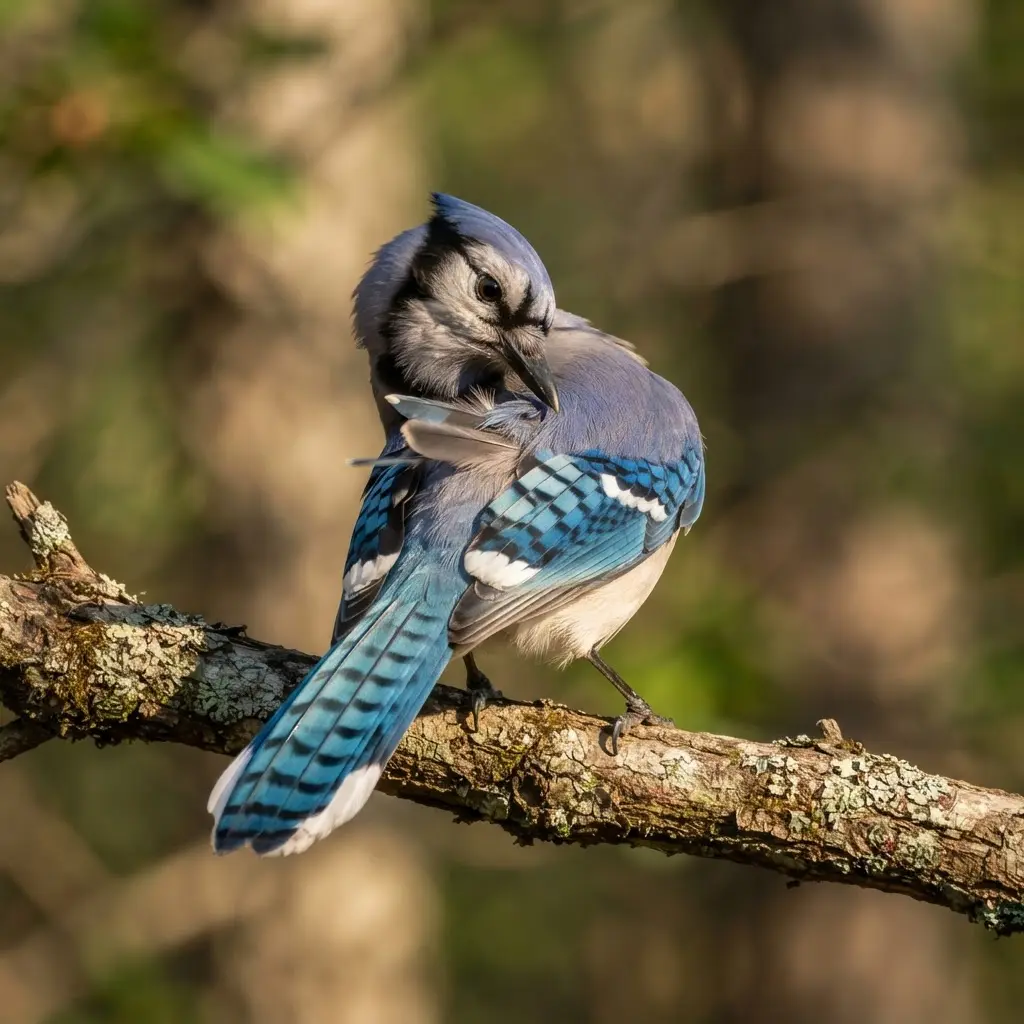
I love this one because quiet grooming turns into a personal little story, which perfectly aligns with patient bird photography ideas. Watch for a bird settling into its routine, then frame the eye, bill, or lifted wing from a respectful distance. Use a telephoto lens and wait for natural sunlight to trace feather edges.
Keep your autofocus on the head and choose a fast shutter speed before the action starts, a preparation step I always include when planning bird photography ideas. Short bursts should include bill contact, a wing lift, a pause with fluffed feathers, and the calm pose afterward. Side light brings out texture, while gentle backlight outlines each feather. Sound tricky? It is not.
Choose frames with clear changes instead of keeping several matching poses, and check highlights on pale plumage. A stable monopod helps with heavier gear, while a clean background keeps attention on the behavior. I love how this sequence feels honest because the bird stays completely natural. Trust me, those small pauses make the final set feel special.
10. Bird Surrounded by Wildflowers Background

Soft petals, green stems, and a bird’s bright eye fill the frame, while sunlight picks out tiny details on every bloom, a composition that highlights vibrant bird photography ideas. Doesn’t a goldfinch among coneflowers feel more alive than a plain portrait? I love using flowering plants to show where the bird feeds and rests.
Watch the area first, then use a telephoto lens to keep your distance while waiting for a finch, sparrow, or hummingbird to land, which supports ethical bird photography ideas. Keep the bird’s head and eye clear of stems, and frame enough flowers to show its food source, such as seeds, nectar, berries, or insects. This approach feels satisfying because the image tells a small story about habitat, not only appearance.
11. Golden Hour Portrait on Mossy Branch

Many photographers treat the branch as background clutter, but the moss deserves a clear role in the frame, a perspective that enriches seasonal bird photography ideas. Start by watching a natural perch, then return during golden hour when a bird settles there. Keep the moss visible beneath the feet, while the warm, blurred woodland behind the subject adds colour and separation. Sound complicated? It is not, and I love how each bird gives the same setting a fresh mood.
A Long-tailed Tit gives a soft, tidy portrait, while a Eurasian Hoopoe brings crest detail and a Golden Tanager suits a rainy scene. In rain, watch for droplets and movement instead of chasing a spotless portrait. Use low-angle light to enrich plumage without losing the branch texture. Trust me on this one: let the moss support the bird, not compete with it, and you will feel proud of the finished frame.
12. Bird Emerging from Morning Mist

Set your camera before sunrise, then watch the fog around a river, pond, or wetland, an early routine that shapes quiet bird photography ideas. Place the bird against the palest open area so its head, body, or outline stays easy to read. A rising wing or slow step adds a small sign of movement.
Keep the frame spare, with muted tones and warm dawn light touching the mist. Look below the subject for a reflection in shallow water, since it adds balance without making the scene busy. Does the setting feel too empty? I love this approach because the quiet space gives every visible feather more attention.
Check the bird’s tone against the fog before pressing the shutter. A darker subject against pale mist often reads best, while gentle contrast preserves the soft mood, a pairing that elevates atmospheric bird photography ideas. Trust me, waiting for the fog to lift can bring a wonderful sense of calm.
13. Pair Interaction During Courtship Ritual

Have you noticed how much more expressive a photograph feels once both birds respond to each other? I love using a telephoto lens to keep a respectful distance while watching for mirrored postures, raised wings, head turns, or a shared dance, which captures the essence of social bird photography ideas. Follow the pair before pressing the shutter, since courtship often repeats in short sequences after a song. Keep both birds visible and leave room around them for movement.
A fast shutter speed and burst mode help freeze wingbeats, while continuous autofocus keeps pace with quick gestures. This approach works because it shows courtship as a shared exchange, not a single-bird pose, a principle that guides narrative bird photography ideas. Trust me, review each sequence for facing birds, clear eyes, and an open view of both partners. Feel proud when the timing clicks.
14. Close-Up of Bird Talons on Bark

This close-up surprises me every time because a bird’s feet tell such a clear story, which anchors detailed bird photography ideas for texture studies. Start with a macro-capable lens, then frame the curved claws gripping rough bark, keeping the toes and wood texture sharp. A nuthatch clinging to a trunk gives you a tight study, while a red-shouldered hawk suits a wider view. Isn’t it satisfying to spot such detail in an ordinary perch?
Use natural outdoor light and a tripod when practical, then focus on the talons instead of the bird’s body. Watch for posture changes, since one small shift might hide the claws, and take several frames as the grip adjusts. I love the contrast between dark talons and pale bark, especially when every scale and ridge stays visible. Keep the framing close, and your bird photography ideas will feel fresh and personal.
15. Bird Bathing Splash in Sunlight

I love this shot because a quiet bird bath turns into a burst of movement, which perfectly illustrates action-packed bird photography ideas. Ever tried freezing a splash before? Watch the bird closely, keep your camera ready, and wait for the bathing sequence to become lively.
Use a fast shutter speed to hold the bird, wings, and flying droplets in sharp detail. A telephoto lens lets you stay back without crowding the visitor, while a stable position helps you keep the bath framed. Aim for side light or backlight, so sunlight catches each droplet against darker feathers or a clean background.
This works because it shows useful bird behavior while giving the frame crisp motion and sparkle, a strategy I share often with bird photography ideas. Trust me on this one: prepare before the first shake, since the best splash lasts only a moment. Keep watching, keep shooting, and enjoy the cheerful rush of a bathing bird in bright light.
16. Bird Among Dense Pine Needles

Sunlight flickers across tight green needles, while a tiny bird peers through the gaps with its feathers partly hidden, a scenario that tests clever bird photography ideas. Sound tricky? It is not. Find a perch inside a pine and wait for the bird to settle, then use dense pine needles as part of the frame.
Move a little until the face and eye have a clear opening, keeping enough foliage around the body to show its habitat, a framing choice that refines woodland bird photography ideas. I love watching the subject shift from camouflage to contrast as sunlight reaches the feathers, especially with a Goldcrest or warbler. A clear view of the eye gives the image life, while darker needles add depth. Decide whether blending or separation suits the scene, then press the shutter when the bird pauses.
17. Flight Silhouette Against Moonlit Sky

A common mistake is treating this shot like a normal moon photo, but the aircraft needs careful timing and a fast shutter, which highlights challenging bird photography ideas. Is the alignment hard? It takes planning, not luck. Use a telephoto lens to frame the Moon from a stable position, then leave room for the aircraft to enter the scene. I love watching the silhouette move across the lunar surface.
Check the flight path and Moon position before heading outside, then focus manually and prepare several frames as the plane approaches. A clear full or half Moon gives the outline strong contrast, while a direct crossing creates the cleanest composition. This works because two distant subjects share one brief, precise moment. Keep your tripod steady, expose for the bright Moon, and enjoy the thrill of catching the crossing.
18. Colorful Bird in Rain Shower

Position your camera toward a sheltered perch as rain begins, then watch for a colorful parrot, lorikeet, hummingbird, or kingfisher, a setup that supports vibrant bird photography ideas in wet weather. Keep the bird’s head and feathers clear in your frame. Ever tried following a bird through a sudden shower?
Use the falling drops as visible lines, bright specks, or soft streaks around the subject. Leave enough space for the weather to show without letting it distract from the plumage. I love how wet feathers often reveal fresh texture and rich color.
Check your composition before pressing the shutter, making sure the bird and rain shower are both easy to see, a reminder I always include for bird photography ideas. This pairing works because cheerful feathers stand out against the gray, moving background. Trust me, one clear frame from the right moment feels wonderfully rewarding.
19. Bird Camouflaged in Dry Grassland
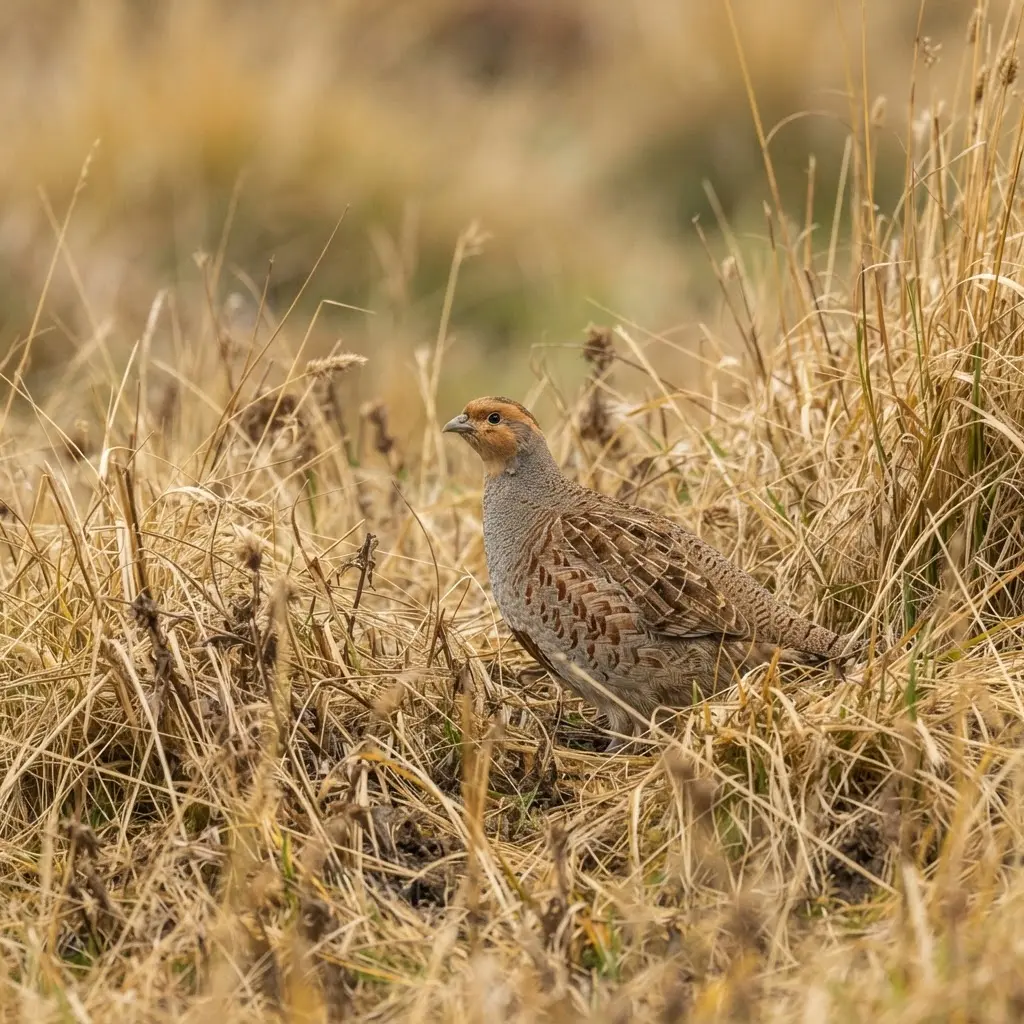
Ever searched a tawny field and spotted nothing until two golden eyes blinked back? Start with a telephoto lens and scan slowly across dry grass, sandy soil, and sparse scrub, an exercise that builds patience-driven bird photography ideas. Keep low with a beanbag support, leaving plenty of habitat around a Grey Francolin, Sandgrouse, or Stone-curlew. I love how the bird appears only after your eyes adjust.
Soft dawn light reveals texture while preserving the muted color match, so expose for the bird’s face and eyes. A loose frame shows fine barring, pale streaks, or a chestnut belly without removing the surrounding grassland. Stay distant and quiet, since the best image keeps the bird settled in cover. Trust me, the search makes the final frame feel earned.
20. Multiple Birds in Aerial Formation

This one rewards patience with a sky filled with movement. Find a starling flock or another group flying across an open, contrasting background, then follow its changing shape instead of chasing one bird, which inspires dynamic bird photography ideas for flock behavior. Use a fast continuous burst to record the moment the flock gathers into waves, curves, or dense silhouettes, leaving space around the edges so the pattern stays visible. I love how each frame shows a different arrangement, and the coordinated motion gives your wildlife photos a strong sense of natural behavior. Sound complicated? It is not. Trust me, keep a spare battery and plenty of card space ready, because the best formation often lasts only a moment.
Sequencing Images Into A Natural History Story
A three-image sequence showing arrival, feeding, and departure gives a bird story clear structure without repeating nearly identical frames, a method that structures narrative bird photography ideas. Keep the first frame wide enough to show habitat clues such as reeds, shoreline, branch, or tidal pool. Use a middle frame for behavior, with the bird calling, bathing, carrying food, or interacting with another bird. Close the sequence with departure, wing position, direction, and open space ahead giving the viewer a clear sense of movement. Review contact sheets to compare eye sharpness, background clutter, and repeated poses before selecting the final set. Keep camera angle and exposure consistent across frames so color and detail feel connected. Write brief field notes beside each file, recording habitat, behavior, time, and weather.
Conclusion
So how was your creative session? Look at what you have made, from a sharp eye portrait to a frame filled with weather and movement, which reflects all your bird photography ideas in action. Each photograph reflects your patience, your attention, and the way you noticed the bird’s setting. Bird photography ideas become more meaningful when you choose scenes connected to your own interests, such as flight, family care, or quiet morning light. For your next outing, pick one idea, check the forecast, and set a simple goal before you leave. Keep a respectful distance, avoid nest disturbance, and give the bird time to behave naturally. I would also review your favorite frames before the next session, noting which background, focus setting, and shutter speed helped most. Look at what you have made, then choose one scene to revisit with a fresh point of view. Pick your favorite and get started right away.
FAQs
Q: What shutter speed suits birds in flight?
A: Start around 1/1600 second for fast flight and raise it for rapid wingbeats. Use a wider aperture when light levels fall, then check eye sharpness after the sequence.
Q: How do I keep a bird’s eye sharp?
A: Place the focus point over the nearest eye and keep the bird’s head free from foreground branches. Shoot short bursts while holding the lens steady.
Q: Which lens works well for bird photography?
A: A telephoto lens from 300mm to 600mm suits distant subjects and supports respectful viewing space. Choose the focal length based on the habitat and your walking route.
Q: How do I use backgrounds in bird portraits?
A: Move your position instead of moving toward the bird. A lower angle, wider gap, or clean patch of shade often separates the subject from distracting branches.
Q: How do I photograph nests ethically?
A: Keep well away from nesting areas and avoid repeated visits during feeding periods. Use a long lens, leave if adults show stress, and follow local wildlife guidance.