
Physiological Factors That Influence Needle Sensation
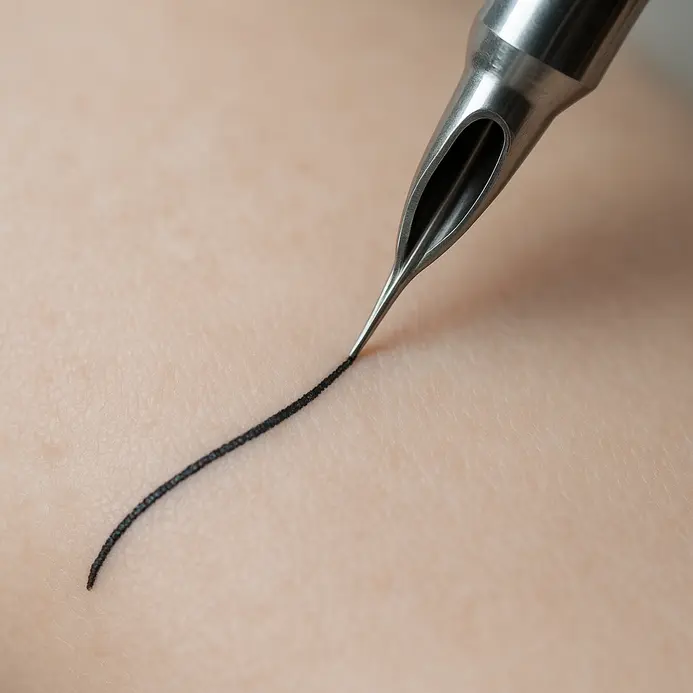
Your body’s natural cushioning determines whether you experience a sharp vibration or a dull pressure. The needle hits your dermis, but the skin over your ribs or collarbone is thin and sits right on bone, so that rapid oscillation translates into a much sharper, more intense feeling. In contrast, places with more fat or muscle, like your outer thigh or the meaty part of your upper arm, absorb and muffle that vibration into a persistent, deep pressure. This is why seasoned artists often suggest these fleshier spots for a first tattoo. The technique matters too, as a single needle making a clean line produces a distinct, piercing sensation, while the broader sweep of a shading needle group feels more like a warm, abrasive scratch. Understanding this direct link between your anatomy and the needle’s feedback removes a huge chunk of the unknown regarding what does getting a tattoo feel like during your very first appointment.
Mental Preparedness Before Your Tattoo Appointment
Your brain’s chemical response during the session will change how you perceive the discomfort. We all expect it to hurt, but the good news is your body floods your system with endorphins and adrenaline once the needle starts. This natural cocktail acts like a built-in painkiller, which is why many people report the sensation mellowing out after the first ten or fifteen minutes. Trust me on this, the initial prick is often the worst part psychologically. After that, your focus shifts from anticipation to the rhythm of the work, and that mental shift makes a massive difference. Arriving well-rested and fed keeps your blood sugar stable, which helps your nervous system handle stress without amplifying the feeling. The goal is to walk in knowing the mechanics, so you finally understand what does getting a tattoo feel like without your mind fighting the unknown.
1. Understand the Initial Needle Contact Sensation
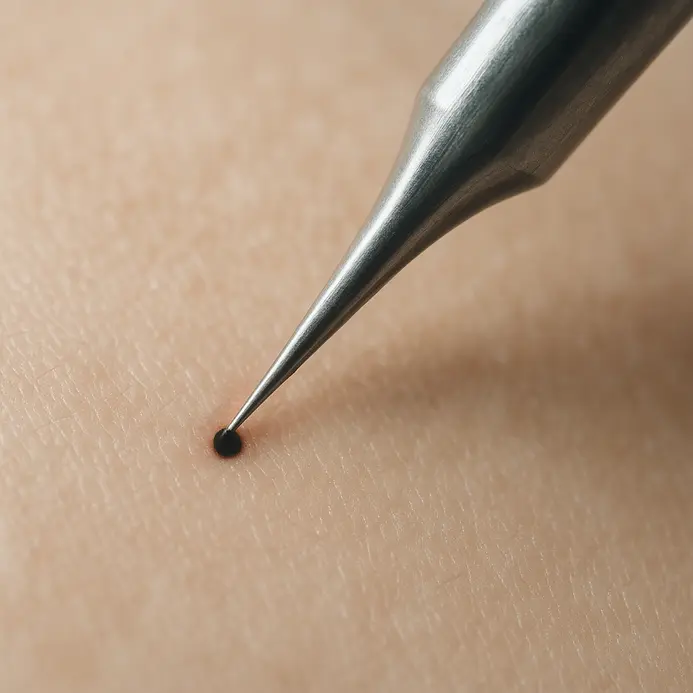
Ever wondered what that first needle prick actually feels like? It is not one uniform sensation. Your body has two main pain pathways. The instant the needle touches your skin, fast A‑delta nerve fibers fire, giving you a sharp, quick pinching feeling, is often described by those who have experienced tattoo pain. That is your brain’s immediate alarm system. A slower, duller ache might follow as the slower C‑fibers kick in, but that first contact is all about that initial, localized sting. Several factors influence this tattoo pain sensation right from the start. The size of the needle matters a lot. A smaller, finer needle causes less tissue disruption and lower pain level, while a larger one will feel more intense. The artist technique is also key. A confident, quick insertion and proper skin tension make that first moment much more manageable. It is a precise mechanical process, not random poking. Knowing what to expect helps you manage your nerves. That first sharp pinch is a normal part of the process, and it often feels less intense than anticipated. Trust me, once you get past those first few seconds of tattoo pain, your body starts to adjust exactly as you wonder what does getting a tattoo feel like during the setup. Planning a proper wait time between tattoo sessions is also smart.
2. Distinguish Lining Versus Shading Sensations
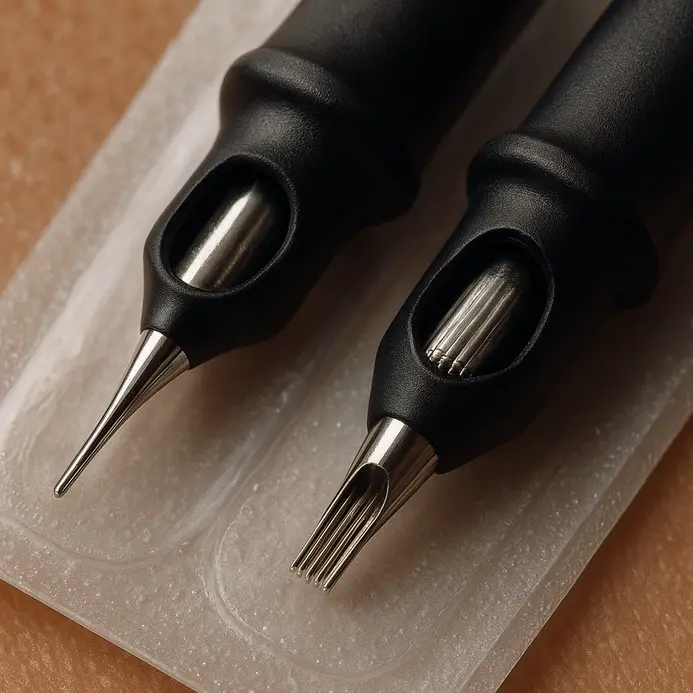
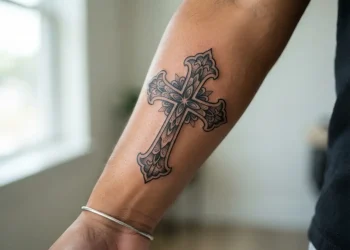
Ever wondered why a tattoo feels so different when the artist is outlining versus filling in? Those sharp, pinpoint lines and the broader, more diffuse shading are not just in your head. They are distinct sensations created by different tools and techniques used by a tattoo artist. Lining feels like a precise, defined path when you get your tattoo on the forearm. It uses fine needles that concentrate pressure along a narrow line, stimulating nerve endings close to the skin surface. This creates a high, sharp sensation. In contrast, shading uses larger needle groups to disperse pressure over a wider area. This feels more like a deep, sustained pressure or a broad vibration, which is why it often feels less sharp but more intense in a different way. Understanding this helps you mentally prepare for the full experience and clearly reveals what does getting a tattoo feel like across varying techniques. A good aftercare routine is crucial once your tattoo is done, because your skin has endured a long process. Proper healing ensures all that detailed work looks its best for years to come.
3. Recognize the Vibration and Tactile Pressure
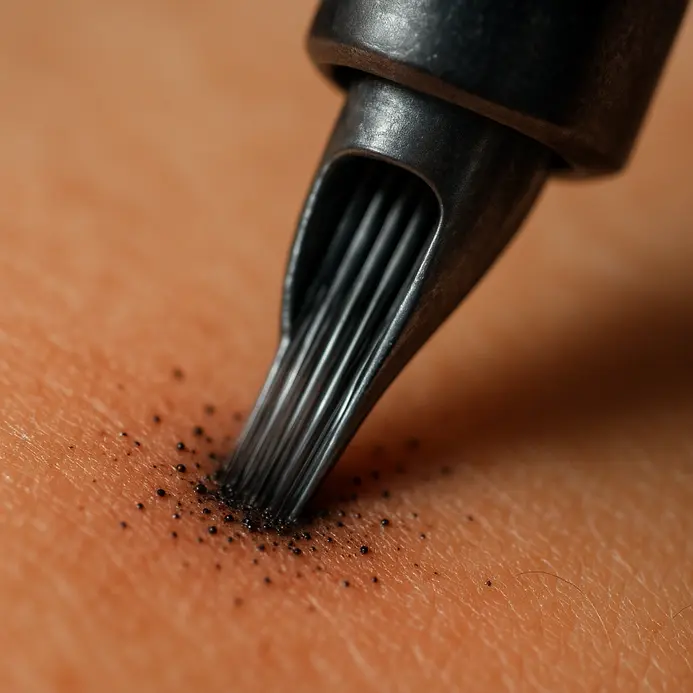
Ever notice how a tattoo feels more like a buzzing cat scratch than a simple pinch? That is your Pacinian corpuscles at work. These deep receptors are wired for high-frequency vibration, which matches exactly what the tattoo machine delivers. It is a distinct sensation from the actual needle prick. Your artist applies sustained pressure to guide the needle, and that activates your slower-adapting Merkel cells and Ruffini endings. You are feeling two separate things at once. Understanding this split makes the whole experience far less mysterious and intimidating. It is not pain, it is a complex sensory event that defines what does getting a tattoo feel like beyond the obvious. I love explaining this because it turns anxiety into curiosity. If you are considering ink on skin that has healed from past injuries, exploring Tattoos Over Scars is a logical next step, as the sensation and process there builds on this same mechanical understanding.
4. Prepare for Bony Area Sensitivity Levels
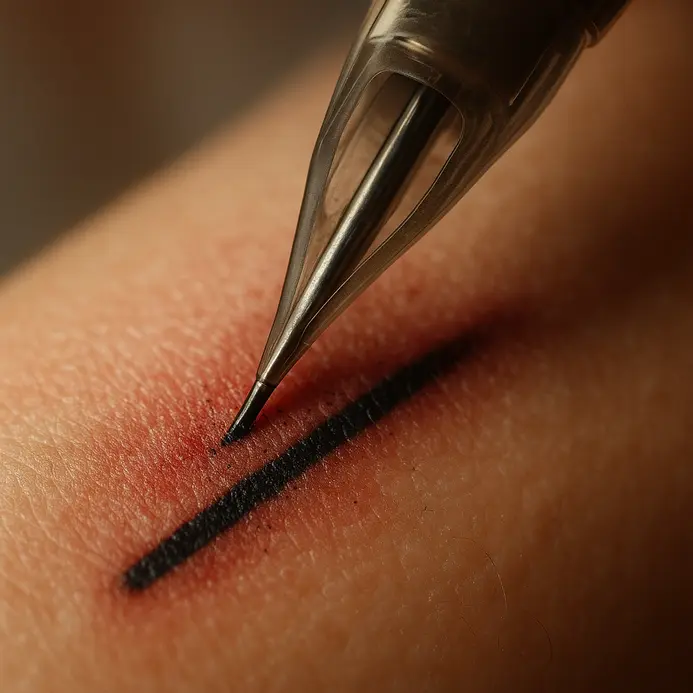
Ever wondered why a tattoo on your elbow feels so different from one on your thigh? It is all about what lies underneath the skin. Bony spots like your ribs, spine, and knees have much thinner cushioning, so the needle vibrations feel more direct and intense. Your nerves are right there next to the bone, which makes the sensation sharper. So, how do you prepare? First, have an honest chat with your artist about your personal pain tolerance. They might suggest using a numbing cream on the area beforehand to take the edge off. I love this simple tip because it gives you control. You can also ask for extra padding or a cushion to support the area during your session. This padding helps a lot when navigating exactly what does getting a tattoo feel like near hard bone, especially with intense pain. Remember, pain in these spots is not worse, it is different. Knowing this ahead of time lets you manage your expectations and breathe through the sensation.
5. Note Soft Tissue Discomfort Differences
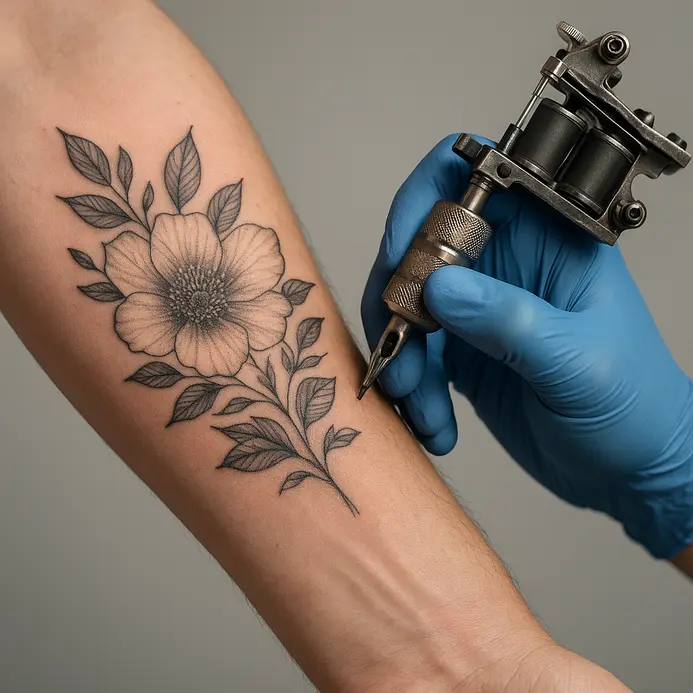
Ever notice how the pain seems to shift and change as the needle moves? That is your soft tissue talking. You will feel a dull, aching soreness is common after you get your tattoo. over your muscle, but as the needle passes over a bony spot or near a nerve, it switches to a sharp sting or a hot, burning sensation. Your skin is not a uniform surface, and neither is the feeling. Why does this matter? Recognizing these differences helps you understand normal reactions. A deep ache in your calf muscle is expected, while a sudden, fiery zap near your ankle bone might mean the needle is close to a nerve cluster. This knowledge lets you communicate clearly with your artist if you need a quick break to process exactly what does getting a tattoo feel like during the transition. Someone focused on this detailed sensation might also be curious about how different ink colors, like a red tattoo on dark skin, interact with varied tissue layers. Trust me, paying attention to these subtle shifts makes the whole experience feel manageable and less mysterious.
6. Use Endorphin Release and Pain Management
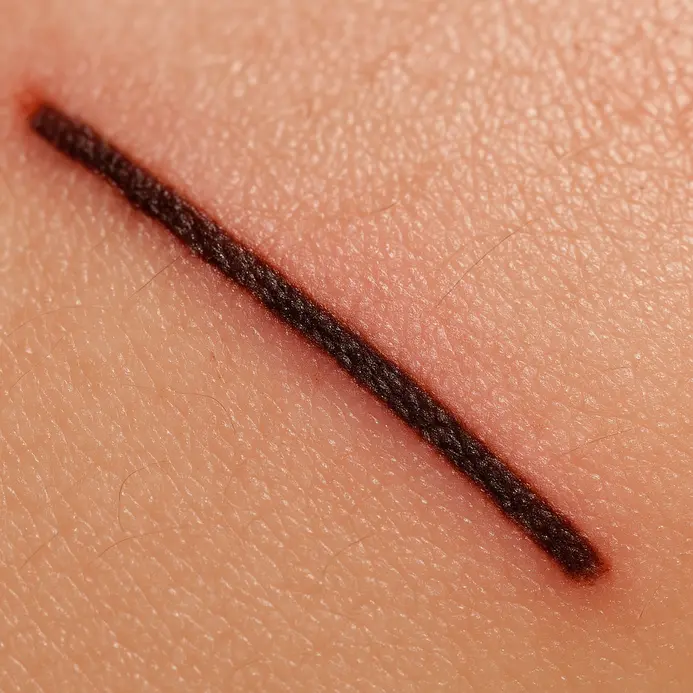
Ever wondered why some people seem to settle into the tattoo process after a while? It is not about getting used to it. Your body has a built-in coping mechanism to handle the pain level associated with getting a new tattoo. When you feel stress or discomfort, your brain releases natural endorphins. These chemicals act like internal painkillers and mood boosters. You can encourage this process before and during your session. Listening to your favorite music or a funny podcast triggers a positive mood shift. Deep breathing exercises work on the same principle, helping you stay calm and centered. Your body natural response makes the entire experience feel manageable and clarifies what does getting a tattoo feel like when you stay relaxed. Understanding this helps you feel in control. It is a reminder that the sensation is temporary and your biology works on your side. This is also a good time to learn about proper tattoo aftercare and healing, as taking care of your new art follows naturally after managing the appointment.
7. Manage Session Duration and Fatigue
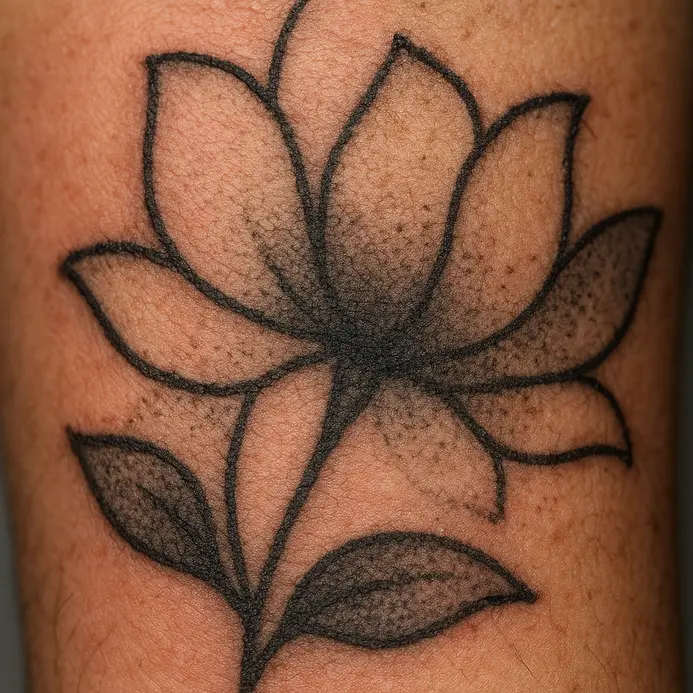
Ever feel like your focus is slipping and your mind is wandering during a long session while getting your tattoo? That is your body telling you it needs a reset. The key is not to push through but to embrace strategic breaks. I love using the Pomodoro Technique to structure time. You work in focused 25-minute blocks, then take a short, intentional five-minute break. Stand up, stretch, drink some water, and look away from your screen. This rhythm helps you maintain energy and concentration for much longer. Think of these breaks as part of the work, not a distraction. A common mistake is spending your break scrolling on your phone, which does not give your brain a real rest. Instead, try a quick walk or close your eyes and breathe. This approach prevents burnout and keeps quality high. You will finish feeling accomplished, not completely drained, which completely changes the narrative around what does getting a tattoo feel like during extended appointments.
8. Feel Needle Grouping Impact Variations
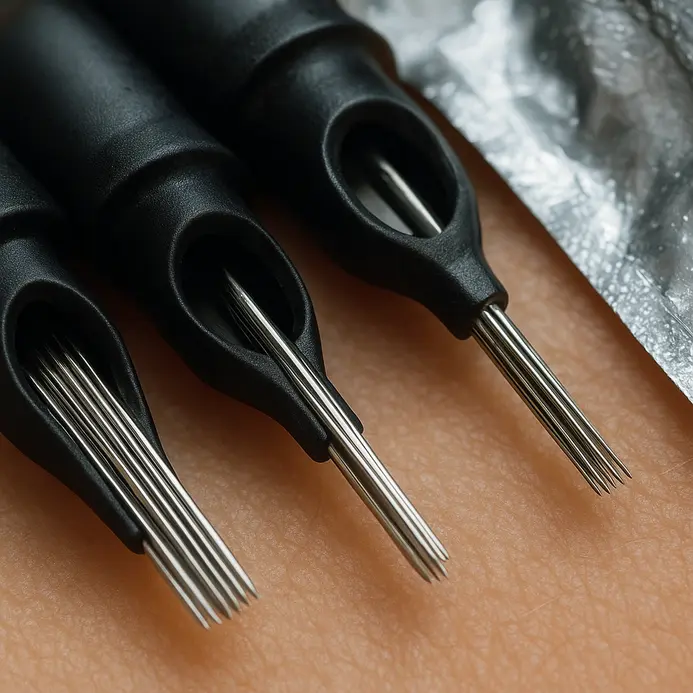
Ever notice how the sensation changes as your artist switches from outlining to shading? That is not imagination. The needle grouping used by the tattoo artist itself is physically different. A tight Round Liner feels like a sharp, focused poke, perfect for crisp lines. Then a Magnum sweeps across the skin with a broader, brushing sensation ideal for smooth color fills. I love how a curved magnum feels particularly gentle for soft blends. Why does this matter for you? The grouping your artist chooses directly shapes your experience and your tattoo final look. Those delicate White Ink Tattoo Designs you admire often rely on fine liners, while bold traditional pieces need the saturated punch of stacked magnums. Each has a unique feel on your skin. Trust me, understanding this makes the whole process way more fascinating and clearly demonstrates what does getting a tattoo feel like across different tools.
9. Control Your Mental State and Anxiety
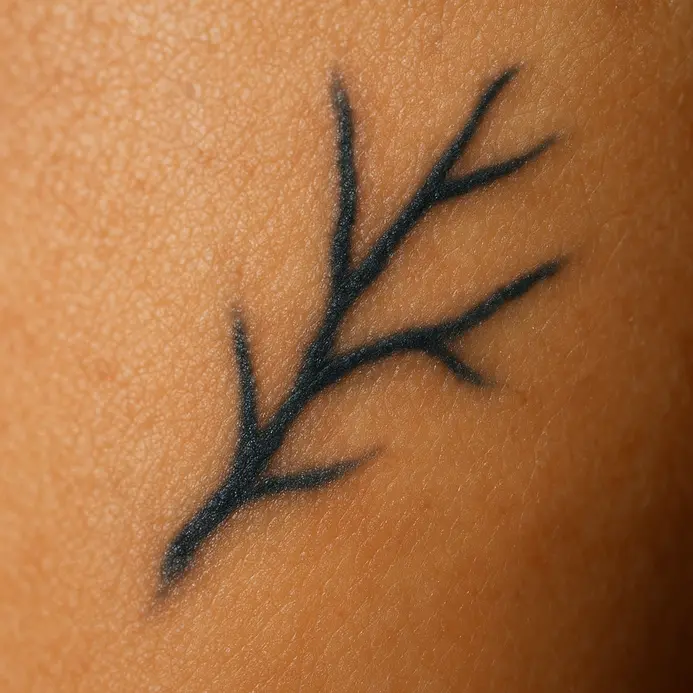
Ever notice how your mind can make a buzzing needle feel louder? The good news is you have real power to shift your mental state and dial down nervous energy. The trick is not to fight the feeling, but to gently steer your focus. I love using the 5-4-3-2-1 grounding method right in the chair. Name five things you see, four you feel, three you hear, two you smell, and one you taste while thinking about getting your tattoo. It sounds simple, but it pulls your brain into the present and away from the what-ifs. Pair that with deep, slow breaths from your belly. This kind of breathing tells your panic system to stand down. Trust me on this one, a calm mind changes your entire perception of the sensation. Your artist might be working on a beautiful Unalome tattoo design, and staying present lets you appreciate the art as it forms. You will feel in control and far less overwhelmed, finally experiencing firsthand what does getting a tattoo feel like when your focus stays grounded.
10. Expect Post Session Skin Irritation
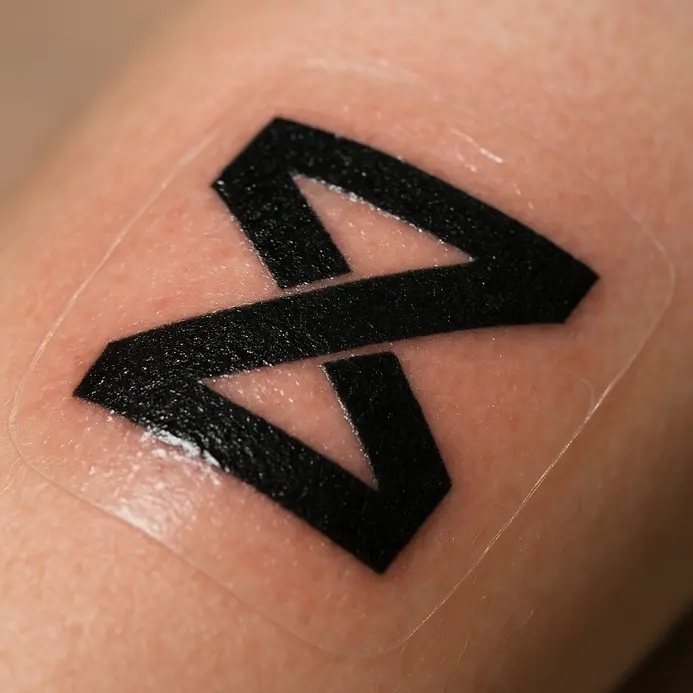
Ever wonder why your skin feels so sensitive after a tattoo session? It is a completely normal part of the healing process. Your skin has endured micro-injuries from the needle, which triggers a natural inflammatory response. You will likely see redness, feel some swelling, and notice your skin is warm and tender to the touch for a few days. Think of it like a sunburn that is healing. That tight, dry, or itchy feeling means your skin works hard to repair itself. I love reminding friends that temporary irritation shows your body is doing its job, proving what does getting a tattoo feel like even after the artist finishes. Trust me, following aftercare instructions manages this phase smoothly. Once the initial irritation settles, you will start to see your fresh art clearly. This is a great time to think about your next piece, perhaps some Small Tattoo Ideas for Girls for a future session. Feel proud of your healing skin and your new ink.
Managing Discomfort During Initial Tattoo Healing
The soreness after leaving the shop differs from the needle sensation. Your skin enters an inflammatory response mode, working to heal thousands of tiny punctures. This creates a persistent, hot, tight feeling over the area. Post-session inflammation is what many beginners mistake for continued sharp pain, but it signals normal healing. You want to follow aftercare instructions to manage this phase, which includes gentle washing with a fragrance-free cleanser and applying a thin layer of recommended ointment. Keeping the area clean and lightly moisturized supports your skin repair and reduces that prolonged itchy feeling. The sharpness is over, and now you guide your body through its natural recovery while remembering exactly what does getting a tattoo feel like during the first week after you get tattooed.
Conclusion
Remember, your curiosity about what does getting a tattoo feel like comes from a place of caring for your own experience. It is a personal journey, and every sensation is a temporary step toward the art you chose. The best advice is to talk openly with your artist about any concerns, focus on your breathing, and trust that the feeling is manageable. You are not sitting through a passive event, you are actively participating in the creation of something meaningful for you. That perspective often makes all the difference.
FAQs
Q: What does getting a tattoo feel like the first time — how do people describe the pain?
A: People describe the sensation of getting a tattoo as a mix of a sharp scratching and a constant stinging or burning; many compare it to repeated needle pricks or having a cat scratch that intensifies. The type of pain varies by part of your body, pain threshold, and whether you have a high pain tolerance. Every tattoo and every person’s pain perception is different, but most report a dull pain with sharper moments when the tattoo needle reaches thinner skin or areas with many nerve endings.
Q: Which areas of your body are most painful — is the rib cage worse than an arm?
A: Painful areas tend to be places with thin skin, many nerve endings, or close to bone—so the rib cage, spine, ankles, and ribs often hurt more than fleshy areas like the thigh or upper arm. A tattoo might hurt less on areas with thick skin and more muscle or fat. A tattoo on the rib cage usually registers as one of the more painful experiences compared with an arm or thigh.
Q: Can numbing agent or topical numbing cream make getting a tattoo less painful?
A: Topical numbing agents can reduce discomfort temporarily and many people use them to numb the pain before or during the session. Numbing cream is more effective on thicker skin and less so over bone or very thin skin. Speak with your tattoo studio and, if you have skin concerns, a board-certified dermatologist before using topical numbing products.
Q: How much does location of the tattoo influence the pain — is there a tattoo pain chart?
A: The location of the tattoo dramatically influences the level of pain. Tattoo pain charts exist that categorize areas of your body from low to moderate to high pain, factoring in skin thickness and nerve density. Areas of your body with thick skin or more fat typically feel less painful, while thin skin and parts near bone or many nerve endings tend to be more painful.
Q: What can I do to prepare and deal with the pain when thinking about getting a tattoo?
A: To deal with the pain, get a good night’s sleep, stay hydrated, eat beforehand, avoid alcohol or blood-thinning medications unless cleared by a doctor, and discuss topical numbing options with your artist. Finding your artist and a reputable tattoo studio that explains the process helps reduce anxiety. If you have medical conditions, see your doctor or a board-certified dermatologist to address any concerns about healing or infection.