
What Is the Pouring Method for Layered Resin Aquariums?
The pouring method is the foundational technique for building a 3D resin aquarium, where clear resin is poured in successive, horizontal layers to create the illusion of depth. Each layer acts as a distinct plane of water, allowing you to strategically position painted elements like fish, coral, and seaweed at different heights. This controlled, step-by-step approach is what enables the stunning 3d effect, as it physically separates foreground, midground, and background elements within the cured resin. Many 3d aquarium painting ideas rely on this sequence because each layer keeps the composition readable while building convincing depth.
The Difference Between Resin Aquarium Art and Traditional Aquarium Painting
Understanding this distinction is crucial before you begin. Traditional aquarium painting involves applying acrylics or oils directly onto a flat surface like a wall or canvas to create a 2D scene. Resin aquarium art, by contrast, is a dimensional art form where you paint elements on separate substrates or directly within layers of clear resin. The resin itself becomes the water, encapsulating your image and creating a tangible, glass-like depth that traditional painting does not match. This difference shapes many 3d aquarium painting ideas, especially when you want fish to appear as if they float between visible planes.
Planning Depth Layers: From Ocean Floor to Surface Illusion
A successful 3D aquarium starts with a blueprint for depth. Plan your composition by sketching layers from the ocean floor upward: the deepest layer for background elements like distant reefs, middle layers for your main fish schools and larger coral, and the top layers for floating seaweed, bubbles, and surface light effects. This pre-planning ensures a cohesive, believable aquatic world where every painted and embedded element has its own spatial plane. Strong 3d aquarium painting ideas often begin with pencil lines that map each layer before any acrylic paint or resin is mixed.
1. Translucent Layered Fish Painting Examples for 3D Effect
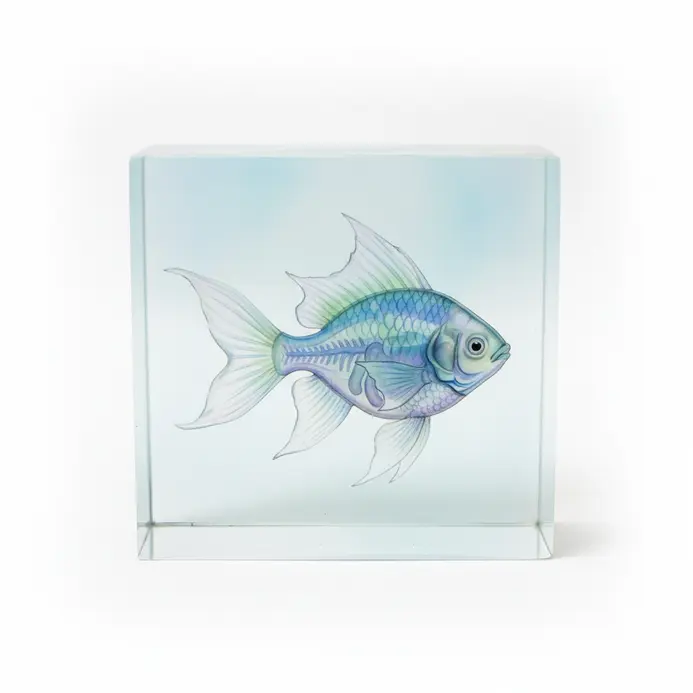
Have you ever wanted a fish painting so real it looks like you could dip your hand right into the water? The secret is building your aquarium scene in translucent layers. Think of it like stacking sheets of coloured glass or clear resin, each one holding a different part of the picture. You start with a hazy water background, add mid-depth plants, then paint your fish, and finish with shiny surface details using a creative touch. This method tricks our eyes into seeing actual space and depth, making your koi or betta appear to swim in a real tank. Many 3d aquarium painting ideas use this layered layout because it turns a flat project into a light-catching sculpture. For a striking variation, try a jellyfish built with five or six thin glazes of acrylic paint mixed with gloss medium. Each layer gets a touch more opaque, creating soft volume and a clean 3d effect. Or go for water-like clarity with epoxy resin pours: pour a thin layer, let it cure, paint a fish outline on it with a marker, then seal it with another coat. A simple instruction for beginners is to sketch the background, middle layer, and foreground first so the final design stays crisp.
2. Textured Coral Integration with Painted Fish Material
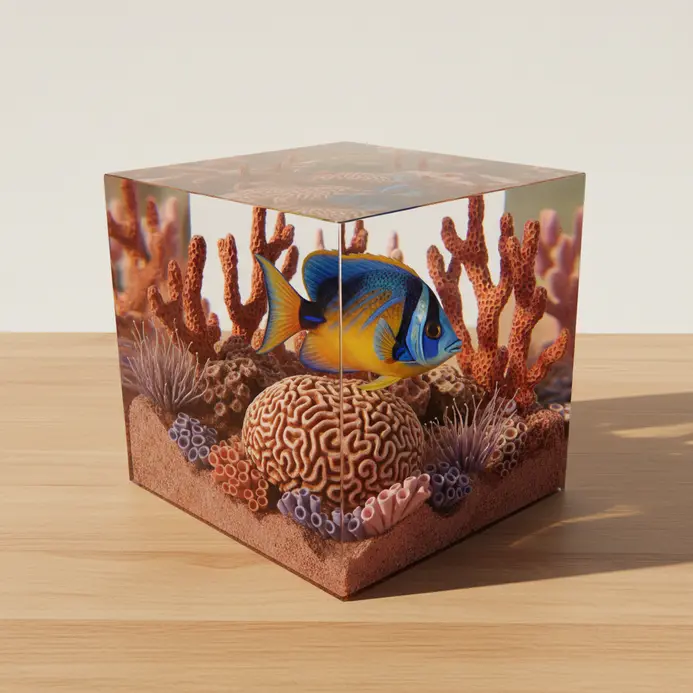
Have you ever dreamed of creating an underwater scene that pops off the canvas? With textured coral integration, painted fish look like they are weaving through a real reef. The core idea is to build three-dimensional coral using material like chicken wire or polystyrene foam, then add texture with spackle or modeling paste. Meanwhile, your fish are painted on compatible surfaces such as canvas or wooden panels with acrylic paint and glossy finishes. This approach gives 3d aquarium painting ideas a stronger sense of texture, shadow, and depth because every element feels part of the same sea environment. Try using iridescent colour on the fish and crackle paste on the coral for an awesome bioluminescent concept. The key is planning the narrative first—hyper-realistic, whimsical, or somewhere between. That keeps both parts speaking the same visual language, creating a cohesive frame for the artwork. If you’re new to painting, check out some Here are some easy things to paint for beginners that can help them stick to their artistic journey. to build skill before tackling the fish details.
3. Monochromatic Deep Sea Fish Painting Variations
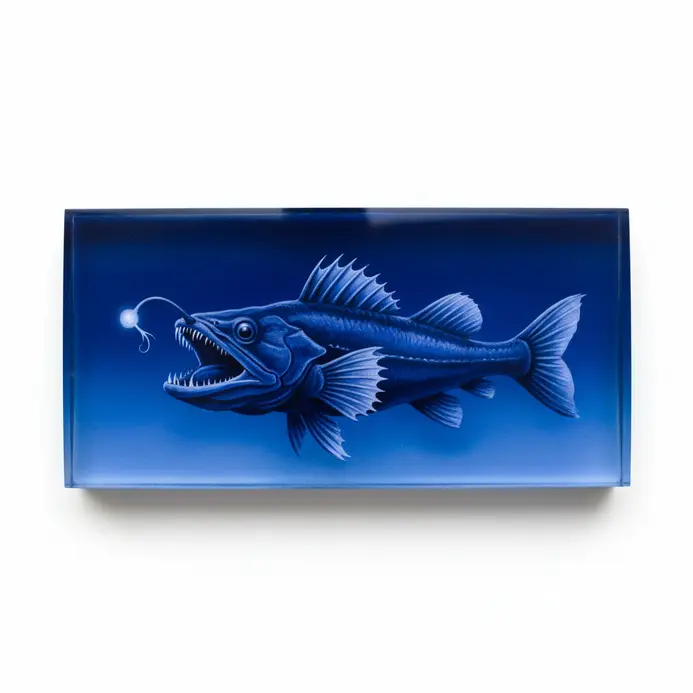
Have you ever thought about painting a deep-sea scene but felt overwhelmed by color choices? A monochromatic deep-sea painting uses shades of one color to capture the strange beauty of creatures living in eternal twilight, serving as inspiration for new craft ideas. This approach mimics how sunlight fades underwater, leaving mostly blues or greens and pushing the eye toward wild silhouettes and glowing patterns. We love this style because it instantly creates mystery and immense depth, making 3d aquarium painting ideas feel like a creative window into another world. Your chosen color sets the mood: deep blue feels cold and vast, eerie green hints at alien bioluminescence, and sepia gives the piece a specimen-study feel. The key is mastering value, with light and dark tones doing the heavy lifting. You might go photorealistic with careful blend work to show every scale on a dragonfish, or keep it loose with soft brush marks that suggest a drifting school. A strong starting point is one centered creature against a dark background, with a lighter highlight on its body and a soft shadow around the outline.
4. Geometric Abstract Fish in Layered Resin Paint
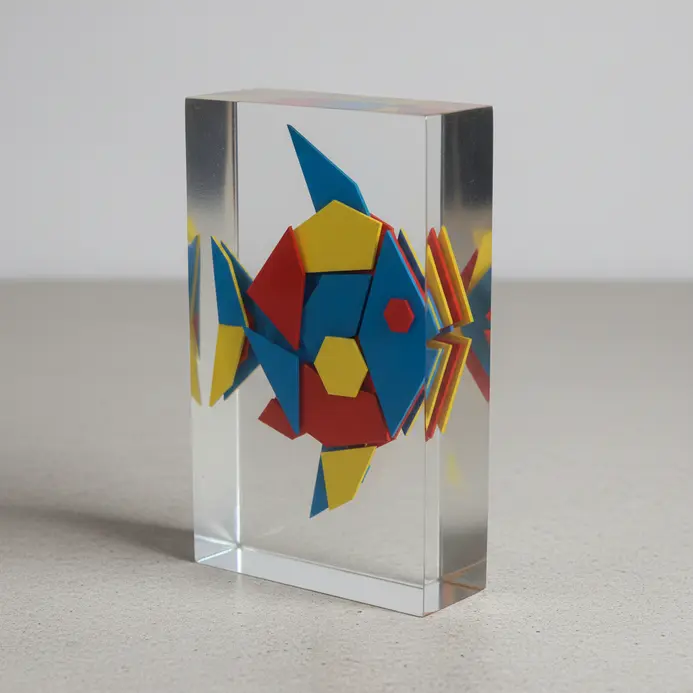
Have you ever dreamed of making a piece that feels both modern and magical? This branch of 3d aquarium painting ideas simplifies fish forms into bold geometric shapes, then suspends those shapes in clear casting resin. The result feels like a stylized underwater model with strong lines and luminous depth. Each pour adds a new layer, making the fish appear to float freely at different angles. It’s a great project for artists who love clean design but still want the watery depth of resin. You can add alcohol ink for atmosphere or mica powder for shimmering scales, then sketch the full layout on paper before you install the first pour on a cradled wood base.
5. Realistic Scale and Fin Detail Painting Techniques
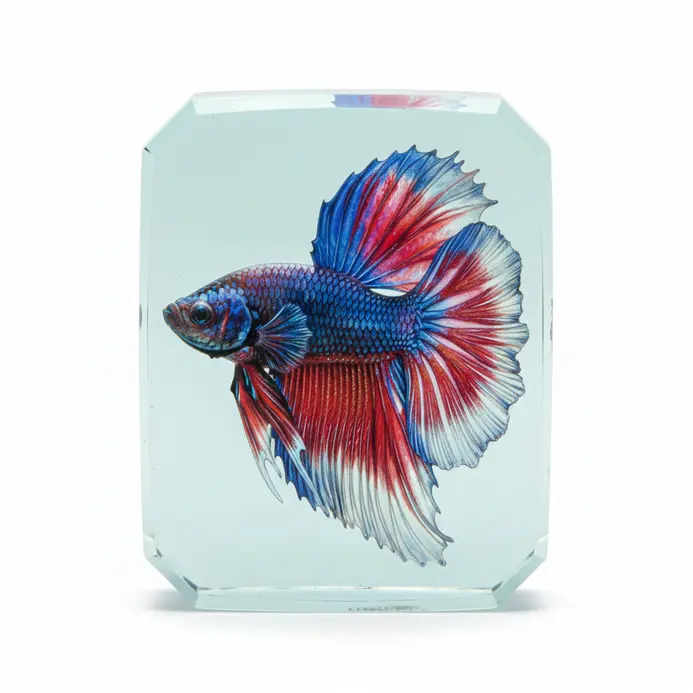
The magic that makes 3d aquarium painting ideas look alive often sits in the tiny details of scales and fins, which can be enhanced by filling in with vibrant colors. We are not painting flat shapes; we are painting the illusion of texture, colour shifts, and motion. Individual scales catch light differently and cast tiny shadow lines on each other, which is where realism starts. Begin with a good reference image and study how the scales change in size from head to body. Then use a thin dark wash to define the recesses, followed by a lighter touch on the raised center of each scale to fill in the details. That contrast makes the surface feel layered rather than flat. For fins, think translucent. Build a watery base with acrylic paint, then trace the fin rays with a fine brush and add a small highlight where the light hits the edge, providing inspiration for future projects. A subtle glaze in a complementary colour over the scales gives tropical fish an iridescent finish that works beautifully in resin, inspiring artists to draw their own versions.
6. Schooling Fish Composition in 3D Space Paint
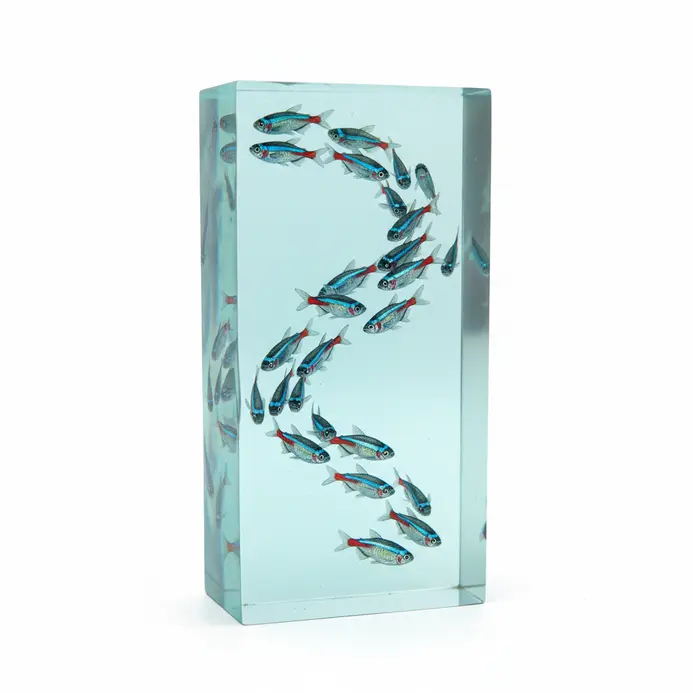
There is something magical about watching fish school together, and capturing that movement in layered resin adds fresh energy to aquarium art. This composition uses size gradients and placement to make fish appear at different depths, with larger forms in the foreground and smaller ones fading into the background. That perspective gives 3d aquarium painting ideas a dynamic feel, as if the whole group is shifting through water. For extra motion, use a dry brush with acrylic paint to create subtle trails behind the fish. Keep spacing consistent and the direction of travel evenly aligned so the group reads as one living unit rather than scattered shapes.
7. Bioluminescent Glow Effect Fish Painting Styles
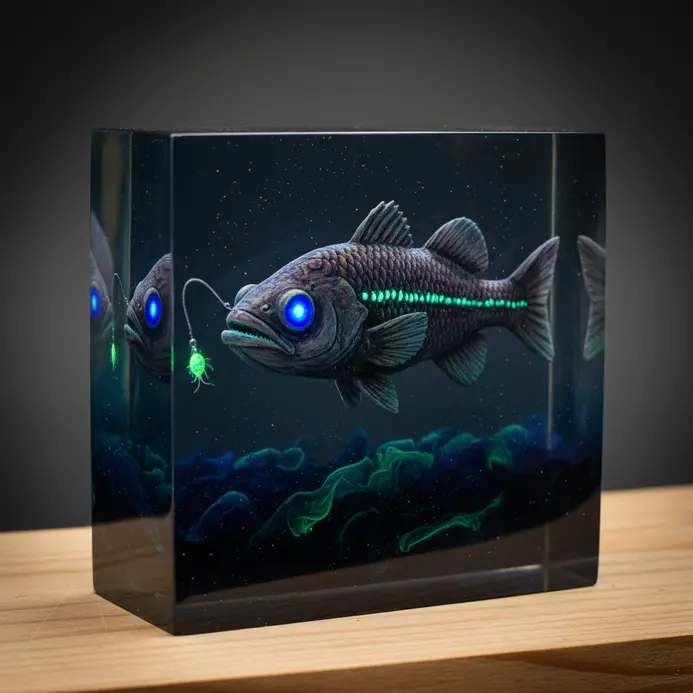
In this style, the focus shifts from the fish alone to the light coming from the fish. That makes 3d aquarium painting ideas feel atmospheric and dramatic, because the glow becomes part of the surrounding water. Start with a dark background in deep blue or violet so the bright areas have room to stand out. Then build the brightest points with saturated color and soften the edge with a translucent halo. A dry brush works well for faint trails of light moving through the water, while a sponge dab helps create diffuse glow around a creature or lure. When the values are right, the fish seems to cast its own illumination into the sea.
8. Sunken Treasure Scene Fish Integration Examples
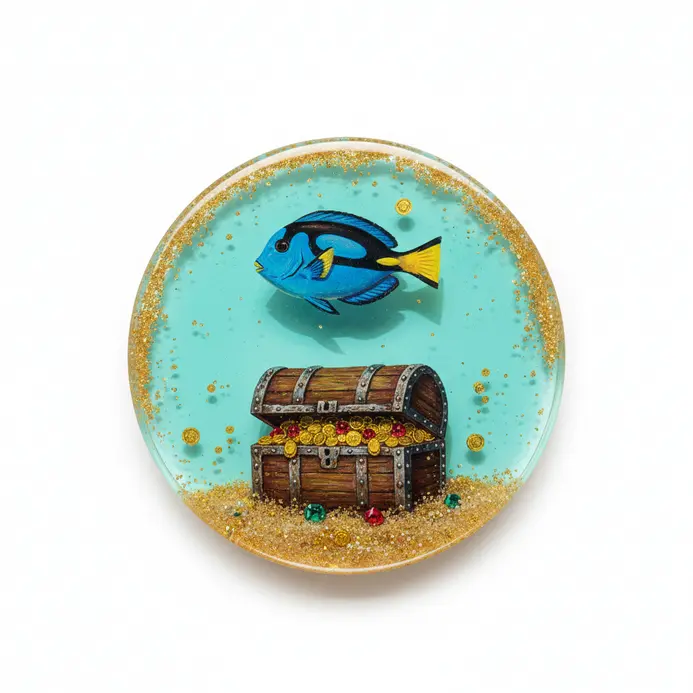
Have you ever looked at a sunken treasure scene and wished the fish felt like part of the story? This approach integrates fish into the ecosystem instead of dropping them in as decoration. A school of tiny fish might swirl through a beam of light to highlight a chest, while another creature hides near coins, shell fragments, or coral. That narrative quality gives 3d aquarium painting ideas more depth and a stronger sense of movement, making them a source of creative inspiration. Sketch the fish interacting with key objects first, then blend their color into the background so they sit naturally inside the scene. A palette knife also helps spread texture around treasure forms before the next clear coat seals everything in place.
9. Kelp Forest Environment Fish Painting Variations
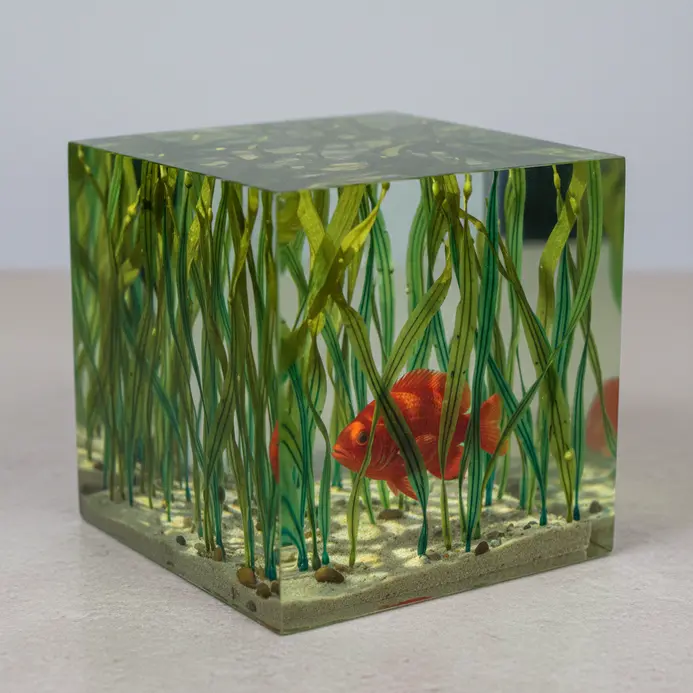
A kelp forest works as more than a background; it becomes a living stage full of motion, texture, and filtered light. This setting gives 3d aquarium painting ideas a strong vertical rhythm, with seaweed blades stretching upward through multiple layers, inviting viewers to draw their eyes upward. Use local species as reference, from camouflaged fish hiding among the leaves to brighter fish that flash through open gaps. A dry brush technique on the kelp creates soft texture, while thin glazes help blend distant forms into the background. The result feels like a complete sea habitat rather than a single subject on a flat plane.
10. Minimalist Silhouette Fish in Deep Pour Instruction
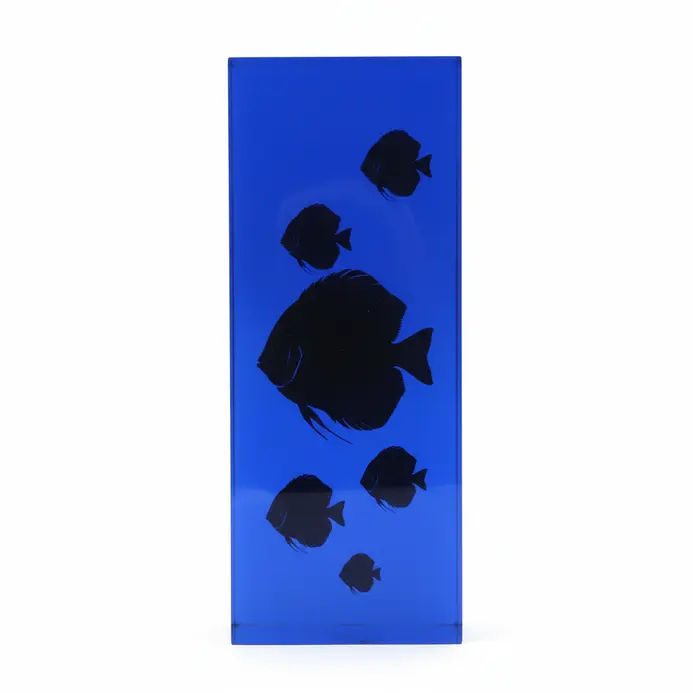
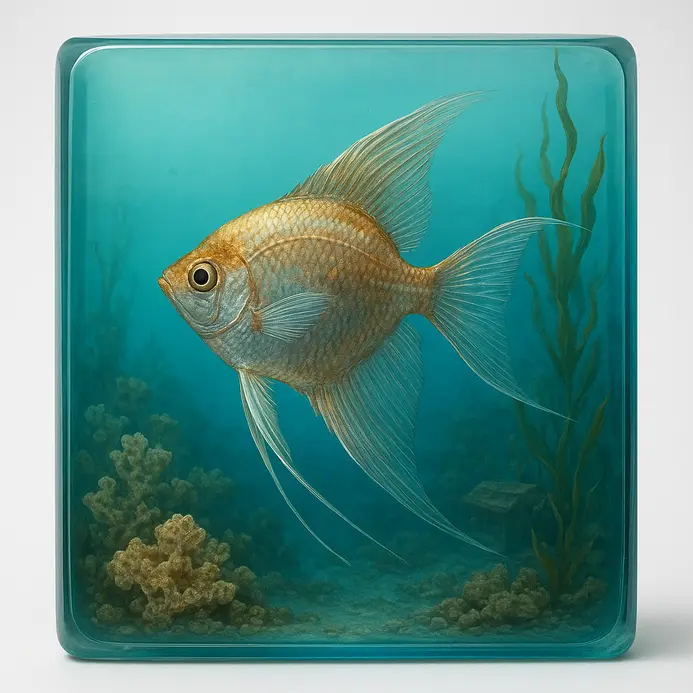
Picture a sleek fish shape floating inside a crystal-clear block of resin like a modern sculpture. This version of 3d aquarium painting ideas turns a simple silhouette into a dramatic focal point where light moves through the clear pour and around the insert. Your material choice, including glue and paint types, matters. A pre-cured resin cast or sealed wooden cutout gives the cleanest finish, and a proper deep-pour epoxy with a slow cure helps prevent cracking, excess heat, or cloudy patches. Seal the insert with a clear spray before you install it so trapped air does not rise into the pour. Leave at least an inch of clear resin on all sides of the fish, especially at the bottom, to strengthen the floating illusion. Pour slowly, fix bubbles with a heat gun, and check the angle from all sides before the resin sets. That patient technique is often what separates clean 3d aquarium painting ideas from cloudy, uneven results.
11. Cave and Grotto Scene Fish Placement Styles
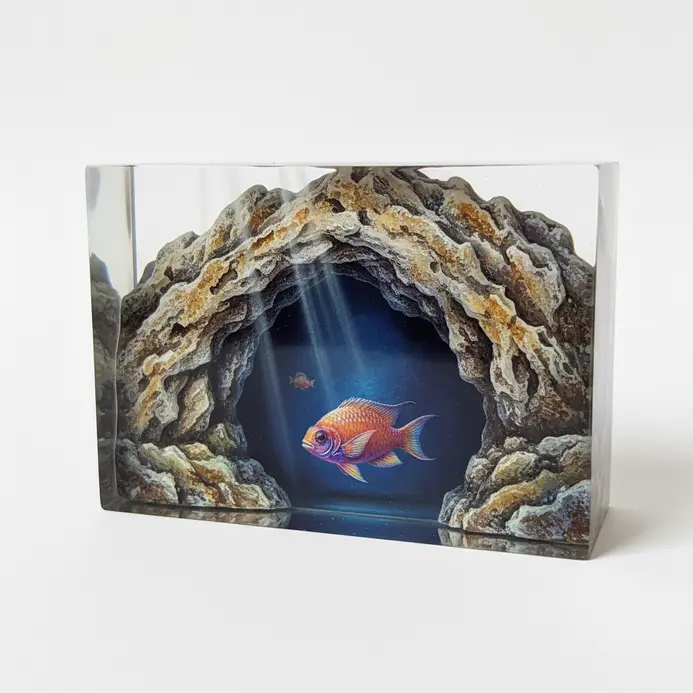
A cave or grotto scene works best when fish placement supports both ecology and composition. In one approach, you follow natural behavior by placing a territorial fish near the shelter while smaller species float near the entrance. In another, you use fish as visual guides that lead the eye through the dark openings and brighter foreground areas. That combination gives 3d aquarium painting ideas a sense of story as well as balance. A brightly colored fish against a darker rock shadow creates a sharp highlight, while nearby coral or seaweed softens the transition between open water and the cave wall.
Troubleshooting Common Resin Aquarium Art Defects
Even with careful planning, issues can arise. Cloudy resin often comes from improper mixing or humidity, so keep your stir consistent and your workspace controlled. Bubbles trapped around painted elements are easier to remove when you apply gentle heat after each pour. If details bleed, the acrylic layer likely was not fully cured before encapsulation. Sticky spots point to ratio problems, so measure each part evenly and scrape the cup sides well while mixing. Troubleshooting is part of many 3d aquarium painting ideas, especially on larger projects where several layers need time to cure between steps.
Embedding vs Painting: When to Use Physical vs Painted Elements
Blending physical and painted elements adds realism fast. Embed small 3D objects like shell pieces, sand, foam coral, or model reef parts when you want immediate texture and shadow on the ocean floor. Reserve painting for fish bodies, drifting seaweed, and light rays that need a more fluid look. Painted elements bring suspended depth and smoother color transitions, while physical inserts supply instant form and tactile presence. The strongest 3d aquarium painting ideas usually balance both, using resin as the glass-like medium that ties every layer together.
Conclusion
There you have it: eleven distinct directions for your next underwater piece. The real magic happens when you choose the version that fits your style and start testing how paint, color, texture, and resin interact layer by layer. These 3d aquarium painting ideas are a starting point rather than a strict rulebook, and your own touch is what gives the final work its depth and personality. Grab your brush, mix your material with care, and start building the underwater world that inspires you most.
FAQs
Q: What are some beginner-friendly 3d aquarium painting ideas for a DIY project?
A: For beginners, try simple raised elements like foam coral, raised-dot bubbling fish, or textured sand using acrylic paste. Use stencils for consistent shapes and practice layering translucent blues and greens to create depth. Many DIY tutorials and a printable pdf pattern can help you get started step-by-step.
Q: How do I create realistic depth and perspective in 3d aquarium painting ideas?
A: Employ techniques like color grading (darker tones for the back), overlapping elements, and casting subtle shadows beneath raised components to enhance depth. Placing smaller, less detailed objects toward the back and larger, detailed foreground pieces tricks the eye into seeing true perspective from the upside view as well as front-on.
Q: Can I adapt 3d aquarium painting ideas for different surfaces, such as a ceiling or wall?
A: Yes. For a ceiling installation, use lightweight materials (foam, papier-mâché) and secure them with appropriate anchors. On walls, heavier textures like sculpting paste or plaster work well. Consider viewing angle adjustments: ceiling pieces should have stronger downward shading while wall pieces use traditional perspective techniques.
Q: What materials are best for durable outdoor 3d aquarium painting ideas in a yard space?
A: Choose weather-resistant materials like marine-grade paints, outdoor sealants, and closed-cell foam for sculpted elements. Protect your piece with UV-stable varnish and silicone adhesives. Proper sealing prevents moisture damage if you place 3d aquarium art in a covered yard area.
Q: How do I incorporate dot and pointillism techniques into 3d aquarium painting ideas?
A: Use small raised dots of modeling paste or silicone to mimic bubbles, coral texture, and fish scales. Pointillism with contrasting colors adds shimmer and movement; combine with translucent glazes to maintain the three-dimensional illusion while highlighting individual dot textures.