Why Advanced Oil Pastel Techniques Are Your Next Artistic Frontier
You’ve mastered the basics of oil pastels—the joyful blending, the vibrant layering, the simple sgraffito. But if you’re feeling a creative plateau, you’re not alone. The internet is saturated with beginner tutorials, leaving a vast, exciting gap in the conversation. This guide dives into that uncharted territory. We’re moving beyond ‘what’ and ‘how-to’ to explore the ‘why’ and ‘what if.’ Here, you’ll find the nuanced, professional-grade concepts that transform a pleasant pastel piece into a captivating artwork. We’ll bridge the gap between generic technique and distinct style, showing you how to combine methods for specific, breathtaking visual outcomes that showcase the true, versatile potential of this beloved media.
1. Impressionist Landscape Oil Pastel Examples for Your Art
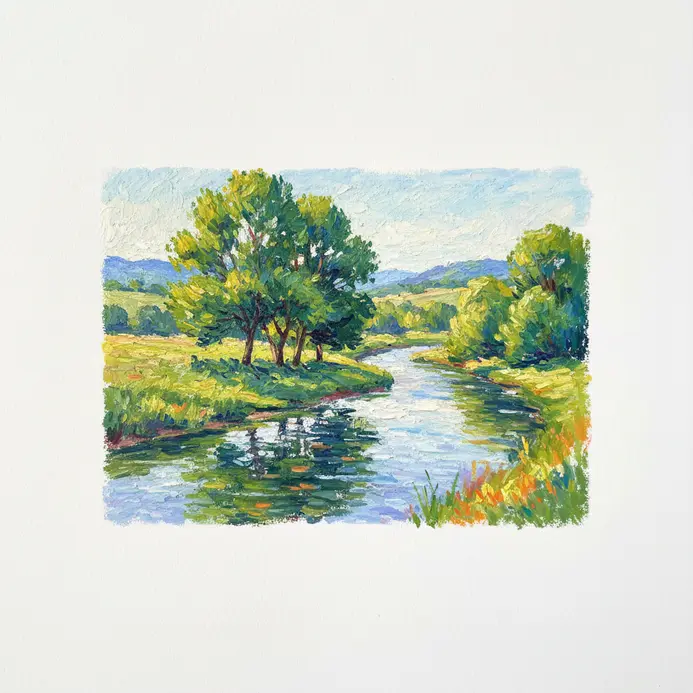
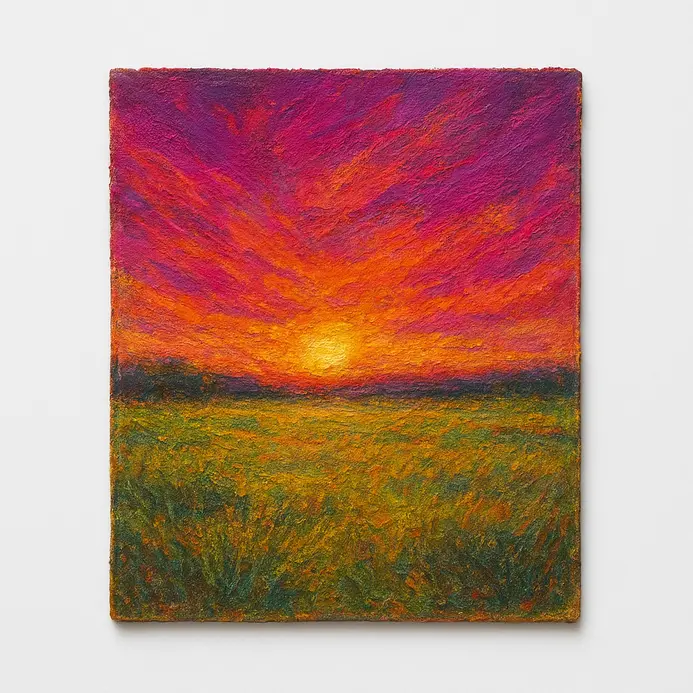
Picture this: you’re creating oil pastel paintings that capture the fleeting light of a sunset over a field, much like Monet. We use bold, direct strokes to apply color, letting each mark stay separate for that signature shimmer. Techniques like scumbling and optical mixing help us build up vibrant layers without over-blending. Why is this so fun? It turns art into a lively game of color and light, where every stroke adds energy. For a quick win, try a simple tree study at dusk—use complementary colors in the shadows, like adding a dash of violet to make the greens pop.
2. Realist Portrait Oil Pastel Painting Styles to Start
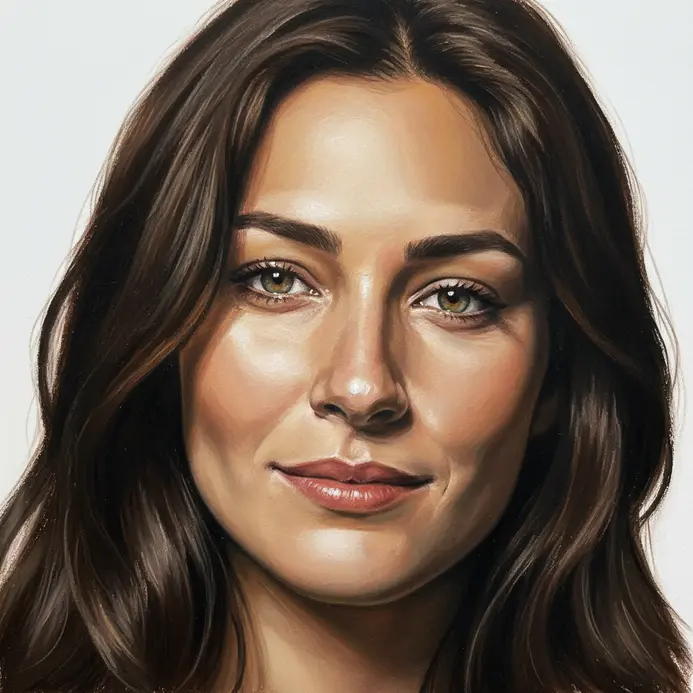
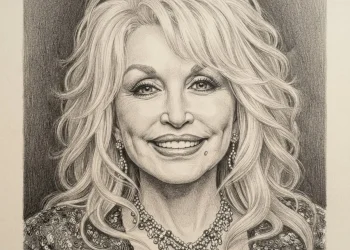
Let’s start with a style that feels dramatic and classic, focusing entirely on the magic of light and shadow. The tonal or chiaroscuro portrait simplifies your first foray into oil pastel paintings by having you master value over color. You work primarily with a limited, earthy palette to block in big shapes of light and dark on a mid-toned paper. Why do we love this approach? It cuts through the complexity of color mixing and lets you build stunning form with scumbling and solvent blending. A fantastic tip is to use odorless mineral spirits on your large shadow areas to create those deep, velvety darks that make the light pop.
3. Abstract Expressionist Oil Pastel Art Examples to Create
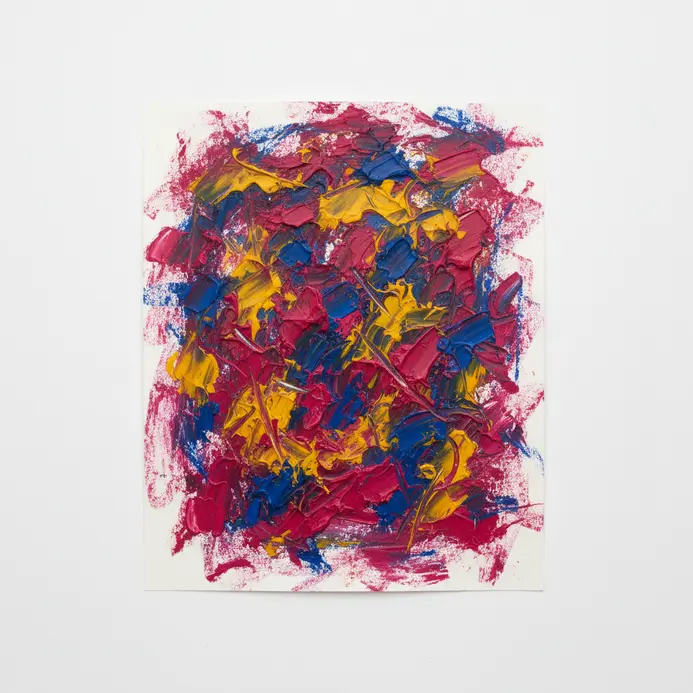
Ready to make a piece that feels like pure, raw emotion? Let’s channel the wild energy of Abstract Expressionism with our oil pastels. We’re talking about creating works where the physical mark itself is the subject. Think about sweeping, calligraphic lines and stained color fields that you can feel. This style is all about spontaneity, using color to express feelings directly, and covering the whole surface with rhythm. Why does it work so well? Because it lets you create without overthinking, making every artwork a unique record of a moment. My favorite tip? Try using black paper for your next piece; the dramatic contrast makes every vibrant scribble or soft veil of color pop instantly in oil pastel paintings.
4. Botanical Oil Pastel Painting Ideas with Textural Depth
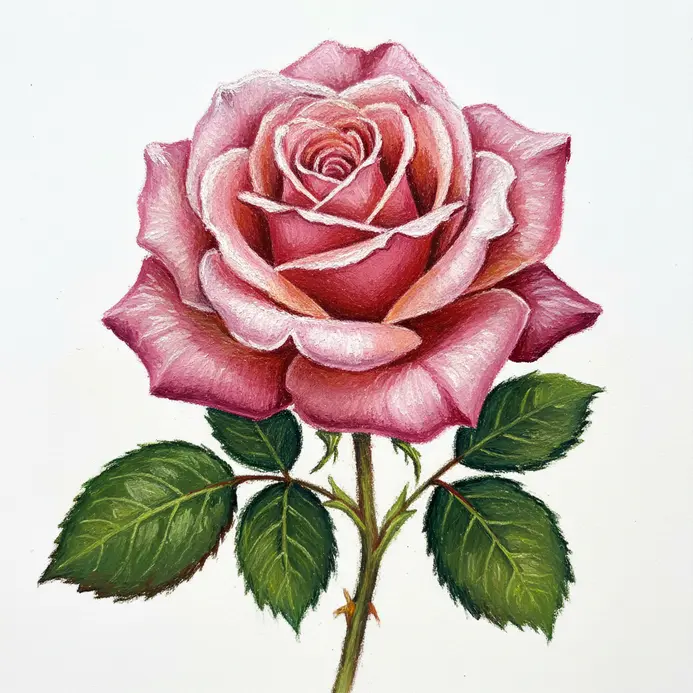
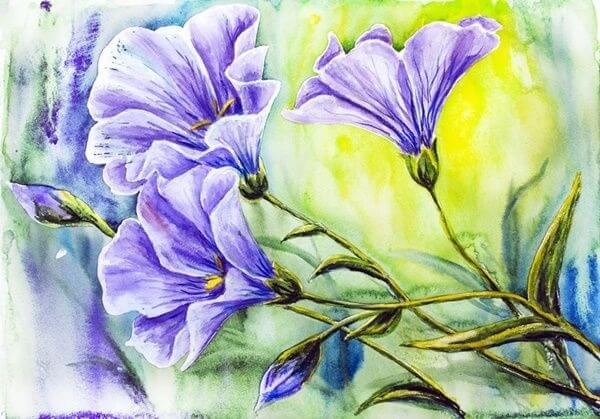
Let’s get our hands delightfully messy creating botanical art that feels as real as it looks. We’re moving beyond flat color to build up tactile surfaces you want to reach out and touch. The buttery layers of oil pastel are perfect for this, letting us sculpt velvety rose petals, gritty sunflower centers, and spongy forest mushrooms all on one page. Why does this work so well? The medium’s thickness holds every stroke and scrape, giving your botanical subjects a glorious three-dimensional quality. Try this playful tip: for a super rough texture on a mushroom cap or tree bark, sprinkle a pinch of fine sand into your wet pastel layer and press it gently with your finger. It gives oil pastel paintings another level of texture.
5. Urban Sketching Oil Pastel Examples for Beginners to Get
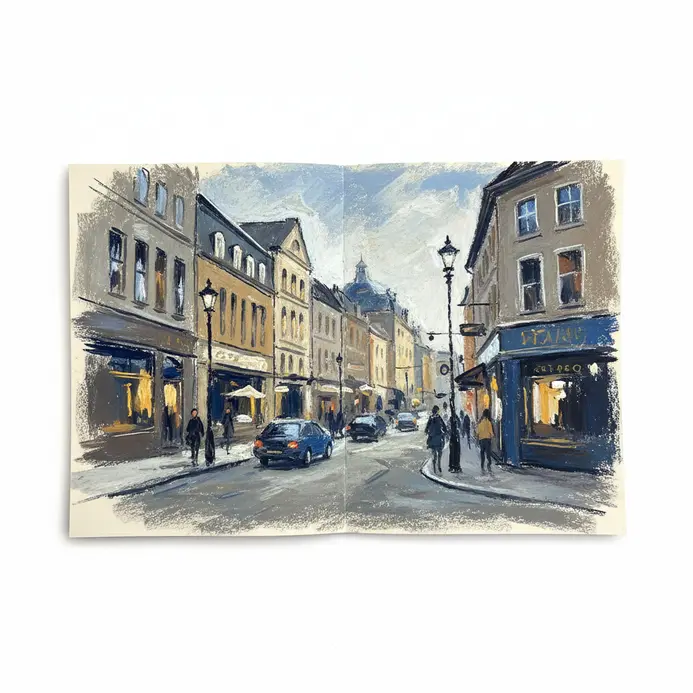
Let’s grab a simple street corner for our first real adventure. You know the view where the buildings on both sides seem to meet at a single point way down the road? That’s your perfect beginner subject. We’re going to use a tiny palette of three or four colors to capture that feeling of depth and distance. This exercise teaches you simple one-point perspective without any complicated detail work, and it’s so satisfying to see the space you create on the paper. Why do we love this? It makes a complex concept feel approachable and gives you a gorgeous, atmospheric little artwork in no time. Try using the side of your pastel stick for the sky and building facades to get those broad, soft strokes that suggest form instead of defining every brick, a strong start for oil pastel paintings.
6. Nocturnal Scene Oil Pastel Painting Styles to Work On
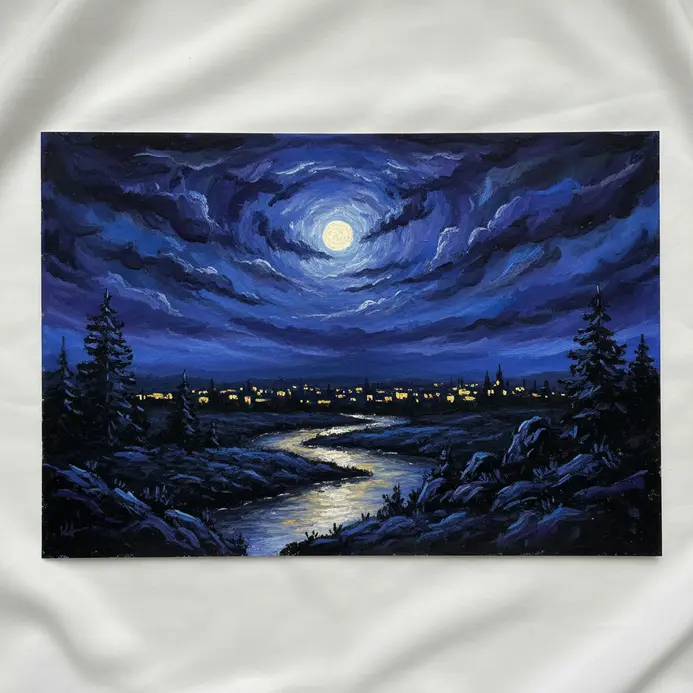
Have you ever stared at a night sky and wished you could capture its mysterious glow with your art? Nocturnal oil pastel paintings let us capture that magic, focusing on styles like the luminous atmospheric look or the graphic expressive approach. We use heavy blend work for soft, misty scenes or bold strokes for high-contrast cityscapes. This is why night painting with oil pastels is so rewarding: it challenges us to see color in the darkness and translate mood onto paper. A quick tip: start with a dark blue or purple underpainting to unify your scene and avoid that harsh white paper glare.
7. Seascape Oil Pastel Examples with Atmospheric Perspective
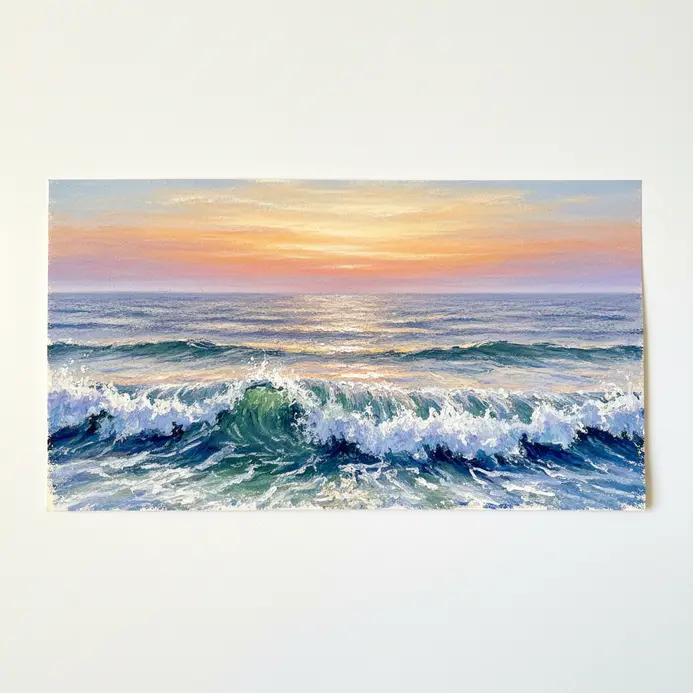
Okay, let’s get our feet wet with a scene that makes you feel the vastness of the ocean. Picture a calm sea at sunset, where the sky melts into the water in a soft, dreamy haze. The magic trick here is atmospheric perspective, and with our oil pastels, we can layer and blend to make those distant waves and skies feel miles away. Why does this work so well? It taps into how our eyes naturally see the world, creating instant, believable depth that pulls you right into oil pastel paintings. For the distant horizon, use the side of your pastel stick to apply horizontal strokes in pale pinks and light blues, blending heavily so the sea and sky softly merge. Keep your colors cool and light back there. Up close in the foreground, switch to richer violets and deep greens, using the tip of your pastel for little broken strokes that suggest wavelets. The key is high contrast in the front and low, blended contrast in the distance. Want a pro tip? Try the sgraffito technique on nearby rocks by scratching through a dark top layer to reveal bright highlights underneath for amazing texture.
8. Animal Portrait Oil Pastel Painting Ideas to Create Oil
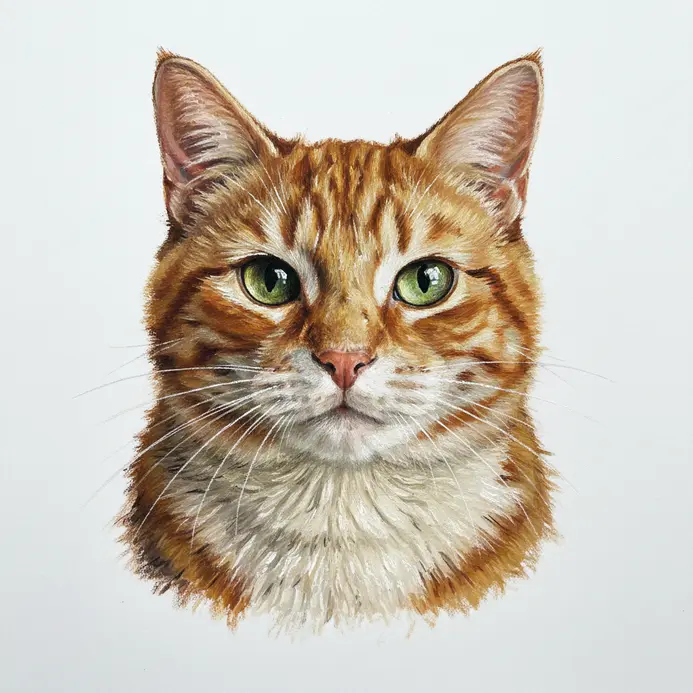
Have you ever looked into an animal’s eyes and felt a story waiting to be told? Creating animal portrait oil pastel paintings lets us capture that soulful gaze and bring the artwork to life. We explore everything from the intense stare of a tiger to the fluffy texture of a rabbit. Play with light, like dappled sunlight on a leopard, or get creative with abstract patterns woven into fur. Using oil pastels mimics fur, feathers, and scales beautifully. People love this because the medium is so expressive and versatile, allowing easy blending for realistic effects or bold strokes for stylized looks. Here’s a fun tip: when painting eyes, layer blues, greens, and yellows instead of only using black to create a lifelike wet reflection. Did you know that following the direction of fur growth with your strokes makes all the difference? Let’s grab our pastels and start creating.
9. Still Life Oil Pastel Examples with Dramatic Lighting
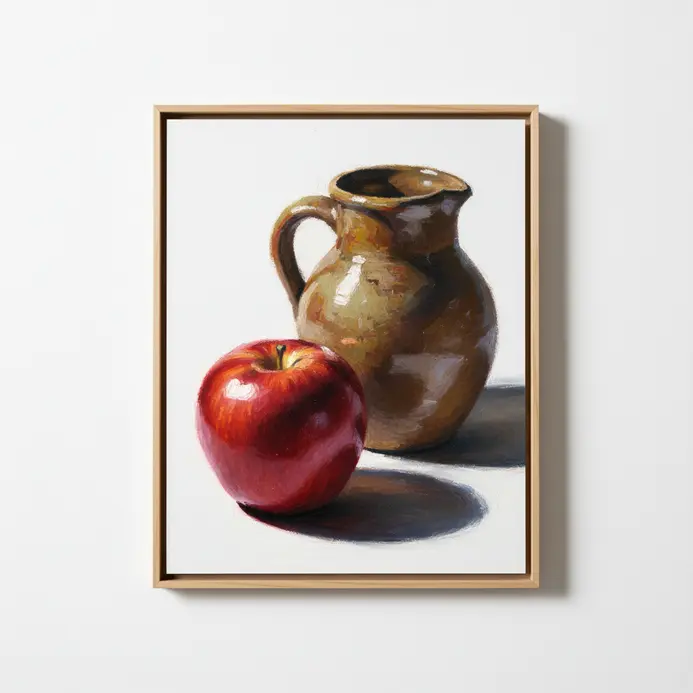
Have you ever seen a painting where the light feels so real you want to reach out and touch it? That’s the magic of using dramatic lighting in your oil pastel work. We’re talking about high-contrast setups where a single light source carves deep, velvety shadows and makes your subject practically glow. The opacity and blendability of oil pastels are perfect for building up those rich darks and applying thick, impasto highlights. This approach turns a simple still life into a captivating scene full of mood and mystery, which is exactly why artists love the challenge. Let’s look at a classic example: chiaroscuro. Picture a single pear on a dark wooden table, lit strongly from the upper left. You would use layers of deep blues and purples to build the shadow, avoiding flat black. For the brightest spot on the fruit, you’d apply a thick stroke of cream or pale yellow. The key is to model the form clearly from highlight to core shadow. Want a tip? Try scumbling with a lighter color over your mid-tones to create a soft, luminous transition. Another stunning option is backlighting. Imagine a glass vase with flowers on a windowsill at sunset. The light comes from behind, creating a glowing outline around everything. For this, you establish the dark interior shadows first, then use the side of your pastel stick to add those warm, bright rims on top. This technique is a beautiful way to make oil pastel paintings feel both dramatic and serene.
10. Floral Abstract Oil Pastel Painting Styles You’ll Like
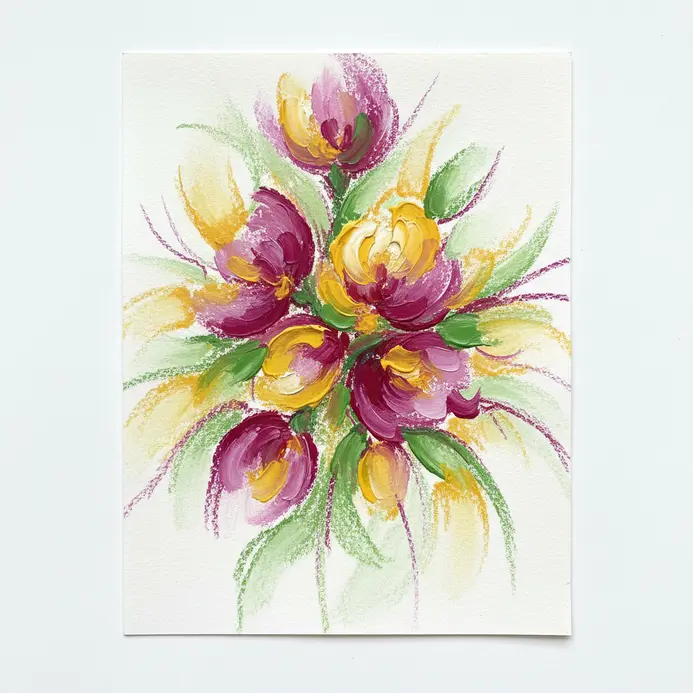
Have you ever looked at a flower and felt its energy rather than only its shape? That’s what we capture in floral abstract oil pastel paintings. This approach mixes organic blooms with free, expressive techniques, from gestural lines that dance across the page to soft color fields that whisper mood. We love it because oil pastels are so vibrant and blendable, letting you play with texture and emotion without rules. For a fun twist, start with a quick sketch using the side of your pastel, then layer in complementary colors and smudge with a blending stump for depth. It’s all about the joy of creation.
11. Architectural Oil Pastel Examples with Geometric Precision
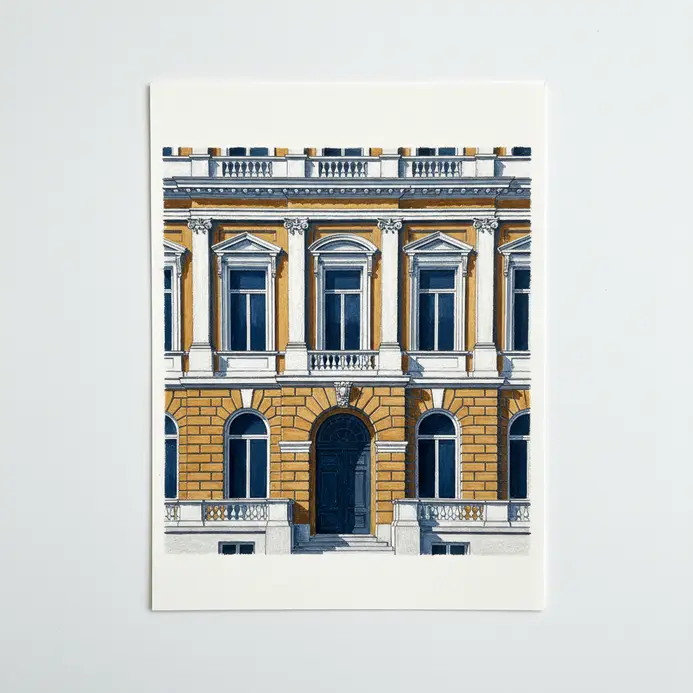
Ever see a building in an oil pastel painting that looks so solid you feel you could walk right into it? That’s the magic of architectural oil pastel work, where soft, vibrant sticks meet the hard lines of structure. We get to combine the medium’s rich, expressive texture with the discipline of clear perspective and defined geometric planes. The result is artwork that feels both warmly tactile and architecturally sound. Why does this style grab us? It’s that gorgeous tension between a loose, painterly medium and the satisfying precision of clean lines and sharp angles. Let’s look at how artists achieve this. They often start with a careful pencil drawing on toned paper to nail the perspective. Then, they use the side of the oil pastel stick to block in large, flat facade planes with bold color. For those tiny, crisp details like window frames, the sharp corner of the pastel or a pastel pencil is your best friend. The key is controlled, directional strokes that follow the plane of the building, not random scribbles. A fun tip? Try using the white of your paper as a reserved highlight on sunlit edges to make oil pastel paintings with architecture pop instantly.
12. Fantasy Landscape Oil Pastel Painting Ideas to Inspire
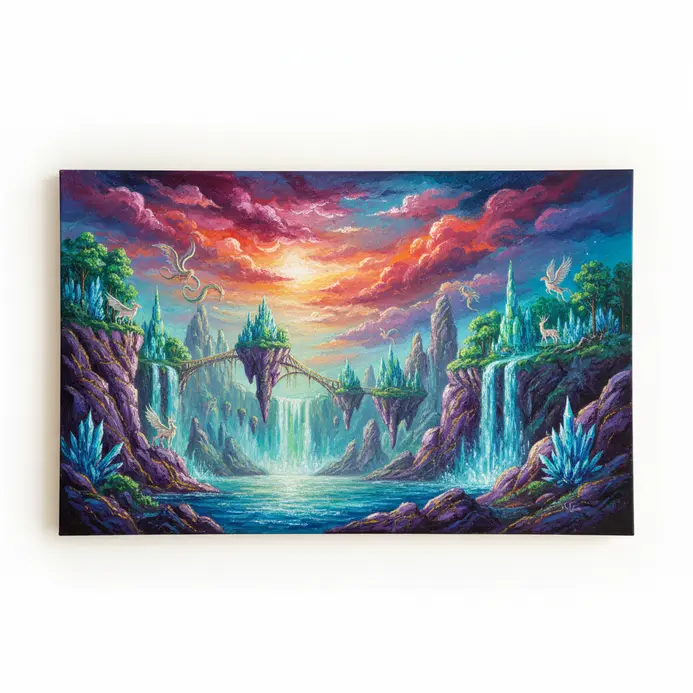
Let’s create a world where waterfalls pour from floating islands into a sky full of twilight mist. I’m talking about a Floating Archipelago, with ancient forests or crystal cities perched on impossible rocks. You get to play with gravity and light in one stunning scene. We love this idea because it lets you blend the familiar comfort of earthy greens with the pure magic of a purple, star-dotted sky. Want a pro tip? Start with a dark paper and use the side of your white pastel for those soft, misty waterfalls. How about painting jagged ice under a swirling neon aurora? The Aurora Over Glacial Spires is your ticket to using the most vibrant colors in your set. Picture glowing ice formations rising from a frozen sea, with the sky’s colors dancing in the reflection below. This concept works so well because oil pastels are perfect for laying down bright, blendable layers on a dark background. Try using a blending stump to smooth those neon greens and pinks into a seamless, radiant glow. Finally, bring the cosmos down to a peaceful meadow with a Nebula Garden. Imagine bioluminescent flowers and grass mirroring the pinks and blues of a massive nebula above. This idea is a beautiful challenge for blending large, smooth color gradients in the sky and then repeating those colors in tiny, sharp strokes for the glowing plants below. It all comes together beautifully in oil pastel paintings with a fantasy landscape focus.
13. Minimalist Composition Oil Pastel Examples for Your Media
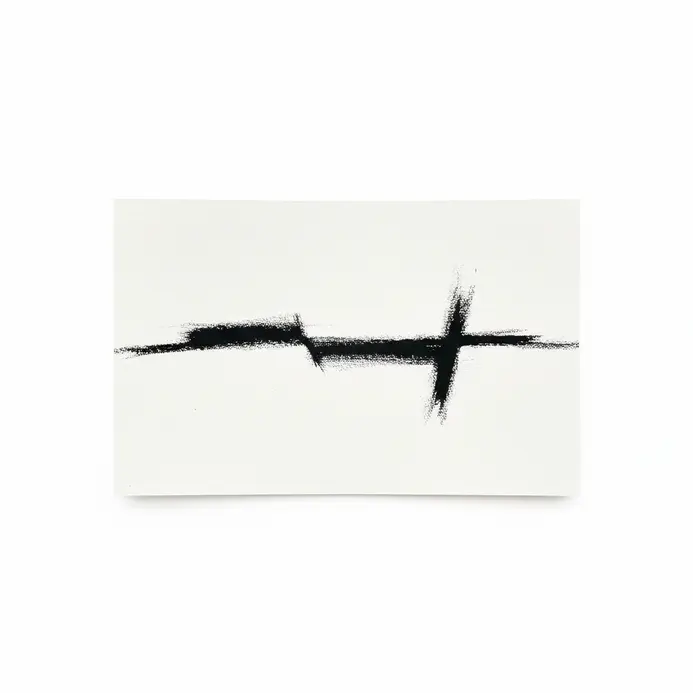
Have you ever admired the serene beauty of a minimalist oil pastel painting? We’re talking about art that says so much with little—think a single horizon line or one piece of fruit on a vast blank page. This style focuses on essential forms and a limited palette, using oil pastels’ vibrant colors and rich texture to create maximum impact. Why do artists adore this approach? It forces you to be intentional with every mark, making your artwork feel both simple and deeply meaningful. A handy tip: start with a horizon composition using the side-sweeping technique for the sky and denser strokes below. This way, you explore color relationships and texture without feeling overwhelmed, and your oil pastel paintings keep a clean, calm look.
14. Mixed Media Oil Pastel Painting Styles Incorporating Collage
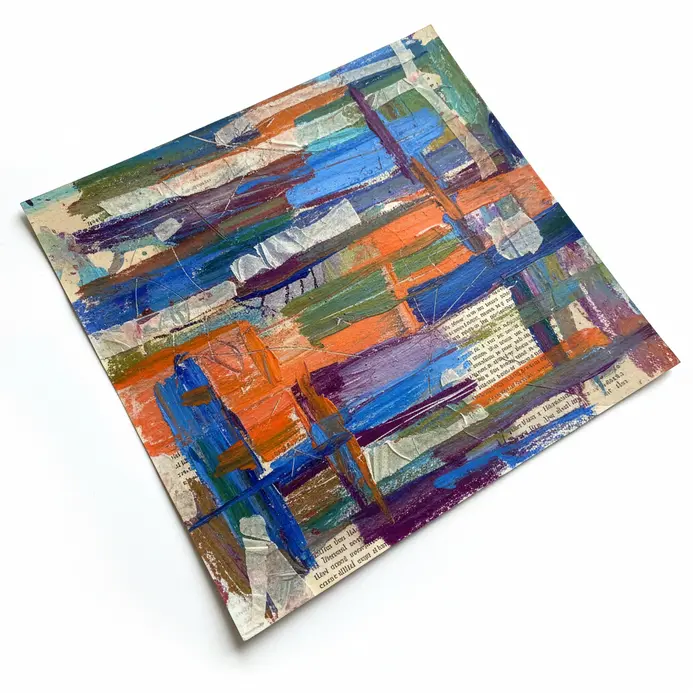
Have you ever dreamed of making your oil pastel paintings jump off the surface with added texture and hidden stories? By mixing in collage elements like torn maps or fabric scraps, you create a dynamic playground for your pastels. The flat papers contrast beautifully with the creamy, blendable marks, adding a whole new layer of depth and narrative to your work. We love this style because it satisfies our urge for texture and lets us tell visual stories in a uniquely tactile way. Try starting with the sandwich method—layer some collage, seal it with matte medium, add pastel, then glue on more pieces for that rich, excavated effect.
15. Seasonal Landscape Oil Pastel Examples Across Weather Conditions
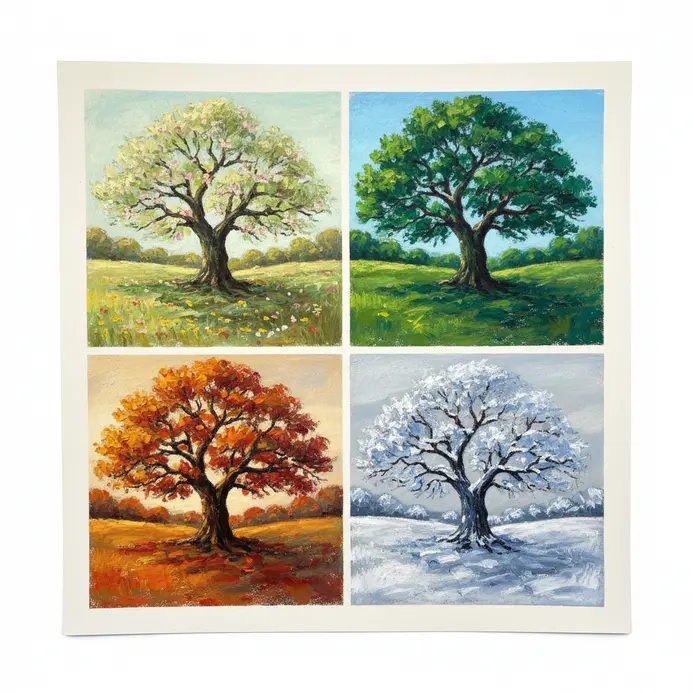
Let’s talk about painting a soft spring rain scene because it lets you play with mood and atmosphere. Picture a misty orchard with blooming trees and hills fading into the distance. To capture that gentle, reflective feel, we start with a hazy sky by blending pale grays and lavenders. For the land, we use muted greens like sage and olive, then drag a light gray over the distant trees to push them back and create that lovely atmospheric perspective. The magic trick here is the scumbling technique, using a light, broken application of white to suggest veils of rain. Why does this work so well? Oil pastels are uniquely expressive for this because their blendability lets you create those soft, moist transitions that feel so real. A quick tip? Try dragging a vertical line of pale gray over a puddle reflection to sell that wet surface look in oil pastel paintings.
16. Portrait Oil Pastel Painting Ideas with Emotional Expression
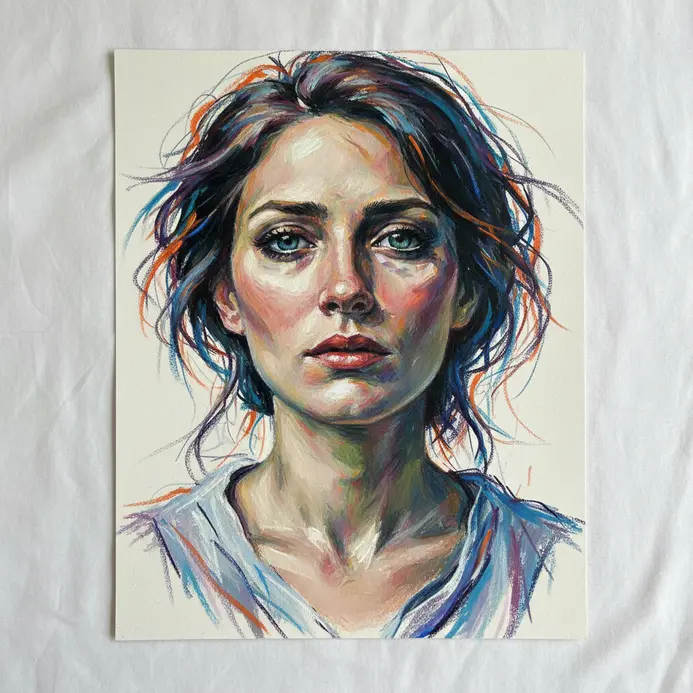
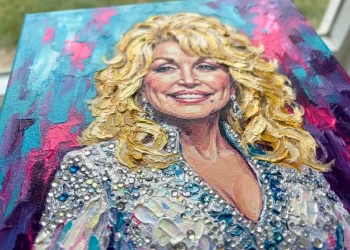
Let’s talk about making portraits that feel as vibrant and textured as real emotion, just like the work of renowned pastel artists. Oil pastels are perfect for this because their blendable, opaque nature lets you layer and scrape for raw, immediate expression. We’re moving far beyond only copying a face here. This is about using color as your primary emotional language and letting your mark-making tell the story. Why does this approach work so well for oil pastel artists? It’s because you’re not only drawing a person, you’re painting a feeling. Think about a portrait using cool, muted blues and greys for a mood of quiet introspection. Or, go the opposite way with intense reds and aggressive, visible strokes to channel passion or energy. The composition plays a huge role too. An extreme close-up on the eyes creates instant intimacy, while placing the subject off-center can build a sense of longing. Have you ever tried the sgraffito technique? Scratching back layers with a tool can reveal tears or hidden thoughts in the under-painting, which is such a powerful way to add narrative. A great tip is to start with a monochromatic study before adding a full, vibrant palette to oil pastel paintings focused on emotion.
17. Underwater Scene Oil Pastel Examples with Color Saturation
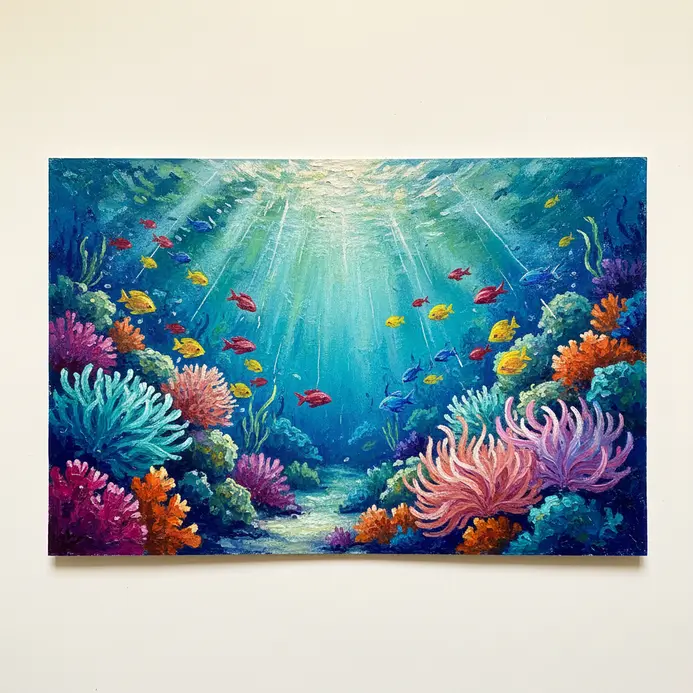
Have you ever wanted to capture the glowing beauty of an underwater scene with art that feels alive? Oil pastels make it possible with their rich, blendable colors. In these oil pastel paintings, we focus on color saturation to create depth. By keeping foreground elements like coral and fish highly saturated, and gradually reducing saturation for the background, we mimic how light travels through water. This technique uses the high pigment load of oil pastels to make colors pop where it matters most. Artists love this because it turns a complex scene into a manageable, fun project where every layer adds to the illusion. Here is a tip: start with a dark blue base for the water and blend in lighter blues and greens upward. This simple step gives your scene instant depth and movement.
18. Urban Landscape Oil Pastel Painting Styles at Different Times of Day
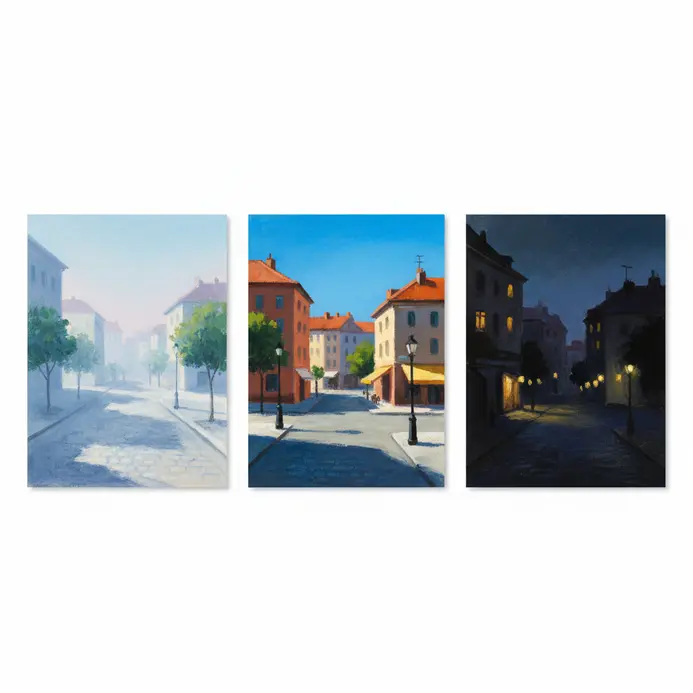
Have you ever painted the city as it wakes up or buzzes with noon energy? Oil pastel paintings are perfect for this. At dawn, we use cool blues and purples, softly blending them for a hazy, poetic feel. Midday scenes call for bold, complementary colors and thick impasto strokes to capture that sharp light. Why does this work? Oil pastels let us layer and scrape back highlights, mimicking the urban texture and light shift. Try keeping your dawn palette cool and your midday one warm to instantly switch moods. This approach makes your artwork dynamic and full of life, much like the city itself.
19. Food Still Life Oil Pastel Examples with Textural Contrast
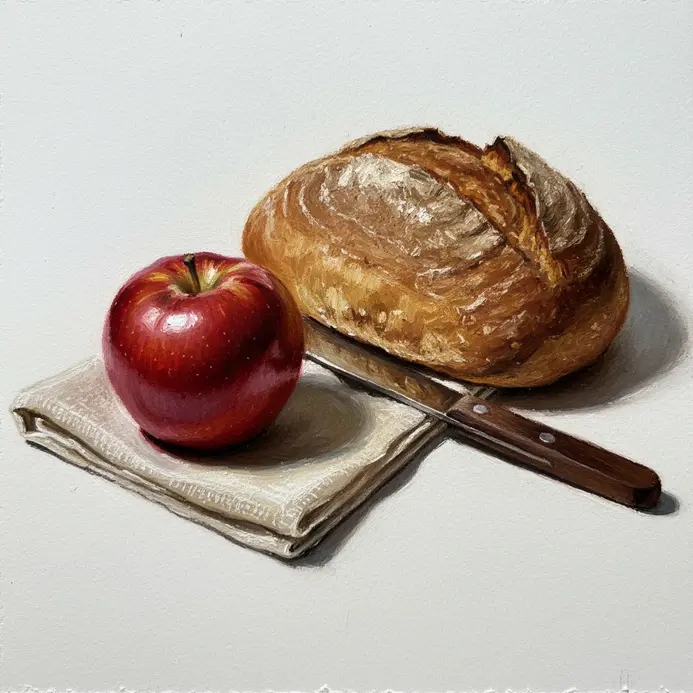
Let’s talk about making your food art look good enough to eat. The secret is all in the texture. We use our oil pastels to build up juicy fruit flesh, flaky pastry layers, and crispy bacon edges. This contrast makes your painting feel real and delicious. Why does this work so well? Our brains connect those visual textures directly to taste and memory, making oil pastel paintings more engaging. Think about a classic breakfast scene. You would use smooth blending for a glossy egg yolk but leave the white with a matte, toothy finish. For crispy bacon, try the sgraffito technique to scratch in those fatty streaks. A great tip is to start with your roughest textures first, like a bread crust, then layer the creamy butter on top.
20. Celestial Theme Oil Pastel Painting Ideas for a Personal Touch
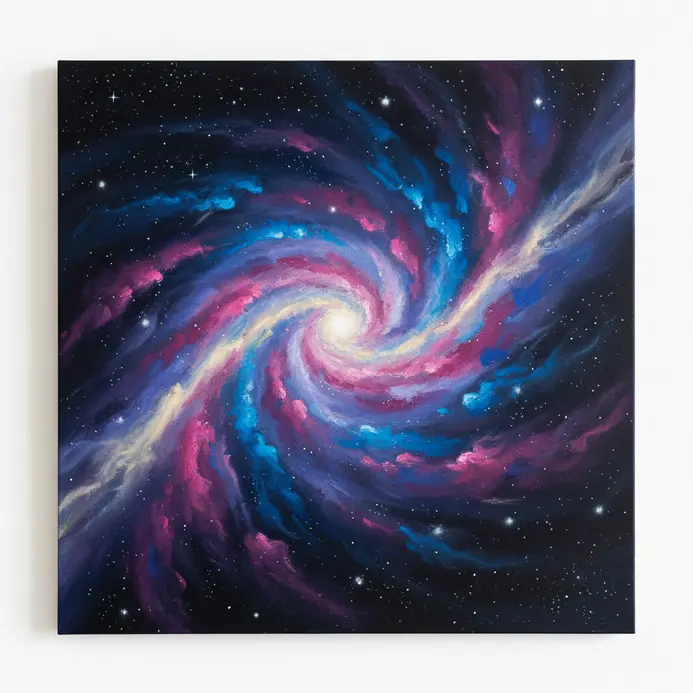
Have you ever looked at a night sky and wished you could paint your own story into the stars? With celestial theme oil pastel paintings, we do exactly that. Let’s take a trip down memory lane and use those vibrant sticks to create a personal cosmos. Think about painting your zodiac constellation over the silhouette of your favorite place, or blending peach and lavender to capture a happy moment as a glowing nebula. Why does this work so well? It’s because when we add personal elements, the art becomes a reflection of our inner world, not only a pretty picture. Here’s a tip: use the sgraffito technique with a toothpick to scratch delicate constellations into a dark blue sky over a bright yellow moon. It adds such a magical, personalized detail.
21. Forest Scene Oil Pastel Examples with Layered Foliage Techniques
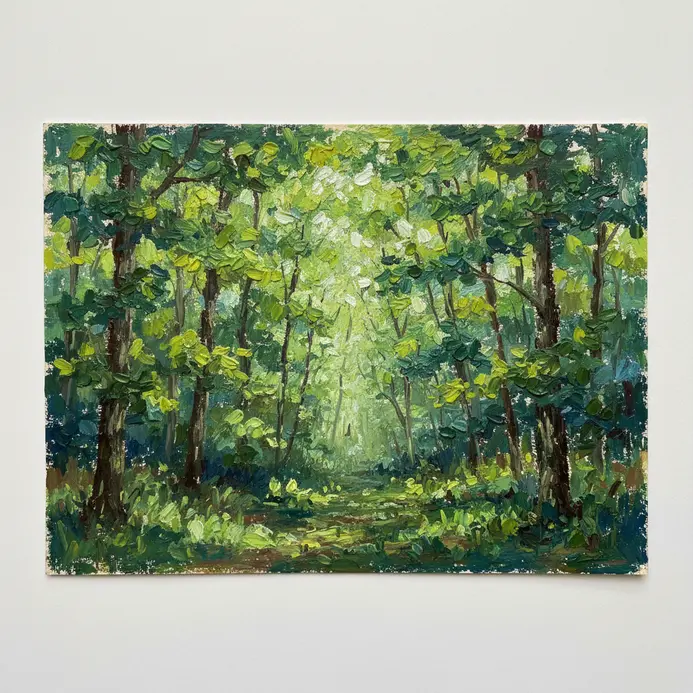
Doesn’t the idea of capturing a deep, sun-dappled forest make you want to grab your sticks immediately? Let’s break down how to build that lush, layered look we all love in our pastel drawings. The secret is planning your scene in three distinct spatial layers: a soft, cool background, a more defined mid-ground, and a sharp, textured foreground full of detail. We work from dark to light, starting with those shadowy blues and purples before adding our mid-tone greens and those final, bright highlights. This systematic approach is why these oil pastel paintings feel so immersive and full of believable depth. Now, for the fun part: the techniques that bring the leaves to life. Instead of scribbling green, try combining quick feathering strokes for pine needles with broad, impasto marks for deciduous leaf masses. My favorite trick? Use the sgraffito technique by scratching through a top layer of color to reveal a lighter shade underneath for delicate branches and individual sunlit leaves. It adds instant complexity and makes your foliage look expertly detailed without overworking the surface.
22. Figure Drawing Oil Pastel Painting Styles in Motion
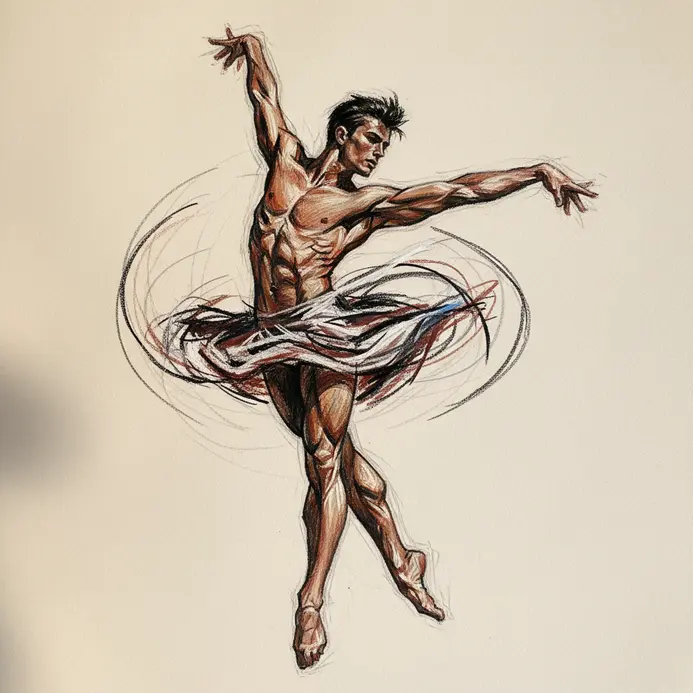
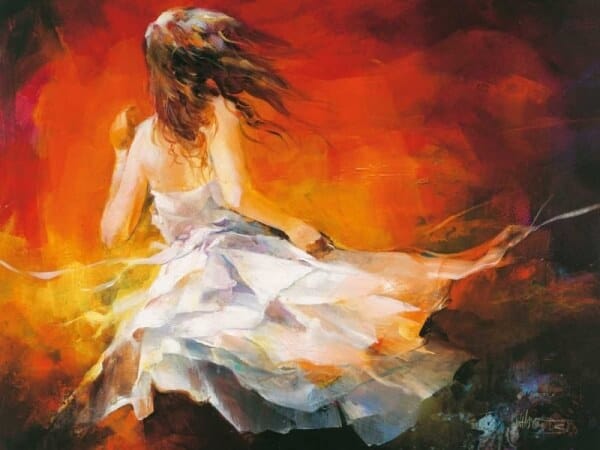
Want to make your figure drawings look like they could leap right off the page? Capturing motion with oil pastels is one of the most thrilling challenges in our medium. We get to use those bold, immediate marks and vibrant, blendable colors to show energy, flow, and direction. It’s less about perfect anatomy and more about the feeling of a dancer mid-twirl or an athlete in full sprint. The physical act of smudging and layering with your fingers or a tool mirrors the movement you’re trying to show. Why does this style feel so alive? It works because we’re visualizing forces you can’t see, like momentum and tension, and making them visible through our strokes. Let’s start with a light, contrasting color to sketch the figure’s core line of action. Forget details for a minute and focus on the main thrust of the pose. From there, let your strokes follow the direction of the movement. A fun tip? Try using broken color by placing separate strokes of pink, yellow, and violet right next to each other instead of fully blending; it gives oil pastel paintings an amazing vibrating energy.
23. Monochromatic Oil Pastel Examples Exploring Value Range
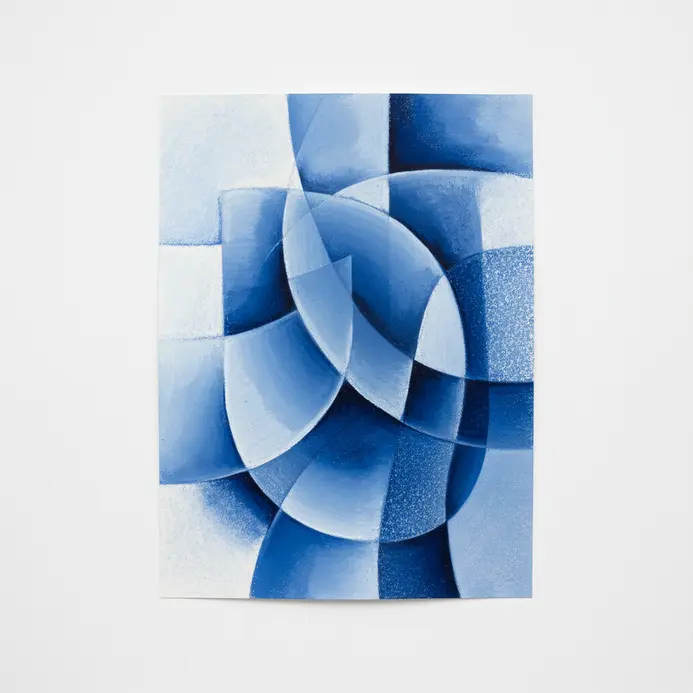
Have you ever tried creating stunning depth in your oil pastel paintings with one color? Let’s explore how monochromatic studies make your art pop. By using a single hue and manipulating its value range, from whisper-light highlights to deep dramatic shadows, you learn to sculpt form with light alone. This approach removes color complexity, so you concentrate on what truly makes objects look real. Isn’t it amazing how much drama you can create without any other colors? Why do we love it? It’s the ultimate skill-builder that hones your eye for light and composition. Here’s a pro tip: grab some mid-tone paper for your next study, and it provides a ready-made middle value, letting you focus on pushing those darks and lights.
24. Experimental Texture Oil Pastel Painting Ideas Using Unconventional Tools
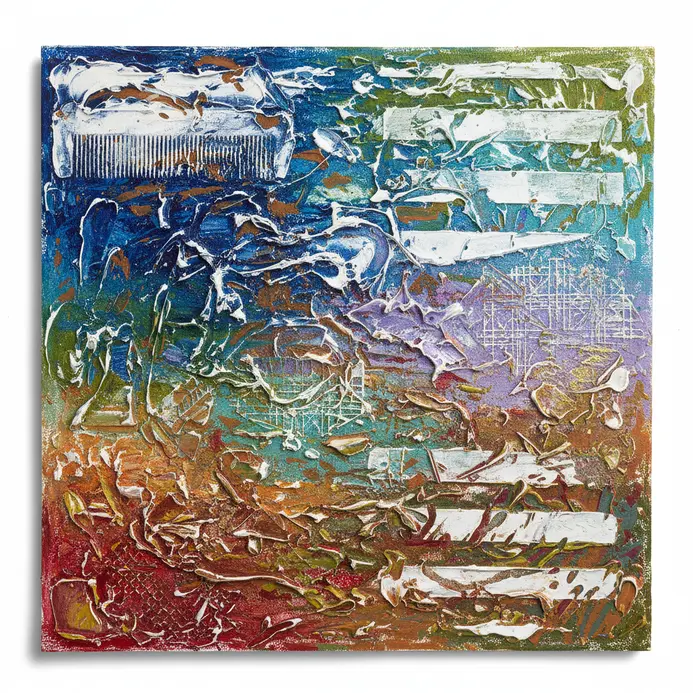
Let’s ditch the usual tools and make some truly wild textures, shall we? This is where your oil pastel paintings get a serious personality injection. We are talking about using anything from bubble wrap to an old credit card to press, scrape, and imprint your way to a masterpiece. It is all about letting the tool do the work and embracing whatever happy accidents happen along the way. The magic here is in found object impressions. Lay a piece of lace or drywall tape on your sturdy paper and rub a pastel stick over it. Boom, instant intricate pattern. Or, try the corrugated cardboard comb technique. Drag that fluted edge through a thick layer of color for perfect parallel lines. Why does this work so well? It forces you to play and adds a physical, tactile dimension you cannot get with your fingers. My favorite quick tip? Grab an old hotel key card. Use its straight edge to scrape away fresh pastel, revealing the colors underneath to draw sharp lines for grass or hair.
25. Cultural Theme Oil Pastel Examples Incorporating Pattern and Symbolism
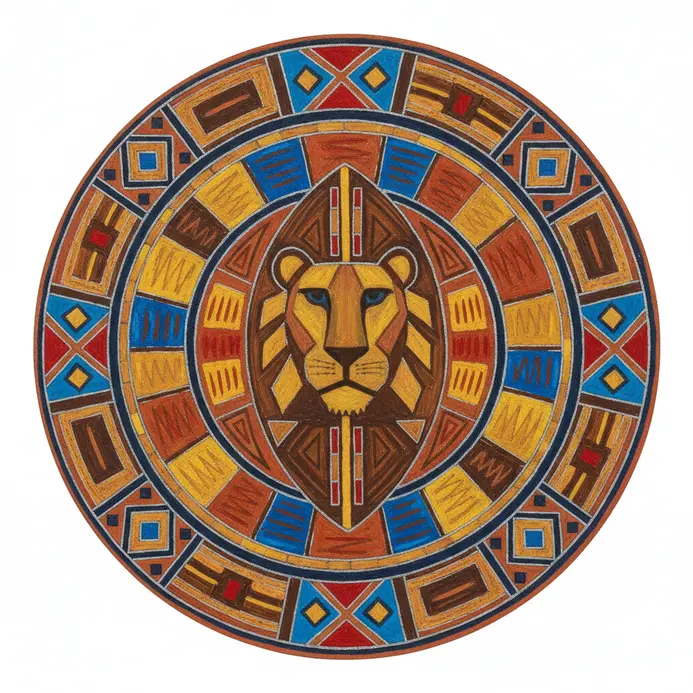
Picture a Día de los Muertos altar glowing with vibrant marigolds and intricate skull designs, all created with your oil pastels. We’re exploring how cultural themes, when mixed with pattern and symbolism, turn into rich, storytelling artwork. The texture and layering of oil pastel is perfect for mimicking weathered walls, traditional textiles, and the energy of a festival. This approach lets you create pieces that feel alive with history and meaning, which is why artists love it for personal, expressive projects. Think about the detailed patterns in henna designs or the repetitive floral motifs on a sugar skull. You can use the sharp edge of your pastel for fine lines or try sgraffito to scratch intricate detail into a thick layer. Want a pro tip? Start with a dark background to make those symbolic, bright colors pop and give oil pastel paintings a stronger presence.
Your Journey from Technique to Artistic Voice
Mastering these advanced concepts is not about following rules, but about acquiring a sophisticated toolkit to express your unique vision. The real magic happens when you start to mix and match these principles—applying a temperature-based depth strategy within a three-tier layering system, or using advanced sgraffito to add detail to an impasto texture. Don’t replicate; experiment. Use the optical mixing theory to develop your personal color harmony, or apply the fat-over-lean principle to a mixed-media resist project. This deeper understanding moves you from simply using oil pastels to truly speaking through them. With these foundations in mind, you’re ready to explore the specific techniques and ideas that will define your next artistic chapter in oil pastel paintings.
Conclusion
Well, that was a whirlwind tour of possibilities, wasn’t it? I hope your mind is buzzing with ideas for your next oil pastel adventure. The beauty of this medium is its incredible versatility, from those soft, blended skies to those sharp, textured details. We’ve covered a lot of ground, but remember, this list is only a starting point. Your unique perspective is what will make your work sing. So, pick one idea that excites you the most, or better yet, combine a few. Grab your pastels, put on some good music, and start making marks. The most important step is always the first one, and your next oil pastel paintings might be the ones that define your style.
FAQs
Q: What are oil pastel paintings and how do oil pastels differ from traditional oil paint?
A: Oil pastel paintings are works created with oil-based sticks that combine pigment and a non-drying oil binder rather than the drying oil used in traditional oil paint. Unlike traditional oil paint that cures and can be varnished, oil pastels remain somewhat malleable, so oil pastels don’t cure the way oil paint does. The nature of oil pastels makes them a vibrant and versatile medium that feels more like drawing and painting at once.
Q: What basic materials and art supplies do I need for oil pastels for beginners?
A: A beginner’s guide to oil pastels recommends a set of oil pastels (choose quality oil brands like Sennelier for highly pigmented results), pastel paper or a textured drawing surface, a soft cloth or blending stumps for blending techniques, a fixative if desired, and optional mineral oil or linseed oil for more advanced blending. Many artists also use colored pencils or soft pastels alongside oil pastels to add fine details.
Q: How do I blend oil pastels and what are common blending techniques?
A: You can blend oil pastels by rubbing with fingers, using paper stumps, or working with solvents such as mineral oil or a non-drying oil binder. Layering and blend and layer approaches allow artists to build depth; you can also sgraffito or scrape back layers. Because oil pastels are oil-based and like oil in feel, blending techniques differ from soft pastels or watercolor, requiring more physical manipulation worked into the surface.
Q: Can oil pastels be combined with other art mediums like watercolor or colored pencils?
A: Yes. Oil pastels offer versatility and can be used with colored pencils for details, soft pastels for softer strokes, or even reserved areas under watercolor washes if the surface and technique allow. Keep in mind oil and soft media interact differently—watercolor repels oil pastels, so plan layering accordingly. Many artists mix mediums to create unique textures and effects.
Q: Do oil pastels need a fixative or varnish and can oil pastel artwork be framed behind glass?
A: Oil pastels remain somewhat tacky, so using a workable fixative or a spray fixative designed for oil pastels can reduce smudging. Unlike traditional oil paint, oil pastels don’t cure, so framing behind glass is common to protect the surface and prevent dust. Choose a fixative recommended for oil-based media and allow proper drying time for any added solvents or oils.