What Is the Hollow-Form Balloon Core Technique
Before diving into a list of inspiring projects, it’s crucial to understand the foundational techniques that bring paper mache sculpture art to life. The hollow-form balloon core is a quintessential method for creating lightweight, whimsical shapes like globes, heads, or fantastical creature bodies.
It involves using an inflated balloon as your base armature, which you then layer with strips of paper mache paste. Once the final layer is completely dry, you pop and remove the balloon, leaving behind a durable, hollow shell ready for paint and decoration. This technique is perfect for a beginner and allows for large, airy forms without the weight of a solid core.
How to Build Solid Core Found Object Armatures
For more structural integrity or a chance to sculpt around existing forms, the solid core found object armature is your go-to technique. This approach transforms everyday items like cardboard tubes, crumpled foil, wire mesh, or old plastic containers into the skeleton of your sculpture.
You tape and mold these materials into your desired three-dimensional shape before applying the paper mache layers. This method speeds up the drying process for the core and is ideal for creating sturdy, complex projects like a dragon, puppet, or decorative pot. It’s a fantastic way to upcycle scrap materials and achieve precise, ambitious forms that a simple balloon does not support.
1. Folk Art Paper Mache Sculpture Examples to Paint
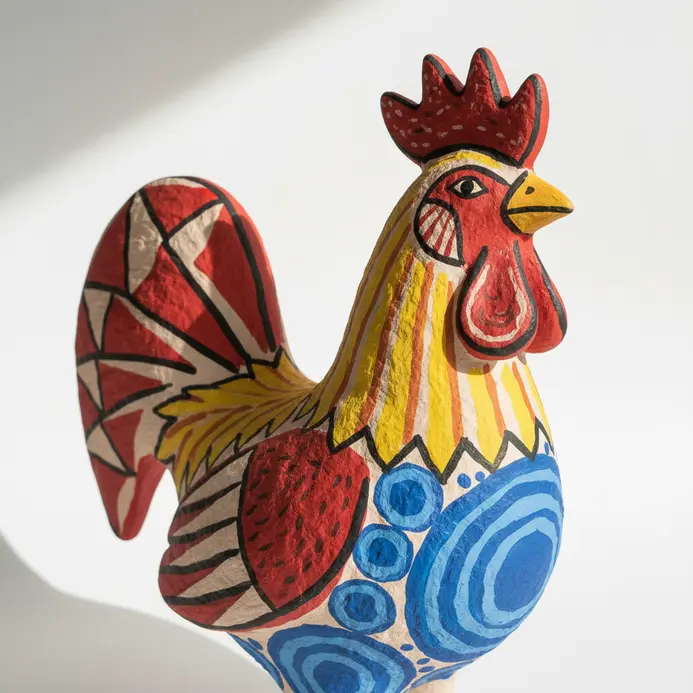
Picture a finished sculpture bursting with personality, waiting for your brush to bring its story to life. Folk art paper mache sculpture art gives us these perfect, three-dimensional canvases, from fantastical Mexican alebrijes to charming rustic animals. Each cultural tradition offers specific forms, like detailed Indian boxes or playful Day of the Dead skeletons, all designed for bold, expressive painting.
We love this because the sculpture itself guides the decoration, making the creative process feel intuitive and deeply connected to global artistry. A great tip is to start with a smooth surface using a gesso-like paste if you want to try those intricate Kashmiri floral patterns.
2. Hyperrealistic Animal Paper Mache Sculpture Styles
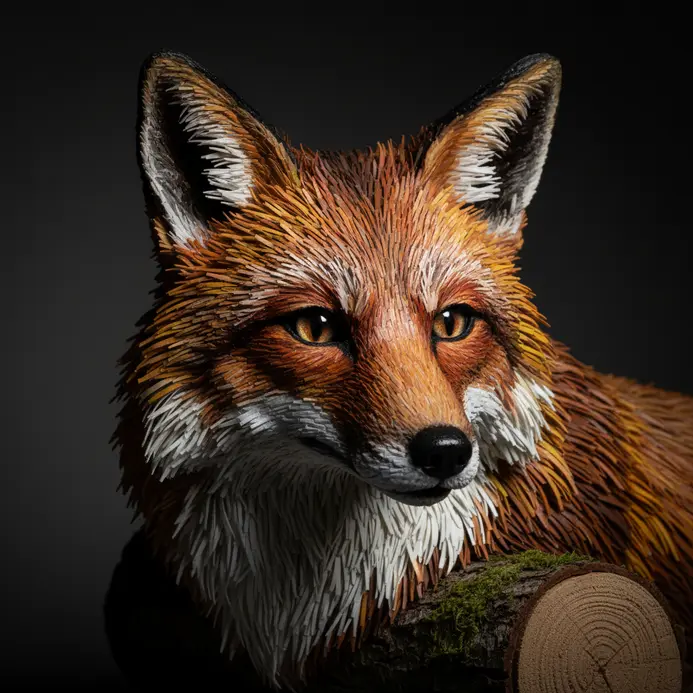
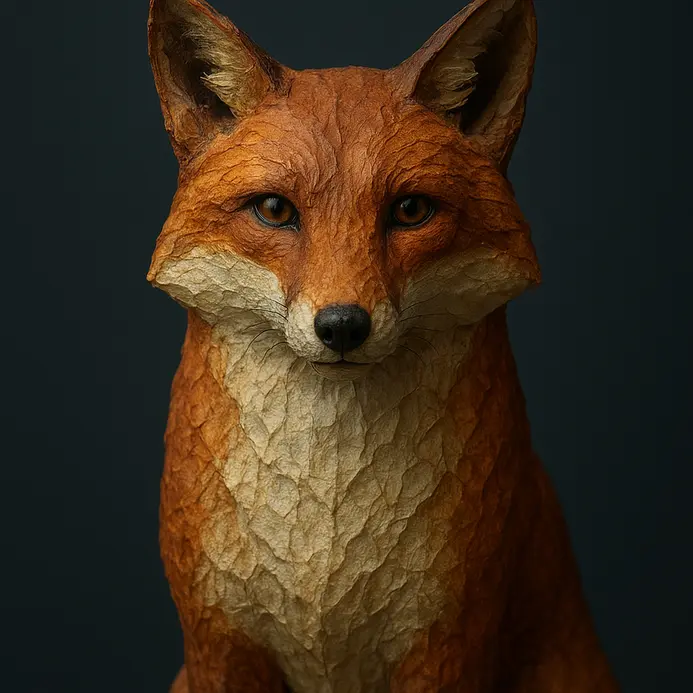
Let’s get real for a second. Have you ever seen paper mache sculpture art so lifelike you had to do a double-take? That’s the magic of hyperrealistic animal styles. This approach transforms humble materials into stunningly accurate creatures.
We’re talking perfect bone structure, muscle tone, and textures that make you want to reach out and touch the fur or scales. It’s all about capturing that spark of life in a pose or a gaze, which is why artists and collectors adore it. The patience pays off in a piece that feels alive.
So, how do we make paper and paste look like a living animal? It starts with an advanced wire armature to build a perfect skeleton, not a basic balloon shape. Then artists build up the form with layers of torn paper and sculpting pulp, but here’s the cool part: they often carve and sand it back down, like working with wood, to get those precise anatomical shapes.
This subtractive method is key for getting the proportions right. Try using methyl cellulose for your paste; it creates an incredibly strong, sandable surface that suits this detailed work.
The real fun begins when we tackle textures. For a sleek reptile or a smooth-skinned dolphin, artists sand the surface to perfection before painting. For a feathered friend, they might layer individual paper mache clay feathers. And for a furry mammal, creative paper application mimics different fur lengths.
The final step is the paint. Artists use airbrushing for smooth gradients and tiny brushes for every last detail, from the glint in an eye to the subtle pattern on a scale. It’s this combination of sculptural skill and painterly finesse that makes paper mache sculpture art in hyperrealist form so breathtaking.
3. Whimsical Cartoon Character Paper Mache Examples
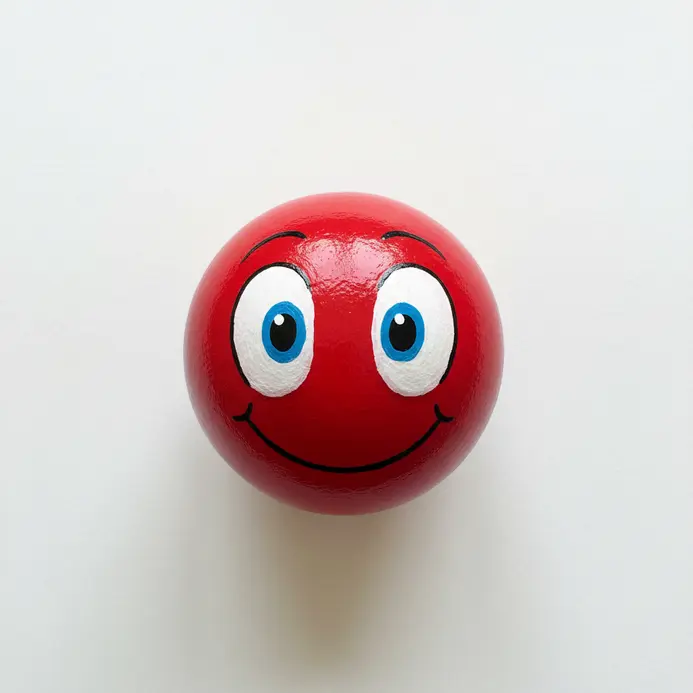
Is there anything more fun than bringing your favorite cartoon pals into the 3D world? Let’s talk about transforming those flat-screen icons into tangible, huggable paper mache sculpture art. We’re taking SpongeBob’s porous grin, Pikachu’s lightning-bolt tail, and those adorable, goggle-eyed Minions off your TV and onto your shelf.
The handmade, slightly imperfect look of paper mache adds a whole new layer of tactile charm to these already playful characters. Why does this work so well? Cartoon designs are built on exaggerated features and simple shapes, which are a perfect match for the forgiving nature of building with paste and paper.
You get to focus on big, expressive eyes and dynamic poses without stressing over perfect realism. A fantastic tip is to raid your recycling for an armature: a Pringles can makes a brilliant Minion body, while a simple box is the ideal start for SpongeBob. Are you ready to mix up some paste and dive into a world of pure, squishy nostalgia?
4. Mixed Media Assemblage Paper Mache Sculpture Ideas
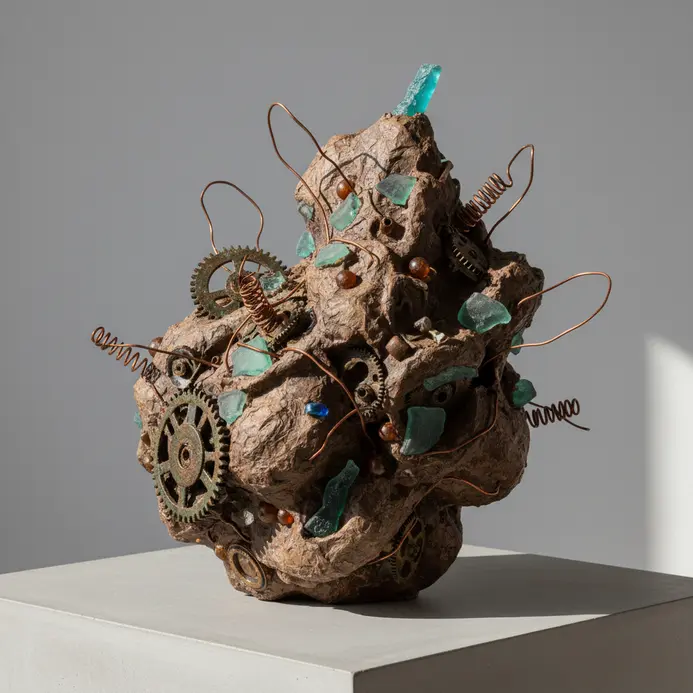
Let’s get wild and make something that tells a story before you even explain it. This is where you take your basic paper mache form and start a conversation with all the forgotten treasures in your junk drawer. We’re talking about attaching gears to a creature’s flank, letting twigs become hair, or letting an old key tell part of your sculpture’s history.
The found object philosophy is everything here. It is not about gluing stuff on at random; it is about letting each material’s own past add depth to your new creation. Mixed-media paper mache sculpture art thrives on that layered sense of history.
Why does this approach work so well? It creates instant magic through contrast. The soft, handmade feel of your paper mache base suddenly has this intriguing dialogue with something hard, shiny, or weathered.
You might build a Steampunk Guardian with watch parts for eyes, or a Forest Spirit bust where bark forms the lips. The best tip I’ve found is simple: don’t force it. Lay your objects around your armature as you build and see what relationships form naturally. The juxtaposition itself will start telling the story for you.
5. Abstract Organic Form Paper Mache Examples

What if your sculpture didn’t look like anything specific, but still felt alive? That’s the magic of abstract organic forms in paper mache. This branch of paper mache sculpture art leans into shapes that whisper of cells, sea creatures, or weathered stones without copying them directly.
You build these flowing, irregular pieces to capture a feeling or energy, not a literal picture. People adore this style because it lets you play with pure shape and texture to express something deep, without the pressure of making it look right.
You’ll see a few variations out there. Biomorphic forms are those soft, blobby shapes that remind you of amoebas or internal organs. Then you’ve got sharp, crystalline pieces inspired by rocks and volcanoes. Botanical forms hint at seeds and pods, while corporal shapes suggest body parts in an artistic way.
The fun is in the contrast, pairing a smooth, glossy section with a rough, gritty patch right next to it. It creates visual rhythm and tension that’s mesmerizing to look at.
Ready to try one? A fantastic tip is to start your armature with bunched-up aluminum foil or twisted wire. It’s forgiving and lets you sculpt those wild, curvy lines with ease.
Then, when you layer on your paper mache and paste, focus on creating different surface qualities. Add some sand to your paint for a rocky feel on one part, and keep another area glassy smooth. The final step is choosing a color palette that enhances the mood, like deep ocean blues or earthy rust tones. What emotion do you want your piece to evoke?
6. Large-Scale Installation Paper Mache Sculpture Styles
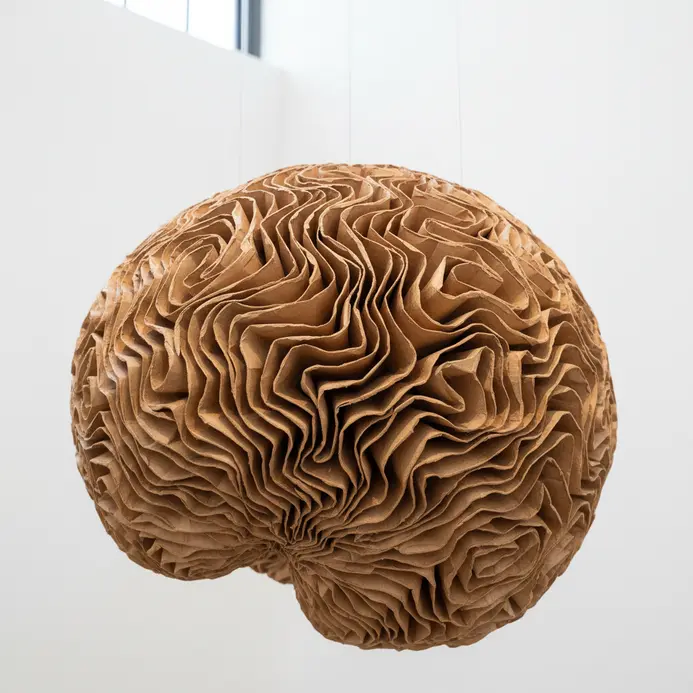
Picture walking into a room completely overtaken by a massive, fantastical creature made from layers of newspaper and glue. That’s the magic of large-scale installation paper mache sculpture art, where artists transform humble materials into breathtaking, room-filling spectacles. This isn’t your childhood paper mache project; it’s a full architectural endeavor requiring serious planning.
We’re talking about building a strong armature from chicken wire or wood to support the weight before a single strip of paper is applied. The result is an immersive experience you can walk around or even through. Artists love this style because it lets them create entire worlds and tell stories on a monumental, unforgettable scale.
There are so many exciting approaches within this niche. Some artists go for hyper-realistic, life-sized figures so detailed you’d swear they’re about to breathe. Others embrace an organic, biomorphic style, making installations that look like giant seed pods or coral reefs growing from the walls.
Then there are geometric builders who use the medium to play with light and shadow through precise forms. Many of these incredible works are designed to be temporary or involve community participation, making the creation process as meaningful as the final piece. What’s your favorite large-scale art installation? Let’s think big.
7. Miniature Paper Mache Sculpture Examples for Small Spaces

Picture this: a whimsical, thumb-sized dragon curled around a crystal, adding magic to your bookshelf without using any real estate. We’re diving into miniature paper mache sculpture art that fits perfectly in small spaces. You create entire tiny worlds, from fairy gardens with toadstools to desert cacti in a saucer, all with simple materials.
The level of detail possible in these miniatures is stunning. People love these projects because they offer a creative escape that doesn’t demand a large workspace.
When working on this scale, choose fine papers like tissue or coffee filters to capture smooth details. Are you ready to transform a bottle cap into a tiny sea turtle’s home? The possibilities are endless.
You turn everyday items into charming displays with glue and paint. A pro tip: for armatures, start with twisted wire to get the perfect shape, and consider using dried twigs for natural elements like tree trunks. Remember, the key is to have fun and embrace the creativity that comes with working on a small scale.
8. Geometric Paper Mache Sculpture Styles Worth Exploring
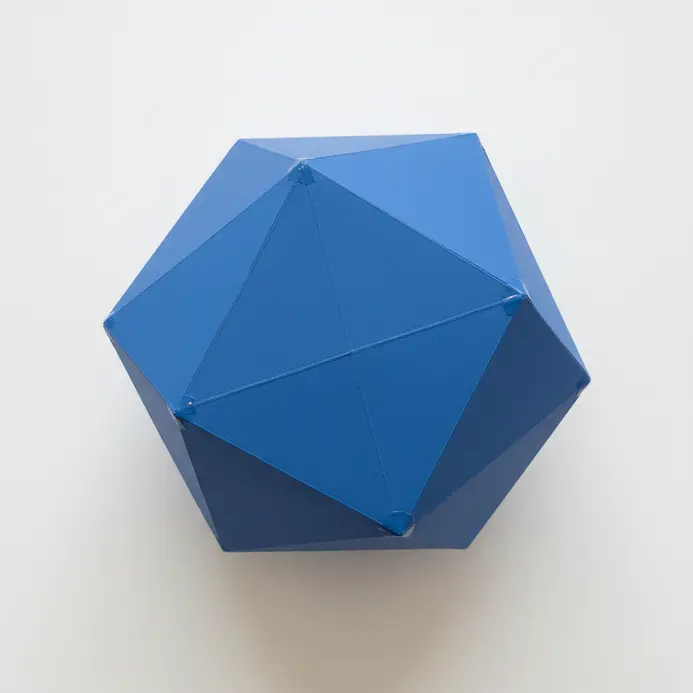
Have you ever stared at a geometric shape and thought, I could make that into art? Geometric paper mache is where math meets visual drama. We’re not applying paste to balloons here; we’re building precise forms like Platonic solids or playful low-poly creatures.
This style of paper mache sculpture art opens up a world where you build everything from simple tessellations to complex architectural models. Imagine creating a shimmering mobile of icosahedrons or a funky faceted animal head.
Why do we love it? It turns basic materials into stunning, three-dimensional pieces that are as fun to make as they are to display. It’s a satisfying blend of art and science, making each project a hands-on lesson in form and function.
Here’s a handy tip: use pre-cut templates for consistent shapes, and experiment with metallic paint to make your geometric creations pop.
9. Mythical Creature Paper Mache Sculpture Examples
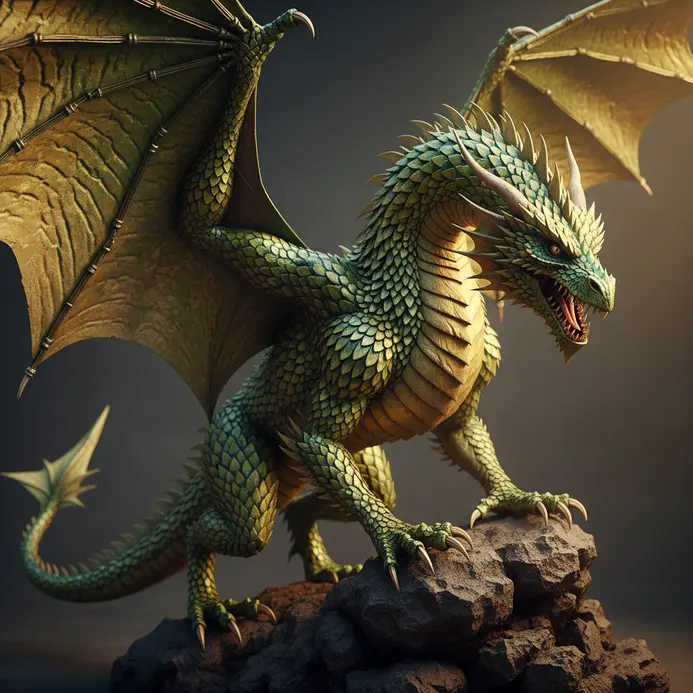
Picture this: a gleaming dragon coiled on your shelf or a phoenix mid-flight, all made from humble paper and glue. Mythical creature paper mache sculpture art works so well because the medium is lightweight, accepts rich texture, and lets you sculpt anything your imagination cooks up.
Think detailed scales made from egg carton pieces or flowing manes from paper mache clay. The magic here is how accessible it feels; you don’t need fancy tools to start bringing fantasy to life. My go-to tip is to build a wire skeleton first for dynamic poses, since it gives your creature attitude and makes the process more fluid.
10. Portrait And Bust Paper Mache Sculpture Styles
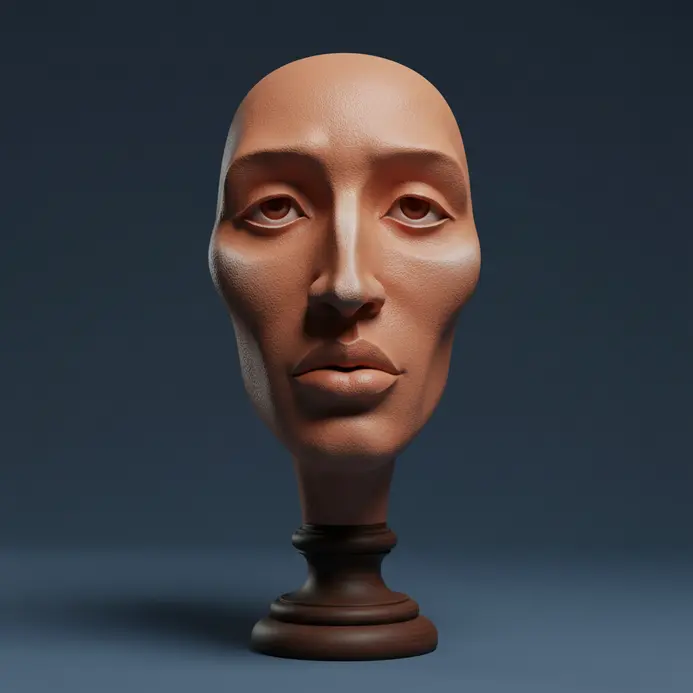
What’s more personal than capturing a face in your artwork? Let’s talk about turning paper and paste into a person, which is one of the most expressive things you can do with paper mache sculpture art. This style lets you create everything from smooth, classical busts that look like museum pieces to wildly expressive portraits full of character and texture.
We love it because you get this great combination of strength and lightness, so your finished portrait is durable and easy to display. Why does this work so well for portraits? The medium is forgiving and versatile.
You can build up an armature from wire and foil, then layer on strips to capture subtle cheekbones or a strong jawline. Once it’s dry, that surface is a dream for paint, whether you’re going for a realistic skin tone or a bold, stylized finish. I always suggest starting with a simple bust shape to get a feel for the forms before attempting a full likeness.
11. Botanical Paper Mache Sculpture Examples Featuring Plants
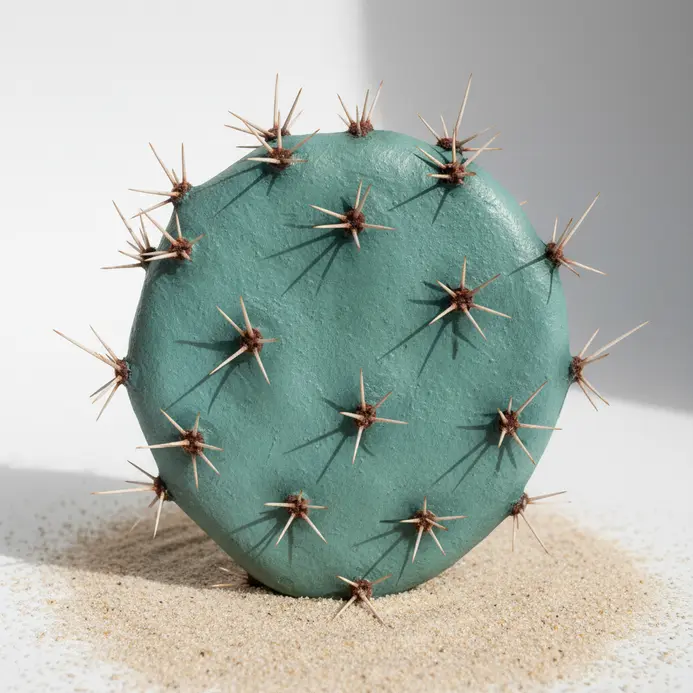
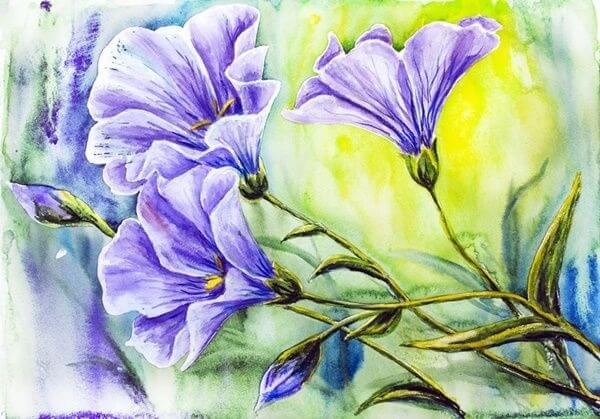
Have you ever wanted to bring the garden indoors in a way that lasts? Let’s talk about botanical paper mache sculpture art, where you get to play with scale and style to create stunning plant forms. We see everything from scientifically accurate orchids with delicate watercolor washes to giant, whimsical sunflowers that make a room pop.
The best part is how this medium lets you capture the textures of leaves and petals in a way that feels both magical and sustainable. Paper mache’s flexibility suits the organic curves and intricate veins of plant life.
You can build a detailed armature from wire to support those dramatic, curling petals on a large bloom. For a hyper-realistic look, try layering thin strips and using a paper mache clay recipe to sculpt perfect seed pods or mushroom gills. It’s all about building up those natural forms layer by layer.
12. Architectural Paper Mache Sculpture Styles for Beginners
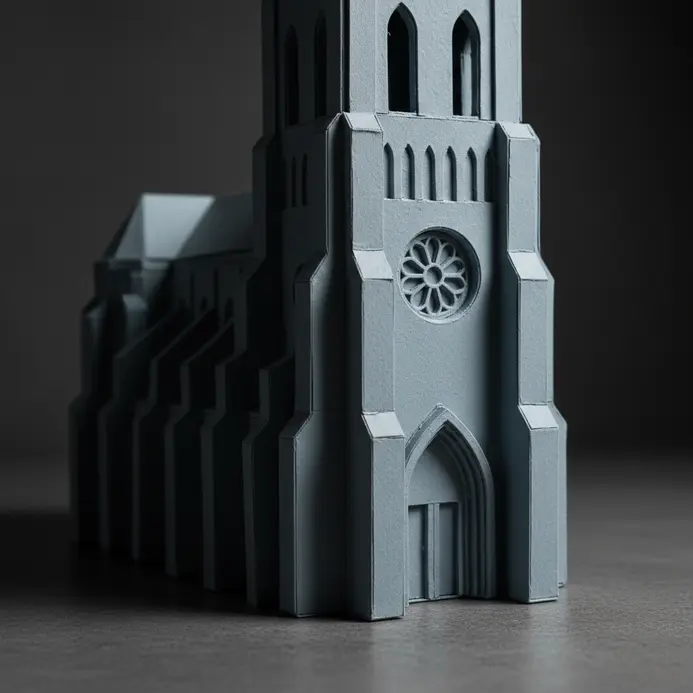
Okay, let’s build something that looks incredible but feels totally doable. Architectural paper mache sculpture art is a strong gateway because you get to play with form and space without needing an engineering degree. We’re talking about simplified, stylized versions of classic buildings where your creativity does the heavy lifting.
The best part? A few cardboard boxes and some paste can transform into a miniature cityscape before you know it. The magic here is in the simplification.
Instead of getting bogged down in perfect details, you focus on the iconic shapes that make a style recognizable. Think about the bold, blocky towers of a medieval keep or the clean lines of a modernist cube. You build a simple cardboard armature as your skeleton, layer on those paper mache strips, and suddenly you’re thinking like an architect.
It works well for beginners because it’s forgiving. A slightly wobbly wall or an asymmetrical window adds character and makes your piece uniquely yours. If you want smooth surfaces for something like a sleek Art Deco skyscraper, try using a layer of paper mache clay over your base form before you paint. It sands beautifully and gives you those crisp edges.
13. Textured Surface Paper Mache Sculpture Examples
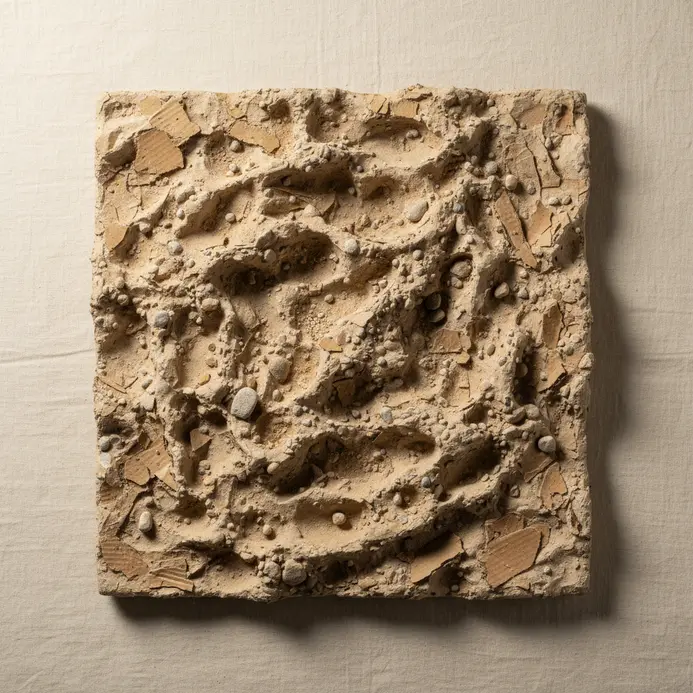
Let’s talk about the moment a smooth form gets its soul, when we add texture. This is where paper mache sculpture art transforms from a simple shape into something you want to reach out and touch. We can mimic gnarled tree bark, rocky cliffs, or even the pebbled skin of a lizard by manipulating our materials during the layering process.
Texture adds visual depth and realism, making your piece feel alive and much more sophisticated. You’ll often start with a base armature of crumpled foil or cardboard, then build up the character.
For organic textures like bark, try applying paste-soaked pieces of paper towel or torn egg cartons in rough, overlapping patches. Want something craggier, like a canyon wall? Paper mache clay is your best friend here. Apply it in thick, uneven lumps and use a fork or your fingers to carve striations and holes before it dries.
People love this approach because it’s forgiving and tactile; you’re sculpting the texture by hand. If you’re going for reptile scales, press a ball of aluminum foil into your final wet layer to create a pebbled pattern instantly. After everything is bone dry, dry brushing with multiple shades of acrylic paint will make every crack and groove pop. The goal is to create a surface that tells a story on its own.
14. Monochromatic Paper Mache Sculpture Styles Worth Exploring
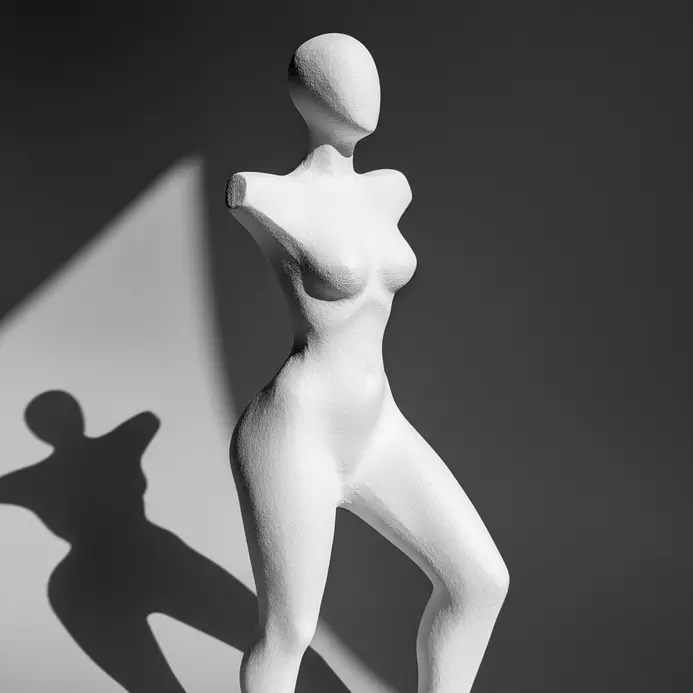
Have you ever seen a sculpture that makes you stop and admire its shape, forgetting all about color? That’s the magic of working in a single hue. By stripping away a rainbow palette, your paper mache sculpture art becomes a pure study of form, texture, and how light moves across its surface.
We’re talking about pieces that feel more like architectural models or ancient artifacts than simple diy decor. This approach is powerful because it forces the focus onto what you’ve built, not what you’ve painted.
You’ll find yourself obsessed with getting that armature smooth for a minimalist cube or piling on crumpled paper for a wonderfully bumpy organic texture. A monochrome finish creates a cohesive, sophisticated statement that lets the sculpture’s personality stand out. Try starting with a simple white or grey palette to see how it transforms your work.
15. Functional Paper Mache Sculpture Examples (Bowls, Vessels)
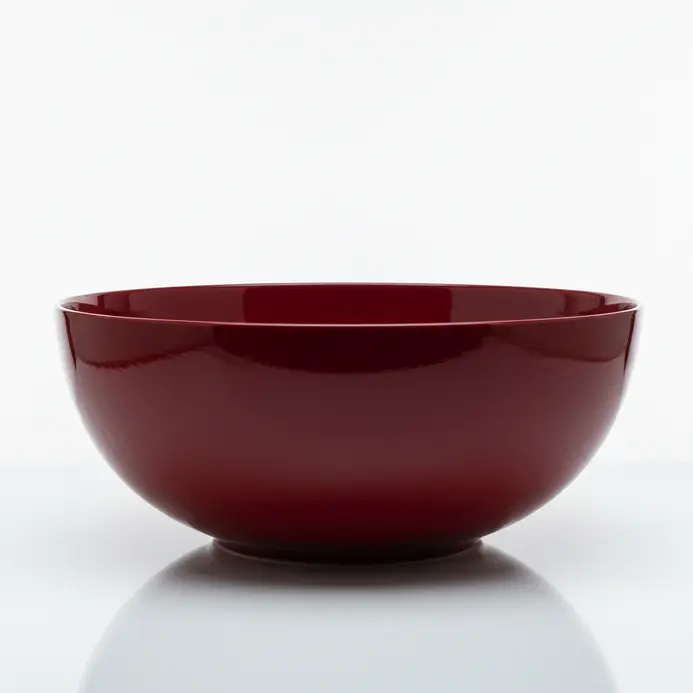
The idea of making a bowl you can use from old newspaper and paste sounds a bit wild, right? But that’s the appeal of functional paper mache sculpture art. We’re talking about creating feather-light, resilient pieces that are full of personality.
You can mold one over a simple bowl to get a smooth shape, or weave strips into a textured, organic vessel form. The key is a good waterproof sealant like polyurethane to help make it ready for action.
Why are people so drawn to this? You get a custom, functional art piece for pennies. Forget the potter’s wheel; with paper mache, you can make one shaped like a whale or one covered in decoupaged maps.
For a sleek look, try pressing paper pulp into a mold instead of layering strips. It gives you thinner, more consistent walls that suit a modern vibe.
16. Cultural Tradition Paper Mache Sculpture Styles
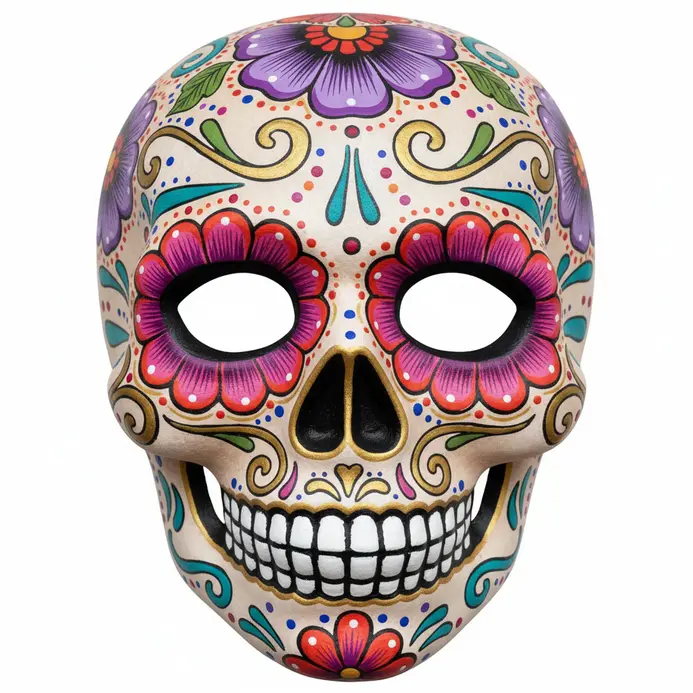
Picture this: a shimmering Kashmiri box adorned with intricate gold patterns, or a vibrant Mexican alebrije dancing with color. It is amazing how paper mache transforms into such profound art across cultures. In Kashmir, artisans use paper pulp over molds, polishing it with stone and painting with fine brushes to create glossy, symbolic pieces.
Meanwhile, in Mexico, strips of paper are layered over armatures to make whimsical piñatas and alebrijes for festivals. Don’t forget the elegant simplicity of Japanese hariko, with daruma dolls for making wishes, or the festive carnival masks from Germany. Each culture has its own twist on this versatile medium.
People are drawn to these traditions because they make art accessible and meaningful, turning simple materials into expressions of faith, joy, and identity. Try mixing techniques: use a paper strip armature like in Mexico, then paint with the detailed precision of Kashmiri work. It’s a great way to explore global styles in your next paper mache sculpture art project.
17. Beginner-Friendly Animal Paper Mache Sculpture Examples
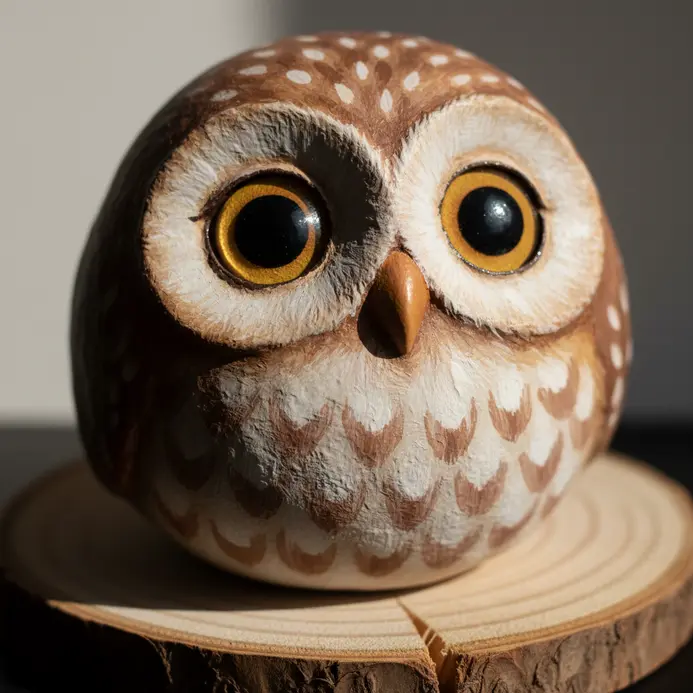
Let’s start with the easiest animals to build, because we want your first try with paper mache sculpture art to feel like a win. We’re talking about simple, forgiving forms like a round owl or a plump penguin, often built on a classic balloon base. You’ll learn the layering process without stressing over a complex armature, and the result is a smooth, solid shape ready for paint and personality.
Why does this work so well? The balloon does the heavy shape-making for you, so you focus on the fun, messy part of pasting and tearing paper. Once you’ve got the balloon technique down, you can move to animals built with a cardboard and tape armature.
This is where you learn to create basic 3D structure, like a lovable sheep made from crumpled newspaper balls or a turtle with a cardboard shell. These projects are wonderfully imperfect, and every lump adds character. A helpful tip for this stage is to use a mix of newspaper and paper towel strips; the towel adds great texture for fur or feathers.
18. Advanced Portrait Paper Mache Sculpture Styles for Experienced Artists
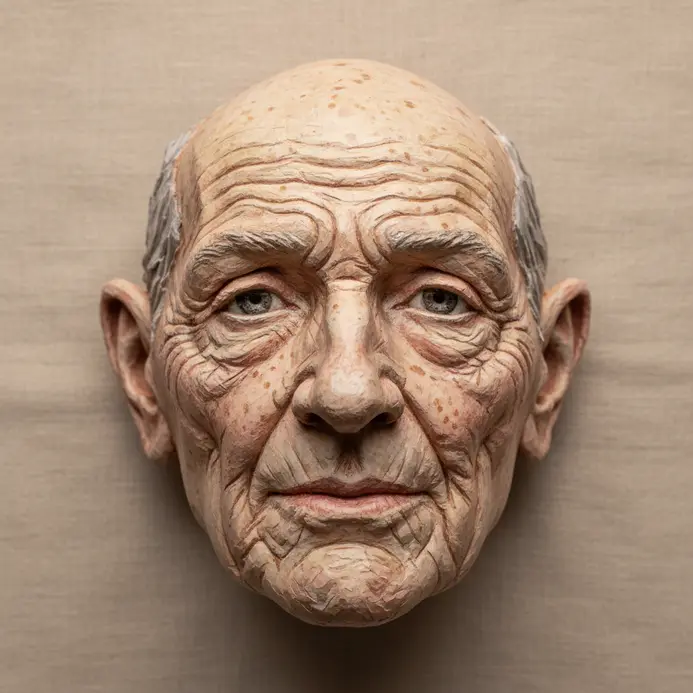
Ever imagined a portrait where light dances across geometric planes, all born from paper mache sculpture art? Let’s jump into styles that make your work gallery-ready. We love the segmented approach, building the face from angular planes over cardboard templates to catch shadows like a Cubist painting.
Then negative space portraiture lets you carve out sections, revealing an armature for a dramatic memento mori effect. These methods add depth and a modern edge. Artists are drawn to them because they turn simple materials into expressive, durable art that stands out.
For delicate areas like lips, use a paper pulp mix with wheat paste to sculpt fine details without adding weight.
19. Fantasy World Paper Mache Sculpture Examples Featuring Imaginative Subjects
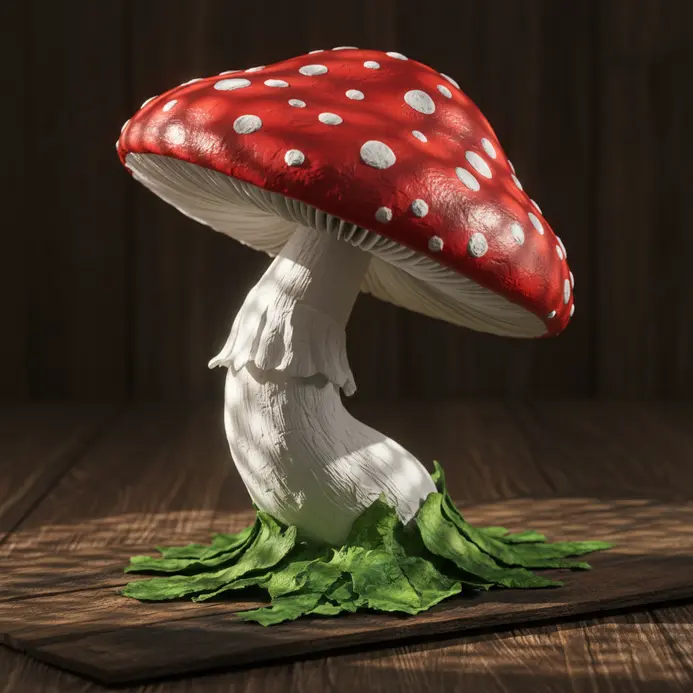
Picture a majestic dragon with scales made from layered paper, perched right on your bookshelf. This is where paper mache sculpture art shines, letting us build entire fantasy worlds from simple strips of paper and paste. We’re talking about everything from delicate fairies with tissue paper wings to powerful wizards with gnarled staffs, all springing to life from your imagination.
The reason people love this so much is that the medium’s forgiving, textural nature suits whimsical, otherworldly characters with tons of personality. For mythical creatures, building a strong wire armature is your secret weapon for those dynamic dragon poses or gryphon anatomy.
You can create incredible textures too, think egg carton pieces for dragon scales or a fringing technique with paper strips for a unicorn’s flowing mane. It works so well because you’re not making a statue alone; you’re giving form to a story, and every textured layer adds to the magic.
For enchanted beings like sprites or sorcerers, the fun is in the magical details. A wizard’s floating spellbook can use pages of thin paper, and fairy wings look amazing when you wrap wire in iridescent tissue. Don’t be afraid to mix media. A painted acrylic gradient on a phoenix’s wings or a few glued-on gems for a crystalline horn can transform your piece from cute to epic. What story will you tell first?
Conclusion
Wow, what a tour. We’ve seen how paper mache sculpture art can be folk art bold or hyperrealistically subtle, miniature or monumental. It’s clear this humble mix of paper and paste is a gateway to any style you can dream up. I love how it invites play and serious artistry in equal measure. So what’s your next move? Did one of these styles make your fingers itch to create? Pick the idea that excited you most, grab some newspaper and paste, and start building your own three-dimensional masterpiece today. The only limit is the paper you can find. And remember — the materials needed are often already in your recycling bin. Explore, experiment, and let your imagination transform simple strips into lasting art.
FAQs
Q: How do I learn to make a paper mache sculpture art piece — is there a simple tutorial for beginners?
A: A basic tutorial to learn to make paper mâché sculpture art starts with an armature (foil, corrugated cardboard, wire, or foam) covered in masking tape, then tearing strips of paper and dipping them in a glue mixture (Elmer’s diluted with water or a flour-and-water paste). Layer strips, smoothing and letting each coat dry overnight until the form dries very hard, then sand any rough areas, decorate with paint or colored pencils, and seal. This step-by-step approach works well for many craft projects.
Q: Can I make large paper mache sculptures and what materials help when I want to make large pieces?
A: To make large paper mache sculptures, use a strong armature such as corrugated cardboard, chicken wire, or a foam core, and reinforce joints with masking tape. Apply multiple coats of papier-mâché and allow long drying times — sometimes dry overnight for thick areas — and consider alternating lighter materials and plaster for added strength on big builds. Building in sections and assembling later keeps weight manageable.
Q: What is the best paste to use — Elmer’s glue or a flour paste — and how do I prepare it?
A: Both options work: dilute Elmer’s with an equal part of water for a consistent, less smelly adhesive, or make a flour paste by cooking 1 part flour with 4 parts water until thickened and cooled. Add water to thin if needed. Elmer’s tends to be tidier for fine detail, while flour paste is cheap and traditional for papier-mâché craft projects.
Q: How do I deal with delicate textures and rough areas when my paper mâché dries very hard?
A: Once the paper mâché dries very hard, sand rough areas gently with fine-grit sandpaper, add another thin coat of paste and paper for smoothing, or use plaster to fill deep imperfections. For fine textures, apply a final thin coat, let it dry overnight, then refine with sanding and decorate using colored pencils, paint, or sealant.
Q: What papers should I use for layering — can I use newspaper, tissue, or should I avoid corrugated cardboard?
A: Tearing strips of paper from newspaper or tissue works well; newspaper provides strength, tissue gives a smooth finish for details. Avoid using corrugated cardboard directly for layered strips because its ridges can show through; instead use corrugated cardboard for armature or structure and cover it with smooth paper layers to create an even surface for papier-mâché.