
Weatherproof Camera Setup For Downpours
A rain cover over the camera body keeps water away from buttons, ports, and the battery door during a downpour, which builds a reliable foundation for Rain Photography Ideas in heavy weather. Choose a cover with a clear touchscreen panel, a snug lens opening, and room for your hands to adjust controls. Weather sealing helps, yet it does not protect an exposed lens mount or loose cable connection. A lens hood keeps drops off the front element while also reducing glare from wet streetlights.
Pack two microfiber cloths in separate pockets, since one damp cloth spreads moisture across glass. Spare batteries belong in a sealed pouch, because cold rain sessions drain power faster. Keep the camera strap short and secure, especially near traffic or slick steps, and remember that proper gear maintenance matters for all Rain Photography Ideas. A weather-sealed camera needs a cover when rainfall becomes heavy.
Background Contrast For Visible Droplets
Place falling rain against a dark background such as a wall, doorway, or shaded tree line to make individual droplets stand out, an approach that anchors successful Rain Photography Ideas in clear contrast. Side light from a storefront or headlight reveals drops more clearly than a bright gray sky behind your subject. Keep the brightest sign or lamp near the frame edge, then check the histogram for clipped highlights before pressing the shutter.
Wet pavement also needs a quick glance, since reflected lettering and headlights often pull attention from the intended subject. A telephoto lens compresses distant rain layers and simplifies cluttered streets, while a wide lens records reflections with surrounding architecture. Focus on a person, umbrella edge, or nearby surface with firm contrast, because selective targeting keeps your composition sharp. A plain dark background gives rainfall a clean outline without hiding the scene.
1. Neon Puddle Reflection Streetscape for Saturated Night Color

How do ordinary streets become so cinematic after dark? Start with a 35mm lens and photograph from a low eye-level position, keeping deep puddles across the foreground, since surface reflections drive the mood for Rain Photography Ideas in urban settings. Neon storefronts in magenta, cyan, violet, cobalt blue, and acid green should stretch through the wet asphalt, while blurred headlights and umbrella-carrying figures add movement behind them.
Build the frame in layers with glowing signs, wet brick façades, steam, and soft mist, an approach that defines successful Rain Photography Ideas in city environments. Let the puddles hold the brightest color, then keep the surrounding shadows deep enough to preserve pavement texture. A shallow depth of field separates the reflections from distant pedestrians, while subtle motion blur gives passing people and cars a natural nighttime feel. I love how each ripple changes the color pattern without losing the street’s shape.
Keep a low shooting position throughout, since a high camera angle reduces the reflection’s presence, which matters greatly when organizing Rain Photography Ideas around ground-level symmetry. Watch your exposure around bright signs, and lower saturation during editing if pavement detail starts disappearing. Glossy surfaces, soft light bloom, and layered depth will give your rain photography ideas a moody urban finish.
2. Macro Raindrop Floral Detail Shot With Soft Focus
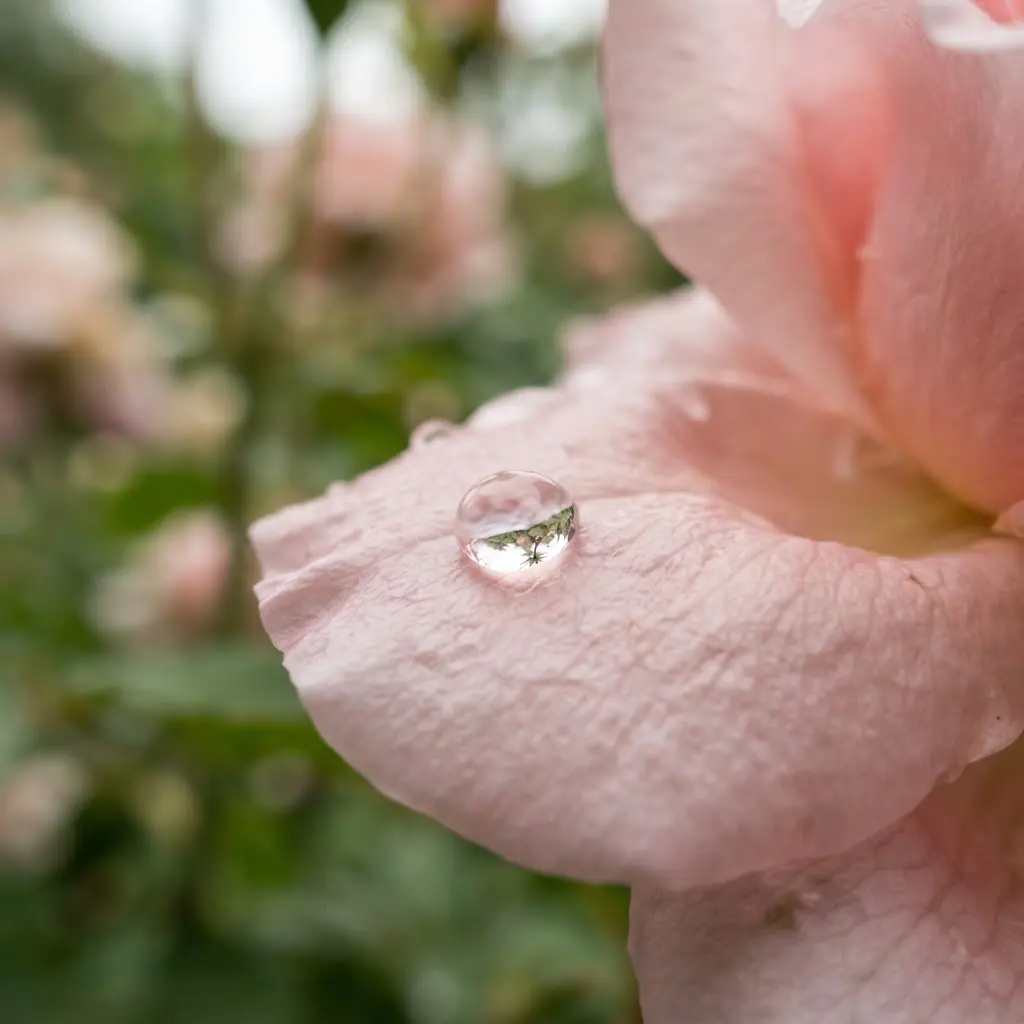
A macro flower study feels intimate, fresh, and easy to stage after a gentle shower, and this quiet moment connects perfectly with Rain Photography Ideas that highlight botanical details. Choose a richly colored bloom with raindrops resting across the petals, then use a macro photography setup to bring one small cluster into crisp focus. Soft, diffused natural light keeps reflections delicate while revealing petal texture and tiny highlights inside each droplet.
Why does this work so well? The sharp water details hold your eye while the shallow depth of field creates a romantic botanical mood, proving that Rain Photography Ideas often succeed through simple focus and patience. I love watching the focus falloff move gently from the clearest droplet into a smooth blur. Shift your position by a few inches until the background color sits behind the subject without distracting shapes. Trust me on this one, a lower camera angle often reveals richer reflections and makes the droplets feel rounder. Protect the highlights by avoiding harsh midday light, then enjoy the calm, polished result.
3. Cinematic Backlit Umbrella Silhouette Portrait With Clean Framing
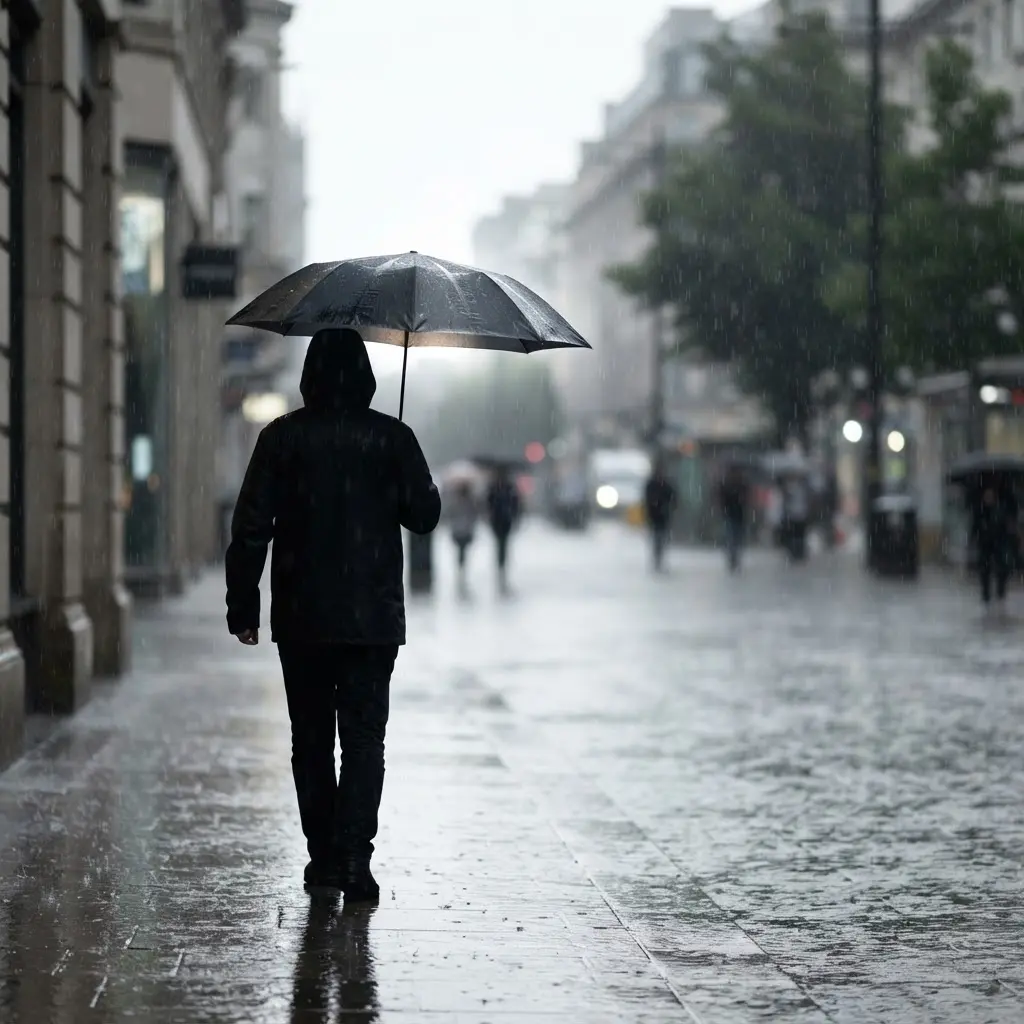
I love this setup because it turns an ordinary rainy moment into a quiet film-still portrait, and placing subjects carefully remains a staple of Rain Photography Ideas. Place your subject beneath a transparent umbrella, then keep the camera centered in portrait orientation. Leave generous space around the figure, with a simple background in soft amber and charcoal tones. Sound complicated? It isn’t.
Set a warm backlight behind the subject before moving them into position, because controlled lighting separates good shots from the best Rain Photography Ideas. Aim for a glowing rim around the umbrella, gentle outlines along the head and shoulders, and fine rain streaks crossing the light. Keep the subject mostly dark, since a fully lit face will weaken the mood. A little haze adds depth, but too much will hide the umbrella’s edge and clothing details.
This works because symmetry, contrast, and negative space guide your eye straight to the solitary figure. My go-to tip is using an 85mm lens with a shallow depth of field for a refined portrait look. Protect your camera and light from water, then check each frame for background clutter. You’ll love how calm and polished the final image feels.
4. Blurred City Traffic Light Streaks for Evening Movement

Red, amber, and white lights smear across the rainy street, while headlights ripple through the reflections below, creating a visual rhythm that many Rain Photography Ideas aim to capture. Passing cars soften into dark shapes, and the deep blue sky gives every warm glow more color. Isn’t it satisfying when a busy road turns into such a calm, cinematic scene? Wet pavement gives the frame its richest depth.
Set up your camera during blue hour, then frame traffic lights, moving cars, nearby towers, and a little atmospheric haze, since timing dictates the mood for most Rain Photography Ideas. Use a long exposure so each vehicle leaves horizontal light trails instead of sharp details. Keep a shallow depth of field for soft edges, while preserving separate red, amber, and white tones. I love lowering the camera close to the road because reflections fill the foreground and pull the eye through the scene.
Leave enough space beside the traffic flow for the streaks to travel across the frame. A mix of cool surroundings and warm street color keeps the image easy to read, even with blurred silhouettes. Trust me on this one: include neon signs or building lights rather than relying on signals alone, because ambient glow elevates your composition. Blue-hour timing protects the rich sky color, so your evening movement shot feels layered and full of energy.
5. Abstract Window Raindrop Bokeh Pattern in Soft Color
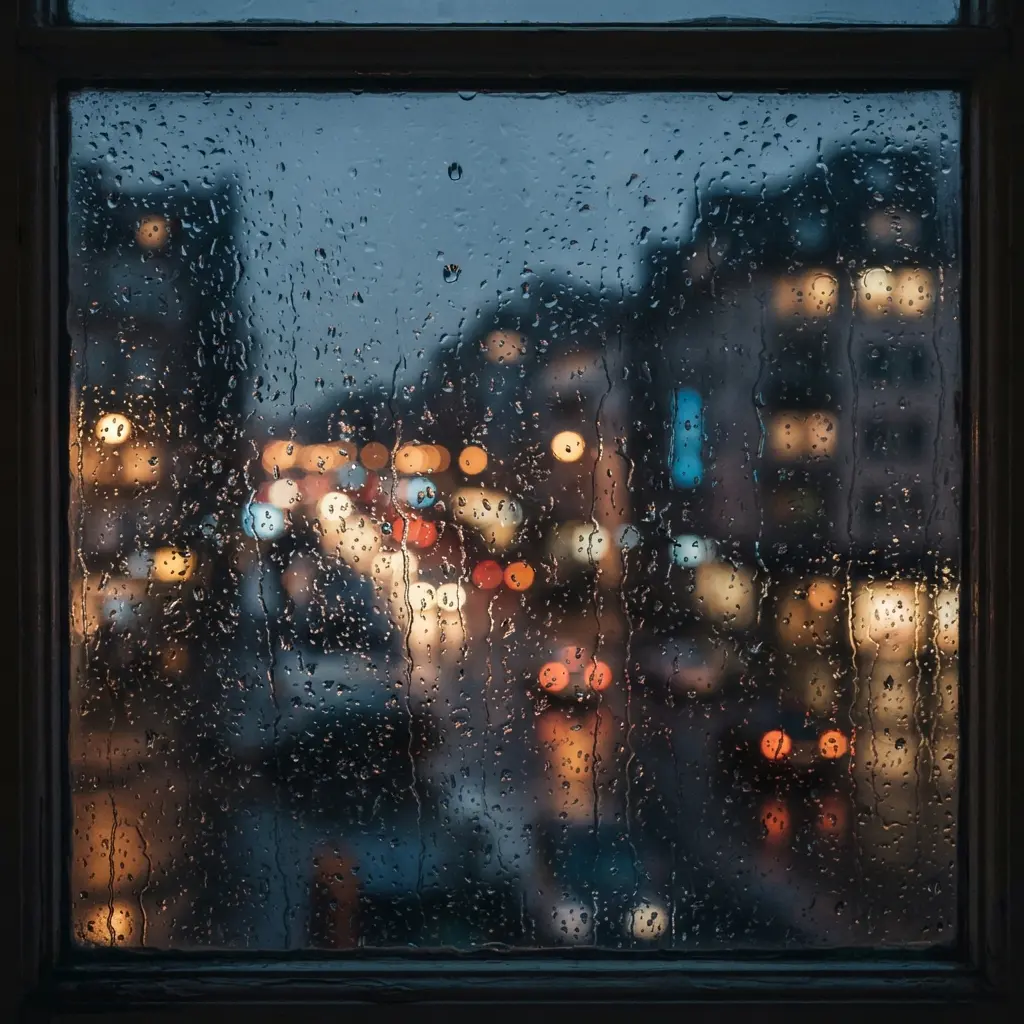
Many beginners think a raindrop bokeh photo needs a busy scene, but a clean, quiet setup gives each droplet more presence, which matches the minimalist philosophy behind these Rain Photography Ideas. Start with a glass window surface, place blush pink, lavender, pale blue, peach, or warm cream behind it, and keep your lens close to the drops. Clean the lens first, steady the camera if needed, and shift focus until the drops look delicate rather than sharp-edged.
Use diffused light and a shallow depth of field so the droplets stay gently textured, because selective focus elevates Rain Photography Ideas into gallery-ready pieces. Distant colors soften into round bokeh, smooth gradients, and blurred reflections, creating a calm contemporary wall art feel, especially with no people or defined objects competing for attention. Keep harsh highlights away, then adjust your angle until the colors flow softly behind the glass. The finished image feels peaceful, polished, and ready for a modern room.
6. Minimalist Lone Bench Rainy Landscape With Quiet Space

Place a solitary wooden bench near one side of an open field, leaving generous negative space in every direction, as negative space supports the quiet pacing of Rain Photography Ideas. Shoot during gentle rain beneath an overcast sky, and keep the wide frame clean of people, signs, and text. Is the scene too plain? Its simplicity is the point.
Lower your camera enough to include wet grass and small puddles across the foreground, a compositional choice that grounds many Rain Photography Ideas in landscape studies. Look for muted reflections, then use the soft diffused light to keep highlights gentle and shadows mild. Faint mist near the horizon adds depth, while a restrained blue-gray palette keeps the mood quiet and melancholic. I love how each small surface detail supports the bench without stealing attention.
Check the edges before pressing the shutter. Remove bright objects, extra furniture, and heavy storm activity, since each one weakens the sense of stillness. Keep the bench modest in size, and let the empty field carry much of the frame. Trust me, this cinematic wide shot feels strongest when the rain stays subtle and the horizon stays soft.
7. Golden Hour Wet Pavement Reflection With Warm Contrast
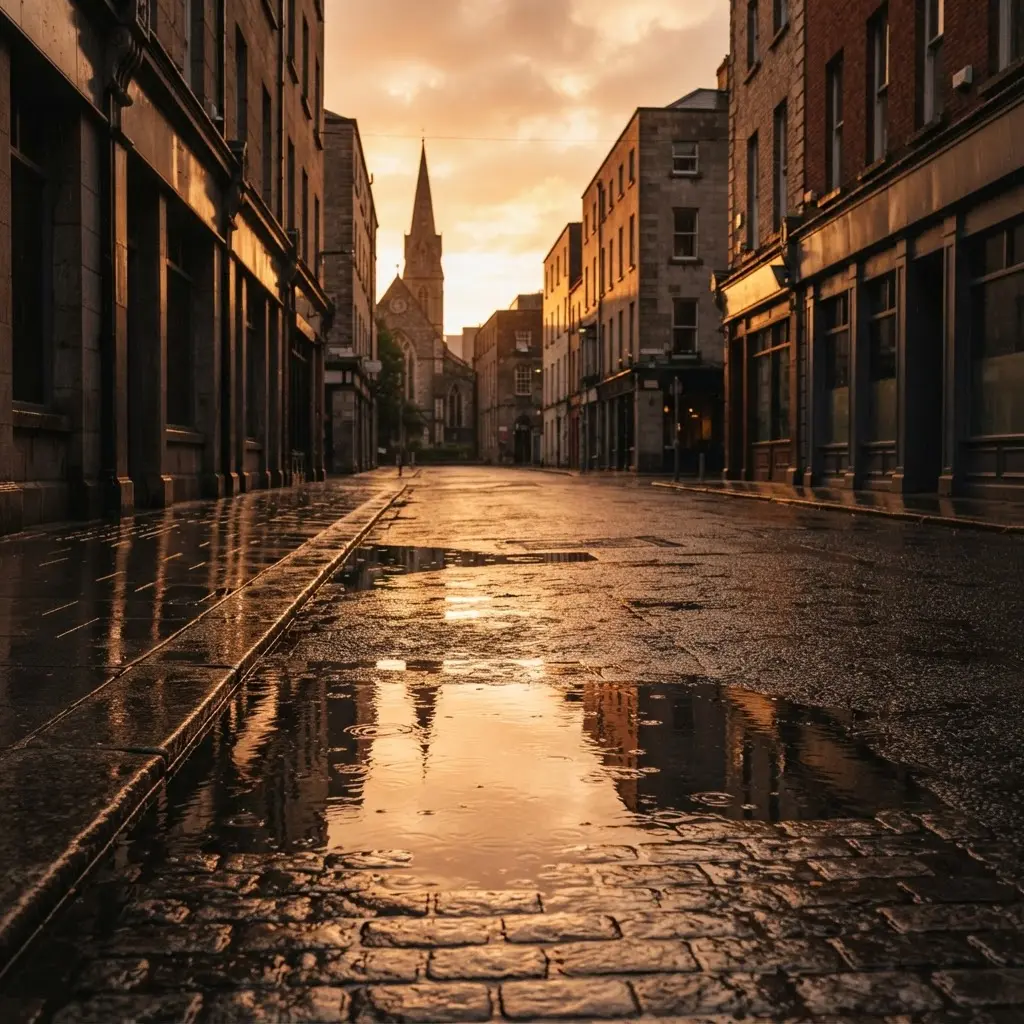
Ever notice how a rainy street starts glowing once late-day sun reaches the wet ground? Set your camera near pavement level, then frame wet pavement reflections across the foreground, because warm contrast drives the appeal of Rain Photography Ideas in transitional light. A 35mm view keeps the street immersive, while glowing storefronts and elongated silhouettes lead the eye toward the distance. Let puddles hold amber sunlight, soft lens flare, and hints of mist without losing the blue-gray shadows around them.
I love how this warm-cool contrast gives the scene depth while every puddle adds visual interest. Keep orange and copper highlights rich, but protect texture in the darker pavement so the image stays natural rather than flat. Place a person or two in the midground, leaving enough open street behind them for atmospheric depth. Trust me, a low viewpoint makes reflections stretch farther and gives city streets a moody, inviting finish. Shoot while the surface still shines, and feel the satisfaction when the light appears both above and below the horizon.
8. Misty Forest Post-Rain Texture Close-Up for Natural Detail

This project turns a wet forest floor into a small study of color and texture, and observing natural patterns is how many photographers discover fresh Rain Photography Ideas after a shower. Start with a macro-style close-up of moss, a fern tip, damp bark, dark soil, or a fallen leaf still holding bright droplets. Keep one area crisp while tree trunks fade behind drifting fog, and use the soft light from a cloudy sky to protect the gentle shine on each wet surface.
Sound complicated? It isn’t, and I love how much detail appears once you slow down and look closely. A shallow depth of field separates the detailed foreground from muted gray mist and blurred trunks, giving the frame a calm, cinematic feel. Let deep emerald greens, earthy browns, and small golden leaf tones stay natural instead of pushing saturation too far. Pro tip: focus on a single droplet-covered surface, then check the edges for distractions before you press the shutter. The mix of rough bark, smooth water, and damp soil makes this one of my favorite Rain Photography Ideas to try after a storm.
9. Water Beading Car Window Composition With Layered Focus

This one is my favorite rain setup because a parked car gives you a quiet seat for watching light change, which shows how everyday locations fuel creative Rain Photography Ideas. Frame the side window so water droplets fill the foreground, while the dashboard and window trim stay near the edges. Neon signs, headlights, and moving figures outside turn into soft blue-and-amber circles.
Use an 85mm lens at around f/1.8, then focus on the beads closest to the glass. Keep the exterior scene far enough away for shallow depth of field, and look for colored lights reflected inside each droplet. A widescreen frame leaves room for blurred traffic on one side and a darker window edge on the other. Trust me, this setup gives ordinary wet glass a quiet cinematic mood.
Why does the contrast feel so satisfying? Crisp beads lead your eye across the frame, while soft bokeh adds depth without stealing attention. Keep dashboard reflections subtle, and clean only a small viewing area if the glass is too hazy. Check focus on the droplets before each shot, since a distant sign or headlight is easy to select by mistake. The final image should feel calm, layered, and full of rainy-night color.
10. Symmetrical Rippling Puddle Reflection Scene From a Low Angle
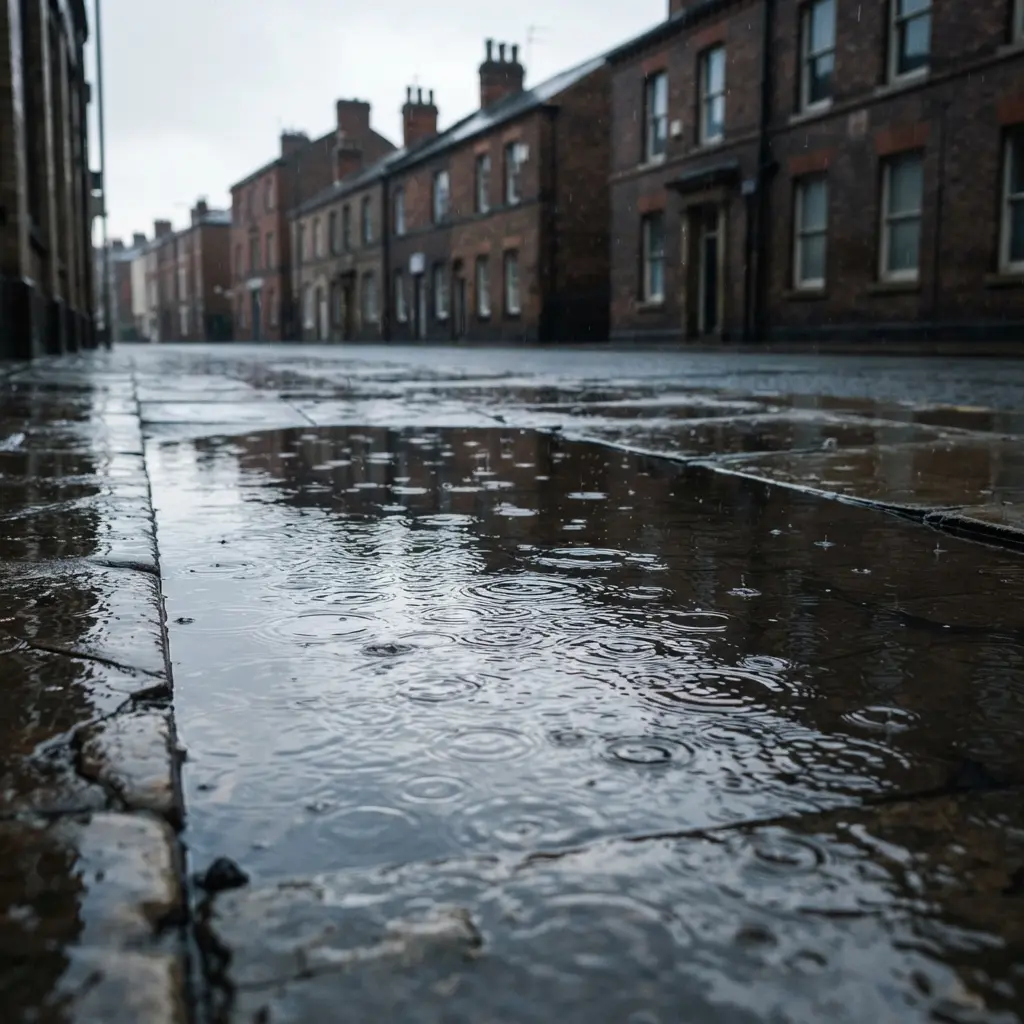
Streetlights shimmer in a shallow puddle, while soft concentric ripples bend each reflection into moving lines, demonstrating why geometry belongs in Rain Photography Ideas. I love how the frame holds a steady building or tree above the water, yet keeps the pavement alive below. Start with a low camera position, almost level with the puddle, then use an ultra-wide lens to pull the foreground toward you. Centre the strongest subject and leave equal space on both sides. Doesn’t the scene feel more cinematic once the reflected shapes meet the real horizon?
Choose a shallow puddle beside glowing streetlights, tall buildings, trees, or distant mountains. Wait for gentle concentric ripples rather than choppy water, since recognisable forms need room to show through the distortion. Soft overcast light brings out wet-pavement highlights, while a touch of mist adds depth without hiding detail. Keep the camera stable with ground-level support, protect it from splashes, and check the edges for stray clutter. The symmetry feels satisfying because solid surroundings and shifting water share one balanced frame. Trust me on this one: a restrained moody colour grade keeps the rain atmosphere soft and believable.
11. Colorful Raincoat Pedestrian Street Candid With Human Contrast
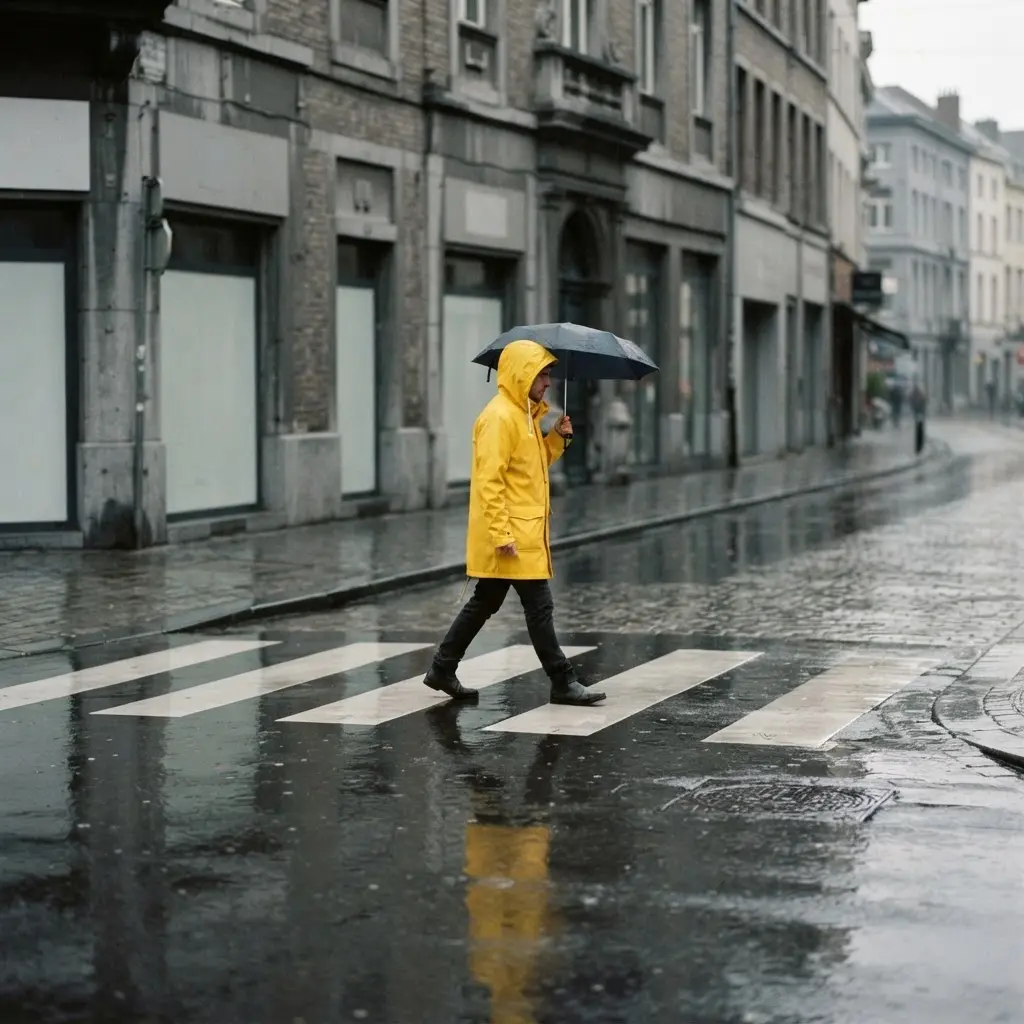
A common mistake is making the raincoat wearer pose for the camera. Skip the direction and let the person move naturally through the crowd. Place the subject near pedestrians in gray or black clothing, then wait for a relaxed expression, a turning head, or a step across a reflection, because candid timing shapes many Rain Photography Ideas in public spaces. The contrast feels strongest when the surrounding street stays visible.
Use a 35mm lens to include storefronts, umbrellas, and passing figures without losing focus on the colorful coat. A shallow depth of field keeps the main person clear while softening the edges of the scene. Keep an eye on wet pavement, since reflected color adds a second visual point below the subject.
Light rain gives the frame gentle texture, while subtle motion blur shows the pace of the pedestrian street. I love this setup because it feels observed rather than arranged, with each passerby adding shape and depth. Overcast daylight also keeps skin tones soft and helps the yellow, red, or blue coat stand apart.
Pro tip: shoot from the side as people cross your frame, and take several images in quick succession. Look for a clean overlap between the raincoat and muted clothing, then keep cinematic color grading restrained. Your final photograph will feel lively, honest, and full of rainy city character.
12. Frozen Raindrop Motion Action Shot With Crisp Timing
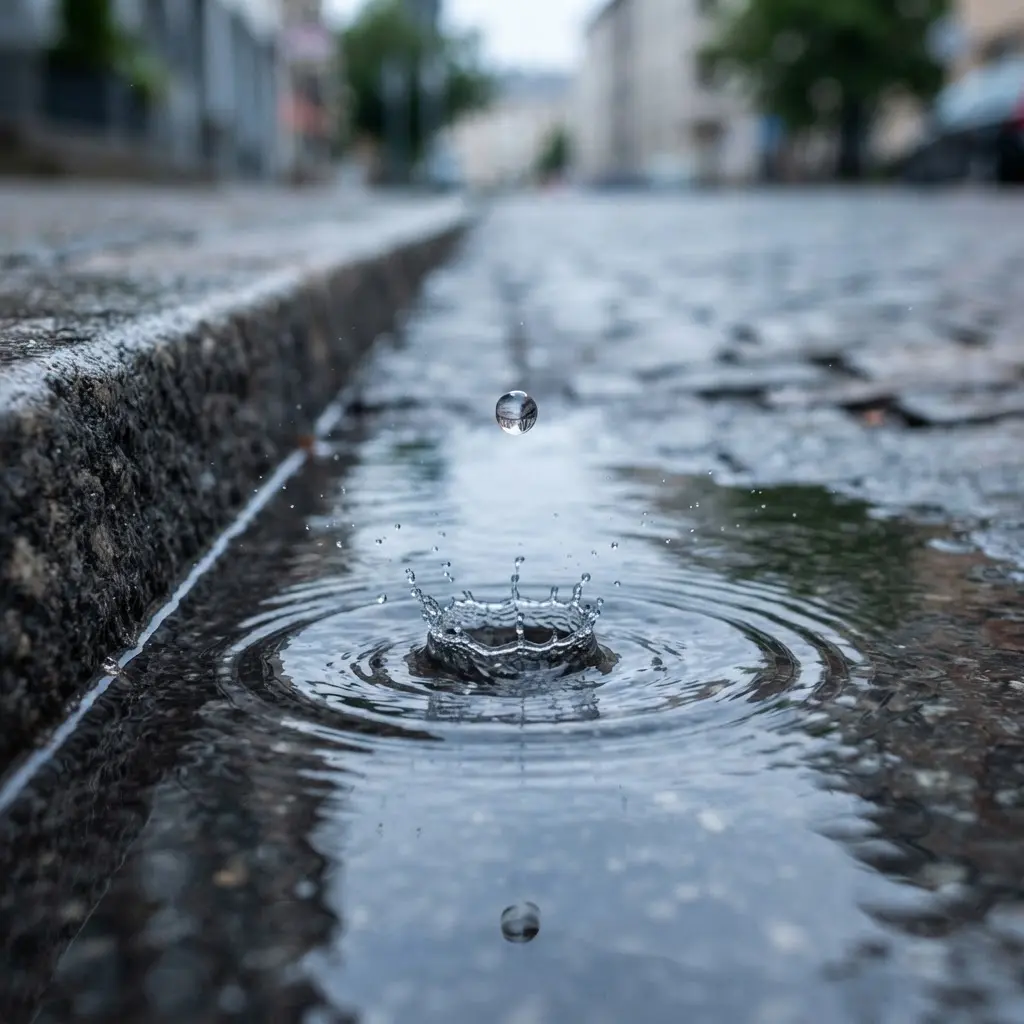
Release one water droplet above a glossy impact surface, then keep the scene still as it falls. Place a dark background behind it, leaving enough space for the splash to spread across the frame. Sound tricky? It becomes much easier once the drop follows a steady path, and mastering timing elevates your Rain Photography Ideas significantly.
Set a 100mm macro lens close to the surface and focus on the point of impact. Add high-speed flash from behind or slightly to one side, so the falling drop and tiny outward droplets catch bright edge highlights. A shallow depth of field keeps the water crisp while softening everything beyond the action.
Trigger the flash as the main droplet reaches the surface, aiming for the instant before the splash fully opens. Take several frames while adjusting the delay by tiny amounts, since a fraction of a moment changes the shape of every droplet. I love how this method reveals water texture usually missed by the eye.
Keep the composition tight, check the reflections, and protect the dark background from stray light. Trust me, the suspended drop beside the outward spray gives the image a satisfying sense of movement.
13. Stormy Sky Dramatic Coastal Panorama With Bold Horizons

How do you make a rainy shoreline feel wide enough to fill the room? Start with a 21:9 panoramic frame, keeping the horizon long and clean while storm clouds occupy most of the upper space. I love this setup because the broad view gives every layer room to breathe, a principle that guides expansive Rain Photography Ideas near open water.
Place a dark, wind-swept ocean beneath charcoal clouds, then add rugged cliffs or jagged rocks close to the camera. Use dark foreground rocks to bring texture into the lower edge, while mist and sea spray soften the distance. Look for a break in the clouds where warm amber sunlight touches the far water. Deep blue and slate tones beside golden light give the coastal landscape rich contrast.
Keep the horizon level and avoid filling the frame with too many objects. A low viewpoint makes the rocks feel close, while the open sea and layered clouds create depth without people, buildings, or text. My go-to tip is to leave some calm space around the brightest light, so your eye travels naturally across the panorama. Watch the scene come alive with every cool tone and warm glow.
14. Bird Sheltering Under Wet Foliage in Gentle Rain
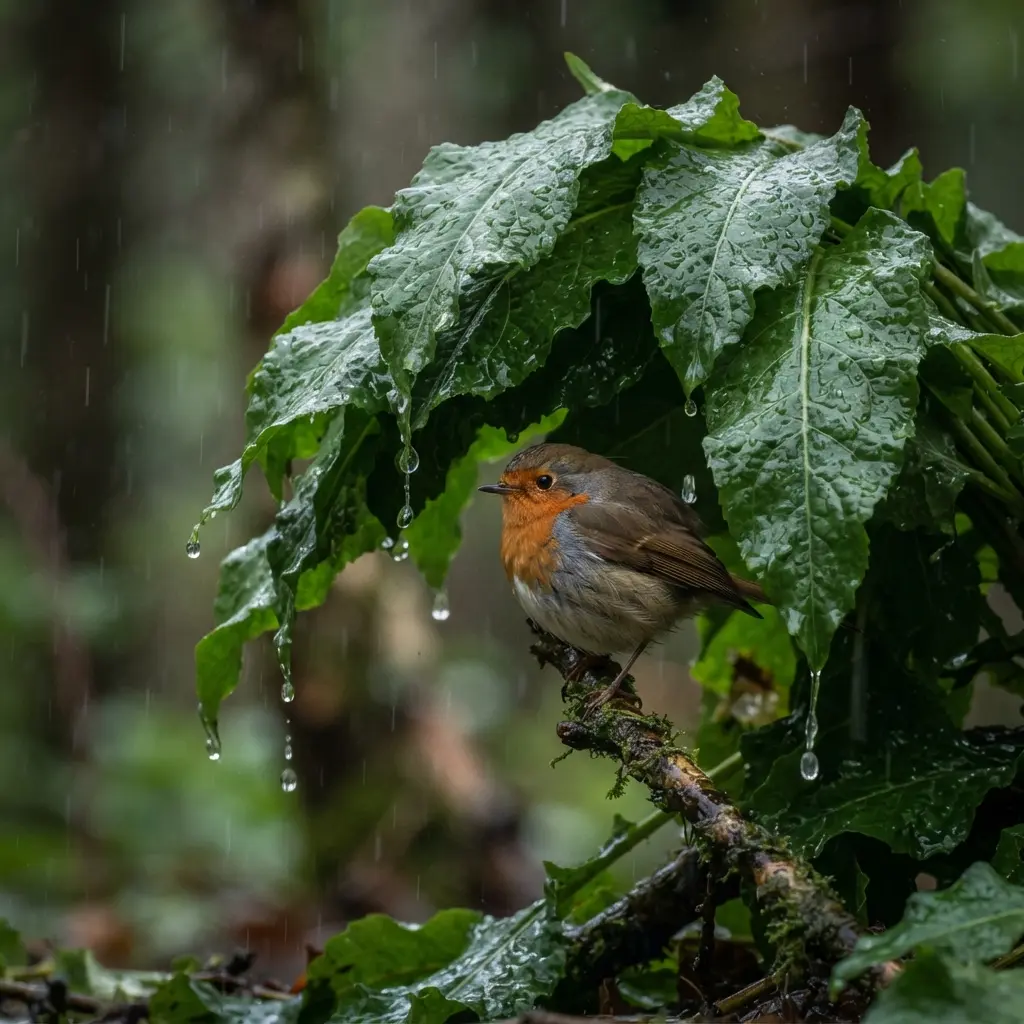
This scene feels quiet from the first frame, with a small songbird tucked beneath broad leaves while drizzle marks every surface. I love how the bird’s dry feathers stand apart from the wet foliage, giving your photo a clear point of interest without forcing drama. Set up behind natural leaf framing, keeping enough space to show droplets, muted greens, and soft gray light around the bird.
Use a camera or phone with a suitable lens, plus rain protection and a lens cloth for stray moisture. Watch the leaf tips rather than rushing the shutter, since a gathered drop sliding downward adds a gentle moment of movement, which fits perfectly within thoughtful Rain Photography Ideas. Is your composition starting to feel crowded? Step back, lower your angle, and keep the bird, canopy, and rain-covered leaves easy to read. Quiet clothing helps you stay close without causing alarm, and a steady pause often gives the most peaceful result. Trust me on this one, the contrast between shelter and exposure makes these Rain Photography Ideas feel personal and calm.
15. Urban Storefront Rain Distorted Reflection With Rich Color
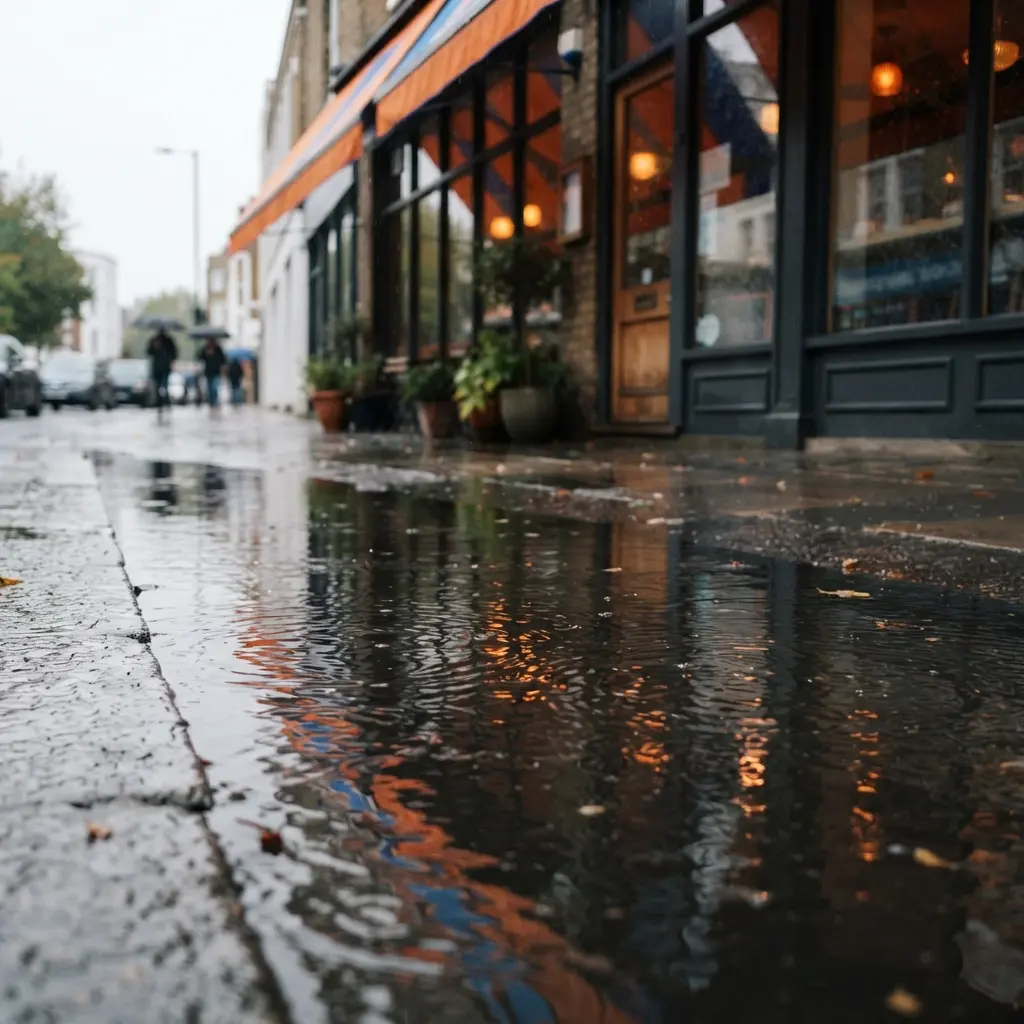
This one is a favorite because an ordinary shopfront turns into a colorful nighttime scene after rain. I love placing a puddled sidewalk across the lower part of the frame, allowing neon signs, warm windows, and rain streaks to break into soft, rippling shapes, a technique that brings dynamic color into Rain Photography Ideas. The result feels painterly while the pavement still keeps its natural texture.
Sound complicated? It is not. Use a 35mm lens and lower your camera close to the ground, then frame the storefront so its reflection fills the foreground. Look for cobalt blue shadows beside magenta, crimson, amber, and emerald lights. Keep distant lamps in view for gentle bokeh, and let falling rain add fine lines across the scene. Slight movement in the puddle gives each color a loose, warped edge.
Rich color grading brings the whole scene together, but keep the rain and pavement detail believable. My go-to tip is to wait for heavier rain, since small ripples and bright streaks give the reflection more texture. You will love how much mood appears in a simple street corner. Try it at night and enjoy the glow.
Drying And File Care After Storm Sessions
Leave the camera and lens uncapped inside an open bag until moisture disappears before you move them into a warm room. This gradual temperature change reduces condensation on the sensor, rear element, and memory card contacts. Wipe the exterior with a dry microfiber cloth, then check the lens mount and tripod socket for trapped water. Keep silica gel packets in the equipment pouch, replacing them after they absorb moisture, because proper drying preserves your Rain Photography Ideas for future viewing.
Remove the battery and memory card if either compartment feels damp. Copy files to two drives once the card reads normally, and keep the original card untouched until both copies open correctly. Rain streaks and dark exposures often need careful highlight checks, so review the histogram before formatting the card. Rename files with the date and location while details remain fresh.
Conclusion
So how was your creative session? You have turned wet streets, glass, foliage, and open skies into subjects with feeling and purpose. Look at what you have made, that is real skill right there. Rain Photography Ideas matter because they help you notice small changes in familiar places and give your portfolio more variety without needing a sunny forecast. For your next outing, choose one scene from this list, check your protection, and set a clear goal before leaving home. Bring a microfiber cloth, watch your highlights on reflective surfaces, and give yourself time to make several frames from different heights. I would start with a puddle reflection or a backlit umbrella because both encourage careful timing. Keep the first frame, even if it feels imperfect. It marks your progress and gives the next session a clear starting point. Pick your favorite idea and get started right away, and remember that consistent practice with Rain Photography Ideas builds confidence quickly.
FAQs
Q: What Camera Settings Freeze Raindrops?
A: Use a fast shutter speed, a wide aperture, and enough light for a clear frame. Start with a shutter speed near 1/500 second, then adjust after checking the drops, which aligns perfectly with the exposure techniques for Rain Photography Ideas.
Q: How Do I Keep Rain Off My Lens?
A: Use a lens hood and keep a microfiber cloth within reach. A rain cover or protective housing adds another layer during steady rainfall, keeping your optics clear for sharp results.
Q: Is a Weather-Sealed Camera Enough for Heavy Rain?
A: A weather-sealed body helps during light or moderate rain. Pair it with a protective cover, keep connections covered, and dry the camera before storing it, since thorough preparation ensures long-term reliability.
Q: How Do I Expose Bright Wet Streets?
A: Check the brightest reflections and reduce exposure if they lose detail. Spot metering near the main subject helps balance dark surroundings with shiny pavement, a fundamental skill when capturing high-contrast scenes.
Q: Which Lens Works Best for Rain Scenes?
A: A 35mm or 50mm lens suits streets, portraits, and reflections. A macro lens suits raindrops and flowers, while a wide lens fits coastlines and forest views, giving you versatile options for different environments.