
Historical Evolution of Creative Human Expression
The earliest known cave paintings were not random decoration but a sophisticated system for transmitting knowledge, mapping territory, and recording communal memory. We tend to think of these images as primitive, but they represent a fundamental leap in human cognition. Your ability to read a map or interpret a graph today is a direct descendant of that visual literacy established millennia ago. This historical process of visual literacy is the bedrock of all complex communication, turning abstract thought into shared experience. Every culture that followed used creative output to solidify its identity, proving the importance of art when preserving stories and challenging norms. This is why studying art history feels like reading the deepest, most human diary ever written.
Neurological Foundations Behind Creative Engagement
Drawing a simple shape or mixing colors actively forges new neural pathways, a process called neuroplasticity that strengthens your brain’s problem-solving networks. The good news is this is not just about making pretty things. When you engage in creative activities, you quickly grasp the importance of art by practicing divergent thinking, which is your brain’s ability to generate multiple solutions from a single starting point. This cognitive engagement is a full-brain workout that improves your capacity for critical thinking in completely unrelated areas, like science or business. You are literally building a more adaptable, resilient mind each time you work through a creative block or experiment with a new technique.
1. Understand Art as a Universal Communication Language
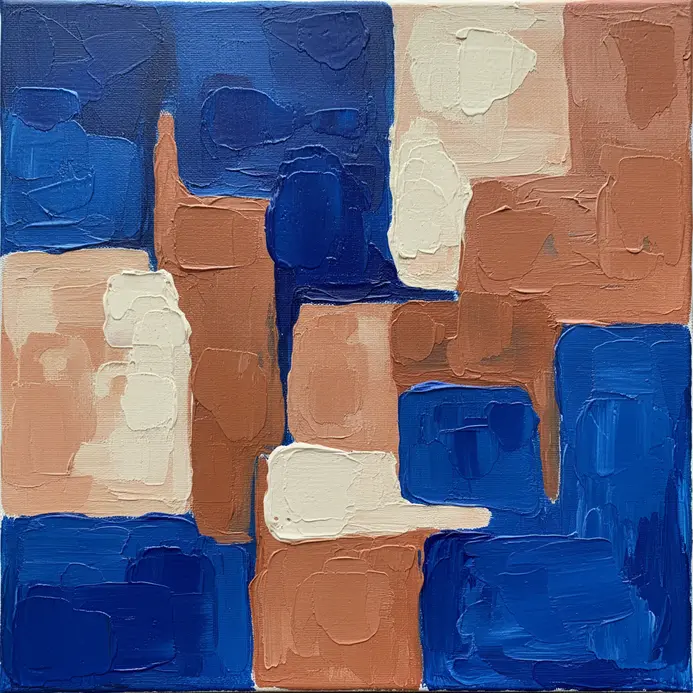
Ever stood before a painting and felt something, even without knowing the artist’s story? That undeniable experience highlights the importance of art, acting as a non-verbal language that crosses every border and uses color, sound, and movement to share what words cannot. Think about it. A melody can bring a tear, a sculpture can feel heavy with history, and a dance can tell an entire story without a single spoken line.
These universal emotions and shared human experiences connect us all. I love how creation acts as a bridge, letting you glimpse into other cultures and times. Your personal feelings are a valid part of the conversation, but considering the cultural and historical context deepens the connection. For a hands-on way to experience this joy of making, try some fun and simple crafts. Feel that spark of shared understanding.
2. Preserve History with Artistic Documentation Methods
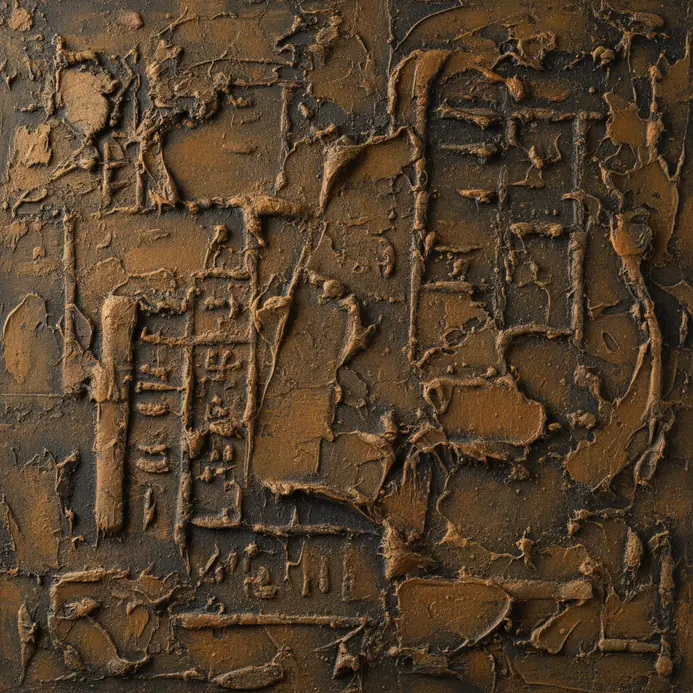
Ever look at an old photograph and feel a connection to the person in it? That is the power of artistic documentation at work, proving the importance of art as it goes beyond simple facts to capture the emotion and atmosphere of a moment in time. Artists use painting, sculpture, or photography to interpret historical narratives. They might create a detailed diorama of a historic event or use digital tools to build a virtual environment you can explore.
This approach offers a unique perspective and can engage a much wider audience than a textbook ever could. I love how these pieces become lasting cultural artifacts. They let you see the past through someone else’s eyes, fostering a deeper empathy and understanding. Try looking at a historical painting with this in mind and feel that powerful connection to history.
3. Process Emotions Through Therapeutic Creative Work
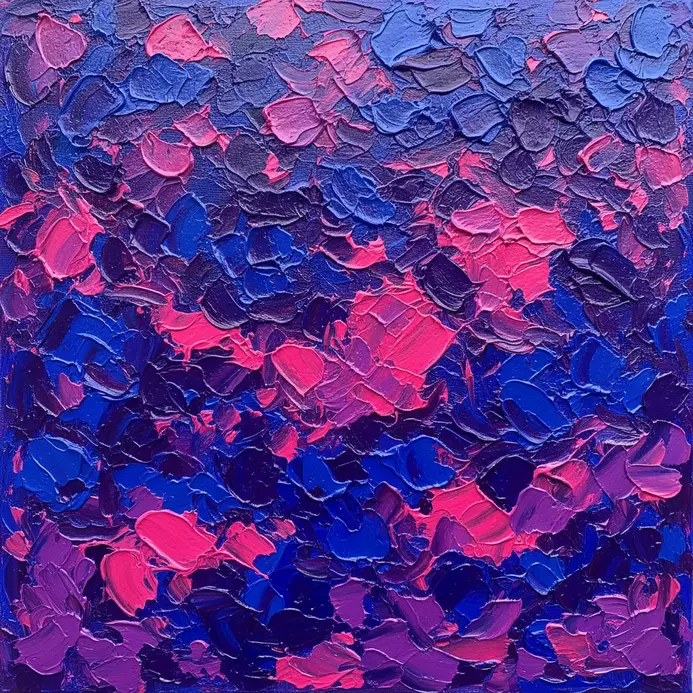
Ever felt something you just could not put into words? That is where therapeutic creative work comes in, demonstrating the importance of art by using simple creative acts as a safe container for your feelings. You give your emotion a physical form, like a scribble of anger or a soothing color wash.
This process works by bypassing verbal defenses. It lets feelings emerge in a less direct way, which can be much gentler. You might draw your anxiety, then draw your calm, and finally a bridge between them. That externalization offers a new perspective and a sense of control.
I love that it builds emotional literacy and resilience. It is a powerful tool for self-discovery, especially if you have ever felt stuck talking things out. For a gentle start, try some expressive doodle art ideas with no pressure. Feel the relief of letting it out on the page.
4. Build Critical Thinking with Visual Problem-Solving
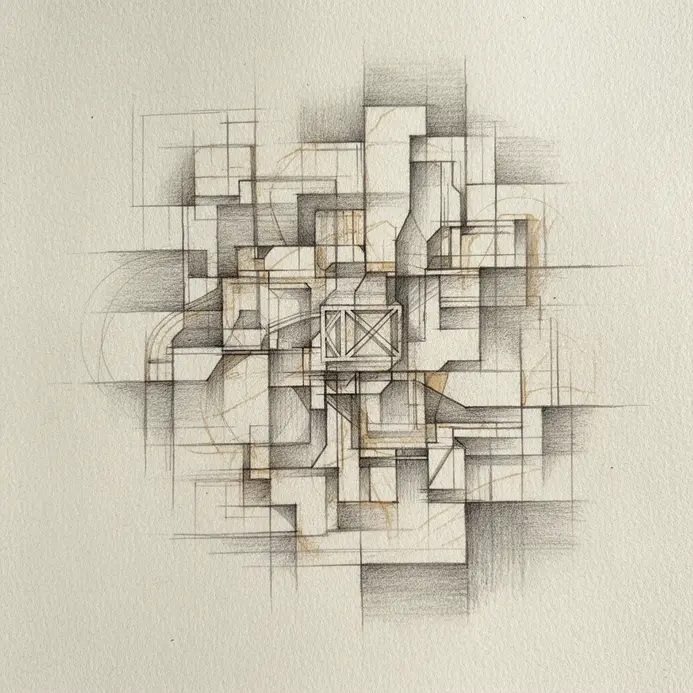
Ever feel stuck staring at a text-heavy problem? I love how a simple mind map can instantly unstick your thinking. You start by sketching your central idea and letting related thoughts branch out visually. This process of turning abstract concepts into a concrete diagram forces you to organize information and see hidden connections.
It is not about making pretty pictures; the real importance of art emerges when drawing a flowchart to map a process or a quick sketch to explore a spatial relationship engages your brain differently. You are analyzing and synthesizing information as you go, which builds stronger critical thinking muscles. Does that not feel more active and effective than just reading a list?
You do not need any artistic talent to benefit from this. Start with a basic concept map the next time you are puzzling something out, and see how much clearer your thoughts become. For more accessible drawing inspiration, remember that the simplest visual tools are often the most powerful.
5. Capture Cultural Heritage with Artistic Preservation
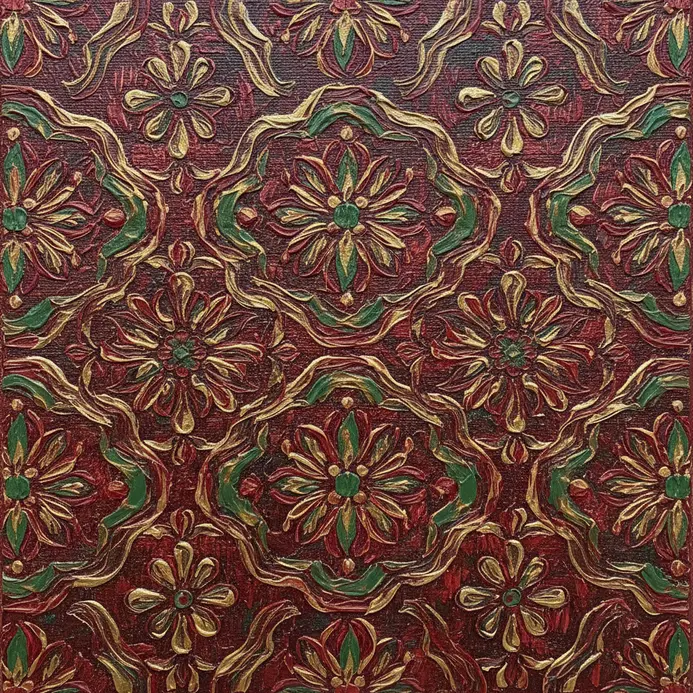
Ever felt like a museum exhibit can seem a bit distant? That is where artistic preservation steps in, reminding you of the importance of art through creative interpretation that captures the spirit and emotion of traditions. This approach makes heritage feel alive and relatable.
Think of a painter documenting a fading ritual or a dancer reconstructing ancient movements. These artists act as bridges. They translate complex histories into forms we can see, hear, and feel. This process is key for intergenerational transfer, keeping stories alive for those who come next.
I love that this work often involves the community itself. When local voices guide the creative process, it ensures authenticity and builds social cohesion. The result is not a frozen artifact. It is a living, evolving conversation with our past. Try seeing heritage through this lens and feel the powerful connection it creates.
6. Create Community with Collaborative Art Activities
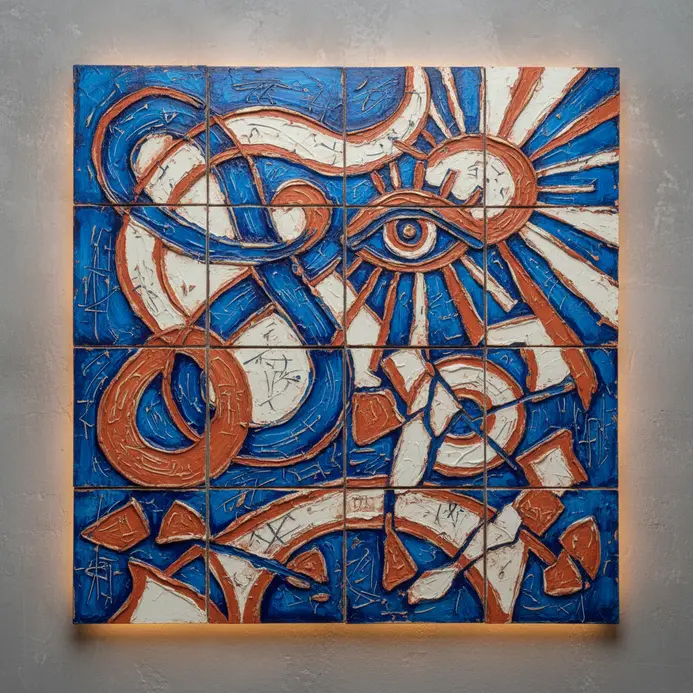
Ever feel that making creative pieces is a solitary activity? Collaborative projects turn that idea on its head, proving the importance of art when the shared experience of building something together becomes the true goal, not a perfect masterpiece. You could work on a community mural, a patchwork quilt, or a digital collage where everyone adds a piece.
I love how these activities focus on the process over the final product. You provide simple materials and a clear concept, then watch a unique visual story unfold through everyone’s contributions. This shared effort fosters connection and gives you a tangible symbol of your collective spirit. For a great starting point that brings people together in a focused way, try meditative mandala drawing as a group.
Trust me, seeing all those individual parts become one cohesive whole is incredibly rewarding. Feel the pride of creating community.
7. Drive Innovation with Artistic Design Principles
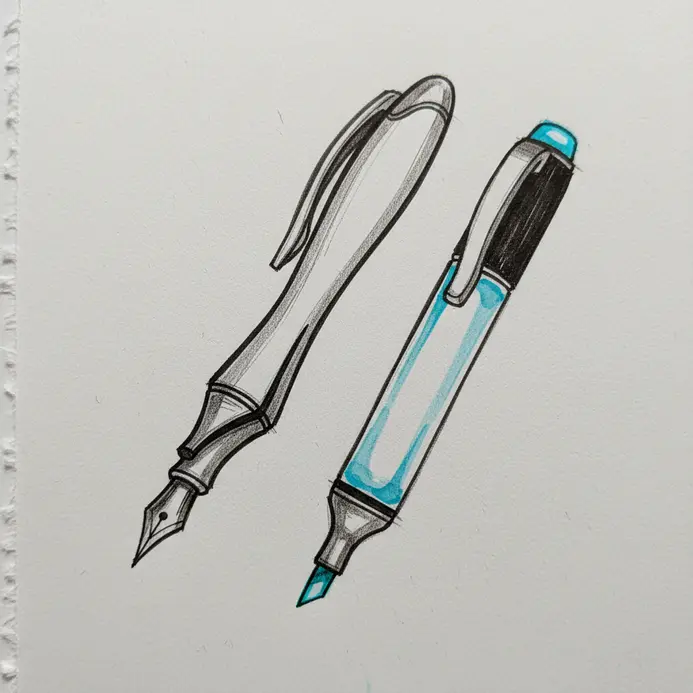
Ever feel like every new product or app looks the same? That is where an artistic mindset changes the game, highlighting the importance of art by applying human-centered empathy and storytelling to see needs others miss. You start by truly observing people, not just data.
Then, you integrate principles like playfulness and holistic thinking into your process. I love encouraging teams to try wild ideas without immediate pressure. This kind of structured experimentation builds prototypes that feel intuitive and delightful, not just functional.
Why does this matter so much? It creates solutions that connect emotionally. Your innovation becomes more than a tool, it becomes an experience people genuinely love and remember. Trust me, that is the real payoff.
8. Foster Empathy Through Perspective-Taking Art
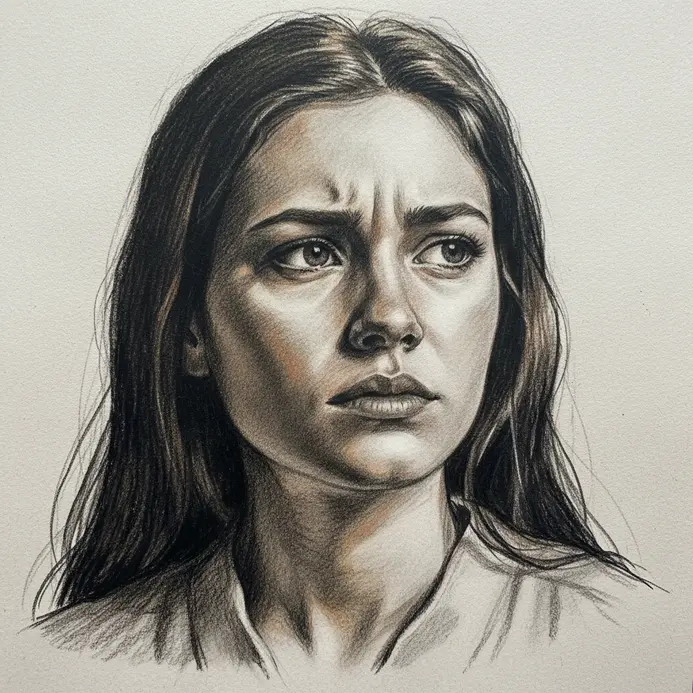
Have you ever looked at a piece of visual storytelling and felt you were seeing the world through someone else’s eyes? That is the magic of perspective-taking work, perfectly illustrating the importance of art as a direct route to building genuine empathy. This method asks you to create or engage with pieces that embody another person’s reality.
You can try this in so many forms. I love how a first-person narrative in writing, for example, immerses you completely in another’s thoughts. In visual mediums, an interactive installation might let you physically experience a different vantage point. These projects break down barriers by making complex feelings accessible and understandable.
This practice is a fantastic tool for promoting critical thinking and reducing prejudice. By stepping into another’s shoes, even artistically, you naturally question your own assumptions. It cultivates compassion and sparks meaningful dialogue. For a beautiful example of how creation builds connection, explore cultivating aesthetic appreciation. Give this approach a try and feel how it deepens your understanding of people.
9. Recognize the Economic Impact of Creative Industries
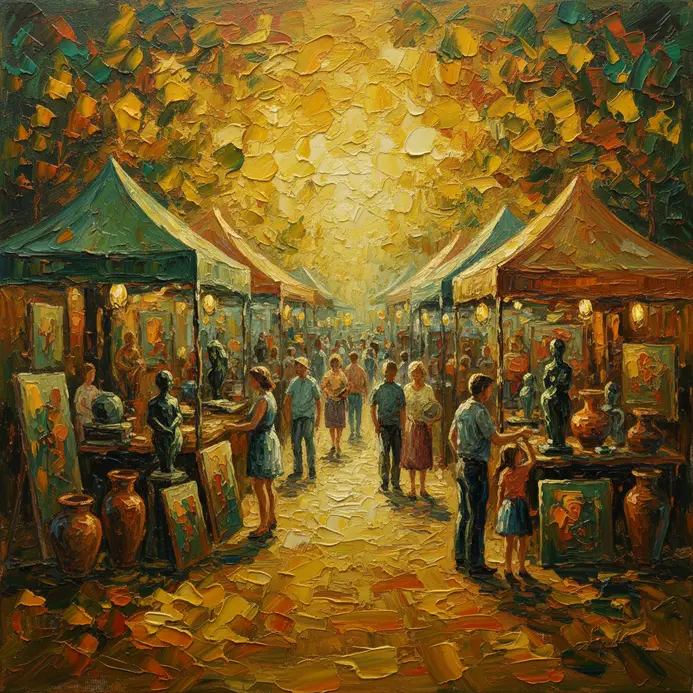
Ever thought about creative industries as a major economic driver? It surprised me too, especially when realizing the importance of art within the creative economy as a massive engine that creates jobs for designers, drives tourism, and sparks innovation in tech fields like virtual reality. This sector contributes significantly to national GDP, often growing faster than traditional industries.
It is a common misconception to view these fields as purely cultural hobbies. In reality, they generate substantial revenue through exports and support a huge network of indirect employment. From manufacturing supplies to the hospitality around a big museum show, the ripple effect is real.
This makes the creative industries remarkably resilient, even during economic shifts. celebrating holidays with art is a great example. Recognizing this impact shows how vital these jobs and this innovation are to our communities. It is about seeing the full picture where culture and commerce powerfully intersect. Feel the pride in that connection.
10. Use Art as a Tool for Personal Self Discovery
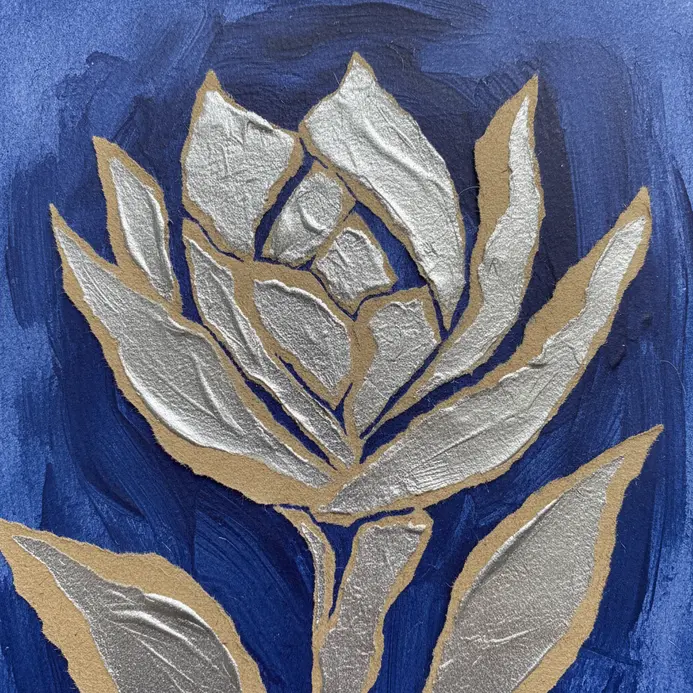
Ever feel like you cannot quite put your finger on what is going on inside? That is where self-expression becomes your best friend. Forget about making a masterpiece. The real magic happens when you understand the importance of art by letting your hand move freely across the page with a watercolor brush or a piece of soft charcoal. You are not just drawing a picture, you are having a conversation with your own feelings.
I love starting with simple prompts like “paint your biggest fear” or “draw your joy.” It sounds silly, but you will be amazed at what shows up. This process gives you a non-verbal way to explore your subconscious, offering a genuine emotional release. The goal is internal discovery, not a pretty final product.
Your only job is to be curious about what you create. Try it and feel the clarity that comes from seeing your inner world on the page.
Integrating Daily Practice Into Contemporary Professional Life
Setting a five-minute timer to sketch a concept before a meeting can clarify your thoughts more effectively than writing a list, proving the importance of art in daily workflows as this small act of making engages a different part of your brain and accesses intuitive connections that pure logic might miss.
The discipline required for regular creative practice directly translates to improved focus and project management in your professional work. You start to see problems as compositions needing balance, and solutions as a palette of options. Carving out this time for emotional regulation through creative exercises makes you a clearer communicator and a more innovative colleague. It turns abstract theory into a tangible daily tool for better thinking.
Conclusion
Your creative impulse is not a frivolous distraction; it is a fundamental part of being human. We have seen how the importance of art stretches from the quiet, personal work of understanding ourselves to the loud, public work of shaping our shared world. It is the language we use when words fail and the tool we use to build bridges across time and difference.
The next step is simple: give that impulse space in your own life. Pick up a pencil, mix some colors, or simply spend more time with the creative pieces that move you. Your perspective, expressed freely, adds a unique and necessary thread to our collective story.
FAQs
Q: Do I need natural talent to benefit from making art?
A: No. The benefits of creative work come from the process of engagement, not the perceived quality of a final product. The act of focusing, making decisions, and expressing yourself is where value lies.
Q: What is a good, low-cost way to start creating art?
A: Begin with basic materials like a sketchbook and a set of pencils or a small watercolor palette. Found objects from nature or recycled paper can also be excellent starting points for collage or sculpture.
Q: How does viewing art provide benefits?
A: Observing creative pieces activates neural pathways related to visual processing and emotional response. It encourages you to interpret symbols, consider new perspectives, and connect with experiences outside your own.
Q: Can art truly help with stress or difficult emotions?
A: Yes. The focused, repetitive nature of many art-making activities can induce a meditative state. Transforming complex feelings into a visual form often provides clarity and a sense of release.
Q: How is art different from entertainment?
A: While creative work can be entertaining, its core function often involves communication, inquiry, or challenge. Creation asks questions, documents reality, and processes experience, whereas entertainment primarily seeks to amuse or distract.