

Physiological Barriers Within Adult Human Skin
Your tattoo stays put because the ink gets trapped in the dermis, a stable layer of collagen and elastin beneath the constantly shedding surface skin, and reviewing key facts about tattoos explains exactly why your body cannot clear it out. Think of it as a deep, permanent storage locker your body clears slowly. The real magic happens when your immune cells, called macrophages, swarm in to attack the foreign ink particles. They engulf them but then fail to break them down, so they hold onto them forever. This immune mechanism is why you see that initial swelling and redness, and it is also the secret to the art’s longevity. Your skin’s natural defenses are the very thing that makes your tattoo a lifelong companion.
Evolutionary Origins of Permanent Ink Application
We have proof that people were getting inked over 5,300 years ago, thanks to the well-preserved tattoos found on Otzi the Iceman. That is a long tradition of using skin as a canvas for stories and status, and historical facts about tattoos remind us how deeply rooted this practice is across generations. Cultures from Polynesia to Japan developed incredibly complex rites where the tattoo process itself was a sacred, transformative journey. These historical practices were about so much more than decoration. They were a language of identity, achievement, and spiritual protection etched directly into the body. The depth and permanence required for these cultural symbols directly inform the modern technical implementation we rely on today.
1. Find the Oldest Evidence on Human Remains
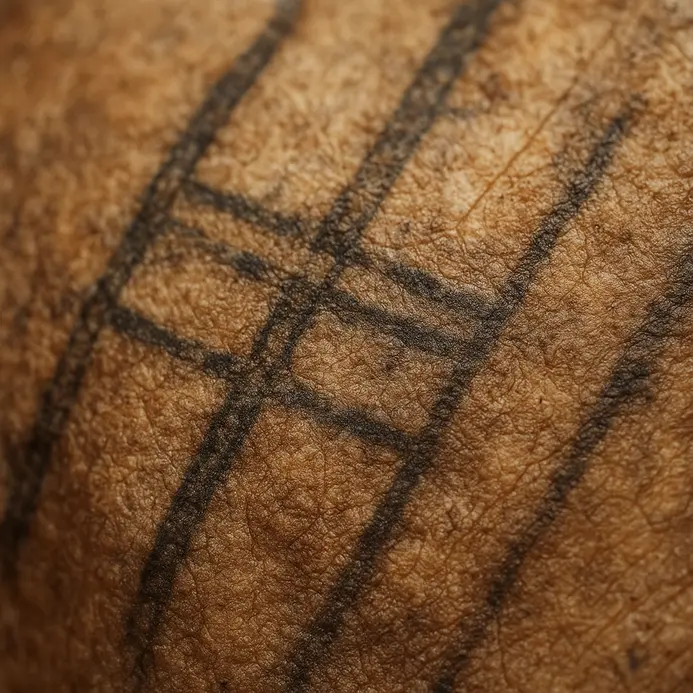
Ever wondered where the tattoo story truly begins, and how foundational facts about tattoos connect to the earliest human discoveries? This one surprised me. It starts with Ötzi the Iceman, a natural mummy found in the mountains between Austria and Italy. His preserved skin shows 61 tattoos, simple lines and crosses, and they are about 5,300 years old. Researchers believe these marks were not just for show, and exploring facts about tattoos reveals that their placement often matches up with points used in traditional acupuncture. This suggests tattooing might have been an early form of therapy, possibly for pain relief. Isn’t it fascinating to think of ink as ancient medicine? I love how this discovery changes the narrative. It shows us that the roots of tattooing are deeply practical. For a deeper look at how pigment behaves over time, consider the process of tattooing as a means to express identity. Feel that sense of connection to a truly ancient art form.
2. Understand Your Immune System’s Response to Ink
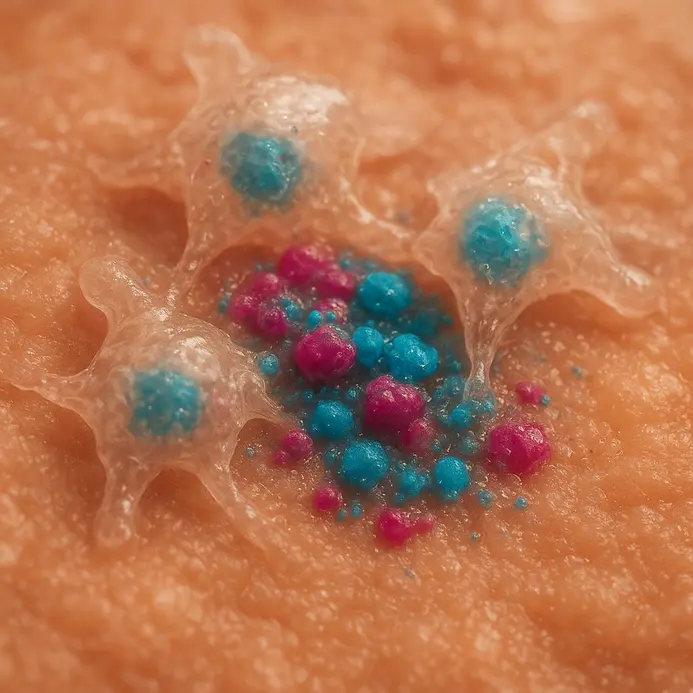
Ever wondered why a tattoo sticks around for life? It is not just ink sitting there. Your body sees that ink as an invader and launches a full defense. The process starts with an acute inflammatory response, where immune cells rush to the wound, causing the initial redness and swelling you feel. After that initial flare-up, the real magic for permanence happens. Special cells called macrophages gobble up the pigment particles but cannot digest them. Instead, they become trapped, and your body builds a fibrous wall around them. This encapsulation is what locks the ink in your dermis, the skin’s stable middle layer. I love how this shows your body is actively holding onto the art, reflecting the stories of people with tattoos. This ongoing immune dialogue also explains reactions, and one of the essential facts about tattoos is that proper aftercare remains non-negotiable for anyone considering art over older skin marks. Understanding this biology is crucial for successful tattoos and scar coverage. Feel amazed at what your skin is doing every time you look at your tattoo.
3. Place Pigment in the Dermis Layer for Permanence
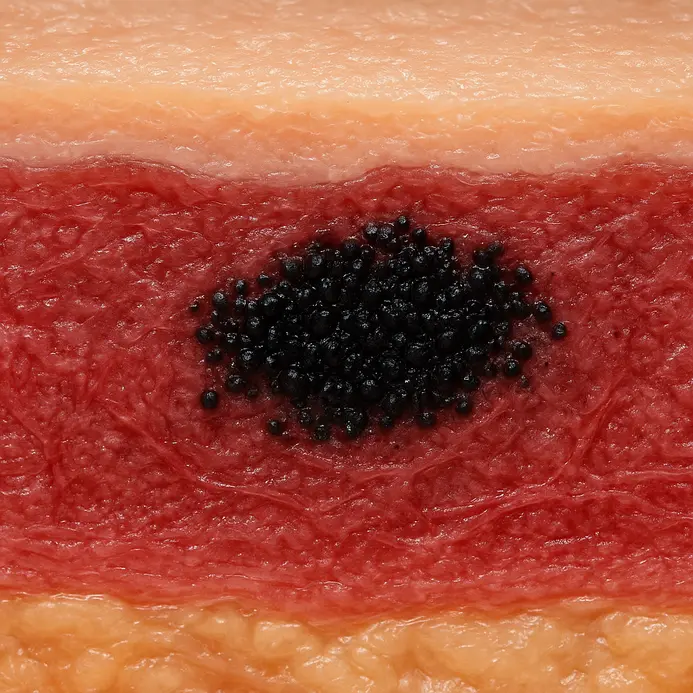
Ever wondered why your tattoo does not wash off like a temporary one? It is all about hitting the sweet spot in your skin to ensure the best results for your first tattoo. Knowing facts about tattoos helps your artist place the ink specifically into the dermis layer. This is the stable middle layer of your skin, not the top layer that constantly sheds. If the needle goes too shallow, the ink ends up in the epidermis and fades away fast. Go too deep, and you get a blurry mess called a blowout. I love how this process is a perfect blend of art and biology. Your body tries to clean up the pigment particles but gets stuck, locking them in place forever. It is a fascinating look at the human immune system in action. This biological anchoring is why tattoos are considered permanent body art. For a deeper look at ancient methods, the history of Batok tattoos shows how traditional tools achieved the same goal. Trust me, understanding this makes you appreciate your artist’s skill even more.
4. Trace the Electric Machine Evolution History
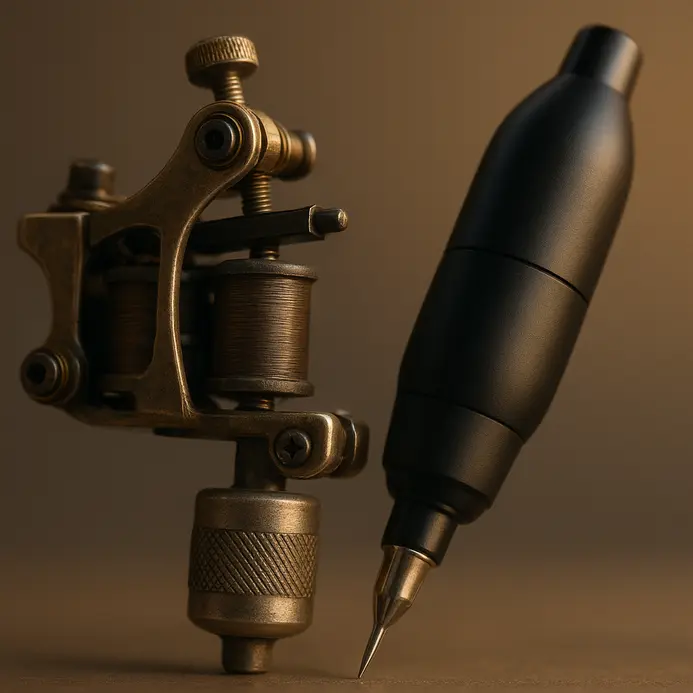
Ever wonder how we got from rubbing amber to the whirring electromagnetic tattoo machine, and how facts about tattoos trace that electrical chain of discovery? The story started with simple static electricity, like the ancient Greeks rubbing fur on amber. Then, in 1800, Alessandro Volta’s invention of the The voltaic pile is an early example of a scientific invention that sparked interesting facts about tattoos in relation to electricity and art. gave us the first continuous electric current, a total breakthrough for experiments. That stable current allowed scientists to link electricity and magnetism, leading directly to the first motors and generators. This whole evolution explains the core principles behind modern tattoo technology. For many, the deeper meaning behind healing tattoos is tied to this history of transformation and power. I love how this shows that every modern marvel starts with simple curiosity. Try tracing this history yourself and feel the connection to those early pioneers.
5. Explore the Deep Cultural Significance in Polynesia
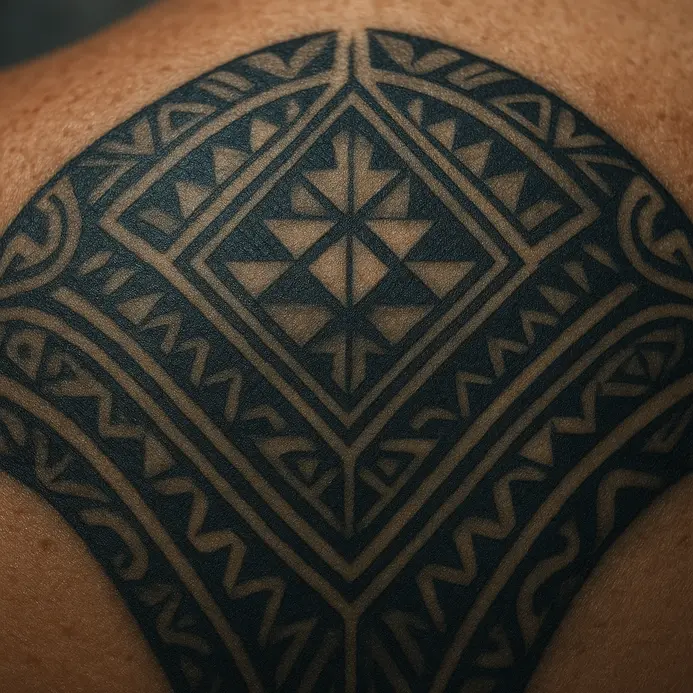
Ever wonder why Polynesian tattoos look so powerful and meaningful? They are not just art. They are a living map of identity, connecting a person directly to their ancestors, their gods, and the land and sea they call home. This connection is rooted in concepts like whakapapa or gafa, which is genealogy. It is the spiritual thread linking you to your family history and your place in the world. I love how this shows that a tattoo can be a sacred record, not just a decoration. Your understanding of tattoo history gets richer when viewing these interesting facts about tattoos as part of a person’s entire spiritual and social framework. For instance, the patterns often reflect a person’s status or role, and choosing the right red tattoo ink on skin was a serious decision tied to these beliefs. It feels incredible to appreciate that depth, doesn’t it?
6. Choose Pigment Particle Size for Different Effects
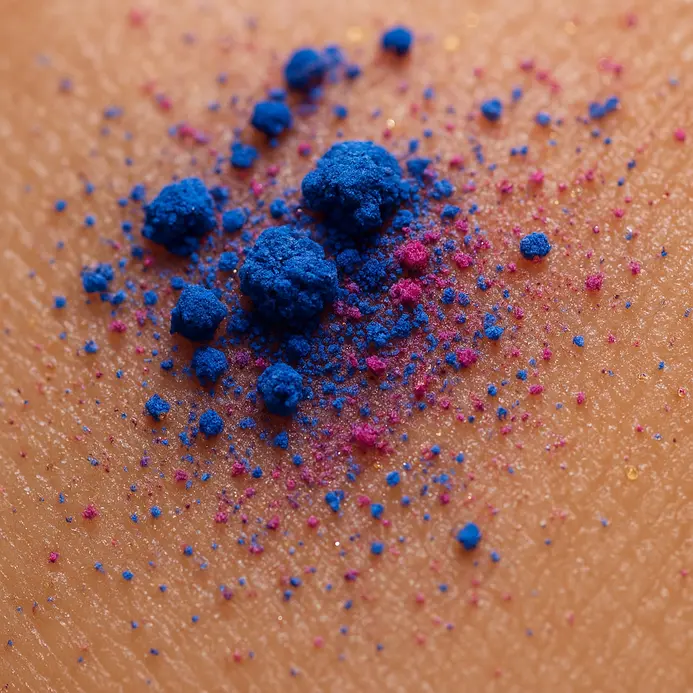
Ever wondered why some tattoo inks look so vibrant while others seem a bit dull? The secret often lies in the pigment particle size. This tiny detail controls how light interacts with the ink, directly affecting its color strength and opacity. Smaller particles, within an optimal range, pack more surface area. This gives you those bright, intense colors and a smooth, high-gloss finish. But I love this part, and remembering practical tattoo facts helps you see that if particles are too small, they become transparent or clump together. For solid coverage, the best opacity comes from particles sized right around half the wavelength of visible light. This knowledge lets you pick the right ink for the job. Want a bold, matte look? You might choose an ink formulated with a slightly larger particle distribution. It is a simple choice that makes a huge difference in your final piece. Feel confident knowing exactly what is in your bottle.
7. Learn About Historical Therapeutic Tattoos Practice
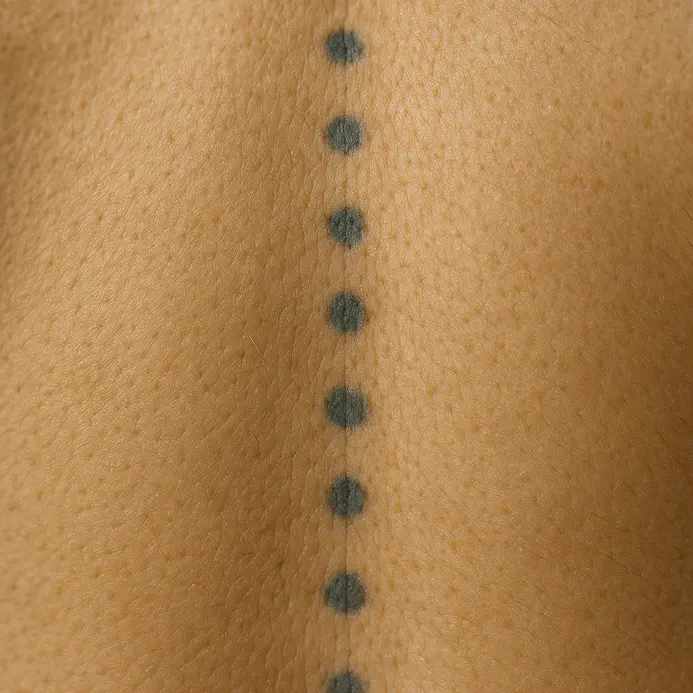
Ever wonder if tattoos were ever used as medicine? This one surprised me. The earliest known example is Ötzi the Iceman, whose 61 tattoos from 3300 BCE were placed on spots that match modern acupuncture points. Researchers think they were used to relieve pain from conditions like arthritis. In many cultures, the process was a blend of physical and spiritual healing. A healer or shaman would apply the tattoo, often using pigments mixed with medicinal substances. This ritualistic application, combined with a strong belief in its power, highlights interesting facts about tattoos that show how body art once served as a vital tool for well-being. It shows how body art was not just about decoration, but about real care. I love how this reveals the deep connection between art, the body, and belief. These practices are a fascinating part of the broader symbolism of phoenix tattoos and other marks that represent transformation and healing. Feel the rich history in every line.
8. See How Ink Migration and Fading Process Works
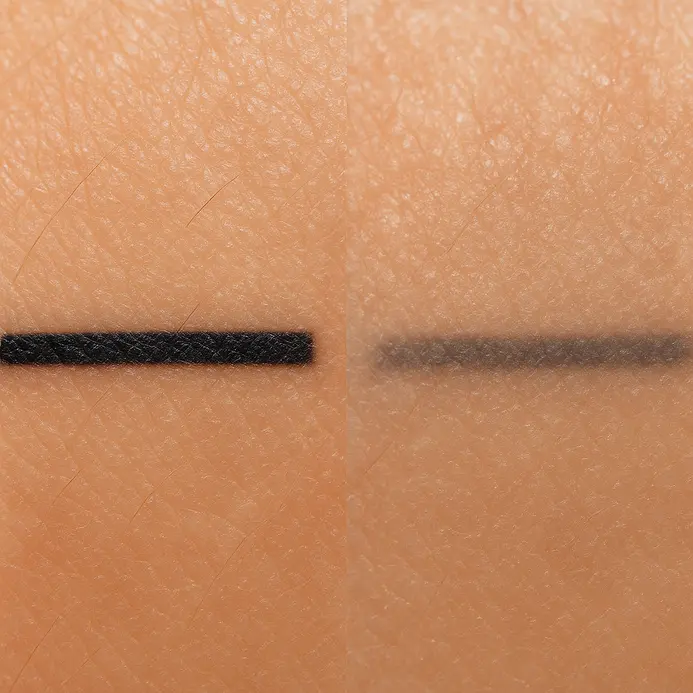
Ever wondered why some tattoos blur or lose their color over the years? It is not just about the artist’s skill, it is about how the ink behaves in your skin. Two key processes are at work here. Ink migration happens when pigment particles spread out from where they were deposited, often causing lines to soften or blur. This is sometimes called a blowout, and it can be influenced by the ink’s formula and how it interacts with the layers of your skin. Fading is the slow loss of color intensity, and it is mostly driven by sunlight. The UV light from the sun provides energy that breaks down the pigments or dyes in your tattoo. While pigments are generally more stable, one of the key facts about tattoos is that all ink will fade without protection. This is why I always stress sunblock for my own tattoos. Protecting your art from light exposure is the single best thing you can do for its long-term look. So, a tattoo’s aging is a combination of these internal and external factors. The ink’s composition, your skin type, and your lifestyle all play a part. For instance, seeing how ink settles can inspire various wave tattoo interpretations that account for soft edges over time. Understanding this process helps you appreciate your tattoo’s journey and take better care of it. Does that not make you look at your ink a little differently?
9. Wear Traditional Japanese Irezumi with Meaning
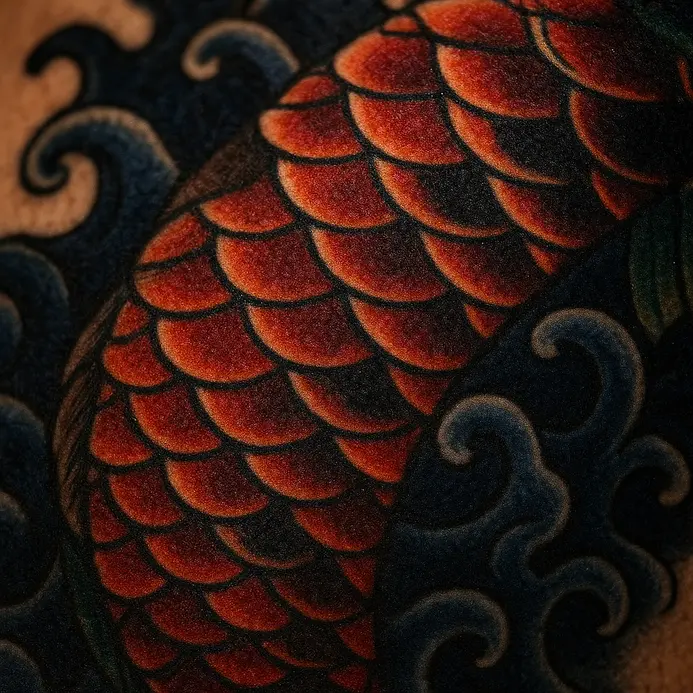
Ever wondered why some tattoos feel like they tell a whole story? Traditional Japanese Irezumi is not just decoration; it is a narrative art form that tells the stories of those who wear it, similar to how Maori tattoos carry deep cultural significance. Each large-scale piece is carefully planned to flow with your body, often taking years to complete, much like traditional Maori tattoos. I love how every motif, from a fierce dragon to a determined koi fish, carries deep symbolic weight. This turns your tattoo into a personal statement of strength, protection, or renewal. The key is choosing your symbols with intention. A dragon (Ryu) represents wisdom and power, while a phoenix symbolizes rebirth. Placement matters too, like a koi designed to look like it is swimming upstream on your arm. Getting the meaning right makes your ink profoundly personal, not just a pretty picture. It is a beautiful way to connect with an ancient artistic tradition. Your research into symbolism shows you value meaning, and applying these facts about tattoos helps you pick designs that truly resonate with your journey. Respect the cultural history and apply that same thoughtful approach to your own art. Does that not sound like a more meaningful way to wear ink?
10. Select Standard Modern Needle Configuration Types
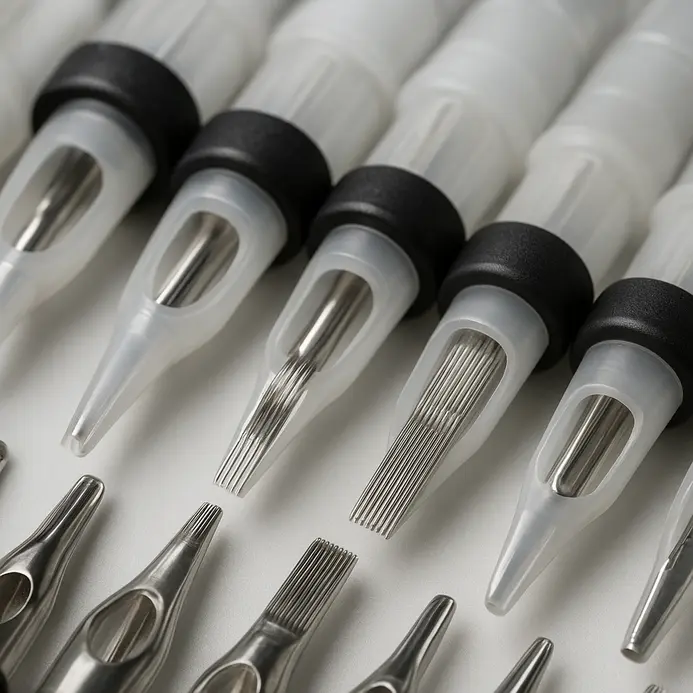
Ever wondered how a tattoo artist gets such a crisp line one minute and a soft, blended color the next? The secret is in the needle grouping they choose. Each standard configuration is a tiny, specialized tool. A Round Liner has needles grouped tightly in a circle for outlines and fine details. For shading and filling, an artist might grab a Round Shader or a Magnum, which has needles in a flat, offset pattern. Why does this matter to you? It is the reason your tattoo can have sharp edges and smooth gradients in the same piece. Using the wrong needle for a job leads to poor ink saturation and more skin trauma, which is a common concern among people with tattoos. For instance, those super clean sailor tattoos often have a rich history behind them. A minimalist single line tattoos are almost always done with a very fine Round Liner. I love how each tool has its own perfect purpose. Feel the precision.
Dermatological Care During Pigment Healing Progression
The first two weeks are absolutely critical for locking in your tattoo’s color and clarity, so studying facts about tattoos will remind you why following your artist’s aftercare instructions to the letter matters so much. Your main job is to keep the area clean and lightly moisturized while letting it breathe, which prevents scabbing and protects the delicate new skin. You will notice some peeling and itching as the epidermis heals over the settled dermal ink, which is completely normal. Resist the urge to pick or scratch, as that can pull out pigment and cause patchy fading or even scarring. This careful healing progression ensures your immune system settles around the ink properly, giving you the crisp, vibrant result you paid for.
Conclusion
Tattoos are more than just beautiful marks; they are a conversation between art, history, and your own biology. The next time you admire a piece, you will know there is a whole world of meaning and mechanics behind it. When you are ready for your own ink, take that curiosity with you. Find an artist who respects the tradition and understands the craft, someone you can talk to about these very practices. The best facts about tattoos are the ones that make your own story feel part of something much larger, a human practice as old as civilization itself.
FAQs
Q: What are some fascinating facts about tattoos and their history?
A: Tattoos are an ancient form of body art with evidence dating back to the century BC and earlier; the oldest known tattooed human remains include Ötzi the Iceman, whose skin bore charcoal and coal dust marks. The practice spans cultures from ancient Roman and Greek times to Pacific traditions, and the polynesian word for tattoo (tatau) reflects deep cultural roots in places like New Zealand and other Pacific islands.
Q: How did people traditionally tattoo before modern equipment like tattooing needles?
A: Traditional methods varied widely: some used single needle or multiple needle points carved from bone or bronze, using soot or charcoal mixed with vinegar or vitriol as pigment. Others used charcoal or metallic powders and applied pigments by puncture techniques, sometimes with pen-like tools. Ingredients like leek juice or antiseptic plant extracts were sometimes used in the process historically.
Q: What are common questions about how painful it is to get a tattoo?
A: Pain depends on placement, needle points, and individual tolerance; areas with thinner skin or near bone are typically more painful. Modern tattooing uses sterile, regulated tattooing needles and antiseptic procedures. Single needle tattoos can feel like fine scratching while heavy shading or realistic mix tattoo techniques involve more frequent puncture and can increase discomfort.
Q: Are there records or extreme cases that relate to tattoos, like Guinness World Records?
A: Yes, tattoos have featured in Guinness World Records for extremes such as the most tattoos or largest coverage of the human body. Some elite collectors are tattooed on their arms, faces, or across the body, and records even note unusual tattoos like eyeball tattooing or very small single-needle realistic pieces. Nickname-based record attempts and celebrity captain-style collections have drawn media attention.
Q: Is it safe to get tattooed and what should I expect during an appointment?
A: Safety improves when you choose a licensed studio that uses sterile tattooing needles, disposable needle points, and follows antiseptic protocols. Before an appointment you should avoid alcohol or urine contamination; aftercare includes keeping the area clean and following artist instructions. Realistic color work often requires multiple sessions to reduce infection risk and ensure pigment stability.