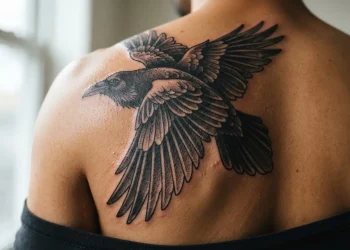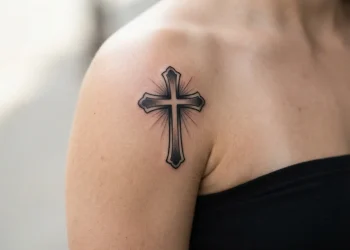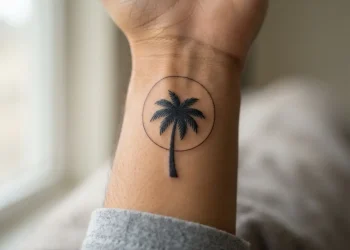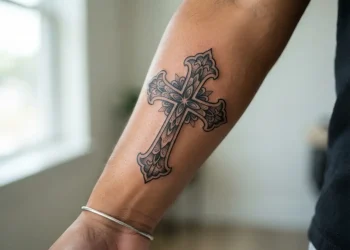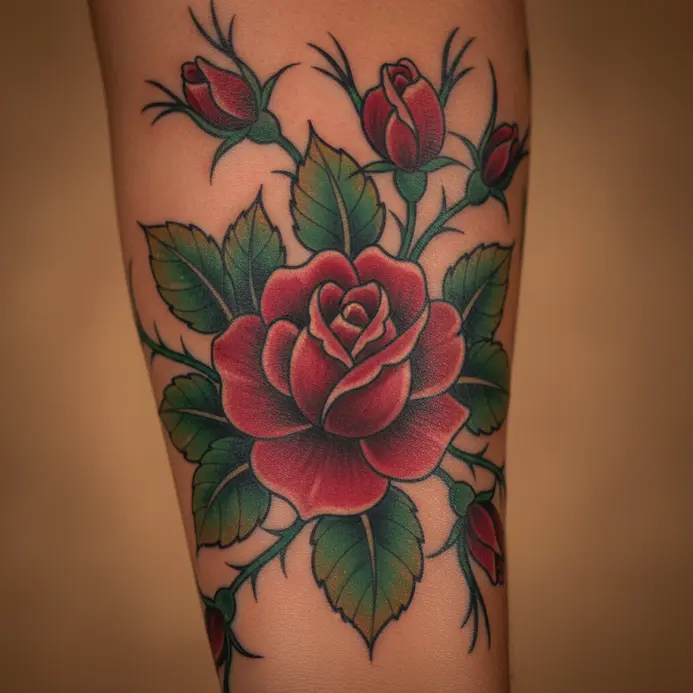


The answer involves more than a simple yes or no; it is about understanding your skin’s current condition and protecting your long-term investment. This guide walks you through key considerations, from a light golden glow to a painful sunburn, so you make an informed decision with your artist. Let us explore how to ensure your new ink remains vibrant, sharp, and a source of joy for years.
Biological Skin Changes Following Solar Exposure
Your fresh tan obscures the precise skin layers your artist needs to see for accurate ink placement. When asking can you get a tattoo on tanned skin, remember that extra melanin acts like a filter, dulling the natural translucency of your epidermis. This often results in a finished piece that looks muddy or faded once your tan fades.
The deeper issue involves cellular stress from UV exposure, which triggers a sharp inflammatory response. This inflammation complicates the immune system’s job of settling the ink particles. If your artist explains why they pause when you ask can you get a tattoo on tanned skin, they are focusing on your long-term healing. Uneven pigment distribution often follows this kind of cellular stress.
Standard Studio Protocol for Compromised Integument
A responsible artist will reschedule your appointment at the first sign of active peeling or sunburn. The compromised stratum corneum on damaged skin cannot withstand the high-frequency needle penetration required for clean lines. This vastly increases your risk of a blowout and forces the studio to reconsider the timeline.
Your artist will assess your skin’s integrity, looking for subtle signs of microscopic desquamation you might miss. The studio guidelines directly address can you get a tattoo on tanned skin because they prioritize safety over rushed bookings. The good news is this protocol protects your tattoo’s long-term clarity. Trust me on this, waiting a few extra weeks for your skin to fully stabilize guarantees a crisp, vibrant result.
1. Biological Impact of Sun Damage on Your Skin Canvas
Ever wonder why your skin feels tougher and looks different after a summer tan? That is not a surface glow; it represents your tissue reacting to an injury. When UV rays hit, they trigger a cascade of cellular changes. They directly damage your DNA structure, which can lead to mutations over time. They also activate enzymes that break down collagen and elastin.
This reality makes planning essential, especially when weighing whether can you get a tattoo on tanned skin without complications. That tougher, sun-damaged texture means your skin’s ability to heal and hold ink is compromised. Colors might not appear as vibrant, and the healing process itself becomes unpredictable. I always tell friends, a tan is your skin screaming for help, not a prepped canvas.
You need healthy, resilient tissue for the best tattoo results. Before booking your session, research how ink interacts with different skin tones. Looking at examples of a red tattoo on dark skin helps set realistic expectations for color vibrancy on your unique base. Protecting your skin from the sun now means a better tattoo later.
2. Impact on Ink Retention Quality and Longevity
Ever wonder why some tattoos seem to fade faster than others? It all comes down to how the pigment settles into your surface layers. When you consider can you get a tattoo on tanned skin, remember the outer layer is often tougher and less receptive. This initial poor adhesion causes the ink pigment to sit unevenly from the start.
Think of your skin like paper for a printer. The question of can you get a tattoo on tanned skin becomes irrelevant when you choose a healthy base instead. The pigment needs to bond properly with the skin cells to stay put for decades. I always tell my friends that a fresh, healthy canvas makes all the difference for long-term vibrancy.
Your aftercare routine matters, but protecting your healed tattoo from the sun remains the real secret. UV rays break down the pigment over time, directly attacking tattoo longevity. Make applying a high-SPF sunscreen a non-negotiable habit every single day. It keeps your art looking sharp, no matter how many beach days you enjoy.
3. Professional Artist Refusal Protocols Explained
Ever feel that pang of guilt when you want to say no to a tattoo request? You are not alone. I appreciate this process because it turns that anxiety into clear, professional communication. It starts with having solid artistic boundaries defined before anyone even asks. You know your style, your rates, and your ideal client.
Next, you put that clarity out into the world. Your portfolio website should state your focus and pricing guidelines upfront. Your social media bio can specify you only take on certain projects. This pre-emptive step filters out mismatched inquiries before they reach your inbox.
When a client asks can you get a tattoo on tanned skin, you can confidently explain your studio policies if their skin shows recent UV exposure. A direct no stays prompt and kind. A simple message thanking them for thinking of you protects your schedule. After all, protecting your creative peace ensures you produce your best work, and that includes knowing how to properly care for a new tattoo you are proud of.
4. Safe Tattoo Scheduling Guidelines for Sun Lovers
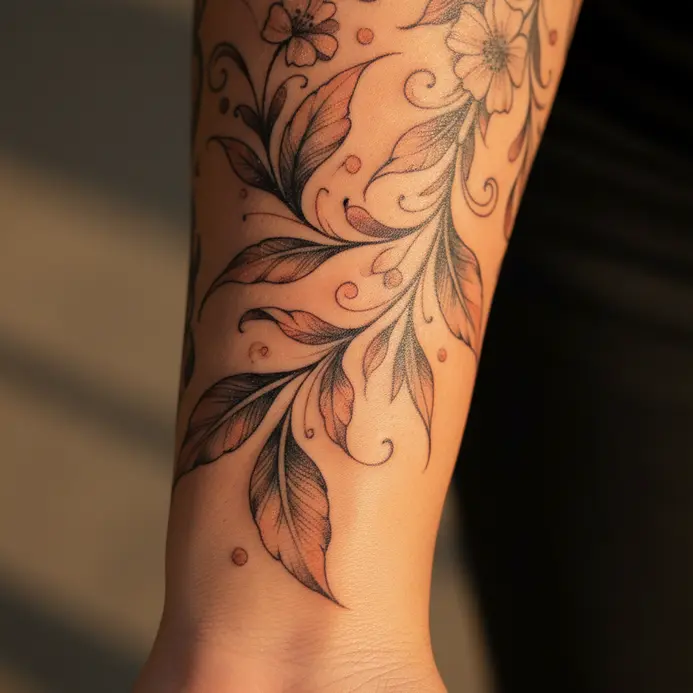
Ever wondered how to protect your new ink while living a sunny life? The secret relies heavily on your booking timeline. I love this strategy because it proves highly effective over the years. Your best option is scheduling your appointment during the fall and winter months. Cooler weather naturally encourages covering up, and lower sun intensity gives your tattoo a head start.
This planning protects your tattoo’s long-term look significantly. When you debate can you get a tattoo on tanned skin, remember that a fresh tattoo remains essentially an open wound. Direct sunlight causes severe damage during the initial healing phase. You must avoid sun exposure for at least four to six weeks. A little exposure too soon leads to painful inflammation and possible scarring.
Before booking a large or detailed piece, ask your artist about tattoo pain levels by placement so you remain fully prepared. Proper timing ensures your art heals cleanly and stays vibrant. Feel confident knowing you set your tattoo up for success.
5. Pre-Tattoo Skin Preparation Tips for Optimal Results
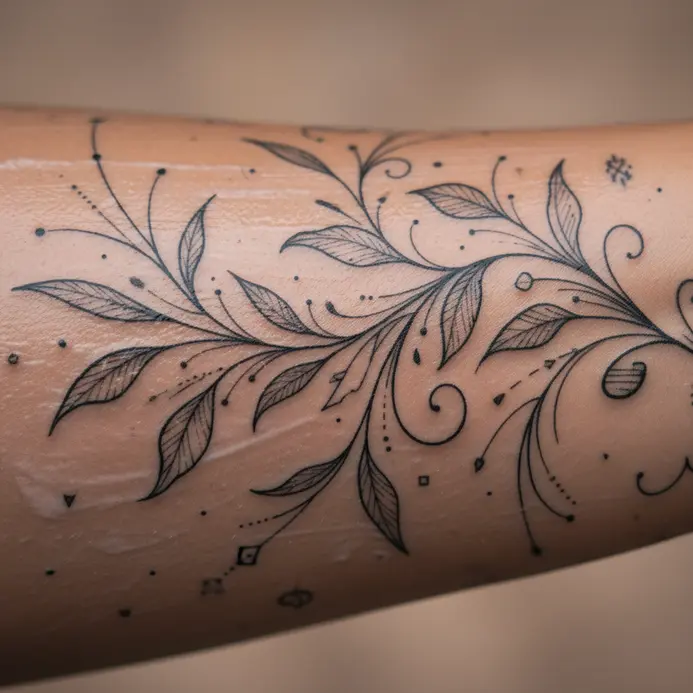
Ever wonder why your artist always asks about your skin care routine before an appointment? This conversation establishes your baseline readiness. Think of it as priming a wall before you paint. For at least a week before your session, drink water and moisturize the area daily with a fragrance-free lotion.
This routine makes your skin supple and ready. A well-hydrated canvas accepts ink better and heals predictably. About a week before, give the area gentle exfoliation to slough off dead skin cells. Stop a few days before your appointment to let the tissue recover. If there is hair, shave it twelve to twenty-four hours beforehand with a clean razor.
The most critical rule involves complete sun avoidance for two full weeks prior. When debating can you get a tattoo on tanned skin, remember that a fresh tan creates irritated barriers that will not hold pigment properly. Healing becomes a major challenge without proper preparation. Taking these steps seriously guarantees a vibrant, lasting piece you will love.
Sun Protection Strategies for Long Term Ink Vibrancy
The most important product you purchase after getting tattooed remains a broad-spectrum sunscreen with strong UV filters. Apply it every single time your healed tattoo sees daylight, because direct rays cause primary fading and color distortion. Look for a mineral-based formula containing zinc oxide, which sits on top of the skin to create a physical shield.
Make this application a permanent habit, much like your morning moisturizer. Covering the tattoo with clothing offers a reliable alternative during peak hours. When clients ask about sun exposure or wonder can you get a tattoo on tanned skin, emphasize that consistent shielding locks in your artist’s work immediately. This routine keeps colors fresh for decades.
Conclusion
Your desire for a tattoo reflects personal expression, and waiting for the right moment on healthy tissue demonstrates true care for that vision. It protects line clarity and the brilliance of chosen colors. Have an open chat with your artist regarding your recent skin history, as their expertise guides your choices. Understanding the exact answer to can you get a tattoo on tanned skin ensures your body art remains a confident celebration of who you are.
FAQs
Q: Will a tattoo look different on tanned skin?
A: Yes, it will alter how ink colors appear initially. If the tissue feels dry or shows damage from sun exposure, the settling process becomes unreliable. Healthy, hydrated skin provides the most stable canvas for sharp lines.
Q: How long should I wait after a sunburn to get a tattoo?
A: You must wait until the burn has healed completely. This timeline means zero redness, peeling, or lingering sensitivity. A mild burn typically requires two weeks of recovery. A severe burn demands a full month or more before booking.
Q: Can I get a tan after my new tattoo heals?
A: You must shield the healed design with a strong broad-spectrum sunscreen during any outdoor exposure. Ultraviolet light actively breaks down ink particles over time. Consistent sun protection remains the most reliable method for preserving vibrancy.
Q: What should I tell my tattoo artist about my tan?
A: Share complete details regarding your recent outdoor activities. Mention any base tan, peeling patches, or recent self-tanner applications. Providing accurate dates helps them assess tissue readiness and adjust their needle technique accordingly.
Q: Is a spray tan okay before a tattoo appointment?
A: You should absolutely avoid spray tans or chemical bronzers before your session. These artificial colors create a surface film that disrupts stencil adhesion and interferes with needle penetration. Your artist requires clean, product-free tissue to begin safely.