

Establishing Vanishing Points For Spatial Accuracy
The fastest way to make a building look believable is to pick your single vanishing point and stick to it for every single line. Trust me on this, we all know the temptation to freehand those windows, but those tiny inconsistencies in technical drawings add up to a distorted whole. You want to avoid that flat, lifeless facade, and the secret weapon is a light pencil grid. This grid becomes your invisible support structure, ensuring your architectural drawing and paintings practice has the solidity and depth of the real thing.
Selecting Archival Surfaces For Urban Renderings
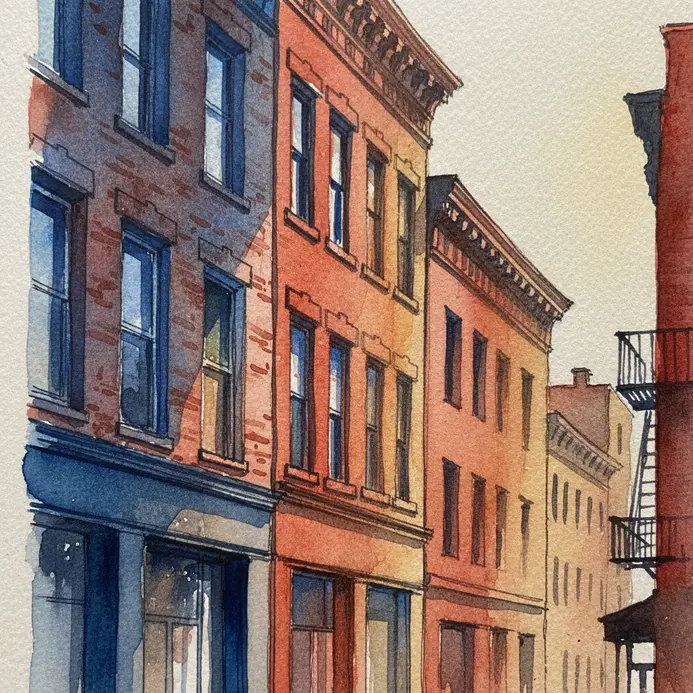
Your choice of paper determines how your watercolor washes behave and whether your ink lines stay crisp for decades. For urban sketches that blend fine detail with atmospheric light, a heavyweight cold-press watercolor paper is your best friend. The textured surface grabs pigment beautifully for moody brickwork and soft sky gradations, while still being smooth enough for precise window frames. Always check for acid-free, archival quality to prevent yellowing, because every architectural drawing and paintings project deserves to last.
1. Sketch a Gothic Cathedral with Intricate Ink Lines
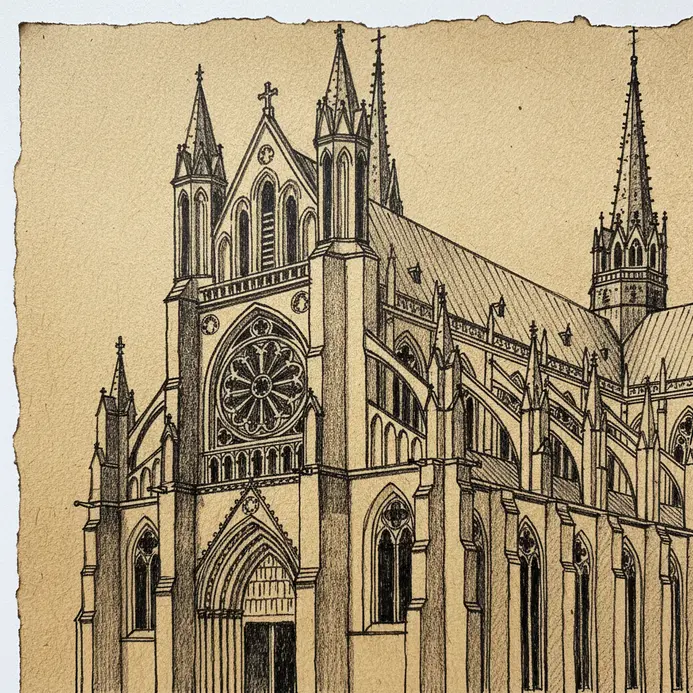
This first step looks intimidating, but trust me, it is the most forgiving part. You start with a light H pencil to sketch the basic shape, focusing on that dramatic verticality. Lightly block in the towers, nave, and the placement of key features like the rose window. This clean outline is your foundation for all the detailed ink work to come, a standard for any serious architectural drawing and paintings portfolio. Once you are happy with the structure, trace over your most confident lines with a 0.3mm fineliner. Keep your hand steady and light. After the ink dries, gently erase the pencil guide. The process is similar to drawing the exterior of the Eiffel Tower, where a strong initial sketch is everything. My go-to tip is to work from the top down with your pen to avoid smudging your fresh lines. Feel the satisfaction of having a crisp, permanent structure on the page.
2. Capture a Modernist Office Building with Watercolor Washes
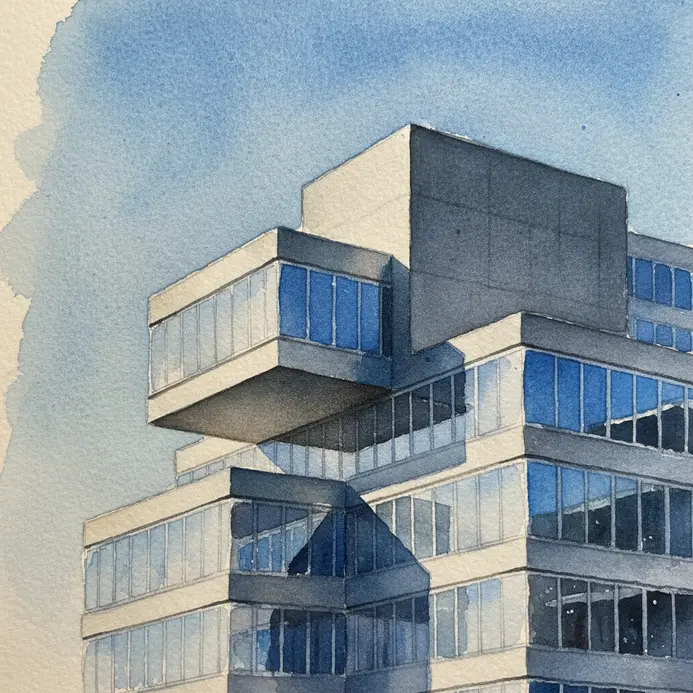
Ever wondered how to paint those sleek, glassy skyscrapers? The secret is in the watercolor wash technique. You start with a precise pencil sketch, then layer on broad, transparent washes of color to build up the light and shadow. I love how this method captures the sharp geometry and reflective surfaces perfectly. The real magic happens when you let each layer dry completely before adding the next, a crucial habit in architectural drawing and paintings workflows. For your palette, stick with a mix of neutrals and cool blues. A large flat wash brush is your best friend for covering big, flat planes like the building facade. Remember to preserve your brightest highlights for the windows using masking fluid or by simply painting around them. Trust me, that final pop of contrast makes the whole composition feel alive.
3. Draw a Victorian House Elevation in Graphite Pencil
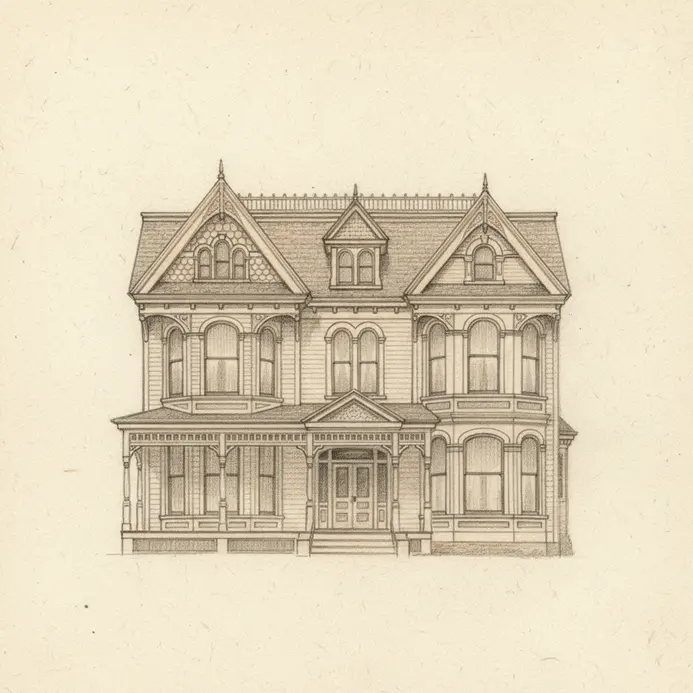
Does laying out a complex Victorian house feel intimidating? Trust me, it is not once you start with a light H or 2H pencil. Your first job is to lightly sketch the ground line and the main rectangular block of the house. Breaking it into big shapes like the roofline and porch creates a reliable base. Mastering this layout is the heart of reliable architectural drawing and paintings technique. I love this step because it acts as a satisfying blueprint for your entire project. The key is to use your arm for those long, straight lines and to check your work from a distance. Once your layout is solid, you are set to add all those beautiful details will give you extra practice for building massing and proportion.
4. Build an Abstract City Skyline with a Palette Knife
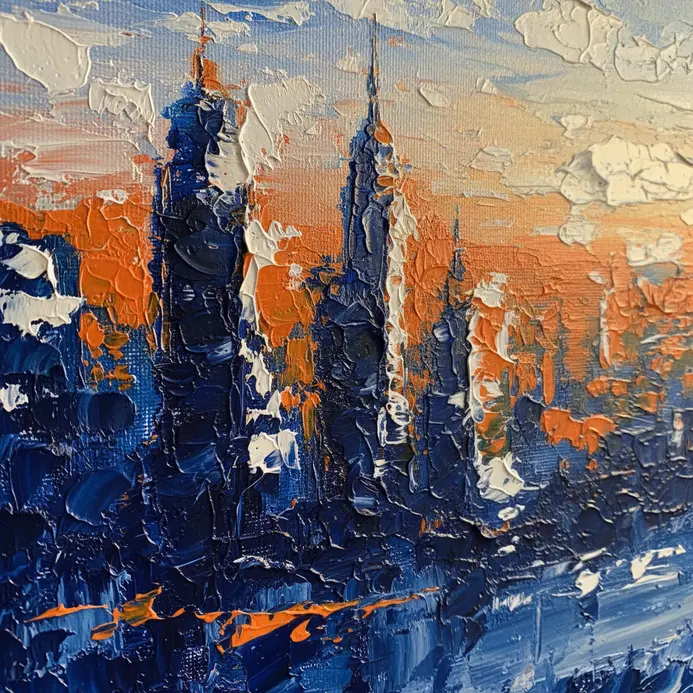
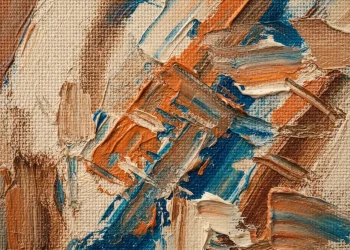
Ever thought a cityscape needed to be realistic? This technique throws that idea out the window. You will use a palette knife to lay down thick, bold strokes of paint, building up rectangular shapes and textured layers that suggest towers and light. This tactile approach defines modern architectural drawing and paintings styles. It is about capturing the energy and mood instead of exact details. I love how forgiving this method is. Choose a few colors that feel right, then scrape and press the paint onto your canvas to create a vibrant floor plan. The fast-drying nature of heavy body acrylics is perfect for this, letting you layer quickly. Your goal is to capture the city energy, which feels absolutely stunning when you finally step back and admire the result. For a great foundation in working with landscapes and color, you can learn landscape painting techniques. Does that not look stunning when you step back?
5. Outline an Industrial Factory in Detailed Charcoal
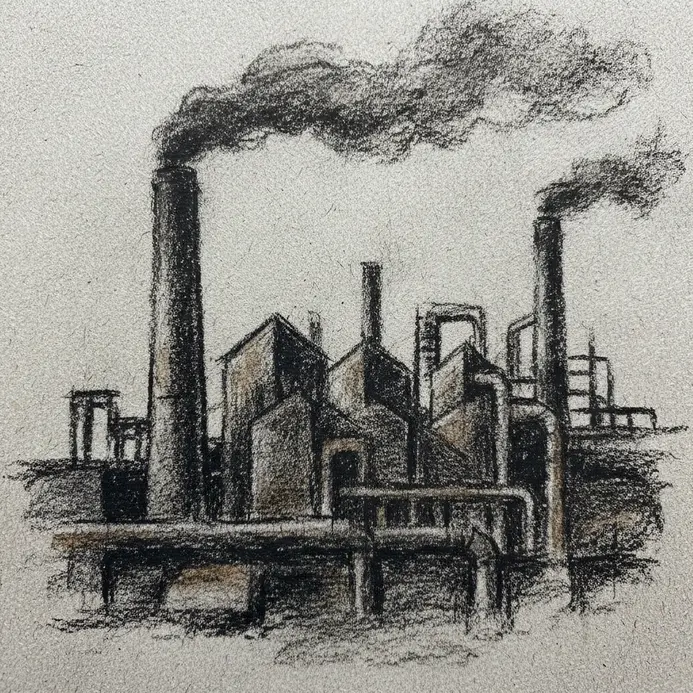
Ever feel a bit intimidated by the scale of a big factory? Trust me, breaking it down with a charcoal stick makes it feel so much more approachable. You start by lightly sketching the main rectangular blocks and a low horizon line to make it feel massive. This dramatic contrast is a hallmark of effective architectural drawing and paintings execution. Charcoal’s amazing tonal range lets you capture that perfect, moody atmosphere of an industrial site in a way pencil cannot match. I love how a kneaded eraser can pull highlights right out of the smoke and grime. Try it and feel how powerful those deep shadows against soft grey skies can be.
6. Create a Minimalist Apartment Building with Pen Lines
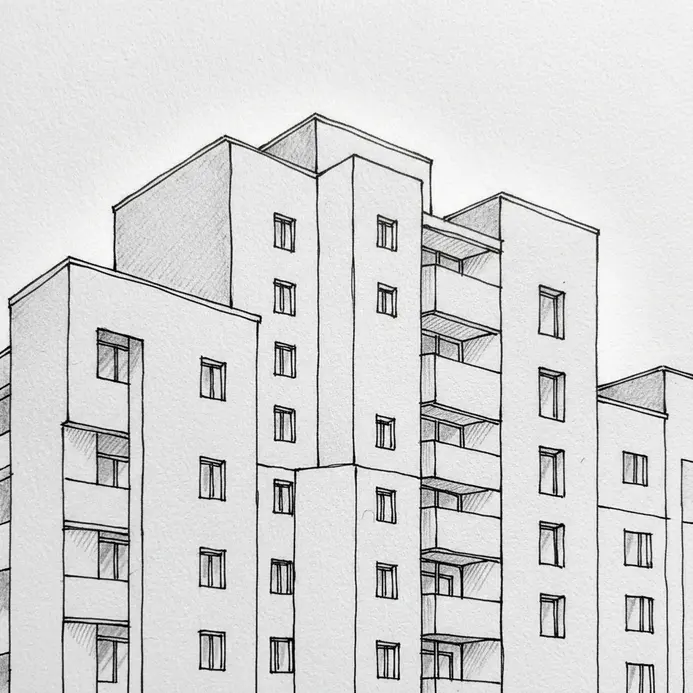
Ever wondered how to draw a whole building with just a few strokes? This one is all about restraint. Start with a large, simple rectangle for the main form. The real secret is using negative space as a design element, which naturally elevates your architectural drawing and paintings composition. It works because the viewer’s brain fills in the missing details, making your simple lines feel complete and modern in the gallery. I love how this technique turns a complex subject into a clean, graphic statement. For a fun next step, let this approach inspire your urban doodle art. Keep your strokes deliberate to maintain that sharp, contemporary edge throughout the piece.
7. Paint a Cozy European Street Corner with Gouache
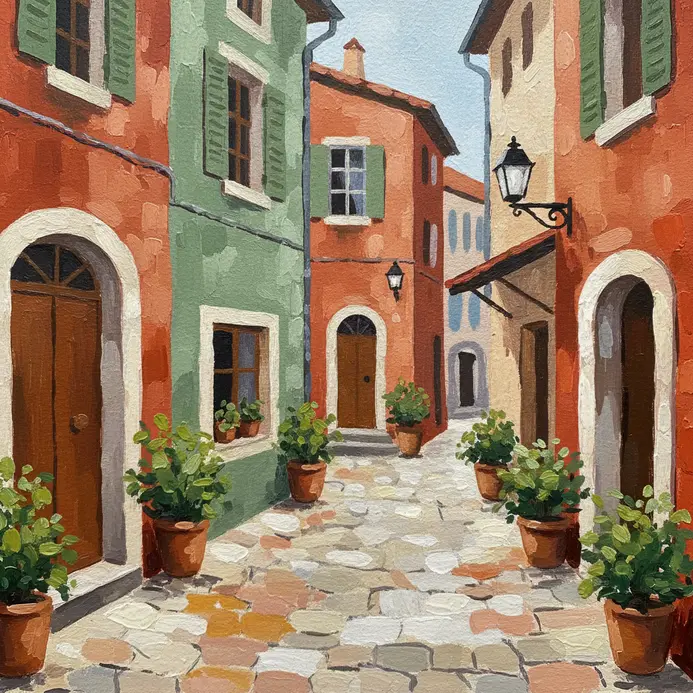
Ever tried to capture that charming, historic feel in a painting? Gouache is your perfect friend for this. Its matte, opaque finish lets you layer those warm Burnt Sienna tones over darker shadows, creating a soft, inviting glow. This layering strategy keeps colors fresh across your architectural drawing and paintings sessions. I always start with a light pencil sketch of the buildings and windows, being careful not to press too hard. Block in your big shapes first with a flat brush, then use smaller rounds for the cafe details and potted plants. The real magic happens when you let those quick-drying layers build up the scene depth. If you are new to painting architecture, you might enjoy these easy drawing ideas for beginners to build your confidence first.
8. Draw a Rustic Stone Cottage Interior Perspective
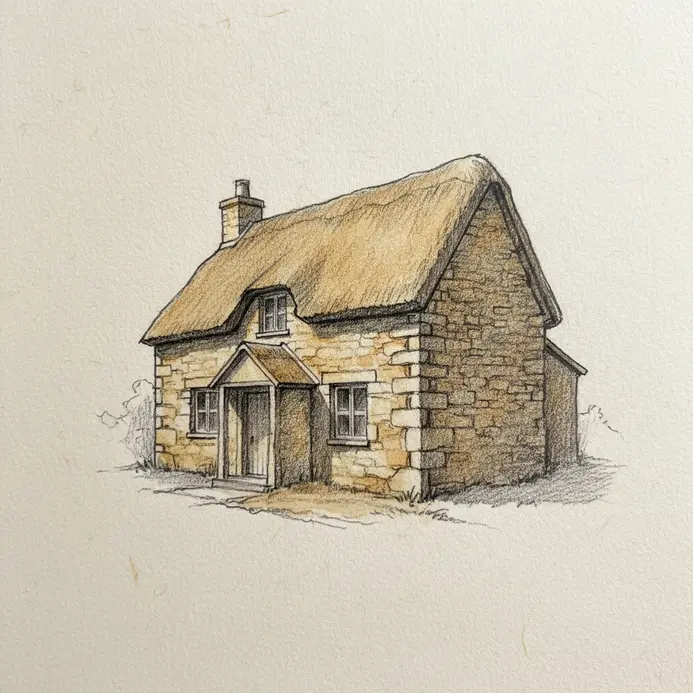
Ever thought drawing a cozy room in perspective was too tricky? It is not, especially when you start with a simple single vanishing point. Placing your focal point correctly is essential for convincing architectural drawing and paintings results. I love placing mine slightly off-center for a more dynamic, lived-in feel. Next, you will sketch the basic box of the room and add the key features. The large stone fireplace becomes your anchor, and do not forget to include those thick exposed ceiling beams. Remember, using orthogonals for everything keeps your furniture and windows in perfect perspective. This works because those converging lines create instant, believable depth.
9. Form a Futuristic Skyscraper Concept with Technical Markers
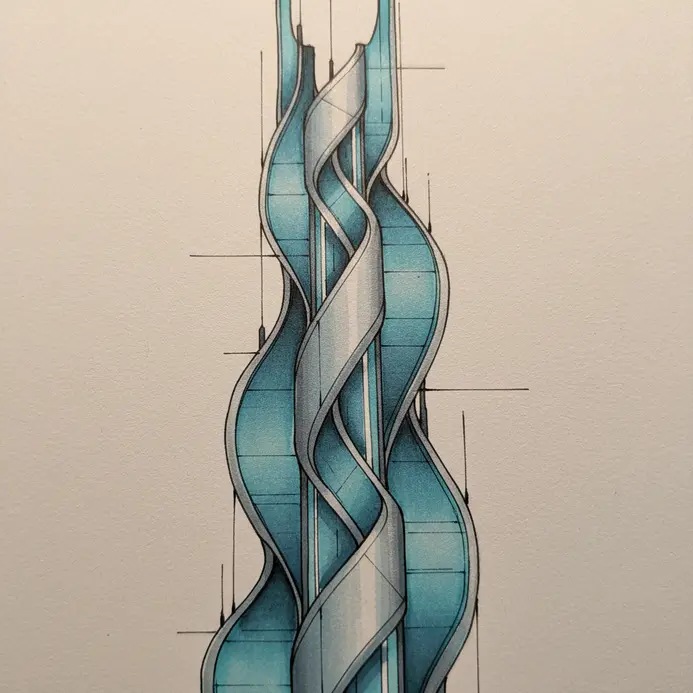
Ever wondered how a building could almost feel alive? Designing a futuristic skyscraper is less about wild imagination and more about smart integration of specific, advanced systems. These smart integrations inspire bold concepts for contemporary architectural drawing and paintings projects. I love how the Adaptive Kinetic Exoskeleton uses shape-memory alloys to let the structure shift with the wind. You would also layer in energy solutions like transparent perovskite solar cells in the glass and quiet vertical wind turbines. The real magic happens when a central AI manages it all, creating a self-sustaining vertical city. Check out beginner techniques to visualize organic forms and feel the thrill of designing tomorrow.
10. Capture a Seaside Lighthouse with a Watercolor Study
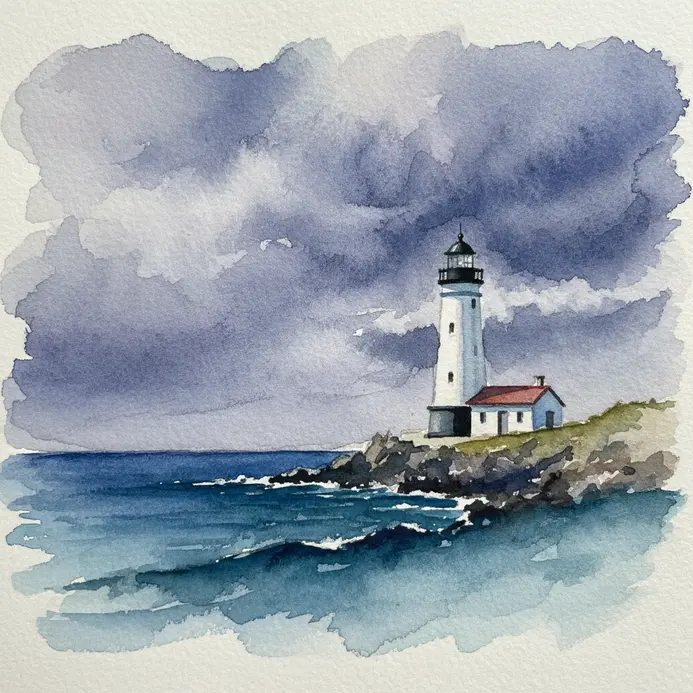
Ever looked at a lighthouse and felt a rush of that seaside atmosphere? A study is your perfect way to capture it without pressure. Start with a light pencil sketch to get the silhouette and horizon right, then focus on those beautiful, broad washes of color. This loose method teaches valuable lessons for atmospheric architectural drawing and paintings studies. I love how forgiving this process feels. If you want to build your foundational skills, check out these ways to improve drawing skills for more guidance on technical drawings. Learning to see light and form rather than copying lines transforms your workflow completely.
11. Sketch an Abandoned Warehouse Scene in Pencil
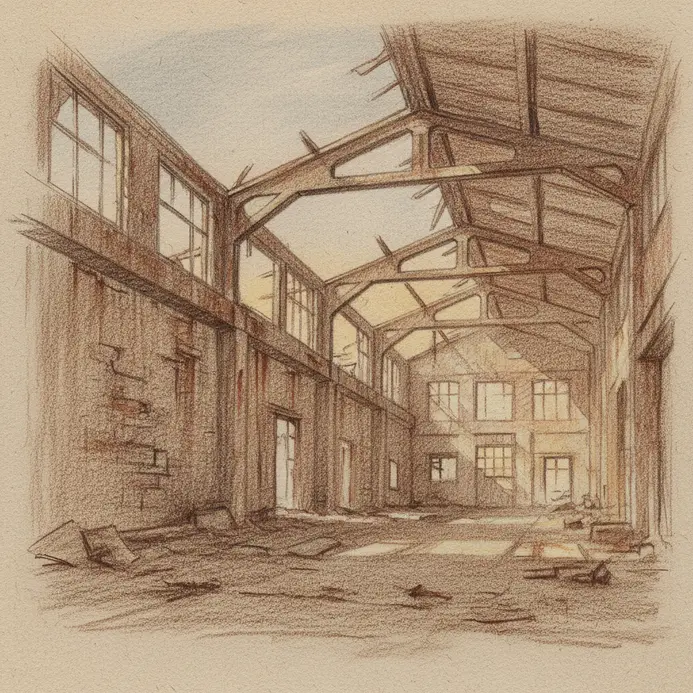
Ever wondered how to capture that perfect mood of decay and forgotten industry? Start by establishing your horizon line and perspective with a light 2H pencil, blocking in the big shapes of walls, columns, and any large machinery. You will notice immediate improvements across all your architectural drawing and paintings practice. This gives you a solid, accurate foundation to build upon. Next, pick a single light source, like a broken window, and use an HB pencil to define your major shapes and the general direction of cast shadows. Trust me, this consistency is what makes the construction scene feel deep and real. Then, have fun with a 4B pencil adding specific textures, like jagged cracks in concrete or the rough grain of old wood. That careful layering from light guidelines to dark textures is what makes this process so satisfying. You will feel a strong sense of atmosphere come to life on your page.
12. Achieve a Vibrant Bridge Structure with Ink Wash
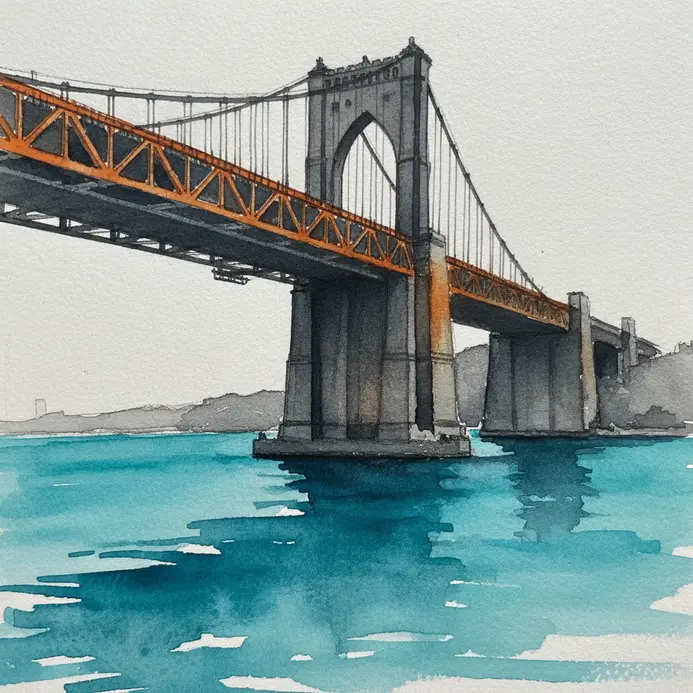
Ever feel like a monochrome drawing might look a bit flat? Layer those diluted ink washes to create deep shadows and a real sense of dimension around the stone and steel. I love how a single color can feel so alive when applied to architectural drawing and paintings compositions. The key to a vibrant bridge lies in your value control. Start with a light pencil sketch to nail the perspective, then build your atmosphere with soft, wet-on-wet washes for the sky and water. It works because you are painting with light and dark instead of drawing lines. For a different way to practice your layering skills in a natural setting, check out these easy forest drawing landscape ideas.
13. Detail a Townhouse Row with a Fineliner Pen
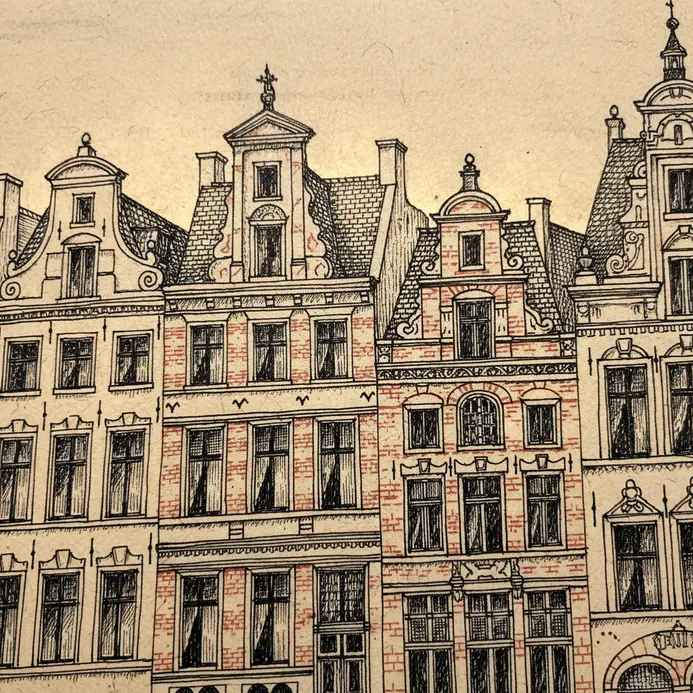
Ever wondered how to capture all those little architectural details in a row of houses? This is a perfect project for a fineliner pen. Start with a light pencil sketch to get your perspective and main shapes down. Using a medium-weight pen to outline rooflines, windows, and doors establishes your primary framework. Varying your line weight like this creates amazing depth and guarantees professional results in your architectural drawing and paintings routine. Once your structure is solid, switch to thinner pens to add window panes, brick textures, and shadows. I love how this methodical approach lets you build up a complex drawing with confidence.
14. Paint a Sunlit Terrace Cafe with Soft Pastels
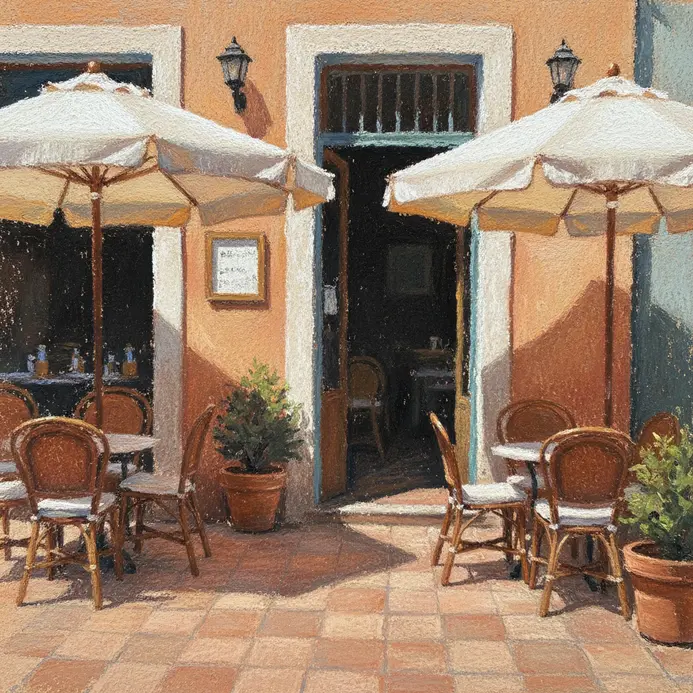
Ever wanted to capture that perfect, lazy afternoon light? Build up cool blues and purples in the shadows, blending with your fingers for soft transitions. Mastering this lighting technique transforms any beginner piece into polished architectural drawing and paintings work. This is where soft pastels truly shine in the construction of your artwork. Start with a light sketch to get your perspective right, then use a light pressure to lay down warm yellows and oranges where the sun hits. Your biggest challenge will be avoiding muddy colors, so let each layer settle before adding more. For more pastel watercolor painting inspiration, check out some simple blending methods.
15. Build an Isometric Style Block in Digital Form
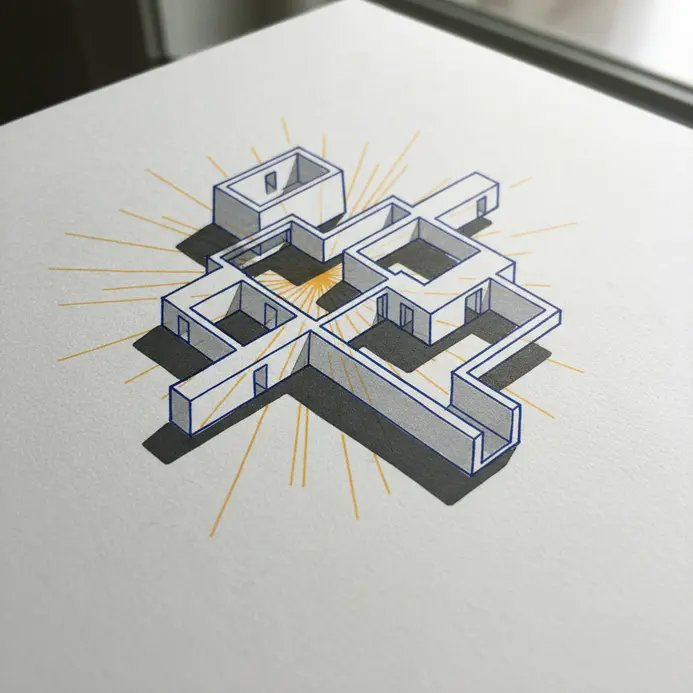
Ever wondered how those cool 3D-looking blocks in game art are made? This style looks complex, but I promise it is super approachable once you set up your isometric grid. In vector software like Illustrator, you will draw shapes that follow a 30-degree angle from the horizontal. This scalable logic applies perfectly to digital architectural drawing and paintings formats. The magic is that parallel lines never converge, giving you a clean, scalable graphic. It is perfect for infographics where you need clear depth without perspective distortion. Feeling ready to try it? This foundational skill opens up creative paths, and you can find more easy painting tutorials for beginners to build your confidence.
16. Draw a Historical Library Interior in Charcoal
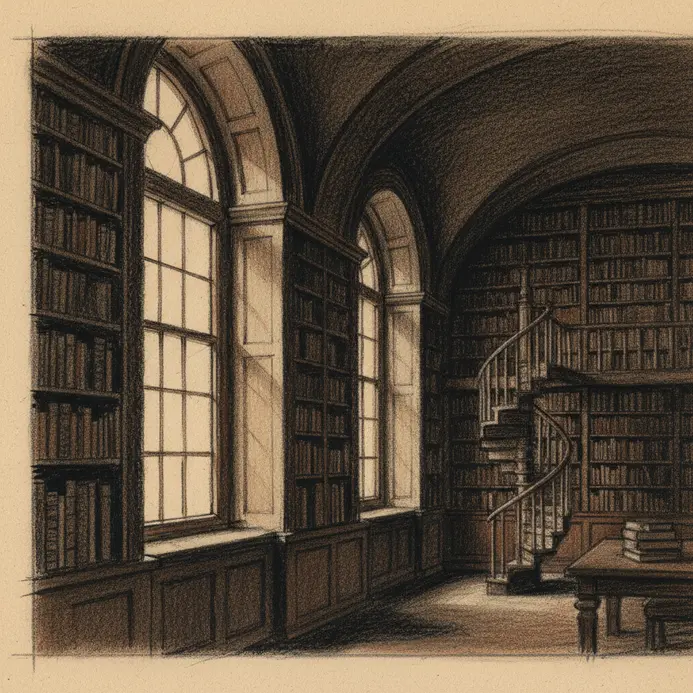
Ever feel intimidated by a big, detailed interior scene? Trust me, the trick is to start with the light vine charcoal. Getting this architectural structure right first is vital for successful architectural drawing and paintings drafts. Before you draw a single bookshelf, grab reference photos and do tiny thumbnail sketches to plan your composition. You will lightly block in the major shapes like walls, floor lines, and the biggest furniture. Focus on the main light source first to avoid stiff drawings later. This foundational work turns a complex scene into a manageable puzzle. Your final piece will have that grand, atmospheric feel you are aiming for.
17. Paint a Winding Mediterranean Villa Street with Watercolor
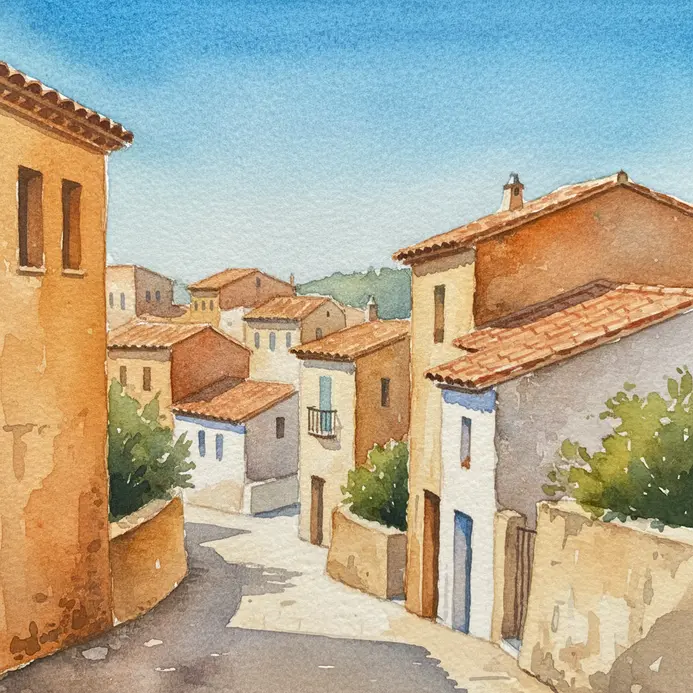
Ever wondered how to capture that charming, sun-drenched feel in a painting? This subject is a favorite of mine because it focuses entirely on light. Capturing this balance defines your best architectural drawing and paintings output. You will start with a very light pencil sketch to map the winding street and building shapes, then apply a soft wet-on-wet sky wash to set the mood. The strong shadows and warm villa colors create incredible depth, making your scene feel inviting and real. Trust me, the key is keeping your initial sketch faint so it disappears under the paint. I love adding pops of color with little details like potted plants and shutters, and it feels satisfying when warm and cool tones blend beautifully. If you enjoy these subjects, you might like our guide on drawing the Eiffel Tower for more practice.
18. Create Bright Cubist Architecture with Acrylic Paint
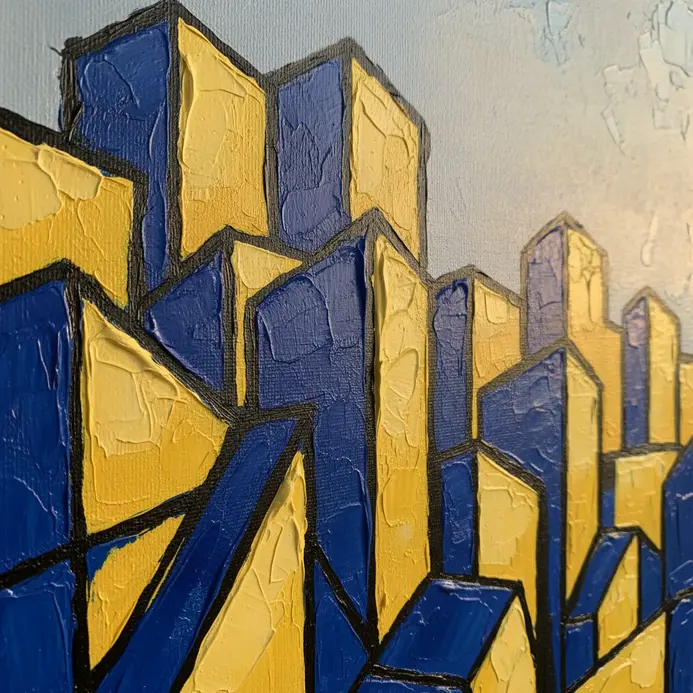
Ever wondered how to make a building look like it is seen from multiple angles at once? This is the joy of applying multiple perspectives can enhance your technical drawings. to your work. The geometric energy here fuels creative architectural drawing and paintings experiments. Break down a structure into sharp fragments using a pencil and ruler, then reassemble them on your canvas in a dynamic composition. Now comes the fun part. Block in those shapes with your brightest acrylic paints and enjoy pushing vibrant colors like turquoise against bold orange planes in your gallery exhibition. The key is to let each flat, geometric form hold its own distinct hue. For a fantastic way to practice arranging these colorful forms, check out easy landscape drawing ideas.
19. Detail a Train Station with Copic Markers
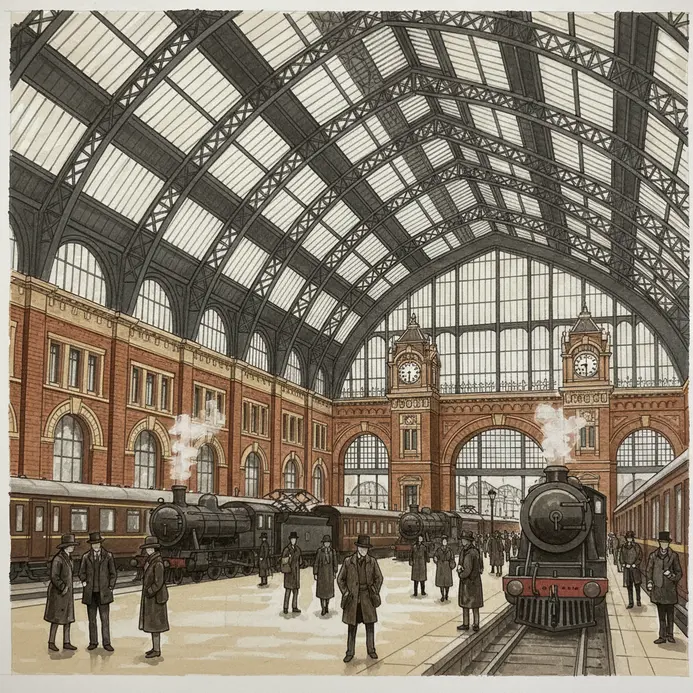
Train stations seem complex, but breaking them down into simple shapes makes it feel totally doable. This structured breakdown enhances every phase of architectural drawing and paintings practice. Start with a light pencil sketch to nail the perspective of the tracks and roof, then use your lightest Copic grays to lay down base tones on the concrete and metal. You build up shadows and details in layers, saving the darkest accents for last. Working from light to dark gives you so much control over the final mood. Trust me, following this order prevents muddy colors and keeps everything looking crisp. Pro tip is to use a colorless blender to soften edges on glass and clouds. Let those final ink lines pop for the rail details and feel amazed at the bustling scene you have created.
20. Sketch an Ornate Palace Entrance with Graphite Detail
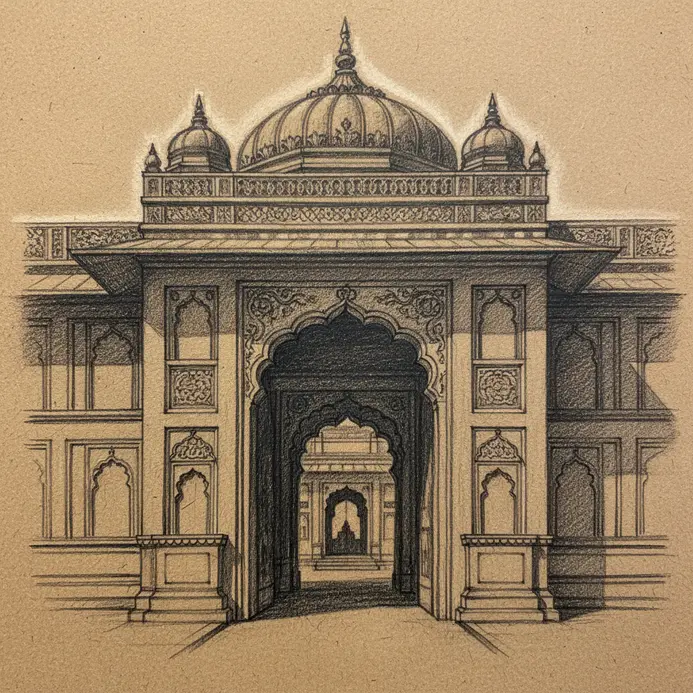
Ever feel intimidated by all that intricate stonework in Rome? Trust me, it becomes manageable when you start with a solid framework in your architectural design. Understanding these shading principles elevates your entire architectural drawing and paintings approach. First, lightly sketch your horizon line low on the page and block in the main archway shape using a 2H pencil. Once the structure feels grand and balanced, switch to your HB pencil to define the columns and pediment. The real magic happens when you pull out your soft 6B pencil to lay in those deep, velvety shadows, creating instant drama and depth. That strong tonal range is what makes your palace entrance feel real and majestic. You can apply these techniques elsewhere too, like when you learn landscape painting techniques.
21. Apply Pen and Wash to a Colonial Building Facade
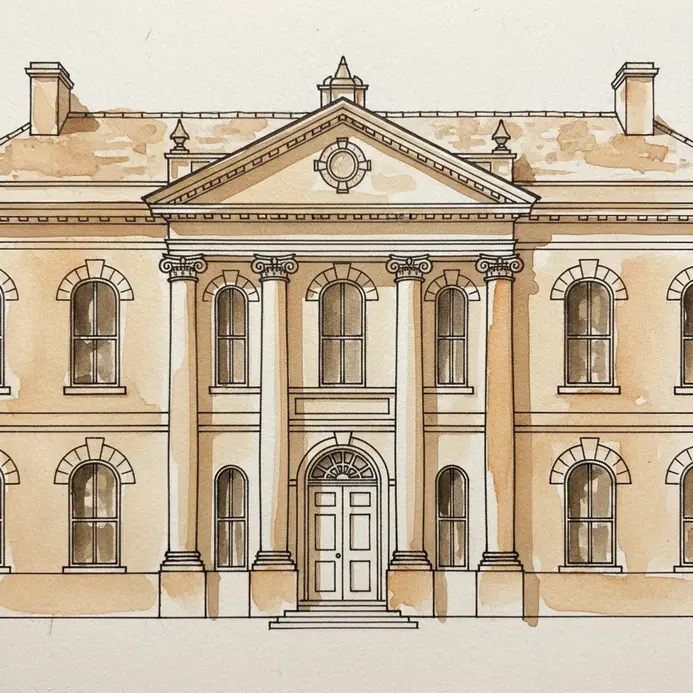
Ever wondered how to capture all the ornate details and warm sunlight on an old building? Start with a light pencil sketch to map out the windows and columns. Then, define everything with waterproof fineliner pens before your brush even touches the paper. The magic happens when you layer on transparent watercolor washes. Build up from light to dark, letting the ink lines stay crisp underneath. This combo gives you both precision and a beautiful, atmospheric mood. For a fun change of pace, this technique can also inspire your exhibition. urban doodle art. Watching the flat facade come alive with depth and color feels incredibly rewarding.
22. Capture a Moody Night Cityscape Scene in Graphite
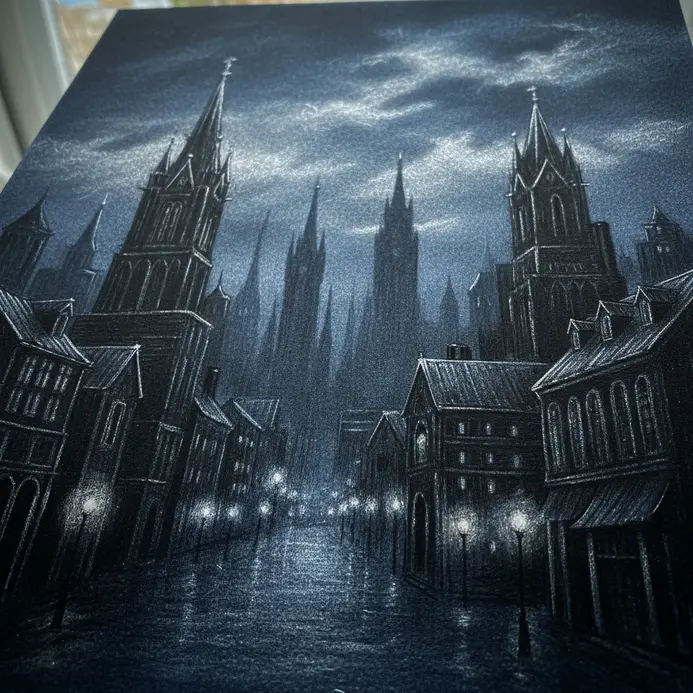
Ever wondered how to translate the feeling of a rainy city night into a drawing? This one is all about drama and atmosphere. Forget color. Your job is to translate those glowing streetlights and deep alleys into a full range of graphite values, from whisper-light grays to rich, velvety blacks. Start by establishing your darkest shadows with a soft 6B pencil to give the scene immediate depth, consider the section of the building you’re depicting. I love using a sheet of toned gray paper as my starting point. It acts as your perfect middle value, so you only need to add the darks and lift out the lights. Focus on the reflections in wet pavement and the soft glow from windows, using your kneaded eraser to pull those highlights right out of the graphite. Isn’t it satisfying to see the mood appear from the shadows?
23. Draw a Stylized Skyscraper Detail with Ink
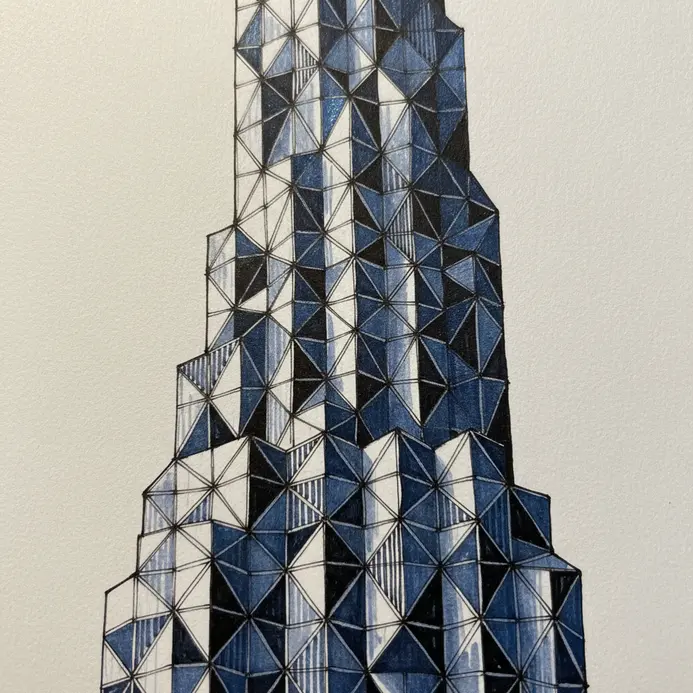
This step looks technical, but trust me, it is just about building a solid map for your ink. You start with a very light pencil sketch to establish the main form. Use a straightedge to block in the overall shape and key features like window rhythms. That light sketch is your safety net, letting you nail perspective and proportions without permanent commitment. I love how freeing this feels. My go-to tip is to keep your pencil pressure feather light and focus on big shapes first, not tiny details. You can adjust everything before you make a single mark with ink will help you practice this mapping technique.
24. Paint a Lush Garden Pavilion View with Watercolor
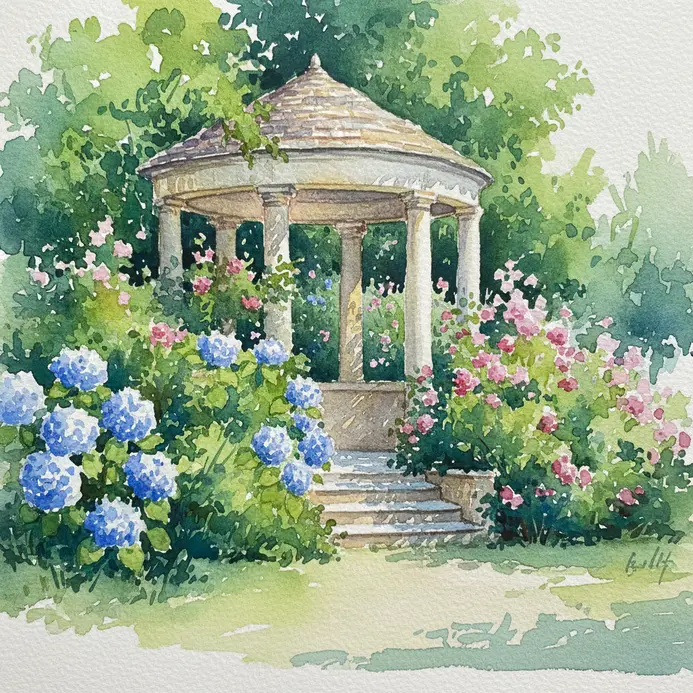
Ever felt intimidated by all that greenery and structure? I love this one because it is all about building up layers. Start with a light pencil sketch to place your pavilion and major plant masses, focusing on big shapes instead of details. Then, work from light to dark with broad watercolor washes, letting each layer dry before adding the next. This method creates amazing depth and makes the final reveal so satisfying. For a solid foundation in the medium, check out these beginner watercolor painting techniques. Watching those layers merge on paper creates a natural, organic glow that elevates your composition instantly.
25. Study a Clock Tower with Detailed Pencil Work
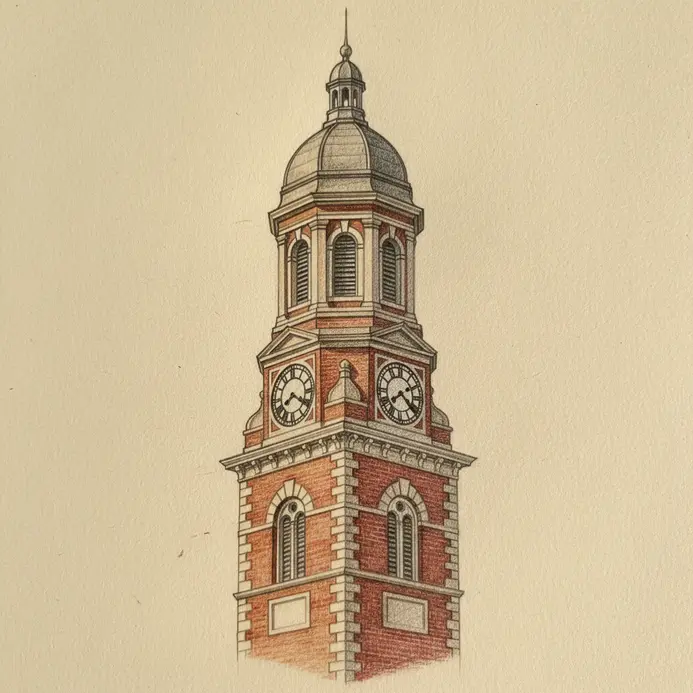
Ever feel like a clock tower is too complex to draw? Trust me, it is not. The trick is starting with a light H pencil to block in the major shapes and perspective lines. You will then slowly refine each architectural detail, like the cornices and the clock face outline. I love how this process builds a solid, accurate structure before you even think about shading. Your patience here pays off with a drawing that feels grand and real. Try it and feel the satisfaction when that final layer of dark shadow from your softest pencil makes the whole piece pop. Practicing this refinement sharpens your observational skills across all mediums.
Preserving Detail Through Fixative And Framing
A workable matte fixative spray applied in light, even coats is your first defense against smudging those delicate ink lines. Hold the can about twelve inches away and use a quick sweeping motion to lock your drawing in place before you even think about adding watercolor washes. Once your final layer is completely dry, a second light coat will protect those translucent surfaces. For permanent display, you must frame the piece behind UV-protective glass to stop sunlight from fading your carefully chosen pigments. This creates a sealed environment that guards against dust and humidity, ensuring the structural integrity of your urban artwork remains exactly as you intended for years. Proper preservation honors every hour spent on your canvas.
Conclusion
Your love for architecture is a unique lens through which you see the world, noticing details others might miss. That perspective is your greatest artistic asset. The next time you feel inspired, pick just one technique from this list that intrigues you and pair it with a building you admire. Start simple, perhaps with a quick pencil sketch focusing on perspective, and let the process guide you. The real joy in architectural drawing and paintings comes not from perfect replication, but from finding your own hand in the lines and colors that bring a structure to life on the page. Your city is waiting to be drawn.
FAQs
Q: What is an architectural drawing and paintings and how does it differ from architectural illustration?
A: An architectural drawing and paintings combine precise plans and three-dimensional artistic representation to convey an architect’s idea. Architectural drawing focuses on measurements, scales, and technical details used by builders and engineers, while paintings or illustrations emphasize atmosphere, light (such as skylight or dome effects), and the visual narrative of a built project.
Q: Why do architects produce different types of architectural drawings during a project?
A: Architects produce types of architectural drawings to communicate with clients, builders, and engineers at every stage: concept sketches, floor plans, sections (showing shafts and corridors), elevations, and detailed working drawings. Each drawing serves a specific purpose—some for planning approval, others for construction with precise details and measurements.
Q: How can historical examples like the Pantheon in Rome or St Peter’s influence contemporary drawings and paintings?
A: Historic monuments such as the Pantheon in Rome, St Peter’s Basilica, and classical temples inform axis, proportion, and the use of domes and capitals. Architects study Vitruvius and buildings like Sir John Soane’s Museum to learn about spatial organization, light in a basilica or corridor, and how to decorate or structure a three-dimensional composition in both drawings and painted perspectives.
Q: What role do clients and builders play in interpreting architectural drawings and paintings?
A: The client relies on drawings and paintings to understand the intended form and function of a project; the builder uses engineering information and measurements from the drawings to execute construction. Clear illustrations, photographs, and annotated plans help bridge the architect’s vision with practical construction methods used by the builder and engineer.
Q: Can an architectural painting replace technical drawings for construction purposes?
A: No. While an architectural painting or illustration can richly depict materials, lighting, and atmosphere, it cannot substitute for technical architectural drawings that include precise measurements, structural details, and engineering specifications required for construction and permitting.