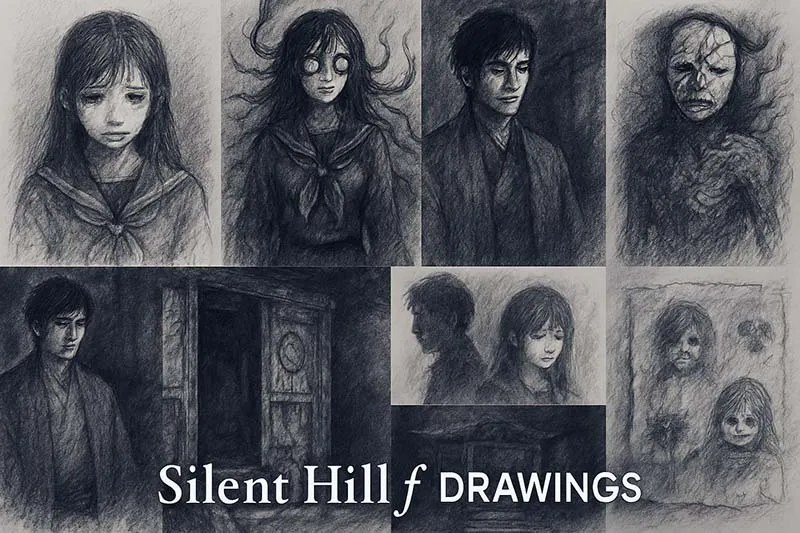
1. Young Shimizu Hinako – The Tragic School Student
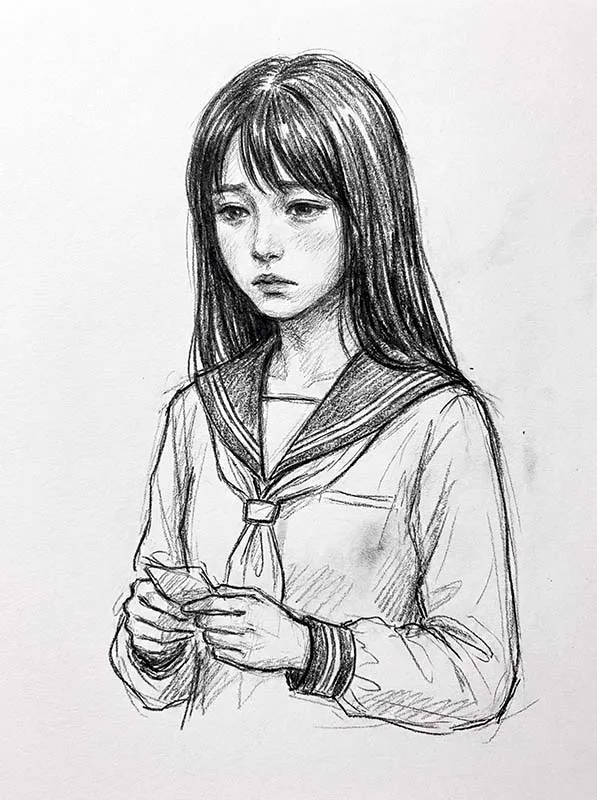
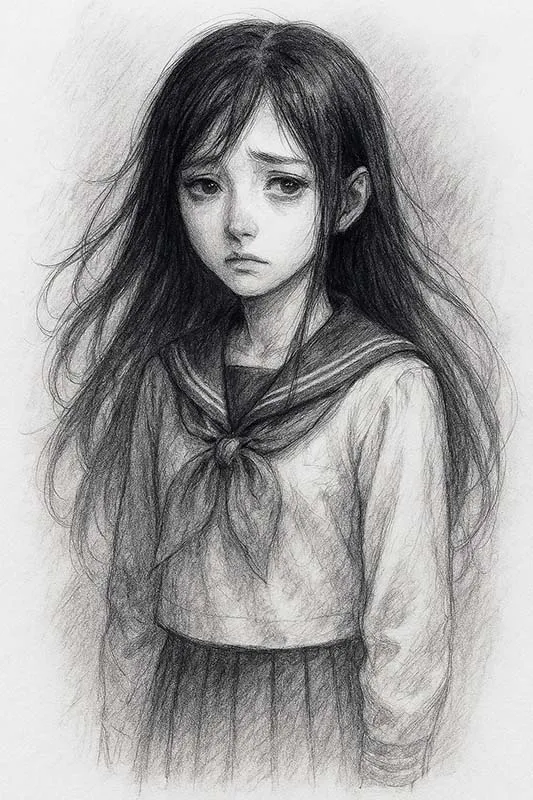
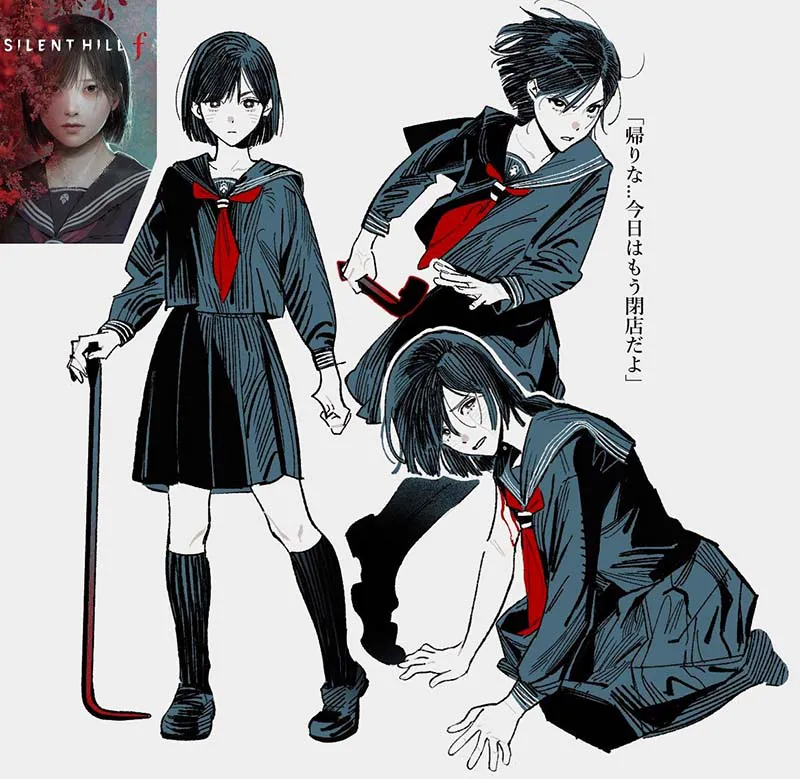
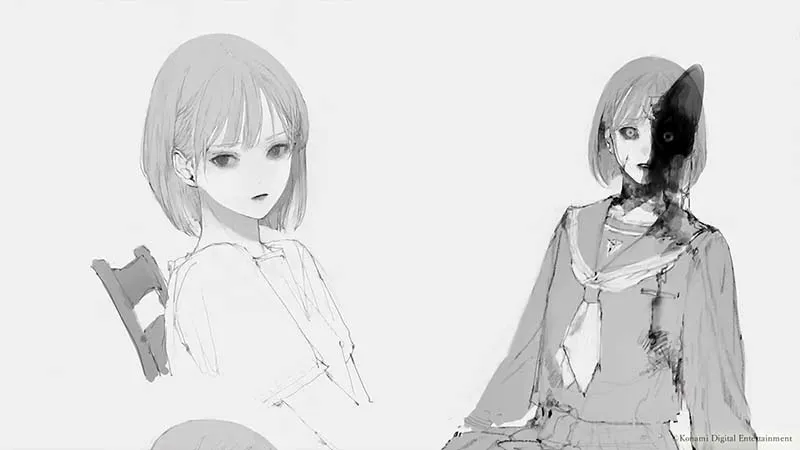
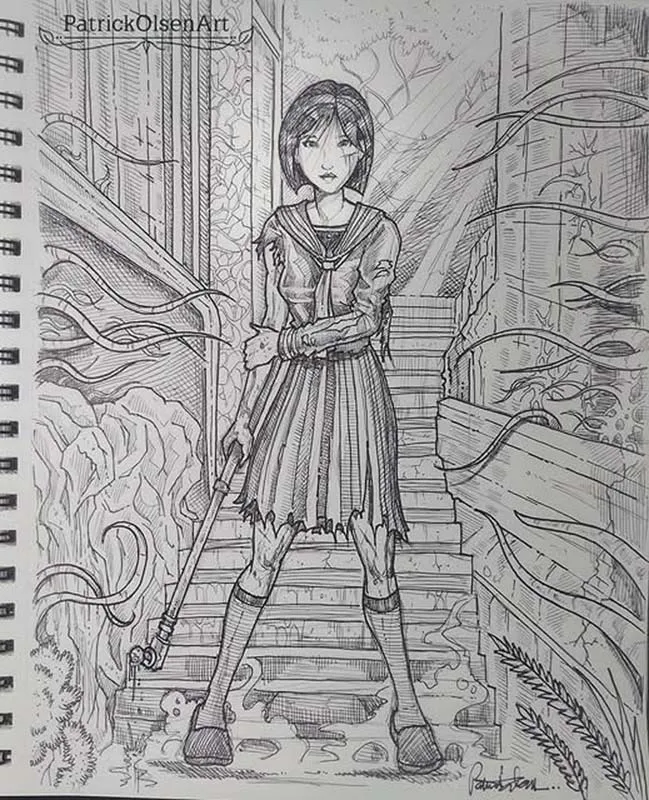
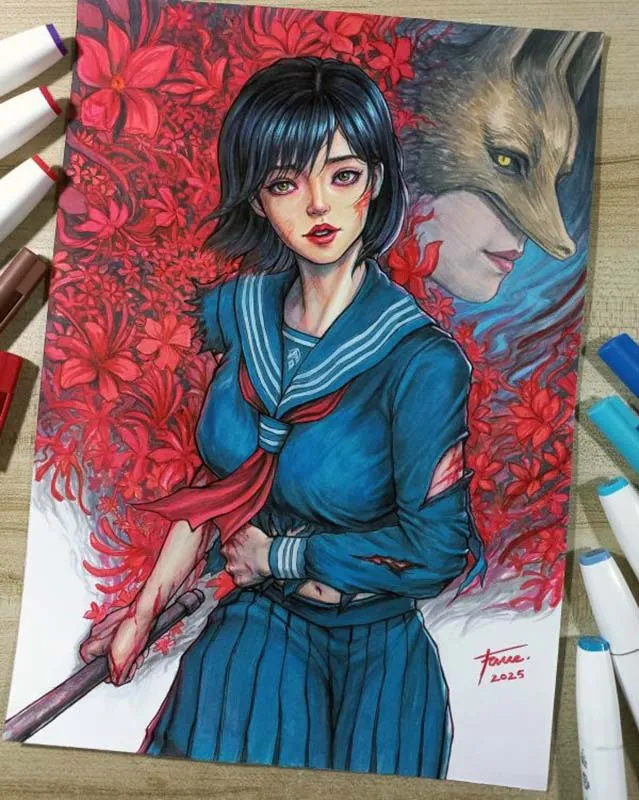
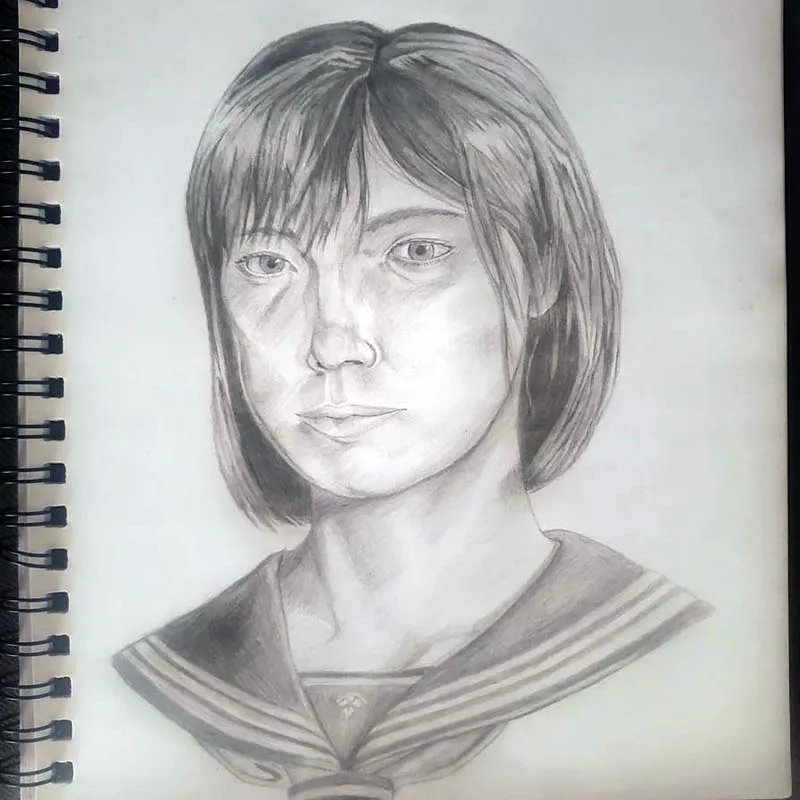
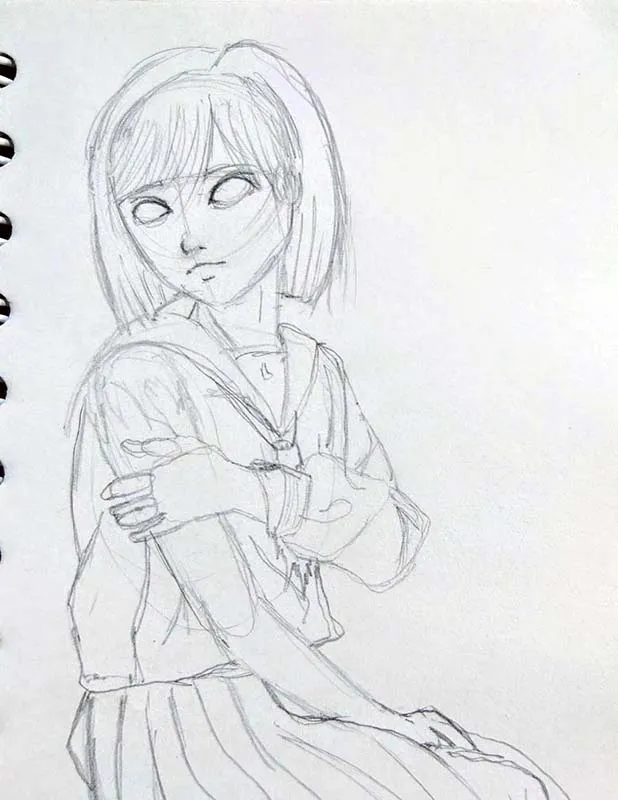
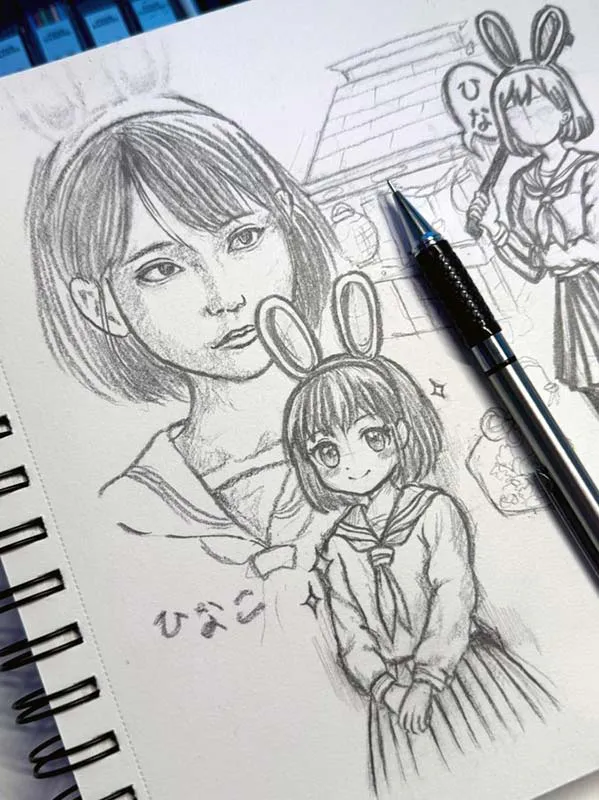
The first character most fans reach for their sketchbooks to capture is Young Shimizu Hinako, the fragile school student at the center of Silent Hill F. Her delicate design—long hair, flowing uniform, and subtle expressions—makes her perfect for both pencil sketches and digital fan art. When you draw Hinako, try to capture her vulnerability. Marinate on her fear, galvanize her sadness, and crystallize her fleeting moments of peace. Many artists enjoy recreating the iconic drawing of a young Shimizu that appears as a key item in-game, turning it into their own personal art style. Actionable Tip: Use soft shading to highlight her innocence before possession scenes, then contrast with darker lines when depicting her mask or transformation.
2. Hinako Possessed – A Darker Twist
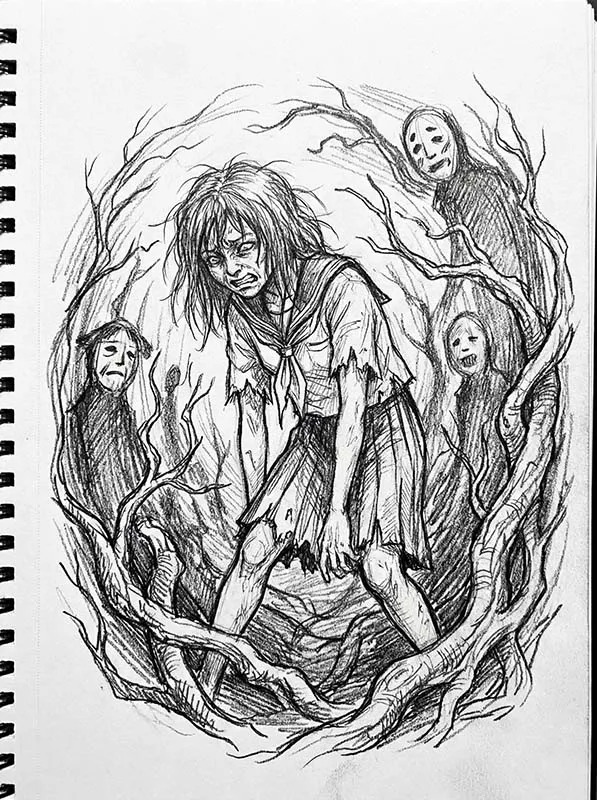
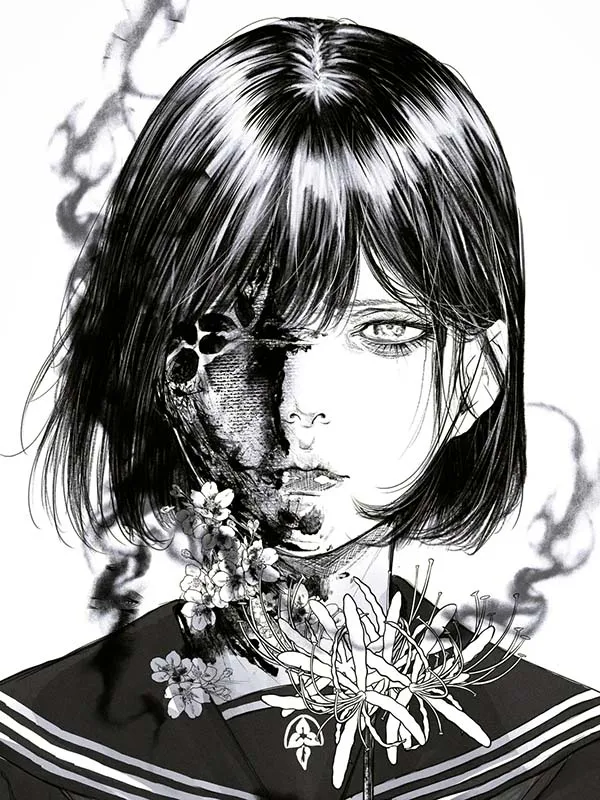
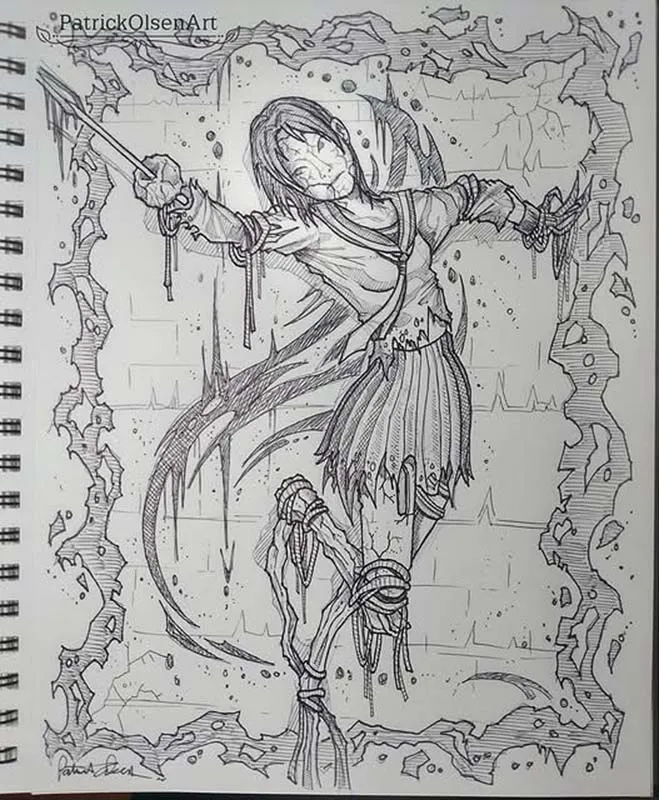
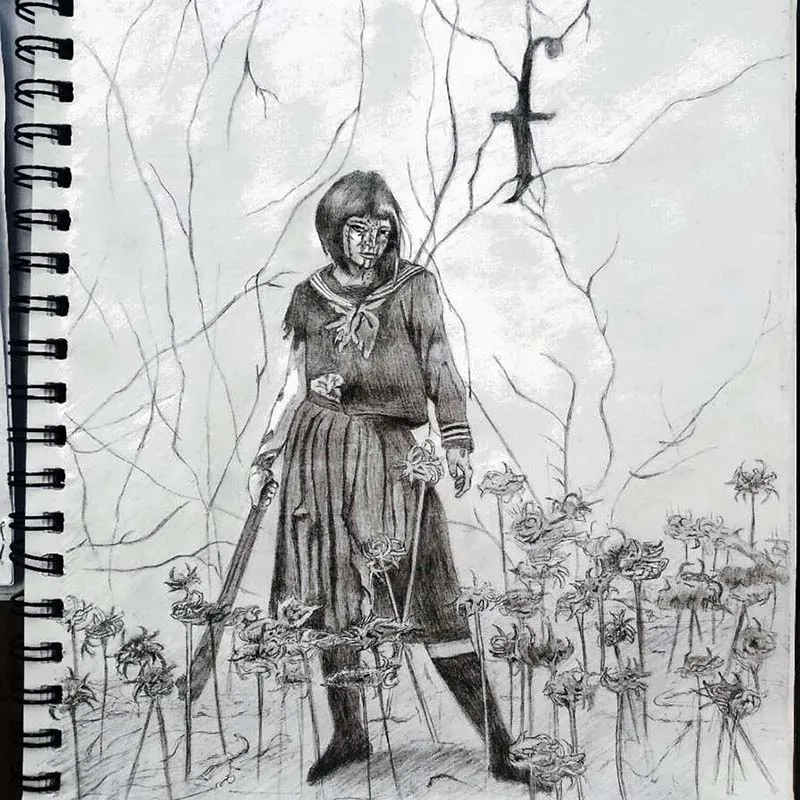
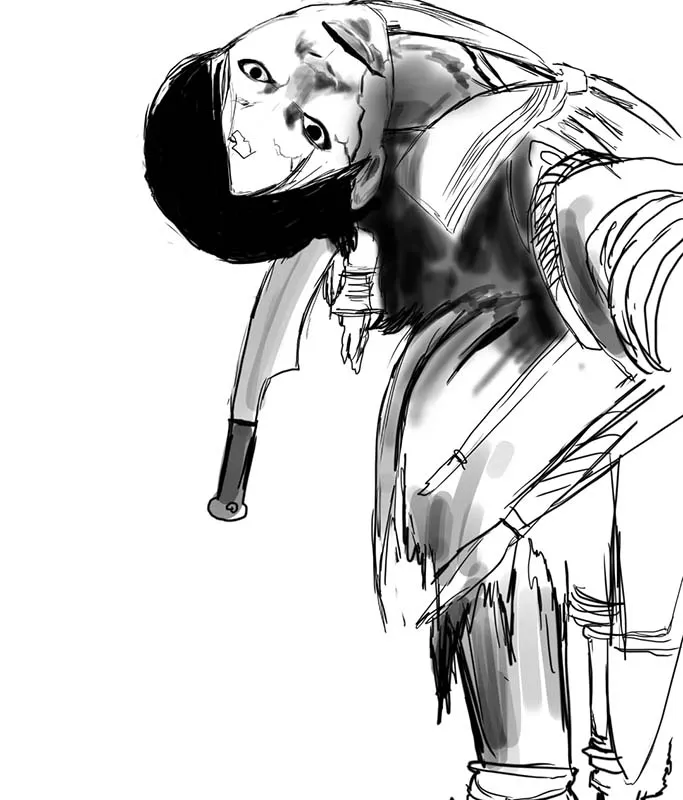
After solving parts of the memories puzzle and mural puzzle, you begin to see Hinako’s transformation. This is where your drawing shifts from gentle portrait to something terrifying. Her possessed form, tied to the dark shrine of Ebisugaoka, mixes innocence with horror. When sketching, infuse her wide, possessed eyes, stretch the tendrils that grow from her body, and distort the calm schoolgirl frame into something monstrous. This concept art is a staple for any horror gallery.
3. Shu – The Mysterious Character with Secrets
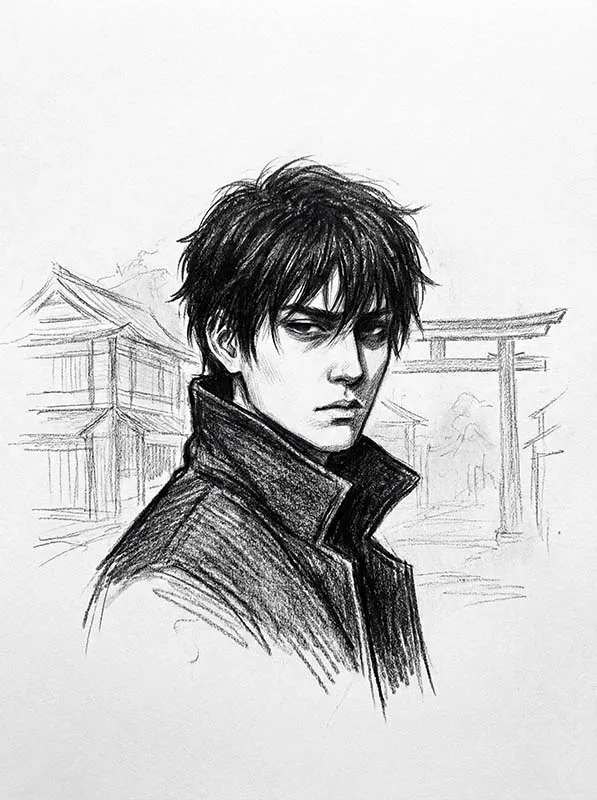
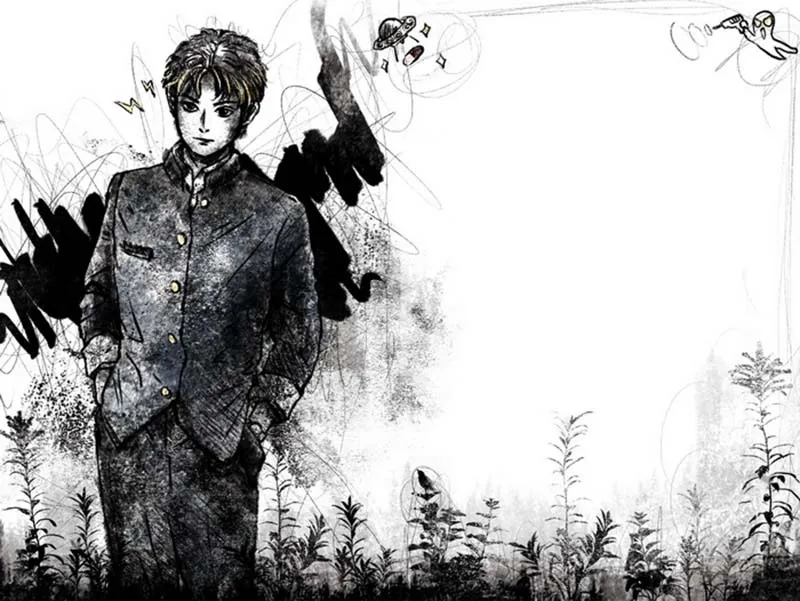
Shu is central to several eerie scenes, from his home to the secrets of Shu’s house. His design is understated, but that’s what makes him fascinating to draw. Unlike Hinako’s fragile innocence, Shu carries a cryptic energy that keeps players guessing as they solve the mystery. Artists often emphasize his sharper features, etch in his quiet expressions, and shadow his figure against backgrounds like the worship hall or fog-drenched town of Ebisugaoka. Actionable Takeaway: If you’re creating a comic-style sketch, place Shu in dim lighting. It accentuates his role as a cryptic, not-quite-trustworthy guide through Silent Hill F.
4. Shu’s House – More Than a Location
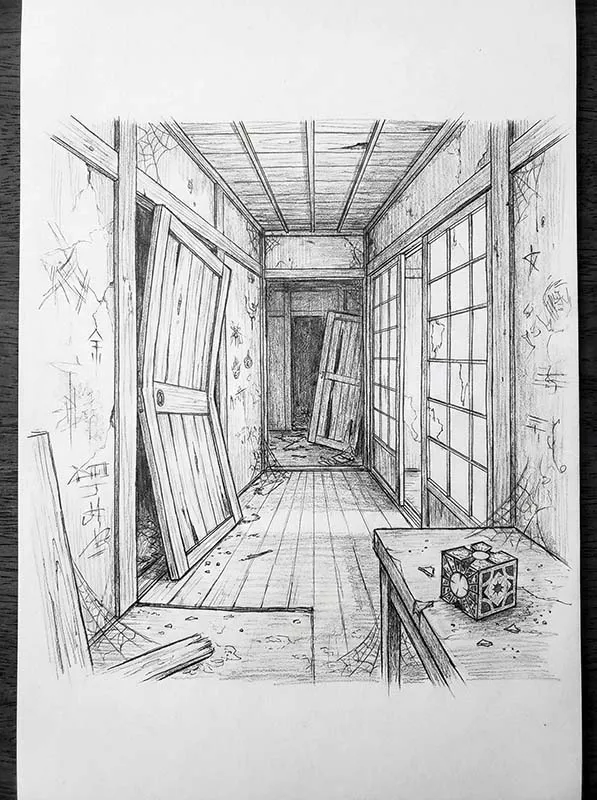
Although not a person, Shu’s house (or Shu’s home) feels like a character itself. The warped wooden doors, faded screens, and dusty corners are deeply atmospheric and incredibly rewarding to draw. Think of it as practice in environmental concept art and perspective. You can sketch the faint image remnants on the walls, reveal hints of the memory puzzles, and detail the darkness that clings to its corners. Don’t forget to include the creepy west wing corridor.
5. The Masked Shrine Monster
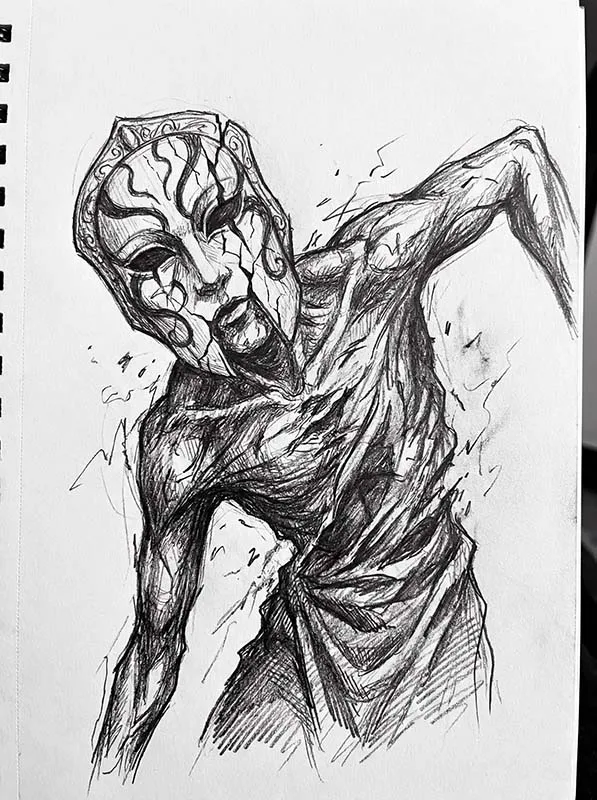
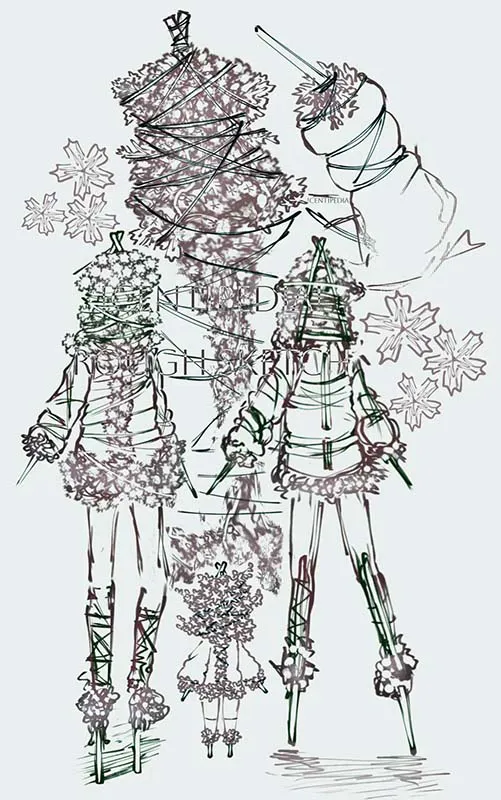
Silent Hill isn’t Silent Hill without its creature designs. One of the most disturbing designs in F is the masked monster found in the dark shrine. With a face hidden by ceremonial masks and a body warped by possession, it’s a dream project for horror artists. When drawing, stretch the mask’s proportions, splinter its edges like cracked porcelain, and drizzle dark shading around the creature’s torso to emphasize the dark aura.
6. The Murals – Cryptic Art as Inspiration
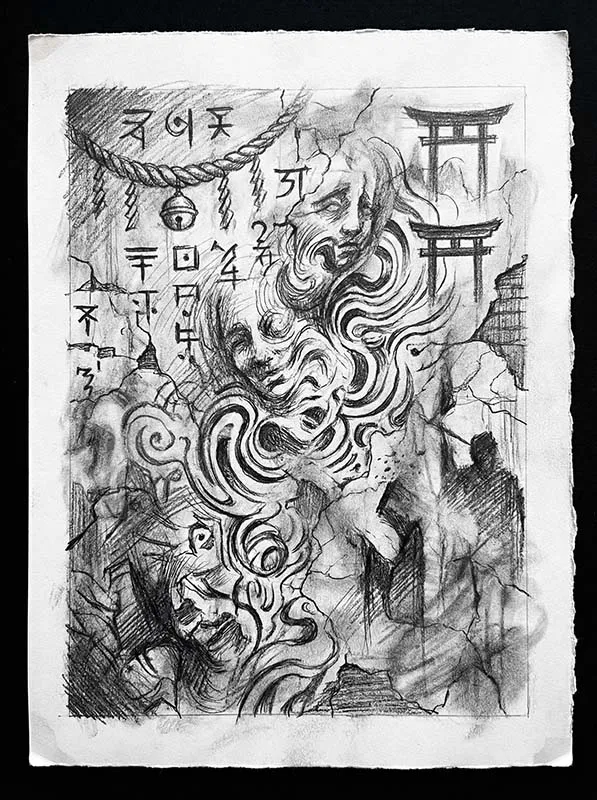
The mural puzzle in Silent Hill F gives artists a chance to practice environmental and symbolic art. These murals, painted inside the worship hall and other eerie spots, are filled with cryptic designs that hint at character backstories. Try to recreate these murals with your own symbols. Engrave hidden meanings, scatter distorted faces, and layer foggy textures that echo the game’s atmosphere. It’s like creating your own puzzle within a drawing.
7. The Dark Shrine of Ebisugaoka
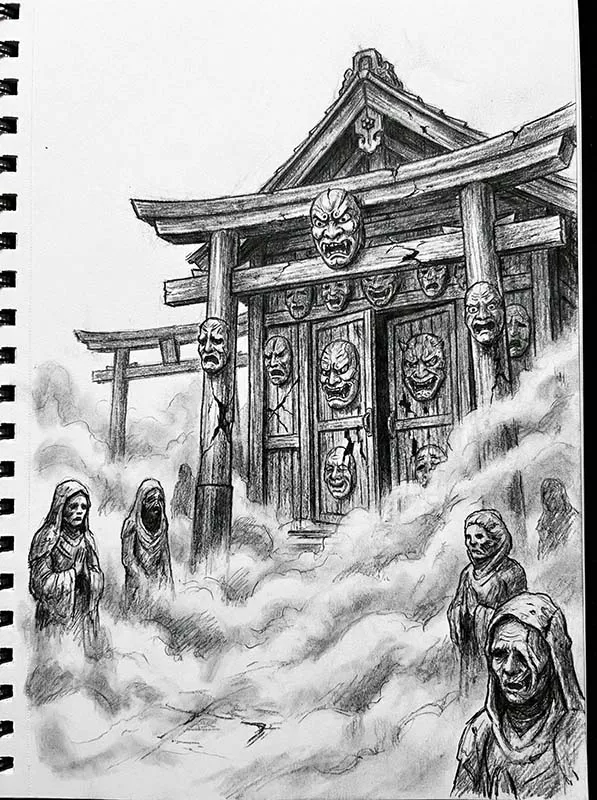
Again, not a person, but another “character” in its own right. The shrine is terrifyingly beautiful and central to both the memories puzzle and Hinako’s fate. Drawing it allows artists to blend architectural design with horror elements. Sketch the mask-covered door, expand the fog surrounding it, and chisel in the eerie statues that seem to watch every move. The Ebisugaoka and the dark shrine setting is iconic.
8. Shu and Hinako Together – Contrast in Character
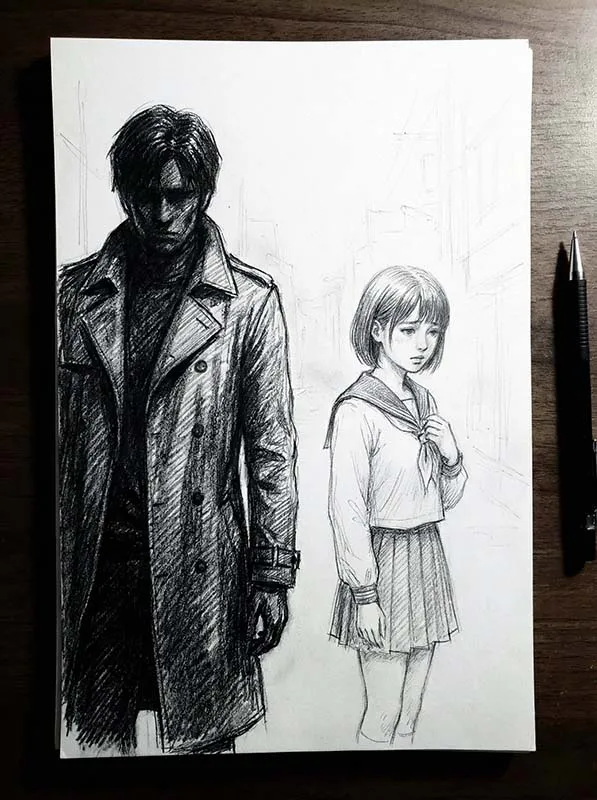
There’s something emotionally powerful about drawing Shu and Hinako side by side. He’s calm and cryptic; she’s young and vulnerable. Together, they create contrast that tells the Silent Hill F story at a glance. Artists often juxtapose their figures: cast Shu in shadows while illuminating Hinako’s softer tones. This pairing makes for an excellent fan comic scene or even a digital artbook spread.
9. The Fog-Covered Town of Ebisugaoka
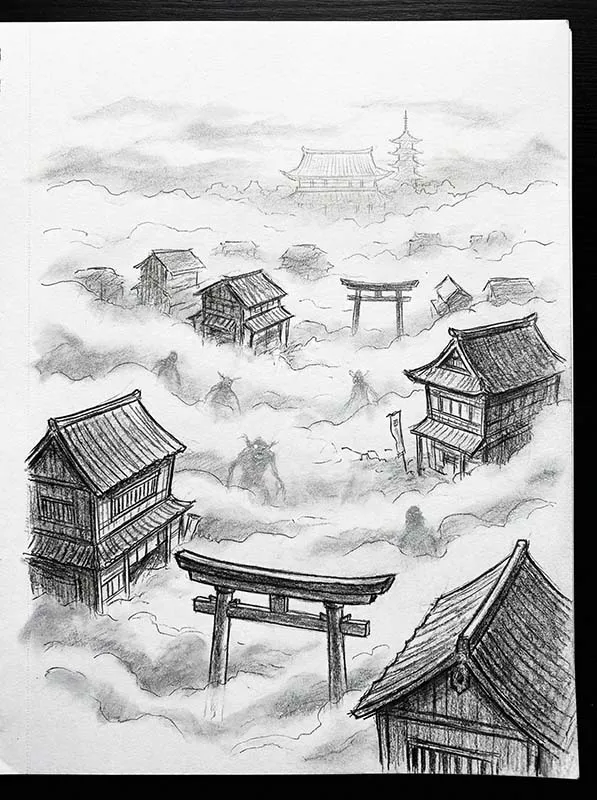
Silent Hill has always been about fog, and the town of Ebisugaoka is no exception. While technically a location, it feels alive—full of secrets and visual metaphors. Artists enjoy turning the town into sketches because it lets them experiment with depth, shading, and mood. Render the fog as layers, scatter faint silhouettes of monsters, and etch the outline of the worship hall in the distance.
10. The Memory Puzzle Drawings
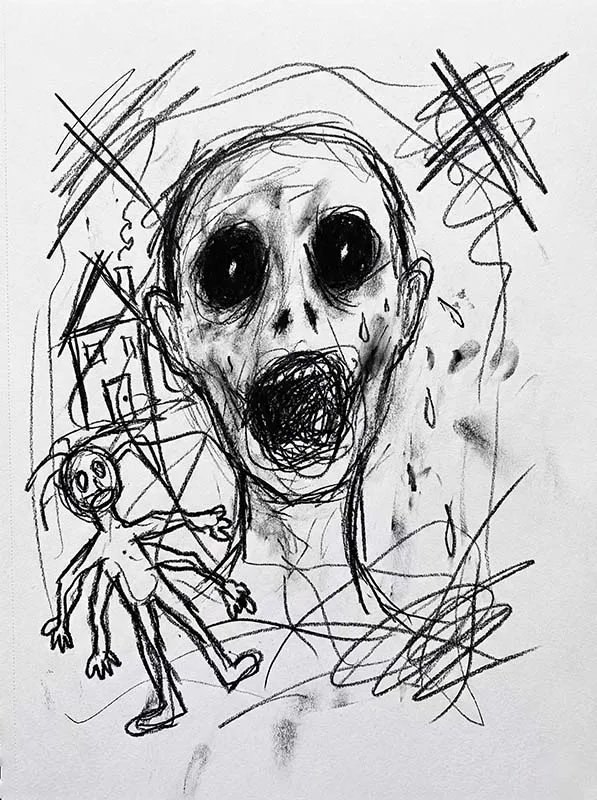
The memories puzzle scenes showcase disturbing, childlike drawings that peel back the story’s layers. Recreating them is a fun exercise for fans, especially beginners, since they’re intentionally rough but emotionally charged. Smudge crayons, scribble distorted faces, and twist simple outlines into something cryptic and unnerving. These sketches look raw, but they pack emotional weight, serving as a key to understanding the lore. Actionable Takeaway: Don’t overthink it. The creepier the childlike mistakes look, the more authentic your Silent Hill F drawing becomes.
11. Digital Artbook Concepts – Designed by Kera
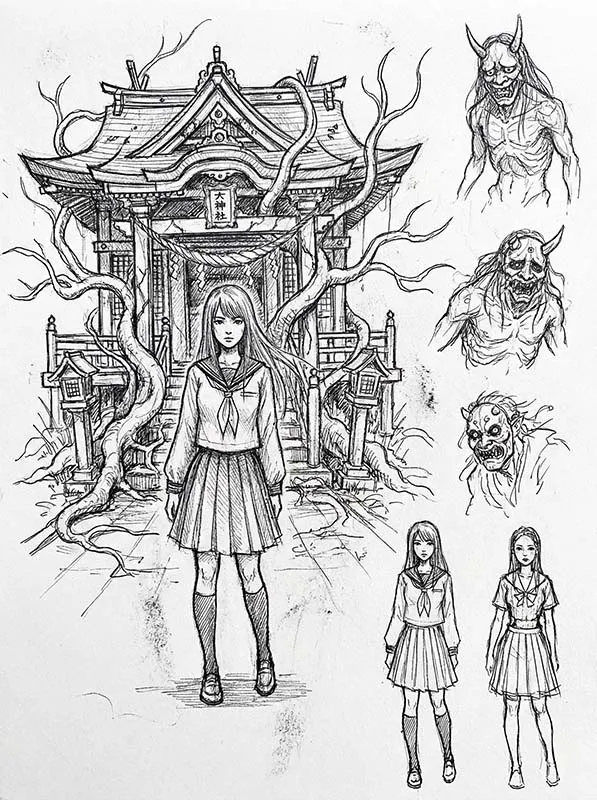
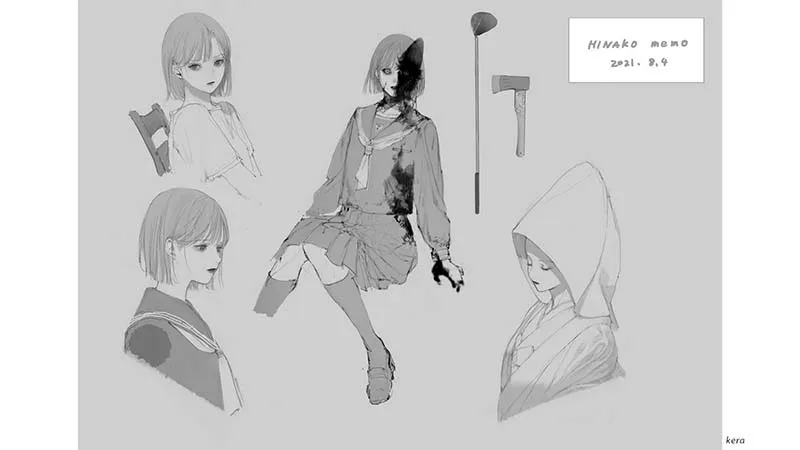
Finally, for fans who want to push their skills further, explore the digital artbook. These concepts, designed by Kera, feature monsters, Hinako variations, and alternate shrine visuals. Try to redraw your favorite pieces. Adapt the professional linework into your style, experiment with shading, and meld concept details into fan-driven interpretations. It’s a great way to study the Shimizu character design.
More Silent Hill F Drawings for Inspiration
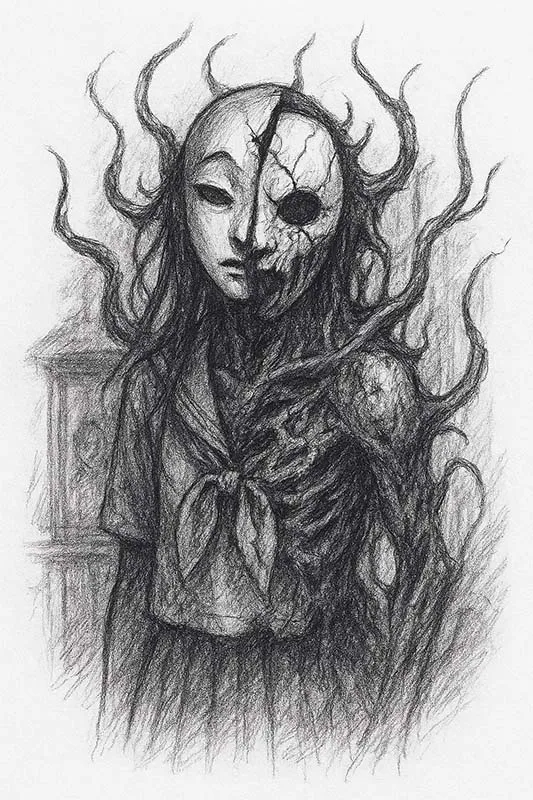
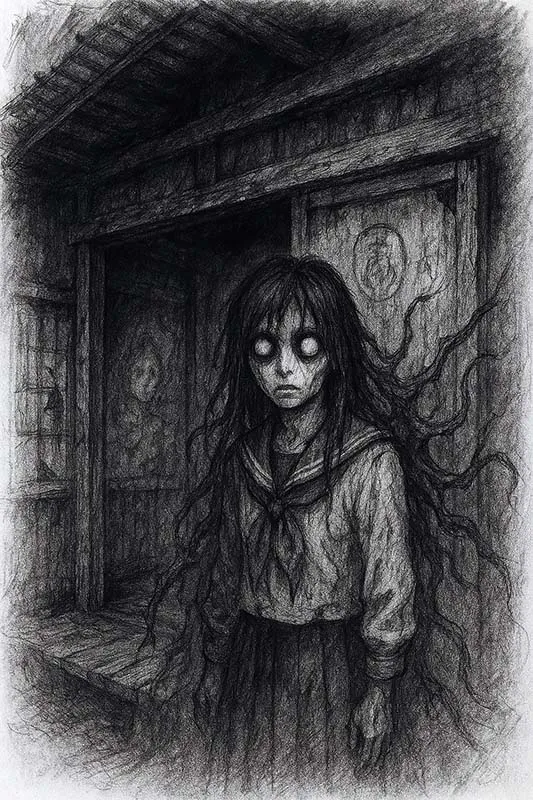
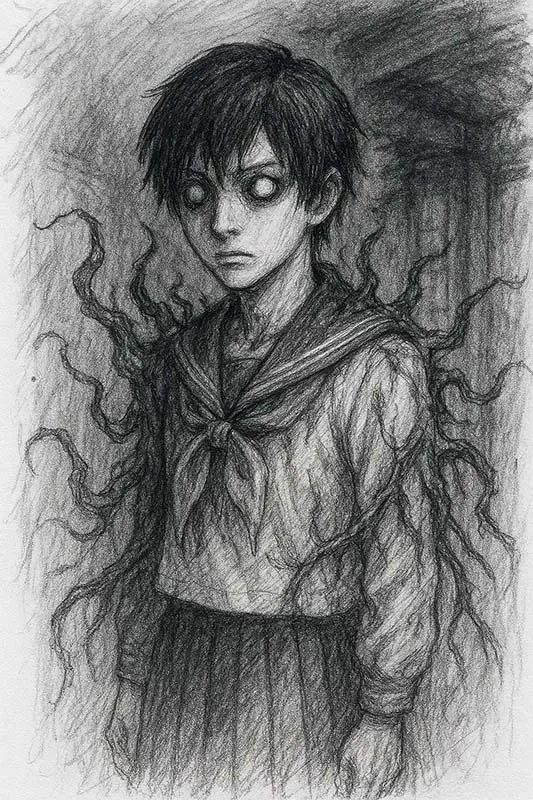
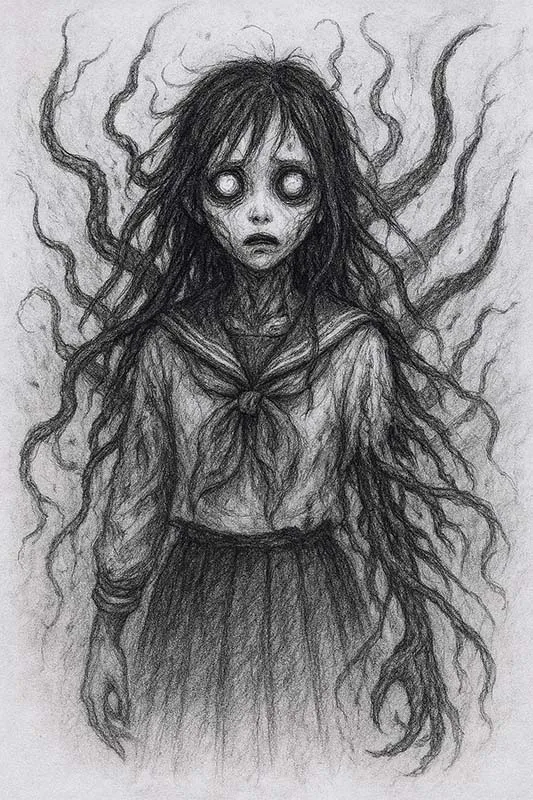
Conclusion
Silent Hill F isn’t just a game; it’s a playground of eerie designs, tragic characters, and unforgettable monsters. Whether you’re sketching Young Shimizu Hinako, the masked shrine creature, or the fog-covered town of Ebisugaoka, every piece connects you closer to the heart of Silent Hill. So pick up your pencil, revisit your Silent Hill F drawings, and let your imagination wander into the fog.
FAQs
Q: What are “silent hill f drawings” and how do they differ from official artwork?
A: “silent hill f drawings” typically refer to fan-made or independent illustrations inspired by the Silent Hill series. They often reinterpret characters, monsters, and environments with unique styles or concepts, whereas official artwork follows the franchise’s canonical design and is produced or commissioned by the game’s creators or licensed artists.
Q: How can I find high-quality silent hill f drawings online?
A: You can find high-quality silent hill f drawings on art platforms like DeviantArt, ArtStation, Twitter/X, Instagram, and Tumblr by searching relevant tags (for example, “Silent Hill art,” “Silent Hill fanart,” or “silent hill f drawings”). Joining fan communities, Discord servers, and Reddit subreddits dedicated to Silent Hill also surfaces curated collections and artist recommendations.
Q: What tools and techniques do artists commonly use to create silent hill f drawings?
A: Artists use both traditional media (pencils, ink, watercolor, gouache) and digital tools (Photoshop, Procreate, Clip Studio Paint, and drawing tablets). Techniques often focus on moody lighting, textured brushes, desaturated palettes, and atmospheric composition to evoke Silent Hill’s psychological horror vibe.
Q: How can I create my own silent hill f drawings while staying true to the series’ atmosphere?
A: To capture the Silent Hill atmosphere, study the franchise’s themes—fog, decay, psychological symbolism, and unsettling creature design. Use muted colors, high-contrast lighting, distressed textures, and symbolic elements (like rusted metal, hospital imagery, or feminine motifs). Practice composition that emphasizes isolation and ambiguity rather than explicit gore.
Q: What are popular subject choices for silent hill f drawings?
A: Popular subjects include iconic characters and monsters from the series, reinterpretations of Silent Hill locations, original creatures inspired by the games’ themes, and psychological portraiture. Artists also create crossover pieces, alternate-universe takes, and symbolic illustrations that emphasize trauma, memory, and fear.