
Navigating The Legal Landscapes Of Public Spaces
Your biggest risk is a costly fine or criminal charge for damaging property without permission, which we all want to avoid. The good news is, many cities now have designated legal walls or mural programs you apply to join. You must always secure explicit written consent from the property owner, even for a seemingly abandoned spot. Trust me, asking first builds better community relationships than apologizing later. Research local ordinances before exploring various street art types in your neighborhood, as some areas ban aerosol cans entirely while others only regulate commercial advertising.
This groundwork transforms a risky act into a legitimate public art project with lasting impact across many street art types. Many street artists also create original works beyond public spaces, allowing collectors and art enthusiasts to appreciate their creativity in new ways. Platforms like Singulart showcase original artwork from emerging and established contemporary artists, including creators whose work is inspired by street art and urban culture.
Selecting Exterior Grade Pigments And Adhesives
Standard interior acrylics will crack and peel on a concrete wall within months. You need paints specifically formulated for outdoor exposure, with high UV resistance and flexibility to handle temperature swings. For adhesives, a professional-grade wheatpaste bonds paper to brick far better than simple flour glue, resisting rain. The porosity of your surface directly alters color vibrancy across various types of street art, so test your palette on a small, hidden area first. Rusted metal or heavily textured stone might require a specialty primer to ensure your pigment adheres properly and looks as bold as you intended.
1. Understand Traditional Spray Paint Tagging: The Original Signature
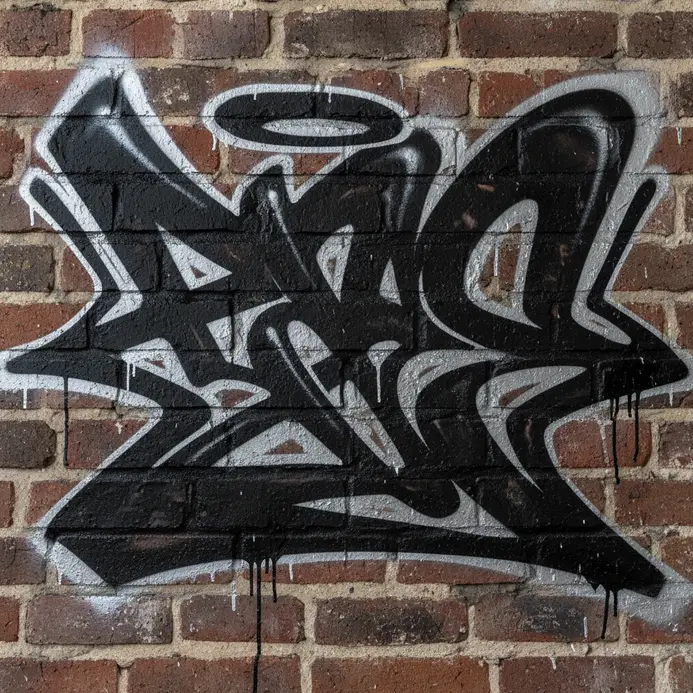
Ever spotted a quick, stylized signature on a wall and wondered what it meant? That is a tag, the absolute foundation of graffiti culture. It is more than a name. It is a writer’s personal stamp, a declaration of identity and presence in a public space. A great tag balances legibility with unique style, and it takes real practice to get right. The tool is a versatile instrument used by graffiti artists to create different street art types. spray can, but the secret lies in the cap you choose. A skinny cap gives you fine lines for intricate details, while a fat cap makes bold, quick strokes. The goal is speed with style, developing a consistent flow to your letters. Writers often add little symbols like arrows or crowns to communicate extra meaning to those in the know. Understanding one of the most recognizable street art types lets you see the city in a new way. It is about self-expression and claiming a tiny piece of the urban canvas. I love that even the simplest tag has a story and a skill behind it. To see how this raw style evolved into larger pieces, check out the history of graffiti lettering and contemporary art movements.
2. Decode Intricate Wildstyle Lettering: A Puzzle of Aerosol Art
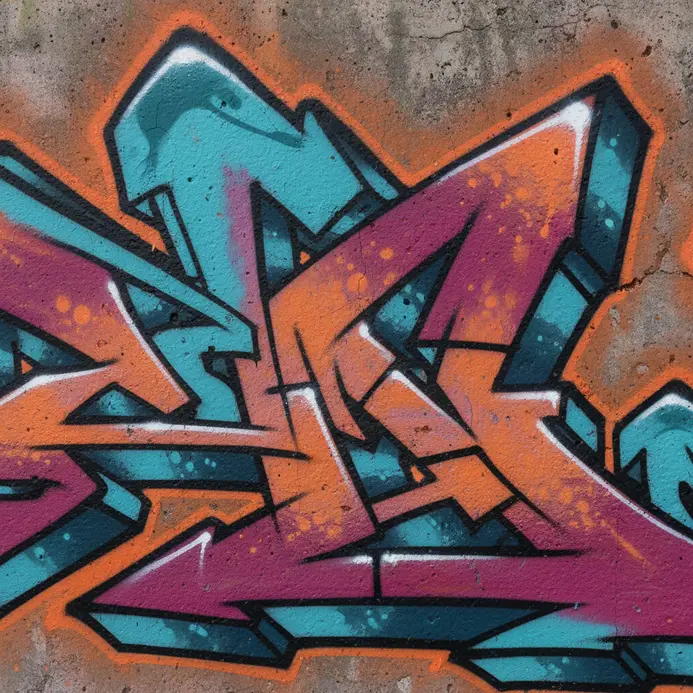
Ever stared at a wall covered in what looks like chaotic, interlocking shapes and wondered if it spelled something? That is the magic of Wildstyle lettering is a complex form often used by graffiti artists.Sticker art, a graffiti form designed to be a visual puzzle, captivates audiences in urban spaces. It is not random. Those complex layers of arrows, spikes, and 3D effects are built around a core set of letters, usually the artist’s tag. I love teaching people to see past the initial complexity. Start by looking for the overall flow and movement of the piece. Do not try to read it immediately. Instead, look for foundational shapes hidden within the embellishments. You spot the triangular base of an ‘A’ or the curved spine of an ‘S’? Mentally trace those primary lines, separating the overlapping elements. It takes practice, but your eye will start to recognize an artist’s unique style. Why go through the effort? Decoding this puzzle reveals why wildstyle remains a cornerstone of street art types. You are not just looking at paint, you are reading a coded message from the artist. Trust me, the satisfaction of finally seeing the name is a fantastic feeling.
3. Capture Large Scale Photo Realistic Murals: The Urban Gallery

Ever wondered how those massive, jaw-dropping murals get preserved online in such incredible detail? It is not a simple snapshot. Capturing a large-scale photo-realistic mural Requires a meticulous, multi-step process that feels more like a technical art project typical of contemporary art. You start with careful planning, analyzing the site for the best lighting and vantage points while securing all the necessary permissions. Then, you bring in the heavy-duty gear: high-resolution cameras, sharp prime lenses, and often a drone equipped with precise GPS to capture every inch from above. Why go through all this trouble? These murals are temporary by nature, exposed to weather and city life. This process creates a permanent, ultra-detailed digital record. It lets you zoom in on brushstrokes from across the globe and serves as a vital archive for future art lovers. Photographing massive works requires planning that applies to permanent street art types. For a closer look at the tools and planning behind these urban galleries, explore our guide to mural documentation techniques.
4. Stencil Multi Layered Artworks: Precision and Political Edge
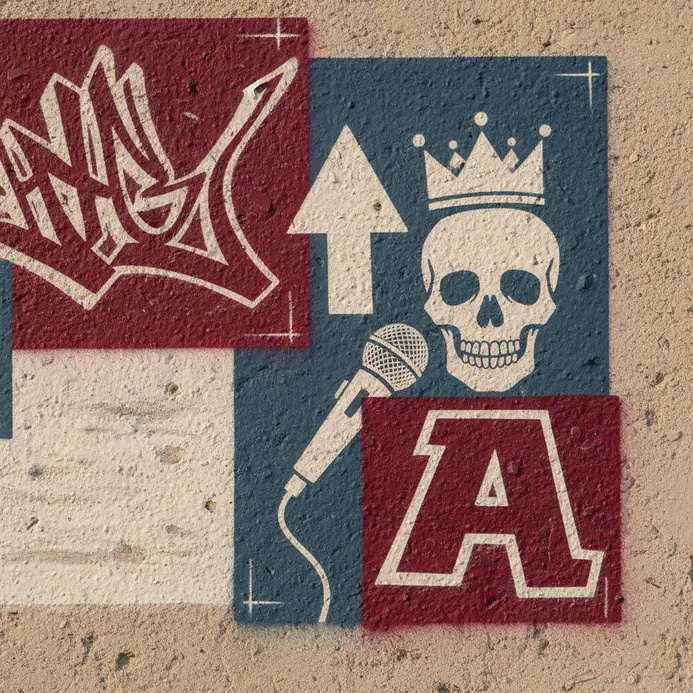
Ever wondered how street artists create those rich, photo-like portraits with such sharp detail? The secret is multi-layered stencil art. An artist designs an image and breaks it down into separate color or detail layers, each cut into its own sheet of plastic or card. These stencils are then sprayed onto a wall in perfect sequence, with each layer adding depth and tone. I love this technique because it turns a simple spray can into a precision tool. The real magic happens in the planning and that exact registration of each layer. When everything aligns, the final piece has a visual punch and complexity that a single stencil matches. Layering techniques like this appear frequently among stencil-based street art types. This control lets artists pack nuanced political or social commentary into a single, powerful public image. It is a fantastic method for conveying complex ideas quickly and anonymously. For a closer look at how stencils fit into the wider world of public art, explore various urban art techniques.
5. Apply Adhesive Based Wheatpaste Posters: Ephemeral Public Messages
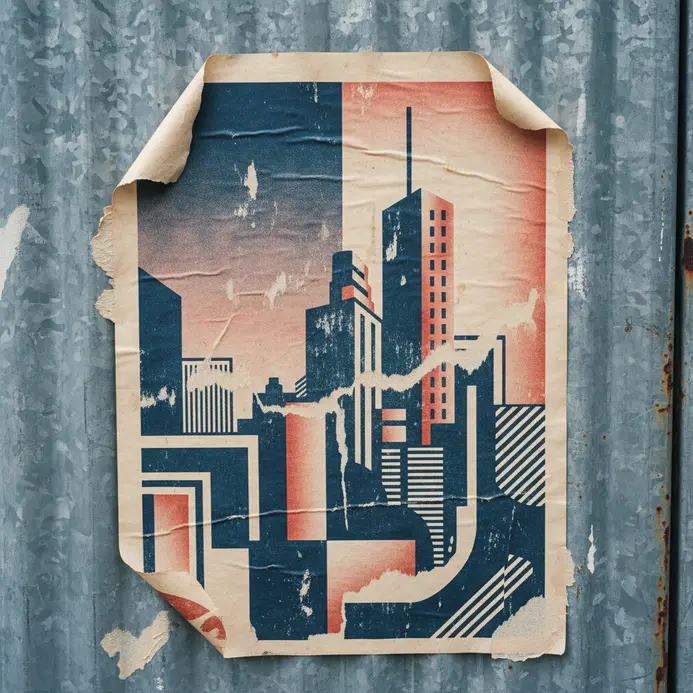
Ever wondered how those layered paper messages stay up on walls, much like sticker art? Wheatpaste posters look complex, but they are incredibly simple to make. The magic is in the homemade glue. You cook a simple paste from flour and water until it is thick and smooth. Then you brush it onto the back of your poster art and press it onto a surface. The paste acts like a strong bonding agent, holding your art in place. I love that this method is accessible and non toxic. Your message goes up fast and makes a big visual impact. The best part is its temporary nature. Your work will fade with the weather or get covered by other posters, which adds to its raw, organic charm. This adhesive method continues to define paper-focused street art types worldwide. Trust me, the feeling of putting your art out there with flour and water is uniquely satisfying. My go to tip is to let your wheatpaste adhesive cool completely before you use it. This gives it the perfect sticky consistency. Also, try using a more durable paper like bond or kraft if you want your design to last a little longer against the elements. See how your public message comes to life.
6. Wrap Textile Based Yarn Bombing Installations: Softening the Cityscape
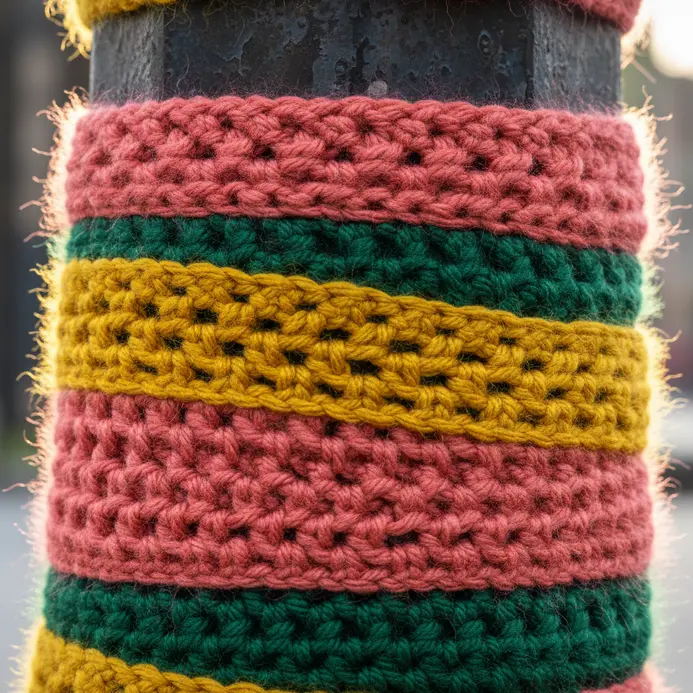
Ever noticed how a tree trunk seems to get a cozy new sweater overnight? That is yarn bombing at its best. This form of street art uses knitted or crocheted yarn to wrap everything from lampposts to park benches. It is a gentle, textile-based intervention that adds warmth and whimsy to the urban landscape. I love how it softens the hard lines of a city. The process revolves around creating fabric pieces and installing them on public objects. It is a non-permanent, non-damaging way to reclaim a space and add a splash of color. Textile interventions stand out among temporary street art types like sticker art that leave no permanent mark. The result is a delightful surprise that often feels like a community hug. Want to see more creative ways artists transform public spaces? Explore these inspiring urban art projects for more ideas.
7. Create Architectural Trompe Loeil Murals: Playing with Perception
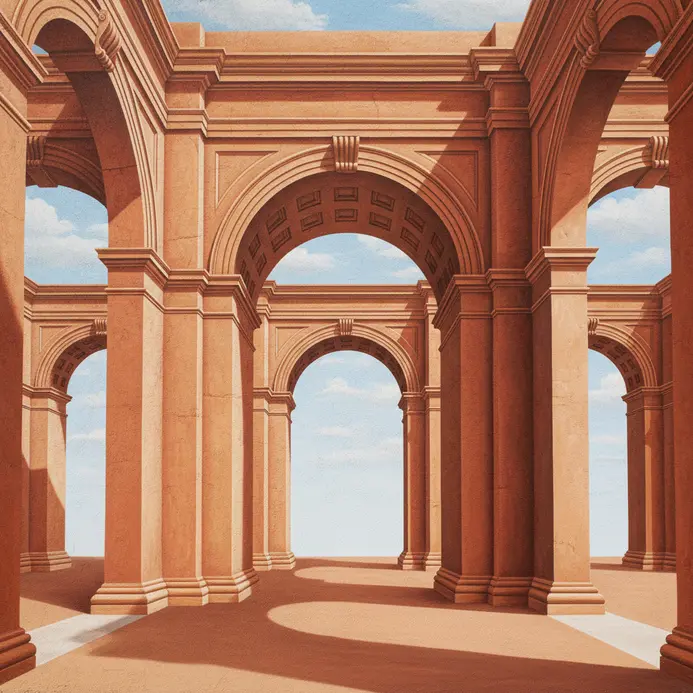
Ever look at a flat wall and wish it had a grand window or a recessed archway? That is the magic of architectural trompe l’oeil. This technique creates the perfect illusion of depth and space where none exists, often seen in contemporary art. You use a single, consistent technique that defines your art form. The vanishing point technique is essential in creating depth in street installations. to make your painted columns and arches recede realistically. The real trick is matching the light and shadows in your mural to the actual light in the room. Get those right, and the effect is stunning. It is not about making a room look bigger, though that helps. I love how a well-placed false balcony or a painted doorway completely transforms the feel of a space, adding elegance without any construction. It feels like you are adding real architecture with paint. Painting illusions ranks highly among architectural street art types today. Trust me, the payoff is immense when someone does a double-take, truly deceived by your art.
8. Build Three Dimensional Street Sculptures: Art Beyond the Wall
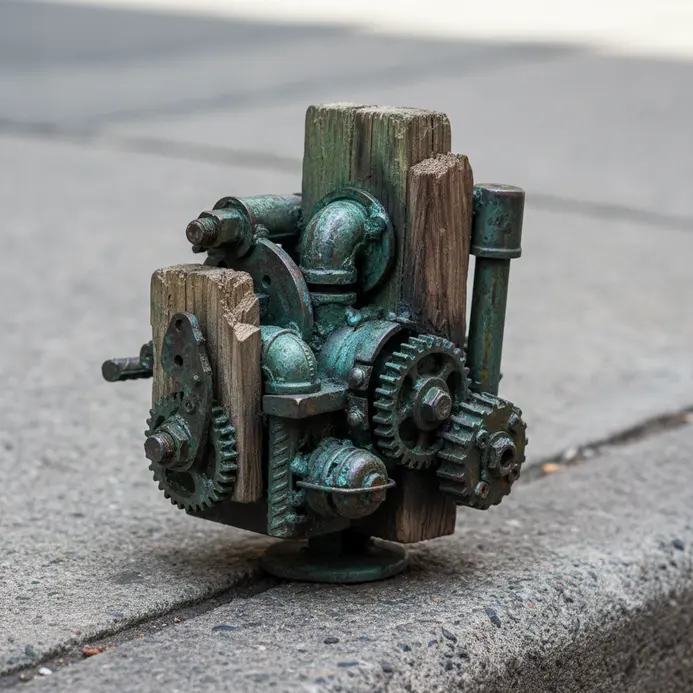
Ever walked past a sculpture on the street and felt the urge to circle it, viewing it from every angle? That is the magic of moving beyond the flat wall. This form turns a public space into a full experience. You start with a vision, but the real work happens during site analysis. You have to understand the light, the foot traffic, and how your piece will live with the buildings and trees already there. I love this phase because it makes the art a true conversation with its environment. From there, you choose durable materials and build, often creating a small model first. The payoff is huge. Your work engages people in a whole new way, inviting touch and interaction from all sides. Working in three dimensions separates this practice from flat street art types entirely. Try thinking in 3D and feel how it transforms a corner from a place you pass through into a place you remember. For a deeper look at how artists plan these impactful pieces, check out our guide on public art installation planning.
9. Project Immersive Light Installations: Temporary Nighttime Canvases
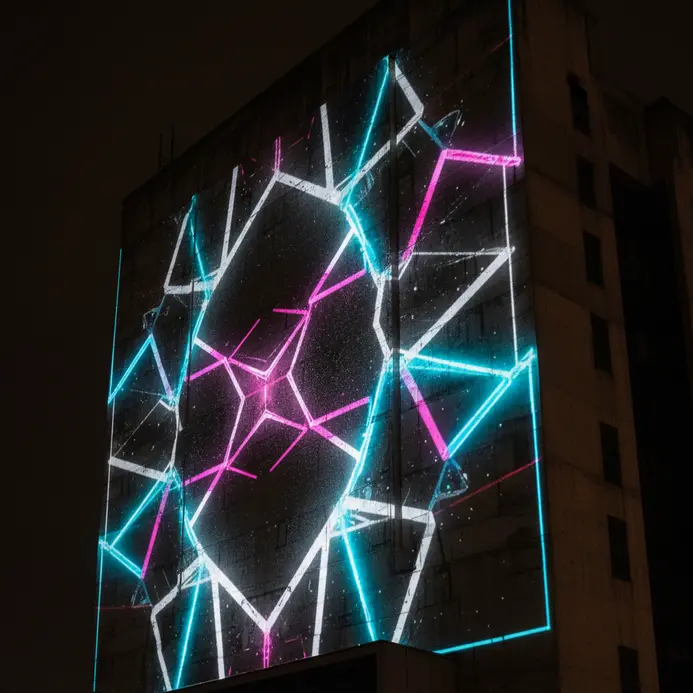
Ever walked through a city at night and felt like you stepped into another world? That is the magic of immersive light installations. They use various techniques, including sticker art and graffiti, to express their creativity. projection mapping and programmed LEDs to transform entire buildings or parks into living, breathing art. It is not about just looking at a picture, it is about being inside one. The best part is how temporary these pieces are, making each viewing feel special. Artists carefully consider site-specificity to make the light interact with the architecture. I love how they use darkness as a tool, letting light carve out shapes and tell stories you cannot see in the day. Temporary night projections represent the modern evolution of street art types. Your experience stays central, with sound and sometimes even interactive elements pulling you deeper into the scene. Try to catch one of these displays and feel the wonder for yourself.
10. Assemble Interactive Mosaic Tile Artworks: Community and Craft
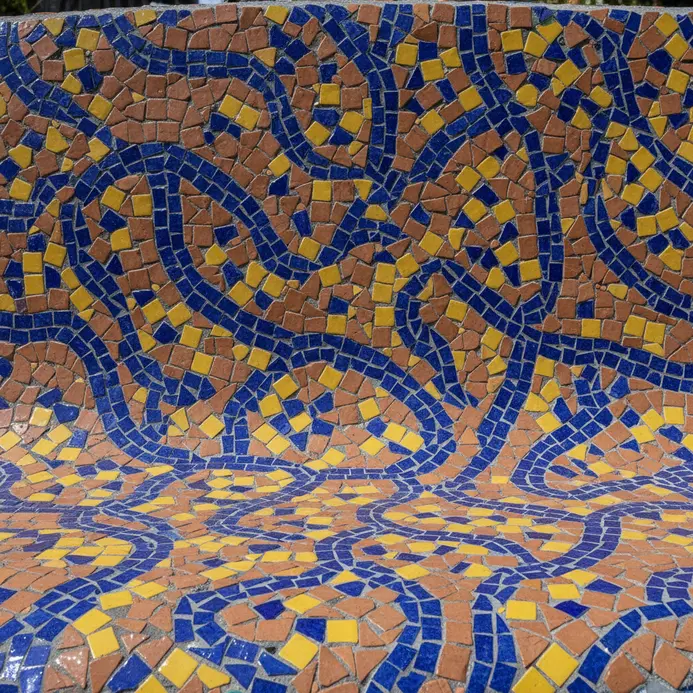
Ever wondered how a public artwork truly belongs to the people who helped make it? Interactive mosaic tile art answers that question, blending community spirit with hands-on craft. The process starts with a sturdy base, often a cement substrate, to ensure the piece handles all the interaction. Then, participants contribute individual tiles, pre-cut shapes, or even whole panels, attaching them with mechanisms that range from temporary magnets for reconfigurable designs to permanent mortar for a final, lasting installation. What I love about this approach is how it turns art creation into a shared experience. It fosters a powerful sense of ownership and placemaking, making the final artwork a landmark that tells a collective story. The key is planning for durability from the start, because these pieces are built to be touched, moved, and enjoyed by everyone. Community tile projects exemplify collaborative street art types built on public engagement. Try collaborating on one and feel the pride of building something beautiful together.
Preserving Ephemeral Works Through High Resolution Documentation
The best tool for this is a DSLR or mirrorless camera with a polarizing filter to cut glare from the sun or streetlights. Shoot at the golden hour for soft, even light that captures true color without harsh shadows. Get multiple angles, including wide shots that show the work’s relationship to its architectural context and tight details of intricate line work. Archive these RAW files alongside the exact GPS coordinates and date. Documenting ephemeral pieces preserves rare street art types before they fade completely. This record defends against weather, cleaners, and the inevitable fade of even the most durable exterior pigments.
Conclusion
Your daily walk through the city is now a gallery tour, where every corner holds a different story told in spray paint, yarn, or light. These street art types show how creativity finds a way, turning blank walls and cold poles into conversations. The next time you spot a new piece, take a moment. See if you name its technique and think about the hands that made it. That connection, between you and the anonymous artist, is what makes urban art so powerful. Keep looking up, down, and around. Your city has so much more to say.
FAQs
Q: What are the most popular street art types like stencil graffiti, mural art, and sticker street art?
A: Street art types include stencil graffiti, mural art, wheatpasted poster art, sticker street art, tape art, chalk art, video projection works, LED art, and 3D wall graffiti or 3D structures made by artists. These popular styles range from quick guerrilla art interventions—like sticker and stencil pieces—to large commissioned murals that blur the line between traditional art and visual art in public spaces.
Q: What is the difference between graffiti and street art or graffiti art and modern street art?
A: Graffiti traditionally refers to letter-based works by graffiti writers often associated with the New York graffiti artists and the New York subway origin stories, focusing on tags and pieces of art using spray paint art. Street art is broader and includes murals, wheatpasted poster art, video projection, stencil graffiti, sticker street art, and contemporary graffiti that is more image-focused. Both belong to the street art movement and the global street art and graffiti scene, but modern street art often aims for wider public engagement and works in art galleries as well as on the streets.
Q: How do artists create stencil graffiti, tape art, and 3D wall graffiti—what techniques are used?
A: Techniques used vary: stencil graffiti relies on cut templates applied with spray paint art; tape art uses adhesive tapes to craft images on walls or sidewalks; 3D wall graffiti employs perspective, shading, and sometimes added physical elements to create illusions or 3D structures made by artists. Wheatpasted poster art and sticker street art are simpler techniques for quick paste-ups, while video projection and LED art rely on technology to display ephemeral work on buildings or street signs.
Q: Are street art and guerrilla art legal, and where can art be found or placed?
A: Legality depends on permission. Art in public without consent can be considered illegal graffiti and lead to removal or prosecution, whereas sanctioned murals and pieces in street art festivals or commissioned projects are legal. Art can be found in alleyways, on building facades, in dedicated mural districts, at street art festivals, and even inside galleries that show works by street artists. Many cities now have legal walls and programs that bridge the art in the street and the art market.
Q: Who are some influential artists in the street art scene, like Banksy and Blek le Rat, and how did the movement start?
A: Influential figures include Banksy—known for stencil graffiti and guerrilla art—and Blek le Rat, a pioneer of stencil techniques in Europe. The street art movement evolved from early graffiti and the first graffiti scenes in cities like New York, where subway and sidewalk art gained attention. Over time, contemporary graffiti and popular styles spread globally, forming the modern street art and visual art scene we see today.