Foundational Principles of Scriptural Hermeneutics
The single verse everyone points to, Leviticus 19:28, was a specific rule for ancient Israel rather than a universal command. When exploring the debate of is getting a tattoo a sin, scholars note this law existed alongside rules about mixed fabrics and beard trimming, meant to set Israel apart from neighboring pagan groups who used tattoos in idolatrous rituals. We tend to read this with modern eyes, but the original context matters. The good news is that biblical experts call this approach contextual hermeneutics, which looks directly at the historical purpose behind a law. This method helps you separate a timeless moral principle from a temporary cultural boundary.
Understanding the Role of Personal Conviction
Your internal compass guided by prayer and study usually decides these matters. When weighing whether is getting a tattoo a sin, you will notice Paul writes in 1 Corinthians about not causing a weaker brother to stumble, which applies directly if your art would offend your faith community. The doctrine of your body as a temple focuses on honoring God with your choices rather than banning ink entirely. Your decision rests on whether the piece glorifies Him or stems from rebellion, and that internal wrestling signals mature faith.
1. Understand the Literal Prohibition in Leviticus 19:28
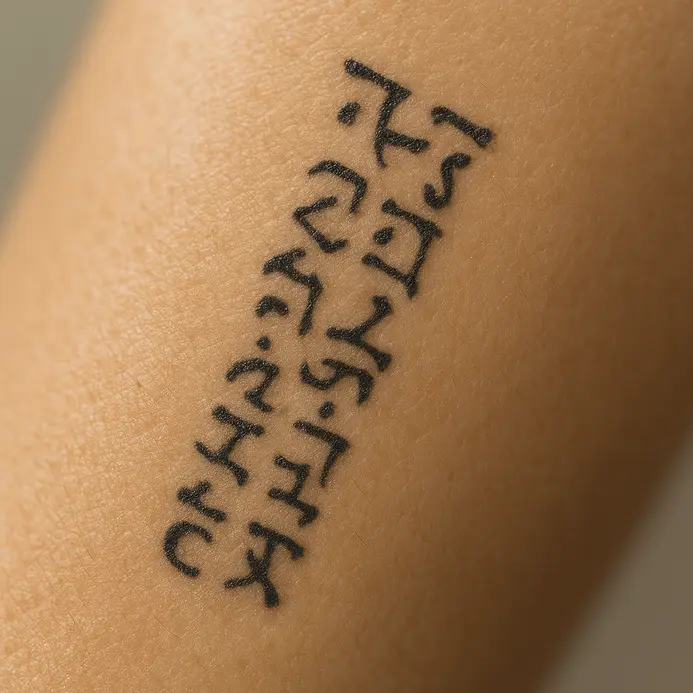
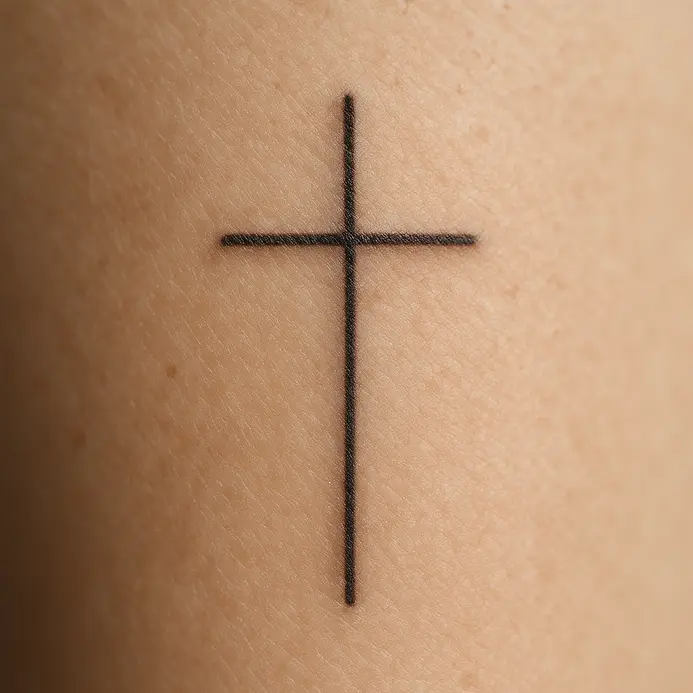
The single verse many readers open the Bible to addresses this directly. Those asking is getting a tattoo a sin point to Leviticus 19:28 stating you should not tattoo yourselves. The Hebrew term refers to an indelible mark, forming part of a broader command separating Israelites from neighboring customs. The passage targets two ancient Near East practices common at the time, including those that involved tattooing the body for the dead. The first involved cuts for the dead, a pagan mourning ritual. The second used skin marking for religious devotion to other gods, explaining why people wonder is getting a tattoo a sin without recognizing the original boundary drawn against foreign worship. This matter centered on creating a distinct, holy people whose bodies reflected divine creation. They were marked by their covenant, not by symbols for other deities, so the call for exclusive devotion clarifies the historical purpose of Christians. For a modern expression of faith that honors this principle, many find meaning in cross tattoo designs as a personal symbol. Digging into the original context prevents missing the deeper purpose of trusting God’s sovereignty.
2. Contextualize the Historical and Cultural Background
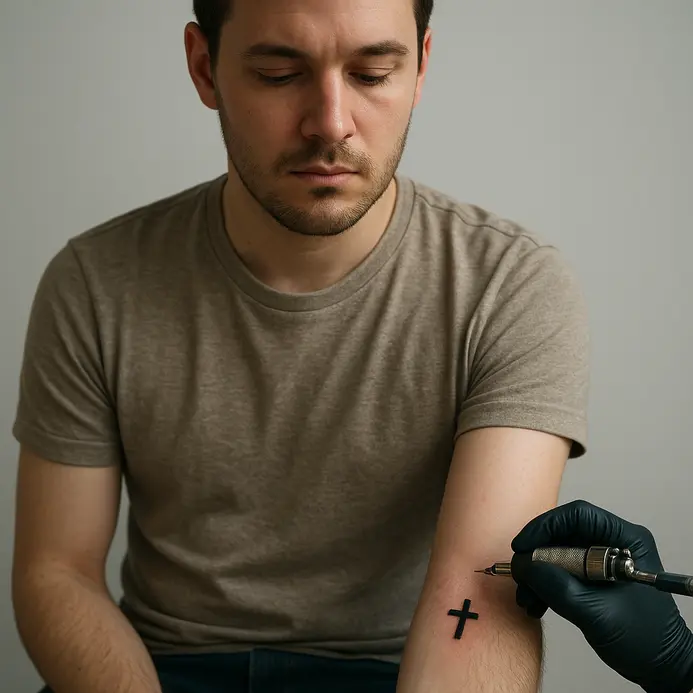
Ever wonder why some cultures revere body art while others reject it? The answer lies entirely in the Old Testament law regarding how Christians view body modifications. historical and cultural background of the people involved. Debating if getting a tattoo is a sin overlooks how ancient Egypt and Pacific Islanders used ink for status, spiritual protection, and community bonds, much like the historical context of tattoo marks. This practice was deeply ingrained rather than controversial. Religious texts emerged from specific moments in human history. A verse from Leviticus prohibiting skin marks often gets lifted from that original setting, leading believers to ask is getting a tattoo a sin without acknowledging the goal of separating Israel from idolatrous tribes. Ignoring this specific cultural purpose, including the significance of tattoo marks in various traditions. creates unnecessary confusion, much like judging medieval customs by modern standards. Labeling all tattooing as universally wrong misses a rich global tapestry of personal meaning. Your art’s significance depends entirely on the story you carry inside it. Feel history’s weight lift as you recognize the full picture.
3. Consider Your Body as a Holy Temple
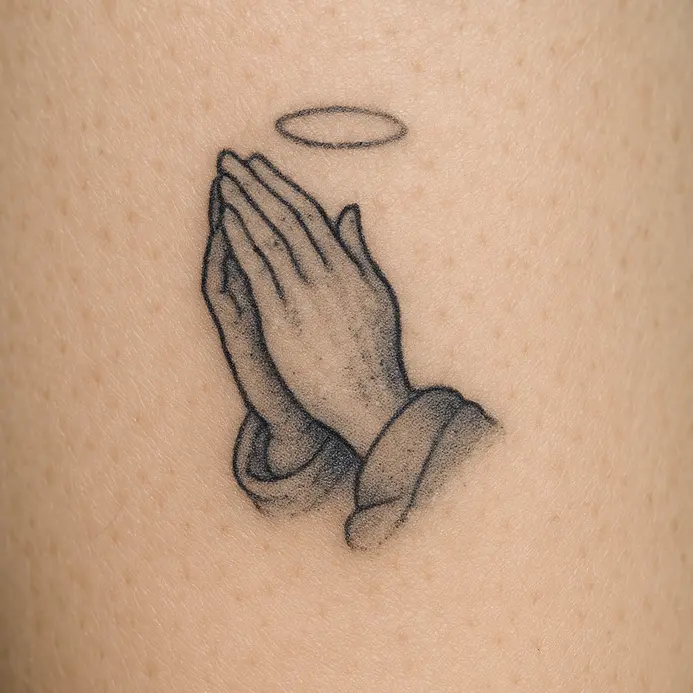
This concept of the body as a sacred dwelling shifts your perspective from a mere shell toward profound respect. When wondering is getting a tattoo a sin, remember that caring for your physical form honors the life given to you. This view anchors many traditions where daily wellness becomes an act of worship. The practical application demands holistic attention. You nourish yourself with good food, movement, and proper rest, honoring the body that the Lord has given you. You also tend to mental and spiritual health through prayer or quiet meditation, focusing on honoring your whole self rather than strict restriction. Many reach a deeper point about personal expression. A permanent mark sparks debate on whether getting a tattoo is a sin, especially when people choose imagery like those forbidden by the Old Testament. guardian angel tattoo meanings to reflect spiritual journeys and protection. The choice ultimately depends on your conviction and how you define caring for your temple. This perspective encourages intentional thinking about every personal decision. Feel that sense of purpose guiding your daily choices.
4. Apply New Testament Grace and Freedom
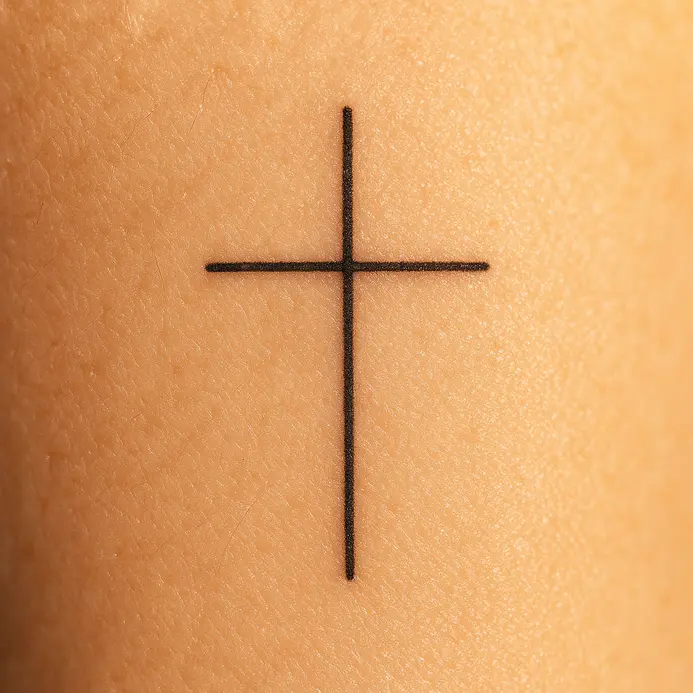
Walking with God under obligation creates heavy pressure. The New Testament framework built on grace and freedom found in the acceptance of one’s body, even in the context of tattoo marks. shows that your standing remains secure through Christ alone, so asking is getting a tattoo a sin shifts the focus from rigid performance to relational trust. This framework rests entirely on unmerited favor rather than rule-keeping. You approach Him as a beloved child, confessing mistakes without drowning in guilt. Motivation flows from a loving response rather than fear. Relying on Holy Spirit strength transforms the conversation from strict compliance to joyful partnership. Does that not sound like a heavy burden finally lifted?
5. Examine Jewish Halakha and Traditional Views
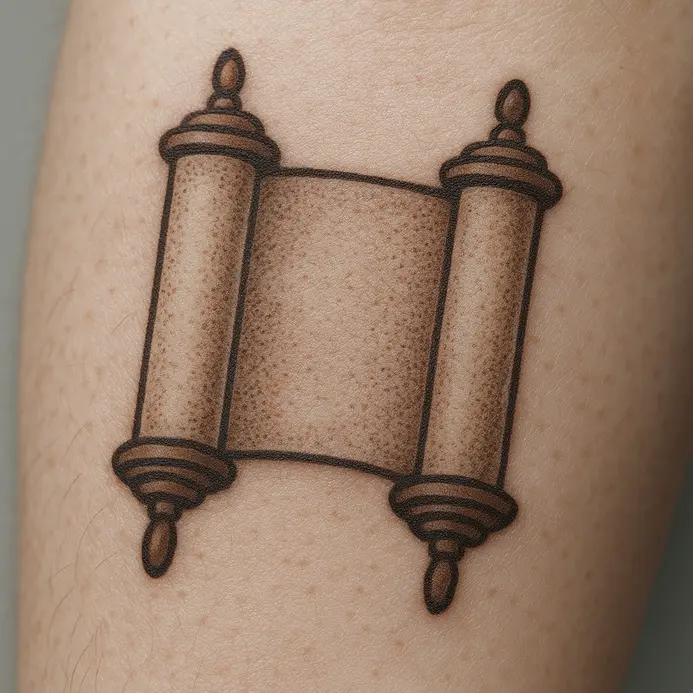
Exploring a faith with rich tradition reveals how Jewish Halakha operates as a living system rather than a simple rulebook. It builds structured legal commentary from the Torah, providing clear answers when people ask is getting a tattoo a sin within that historical framework. The tradition remains actively engaged with modern questions. This dynamic approach directly addresses skin marking through centuries of interpretation. The responsa literature ensures modern rabbis apply ancient principles to current situations. I love how this demonstrates a deep conversation about sanctity rather than vague cultural avoidance, grounding the discussion in structured wisdom. If drawn to body art while wanting to honor heritage, exploring faith tattoo ideas through symbolic imagery offers a respectful path forward. Finding that personal connection feels deeply meaningful and historically grounded.
6. Weigh Your Personal Conviction and Conscience
That quiet internal nudge before big choices represents your conscience working. When weighing is getting a tattoo a sin, this step focuses entirely on your soul rather than external rulebooks. Your core convictions become the ultimate guide when navigating such deeply personal territory. I love the process of aligning body art desires with your own moral compass. Does the idea express your true values, or does it stir a quiet sense of unease? Honoring that inner voice builds genuine self-respect and long-term integrity. Ignoring that guidance to please others easily mistakes the point. Your conscience holds reliable advice, helping you choose with peace. Listening to it ensures a decision that remains steady through the years.
7. Choose Artistic Subject Matter with Intent
Powerful tattoos stem from a meaningful story beyond surface aesthetics. Choosing what to ink directly answers the question of is getting a tattoo a sin by aligning visual choices with core values and personal messages. This deliberate approach creates deeper resonance. Ask yourself what genuinely moves you, like a cherished memory or a core belief. I love connecting art directly to the heart, then visualizing that truth through thoughtful symbols. Exploring themes of protection or spirituality through angel wings tattoo symbolism provides classic and recognizable visual language. Your ink becomes part of your ongoing narrative rather than simple decoration. Trust me, that extra layer of intention shapes everything. Feel the quiet pride of carrying something with true significance.
8. Review Denominational Policy Variations
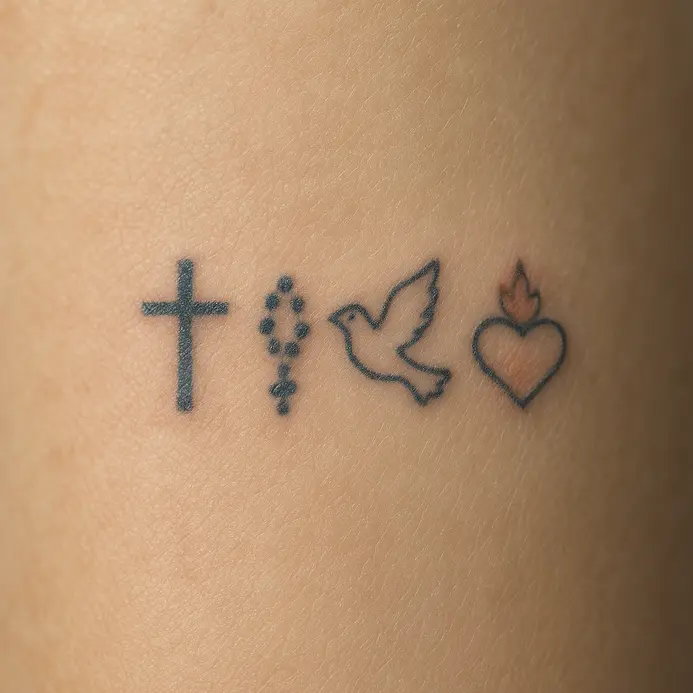
Confusion naturally arises when some traditions approve of ink while others forbid it, making a denominational policy review incredibly useful. This method clarifies whether is getting a tattoo a sin changes depending on specific group teachings. Checking official statements on scripture interpretation and social ethics brings direct clarity. I love how this approach cuts through mixed community opinions by going straight to published guidelines. You discover perspectives that truly align with your own journey rather than accepting broad generalizations. Give it focused attention and feel that uncertainty fade.
9. Separate Ancient Paganism from Modern Taboos
The terms pagan and sinful frequently get tangled together. Untangling them clarifies the modern debate by showing ancient nature-based spiritual traditions operated distinctly from later religious prohibitions found in the Old Testament law. Understanding this difference prevents historical confusion. Ancient practices often focused on community connection or healing rather than universal darkness. Recognizing this reveals whether objections stem from early belief systems or later cultural shifts, helping many realize is getting a tattoo a sin heavily depends on historical framing. Marking skin with tattoos representing healing often feels sacred when viewed through this clearer lens. This distinction matters because it separates inherited fear from actual doctrine. Feel the weight of centuries dissolve as you recognize the timeline of these beliefs, including the use of tattoo marks in spiritual practices.
10. Reflect on Resurrection and Burial Considerations

Wondering how your physical journey continues after life naturally brings resurrection and burial concepts into the conversation. These beliefs shape how many view bodily sanctity and directly connect to permanent ink choices. The underlying question ties deeply to eternal hope. World religions hold varied views ranging from physical restoration to spiritual transformation. Those expecting literal bodily resurrection often consider is getting a tattoo a sin while weighing temple sanctity against personal expression. Traditional burial customs reflecting earth’s embrace demonstrate profound respect for the physical vessel. Understanding these theological perspectives aligns your creative choices with foundational life beliefs. Feel the quiet certainty that comes from thoughtful reflection on life, death, and eternity, as taught by Jesus.
Reflecting on Personal Beliefs and Faith Practice
Your final decision should align with peace before God rather than external approval. Weighing scripture against personal conscience forms that choice, keeping you from letting social pressure dictate a deeply private commitment to faith. Discussing your thoughts with a trusted mentor brings needed clarity. Remember, the goal draws you closer through authentic practice rather than guilt-driven obligation. Take your time, and let genuine conviction guide your path.
Conclusion
Your spiritual journey belongs uniquely to you, and exploring whether is getting a tattoo a sin deserves careful, peace-filled consideration. This process relies less on finding a rigid universal rule and more on listening to your own conscience, shaped by scripture and trusted community. My best advice points toward open conversations with a faith leader or a wise friend who understands both your artistic heart and your spiritual depth. Let your final choice flow from quiet certainty rather than outside pressure. The most meaningful marks remain etched deeply in the heart rather than displayed on skin. Whatever direction you take, walk forward with clear purpose.
FAQs
Q: Is getting a tattoo a sin according to the Bible?
A: The Bible does not give a single, explicit command that directly answers whether it is always a sin to get tattoos; passages like the book of Leviticus contain phrases such as “you shall not make any cuts on your body for the dead or put tattoo marks,” which some interpret as a clear law against tattoos, while others view it as a culturally specific prohibition tied to pagan practice and ritual mourning for the dead. Whether getting inked is a sin often depends on motive, context, and one’s faith tradition.
Q: Do Christians have freedom to get tattoos or is it prohibited?
A: Many argue Christian freedom allows followers of Jesus to get tattoos if their conscience is clear and the motive is not idolatry; others emphasize obedience to biblical instructions and caution that Christian freedom should not lead to causing another to stumble in fellowship. Ephesians and New Testament teachings on liberty and love are often cited alongside calls to be fully convinced in your own mind about acceptable practices.


Q: What does the book of Leviticus mean when it says “do not cut your bodies” and “dead or put tattoo marks”?
A: The Leviticus instructions about cutting your bodies and not putting tattoo marks were given within a specific covenant context to the Jews and were likely meant to instruct Israel to avoid pagan rituals that sought to appease spirits or honor the dead. Many scholars say these laws were fulfilled or reinterpreted in light of the New Covenant, but others hold to a strict, biblically literal reading and apply the prohibition today.
Q: Can getting a tattoo be considered idolatry or a pagan practice?
A: A tattoo becomes idolatry if it honors or represents something that replaces God in someone’s heart; historically some tattoos and markings were connected to pagan practices. If the image or intent is to worship or appease other gods, it would be clearly problematic for followers of Jesus. Neutral or Christ-centered tattoos are judged differently by different churches.
Q: Is there any New Testament passage that explicitly instructs Christians about tattoos?
A: The New Testament does not explicitly mention tattoos; passages in Ephesians and other letters focus more on motives, love, and conscience. Some reference traditions or metaphors like a name written or robe and on his thigh from Revelation to show Christ’s identification with his followers, but these are not direct instructions about body art. Believers are encouraged to be guided by motive, Christian freedom, and the glory of God.