
Neurological Foundations for Intentional Creative Habits
Practicing drawing for 20 minutes daily physically changes the structure of your brain, increasing gray matter density in areas linked to memory and motor control. This is neural plasticity in action, and it is the foundation for building any creative skill. The importance of art and creativity shows up here as a deliberate intellectual exercise, a workout for your mind. You are forging new connections between neurons each time you engage in iterative practice. This consistent cognitive effort directly improves your problem-solving ability. Think of it as building a stronger, more resilient network for all your thoughts, not just your art.
Psychological Indicators of Creative Blockages
Feeling stuck often starts with a subtle spike in your cortisol levels, putting your brain into a rigid, convergent thinking mode. You will notice your ideas feel predictable and your inner critic gets loud. Recognizing the importance of art and creativity helps you spot when your inner critic gets loud and ideas feel predictable. This state is the opposite of the open, Divergent thinking is essential for engaging in creative activities that lead to innovative outcomes. needed for original work. The thing is, your brain is trying to solve the problem by narrowing its focus, which is the exact wrong approach. A mindful engagement with your materials, focusing on texture or color without a goal, can break this loop.
1. Use Artistic Expression to Regulate Your Emotions
Ever feel a strong emotion and not know what to do with it? I love how the importance of art and creativity gives you a direct outlet for that feeling. The process starts with simply naming your emotion, like frustration or joy. Then, you pick a medium that feels right. Grab a pencil and paper, put on some music, or move your body. The goal is not to make a masterpiece, but to let the feeling flow out through your hands or voice. Focus on the sensory act of creating. Scribble hard, choose a color that matches your mood, or write without stopping. This non-verbal process helps you process feelings that words cannot capture. It leads to a mindful state and provides a genuine sense of release. For a simple way to get started with painting, you can get started with painting right away. Remember, your emotional well-being improves through the act itself, not the final product. Trust me, letting go of judgment is the most important step.
2. Apply Creative Problem Solving for Cognitive Benefits
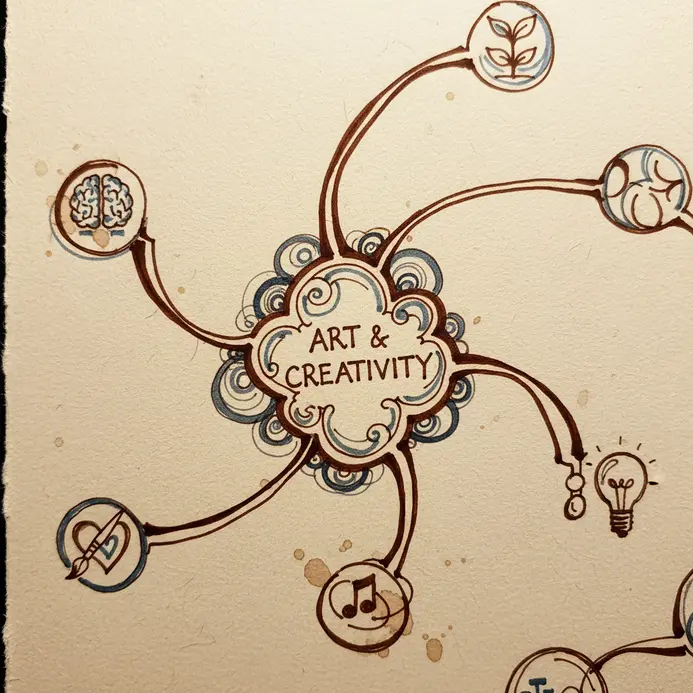
Did you know playing with art can literally rewire your brain for better thinking? The structured approach of art education promotes skills that enhance creativity and imagination. Creative Problem Solving is your secret tool. Grasping the importance of art and creativity means knowing it is a full brain workout that trains you to think more clearly. You start by clarifying the actual challenge you are facing, then you let your imagination run wild in the ideation phase. This is where you build your divergent thinking muscles. Next, you switch gears to evaluate and refine your best options, which sharpens your critical thinking and enhances your creativity and imagination. Finally, you put a plan into action and reflect on what you learned. Trust me, this process boosts your mental flexibility and self-awareness in ways that translate to everything you do, especially in art therapy. Try it with your next creative project and feel your mind become more agile.
3. Build Critical Thinking Skills Through Creative Practice
Ever feel like your brain gets stuck in a rut, thinking the same way about the same problems? This is where understanding the importance of art and creativity becomes your secret weapon for sharper thinking. When you draw, paint, or even doodle, you are not just making something pretty. You are constantly making decisions, solving visual puzzles, and questioning your own first ideas. You will start to challenge your assumptions naturally. That initial sketch might not work, so you analyze why and try a new approach. This iterative process of making, evaluating, and refining directly builds your problem-solving abilities. It forces you to weigh options and see things from different angles, which is the heart of clear, objective analysis. I love how this turns a fun activity into serious mental training. The best part? You develop these critical skills without it feeling like a chore. To put this into action, you can begin your drawing journey with simple exercises that immediately get you thinking in new ways.
4. Achieve Personal Growth by Supporting Neuroplasticity
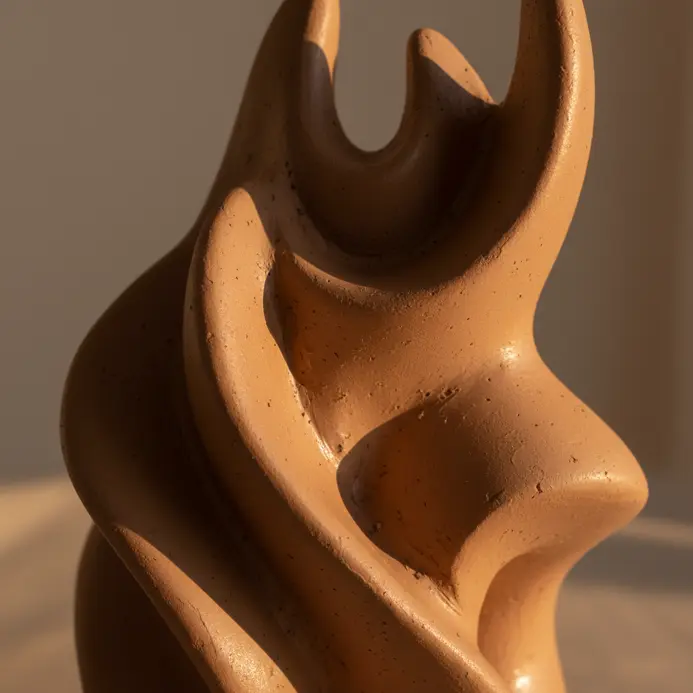
Ever felt like your brain is stuck in a rut? It is not. Your brain is built for change through neuroplasticity, its lifelong ability to rewire itself. This is the engine for learning, habit building, and emotional growth. I love that seeing the importance of art and creativity helps you realize you are never too old to learn a new skill or shift your mindset. How does it work? It thrives on focused practice and novelty. Learning something new, like a musical instrument or a language, sparks fresh neural connections. Consistency matters more than intensity, so regular, small efforts add up. For a fun and accessible way to spark this creative rewiring, you can always explore doodle art creativity. Do not overlook the basics. Quality sleep, good nutrition, and physical exercise are the essential fuel for your brain’s adaptability. By engaging your creativity, you are actively sculpting a more resilient and capable mind.
5. Capture Cultural Stories to Preserve Social Cohesion
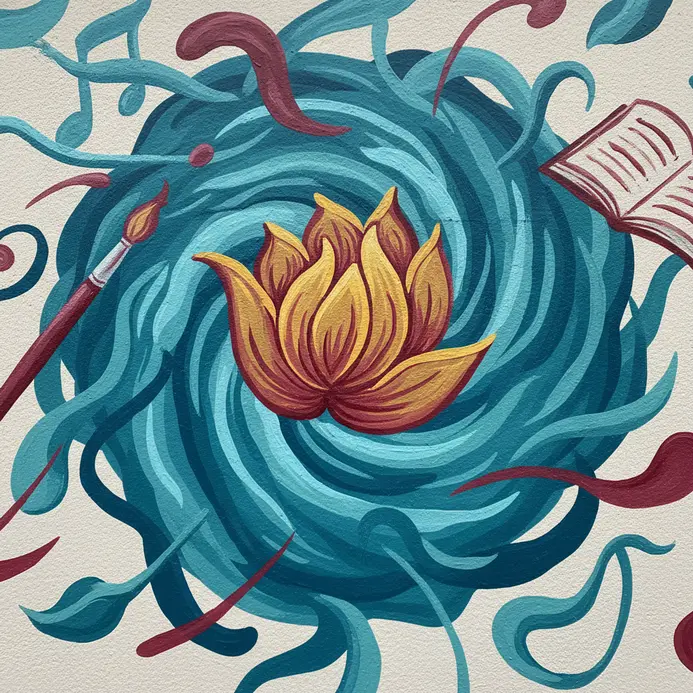
Have you ever wondered what truly holds a community together through change? It is not just laws or buildings, but the stories we share. Acknowledging the importance of art and creativity makes capturing cultural narratives a profound act of preservation that strengthens shared identity and builds bridges of empathy. This works beautifully through simple, authentic projects. You can start a local oral history project by recording elders sharing family traditions. Organize a community story circle where people feel safe to share personal experiences. These collected tales become a living archive, passing values and resilience to the next generation. It is deeply satisfying because you are not just documenting history, you are actively weaving the social fabric. Trust me, seeing a community’s diverse stories reflected in a mural or a digital archive fills you with hope.
6. Drive Professional Innovation with Creative Thinking
Ever feel like your team is stuck on the same old solutions? Professional innovation is not just about inventing new products. It is about applying the importance of art and creativity to transform processes, services, and even your entire culture for a competitive edge. The key is fostering an environment that encourages creativity and imagination. innovation-friendly culture Where psychological safety lets ideas flow without fear, allowing for true creative expression. Leaders must champion this mindset, and diverse teams are crucial for generating those breakthrough concepts. To make it happen, you need specific techniques. I love using the SCAMPER method as a structured checklist to ask questions like, “What can we substitute or combine?” Brainstorming sessions are great, but try brainwriting where everyone writes ideas down silently first to ensure all voices are heard. This structured approach turns abstract creativity into tangible, professional results. For a fresh perspective that fuels this kind of thinking, you can always discover aesthetic drawing inspiration to see problem-solving from a new angle.
7. Create Nonverbal Bridges to Foster Human Empathy
Ever felt a connection with someone without a single word being spoken? That is the power of nonverbal communication, the silent language of empathy. It works because many cues, like a genuine smile or a concerned frown, are understood almost everywhere, and they often feel more authentic than words. You can build these bridges intentionally. Recognizing the importance of art and creativity helps you start with sustained eye contact to show you are present, aiming for a few seconds of soft gaze. Pair that with open body language, leaning in slightly and keeping your arms uncrossed to signal your full attention. This creates a sense of shared experience in art education, where creativity thrives. Why does this simple shift matter so much? It lets you build rapport and understanding on a deeper, more human level. Try it and feel how a more compassionate connection forms.
8. Practice Mindful Creativity for Direct Stress Reduction
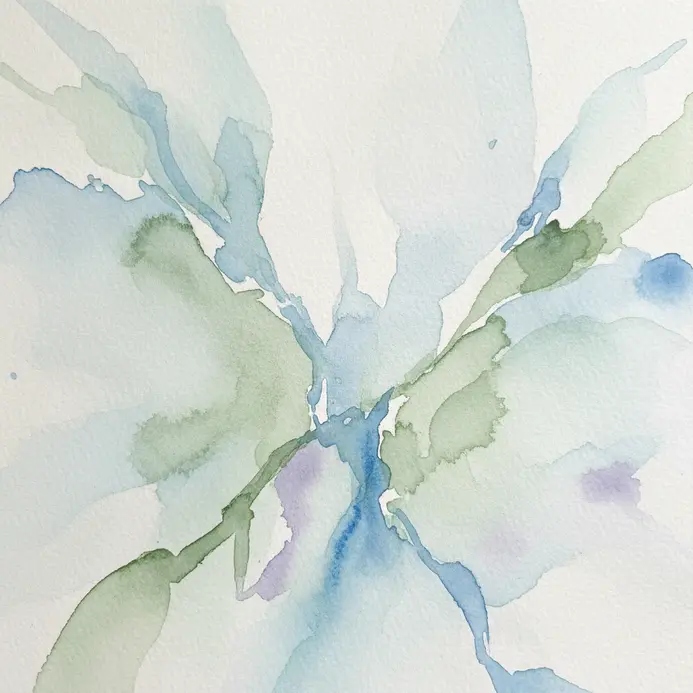
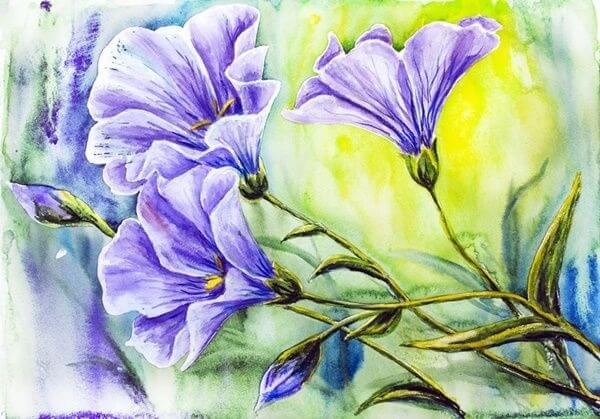
Ever notice how your mind quiets down when you are fully absorbed in a simple drawing? That is the power of mindful creativity. Experiencing the importance of art and creativity turns the process into a direct path to calm by letting go of any need for a perfect result. The core idea is simple: engage your senses in the creative process. Try mindful doodling With just a pen and paper, feeling the movement of your hand and watching shapes emerge without a plan can be a powerful form of self-expression. Or, you can focus on the fluid blend of colors with some watercolors to enhance your creative expression. This sensory focus pulls your mind away from worries and into the present moment. It works because this gentle attention activates your body’s natural relaxation response, lowering your heart rate and easing tension, much like engaging in art therapy. If you are looking for a structured yet soothing place to begin, I recommend you start acrylic canvas painting with simple, forgiving techniques. Feel the stress melt away as you create.
9. Develop Fine Motor Coordination with Detailed Artwork
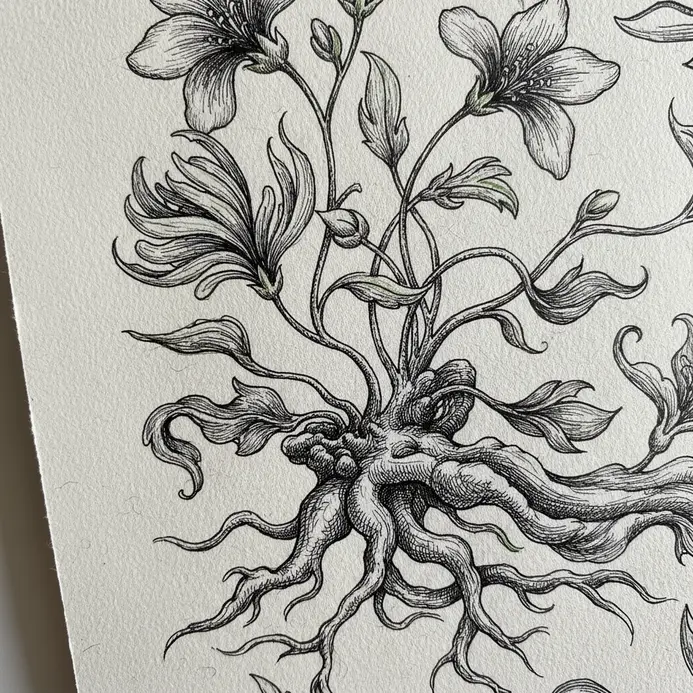
Ever notice how your hand feels more in control after carefully filling in a small, intricate pattern? That is your fine motor skills getting a workout. Understanding the importance of art and creativity shows how using a fine-tipped pen for exercises like drawing uniform rows directly strengthens small hand muscles. Focusing on these detailed movements also trains your hand-eye coordination. You learn to translate what you see into exact, controlled motions. The payoff is a noticeable boost in dexterity for all sorts of daily tasks, not just your art. For a relaxing way to practice, you can Try easy watercolor techniques to enjoy art in a simple yet fulfilling way. with a tiny brush. Start with simple shapes and patterns. You will feel a real sense of accomplishment as your lines become steadier.
10. Foster a Lifelong Habit of Curiosity and Learning
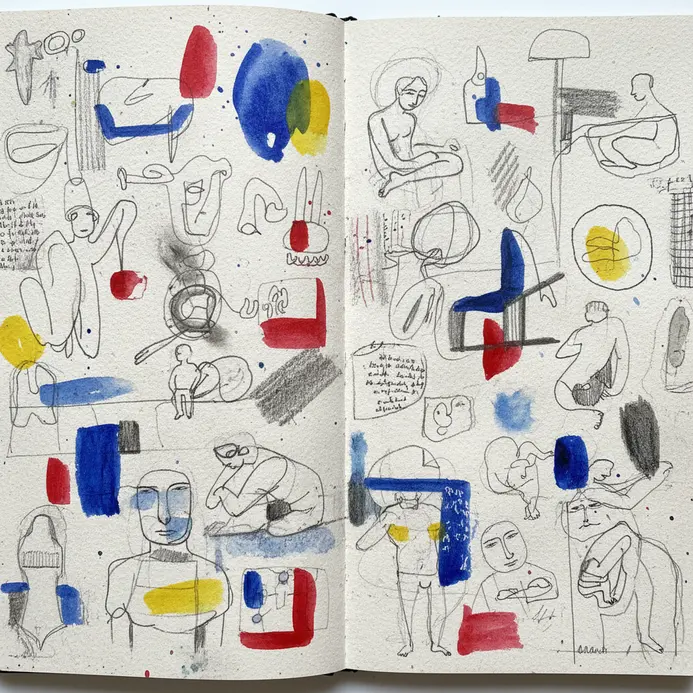
Ever feel like your creative spark needs a fresh log on the fire through engaging in creative activities? The best way to keep it burning is to nurture your own curiosity forever through creating art. Think of it as your artistic superpower. The importance of art and creativity means approaching a blank page with a genuine question instead of a plan, embracing the power of art. Ask ‘why’ things work a certain way or ‘what if’ you tried a new method. This means actively seeking new experiences and diverse information, from a documentary on a culture you do not know to a book on a subject you have never explored. Try learning a new practical skill completely outside your usual wheelhouse. It is not about becoming an expert in everything, but about letting that new knowledge cross-pollinate with your art. That is the real payoff. Every new thing you learn becomes a potential ingredient for your next project, keeping your mind agile.
Integrating Habitual Creative Cycles Into Daily Logistics
Schedule your creative time first, treating it with the same non-negotiable priority as a doctor’s appointment or a work deadline. Embracing the importance of art and creativity means you protect this block in your calendar before anything else gets added. The logistics are simple but critical. Keep a dedicated reflective journal beside your workspace to track your emotional complexity and progress. Write three sentences about the process, not the product, after each session. This habit creates a feedback loop that makes the practice sustainable. You are not just making art; you are collecting data on your own mental health and building stress resilience through a tangible, evidence-based routine.
Conclusion
Your creative impulses are far more than a hobby; they are a vital part of your personal toolkit for navigating life. The importance of art and creativity lies in its quiet power to reshape our inner world and our shared experiences. For your next step, choose one small creative act this week—sketch a thought, rearrange a shelf, or hum a new tune—and notice how it shifts your perspective. Making space for that process is how we build a more resilient, curious, and connected version of ourselves, one idea at a time.
FAQs
Q: What is the importance of art and creativity in everyday life?
A: Art and creativity play a vital role in everyday life by providing us with a sense of pleasure, allowing us to connect with different cultures and explore the depths of our emotions. Engaging with art helps us process difficult emotions, boosts creativity, and provides meaningful ways to express their feelings. Whether through a brushstroke in a painting or a digital art installation, art brings joy and emotional health into an ever-changing world.
Q: How does art help children’s learning and development?
A: Art helps children to develop cognitive abilities and problem-solving skills; studies have shown that creative activities support academically relevant skills, improve focus, and foster creative potential. Children’s learning benefits from visual arts and hands-on forms of artistic play that develop fine motor skills, encourage exploration in unique ways, and allow children to express their feelings and ideas.
Q: Can art improve mental health and reduce stress?
A: Yes—research shows that engaging with art can reduce stress and boost dopamine release, providing us with short-term relief and long-term emotional health benefits. Art also serves as a valuable tool for emotional regulation, helping us to explore difficult emotions and find meaningful ways to process trauma or anxiety, thereby improving overall health and well-being.
Q: What role does art play in social change and activism?
A: Throughout history, art has played a vital role in social change. Protest art, street art, and installations act as a powerful tool for activism by provoking thought, raising awareness and appreciation for issues, and allowing marginalized voices to express their perspectives. Art provides powerful, creative ways to bring attention to injustices and inspire collective action.
Q: How does engaging with visual arts and galleries enrich cultural understanding?
A: Visiting a gallery or exploring visual arts helps us connect with different perspectives and learn about cultural histories. Art allows us to appreciate the value of art from other societies, provokes thought about shared human experiences, and fosters empathy by showing how people from various backgrounds interpret the world in extraordinary ways.